Category: Fashion

Retail News Asia is committed to providing both local and global retailers with the latest Fashion news throughout the Asian market. This on a daily base.

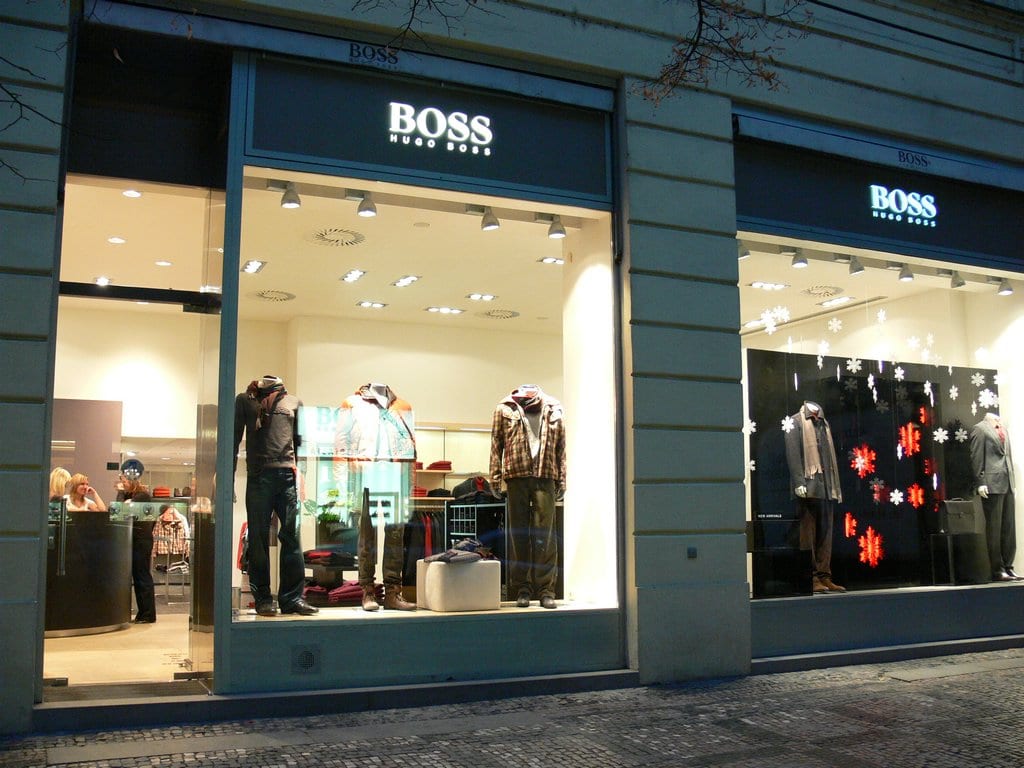
  • US, Asia weigh down Hugo Boss

    US, Asia weigh down Hugo Boss

    Deterioration of the market environment in Asia and a slowdown in the Americas weighed on sales and earnings performance of German fashion brand Hugo Boss in the third quarter of 2015

    The company said its sales were marked by “high levels of volatility” in the third quarter to September 30. The group’s own retail business in particular developed unevenly over the period.

    “While performance in Europe remained strong and in line with original expectations, momentum in Asia and the Americas deteriorated considerably towards the end of the period. This was due to sales declines in China as well as a negative development in the Group’s US own retail and wholesale businesses,” the company said in a statement.

    “Weaker demand from tourists contributed to the slowdown in the US.”

    Third quarter group sales declined one per cent, excluding currency effects. Expressed in euros, they increased by four per cent to euro 744 million. Own retail same store sales remained stable year on year in local currencies.

    “Due to particularly challenging sales trends in the group’s directly operated stores as well as continued investments in the medium- and long-term growth potential of Hugo Boss, EBITDA before special items declined by eight per cent to euro 168 million in the third quarter, on a preliminary basis,” the company reported.

    “In addition, the group’s financial result was impacted by a negative charge of around euro 16 million related to adverse exchange rate movements of the Brazilian Real and the Swiss Franc in particular.”

    In light of weaker than expected trading in the third quarter, the group now forecasts sales and EBITDA to both increase between three and five per cent on a currency-adjusted basis in the full year.

    “This outlook is based on the assumption that fourth quarter retail comp store sales will remain stable or develop positively compared to the prior year quarter.”

  • Mitra Adiperkasa to launch in Sri Lanka

    Mitra Adiperkasa to launch in Sri Lanka

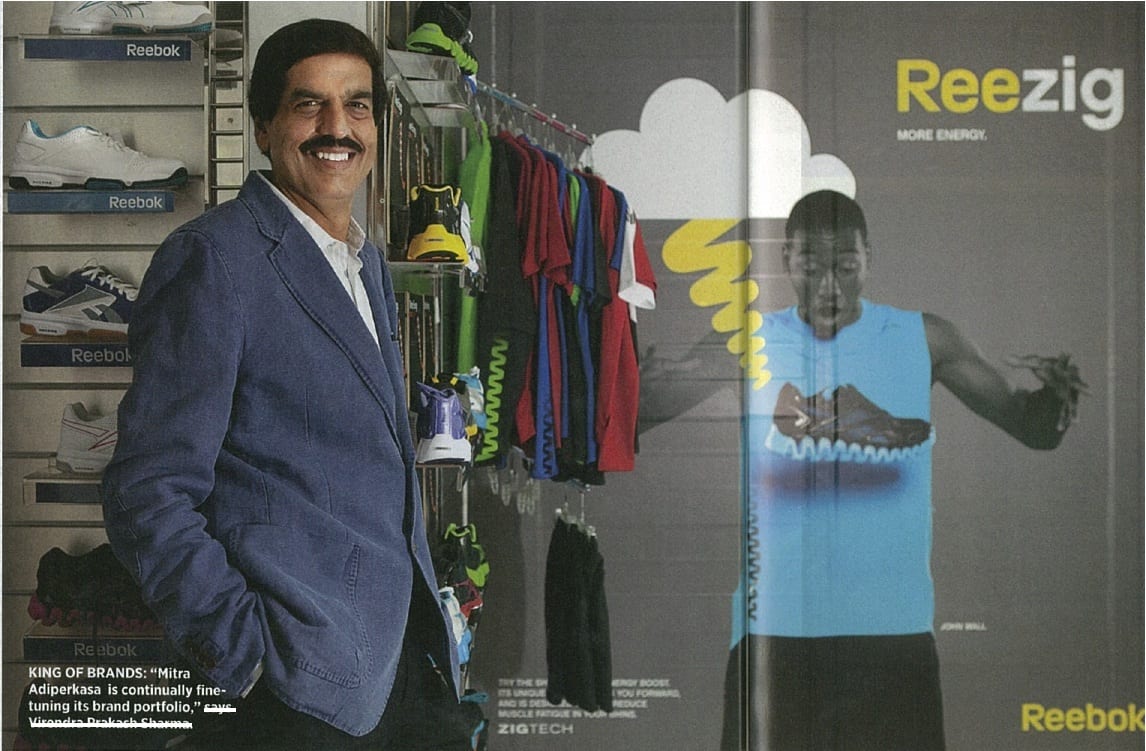
    Indonesian multi-brand retailer Mitra Adiperkasa is planning a foray into Sri Lanka, attracted by the opening economy and a growing middle class.
    Mitra Adiperkasa (MAPI) describes itself as a lifestyle retailer in its home market with retail businesses in the clothing, sportsgoods and toy categories as well as operating department stores, cafés and restaurants. It boasts 1900 stores, selling more than 150 brands and employs more than 23,000 people in 65 cities.

    MAPI operates Starbucks cafes across Indonesia and has the national Zara rights, among others.

    The Sri Lankan move was not announced by the company, instead revealed by Jatinder Biala, outgoing president of the Sri Lanka and Indonesia Business Council who identified MAPI as one of a group of Indonesian businesses interested in making the most of the opportunities opening up in the island nation.

    “They have already taken steps to promote their products in Sri Lanka,” Biala told a local newspaper. “Very soon they are opening a subsidiary in Sri Lanka.”

  • Grana Hong Kong, a store with no stock

    Grana Hong Kong, a store with no stock

    In this world of the digitally empowered consumer, is inventory a threatened species?

    Are classic retailer metrics such as stock hold, stock turn, stock intensity per square metre and working capital ratios yesterday’s news?

    After all what is a classic retailer’s largest cost of business? Well one could argue it’s inventory, certainly such that range, width of range, and its management is a strong determinant of both cash flow and profitability.

    Now a growing number of retailers are enhancing their offer by investing far less in inventory and far more in their digital interface, customer databases and social communities.

    Their advocates and fans are being increasingly conditioned and motivated to the customised offer that brings all channels to the fore. Not seeking to purchase on the spot, far more motivated by the various caches that a true digital-inspired omnichannel retail business offers. Aware that a physical store is crucial to the overall offer yet doing so in a way that maximises both the customer experience and resultant experience.

    Is this the store template of the future?

    Disrupting the standard retail format certainly seems to be on the agenda for many of today’s innovative fashion start-ups. Online retailer Kent & Lime have created a successful retail model out of providing online style advisors to hand select items in the right size and sent directly to your door. Your home becomes your personal fitting room where you have three days to try on your items, show your friends and then return those you don’t wish to keep, only paying for what you keep.

    Another success story in this area and a personal favourite of ours is Australian innovator Sneakerboy, as mentioned in previous posts. This week we visited another disrupter in this field, Grana.

    Aiming to combine the world’s best fabrics at disruptive prices, Grana is all about high quality garments at a lower price point. Founded in 2013, Australian-born Luke Grana, realised that achieving this goal meant re-thinking the traditional fashion business model, and focusing on ‘outstanding logistics’ rather than design, to give the fashion retailer an edge on the competition.

    Being based out of Hong Kong, the world’s largest logistics hub, allows the brand to ship internationally at almost the same cost of shipping locally in Australia with Australia Post. Working directly with fabric mills, all products are shipped direct to the warehouse and then straight onto the customer, cutting out the middle man, once again saving costs to provide ultimate savings to customers.

    Last year the core team members of the company, including founders Luke Grana and Pieter Paul Wittgen set up a shipping container pop up shop in and around Sydney, which reportedly was well received due to the quality of the products. They have now returned to Sydney’s Queen Victoria Building with a ‘zero-stock’ concept pop up store set to last until January 2016. When speaking of their first concept store in their channel in Hong Kong which followed a similar concept allowing customers to try on apparel and have their orders shipped to their door, founder Luke Grana said, “our customers can receive the tailored customer service and interaction that only a brick and mortar location can provide, but with the ease of online purchasing.”

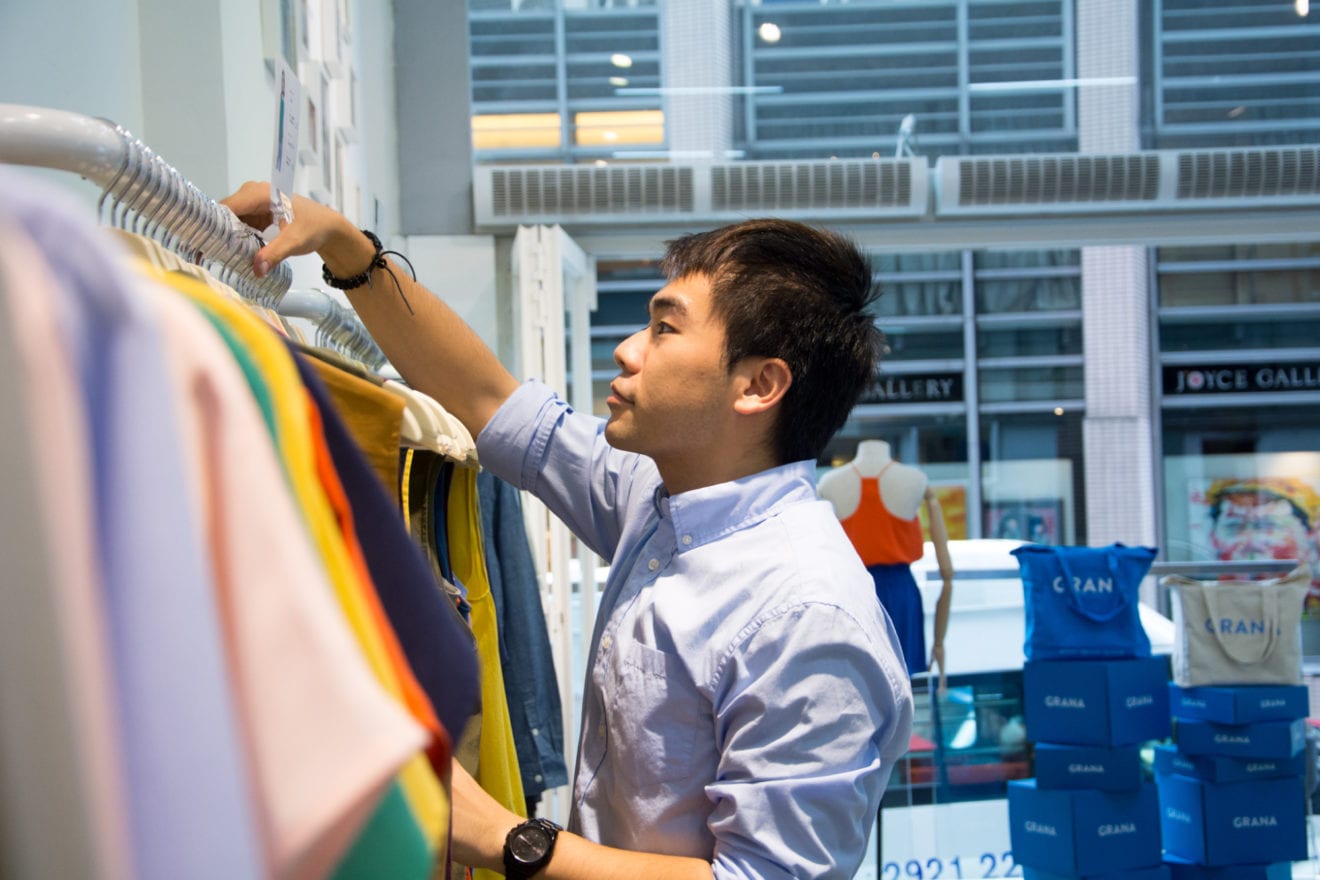
    The Sydney store this weekend was buzzing, with consumers naturally adopting the new way of shopping. While some were a little confused at first, while we were in the store, once the concept was explained by an approachable and enthusiastic team member, all customers were taking items to the fitting rooms, and exploring the full range on the instore computers. The garments were attractively displayed within their styles, with place cards detailing where the fabrics had been sourced. From Peruvian Pima t-shirts priced at $22, to Chinese Silk Dresses from $99, it is refreshing to have such a transparent view of the supply chain communicated through the store experience.

    We are interested to see what the future holds for Grana, and whether we may begin to see more Australian retailers start to adopt this model of retailing in the future.

  • Western retail giants restrict travel to Bangladesh after attacks

    Western retail giants restrict travel to Bangladesh after attacks

    Business executives from global clothing giants H&M Inditex and Gap have canceled trips to Dhaka this month after the killings of two foreigners, industry sources said, causing anxiety for Bangladesh’s $25 billion garment export sector.

    Bangladeshi suppliers to the world’s top brands said they didn’t expect the disruptions to hurt their orders for the year-end Christmas season.

    But the attacks, claimed by the Islamic State, increase the pressure on an industry which faces competition from other low-wage countries and is trying to repair its safety image after several fatal accidents.

    The United States and Canada have asked their diplomats to restrict their movements, and Britain warned of more attacks after an Italian aid worker and a Japanese man were shot dead a few days apart. Australia canceled a cricket tour.

    Bangladesh’s government, however, rejected the claim by the Islamic State and blamed the growing violence in the country on its domestic political opponents trying to show it in poor light. The attacks on foreigners, while rare, follow the killings of four Bangladeshi bloggers this year by machete-wielding assailants, and have spawned fear among the foreign community.

    Shahidullah Azim, a garment exporter who supplies to Sears, Loblaws and Perry Ellis among others said one of his buyers asked him to come to Dubai instead, along with the clothing samples.

    Other foreign business executives asked for video conferences with their Bangladeshi counterparts, saying they couldn’t travel to Dhaka because of the warnings issued by their governments.

    “We are monitoring the situation in Bangladesh closely and we are taking the appropriate security measures. We are also in close dialogue with other brands regarding the situation,” H&M spokeswoman Anna Eriksson said.

    Marks & Spencer said the firm stopped travel to Bangladesh for seven days a few weeks ago. Travel has since resumed, a spokeswoman said, and added there was no impact on business orders.

    MASKED MEN ON BIKES

    Bangladesh has deployed paramilitary soldiers on nighttime patrols in the diplomatic quarter of Dhaka and issued a nationwide ban on people riding pillion after the two attacks were carried out by masked men riding bikes.

    Home Minister Asaduzzaman Khan, who has dismissed claims that the Islamic State was operating in the Muslim majority country of 160 million, said on Wednesday that police were close to a breakthrough on the killings.

    “We have taken these attacks very seriously. We won’t spare the killers,” he said.

    Prime Minister Sheikh Hasina has blamed the rising tide of violence on the opposition Bangladesh Nationalist Party and its key ally, Jamaat-e-Islami, many of whose leaders are being prosecuted for war crimes during the 1971 war of independence.

    The opposition denies any involvement.

    A Dhaka-based garment manufacturer said the government had increased security in the area where foreigners lived, police had spoken to them and confidence was returning. Business was strong, but if there is another attack on a foreigner, it could hurt the sector.

    Azim warned of an even broader impact. “If this Islamic State issue persists for long it will not only hurt our businesses, it will destroy the country’s image,” he said. “The government should act promptly to bring the perpetrators to justice and let the world know that Bangladesh is safe.”

    The readymade garments industry is the economic lifeblood of the country, employing around 4 million people, most of them women. It is in the midst of a massive safety overhaul after the collapse of the Rana Plaza in 2013 in which more than 1,100 workers were killed and exposed the unsafe working conditions.

    In recent years, Bangladesh has also faced competition from Vietnam, Cambodia and Myanmar, although its wages remain low.
     

  • Burberry shares down 12% following China slowdown

    Burberry shares tumbled 12 per cent, the largest drop in three years, as theluxury group warned that its sales had been hit by a slowdown in China.

    In an example of how the global luxury market is struggling, Burberry said that retail sales were affected by “an increasingly challenging environment for luxury, particularly Chinese customers”.

    Total retail sales grew just 2 per cent to £774 million in the six months to the end of September, while like-for-like sales slowed to 1 per cent. Crucially, in the Asia Pacific area, sales experienced a “mid-single digit percentage decline” while “Hong Kong

  • Bauhaus sales slide

    Bauhaus sales slide

    Denim retailer Bauhaus International says its same-store sales in Hong Kong and Macau fell seven per cent in its second half year to September 30.

    The Hong Kong-listed street fashion retailer had 211 self-managed stores at the end of the first half year – 96 in Taiwan, 86 in Hong Kong and Macau and 29 in the mainland.

    Bauhaus International told the told the Hong Kong Stock Exchange that its same-store sales generally had slipped eight per cent overall.

    It has not released same store sales data.

    The company sells a range of imported denim and t-shirt brands including Desigual, Evisu, Superdry, True Religion and Red Pepper.

  • Roger Dubuis Hong Kong plans more Macau stores

    Roger Dubuis Hong Kong plans more Macau stores

    Luxury watch brand Roger Dubuis says it will open more stores in Macau and Hong Kong despite the recent contraction of the market.

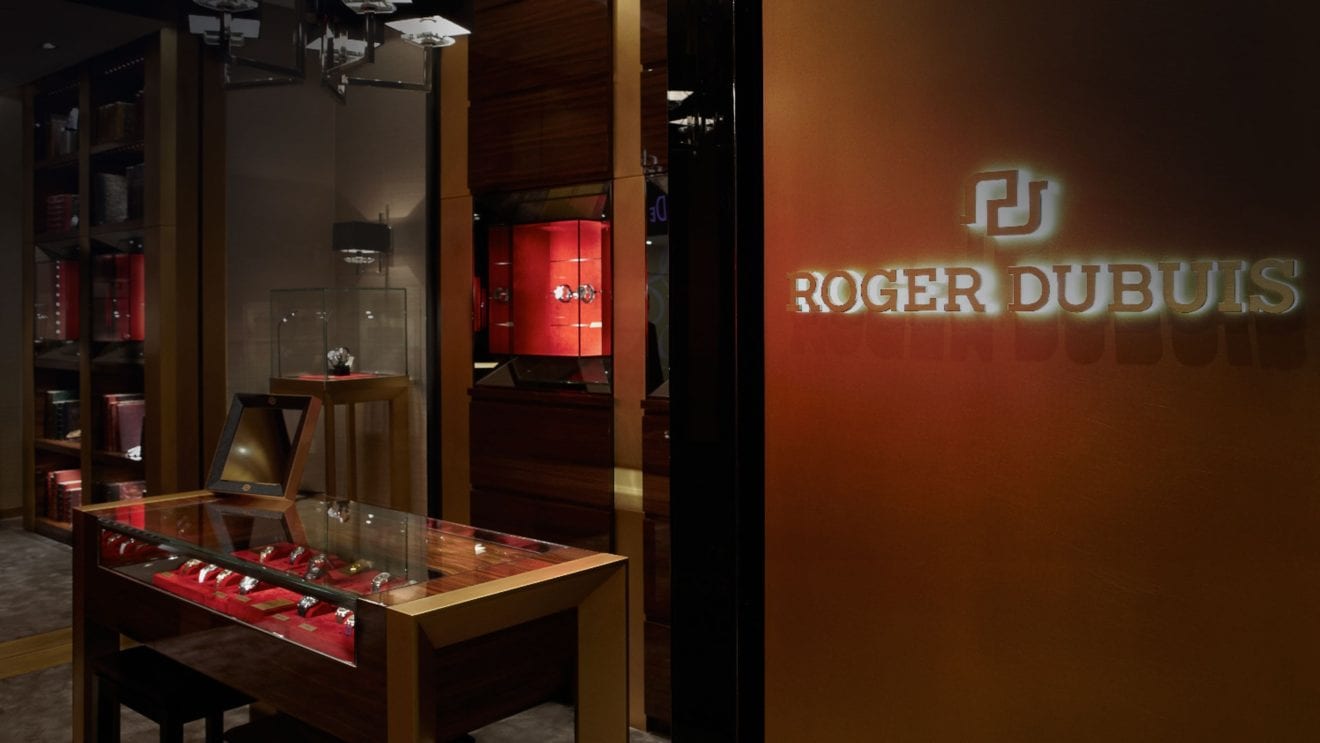
    Roger Dubuis Hong Kong has four stores and there are a further three in Macau. The Swiss brand debuted here in 2000 and is aiming to be one of the world’s top five luxury watch retailers by 2020.

    Despite price tags ranging from HK$150,000 to HK$10 million, Roger Dubuis is unconcerned by the broader trend and is eyeing the longer term growth opportunity in the SARs and the mainland as the number of Chinese with high disposable income grows.

    Two new stores will open in Macau next year and potentially another in Hong Kong.

    CEO Jean-Marc Pontroué told the Hong Kong Economic Journal a new store will open in Nanjing in the mainland next year as well. That follows the opening of its first mainland store in Beijing last July.

  • Victoria Beckham Hong Kong confirmed

    Victoria Beckham Hong Kong confirmed

    Former Spice Girl Victoria Beckham has confirmed her second fashion store will open in Hong Kong early next year.

    Beckham, wife of the famous footballer and fashion celebrity David Beckham, is now a fashion designer. She opened her first flagship store in London and is so pleased with its trading has committed to a second in Hong Kong.

    “Our next store will be in Hong Kong in the first half of next year, which I am incredibly excited about,” she said in an interview published in the UK over the weekend.

    Beckham, 41,  says her store will cater for every level of shopper – it will not be an exclusive designer boutique.

    “I’ve always wanted people to be able to come to the store, whether it was just to browse, look at the architecture, buy a key ring or a full runway look. I have the most phenomenal shop staff.”

    Beckham has two ranges: The original Victoria Beckham collection and VVB, a a newer sister range she is now expanding.

    “The VVB collection actually merged with denim this season for the first time as a result of really listening to my customer and understanding that the two categories belong together.”

  • On Pedder Opens Concept Store In Singapore

    On Pedder Opens Concept Store In Singapore

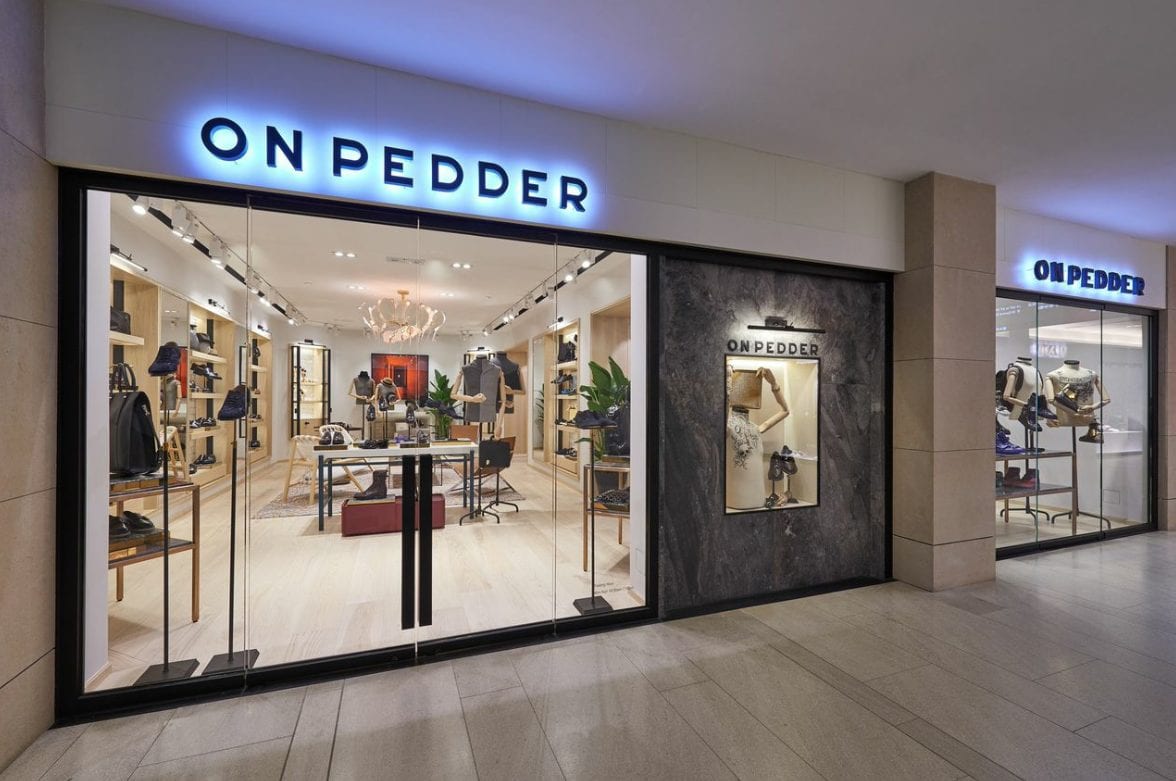
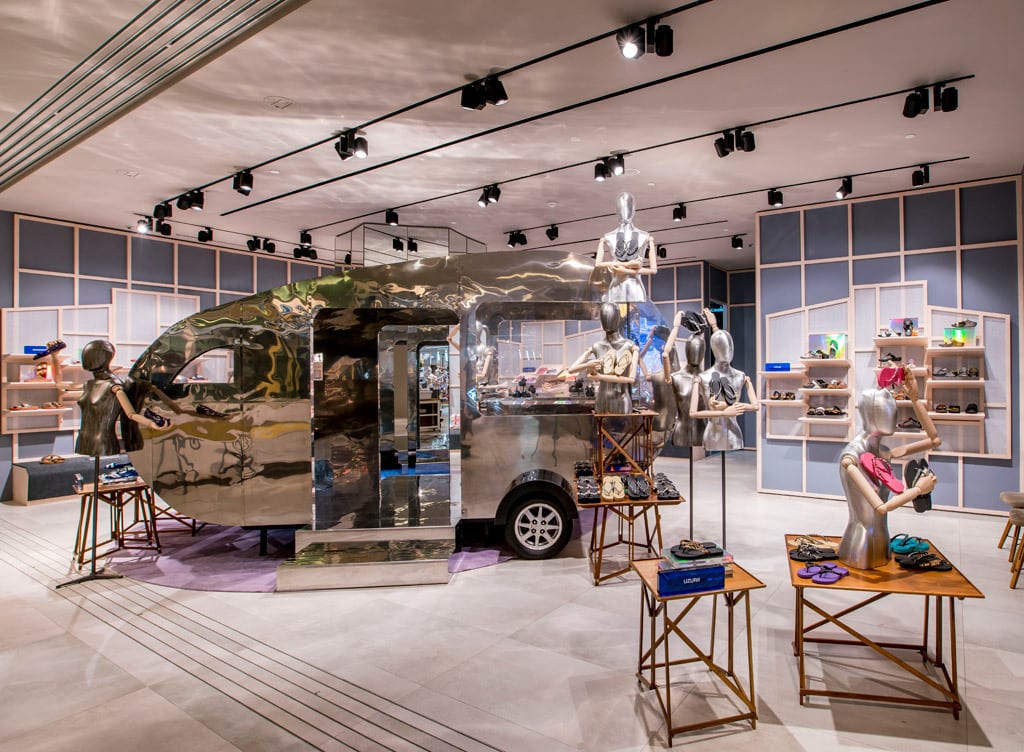
    The company launched a fresh concept there this month, called Pedder on Scotts. At 20,000 square feet, it’s the retailer’s largest store to date. Peter Harris, Pedder Group’s president, said the company’s vast knowledge of the region, coupled with consumer demand for more shoe options, spurred the retailer to make a significant statement.

    Pedder on Scotts Singapore

    The store was designed by North America- based architect Abraham Chan and Raymond Chan of Hong-Kong based PLY Union.

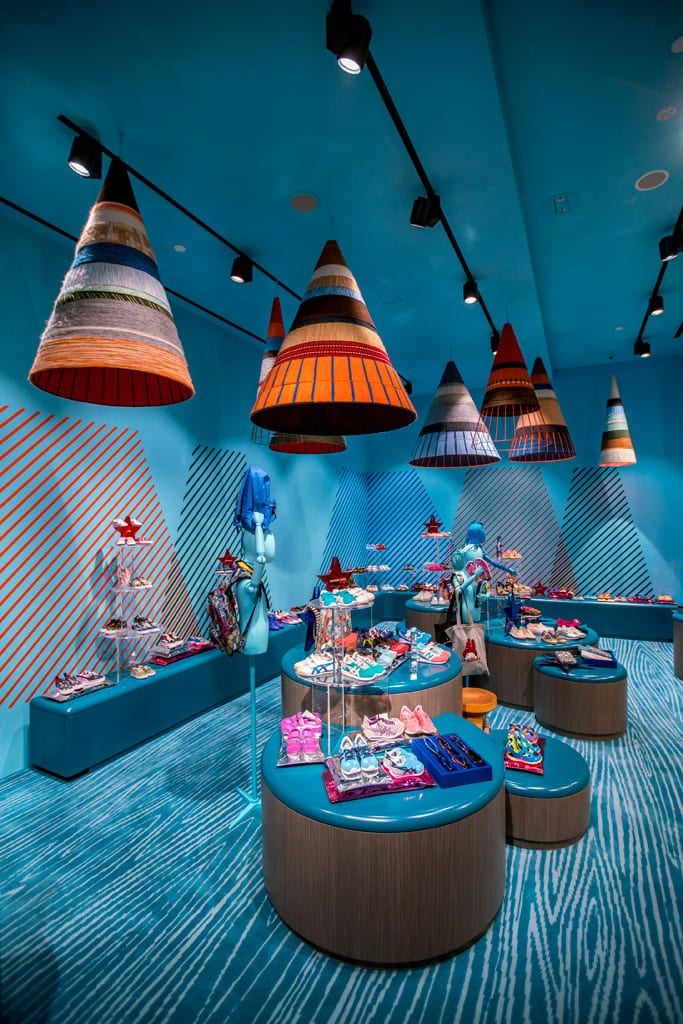
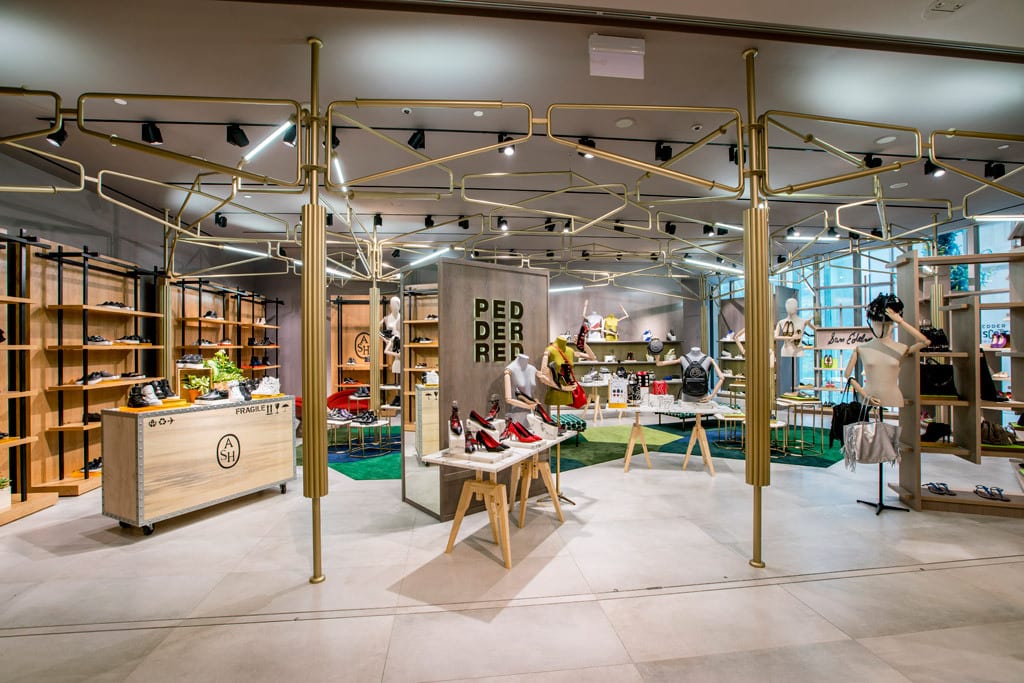
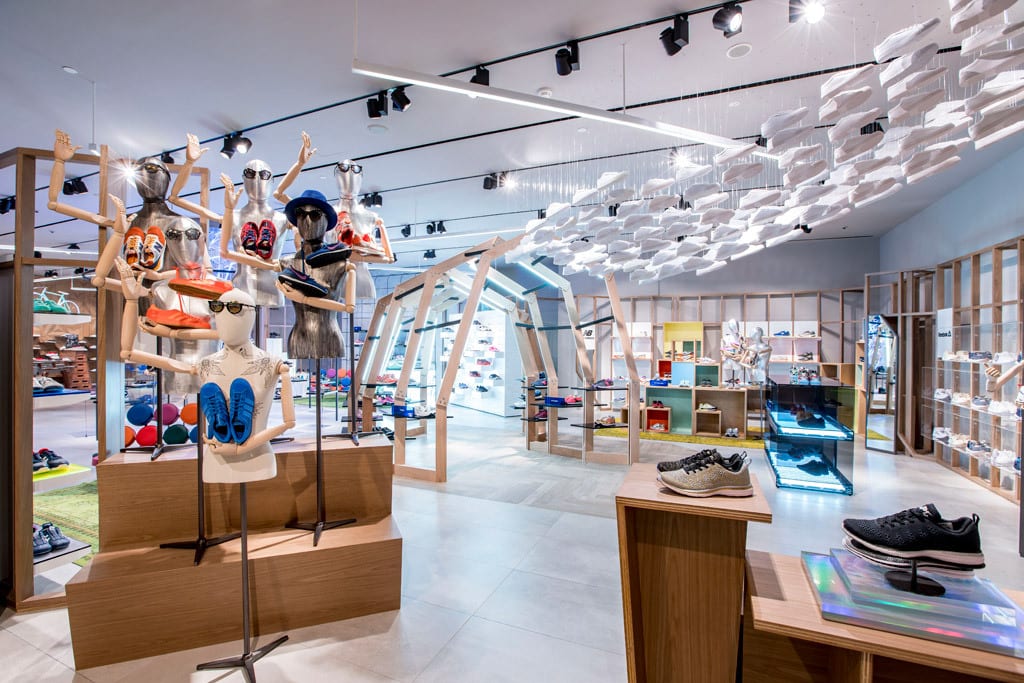
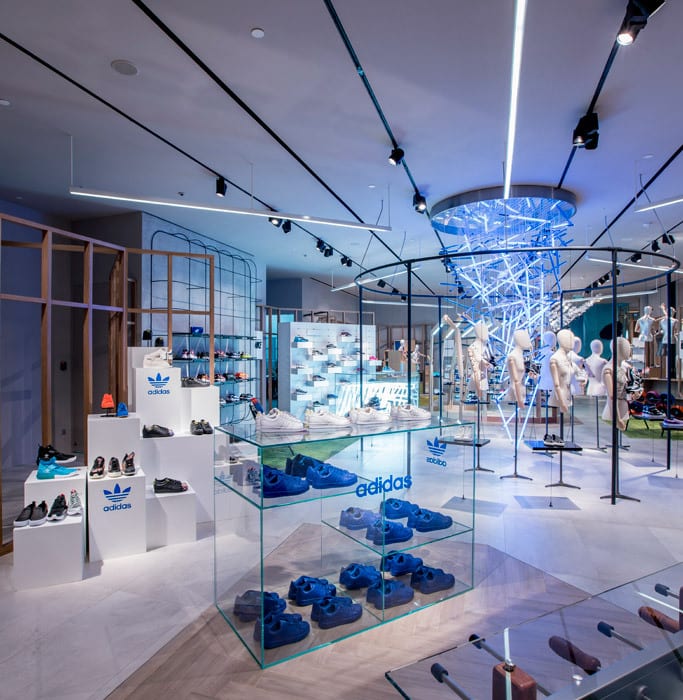
    Its five curated sections are On Pedder (designers such as Aquazzura, Nicholas Kirkwood, Charlotte Olympia, René Caovilla and Sophia Webster, all of whom will have exclusive styles at the store); On Pedder Men (Alexander Wang, Common Proj- ects, Lanvin and Giuseppe Zanotti); New Generation (contemporary brands such as Ash and Sam Edelman); Weekend & Sports (Havaianas, Birkenstock, Adidas, Superga) and Cool Kids (children’s brands such as Stuart Weitzman and Akid).

    “As a brand, we stand for whimsy, creativity and excitement. … What a perfect marriage with the new environment at Pedder on Scotts,” said Sam Edelman, designer, founder and division president of the Sam Edelman division at Caleres. “We applaud Peter for his forward thinking and courage in the retail environment.”

    Pedder On Scotts Singapore

    In addition to its core brand mix, the store will offer a rotating selection of pop-up kiosks that change every few months to showcase new labels and collaborations. “Presenting each category in a zone, with dedicated square footage, appropriate visual merchandising and skilled team coverage, allows us
    to develop a sense of specialty, amplify- ing each category,” said Harris.

    To celebrate the launch, Nicholas Kirkwood joined the team in Singapore for a big opening event last week to present his 10-year anniversary capsule collection. Singapore-based artist Theseus Chan contributed visual graphics for the soirée.

    “Pedder Group has partnered with Nicholas since the beginning of his career, hosting him several times in Greater China and Southeast Asia, so he was an obvious choice to celebrate with,” said Harris. “He has a strong customer following here, and we were eager to represent him in the market.”

    Pedder on Scotts will continue to generate buzz via additional designer appearances over the next few months, including Athletic Propulsion Labs co-founders Adam and Ryan Goldston, René Caovilla and Paul Andrew.

    Pedder On Scotts Singapore

    While Pedder Group is forging ahead with growth initiatives, the overall market in Asia has experienced financial struggles and turmoil.

    “The last 12 months have been quite challenging in Asia with regard to the China economy, political uncertainty, currency devaluation, property-value adjustment and stock-market repositioning,” said Harris. “That has been amplified by the decrease in value of the euro and the yen, which has made purchasing in those markets attractive.”

    Pedder on Scotts SingaporePedder on Scotts.
    Courtesy of company

    In fact, those issues could give the store an even better opportunity to stand out.

    “The Singapore retail landscape is dominated by shopping malls, all concentrated on Orchard Road, with duplicate brand offerings,” said Harris. “The department-store model [delivers] brand adjacencies that tend to be quite non-aligned — there is no single service offer, as the individual concessions are responsible for [their own] staffing, with marketing focused on price promotion.”

    Plus, Pedder on Scotts is banking on the opportunity to highlight an important market: the athletic category.

    “For the last five years, in line with global trends, we have taken a strong position in developing the sports-and-lifestyle component. Dedicated space, as well as a collaborative process with major brands, have been key to delivering customers a new product choice,” said Harris.

    Pedder on Scotts Singapore

    Looking ahead, the Pedder Group will roll out similar concepts at some of its Lane Crawford stores in Hong Kong and China, where footwear square footage ranges from 25,000 square feet to 35,000 square feet. “We will be using some of the formats we have developed for Pedder on Scotts in Singapore at our existing locations. We have also been approached by a number of Chinese developers [about] presenting this format in China, which will be reviewed following our first year of operation [in Singapore],” said Harris.

  • Stradivarius launches the chain’s new website in China – stradivarius.cn

    Stradivarius launches the chain’s new website in China – stradivarius.cn

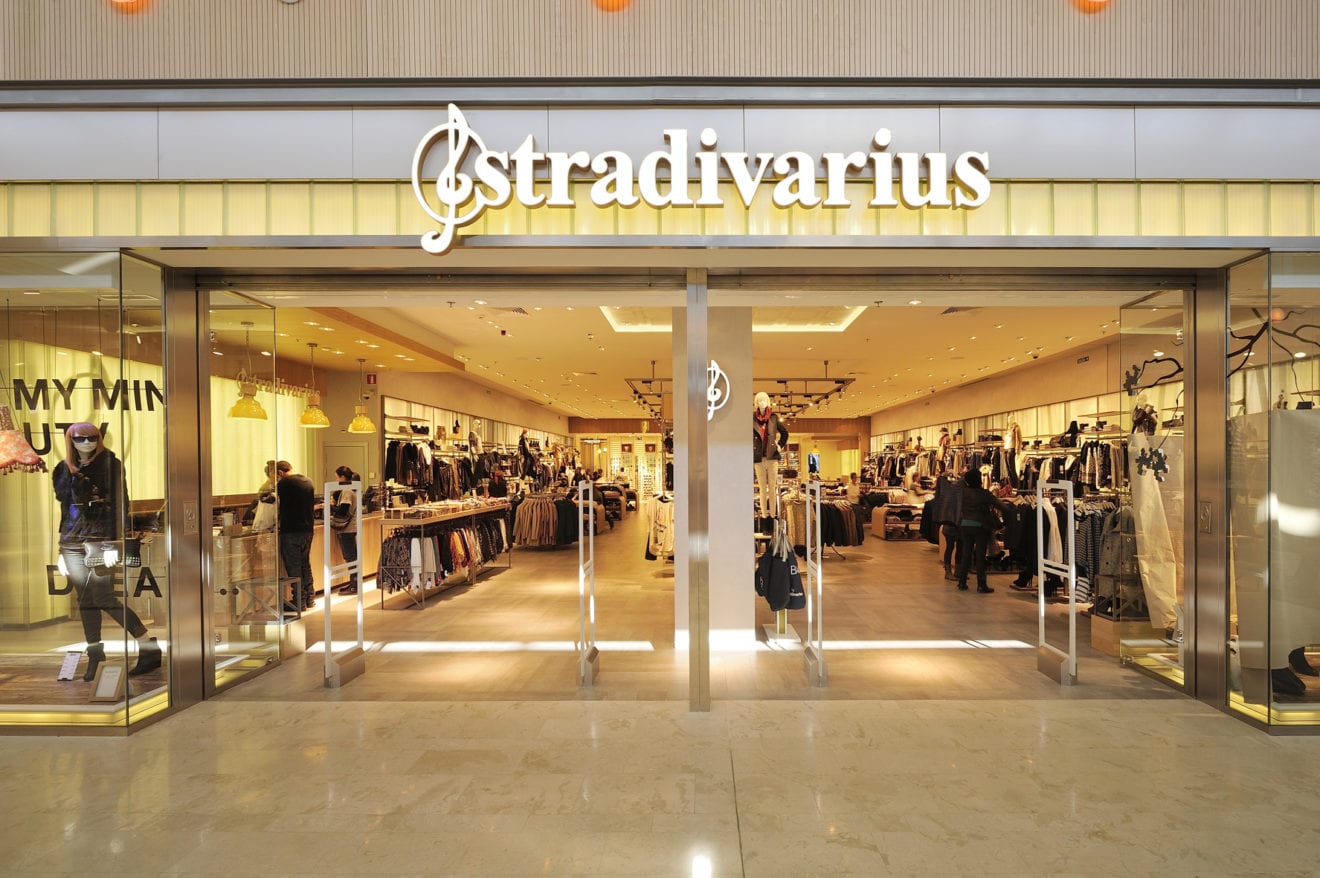
    The chain has 65 bricks & mortar stores in China and also sells its products online via both its own website (www.stradivarius.cn) and the T-Mall platform

    An event celebrated in Shanghai’s Union Building provided the backdrop for presentation of Stradivarius’s new website in China, which reinforces the brand’s e-commerce presence in this market. Stradivarius gained an initial foothold in the Chinese e-commerce market last April when it launched online sales via the T-Mall platform, on which the rest of the Inditex Group’s brands are also represented.  Just eight months later, on 8 September, Stradivarius direct online sales platform, www.stradivarius.cn, went live, adding to the chain’s network of 65 stores in China.

    The Shanghai event, dubbed “The Event Paper: Asia edition”, took place on the top floor of the Union Building, a neo-renaissance building dating to 1916. From its rooftop terrace, the guests were able to enjoy stunning views of the Bund, the Chinese financial capital’s most cosmopolitan district.

    The party was attended by international top model Liu Wen, the leading lights from the Asian press and it girls from all over the world. Moreover, Cate Underwood, the star of the brand’s FW15 collection campaign and DJ, took care of the music. A dedicated event report can be downloaded from the Stradivarius website.

  • Mainland China helps Chow Tai Fook figures

    Mainland China helps Chow Tai Fook figures

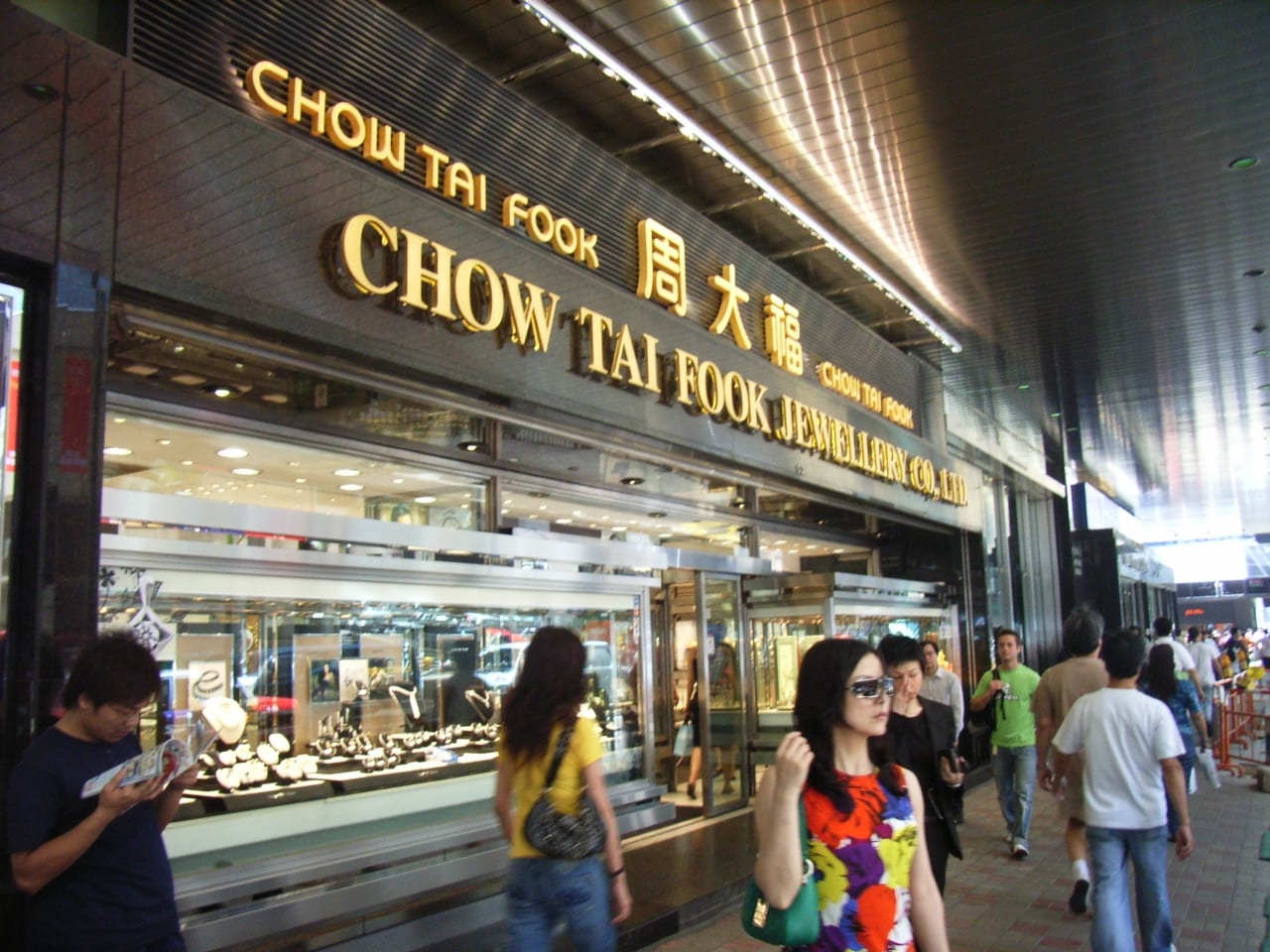
    Chow Tai Fook Jewellery Group has reported a four per cent year-on-year increase in retail sales in the three months to September 30.

    The welcome increase was attributed to surge in demand for gold as a result of falling gold commodity price since mid July.

    The Hong Kong listed company says same store sales fell three per cent in value terms and rose one per cent in volume terms.

    Mainland China stores led the growth, with Hong Kong and Macau shops showing a same store decline of 13 per cent and an overall decline of five per cent. Volume fell 18 per cent.

    But in China, same store sales rose six per cent in value and 13 per cent in volume.

    Chow Tai Fook described the Hong Kong and Macau retail market as “continuing lacklustre”.

    Sales of gem-set jewellery there fell 24 per cent on a same store basis, but just four per cent in the mainland.

  • Uniqlo Denver displaces famous bookstore

    Uniqlo Denver displaces famous bookstore

    Japanese apparel retailer Uniqlo is continuing its expansion in the US, signing up for a strategically significant flagship in Denver.

    Uniqlo Denver will open in the Pavilions shopping centre, downtown in the Colorado state capital, displacing the former anchor, bookstore Barnes & Noble.

    Pavilions is also home to Colorado’s largest H&M store, along with fashion brands Forever 21 and Banana Republic.

    Uniqlo’s first Rocky Mountain region store will open in autumn 2016 once Barnes & Noble moves out.

    The Uniqlo Denver flagship will featuring the brand’s full assortment of mens’, women’s and children’s lines. Pavilions management say it is the only store planned in Colorado by Uniqlo.

    “Introducing new global brands to Denver is a key component of Gart Properties’ strategy for Denver Pavilions,” said Mark Sidell, president of Gart Properties, which owns the Denver Pavilions with another Denver family. “Opening the flagship Uniqlo store in the Rocky Mountain Region is a big win for downtown Denver. It’s sure to be a tourist attraction in addition to serving shoppers from all across the city and the state.”

    Uniqlo currently has 42 stores in the US, selling comfortable, affordable and stylish casual apparel for men, women and children in natural and synthetic fabrics engineered to perform in varying climates and weather conditions.

    Pavilions says it expects Uniqlo will strengthen the retail environment in downtown Denver and positively impact the downtown economy.

    “In addition to creating local jobs, Uniqlo seeks to partner with local organisations and municipalities to give back to the communities where their customers live and work through a CSR program.

  • Fast Retailing US to slow rollout

    Fast Retailing US to slow rollout

    Fast Retailing US, the North American business unit of Japan’s largest apparel retailer is to slow its Uniqlo store roll out program after heavy losses.

    The Japanese company missed its earnings target in the latest quarter and posted losses due to a US$134 million  impairment charge relating to its 42-strong US Uniqlo store network and the poor performance of other brands there, including the J Brand denim label.

    Last year, Uniqlo opened 15 new stores in the US market – this year it will open just five.

    But the company remains committed to the US market – last week it was announced it had signed a lease to take an anchor tenancy in a downtown Denver shopping mall.

    The Financial Times quoted CEO Tadashi Yanai: “The brand penetration in big cities such as New York, San Francisco and Chicago – where we will open a new store – is good, but not in the suburbs.

    “We need to overhaul our policy for opening new stores.”

    CFO Takeshi Okazaki admitted in an earnings briefing: “The brand also still doesn’t have a lot of recognition in the United States.”

    Yanai will relocate a management team to the US to review operations there and try to revive sales growth, with a fresh strategy to be developed. In the year to the end of August, Fast Retailing reported a 48 per cent growth in net profit to JPY110 billion, (US$914,685,200) 10 billion lower than its earnings guidance three months earlier. It also incurred losses on the refurbishment of its Oxford St, London, and Shanghai flagships.

    Annual sales rose 22 per cent to JPY1.68 trillion (US$13.9 billion) largely due to growing demand for its products in China and South Korea.

  • European cosmetics chain heads to Asia

    European cosmetics chain heads to Asia

    European cosmetics brand Stenders is about to open its first store in Singapore as part of a concerted push into new international markets.

    Stenders Singapore will open in Plaza Singapura shopping centre on Orchard Rd this month.

    Stenders Singapore 1

    The opening will be followed in November by debuts in Vietnam and Portugal and London is also on its radar..

    Stenders Singapore 2

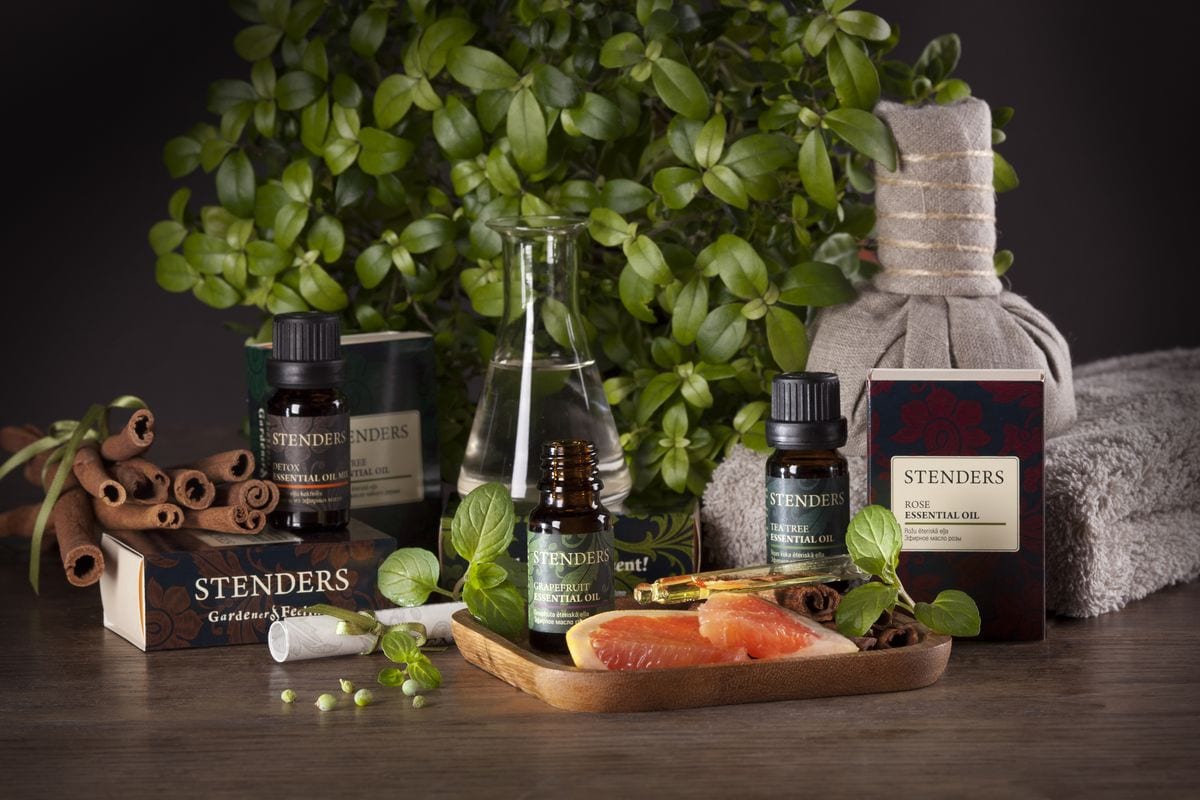
    Stenders “a cosmetics brand inspired by northern nature” sells a range of about 350 products from more than 230 shops in 22 countries. In Asia it has so far only reached China and Japan.

    The Latvian-founded company’s market positioning is “high quality products and special packaging” sold from attractively designed stores where the staff have a strong service culture. “We pay special attention to feelings and shopping experience, including design, fragrance, the way of presenting products and customer care culture,” the company says.

    The brand’s product range includes bath, body, face and hair care products.

  • Burberry second-quarter sales hit by China slowdown

    Burberry second-quarter sales hit by China slowdown

    Burberry has reported a slowdown in sales as it felt the impact of a challenging global luxury market, particularly in China and Hong Kong.

    • Retail sales growth slows to 2% in first half
    • Luxury retailer points to “weakening consumer sentiment” in China
    • Share price slips 12% to lowest point since April 2013
    • Analyst brands full-year profit forecast “ominous”

    Retail sales on an underlying basis rose 2% to £774m in the six months to the end of September after 8% growth in the first quarter, the fashion retailer and brand said. Group sales were flat at £1.1bn.

    “In the second quarter, demand from luxury consumers, particularly Chinese customers was affected by a more challenging external environment,” Burberry said.

    Across the Asia-Pacific region Burberry recorded a “mid-single-digit” drop in sales because of “deceleration” in Hong Kong, while in China sales fell “slightly” due to “weakening consumer sentiment” in the second quarter.

    Burberry’s chief executive and chief creative officer Christopher Bailey said: “The external environment became more challenging during the half, affecting luxury consumer demand in some of our key markets.

    “In response, we have intensified our focus on driving sales and productivity, while taking swift action on discretionary costs.”

    Looking ahead, Burberry, which owns 218 stores worldwide, said full-year pre-tax profits will be “broadly in line with the average of those analysts who have recently updated forecasts”.

    It added: “Our assumptions include a return to mid-single-digit percentage growth in comparable sales in the second half, ongoing cost efficiencies, a reduction in performance-related pay and a benefit of about £10m to reported profit if exchange rates remain at current levels.”

    However, independent analyst Nick Bubb branded the profit forecast provoked alarm bells. “The worry beforehand was that group performance would be hit by the slowdown in China and the comment that ‘for FY 2016, we expect that adjusted PBT will be broadly in line with the average of those analysts who have recently downgraded forecasts’ is ominous,” he said.