Category: Fashion

Retail News Asia is committed to providing both local and global retailers with the latest Fashion news throughout the Asian market. This on a daily base.

  • Mega luxury store opens amid retail slump

    Mega luxury store opens amid retail slump

    Luxury multi-brand footwear and accessories retailer Pedder Group is pulling out all the stops with its new 20,000 sq ft Pedder on Scotts store at Scotts Square that opens today.

    The concept store is the group’s largest free-standing one in Asia. The biggest standalone On Pedder stores in Hong Kong and China stand at 3,500 sq ft and 3,000 sq ft respectively.

    Founded in 2003, the Hong Kong-based Pedder Group is part of the Lane Crawford Joyce Group and operates more than 50 stores and shop-in-shops across Greater China, Singapore and Jakarta.

    Pedder on Scotts takes up the entire second floor at Scotts Square – the size of 20 four-room HDB flats – and stocks more than 100 designer and mid-priced brands of shoes, bags and accessories.

    ´It is an interesting time to secure retail space, not just based on cost, but availability. Our group has always used challenging times in the retail market to expand our retail footprint.` – PEDDER GROUP PRESIDENT PETER HARRIS

    About 40 per cent of the line-up – brands such as American high- street label Sam Edelman, British shoemakers George Cleverley and Foster & Sons, as well as Lock & Co Hatters, one of the oldest milliners in England – are exclusive to the store. At least 10 brands are new to the market.

  • Fast Retailing launches refugee initiative

    Fast Retailing launches refugee initiative

    Japanese retail company Fast Retailing has launched HELP, a global initiative to help clothe refugees.

    The project – dubbed 10 Million Ways to HELP will be run in conjunction with the UNHCR.

    Collection starts at Uniqlo and GU on October 2 at stores around Japan and from mid-October in other markets.

    According to a Uniqlo statement, UNHCR estimates the number of women, men, and children forcibly displaced owing to armed conflict and other causes reached 59.5 million by the end of 2014 – the highest since the end of World War II – prompting Fast Retailing to respond.

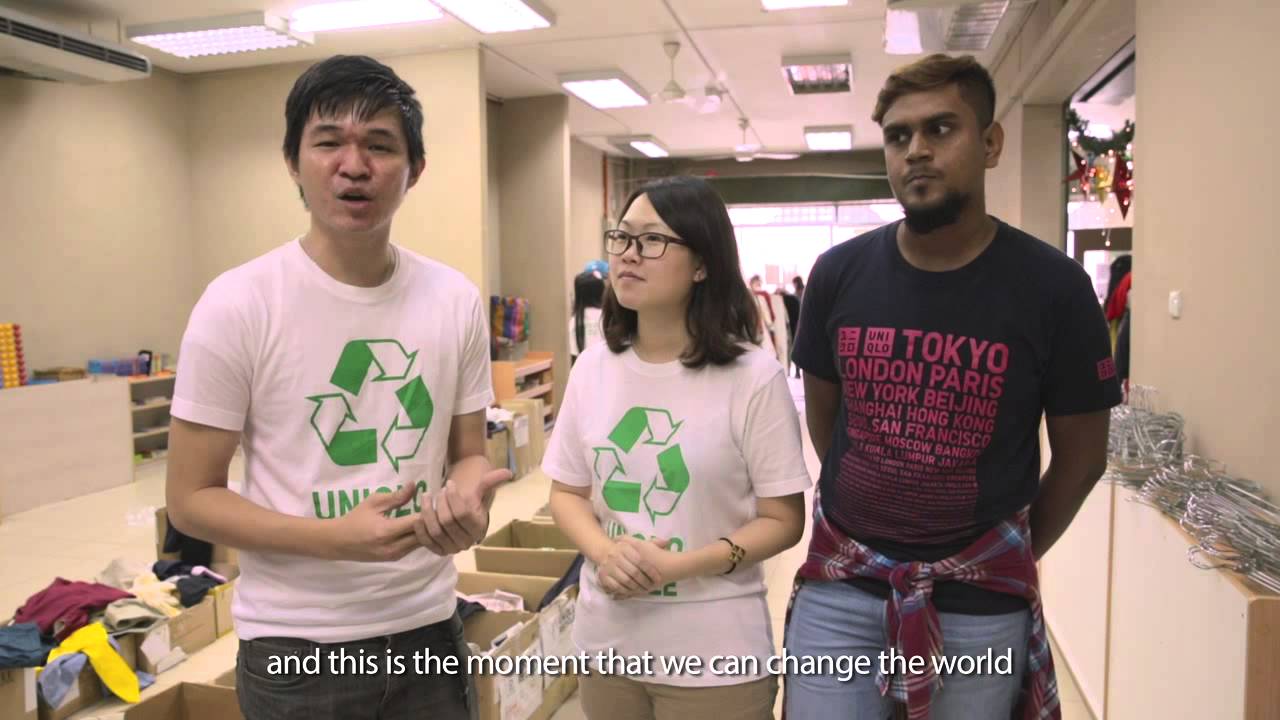
    Fast Retailing has been implementing an All-Product Recycling Initiative to provide clothing to refugees since 2006, and in 2011 became the first company headquartered in Asia to establish a global partnership with UNHCR. As part of the initiative, Fast Retailing has also launched a drive to collect clothing from employees.

    Around 90 per cent of the clothing that Fast Retailing has collected to date through its All-Product Recycling Initiative has been in wearable condition. As of the end of April 2015, more than 10 million items from the company had been delivered to refugees in 37 countries by UNHCR, including those in Jordan, Syria, Thailand and Nepal.

    As another contribution to alleviate the plight of displaced people, from 2011 Fast Retailing has operated an internship program at Uniqlo stores in Japan for refugees and their family members, offering invaluable work experience to promote their self-reliance.

  • H&M backs China, India

    H&M backs China, India

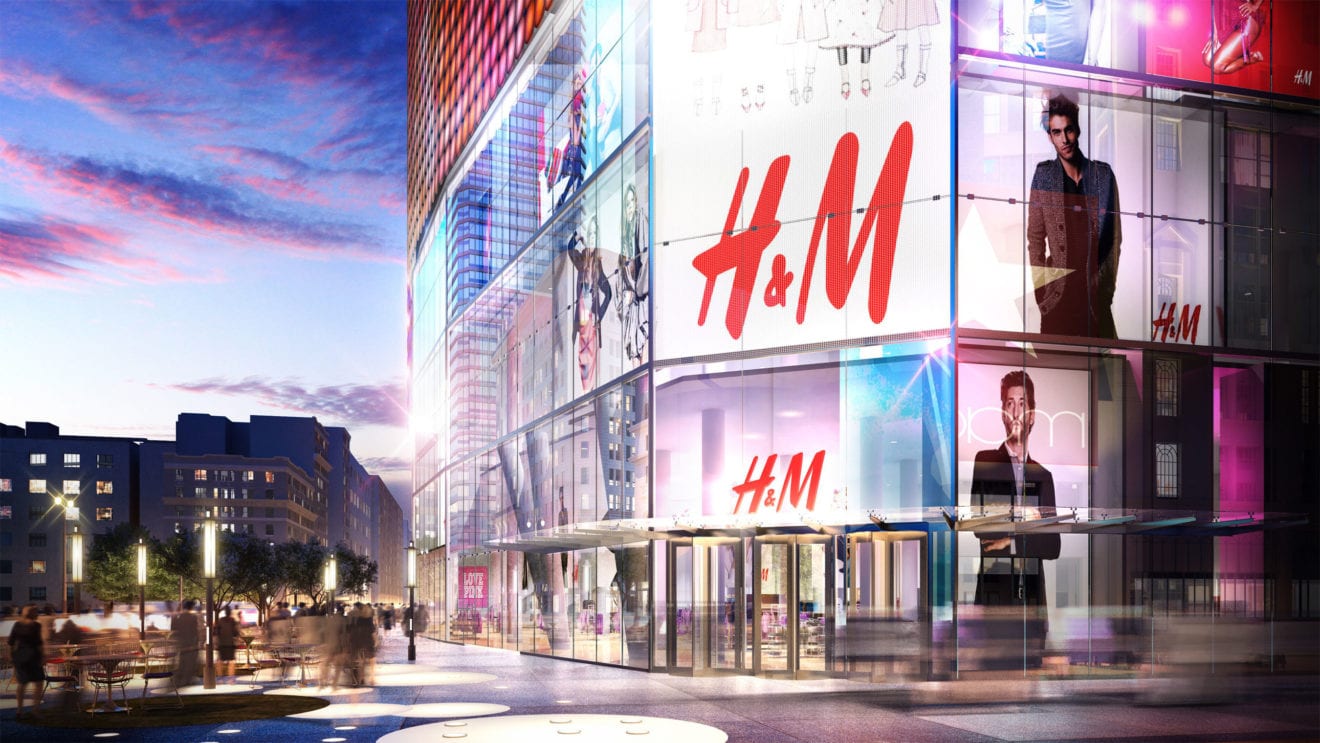
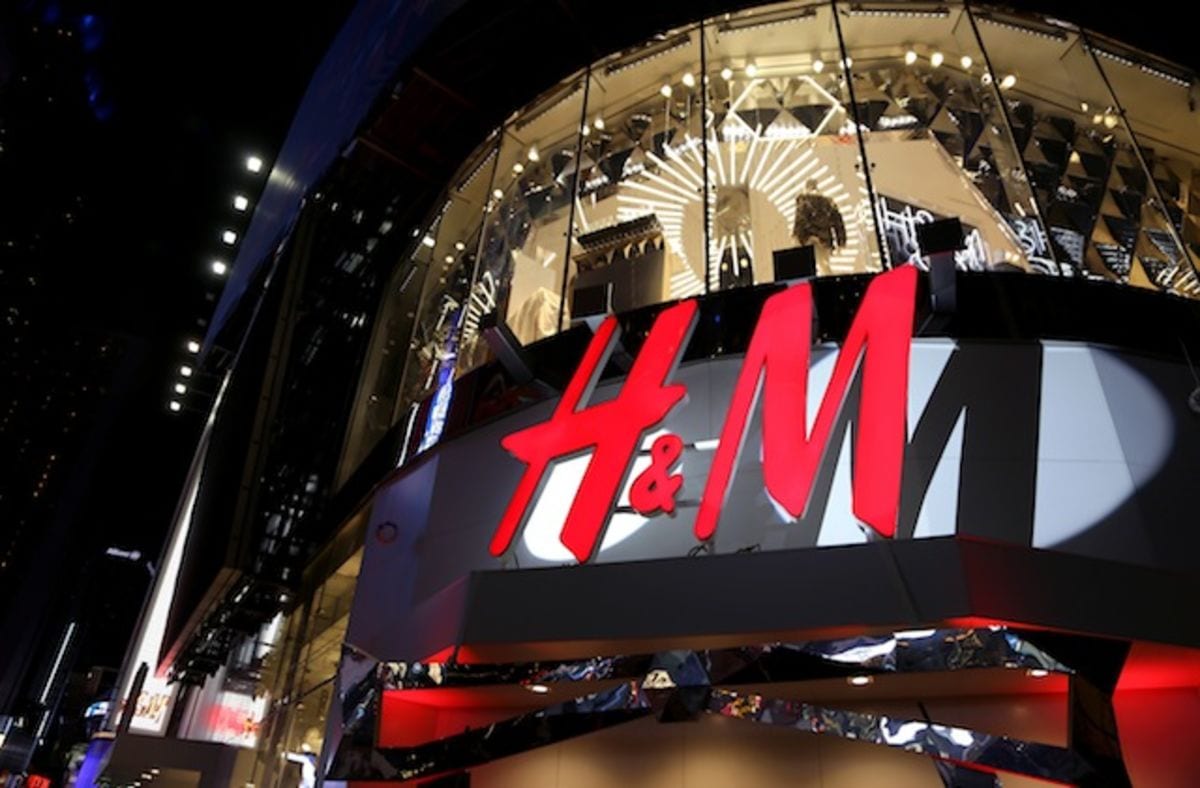
    Sweden’s H&M has followed in the footsteps of archrival Uniqlo in voicing its confidence in the China market despite the economic slowdown.

    Like Uniqlo H&M is aimed at the mass market, not the high end luxury sector most hit by the tightened spending of Chinese consumers.

    H&M says it will open 70 stores in China in the year to November 30, taking its network up to just over 300.

    Like Uniqlo, the company says it sees itself appealing to cost-conscious shoppers.

    In an interview in Hong Kong on Monday, H&M country manager for Greater China, Magnus Olsson, said the brand’s customers say they enjoy spending with H&M and they plan to shop more in future.

    “Those signs we think override some other maybe noise in the marketplace right now. We’re humble but confident.”

    H&M will open its largest store yet in Asia in Causeway Bay, Hong Kong, on October 30.

    H&M group’s sales in the nine months to August rose 22 per cent globally; expressed in local currency, by 12 per cent.

    In the fourth quarter of this year H&M plans to open about 240 new stores – almost three per day.

    It will enter India and South Africa this autumn, with maiden stores in New Delhi this week and in Cape Town in October.

  • La Perla Hong Kong revamps flagship

    La Perla Hong Kong revamps flagship

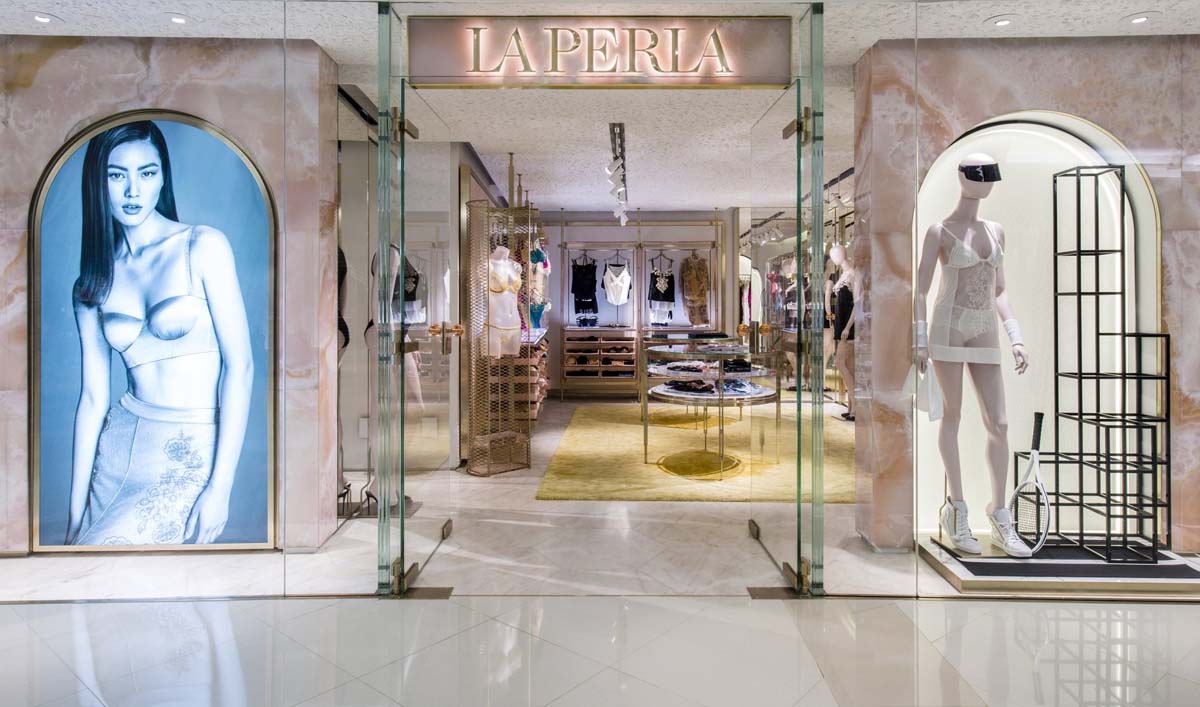
    Italian luxury lingerie brand La Perla has reopened its Russell St flagship store after renovation.

    Laperia - Russel street Hong Kong 2

    La Perla Hong Kong first opened in 2006 in Lane Crawford at pacific Place. Since then the brand has expanded to four stores – and the Russell St shop is described as its main showcase.

    Laperia - Russel street Hong Kong 3

    The newly revamped La Perla store features the new interior design concept of the brand and includes all La Perla Collections for women and men.

    Laperia - Russel street Hong Kong 1

    Gruppo La Perla is one of the leading international lingerie and beachwear groups, with 2000 employees globally. Since its establishment in 1954, the Gruppo La Perla has directed its production towards various market sectors including lingerie, beachwear and nightwear. The company has created a chain of exclusive boutiques in the main fashion capitals of 30 countries.

    Laperia - Russel street Hong Kong 4

  • Salvatore Ferragamo confident despite China woes

    Salvatore Ferragamo confident despite China woes

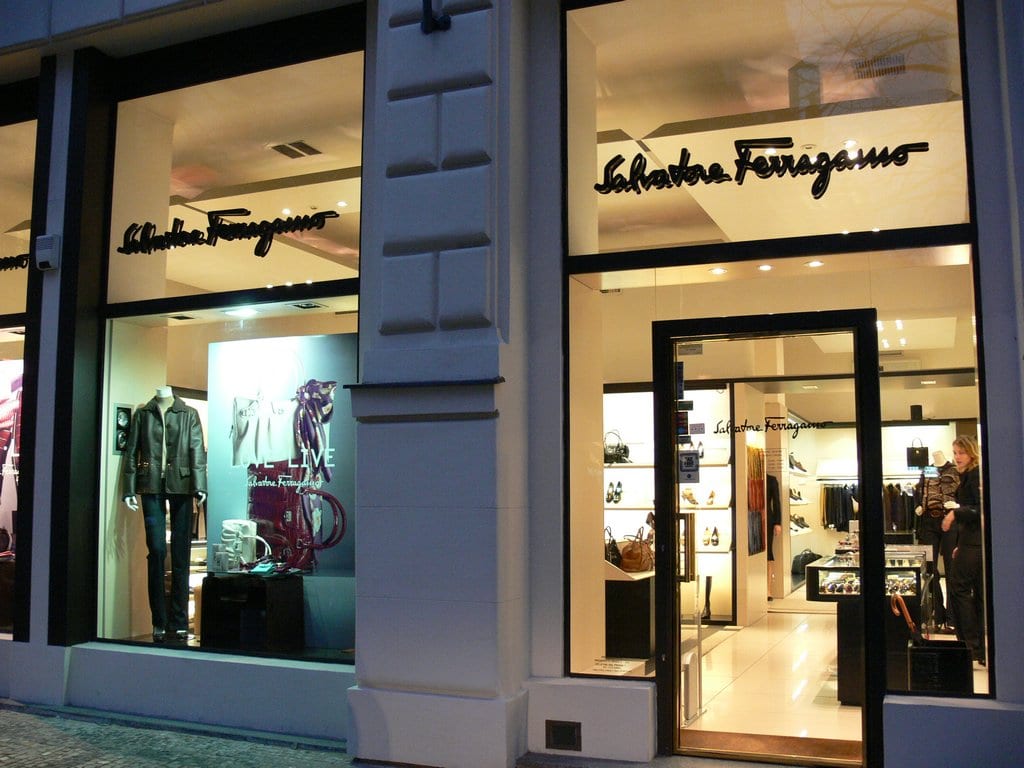
    Italian luxury goods brand Salvatore Ferragamo is confident it can weather the impact of falling sales in China, Hong Kong and Macau.

    The company has admitted to slowing growth in Asia, its largest market, but says it will stick to its previous profit guidance and is confident activities in other markets can balance the impact. That guidance is an EBITDA or about euro 320 million – 27 million more than it achieved in 2014.

    In the first half of this year, Asia-Pacific, the brand’s largest market, was the only one where it posted a sales decline, expressed in constant exchange rates. Most of the damage was done in Hong Kong and Macau where the downturn in luxury spending has been well documented.

    In China, most of Salvatore Ferragamo’s peers are reporting challenging conditions, revising their overall expectations based on slowing luxury and discretionary spending there.

    But Salvatore Ferragamo CEO Michele Norsa told journalists at the Milan Fashion Week: “We’ve been giving a very constant and consistent indication regarding this year.”

    However, the company said it would be reviewing prices in markets where the local currency was under pressure. While he did not name China, he did cite Russia and Brazil as examples.

  • HK eyewear brand breaks into Europe

    HK eyewear brand breaks into Europe

    Eyewear brand Mujosh has made its first appearance in Europe.

    The Hong Kong-registered label made its debut at the Silmo Paris optical fair this year, presenting its usual distinguished green wood booth concept and showcasing its select boutique products and brand new 2015 designer series containing seven authentic conceptual glasses products, two of which – the Frametone and KAO – have been introduced on Silmo Studio TV.

    Silmo is the first step for Mujosh in Europe, as the company seeks franchise and distribution partners in the European market. After Silmo, Mujosh will also attend in Hong Kong Optical fair this November.

    Established in 2010, Mujosh was created by a group with the belief that eyewear is never just about correcting bad eyesight, but about enhancing stylish looks. After five years of rapid expansion, there are now 500 Mujosh specialty stores, including standard stores and gallery boutiques.

    After the international plan was initiated at the beginning of 2015, Mujosh opened its first overseas stores in Malaysia and Thailand in August, and will open in Australia this coming November. The brand’s objective is to develop itself into a truly international player during the next five years, with at least 1000 specialty stores and mature distribution channels spreading throughout the world.

    Mujosh is owned and operated by Yfeng Group.

  • Prada seeking lower rents in Hong Kong, Macau amid China slowdown

    Prada seeking lower rents in Hong Kong, Macau amid China slowdown

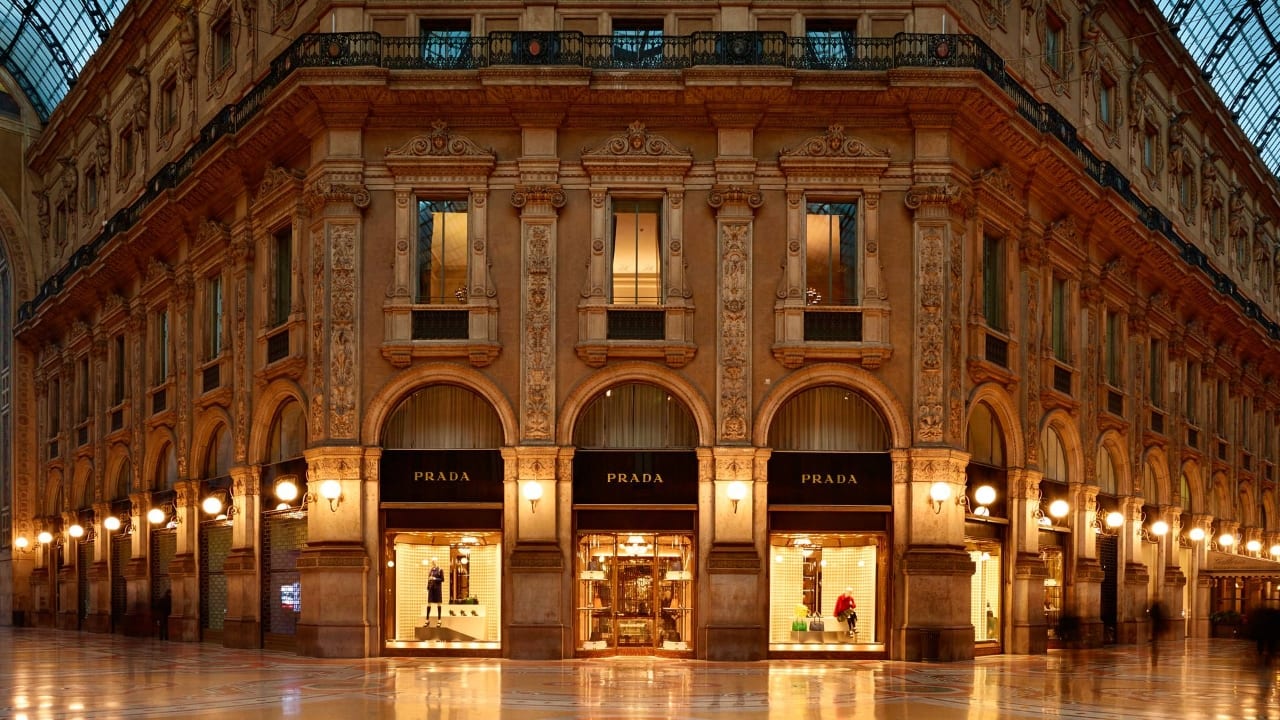
    Italian fashion house Prada is trying to negotiate lower shop rents in Hong Kong and Macau to reflect weak sales and the dwindling flow of wealthy tourists from mainland China, its chairman said last week.

    However, the Hong Kong-listed group does not plan to shut stores in China, which accounts for more than a fifth of its global sales and has been hit by a rout in stock markets and last month’s surprise devaluation of the yuan.

    China’s economic slowdown is hurting the two shopping hubs, forcing several luxury brands to close shops or at least attempt to lower sky-high rents – with little luck so far.

    “Like our competitors we’ve started re-negotiating rents for shops in weak spots such as Hong Kong and Macau but landlords are not being very receptive, they’re rather rigid,” Prada chairman Carlo Mazzi said.

    “China has gone from being an El Dorado to being an interesting market. We believe it can return to be a fairly good market but it’s hard to say how long it’ll take.”

    Asia-Pacific is Prada’s biggest market, representing 36 per cent of total revenues. Greater China alone accounts for 22 per cent, or €774 million (HK$6.67 billion).

    Betting on fast-rising Chinese consumer demand, Prada picked Hong Kong for its market debut in mid-2011 and used the cash to repay debts and fund a costly retail expansion, opening 260 shops worldwide in four years.

    But after being the growth engine of the luxury sector for years, China has become a headache for big brands as its economic growth began to slow. The main stock market index has slumped almost 40 per cent since a seven-year high in mid-June.

    The Milanese group has seen profit margins fall in recent quarters as revenue weakened while costs rose. Retail sales in the Asia-Pacific region fell 17 per cent at constant currencies in the three months to the end of April, rising marginally only thanks to the foreign exchange boost.

    Prada said last month trends in the Asia-Pacific region were little changed due to persistent difficulties in Hong Kong and Macau.

    “Boosting sales is not an easy goal at this time,” Mazzi said. “The phase of massive retail investments is behind us … We need alternatives to the shop network expansion,” he added, citing e-commerce and improving returns at existing shops.

    Luxury groups are still reeling from Beijing’s clampdown on lavish gift-giving and the blow to tourism in Hong Kong from last year’s pro-democracy protests.

    Mazzi expects sales in the former British colony, where Prada has 22 shops, to recover over time but growth rates are likely to be more modest than in the past.

    “We’re limiting expansion projects in Hong Kong and Macau,” Mazzi said.

    But “even with lower sales our Chinese stores continue to have positive – though much smaller – margins. Closing shops in China is not on the table,” he added.

    “Let’s not confuse China with South American markets, knocked down by falling oil prices. China is not down on its knees, it just needs to correct some issues it has with its economy.”

    Prada, which also owns brands Miu Miu and Church’s, has just over 600 stores globally, of which 94 are in Greater China. No clear alternative market has emerged and Mazzi said Prada was not targeting expansion in any particular country.

    “There are uncertainties that hold back investments in markets where we had planned to boost our presence, such as Africa,” he said, also mentioning logistical and political problems in India.

  • Is Seoul Asia’s new fashion window?

    Is Seoul Asia’s new fashion window?

    Move over Hong Kong, Tokyo and Singapore. Seoul is emerging as Asia’s new fashion showcase, with the world’s top luxury firms seeking to cash in on the regional trend-setting popularity of South Korean pop culture.

    Fast-growing Asia is a key market driving the global luxury industry, with purchases by Chinese consumers accounting for one third of global sales, according to market researcher Bain & Company.

    And those consumers often take their style pointers from elsewhere, which is why many brand companies are increasingly focusing on the country described by Bain as Asia’s “trendsetter and influencer for fashion and luxury”.

    Over the past year, leading global fashion houses have upped their game in South Korea in a bid to reach those well-heeled Asians who take their fashion cues from popular Korean TV and pop stars.

    French powerhouse Chanel held its 2015/16 Cruise Collection in Seoul in May — its first show in South Korea.

    And in June, Christian Dior opened a six-storey flagship store — the largest in Asia — in the upscale district of Gangnam, made famous by the eponymous hit by South Korean rapper Psy.

    The world’s top luxury group LVMH, which owns Dior and Louis Vuitton, has gone a step further by directly investing in Seoul’s thriving K-pop industry.

    Last August, L Capital Asia — the investment fund arm of LVMH — bought shares worth about $80 million in YG Entertainment, a major K-pop agency.

    The deal made the French luxury empire the second-largest shareholder of YG, whose roster of K-pop acts includes Psy, G-Dragon and the boyband BigBang.

    “Global luxury firms have begun to realise that what’s popular in South Korea soon becomes popular across Asia,” said Lie Sang-Bong, a prominent fashion designer and head of the Council of Fashion Designers of Korea. Lie said luxury brands that had previously favoured Hong Kong or Singapore as the centre of their Asia business started to turn to Seoul about three years ago.

    China’s influence as a trendsetter will eventually catch-up with its importance as a market, but for now “Seoul is where they look to see the next big trend,” Lie said.

    Famed fashion critic Suzy Menkes picked Seoul as next year’s host for what will be only the second edition of the annual Conde Nast International Luxury Conference.

    “I think that (luxury brands) are thinking of this country as a hub, this city in particular as a hub, where people will go and buy things,” Menkes, the international fashion editor for Vogue, said during a visit to Seoul in July.

    The real attraction for the brand names is the promotional reach into the rest of Asia and beyond provided by the so-called Hallyu (Korean Wave) of Korean TV shows and pop music.

    The power of the Hallyu phenomenon was most recently demonstrated by the 2014 hit TV drama “My Love from Another Star” which was enormously popular in China.

    A pair of $625 Jimmy Choo shoes worn by the show’s heroine, Jun Ji-Hyun, sold out in shoe stores across Asia, while an Yves Saint Laurent lipstick she was rumoured to be wearing experienced a similar run in China.

    Rapper G-Dragon — a style icon followed by millions of fans across Asia and beyond on social media — is considered a poster child of the Hallyu boom.

    His favourite items, from Yves Saint Laurent jackets to Christian Louboutin sneakers, earn instant recognition among his followers and are discussed on dozens of websites dedicated to the styles of K-pop artists.

    Now the 27-year-old has become a front-row fashion show fixture, not just in Asian cities, but also Paris and London.

    Korean TV dramas have also proved to be a striking marketing device for the cosmetics industry, according to a May report by market researcher Euromonitor. Beauty products featured in top-rated shows or favoured by their stars fuel “rocketing demand for the relevant colour cosmetics and skin care products” in other Asian countries, especially China, the report said.

    And it isn’t only foreign brands that are benefiting from exposure in the South Korean shop window.

    A “cushion-compact” — a sponge soaked with liquid foundation — developed by AmorePacific has proved a major hit in Asia, prompting Dior to form a strategic partnership with the Korean cosmetics giant to use the “cushion” technology.

    Kate Ahn, Seoul representative of the British consumer research firm Stylus, said South Korea had effectively become a “springboard” for luxury brands to test consumer sentiment in the Asian market.

    “It’s a small country but a perfect starting point to tap into the Chinese market and beyond,” Ahn said, adding she had been bombarded with proposals from European and US firms hoping to invest in Seoul cosmetics makers in recent years.

    “They even want to invest in relatively small, little-known cosmetics firms … because they know many Asian women, especially Chinese, are closely watching beauty trends in Seoul,” she said.
  • Japan’s Owndays to enter Thailand, Cambodia

    Japan’s Owndays to enter Thailand, Cambodia

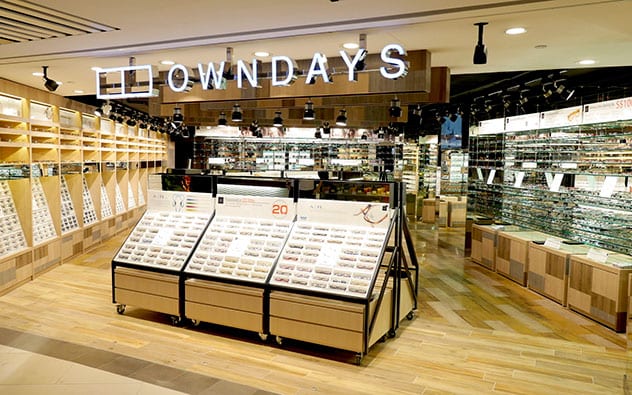
    Tokyo-headquartered Owndays will open its first stores in Thailand and Cambodia in October.

    The retailer, which produces and sells fashionable and trendy eyewear, already operates 130 shops in Japan, Singapore, Taiwan and China. It plans to open 100 new stores in Southeast Asia during the next five years.

    The first Thai store will open in Bangkok’s Mega Bangna shopping centre, the first Cambodian store in Aeon Mall, Phnom Penh.

    Owndays believes its pricing structure and speedy turnaround will set it apart from local eyewear retailers.

    Where most optical shops charge customers for frames and lenses separately, and require high optional charges depending on types of lenses, making pricing systems complicated and difficult to understand, Owndays keeps its pricing system simple. It has eliminated additional charges for all single-vision lenses and offers all glasses at set prices indicated on its frames – there’s no additional charges for lenses no matter what customer-required lenses are.

    “This is a very unique and very customer-friendly pricing system in the eyeglass industries of the region,” said a spokesperson.

    Every Owndays shop has a wide range of and large number of stock lenses, enabling staff to provide customers with spectacles in as little as 20 minutes after the payment.

    Owndays launched its business operations in Southeast Asia in July 2013, and now operates 14 shops in Singapore and six shops in Taiwan.

    The company has established its own overseas business model through its independent pricing system and services and is rapidly expanding its business activities.

  • Perrin Paris Opens First Store In Hong Kong

    Perrin Paris Opens First Store In Hong Kong

    French leather product brand Perrin Paris opened its first store in Hong Kong.

    Perrin Paris was founded by Berthe Rigaudy and Victor Rigaudy in 1893. Though the brand has a long history, it only has four stores, which are located in Paris, New York, Los Angeles, and Hong Kong, respectively. Its other sales channels include dozens of sales sites and the online retailer Moda Operandi. In 2006, Michel Perrin, chairman of Perrin Paris, took over the company and started its expansion.

    Located at International Finance Centre, the new Perrin Paris Hong Kong store is only about 250 square feet, which is about 23 square meters. Though it is small, the new store is in a core retail market area and can better test the market response.

    Prior to this, Perrin Paris opened a sales site in SKP Beijing in 2014; however, the company did not reveal its sales performance in China’s capital city.

    In addition, the company revealed that they will not open independent stores in the Chinese mainland market in the near future.

  • Future Group opens London design studio

    Future Group opens London design studio

    Future Group subsidiary Lifestyle Fashions has opened a design studio in London, which it describes as “the fashion capital of the world”.

    The studio will “infuse the company’s brands with global designs, trends and sourcing capabilities and also curate a globally-inspired fast fashion brand for the Indian market,” the company said in a statement.

    Located in Victoria, London, the Design Studio houses an international team of designers and merchandising experts. London’s Victoria district has emerged as the new fashion hub of the city. Tom Ford and Burberry have their headquarters in the suburb and Future Lifestyle Fashions’s neighbours will include Victoria’s Secret, Burberry, Dolce & Gabbana, Moet Hennessy, Richemont and Jimmy Choo.

    “As part of this vibrant fashion ecosystem, Design Studio will tap into global talent and  networks for identifying trends, fashion design and sourcing of materials and merchandise that will fuel its fast fashion brand,” the company said.

    “Its first collection will be launched in Spring‐Summer 2016.”

    Future Lifestyle Fashions MD Kishore Biyani said Indian fashion is evolving at a rapid pace and incorporating global trends and sensibilities.

    “Women in India today shop for fresh fashion eight to 10 times in a year. Our Design Studio in London will develop a fast fashion brand that responds to these needs and infuse our brands with global sensibilities and innovation in design and sourcing.”

    The Design Studio is led by Manjula Tiwari who joined Future Group from Jabong earlier this year. Tiwari has more than two decades of experience in the fashion industry and was previously involved in introducing global brands such as Esprit and United Colors of Benetton in India. The design team in London will be led by Ainsley Dart, who has been instrumental in directing and leading large design teams of multi product, fast fashion women’s wear for global retail brands and major suppliers such as Courtalds and Dewhirst.

    Future Lifestyle Fashion markets leading international and domestic brands such as Lee Cooper, Converse, Indigo Nation, Scullers, Daniel Hechter, Giovanni, Urbana, John Miller, Jealous 21, aLL, UMM, RIG, Champion and Umbro, which are retailed through the company‐owned department store network, Central, other retail chains such as Planet Sports and Brand Factory. Most of these brands are also available at exclusive brand outlets, other department stores and fashion chains across India.

    The company also has investments in fast growing fashion brands such as Tresmode, Mineral, Desibelle, Mother Earth, Pepperone, Famozi and Turtle, and operates joint ventures with Hidesign and Clarks. With more than two dozen brands and 5 million sqft of retail space, Future Lifestyle Fashions aims to develop a globally benchmarked fashion business here in India.

  • Girard-Perregaux Singapore flagship

    Girard-Perregaux Singapore flagship

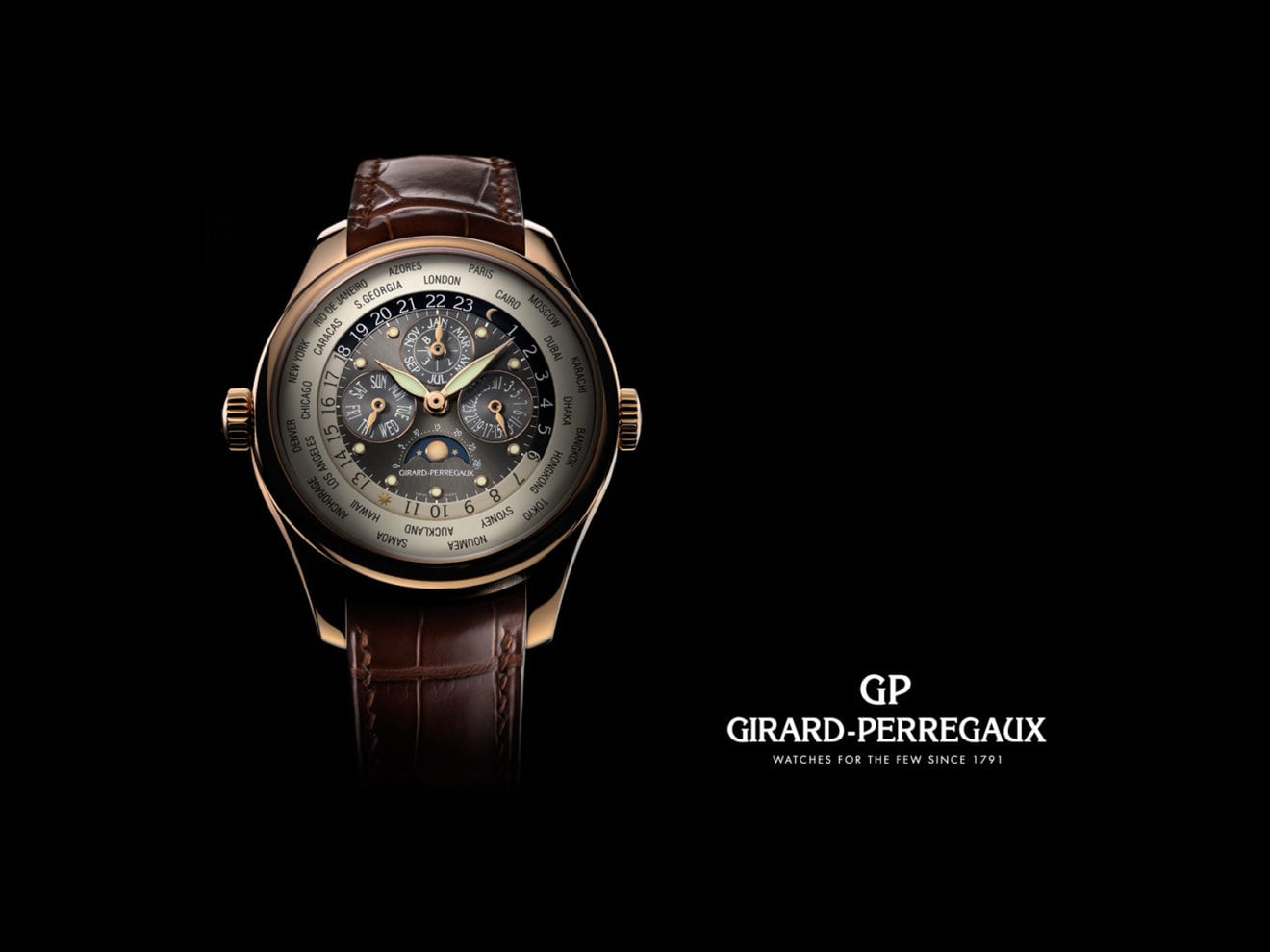
    The new Girard-Perregaux Singapore boutique is the Swiss watchmaker’s first Southeast Asian flagship.

    The Girard-Perregaux Singapore boutique is a partnership with The Hour Glass, Singapore’s exclusive distributor of Girard-Perregaux in Southeast Asia.

    The boutique has opened at The Shoppes at Marina Bay Sands.

    “Girard-Perregaux is honoured to celebrate its exclusive partnership with The Hour Glass, with the opening of its first flagship boutique in Singapore. It is indeed a privilege to be the new addition to the prestigious lineup of luxury brands retailing at Marina Bay Sands. This is a significant milestone and a hallmark of the manufacturer’s watchmaking evolution and heritage,” said Antonio Calce, CEO of Girard-Perregaux.

    The Girard-Perregaux boutique houses the most comprehensive collection of Girard-Perregaux timepieces yet in Singapore. Unveiling the core collections in dedicated sections within the boutique, watch aficionados will be enticed by Girard-Perregaux timepieces ranging from Haute Horlogerie, to iconic collections such as GP 1966, the seductive feminine Cat’s Eye collection and the Vintage 1945 which celebrated its 70th anniversary this year, to name a few.

    Upon entering the boutique, customers’ attention will be caught by the Parisian custom-made chandelier cascading from atop, evoking a touch of lightness and artistry to the boutique environment. The interior décor of the Girard-Perregaux boutique features precious wood furnishing, emanating modern and discreet sophistication.

    “Girard-Perregaux is one of the rare manufacturers today who have amassed a rich heritage and watchmaking expertise of over two centuries. This is a rare gift. The partnership between The Hour Glass and Girard-Perregaux shares a common passion for respected watchmaking codes, combined with forward-thinking innovations.We are proud to unveil the authentic world of Girard-Perregaux in one of Singapore’s most dynamic retail landscape at Marina Bay Sands,” said Wong Mei Ling, MD of The Hour Glass.

    Girard-Perregaux by The Hour Glass is located on the Bay Level of The Shoppes at Marina Bay Sands.

  • New Disney park in China to bolster sales, Uniqlo chief says

    New Disney park in China to bolster sales, Uniqlo chief says

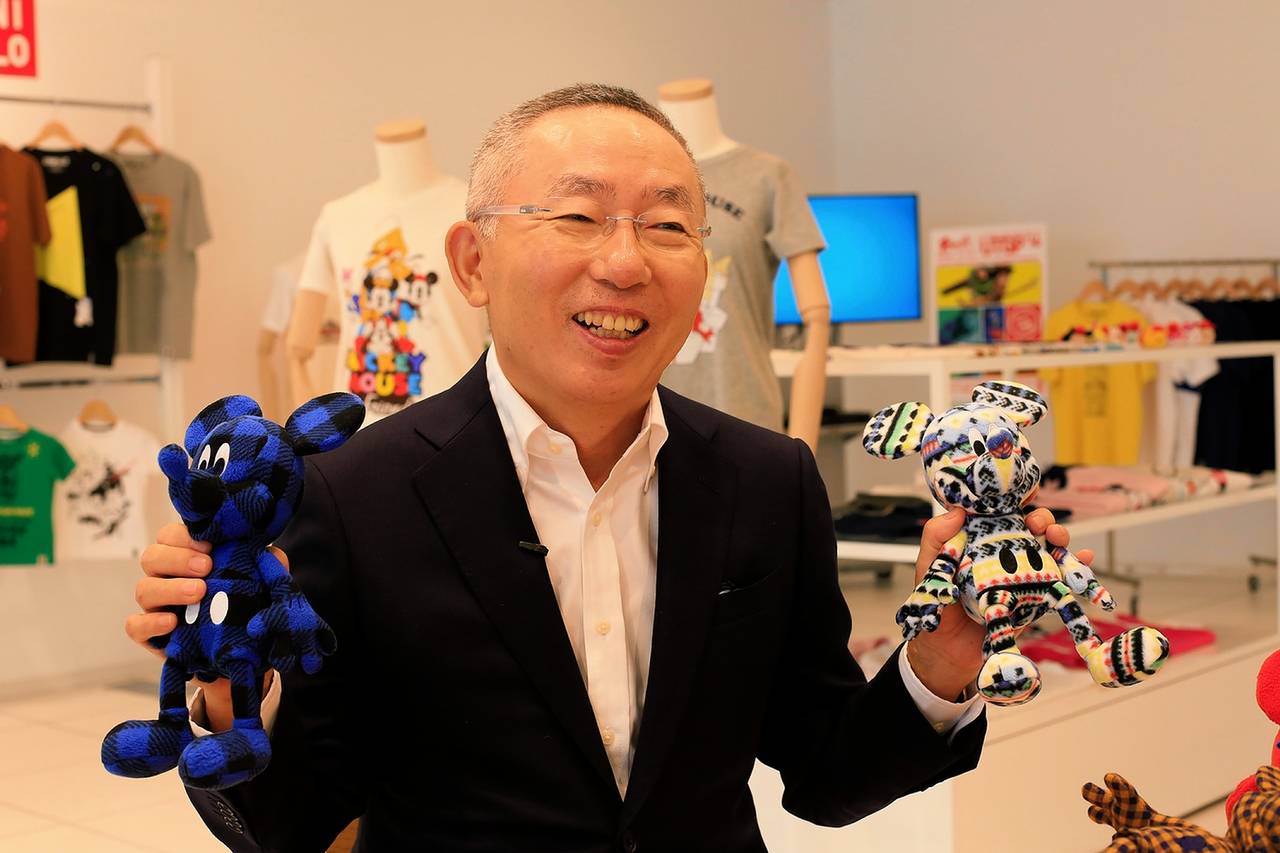
    Fast Retailing Co. Chairman Tadashi Yanai said Walt Disney Co.’s new park in Shanghai will help his Uniqlo casual clothing brand expand in China, shrugging off concerns over an economic slowdown in the Japanese retailer’s largest overseas market.

    “The opening of the Shanghai Disneyland gives both of us, Uniqlo and Disney, a business opportunity,” Chairman Tadashi Yanai told reporters in Shanghai, where Uniqlo will open a new Disney-inspired concept store. “Our business is getting absolutely no impact” from China’s slowdown, he said.

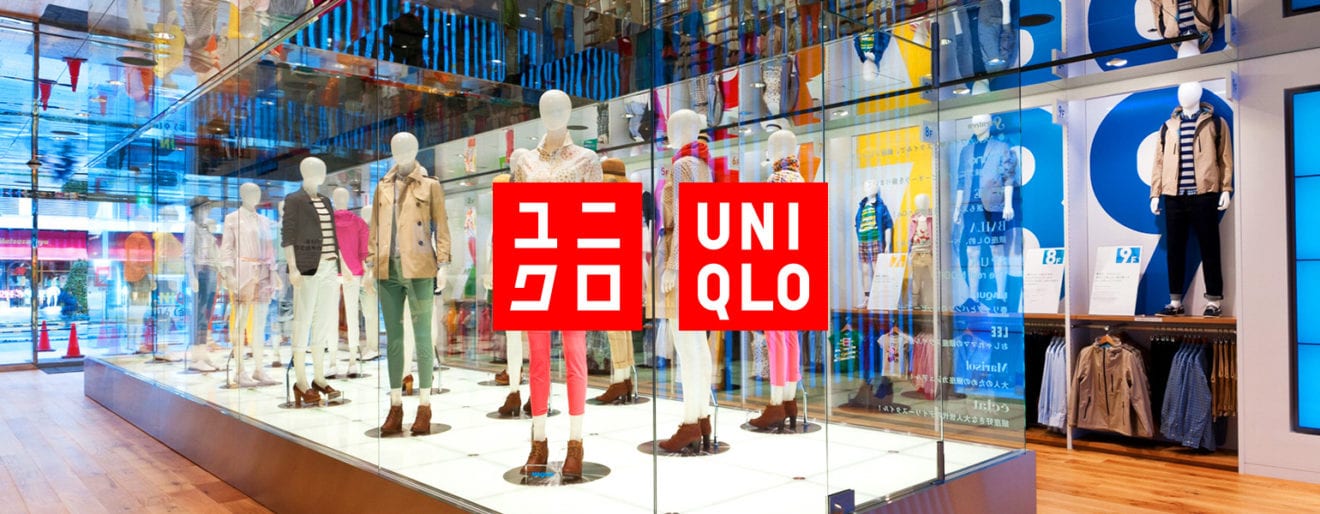
    Starting Sunday, Uniqlo will devote an entire floor at its six-story China flagship store in central Shanghai to products jointly designed with Disney. A human-sized Mickey Mouse statue greets visitors to the store, where T-shirts and toys depicting characters such as Tinker Bell, Woody of Disney Pixar’s “Toy Story” animated films, and Darth Vader from the Star Wars movies are on display.

    Japan’s richest person, Yanai plans to open 100 stores a year in China as Uniqlo competes with Hennes & Mauritz AB’s H&M and Inditex SA’s Zara to win over consumers in the world’s most populous country. The retailer’s design tie-up comes as Disney prepares to open its $5.5 billion Shanghai theme park next year, its biggest foreign investment and a bet on the country’s booming middle class.

    The Disney collaboration should help Uniqlo boost sales in China “as buzz builds around the opening of Shanghai Disneyland,” said Bloomberg Intelligence retail analyst Thomas Jastrzab. “Expanding store-specific limited edition merchandise offerings should help Uniqlo increase regular foot traffic and improve customer loyalty.”

    Fast Retailing rose 3.3 percent to ¥46,800 ($388.09) at the close of trading in Tokyo on Friday. The shares are up by 6.3 percent so far this year, compared with the 3.3 percent gain in the benchmark Topix index.

    Uniqlo has about 360 stores in mainland China, the most in any country outside Japan, where it has almost 850 shops. The company plans to expand its Greater China network, including mainland China, Hong Kong and Taiwan, to 1,000 outlets.

    China is a key market for Fast Retailing as Yanai attempts to turn Asia’s biggest clothing retailer into the world leader, with a target of ¥5 trillion in sales by 2020 from its forecast of ¥1.65 trillion for the fiscal year ended Aug. 31.

    Yanai said demand for Uniqlo products will increase amid an economic slowdown in China. Everyday clothes with basic designs and advanced materials that Uniqlo sells at affordable prices fit well as China shifts its focus to consumer purchasing from manufacturing, he said.

    “An economic slowdown in China could boost Uniqlo’s sales, particularly as shoppers increasingly look for value-for-money when purchasing clothing essentials such as T-shirts and pants,” Jastrzab said.

    China’s apparel and footwear market is highly fragmented, with market leader Bestseller AS, owner of brands such as Jack & Jones and Vera Moda, holding a 1.7 percent market share by value in 2014, according to Euromonitor International. Uniqlo ranks eighth with 0.6 percent, while Inditex is ninth with 0.5 percent and H&M is out of the top 10 with 0.4 percent.

    “Our concept of manufacturing is fundamentally different and unique,” said Yanai. “We don’t chase trends, but we would rather want to incorporate fashion into our basic clothes.”

  • H&M plans to open another 240 stores by end of the year

    H&M plans to open another 240 stores by end of the year

    Hennes & Mautitz AB (H&M), Swedish multinational retail-clothing company, known for its fast-fashion clothing for men, women, teenagers and children plans to open an additional 240 new stores this year. In the third quarter, H&M opened 36 new stores, but in the fourth quarter 240 new stores are scheduled to open, most of which will be in China and the US. H&M already has 299 locations in China, but growth in the country’s apparel industry makes it a promising hotbed for retailers.

    China, in particular, will account for much of the expected growth, encompassing almost one-third of regional demand for clothing by 2018. As the Asian clothing and apparel sector is expected to grow rapidly over the next five years. Annual average expenditure growth on clothing and footwear, at 9.5%, will comfortably outstrip that of any other region, said PricewaterhouseCooper’s retail consultants in their 2015-2016 outlook report on the retail and consumer products sector in Asia.

    Beyond its traditional flagship brand, H&M also owns premium brand Cos. The company hopes to introduce Cos in China as well, catering to the country’s growing upper-middle class.

    Cheap prices and a continuous supply of new looks keep customers coming back to chains like H&M and Zara. And according to Ms. Paula Rosenblum, Forbe’s retail analyst. H&M’s success comes amid a growing demand for fast fashion.

    But despite fast fashion’s growth, chains including H&M are increasingly facing criticism over both environmental and social justice concerns.

    Though fast fashion offers consumers a wider variety of styles, the rising trend has also been tied to growing amounts of textiles in landfills. In the US alone, clothing, footware, and other non-durable textiles generated 12.4 million tons of landfill waste in 2013. Only about 15 percent, or 1.8 million tons of the textile waste was recovered for reprocessing or recycling, reported the US Environmental Protection Agency.

    Furthermore, many fast fashion retailers rely on cheap labor to produce high quantities of their products. Many laborers used to come from China, but with rising wage demands, companies have looked to Taiwan, Indonesia, Vietnam, and Bangladesh, among other southeast Asian countries instead.

    According to Bloomberg Business, H&M has seen significant growth this year, second only to the Spanish clothing retailer Zara in size. Third-quarter sales grew 16 percent, surging to nearly 46 billion Swedish kronor, with revenue coming in at 39 billion kronor.


  • Uniqlo Magic For All to debut in Shanghai

    Uniqlo Magic For All to debut in Shanghai

    Uniqlo will open its Magic For All store on the fifth floor of the Uniqlo Shanghai Global Flagship store on Huai Hai Rd on September 27.

    Uniqlo Magic for all 4

    It will be the first execution o fthe new partnership between the Japanese clothing brand and entertainment giant Walt Disney which will see many Disney characters feature on apparel sold by Uniqlo.

    Uniqlo Magic for all 1

    The Magic For All line of LifeWear is part of a global collaboration with Disney Consumer Products that aims to surprise and delight customers of all ages.

    Uniqlo Magic for all 6

    Customers begin their Magic For All journey at the store’s main entrance, where a 1.8 metre Mickey Mouse statue and 100 Mickey Mouse figurines await. Known as the Mickey 100 Series, the inspiration for the figurines was taken from 100 exclusive new designs for Mickey Mouse, which will be on display for the first time in Shanghai. Fifteen of the designs were reproduced on colorful UTs (Uniqlo T-shirts), including five designs for children.

    Uniqlo Magic for all 3

    Inside the Magic For All store, customers are treated to a series of “unique and immersive experiences” found only at Uniqlo in Shanghai. Tinker Bell can be seen flying across wall monitors accompanied by music, and in a world first, the store features Shout Mickey, a special area that captures joyful moments. When a customer shouts ‘Mickey’ toward the lens of a digital camera, the moment is captured and a digital image can be sent to the customer’s mobile device as a memento of the visit. The store also features a Future area, showcasing Uniqlo’s UT range of fashions, and the Colorful Fairy Tale realm for little princesses.

    Uniqlo Magic for all 2

    Unique and innovative being central to the overall shopping experience, the store is the first in China to offer Magic For All options for UTme!, a custom T-shirt design service, and for MY Uniqlo, which enables customers to add special touches to items of clothing.