Category: Fashion

Retail News Asia is committed to providing both local and global retailers with the latest Fashion news throughout the Asian market. This on a daily base.

  • Christopher Bailey to depart Burberry after 17 amazing years

    Christopher Bailey to depart Burberry after 17 amazing years

    Christopher Bailey is to depart from Burberry after 17 years as its creative head. In a statement issued overnight, Burberry said Bailey, 46, will remain in his dual roles of president and chief creative officer until March 31, when he will also resign from the board.

    He will design the Spring/Summer 2018 collection and exit the business in December after a period of transition.

    “Burberry has undergone an incredible transformation since 2001 and Christopher has been instrumental to the company’s success in that period,” said Burberry CEO Marco Gobbetti.

    Bailey described his tenure at the UK-headquartered luxury fashion brand as “the great privilege of my working life”.

    “I am excited to pursue new creative projects but remain fully committed to the future success of this magnificent brand and to ensuring a smooth transition.”

    Replacement tipped

    Some analysts are already picking Bailey’s replacement: Phoebe Philo, who worked with Gobbetti at Celine, has been identified as a frontrunner.

    “For now, Philo remains in her role at Celine” But LVMH is interviewing designers to replace Philo and rebuild Celine’s design team in preparation for her eventual departure. The conglomerate vehemently denied that Philo’s departure was “imminent” without denying that interviews for her replacement were taking place.”

    “Phoebe used to work with Marco Gobbetti and they know each other well,” Mario Ortelli, head of the luxury goods sector at Sanford C Bernstein. “She is a big name, and in terms of brand elevation she can be one of the possible candidates for the role. In our view Phoebe Philo could move across to Burberry and recreate the powerful CEO-creative director combination Gobbetti and Philo experienced at Celine.”

    Thomas Chauvet, head of luxury goods equity research with Citigroup, concurred in a note issued after the Bailey announcement.

    “Early feedback from investors suggests that the successful partnership she previously had with Mr Gobbetti makes her a suitable potential candidate.”

    Pascal Martin, partner with OC&C Strategy Consultants in Hong Kong, said 17 years at the helm of a luxury brand’s design team is a long tenure – longer than most design directors in global luxury houses, with the exception of very rare cases like Chanel’s Lagerfeld.

    “In his time, Bailey had completely revived the brand and had the genius to re-invent the trench, Burberry’s iconic product, and make it trendy and aspirational. He has also led Burberry’s charge into the digital world, ahead of the entire luxury sector, making the brand “cool” to the millennials generation when other luxury brands were still very hesitant and protective.”

    Rivals catching up

    But Martin said Burberry’s designs and stores have lost a bit of their innovativeness lately, while many luxury brands have caught-up with Burberry on the digital front.

    “Looking ahead, creating new excitement around the brand – through product design and store design – is going to be one of the major challenges for the new design director.”

    Charlotte Pearce, a retail analyst with GlobalData, said since Bailey became creative director in 2004, he has contributed to total revenue growth of £2 billion and has helped to regenerate the brand, turning it back into the aspirational, iconic label that it once was.

    “With just over a year until Bailey leaves, there is plenty of time for Marco Gobbetti, who took over as CEO in July, to find the right candidate to fill Bailey’s shoes. It is crucial that Burberry finds someone with respect for the brand’s British heritage but is able to further evolve the label creatively and bring it into a new era,” said Pearce.

    Gobbetti said Burberry has “a clear vision for the next chapter” to accelerate the growth and success of the brand.

    “I am excited about the opportunity ahead for our teams, our partners and our shareholders.”

  • Coty’s results beyond expectations

    Coty’s results beyond expectations

    Beauty products maker Coty Inc (COTY.N) posted better-than-expected quarterly results, selling more of a range of luxury perfumes which include Burberry and Gucci brands.

    Once a pure-play fragrance maker, Coty has diversified by acquiring a slew of established brands and adding hair appliances and Younique makeup to its portfolio of products to attract younger customers.

    Powered by strong growth in designer brands including Chloe and Tiffany & Co, sales in its luxury beauty segment climbed 19 percent to $752.5 million in the third quarter ended March 31.

    Shares in the company rose 6.3 percent to $16.90 in response to the results.

    Chief Executive Officer Camillo Pane said that prior to the relaunch of a series of its products in January this year, sales of its CoverGirl makeup and skincare faced double-digit declines. Wednesday’s results showed a low single-digit percentage fall.

    “The overall Clairol business is not showing big signs of improvement,” said Pane, as it faces a stagnant beauty market in the U.S. and competition from L’Oreal (OREP.PA) and ELF Cosmetics.

    Pane said he expects modest organic net revenue growth in the second half of 2018.

    Net loss attributable to Coty Inc narrowed to $77 million or 10 cents per share, from a loss of $164.2 million or 22 cents per share, a year earlier.

    Coty reported a drop of about 73 percent in restructuring costs in the quarter.

    Excluding certain items, the company earned 13 cents per share, beating analysts’ average estimate by 1 cent.

    Sales rose 9.4 percent to $2.22 billion, beating analysts’ estimate of $2.17 billion.

  • Espoir enhances customer experience by new concept store “MAKE-UP MARKET”

    Espoir enhances customer experience by new concept store “MAKE-UP MARKET”

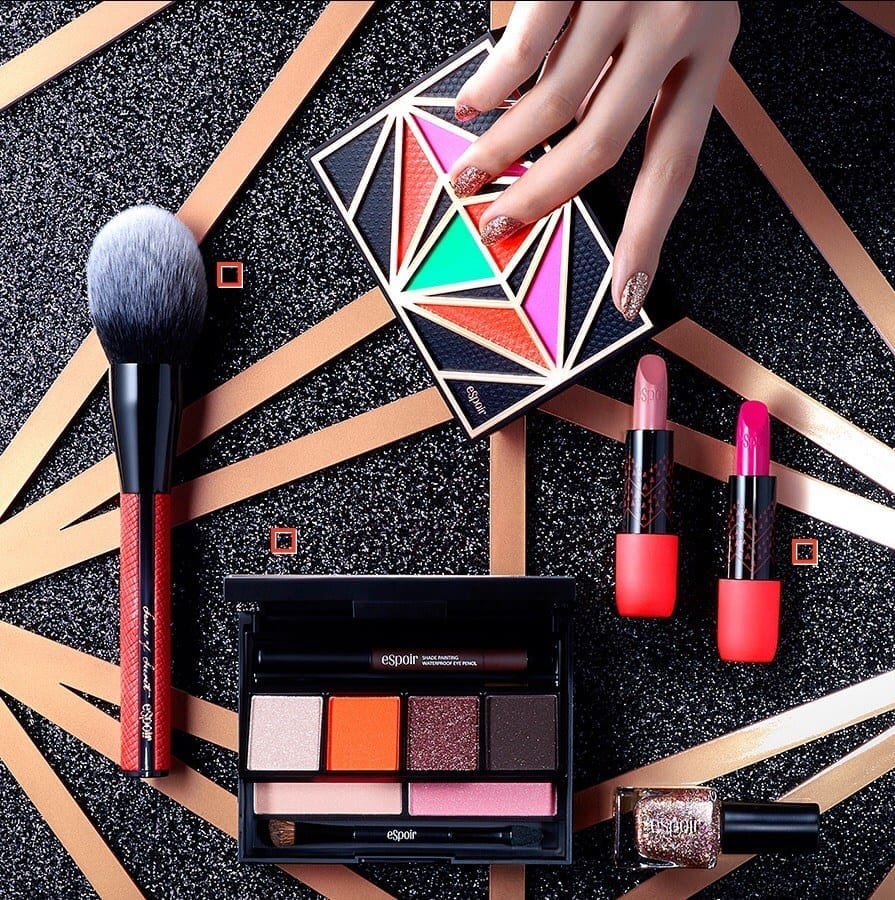
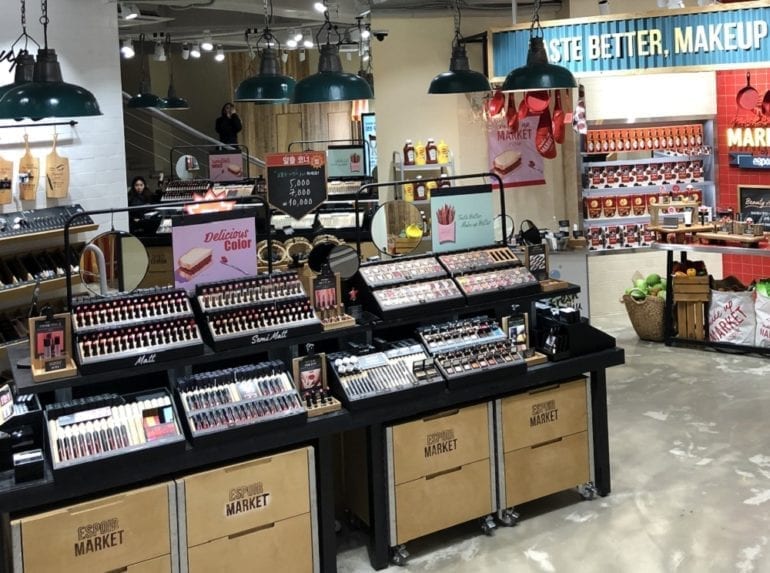
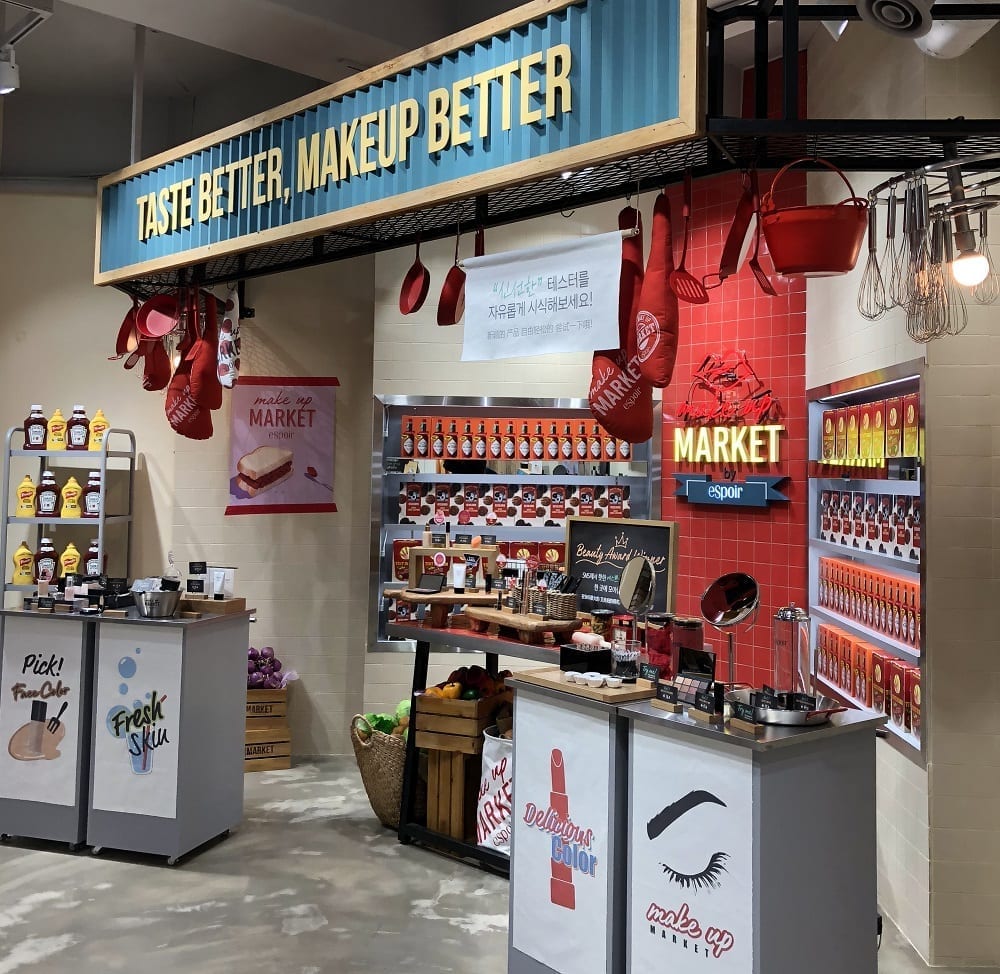
    Espoir opened new concept store with the theme ‘Market’ in order to provide a new brand experience in Shinsa-dong, Seoul.

    Inspired by the European market, the ‘MAKE-UP MARKET’ of Espoir brings a feeling of a colorful  interior to the actual food market.

    The make-up market store is the first self-picking concept store.

    Espoir has introduced a self-picking process that allows customers to test and buy their own products through a space configuration that considers the customer’s movement.

    Additionally, they provide free stamps, ribbons, etc. in the self-packing zone so that customers can freely wrap their own products when they have finished all their purchases.

    There is a tasting zone in the market  so that anyone who visits the store can test the best-selling products of Espoir. There is also a flea market zone on the first floor and the basement floor for best-selling items at special price.

    In this concept store, pre-sales promotions that were only offered online will be carried out in the off-line store alone so that customers can experience new more quickly than anyone else.

    There are also a variety of exclusive set items available only in ‘MAKE-UP MARKET’ store.  Customers will receive a ‘slim fit air puff’ or a special market sticker on a first-come, first-served basis for customers purchasing from a concept store during February 2018.

    “We hope that customers will be able to experience various aspects of our products through the new concept store of ‘MAKE-UP MARKET’ following the concept store of Hongdae ‘MAKE-UP PUB concept store’, and we will prepare a various event that will provide fun and new products for customers in the future,” company said.

  • Nike sued over copycat sports bra design

    Nike sued over copycat sports bra design

    A Florida-based entrepreneur is suing Nike for allegedly copying her design patents pertaining to a sports bra with pockets.

    SherryWear LLC claimed in a lawsuit filed this week that Nike copied its pocket bra design after its founder, Sherry Goff, submitted the SherryWear pocket bra design to Nike via an online submission. The design at the time had some issued and pending patents.

    According to the suit filed in a Massachusetts court on Monday, Nike rejected Goff’s design in March 2017. Just a few months later, Nike filed a U.S. patent application for a “Bra With Storage Pockets.” Goff submitted the SherryWear pocket bra design to Nike again after that and was rejected again.

    SherryWear specifically takes issue with Nike’s Swoosh Pocket Bra and the Swoosh on the Run bras, both of which feature pockets.

    “Nike has never had authority to use, offer, sell or import any product or assembly covered by the Pocket Bra Patents or actively induce others to do so,” the suit claims. “By continuing to engage in commercial activities described in this complaint, Nike is knowingly, deliberately and intentionally infringing the Pocket Bra Patents.”

    Retail News has reached out to Nike for a comment. In a statement to Retail News, a spokesperson for SherryWear’s law firm, Caldwell IP Law, said it is “confident in the effectiveness of the patent system and its ability to empower small businesses, such as SherryWear.”

    Nike may be on the defensive this time, but the Swoosh has historically taken a harsh legal stance when it comes to protecting itself against potential copycats. Nike, in 2021, filed a trademark infringement and dilution complaint against MSCHF, the company that released its controversial Satan Shoes with Lil Nas X, and settled the lawsuit shortly after. Last year, Nike resolved its trademark infringement battle with footwear designer John Geiger after claiming he created sneakers that were similar to Nike’s Air Force 1 shoes.

  • Puma and Adyen Showcase the Speed and Flexibility of Unified Commerce

    Puma and Adyen Showcase the Speed and Flexibility of Unified Commerce

    Retail’s Big Show APAC (NRF 2025 APAC), world’s leading sports brand Puma and global financial technology platform Adyen shared how their strategic partnership is transforming retail operations and customer experiences across Asia Pacific and beyond.

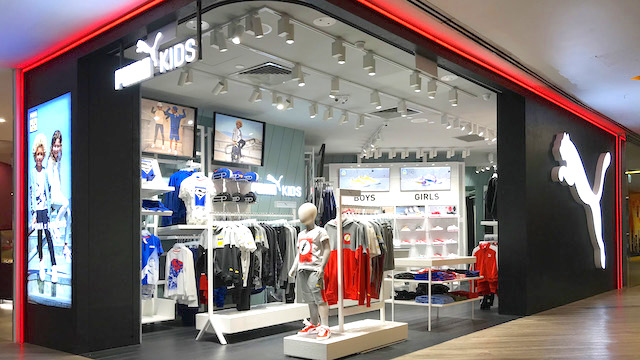
    From flagship stores to high-pressure, high-volume environments like Formula 1 events, Puma is leveraging Adyen’s unified commerce platform to deliver fast, frictionless, and flexible customer experiences—online, offline, and everywhere in between.

    Since 2020, Puma has partnered with Adyen to consolidate its previously fragmented payment systems. Before that, multiple providers across different markets led to issues with fraud, reconciliation delays, and inconsistent customer experiences. By migrating to Adyen’s single platform, Puma has streamlined backend operations, improved reporting accuracy, and accelerated store and event rollouts in Singapore, Hong Kong, Malaysia, Australia and New Zealand, the UK, and other European markets.

    This partnership underscores a growing trend among global retailers to consolidate fragmented payment systems into unified platforms—streamlining operations and enhancing the customer journey across every channel.

    Key Highlights:

    • From Fragmented to Unified: Before 2020, Puma operated with a mix of payment providers across different markets, resulting in operational inefficiencies and inconsistent customer experiences as a multinational business when scaling. Adyen’s unified platform now powers both online and in-store payments in a single ecosystem.
    • Accelerated Rollouts: In Australia, Puma deployed Adyen’s POS terminals across 26 stores in under a month—fully remotely, effectively eliminating the cost of in-person deployment in a vast geographic market. Singapore and other markets have since adopted the same agile deployment model.
    • Omnichannel Innovation: Puma is enhancing its omnichannel model to drive conversion rates and ensure seamless transactions, preventing missed sales opportunities by helping customers complete purchases in the moment. Customers can buy online and return in-store, or purchase in-store and receive goods from other store locations or warehouses—eliminating friction and keeping the buying process convenient.
    • Customer-Led Payment Strategy: Puma adapts to local consumer preferences, whether that’s credit cards, e-wallets, or Buy Now, Pay Later (BNPL), Puma can quickly activate local payment methods via Adyen’s platform—meeting regional preferences without technical complexity.
    • F1-Ready Payments: At high-volume events like Formula 1, Puma leverages Adyen’s mobile and scalable solution to process thousands of transactions efficiently—supporting seamless customer journeys in high-pressure environments. This enables high-speed setups and smooth customer flows during major global events.

    “With Adyen, Puma is not only simplifying operations but also enhancing customer experiences on a global scale,” said Ben Wong, General Manager, Southeast Asia & Hong Kong at Adyen. “Retail today is about agility, speed, and personalization. From F1 events to everyday store operations, our partnership with Puma is a clear example of how unified commerce can empower retailers to operate smarter, move faster, and adapt to rapidly changing market conditions. Whether it’s enabling remote rollouts, supporting local payment preferences, or handling massive event transactions, we’re proud to help Puma deliver a seamless experience that puts the customer first.”

  • Farfetch Expands Into Korean Market Through Alliance With E-commerce Giant Coupang

    Farfetch Expands Into Korean Market Through Alliance With E-commerce Giant Coupang

    The premier luxury e-commerce platform, Farfetch, is set to broaden its business operations into the Korean market. This move is made possible through an alliance with Coupang, which is Korea’s principal e-commerce company.

    Facilitating International Fulfilment

    As part of the collaboration, Coupang will be managing all overseas fulfilment for Farfetch. On the domestic front, RLux, a high-end shopping application owned and operated by Coupang, will provide free delivery service for all items purchased within Korea.

    Enhancing Customer Convenience

    In a move aimed at improving customer convenience, Farfetch will integrate all customs duties and additional fees into the product prices. This means that customers will see the total cost upfront, making it easier for them to make informed buying decisions.

    Stephen Eggleston, Farfetch’s Chief Commercial Officer (CCO), expressed his enthusiasm for the expansion. He highlighted this as a special chance for brands in partnership with Farfetch to reach out to Korean luxury customers directly.

    Rescue from Financial Uncertainty

    In 2023, Farfetch found itself on the brink of bankruptcy. This financial calamity was averted when the company was acquired by Coupang.

    Diverse Brand Portfolio

    Now, Farfetch boasts a diverse portfolio of 1400 brands, boutiques and department stores. The company caters to customers in no less than 190 countries around the globe.

    Questions & Answers

    What new markets is Farfetch expanding into?
    Farfetch is broadening its business operations into the Korean market.

    Who will manage Farfetch’s overseas fulfilment in Korea?
    Coupang, Korea’s principal e-commerce company, will handle all overseas fulfilment for Farfetch.

    What measures is Farfetch taking to improve customer convenience in Korea?
    To enhance customer convenience in Korea, Farfetch will include all customs duties and additional fees in the product prices.

  • Asics Boosts Indian Manufacturing Amid Regulatory Changes, Plans For Brand-owned Stores

    Asics Boosts Indian Manufacturing Amid Regulatory Changes, Plans For Brand-owned Stores

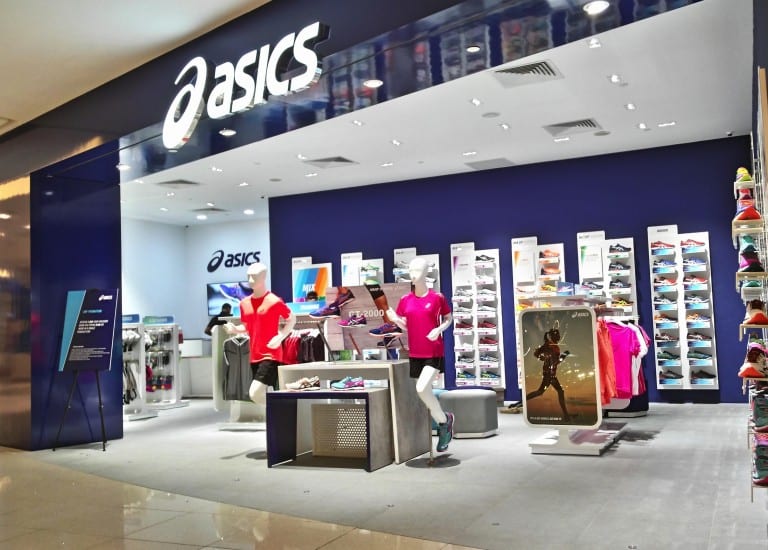
    Asics, the Japanese sportswear giant, has announced plans to increase its manufacturing operations in India from 30% to 40% over the coming years. This move is aimed at maintaining a stable supply chain, following changes in the country’s regulations that have led to a halt in footwear imports.

    The Indian government has recently introduced a set of standards for different footwear types. These regulations demand that both local and international manufacturers secure quality certifications. In response to these rules, Asics has paused its footwear imports, citing the impracticality of importing without the required government certification.

    Local Production Strategy

    In order to navigate this challenging situation, Asics is working towards enhancing its local production capabilities. “We are strategically developing local production capabilities,” stated Rajat Khurana, Managing Director of Asics India.

    During the 2024-25 fiscal year, Asics achieved 30% local production. This achievement meets the government’s required threshold, which permits foreign brands to run their own single-brand stores in India.

    Expansion Plans

    With approximately 125 stores currently being operated via franchise partners, Asics is now planning to open its first brand-owned store within the year. The company is actively exploring potential locations in and around major cities such as Delhi and Mumbai, with plans to establish a few more outlets in the years to come.

    In addition to directly owned stores, Asics also intends to open three new franchise stores every month until the end of the year. The brand, which competes with internationally recognized names such as Nike, Adidas, and Skechers USA in the Indian market, is set to capitalize on the country’s growing fitness culture.

    Financial Outlook

    Asics is optimistic about its financial prospects in India, predicting a revenue growth of between 35% and 37% for the fiscal year 2024-25. This projection follows a 26% increase in revenue during the previous fiscal year, which saw its earnings rise to 4.28 billion rupees (US$49.7 million).

    The company, which is particularly known for its running shoes, is benefitting from the rising interest in fitness, tennis, and pickleball among India’s affluent urban dwellers. The local market for sporting goods and apparel is anticipated to double by 2030, reaching US$58 billion, up from the 2023 levels, as per a 2024 report by Deloitte.

    Questions & Answers

    What is the reason behind Asics’ decision to increase manufacturing in India?
    Asics is boosting its manufacturing in India in response to new regulations that have halted footwear imports.

    What are Asics’ expansion plans in India?
    Asics plans to open its first brand-owned store in India this year and aims to establish more in the coming years. The company is also looking to open three new franchise stores every month until the end of the year.

    What is Asics’ projected revenue growth in India for 2024-25?
    Asics is expecting to see a revenue growth of between 35% and 37% in India for the fiscal year 2024-25.

  • Authentic Brands Group Unveils New APAC Headquarters in Vibrant Shanghai

    Authentic Brands Group Unveils New APAC Headquarters in Vibrant Shanghai

    Authentic Brands Group has made a major move in its global expansion strategy by opening its Asia-Pacific (APAC) headquarters in the vibrant city of Shanghai. This new development, covering nearly 2,000 square meters, is not just an office—it’s a hub of creativity and innovation.

    Bringing Brands to Life

    The Shanghai office boasts five immersive showrooms, a stylish Style Studio, an executive lounge, and specialized spaces designed for the diverse teams focusing on brand management, business development, PR, marketing, and entertainment. This environment is set to inspire collaboration and take Authentic’s regional initiatives to new heights.

    Top brass from the company, including CEO Jamie Salter and President Matt Maddox, were present for the launch, alongside APAC President Wesley Chu, EVP Josh Perlman, and global brand partner David Beckham. Their attendance highlights the importance of this new hub in cementing Authentic’s presence in the Asian market.

    A Global Vision, Local Focus

    The Shanghai office is strategically positioned to function as a regional center for brand management, licensing, and marketing throughout Greater China and the broader APAC region. This bold move follows the establishment of Authentic’s EMEA headquarters set to open in 2024, emphasizing the company’s commitment to localizing operations in critical markets.

    Founded in 2010, Authentic Brands Group has swiftly risen to prominence. The company manages a portfolio of over 50 lifestyle, sports, and entertainment brands, generating approximately USD 32 billion in annual global retail sales. Its impressive lineup features global superstars like David Beckham, Shaquille O’Neal, and a diverse array of brands including Reebok, Aéropostale, Quiksilver, Barneys New York, and Sports Illustrated.

    As they celebrate this milestone, one can only wonder what other surprises Authentic has in store for the bustling APAC market.

    Questions & Answers

    **What is the size of the new Shanghai office?**
    The Shanghai office spans nearly 2,000 square meters.

    Who were some key figures present at the office launch?
    Notable attendees included CEO Jamie Salter, President Matt Maddox, APAC President Wesley Chu, EVP Josh Perlman, and brand partner David Beckham.

    What does Authentic Brands Group aim to achieve with this new headquarters?
    The headquarters will serve as a regional hub, enhancing brand management, licensing, and business development in Greater China and the wider APAC region.

  • Chow Tai Fook Overcomes Sales Slump With Increased Operating Profit: Unveils Expansion Plans

    Chow Tai Fook Overcomes Sales Slump With Increased Operating Profit: Unveils Expansion Plans

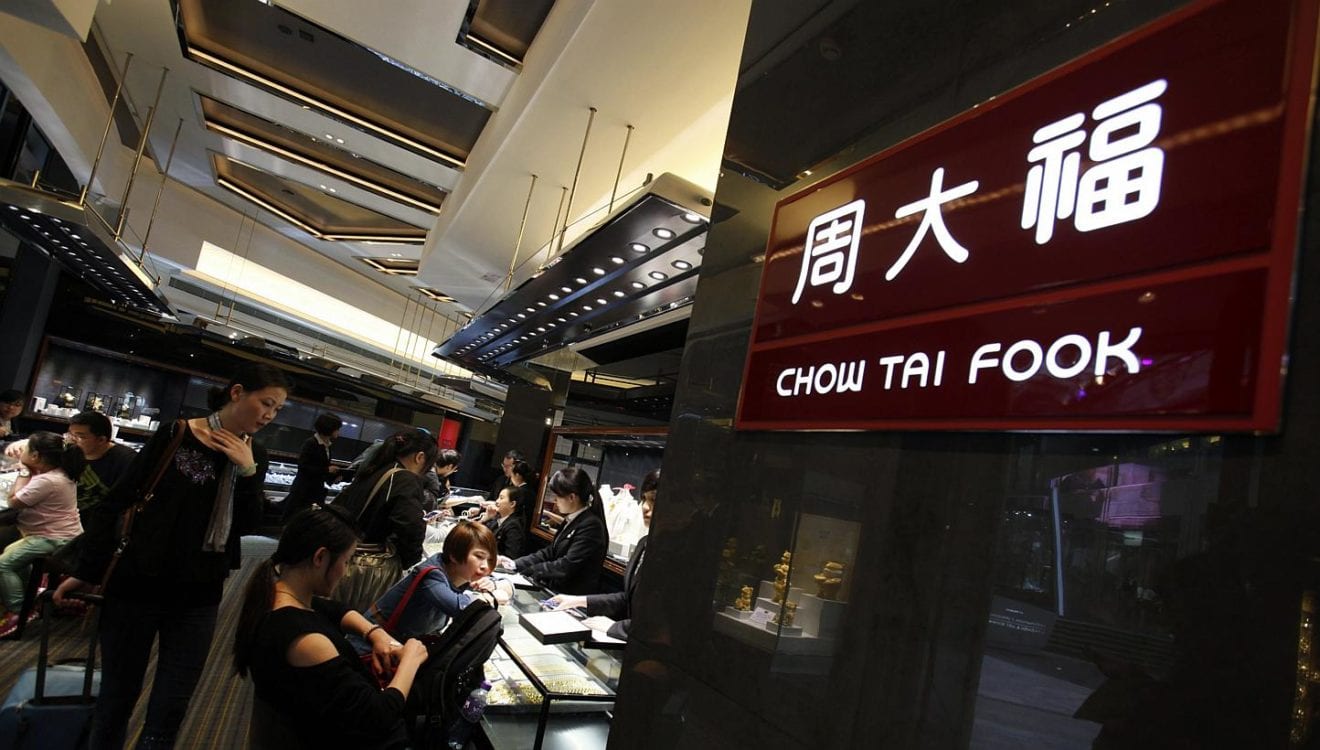
    Despite subdued consumer sentiment impacting its sales in the last fiscal year, Chow Tai Fook witnessed an increase in its operating profit.

    The company’s revenues for the fiscal year, ending on March 31, saw a significant decrease of 17.5 per cent, amounting to HK$89.6 billion (US$11.4 billion). The reasons behind this slump were attributed to wider macroeconomic factors and high gold prices, both of which contributed to dampening consumer sentiment.

    However, the company’s operating profit demonstrated resilience amidst these challenges, marking a 9.8 per cent increase and reaching HK$14.7 billion. This rise in profit can be attributed to a well-curated product mix, increased gold prices, and effective cost management strategies. Consequently, the operating profit margin also saw an enhancement of 400 basis points, rising to 16.4 per cent.

    Nevertheless, the profit assigned to shareholders witnessed a drop by 9 per cent, amounting to HK$5.9 billion. This was due to the fact that the growth in operating profit was overshadowed by the losses incurred through the revaluation of gold loan contracts.

    The company also highlighted that its same-store sales performance in Mainland China demonstrated a progressive improvement on a quarterly basis. Concurrently, the performance of stores in Hong Kong and Macau showed signs of stabilization towards the end of the fiscal year.

    Throughout the year, Chow Tai Fook made notable advances in its brand transformation strategy. The company launched five new stores featuring a premium format in Mainland China and Hong Kong. These were designed to augment brand desirability and enhance store productivity.

    In the upcoming fiscal year, the company is set to continue its strategic expansion by unveiling its new-format stores in Singapore and Canada. Additionally, it also plans to penetrate high-growth markets in Southeast Asia and prime locations.

    Questions & Answers

    What was Chow Tai Fook’s revenue for the year ended March 31?
    The revenue for Chow Tai Fook for the year ended March 31 was HK$89.6 billion (US$11.4 billion).

    What factors contributed to the increase in Chow Tai Fook’s operating profit?
    The rise in Chow Tai Fook’s operating profit can be attributed to an improved product mix, higher gold prices, and effective cost management measures.

    What are Chow Tai Fook’s expansion plans for the upcoming fiscal year?
    Chow Tai Fook’s expansion plans for the upcoming fiscal year include launching new-format stores in Singapore and Canada. It also plans to infiltrate high-growth markets in Southeast Asia and other prime locations.

  • Esteé Lauder’s Visionary Leader Leonard A. Lauder Dies At 92: A Legacy Of Transformation And Philanthropy

    Esteé Lauder’s Visionary Leader Leonard A. Lauder Dies At 92: A Legacy Of Transformation And Philanthropy

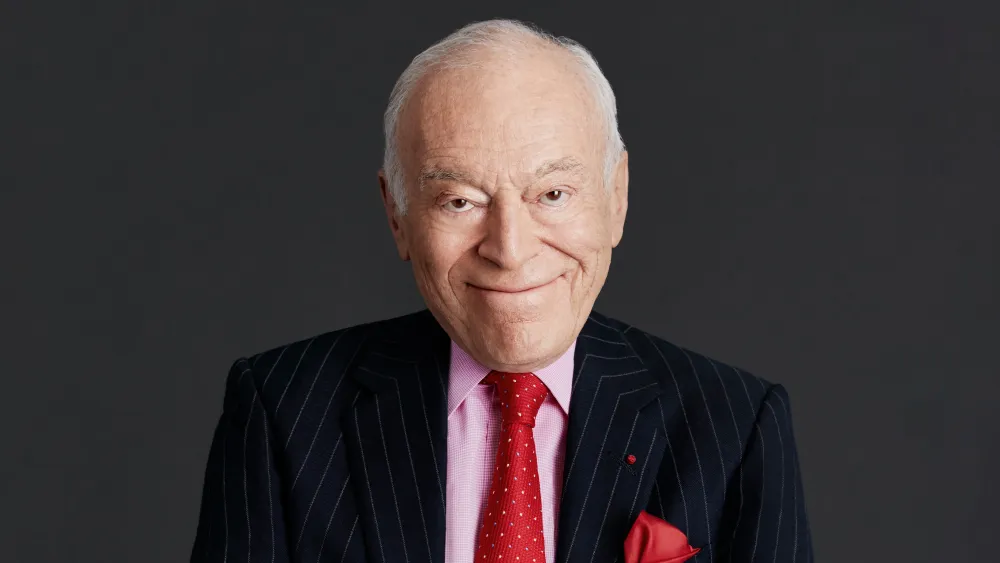
    The former chairman of Esteé Lauder, Leonard A Lauder, has sadly passed away at the age of 92.

    Loss of a Visionary

    Lauder’s death leaves a significant void in the company and the wider industry. His son, Gary M Lauder, who is also a member of the Esteé Lauder board of directors, expressed his sorrow at the loss. He emphasized the immeasurable impact of Lauder’s life, the significant contributions he made to the company, and the values of integrity, curiosity, and philanthropy that he instilled in the Esteé Lauder family. His presence will be sorely missed.

    A Tenacious Leader

    Lauder, the elder son of Esteé and Joseph H Lauder, joined the family business more than six decades ago. Armed with vision and tenacity, he played an instrumental role in the company’s transformation. Under his leadership, Esteé Lauder evolved from a single brand in the U.S. market to a global cosmetics giant boasting multiple illustrious brands.

    Before his tenure as chairman, Lauder held several leadership positions within the company, including serving as the president and CEO of Esteé Lauder from 1972 to 1999.

    Brand Expansion and Acquisitions

    Lauder was also instrumental in initiating the launch of various brands such as Aramis, Clinique, and Lab Series. His strategic vision extended to the company’s acquisition strategy, leading to the inclusion of prestigious brands like Aveda, Bobbi Brown, Jo Malone London, La Mer, and Mac under the Esteé Lauder umbrella.

    Stephane de La Faverie, current president and CEO of Esteé Lauder, recognized Lauder as an industry icon and pioneer who inspired employees and garnered respect worldwide for his visionary leadership.

    Philanthropy and Beyond

    Beyond his business ventures, Lauder dedicated his efforts to various fields, including medical research, particularly in the areas of cancer and Alzheimer’s, public education, art, foreign policy, and philanthropy. His varied contributions earned him several prestigious awards and accolades.

    Questions & Answers

    What role did Leonard A Lauder play in Esteé Lauder’s growth?
    Leonard A Lauder was instrumental in transforming Esteé Lauder from a single-brand company into a multi-brand cosmetics powerhouse with a global presence.

    What were some of the brands that Leonard A Lauder introduced?
    He initiated the launch of several brands, including Aramis, Clinique, and Lab Series, and contributed to the company’s acquisition of Aveda, Bobbi Brown, Jo Malone London, La Mer, and Mac.

    What contributions did Leonard A Lauder make outside of his business ventures?
    Lauder was heavily involved in various philanthropic activities, including cancer and Alzheimer’s research, public education, art, foreign policy, and philanthropy, earning him several prestigious awards.

  • Bata’s First Indian Ceo, Sandeep Kataria, Steps Down; Panos Mytaros Steps Up As Global Successor

    Bata’s First Indian Ceo, Sandeep Kataria, Steps Down; Panos Mytaros Steps Up As Global Successor

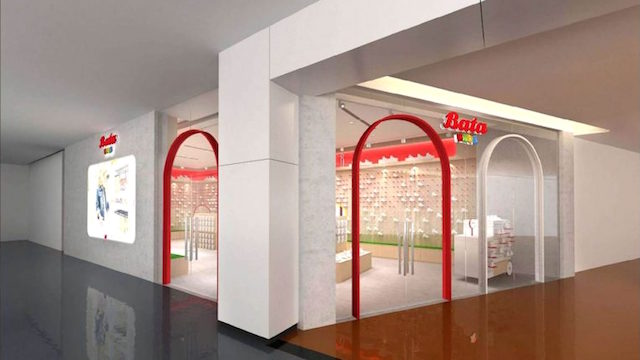
    Sandeep Kataria, the Chief Executive Officer of Bata, has announced that he will be resigning from his role in September to seek fresh prospects. The departure will coincide with the appointment of Panos Mytaros as the corporation’s new Global CEO.

    Transition of Leadership

    Kataria, who started his tenure with the Switzerland-based footwear company in 2020, was the first Indian to spearhead the brand, which has been in business for 130 years. During his time with Bata, Kataria played a crucial role in modernizing its global operations. His tenure witnessed a significant transformation of the brand, including a revamped identity, streamlined operations, and a shift towards digital and design-led innovation.

    In a highly competitive and digital-dominated retail landscape, Kataria was credited for enhancing Bata’s market positioning across Asia, Africa, and Europe. The company expressed deep appreciation for his contributions, emphasizing his tireless dedication to the people and his passion for the Bata brand.

    Looking back at his time with the company, Kataria portrayed Bata as “a community, a legacy, and a force for good,” expressing that leading the team was one of the most significant privileges of his life. It is expected that Kataria will remain with the company for several months to facilitate a smooth leadership transition.

    Appointment of New Global CEO

    The new Global CEO, Panos Mytaros, is an industry veteran with over 30 years of experience in the footwear and leather industry. Prior to his appointment at Bata, he held the position of CEO at the Danish shoe company, Ecco.

    Graham Allan, the chairman of Bata, praised Mytaros for his deep industry knowledge and passion for footwear craftsmanship. “His track record in brand building and developing compelling footwear collections, as well as in leading complex international organizations, made him the ideal candidate to guide Bata through our next phase of growth,” Allan added.

    About Bata

    Bata, established in 1894 in the present-day Czech Republic, continues to be a family-owned business. The company sells approximately 150 million pairs of shoes annually under roughly 20 brands, including Bata, North Star, and Power.

    In India, Bata operates over 1960 stores, selling roughly 50 million pairs annually. This makes it the country’s leading footwear company in terms of both revenue and volume.

    Questions & Answers

    Who is replacing Sandeep Kataria as the CEO of Bata?
    Panos Mytaros, previously the CEO of the Danish shoe company Ecco, will replace Sandeep Kataria as the CEO of Bata.

    What significant changes did Sandeep Kataria bring about in Bata during his tenure?
    During his tenure, Kataria led a significant transformation of the brand, including a revamped identity, streamlined operations, and a shift towards digital and design-led innovation. He also helped enhance Bata’s market positioning across Asia, Africa, and Europe.

    What is Bata’s standing in the Indian market?
    With more than 1960 stores and approximately 50 million pairs of shoes sold annually, Bata is the largest footwear company in India by both revenue and volume.

  • Aesop Expands In Bangkok: New Boutique Marries Australian Design With Traditional Thai Architecture

    Aesop Expands In Bangkok: New Boutique Marries Australian Design With Traditional Thai Architecture

    Aesop, the well-known Australian cosmetics brand, has recently expanded its presence in Bangkok by opening its fourth boutique at Central Chidlom.

    Inspiration & Design

    This new boutique boasts a unique design, unlike any other. Aesop’s own in-house design team, based in Melbourne, has taken inspiration from the traditional Thai architecture. The design is marked by curved silhouettes, distinctively characteristic of Thailand’s traditional rooftops.

    The boutique’s interior features an aesthetic infused with bamboo, underscoring the brand’s commitment to local materials and sustainable practices. This design choice is a nod to the enamelled tiles seen on traditional Thai rooftops, which are often supported by wooden frames and trusses.

    Store Features

    Prominent in the store is a standalone terraced display table and several shelving units, all of which are enveloped by bamboo. This common interior material is frequently used across Thailand, reflecting the brand’s integration of local traditions into its store design.

    Product Range

    The most recent addition to Aesop’s portfolio of boutiques will carry the brand’s comprehensive range of products. These include their complete line of skincare, haircare, and body care products, each promising the high-quality experience that Aesop is renowned for.

    Questions & Answers

    What inspired the design of the new Aesop boutique in Bangkok?

    The design of the new boutique was inspired by traditional Thai architecture, particularly the curved silhouettes of the country’s traditional rooftops.

    What materials were used in the construction of the new Aesop boutique?

    The boutique prominently features bamboo in its construction, a common material used throughout Thai architecture and interior design.

    What products will the new Aesop boutique carry?

    The boutique will carry Aesop’s full range of skincare, haircare, and body care products.

  • Gold Market Set for Exciting Competition as Bullion Monopoly Comes to an End!

    Gold Market Set for Exciting Competition as Bullion Monopoly Comes to an End!

    Dao Xuan Tuan, the director of the Foreign Exchange Management Department at the State Bank of Vietnam, has announced exciting developments in the nation’s gold bullion landscape. In a recent statement to the Lao Dong (Labour) daily, Tuan revealed that the central bank is finalizing a draft government decree aimed at gradually liberalizing the gold bullion market while maintaining rigorous regulatory oversight.

    Opening the Gates to Competition

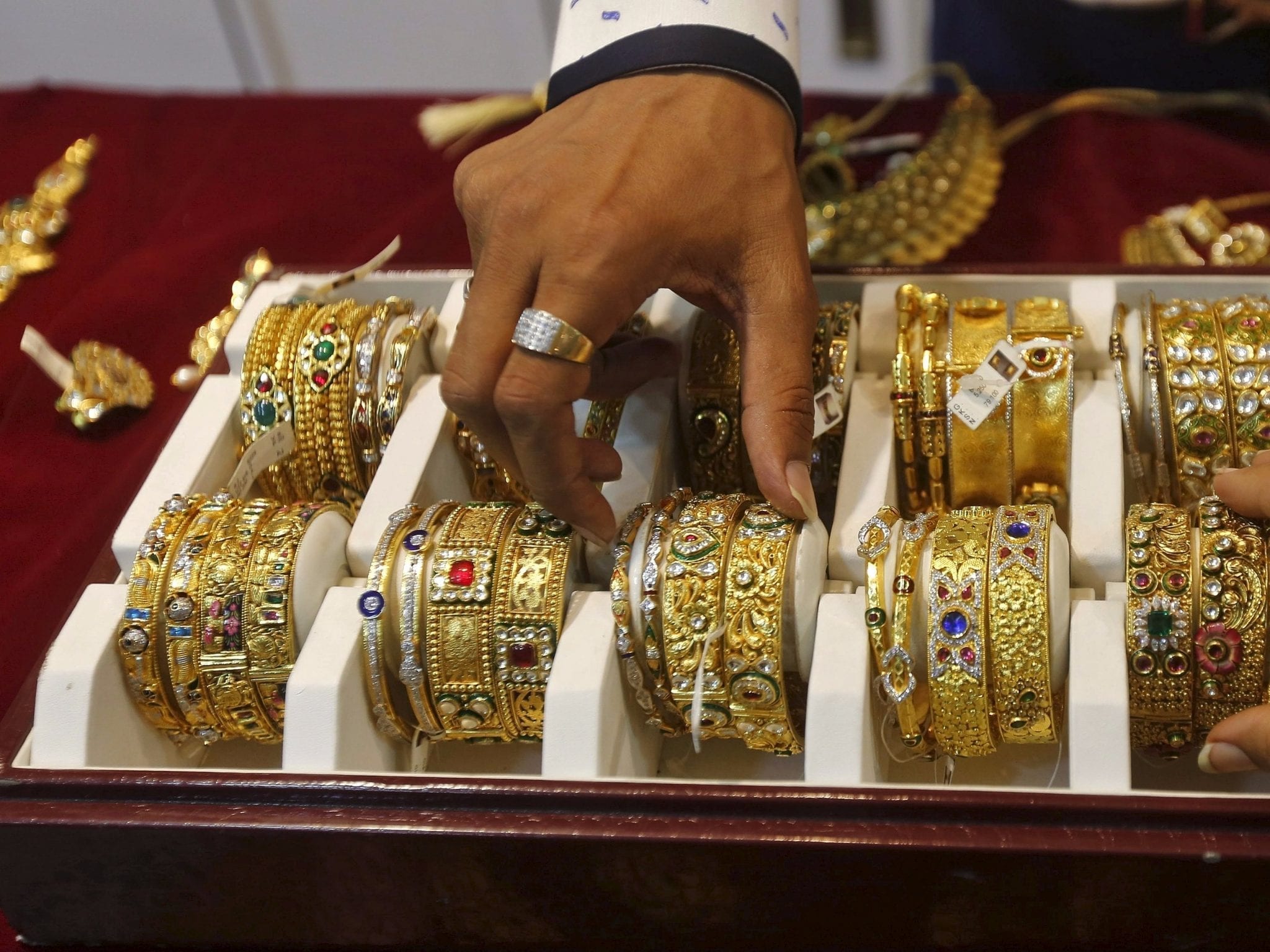
    One of the most significant proposals in the draft is the plan to permit eligible banks and enterprises to import raw gold and produce bullion, a privilege that has historically belonged to a single entity. This shift not only breaks the monopoly but is poised to inject vitality into the market. Tuan explained that licenses will be issued to credit institutions and enterprises that fulfill specific conditions, enabling them to import raw gold for both bullion production and jewelry-making.

    Material import quotas will be granted based on macroeconomic conditions, monetary policy, and market fluctuations, aiming to strike a balance between liberalization and regulatory control. Tuan emphasized that this new approach will enforce strict oversight while dismantling existing monopolistic structures.

    Accountability and Transparency in Production

    According to the proposed regulations, licensed bullion producers must publicly disclose quality standards and maintain detailed transaction logs that interface with regulatory authorities. Tuan firmly asserted that producers will be held accountable if the quality of their products fails to meet the proclaimed standards, underscoring the emphasis on transparency in bullion transactions, which will be subject to audits at any time.

    This initiative to introduce multiple bullion brands is expected to foster competition, reduce price discrepancies among brands, and ultimately benefit consumers, much like a thrilling game show where everyone walks away with a prize!

    Enhancing the Jewelry Sector

    Turning to the thriving jewelry sector, Tuan highlighted that over 6,000 enterprises are active in this field, most of which are small and struggle to secure import licenses due to financial constraints. The draft decree intends to address this by permitting only credit institutions and bullion producers authorized to produce gold bullion to import raw gold. They can then pass on raw materials to domestic jewelry manufacturers, promising to increase the availability of raw gold while keeping import activities under tight supervision.

    Licensed importers will also need to implement transparent internal processes, meticulously maintain transaction records, and ensure their information systems are connected with relevant authorities, fortifying inspection and monitoring protocols.

    The revised decree is expected to herald a new era for Vietnam’s gold market, paving the way for a more competitive and transparent marketplace that is in sync with evolving market conditions and legal frameworks.

    Questions & Answers

    What is the main goal of the proposed government decree?
    The decree aims to gradually liberalize the gold bullion market in Vietnam while ensuring thorough regulatory oversight.

    Who will be allowed to import raw gold under the new regulations?
    Eligible banks and enterprises that meet specific conditions will be granted licenses to import raw gold for bullion production or jewelry-making.

    How will the proposed changes impact the jewelry sector?
    The new regulations aim to increase the supply of raw gold and provide greater opportunities for small-scale jewelry manufacturers while ensuring that import activities remain controlled and transparent.

  • Indian leggings brand Go Colors has international debut in Dubai

    Indian leggings brand Go Colors has international debut in Dubai

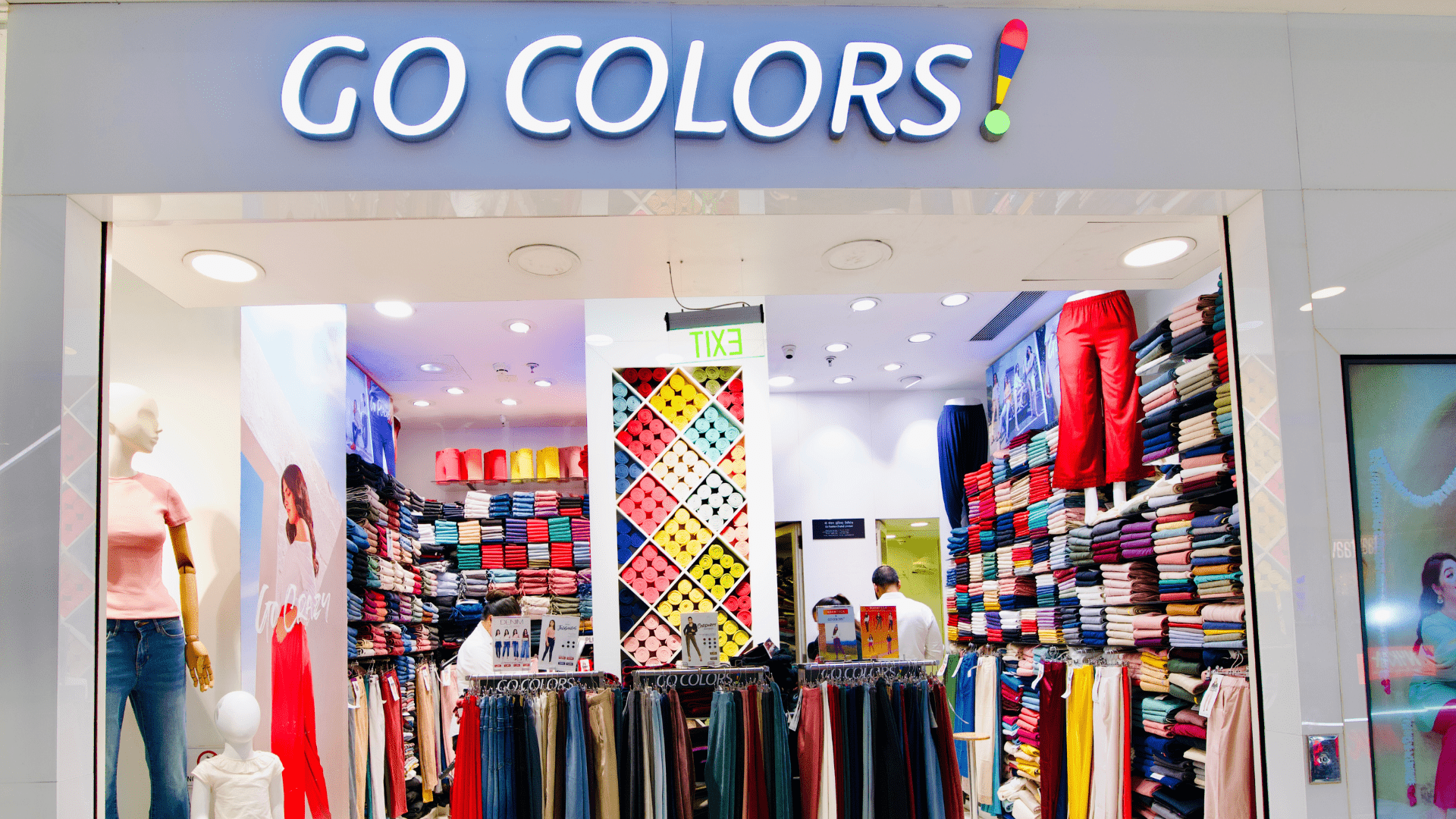
    Go Colors, a leading Indian retailer specializing in women’s pants and leggings, is set to launch its first overseas store in Dubai’s Silicon Central Mall.

    Partnership with Apparel Group

    Go Fashion India, the parent company of Go Colors, is collaborating with the UAE-based retail giant, Apparel Group, to bring its extensive collection of leggings, jeans, pants, joggers, and other women’s basic clothing items to the international market. The collaboration marks the brand’s first expansion outside of India.

    Gautam Saraogi, CEO of Go Fashion, expressed his excitement over the expansion, acknowledging the significant role of Apparel Group in this endeavor. “Collaborating with Apparel Group, with their extensive retail experience and strong presence in the region, makes them the ideal partner for this exciting milestone,” Saraogi stated.

    Store Design and Features

    The store’s design will incorporate vibrant, attention-grabbing displays with clear product categorization, which will enable customers to effortlessly navigate through seasonal collections, casual apparel, and accessories.

    Moreover, the store will leverage technology to enhance the shopping experience. Customers will have the ability to scan QR codes for easy access to product details and promotions, thereby bridging the gap between physical and digital retail experiences.

    Onwards and Upwards for Go Colors

    Back home in India, Go Colors boasts a robust network of over 750 exclusive brand outlets. This extensive presence not only testifies to the brand’s popularity but also lays a strong foundation for its international expansion.

    Questions & Answers

    What is Go Colors?
    Go Colors is a leading Indian retail brand specializing in women’s pants and leggings. It is owned by the parent company, Go Fashion India.

    Where is Go Colors opening its first international store?
    Go Colors is opening its first international store in Dubai’s Silicon Central Mall.

    Who is Go Colors partnering with for its international expansion?
    Go Colors has partnered with the UAE-based retail conglomerate, Apparel Group, for its international expansion.

  • Shoppers Navigate Closed Doors as Raids Target Counterfeit Goods in Hanoi and HCMC

    Shoppers Navigate Closed Doors as Raids Target Counterfeit Goods in Hanoi and HCMC

    On the morning of June 6, the usually vibrant streets of Hang Ngang and Hang Dao in Hanoi’s Hoan Kiem District appeared unusually desolate. Once a bustling commercial center, these roads felt eerily quiet, reminiscent of the Lunar New Year holiday lull, with a predominant number of shops shuttered.

    Lan, a 35-year-old local, found herself navigating this stillness, riding her motorbike back and forth, hoping to find an open store. After parking, she ventured on foot, peering through closed shutters in search of familiar fashion outlets. “I usually buy clothes here, and I’m just trying to find something still open,” she explains. Her quest led her to a shop with a barely open roller door. Inside, the owner swiftly closed it behind her, revealing a strategy to avoid the ongoing government raids targeting counterfeit goods.

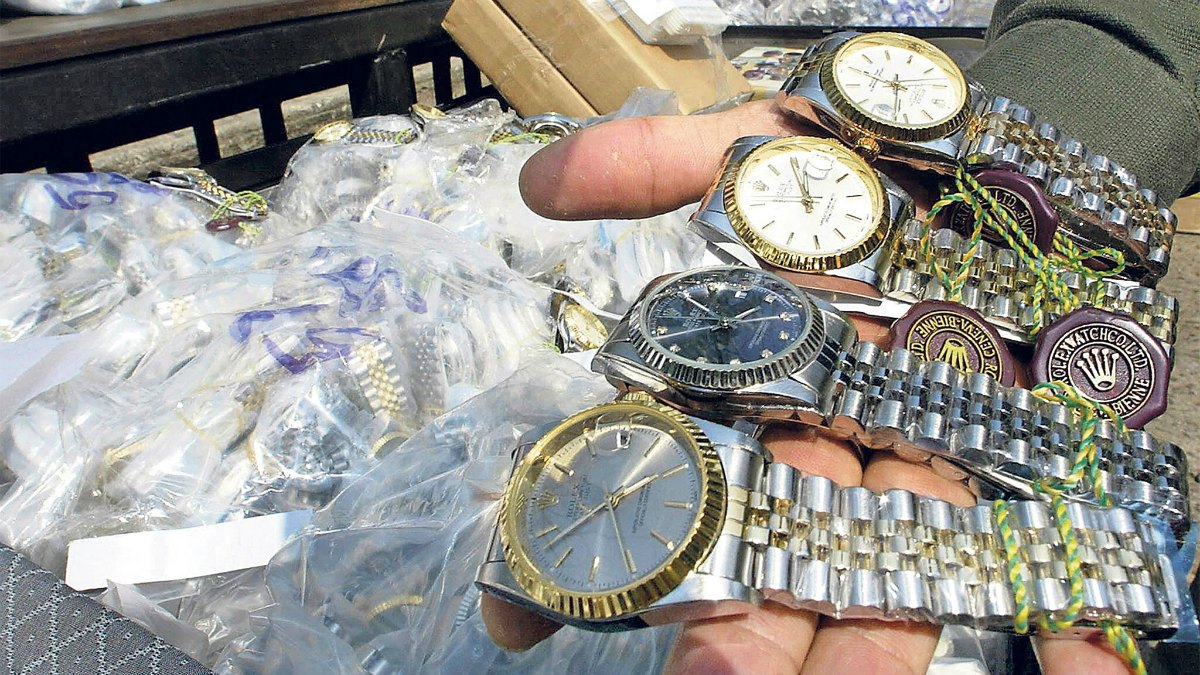
    With a crackdown on counterfeit and tax evasion intensifying, marketplaces in both Ho Chi Minh City and Hanoi are witnessing closures among fashion, watch, and pharmaceutical retailers. Authorities recently conducted extensive inspections, unveiling thousands of counterfeit luxury items in Ho Chi Minh City, with brands like Rolex, Chanel, and Gucci found without proper documentation. The prices of these counterfeit products far underscored their genuine counterparts.

    Once outside the shop, Lan noted the rapid descent of the shutter, making the store appear closed once more. Finding shoes proved even more challenging as nearly all footwear retailers were also shuttered. Resorting to modern communication, she connected with a store via the Zalo messaging app, hoping to browse styles and place an order since “in-person sales are suspended during this time.” Yet after two hours, her shopping needs remained unfulfilled.

    Unexpected Shopping Experiences

    Similarly, Kieu Tuyet, 45, from Hai Ba Trung District, faced difficulties procuring sleepwear on Hang Dao. After half an hour of searching, she stumbled upon a familiar shop where her purchase took less than ten minutes. “In the past week, it has become a challenge to shop. You either squeeze through barely open doors or place phone orders for pickup or delivery. It almost feels illegal,” she remarked.

    A recent VnExpress survey indicated that around 80% of clothing, footwear, and cosmetics stores along the famed streets and Dong Xuan and Hang Da markets were closed. Meanwhile, other shopping hotspots, such as Chua Boc Street in Dong Da District and Ninh Hiep Market in Gia Lam District, reported similar closures. At the few stores still operating, doors were partly ajar, and staff awaited delivery drivers outside to expedite transactions.

    On social media, shoppers shared amusing snippets of their experiences, showcasing people squeezing through tight slots to gain entry. Nguyen Thi Oanh, a 60-year-old clothing vendor, noted that most businesses had remained closed since June 1 due to fears of inspections. “Some days, I only sell three or four outfits, but that’s better than facing fines. I simply can’t shoulder that burden,” she lamented.

    New Tax Environment Creates Anxiety

    The recent introduction of tax reforms requiring businesses with annual revenues exceeding VND1 billion (about US$38,380) to issue e-invoices linked to tax authorities has left many vendors anxious. Oanh now exclusively takes cash payments, shunning card transactions, particularly with foreign customers, for fear of mismanaging the new requirements.

    Tuyet Hoa, 74, who has operated a tea stall on Hang Ngang Street for nearly a decade, described the current atmosphere as reminiscent of Covid lockdowns. Despite appearances, she affirmed, sales continue quietly inside many stores, often relying on delivery drivers for business. Yet, as foot traffic diminishes, her sales have plummeted, once quite popular among delivery riders, now struggling to reach ten cups of tea daily.

    She anticipates that normal trading patterns may not return until after June 15 when the government’s intensified efforts against counterfeit goods are expected to conclude.

    According to Nguyen Ngoc Tinh, vice president of the Ho Chi Minh City Tax Consultant and Agent Association, the transition to a real-time tax assessment model has left business owners in trepidation, needing to invest in new systems they may not feel comfortable managing. Pham Ngoc Trung, a seasoned voice in the retail industry, echoed concerns over the crackdown on counterfeit goods, noting that many vendors have either suspended operations entirely or cautiously operate behind closed doors, all while hoping to meet essential expenses.

    Questions & Answers

    What are the current shopping conditions in Hanoi’s commercial districts?
    Most shops on key streets like Hang Ngang and Hang Dao are currently closed, with many shoppers resorting to online communication to place orders.

    What is causing the widespread closure of stores?
    Authorities are ramping up inspections to combat counterfeiting and ensure tax compliance, prompting many retailers to temporarily shut down.

    How have vendors adjusted to the new tax regulations?
    Many have switched to cash-only transactions to cope with the complexities of the new e-invoice requirements, leading to a dramatic shift in their business operations.