Category: Fashion

Retail News Asia is committed to providing both local and global retailers with the latest Fashion news throughout the Asian market. This on a daily base.

  • Discover Affordable Rolex Daytona: Elevating Your Luxury Watch Collection

    Discover Affordable Rolex Daytona: Elevating Your Luxury Watch Collection

    In the ever-evolving landscape of luxury watches, price discrepancies and investment opportunities abound, especially within the celebrated Rolex Daytona line. While models like the 126500LN and the now-discontinued 116500LN steal the spotlight, savvy collectors are beginning to recognize the exceptional value offered by lesser-known Daytona references.

    A Shift in Market Dynamics

    Notable Price Increases

    The allure of the Rolex Daytona is undeniable, with sales figures reflecting its prestige. The 116500LN, launched in 2016 at a list price of 11,800 francs, saw its valuation soar to 14,100 francs by the time it was retired in early 2023. Meanwhile, its successor, the 126500LN, currently retails at 14,800 francs, underscoring the model’s continued desirability.

    The secondary market has experienced an astonishing transformation, particularly for the 116500LN. In 2018, prices hovered around 16,000 francs, but by 2022, they had reached record highs of over 45,000 francs, only to stabilize as demand dynamics shifted.

    The Neo-Vintage Appeal

    In the world of luxury watches, true value often lies in the “sweet spot” between modern and classic styles. Although prices for the latest Daytona models remain elevated, many collectors are drawn to the “neo-vintage” segment, which ingeniously melds contemporary craftsmanship with vintage aesthetics. These selections, like references 16520 and 116520, provide a unique blend of wearability and style without the worry of historical wear and tear.

    Spotlight on Key Models: Recommendations for Collectors

    16520 – The Zenith Daytona

    First launched in 1988, reference 16520 marked a significant evolution for the Daytona series as it became the first automatic model, powered by a modified Zenith movement. Commanding attention for its blend of practicality and aesthetics, this reference is often referred to as the “Zenith Daytona.” Unavailable since 1999, pre-owned models can now be acquired for around 20,000 francs, making it a valuable opportunity for collectors seeking a piece of horological history.

    116520 – The In-House Chronograph

    The introduction of reference 116520 in 2000 marked Rolex’s first foray into in-house movements, featuring the advanced caliber 4130. Distinct for its steel bezel, instead of ceramic, and its striking white dial variant, this model is available on the pre-owned market starting at under 18,000 francs. This pricing creates an attractive entry point, positioning the 116520 as a hidden gem within the Daytona offerings.

    Finding Value in the Watch Market

    The disparities in pricing between the contemporary 126500LN and historically significant references like the 16520 and 116520 illustrate a fascinating market anomaly. Collectors and enthusiasts alike are encouraged to delve into the nuances of these models to uncover the potential for value appreciation.

    As the retail landscape evolves, the demand for both modern and neo-vintage timepieces is likely to shape the buying behavior of luxury watch enthusiasts and investors alike.

    Questions & Answers

    1. What makes the Rolex Daytona a valuable investment? The Rolex Daytona line is highly sought after, and certain references, particularly those in the neo-vintage category, represent compelling value for collectors looking for timeless pieces at reasonable prices.

    2. What are some recommendations for those looking to invest in a Daytona? References 16520 and 116520 stand out as worthy investments due to their historical significance and attractive pricing on the secondary market.

    3. How has the watch market changed recently? The secondary market for the Daytona has seen significant price fluctuations, with some models reaching record highs, while others have stabilized at lower prices, creating opportunities for collectors and investors.

  • H&M Subsidiary Plans $1B Recycling Factory to Boost Sustainable Fashion in Vietnam

    H&M Subsidiary Plans $1B Recycling Factory to Boost Sustainable Fashion in Vietnam

    Syre Group Unveils Ambitious Recycling Complex Plan in Vietnam

    In a significant move towards sustainable fashion practices, Susanna Campbell, chairwoman of Syre Group, announced plans for new major recycling complexes during a meeting with Prime Minister Pham Minh Chinh on Wednesday. The joint venture, backed by H&M and technology investment firm Vargas, aims to revolutionize the textile waste recycling landscape.

    A Commitment to Sustainability

    Syre Group’s innovative approach leverages advanced technology and renewable energy to recycle textile waste. The Binh Dinh factory is expected to commence operations by the end of 2028, with an impressive annual capacity of 250,000 tons. Prime Minister Chinh commended the initiative’s focus on green production methods, highlighting its potential contribution to environmental protection in Vietnam.

    Strategic Advantages of Binh Dinh

    Prime Minister Chinh articulated Binh Dinh’s strategic appeal, noting its robust investment environment. “Binh Dinh is emerging as a hub for clean energy,” he stated, emphasizing the region’s well-developed infrastructure, which includes highways, international airports, and deep-water ports. He urged local authorities and relevant ministries to collaborate closely with Syre to ensure the project’s success.

    Prioritizing Local Resources

    In line with Vietnam’s environmental goals, the Prime Minister advised Syre to prioritize the use of locally sourced green materials, including lotus and jute fibers, as well as recycled fabric scraps and old clothing generated within the country. This aligns with Syre’s commitment to enhancing local supply chains and maximizing resource efficiency.

    A Vision for a Circular Economy

    Expressing her confidence in Vietnam’s strategic position, Campbell remarked, “We believe Vietnam has the potential to become a global leader in developing a circular economy.” With a focus on local partnerships, Syre aims to integrate sustainable practices into its operations while reinforcing the strength of Vietnam’s textile industry.

    Continued International Cooperation

    Swedish Ambassador to Vietnam, Johan Ndisi, who attended the meeting, echoed the sentiment of long-term commitment among Swedish businesses to enhance collaboration in green transformation. He proposed that establishing a comprehensive partnership in science, technology, innovation, and digital transformation could further bolster Vietnam’s sustainability efforts.

    Impact on the Retail Sector

    As consumer demand for sustainable products continues to surge, Syre Group’s initiatives highlight a pivotal shift in the retail sector towards environmentally friendly practices. This project not only promises to transform the recycling landscape in Vietnam but also sets a precedence for other brands to follow suit. By prioritizing green solutions, companies can cater to increasingly eco-conscious consumers while contributing to global sustainability goals.

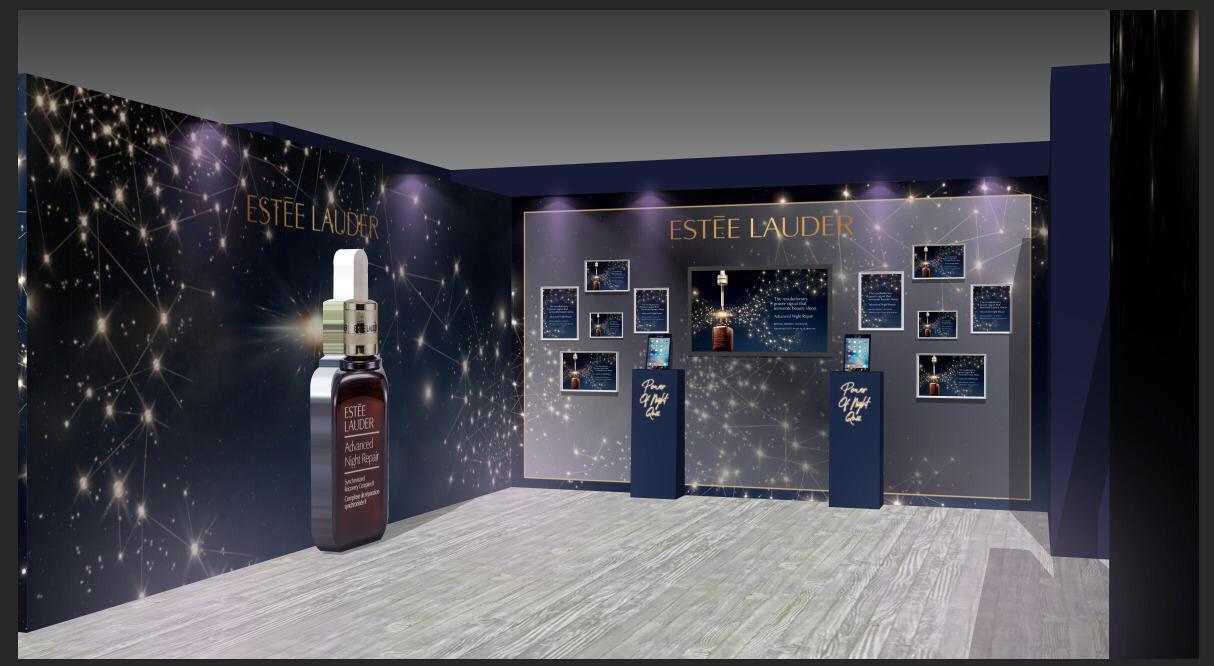
  • Estée Lauder Leverages Custom AI to Streamline Retail Data Management

    Estée Lauder Leverages Custom AI to Streamline Retail Data Management

    Estee Lauder Partners with Microsoft to Launch Innovative AI Insights Tool

    New Collaboration Set to Revolutionize Data Analysis and Consumer Insights

    The Estée Lauder Companies (ELC) has officially announced a strategic partnership with Microsoft to develop ConsumerIQ, an advanced AI-driven tool that aims to transform how the company analyzes consumer and market data. This collaboration, leveraging the power of Microsoft Copilot Studio and Azure OpenAI Service, is designed to enhance decision-making processes across ELC’s global operations.

    Streamlining Data Access

    ConsumerIQ serves as an internal intelligence hub, integrating various types of data—from spreadsheets to presentations—into one centralized platform. This innovative tool utilizes natural language processing and generative AI to deliver real-time insights, enabling ELC employees to access crucial information swiftly. By cutting analysis time from weeks to mere minutes, ConsumerIQ facilitates quicker innovation and more agile marketing strategies.

    Acknowledging Innovation and Change

    In a notable recognition of this initiative, Microsoft has included ELC in its inaugural Agents of Change list, honoring organizations that harness cutting-edge AI technology to catalyze transformation. This accolade underscores ELC’s commitment to embracing technological advancements to enhance its operations and better meet consumer demands.

    ELC’s Expansive Reach

    With nearly 25 brands operating in over 150 countries, ELC generates substantial volumes of consumer data daily. The implementation of ConsumerIQ not only streamlines data analysis but also supports rapid development cycles, allowing the company to stay ahead in a competitive retail landscape.

    Implications for the Retail Sector

    As ConsumerIQ rolls out, its potential impact on the retail sector could be significant. With heightened efficiency in data analysis, ELC stands to refine its marketing strategies and product offerings in tune with evolving consumer trends. This partnership not only sets a precedent for other brands looking to leverage AI in their operations but also highlights the importance of innovation in navigating today’s dynamic retail environment.

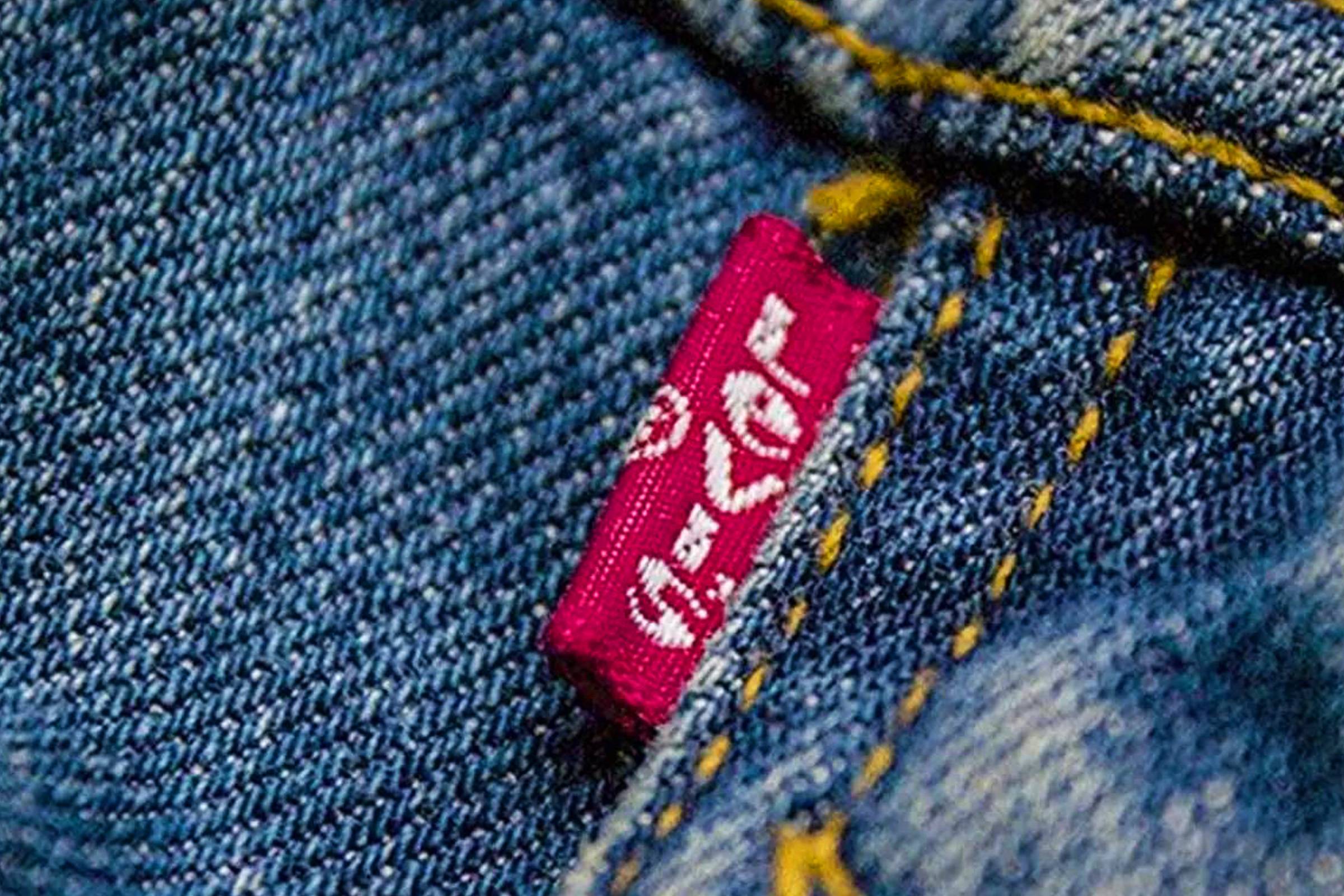
  • Levi’s Expands Brand Growth with New Flagship Store in Nagoya

    Levi’s Expands Brand Growth with New Flagship Store in Nagoya

    Levi Strauss & Co. Unveils Its Largest Store in Asia Pacific to Boost Consumer Connection in Japan

    Levi Strauss & Co., a trailblazer in denim and casual wear, has strategically expanded its footprint by opening its largest single-floor store in the Asia Pacific region—located at Nagoya ZERO GATE, Japan. This launch is a significant step in the brand’s effort to enhance customer experience and embrace local culture.

    Expanding Brand Presence with Innovative Store Features

    Spanning an impressive 5,380 square feet, the new flagship store in Nagoya is not only about size but also about offering unique experiences. It hosts the first Levi’s Tailor Shop in the Tokai region, where customers can enjoy personalized services such as embroidery, fabric paneling, and repairs—tailored to their tastes and preferences.

    Adding to the consumer experience, the store features an upscale lounge area, integrates digital elements for a seamless shopping experience, and proudly stands as the brand’s inaugural data shop in the city. This launch aligns well with Levi’s direct-to-consumer (DTC) strategy which prioritizes immersive brand experiences to foster deeper customer relationships.

    A Strategic Choice for Consumer Engagement

    Nuholt Huisamen, Managing Director & Senior Vice President, APAC at Levi Strauss & Co., explained that choosing Nagoya — one of Japan’s largest cities known for its rich history and vibrant culture — was a strategic decision. This location aligns perfectly with Levi’s goal to always be at the cultural epicenter, thus reinforcing the brand’s presence in significant urban landscapes.

    “The store is strategically positioned to show the fullest expression of our assortment, enabling consumers in Nagoya to fully immerize themselves in the Levi’s lifestyle brand. This is a direct reflection of our ambition,” Huisamen added.

    Expectations for Market Reception

    Following robust performances in major Japanese cities like Tokyo, Osaka, and Kyoto, expectations are high for the Nagoya store. Huisamen expressed optimism about the new store’s potential, given the Japanese consumers’ profound appreciation for heritage denim and the Levi’s brand overall. This indicates a promising future for Levi’s in strengthening its market position through direct engagements and tailored retail experiences.

    Potential Impact on the Retail Sector

    This expansion not only solidifies Levi’s commitment to enhancing consumer interactions through a DTC strategy but also sets a benchmark in the retail sector for combining traditional shopping with personalized and digital experiences. The move could inspire similar strategies across the industry, potentially reshaping retail interactions and consumer expectations in the region.

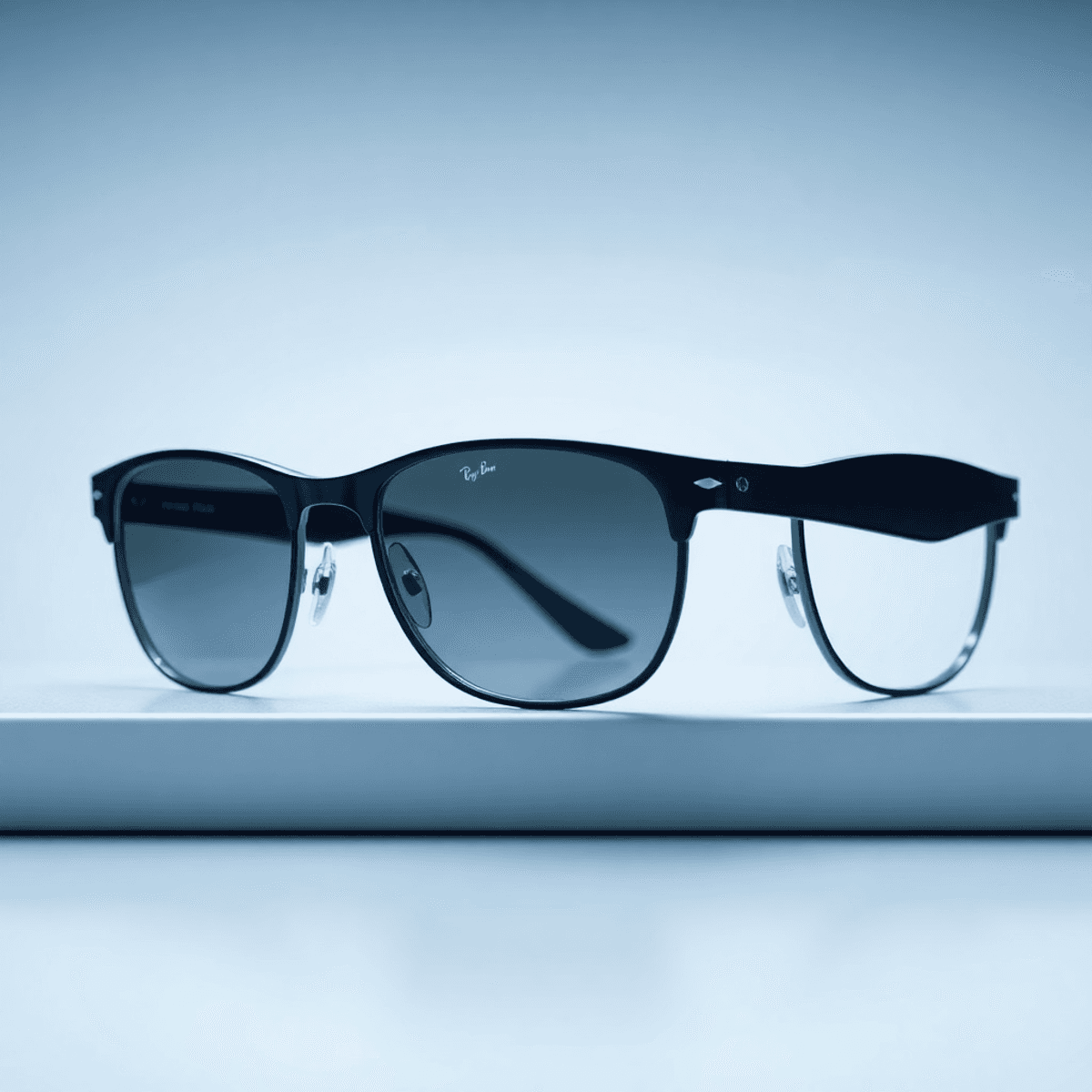
  • Ray-Ban Smart Glasses: Everything You Need to Know after the US raises import taxes

    Ray-Ban Smart Glasses: Everything You Need to Know after the US raises import taxes

    The world of smart glasses is about to change significantly due to new US import taxes that are affecting the market for Ray-Ban’s innovative smart glasses. These tax increases will directly impact the pricing of Ray-Ban’s technologically advanced eyewear, forcing both manufacturers and consumers to adapt to the new market conditions.

    EssilorLuxottica, the parent company of Ray-Ban, is now facing a complex situation where their flagship smart glasses – a combination of style and advanced technology – are facing new economic challenges. The US market, which accounts for 43% of the company’s revenue, is at the center of these changes.

    Key impacts for consumers:

    • Potential price adjustments across Ray-Ban’s smart glasses lineup
    • Shifts in availability and distribution channels
    • New manufacturing strategies affecting product delivery timelines

    Understanding these changes is crucial for current owners and potential buyers of Ray-Ban smart glasses. The decisions made now by both the company and consumers will shape the future of smart eyewear accessibility in the US market.

    Understanding Ray-Ban Smart Glasses: A New Era in Eyewear Technology

    Ray-Ban smart glasses are a groundbreaking combination of classic eyewear design and state-of-the-art technology. These innovative frames retain the iconic look of traditional Ray-Ban styles while adding advanced features that turn them into wearable tech devices.

    Key Features of Ray-Ban Smart Glasses:

    • Built-in 12MP camera for hands-free photo and video capture
    • Open-ear audio system for music and calls
    • Touch controls integrated into the temple arms
    • Voice command capabilities
    • LED recording indicator for privacy awareness
    • Compatibility with iOS and Android devices
    • 5-hour battery life with portable charging case

    The technology embedded in these smart glasses sets them apart from conventional Ray-Ban models like the Wayfarer or Clubmaster. A discrete micro-processor powers the smart features while maintaining the glasses’ sleek profile and signature style.

    Smart Capabilities:

    • Live streaming directly from your perspective
    • AI-powered photo enhancement
    • Real-time translation features
    • Social media integration
    • Navigation assistance
    • Weather updates at a glance

    The frames house sophisticated components within their lightweight structure, including speakers, microphones, and connectivity modules. This technical integration creates an immersive experience without compromising the classic Ray-Ban aesthetic that has defined the brand for generations.

    These smart glasses serve as a bridge between fashion and functionality, allowing users to stay connected while maintaining their personal style. The seamless integration of technology creates a natural extension of your smartphone, bringing digital convenience directly to your field of vision.

    The Price Factor: How US Import Taxes Are Affecting Ray-Ban Products

    The recent surge in US import taxes has created significant ripples across Ray-Ban’s pricing landscape. The new tariffs directly impact EssilorLuxottica’s production facilities, particularly affecting products manufactured in China and Italy.

    Current Tariff Impact on Production Regions:

    • Chinese manufacturing facilities: 25% increase in import duties
    • Italian production units: 15% additional tariff burden
    • Thailand and Mexico facilities: Minimal impact due to existing trade agreements

    These tax adjustments have triggered a chain reaction in Ray-Ban’s pricing strategy. The iconic Ray-Ban Wayfarer, previously retailing at $163, now sees a price point of $179. The classic Aviator collection has experienced similar increases, with prices rising from $161 to $175.

    Smart Glasses Price Adjustments:

    • Meta Ray-Ban Collection: $299 to $349
    • Premium Smart Models: $399 to $459
    • Limited Edition Variants: $449 to $519

    The company’s strategic response includes implementing selective price increases across different product categories:

    • Classic SunglassesEntry-level models: 5-7% increase
    • Premium collections: 8-10% increase
    • Limited editions: 10-12% increase
    • Smart EyewearBase models: 12-15% increase
    • Advanced features: 15-18% increase

    EssilorLuxottica’s US market, representing 43% of global revenue, faces particular pressure from these tariff changes. The company’s production facilities in Thailand and Mexico have become increasingly vital, helping maintain competitive pricing in certain product categories.

    Ray-Ban’s pricing strategy now reflects a delicate balance between maintaining market share and absorbing increased costs. The company’s data shows that despite price adjustments, demand for signature models like the Wayfarer and Aviator remains strong, particularly in the men’s sunglasses segment.

    EssilorLuxottica’s Strategic Response to Tariff Challenges

    EssilorLuxottica has implemented a multi-faceted approach to combat the rising U.S. import duties. The company’s strategic response includes:

    1. Supply Chain Diversification

    • Expansion of manufacturing facilities in Thailand
    • New production centers in Mexico
    • Enhanced operations in France
    • Reduced dependency on single-region manufacturing

    2. Price Management Strategy

    • Strategic single-digit price increases across product lines
    • Targeted adjustments in specific distribution channels
    • Cost absorption mechanisms to minimize consumer impact
    • Selective premium positioning for high-end smart glasses

    The company’s manufacturing footprint now spans three continents, creating a resilient supply network that shields against regional economic fluctuations. This geographical spread allows EssilorLuxottica to maintain production flexibility while optimizing logistics costs.

    3. Risk Mitigation Measures

    • Advanced inventory management systems
    • Local partnerships in key markets
    • Enhanced digital supply chain tracking
    • Streamlined distribution networks

    You’ll find these adaptations particularly evident in the company’s handling of their Meta smart glasses production. By leveraging their diverse manufacturing locations, EssilorLuxottica maintains quality control while balancing production costs against tariff impacts.

    The company’s robust financial position, with a 7.3% revenue growth in Q1 2025, supports these strategic initiatives. Their supply chain transformation represents a significant investment in long-term sustainability, ensuring continued market leadership in both traditional and smart eyewear segments.

    Consumer Perspective: Is It Still Worth Investing in Ray-Ban Smart Glasses?

    The value of Ray-Ban smart glasses is still strong even with the price changes. These innovative devices offer a unique blend of style and technology that sets them apart from standard eyewear options.

    Key Benefits That Justify the Investment:

    • Seamless Integration: The glasses connect effortlessly with your smartphone, allowing hands-free access to essential functions
    • Premium Audio Experience: Built-in open-ear speakers deliver high-quality sound without blocking ambient noise
    • Professional Photography: The 12MP camera captures photos and videos from your perspective, ideal for content creators
    • AI-Powered Features: Advanced voice commands and Meta AI integration enhance productivity and daily tasks
    • Classic Ray-Ban Design: The smart technology doesn’t compromise the iconic aesthetics Ray-Ban is known for

    The price increase might give potential buyers pause, but the technological advantages provide substantial value. Users report significant benefits in their daily routines:

    “I use my Ray-Ban smart glasses for work calls, navigation, and capturing moments with my family. The convenience factor alone makes them worth the investment.” – Tech reviewer Sarah Chen

    Real-World Applications:

    • Live streaming for social media influencers
    • Hands-free navigation for cyclists and travelers
    • Quick photo capture for real estate agents
    • Discrete message checking during meetings
    • Music streaming during outdoor activities

    The combination of Ray-Ban’s renowned quality and cutting-edge technology creates a product that maintains its value proposition. While the price point has increased, the functionality and style offered by these smart glasses continue to attract consumers who prioritize innovation and convenience in their everyday eyewear.

    The Future Outlook for Ray-Ban Smart Glasses Amid Tariffs

    EssilorLuxottica projects steady growth through 2026, targeting mid-single-digit annual revenue expansion despite current tariff pressures. The company’s financial forecasts indicate an adjusted operating margin between 19% and 20%, demonstrating resilience in challenging market conditions.

    Ray-Ban’s smart glasses roadmap includes:

    • Enhanced AI Integration: Advanced voice commands and contextual awareness features
    • Improved Battery Life: Next-generation power management systems
    • Expanded App Ecosystem: New partnerships with third-party developers
    • Sleeker Design: Reduced form factor while maintaining functionality

    The partnership with Meta Platforms continues to drive innovation, with planned releases featuring:

    • Multi-modal interaction capabilities
    • Advanced camera systems
    • Improved audio quality
    • Expanded color options and style variations

    Market analysts predict the smart glasses segment will experience significant growth, with Ray-Ban positioned as a key player. The company’s investment in research and development remains strong, focusing on:

    • Augmented reality capabilities
    • Health monitoring features
    • Enhanced connectivity options
    • Customization possibilities

    EssilorLuxottica’s diversified manufacturing strategy across Thailand, Mexico, and France positions them to maintain competitive pricing while introducing new technologies. This strategic approach supports their ambitious growth targets and ensures continued innovation in the smart eyewear category.

    Conclusion

    EssilorLuxottica’s ability to adapt to U.S. import tariffs shows their strength as a market leader. The company’s strategic price adjustments and supply chain diversification demonstrate their commitment to maintaining product quality while managing costs.

    Ray-Ban smart glasses remain an attractive option for tech-savvy consumers. The combination of style, functionality, and advanced features offers a unique value that goes beyond price.

    Key takeaways for consumers:

    • Expect modest price increases across Ray-Ban’s product range
    • Watch for enhanced features and technological improvements
    • Consider the long-term value of investing in smart eyewear technology

    The future looks promising for the smart glasses industry, with ongoing innovation and growth expected. EssilorLuxottica’s strong market position, along with their strategic partnerships and global manufacturing capabilities, puts them in a good position to overcome challenges and provide value to consumers.
  • Levi’s unveils new Icon store at Palladium Mall Mumbai

    Levi’s unveils new Icon store at Palladium Mall Mumbai

    American denim brand Levi’s has opened an Icon store at Palladium Mall, in Mumbai.

    Spanning 5197sqft, the boutique features an indigo ombre facade, with the ceilings, walls, and pillars painted in indigo.

    The store aims to deliver an elevated shopping experience, offering bespoke alterations, custom embroidery, and distressing.

    At the same time, a spacious lounge area has been incorporated, allowing visitors to shop and engage at their own pace.

    Hiren Gor, GM for South Asia at Levi Strauss & Co, said the new Icon store supports the brand’s expanding direct-to-consumer strategy in India.

    “Mumbai remains a key market for us,” he said. “Palladium Mall, known for its premium luxury retail mix and fashion-forward consumers, provides the perfect setting for our latest Levi’s Icon store.”

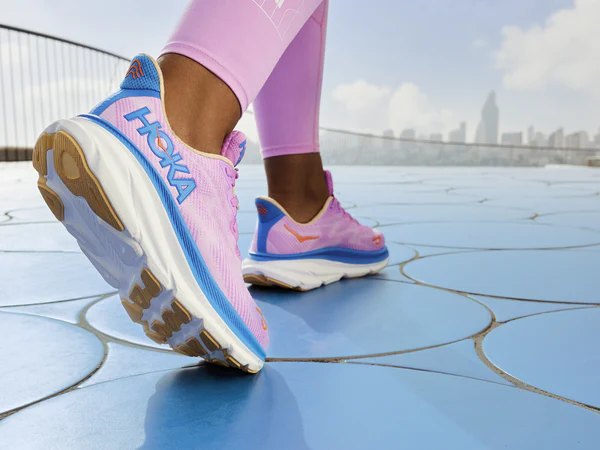
  • Hoka opens its first store in Vietnam

    Hoka opens its first store in Vietnam

    Footwear retailer Hoka has launched a store in Vietnam, marking its first physical presence in the market.

    Located at Ho Chi Minh City’s Saigon Centre, the store is in partnership with distributor Central Brand & Specialty Group (CBS) and offers a full range of products, from road and trail running to street-ready styles.

    The shop features 3D foot-scanning technology, which analyses consumers’ foot shapes and offers personalised shoe recommendations.

    “We chose Saigon Centre – the most strategic and vibrant location in Ho Chi Minh City – because it not only reflects the position of a leading brand like Hoka, but also perfectly fits CBS’s commitment to enhancing everyday lifestyle,” said Ty Chirathivat, CEO of Central Brand & Specialty Group (CBS), during the brand’s opening ceremony.

    Hoka was first launched in Vietnam four years ago, sold through Supersports retail channels.

    Earlier this year, Hoka opened its Bondi 9 pop-up in Hong Kong to mark the latest generation of its ultra-cushioned road-running shoe.

  • Victoria’s Secret appoints new leaders for core brands

    Victoria’s Secret appoints new leaders for core brands

    Victoria’s Secret & Co has made several leadership changes as the company focuses on strengthening its core brands.

    The company said the move is part of its “Path to Potential” strategy, which aims to build momentum across its Victoria’s Secret, Pink and Adore Me banners.

    Anne Stephenson has been named brand president of the Victoria’s Secret brand, effective next month. She is currently the company’s chief merchandising officer and brings experience in product strategy, brand development and merchandising

    Meanwhile, Ali Dillon has been appointed president of Pink. Dillon previously held leadership roles in merchandising and brand development at several fashion retailers and most recently served as president of Alex Mill.

    Amy Kocourek took over as president of the beauty division in March. Before joining Victoria’s Secret, she was chief merchandising officer at jewellery and lifestyle brand Kendra Scott.

    All three brand presidents will report to CEO Hillary Super.

    In a separate appointment, fashion designer Adam Selman was named senior VP and executive creative director. He will report directly to Super until a new chief merchandising officer is named.

    “This is an exceptional team of product and creative leaders whose vision and operational expertise will drive new levels of growth, innovation and impact for our company,” said Super.

    “With their customer-centric approach, I’m confident they’ll help us unlock the full potential of our brands, capture the next generation of consumers and strengthen our market leadership.”

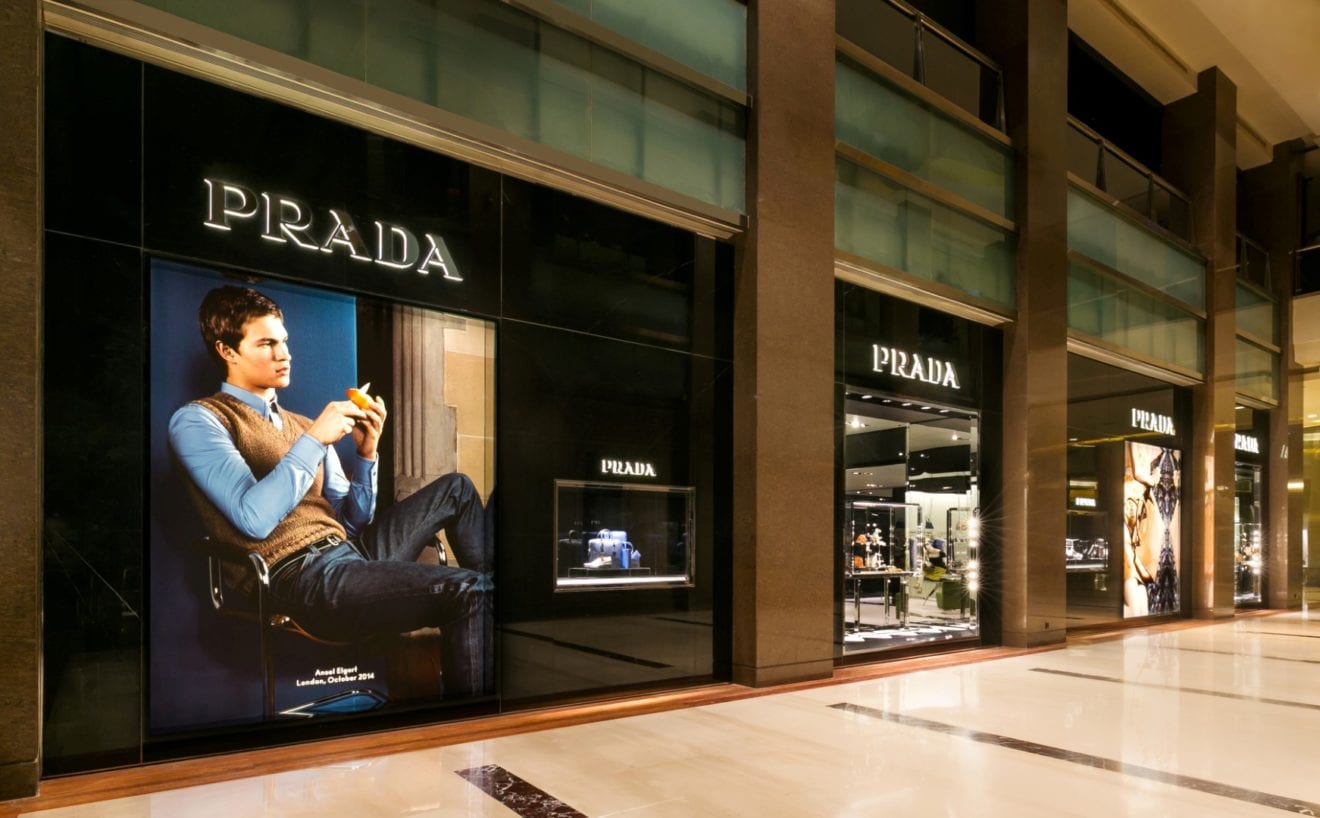
  • Prada brings Versace home to create Italian luxury contender

    Prada brings Versace home to create Italian luxury contender

    Prada’s deal to buy Versace revives hopes for a ‘made in Italy’ luxury champion after many other family-founded brands ended up in French, Swiss or US hands, and comes as many Italian groups are outperforming the struggling sector.

    The US$1.375 billion deal brings one of fashion’s best-known Italian labels back under Italian control after it was sold to US-listed Capri Holdings, then known as Michael Kors, for $2.15 billion including debt in 2018.

    Despite Italy accounting for 50 per cent to 55 per cent of global personal luxury goods production, according to consultancy Bain’s estimates, the country lacks a group with a scale that matches up to French players such as LVMH and Gucci-owner Kering.

    Milan-based Prada, controlled by designer Miuccia Prada and husband Patrizio Bertelli and listed in Hong Kong with a market capitalisation of about $15 billion, is the largest Italian luxury fashion group by revenue.

    But the group, which also includes the fast-growing Miu Miu label, has been a relative minnow in terms of stock market valuation compared with the likes of Louis Vuitton-owner LVMH.

    The Versace deal comes after Andrea Guerra became Prada’s CEO in 2023 to bridge a change in generation, with Lorenzo Bertelli, the son of the company’s main owners and its chief marketing officer, regarded as the heir apparent.

    “Prada’s ambition to become a leading Italian luxury conglomerate is a significant move in a market that is dominated by French groups. It’s exactly what many Italians have been hoping for”, said Achim Berg, a fashion and luxury industry adviser.

    The combined revenue of the five biggest Italian-owned listed luxury groups – Prada, Moncler, Ermenegildo Zegna, Brunello Cucinelli and Ferragamo is still well below Kering’s roughly $19 billion, even after a big fall in sales at the French group last year.

    Company founder Brunello Cucinelli summed up the difference in approach on the two sides of the Alps in typically colourful fashion.

    “Our esteemed French counterparts are great financiers,” he told the Milano Fashion Global Summit 2024 last October.

    “But we Italians regard our ‘tiny big’ companies as if they were our little children, so we want to look after them and hand them down to a next generation,” he added.

    While LVMH and Kering have swallowed many Italian brands, even the larger Italian groups have until now been comparatively reluctant to make big acquisitions.

    “This acquisition represents Prada’s serious attempt to build a group – and a much more ambitious one compared to their past ventures with Helmut Lang and Jil Sander,” Berg said.

    Prada’s chairman and co-owner Patrizio Bertelli defined the acquisition of those two brands – which were bought at the turn of the century and sold a few years later – as “strategic mistakes”. The group has since focused mainly on organic growth, with the exception of acquisitions of suppliers.

    Both Prada and Versace have their roots in Milan and still have headquarters there, just four kilometres (2.5 miles) apart.

    Milan-based Moncler, the mountain gear brand that was bought and revived by Italian entrepreneur and current main shareholder Remo Ruffini in 2003, has also shown some interest in dealmaking, buying Italian streetwear brand Stone Island in a $1.3-billion deal agreed in late 2020.

    Moncler’s net cash position of $1.5 billion has fuelled analyst talk of more deals, but the group has denied such speculation.

    Jil Sander is now part of Italian entrepreneur Renzo Rosso’s OTB Group, which also includes brands such as Diesel and Maison Margiela. But with annual sales of $1.9 billion, it remains relatively small.

    The big Paris-based groups, meanwhile, have continued to make forays into Italy, underscoring the challenge an enlarged Prada would face to compete with them.

    In the latest deals, Kering bought a 30 per cent stake in Italian maison Valentino in 2023, and LVMH last year helped to take Tod’s private and took a 10 per cent stake in Moncler’s top shareholder.

    In the longer-term, eyes are on companies such as Milan-based Armani and Dolce & Gabbana, among the few in Italy that are still fully family-owned and unlisted.

    Their ultimate fates could be decisive in any effort to create a true Italian powerhouse in global fashion.

  • Determinant reopens flagship Lab Concept store in Hong Kong

    Determinant reopens flagship Lab Concept store in Hong Kong

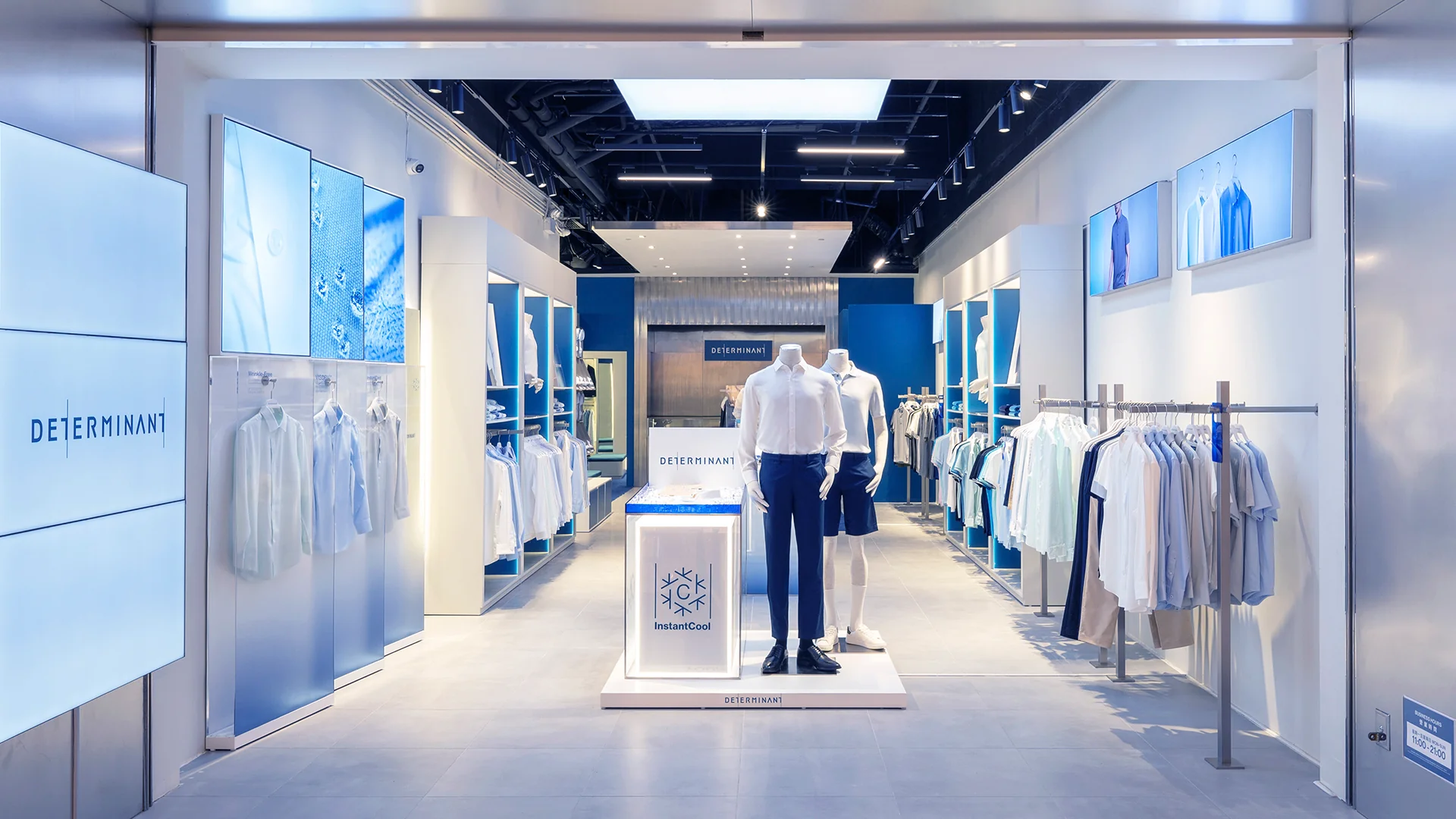
    Hong Kong-based menswear brand Determinant has unveiled its redesigned flagship at Lab Concept in Queensway Plaza, introducing an immersive retail experience centred on the art of shirt-making.

    The revamped store features curated zones and interactive elements that guide customers through Determinant’s signature design and manufacturing process.

    At the entrance, a magnifying glass window display spotlights five key elements of a shirt. A QR code allows customers to access a 3D virtualisation to explore the construction process in greater detail.

    Inside, the Premium Cotton Experience Zone invites visitors to touch and compare the fabrics used across the brand’s shirt range. A panel titled “Anatomy of the Perfect Fit” explains nine core components that contribute to each shirt’s comfort, fit and seamless construction.

    General manager Clement Chan said the relaunch is part of the brand’s broader expansion strategy across Hong Kong and international markets.

    “The name Determinant represents our determination to provide the highest quality products,” said Chan. “We aim to meet market needs with affordable, high-quality and ethical shirts.”

    The company plans to open a new store in Singapore later this year.

    Founded in 2020, Determinant is known for its minimalist, functional designs and proprietary technologies that produce breathable, wrinkle-free, anti-odour and antibacterial shirts.

  • Uniqlo parent expects profit lift ahead of tariff disruption

    Uniqlo parent expects profit lift ahead of tariff disruption

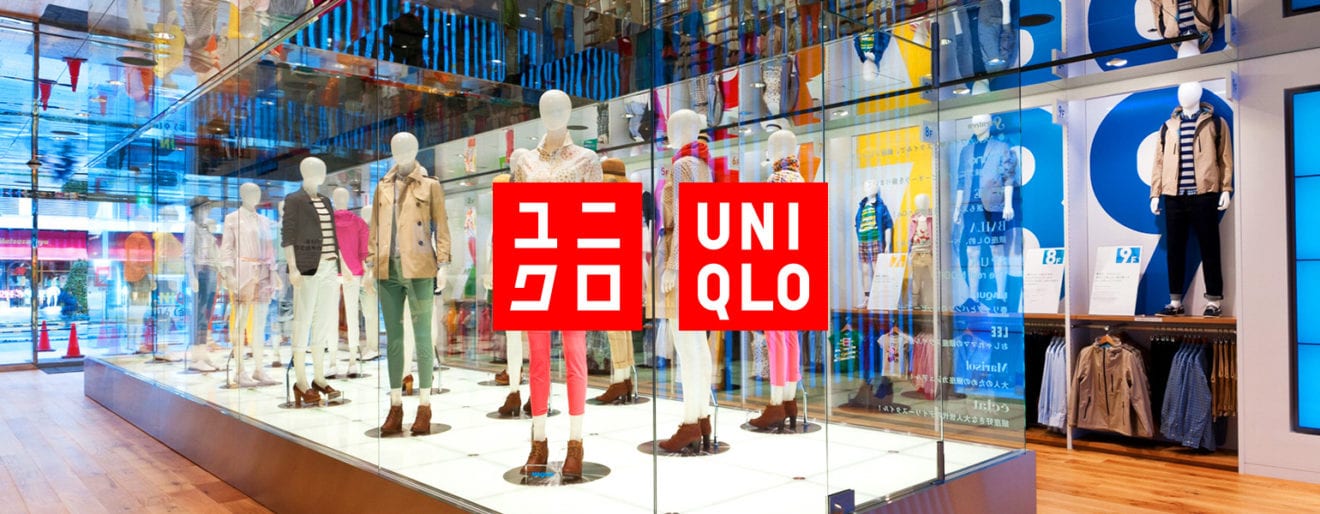
    The operator of Uniqlo, Japan’s Fast Retailing, is expected to post another quarter of strong earnings on Thursday, but the focus will be on how the global clothing chain navigates a trade environment thrown into disarray by new US tariffs.

    Based on the LSEG consensus forecast drawn from six analysts, Fast Retailing is expected to post a 14 percent rise in operating profit to US$866 million in the three months through February from a year earlier.

    That would be a record for the second quarter and a near doubling of the 7.4 per cent profit growth of the first quarter.

    From one store in Hiroshima, western Japan, 40 years ago, Uniqlo has grown to more than 2,500 locations across the world, selling inexpensive fleeces and cotton shirts made primarily in China and other Asian manufacturing hubs.

    But that business model has been upended by widespread tariffs announced by US President Donald Trump, along with retaliation by some of America’s trading partners.

    The company has recently looked to North America and Europe for growth due to a slowing economy in China, its largest overseas consumer market with more than 900 Uniqlo stores on the mainland.

    The tariffs will certainly be a negative for Fast Retailing, said independent analyst Mark Chadwick, but the measures will have the same impact on its retail peers and have a worse effect on other industries.

    “Textile supply chains are probably more flexible than, say auto supply chains,” said Chadwick, who writes on the Smartkarma platform. “In short, US tariffs will have a negative impact on Fast earnings looking out over the next 12 months, but less so than other global firms like Nintendo, Toyota.”

    Fast Retailing shares have fallen more than 4 percent this month as Trump laid out his tariffs plan. They are down 19 percent in 2025 after surging nearly 50 percent last year.

    Its founder Tadashi Yanai, Japan’s richest man, aims to make his company the world’s No. 1 clothing brand. Yanai, due to speak at Thursday’s earnings briefing, has long been an advocate of free trade and has defended the company’s business dealings in China when human rights concerns there have sprung up.

    Trump said Japan would be hit with a 24 percent reciprocal tariff on non-auto products, while duties on Chinese goods would rise to 104 percent.

    UBS analysts said that Uniqlo goods shipped to North America are procured from sources outside China, and Fast Retailing’s tariff costs would be an estimated $236,011 million next fiscal year, curbing business profit by about 6 per cent.

    “We will be watching closely whether a heightened price consciousness among consumers leads them to re-rate the balance between value and pricing at Uniqlo, potentially translating into business opportunities over the medium term,” UBS’s Takahiro Kazahaya wrote in a report this week.

    Fast Retailing expects operating profit to reach 530 billion yen in the fiscal year ending in August, which would be a fourth straight year of record earnings.

    Domestic sales have recently gotten a boost from a surge in duty-free shopping amid a tourism boom in Japan fuelled by a weak yen.

  • Cristiano Ronaldo to launch CR7 Life flagship store in Hong Kong

    Cristiano Ronaldo to launch CR7 Life flagship store in Hong Kong

    Football icon Cristiano Ronaldo is expanding his lifestyle brand globally with the debut of the CR7 Life flagship in Hong Kong.

    Located on the seventh floor of Times Square Mall, the outlet will showcase a curated range of products, including apparel, accessories, shoes, eyewear, fragrances, and homeware. Many of the featured items have been handpicked and signed by Ronaldo.

    A dedicated CR7 Life Museum will also open alongside the store, celebrating the football star’s career, achievements, and influence on global sports culture.

    The flagship will also feature a Portuguese cafe serving traditional Portuguese delicacies such as Pasteis de Nata (custard tarts), premium coffee, and artisanal pastries.

    “This is more than just a shopping destination. It’s a full-sensory, cultural encounter that brings together sport, style, and travel – positioning Hong Kong as Asia’s new home of football lifestyle,” said the company.

  • J Lindeberg opens five-story flagship in Seoul’s Gangnam district

    J Lindeberg opens five-story flagship in Seoul’s Gangnam district

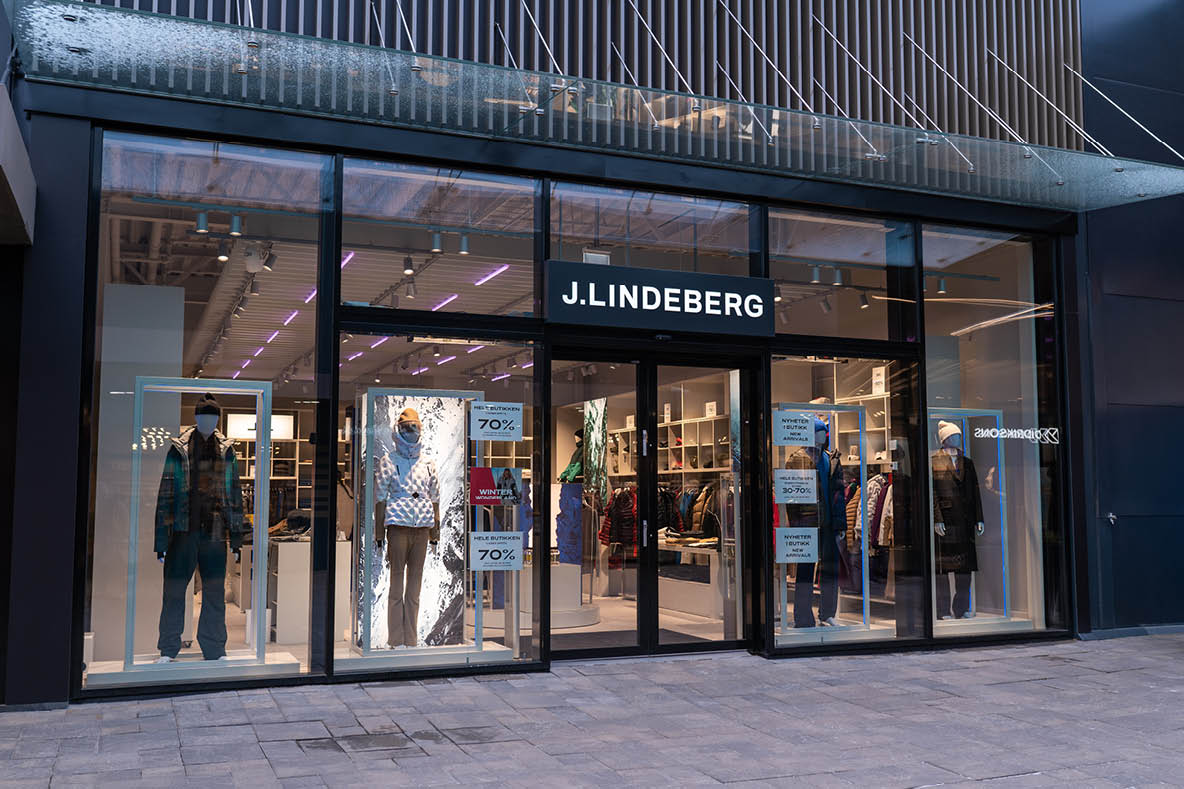
    In Seoul’s trendy Gangnam district, Swedish apparel label J Lindeberg has opened its largest store yet, a five-storey flagship.

    The concept store is inspired by the rhythm of golf and each floor showcases the company’s apparel as if navigating a golf course.

    The store was designed in collaboration with interior creatives, Showmakers, to celebrate movement, performance, and modern luxury through its furniture, themed zones and hangout spaces.

    The store offers different services on each floor,

  • Guess to transfer Chinese operations to local partner

    Guess to transfer Chinese operations to local partner

    Guess plans to transfer its operations in Greater China to a local partner this year as part of its restructuring strategy.

    “After many years of running our own direct operations in Greater China, we believe there is an opportunity for this market to be directly developed and managed by a local, highly experienced partner,” said CEO Carlos Alberini.

    “We have already met several potential candidates for consideration and we expect for this transition to be completed before the end of this fiscal year.”

    In addition, the retailer plans to streamline its Guess full-price store portfolio in North America by exiting non-strategic, unprofitable locations.

    Alberini explained that the company is focusing on increasing direct-to-consumer sales productivity globally and improving profitability through business and portfolio optimisation.

    For the fourth quarter ended February 1, Guess reported a 5 per cent increase in revenues to $932.3 million, driven by the Rag & Bone acquisition, positive momentum in the wholesale business, and increased licensing revenues.

    In the Americas, retail sales were up 4 per cent while wholesale revenues soared 63 per cent. Europe revenues increased 2 per cent and Asia revenues fell 15 per cent. Licensing revenues were up 18 per cent.

    GAAP net earnings for the period dropped 29 per cent to $81.4 million, including a net $18.9 million unrealised loss due to the change in fair value of the derivatives related to the company’s convertible senior notes due 2028.

    For the full year, sales grew 8 per cent to $3 billion and adjusted net earnings decreased 40 per cent to $104.5 million.

    “During the year, we delivered solid results with our licensing segment and our wholesale businesses in Europe and the Americas, but missed our plans for our direct-to-consumer business due to slower customer traffic in North America and Asia,” commented Alberini.

    For FY26, the retailer expects net revenues to increase 3.9-6.2 per cent. It forecast a loss of $30-35 million in the first quarter and earnings of $133-165 million for the full year.

    In a separate announcement, Guess said its board has established a special committee to review the non-binding takeover offer from WHP Global.

    “The special committee is carefully evaluating and considering WHP Global’s proposal with the assistance of its financial and legal advisors and has not yet determined whether it is appropriate to pursue the proposed transaction or any other transaction,” the company stated.

  • Underwear icon Hanes expands into the athleisure category

    Underwear icon Hanes expands into the athleisure category

    Hanes is expanding into athleisure with Hanes Moves, a new collection designed to bring the brand’s “signature comfort” into activewear.

    The range includes athletic-inspired innerwear and apparel for men, women and children.

    The collection features moisture-wicking fabrics, odour control, anti-chafing solutions and breathable stretch technology. Some styles also incorporate functional storage in leggings and shorts, while select women’s pieces include integrated leak protection.

    Jane Newman, chief design officer, global innerwear at HanesBrand, said launching the new collection was a “natural evolution” from the brand’s core basics.

    “We’ve progressed from classic essentials to fashion basics, then to loungewear,” she added. “Now, we’re entering athleisure with stylish, functional pieces designed to keep our customers comfortable throughout their day – no matter what they’re doing.”

    In June, HanesBrands sold the Champion business to Authentic Brands Group.