Category: Fashion

Retail News Asia is committed to providing both local and global retailers with the latest Fashion news throughout the Asian market. This on a daily base.

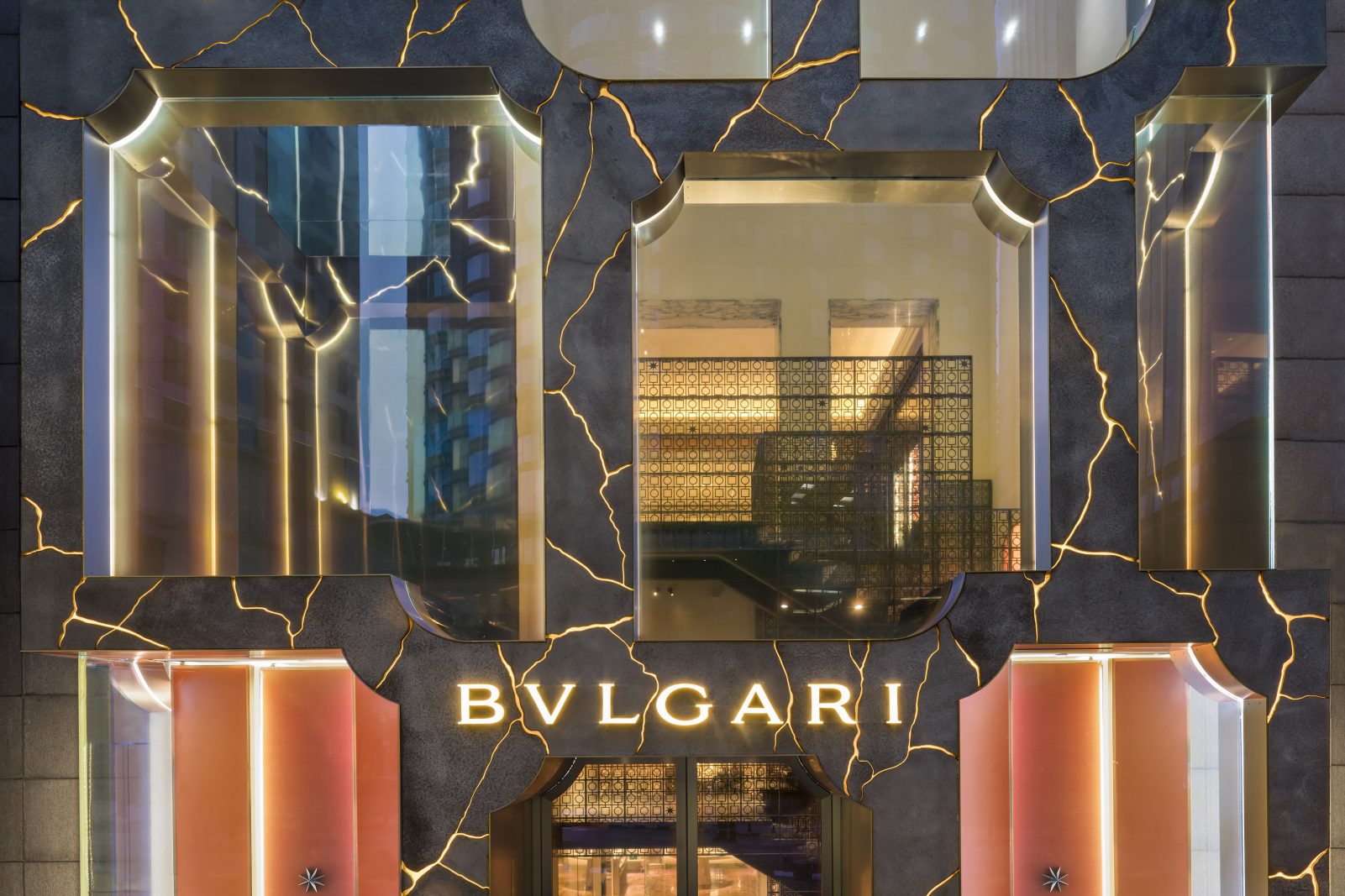
  • Bulgari opens concept store in Tokyo’s Omotesando

    Bulgari opens concept store in Tokyo’s Omotesando

    Luxury jeweller Bulgari has opened its concept store on one of the most bustling shopping streets in Japan’s Tokyo, Omotesando.

    The store is inspired by Rome and has yellow as the dominant colour flowing throughout the store, seeking to deliver the sensation of a vacation to the Italian capital, with sunshine and great architecture.

    The store boasts a saffron-coloured facade with a variety of accessories such as necklaces, watches, and bags.

    Bulgari originally opened its doors in Japan more than 37 years ago, and in 2007, it opened its largest store in Tokyo’s famed Ginza retail district.

    The company now operates in major cities in Japan including Sapporo, Sendai, Tokyo, Yokohama, Chiba, Nagoya, Kyoto, Osaka, Kobe, Okayama, Hiroshima, Matsuyama, and Fukuoka.

  • L’Occitane enters trading halt ahead of probable takeover bid

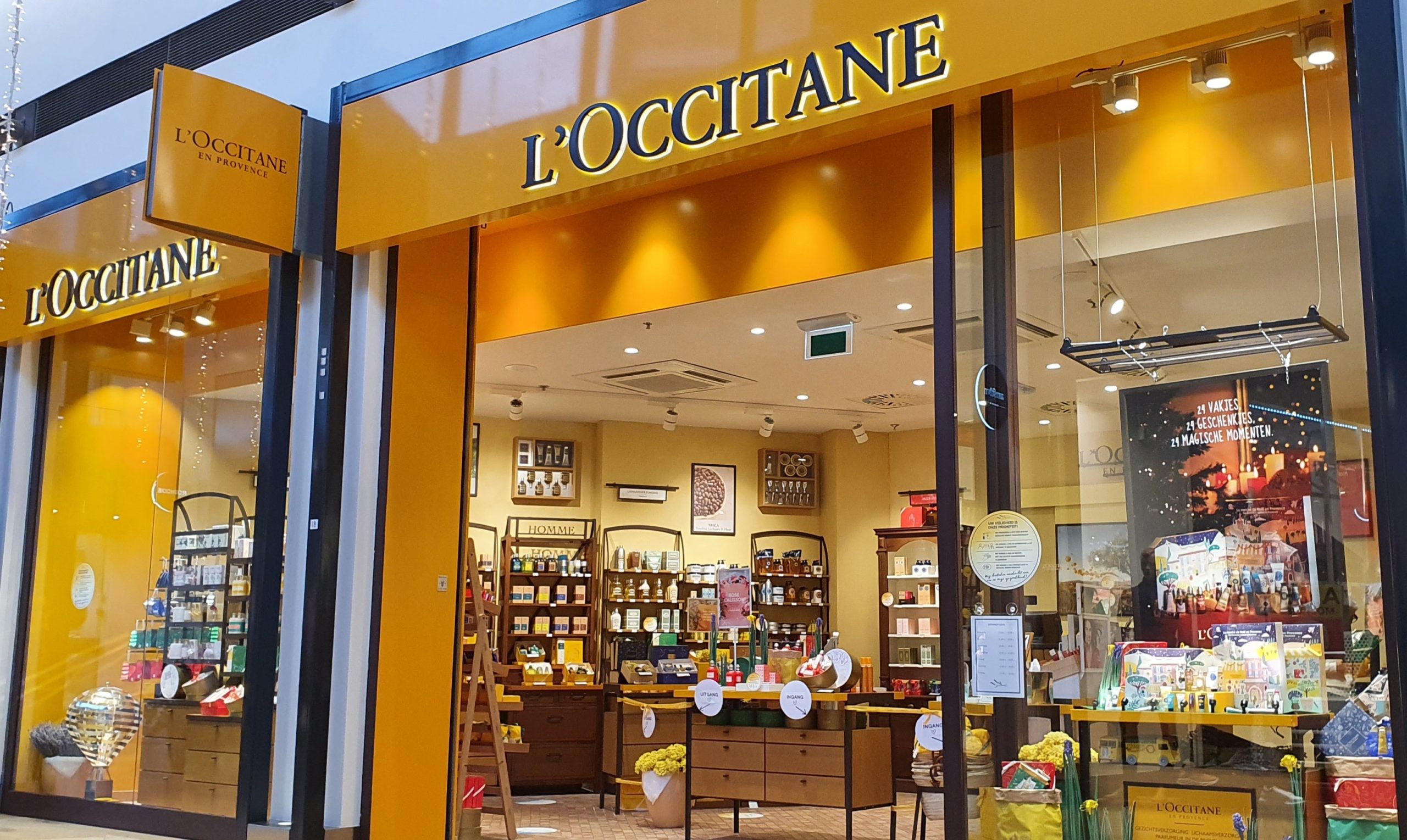
    L’Occitane enters trading halt ahead of probable takeover bid

    Hong Kong-listed cosmetics giant L’Occitane International has entered a trading halt – fuelling speculation that the company’s controlling shareholder is about to launch a takeover bid ahead of a delisting.

    Bloomberg reported on July 25 that L’Occitane’s Austrian billionaire chairman Reinold Geiger, whose interests control 70 percent of the issued stock, was mulling buying out minority shareholders. The news agency cited sources that requested anonymity.

    Today, Bloomberg said an offer is “possible” at about US$4.48 per share, representing a 37 percent premium to the company’s closing price on Tuesday.

    In June, the company reported 19.8 percent growth in net sales for the year to March 31 to surpass US$2.33 billion, but a decline in operating profit of 23 percent to $261.12 million, largely due to impairments. During the past year, L’Occitane’s share price has shed 20 percent of its value to about $4 billion.

    L’Occitane’s recent sales growth has been largely driven by its Brazilian brand Sol de Janeiro – now the group’s second-largest label behind its namesake, achieving sales growth of 135.2 percent last year – and another spinoff brand, Elemis collagen creams. At the end of March, L’Occitane bought Australian skincare brand Grown Alchemist for an undisclosed sum and promptly set about expanding its reach and store network. Its other labels include the Korean skincare brand Erborian and the French organic beauty label Melvita.

    This would not be the first time the company has considered going private. In late 2018, US-based private equity group Advent International – which this week acquired a majority stake in Australian fashion brand Zimmermann – reportedly enquired about acquiring the company, which then had an estimated market value of US$2.7 billion.

    According to Bloomberg data, L’Occitane was listed in 2010 with an IPO that raised $787 million. The news agency said Geiger was also considering relisting the business in Paris or another European market as early as next year.

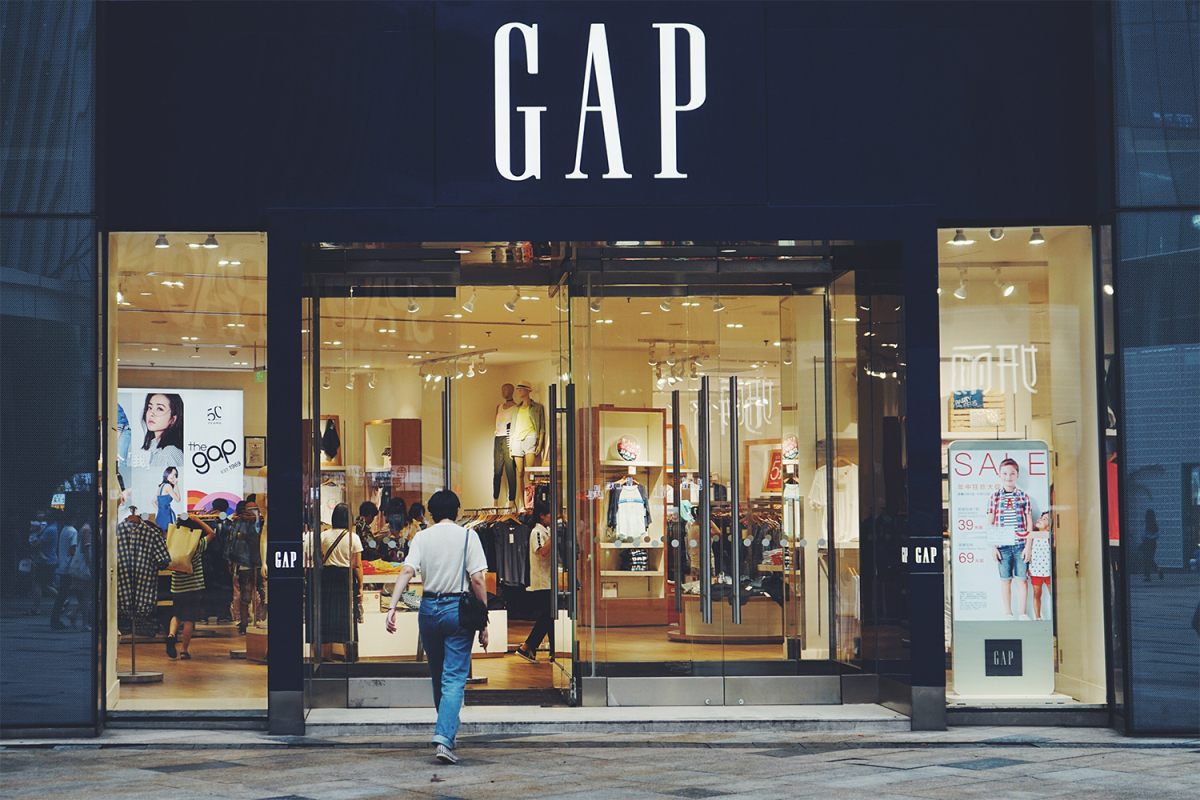
  • Gap appoints Chris Blakeslee president and CEO of Athleta

    Gap appoints Chris Blakeslee president and CEO of Athleta

    Gap announced that it is appointing Chris Blakeslee as the new President and CEO of Athleta, joining the company August 7. In this role, Blakeslee will drive strategic growth for the portfolio’s nearly $1.5 billion1 women’s active and lifestyle brand, and certified B Corporation, building on the foundation of Athleta’s product innovation and its mission to ignite a community of active, healthy, confident women and girls who empower each other to reach their true potential through the ‘Power of She.

    Blakeslee brings broad expertise in the apparel retail and wholesale industries, holding roles across marketing, sales, product portfolio management, operations, and supply chain, serving most recently as President of sister companies Alo Yoga and Bella+Canvas since 2017. In that time, Alo Yoga grew to over $1 billion in sales in 2022, nearly doubling its year-over-year growth.

    “A true brand champion, Chris is known for driving results in high-growth businesses through the blend of creativity and operational rigor,” said Bob Martin, Executive Chairman and Interim CEO, Gap Inc. “Chris is a strong, decisive leader and proven business driver across multiple industries, including active apparel and wellness – one of the fastest and most aspirational retail sectors – making him well suited to guide Athleta into long-term, sustainable growth rooted in delivering high-quality performance product and a rich omni shopping experience.”

    “I’m thrilled to join the Gap Inc. team and to lead Athleta – a brand I’ve long admired. I see incredible runway for the brand to capitalize on its unique, purpose-led positioning and performance product innovation, leveraging its assets across marketing, stores, product and community to deliver consistent growth,” said Blakeslee. “There is something really captivating about the ‘Power of She’ when it comes to engaging women and girls in all aspects of life, and I can’t wait to jump in with the teams to harness this in a way that will further serve customers’ wants and needs.”

    Blakeslee joins a strong and dedicated Athleta leadership team, including Chief Creative Officer, Julia Leach, who was appointed in May to clearly and consistently articulate the brand voice and vision across all its touch points.

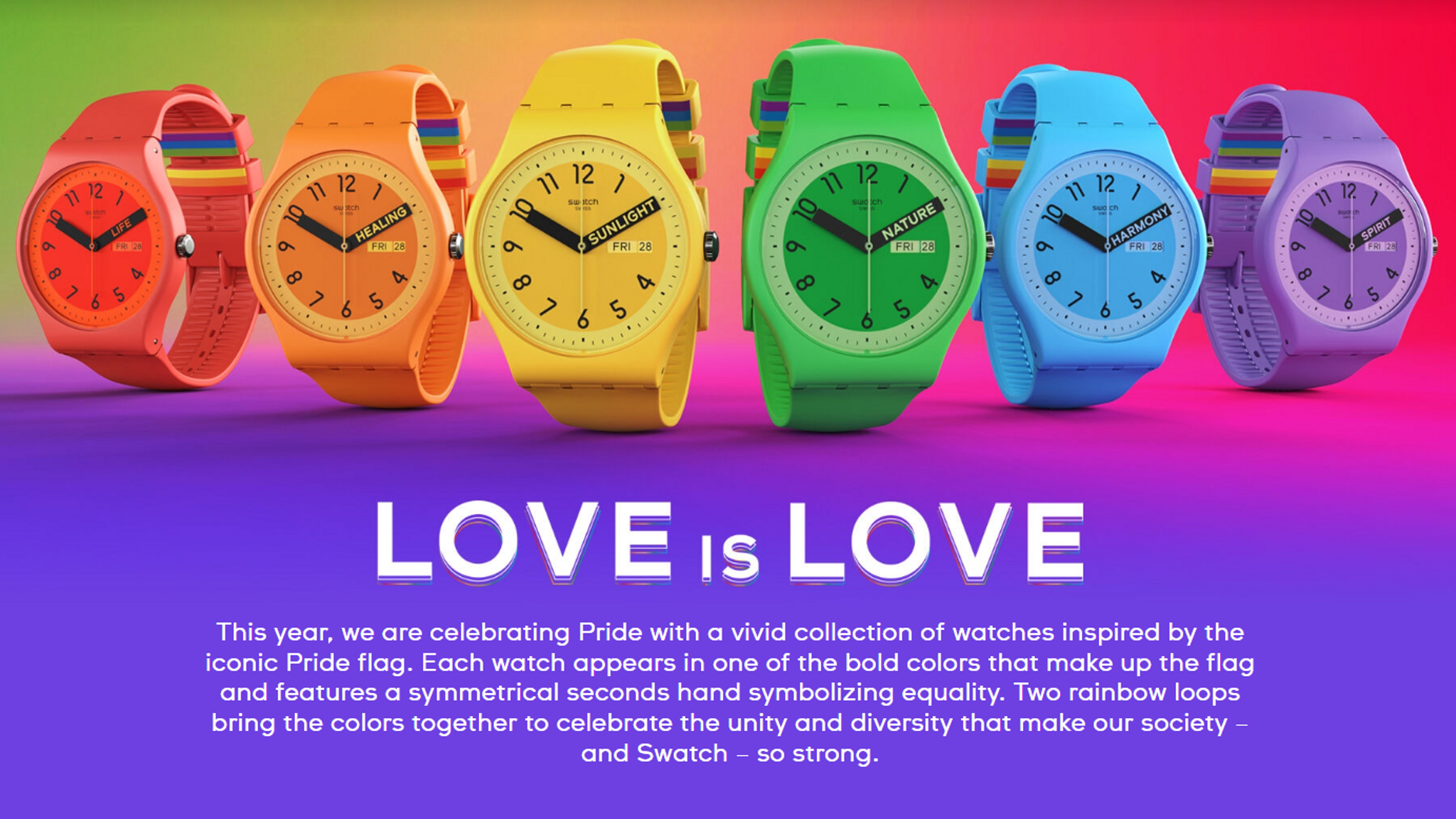
  • Swiss watchmaker Swatch sues Malaysia for seizure of Pride watches

    Swiss watchmaker Swatch sues Malaysia for seizure of Pride watches

    Swiss watchmaker Swatch says it has begun legal proceedings against the Malaysian government for seizing LGBTQ-themed watches from its stores.

    The move comes after officials impounded 172 watches from its rainbow-colored Pride collection, on sale at shopping malls across Malaysia.

    Swatch wants damages and the return of the watches, worth $14,000 (£10,700).

    Homosexual activity is illegal in Malaysia under both secular and religious laws.

    It is punishable by a prison sentence or corporal punishment.

    Swatch filed its lawsuit last month at the High Court in Kuala Lumpur. The case is expected to be heard later this week.

    The Malaysian authorities said the watches were confiscated in May by the home affairs ministry’s law enforcement unit because they featured “LGBT elements”.

    But Swatch said in its lawsuit that the watches were “not in any way capable of causing any disruption to public order or morality or any violations of the law”.

    The firm said its trading reputation had been damaged by the seizures, adding that its “business and trading figures also suffered in the immediate aftermath of the seizure for some time”.

    In its promotional campaign for the Pride-themed watches, Swatch describes them as “loud, proud, uplifting and bursting with meaning”.

    The firm refers to the Pride flag as “a symbol of humanity that speaks for all genders and all races”.

    In its lawsuit, Swatch said the watches “did not promote any sexual activity, but merely a fun and joyous expression of peace and love”.

    The lawsuit names the home affairs ministry and the government of Malaysia as respondents.

    Home Affairs Minister Saifuddin Nasution Ismail has yet to comment publicly on the matter.

  • Levi’s unveils plant-based edition of its 501 jeans

    Levi’s unveils plant-based edition of its 501 jeans

    Levi’s new jean is an example of how the food industry is setting fashion trends.

    The San Francisco-based brand unveiled the first 501 jeans made with at least 97 percent plant-based materials. Levi’s said the jeans “are an indication of what the industry could look like in the years ahead given the push to minimize synthetic materials derived from fossil fuels and the need to make more garments with renewable inputs rather than finite resources.”

    Made with 100 precent OCS-certified organically grown cotton, the 501 is made possible through a series of recent partnerships and pilots.

    The fabric is dyed with plant-based indigo from Springfield, Tenn.-based Stony Creek Colors and references Levi’s X80 archival shade. Levi’s invested in the only industrial-scale manufacturer globally of 100 percent bio-based indigo last year, following several Levi’s WellThread collections made with the naturally derived colors.

    For the internal pocket bag, Levi’s used a 100 percent cotton component printed with BioBlack TX, a plant-based black pigment made from wood waste, manufactured in a closed-loop system and developed by Nature Coatings, another collaborating partner. Levi’s used the pigment for the floral-printed denim pieces in its Spring/Summer 2023 WellThread collection.

    Levi’s replaced its traditional leather back patch with one made with Mirum by NFW. The material is comprised of 100 percent bio-based, plastic-free inputs that don’t generate effluent during production. The brand’s use of leather for patches has been a point of contention with PETA, which for years has urged it to adopt cruelty-free alternatives.

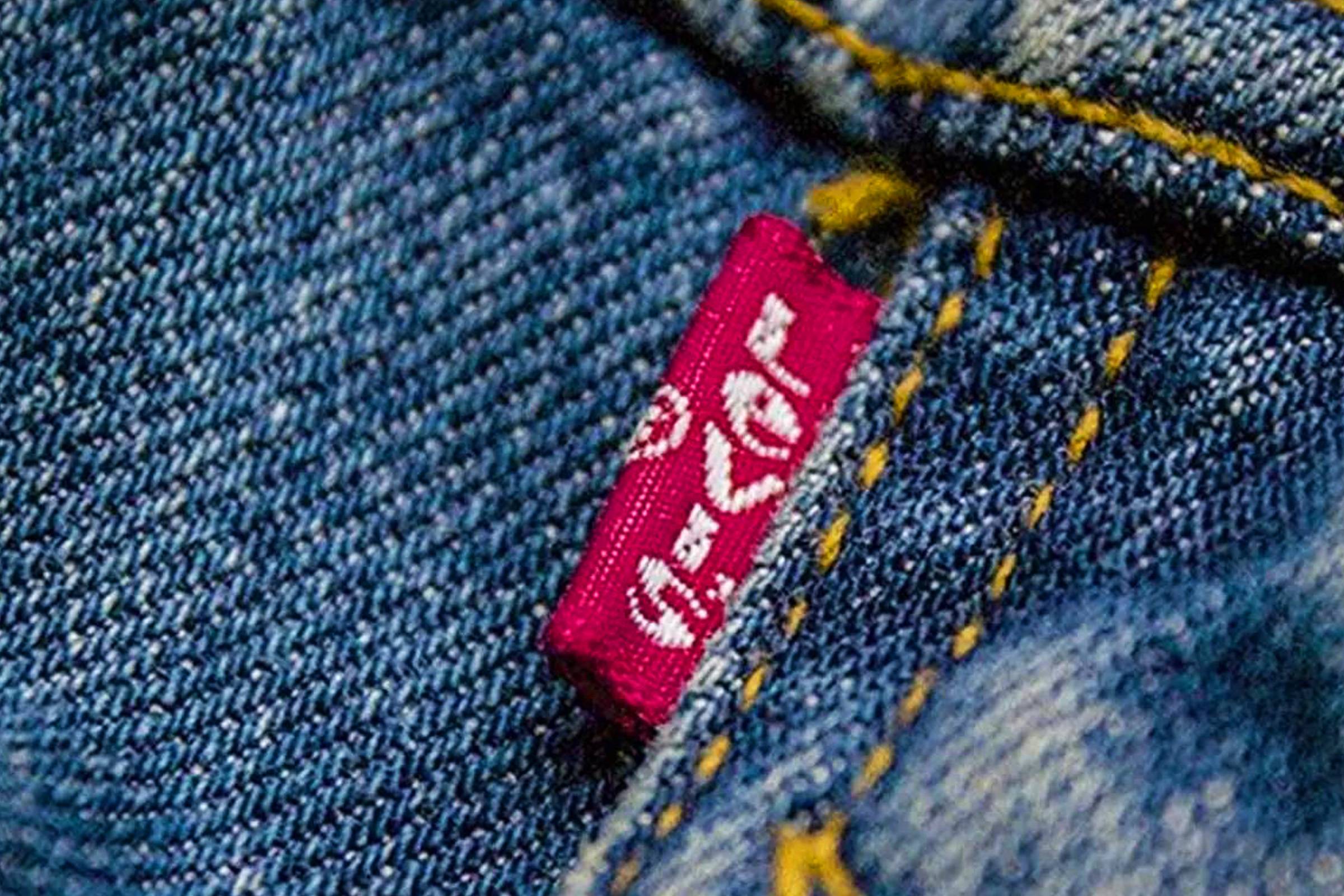
    Each patch says “plant based” and features a small green leaf next to the lot number. The leaf motif is replicated on the 501’s signature red tab.

    The sewing thread, care label and metal trims are the only materials not created from plants.

    The women’s plant-based 501 is available now in two washes, a light wash Indigo Botanics and medium wash Blue From Green, and retails for $128. A men’s version will launch on July 31.

    “In our ongoing research and development, we strive to improve our design practices and conserve environmental resources every way we can,” said Una Murphy, Levi’s director of design innovation. “By incorporating sustainable innovation, in mainline and premium product alike, we learn what’s possible and how we can continue working towards solving some of our biggest challenges.”

    The plant-based jean is part of a suite of newness from Levi’s that challenges traditional denim manufacturing.

    Levi’s will bow a cottonized hemp-cotton blend selvedge 501. The jean will be available in a variety of shades and finishes for women and men, some featuring natural dyes. Levi’s will release the jeans throughout the year.

    The brand is also putting its circular 501, first released last year, back in the spotlight. The jean is made with a blend of organic cotton and Renewcell’s pioneering Circulose fiber, a viscose derived from recycled denim and other cotton-rich textile waste.

    The 501 has been a focal point for Levi’s, which celebrates 150 years this year.

    Paul Dillinger, Levi Strauss & Co.’s VP of design innovation, said the three innovative jeans show that while Levi’s is still focused on producing classic garments, the company is looking to moving in the direction of more circular products and practices.

    “We want to show what is possible,” Dillinger said. “At the same time, we’re challenging ourselves to get closer to a state where products like this represent more of a product line, and where they’re seen not as the endgame, but a starting point that we want to top next season, and the season after that.”
  • Charles & Keith opens first flagship store in South Korea

    Charles & Keith opens first flagship store in South Korea

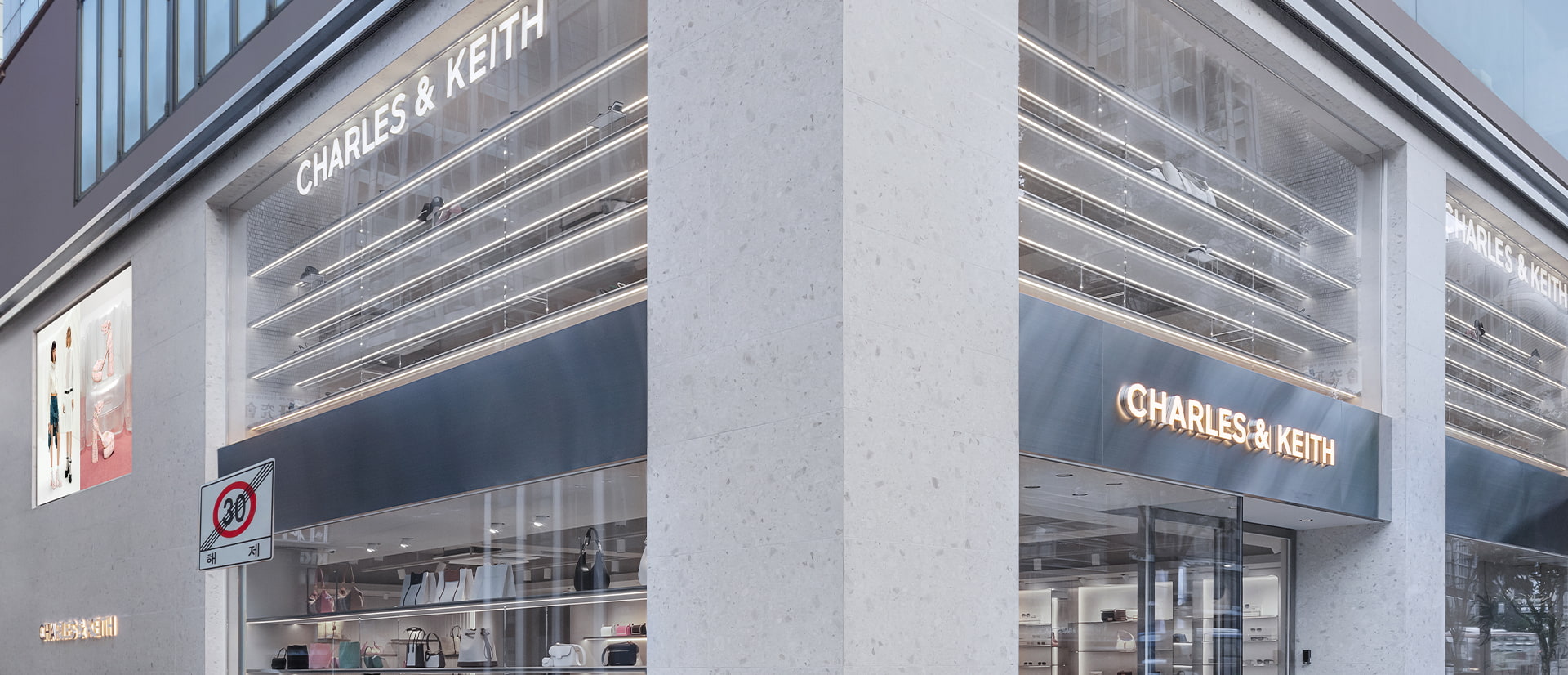
    CHARLES & KEITH’s inaugural duplex flagship store in South Korea, situated in the vibrant shopping district of Gangnam, Seoul, is now open. Spanning an expansive area of over 330 sqm, the two-storey flagship store stands as the largest CHARLES & KEITH boutique in South Korea. Staying true to the brand’s signature minimalist aesthetic, the brand-new flagship store showcases a thoughtfully designed interior characterized by gradual curves and fluid lines. These design elements are seamlessly integrated with a clean and understated colour scheme, resulting in a space that emanates a modern and refined ambiance.

    The flagship store features striking sculptural artworks by South Korean artist Jeesun Park, making a bold statement throughout the space. These sculptures, while harmoniously complementing the spatial design, stand out with their unique shapes and artistic presence. Fragmented hemispheres, arcs, cut-out shapes, ellipses, and other unfinished forms intertwine to create new compositions.

    In addition to its remarkable features, the flagship store in South Korea is the first in the country to introduce Made for Me by CHARLES & KEITH, an exclusive in-house personalization service. This offering empowers customers to express their unique individuality by embroidering their names onto selected items. The embroidery also includes two exclusive icons inspired by Seoul: a magpie and a graphic artwork depicting the city’s vibrant essence. Going beyond the celebration of creativity and individuality, the Made for Me service adds an invaluable personal touch that brings deeper meaning to the act of gifting.

  • Uniqlo parent’s profit seen soaring to a Q3 record on China recovery

    Uniqlo parent’s profit seen soaring to a Q3 record on China recovery

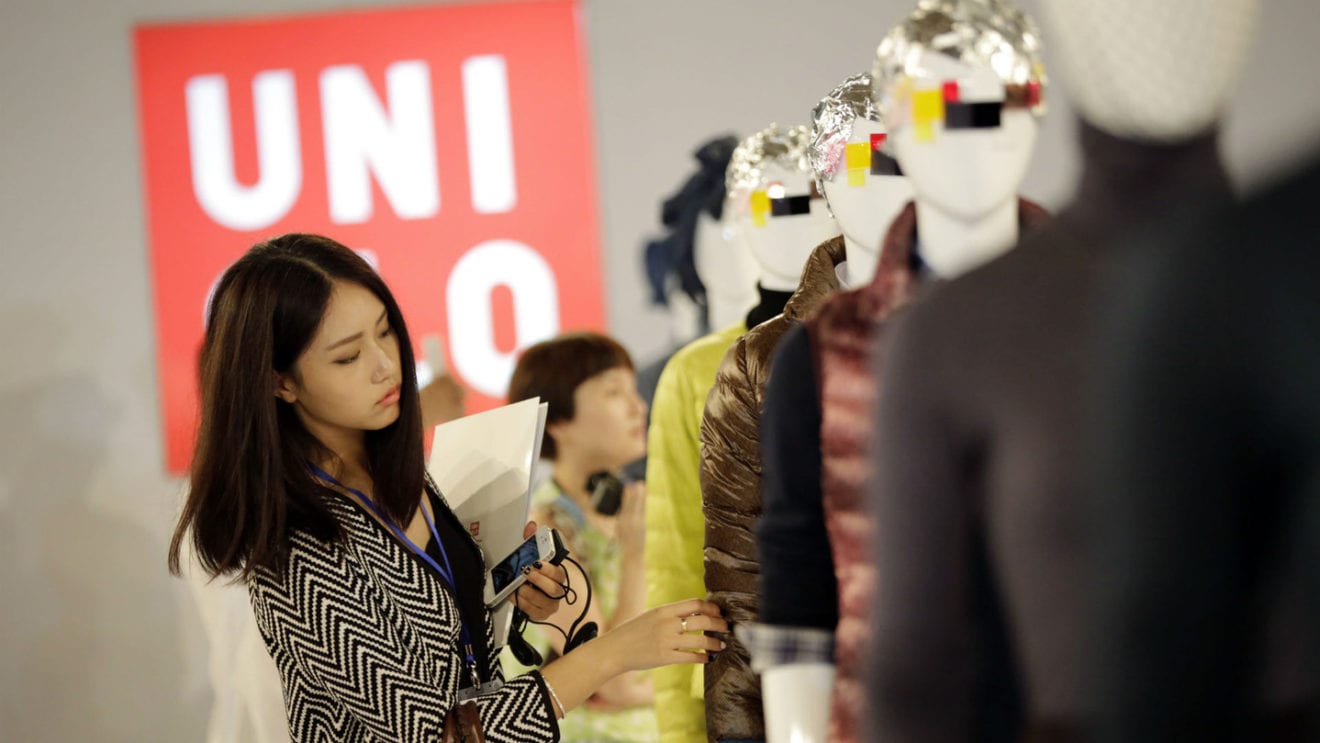
    The Japanese operator of apparel retailer Uniqlo is expected by analysts to post a 25 percent jump in profit to a third-quarter record on Thursday (Jul 13), when the focus will be on whether its sales recovery in China is on track.

    Fast Retailing’s operating profit in the three months through May likely reached 102.4 billion yen (US$733.37 million), according to the average of forecasts from seven analysts surveyed by Refinitiv. That’s compared to 81.8 billion yen posted last year, a company record for the third quarter.

    The company, known for its fleece jackets and inexpensive basics, has 925 Uniqlo outlets in mainland China, more than in Japan and making it a bellwether for a retail market that was hammered by strict COVID-19 restrictions in recent years.

    Business in China started to turn around in January, resulting in sharp increases in sales and profit from the region in the second quarter, the company said in April.

    Fast Retailing’s shares have soared 30 percent so far this year, helping founder Tadashi Yanai cement his place as Japan’s richest person. The shares have outpaced a 23 percent advance in the benchmark Nikkei which has been one of the hottest equity markets worldwide.

    “The recovery in China has been weaker than expected, but Uniqlo is well positioned,” said Jamie Halse, who manages US$500 million in Japan strategies at Platinum Asset Management in Sydney but does not currently own Fast Retailing shares. “We have a positive view on the business, but are apprehensive of the elevated expectations represented in a premium valuation.”

    While China languished under lengthy pandemic curbs, Fast Retailing put more focus on its North American and European operations.

    Uniqlo had 61 locations in North America as of February, and is adding four stores in the US and two in Canada this summer as part of a plan to reach 200 by 2027.

  • New Balance introduces new retail concept to Singapore

    New Balance introduces new retail concept to Singapore

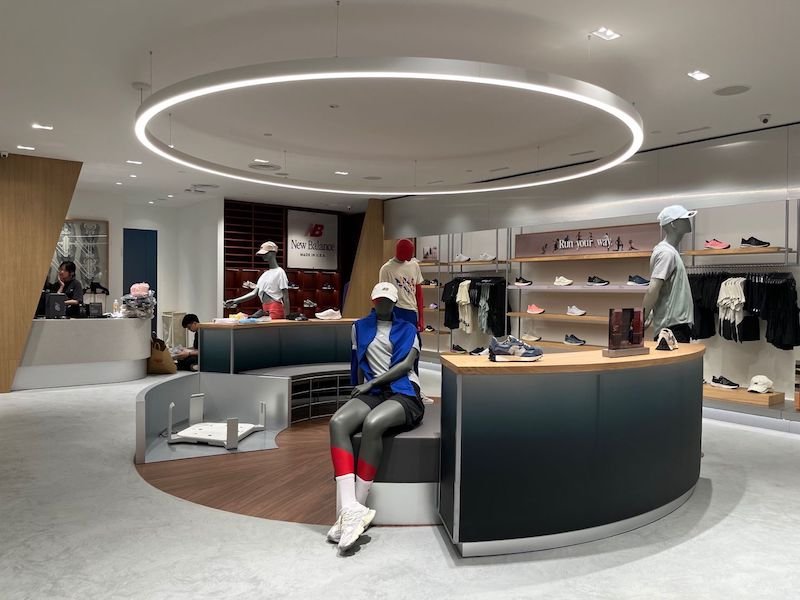
    New Balance recently opened a concept store in Singapore, featuring a Volumental 3D foot scanner in the fitting area.

    Since partnering with Volumental in 2017, the retailer says that it has scanned the feet of more than one million shoppers worldwide.

    The scan, which takes less than five seconds, provides employees with detailed information about a customer’s feet, helping them find a shoe that’s sure to fit.

    Volumental claims that the solution helps brands and retailers to: reduce return rates by 18%; increase footwear sales by 20%; achieve email capture rates of 71%.

    Earlier this year, Volumental launched a new self-service version of its AI-powered foot scanners.

    Specifically designed for an in-store experience, customers can take their own foot measurements at the click of a button and receive their best-fitting footwear recommendations on their phones.

    Volumental said it expected to launch this globally starting with select stores in the sporting goods industry, outlet malls and brand warehouses in 2023. This followed a beta test with Under Armour.

    “Our new self-service scanners will bring the same technology that specialty footwear retailers have enjoyed to many more retail segments,” said Alper Aydemir, CEO, Volumental.

    “Having worked with footwear retailers across different store formats, service environments, and staffing models, we realized the need for a self-service enabled shopping experience that is both innovative and easy to use for shoppers.”

    “This solution takes the guesswork out of the whole fitting experience and helps shoppers make smarter and faster purchase decisions with better-fit outcomes.”

    “The personalized recommendations create a more engaging customer experience, allow retailers to manage inventory in a much smarter way, and help solve the huge returns issue facing the industry.”

    Volumental’s self-service scanners will be placed in dedicated co-branded spaces in-store.

    Touchscreens will provide the customer with instructions on use as well as nearly instant personalized size recommendations on their perfect fitting brands and styles.

    Volumental was highly commended at the 2022 RTIH Innovation Awards last month, after impressing our judging panel in the Omnichannel Retail Initiative of the Year category.

    Our 2022 winners and highly commended entries were revealed at a sold-out event in central London on Tuesday, 6th December.

    RTIH Editor, Scott Thompson, said: “Innovation and technology play a critical role in the success of the retail sector, so it is great to recognize standout examples through our awards.”

    “Thanks to all those who entered the 2022 event. We received a record number of submissions and many fantastic examples of the continued resilience and dynamism of the retail space during hugely challenging times.”

    “Congratulations to our 2022 retail technology hall of fame entrants.”

  • Taiwanese jeweller Aluxe opens first SEA store, in Singapore

    Taiwanese jeweller Aluxe opens first SEA store, in Singapore

    Getting married can be stressful – finding the perfect dress, consolidating the guest list, dealing with fussy relatives…and finding the right jewelry that fits your budget.

    On the jewelry front, there’s good news. Thanks to Taiwanese jewelry brand Aluxe’s very first Southeast Asian store in Singapore, couples looking for the ideal bling have more options now.

    Aluxe (derived from the phrase “A luxury moment”) is known for its unique jewelry designs and quality engagement and wedding rings. It is a leading wedding ring brand in Taiwan with annual sales of over 30,000 wedding jewelry pieces.

    It was founded as an online retailer in 2005, and from its success, opened its first physical store in 2008 in Taiwan. It has since expanded to other locations like Hong Kong, many districts and cities in Taiwan, and now, Singapore.

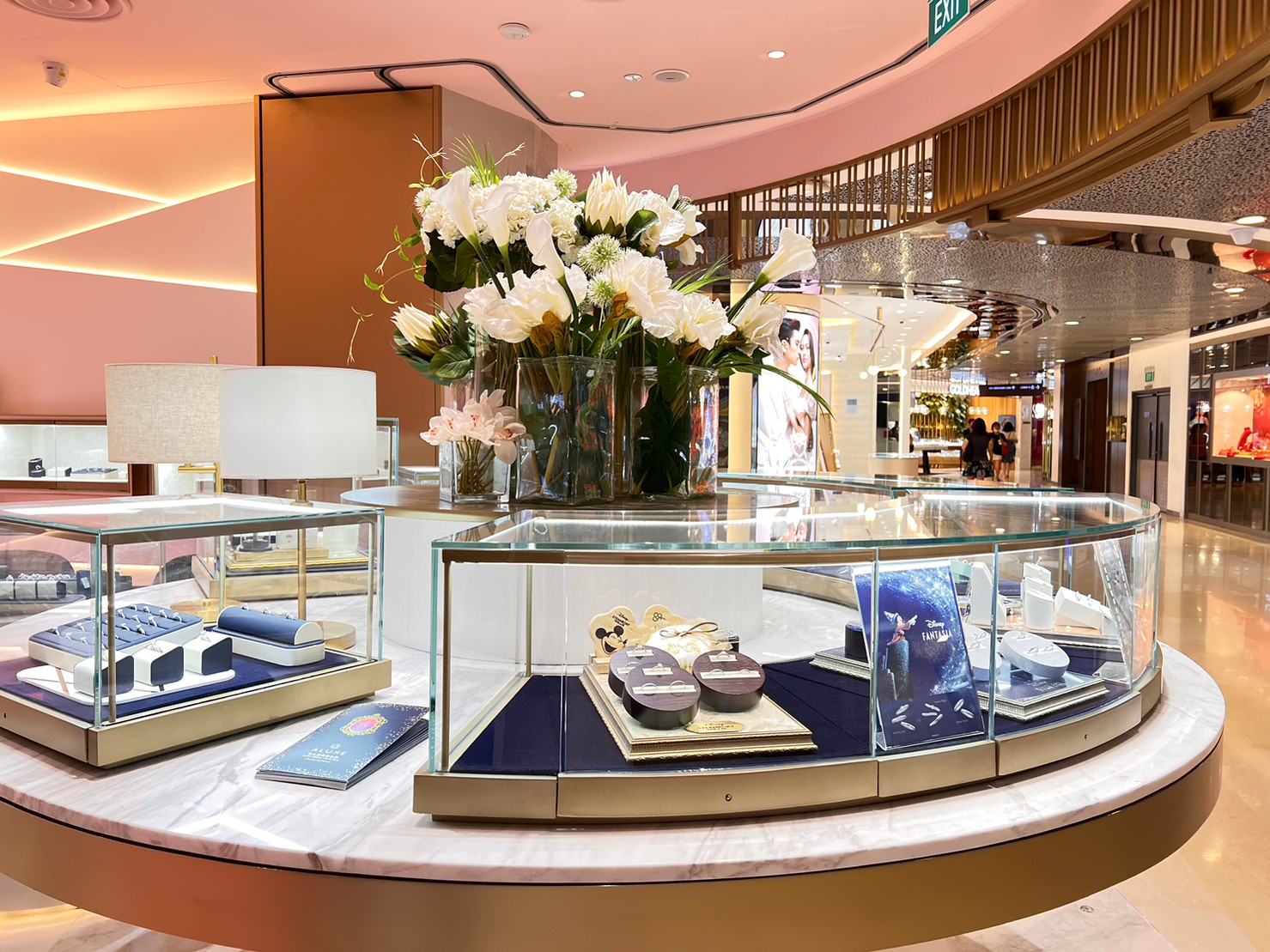
    Three collections take centre stage at the new store in Ion Orchard: Disney, The Moment and acredo collections. Those looking for a magical, fairytale style for their wedding and engagement rings can look at the Disney collection. Rings from this collection will be based on Disney movies such as Beauty and the Beast, Aladdin, and Cinderella.

    Couples who strive for elegance and timelessness in their wedding bands can check out the Moment Collection, which are all handcrafted in Japan. The new line features blue diamonds which symbolise infinite connection and trust.

    Couples who enjoy creating unique, one-of-a-kind designs can consider the acredo Collection, inspired by the expertise of German artisans. They can choose from a range of precious metals and diamonds, and opt to engrave names or even free-hand drawings onto their bands and bring their love story to life. Interested customers can book a one-on-one consultation via the official website.

  • Kim Kardashian prepares to open first Skims stores

    Kim Kardashian prepares to open first Skims stores

    Kim Kardashian’s underwear label Skims plans to open its first permanent stores next year as it plots retail expansion in the US and abroad.

    Skims is set to debut its first flagship store in Los Angeles in the first half of 2024, followed by a second opening in New York. The 5000-square-foot LA shop will be located in West Hollywood on Sunset Boulevard near streetwear stores such as Supreme and Kith.

    “Kim and I can envision a future where years from today there’s a Skims store anywhere in the world you’d find an Apple store or a Nike store,” said Jens Grede, co-founder and chief executive officer of Skims. “It marks the second chapter.”

    Skims began as a direct-to-consumer business in 2019, but it since has dabbled in physical retail through relationships with department stores such as Nordstrom and Saks Fifth Avenue. In recent months, Skims has opened temporary pop-ups in locations like London’s Selfridges department store and Rockefeller Centre in New York.

    Executives are looking to open at least four stores next year and speed up expansion once those are in place. They’re considering placing shops in domestic markets that attract regional tourism, including Dallas, Atlanta and Miami.

    The company is weighing international flagships as well, after tests in cities like Paris and Hong Kong. On its online shop, 20 per cent of Skims customers are from abroad.

    “Our strategy going forward is to open important stores in the world’s most important cities,” Mr Grede said.

    Skims expects to achieve net sales of about $US750 million ($1.13 billion) in 2023, up from nearly $US500 million last year. So far this year, the business has been trending at 75 per cent year-over-year growth, according to Mr Grede.

    Product expansion has boosted that growth, as Skims branched out from its original selection of shape wear bodysuits into categories like pyjamas and swimwear. Underwear now accounts for a sizeable chunk of its business, and it is now planning to launch a men’s line in October.

    Skims was most recently valued at $US3.2 billion in a 2022 financing round, with total funding now at nearly $US400 million. Investors include hedge fund Lone Pine Capital and venture firms Thrive Capital and Imaginary Ventures. Mr Grede declined to say if Skims is seeking additional capital at this time.

    Ms Kardashian and Mr Grede are interested in one day taking Skims public, but the CEO said there were no short- or medium-term plans for an initial public offering. The company hired a chief financial officer last year.

    “Skims deserves to be a public company – when the time is right,” Mr Grede said.

  • Fake Chanel perfume seller fined

    Fake Chanel perfume seller fined

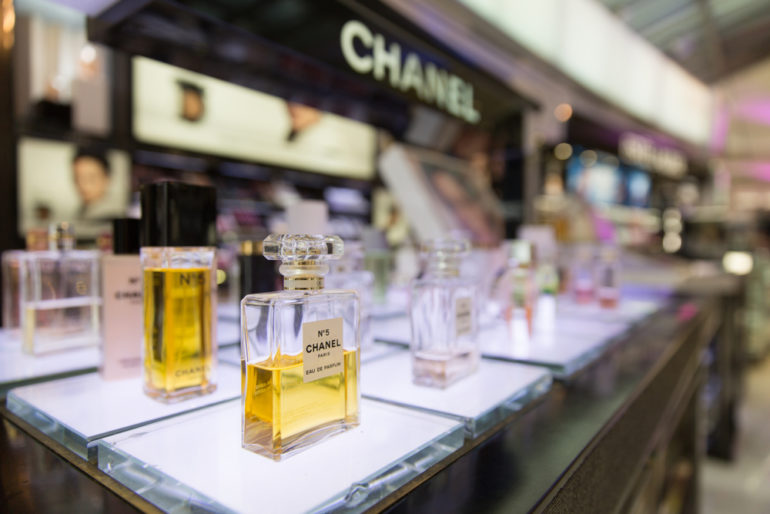
    A shop in the Central Highlands has been fined VND50.5 million (US$2,100) for selling counterfeit Chanel and Lancome perfumes and sunscreen through Facebook livestream.

    The shop in Pleiku, Gia Lai Province, was busted during a livestream session, the local police said.

    They had been monitoring the shop for some time, and during the raid found 300 bottles of perfumes labeled Chanel and 118 purporting to be Lancome besides 204 sunscreen tubes with the latter’s label.

    The police checked all the documents the shop provided and established that the products were fake.

    They also found 440 breath refresher bottles without invoices.

    The shop was fined VND50.5 million for selling fake goods, violating intellectual property rights and trading cosmetics of unknown origin.

    All the fakes were confiscated and will be destroyed.

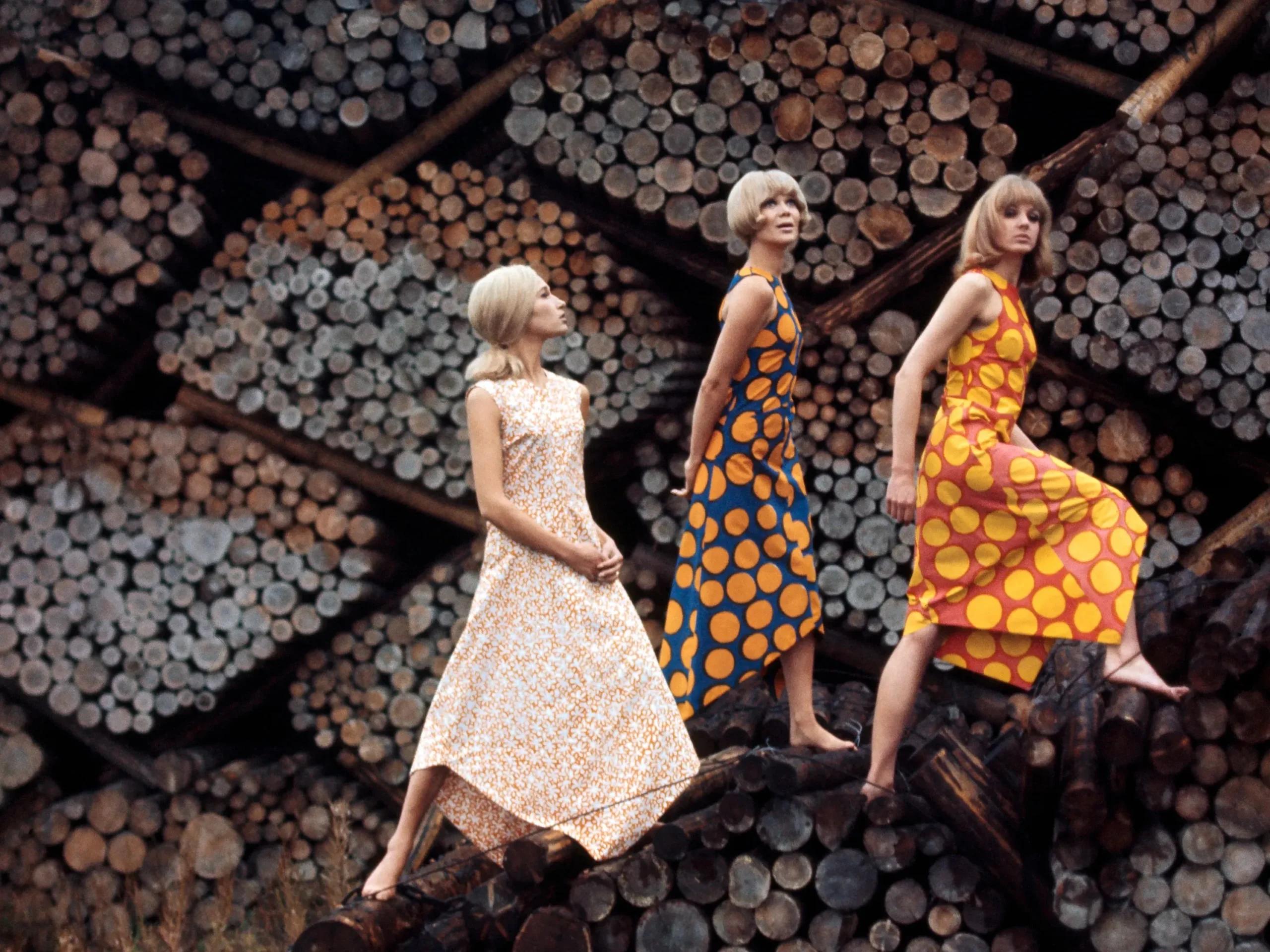
  • Finnish lifestyle brand Marimekko to enter Singapore this year

    Finnish lifestyle brand Marimekko to enter Singapore this year

    Finnish fashion and lifestyle brand Marimekko is set to make its Singapore debut with the first store and a cafe concept to open in the Ion Orchard shopping mall at the end of September.

    The Singapore launch, which will also include the opening of a local online store, is part of the brand’s global expansion plan for the next four years. The country marks Marimekko’s seventh market in the continent after Japan, Mainland China, Thailand, Hong Kong, South Korea and Taiwan.

    “Asia is the most important geographical area for Marimekko’s international growth,” the company said. “Singapore is a key city in Southeast Asia, having a wider impact for building brand awareness and positioning in Asia.”

    Marimekko will expand into Singapore in partnership with its Thai partner Tanachira, which has built the Marimekko brand in Thailand over the past eight years. Natacha Defrance, Marimekko’s senior VP of sales, region East, said Thailand is one of the fastest-growing markets for the brand in Asia.

    The company expects its net sales this year to surge in Asia Pacific, Marimekko’s second-largest market region.

    “The growing market, strong brand fit and proven track record with the loose franchise partnership model provide a good foundation for Marimekko for accelerating omnichannel growth in Asia,” the company said.

  • L’Oreal Group ANZ appoints Alex Davison as its new CEO

    L’Oreal Group ANZ appoints Alex Davison as its new CEO

    Alex Davison has been appointed the new CEO of L’Oreal Group ANZ, succeeding Rodrigo Pizarro.

    Davison has served as the CEO of L’Oreal Greece for the past three years. According to the group, Greece has continuously been among the fastest-growing markets in Europe under his leadership, with the company achieving three years of double-digit growth, and building market share in every business channel.

    “This aligns with my personal leadership values and I’m looking forward to working with the team as we build brands tailored for Australian and New Zealand consumers, and a business focused on sustainability and diversity,” said Davison.

    He also oversaw the group and was honoured in Greece as a ‘Top 20 Company Changing the World for Good’, award by Fortune magazine.

    In 2016, Davison began working for the L’Oreal Group as the UK GM of the business division for Dermatological Beauty. Prior to that, he worked for Procter & Gamble for 17 years.

    L’Oreal purchased Australian luxury cosmetics business Aesop from Brazil’s Natura & Co Holding earlier this year for US$2.525 billion (A$3.7 billion).

  • Chanel takes over Capitol Centre’s massive retail space, Singapore

    Chanel takes over Capitol Centre’s massive retail space, Singapore

    Capitol Centre, located on 5-19 Jardine’s Bazaar in Causeway Bay, Hong Kong, is one of the most coveted locations for luxury retail brands. Victoria’s Secret once leased the prime location, but the lingerie brand pulled out early, leaving the 50,000 square-foot space unoccupied. However, after the opening of the Mainland and Hong Kong border, the market has seen a surge in demand for retail space, and CHANEL has now taken over the lease of Capitol Centre’s massive retail space.

    The lease signed last month by CHANEL covers the ground floor, basement, and the advertisement space on the exterior of the building, totalling approximately 19,000 square feet. The monthly rent for the space is estimated to be over HK$3 million, or roughly HK$158 per square foot, making it the largest lease transaction since the border reopening and the largest retail lease in Hong Kong in the past three years since the outbreak of COVID-19.

    The lease period is three years, from mid-May 2023 to May 2026, with an option for renewal. The annual rental cost for the space is over HK$36 million, adding up to a total of over HK$1.08 billion for the three-year lease period.

    Capitol Centre has seen many tenants over the past 20 years, including major brands such as WatsonsFairwood, and Giordano. In 2010, the U.S. clothing chain Forever 21 secured the space with a rental amount of HK$10.8 million per month, or HKD 211 per square foot, making it the most expensive retail space in Hong Kong at the time. The rental amount was later increased to HK$13.78 million per month, or HK$269 per square foot.

    In November 2016, Forever 21 announced that it would vacate the Causeway Bay store in August 2017, and Victoria’s Secret took over the space for a rental amount of around HK$7 million per month, a significant decrease from Forever 21’s rental amount. However, Victoria’s Secret was hit by the COVID-19 pandemic and vacated the space in May 2020, with more than seven years left on its lease. After Victoria’s Secret’s departure, the space remained vacant until last year when Market Place, a supermarket chain, rented the basement for around HK$600,000 per month, or HK$86 per square foot.

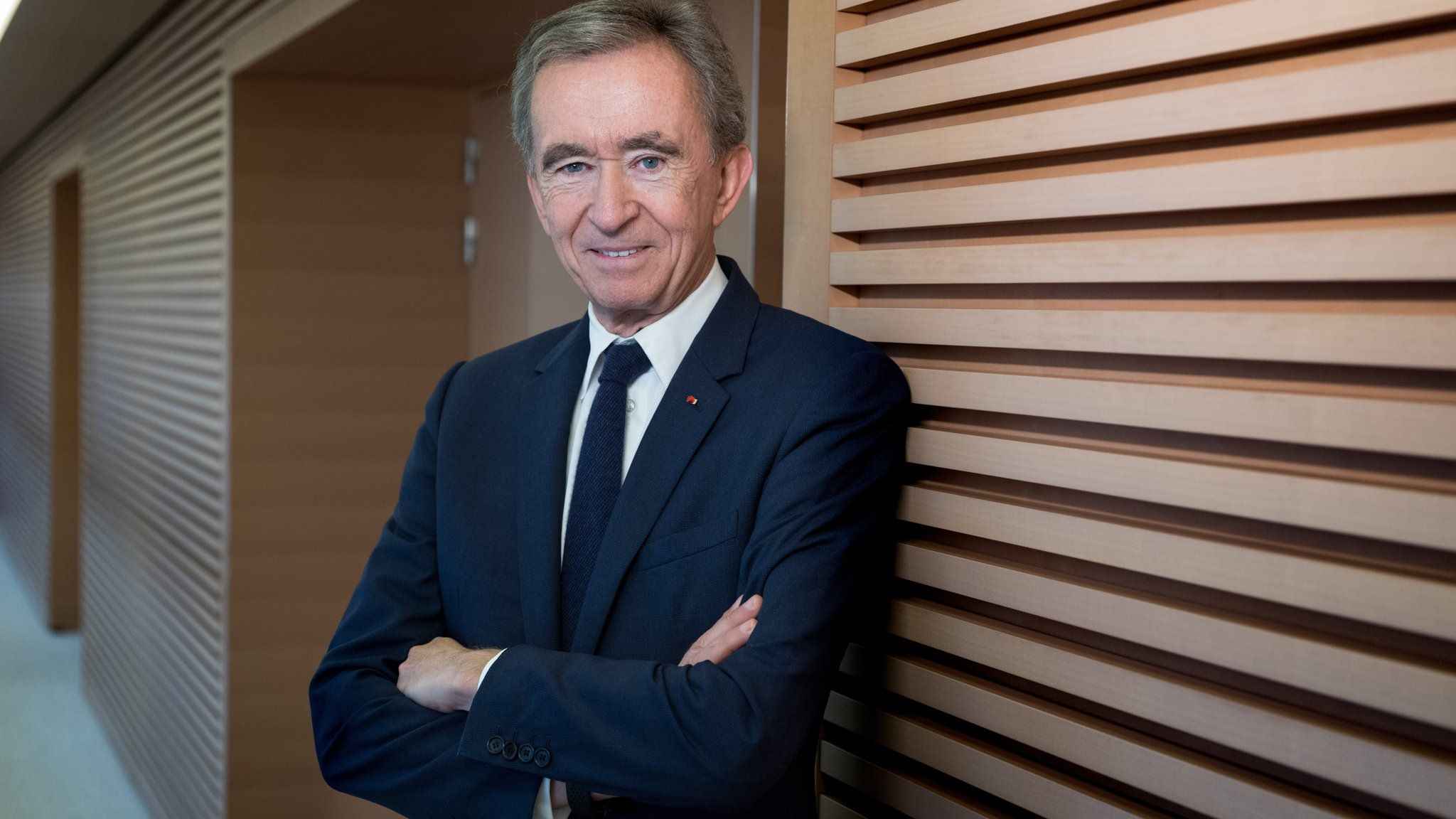
  • LVMH chief Bernard Arnault to visit China in June

    LVMH chief Bernard Arnault to visit China in June

    LVMH.PA chief Bernard Arnault is set to visit China, two sources told Reuters on Thursday, as European luxury goods makers closely track the pace of recovery of the key market following three years of COVID disruptions.

    One of the sources close to the matter said Arnault’s visit to the all-important Chinese market, which comes after high-profile visits to the country this week by JPMorgan Chase & Co JPM.NCEO Jamie Dimon and Tesla chief Elon Musk, will take place later this month.

    LVMH, home to brands ranging from Moet to Givenchy, declined to comment.

    The sources didn’t give a reason for the trip or say where in the country Arnault was likely to visit.

    The LVMH chairman and chief executive met with Chinese Commerce Minister Wang Wentao in Paris in April at the Avenue Montaigne flagship store of the group’s Christian Dior label.

    Arnault’s daughter Delphine Arnault, CEO of Dior, as well as other top LVMH executives attended the meeting, and the group pledged take part in China’s International Import Expo, which will be held in Shanghai in November.

    Chinese officials have been eager to emphasize the country is open for business since lifting lockdowns in December. The recovery has been patchy but the luxury sector has outperformed other consumer categories as wealthy consumers have maintained their spending habits on the Mainland.

    The planned visit for Arnault comes at a critical time for LVMH’s reboot of U.S. jeweler Tiffany, its largest acquisition ever, which it seeks to expand in China as part of a strategy to catch up with larger rival Cartier.

    A rebound in China helped lift LVMH’s first-quarter sales, which grew 17%.

    Executives from other luxury companies are also emphasizing China, especially as sector sales in the United States show signs of easing off of a strong, post-pandemic surge.