Category: Fashion

Retail News Asia is committed to providing both local and global retailers with the latest Fashion news throughout the Asian market. This on a daily base.

  • Burberry held back by China lockdowns and US weakness

    Burberry held back by China lockdowns and US weakness

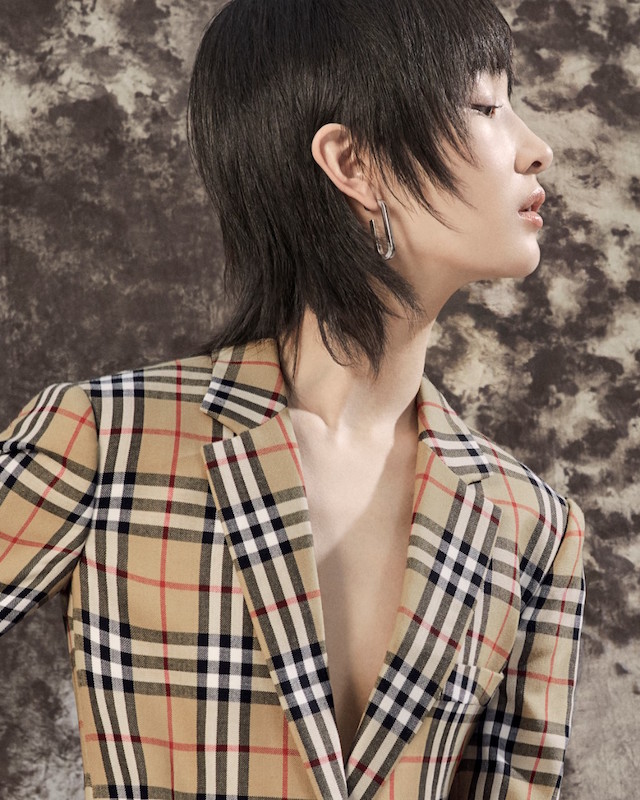
    Luxury brand Burberry was hurt by lockdowns in its biggest market China and an abrupt reversal in fortunes in the Americas, limiting its first-quarter sales rise to 1 per cent.

    The British brand, known for its red, black and camel check and TB monogram, saw comparable sales in mainland China plunge 35 per cent as Covid-19 lockdowns disrupted stores and distribution.

    All its stores were open by the end of June, Chief Financial Officer Julie Brown said, and the company was “encouraged” by how they were performing, but testing requirements were holding back the return of some shoppers.

    Luxury rival Richemont also felt the shortfall in mainland China, where its sales were 37 per cent lower for the quarter.

    Outside China, Burberry reported a 16 per cent rise in comparable store sales, with Europe up 47 per cent, helped by store ranges tailored to local demand rather than to still absent tourists from Asia.

    But the Americas, Burberry’s best performing region last year, went into reverse, with comparable store sales down 4 per cent.

    Brown said leather bags and outerwear were selling well, but “sneakers and slides – the shoe business – and the small leather goods category (were) somewhat weaker.”

    “I think this is largely because people have changed from staying in and wearing casual wear to be going out a lot more now than they were before,” she said.

    Shares in Burberry, which are down 20 per cent over the last 12 months, fell 7 per cent in early deals on Friday.

    Brown said Burberry was facing increases in transportation, commodity and labour costs, but it was managing them by focusing on procurement efficiencies.

    “We’re also very conscious of the pressure on the people and communities,” she said. “But in terms of business overall, we’ve not seen a major pressure on younger consumers at this point in time.”

    Burberry said its medium-term target of high-single digit revenue growth and 20% margins was unchanged.

  • Lululemon eyes massive growth in China

    Lululemon eyes massive growth in China

    Lululemon is on track to make China its second-largest market by 2026 through an extensive store expansion in the country, according to China Daily.

    The athleisure apparel brand said it aims to increase its store number in the country – currently 71 – to 220 over the next five years. These stores include flagship stores and community-based stores.

    “Our new goal is to quadruple our international business again by 2026,” Calvin McDonald, CEO of Lululemon, told China Daily in an exclusive interview. “The Chinese mainland will be a big part of that opportunity as we continue to invest in the market, in stores, in digital and build a community.”

    According to MarketBeat, the China lockdowns caused nearly a third of Lululemon’s stores to temporarily close for a period of time. Lululemon aims to open the majority of its 40 new stores in Mainland China where it has achieved a cumulative annual growth rate of 60 per cent during the past three years.

    The retailer also forecasts its digital expansion will double the company’s revenue in five years after it tripled between 2018 and 2021.

  • World’s first Nike Style store opens in Seoul

    World’s first Nike Style store opens in Seoul

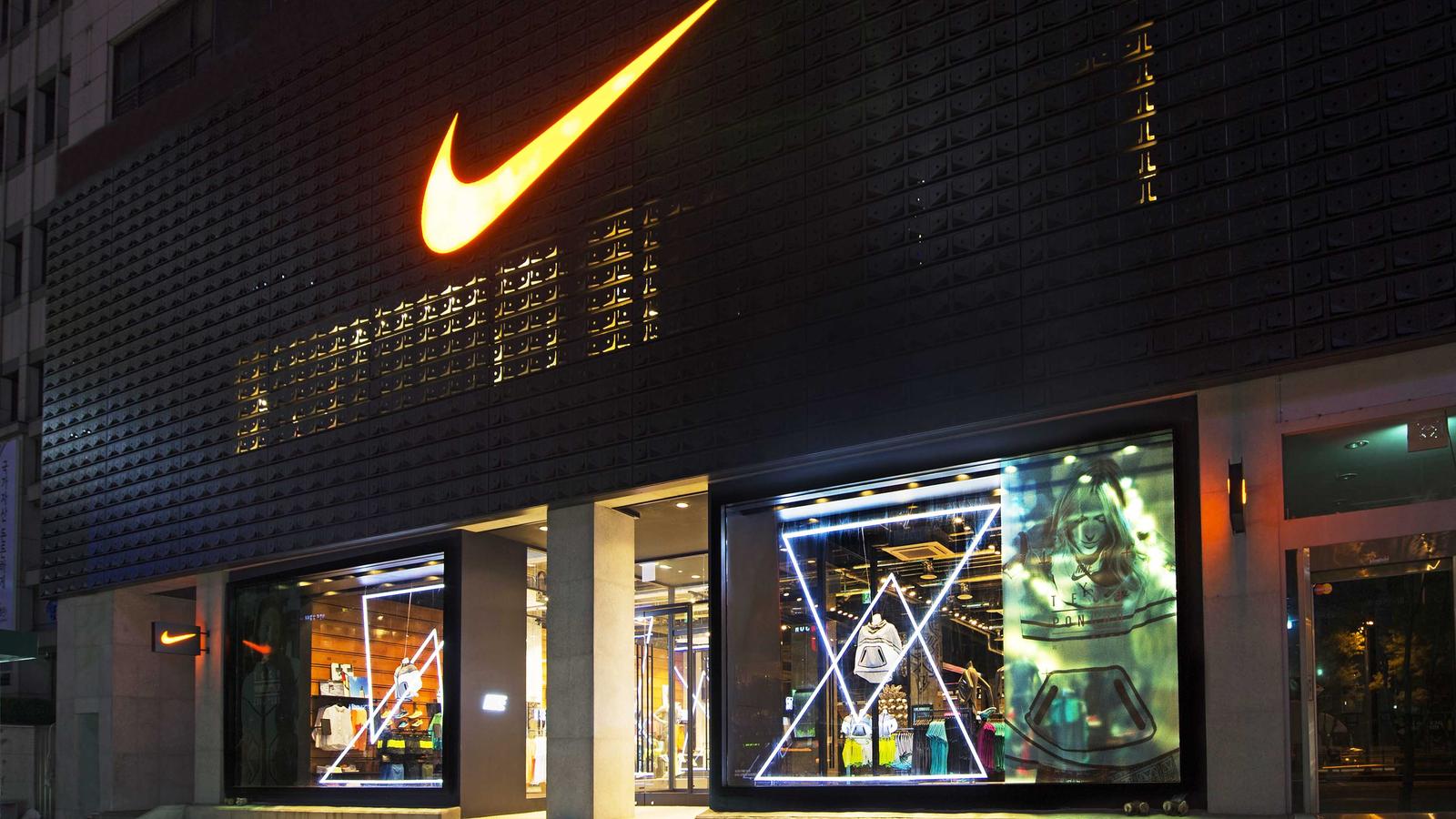
    Nike has introduced its latest retail concept, Nike Style, with the first store opened in South Korea, to be followed by more across multiple international markets.

    The Nike Style concept store is located in the bustling Hongdae neighbourhood, which is known for its art and fashion culture. Gender-agnostic zones are featured throughout the store for fleece, tops, footwear, accessories, and other style-led collections. The new retail concept is expected to “expand the definition of sport” that blurs the line between physical and digital.

    The store houses a content studio with customisable backdrops for local creatives, product experts and shoppers to create content for social media. Customers can scan QR codes for AR experiences related to product innovation and even the surrounding art installations. The store also offers Nike By You workshops and Snkrs Lounge events for its members.

    “The Hongdae neighbourhood holds a strong relationship with the sneaker and neighbourhood-retail community,” the company said in a statement. “With the Style retail concept, Nike helps broaden the aperture of sports retail culture by continuing to blend physical and digital experiences.”

    A second Nike Style store is set to open its doors in Shanghai later this year, with the concept to be expanded into other countries in the future. Nike Style is the latest Nike’s concept, following the House of Innovation, Nike Live and recently Nike Rise.

    The launch of Nike Style in Seoul follows the opening of a 24,000sqft Nike Rise store in Seoul last year, the first of its kind in South Korea.

  • Gap CEO walks the plank as Old Navy’s woes worsen

    Gap CEO walks the plank as Old Navy’s woes worsen

    Gap shares slid more than 18% Friday after the company slashed its sales outlook for the first quarter of fiscal 2022, citing what it called “execution challenges” its Old Navy business, and announced the CEO of that division, Nancy Green, will leave her post this week.

    Gap is now projecting low- to mid-teens declines compared with the prior year, adjusted from an earlier forecast that called for mid- to high-single-digit declines.

    Chief Executive Sonia Syngal will work closely with the Old Navy team as it searches externally for Green’s successor, the company said Thursday evening.

    News of Green’s abrupt departure comes as Gap struggles to weather continued logistics disruptions and rising inflation that threatens to curtail consumer spending.

    A snarled supply chain has been particularly hard on its Old Navy division, which targets a lower-income consumer, the company said when it reported quarterly results in early March. Delayed shipments have meant the retailer hasn’t had enough merchandise on hand to meet shopper demand in some instances.

    In its fiscal fourth quarter, same-store sales at Old Navy were flat compared with 2019 levels.

    Gap said Thursday that it has also taken a “more aggressive approach” to balancing its merchandise assortment at Old Navy, which has resulted in higher promotional levels. It didn’t further clarify the issue, but more markdowns are likely weighing on the retailer’s profits.

    Gap said it will provide an updated fiscal 2022 outlook when it reports quarterly results on May 26.

    “As we look to seize Old Navy’s potential, particularly amidst the macroeconomic dynamics facing our industry, we believe now is the right time to bring in a new leader,” Syngal said, regarding Green’s departure.

    She added that the company is looking for someone with the “operational rigor and creative vision” to execute on the retailer’s plan.

    Gap’s stock is down about 35% year to date including Friday’s declines.

  • Modibodi acquired by Swedish multinational Essity for $140 million

    Modibodi acquired by Swedish multinational Essity for $140 million

    Australian leakproof apparel pioneer Modibodi has been bought by Swedish hygiene and health company Essity in a deal worth $140 million.

    Essity, which owns the Tena brand of disposable incontinence products, says the acquisition will strengthen its position in the leakproof apparel market which it describes as the fastest-growing segment in the intimate hygiene category.

    “Modibodi has the qualities we are looking for with leading market positions, strong brand and sustainability credentials as well as excellent digital marketing and e-commerce capabilities,” said Magnus Groth, president and CEO at Essity.

    Modibodi was founded by its CEO Kristy Chong nine years ago and has a strong market presence in Australia, New Zealand and the UK. Last year’s sales were around $56.7 million, representing on-year growth of 18 per cent. EBITDA was $5.6 million.

    In a statement issued by Essity, Chong said that as a global leader in hygiene and health, the Swedish company “can provide the expertise and capital to take the brand forward during its next phase of growth, and achieve even greater impact”.

    The deal was one of two acquisitions in the category confirmed by Essity overnight on Friday. The company will also purchase an 80-per-cent stake in Knix, a Canadian e-commerce startup that designs and sells leakproof underwear, swimwear, bras and other apparel. That deal was valued at A$459 million The founder and CEO of Knix, Joanna Griffiths, will retain the balance of the shares and continue as president.

    Strong growth projected in leakproof market

    Essity expects the leakproof apparel market to grow by more than 20 per cent in each of the next five years and Modibodi will join the company’s existing brands in the sector, including Libresse, Bodyform, Saba and Tom Organic.

    Founded five years ago, after being sun off by FMCG giant SCA, publicly listed Essity also sells single-use products such as tissue paper and baby diapers, along with solutions for compression therapy, orthopaedics and wound care.

    The company has 46,000 employees worldwide and reported net sales of $18 billion in 2019. Its name is a compression of the words essentials and necessity.

    Modibodi’s range includes leakproof apparel for periods and incontinence including underwear, swimwear, activewear and maternity wear. It sells online in a direct-to-consumer business model, as well as through retailers, both online and offline. The Sydney-headquartered company has 45 employees.

    Essity said it expects to finalise the deal during the second half of this year.

  • Nike unveils new store in Singapore at VivoCity

    Nike unveils new store in Singapore at VivoCity

    Sportswear giant Nike has collaborated with GMG to launch a new-generation store at Vivo City in Singapore.  According to Nike, the 5900sqft store is intended to bring customers closer to sports and closer together. It has a wide selection of innovative gear, sporting essentials, and seasonal offerings for men, women, and children. Nike says customers can take advantage of styling expert sessions with store athletes, who can help customers of all ages choose appropriate apparel and footwear for

    According to Nike, the 5900sqft store is intended to bring customers closer to sports and closer together. It has a wide selection of innovative gear, sporting essentials, and seasonal offerings for men, women, and children.

    Nike says customers can take advantage of styling expert sessions with store athletes, who can help customers of all ages choose appropriate apparel and footwear for running, training, playing basketball, or simply living an active lifestyle.

    In addition, the Vivo City store offers a buy-online, pick-up-in-store service, and plans to organise community events.

    “In our commitment to bringing consumers closer to sport, we are reintroducing our VivoCity store that is fitted to offer athletes of all sports and expert levels some of the most innovative Nike products and services today,” said Carl Masterman, GMG senior VP retail, SEA – sports.

    “At VivoCity, fit is our focus – and our store athletes are on hand to ensure shoppers are equipped with the best fit for their sport of choice or lifestyle needs. The personal touch is extended also to our … community events for like-minded athletes that will be unveiled in the coming months.”

  • Burberry closes prominent Hong Kong flagship

    Burberry closes prominent Hong Kong flagship

    British luxury fashion house Burberry is the latest luxury brand to withdraw from Hong Kong’s famous shopping street Canton Road.

    The closure of the three-storey store came after Burberry shut its prominent Russell Street flagship last year, highlighting its struggles in a market still heavily impacted by Covid-19 restrictions.

    Canton Road is known as a hub for luxury brands and is home to the giant Harbour City shopping mall. The street was a common destination for Mainland tourists before the advent of Covid-19 and the closure of the border with the mainland. The Burberry Canton Road flagship opened in 2011 and was reported by WWD to have a monthly rent of US$1.12 million.

    The luxury retailer currently has 10 stores across the territory.

    Prior to Burberry, several luxury brands shut stores along the Canton Road retail strip due to the lack of tourists including Valentino, Tiffany & Co, and Coach. Earlier this year, Hong Kong introduced its strictest Covid-19 measures due to the spread of the Omicron variant, resulting in widespread retail and foodservice closures.

  • Reliance Retail inks franchise deal with Gap

    Reliance Retail inks franchise deal with Gap

    Reliance Retail Ltd on Wednesday announced its long-term partnership with Gap and plans to bring the iconic American fashion brand to India.

    “Through a long-term franchise agreement, Reliance Retail has become the official retailer for Gap across all channels in India,” said a joint statement.

    Reliance Retail will introduce Gap’s offerings to Indian consumers through a mix of exclusive brand stores, multi-brand store expressions and digital commerce platforms.

    “The partnership is aimed at leveraging Gap’s position as a leading casual lifestyle brand and Reliance Retail’s established competencies in operating robust omni-channel retail networks and scaling local manufacturing and driving sourcing efficiencies,” it said.

    Founded in San Francisco in 1969, Gap is considered as an authority on modern American style. It continues to build on its heritage grounded in denim and connect with customers online and in company-operated and franchise retail locations globally.

    Reliance Retail CEO, Fashion & Lifestyle, Akhilesh Prasad said: “We believe that Reliance and Gap complement each other in their vision to bring industry-leading fashion products and retail experiences to their consumers.”

    Managing Director of International, Global Licensing and Wholesale at Gap Inc Adrienne Gernand said: “Partnering with regional experts, like Reliance Retail in India, allows us to deliver our relevant, purpose-driven brand to customers around the globe, while continuing to diversify our business portfolio through our partner-based model.”

    Reliance Retail is a subsidiary of Reliance Retail Ventures Ltd (RRVL), the holding company of all the retail companies under the Reliance Industries Ltd group.

    RRVL reported a consolidated turnover of Rs 1,99,704 crore ($26.3 billion) for the year ended on March 31, 2022.

    Gap Inc products are available for purchase worldwide through company-operated stores, franchise stores and e-commerce sites. Its net sales for the fiscal year 2021 was at $16.7 billion.

  • Sneaker Boutique atmos Reduces Online Cart Abandonment and Increases Revenue with Forter

    Sneaker Boutique atmos Reduces Online Cart Abandonment and Increases Revenue with Forter

    Forter, the Trust Platform for digital commerce, announced Foot Locker atmos Japan G.K., a sneaker boutique, has selected Forter to help combat fraud in its online store. Since deploying Forter, atmos has significantly reduced chargebacks and maintained an approval rate of over 98%.

    Previously, atmos used a rules-based, manual fraud prevention solution. However, fraudsters were able to exploit the system’s weaknesses. The company also deployed 3D Secure to provide an extra layer of authentication at checkout, but this introduced unnecessary friction for good customers and led to a higher cart abandonment rate.

    With Forter, atmos has addressed both challenges by fully automating its fraud prevention program and replacing 3D Secure. The company’s partnership with Forter has maximized genuine customer experience and lifetime value by making precise decisions about customer trustworthiness at critical interactions. This has reduced friction for good customers, reduced the cart abandonment rate and grown revenue.

    Forter’s platform is powered by the largest network of retailers, meaning a fraudster known to one of its customers is known to all. Forter applies machine learning to deliver decisions that are 100% automated, with average response times under 400 milliseconds. Since the platform has no dependency on manual reviewers, it scales seamlessly as merchants grow.

    Mr. Okayama, General Manager of atmos’ EC Business Department, said, “With the previous rules-based system, it was challenging to discern between legitimate and fraudulent transactions, and the need for manual reviews placed a heavy burden on operations. While the introduction of 3D Secure reduced chargebacks, the friction it caused increased cart abandonment rates. Forter’s fully automated solution solves these challenges by removing the need for manual reviews, increasing our accuracy and streamlining the buyer’s journey.”

    Yosuke Noda, Forter’s Country Manager for Japan, said, “We are very pleased to be working with a leading brand like atmos to deliver precise decisions about customer trustworthiness at critical interactions. This decisioning helps atmos improve customer experiences while driving revenue,” said Mr. Noda.

    Foot Locker atmos Japan G.K.

    The name of the store, “atmos,” is derived from the word “atmosphere,” and we want to be a store that is as natural to be there as the atmosphere itself. atmos” opened its head store in Harajuku, Tokyo in 2000. With the theme of sneakers as fashion, a sneaker wall was set up inside the store. The store is dedicated to introducing Tokyo’s sneaker culture to the world through collaborations with national brands, exclusive models, test launches of the latest products, and marketing.

  • Luk Fook to add 500 stores this year and expand online

    Luk Fook to add 500 stores this year and expand online

    Hong Kong jeweler Luk Fook’s revenue and profit rose by around 30% to 40% for the full fiscal year that ended March 31, the company estimated.

    A low base of comparison with the previous year — which saw pandemic-related restrictions — is responsible for the increase during the period, Luk Fook said last week. In fiscal 2021, business in China was weak, and Hong Kong and Macau were on lockdown.

    The company’s expansion in mainland China, strong sales of gold products, and the easing of restrictions in Hong Kong and Macau also buoyed sales, it explained.

    The retailer saw an “encouraging recovery of retail atmosphere in the first three quarters of the year,” it noted.

    Reports from other Hong Kong-based jewelers indicated that the fourth quarter of fiscal 2022 and the start of the 2023 financial year had been challenging. Tse Sui Luen said sales had plunged sharply during the period amid the fifth wave of the pandemic, while Chow Tai Fook reported a 13% drop in the first two months of the current fiscal year.

  • Nike forecasts downbeat quarterly revenue on lingering China worries

    Nike forecasts downbeat quarterly revenue on lingering China worries

    Nike forecast first-quarter revenue below estimates as it expects to discount more and wrestles with pandemic-related disruptions in China, its most profitable market.

    The company’s shares fell 3% to $107 after the bell.

    Analysts are mixed about Nike’s prospects in China this year even as strict COVID-19 lockdowns have been lifted in several of the country’s major cities, as people cut down on spending and a penchant for home-grown brands such as Li Ning and Anta remains firm.

    “We are taking a cautious approach to Greater China, given uncertainty around additional COVID disruptions,” Nike Chief Financial Officer Matthew Friend said.

    The company expects first-quarter revenue to be flat to slightly up, below estimates of a 5.1% increase, according to Refinitiv IBES data.

    “The guidance was somewhat disappointing,” Morningstar analyst David Swartz said.

    Fashion retailers in China are also stuck with piles of unsold stock as the recent re-opening has also seen a flood of goods being shipped from warehouses to store shelves.

    Nike said its gross margins would be under pressure this year due to higher freight and product costs, and as it discounts more to sell seasonal inventories that arrived late due to supply snarls.

    The company’s inventories rose 23% to $8.4 billion at the end of May as more of its products remain in transit due to supply disruptions.

    Nike also forecast fiscal 2023 revenue to increase in the low double digits percentage range on a currency-neutral basis.

    For the fourth quarter, the company reported revenue of $12.23 billion, beating estimates of $12.06 billion, helped by higher sales in Europe, Middle East and Africa.

    Nike recorded a $150 million charge related to its decision to exit Russia and transition of business models in a few South American countries.

  • H&M closes Shanghai flagship after Covid lockdowns

    H&M closes Shanghai flagship after Covid lockdowns

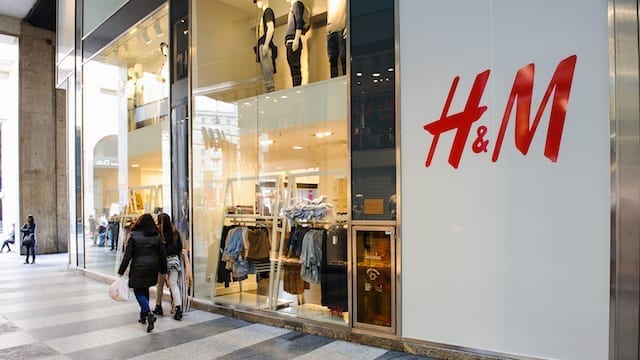
    H&M has shut its flagship Shanghai store, its latest closure in China where consumer demand has slumped amid COVID-19 lockdowns and the fast-fashion retailer has borne the brunt of a backlash against companies that refuse to use Xinjiang cotton.

    Although it was open earlier this month, the three-storey building in downtown Shanghai was on Friday boarded up with its H&M signage gone.

    The world’s second-biggest fast-fashion retailer entered China in 2007 with the opening of the Shanghai flagship store and rapidly expanded. It had more than 500 stores in mainland China early last year but its website currently only lists 376, including the flagship Shanghai store.

    The company declined to comment, citing a blackout period prior to its first-half earnings report on June 29.

    Although nearly a month has passed since Shanghai lifted a strict two-month lockdown, consumers have yet to return to malls in significant numbers.

    Chinese consumers have also beat a retreat from its products after a letter in which H&M expressed concerns about allegations of forced labour in the Xinjiang region came to light in 2021.

    Other brands that publicly disavowed Xinjiang cotton such as Inditex’s, Zara, Nike and Adidas have also suffered with Chinese netizens calling for boycotts and Chinese celebrities refusing to work with them.

    But the backlash against H&M, the first foreign retailer to express concerns, has been particularly harsh. Unlike other brands, its products remain unavailable on major Chinese e-commerce sites such as Tmall and JD.com.

    UN experts and rights groups estimate over a million people, mainly Uyghurs and other Muslim minorities, have been detained in recent years in a vast system of camps in China’s western Xinjiang region.

    Many former inmates have said they were subject to ideological training and abuse in the camps. China denies all accusations of abuse.

  • Chow Tai Fook arm in bid for Giordano International

    Chow Tai Fook arm in bid for Giordano International

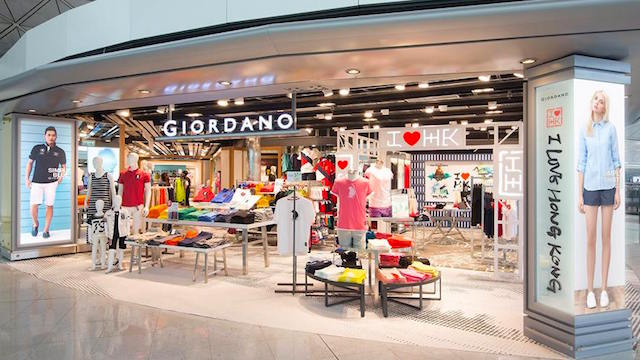
    Giordano International Ltd. climbed as much as 23% after an investment vehicle owned by Hong Kong’s third-richest person offered to buy the apparel retailer.

    Clear Prosper Global Ltd., a BVI vehicle wholly-owned by Chow Tai Fook Nominee Ltd., offered to buy Giordano for HK$1.88 (24 cents) per share, according to a filing late Thursday. That’s an 18% premium on its most recent closing price, and shares surged to as much as HK$1.95 on Friday.

    The investment vehicle and its related parties already hold a 24.57% stake in Giordano and the maximum cash consideration is HK$2.56 billion, according to the statement.

    Chow Tai Fook Nominee is a private vehicle owned by the Cheng family, whose patriarch, Henry Cheng, is Hong Kong’s third-richest person with a fortune of $22.6 billion, according to the Bloomberg Billionaires Index. The family’s sprawling investment empire includes one of the world’s biggest jewelry chains, as well as real estate, infrastructure and hotels.

    Established in 1981, Giordano has around 2,100 shops in more than 30 countries and regions, according to its website. The acquisition offer will let the group continue its existing principal business, and there are no intended job cuts, according to the statement.

  • Oriental Watch bullish as sales

    Oriental Watch bullish as sales

    Oriental Watch (398 HK)announced it is proposing to buy back a maximum of 83 million shares at 3 HKD (249M HKD). This represents a premium over 57% vs the average 30-day closing price on HKex. Once the shares are bought back they will be canceled which will reduce total shares outstanding from 570 million to 478 million. A Special General Meeting (SGM) will be needed to approve the transaction, details of which are pending an official Offer Document. The full transaction has been covered by David Blennerhassett Oriental Watch (398 HK): Conditional Partial Offer 

    As long-time Oriental Watch followers let’s step back and assess what this means:

    • The controlling family’s stake will rise over 30% (depending on uptake 30.85-36.10%) but they won’t have to make a mandatory general offer as they have requested an exemption from HKex. Minority investors need to approve the transaction: we would advise minorities to vote IN FAVOR.
    • The founding family upping its stake at a significant premium to the latest stock price is bullish.
    • Even at 3 HKD, the shares trade far below their latest book value of 4.04 HKD.
    • With increased ownership management is now more incentivized to keep on paying large dividends going forward.
    • Mr. Market has been perenially mispricing Oriental Watch at negative enterprise value or barely above net cash over the last 5 years. As discussed at length in various previous insights we think this is wrong and the latest transaction again highlights the underlying value.
    • The company has returned 0.885 HKD/share in dividends over the past four years. When judging Oriental Watch’s share price performance please make sure you look up the total return on your Bloomberg.
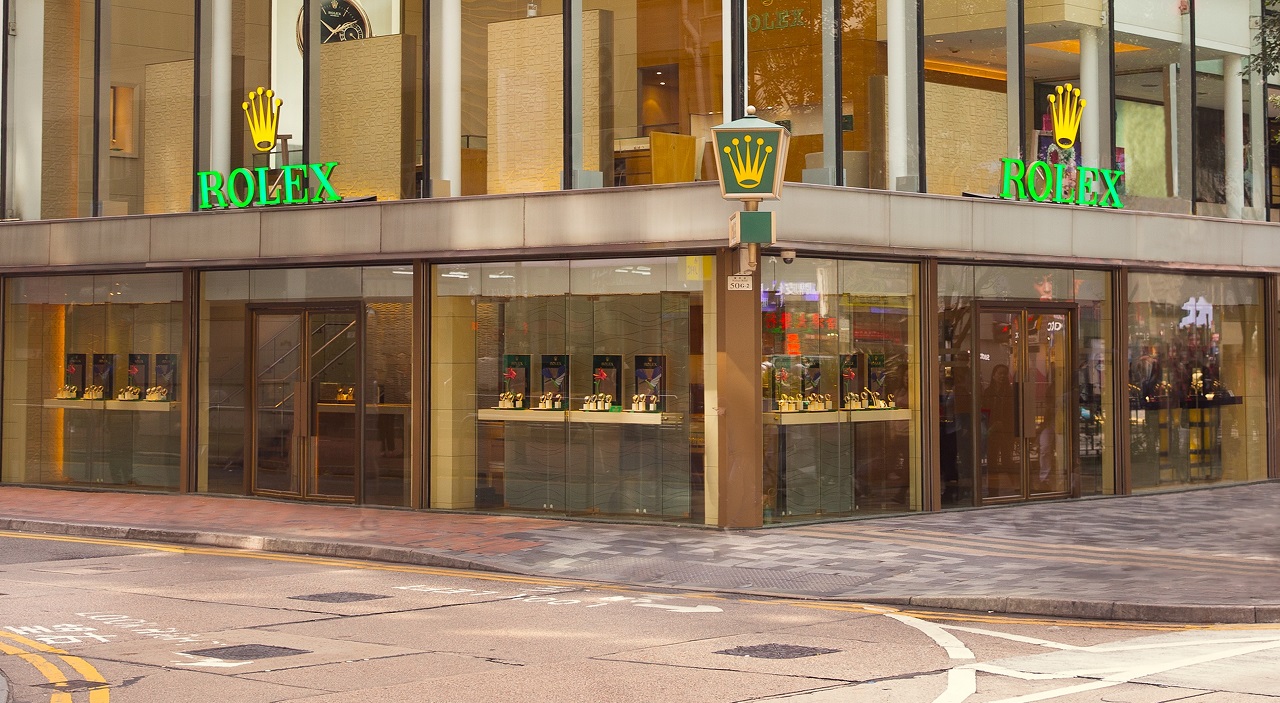
    • Mainland China Rolex sales have been seeing YoY SSS increases of 40-80% since April (depending month to month). Once HK opens up SSS comps become very easy after 2019 (riots) and 2020 (Covid-19). Please re-read our insight on Oriental Watch being a way to play Rolex in China Oriental Watch: Bet on Rolex Demand in China/HK and Collect 12% Dividends While Waiting 
  • Amazon, Cartier sue counterfeiters using social media to sell fakes

    Amazon, Cartier sue counterfeiters using social media to sell fakes

    Amazon is continuing its crackdown on counterfeiters, this time against a social media influencer they claim was selling fake Cartier bracelets, necklaces and earrings.

    The online retail giant said on Wednesday that it filed two joint lawsuits with Cartier against an unnamed social media influencer and eight businesses for allegedly promoting counterfeits on social media and other websites that were then sold on Amazon. The lawsuits were filed in the US District Court for the Western District of Washington, alleging the businesses conspired together to sell counterfeits and falsely advertise them as real, infringing on Cartier’s trademarks, avoiding Amazon’s anti-counterfeiting detection tools and violating Amazon’s policies, according to the companies.

    While items on Amazon were non-branded and listed with generic product descriptions to avoid detection by Amazon’s anti-counterfeit policies, the ads linking to the Amazon product pages used the Cartier brand name to sell the allegedly fake bracelets, necklaces and earrings, according to the companies. For instance, a counterfeit of the Cartier Love bracelet was listed on Amazon as “Women’s Fashion Classic Screw Love Titanium Steel Bracelet”.

    Amazon has put more effort into detecting and removing counterfeit sellers from the site. According to the company’s second Brand Protection Report, published in 2022, Amazon stopped over 2.5 million attempts from bad actors to create new selling counts, down over 6 million compared to the previous year. The company also increased the number of brands on its Brand Registry tool, which detects infringements, leading to a 25 per cent decrease in infringements compared to the previous year.

    Amazon has also begun working directly with luxury brands to remove fake products from its site; last February, Amazon filed two joint lawsuits with Ferragamo against counterfeiters, and in April, the companies said Chinese authorities had conducted an investigation and seized the counterfeit products. In June 2020, Amazon filed its first joint lawsuit with Valentino against New York-based Kaitlyn Pan Group for allegedly counterfeiting the brand’s Rockstud shoes, though the case was settled in January 2021.

    “By using social media to promote counterfeits, bad actors undermine trust and mislead customers,” said Kebharu Smith, associate general counsel and director of the Amazon Counterfeit Crimes Unit, in a statement. “Amazon will keep investing and innovating to stay ahead of counterfeiters and working with brands and law enforcement to hold bad actors accountable. We don’t just want to chase them away from Amazon — we want to stop them for good.”

    Amazon has been making efforts to break into the luxury market: earlier this month, it rolled out its Luxury Stores concept to the UK, Germany, France, Italy and Spain after launching it two years ago with Oscar de la Renta and Roland Mouret, among others. However, experts say that the widespread selling of counterfeits and dupes by third-party sellers on the platform is holding the e-commerce behemoth back from elevating its position.

    By publicising its condemnation of counterfeits, Amazon wants to signal its trustworthiness to the luxury sector. “Amazon is deeply committed to protecting brands’ intellectual property and strictly prohibits counterfeit products in its stores,” the company said in a statement, adding that it invested $900 million and employed 12,000 people to protect against counterfeits in 2021.