Category: Fashion

Retail News Asia is committed to providing both local and global retailers with the latest Fashion news throughout the Asian market. This on a daily base.

  • Under Armour sales down with almost 25%

    Under Armour sales down with almost 25%

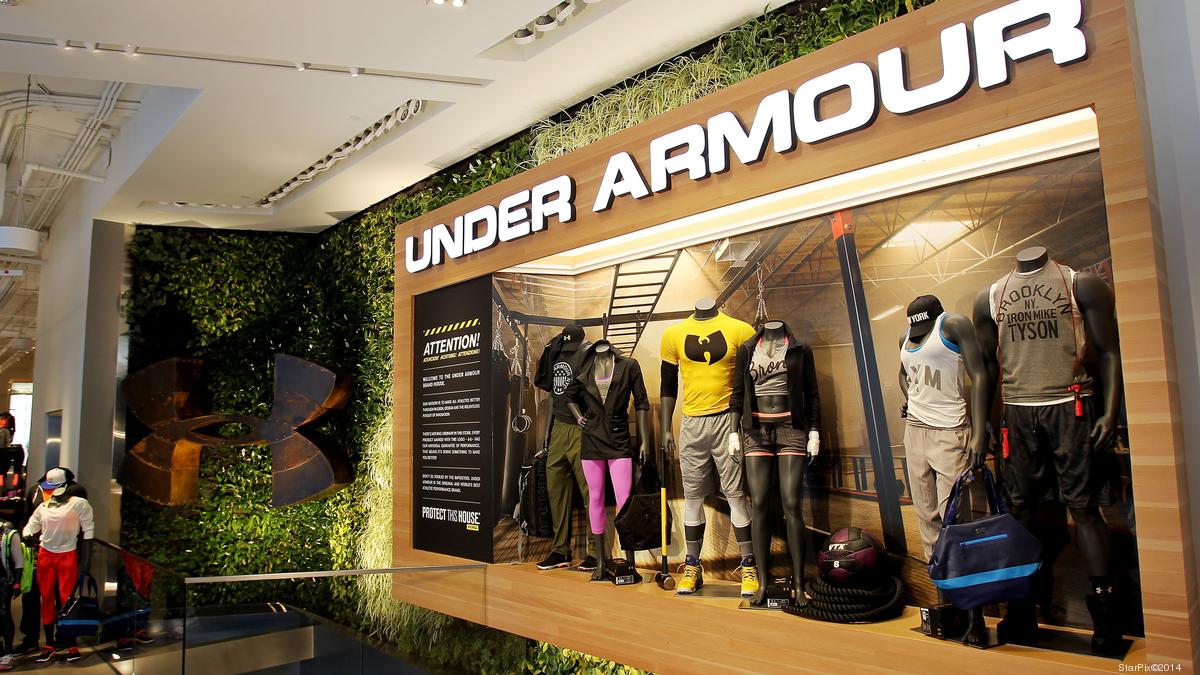
    Under Armour sales fell 23 percent in the first quarter, with about two-thirds of the decline attributed to the Covid-19 pandemic.

    The sports-apparel manufacturer and retailer recorded a loss of $589.7 million for the quarter after restructuring charges of $436 million were included.

    Total sales were $930 million, with wholesale revenue down 28 percent and direct-to-consumer revenue down 14 percent.

    Under Armour sales were down by 34 percent in the Asian market

    “During the first quarter, our results in January and February were tracking well to our plan,” said Under Armour president and CEO Patrik Frisk.

    “Since mid-March, as the pandemic accelerated dramatically in North America and EMEA and retail store closures ensued, we’ve experienced a significant decline in revenue across all markets. As a result, like so many businesses, we’ve had to make very difficult decisions, including temporarily laying off teammates in our US retail stores and distribution centers, along with other actions to ensure we protect Under Armour’s financial stability.”

    In China, which accounts for about half Under Armour sales within Asia, the Covid-19 pandemic saw both company-owned stores and partners closing from late January, reopening from late March. By the end of that month, about 80 percent of stores had resumed trading.

    “However, traffic in these locations, while recovering steadily in recent weeks, continues to be down year-over-year,” the company said in an earnings brief.

    “Business results and trends in South Korea have been similar to those in China, while retail and partner locations outside of these countries in the Asia-Pacific region have remained predominantly closed since the end of the first quarter.”

    Frisk said Under Armour management was taking decisive actions to continue the company’s transformation and improve efficiencies so it emerges from the restructure and the pandemic “with stronger and greater capabilities over the long-term”.

  • Luxury labels head to Line during Thai coronavirus lockdown

    Luxury labels head to Line during Thai coronavirus lockdown

    High-end brands have taken to online social-networking platform Line to sell luxury products during the Thai coronavirus lockdown.

    Off-the-runway fashion items, currently unavailable at temporarily shuttered department stores in Bangkok, are now being sold on Thailand’s dominant messaging service, previously the domain of local brands engaging in e-commerce.

    International names in luxury retail such as Bao Bao Issey Miyake, Club 21, Chanel and Louis Vuitton are now using Line accounts to set up online storefronts dedicated to moving products during the restrictions on movement.

    The brands are using various strategies – from video clips and advertising via messaging to live chats serving product information – in an attempt to capture attention in the online marketplace.

    While the Thai coronavirus lockdown may be relaxed later this month, allowing malls and department stores to reopen in the Thai capital, the new luxury e-commerce channels may well become an enduring feature of the nation’s fashion retail sector.

  • The R Collective teams with Levi’s in upcycled Denim Reimagined range

    The R Collective teams with Levi’s in upcycled Denim Reimagined range

    Upcycled fashion label The R Collective has launched its Denim Reimagined capsule collection at K11 Musea’s Levi’s store in Hong Kong.

    The Denim Reimagined collection, created by local designer Jesse Lee, uses surplus denim from Levi’s jeans and is being launched to coincide with the brand’s global #WearAndCare sustainable consumer care campaign. A virtual workshop conducted in English and Chinese is scheduled to be held on Wednesday next week to engage with locked-down, socially-distanced consumers on how to reduce the climate impact of the fashion industry via sustainable consumer care behavior.

    “I was inspired by how the ocean’s natural beauty plays a huge role in regulating the Earth’s climate,” said Lee at the Levi’s in-store launch. “Fashion inspires and designers must engage with customers, particularly during this uncertain time of socially-distancing, when we’re forced to reimagine the world we want to live in. Denim’s biggest climate impact is caused during consumer care and fabric production, and so Denim Reimagined tackles both upcycling and consumer care, so we can all have caring closets.”

    “Upcycling excess materials and extending the life of garments are two of the most sustainable things we can do with our clothing, as anyone who has owned a pair of vintage Levi’s knows,” said Levi Strauss & Co director of sustainability Liz Lipton-McCombie. “As such, we’re proud to support creative upcycling projects, like The R Collective’s Denim Reimagined, and are encouraged to see the progress they are making.”

    The collection features digital clothing care labels, which consumers can scan to learn more about the clothing item and receive one of four different sustainability messages: how the garment was made; how to care for clothes to reduce clothing’s climate impact; solutions for keeping fashion in use and out of landfills; and the collection’s story.

    “In a post-Covid-19 world,” said The R Collective founder/CEO Christina Dean, “consumers expect greater transparency and sustainability and so the value of having technology, like Denim Reimagined’s unique digital identities, allows us to interact with and, most importantly, educate consumers on how to care for their garments in a sustainable, climate-friendly way.”

  • Uniqlo Japan same-store sales down in April

    Uniqlo Japan same-store sales down in April

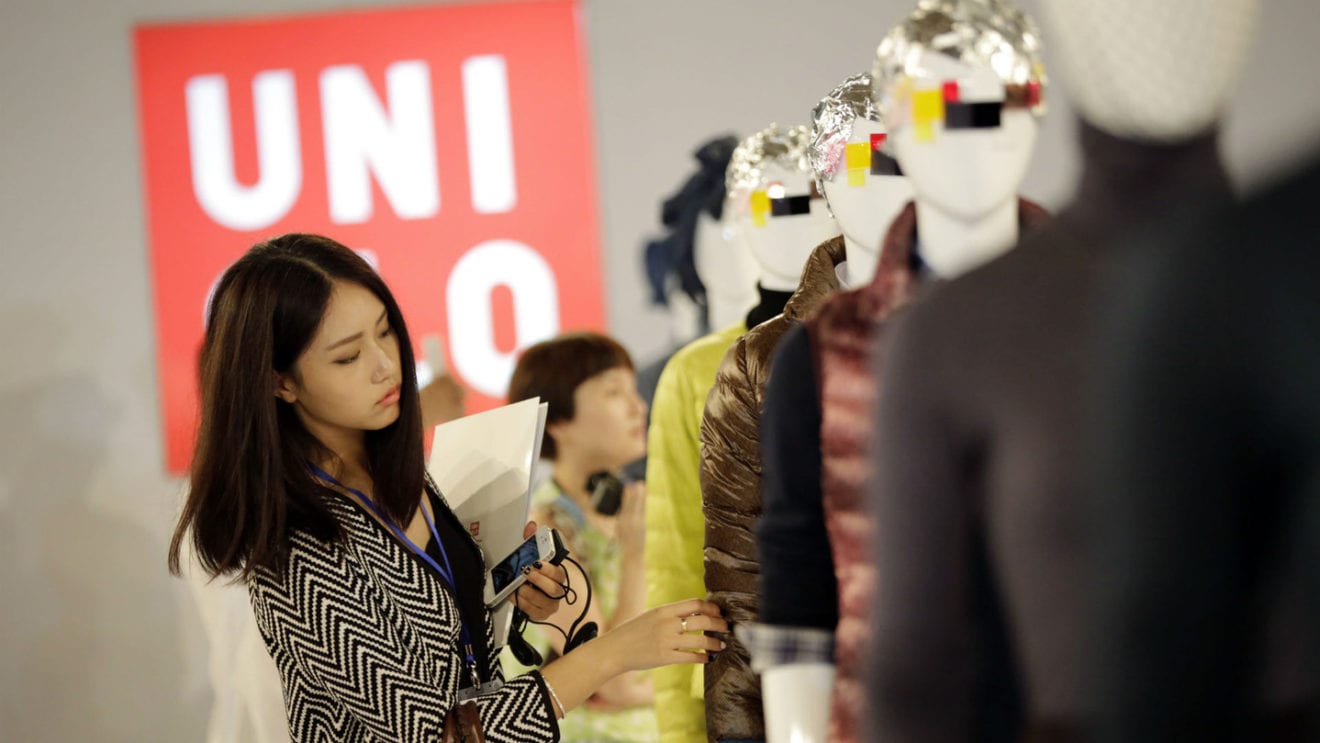
    Uniqlo Japan same-store sales, including online, plunged 56.5 percent in April as the Covid-19 crisis led to restricted store opening times.

    According to data released by parent Fast Retailing, total sales, including those of new stores, decreased by 57.7 percent.

    The company said customer visits to stores “dropped sharply”. Sales were “adversely impacted by the temporary closure or reduction in operating hours at more of our stores, and consumers deciding to stay at home to combat Covid-19,” the company said.

    During the month of April, 311 stores were temporarily closed due to the advent of the coronavirus, and 299 operated on reduced trading hours.

    Fast Retailing said the monthly data was calculated without excluding stores that were either open for fewer hours or closed temporarily from the total number of same stores or own stores.

    While Uniqlo Japan same-store sales data has been released, the company has not as yet shared data on its international operations.

  • Louis Vuitton raises retail prices in South Korea

    Louis Vuitton raises retail prices in South Korea

    French fashion house Louis Vuitton is raising prices for its luxury items in the South Korean market, allegedly in a bid to take advantage of a prospective surge in buying following the coronavirus outbreak.

    According to Pulse News Korea, the brand has raised prices by between 5 percent and 10 percent across its various product lines, its third price increase within the past seven months.

    “We have decided to raise the prices starting on May 5,” said a representative of Louis Vuitton Korea. “It was part of our pricing policy based on the long-term view.”

    Poor exchange rates and the closure of production facilities in France and Italy may have contributed to the brand’s decision to raise prices, although some consumers remain suspicious that the price rises are timed to take exploitative profits from coronavirus-related restrictions.

    In general, the luxury industry has seen some sales increase as high-end consumers spend disposable income on expensive treats instead of traveling. South Korean department stores Shinsegae, Lotte, Hyundai, and Galleria have all reported increased luxury sales at their outlets.

    Rival luxury brands Tiffany & Co. and Bulgari have also hiked prices within the last month.

  • Puma focuses on survival and recovery as sales goes down

    Puma focuses on survival and recovery as sales goes down

    Outlining a survival strategy for the coronavirus pandemic, Puma says its global operations are split into three phases: Survive, Recover and Grow Again. The sportswear retailer and manufacturer reported a 1.3-per-cent decrease in first-quarter sales to €1.3 billion, with strong growth during the first 10 weeks undermined by the widening impact of the pandemic. Net earnings fell 61.6 percent to €36.2 million.

    However, in the current quarter, global revenue is running at about 50 percent of normal levels.

    CEO Bjorn Gulden said the year started very well with a great order book, strong sell-through, and record retail numbers. “Then, at the end of January, the Covid-19 virus hit China. Since then we have worked to minimize the damage short-term without hindering the mid-term momentum of Puma.

    “The different markets are at different stages. Asia Pacific with China and South Korea is recovering. Europe is hopefully also moving towards recovery while the Americas, with almost all stores closed, are in the middle of the Survive phase.”

    Describing the first quarter as “difficult,” he believed Puma had done “a decent job”.

    “The second quarter will financially be even worse with more than 50 percent of global sports and sports lifestyle space being closed. We are mitigating the impact on our revenues wherever we can by focusing on e-commerce and the markets that are opening up again. We are working with our factories and other partners in our supply chain to minimize the damage, assure timely deliveries, avoid excess stock as much as possible and to find fair solutions for all of us.”

    Puma has secured a €900 million revolving credit facility to tide it over the crisis and has asked all partners to get additional financing to ensure operations can continue.

    “The goal is to get through this without any Puma employee losing their job. To survive this crisis in cooperation with all our partners such as retailers, suppliers, landlords, financial institutions, authorities, investors, and customers is crucial. We can only get through this together. So far, cooperation with most of them has been great.”

    Puma’s gross profit margin declined by 140 basis points to 47.6 percent, during the first quarter, impacted by negative currency valuation, lower China sales, inventory devaluation, and return provisions.

    The almost complete shutdown of China retail from the last week of January caused the most damage to Puma’s sales and profitability during the quarter.

    “Over the [ensuing] six weeks, the whole business in China, except for e-commerce, basically disappeared,” the company said in a statement. “As China started to recover in mid-March, Covid-19 had started to spread globally and by the end of the month basically 80 percent of Puma’s retail doors, both owned and operated as well as partner stores, we’re closed.”

    A significant challenge for Puma going forward is the inventory levels resulting from the lack of trading. The total inventory value is up 24.5 percent to €1.13 billion.

    However, the company has struck a positive note on its mid-term prospects. Sales in China and South Korea are already improving and the first stores are reopening in some European markets. Offsetting that is the almost full shutdown in the Americas. While e-commerce sales are rising, it is not at a pace that can compensate “in any way” for the declining sales across other channels, the company said.

    While short-term prospects are not bright, the company said it is committed to managing the crisis in the short term “without hindering the midterm momentum”.

    “This year is, and will continue to be, a difficult year, where the goal for Puma is to survive, recover and then emerge stronger with growth again. Different markets will go through these phases at different times and execution, therefore, must be very locally driven,” the company said.

    Puma expects all markets to recover by the year’s end and to return to growth next year.

    “The industry is expected to be in a strong position after the crisis. People have already now started doing more sports wherever it is possible, even under difficult circumstances. There are many indications that health and sports will be even more important than before the crisis.”
  • Sa Sa International tips record loss of up to HK$600 million

    Sa Sa International tips record loss of up to HK$600 million

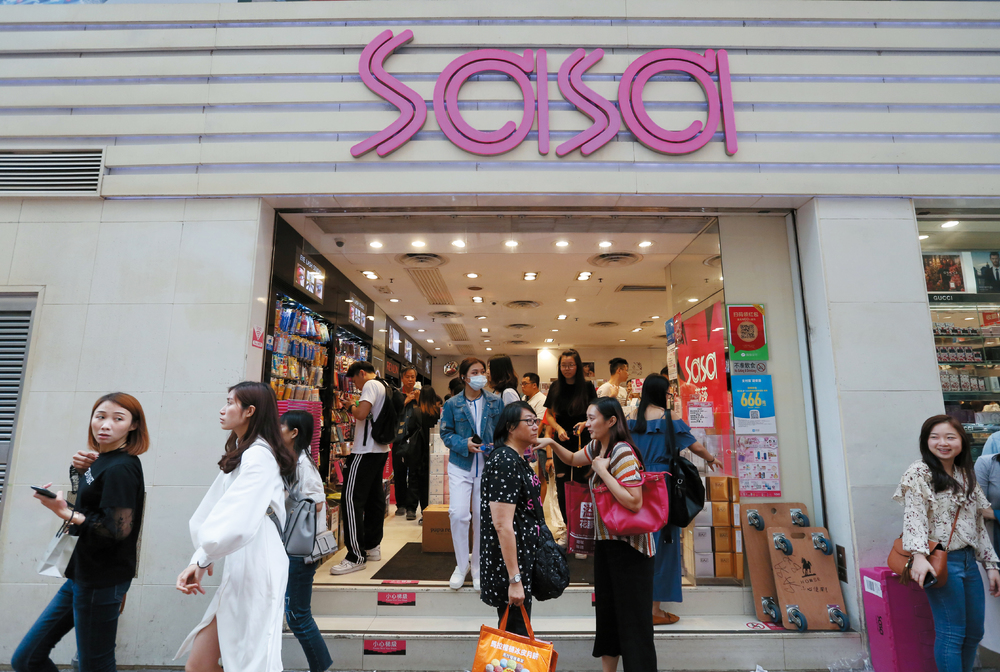
    Beauty-products retailer Sa Sa International says it expects to post a record loss as high as HK$600 million (US$77.4 million) for the March year due to the collapse of Hong Kong’s tourism market in the wake of the Covid-19 crisis.

    In a profit warning, chairman Simon Kwok said the figure – which contrasts with a $471 million profit for the prior year – includes a $40 million loss resulting from terminating leases when it exited the Singapore market, and trading deficits in other markets adding up to between $220 million and $260 million. The rest of the potential loss, which the company expects will be between $500 million and $600 million, is the result of impairments, including on property, plant and equipment.

    Kwok said sales through its retail store network has been in “drastic decline” amid the Covid-19 outbreak.

    “The provision for the impairment losses is a non-cash accounting treatment, as such, it has no impact on the group’s cash position for the financial year.”

    He said the group has no borrowing currently, has adequate cash to meet its current business needs and expects to recover about $20 million from the closure of Sa Sa Singapore.

    The ranks of mainland Chinese visitors has been in decline since July 1, following the outbreak of social unrest in Hong Kong. But numbers fell to near zero when the border was effectively closed in the wake of the pandemic at the beginning of this year. Local consumer sentiment has also dampened.

    “The Covid-19 epidemic also caused the foot traffic and retail sales to fall significantly at our stores outside of Hong Kong SAR, including the Macau SAR and Mainland China,” said Kwok. “The group’s e-commerce business was also affected as logistics services were disrupted by the epidemic.”

    As previously reported, Sa Sa’s fourth-quarter sales plunged by 62 percent in Hong Kong and Macau and sales to mainlanders in Hong Kong and Macau slumped by 80.8 percent.

    Even in Malaysia, a market that has always been profitable for Sa Sa International, Covid-19 has been impacted by the epidemic since February.

    The company has been trimming its store network in Hong Kong as leases come up for renewal and the company will continue to pursue rent relief from landlords. It is also taking steps to reduce costs and streamline operations to work through the slump in sales.

    Sa Sa International will publish its audited results prior to June 30.

  • Marks & Spencer Food teams with Foodpanda in three markets

    Marks & Spencer Food teams with Foodpanda in three markets

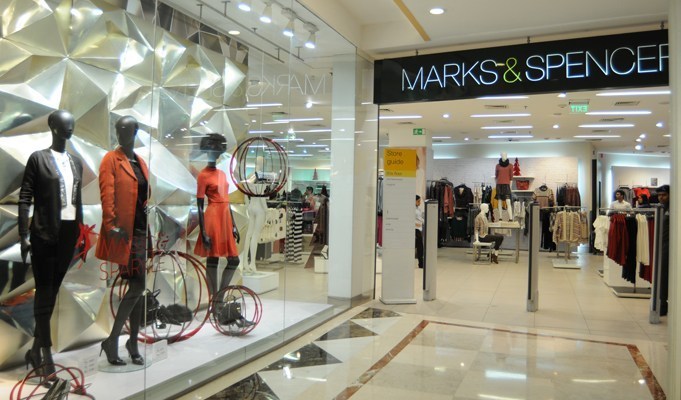
    Marks & Spencer Food is now available through the Foodpanda food-delivery app in three Asian markets: Hong Kong, Singapore, and Malaysia.

    The two companies are promising orders of packaged foods, along with wine, in under 30 minutes – although delivery is restricted to areas near existing Marks & Spencer Food stores.

    The partnership follows Foodpanda’s development of a grocery delivery service, Pandamart which has been incorporated into its existing restaurant meal-delivery app.

    Marks & Spencer Food also recently partnered with HKTV Mall, the homegrown Hong Kong online marketplace.

    Via Foodpanda, consumers will be able to order up to 300 food and drink SKUs in Hong Kong and Singapore immediately, with the Malaysian service launching at the end of this month. The product range available may differ between markets.

    “We know our customers across Asia are passionate about Marks & Spencer Food, which is why we’ve partnered with Foodpanda to help get them the products they need as well as supporting those who currently aren’t able to visit stores easily,” said Christine Choi, CEO of Marks & Spencer Asia.

    Pandamart will deliver orders free on minimum purchases of HK$40 in Hong Kong, SG$5 in Singapore, and RM5 in Malaysia.

    In Singapore, ordering via Foodpanda is currently available only at locations near Wheelock Place, VivoCity, Parkway Parade, and One Raffles Place.

    The launch date in Malaysia remains subject to Malaysia Control Movement order.

  • Victoria’s Secret sale cancelled due to spin off activity

    Victoria’s Secret sale cancelled due to spin off activity

    The ongoing saga of Victoria’s Secret’s survival took another significant turn overnight as parent L Brands confirmed the deal with private-equity company Sycamore Partners was canceled and it now plans to spin the business off.

    The two companies have announced a “mutual termination” of the deal – itself a twist after L Brands last month commenced legal action to force Sycamore to honor the sale.

    Sycamore had agreed to pay US$525 million for a 55 percent stake in L Brands back in February, a deal most analysts at the time considered a bargain. But the subsequent advent of the coronavirus pandemic which saw most of the company’s stores shuttered, decimating sales, has made L Brands less desirable, even at that price.

    Last month, Sycamore declared the purchase agreement was invalid, claiming that by closing stores during the Covid-19 pandemic, laying off staff and withholding rent, L Brands was in breach of the sale agreement under which the retailer was obliged to continue to conduct business ‘as usual’ ahead of settlement. L Brands disagreed.

    In a press statement confirming the mutual termination, Sycamore said neither company would be required to pay the other a termination fee or any other consideration in both canceling the deal and settling the litigation.

    L Brands’ board decided a protracted court battle worth neither the effort nor the expense.

    Furthermore, with L Brands to retain a 45-per-cent stake in the Victoria’s Secret business under the agreement, the two companies would have made uneasy bedfellows after a lengthy court fight with each other.

    L Brands says its new plan is to spin off Victoria’s Secret, but the details on how and when are far from clear. According to a statement overnight, L Brands will focus on building the profitable Bath & Body Works business as a pure-play public company, separating the Victoria’s Secret lingerie, beauty and Pink entity into a standalone company.

    It is hard to see this being done through an IPO given the underwhelming financial performance of the business and its tired retail format, let alone in an economic climate where there is little appetite for new investments.

    “Like all retailers, the company faces an extremely challenging business environment,” said Sarah Nash, who will next week assume chairmanship of the company.

    “We are implementing significant cost reduction actions and performance improvements at Victoria’s Secret while continuing to drive strong growth at Bath & Body Works. We will continue to make decisions and take actions with the best interests of all our stakeholders and the future of our company in mind.”

    Most of the changes which were planned after Sycamore’s investment will still proceed. At next week’s virtual board meeting Leslie Wexner will step down as CEO and chairman, but will remain a member of the board as ‘chairman emeritus’. Andrew Meslow, CEO of Bath & Body Works, will become CEO of L Brands and join the board. In addition, Stuart Burgdoerfer, currently CFO, will immediately assume the role of interim CEO of Victoria’s Secret while continuing to serve as CFO.

    Nash says L Brands will provide further details of its plans for restructuring during a scheduled earnings call on May 21.

    L Brands operates 2920 company-owned specialty stores in the US, Canada, Greater China and the UK as well as selling through more than 700 franchised locations worldwide.

  • Panerai opens world-first watch accessories room in Hong Kong

    Panerai opens world-first watch accessories room in Hong Kong

    Luxury watchmaker Panerai has launched a world-first watch accessories room in Hong Kong.

    Located in its Canton Road flagship boutique, the room offers a collection of 670 straps and bracelets, a full range of buckles and an interactive trap-display design.

    The watch accessories room’s design features a distinctive concept incorporating oak and burnished brass aimed at creating a contemporary yet cozy ambiance. A torpedo displayed at the center of the room is, according to the company, “a reminder of the world of the sea and the glorious past of the brand whose roots are embedded in the history of the Italian Navy”.

    Founded in 1860 as a workshop, Panerai now sells watches around the world through exclusive distributors and the brand’s own boutiques.

  • Taiwanese fashion platform Pinkoi lands in Hong Kong

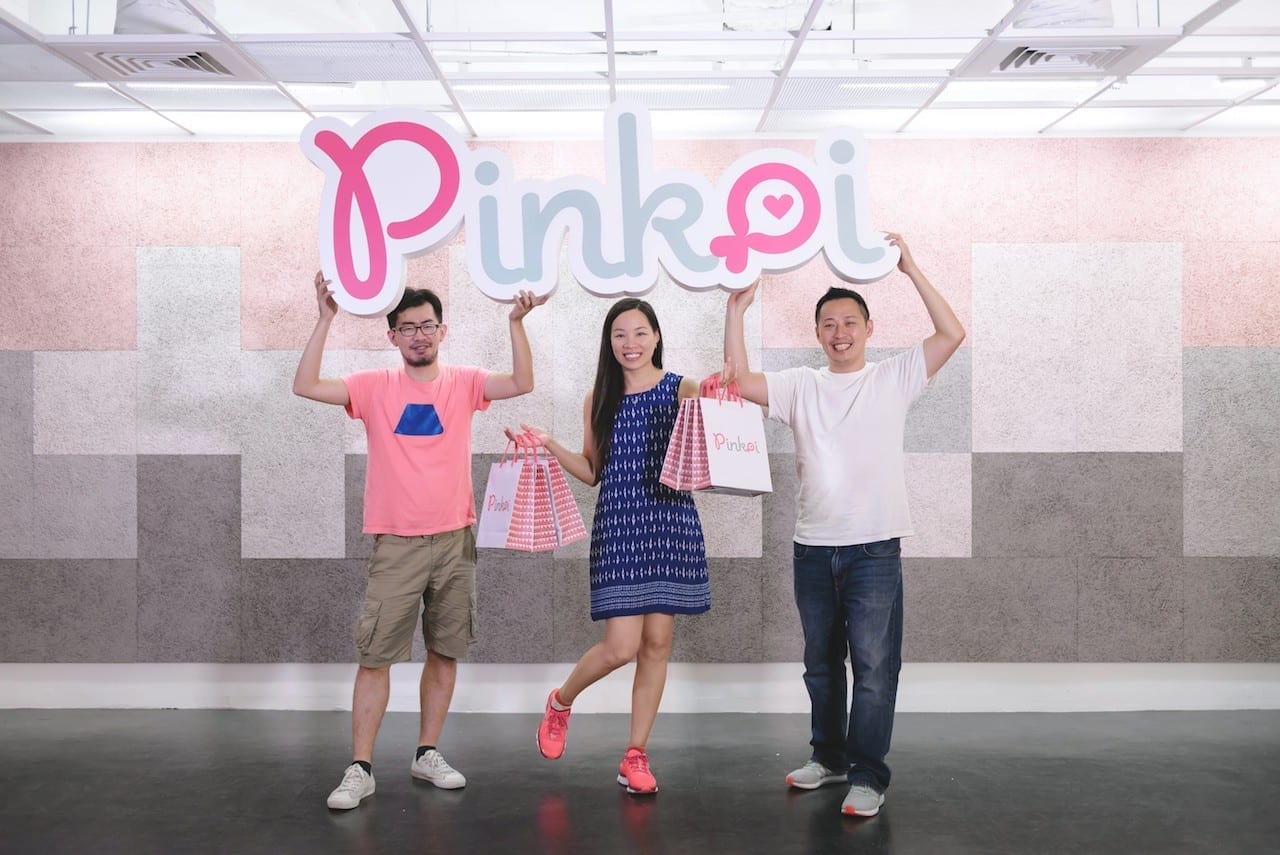
    Taiwanese fashion platform Pinkoi lands in Hong Kong

    The firm predominantly represents indie brands and independent designers, taking orders on its platform and passing on notifications to sellers who then ship their products to consumers directly.

    Pinkoi is expanding into Hong Kong against the backdrop of the coronavirus pandemic, which has seen the firm reduce its transaction fees for orders worth less than US$10 to 5 percent – a reduction of 10 percent – until June 30.

    The firm has also pledged to invest more than US$660,000 in advertising in order to strengthen promotion for member shops before the end of May. This investment will go towards advertising on platforms such as Google, Facebook, Criteo, Instagram, and Twitter, amongst others. It will simultaneously launch a range of themed online promotions and discounts in order to promote partner designs to its 3.2 million members.

    Pinkoi has opened a physical store in Hong Kong at The Mills.

  • Esprit closing all of its Asian stores before June 30

    Esprit closing all of its Asian stores before June 30

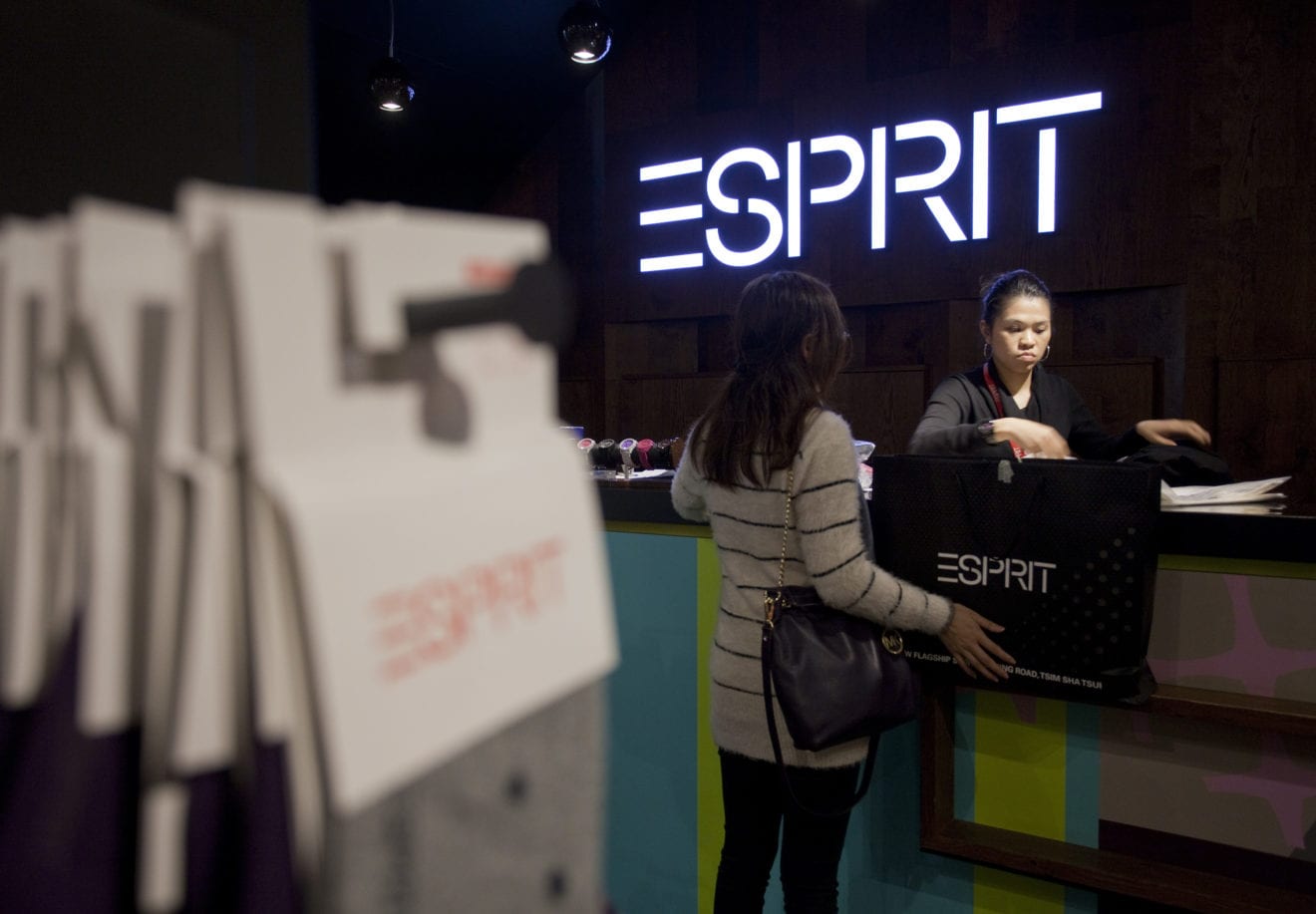
    Crippled apparel group Esprit is to close all its stores in Asia, except those in Mainland China, by the end of June.

    The decision follows an appalling slump in sales during the last nine months, which worsened during the March quarter when the Covid-19 crisis hit, forcing retail stores to close or reduce trading across many markets.

    All 56 company-run stores located in Singapore, Malaysia, Taiwan, Hong Kong and Macau will close, but the company says the sales through those shops represented less than 4 percent of group turnover during the nine months to March.

    However, the company will continue to operate wholesale and licensing businesses in those markets, suggesting the brand will endure, most likely through department stores and multi-brand stores.

    In the March quarter, Esprit sales in Asia were down by 52.2 percent – 61.3 percent in its stores and 54.9 percent at the wholesale level. Online sales, however, rose by 13.9 per cent. In contrast, sales across Europe fell by 22.2 percent, 36.2 per cent at retail level and 22.5 percent at wholesale. Online sales fell 7.1 percent while licensing and ‘other’ sales were down 16.7 percent.

    Globally, revenue fell 25 percent for the quarter and by 18.1 percent for the nine months to March.

    In the nine months to March, retail sales in Asia fell 44.2 percent, by 48.7 percent at the store level, 45.3 percent wholesale and 8.1 percent online.

    The company estimates closing its Asian stores will result in one-off costs for severance pay and to exit leases of between HK$150 million and $200 million (US$19 million to $26 million) which will be incurred in the current June quarter.

    On the mainland, Esprit reduced its China investment last December. Through a subsidiary called Million Success, it retained a 40-per-cent stake in the Esprit China business, with Hong Kong-based Mulsanne Group holding the balance.

    The Asia store decision comes just a month after Esprit placed its six German companies into a form of protective administration to allow restructuring and cull staff numbers under protection from creditors. Once it emerges from that process, and with its Asian business essentially all but gone, the company will focus on Europe with less staff and fewer stores, although whether the crippled, lackluster brand can survive at all up against the regional powerhouses of H&M and Zara parent Inditex is debatable.

    In a stock-exchange filing overnight, Esprit described the Asian store closures as part of a restructuring initiative “to focus resources and recalibrate operations in order to cope with the challenges posed by the pandemic most effectively and efficiently”. However, as the nine-month figures above clearly show, Esprit’s sales were in freefall in the region long before Covid-19 made its appearance.

    A key indicator of how dire the company’s position came in January when its most high-profile recent hire, chief product and brand officer Mia Ouakim, quit after just a year in the role. Ouakim, who had previously worked with high-end brands Burberry and Tommy Hilfiger, left to take up an opportunity outside the company.

  • StanChart Bad Loan Momentum Continues

    StanChart Bad Loan Momentum Continues

    Standard Chartered could face up to $600 million in bad loans after major borrowers faced a series of reported predicaments.

    Exposure to UAE healthcare chain NMC Health – currently restructuring $6.6 billion of debt – has further hit Standard Chartered’s balance sheet, according to public filings. The bank also faces defaults from state-owned Land and Agricultural Development Bank of South Africa.

    When combined with the $240 million lent to disgraced oil trader Hin Leong, the troubled loans total more than $500 million for Standard Chartered.

    Loan loss provisions will continue dominating headlines for bank earnings in the first quarter and Standard Chartered is not alone in facing balance sheet headwinds.

    The Hin Leong debacle features some 23 banks that have lent a total of nearly $4 billion including $600 million from HSBC, the largest creditor. According to an affidavit, the group of lenders may only get back 18 cents on the dollar. Bad loans at Abu Dhabi-based NMC Health will also hit HSBC and Barclays.

  • Yue Yuen predicts $70 million loss for March quarter

    Yue Yuen predicts $70 million loss for March quarter

    Chinese sports-shoe manufacturer and retail conglomerate Yue Yuen Industrial is predicting a loss of up to US$70 million in the March quarter as a result of the Covid-19 crisis – a big turnaround from a $75 million profit in the same quarter a year earlier.

    In a profit warning filed with the Hong Kong Stock Exchange, chairman Lu Chin Chu said the pandemic significantly impacted the operations of various business segments of the company.

    Yue Yuen makes shoes for a raft of brands, including Geox, Levi’s, Rockport, Carters and Pony. Its subsidiary Pou Sheng operates a network of some 5500 directly operated stores and 3000+ sub-distributor stores, predominantly in Mainland China.

    The company was hit on both fronts: shipment delays of shoes led to manufacturing revenue falling by 9.6 percent year on year to US$1.26 billion and the closure of Pou Sheng’s stores across Mainland China meant retail revenues plunged as well. Pou Sheng recorded a net loss of about RMB167 million (US$23.6 million) for the quarter.

    At Yue Yuen, the decrease in revenue was “mostly due to shipment delays amid lower operating efficiency at some of the group’s manufacturing facilities in China and other countries resulting from the Covid-19 pandemic,” Chu said in a stock-exchange filing.

    “The pandemic delayed work resumption at the group’s factories in China after the Lunar New Year; it also adversely impacted its supply chain, resulting in a shortage of certain raw materials. This also led to additional production capacity adjustments in China and other countries.”

    As of this week, however, almost all of the group’s factories in China and more than 98 percent of stores run by Pou Sheng had resumed operations.

    “However, the spread of Covid-19 to US and Europe had severely dampened global consumer demand for athletic footwear, the chain effect of which is negatively affecting both footwear manufacturers and sports retailers,” said Chu.

    “In addition, government lockdowns and other social-distancing measures being imposed in various Southeast Asian countries to contain the Covid-19 pandemic is expected to further hinder the operating efficiency of the group’s manufacturing facilities in this region. This, together with uncertainty about demand, may result in temporary factory closures and further adjustments to the group’s production capacity.”

    Yue Yuen says the figures it has released are based on a preliminary assessment of accounts, with finalized figures for the quarter will be released on May 14.

  • Cafe de Coral warns of 90-per-cent profit plunge

    Cafe de Coral warns of 90-per-cent profit plunge

    Cafe de Coral group expects its full-year profit to plunge by up to 90 percent for the March year as the Covid-19 crisis and last year’s protests dented customer traffic.

    In a profit warning to shareholders, chairman Sunny Lo said that during the fourth quarter, the group entered into the deficit when the outbreak of Covid-19 occurred.

    “Business operations and consumer spending in the group’s key operating territories have been severely impacted by the outbreak of Covid-19 since January,” he said in a stock-exchange filing. “The group’s business performance, which had already been impacted by poor market conditions and weak consumer sentiment during the first half of the year, was even more significantly impacted during the fourth quarter when our business and operations were further affected by Covid-19.”

    Besides its namesake brand, Cafe de Coral Holdings operates chains including The Spaghetti House, Oliver’s Super Sandwiches, Super Super Congee & Noodles, Shanghai Lao Lao and Mixian Sense.

    During the six months to September 30, Cafe de Coral group recorded a decline in profit of 34.5 percent. Full-year results are expected to be released in mid-June.

    Lo said the group has been closely monitoring market conditions and has adjusted its business strategies and operations to minimize losses. In an attempt to increase sales, the Cafe de Coral group has introduced simplified menus featuring low price meals and extensive promotions.

    “Adapting to social-distancing trends, marketing focus on takeaway and home delivery have increased,” said Lo.

    “The group has also implemented proactive cost control measures on rent, labor and food – and is stringently managing working capital to ensure healthy cash flow and a strong cash position to weather the currently difficult operating environment.”