Category: Fashion

Retail News Asia is committed to providing both local and global retailers with the latest Fashion news throughout the Asian market. This on a daily base.

  • Luk Fook sales down as Covid-19 throttles tourism

    Luk Fook sales down as Covid-19 throttles tourism

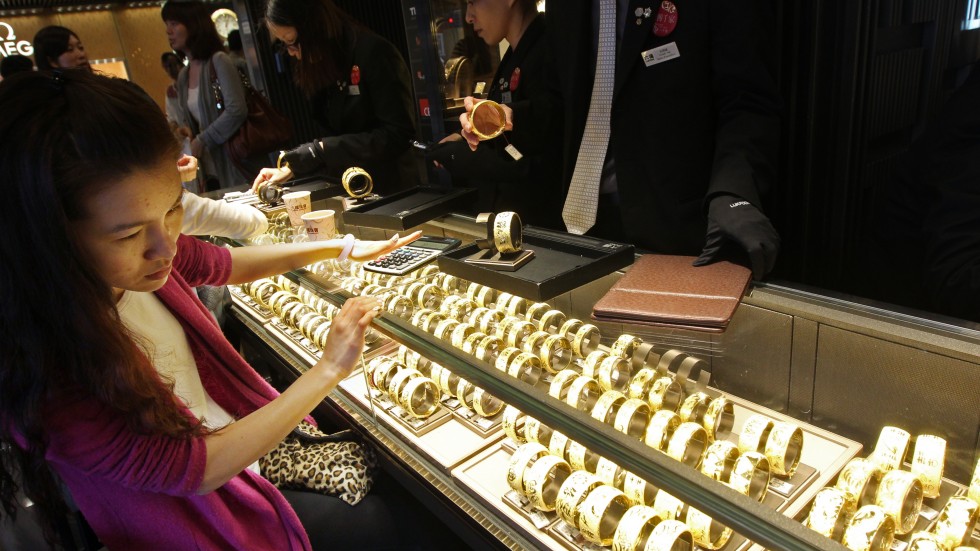
    Hong Kong-listed jeweler Luk Fook says its March-quarter same-store sales plunged 57 percent as the Covid-19 outbreak saw the mainland border closed and tourist numbers fall to almost zero.

    Sales of gem-set jewelry were down by 64 percent year on year, and of gold (by weight) by 58 percent.

    The sales decline was worst in Hong Kong and Macau, falling by 60 percent overall due to Macau stores being closed for most of February and March, and low footfall in Hong Kong. The only positive note was that the gold price rose by about 20 percent during the quarter which boosted the average selling price of gem-set jewelry by a similar amount.

    Sales at self-operated stores on the mainland were down by 41 percent and of licensed stores by 32 percent. Most of Luk Fook’s stores on the mainland were closed for the entire month of February and while most reopened in March, the company said foot traffic “largely declined”.

    During the March quarter, Luk Fook permanently closed two stores in Hong Kong and one in Macau. On the mainland it opened a net 26 new stores taking its network to 2046.

    “Given most of the new shops were opened before the outbreak, the expansion plan for FY2020 therefore has not been seriously affected,” the company said in a stock-exchange filing.

    “The net shop addition for the full year was 287 shops, slightly below the target of 300 shops. With the gradual recovery of industrial, consumption and investment activities in Mainland China, the group’s business [on the mainland] improved progressively in the first two weeks of April, while the business in Hong Kong and Macau has not shown obvious signs of recovery due to substantial decline in the number of visitors as compared with the same period last year.”

    To reduce costs during the ongoing pandemic, Luk Fook has adopted a policy of natural turnover and unpaid leave measures for staff to cut labor costs, and negotiated rent relief with landlords. A reduced inventory has left the company in a strong cash position.

  • India is now H&M’s fastest-growing market

    India is now H&M’s fastest-growing market

    Fast-fashion retail giant H&M has labelled India its fastest-growing emerging market.

    The firm is now targeting ₹2,000 crore (US$280,000) in turnover from the territory, a goal it is likely to achieve by the end of this year despite signs of reduced domestic consumption.

    H&M’s growth in the region has benefitted from both online and offline efforts, along with its collaborations with local partners and affordability of the brand. It operates 47 outlets in the country, compared to 22 run by rival firm Zara, with financial figures suggesting it may have a leading edge in terms of sales.

    According to a report in the Business Standard, H&M India country head Janne Einola has indicated H&M will target tier-II and -III markets for future store locations. It is expected to launch up to 10 new Indian stores this year, as well as diversify its product range into different sectors such as home furnishings and beauty, as well as traditional Indian clothing.

  • Q1 Profits Plummet for Citigroup

    Q1 Profits Plummet for Citigroup

    First-quarter profits plummeted 46 percent at Citigroup due in part to its high exposure to unsecured lending via credit cards. Citi posted $2.52 billion in first-quarter profits and set aside $4.9 billion in anticipation of increasing defaults fuelled by the ongoing coronavirus pandemic. The U.S. business reported a first-quarter loss of $837 million with the card business representing half of the reserves set aside for expected loan losses.

    Citi’s chief financial officer Mark Mason did not provide specific details on expected profitability pressures but nonetheless said it was «reasonable to expect» further loss provisioning spending on the effectiveness of U.S. government relief programs.

    Credit card defaults are historically correlated with unemployment and the ongoing health crisis has placed added pressure on lenders more dependent on such unsecured loans. In 2019, the U.S. credit card business accounted for 15 percent of total net income.

    Globally, the consumer banking business was flat as gains from the U.S. arm were offset by a 4 percent decline in Asia to $1.8 billion due to lower revenues in its cards business – this could see a boost from its recent partnership with major e-platform HKTVmall.

    Citi’s overall earnings were offset in part by trading fees as equities and fixed income trading business posted a 39 percent spike as activity rose with increased turbulence.

  • Sa Sa International sales down as coronavirus bites

    Sa Sa International sales down as coronavirus bites

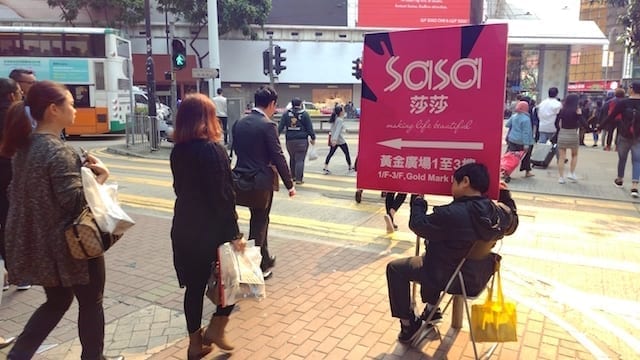
    Fourth-quarter sales of beauty-products retailer Sa Sa International plummeted 62 percent in Hong Kong and Macau as the coronavirus pandemic brought to a halt inbound tourism from Mainland China.

    Sales to mainlanders in Hong Kong and Macau slumped by 80.8 percent. While local customers spent 4.1 percent more during the quarter, the average sale per transaction dropped 20 percent and their overall basket size dropped by 34.6 percent.

    “The rapid outbreak of novel coronavirus around the world has wreaked havoc on the global economy, and the group has been inevitably affected,” said Sa Sa International chairman and CEO Simon Kwok in a quarterly trading update to the Hong Kong stock exchange.

    Group turnover fell 56.5 percent in the three months to March 31, including the permanent closure of its Singapore business

    Strict border controls imposed in Hong Kong to reduce the spread of the virus, the two-week closure of Macau casinos and decreased consumer demand led to the temporary closure of many SaSa stores, with other stores trading shorter hours. Kwok said that while the closures lowered operating costs, they also contributed to the sales decline.

    “In view of the persistent severe operating environment, the group will continue to implement strategies for reducing costs so as to maintain its competitiveness and reduce losses,” said Kwok. “The group will also do its best to protect the livelihood of its staff.”

    Sa Sa International will continue to trim its store network in Hong Kong as leases come up for renewal and the company will continue to pursue rent relief from landlords.

    “Furthermore, the group reduced non-essential and non-productive expenses substantially across all departments, streamlined its organization structure and implemented short-term measures such as reducing salaries and adopting the scheme of unpaid leave to reduce operating costs,” he said.

    With local consumers now accounting for a majority of the group’s overall sales, the company plans to adjust its product mix to meet their demand for protective and pandemic-related.

    products and other beauty items. Slow-selling lines will be dropped and inventory reduced to help preserve cash and reduce the risk of stored products expiring.

    Kwok said that the company has progressively been reducing inventory levels and has adequate cash to meet its current business needs, despite the decline in sales.

    Enforced store closure in China during the quarter saw sales there fall by 51 percent and in Malaysia, where non-essential stores have been ordered closed for six weeks commencing mid-March, sales were down by 16.9 percent.

    The company closed down its Singapore during the quarter shuttering all 21 stores and it has permanently closed 10 stores in Mainland China during the last year, along with six in Hong Kong and Macau and two in Malaysia.

  • True Religion back in bankruptcy as Covid-19 cripples sales

    True Religion back in bankruptcy as Covid-19 cripples sales

    Denim apparel retailer True Religion has filed for bankruptcy for the second time within three years.

    The brand’s latest crisis was brought on by the coronavirus outbreak, which has seen more than 95 percent of the American market under lockdown. In a statement, True Religion said it had found itself unable to wait out the pause in trading.

    The firm’s foremost lenders ABL and Term Loan are investing in the brand’s reorganization efforts under Chapter 11 bankruptcy proceedings, according to CEO Michael Buckley. The firm registered US$100 million in assets against $500 million in liabilities in its court filing this week.

    The firm emerged with a streamlined store network and a stronger financial position after its last bankruptcy, which had the support of lenders and came with an exit strategy pre-mapped out.

    “In the near term, and until our stores open up, we will be continuing as we have,” said Buckley, “to run our e-commerce businesses in the same way we did prior to filing for Chapter 11”.

  • Permanent home opens for OnTheList Shanghai

    Permanent home opens for OnTheList Shanghai

    OnTheList Shanghai is about to open a permanent showroom in downtown Shanghai, just seven months after the flash-sale pioneer made its debut in the Chinese city.

    After launching its first event last September, OnTheList Shanghai has been working on developing a more long-term presence and building brand awareness through pop-up events there, as part of a region-wide expansion program.

    The new 1000sqm OnTheList Shanghai store will open at Jiangning Road 293 in Shanghai’s famed Jing’an district.

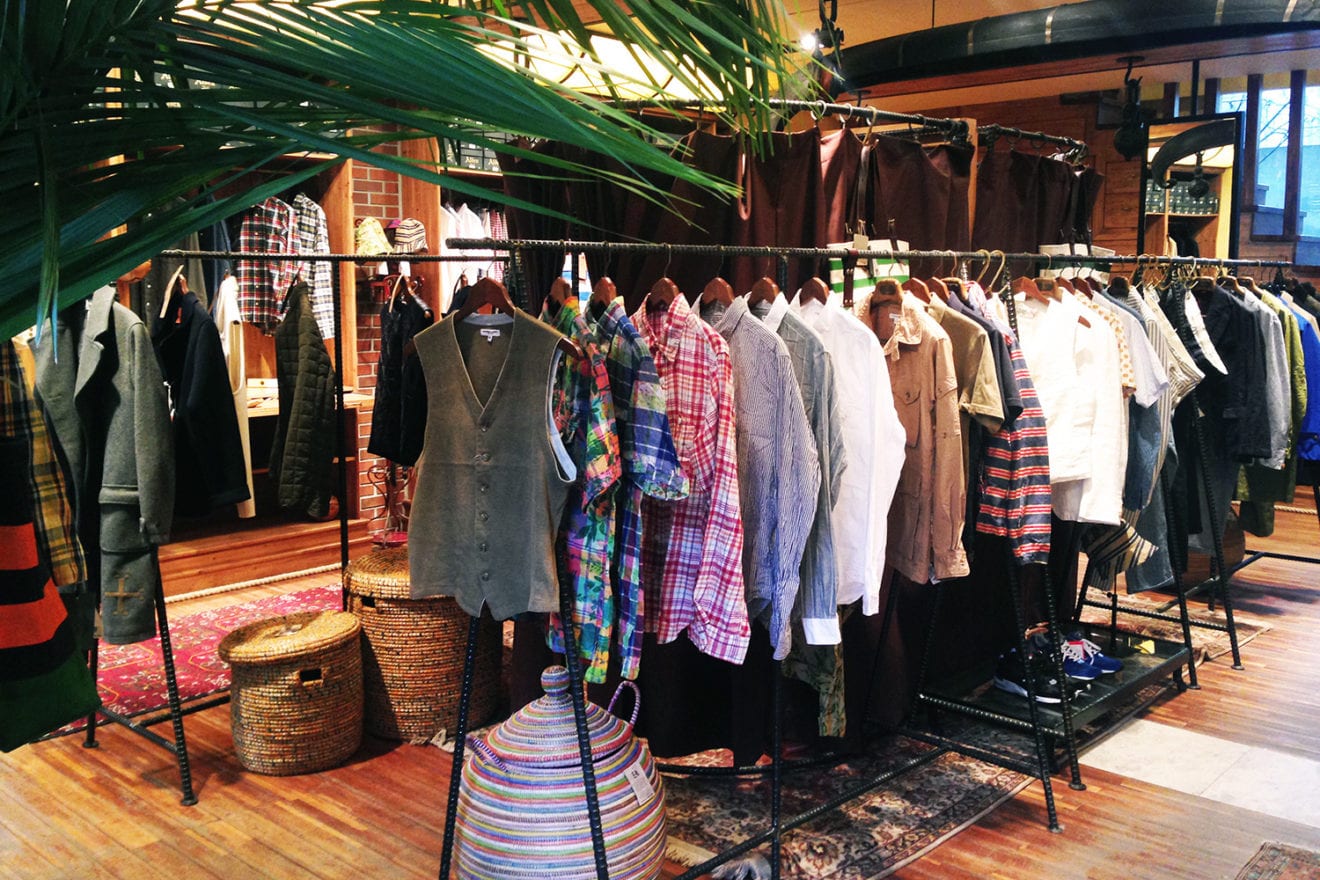
    Co-founder & CFO Diego Dultzin Lacoste describes the store as “a luminous space with an exclusive design which places the customer experience at the heart of its strategy”.

    Given consumers are opting to stay home during the coronavirus pandemic, OnTheList will also hold flash-sale events online, via its WeChat mini program.

    Last September, OnTheList Shanghai debuted with a flash sale on behalf of fashion distributor ImagineX, featuring the brands Club Monaco and Juicy Couture. Products were discounted by up to 90 percent.

    OnTheList turned four in January and during that time has expanded from running short-term sales in pop-up spaces to having its own permanent stores in Hong Kong’s Central, and expanding into Singapore and Taiwan.

  • H&M China’s slow recovery paints ‘bleak’ picture of retail post pandemic

    H&M China’s slow recovery paints ‘bleak’ picture of retail post pandemic

    Weekly sales data from H&M China stores are a harbinger of what faces the world’s fashion industry after the coronavirus passes, says GlobalData.

    The data shows that while stores are slowly starting to recover from the peak of the coronavirus pandemic in Mainland China, “there has clearly not been an immediate bounceback,” says principal analyst Honor Strachan.

    “H&M’s performance in China paints a harsh reality for what is to come across much of the world’s major retail markets, with the US, Spain, Italy, Germany, France, Iran, the UK and Turkey now having the highest number of confirmed coronavirus cases (excluding China) leading to significant slumps in consumer spend on fashion. Moreover, H&M operates in a winning segment of the apparel market, it has the scale to negotiate with suppliers, it has a strong physical portfolio where many stores are new or have been modernized, and stores operate in core retail locations – making its recovery more advantageous than many of its rivals, especially smaller domestic chains.”

    “Looking at H&M China’s data, sales were down 79 percent in week 10 despite 89 percent of its stores in the country being open, raising the question whether this is a financially viable strategy in other affected markets due to the burden on operating costs.

    “In China, nearly all retailers have now reopened stores, but consumer propensity to spend is significantly higher than in mature retail markets such as the US and much of western Europe so we expect store reopening schedules and the recovery process to be longer than what we have witnessed in China.”

    Strachan says retailers must start planning a recovery strategy for each country they operate in, taking into account consumer sentiment and confidence, the country’s financial stability, consumer propensity to spend on fashion, online penetration and the time in the season and promotional calendar.

    “All of these factors will impact how and when physical stores should reopen.”

    “Understandably retailers will be keen to reopen stores to clear seasonal stock and recover lost revenue, but the impact on profitability by opening these stores too early could be severe.”

    He says some retailers may need to consider whether consumer demand after the pandemic’s peak will be sufficient to warrant reopening all stores in any one market at once.

    Retailers in some markets around the world will be able to draw on government support to help them through the recovery stage. For example in the UK, business rates have been suspended, and landlords barred from taking back possession of store space due to unpaid rent. Furthermore, in many markets around the world, including in Hong Kong and Singapore, consumers are receiving cash handouts from governments to help stimulate the economy. In others, governments are providing income for furloughed staff and in that case, it may serve retailers’ interests best to keep store staff out of work until consumers resume spending on non-essential items and footfall recovers.

    “Understandably flagship and tier-one stores will be a priority to reopen as soon as possible, but retailers must consider what their neighbors are doing in each location as trading from under-occupied high streets or shopping centers will impede traffic and draw out the recovery period.”

  • Numerous Fashion retailers commit to supporting Covid-19 causes

    Numerous Fashion retailers commit to supporting Covid-19 causes

    Numerous international fashion retailers have pledged to support causes related to the coronavirus outbreak as the pandemic continues.

    Luxury jeweler Tiffany & Co’s charitable foundation will commit US$1 million to Covid-19 related causes. It is allocating $750,000 to the Covid-19 Solidarity Response Fund for the WHO and $250,000 to The New York Community Trust’s NYC Covid-19 Response & Impact Fund.

    The firm has also offered to match employee donations to any qualified nonprofit organization supporting Covid-19 relief dollar for dollar.

    US denim brand AG Jeans will give $1 million to the Covid-19 LA County Response Fund, supporting hospitals and clinics across the states, as well as contribute to rolling out coronavirus testing. It is keeping all staff on full pay at least through to the end of April.

    Luxury group Capri Holdings, owner of the Michael Kors, Versace and Jimmy Choo brands, will give $3 million to Covid-19 relief efforts globally, targeted to each brand’s home territory – New York, Italy, and London respectively.

    Apparel, footwear and accessories business VF Corporation will donate an initial $1.5 million to support local communities around the globe responding to the pandemic. The brand’s foundation is also running a two-for-one community match campaign up to an additional $500,000 on donations from VF employees and consumers who contribute via the company’s giving page.

    VF’s contribution follows its donation in February of $100,000 to assist medical workers and community-led recovery in China.

    Esprit Europe co-founder Jürgen Friedrich, along with his wife Anke, have donated €50,000 to colleagues in China and their families who are affected by the coronavirus. The pair’s foundation works “to conserve nature and empower people”, establishing the basis for people to thrive physically and intellectually.

    Jewelry firm Pandora has committed 10,000 medical masks to Danish hospitals that had originally been earmarked for use in its crafting facilities in Thailand. The masks were assessed as not needed once a local provider was sourced.

    “We are passing on these to employees at Danish hospitals,” said Pandora’s VP of corporate communications and sustainability Mads Twomey-Madsen. “It’s a small gesture to health care workers who around the world are making fantastic efforts in these difficult times.”

  • Vestiaire Collective charity sale in Singapore and Hong Kong kicked off

    Vestiaire Collective charity sale in Singapore and Hong Kong kicked off

    Vestiaire Collective is bringing its coronavirus charity sale to Singapore and Hong Kong this week after launching in US and European countries on April 1.

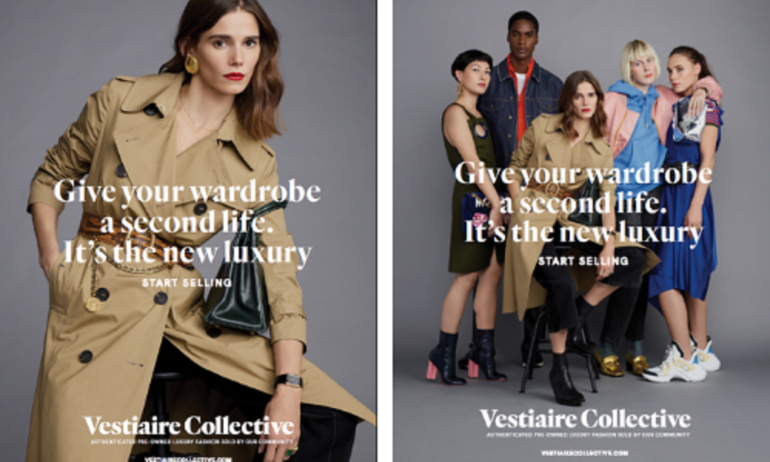
    The pre-owned luxury fashion platform has partnered with local influencers including Nicola Cheung Young (pictured above), Angie Ng, Antonia Li, Faye Tsui, Justine Lee and Jonathan Cheung to offer their luxury items.

    “At Vestiaire Collective, we stand with everyone affected, and we want to do whatever we can to assist in reducing the impact of Covid-19,” the company said in a statement.

    According to Vestiaire Collective, all proceeds from the sale will be contributed to the Hong Kong and Singapore Red Cross organizations.

    The Collective Charity sale in Singapore and Hong Kong will last for 15 days starting from tomorrow, April 10.

  • Covit-19 virus claims famed shoe designer Sergio Rossi

    Covit-19 virus claims famed shoe designer Sergio Rossi

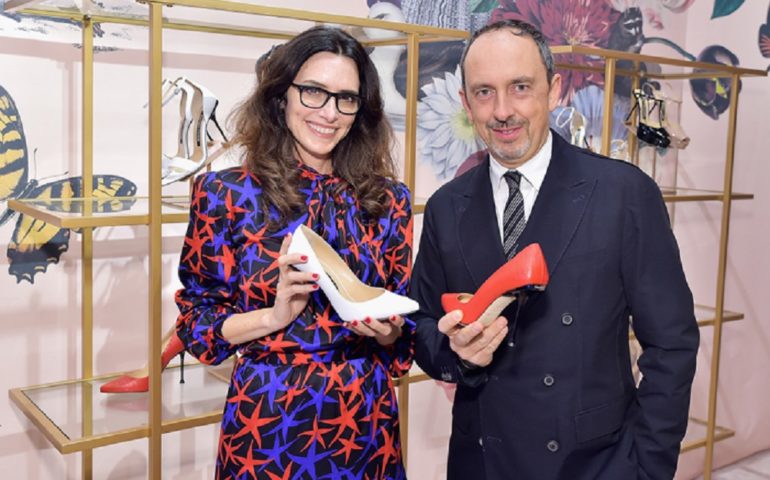
    Italian shoe designer Sergio Rossi has succumbed to the coronavirus at the age of 84.

    The celebrated figure of the fashion world died on April 2 within days of being hospitalized for the illness. His death was announced by the current CEO of the eponymous brand, who called him a spiritual guide – today more than ever.

    In a tribute to the designer, the New York Times described him as renowned for his “spindly heels and designer collaborations” and “part of the postwar generation that transformed Italian fashion”.

    Rossi was a shoemaker’s son born in a small Italian town, learning the craft of bespoke footwear making from childhood. He founded his own label in 1968. He became a household name in the industry following a series of collaborations with top fashion labels, including Dolce & Gabbana and Versace.

    Rossi’s business was bought by Gucci Group – which later became Kering – in 1999 for about $96 million, but Rossi remained design director and chairman. Kering sold the brand to private-equity company Investindustrial in 2015, which relaunched Sergio Rossi in 2016.

    Rossi’s signature curved sole shoe, the Opanca, remains his foremost legacy in the trade.

    “With the unquenchable fire of your passion, you taught us that there are no limits for those who love what they do,” read a tribute from Rossi’s son, also a shoe designer. “Goodbye maestro.”

  • Esprit Bodywear concept store debuts in Europe

    Esprit Bodywear concept store debuts in Europe

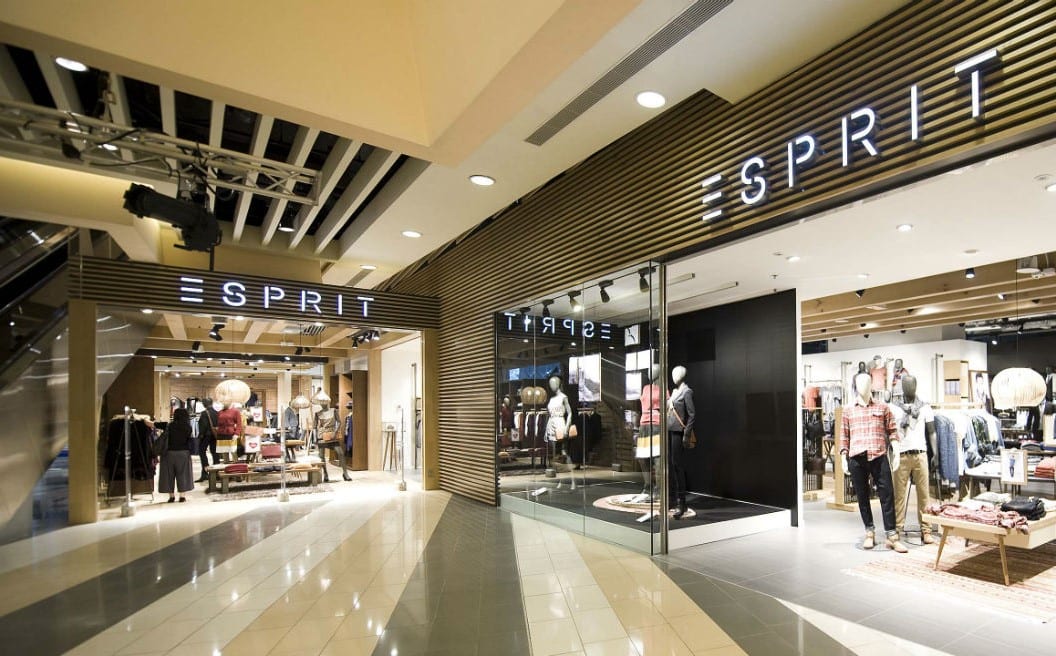
    Fashion label Esprit has opened its first Esprit Bodywear concept store in an exclusive partnership with Dutch group Van Keulen Retail.

    Located in downtown Hilversum in the Netherlands, the new 140sqm store showcases the brand’s lingerie, swimwear, sportswear, nightwear and loungewear collections.

    The first store of its kind for the brand in the world, it will act as an experiment for Esprit as the troubled company continues to explore options for reviving its lackluster sales of the last few years. The company is pursuing a global restructure which was beginning to show signs of success before the advent of the coronavirus pandemic.

    Last month, the company placed its German subsidiaries into protective administration to allow a speedier restructuring of the Hong Kong-listed company’s European business.

    Stock in the new Esprit Bodywear store will target a broad demographic, with styles “made for everybody” according to a statement by the company, including push-ups and figure-smoothing pieces.

    “With our Esprit Bodywear collections we aim to deliver equally joy, comfort and function for the modern women’s lifestyle – from day to night and all activities,” said Maria Pambori, senior VP – head of lifestyle products at Esprit.

    “We attach great importance to a holistic offer from perfectly fitting underwear, comfy nightwear and loungewear to our more active offer which, in addition to a stylish look places all attention on function, like our swimwear and our sports collection”, she said.

    Esprit’s partner in the new venture, Van Keulen Retail is described as a successful and experienced franchise family business from South Holland.

    “We believe that with our high-quality products and Werner van Keulen’s knowledge and retail experience, Esprit Bodywear is a great addition to the Dutch retail landscape,” said Wouter Mol, head of franchise Benelux & UK at Esprit.

  • Clarks to permanently shut stores as it weighs survival options

    Clarks to permanently shut stores as it weighs survival options

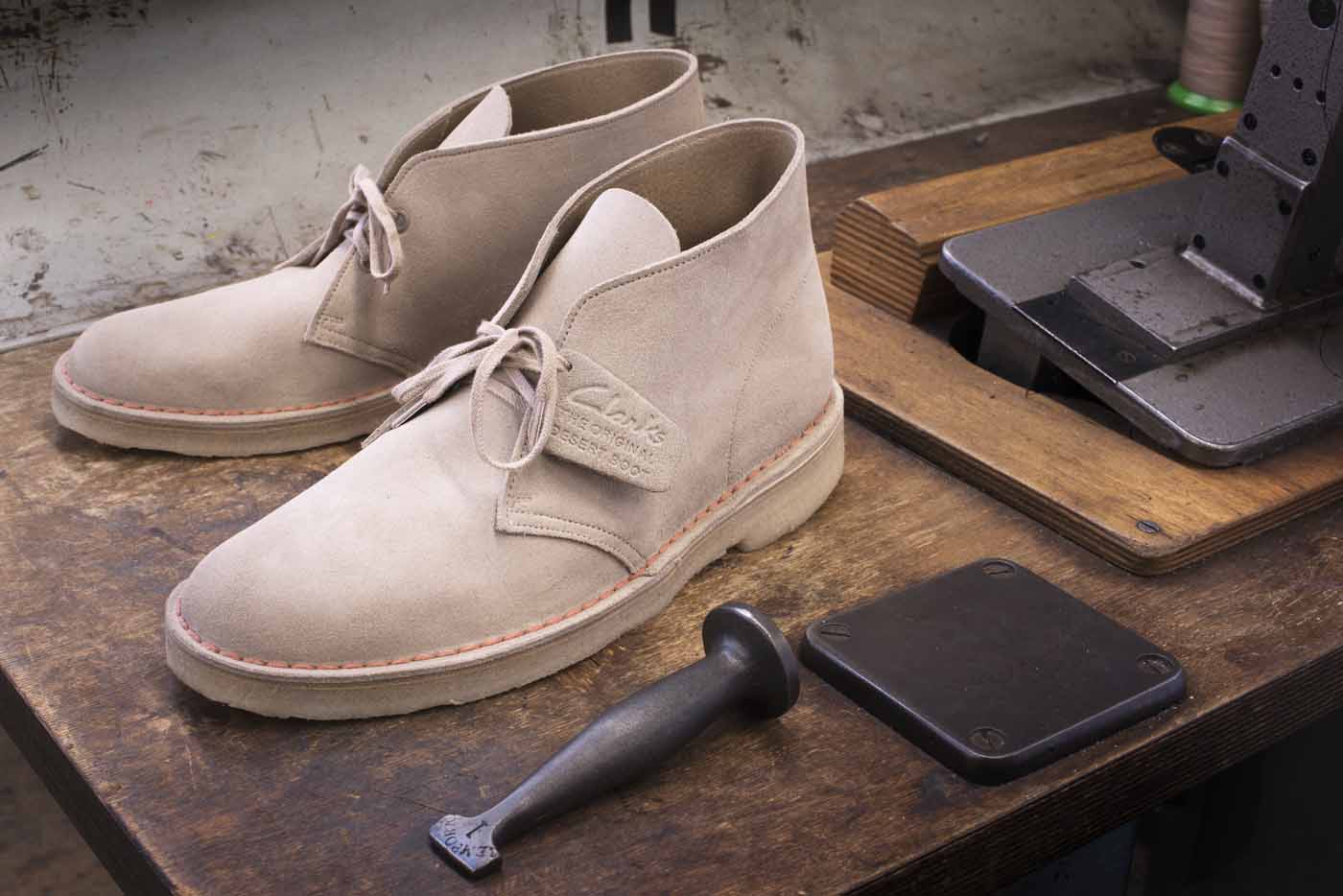
    Footwear retailer Clarks has elected to close some of its UK stores permanently once the current government lockdown on businesses in response to the coronavirus pandemic is lifted.

    The decision is an effort to survive the hit to its business as the virus keeps consumers at home and has curbed consumer spending. It will affect what the company described as “a small number” of the chain’s 347 outlets in the territory, with the performance and location of each of these outlets now under close scrutiny.

    Clarks has also reportedly drafted in investment bank Rothschild to assist it in its financing options and flesh out a turnaround plan for after the pandemic passes

    Many of the firm’s sales staff are now furloughed at home with their employment secured by the government’s recently introduced job retention scheme.

  • British beauty retailer Space NK closing China stores

    British beauty retailer Space NK closing China stores

    British multi-brand beauty retailer Space NK has closed its shops in China, just two years after its debut there.

    The retailer had opened stores in Chinese metropolitan cities Shanghai, Beijing, Chongqing and Chengdu, with eight stores in total. Following the coronavirus pandemic which saw most of the nation’s shops closed in February, the company this week confirmed reports that all of its stores have subsequently been shuttered and staff laid off.

    Space NK has not revealed any immediate plans to list through online retail channels Tmall or JD, despite its investment in multi-channel retailing in other markets.

    CEO and former digital director of Space NK, Andy Lightfoot, told BW Confidential: “The simplification allows us to concentrate on our core business and operations while focusing investment on continuing to grow across all key markets, of which China remains one”.

    Space NK’s international expansion continues to look towards the US and Canada with an aggressive launch across the UK market.

  • Pomelo Cares programme launched to aid Covit19 battles

    Pomelo Cares programme launched to aid Covit19 battles

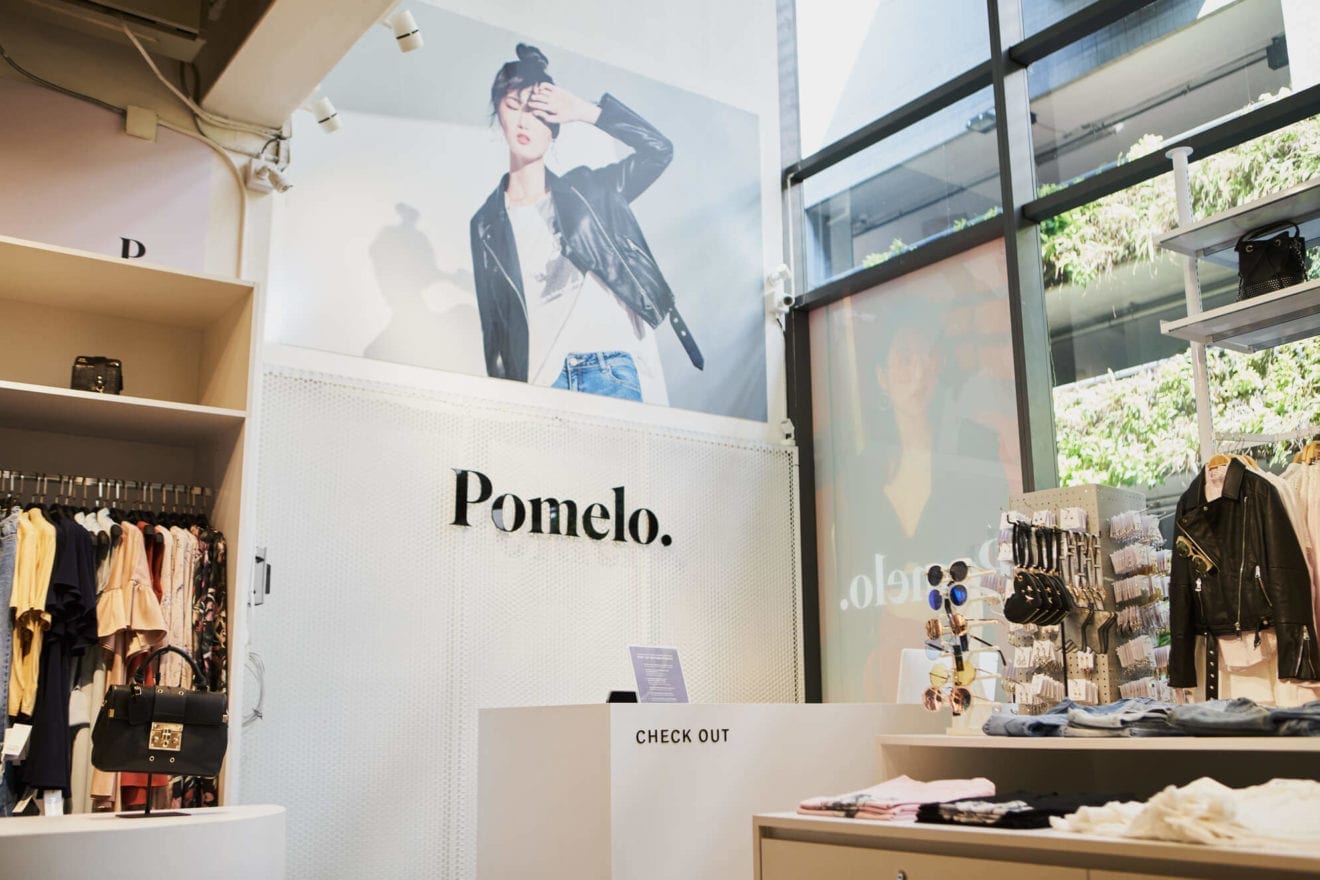
    Asian omnichannel fashion brand Pomelo has launched Pomelo Cares, an initiative to support the community and frontline medical sector during the coronavirus pandemic, as well as educate and encourage people to practice social distancing.

    From today, Pomelo Cares will support organizations and charities leading Covid-19 relief efforts in Singapore, Thailand and Indonesia. It will see 100 percent of profits from three-pack antibacterial fabric masks transferred to partner health organizations such as the Red Cross. Pomelo has also become a producer in creating these masks, using fabric originally procured for fashion items, and has pledged to donate more than 40,000 surgical masks to Thailand’s Red Cross.

    “We want to do our part to help spread the message of the importance of social distancing and giving back in this time of need,” said Pomelo CEO David Jou. “The coronavirus situation will evolve and we will continue to do our part to mitigate its spread, as well as finding new ways to engage our community in this time of need.”

    The website for the Pomelo Cares campaign will feature content from #PomeloGirlsAtHome, a social campaign aiming to spread positivity, unite the community, and encourage social responsibility with weekly Livestream shows. The campaign will also focus on the importance of social distancing during this time, with content encouraging Pomelo customers and the wider community to stay at home and find new ways to come together.

  • H&M’s sales recovery derailed by Covit 19 virus

    H&M’s sales recovery derailed by Covit 19 virus

    Solid results from restructuring have been dented, but fast-fashion label sees potential online.

    A recovery in fast-fashion retailer H&M’s sales and profit has been muted by the impact of the coronavirus pandemic on stores across Asia.

    First-quarter data for the company showed global sales growth of almost 8 percent, despite sales in China, the company’s second-largest market, plunging 24 percent in local currency.

    Demand collapsed in February when more than two-thirds of the chain’s stores in China were closed, driving sales down 84 percent.

    Kate Ormrod, the lead retail analyst at GlobalData, said that while a slow recovery in the Chinese market offered hope for the brand as stores began to reopen, the spread of coronavirus through other markets including Hong Kong, Japan, Macau, Singapore and Taiwan saw March sales slump by 46 percent, contrasting with a 7-per-cent rise in the same month a year ago.

    Online has provided some respite with H&M’s e-commerce sales lifting 17 per cent during the first month of the second quarter, and 47 out of 51 online sites it sells through still operating.

    With three-quarters of its stores worldwide now shuttered, including all shops in Australia and the US, H&M is looking at ways to boost turnover online.

    “We do think that the crisis, in general, will lead to a fast shift towards digital,” new CEO Helena Helmersson told the Financial Times. “We need to be ready for that and accelerate some parts of our work.”

    Despite a plan to see operating overheads reduced by up to 25 percent, H&M’s sales during the second quarter are projected to fall far enough to result in a loss.

    ‘‘Present in 74 markets, H&M’s global operation makes the challenge of dealing with Covid-19 all the more harder, ensuring the pandemic is a true baptism of fire for Helmersson,” said Ormrod.

    Evidence of the impact of restructuring undertaken during the last year, H&M achieved a net increase in an operating margin of 2.9 percentage points to 4.9 percent during the first quarter, despite the impact of the coronavirus.

    “H&M has reaped the rewards of its extensive transformation plan – which we expect to help protect the retailer in the long run and ensure it can better cater to a post-coronavirus consumer,” observed Ormrod.

    Meanwhile, the Swedish-headquartered company has suspended new orders but undertaken to pay for stock already fulfilled or in production.

    “Protecting the business is a priority but just as it continues to lead the way on sustainability H&M has an opportunity to set itself apart from other fast-fashion retailers by setting the standard when it comes to treating stakeholders ethically amid the crisis,” said Ormrod

    “Producing PPE equipment and making donations is commendable, but all eyes are on how H&M treats its thousands of workers, with reduced working hours and temporary lay-offs already enacted and redundancies remaining on the table.”