Category: Fashion

Retail News Asia is committed to providing both local and global retailers with the latest Fashion news throughout the Asian market. This on a daily base.

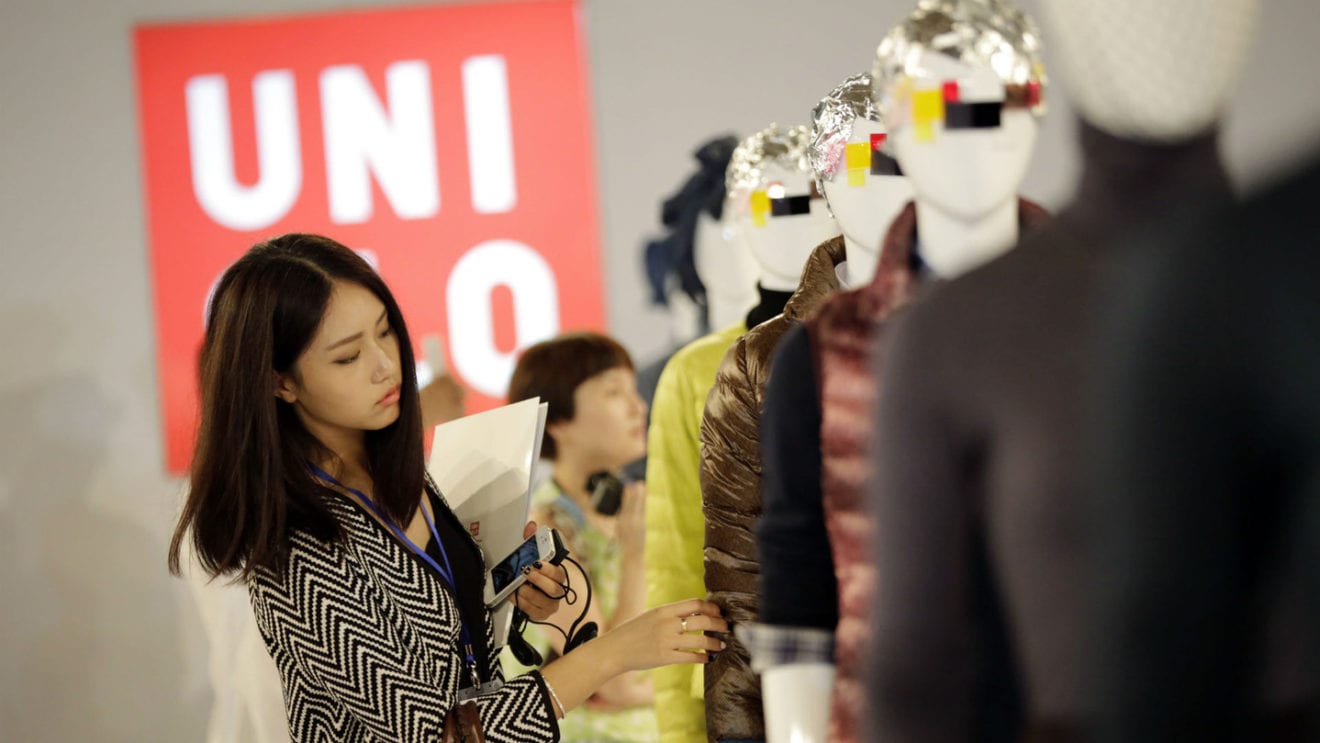
  • Uniqlo Vietnam opens new store in Ho Chi Minh City

    Uniqlo Vietnam opens new store in Ho Chi Minh City

    Uniqlo Vietnam is to open Ho Chi Minh’s second store this year despite the coronavirus outbreak.

    Located at SC Vivo City shopping mall in District 7, the city’s second Uniqlo Vietnam store will occupy more than 2000sqm of area, featuring its LifeWear products for males, females and kids.

    The opening date has yet to be disclosed, but the store is expected to open this spring/summer with the interior fit out well underway.

    “We are aware of the huge demand from Vietnamese customers for Uniqlo products,” said Osamu Ikezoe, Co-CEO of Uniqlo Vietnam. “We are excited to open the SC Vivo City store to introduce our fashion philosophy LifeWear to our customers.”

    Osamu said Uniqlo Vietnam plans three more stores this year. According to a prior company statement, the brand aims to operate at least three stores in Hanoi and eventually reach up to 20 nationwide.

    Earlier this month, Uniqlo Vietnam made its Hanoi debut, attracting more than 2000 people on its opening day.

  • New Crocs concept store openening in Manila

    New Crocs concept store openening in Manila

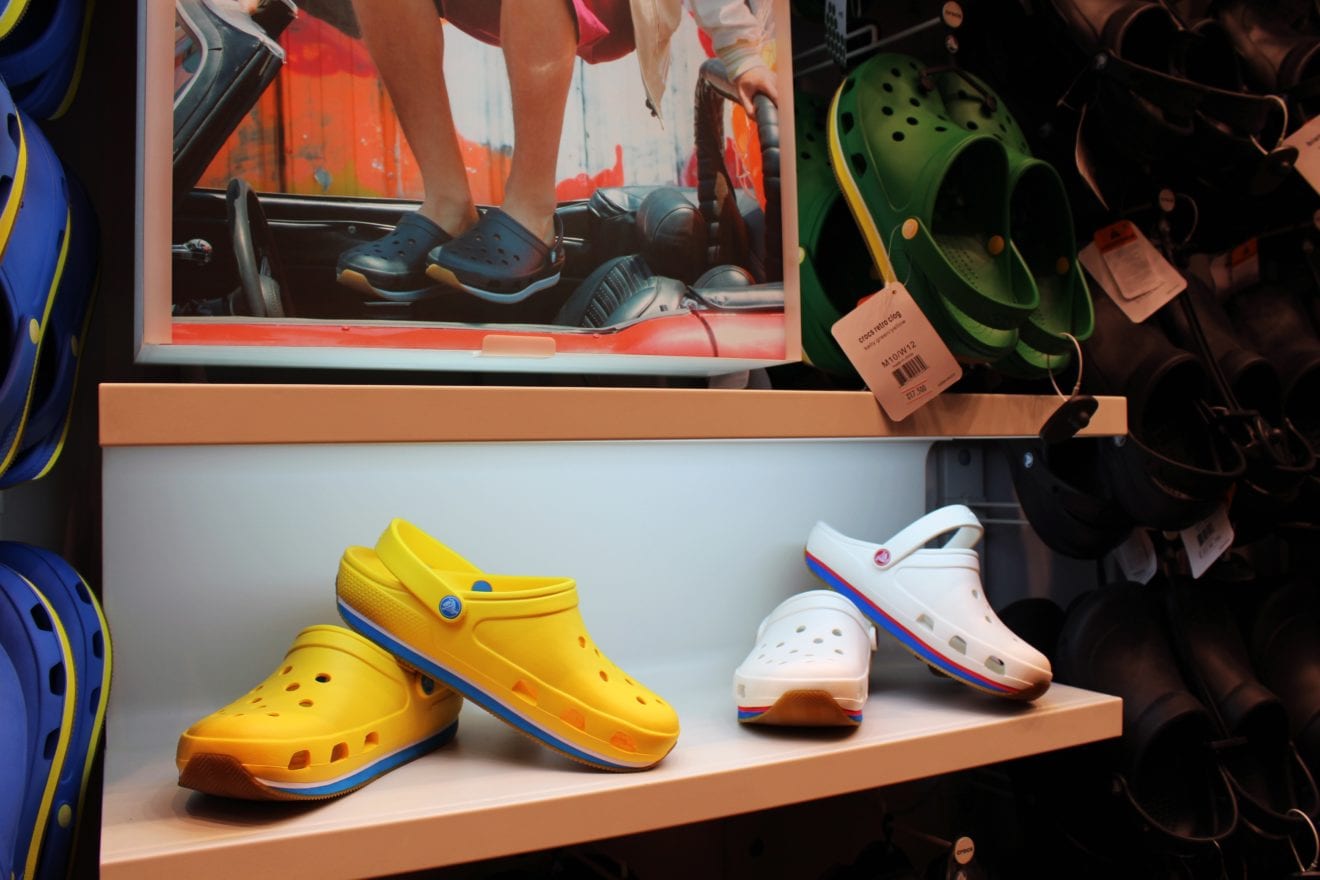
    The first modular Crocs concept store in the Philippines has opened in Estancia Mall, Metro Manila.

    Despite the “enhanced community quarantine” being implemented across Luzon, it didn’t stop the casual footwear brand from opening its 63rd store in the country.

    The 85.5sqm Crocs concept store showcases the classic collection of Crocs such as clogs, slides, and flips with their Jibbitz accessories.

    Literide Collection which is the bestseller is also available in the latest spring/summer 2020.

    On its website, Crocs Philippines says it will operate a skeletal workforce which started on March 17 after Metro Manila was put into enhanced community quarantine.

    Crocs will continue to offer a delivery service, however, but customers have been warned that there might be delays in some areas where travel has been suspended due to the government’s move in fighting the spread of coronavirus.

    Crocs was founded in 2002 by Lyndon “Duke” Hanson and George Boedecker Jr in the US producing foam clog shoes. The shoe was originally developed for boaties, but later evolved into more widespread use and even for fashion.

  • Shiseido kicked off Baum retail brand

    Shiseido kicked off Baum retail brand

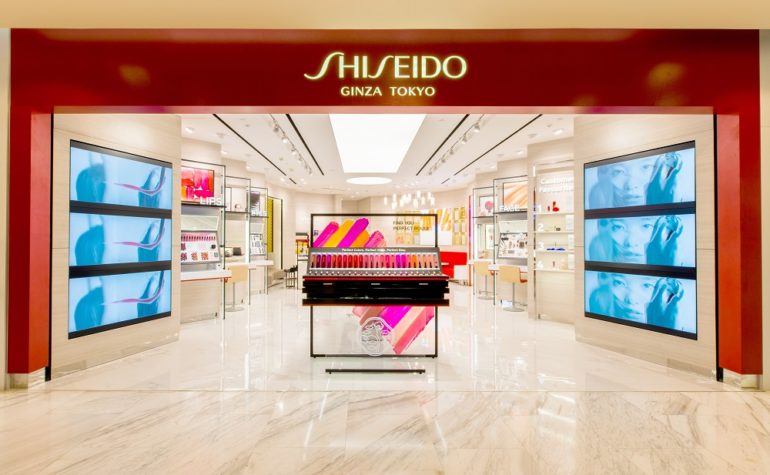
    Japanese cosmetics label Shiseido has released a new skincare brand, called Baum.

    In response to consumers placing greater importance on companies’ and brands’ attitudes toward social responsibility and environmental considerations, Baum focuses on sustainability. It features a range of 27 products to be released on May 30 via Shiseido’s Prestige business category.

    The products are formulated to support healthy skin regardless of age or gender, with a focus on three key characteristics found in trees – water storage, growth, and environmental defense. The brand is positioning itself as focusing on the “power of trees, gracefully harmonizing with environmental changes and living for hundreds of years”. It ascribes to a sense of coexistence with nature that it asserts has been “valued by Japanese people for centuries”.

    Production of the Baum range is particularly attentive to sustainability concerns, with the use of upcycled wood in product packaging; actively offering to refill products; using bio-based plastics and recycled glass and participating in forest conservation activities – with plans to plant and grow oak trees scheduled to begin next year.

  • Nike E-commerce sales soar during coronavirus crisis

    Nike E-commerce sales soar during coronavirus crisis

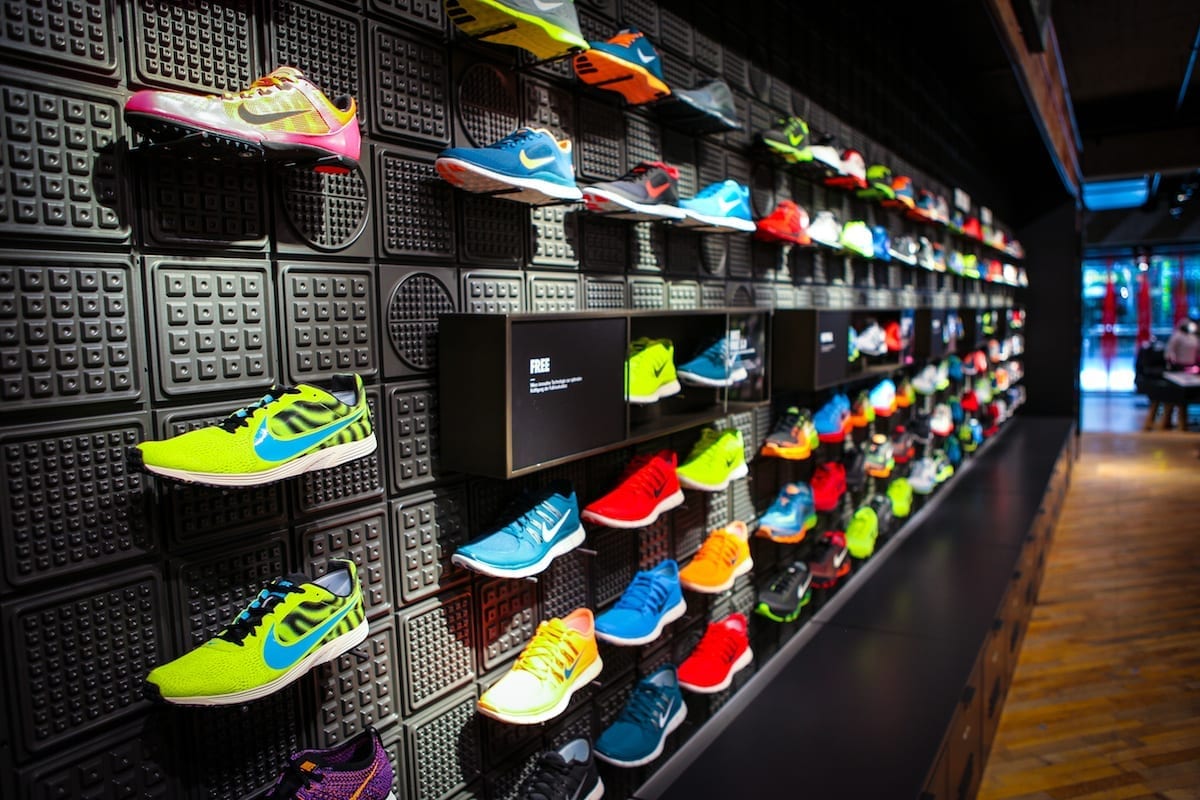
    Nike online sales soared 36 percent in the February quarter, compensating in part for a slump in sales across Mainland China which was in lockdown for much of January and February due to the coronavirus outbreak.

    The strength of online sales gave the retail giant a buffer from stalling brick-and-mortar sales, but it is not just in China that the effect is obvious.

    In an earnings call, Nike EVP and CFO Andy Campion said online sales in every global market grew in excess of 30 percent for both its core brand and sister brand Converse in the three months to February 28. That fuelled growth in both quarterly sales and earnings greater than the company expected.

    “From a digital capability perspective, the investments we’ve made to-date are now proving to be the foundation for our resilience amid challenges and they will be strengths as we emerge,” said Campion.

    “We are still in the early innings of Nike’s digital transformation, but the capabilities we’ve already been building for the future are proving to be the strongest pillars within our business today.

    “These are times in which strong brands get stronger and we’re confident that Nike will come back stronger than ever.”

    Campion told analysts that following its China experience, the company is now seeing similar trends play out in other markets where government lockdowns are resulting in shopping malls and stores being closed to help stem the spread of the virus. Now, consumers are shopping online instead.

    Nike is responding to the digital uptake by using tools that dynamically model demand, planning, allocation and pricing and using its app and membership program to reach out to consumers and encourage them to be active at home, while in lockdown. Those mediums are also offering products and services specifically targeted to various groups of consumers or individuals.

  • H&M to supply protective equipment for hospitals

    H&M to supply protective equipment for hospitals

    Sweden fashion retailer H&M is to supply protective equipment to hospitals as they fight the coronavirus outbreak.

    The company said it reached out to the European Union to understand the needs and offer help, which includes opening up its purchasing operations and logistics capabilities.

    “The coronavirus is dramatically affecting each and every one of us,” said Anna Gadda, head of sustainability of H&M. “H&M Group is, like many other organizations, trying our best to help in this extraordinary situation.

    “We see this is as the first step in our efforts to support in any way we can. We are all in this together, and have to approach this as collectively as possible,” she said.

    Recently, the group also donated US$500,000 to the Covid-19 Solidarity Response Fund created by the UN Foundation to support coronavirus prevention

  • Venus Tears opens flagship store in Singapore

    Venus Tears opens flagship store in Singapore

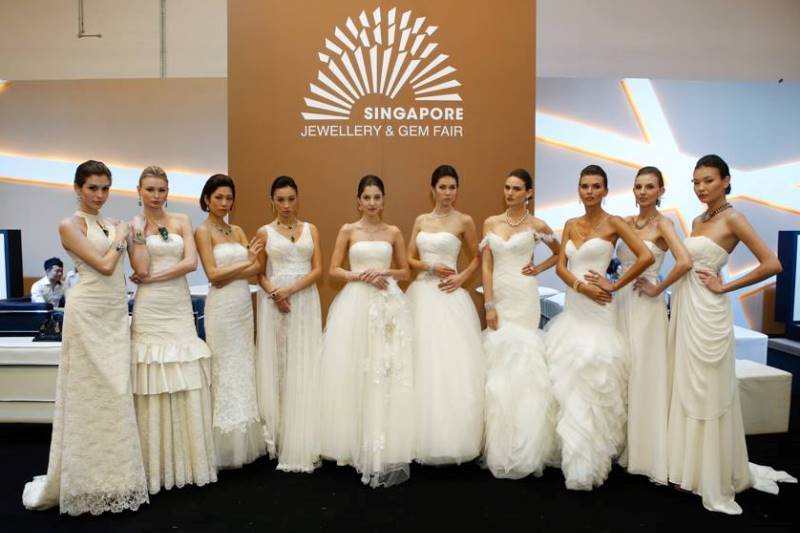
    Singaporean and Japanese Bridal jewelry brand Venus Tears has opened a flagship store off Orchard Road.

    Located inside Wisma Atria shopping mall, Venus Tears features wedding bands and engagement rings which are designed and manufactured in Japan. The brand also offers customization of jewelry, ensuring the uniqueness of each item for its customers.

    “Our goal with this new bridal jewelry shop is to make access to our high-quality products even more convenient,” said a spokesperson.

    To mark the launch, Venus Tears flagship store introduced three new lines that are popular in Japan: Colany, Ankhore and Aimokume.

    Venus Tears originally started in Singapore and developed stores in Japan. It is now operating eight outlets in both countries.

  • Menswear chain China Lilang flourishes from move into malls

    Menswear chain China Lilang flourishes from move into malls

    Menswear manufacturer and retailer China Lilang has reported a 15.5 percent increase in sales for last year to RMB3.658 billion, (US$515.78 million).

    The top line was boosted by store network expansion. The company opened an average of nearly three new stores each week last year, ending it with 2815 Lilanz-branded outlets nationwide. Many stores were relocated as well, to improve the brand’s exposure to consumers. Almost 28 percent of stores are now located in shopping centers.

    China Lilang said profit from operations rose by 11.1 percent to RMB980 million ($138 million) and net profit rose by 8.1 percent to RMB812 million ($114.5 million).

    Wang Dong Xing, chairman and executive director of China Lilang, said the abnormally high temperatures nationwide during the fourth quarter of the year – the traditional peak season for the retail sector – added more challenges to the apparel industry. As a result, the company provided rebates to distributors as an incentive to discount slow-moving stock through clearance sales.

    He said brand and product competitiveness, retail management and shop location have become increasingly important determinants of operating efficiency for the company.

    Looking ahead, Wang Dong Xing said the coronavirus outbreak has hit retail sales hard and the group will consequently reduce the production of Autumn 2020 products to help stores destock Spring inventories.

    Despite strong Lunar New Year sales in January, China Lilang is expecting a 40-per-cent decline in first-quarter sales with an adverse effect on full-year results.

    Chairman Wang Dong Xing concluded: “The epidemic will have some impact on the retail market in the first half of the year; but we expect its impact on our business to be temporary. In mid-March, about 70 percent of Lilanz stores resumed operations. As a well-established menswear enterprise, the group believes that China Lilang has distinctive advantages in both original designs and value-for-money of its products.”

  • Hong Kong recession sees locals sell off luxury goods

    Hong Kong recession sees locals sell off luxury goods

    The Hong Kong recession has proved a strong incentive for locals to sell off their luxury goods, according to a report by the Nikkei Asian Review.

    Several local citizens and businesses told the Japanese publication of an uptick in the private trade of luxury items, including those of a grounded flight attendant who traded her personal collection’s best-loved items to ensure sufficient cash reserves in case of losing her full-time job.

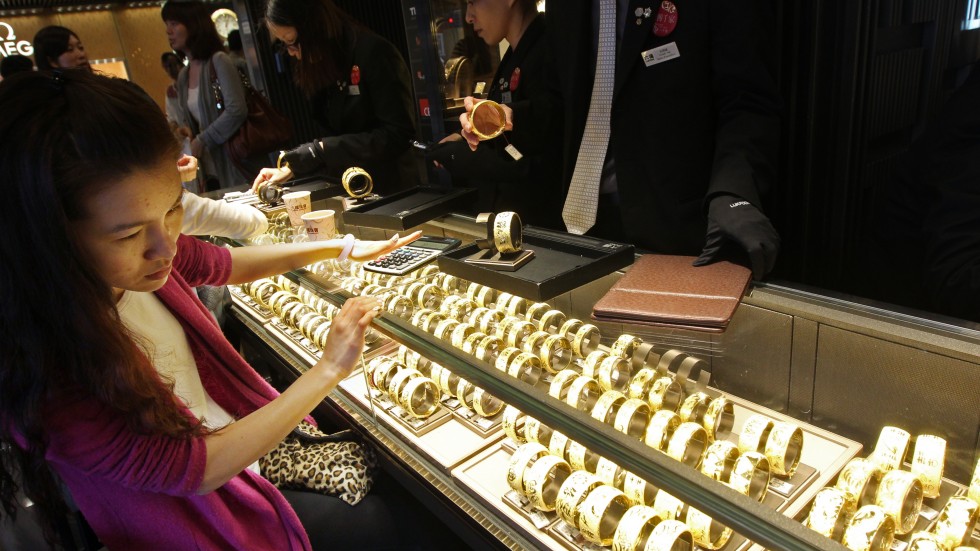
    Multinational diamond firm WP Diamonds reported a 70-per-cent increase in inquiries to sell diamonds, jewelry and luxury watches, including a doubling of inquiries to sell engagement rings. Secondhand luxury-bag trader Milan Station Holdings reported a 30-per-cent increase in bags sold to its stores during the past two months.

    “There seems to be a trend of people monetizing to make sure they are liquid in the event of a prolonged crisis,” said WP Diamonds CEO Andrew Brown told Nikkei Asian Review. “It is the perfect time for consumers to think about selling their pre-loved jewelry pieces that were left to gather dust in the dresser.”

    The increase in private sales occurs at a time when normal retail sales of jewelry, watches and valuables dropped 42 percent in January year on year. At the same time, gold trading in the city has increased at a time when global stocks are affected by the coronavirus outbreak.

    The Hong Kong recession commenced before the outbreak of coronavirus took hold, the economy battered by ongoing political protests during the second half of last year.

  • Luk Fook sales plummet by half in first two months of 2020

    Luk Fook sales plummet by half in first two months of 2020

    Hong Kong jeweler Luk Fook says its sales halved during the first two months of this year as the coronavirus outbreak caused an extensive lockdown of mainland Chinese cities and visitors to Hong Kong and Macau fell sharply.

    While most mainland stores have reopened this month, customer footfall of the shops operating in Mainland China, Hong Kong and Macau was “still sparse” said chairman and CEO Wai Sheung Wong in a profit warning. “It is expected to take some time for the business to resume normal.

    “Therefore … there will be an acute drop in revenue for the period from January to March. It is therefore highly likely that certain losses will be incurred in the fourth quarter. It may lead to a substantial decline in the group’s revenue and profit for the financial year ending March 31.”

    With Macau stores closed for most of February, sales in the combined Hong Kong and Macau market decreased by more than 50 percent.

    “Economic activities in Mainland China were almost halted due to the outbreak,” said Wong. “In the first two months of this year, industry, consumption and investment all hit record low with the double-digit decline, crashing the macro-economy severely.”

    Group-wide, same-store sales of gold products and gem-set jewelry products in Luk Fook’s own stores were down by 45 percent and 54.9 percent, respectively. In Hong Kong and Macau overall sales were down by 52.8 percent, with gold products down by 47.3 percent and gem-set jewelry products by 58 percent.

    On the mainland, where shops were closed in February, same-store sales fell by 37.1 percent. Gold sales were down by 38.6 percent and gem-set jewelry sales by 31.8 percent.

    Retail sales through licensed shops and self-operated shops of the group in Mainland China fell by half.

    During the pandemic, the company has not replaced staff leaving of their own accord and introduced leave without pay to reduce staffing costs. It has also negotiated rent reductions with landlords.

    Expansion plan on track

    Despite the huge impact of the coronavirus on sales, Luk Fook remains committed to its expansion plan which Wong said “has not been seriously affected”.

    “It is estimated that the net shop additions for the current financial year would only be a bit less than the target of 300 shops. In addition, the group’s unaudited revenue and profit for the period for the nine months ended December 31 were about 60 percent and 55 percent respectively ahead of those for the year ended March 31, last year.”

    He said fourth-quarter operational data will be released in mid April.

  • Inditex closing down 800 outlets worldwide

    Inditex closing down 800 outlets worldwide

    Spanish apparel retailer Inditex has temporarily shuttered almost 3800 stores in 39 markets internationally in the midst of the coronavirus outbreak.

    All Inditex locations in its home territory are currently closed for business.

    Affected stores include Zara, Pull & Bear, Massimo Dutti and Bershka-branded outlets, sales at all of which have been strongly affected by the virus.

    Retail takings for the group dropped 24.1 percent in the first fortnight of March.

    While the firm stated it is too early to predict the ultimate impact of the outbreak on its business, Inditex expressed confidence in its business model to weather the crisis, even as European countries begin to enforce government-mandated lockdowns.

    The firm has set up remote working systems at its Spanish head office and closed gym and bus services.

  • Pomelo is redefining O2O retailing in SE Asia

    Pomelo is redefining O2O retailing in SE Asia

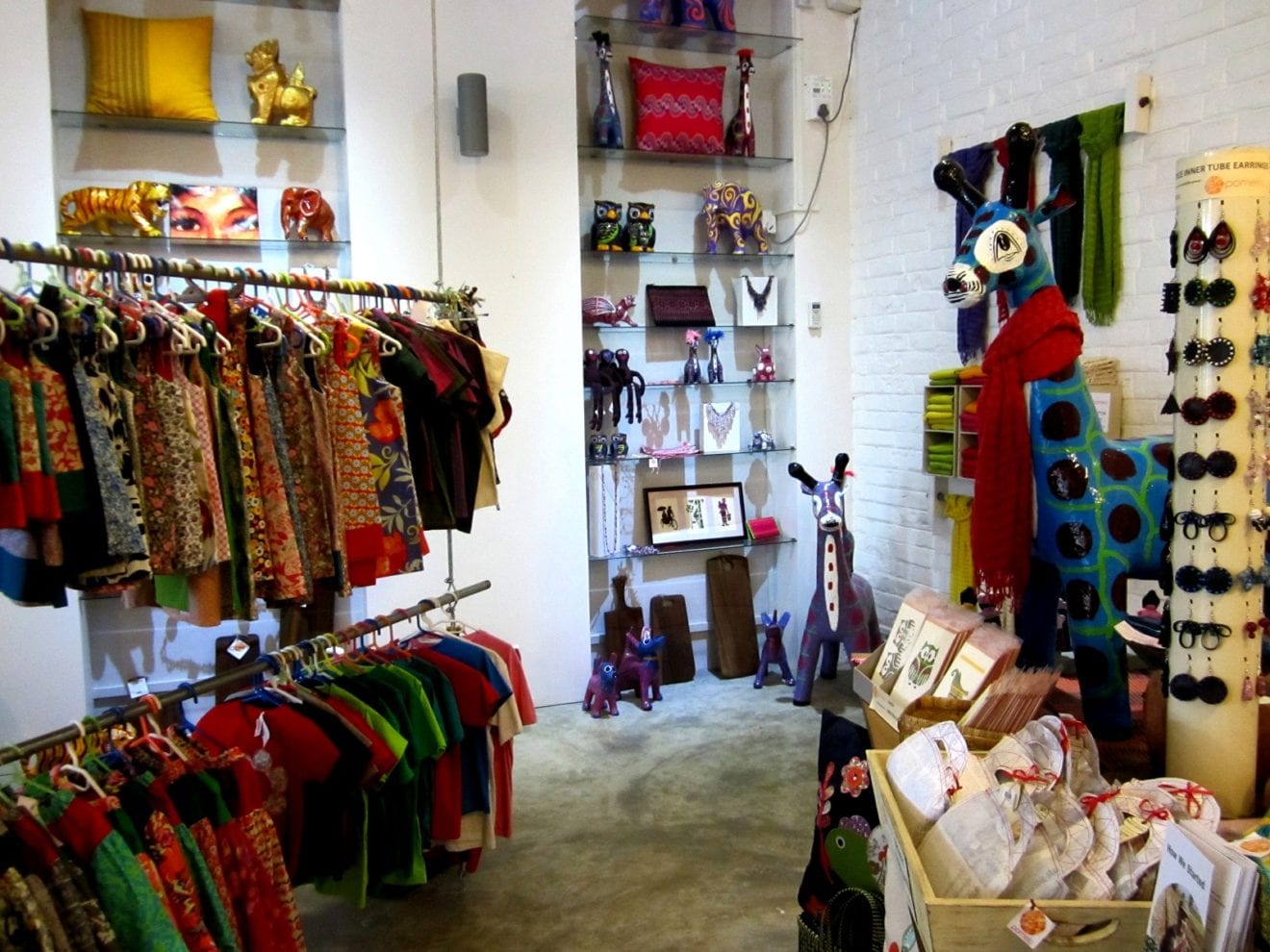
    As technology increasingly merges online and offline channels, addressing pain points along the purchase journey, a new breed of retail startups is drawing funding from private equity investors. One of the leaders is Bangkok-headquartered Pomelo, co-founded by Korean-American David Jou.  Before Pomelo was born in 2013, Jou co-founded and served as MD of Lazada Thailand and he has acted as an angel investor in several small startups.

    Bangkok in 2013 was already a buzzing creative hub with designers, graphic artists and digitally savvy technology specialists aplenty, a thriving fashion industry and a destination where a growing number of international producers were heading to film movies and television commercials. So Jou sat down with his co-founders and thought: How do we put all of this together and turn it into a business?

    “Back then, the core pillars that are required to get the e-commerce market going were just starting to be put into place: logistics, high-speed internet, smartphones, and a social-media infrastructure. And one of the things that was completely devoid in the region was e-commerce,” he recalls.

    “That was really the inspiration for Pomelo. We said hey, let’s build a direct-to-consumer fashion brand. And we’re going to use digital, we’re going to use social media, we’re going to use technology to really take out the middleman and make the entire process more efficient. We felt like we really had to create a brand for the digital era. So we started working on the idea and launched to the public at the beginning of 2014.”

    In the five years since Pomelo has grown from a fledgling online-only fashion platform to an omnichannel retailer with a presence in five countries serving customers in more than 50.

    In September, the company closed another funding round, securing US$52 million. Investors to date include heavyweights like JD and Thai retail-and-mall conglomerate Central Group who chipped in back in 2017.

    Since then, Pomelo has expanded to Singapore, Hong Kong and Malaysia, grown its gross merchandise volume seven-fold, launched nine physical stores in Thailand and a flagship on Singapore’s Orchard Road. The brand has expanded its product offering even further, launching categories like Purpose, an eco-friendly collection and Beet cosmetics.

    While on the surface Pomelo appears to be a fashion retailer, its raison d’etre is very firmly in developing technology-driven business models. And so as Pomelo has grown in brand awareness it has earned a reputation in Asia for its relentless experimentation, for thinking outside the traditional norms of the rag trade.

    The company’s market-positioning statement is “Fashion born in Asia. On Trend. Online. On The Go”. With K-pop and K-fashion already booming at the time of its launch, Pomelo’s team took inspiration from what was trending on the streets of Seoul. Then they worked on search engine optimization, social media promotions and Facebook to build the brand – “and old-school methods like email”. Recruiting key opinion leaders for live streaming in different markets added further momentum.

    Now, in January 2020, its newest initiative is ‘partner stores’. The company has been building a network of 100 retail outlets in Thailand where people who buy clothing online can have their orders delivered and try them on before taking them home. Or they can return them or order an exchange if the fit is not right, paying for only what they keep. It’s an ingenious solution to one of the most significant pain points in online fashion retailing for vendors: significantly lowering returns which can run as high as 70 percent in some Asian markets.

    Partner stores include cafes, salons, fitness studios, florists and even other clothing stores frequented by its core demographic: females aged 25 to 34.

    “Creating the best omnichannel retail experience means integrating our products with customer lifestyles, and the first 35 partner stores in Thailand allowed us to be where our customers live, work and play,” said Jou.

    The partner stores pay no sign-on fee – in fact, they earn a commission for everything collected from their locations. But they have to meet minimum guidelines, such as a customer-friendly environment and a fitting room. The company will start recruiting Singapore partner stores early this year.

    A world apart

    With a true online-offline approach to business, Pomelo is setting itself aside from traditional fashion brands. Jou believes a critical success factor is that the company approaches customers from the opposite direction to traditional retailers.

    “The brick-and-mortar guys have a product or a business model that they’re pushing and the customer kind of comes at the end of that value chain, whereas we are using customer feedback to really drive our future.”

    Its business model evolved from listening to customer feedback in the early days when it set out to be on-trend.

    “We were working with social media influencers to identify different groups of customers. Then we were designing collections specifically based on their preferences.”

    During that process, over and over again the Pomelo team kept getting the same feedback: ‘We love the brand. We love the style. The price is great. But I don’t feel comfortable buying fashion on the internet. If it doesn’t fit me, I don’t want to deal with the hassle of returns’.”

    The iteration before partner stores was Pomelo Pickup, where customers could try-before they bought at pop-up stores in Bangkok and Singapore, to their own schedule. The feedback was overwhelmingly positive, says Jou.

    This carefully charted course, evolving on listening to customers and solving their problems rather than just churning out high volumes of fast fashion, is clearly what is attracting investors.

    “This is a disruptive time for omnichannel in Asia and Pomelo is in a unique position because of its vertically integrated model and innovative technical abilities,” said Michael Aw, founding partner at Provident Growth Fund, one of the investors in the most recent funding round.

    “We are confident they will lead the way in fashion across Southeast Asia and beyond. Leveraging its direct-to-consumer fashion technology, Pomelo has proven itself a trailblazer in omnichannel fashion since its launch.”

    Jou says Pomelo’s omnichannel strategy is built upon its ability to provide a variety of retail options.

    “As a fashion brand with a technology DNA we place the customer experience at the forefront of everything we do.

    “Everywhere we look, we see opportunities for innovation to reinvent how things are done to create better products, better serve customers, and maximize omnichannel productivity and efficiency. Fashion is as relevant today as ever and we are excited to chart a unique path forward in an effort to reinvent what it means to be a fashion brand,” he concludes.
  • Burberry sales down in wake of coronavirus

    Burberry sales down in wake of coronavirus

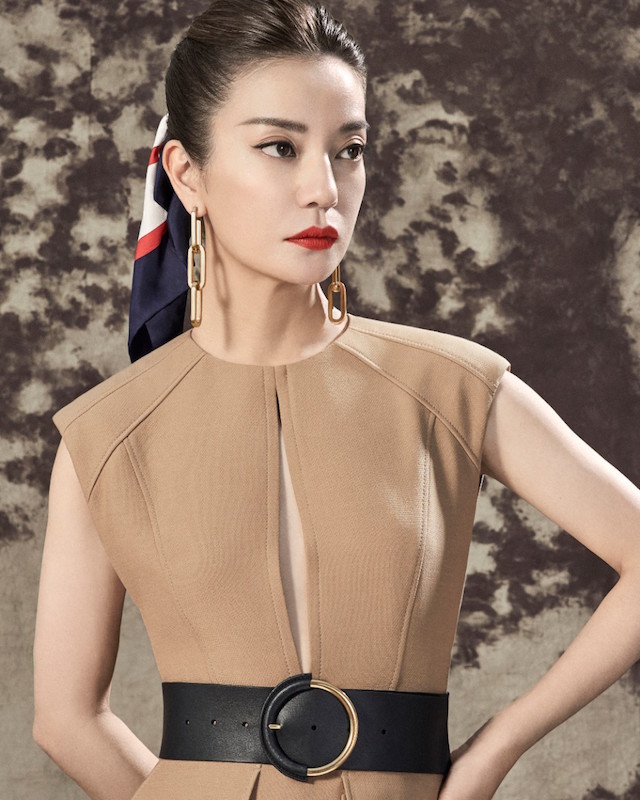
    Burberry sales have declined by between 40 percent and 50 percent during the last six weeks as the coronavirus crisis takes its toll on retail.

    And in a statement released to the market, the company says it expects the figures to get even worse in the future, falling by up to 80 percent.

    “Since our February update, the material negative effect of COVID-19 on luxury demand has intensified and is now impacting the industry in all regions,” said Burberry CEO Marco Gobbetti. “Our primary concern is the global health emergency and we continue to take every precaution to help prevent the spread of the virus and ensure the safety and wellbeing of our employees, partners and customers. We are implementing mitigating actions to contain our costs and protect our financial position, underpinned by our strong balance sheet,” he said.

    “We remain confident in our strategy and the strength of our brand and I am exceptionally proud of our teams’ resilience and commitment.”

    The decline in Burberry sales in January was largely restricted to Asian markets, but since then, business in Mainland China has started to improve with most of the brand’s stores reopened, while sales in Europe, Middle East and Africa (EMEIA) have fallen materially.

    More than 60 percent of Burberry’s stores in EMEIA and 85 percent of stores in the Americas are currently closed.

    The firm now anticipates its fourth-quarter retail-store sales to be down by roughly 30 percent year on year.

  • Esprit warns of big loss as Europe shuts down

    Esprit warns of big loss as Europe shuts down

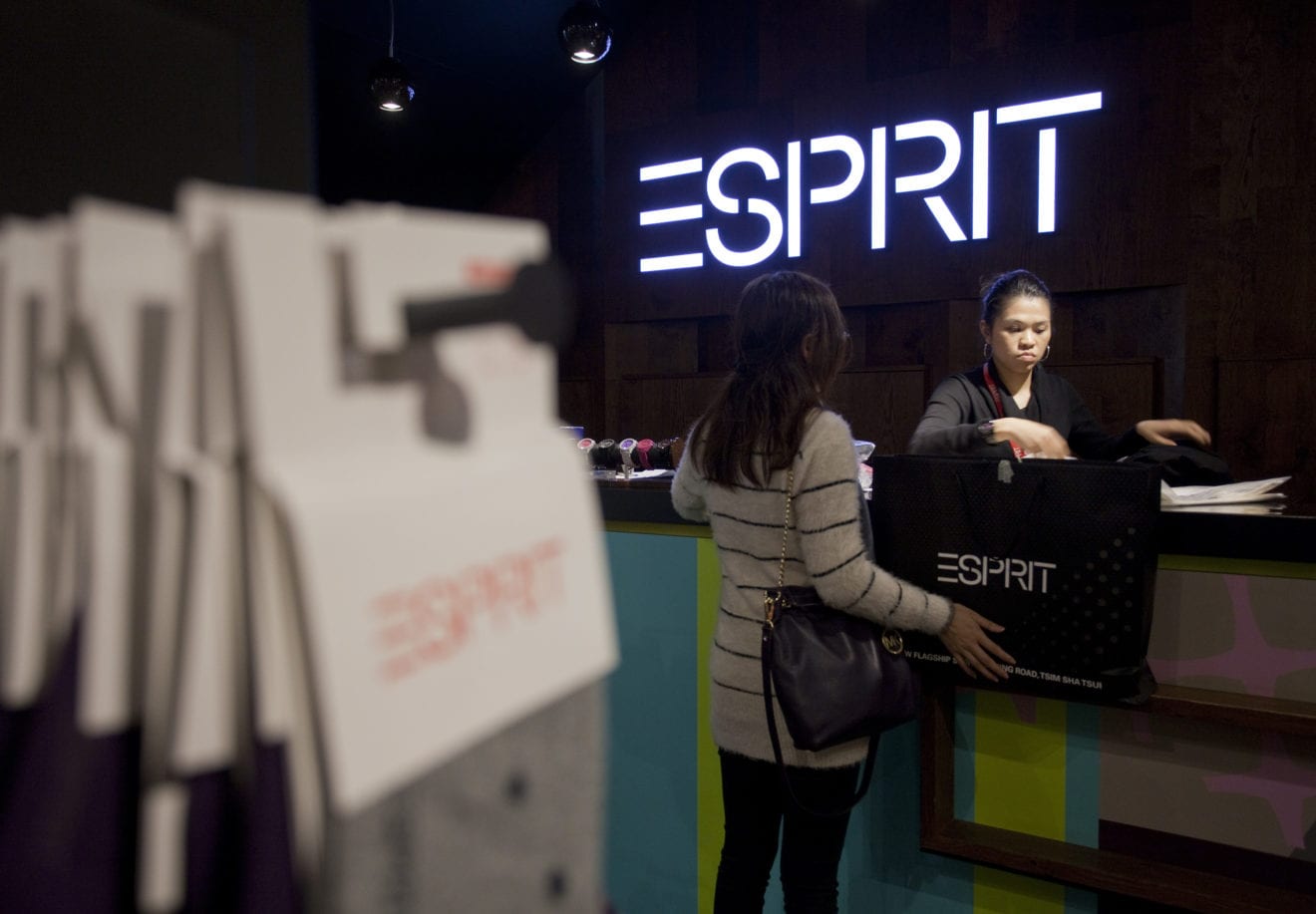
    Fast-fashion retailer Esprit says foot traffic into its stores worldwide have evaporated in the wake of the coronavirus pandemic and warned shareholders to expect a “considerable loss”.

    Public health initiatives enacted in many countries across the world aimed at slowing the spread of the pandemic have resulted in the closure of “a significant number of stores,” said Esprit company secretary Ophelia Lo.

    Public life has been locked down in France, Italy, Spain, Poland and Austria with other European countries most likely to follow, she said. All of those are important markets for Esprit which as part of a major restructuring plan is refocusing its business on Europe.

    “Obviously apparel retail sentiment is at its lowest level possible and store traffic in the group’s retail stores and its partners’ points of sale has subsided entirely,” said Lo.

    “In addition, the logistics of the supply chains of merchandise shipments are significantly affected.”

    Esprit expects the pandemic will “significantly adversely impact the sales of the group” in the second half of the current financial year, ending June 30.

    “As a result, management expects the group to incur a considerable loss in the second half,” said Lo.

    Right now, Esprit management cannot quantify the actual impact of the pandemic on the group’s business performance, given the inability to predict the speed and extent to which the pandemic will spread in markets in which the group and its suppliers operate in, and with no reliable estimation on when the pandemic may be over.

    “The company will continue to diligently assess the impact of the pandemic on the group’s business performance and will make appropriate announcements on updates as and when necessary,” she said.

    Meanwhile, the company will take “all practicable measures to cope with the challenges ahead,” including using working capital management and cost-control measures, and exploring financial support provided by local governments.

  • Versace launches on Lotte Premium Mall

    Versace launches on Lotte Premium Mall

    Italian luxury fashion brand Versace opened a store on e-commerce site Lotte Premium Mall in South Korea on Monday.

    Lotte Department Store says the store is a collaboration with the official importer Versace Korea and the online mall.

    Forty lines of Versace products, including ready-to-wear and accessories including wallets, belts, clutches and jewelry is showcased on the fashion mall site.

    Local media reports suggest online customers will be able to exchange purchases in Versace’s brick-and-mortar boutiques, including at Avenuel Main, Avenuel World Tower and Suwon.

    Myeong-gu Kim, head of the online division of Lotte Department Store said that in the future, Lotte Premium Mall plans to strengthen collaboration with international luxury brands to make their online entry into South Korea.

    Versace is a luxury brand created in 1978 by Gianni Versace and his sister Donatella Versace.

  • Laura Ashley’s UK business collapses

    Laura Ashley’s UK business collapses

    Laura Ashley’s UK business has been placed into administration after realizing that even if it could secure funds from a third-party investor it would be too late to save the business.

    the Malaysian-controlled retailer of clothing and homewares was in negotiations with Hillco Capital in a bid to secure a £15 million emergency loan.

    In a statement reported by Retail Gazette, Laura Ashley said its “revised cash flow forecasts and increased uncertainty” mean it would not be able to secure those funds in sufficient time. The coronavirus, it said, “had an immediate and significant impact on trading, and ongoing developments indicate that this will be a sustained national situation”.

    Laura Ashley’s UK business employs 2700 staff across the UK where it operates 150 stores. The immediate consequences for Asian stores is not yet clear.

    Amy Higginbotham, a retail analyst at GlobalData, said while the company was blaming poor recent trading in part on the coronavirus outbreak, the retailer has been struggling for a while.

    “The brand has long been tired and has struggled to regain relevance in both its fashion and home divisions. Financially weak retailers, of which there are many, are likely to follow Laura Ashley into administration given the current crisis. Those retailing non-essential purchases that can easily be deferred will be particularly badly hit,” she said.

    All that aside, Laura Ashley’s UK business has reported a 24-per-cent increase in sales in the seven weeks to March 13.