Category: Fashion

Retail News Asia is committed to providing both local and global retailers with the latest Fashion news throughout the Asian market. This on a daily base.

  • AI fashion-tech firm Odd Concepts receives $6 million

    AI fashion-tech firm Odd Concepts receives $6 million

    South Korean AI-based fashion-tech firm Odd Concepts has raised US$6 million in Series B funding, taking the company’s accumulated investments to about US$10 million.

    The funding is expected to allow the business to expand its growth into Asia-Pacific markets, applying its proprietary machine learning technologies to other industries.

    Fashion-tech firm Odd Concept’s fashion-styling service PXL is based on the firm’s own algorithms for recognizing, analyzing and searching images and recommends personalized fashion products based on an analysis of products that interest consumers. Around 100 e-commerce firms in Korea and other countries in the region use the service, with about 9 million unique users.

    Participants in the funding round included KB Securities, HB Investment, Kiwoom Investment-Shinhan Capital, Korea Development Bank and SBI Investment Korea.

    “We decided to invest in Odd Concepts because the company’s own technology clearly verifies the class of excellence in the popular field of fashion commerce,” said KB Securities assistant manager Jeong Seong-hoon.

    “I expect Odd Concept’s proprietary machine-learning technologies would be applied to other industries extensively.”

  • LVMH-backed L Catterton invests in Japanese cosmetics company Etvos

    LVMH-backed L Catterton invests in Japanese cosmetics company Etvos

    Japanese cosmetics brand Etvos has received a significant investment from global private-equity firm L Catterton’s Asia fund.

    The LVMH and Groupe Arnault-backed fund will partner with Etvos’s existing management to extend growth, with special attention to expanding store footprints and enhancing customer experiences.

    Following the completion of this investment, LVMH Japan president Norbert Leuret and Chanel G.K former special advisor Masatoshi Kuroda will join Etvos as non-executive directors to enhance the board composition.

    “This investment is a testament to the tremendous efforts and hard work of the Etvos team and we are pleased to partner with L Catterton as we accelerate our growth,” said Etvos CEO Hifumi Ogawa. “We look forward to leveraging L Catterton’s unmatched sector expertise and wide network of industry contacts as we expand our retail footprint, enhance the customer experience, and further expand our high-quality product portfolio.”

    The investment is L Catterton’s first in a Japanese cosmetics brand.

  • Coroner hears details of infant’s death at Urban Revivo

    Coroner hears details of infant’s death at Urban Revivo

    A free-standing mirror that crushed an infant to death at an Urban Revivo store at Jewel Changi last August weighed more than 100kg, the Singapore coroner heard yesterday.

    The accident occurred when two six-year-old boys, one a brother of the infant Lai Jiaxin from China, were playing behind it. When one of the boys stepped out from behind the mirror, it tipped over, crushing the one-year-old, causing head injuries from which she later passed away at Changi General Hospital.

    The coroner’s inquest heard that Urban Revivo subsequently removed all free-standing mirrors from the store. All mirrors there now are screwed down and glued to prevent a recurrence of the tragedy.

    Investigation officer Sarah Habibah told the inquest that police do not consider any foul play to be involved in the death, which she described as due to misadventure.

    Jiaxin was one of eight members in a group of family and friends who traveled to Singapore for a four-day holiday. They were at the Urban Revivo stores for some last-minute shopping before a scheduled flight home that afternoon, August 23.

    During the inquest, before State Coroner Kamala Ponnampalam, a video from in-store cameras was played. It showed the two boys running around in the store, under the eye of their grandmothers, while their parents were trying on clothes. The boys went behind the mirror and when they exited separately the mirror fell onto Jiaxin.

    Store staff helped to free the child from beneath the mirror but she was bleeding from her nose and mouth.

    The coroner will deliver her findings on the death on April 15.

  • K11 Musea launches global fashion showcase K11 Antonia

    K11 Musea launches global fashion showcase K11 Antonia

    Hong Kong cultural-retail hub K11 Musea’s fashion destination Muse Edition has launched a multi-brand flagship, K11 Antonia.

    The fashion center (situated on the site of the former New World Centre) is collaborating with influential fashion-forward style maker Antonia Giacinti in hosting the more than 5700sqft space, now featuring around 50 curated spring/summer looks. It will debut both co-founders Antonia Giacinti’s & Maurizio Purificato’s hand-picked selection and a signature blend of high fashion, streetwear and ready-to-wear brands.

    “Hong Kong is a global fashion Hub,” said Giacinti. “We have always thought of Hong Kong as the most interesting international city to open a new Antonia location… With the launch of K11 Antonia today, it marks our shared vision in which together we nurture different forms of fashion cultures and dialogues from around the world.

    “Through K11 Musea, we believe this global fashion venture will further enrich our consumers’ cultural-retail experience in the world of fashion. We are certain that it will be a success.”

    K11 Antonia will retail a broad range of brands, including Bottega Veneta, Burberry, Chloe, Miu Miu, Jacquemus, Balmain, Alessandra Rich, The Attico, Alanui, Ambush, Kolor and White Mountaineering.

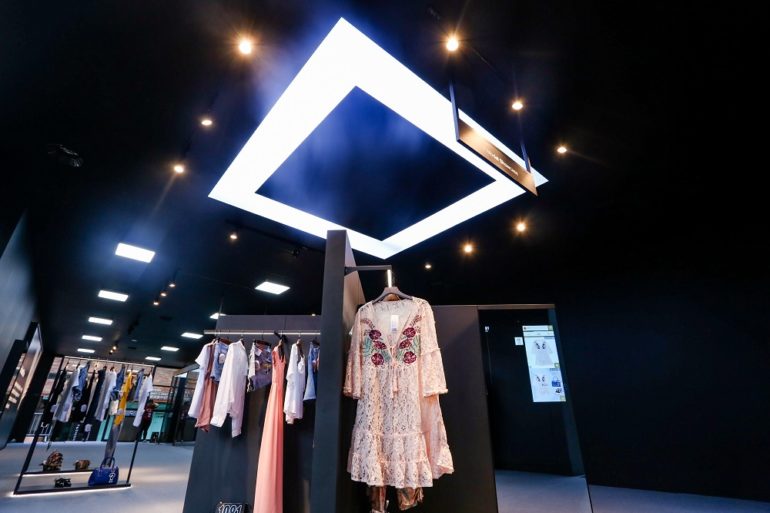
    The interiors of the store’s three distinct retail spaces are designed by Italian architect Vincenzo de Cotiis, and feature mirrors, smokey glass and rustic-stained glass, steel, brass and marble with gold, gray, beige and blurred-pink tones.

  • Vestiaire Collective launches coronavirus charity sale

    Vestiaire Collective launches coronavirus charity sale

    Vestiaire Collective, the online platform for pre-owned luxury fashion, has launched a charity sale to support the fight against coronavirus.

    Vestiaire Collective has partnered with more than 50 influential celebrities, including Kate Moss, Rachel Weisz, Thandie Newton, Anna Dello Russo and Charlotte Tilbury, to offer luxury pieces from their wardrobes.

    Some items were already sold on the first day of the sale such as leopard print faux fur coat from Kate Moss or a Penny Packham maxi dress from Charlotte Tilbury.

    “We’re doing everything we can to combat the effects of the virus with our community, and to help fight it with charity fundraising,” the company said in a statement.

    According to the company, all proceeds from the sale will be used to support hospitals and scientific researchers working on coronavirus, including the World Health Organization, the Italian Lombardia Region Fundraising, the France/Paris Hospitals Foundation and Madrid’s La Paz Hospital.

    Founded in Paris in 2009, Vestiaire Collective now has more than 7 million members from more than 50 countries across Europe, the US, Asia and Australia, with 25,000 new items submitted every week.

  • Tse Sui Luen ready to take hefty loss

    Tse Sui Luen ready to take hefty loss

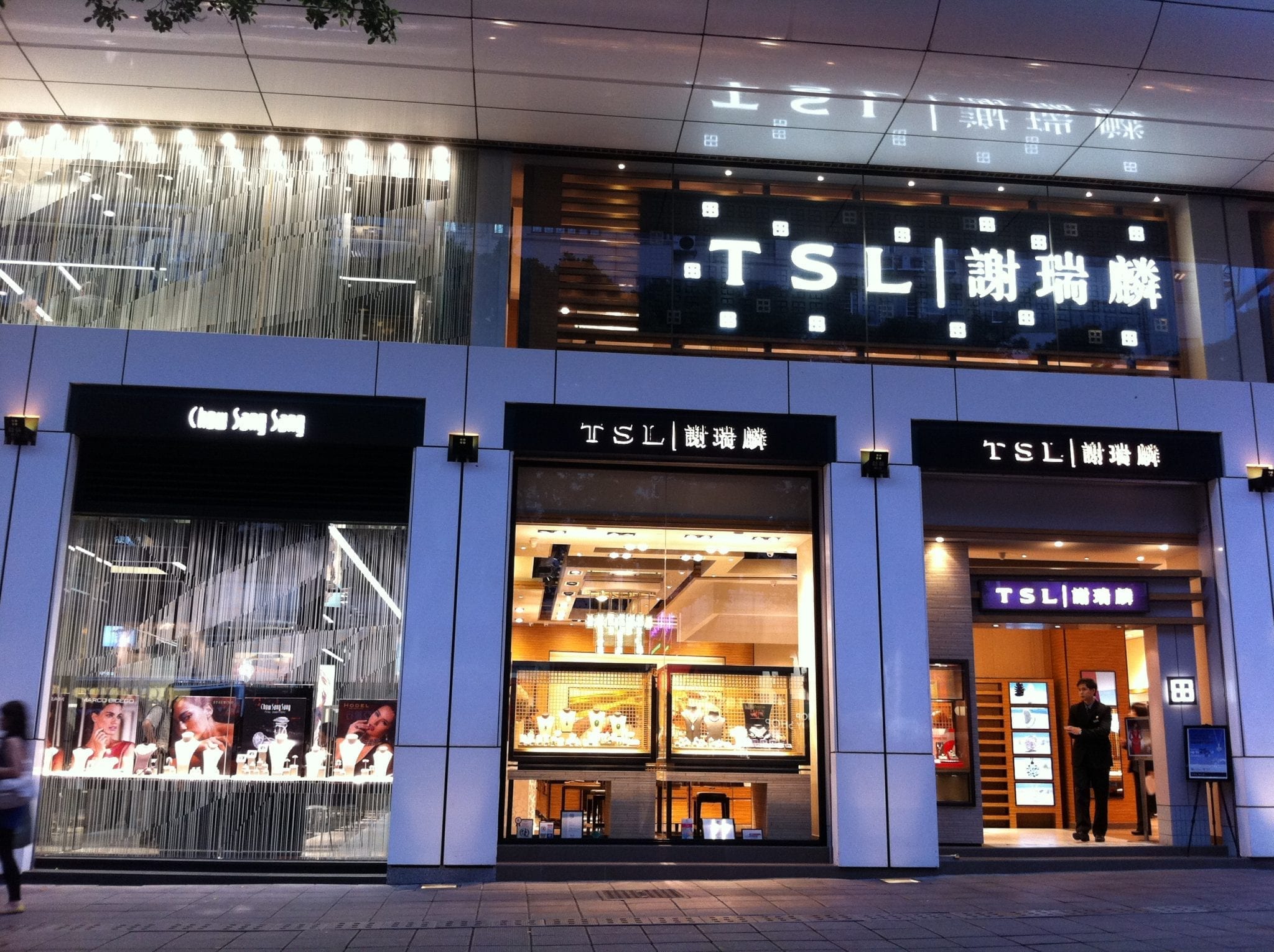
    Jeweler Tse Sui Luen is projecting a loss of HKD 80 million (US$10.3 million) for the year to March – a stark reversal from last year’s net profit of HK$54 million ($6.96 million.

    In a profit warning issued to the Hong Kong stock exchange, the company said its estimate was based on a review of the accounts for the first 11 months of the financial year, and other information available.

    Sales in February fell by 88 percent as Hong Kong’s borders all but shut, and without the benefit of Lunar New Year turnover, which last year largely fell in February.

    “Such expected loss is mainly attributable to the sluggish retail sales since July,” the company’s chairman Annie Yau On Yee said.

    “The coronavirus outbreak in January 2020 has taken a heavy toll on the retail industry, dealing a severe blow to the Hong Kong and Mainland China economies already hampered by the prolonged local social unrest in Hong Kong and escalated US-Sino trade tensions.”

    Yau said Tse Sui Luen was mitigating the economic fallout from the social unrest in Hong Kong and the global coronavirus epidemic, with measures such as negotiating rent relief with landlords, which “have helped improve the group’s cost-effectiveness to a large extent”.

    “We have also streamlined our business operation to minimize all costs and expenses, and are restructuring our retail store network including store closures for maintaining profit contribution at a sustainable level,” she said.

    “The board believes that we are well-positioned to weather the current unfavorable environment.”

    Full-year results are scheduled for release in late June.

  • Bonjour trims range, relocates stores as losses mount

    Bonjour trims range, relocates stores as losses mount

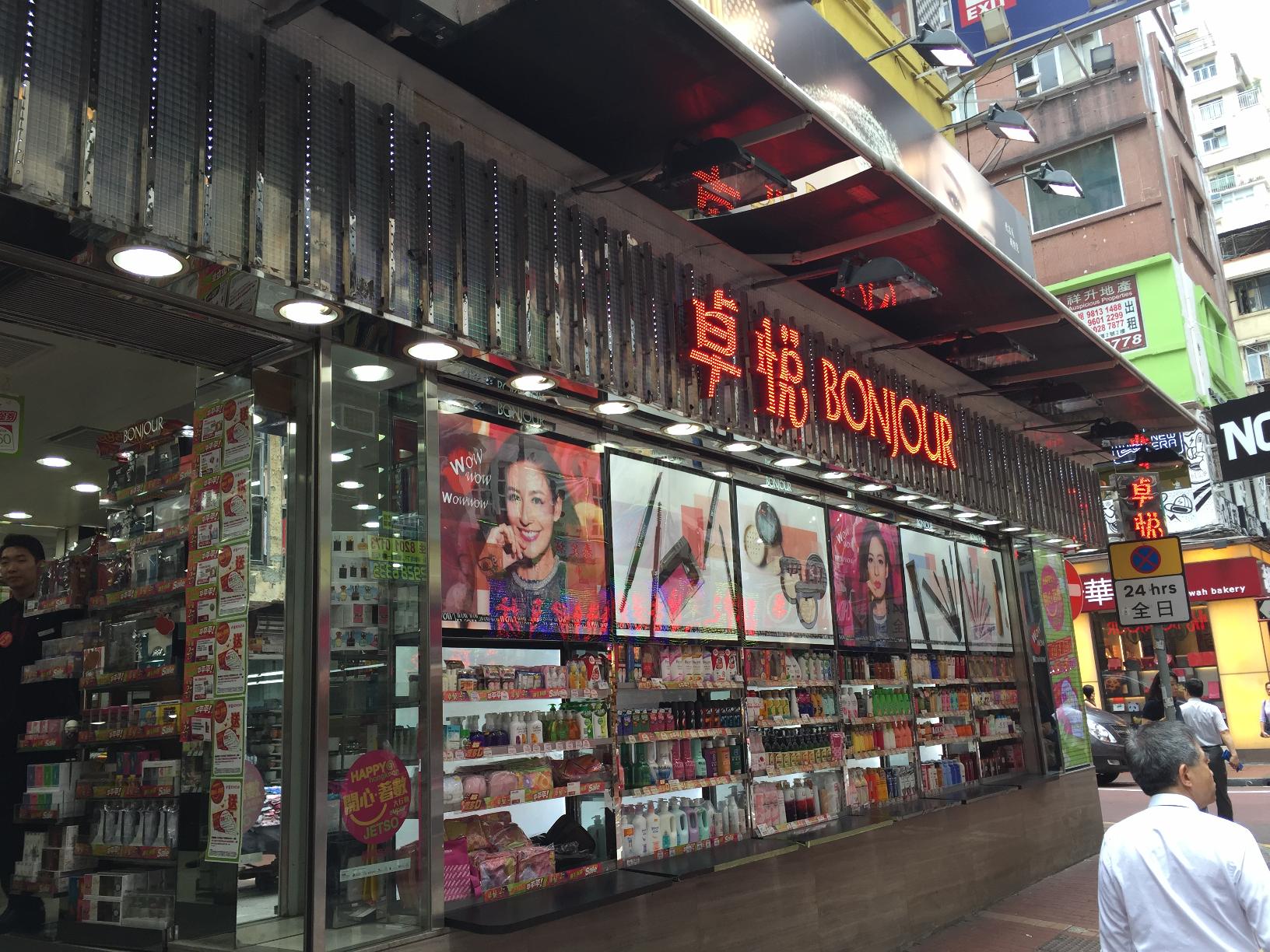
    Hong Kong cosmetics retailer Bonjour Holdings has delisted slow-moving products and trimmed its store network as it grapples with falling sales and mounting losses.

    The company has just released its results for last year, when sales fell by 18.7 percent, following a 7.3-per-cent decline in 2018. The company’s annual loss attributable to shareholders ballooned from HKD39.6 million (US$5.1 million) in 2018 to HKD129.6 million ($16.7 million) last year.

    Culling non-performing SKUs in stores, Bonjour Holdings shifted its focus to brands and products which are faster moving and/or have higher margins. Store layouts were changed to better display top-selling products and trendy lines to create an enhanced shopping experience.

    Bonjour ended the year with 37 stores in Hong Kong, Macau and Guangzhou, two fewer than a year earlier. But within that figure, stores with weak sales performance were replaced by new ones in community districts as the company joined many local brands by shifting focus to locations frequented by locals rather than inbound visitors.

    The company is also open to short-term leases for street-front shops which would be more flexible during the unsettled economic times and with negotiable rents.

    In a stock-exchange filing, Bonjour Holdings said it was responding to a market disrupted by social unrest last year and now the coronavirus pandemic, by reducing its operating costs. Such measures include reducing store trading hours by reducing from two shifts to one, and requiring all staff to take at least five days of unpaid leave to reduce staff costs.

  • LVMH Group brands invite consumers to travel abroad

    LVMH Group brands invite consumers to travel abroad

    LVMH Group brands are using social media campaigns to allow consumers to “escape differently” with branded content inspired by “nomadic thinking” during the coronavirus crisis.

    Multiple brands within the LVMH stable are embracing the concept which is in response to the global imperative for people to stay home in the midst of the pandemic.

    “With physical travel limited to a strict minimum and billions of people around the world asked to remain at home, the desire for distant horizons has rarely been felt so strongly,” the company explains. “People confined to their home must battle boredom as they ponder the closed doors in front of them…”

    One of the LVMH Group brands involved in the project is luxury luggage label Rimowa whose Japanese designer Naoto Fukasawa who transformed its iconic aluminum suitcase into a chair, “an invitation to rest, reflect and dream of a radiant future”.

    Another example was the firm’s beauty brand Benefit Cosmetics, which invited followers to join a “globe-spinning” contest to win a year of cosmetics supplies.

    Clos19, the Moet Hennessy e-commerce platform, is publishing content that offers followers a chance to broaden their knowledge of vineyards and grape varieties.

    Part of the LVMH Group brands campaign dips into the pages of its history to share photos shot by French photographer Jean Lariviere in the 1980s for several emblematic advertisements.

    In a separate response to the pandemic, LVMH has moved to provide several million surgical masks in France to help those affected by Covid-19.

  • Indian fashion chain W expands into footwear

    Indian fashion chain W expands into footwear

    Indian women’s fashion chain W is expanding its business into footwear.

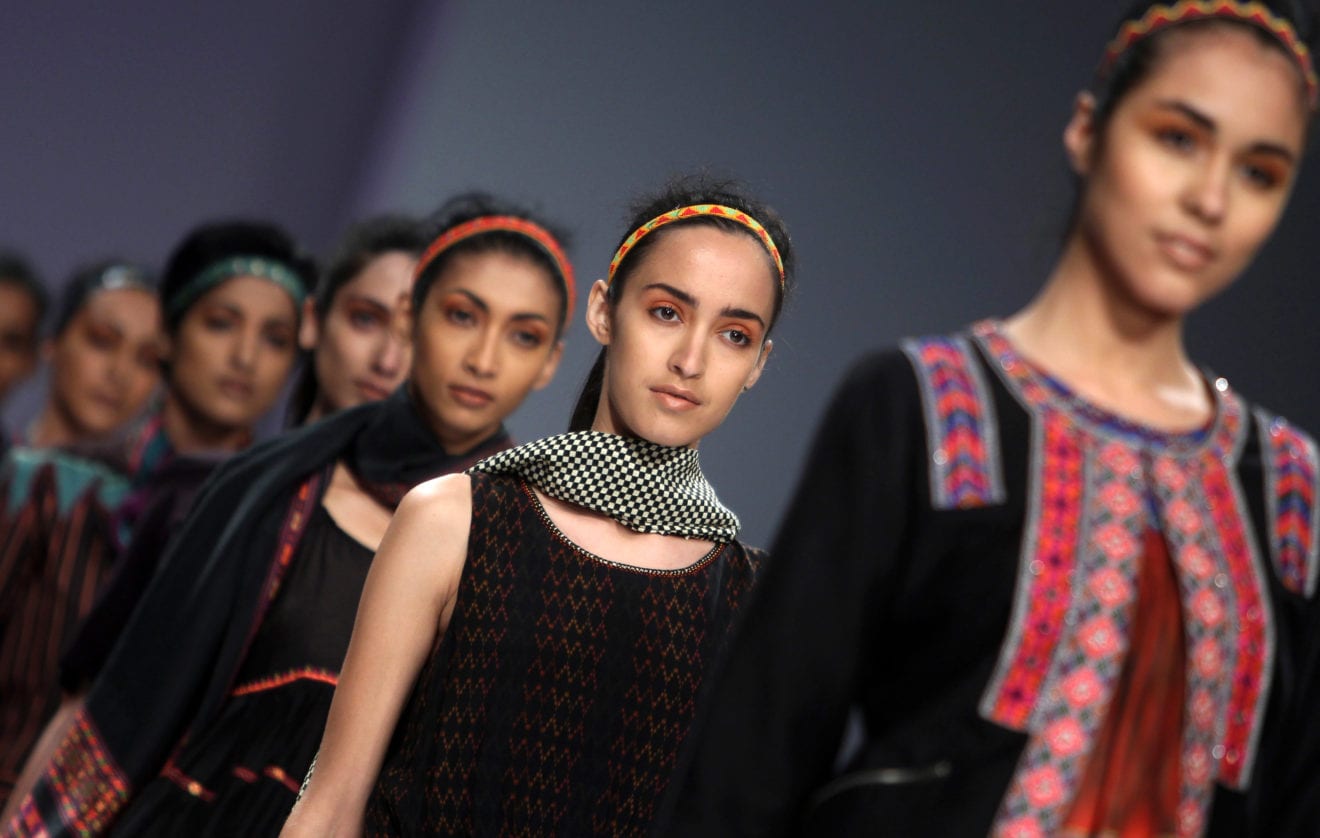
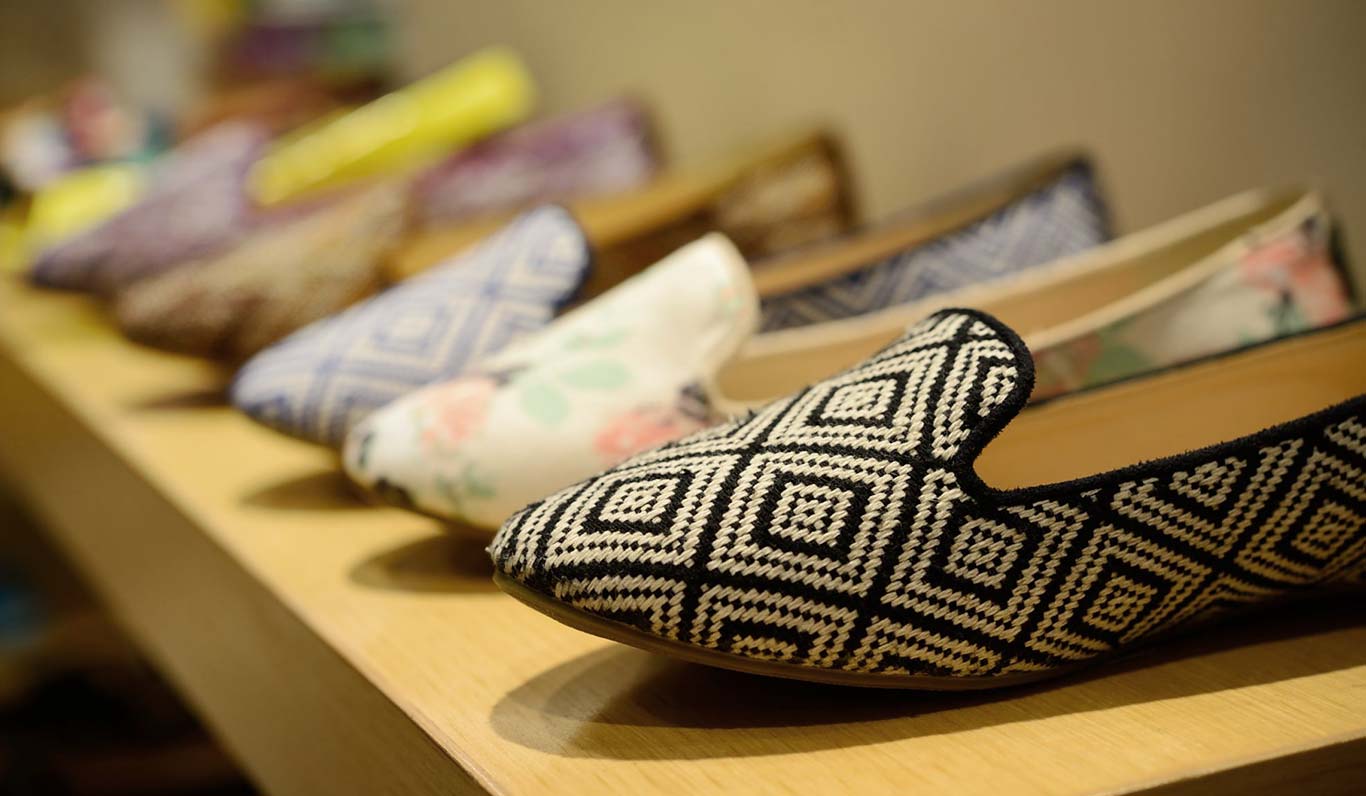
    The firm is preparing to retail shoes in more than 80 W stores across the country, as well as online, offering a collection of various styles of heels and flats. The collection presents classic Western designs with Indian flourishes.

    “At W, we have always strived to give the modern Indian woman a complete wardrobe solution,” said TCNS Clothing MD Anant Daga. “True to our brand promise, we are launching Footapparel, which is an amalgamation of fashion and functionality.

    “Looking at the footwear options available to our customers, we believe finding that one perfect pair which coordinates best, is fashion-forward yet keeps you comfortable throughout the day is a real challenge. This is the space we are addressing with our range of fusion footwear which is both fashionable and comfortable.

    The brand’s shoe designs feature craftwork such as embroidery, braiding, hand weaving, pleating, laser cutwork, quilting, and raffia weaving, amongst others.

  • More fashion companies join coronavirus fight

    More fashion companies join coronavirus fight

    Major international retailers are lining up to join the fight against the Covid-19 coronavirus outbreak.

    Swedish fashion retailer H&M has begun producing protective face masks intended for use by hospital staff initially in Spain and Italy, to be followed by other regions.

    “At this first stage, 100,000 face masks will be produced and ready for delivery on April 2,” said a spokesperson for the brand. “Half will go to Italy and half to Spain. It is a factory in China that makes the masks.”

    Meanwhile, Japanese fast-fashion casual wear brand Uniqlo will donate 10 million masks produced by its Chinese manufacturing partners to medical facilities around the world, with the majority headed for the US, Italy and Japan. The first 1 million masks were scheduled to be delivered to Italy this week.

    McDonald’s Philippines has pledged to serve 50,000 meals to medical health workers, volunteers, police, government agencies, and local communities affected by the disease. The distribution of the meals is being handled by partner agencies.

    “We continue to reinforce our commitment to make a difference in the lives of Filipinos by providing aid to Filipinos in need during this very challenging time,” said Ronald McDonald House Charities executive director Marie Angeles.

    In China, Hong Kong jeweler Chow Tai Fook has set up an in-house face mask production line in its dust-free T Mark diamond processing factory in Lunjiao, Shunde. The facility has been operating since mid-March and produces around 100,000 masks per day.

    The masks are being given as a priority to the group’s employees globally, with donation for charitable purposes to be considered once productivity increases.

    “Anti-epidemic materials are short in supply under the global outbreak”, said Chow Tai Fook executive director Bobby Liu. “To take good care of more than 30,000 employees worldwide, the group has to secure an adequate supply of face masks for our staff to ensure they can return to work safely and worry-free. In response to this challenge, we shifted from global sourcing to producing our own face masks.

    “Contributing to fight against the outbreak, we plan to donate face masks to people in need through medical institutions or non-profit organizations once we ramp up our production.”

  • Li Ning profit boosts almost double

    Li Ning profit boosts almost double

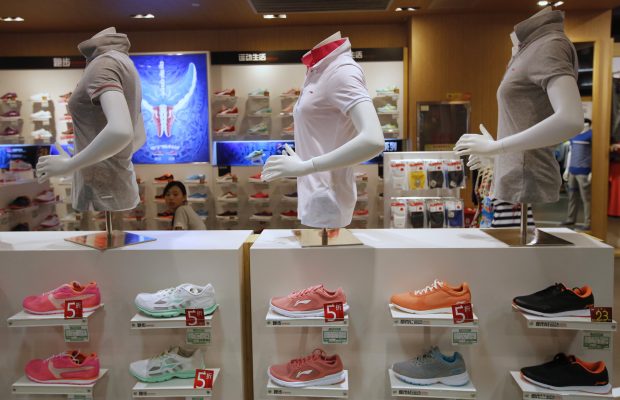
    Chinese sportswear giant Li-Ning reported a massive 110-per-cent boost in profit for last year on sales up 32 percent.

    Total revenues reached ¥13.87 billion (US$127.9 million) compared with ¥10.51 billion ($96.95 million) in 2018. Net profit attributable to shareholders increased from ¥715.3 million ($6.6 million) to ¥1.5 billion ($13.8 million).

    CEO and executive chairman Li Ning, said the result reflected the company’s strategy of creating and enhancing the brand’s “experience value”.

    “We have adopted diversified strategies and approaches to consolidate the advantages of online and offline and also made use of digital marketing to further promote our engagement with different consumer groups and hence enhance the image and value of the Li-Ning brand.”

    The former Olympian said throughout last year the company steadily improved profitability and operational efficiency.

    The group improved its gross profit margin by a whole percentage point to 49.1 percent.

    “The increase in gross profit margin was mainly attributable to the group providing a higher percentage of tag price on delivery to franchised distributors due to the increasing brand recognition, and there was better sales discount on both new and old products in self-operated channels, while the tag-cost-ratio further improved,” the company said.

    Last year, Li Ning continued to focus on five core categories: basketball, running, training, badminton and sports casual.

    At the customer front, Li Ning opened full-category flagship stores and China Li-Ning stores in shopping malls, while actively exploring new channel types.

    “To enhance channel efficiency and optimize store structures, the company continued to accelerate the closure of loss-making stores, as well as upgrade and improve low-efficiency stores.”

    The company ended the year with 6449 Li Ning points of sale in Mainland China, a net increase of 105 for the year, along with 1101 Li-Ning Young stores, a net increase of 308.

  • Burberry trench-coat factory to make coronavirus protection gear

    Burberry trench-coat factory to make coronavirus protection gear

    Luxury fashion label Burberry is retooling its Yorkshire trench-coat factory to produce non-surgical gowns and masks in response to the coronavirus outbreak.

    The supplies will be produced for patients and will be subject to approval from the Medicines and Healthcare Products Regulatory Agency (MHRA).

    Burberry is also working to leverage its existing supply chain to help deliver surgical masks, non-surgical masks and gowns for use by medical staff and patients in the UK.

    The firm’s other contributions include funding research into a single-dose vaccine for Covid-19 developed by the University of Oxford with human trials scheduled to begin next month, as well as donations to charities tackling food poverty across the UK.

    “The whole team at Burberry is very proud to be able to support those who are working tirelessly to combat Covid-19, whether by treating patients, working to find a vaccine solution or helping provide food supplies to those in need at this time,” said Burberry CEO Marco Gobbetti. “Covid-19 has fundamentally changed our everyday lives, but we hope that the support we provide will go some way towards saving more lives, bringing the virus under control and helping our world recover from this devastating pandemic.”

    The contributions reflect luxury fashion house Ralph Lauren’s commitment to making face masks and medical gowns in the US via its Ralph Lauren Corporate Foundation charity. The firm intends to produce 250,000 masks and 25,000 isolation medical gowns.

  • Esprit places its German subsidiaries into administration

    Esprit places its German subsidiaries into administration

    Hong Kong-listed apparel retailer Esprit has placed six German subsidiary companies in administration to give them protection during the coronavirus crisis, which has decimated sales.

    The move was finalized at the end of last week while the company’s shares were suspended from trading.

    The measure, called Protective Shield Proceedings under the German Insolvency Act, allows restructuring to take place in self-administration. Esprit stresses the process is only available to businesses that are still liquid – ie: they are able to continue to meet day-to-day expenses as opposed to long-term debt.

    In an explanatory statement filed with the Hong Kong stock exchange, Esprit said that with many countries implementing public health measures and taking drastic actions to slow the spread of the coronavirus pandemic, all of Esprit’s European stores have been temporarily shuttered, along with almost all those of the group’s franchise and wholesale partners.

    “Subsequent to the announcement, the position of the European companies in the group has further deteriorated significantly, as they currently generate only weak e-commerce turnover, while salaries, rents and operating costs continue to accrue.”

    Esprit describes the protective self-administration as a “proactive and forward-looking measure to protect the solvency and liquidity of the group”. It protects the company from claims from individual creditors while they work out a restructuring plan for the approval of creditors and the courts, which must be lodged by June 29.

    The German courts approved the process on Friday, appointing Dr Biner Bahr, a Dusseldorf-based partner of the international law firm White & Case, as the preliminary custodian to supervise the restructuring of the subject subsidiaries in self-administration. Esprit has appointed Detlev Specovius, a partner of the German restructuring law-firm Schultze & Braun, who has extensive experience in self-administration cases, to actively support the process.

    Esprit said in its filing that while under the protective shield process, it will continue to “pursue and accelerate” the group’s restructuring plan launched in 2018.

    “The restructuring plan will help to significantly reduce the liabilities of the [German subsidiaries] to a sustainable and manageable level and one that is in-line with the business needs of the group. By pursuing the Protective Shield Proceedings, the subsidiaries aim to effectively restructure all their liabilities and long-term lease contracts, obtain funding for salaries and social security payments of the German workforce from the German Federal Employment Agency and negotiate with works councils for more flexible solutions.”

    Esprit said the move was necessary because while the group is currently liquid, its future liquidity was threatened due to the pandemic and its consequences.

    “The company has been working relentlessly to secure the continued operation of all other European subsidiaries in order to allow each of them to return to its ordinary course of business when public life will start again and shops will be reopened with the lifting of the mandatory public lock-down measures as the pandemic subsides in the future,” Esprit said.

    “Facing the unprecedented challenge caused by the pandemic, management is focused on optimizing and streamlining the group’s business in order to be stronger, leaner and fitter so as to be better placed to pursue the market opportunities that may arise after the pandemic.”

    In Hong Kong, Esprit’s share price fell by more than 20 percent when trading resumed this morning. From a previous closing price of HKD 71 cents last week before trading was suspended, it fell below 55 cents in early trading, before recovering to about 60 cents (about USD0.077).
  • Third Uniqlo x Marimekko collection launches

    Third Uniqlo x Marimekko collection launches

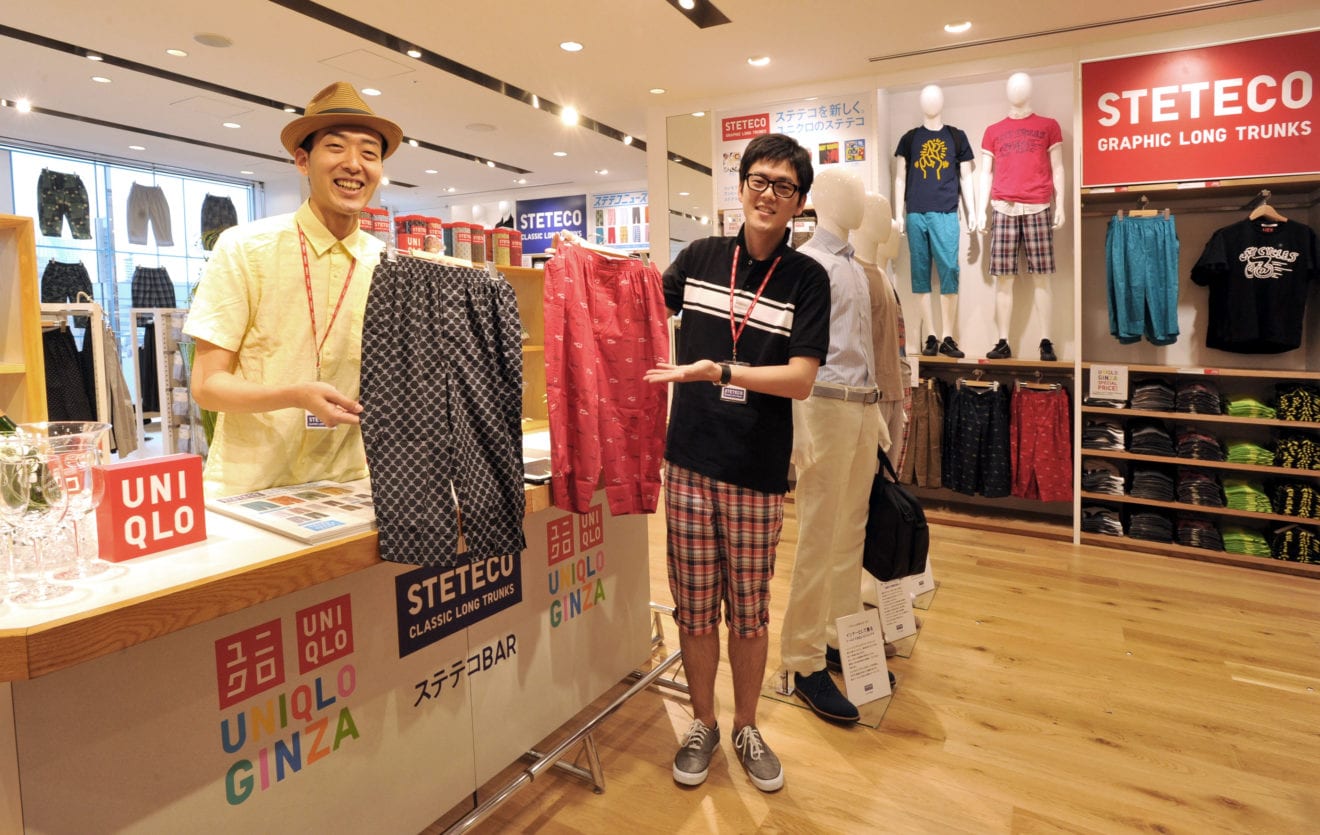
    Uniqlo has for a third time partnered with Finnish design company Marimekko to launch a new limited-edition collection.

    The new Uniqlo x Marimekko collection offers items for women and babies in six of Marimekko’s patterns, designed by Maija Isola and Annika Rimala. The patterns feature prints with different shapes and vibrant colours, “adding a splash of fun to LifeWear”.

    “Brand collaborations with partners with whom we share values and are able to create something special for customers represent unique opportunities for Marimekko to share our design philosophy with a wide global audience,” said Tiina Alahuhta-Kasko, president and CEO of Marimekko.

    Prior to the Uniqlo x Marimekko 2020 collection, the two companies collaborated twice during previous seasons.

    “Our three seasons of working closely with Marimekko have deepened our understanding and appreciation for the Finnish fashion and design house and its art of printmaking,” said Yuki Katsuta, head of research & development at Uniqlo.

    The Uniqlo x Marimekko limited edition will be on sale from April 10.

  • Gap cuts capital spending and hunkers down to survive coronavirus crisis

    Gap cuts capital spending and hunkers down to survive coronavirus crisis

    Apparel retailer Gap Inc has revealed precautionary measures it is taking to bolster its financial flexibility during the coronavirus outbreak.

    The measures include drawing down its US$500 million credit facility, suspending this year’s quarterly dividends, reducing capital expenditure this year by $300 million and reviewing all operating expenses to reduce spending.

    “We entered 2020 in a strong financial position,” said Gap Inc president and CEO Sonia Syngal. “However, in this time of unprecedented disruption to the retail sector, we are proactively taking prudent actions to further strengthen our financial liquidity and flexibility.”

    The company had declared earlier that its first-quarter fiscal year dividend would be delayed until late April depending on the condition of the outbreak, among other factors. Gap will now review its quarterly cash dividend policy as the situation develops.

    The firm’s US North American stores are now closed in compliance with actions to slow the spread of the virus, while the firm continues to trade online.