Category: Fashion

Retail News Asia is committed to providing both local and global retailers with the latest Fashion news throughout the Asian market. This on a daily base.

  • Fendi Venice boutique opens in San Marco

    Fendi Venice boutique opens in San Marco

    Italian luxury brand Fendi has launched a new flagship boutique in Larga dell’Ascensione in the Venetian district of San Marco

    The Fendi Venice boutique, which retails women’s and men’s clothing through to bags and accessories, is located in a 180sqm space within a roughly century-old palace furnished with terrazzo stone floors, diamond-shaped ceilings, and walls with marmolino finishes. The room also features large windows that flood each room with natural light, creating a see-through effect for stores spread over four floors.

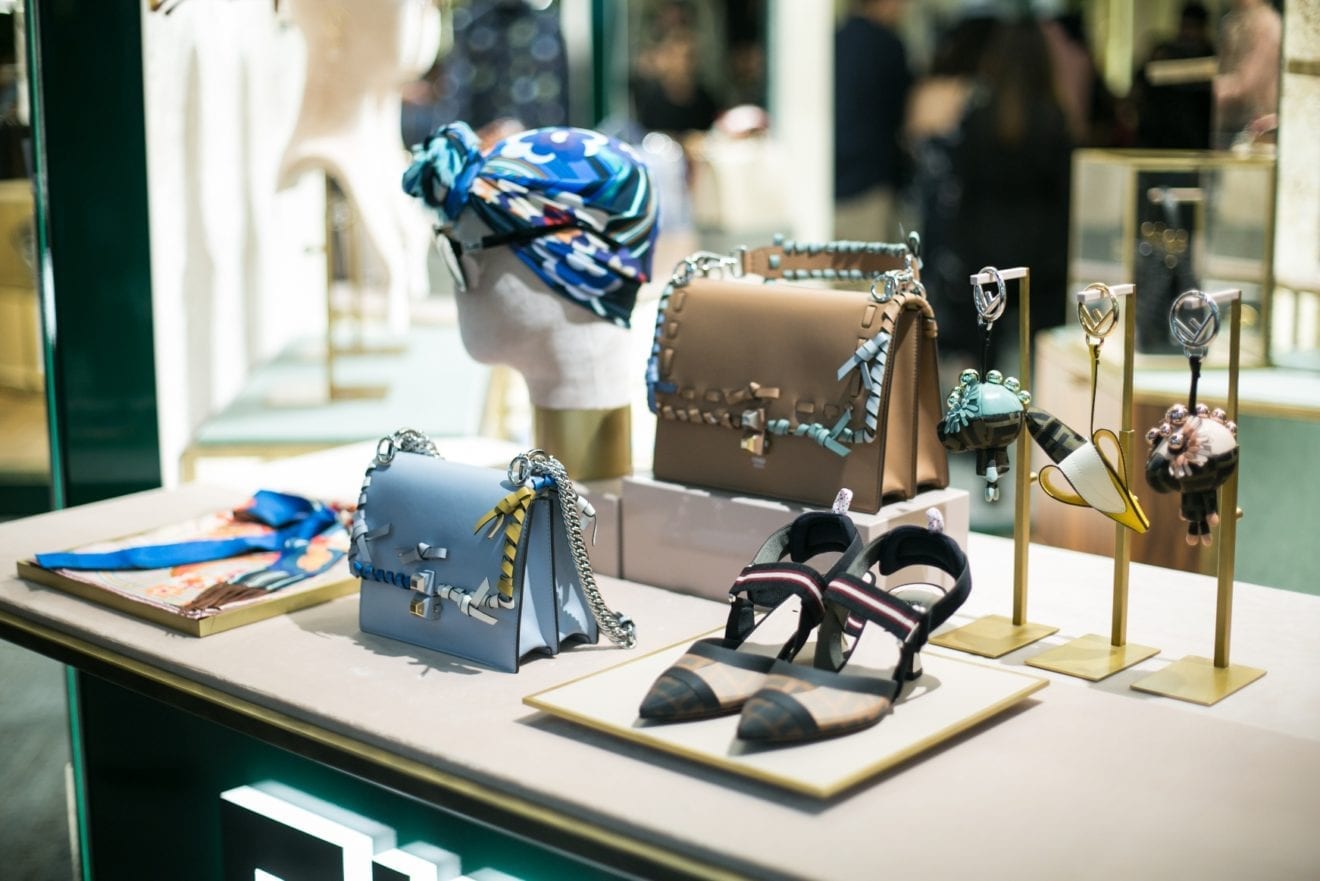
    The women’s bag and accessory floor display products on ivory leather shelves supported by a champagne-gold metal-tube structure. The second floor is divided into two rooms, with a corner for women’s clothing and shoes surrounded by light champagne-gold thread curtains and purple carpeting and featuring luxurious vintage furniture.

    The men’s floor of the Fendi Venetian boutique is also divided into two rooms set in green colors. Gold metal detail and forest-green leather stand against a carpet of the same shade. Briar timber rotating counters, green satin, and satin-finished steel also feature in the space. The fourth and top floors are VIP rooms and luxurious terraces unified with a sky-blue theme, with a geometric stucco motif and a convex witch-eye mirror on the wall against turquoise velvet furniture.

    The terrace, surrounded by untouched vegetation, houses the Fendi Casa outdoor collection.
  • Influencers interested in The R Collective x Net-A-Porter campaign

    Influencers interested in The R Collective x Net-A-Porter campaign

    Upcycling fashion label The R Collective has unveiled a new campaign highlighting the advances in sustainability through its upcycling projects across Asia.

    The campaign features global fashion influencers promoting how creativity and sustainable design can reduce waste in the fashion industry, at a time when global fashion weeks are facing consumers’ continued protests about fashion’s environmental impact.

    It has been launched to support The R Collective’s new upcycled collection created exclusively for Net A Porter’s ​Net Sustain program.

    The R Collective collects excess textiles from luxury brands, mills, and manufacturers that may otherwise have ended up in landfills, incinerated or converted into the stuffing. The label uses the fabrics in new designs.

    Influencers involved in the campaign include Thai actress and singer Mint Pattarasaya as well as fashion stylist Justine Lee and Peony Lim, Fabienne, Cherry Mui and Victoria Onken from the UK, Hong Kong and the Netherlands. They all wear apparel created from ‘rescued fabrics’.

    “Fashion reflects our times,” said fashion writer Susie Lau. “Over the years, I’ve been watching the next generation of sustainable designers drive change. When you look at these The R Collective designs, you can sense a certain language from the designer. By rethinking fashion at the drawing board and reusing unwanted fabrics, there is a real sense of purpose to this collection. With our collective changing attitude towards sustainability in fashion a better fashion industry is not a distant hope, but a distinct reality.”

    Mint Pattarasaya said it was inspiring to witness the collection being sewn in her home city, Bangkok.

    “For this video, I witnessed firsthand the designers’ visions transformed by local garment workers, showing that fashion can be good for all.”

    The fashion industry continues to battle to reduce its 92 million tons of industrial textile waste generated every year and its estimated 10 percent contribution to global greenhouse gas emissions.

  • Hop Lun signs licensing deal with Janet Reger Lingerie

    Hop Lun signs licensing deal with Janet Reger Lingerie

    British lingerie brand Janet Reger has signed a new global licensing deal with Hong Kong’s Hop Lun, one of the world’s largest lingerie and swimwear designers and producers.

    A newly launched diffusion line ‘Janet Reger Rouge’ is the first move by the 50-year-old brand Janet Reger to democratize its lingerie offer on a global scale.

    Founded in the 1960s by Janet Reger, who died in 2005, the brand is now run by her daughter Aliza who continues to uphold the label’s mantra of “Confident Beauty Undressed”.

    “Hop Lun’s expertise and manufacturing capabilities paired with the Reger heritage make the perfect partnership,” said Aliza Reger.

    Described as ‘age agnostic’, ‘Janet Reger Rouge’ covers four design stories and spans 36 pieces, all aimed at the contemporary woman.

    Erik Ryd, Hop Lun’s founder and CEO said it is amazing to think that more than 50 years ago Janet Reger was the first lingerie brand that really celebrated being a woman.

    “This ethos still exists today and we are excited about both the collaboration and the opportunity to bring the Janet Reger Rouge brand to new, global markets”.

    Hop Lun, founded in 1992, provides fashion lingerie and swimwear to major global brands and retailers. The company also founded its own retail brand 6ixty8ight.

  • H&M looking to open stores in smaller cities in India

    H&M looking to open stores in smaller cities in India

    H&M in India is planning a broad expansion beyond tier I cities into smaller population centers.

    The move is in response to a burgeoning demand for its apparel items in tier II and II cities within the territory and continues the brand’s rapid growth in the Indian market, where it has recently partnered with local e-commerce platforms to strengthen its digital footprint.

    “What is clearly evident from our online platform is we see a great demand in tier II and III cities,” said H&M India country manager Janne Einola. “Tier II cities have been working very well for us… We have been testing in tier III cities like Coimbatore and Jalandhar. And these cities have been promising. This is the reason why I feel confident that we can grow in India. We will open quite a lot in Tier II cities and some of them in Tier 1.”

    H&M in India achieved a 43-per-cent sales growth last financial year despite a significantly slower growth rate during the period. Around half of its current locations within India are in tier II cities, and the firm reportedly takes a far greater proportion of online sales within India than the global average of 24 percent.

    H&M in India is planning to launch its first Indian ethnic wear collection next month in partnership with designer Sabyasachi Mukherjee.

  • Shanghai Fashion Week to continue despite coronavirus threat

    Shanghai Fashion Week to continue despite coronavirus threat

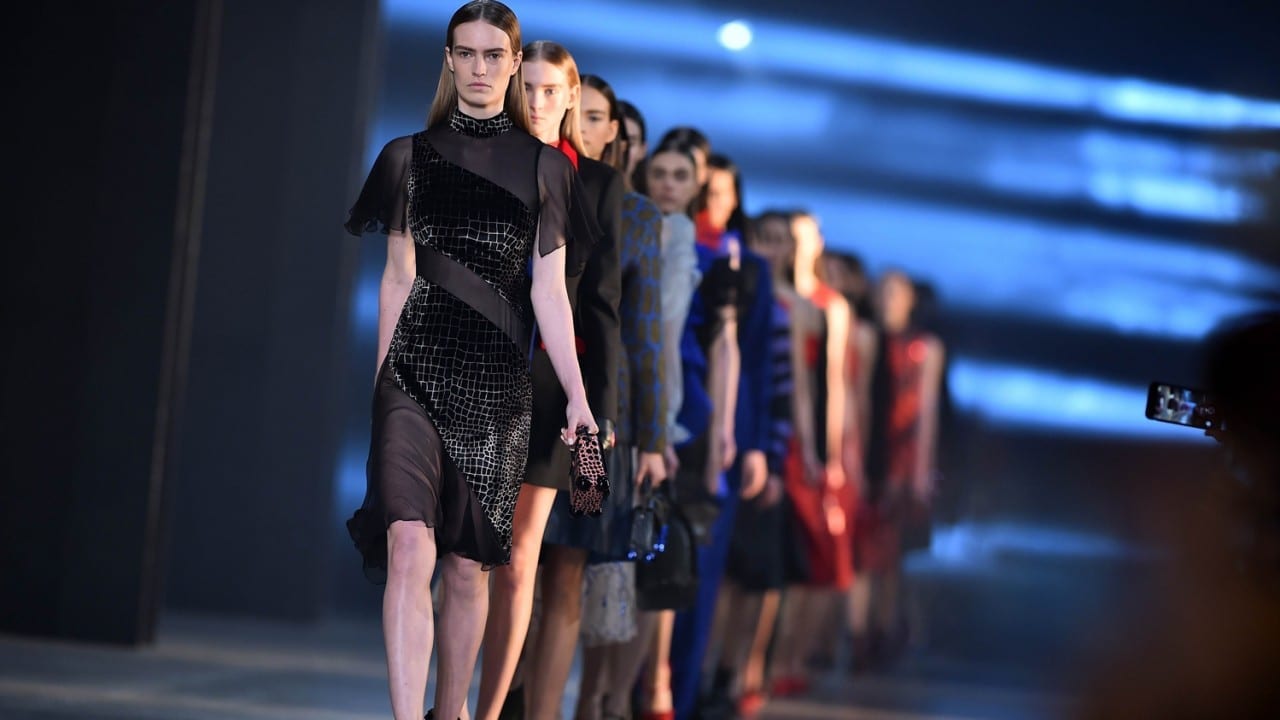
    Shanghai Fashion Week organizers announced that the event will proceed after early fears it would be postponed due to the coronavirus outbreak.

    The organizers released a statement saying Shanghai Fashion Week will be held on the same dates earlier scheduled: March 24-30.

    Since the coronavirus crisis began in late January, Chinese fashion industry professionals have been unable to participate in fashion weeks held in London, Milan, and Paris. But they are expected to participate in the coming event where more than 100 Chinese designers and brands are expected to showcase their 2020 Autumn/Winter designs.

    Live Streaming is also expected to be used in marketing their Spring/Summer products.

    “We hope this new form will allow designers to try different ways to display their design and different channels to market and sell,” vice secretary of Shanghai Fashion Week committee, Lu Xiaolei said.

  • Bossini Taiwan stores will be closed before summmer

    Bossini Taiwan stores will be closed before summmer

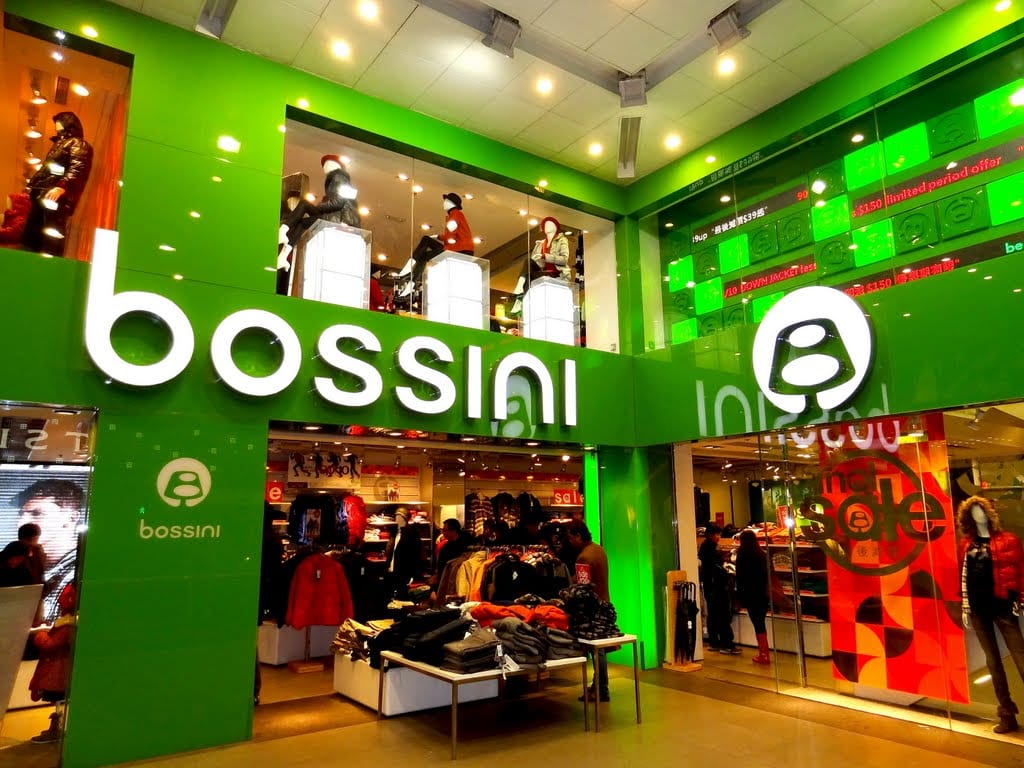
    Hong Kong-headquartered apparel chain Bossini is to close down its Taiwan business, expecting to close all 51 stores by July 31.

    Chairman Bess Tsin said Bossini Taiwan will start discussions with landlords over terms for exiting leases early and all employees made redundant will be compensated as required by local laws.

    She expects the closure to result in one-off costs of HK$20 million (US$2.57 million), subject to the outcome of landlord negotiations.

    Bossini Taiwan was launched in 1992, an early foray into the Greater China market for the brand.

    “The decision to withdraw from the Taiwan market is a difficult one for the company,” said Tsin. “However, due to the continuing sluggish consumer market in Taiwan over the last two decades, Bossini Taiwan has been loss-making since the 2005/06 financial year.”

    Tsin said given the current challenging market conditions in Hong Kong and Mainland China, the board resolved yesterday that it was in the best interests of the company and its shareholders to cease the Taiwan operations and focus its resources on its other major markets.

    Last month, Bossini revealed a loss of HK$93.7 million (US$12 million) during the six months to December – more than triple the $25.7 million loss of the same period a year earlier. Sales were down 20 percent to $699 million ($89.9 million).

    “The company and the board would like to express their greatest gratitude to the management and staff of the Taiwan division for their unwavering support to the group in the past years,” she said in a stock exchange filing.

  • Jordan launches first women’s apparel capsule collection

    Jordan launches first women’s apparel capsule collection

    Athletic apparel fashion label Jordan has launched a new capsule collection prominently featuring a flight suit design.

    The function-first jumpsuit design with a streetwear edge signals the collection’s style ethos; delivering a selection of new everyday items specifically for women, with “a defiant transformation of archetypical clothing”.

    Jordan Women’s Flight Utility Apparel Capsule Collection is available at Hong Kong’s Her boutique with fashion and gastronomy, complemented by Jordan-themed drinks and treats from the Her cafe, through to March 31.

    The new flight suit, along with other items in the collection, takes inspiration from the Wings lines of Michael Jordan’s mid-80s flight.

    “The capsule collection is a beautiful blend of streetwear utility with fashion influence and is underpinned by the authenticity of the brand’s heritage,” said Jordan Women’s Apparel design director Michelle Walter. “For example, traditional elements from MJ’s original flight suit are brought to life within the Bomber Jacket’s silhouette and featured Wings lines.”

    All pieces in the inclusive capsule are designed to serve a range of body types, and most are also available in Asian fit and plus sizing.

  • India is now H&M’s fastest-growing market

    India is now H&M’s fastest-growing market

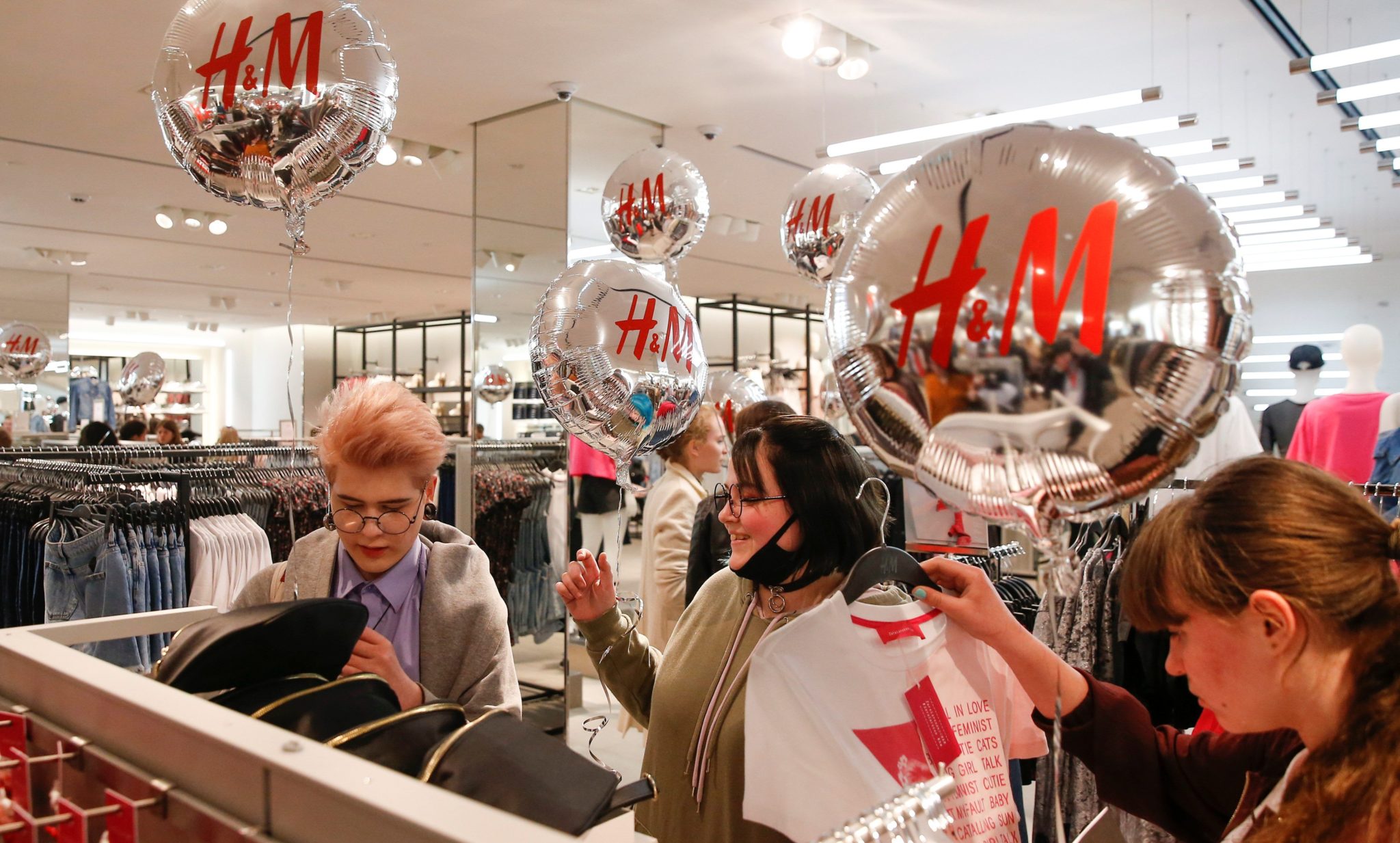
    Fast-fashion retail giant H&M has labeled India its fastest-growing emerging market.

    The firm is now targeting ₹2,000 crores (US$280,000) in turnover from the territory, a goal it is likely to achieve by the end of this year despite signs of reduced domestic consumption.

    H&M’s growth in the region has benefitted from both online and offline efforts, along with its collaborations with local partners and the affordability of the brand. It operates 47 outlets in the country, compared to 22 run by rival firm Zara, with financial figures suggesting it may have a leading edge in terms of sales.

    According to a report in the Business Standard, H&M India country head Janne Einola has indicated H&M will target tier-II and -III markets for future store locations. It is expected to launch up to 10 new Indian stores this year, as well as diversify its product range into different sectors such as home furnishings and beauty, as well as traditional Indian clothing.

  • India became H&M’s fastest-growing market

    India became H&M’s fastest-growing market

    Fast-fashion retail giant H&M has labeled India as its fastest-growing emerging market.

    The firm is now targeting ₹2,000 crore (US$280,000) in turnover from the territory, a goal it is likely to achieve by the end of this year despite signs of reduced domestic consumption.

    H&M’s growth in the region has benefitted from both online and offline efforts, along with its collaborations with local partners and the affordability of the brand. It operates 47 outlets in the country, compared to 22 run by rival firm Zara, with financial figures suggesting it may have a leading edge in terms of sales.

    According to a report in the Business Standard, H&M India country head Janne Einola has indicated H&M will target tier-II and -III markets for future store locations. It is expected to launch up to 10 new Indian stores this year, as well as diversify its product range into different sectors such as home furnishings and beauty, as well as traditional Indian clothing.

  • Forever 21’s new owners tap H&M executive to lead turnaround

    Forever 21’s new owners tap H&M executive to lead turnaround

    The new owners of failed US fast-fashion firm Forever 21 have appointed a key H&M executive to take charge of a turnaround plan.

    Two of the chain’s landlords, Simon Property Group and Brookfield Property Partners, teamed with Authentic Brands Group to purchase the business for a bargain-basement price of just US$81.1 million. However, the consortium has also assumed some $300 million in liabilities as part of the deal.

    Former H&M US president Daniel Kulle has been appointed the firm’s new CEO. He will work with the new owners to maintain the majority of the 450-odd stores across the US. Some overseas stores will be licensed to local operators. The owners will seek to expand the brand throughout China, Southeast Asia and in other key markets, having already launched an online-first strategy.

    Under Kulle’s leadership, the brand will focus on current design trends, speed to market, sustainability and a younger target audience.

    “Forever 21 is a powerful retail brand with incredible consumer reach and a wealth of untapped potential,” said ABG founder, chairman, and CEO Jamie Salter. “We’re looking forward to working with the Forever 21 team and our global partners. Together, we’ll revitalize the brand’s core business and connect with audiences around the world through new product offerings and experiences.”

  • Hong Kong Fashion Week and Spring Fairs postponed

    Hong Kong Fashion Week and Spring Fairs postponed

    Hong Kong Fashion Week and seven other Spring Fairs which were scheduled for April have been deferred until July 25-28, due to the coronavirus crisis.

    “The safety of exhibitors and buyers has always been a priority,” the organizer of the events, the Hong Kong Trade Development Council (HKTDC) said in an email announcing the postponements.

    “Considering the current development of the novel coronavirus outbreak, and in line with the health measures taken by the Hong Kong SAR Government, a decision has been made in consultation with industry representatives to reschedule eight HKTDC trade fairs.”

    The fairs are Hong Kong Fashion Week, Hong Kong International Lighting Fair (Spring Edition), Hong Kong Electronics Fair (Spring Edition), International ICT Expo, Hong Kong Houseware Fair, Hong Kong International Home Textiles and Furnishings Fair, Hong Kong Gifts & Premium Fair and the International Printing & Packaging Fair.

    “As always, the HKTDC will make every effort to provide fair participants with safe, efficient and effective trading platforms in the future, while helping enterprises maximize their business opportunities through multiple global channels,” the statement concluded.

  • Denim makers welcome novel sustainability initiatives

    Denim makers welcome novel sustainability initiatives

    Global denim makers have long faced questions over their sustainability credentials, but recent developments across the industry are helping to show it in a more positive light.

    From the amount of water required to produce a pair of jeans, to the chemicals used in production, the sector is starting to make a concerted effort to move away from the stigma it has attracted over the years.

    Among efforts to drive change is the move by denim conference Kingpins Transformers to become the Transformers Foundation, a non-profit entity focused on driving change in key areas of the denim supply chain such as social responsibility, sustainable cotton, responsible chemical management and consumer education.

    Elsewhere, experts from denim makers have contributed to the ‘Jeans Redesign Guidelines’ to help fashion brands and manufacturers make jeans that meet minimum requirements for durability, material health, recyclability and traceability.

    In terms of product development, Spanish manufacturer Tejidos Royo has collaborated on an environmentally friendly indigo yarn-dyeing process that uses foam instead of water. According to the firm, Dry Indigo uses zero water in the dyeing process, reduces energy consumption by 65 percent during manufacture, and uses 89 percent fewer chemical products. It is also said to completely eliminate wastewater discharge.

    Industry heavyweight Gap announced last summer its Banana Republic brand would pilot the technology.

    US start-up Tinctorium is also attempting to eliminate the need for toxic chemicals in the color production process by producing indigo dye using bio-engineered bacteria. The bacteria secrete an indigo precursor that is mixed with an enzyme to create a liquid indigo solution that can be directly applied using existing denim equipment.

    However, while there has been a marked shift in the sector, denim makers and fashion brands must not rest on their laurels. There remains a great deal of work to be done to further improve the denim supply chain.

  • Embattled Esprit posts another loss as sales tumble SE Asia

    Embattled Esprit posts another loss as sales tumble SE Asia

    Embattled fashion label Esprit posted another loss in the December half-year, as sales plunged by HK$1 billion – largely due to a major store cull in Asia.

    Esprit recorded a loss of HK$331 million (US$42.46 million) for the period, compared with a $1.773 billion (US$227 million) deficit in the December 2018 half. The previous year’s figures were impacted by one-off restructuring costs and write-downs associated with implementing its strategic plan.

    Global sales were down from $6.766 billion ($867.931 million) to $5.763 billion ($739.249 million). In Asia, the company reported a sales decline of 40 percent, as it heavily rationalized its store network.

    Despite the red ink, Esprit’s management says the execution of its strategic plan to restructure the company and revitalize the brand “has continued to progress well and is on track”.

    “Overall, the management is pleased with the performance of the group for the six months … as we have delivered financial results in line with management expectation despite the challenging market conditions,” it said in a results filing.

    Asia, where Esprit has stores in China, Singapore, Malaysia, Taiwan, Hong Kong, Macau, Thailand and the Philippines, accounted for just 7.2 percent of group sales in the period. Sales across the region fell 40 percent year on year, mainly due to a 36-per-cent reduction in the trading area as unprofitable stores were closed.

    The Asian network was culled from 82 standalone stores on January 1 to just 55 by December 31 and concession counters from 111 to 75. All 33 outlet stores in the region were closed last year.

    “Consumer traffic remains one of the biggest problems for retail in the region which recorded a decline in comparable consumer traffic of approximately 23 percent. Comp-store sales in the region declined by 16.9 percent,” the company said.

    In China, Esprit entered into a partnership with Mulsanne Group to manage the market, which it says will create a strong base for the brand, improve the relevance and accelerate growth.

    In Europe, which now accounts for 45 percent of its sales, the company has increased the proportion of stock sold at full price, improved its gross profit margin and grew comp-store sales in three of the six months.

    Global operating costs were slashed by 20 percent during the half-year, and underlying operations “almost broke even” with a loss of HK$15 million (US$1.9 million).

    “Today the group’s business is in a much better state than 12 months ago,” the company said in its results filing. “It is leaner, quicker, fitter, more agile, and is well along the way to creating a new culture which is all about empowering and having fun while delivering results.”

  • Burberry delivers AR technology to Google Search

    Burberry delivers AR technology to Google Search

    International luxury brand Burberry has launched an Augmented Reality (AR) shopping tool using Google Search that allows consumers to visualize its products within their immediate surroundings.

    The app embeds 3D images of the products in users’ environments as captured via their smartphone cameras, allowing them to “see” their prospective purchases as if they were right in front of them.

    Consumers searching for Burberry products on Google will be able to access the AR images so as to have a clearer conceptualization of the product before purchase. The tool is intended to enhance the inspiration phase of the decision to purchase, which is now thought to be becoming increasingly important for luxury consumers.

    The tool is currently available within searches for the brand’s Black TB bag or Arthur Check Sneaker conducted within the US or UK, with plans for global rollout for a variety of products over the coming months.

  • Uniqlo Singapore goes paper shopping bags

    Uniqlo Singapore goes paper shopping bags

    Uniqlo Singapore is ditching its plastic shopping bags in favor of paper.

    The decision reflects a global move by the brand to become more environmentally friendly and reduce its reliance on single-use plastics. The new bags will retail at 10 cents each, with a more robust eco-friendly tote bag available at SG$2.90.

    Uniqlo’s Japanese parent Fast Retailing Group announced intentions to eliminate unnecessary plastics use throughout its supply chain in July last year. The firm plans to reduce single-use plastic by 85 percent (around 7800 tons annually) by the end of this year.

    Uniqlo is also addressing other factors in its supply chain, including reducing the volume of water used in its jeans washing process by an average of 90 percent as well as introducing new material in its clothing items – Dry-Ex – derived from recycled plastic bottles