Category: Fashion

Retail News Asia is committed to providing both local and global retailers with the latest Fashion news throughout the Asian market. This on a daily base.

  • Private-equity rivals bid for Hong Kong tag-maker SML Group

    Private-equity rivals bid for Hong Kong tag-maker SML Group

    Private-equity businesses are among firms preparing bids to buy Hong Kong garment-label maker SML Group.

    The companies – Bain Capital, Boyu Capital and MBK Partners – are believed to have already made formal offers for the firm, according to those familiar with the transaction. Although details of the bids remain tightly held, it is expected that the sale could be worth US$400–500 million.

    SML Group has been working with Citigroup since at least January in its attempts to attract a buyer for the business. The company makes hang tags, price tickets, and woven and printed labels, as well as buttons and zippers.

    Founded in a warehouse office in 1985, the company has since expanded both organically and via acquisitions.

    The firm began in a warehouse in Hong Kong more than 30 years ago and now boasts factories or offices in 30 countries, including Indonesia, Spain, the US, and Mexico.

    None of the parties involved in the potential transaction have thus far not issued comments to the media.

  • Pomelo Becomes First Fashion Brand in Southeast Asia to Launch In-App Livestream with Unveiling of Spring Summer 2020 Collection

    Pomelo Becomes First Fashion Brand in Southeast Asia to Launch In-App Livestream with Unveiling of Spring Summer 2020 Collection

    Pomelo, Asia’s leading omnichannel fashion brand, marks a new decade of innovation and style by debuting its in-app Livestream tech with the launch of its eclectic Spring Summer 2020 Collection. This marks the first time a fashion brand in Southeast Asia is unveiling such an immersive in-app capability, bringing fans closer to the heart of the fashion experience through technological innovation.

    Showcasing a more engaging omnichannel experience, the launch of the Spring Summer 2020 collection will be fully live streamed via the Pomelo app, giving fans an exclusive sneak peek at the collection ahead of its official launch. With special appearances by Pomelo campaign ambassadors including Davika Hoorne, one of Southeast Asia’s most prominent actresses, fans and fashion observers from across the region will be able to catch all of Pomelo’s highly-anticipated content in real-time, beginning with the launch showcase happening on February 27th at 5:30 pm SGT in Singapore. Beyond bringing all the excitement of the launch through live video content, fans can also catch exclusive, on-site interviews with all their favorite fashion personalities from the collection, staying engaged by actively participating in the whole experience through interactive Q&A sessions. Co-developed by Pomelo’s in-house developers, together with interactive streaming and marketing platform Geddit, the in-app Livestream functionality will be fully shoppable from March onwards.

    “As the retail landscape continues to evolve, Pomelo stands out by bringing dynamic experiences to fans that combine shopping with engaging, real-time content. Constant innovation and a strong dedication to reinventing the omnichannel experience are a large part of Pomelo’s DNA, and we’re confident that the launch of the new in-app Livestream feature, amongst other new developments still to come, will enable us to be at the forefront of driving innovation in this industry,” said Jean Thomas, CMO of Pomelo.

    Launching in the lead-up to International Women’s Day, the Spring Summer 2020 collection draws inspiration from six industry game-changers that hail from Southeast Asia, offering a vibrant melange of styles to empower women of all backgrounds, championing self-confidence and inclusivity, while encouraging the community to uplift one another.

    From entertainment moguls to self-made entrepreneurs, the collection tells the stories of trailblazing women who represent different facets of the Pomelo community, including Thailand’s Davika Hoorne, Singapore’s Layla Ong, a wavemaker in the international modelling circuit and Indonesia’s Raline Shah, popular actress and philanthropist. The dynamic roster also includes fitness model and influencer Madi Ross, beauty entrepreneur Jessica Wilson; the co-founder of makeup brand, Sunnies Face, and finally, Asia’s Next Top Model alumni Tuti Noor from Malaysia.

    Inspired by these women and those of the Pomelo community, the latest collection ushers in a spring and summer of transformation. Channelling the vibes of a Palm Springs getaway, the collection features a full pastel palette with hints of summer florals, vibrant ginghams, and pops of eyelet. From airy gowns to tiered silhouettes, the pastel-themed collection is filled with this summer’s must-haves for women from different walks of life, celebrating #POMELOGIRLS on their journeys of self-discovery.

  • Bargain rate for Victoria’s Secret proves it was ‘asleep in a woke market’

    Bargain rate for Victoria’s Secret proves it was ‘asleep in a woke market’

    That L Brands has opted to sell a majority stake in Victoria’s Secret is a tacit recognition that the brand was on the road to nowhere under its previous leadership.

    This is underlined by the departure of Les Wexner as CEO and chairman of the company.

    The deal with private-equity company Sycamore potentially gives Victoria’s Secret a chance to reassess and rebuild. However, the transaction itself is not a solution – that can only come from a process of reinvention which will take both time and money to enact. This is one of the reasons why the sale of the 55 percent stake netted a relatively slim US$525 million; the truth is that the Victoria’s Secret brand no longer attracts a premium in the way it once did.

    While still a retailer of a significant scale, Victoria’s Secret has become increasingly detached from the consumer zeitgeist. Management has seemingly recognized this to be the case on many occasions but has always lacked the will or the knowledge to make the necessary changes. This has resulted in a steady decline in both customers and sales and the loss of a significant amount of market share.

    Sycamore will be keen to maximize its investment and its closer involvement with the company will bring new thinking and ultimately a new positioning for the brand. We expect this to be more authentic, less sexualized, and more attuned to the way most consumers now think. In product terms, we expect merchandise will still be fashionable and fun, but more emphasis will be placed on comfort, functionality, materials and making consumers feel good about themselves.

    This transformation will not happen overnight; it is not as simple as simply flicking a switch to turn off a proposition that has been misaligned for years. The board will need to be careful in charting a new course that resonates with consumers and addresses new competitive challenges such as the rise of rival brands like Aerie.

    Aside from its significant minority stake in Victoria’s Secret, L Brand is now a company focused on the Bath & Body Works business. In our opinion, Bath & Body Works still has significant potential, especially in terms of expanding into overseas markets and attracting new shoppers to its stores. However, it’s long run of very strong growth does make future gains harder to come by and L Brands will need to pull out all the stops to deliver them.

    The 55-per-cent sale transaction could have been avoided if L Brands had taken decisive action on Victoria’s Secret a long time ago. That it did not has cost the company what was once a key brand and has diminished its sale value. Ultimately, that is the price of being asleep in a market that has become more woke.

  • Indonesian beauty brand Natasha Skincare to launch in Malaysia

    Indonesian beauty brand Natasha Skincare to launch in Malaysia

    Indonesian beauty brand Natasha Skincare to launch in Malaysia

    Indonesian beauty brand Natasha Skincare is to launch in Malaysia after forming a local joint venture with JCG Investment.

    The new company, Natasha Beverly, will launch this month in Kuala Lumpur’s trendy Bangsar, opening a four-story facility housing a medical aesthetic clinic, medi-spa, chiropractor and physiotherapy services. It will be the sole distributor for Natasha products in Malaysia and Singapore.

    Currently, among the leading beauty brands in Indonesia, where it has more than 100 outlets, Natasha Beverly will sell natural science beauty treatments and products for teenagers, men and women. It is known in its home market for its Halal-certified products.

    JCG’s executive director and CEO Ang Kok Huan says bringing the brand to Malaysia is part of a strategy to grow and expand its existing medical aesthetics, cosmetic surgery, healthcare and wellness businesses.

    “We have been proactively looking for strategic partners and business opportunities to further deepen our group’s core businesses and expand our geographical reach,” he said. “Last year we welcomed Malaysia-based Beverly Wilshire Medical Group led by its executive chairman Dato Francis Ng; and now we have inked our relationship with Natasha – the leading beauty brand in Indonesia.

    “We look forward to working with more like-minded partners to build our Group into a leading medical aesthetics, cosmetic surgery, healthcare and wellness brand in the region.”

    In the long term, doctors and operators working for the business will hold 10 per cent of the company’s shares.

  • Laura Ashley loss doubles but received a financial lifeline

    Laura Ashley loss doubles but received a financial lifeline

    Embattled Malaysian-owned fashion and lifestyle retailer Laura Ashley has reported a 166-per-cent increase in half-year loss to £4 million, citing lower sales of home furnishings and Brexit uncertainty in its key UK market.

    But on a positive side, the company has reached an agreement with its lender Wells Fargo to draw down funds necessary to continue trading as it continues to restructure.

    Group sales fell by 10.8 percent to £109.6 million. While the company blamed the closure of three stores for the decline, same-store sales were down 10.4 percent. Online sales fell by 15.5 percent.

    “The decline in total revenue was due to the market headwinds and weaker consumer spending during the period, which led to a decline in sales of bigger ticket items,” the company said in a result filing.

    “Whilst these results are disappointing, we believe that with the right focus and support, Laura Ashley has a strong future and can be successful again.

    “In the autumn of 2019, we carried out a strategic review of the business to set the future direction of the company and return Laura Ashley to the great British brand that is known and cherished around the world. This includes reconnecting with our traditional values and our strong British heritage.”

    Meanwhile, the company denied reports that it would receive investment funding from Japanese retailer Muji.

    Georgina Sreeves, an associate retail analyst at GlobalData, said that while ‘Laura Ashley’s £20 million lifelines from Wells Fargo gives the company chance of recovery, its results reveal just how much work it will have to do to secure a long term future.

    “Once a British icon, the brand has since lost its charm and notable styles,” she said.

    In an attempt to re-establish its footing in the ranks of British fashion, Laura Ashley recently partnered with British luxury brand, Barbour and launched collaborations with Urban Outfitters and Rag & Bone which Sreeves said will boost Laura Ashley’s relevance. But it needs to do more.

    “The brand should consider a revival of its vintage pieces and prints that have been lost in the attempt at modernizing its image. To garner attention, Laura Ashley should follow suit of Argos, and publicize the archives of its once-famous home decoration catalog, and create capsule collections inspired by its vintage past. To supplement its sustainability, which currently is only held up by its use of local suppliers, the brand should consider creating garments out of leftover, unwanted material, just as Laura Ashley did when the brand was founded.”

    Sreeves added that its hopes to expand in Asia to offset difficulties it is facing in the UK will likely face delays due to the impact of coronavirus on consumer spending.
  • Uniqlo Singapore Switches to Eco-friendly Paper Bagsto Reduce Single-Use Plastic

    Uniqlo Singapore Switches to Eco-friendly Paper Bagsto Reduce Single-Use Plastic

    From 2 March onwards, UNIQLO Singapore will replace plastic shopping bags with eco-friendly paper bags, as part of the company’s global efforts to create a sustainable business that considers for the environment. To further promote reducing the use of traditional shopping bags and making effective use of resources, UNIQLO will be launching a new eco-friendly tote bag at SGD$2.90 and will price its eco-friendly paper shopping bag at SGD$0.10 each.
     
    This comes after the announcement by Fast Retailing Group, the parent company of UNIQLO, in July 2019 to eliminate the use of unnecessary plastic throughout its supply chain, and to reduce the amount of single-use plastic handed to customers, including shopping bags and product packaging. The aim is to reduce single-use plastic by 85% or around 7,800 tons annually by the end of 2020.

    “Respect the Environment” is one of UNIQLO’s six priorities for sustainability, and together with Fast Retailing, it is proceeding to eliminate all forms of waste and establish a business with minimal impact on the environment. Environmental pollution from plastic waste is a growing concern worldwide, and UNIQLO is taking action to reduce unnecessary single-use plastic from its operations. This will help minimise the environmental impact of its business, while offering products and services customers can use with confidence.

  • Sa Sa teams up with Shopee to revitalise its onlineretail strategy, strengthens presence in Singapore

    Sa Sa teams up with Shopee to revitalise its onlineretail strategy, strengthens presence in Singapore

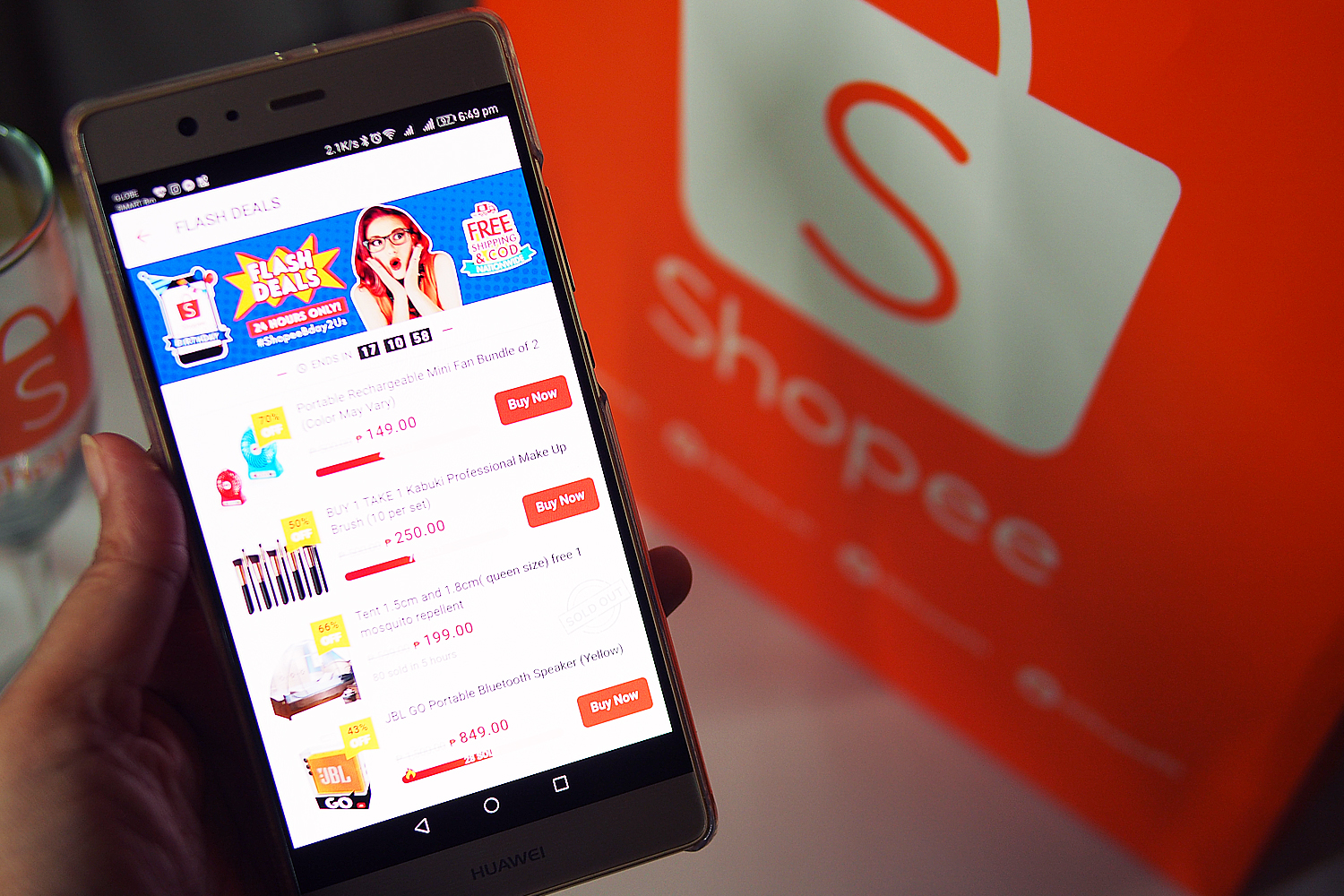
    Shopee, the leading e-commerce platform in Southeast Asia and Taiwan, has announced its partnership with Sa Sa Dot Com Limited (“Sa Sa”), a subsidiary of Sa Sa International Holdings Limited. The Shopee-exclusive Sasa Official Store launched on Shopee Mall in Singapore yesterday, marking the start of Shopee Brands Festival – an 11-day long campaign featuring a host of exciting sales, deals, and promotions.

    With the launch of the Sasa Official Store on Shopee in Singapore, Sa Sa aims to not only strengthen its online presence, but also tap on Shopee’s extensive user base to reach a wider audience. The strategic partnership between both brands will enable Shopee to drive greater growth in one of its top-performing categories, Beauty & Personal Care, by providing users access to a greater assortment of products on the platform. This includes luxe beauty products such as the SK-II Facial Treatment Essence, Lancome Youth Activating Concentrate, and Shiseido Ultimune Power Infusing Concentrate.

    Dr Simon Kwok, SBS, JP, Chairman and Chief Executive Officer, Sa Sa International Holdings Limited, said “We are excited to boost our online retail strategy through this partnership with Shopee, the leading e-commerce platform in the region. The launch of the Sasa Official Store will allow us to bring a greater variety of beauty products and tools to a wider audience. This will enable us to effectively drive sales growth and lay a solid foundation for the development of our new retail model. We look forward to strengthening our e-commerce business further and are positive that working with Shopee will allow us to achieve success in the near future.”

    Zhou Junjie, Chief Commercial Officer, Shopee, said “Shopee is committed to helping our brands and retail partners unlock their full potential, and Shopee Brands Festival demonstrates our dedication to empowering new and existing brands on our platform. This campaign is another step forward for us in bringing our users the most popular and exciting products from their favorite brands. We look forward to working closely with Sa Sa, starting with the launch of its Shopee-exclusive store.”

    The Sasa Official Store launched exclusively on Shopee yesterday. Users can look forward to deals of up to 60% off all Sasa products storewide, vouchers, and more during Shopee Brands Festival.

    Running from 20 February to 1 March 2020, Shopee Brands Festival will give users access to a variety of exciting deals, promotions, and sales across a host of popular brands including Bose, 3M, Colgate, Enfagrow, and more. In Singapore, the campaign will feature more than a week of super promotions, with key highlights including:

    • 10 back-to-back Super Brand Days with exclusive deals and product launches across leading brands

    • Lowest Price Guaranteed on products such as the Apple MacBook Air 13-inch, SK-II Facial Treatment Essence, Dyson Supersonic Hair Dryer, and more

    • A chance to win up to 80,000 Shopee Coins with Shopee Shake, which will run twice daily from 21 February to 1 March

  • Chow Tai Fook completes Enzo purchase

    Chow Tai Fook completes Enzo purchase

    Chow Tai Fook has completed a full acquisition of the luxury colored-gem jewelry brand Enzo.

    Enzo currently operates 60 points of sale in Mainland China, most of which are in Tier I and II cities. It also maintains a robust presence on several major Chinese e-commerce platforms.

    Under Chow Tai Fook’s ownership, the Enzo brand aims to expand its footprint further in the territory through both self-operated and franchise models.

    “Distinguished by exquisite craftsmanship and creativity, Enzo will continue its niche position as a natural colored gem specialist to complement the group’s multi-brand strategy, enabling us to further venture into the colored gemstone arena,” said Chow Tai Fook executive director Adrain Cheng.

    “On the other hand, Enzo can leverage Chow Tai Fook’s retail and industry know-how to generate greater values to its customers.”

  • Bossini profit down as protests hit Hong Kong sales

    Bossini profit down as protests hit Hong Kong sales

    Apparel retailer Bossini has revealed a loss of HK$93.7 million (US$12 million) during the six months to December – more than triple the $25.7 million loss of the same period a year earlier.

    Sales were down 20 percent from $875 million to $699 million ($89.9 million).

    The bleak results were not unexpected, after the company filed a profit warning last week estimating a deficit ranging between $85 million and $105 million.

    While 58 percent of Bossini’s revenue comes from Hong Kong and Macau, the group has a presence in 30 countries and regions around the world and 1086 stores in all, of which 287 are company-run the remainder franchised. China accounts for 23 percent, Taiwan 11 percent and Singapore 8 percent.

    Overall sales per square foot fell 18 percent from $4000 to $3300 across the Bossini network. In Hong Kong and Macau retail sales were down by 29 percent as protests and geopolitical issues decimated the number of inbound mainland Chinese tourists. Sales on the mainland fell by just 3 percent.

    Chairman Bess Tsin said in the interim results that Hong Kong is poised to recover from months of social activities with government stimulus plans long-awaited to ease social and economic hardship, “in spite of political turmoil that will likely continue weighing on domestic activity”.

    “Disastrously, the novel coronavirus infection threat is heavily weighing on inbound tourism and local consumption sentiment is expected to last months, bringing another blow to the fragile economy. The business environment for retail trade has become even more difficult.”

  • Calvin Klein and AllSaints Ban fur Acrross Ranges

    Calvin Klein and AllSaints Ban fur Acrross Ranges

    Hong Kong fashion brands management firm Global Brands Group says it will ban fur across its Calvin Klein and Allsaints clothing ranges.

    The ban is not the group’s first of its kind, according to a report by Livekindly. In recent years it has already moved to ban ostrich skin and angora wool.

    “Peta applauds Global Brands Group for its compassionate and business-savvy decision to ban fur,” said animal rights organization Peta (People for the Ethical Treatment of Animals) executive VP Tracy Reiman, “which shows that the future of fashion is vegan.”

    Other major clothing brands placing similar bans include Gucci, Burberry, Karl Lagerfeld, Prada, and Chanel, as has retail giant Macy’s, owner of Bloomingdales. Gucci’s president and CEO Marco Bizzarri has said publicly that animal fur is “outdated”.

    “Over the past two years, we have been closely following consumer and brand trends, listening to our customers and researching alternatives to fur,” said Macy’s CEO Jeff Gennette. “We’ve listened to our colleagues, including direct feedback from our Go Green Employee Resource Group, and we have met regularly on this topic with the Humane Society of the United States and other NGOs. Macy’s private brands are already fur-free so expanding this practice across all Macy’s, Inc. is the natural next step.”

  • Puma experiences its best year yet as sales soar globally

    Puma experiences its best year yet as sales soar globally

    Puma’s worldwide sales surged 18.4 percent last year, to €5.502 billion and its pre-tax profit rose 40 percent to €262 million.

    But the positive results were tempered by a warning from CEO Bjorn Gulden about the year ahead given the outbreak of coronavirus in China.

    “After a good start into 2020, February has of course been negatively affected by the outbreak of COVID-19. The business in China is currently heavily impacted due to the restrictions and safety measures implemented by the authorities.”

    He said businesses in other markets, especially in Asia, are suffering from lower numbers of Chinese tourists.

    “Given the current uncertainty around the virus, it is, of course, impossible to forecast its impact on the business. We will do everything we can in the short term to minimize the damage and remain very positive in the long term both for our industry and for Puma,” said Gulden.

    Puma’s year ended with a strong fourth-quarter result, with revenue up by 20.6 percent and pre-tax earnings up by 47 percent.

    “All regions and all product divisions were up by double-digits. This made 2019 the best year in Puma‘s history,” said Gulden. “I am very proud of what the team has achieved and thought this performance shows the global potential of the Puma brand.”

  • Aditya Birla plans to open 500 stores this year

    Aditya Birla plans to open 500 stores this year

    India’s Aditya Birla Fashion and Retail is set to launch more than 500 stores by the end of the year.

    According to reporting in The Economic Times, the firm, which owns the Pantaloons fast-fashion brand, is counting on shifting buyer interest towards its branded clothing despite economic indicators of a lull in consumer spending – and its plans represent three times the company’s normal growth rate. Aditya Birla’s strategy seeks to invigorate spending while speeding up the expansion of exclusive brand outlets, including conversion of some large wholesalers into exclusive brand outlets.

    “The general consumption habits are changing, especially in a digitally connected network, when you are seeing a desire for brands and aspiration for better quality products,” said Aditya Birla MD Ashish Dikshit.

    “There is a very large movement to buy brands and the opportunity in a country like India will keep emerging from new markets.”

    The firm also currently plans to release a line of mass-market traditional ethnic wear, which represents an estimated 30 percent of the overall apparel market in India.

  • Fashion brands urged to ‘tread carefully’ over veganism claims

    Fashion brands urged to ‘tread carefully’ over veganism claims

    Brands and retailers have been warned to tread carefully when embracing the growing veganism trend.

    “Veganism is increasingly becoming a lifestyle choice for many people, with the number of vegans in Great Britain quadrupling between 2014 and 2019, according to The Vegan Society,” says Beth Wright, apparel correspondent at GlobalData. “With this rise comes a likely surge in demand for vegan-friendly clothing and footwear.”

    Wright says it should come as no surprise that apparel and footwear companies want to be seen to be embracing veganism. But she warns that there are many issues brands and retailers must consider before declaring products free from animal-derived materials or ingredients.

    “While there are a great many gains to be made from entering the vegan fashion market, industry players must do their homework and identify the risks before joining the fray.”

    Sourcing vegan fashion products goes further than simply bypassing wool, leather and natural silk as raw materials, says Wright. Retailers must also take care to guard against the use of a number of dyes, glues and chemicals that are derived from animals.

    To help address and tackle these complexities, the British Retail Consortium (BRC) has created new guidelines to help retailers and brands sourced vegan fashion products, setting out steps and questions to ask both internally and of suppliers. The ‘Voluntary Guideline on Veganism in Fashion’ sets out a sequence of steps brands and retailers should take to verify their raw material ingredients.

    It aligns with previous advice from testing, inspection and certification specialist SGS Softlines Services, which notes the materials used in the production of vegan products must be robust and maintain the qualities of the animal-based materials they are replacing.

    Among the companies that have launched vegan products are Topshop, Asos and New Look, which last summer became the first high-street fashion retailer to register ranges with The Vegan Society’s Vegan Trademark.

    “Fashion brands and retailers must heed the advice from industry bodies such as the BRC in sourcing vegan products and do their due diligence,” says Wright.

    “Building a relationship between internal sourcing and buying teams and suppliers is key in not only instilling confidence along the supply chain but among consumers too.”

  • Tokyo builds its case to become the next key global city for fashion

    Tokyo builds its case to become the next key global city for fashion

    Tokyo is to host Japan’s largest fashion and art event next month – Tokyo Creative Salon – part of a plan to boost its case to become one of the world’s key fashion hubs.

    Supported by the Tokyo Metropolitan Government, Tokyo Creative Salon will be held from March 15 – 31. It will feature a variety of fashion and art initiatives across Tokyo’s five key districts: Nihonbashi, Marunouchi, Shibuya, Ginza, and Daikanyama.

    Each district will present a line-up of exhibitions and activations such as street runways, art installations, dance performances, and talk sessions. Tokyo Creative Salon will be attended by Japanese girl group Nogizaka46 together with Japanese solo artist Kavka Shishido.

    Tokyo Creative Salon Nihonbashi will feature the “Off to meet” theme, which advises visitors to turn off their mobile devices to fully experience the event. Some 10,000 Sacoche bags, which block smartphone reception, will be given out as gifts. The Nihonbashi venue will feature Sakura Menu Walk and Nihonbashi Art Gate where artists create works with the “Nihonbashi (that is) unrecognizable by the smartphone” theme.

    Tokyo Creative Salon Marunouchi will transform Marunouchi Nakadori into a red runway with full-scale fashion shows. The event also features an exhibition “Fun in the Life” by Hobonichi, allowing people to experience “Fun in the life” through valuable shops and specially prepared products and food.

    A Ginza Rooftop Project will be held on the rooftops of several landmarks including Matsuya Ginza, Ginza Mitsukoshi, Wako and Tokyo Plaza Ginza. The district will also present other fashion shows and art installations.

    Tokyo Creative Salon Shibuya will run a Shibuya Runway for a one-day-only show where up-and-coming designers present their latest styles.

    During the Tokyo Creative Salon at Daikanyama, visitors will get to try on vintage kimonos. The winning works of Fashion Koshien will also be exhibited here.

  • Chow Tai Fook Launches ‘Frozen II’ New Platinum Collection with Platinum Guild International

    Chow Tai Fook Launches ‘Frozen II’ New Platinum Collection with Platinum Guild International

    The world’s leading jeweller Chow Tai Fook, in collaboration with Platinum Guild International (PGI) and Disney, recently launched the ‘Frozen II’ new platinum collection in Chengdu, Sichuan Province. The new collection features snowflakes as the key design element, a perfect symbol to represent the pure white shine of platinum.

    Chow Tai Fook’s ‘Frozen II’ new collection is the first exclusive collaboration among Chow Tai Fook, PGI and Disney. “Our partners continue to commit to innovation that brings excitement to today’s jewellery consumers. PGI collaborates with the jewellery industry on product design, marketing and in-store activation to drive awareness and boost sales of new-generation platinum jewellery in China.” says Huw Daniel, CEO of Platinum Guild International, “Chow Tai Fook has always been a leader in platinum jewellery, and we are thrilled that they collaborated with PGI and Disney to push the boundaries of platinum innovation and consumer experience.”

    “The new collection is beautiful and unprecedented. We deeply believe there will be more collaboration in the future.” Said Chan Sit Cheong, Executive Director of Chow Tai Fook. “We are continuously innovating to achieve higher quality products, beautiful packaging and exciting brand experience. We will continue to bring better products to the market and contribute to the development of the jewellery industry.”

    The new platinum collection includes ear strings, earrings, necklaces, and bracelets in various styles, inspired by the shape of snowflakes. Pei Xiang, Merchandise Management Platinum General Manager at Chow Tai Fook, said: “Courage and fortitude are the inspirations behind the design of the ‘Frozen II’ platinum collection. Platinum is pure and strong. The enamel embellishing the heart of the snowflake is selected from the rarest blue of the Paraiba tourmaline, a colour that is unique and requires the highest craftsmanship.”

    Aside from the design innovation and craftsmanship, another excitement is the specially designed jewellery box that comes with every purchase. The box lights up in the dark, featuring the silhouette of Frozen II’s characters on its exterior, while the leading character Elsa shines on an engraved crystal above the jewellery compartment. The packaging brings extraordinary delight to the unique offering.

    Chow Tai Fook’s ‘Frozen II’ platinum jewellery collection is currently available in more than 1,000 of its stores across China, as well as e-commerce channels.