Category: Fashion

Retail News Asia is committed to providing both local and global retailers with the latest Fashion news throughout the Asian market. This on a daily base.

  • Ralph Lauren fears coronavirus will cut sales by $70 million

    Ralph Lauren fears coronavirus will cut sales by $70 million

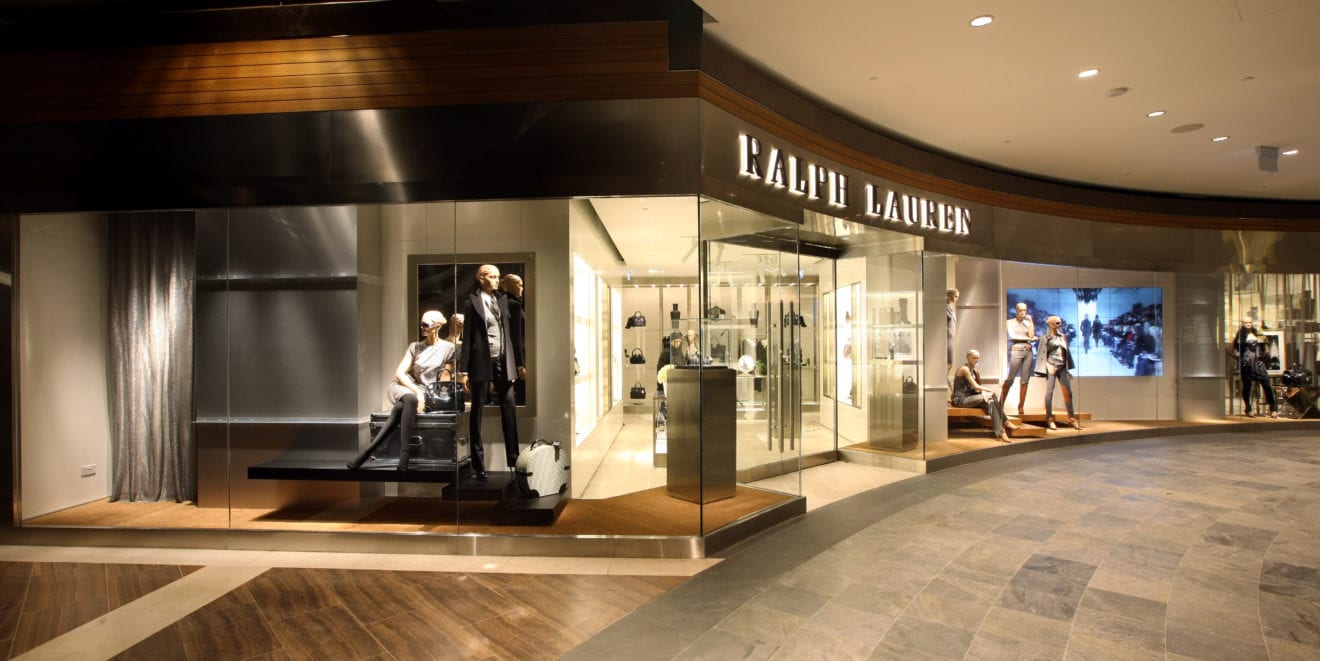
    Luxury group Ralph Lauren Corp fears the coronavirus will reduce its March-quarter sales by between US$55 million and $70 million, due to falling store footfalls in Mainland China, South Korea and Japan.

    The company says it expects “broader impact across its businesses in China and parts of Asia due to significantly reduced travel and retail traffic.” It also warned there may be some disruption to its supply chain due to the virus.

    In a bleak outlook, the company said the sales decline would reduce its operating income for Asia by between $35 million and $45 million, potentially resulting in a loss given the company reported a $38 million surplus in the same quarter a year ago.

    Asia drove $273 million in revenue this time last year

    Ralph Lauren has closed about two-thirds of its stores in Mainland China since the coronavirus broke out.

    “Our dedicated teams are operating with agility in a highly dynamic situation, and we will continue to assess the implications for our business across retail, corporate and our supply base,” said Patrice Louvet, president and CEO, in a statement.

    “While the health crisis creates near-term uncertainties, the fundamentals of our business are strong, and we continue to see significant long-term opportunities for growth in China and across Asia.”

    The company’s founder Ralph Lauren expressed sympathy for those affected by the outbreak.

    “Our hearts are with the many impacted by this virus. Our number one priority is keeping our teams, partners and consumers safe.”
  • Bossini half-year loss could quadruple

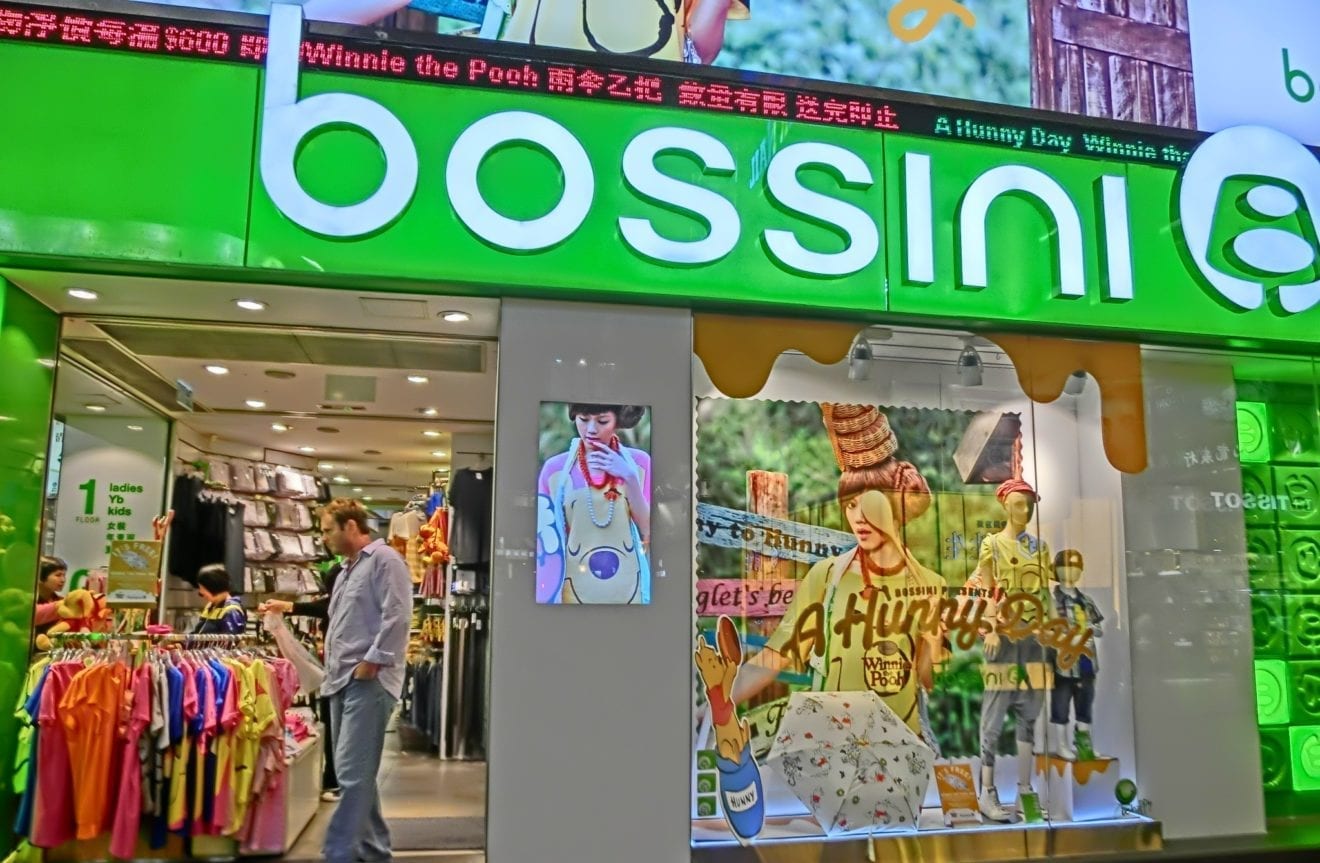
    Bossini half-year loss could quadruple

    Chairman Bess Tsin said in a stock-exchange filing that the group expects to record a loss attributable to shareholders ranging between HK$85 million and $105 million for the six months ended December 31.

    That could be as much as four times the loss of $26 million it recorded in the same six months a year earlier.

    Tsin said the loss was “mainly due to a sharp decline in inbound visitors in Hong Kong, the Mainland China-US trade disputes, weakened consumer sentiment and the unseasonably warm winter weather in several core markets where the group operates”.

    Bossini is scheduled to release its half-year results in “mid-February”.

  • Under Armour Asia-Pacific sales surge, but coronavirus impact looms

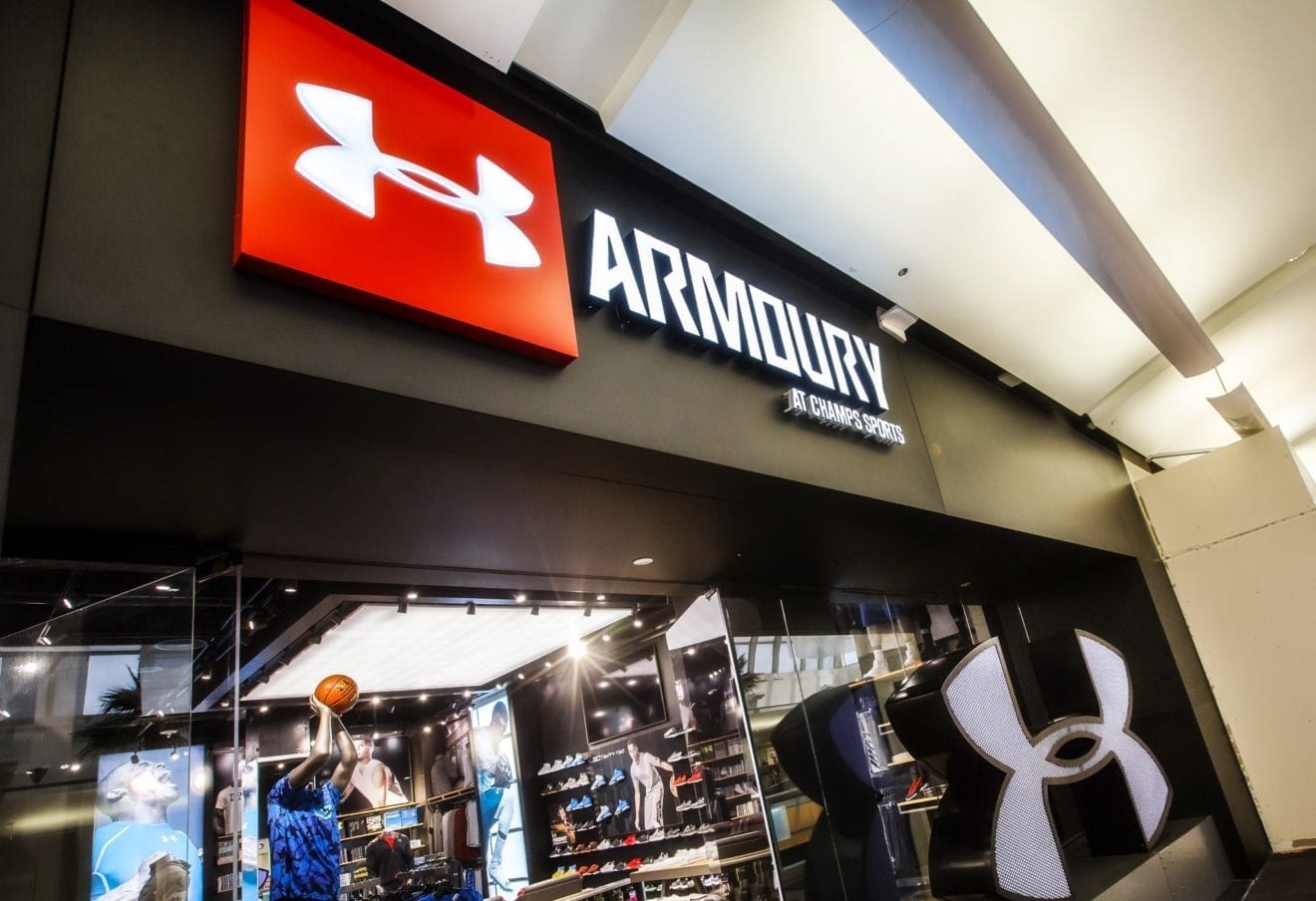
    Under Armour Asia-Pacific sales surge, but coronavirus impact looms

    Under Armour Asia-Pacific sales surged 9.8 percent in the December quarter – a far greater growth rate than the global 3.7 percent.

    The sportswear brand, which is struggling to turn around its sagging North American business, also suffered a $15 million net loss for the quarter, largely due to a $23 million tax expense.

    Under Armour Asia Pacific sales rose to $183 million and were up 11 percent on a currency-neutral basis, while global sales reached $1.44 billion, up 4.1 percent after currency adjustment.

    The company says the improved performance in Asia was due to growth in just wholesale volumes and direct-to-consumer (DTC) sales. However, the company noted that DTC performance was softer than expected due to poor performance in “key e-commerce moments” of 11.11 and 12.12 sales.

    CEO Patrik Frisk told an analyst conference call he was “not satisfied with where we are today” despite improvements in systems and infrastructure serving the wholesale and retail network.

    The company’s share price fell 17 percent after the results were released in the US yesterday, accompanied by an admission the company was considering closing its Fifth Avenue flagship store as part of further restructuring initiatives to boost performance.

    “As a brand, we see a paradox of two challenges in front of us,” Frisk said during the call. “Continued softer demand in North America, as we work through our elevated inventory and multiple years of discounting, and a highly committed cost structure which is taking longer to unpack and is limiting us from being able to spend as aggressively as we would like to increase brand consideration.”

    He also warned that the coronavirus crisis in China would significantly impact results in the current first-quarter and may cause supply-chain challenges for the full year. Some 600 stores – two-thirds of its Asia-Pacific network – are currently closed in China and Frisk expects Under Armour Asia-Pacific sales to fall by between $50 million and $60 million due to the virus.

    “Given the ongoing uncertainty, it is possible that this situation could have a significant material impact both financially and operationally on our full year, including the potential for additional top-line contraction for Under Armour.”

  • Private equity tipped to privatise Victoria’s Secret

    Private equity tipped to privatise Victoria’s Secret

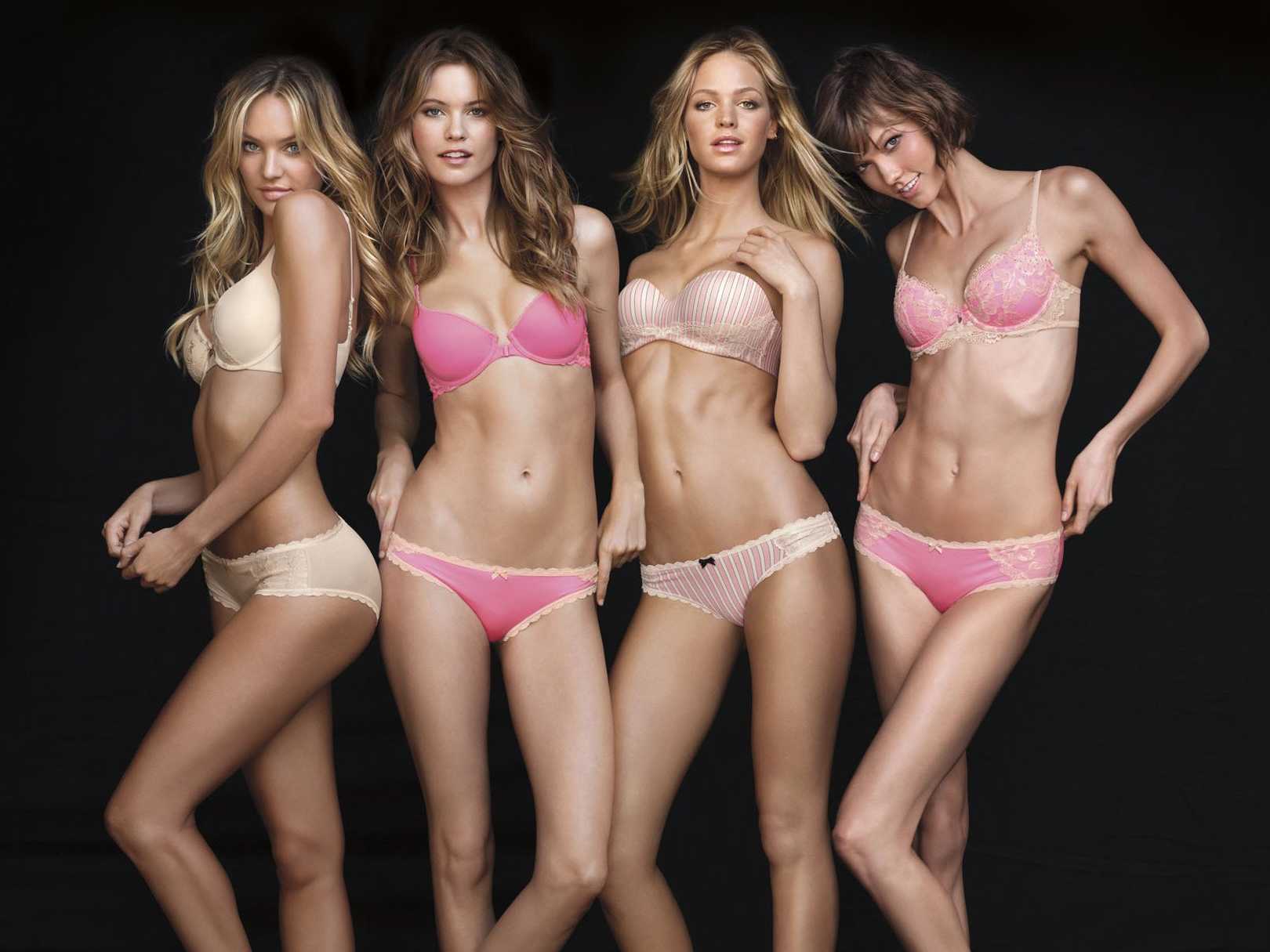
    L Brands is reportedly about to announce the sale of its troubled Victoria’s Secret lingerie business to private-equity company Sycamore Partners.

    The move would leave L Brands with just one retail business – the fast-growing Bath & Body Works, which in some US malls is reporting sales growth at 1000 basis points ahead of the shopping centers they are located in.

    Victoria’s Secret sales are down 8 percent year on year in the current fiscal year, while Bath & Body Works sales were up 9 percent in November and December.

    Whispers of a potential sale emerged in early January when it was widely reported that founder Les Wexner was planning to step down and cash up. Now, CNBC has reported that Sycamore Partners is the likely bidder with a deal to be announced as early as this week.

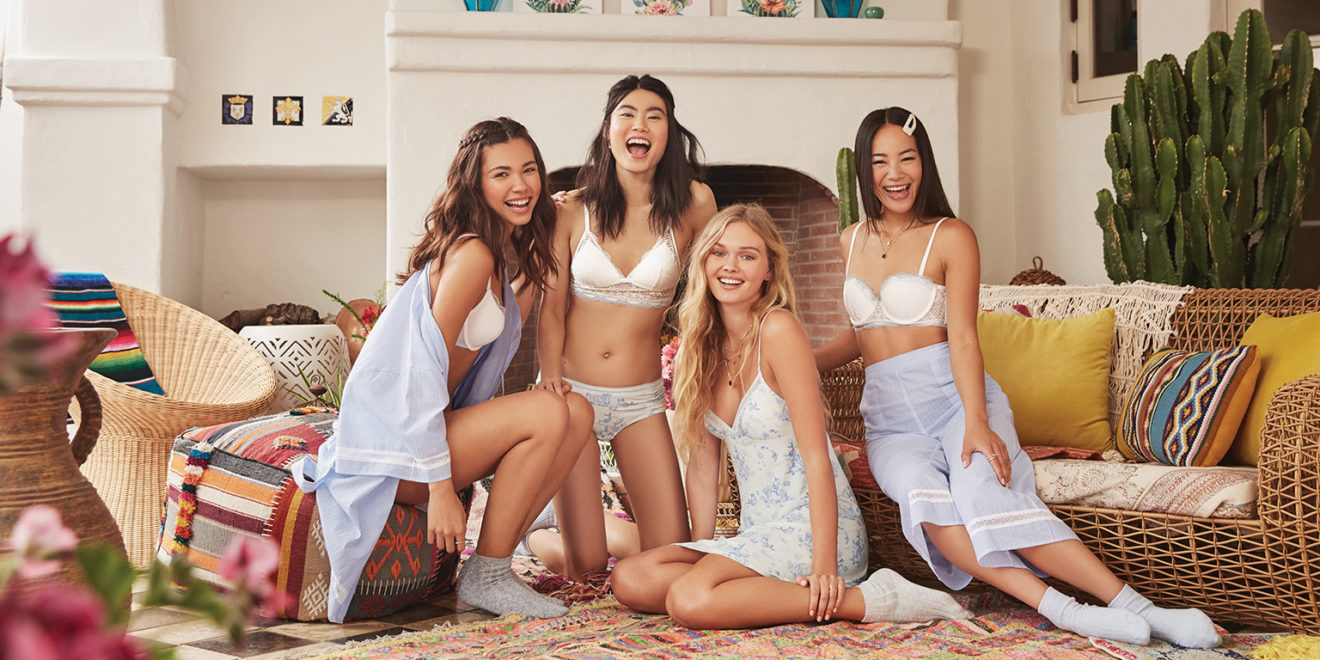
    The lingerie chain is losing market share to American Eagle Outfitters’ Aerie brand, along with Direct-to-consumer brands and one analyst, the Motley Fool described it as “losing relevance”. Last year the company discontinued its high-profile televised fashion show and the company is believed to be reviewing the future of its giant flagships as sales soften. The company’s heavy reliance on promoting sexy attire is missing its mark in a market where consumers are expecting more inclusive and diverse underwear styles.

    The future of L Brands is less certain, despite the success of Bath & Body Works, given that the Victoria’s Secret business currently accounts for the vast majority of its US$13 billion annual turnovers. Bath & Body Works may be sold to a different buyer or remain a standalone business under L Brands.

    In January last year, L Brands sold the La Senza lingerie chain to Californian private-equity company Regent.

  • 6ixty8ight joins Shopee and SSG platforms

    6ixty8ight joins Shopee and SSG platforms

    International fashion lingerie and apparel label 6ixty8ight has made its debut on Shopee and SGG.com.

    The move follows the brand’s expansion into e-commerce following the launch of its own online sales platform in November last year and the establishment of a flagship on Lazada last month. 6ixty8ight’s online outreach now serves regional buyers from Singapore, Malaysia, Indonesia and South Korea.

    The firm operates more than 200 physical outlets across the region, located in Greater China, South Korea, Singapore and Malaysia.

    Meanwhile, 6ixty8ight launched its first outlet in Mongolia last month, located in Hohhot.

    6ixty8ight was founded in 2002 by Erik Ryd, a Swedish entrepreneur with an established lingerie-manufacturing business in Asia, who saw a gap in the market for a “youthful and energetic lingerie brand”.

  • Sa Sa shuts stores after Lunar New Year sales plunge

    Sa Sa shuts stores after Lunar New Year sales plunge

    Sa Sa International has reported a massive 76.9-per-cent slump in Hong Kong and Macau sales during Lunar New Year as the coronavirus kept mainland Chinese tourists at home.

    As a result, the company has shut 21 stores and will “substantially strengthen control measures” in order to reduce losses.

    Besides the store closures, its executive directors have taken a 75-per-cent salary reduction for three months as the first in a series of cost-cutting initiatives. Inventory levels will be cut and the company is looking to reduce staff costs.

    With Hong Kong Immigration Department figures showing an 85.5-per-cent year-on-year decrease in mainland tourist arrivals, the impact on retailers across categories generally frequented by visitors, such as luxury goods and cosmetics, is expected to be severe for many retailers in the territory.

    Sa Sa International chairman Simon Kwok said that in Hong Kong, the company’s retail sales plummeted by 77.9 percent year on year.

    “Such decline was mainly attributable to the novel coronavirus outbreak, resulting in a further decline of mainland tourist arrivals and poor local consumer sentiment.”

    Falling store footfall saw a drop of 54.4 percent in the total transaction volume, with spending by mainland tourists down by 92.1 percent and that of local customers by 8 percent. The average sale per transaction among local customers fell by 25.6 percent.

    Kwok said Sa Sa International’s retail sales in Macau plunged by 73.4 percent, with an almost 70 percent drop in total transaction volume. Mainland tourist spending fell by 76.5 percent and spending by locals by 29.4 percent.

    Kwok said that with efforts to contain the coronavirus seriously affecting the mobility of mainlanders,

    Sa Sa International will “closely review the market condition and adjust its product strategies”. “Facing the severe shortage of masks and disinfection products, the group strives to support Hong Kong and Macau SARs citizens to combat the coronavirus outbreak by going all outsourcing such products globally and selling them at reasonable prices to cater for their needs.”

  • Vans skateboarding-themed community store opens in California

    Vans skateboarding-themed community store opens in California

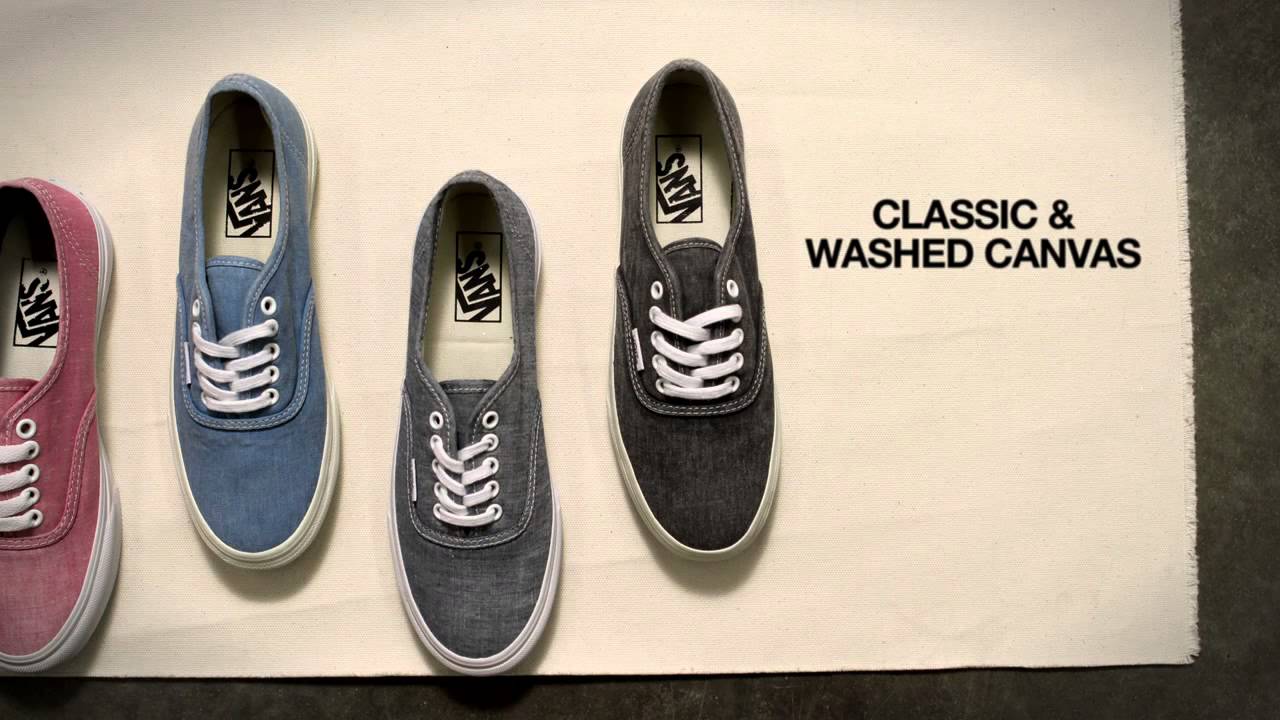
    Vans skateboarding heritage is celebrated in a community-driven retail space just opened in Los Angeles.

    The 11,500sqft store is themed around the skateboard culture in the region and features event space and studio as well as its footwear range.

    “Our Downtown LA store opening signifies a new Vans chapter as we continue our mission and commitment to being community and experience focused,” said Van’s VP marketing Carly Gomez.

    “Downtown LA has a rich history of the skate culture and artistic freedom. Not only will we be opening our doors to the new space, but we will introduce Studio808, located on the second floor of the new store where the community can share their creative energy through workshops, exhibitions and more.”

    A dedicated skate shop within the space retails hard goods from local brands. The store also sells a range of curated publications.

    “For 54 years, Vans has called California home,” said Van’s regional VP/GM Mitch Whitaker. “We’re grateful to be reinforcing the brand’s Southern California roots and legacy through this new space that is both reflective of, and designed for, the community and unique experiences.”

  • J Crew Hong Kong stores shutters after failed Asian foray

    J Crew Hong Kong stores shutters after failed Asian foray

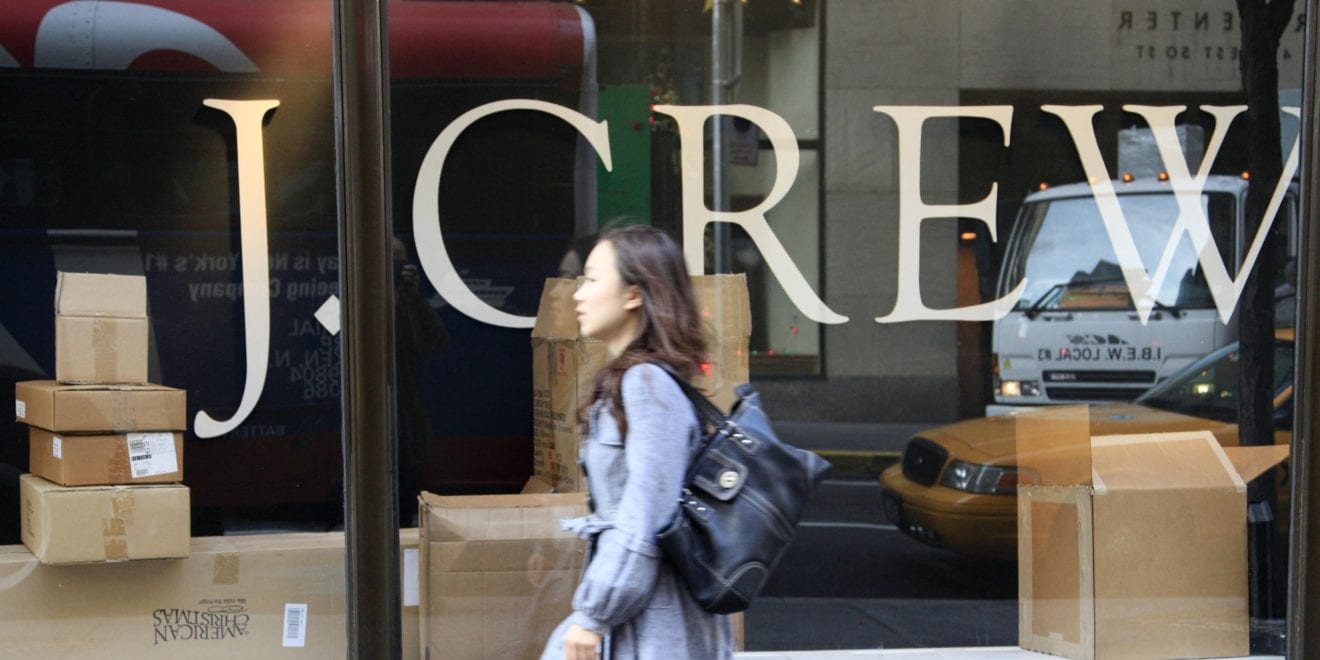
    American fashion brand J Crew is to close its two Hong Kong stores later this month, six years after it chose the city as the launchpad for a failed Asian foray.

    Notices have been posted on the doors of the two J Crew Hong Kong stores – at Times Square in Causeway Bay and On Lan Street in Central – advising customers of the pending closure. At Times Square it is promoting 50 percent off remaining stock.

    A staff member of the Times Square store told the South China Morning Post the stores would close on February 23.

    Like other international retailers in Hong Kong, J Crew was battered by the social unrest which gripped Hong Kong from June to December last year and has now been impacted by a dearth of mainland Chinese visitors resulting from the growing coronavirus crisis which has all but closed the border with the mainland.

    J Crew is the headline brand of J Crew Group, which also operates the denim brand Madewell.

    Announcing its move into brick-and-mortar stores in Asia in early 2014, J Crew was expected to open in major cities across the region. However, a licensing agreement with Itochu in Japan, which at last count had about 76 stores, will soon be the only remaining physical presence in the region.

    The company designs and sells menswear, womenswear, and childrenswear including apparel, shoes, and accessories.

    The company has experienced turbulent times of late, avoiding bankruptcy protection in 2017 after reaching a debt-for-equity swap arrangement with bondholders. In November 2018 CEO James Brett stepped down and was replaced by a group of four senior executives sharing the role until in April last year when the president and COO Michael Nicholson assumed the title.

    Last month, the company announced Jane Singer, a previous CEO of Victoria’s Secret would replace Nicholson.

    Between 2016 and 2018, J Crew shuttered almost 100 stores in the US and as a further part of a restructure in November 2018, the company’s J Crew Home, Mercantile and Never even brands were shut down allowing the company to focus on its core fashion offer.

    After the Hong Kong store closures, J Crew will have about 450 retail stores trading in the US along with its Japanese license. It also sells online shipping globally.

  • Sephora suspends makeup services as precautionary measure

    Sephora suspends makeup services as precautionary measure

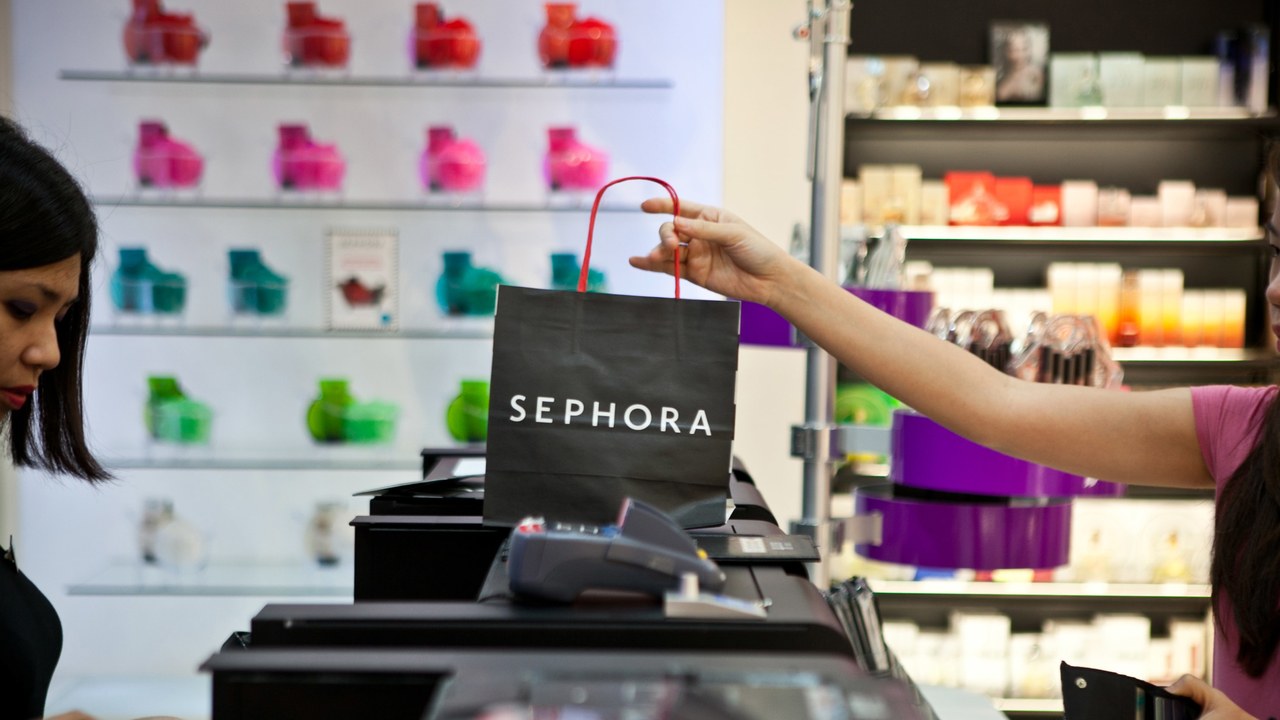
    French beauty giant Sephora has stopped offering custom makeovers in hundreds of stores across Asia-Pacific as a precautionary measure to protect customers and staff from the coronavirus.

    A company spokesperson said the service had been temporarily suspended and online bookings had been disabled across Asia, Australia, and New Zealand until further notice.

    “In view of the ongoing 2019 Novel Coronavirus situation, Sephora would like to reiterate that the health and wellbeing of their customers and cast members (beauty advisors) are of paramount importance,” the spokesperson said.

    Sephora has approximately 200 stores in the Asia-Pacific region, including in China, Singapore, Malaysia, Thailand, Indonesia, and India, according to the retailer’s website.

    The news comes amid reports that more than 900 people in Mainland China have died from the coronavirus, surpassing the death toll from the 2012 SARS epidemic.

    But Sephora’s suspension of custom makeover services suggests the continued spread of the coronavirus could have far-reaching effects on a wider range of retailers.

  • Estee Lauder declares strong growth across Asia

    Estee Lauder declares strong growth across Asia

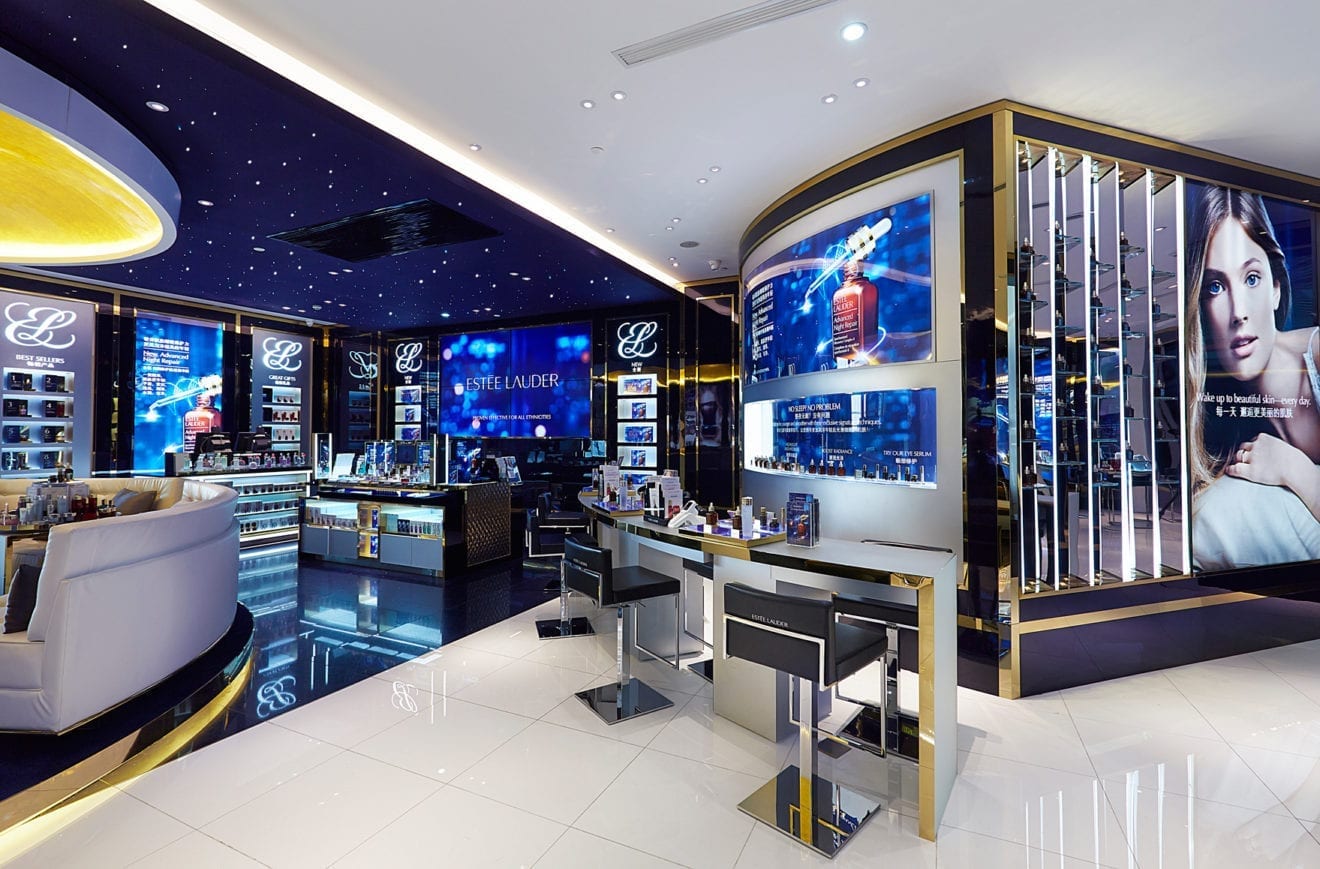
    Estee Lauder has reported “strong double-digit sales growth” in nearly every Asia-Pacific market in the latest quarter.

    Globally, the company achieved sales of US4.62 billion in the three months to December 31, up by 15 percent year on year, but in Asia especially the cosmetics giant thrived.

    “Greater China delivered strong double-digit net sales growth,” the company said in a statement.

    “Growth accelerated on the mainland, reflecting, in part, an outstanding performance related to Singles Day and other events. Net sales in Hong Kong declined as a result of the ongoing events impacting key shopping areas.”

    The company said emerging markets in Southeast Asia also delivered strong growth.

    “Among developed markets, South Korea rose in double digits and both Japan and Australia grew solidly in constant currency.”

    Online sales more than doubled in the region.

    Estee Lauder reported net earnings of $557 million, down from $573 million last year.

    “We delivered superb results in our second quarter, leading to an excellent first half,” said Fabrizio Freda, president and CEO. “Our multiple engines of growth generated broad-based gains across all our regions and major categories, as our prestige brand portfolio was well received by global consumers during the Singles Day event and holiday season.

    “Our sales growth came from all facets of our business, including the Asia/Pacific region, the skincare and fragrance categories, the online and travel retail channels, and the Estee Lauder, La Mer and luxury fragrance brands. Our emerging markets continued to be vibrant and we made progress towards the stabilization of our North American business despite continued softness in the makeup category. Additionally, we completed the acquisition of the Korean-based Dr Jart+ brand at the end of the quarter, which strengthens our position in global skincare.”

  • Reliance to launch Balenciaga in India

    Reliance to launch Balenciaga in India

    Indian retailer Reliance Brands is to launch Spanish fashion label Balenciaga in India.

    The move comes shortly after Reliance signed a deal to bring US luxury jewelry brand Tiffany and Co to India last July, with the first store opening last month in New Delhi.

    The first Balenciaga in India store will open in the Jio World Centre mall in Mumbai.

    Reliance now holds a portfolio of more than 45 international luxury and premium brands.It operates more than 682 stores.

    Balenciaga is a Basque heritage label that was acquired by Kering nearly 20 years ago. It sells in several locations in Asia, including Hong Kong, Indonesia, and Mainland China. It achieved US$15 billion in sales in 2018.

  • Shanghai Tang signs up famed Chinese footwear designer Bing Xu

    Shanghai Tang signs up famed Chinese footwear designer Bing Xu

    Hong Kong luxury fashion house Shanghai Tang has released a collection of footwear with newly appointed chief shoe designer Bing Xu.

    The new collection includes a relaxed and laid back take on Bing Xu’s famous Belgian loafer and two slip-on shoes.

    In a nod to the newly started Year of the Rat, one of the shoe designs features an embroidered picture of a cat toying with a mouse. Others feature vivid tiger and dragon embroidery.

    A sought-after Chinese designer in recent years, Bing Xu founded his luxury footwear label in 2013 and started to present his collections independently in Milan in 2017. The brand is frequently featured in major fashion and lifestyle magazines.

  • Fashion companies urged to avoid ‘greenwashing’ sustainability goals

    Fashion companies urged to avoid ‘greenwashing’ sustainability goals

    Fashion companies around the globe have been urged to avoid ‘greenwashing’ as they “fall over themselves” to make sustainability claims.

    While retailers and labels like Sainsbury’s and Fat Face have publicly committed to cutting emissions across their operations by 2040 and 2025, respectively, GlobalData apparel correspondent Michelle Russell warns they risk accusations of ‘greenwashing’ when the real issue lies in the supply chain.

    Sainsbury’s and Fatface have joined a raft of global fashion firms signing up to initiatives such as the UN Fashion Charter and the Fashion Pact, or chartering their own course to hit sustainability goals.

    Russell argues that while these commitments mark “a step in the right direction,” many of the companies who have signed up have been accused of greenwashing by spending more on marketing themselves as environmentally friendly than on reducing their environmental impact.

    “The bulk of a company’s greenhouse gas emissions, for example, are generated in its supply chain, so brands need to be taking their supplier networks into account when setting out their pledges if they are to even come close to mitigating emissions.”

    “It would be encouraging if more companies acted like Levi Strauss, which set targets in 2018 for reducing carbon emissions across its owned-and-operated facilities and global supply chain by 2025. Unfortunately, their many companies that aren’t in complete control of their whole business operations and visibility across the value chain is non-existent, or limited, at best,” says Russell.

    She adds that there is also the challenge of investment, which she believes is a huge factor holding brands back.

    According to the Carbon Trust, as much as 80 percent of a company’s total carbon impact lies outside its direct operational control making it hard to make verifiable claims about environmental progress.

    “Gucci CEO Marco Bizzarri recently issued a cross-industry call to other CEOs to implement a “360-degree climate strategy,” taking “full responsibility and accountability” for the total greenhouse emissions generated by their business activities.

    “As such, he launched the ‘CEO Carbon Neutral Challenge,’ which covers both a company’s operations and its entire supply chain,” says Russell.

    Another leader in sustainability is Maya Rommwatt, a fashion campaigner for environmental group Stand Earth. She argues that commitments such as the Fashion Charter are encouraging but don’t go far enough.

    “To get really excited, we’d like to see signatories pledge to make deeper and faster emissions cuts aligned with a pathway to 1.5 degrees, which is what current science tells us we must be aiming for if we want to reduce the worst impacts of climate change. This would mean committing to reducing absolute climate pollution in their global supply chains by at least 40 percent by 2025, setting specific renewable energy goals for their factories and mills, and pledging to avoid false solutions like reaching ‘carbon neutrality’ through mass carbon offsets.”

  • Sports Illustrated CBD product range to be launched by Authentic Brands Group

    Sports Illustrated CBD product range to be launched by Authentic Brands Group

    Authentic Brands Group (ABG), the owner of the Sports Illustrated brand, announced a strategic partnership with Sentia Wellness, a distributor of CBD-infused wellness products. Through this partnership, Sentia Wellness will develop, produce and distribute Sports Illustrated and Sports Illustrated Swim-branded CBD-infused topicals. A Limited-Edition Recovery Cream will debut this weekend, followed by a full rollout later this year.

    “Sports Illustrated has been at the forefront of sports and culture for over 65 years and is a name that resonates with the athlete and fan in all of us,” said Daniel W. Dienst, vice chairman at ABG. “We are excited to partner with Sentia, a leader in the wellness industry, as we continue to expand the Sports Illustrated brand and create trusted, high-quality consumer products.”

    “As we continue to develop products for active, health-conscious individuals who understand that there is so much more to sport than the game itself, it became clear that Sports Illustrated was the perfect brand to partner with,” said Amy McClintick, COO, licensed brands division of Sentia Wellness. “We are excited to see the initial response from consumers, and cannot wait for the full rollout of complementary products later this year.”

    ABG’s portfolio of brands generates more than $10 billion in annual retail sales and includes Marilyn Monroe, Mini Marilyn, Elvis Presley, Muhammad Ali, Shaquille O’Neal, Sports Illustrated, Dr. J, Greg Norman, Neil Lane, Thalia, Nautica, Aéropostale, Juicy Couture, Vince Camuto, Herve Leger, Judith Leiber, Barneys New York, Frederick’s of Hollywood, Nine West, Frye, Jones New York, Louise et Cie, Sole Society, Enzo Angiolini, CC Corso Como, Hickey Freeman, Hart Schaffner Marx, Adrienne Vittadini, Taryn Rose, Bandolino, Misook, 1.STATE, CeCe, Chaus, Spyder, Tretorn, Tapout, Prince, Volcom, Airwalk, Vision Street Wear, Above The Rim, Hind, Thomasville, Drexel and Henredon.

  • First Tiffany store opens in New Delhi

    First Tiffany store opens in New Delhi

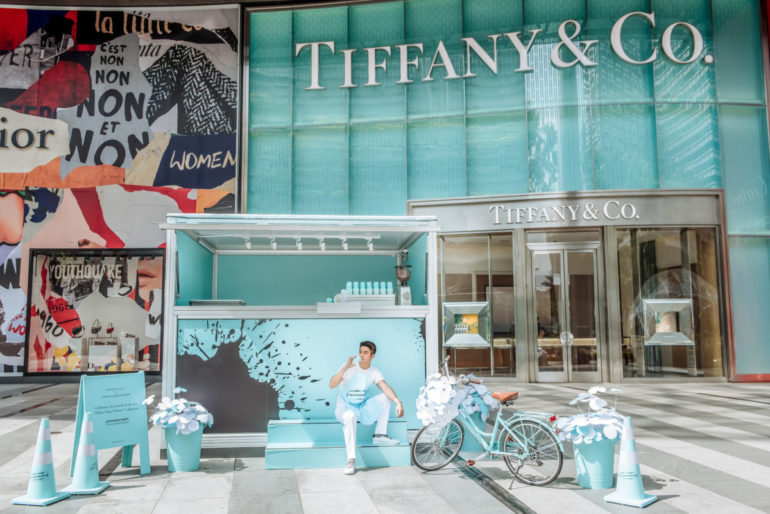
    The first Tiffany India store has opened, located in New Delhi’s upmarket The Chanakya shopping center.

    The 2600sqft store was described as “an important milestone for our iconic brand” by Tiffany & Co CEO Alessandro Bogliolo.

    “As a global luxury jeweler with stores in many of the world’s most important cities, Tiffany’s emergence in New Delhi presents a unique opportunity, particularly given India’s growing luxury consumer base and passion for jewelry,” he said.

    The Tiffany India store stocks the full range of Tiffany’s jewelry collections, hardware, and home & accessories collections.

    Meanwhile, Tiffany & Co shareholders have approved a multibillion-dollar takeover offer by French luxury-goods maker LVMH, scheduled to take effect later this year.

    Tiffany operates more than 300 stores in more than 25 countries, including 80 in the Asia-Pacific region.