Category: Finance

Retail News Asia is committed to providing both local and global retailers with the latest Finance news throughout the Asian market. This on a daily base.

  • Siam Commercial Bank Partners Liquid Group

    Siam Commercial Bank Partners Liquid Group

    Siam Commercial Bank (SCB) and Liquid Group today announced a strategic partnership to enable cross-border QR payment acceptance in Singapore and Thailand.

    With the opening of the Singapore – Thailand corridor for QR payments, SCB will be acting as the sponsoring bank for all Thai banking applications that support cross-border QR payments. Customers will be able to pay for their purchases using their respective Thai QR payment apps at Liquid Group’s participating merchants in Singapore.

    One of SCB’s key business operation strategies is to have strong partners to create new capabilities to keep pace with drastic changes in consumer behavior around the world.  Partnership with a QR payment service provider such as Liquid Group will help provide more opportunities and better access to real-time and seamless global payment experiences for Thai customers going abroad and foreigners coming to Thailand, said Sopol Chattananant, Siam Commercial Bank WB Future Platform, Global Transaction Banking Services Division First Senior Vice President.

    The partnership will allow both players to spearhead cross-border interoperability for QR payments between Thai Mobile Banking Applications and Liquid Group’s network of regional payment apps. As the largest commercial bank in Thailand, SCB has a vast merchant base of approximately 1.0 million acceptance points across the country.

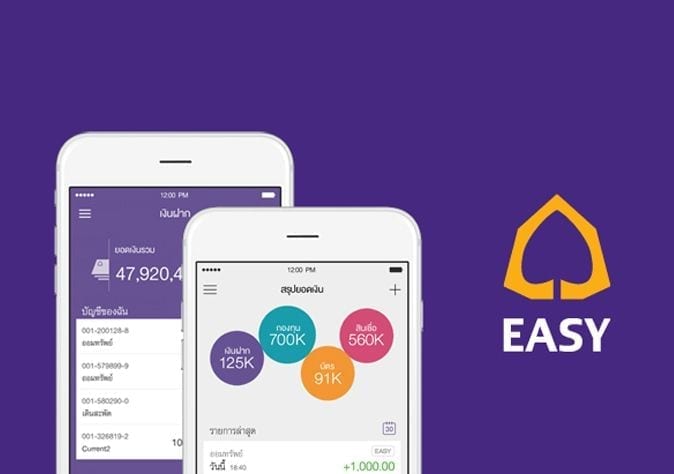
    In the initial stage, the service will enable Thai customers going to Singapore to use the SCB Easy Application and mobile banking applications of other banks with a cross-border payment feature to scan QR code for payments at shops located in Singapore’s Changi Airport before expanding to other locations.

    In the next stage, the service will allow Singaporean visitors to make payments using QR scanning in Thailand.  The Bank is confident that the partnership with Liquid Group will offer a real-time and seamless payment experience through a digital platform to truly meet the requirements of our mutual customers.

    Participating merchants in Singapore and Thailand can stand to generate additional revenue from the high volume of frequent travelers commuting between the two countries and their increased purchasing power, which is no longer limited to the amount of cash they carry but linked to the available credit in their wallet drawing from their deposit accounts.
  • Alipay now available for tourists in China

    Alipay now available for tourists in China

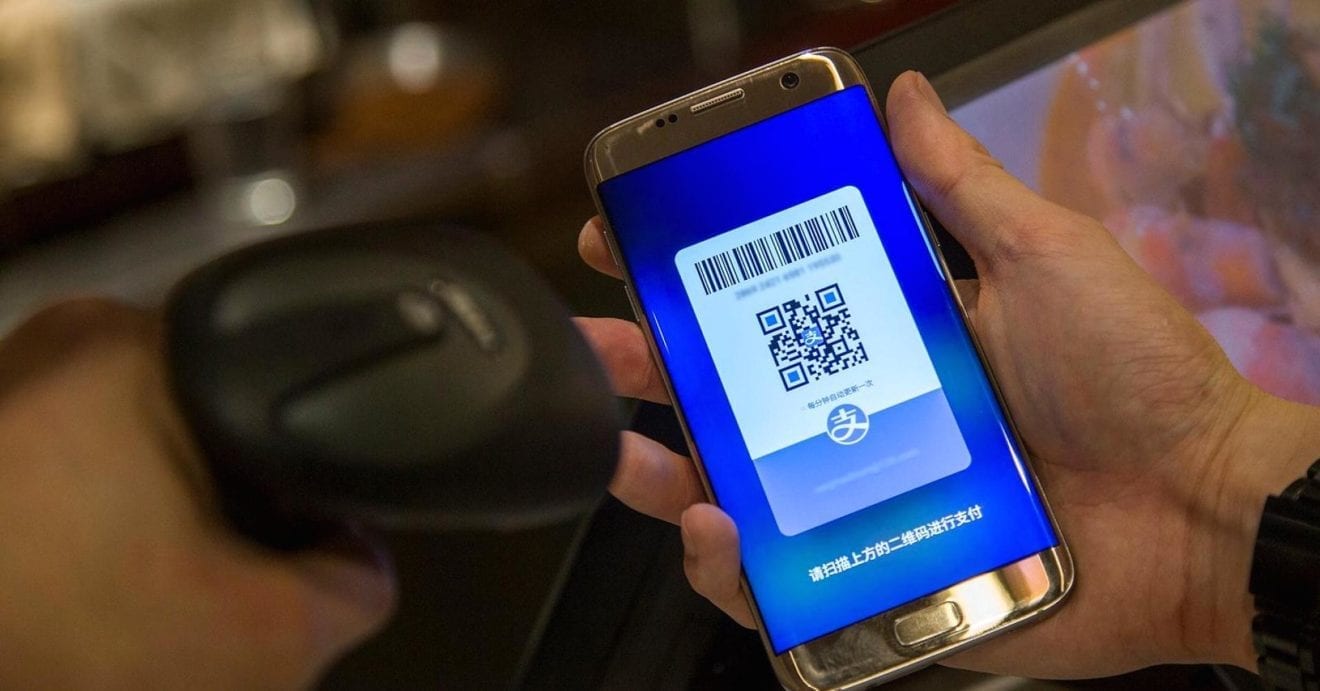
    International travelers can now use mobile payments in China as Alipay has launched a new version of its payment app designed for short-term overseas visitors.

    After installing the Alipay app, international visitors can register with their overseas mobile phone number to access the “Tour Pass” mini-program through which they can use the “Prepaid Card” service provided by the Bank of Shanghai.

    The minimum top-up for each card is CNY100, with balance capped at CNY2000. The card is valid for 90 days, after which any remaining funds will be refunded automatically.

    With the new Alipay service, visitors can pay through QR code or make online purchases through the app.

  • DBS Launches Virtual Wealth Manager With Celebrities

    DBS Launches Virtual Wealth Manager With Celebrities

    DBS introduced its fully virtual wealth management capabilities in Hong Kong in grand fashion, accompanying the launch with renowned local celebrities.

    The bank recently launched its new virtual wealth manager which can enable users to undergo the entire experience digitally from account-opening to transacting. The suite of capabilities also includes general banking, investments, FX trading, remittance and others.

    We are the first bank that has a fully digitized journey from onboarding to all wealth management products, said Sebastian Paredes, DBS Hong Kong CEO. This is not an app. This is the launch of a new virtual bank.

    Then DBS began its planning exercise two years ago to launch the virtual solution, it wanted to significantly reduce the time required to open accounts, after repeatedly hearing clients express how busy they are and how laborious it is to fill out application forms.

    This is something on our mind for a long time,» explained Ajay Mathur, managing director and head of consumer bank gin and wealth management, DBS. With this fully virtual wealth management account onboarding, you can open an account in just a few minutes.

    Joined by renowned local celebrities, Louis Koo Tin-lok and Jessica Hsuan, the bank made a live demonstration to showcase the ease of opening an account. In addition to mandatory documents, the system was able to use facial recognition technology to verify the user simply by matching an image of an official ID and a selfie image.

  • Singapore E-Wallet Inks Partnership With Thai Bank

    The Singapore-based firm has made its first foray into an overseas market, and is promising Thai travelers affordable options to pay with the competitive exchange rates when abroad.

    YouTrip, a multi-currency mobile wallet designed with travelers in mind, is taking its services to customers outside Singapore by launching in Thailand with a partnership with Kasikornbank (KBank), the firm announced in a press release on Tuesday.

    Juthasree Kuvinichkul, founding partner of You Technologies and Grab Thailand, will lead YouTrip’s Thailand operations. As part of the tie-up, YouTrip will be offered to KBank’s 11.6 million online customers, who will be able to register through their online banking app within 3 minutes.

    KBank president Patchara Samalapa said in the statement that he sees «strong potential» in the partnership with YouTrip. We also believe in the foreign exchange market which has benefited from the strong outbound tourism growth in Thailand, due to strong Baht, travel promotions, new flight routes openings, etc., he added.

    YouTrip allows users to pay in 150 currencies at 30 million Mastercard payment points worldwide with no hidden fees at wholesale exchange rates.

    Riding on the wave of Southeast Asia’s booming travel market, YouTrip has received strong interest in its multi-currency wallet since its launch in Singapore in August 2018, counting over 400,000 downloads of its mobile application in its home market, as well as 10 million transactions processed in the year since its launch, the statement said.

    In May, the firm announced that it closed a record $25.5 million pre-Series A fundraise – the largest for a fintech startup from Southeast Asia.

  • Vietcombank to pull out of BNP Paribas insurance joint venture

    Vietcombank to pull out of BNP Paribas insurance joint venture

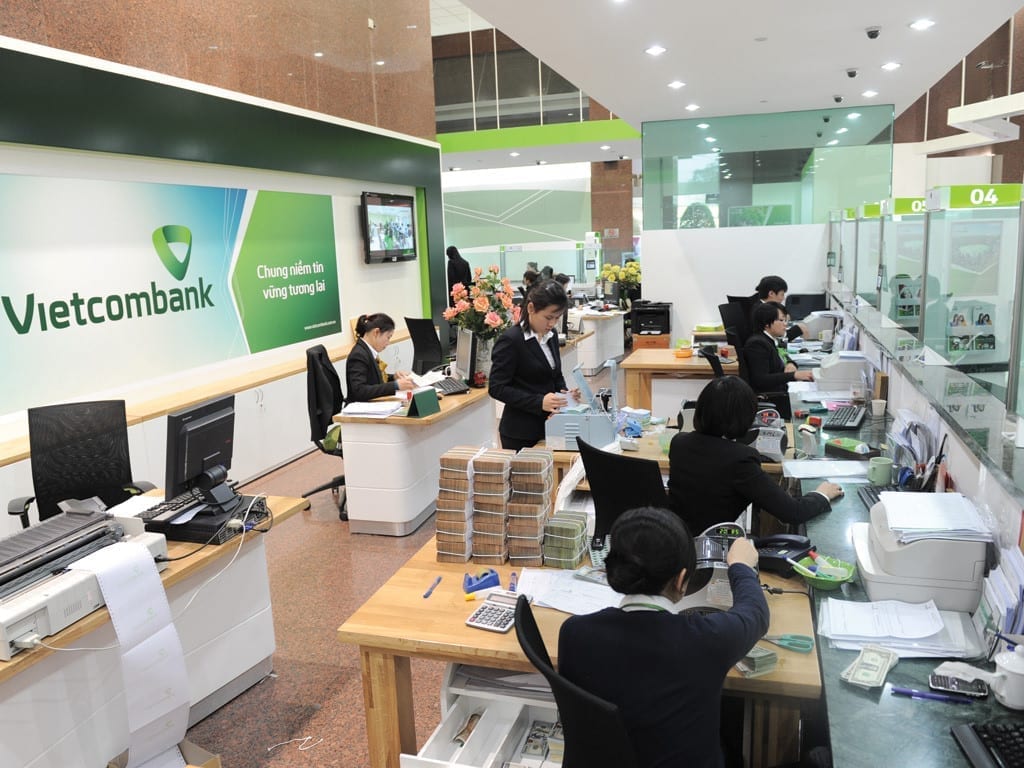
    Vietcombank is selling its stake in a JV with French life insurance firm BNP Paribas as part of a possible bancassurance deal with a foreign buyer.

    Its board of directors passed a resolution approving the divestment of an unspecified stake in Vietcombank – Cardiff Life Insurance Co., Ltd (VCLI), the state-owned lender said in a release last Thursday.

    VCLI is a 45:55 joint venture between Vietcombank, Vietnam’s largest lender by market capitalization, and BNP Paribas Cardif, part of France’s BNP Paribas banking group.

    Although Vietcombank’s announcement did not identify a buyer, Bloomberg reported in late September that Hong Kong-based insurer FWD Group Ltd. was nearing an agreement to pay around $400 million for VCLI as part of a long-term bancassurance agreement with the bank.

    A bancassurance transaction is typically an arrangement between a bank and an insurance company in which the latter pays an upfront amount for exclusive rights to sell its products to the bank’s clientele.

    FWD Group, owned by Hong Kong billionaire Richard Li, had outbid several firms, including British insurance giant Prudential, which had been vying to obtain exclusive rights to distribute life insurance products through Vietcombank’s branch network, Bloomberg quoted sources as saying.

    According to VCLI’s latest financial statements, as of the end of 2017 it had VND950 billion ($40.79 million) in assets and accumulated losses of nearly VND3 billion ($128,800).

    Recently major international life insurance companies have been expressing interest in entering the growing Vietnamese market through bancassurance and acquisition deals.

    German insurer Allianz and Japanese insurers Nippon Life and MS&AD Insurance were among several vying to buy the Singapore and Vietnam businesses of Britain’s Aviva in a deal estimated to be worth $2-2.5 billion.

    Earlier Prudential had signed an agreement with South Korea’s Shinhan Bank Vietnam to distribute its insurance products through its network and Canada’s Manulife struck a similar deal with local lender ACB.

    Phung Ngoc Khanh, general director of the Insurance Supervisory Authority (ISA), said the country’s insurance market has huge potential due to the low penetration and people’s rising incomes and awareness.

    In the first half of this year the industry’s premium income was VND71.15 trillion ($3.06 billion), up 24.4 percent year-on-year. Last year’s growth was also around 24 percent, according to the ISA.

  • Payments Platform PPRO Partners with Grab

    Payments Platform PPRO Partners with Grab

    Payments platform PPRO adds GrabPay to its list of partners in a bid to tap into a Southeast Asia market estimated to be worth $600 billion this year alone.

    GrabPay, developed by cab-hailing app giant Grab, joins a list of 150 local payment methods (LPMs), such as Alipay, WeChat Pay and UnionPay, which will leverage PPRO’s capabilities. The firm is able to reduce digital payment complexities through a «unified offering of LPMs, as well as processing, collecting, reconciling and settling funds – all through one contract and one integration», according to a release.

    The GrabPay partnership includes two phases which will be rolled out separately. Firstly, PPRO will support GrabPay’s one-time payment solutions in Singapore and its recently launched e-commerce payment capabilities. Secondly, it will support GrabPay’s tokenized payment option and expand market

    PPRO highlights its commitment to the Asia Pacific region not only through the new partnership but it also expects to triple its Singapore staff headcount by 2020 and open additional offices in the region in the coming years. Its Asia head of partnerships, Tristan Chiappini, underlines Singapore’s «well-developed fintech pedigree» as a key enabler of an LPM business for the firm to tap the region’s estimated 115 million users – or 8 out of 10 digital consumers globally.

    This will enable us to continue to broaden our LPM service offering, payment expertise, and customer support across the APAC region quickly, and position us as the unifying force of today’s fragmented payments landscape, Chiappini said. «Our partnership with GrabPay is a testament to this vision.»

    London-headquartered PPRO support LPMs across more than 100 countries with around 130 payment presence provider partners and around 100,000 merchants on its platform.

  • DBS Inks Fintech Degree MoU with Chinese University of Hong Kong

    DBS Inks Fintech Degree MoU with Chinese University of Hong Kong

    DBS signed a memorandum of understanding with the Chinese University of Hong Kong for the inaugural fintech masters degree to further innovation and academic strength in the emerging field.

    The MoU was signed by Martin Wong, the university’s dean of engineering, and Brit Blakeney, DBS Hong Kong’s head of innovation & ecosystems. In addition to expressing commitment, students will gain first-hand experience in fintech projects including «digital customer journey, API application, big data analytics, blockchain, artificial intelligence, machine learning and sustainability» alongside internship opportunities and sharing sessions from DBS Hong Kong mentors.

    Our MSc FinTech program is committed to nurturing technologically adept and business savvy talents who can offer innovative solutions to finance-related industries, Wong said. This collaboration is beneficial to both sides as we firmly believe that extending and strengthening academic and corporate relationships is crucial to the development of financial technologists.

    Banks can no longer work in silos and can only be successful by materially transforming the way they work and by collaborating with fintechs, Blakeney added, highlighting the bank’s commitment to talent development in Hong Kong.

  • OCBC May Partner Keppel, Validus, For License

    OCBC May Partner Keppel, Validus, For License

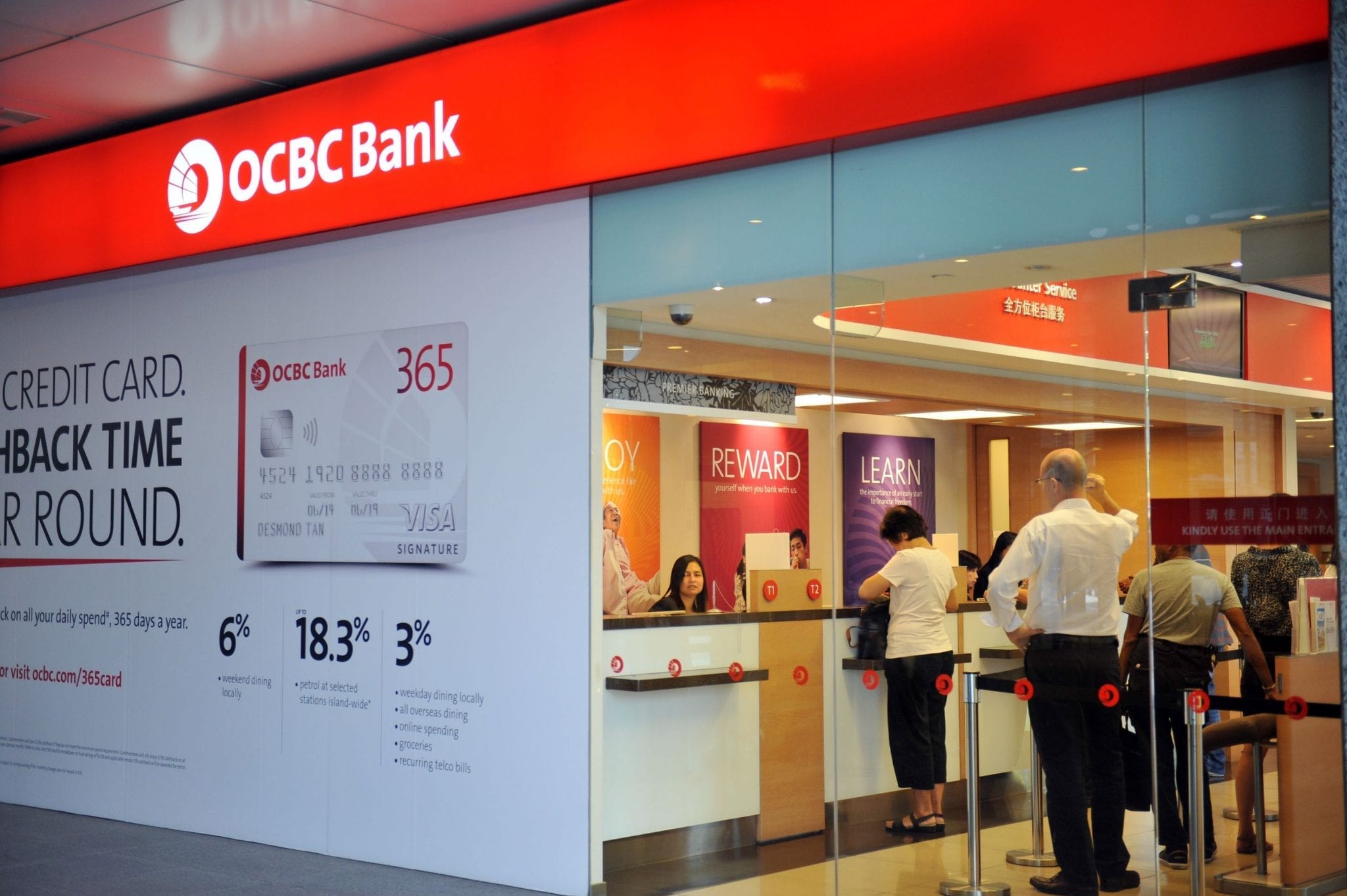
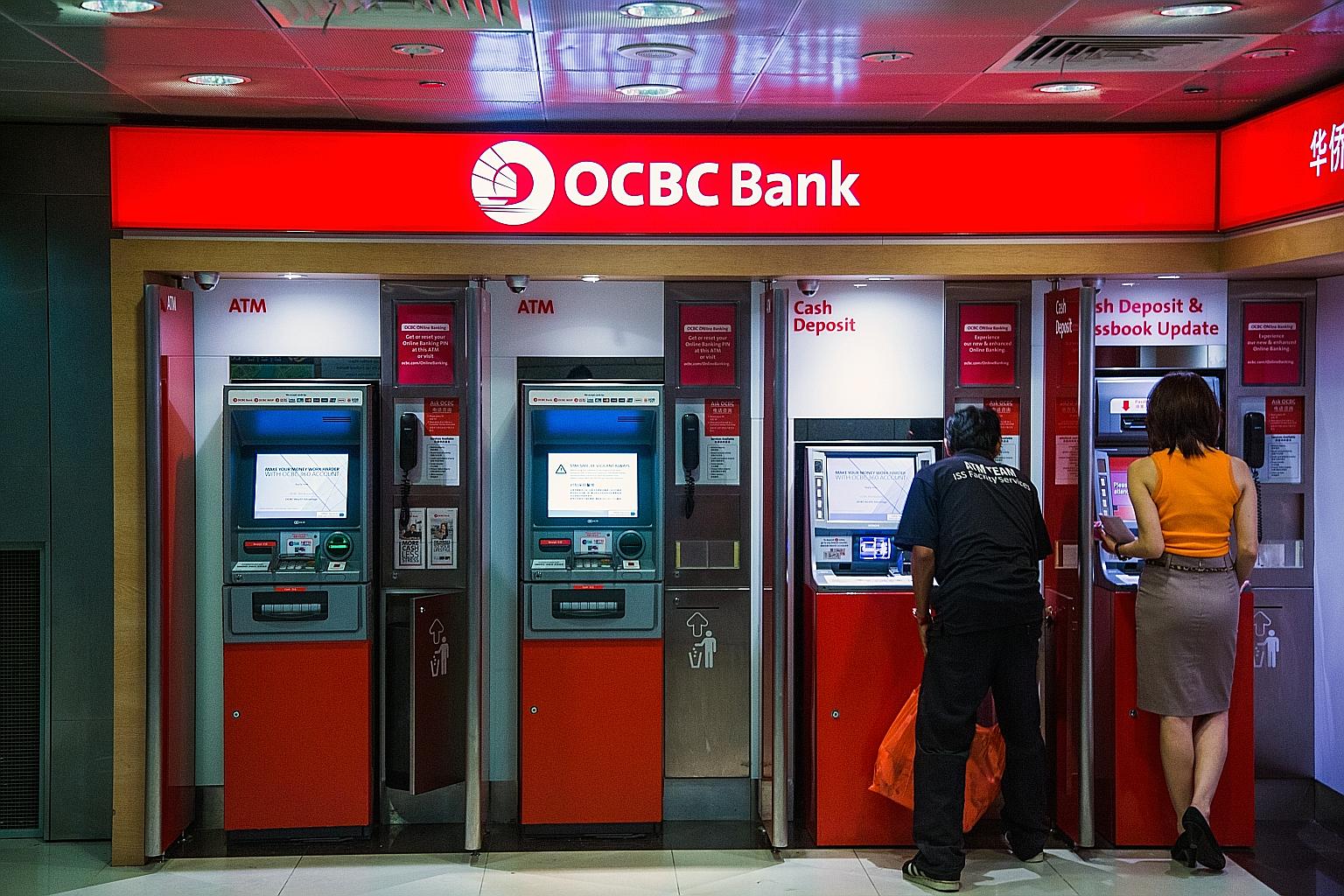
    OCBC Bank is in talks with Keppel Corporation, peer-to-peer lender Validus Capital, and Vertex Ventures, to form a digital-bank consortium.

    OCBC is likely to take an equity stake in the consortium rather than open up its balance sheet. With a track record of being active in the small- and medium-enterprise (SME) lending space, this move could augment the bank’s share in this segment.

    If the Singapore lender opts to enter the digital banking scene, the bank will face direct competition from its own virtual entity. We have to accept that there will be cannibalization. But on the other hand, the mothership should also be in a position to go out and compete, said OCBC’s chief operating office

    In August, the lender has indicated that it is looking for partners ahead of the introduction of virtual bank licenses in Singapore.

    Among the three local banks, DBS and UOB have rolled out standalone digital banks in regional markets and have stepped up their efforts in digitalizing processes, said  CGS-CIMB analyst Andrea Choong in the report.  OCBC is a laggard in this respect, but we strongly believe it will be part of a consortium in the run for a license come end-2019.

  • APAC Venture Capital Deals in Decline

    APAC Venture Capital Deals in Decline

    Venture capital deals in Asia Pacific dropped by one-fifth in the third quarter, attributed to a Chinese economic slowdown, but tailwinds await due to upcoming policy reforms.

    Total venture capital deal value in the region dropped to $14.92 billion in the third quarter, compared to $18.61 billion in the second quarter, according to recent KPMG data. The decrease is notably steeper than the 14 percent decline in overall global transactions in the period, which totaled $55.71 billion.

    There is a lot of interest in the Asian market but investors have really slowed down their activity,» said Egidio Zarrella, partner and head of clients and innovation at KPMG China. «They are being conservative, waiting to see where things go from an economic and geopolitical perspective.

    With Alibaba’s $700 million minority stake acquisition of music streaming service NetEase Cloud Music topping the quarterly transactions, no deal surpassed the $1 billion mark compared to four in the first six months. But despite a slowdown from the region’s major contributor – seven of the 10 deals in the region involved mainland Chinese companies (with Indian startups making up the rest) – KPMG remained optimistic about the near-term outlook.

    Despite the challenges in the market, a number of sectors continued to attract investment, including fintech, Autotech and biotech, said Philip Ng, partner and head of technology, KPMG China, who also underlined upcoming tailwinds for insurance, finance, capital markets and healthcare due to policy reforms.

    While the number of funds raised for IPOs have dipped, the number of mainboard deals in the first three quarters is similar to that of last year and Hong Kong remains a top destination for IPOs,» added Irene Chu, partner and head of new economy & life sciences, Hong Kong, KPMG China. «The pipeline of companies applying for IPO in Hong Kong is still very strong – but whether they will go out before the end of the year will depend on changing market conditions.

  • OCBC 3Q Core Profit Up Slightly

    OCBC 3Q Core Profit Up Slightly

    Singapore’s second-largest lender reported core net profit of S$1.26 billion in the third quarter, slightly above the $1.25 billion reported a year earlier.

    However, OCBC Bank’s headline net profit slipped 6 percent to S$1.17 billion for its third quarter ended September 30, from S$1.25 billion a year ago due to a one-off charge at its Indonesian banking unit.

    The one-time charge of S$91 million arose as a result of refining the group’s expected credit loss modeling approach for Bank OCBC NISP. Excluding the one-time charge, the group’s core net profit of S$1.26 billion is slightly higher than $1.25 billion a year earlier.

    Loans rose year-on-year and fee income climbed to a record high led by wealth management as the private banking business managed to maintain net new money inflows, said OCBC chief executive Samuel Tsien in a statement.

    Net fees and commissions grew 10 percent to a new record of S$550 million from S$502 million a year ago, led by higher fees from wealth management, investment banking and remittance services.

    Net interest income for the quarter grew 6 percent to S$1.60 billion, stemming from a five basis point increase in net interest margin to 1.77 percent. Improved asset yields and a 2 percent increase in customer loans underpinned the improved net interest income.

    Non-interest income for the quarter increased 2 percent to S$1.06 billion from S$1.04 billion in the previous year. Total income for the quarter rose 4 percent to S$2.66 billion from S$2.54 billion a year ago.

    Not all sections of the bank’s results slip are glowing – net trading income was only S$182 million compared to S$213 million a year ago, as a decline in treasury income offset a rise in customer-related flow income.

    Global and regional economic growth continued to slow, and geo-political event risks have increased. We shall remain vigilant and will maintain prudent risk management practices while exercising disciplined cost management, Tsien said.

  • UOB Launches QR-Based Payment Collection Solution

    UOB Launches QR-Based Payment Collection Solution

    UOB attempts to help businesses accelerate payment collection and improve cash flow through its new QR-based solution.

    The bank launched the QR solution mCollect which allows businesses to collect payments from buyers through fund transfer service PayNow at the point of delivery.

    Businesses can provide their customers with a QR code generated by mCollect which can be scanned to make payment which then leads to immediate crediting and automatic reconciliation. According to UOB, cash flow management is one of the «perennial bugbears» for local SMEs due to issues like late payments, citing a four-day industry average when manually dealing with payments.

    While good progress has been made to encourage more cashless payments among businesses, there is still a gap when it comes to the collection process, specifically with cash-on-delivery payments,» said So Lay Hua, UOB’s head of group transaction banking and group wholesale banking.

    In addition to faster cash flow, the bank is also wary of the risks of handling physical cash, which continues to be a common practice. UOB noted that more than two-thirds of its corporate customers still receive cash payments from buyers, especially those that are smaller businesses most commonly in the wholesale, retail and services sector.

    We make hundreds of deliveries each day, said Steve Wong, CEO of Boong Group, a meet supplier and food processor firm that participated as a user of mCollect’s pilot. When collecting payment, which is often made in cash, our salespeople have to spend time verifying the amount and payee details and tallying the payments at the end of the day.

  • OCBC Allows Instant Account Opening For Startups

    OCBC Allows Instant Account Opening For Startups

    Start-ups are now able to open an OCBC business banking account in Singapore immediately after incorporation, rather than having to wait one day. Once a business is incorporated, OCBC Bank can validate the start-up’s business profile issued by the Accounting and Corporate Regulatory Authority (ACRA). This is made possible due to an Application Programming Interface (API) between OCBC Bank and global information services provider, Experian (formerly known as DP Information).

    Banks play a key role in the start-up and SME ecosystem partly because the bank account is at the center of business operations. Given this role and our standing as banker to more than 1 in 2 SMEs in Singapore, we are in the best position to strengthen the connections among all players in this ecosystem, said Christie Chu, Head of Emerging Business and Commercial Banking Cash, OCBC Bank in a media statement on Monday.

    OCBC Bank launched a dedicated business supporting the start-up segment at the end of 2018. Since then, it has been engaging start-ups to understand the pain points when starting a business. With a track record of serving the start-up segment, the bank found that starting a business is a journey of discovery, and many stumble along the way.

    To that end, the team is putting together a start-up guide, with practical tips from successful entrepreneurs with first-hand experience. The guide will be accessible to all aspiring entrepreneurs on OCBC Bank’s website.

  • Hong Kong Virtual Banks Talk Linkage with ATM Giant Jetco

    Hong Kong Virtual Banks Talk Linkage with ATM Giant Jetco

    Hong Kong’s upcoming virtual banks are considering cash withdrawal capabilities for its customers through automatic teller machine giant Jetco.

    Under the terms of the newly issued virtual banking licenses, no physical branches are allowed to be made and a partnership would allow the digital lenders to sidestep the rule while still providing access to physical cash.

    The virtual banks may opt to issue cards to customers to use the Jetco ATMs owned by other banks, or they can allow access through a mobile application on smartphones,» said Jetco CEO, Angus Choi Ping-chung, in an SCMP report.

    Jetco was founded by the entity preceding Bank of China (Hong Kong) which is amongst its now 30-strong list of lenders that are shareholders, including Standard Chartered Bank.

    With 44 ATMs per 100,000 residents, Hong Kong has the second-highest ATM density per capita, behind Singapore, according to the World Bank. And in Hong Kong, Jetco operates 60 percent of the 3,000 ATMs with the remaining 1,200 owned by HSBC and its majority-owned lender Hang Seng.

    But recent unrest in the city has led to the damage of about 10 percent of all ATMs, according to Choi, who noted that transactions were nonetheless unaffected as customers would just seek other undamaged machines.

  • Citi Drops China Website On IPO Fee Disput

    Citi Drops China Website On IPO Fee Disput

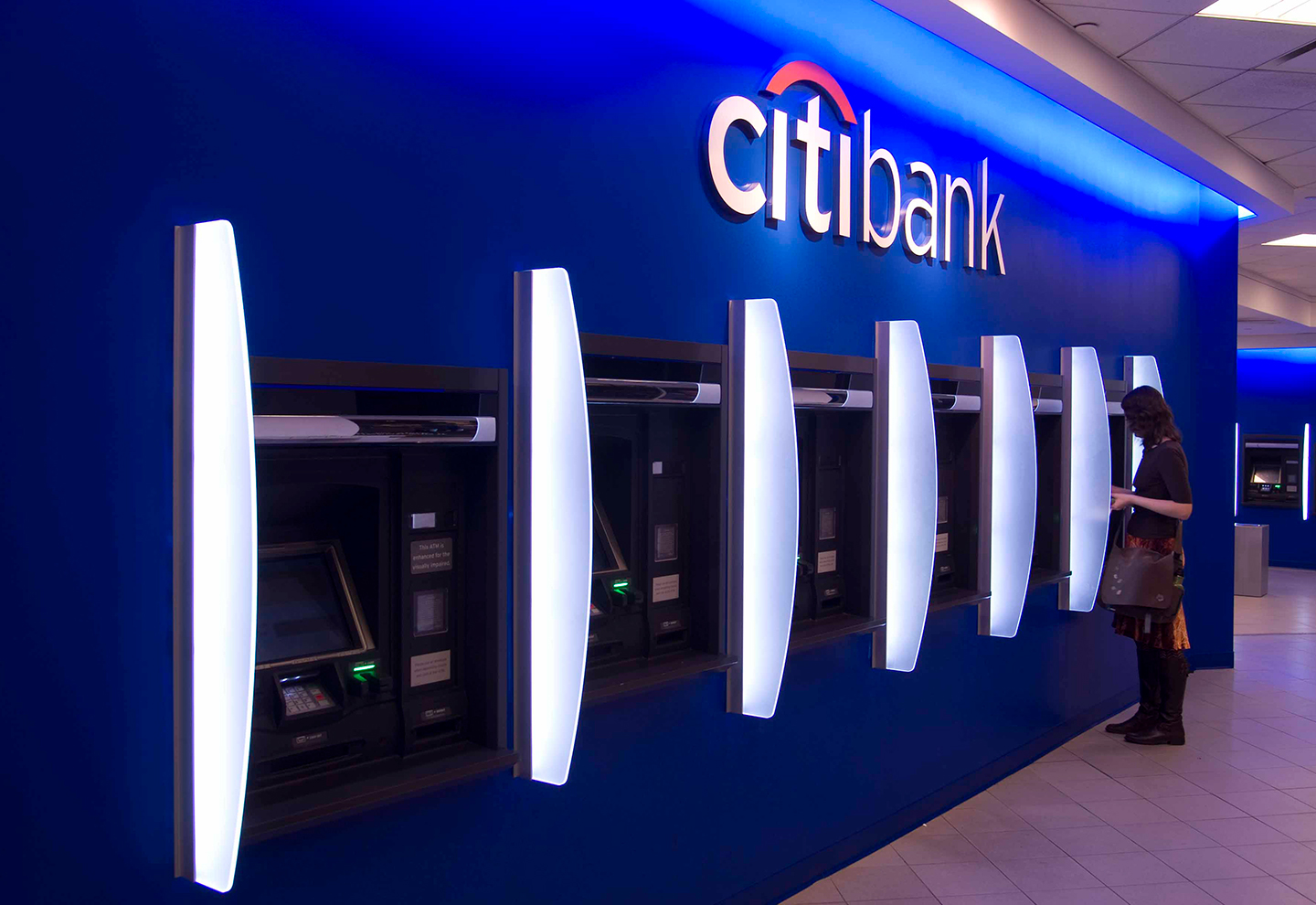
    Citigroup had initially been listed in the IPO document of Fangdd Network Group in the second position after Morgan Stanley, but did not appear on the press statement last Friday on the Nasdaq Global Market.

    Citi had been hired as the second bookrunner on the Chinese group’s IPO, but as both sides could not reach an agreement on the underwriting fees, the IPO arranger dropped out, citing people familiar with the matter.

    Morgan Stanley, UBS, China International Capital Corp, and AMTD Global Markets Limited were listed as joint book-runners for Fangdd’s IPO.

    Fangd had cut the number of shares it sold in its IPO from seven million to six million ase= demand for its stock during its roadshow was soft.

    DouYu International Holdings, which raised $775 million in July, is the biggest US IPO of a Chinese company this year while four deals from last year topped $1 billion, according to data compiled by Bloomberg.

    U.S. offerings typically pay a higher percentage in IPO fees compared to most Asian countries. However, U.S. IPOs of Chinese companies have shrunk in size this year as investors grew wary about the tensions between U.S. and China, reducing fees for Asian investment bankers.

    Chinese companies raised $2.9 billion in the US this year, down from the $7.9 billion raised during the same time last year.

  • Apple Card users are getting a major iPhone-related perk

    Apple Card users are getting a major iPhone-related perk

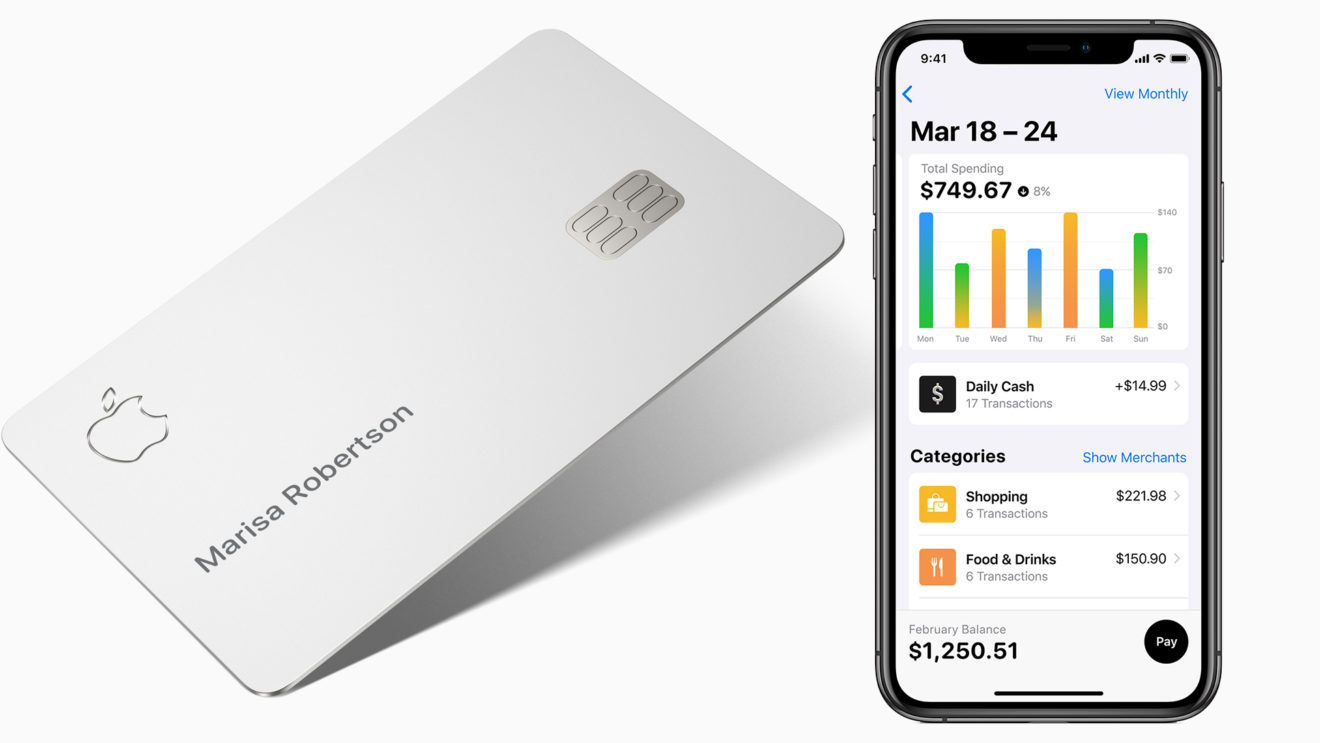
    Apple announced earlier today that’s it’s adding another benefit to the Apple Card starting this week, which is aimed to appeal to iPhone users. During its earnings call, Apple revealed a new program for Apple Card users that will allow them to buy or upgrade to a new iPhone much easier.

    Thanks to the new program, Apple Card owners will receive interest-free, 24-month financing on iPhone purchases. The new perk can be combined with the three percent cashback Apple Card users are getting on purchases from the company’s stores.

    The same offer is available through the iPhone Upgrade Program, so if you don’t have an Apple Card, that’s where you should look if you want to buy a new iPhone without having to pay for it upfront.

    The third option for Apple fans who just want to upgrade to a new iPhone is to take advantage of the company’s trade-in program, which will allow them to pay a lot less for a brand new model. And it looks like this is one of the options that many customers are taking advantage of, as CFO Luca Maestri said on the call. The number of iPhone trade-ins is more than five times higher than last year.

    The move is most likely another important step that brings Apple closer to the launch of the so-called “iPhone subscription,” which has been speculated for many years now. Tim Cook’s most recent comments certainly confirm Apple is considering such a service:

    We’re cognizant that there are lots of users out there that want a sort of a recurring payment like that and the receipt of new products on some sort of standard kind of basis, and we’re committed to make that easier to do than perhaps it is today.

    Although an “Apple Prime” doesn’t exist yet, Tim Cook’s statements suggest that if enough people are willing to pay every month for the privilege of having the latest iPhone, such a subscription service will eventually be made available.