Category: Finance

Retail News Asia is committed to providing both local and global retailers with the latest Finance news throughout the Asian market. This on a daily base.

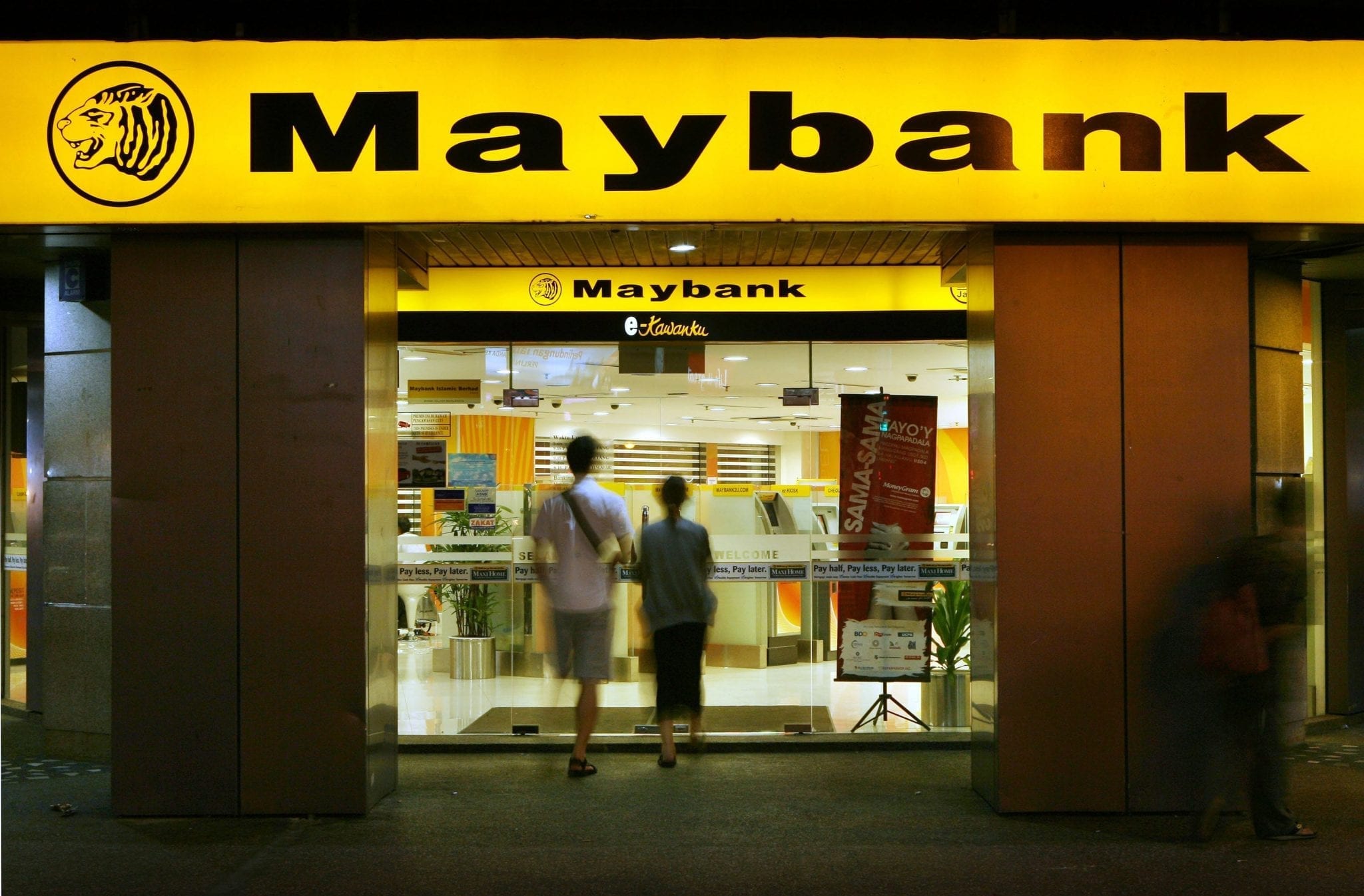
  • Maybank Kim Eng, PhillipCapital Among DDoS Targets

    Maybank Kim Eng, PhillipCapital Among DDoS Targets

    Disruptions caused by the cyberattack on the trading houses lasted from 30 minutes to the whole morning session on October 24.

    Maybank Kim Eng and PhillipCapital spokespersons have confirmed their brokerages were among those that faced disruptions last Thursday, when up to five trading houses were hit by distributed denial-of-service (DDoS) attacks.

    The impact was minimal as we swiftly mitigated the attack. At no point was the security of our clients’ information, online trading or Web services compromised, a Maybank Kim Eng representative said.

    PhillipCapital also confirmed that Phillip Securities and Phillip Futures were affected, but it took «immediate and appropriate actions» to limit the impact.

    The newspaper cited unnamed sources saying that RHB Securities, which operated the RHBInvest platform, was also affected. The firm declined to comment.

    A DDoS attack happens when the bandwidth or resources of a targeted system is flooded with unwanted traffic, making an online service or website unavailable.

    The Monetary Authority of Singapore (MAS) issued an advisory to financial institutions following the attacks to alert them of the increased risk of DDoS activities.
  • Citi to Drop Two-Thirds of FX Platforms

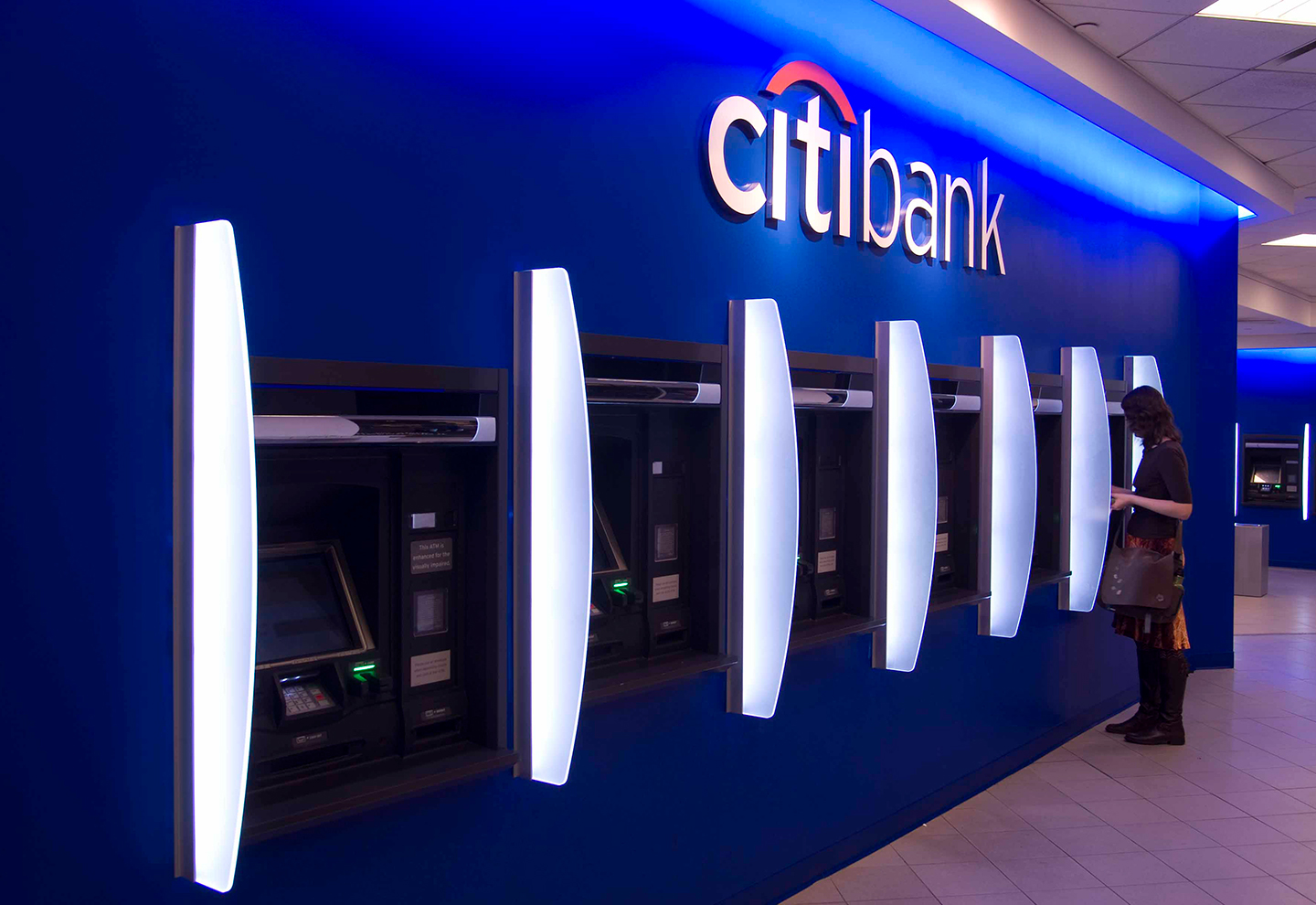
    Citi to Drop Two-Thirds of FX Platforms

    Citi will drop links to two-thirds of the existing foreign exchange platforms it is using, in a move to consolidate technology and reduce costs.

    Citi will reduce the number of FX platforms it uses from 45 to 15 by the first quarter of 2020, citing anonymous sources. The report added that the move to cut links could save the bank $5-10 million per year.

    Lower FX volatility over the past decade has led banks to invest heavily in electronic trading systems to reduce costs and maximize margins. But a moderated outlook for the FX trading business is likely to drive providers to rethink their offerings.

    Alongside J.P. Morgan, Citigroup is one of the two largest FX traders by market share, according to a 2018 Greenwich Associates report, highlighting advantages in its technology and client networks.

  • StanChart Beats Third Quarter Consensus Estimates

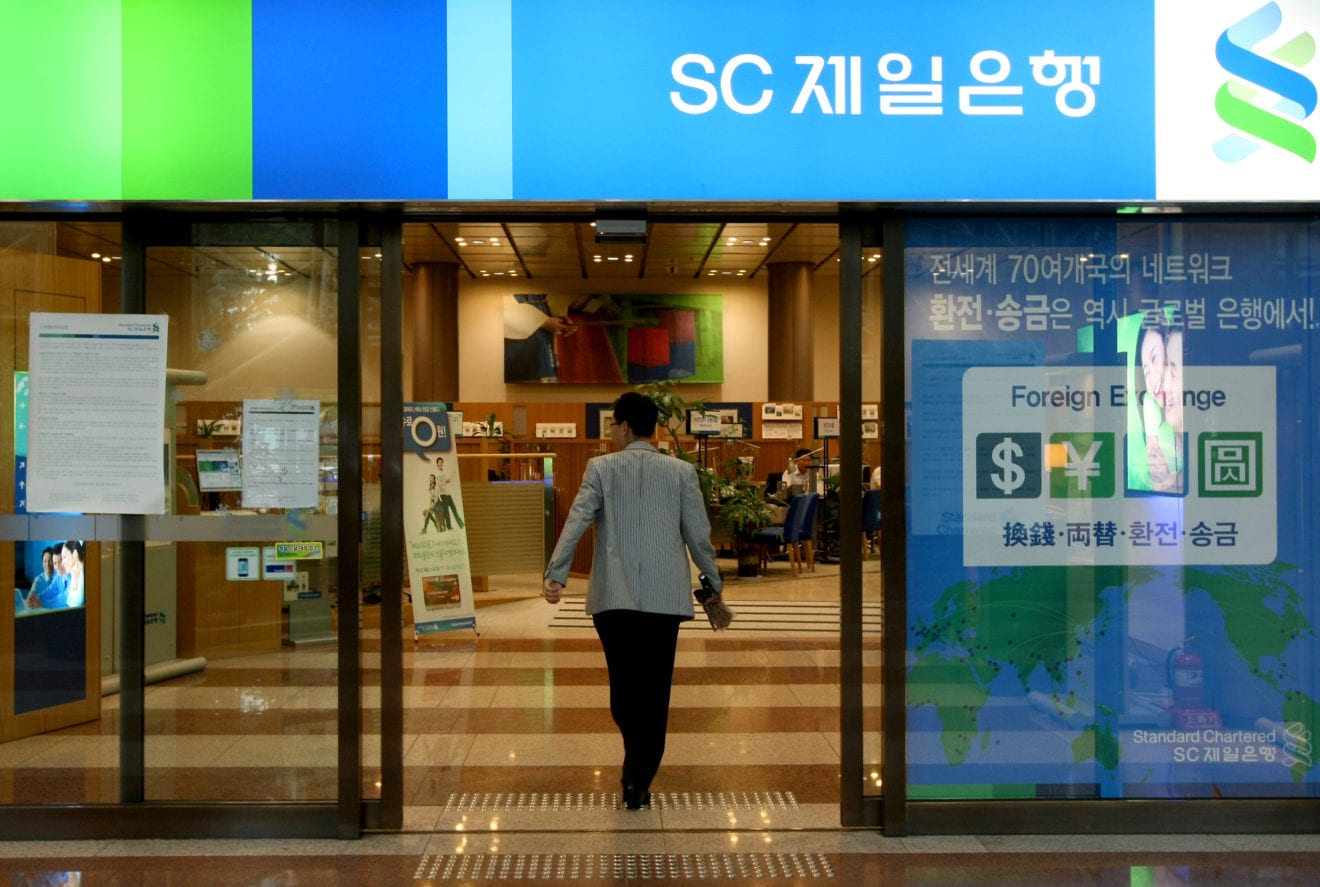
    StanChart Beats Third Quarter Consensus Estimates

    Standard Chartered posted a pre-tax profit of $1.11 billion, beating consensus estimates of $1 billion and resiliently reaping the rewards of its multi-year cost-cutting exercises.

    The bank recorded a net profit of $727 million in the three months ended September 30, up from $752 million in the same period last year. By region, Europe and the Americas led the pack with 19 percent income growth followed by ASEAN and South Asia at 13 percent. Despite ongoing unrest in Hong Kong, its Greater China and North Asia business defied the odds and registered 2 percent year-on-year income growth for the quarter.

    Our strategy of the last few years has progressively created a stronger and more resilient business,» said Bill Winters, Standard Chartered chief executive, in a statement. The continuing execution of that strategy remains our priority, enabling us to face the more challenging external environment confidently.

    Winters joined the bank in 2015 and has since then focused on restructuring by cutting management layers and thousands of jobs. After two years of losses, the bank returned to profit in 2017. In addition to profitability, the efforts aim to meet the target return on tangible equity of at least 10 percent by 2021, the bank noted.

    Still, there are growing headwinds from the combination of continuing geopolitical tensions and expectations of declining near-term global growth and interest, the bank warned.

  • Weibo Closes Social Media Accounts for Investment Fraud

    Weibo Closes Social Media Accounts for Investment Fraud

    Chinese tech giants are stepping up their own content-filtering efforts with Weibo leading the pack by shutting down 37 accounts for investment-related fraud.

    According to a statement by Weibo owner Sina, the accounts were closed due to content issues regarding «misleading investment information» or «securities fraud».

    The accounts seduce customers into purchasing illegal wealth management products and commit fraud by posting fake investment information, the statement said. Weibo will continue to crackdown on the illegal accounts and also welcomes users to report if any misleading information is found.

    Chinese regulators have been pushing social media platforms to self-censor content with a focus on combating illegal or misleading information such as investment-related fraud.

    In September, WeChat issued a statement claiming it had suspended or closed 45,000 accounts year-to-date for similar issues. The firm claimed that more than 36 percent of closed accounts involved fraudulent content and 25 percent involved false claims of high investment returns.

  • Ex-UBS Star Wins in Gender Complaint

    Ex-UBS Star Wins in Gender Complaint

    U.S.-based UBS broker notched up a victory in a high-stakes case against the Swiss wealth manager.

    Christine Carona won $1.6 million in damages from the Zurich-based bank in a discrimination lawsuit. She left the Swiss bank two years ago, claiming her career was stifled by discrimination by both UBS as well as her boss.

    The veteran banker is little known outside Boston, but was a top producer for UBS: she managed more than $300 million in assets for the Swiss bank, which in turn appointed her to a «President’s Council» of outperforming brokers. She left UBS for Morgan Stanley, where she runs a wealth management team, in 2017.

    Carona’s evidence to a state arbitration panel is uncomfortable reading: she alleged her then-boss had regularly called her a bitch and made other derogatory remarks about her personal life as well as her and other women’s’ work. Carona claimed her supervisor doled out more valuable accounts mainly to male colleagues.

    The supervisor is still employed by UBS’ U.S. wealth arm, which is overseen by Tom Naratil, as a managing director and Boston market head. UBS said it disagreed with the panel’s result: «UBS is committed to providing a diverse and inclusive workplace for all our employees.»

    The bank has run into trouble at its Swiss wealth arm as well: roughly one dozen women circulated a petition last year, alleging they were short-changed on bonuses The bank denied that it treats working women differently, and said only a small number of employees who feel they have been treated unfairly have come forward.

    The U.S. wealth arm forms the larger part of UBS’ overall private bank, by assets. Ex-Credit Suisse top executive Iqbal Khan joined UBS as Naratil’s unit co-head earlier this month. In the U.S., where UBS employs some 7,000 advisers, Naratil is aiming for a bigger chunk of banking with the super-rich.

  • Bitcoin Mining Billionaire Ousts Co-Founder

    Bitcoin Mining Billionaire Ousts Co-Founder

    A power struggle at the world’s largest crypto mining start-up has resulted in the surprise ouster of one of its co-founders.

    Beijing-based Bitmain Technologies has fired co-founder and executive director Micree Zhan Ketuan, according to an internal memo sent to staff on Tuesday, which was seen by CoinDesk.

    His role will be taken over by Jihan Wu, who founded the firm with Zhan six years ago, and is now chairman of the board. Wu is Bitmain’s head of business, while Zhan led the company’s chip designing team. The pair were previously co-CEOs, but were replaced by Wang Haichao earlier this year.

    Bitmain’s co-founder, chairman, legal representative and executive director Jihan Wu has decided to dissolve all roles of Ketuan Zhan, effective immediately, the memo sent by Wu, headlined Important Notice said. Wu also warned staff not to take any instructions from Zhan or take part in meetings with him, threatening dismissal to those who violate the notice.

    Bitmain is a major manufacturer of bitcoin mining equipment, and the company grew along with the crypto-mining boom. The falling price of bitcoin resulted in a cash crunch and layoffs for the company.

    The firm was valued at $15 billion in a private funding round in 2018. In September 2018, the firm filed for an IPO in Hong Kong, in an attempt to raise $3 billion, but was unsuccessful.

    According to the IPO prospectus, Zhan was a major shareholder of Bitmain’s holding company, owning 36 percent, while Wu owned 20 percent.

  • Chinese continue to drive growth of payment platforms

    Chinese continue to drive growth of payment platforms

    More and more Chinese are using payment platforms when shopping, thanks to mainlanders’ increasing affluence and vast usage of social payments such as WeChat Pay.

    That’s according to business intelligence provider Juniper, which says that revenue from payment platforms will grow from US$106 billion in 2019 to $158 billion by 2024. And it forecasts that China will account for more than 50 percent of it.

    Banking on this forecast, California-headquartered PayPal has acquired 70 per cent equity interest in GoPay, making it the first foreign payment platform to provide online payment services in China.

    The fast growth in the payment platforms industry in China is also attributed to the increasing demand for e-commerce services. Market research company eMarketer said in June that the top global e-commerce market in 2019 will be China, with $1.9 trillion in e-commerce sales, more than three times greater than the US with $586.9 billion.

    To sustain the growth momentum, Juniper recommends payment platforms providers diversify their solutions by offering services such as store-management solutions, customer insights and merchant capital finance.

    “The market will move beyond solely offering payments in the near future by expanding to new services. These value-added services will enable payment platforms to differentiate themselves in a saturated market and build out new business models to allow vendors to generate additional revenue,” says research author Morgane Kimmich.

  • DBS Chief First Singaporean Among World’s Top CEO

    DBS Chief First Singaporean Among World’s Top CEO

    Harvard Business Review has named DBS CEO Piyush Gupta in their 2019 edition of The CEO 100, its annual list of the world’s top chief executives.

    DBS’ chief executive Piyush Gupta is in Havard Business Review’s 2019 edition of The CEO 100,  joining the likes of Microsoft’s Satya Nadella, JPMorgan Chase’s Jamie Dimon, Disney’s Robert Iger and Tencent’s Ma Huateng in the list this year. NVIDIA’s Jensen Huang takes pole position on the list.

    Piyush Gupta’s leadership, together with a committed management team, has been critical in reshaping the bank. Over the years, he has shown us time and time again what an outstanding chief executive he is – his vision, courage and tenacity, and most importantly, his steadfastness in wanting to do the right thing by our people and our communities. Being the first Singapore CEO to be featured on this list, Gupta has done us all proud by flying the Singapore flag high on the global stage once more, said DBS Chairman Peter Seah, in a media statement on Tuesday.

    The ranking is based not only on financial performance but also on environmental, social, and governance (ESG) ratings, according to HBR. This year, ESG scores have been weighted to account for 30 percent of each CEO’s final ranking – up from 20 percent in 2018, to reflect  «the fact that a rapidly growing number of funds and individuals now focus on far more than bottom-line metrics when they make investment decisions». In addition, HBR’s rankings rely on «objective measures over a chief executive’s entire tenure», it said.

    Piyush joined DBS in 2009 as CEO and has since led the bank on a transformation journey that has established the organization as being among the world’s best. In September 2019, DBS was featured in HBR as among the world’s top 10 companies that have made the most successful strategic transformations in the last decade. This year, DBS has also been recognized by Euromoney as the World’s Best Bank.

  • Lower Margins Ahead For Singapore Banks

    Lower Margins Ahead For Singapore Banks

    Singapore’s three local banks are likely to experience margin squeeze in the third quarter as the Singapore Inter-bank Offered Rate heads south, following in the footsteps of Federal Reserve’s rate movement.  Analysts are also watching non-performing loan ratios amidst a weaker global economic environment.

    Even as loan growth is expected to remain steady, Singapore’s local banks – DBS, UOB, OCBC – could be seeing lower margins ahead caused by lower Singapore Inter-bank Offered Rate (Sibor), analysts say. The Singapore trio is due to report their Q3 results in November.

    Net interest margins (NIMs) for the banks are likely to see limited growth, if any, with the bulk of domestic mortgage repricing behind them, Maybank Kim Eng analyst Thilan Wickrama-singhe said in a report.

    DBS’s earnings are known to be the most sensitive to changes in the Sibor compared with its peers, said Wickramasinghe. He points out that the 12 basis point (bps) drop in Sibor since August following the interest rate cuts by the Fed may affect DBS’s NIMs more adversely, on the back of its larger, slow-to-reprice current and savings account funding base.

    UOB will kick off the results season for the three banks, announcing its results on November 1, followed by OCBC on November 5. DBS will cap off the earnings season for banks on November 11.

    RHB analyst Leng Seng Choon is cautious about OCBC and DBS’s loan exposure to Greater China, as there is a risk of higher Non-Performing-Loans (NPLs), given the U.S. -China trade war that is affecting China’s economic growth. According to brokerage, 29.9 percent of DBS’s loans are to Greater China, compared to OCBC’s 24.2 percent and UOB’s 15.7 percent.

    In a similar tone, DBS analyst Lim Rui Wen flagged that UOB is preferred for its smallest exposure to Greater China among the local banks, as well as the lowest sensitivity to falling interest rates in terms of NIMs.

    Even as net interest margins are expected to be softer, non-interest income is likely to see support from wealth management, analysts observe.

    New private banking inflows from North Asia should drive stronger non-interest income for DBS and OCBC, which in turn is likely to support positive earnings momentum, said the Maybank Kim Eng analyst.

  • HSBC Posts 24 Percent Profit Drop

    HSBC Posts 24 Percent Profit Drop

    HSBC posted a 24 percent drop in third-quarter profits despite a «resilient» Hong Kong business that managed to offset the city’s technical recession.

    The bank reported profits of $2.97 billion in the three months ended September 30, compared to $3.89 billion in the same period last year. HSBC’s pre-tax profits reached $4.84 billion, down 18 percent and below consensus estimates of $5.29 billion.

    In addition to a 2.9 percent decrease in revenue, primarily driven by lower global market activities, the bank also accounted for a number of provisions and one-off costs including a customer redress provision of $606 million, severance costs totalling $120 million and an expected credit loss provision of $400 million, mainly for unsecured retail lending and higher charges in its U.K. and Hong Kong commercial banking business.

    Despite the global results, the bank reportedly remained «resilient» in Hong Kong despite the headwinds. HSBC’s Hong Kong business registered a 1.3 percent uptick in adjusted pre-tax profits to reach $3.02 billion and push Asia’s pre-tax profits up 4 percent to $4.7 billion.

    Parts of our business, especially Asia, held up well in a challenging environment in the third quarter, said HSBC’s interim CEO, Noel Quinn.

    However, Quinn called performance elsewhere «not acceptable» underlining business activities within continental Europe and the non-ring-fenced bank in the U.K. and the U.S.

    Our previous plans are no longer sufficient to improve performance for these businesses, given the softer outlook for revenue growth. We are, therefore, accelerating plans to remodel them, and move capital into higher growth and return opportunities, he said, adding that the bank would not longer reach its return on tangible equity target of more than 11 percent in 2020.

  • StanChart Opens Second Innovation Lab in Hong Kong

    StanChart Opens Second Innovation Lab in Hong Kong

    Standard Chartered recently opened its second eXellerator innovation lab in Hong Kong which will focus on developing solutions for its corporate, commercial and institutional banking clients.

    Located in the central business district, the new lab differs from the first eXellerator based in industrial district Kwun Tong, which was launched last year and focuses on solutions for the retail banking business.

    The new lab will leverage emerging technologies and be «a focal point for engagement with the stakeholders of the Hong Kong fintech ecosystem» including regulators, government-backed organizations, business partners, clients and technology companies, Standard Chartered said in a statement.

    Hong Kong is not only Standard Chartered’s largest retail market, it is also where some of our most important corporate commercial & institutional banking clients reside and where there is a vibrant ecosystem for technology and innovation, added Alex Manson, global head of Standard Chartered’s SC Ventures – a unit that focuses on fintech investments and innovations which backs the eXellerator project.

    The new eXellerator lab location in Central gets us to the heart of it and we look forward to many more engagements and partnerships.

  • Philippines Central Bank Issues Islamic Finance Rules

    Philippines Central Bank Issues Islamic Finance Rules

    Bangko Sentral ng Pilipinas aims to issue new implementation rules regarding Islamic finance before the end of the year and potentially allow banks to establish separate subsidiaries for the new business line.

    The BSP is pushing for an open approach where conventional banks can operate Islamic banking windows or establish subsidiary Islamic banks, BSP deputy governor Chuchi Fonacier said in a report, adding that she wants to issue implementation rules before the end of the year.

    Fonacier’s statement was made close on the heels of the Filipino government’s enactment of a law to promote Islamic finance which was signed by President Rodrigo Duterte in late August.

    BSP governor Benjamin E. Diokno said the law would «unlock the full potential of Islamic financing in fostering inclusive economic growth» highlighting the opportunity to access the banking system for Muslim Filipinos, particularly in the southern autonomous Bangsamoro Region. Fonacier echoed the sentiments adding that foreign Shariah-compliant banks would also be allowed to operate in the Philippines.

    Islamic banking in the Philippines is promising, she said.

    Despite a sizeable ten percent minority of Filipinos being Muslims, banking services catered to the segment’s needs remain limited. Of the country’s 45 universal and commercial bank groups only one – the Al-Amanah Islamic Investment Bank of the Philippines – operations in compliance with Shariah principles.

  • DBS Leverages Allfunds Platform

    DBS Leverages Allfunds Platform

    DBS inks an agreement with Allfunds to leverage its fund distribution capabilities and boost penetration in Asia.

    DBS’s retail banking and wealth management arm will look to leverage from the partnership «access to a broad range of investment funds and utilize the asset servicing services which Allfunds provides in Asia, and globally,» according to a statement.

    According to Allfunds’ Asia regional manager David Perez de Albeniz, the partnership marks a common goal towards increasing mutual funds penetration in Asia, highlighting potential synergies between DBS’s «innovative digital offering» and Allfunds’ open-architecture platform. Marc Lansonneur, head of managed solutions, balance sheet products and investment governance at DBS Wealth, echoed the sentiments and underlined the comprehensiveness of the Allfunds platform.

    Allfunds presents a one-stop solution for our distribution needs – access to an extensive fund eco-system, leading technology proposition, and a full suite of servicing capabilities – which we seek to leverage to achieve greater convenience, efficiency, and productivity moving forward, Lansonneur said.

  • HSBC advises to avoid a Lehman Crisis in China

    HSBC advises to avoid a Lehman Crisis in China

    More easing is required in the industry not only to improve ease of business, said a senior HSBC executive, but to prevent risks similar to the Lehman crisis.

    Peter Wong, deputy chairman, and Asia Pacific chief executive of HSBC, commented at a Shanghai financial summit on the need to improve corporate governance and investor protection in China in order to manage major systematic risks akin to the trigger of the last global financial crisis. We really don’t want to have another situation similar to the Lehman crisis in China, Wong said, according to a report.

    Whilst it has suggested greater stringency in certain facets, it also lauded regulatory easing, such as the recently relaxed foreign ownership rules, and urged for more similar moves. Wong proposed more easing in the insurance industry, such as ease of expansion into new cities and provinces, and in the banking industry, including the acquiring of deposits.

    It’s very difficult for foreign banks to get deposits in China, Wong said, adding that the country should «figure out a way» to address the issue, he said. We’ve been trying for a number of years. Now we’re developing, we’re increasing our share, but the journey is not easy.

  • China Accelerates Blockchain Growth

    China Accelerates Blockchain Growth

    China’s national parliament has passed a new law on cryptography aimed to facilitate development concurrently with the country’s central banking efforts to launch its own digital currency.

    The newly adopted law, effective as of January 1, 2020, «was necessary for regulating the utilization and management of cryptography, facilitating the development of the cryptography business and ensuring the security of cyberspace and information», the National People’s Congress Constitution and Law Committee.

    The new law distinguishes cryptography into three classifications: core, common and commercial. Core and common cryptography will be strictly managed by Chinese authorities and used to protect confidential national information.

    If cryptography is deemed as commercial, which assumes no risk to state security or the public interest, cryptography management departments and other relevant personnel are unable to ask for disclosure of «exclusive information related to the cryptography such as source codes and must keep the business secrets and privacy they get in their duties strictly confidential.

    The new law marks a further acceleration of China’s blockchain-related policy which is likely to pave the way to various initiatives including the nation’s efforts to launch its own digital currency which its central bank claims is almost ready.

    The law was also enacted one day after President Xi Jinping called for more research and investments into blockchain technology, stressing competition from other major countries and the need for China to obtain first-mover to increase «influence and rule-making power in the global arena».