Category: Finance

Retail News Asia is committed to providing both local and global retailers with the latest Finance news throughout the Asian market. This on a daily base.

  • Vietnamese banks register more than robust profit growth

    Vietnamese banks register more than robust profit growth

    Commercial banks in Vietnam have posted impressive growth, with profits doubling or even tripling over last year’s first nine months. The Bank for Foreign Trade of Vietnam (Vietcombank) has announced profit before tax (PBT) of VND 11.68 trillion ($502.16 million) in the first nine months, a 47 percent increase compared to the same period last year.

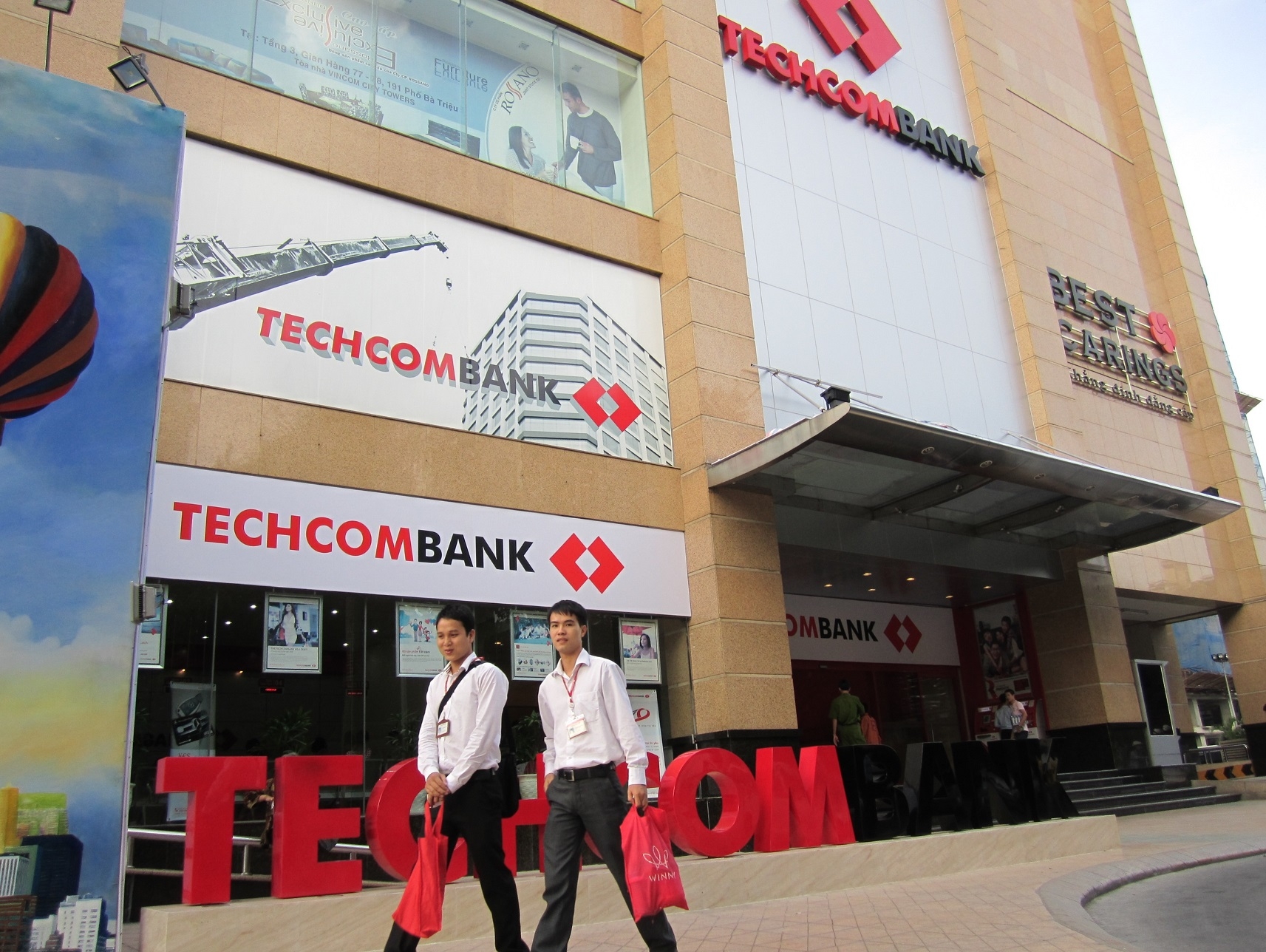
    In the private banking sector, the current profit leader is Techcombank, which reported a 9 month PBT of VND7.77 trillion ($334.2 million), an increase of 61 percent over the same period last year. Nearly all business lines at Techcombank saw positive growth.

    Pre-tax profit of lender ACB hit a record VND4.8 trillion ($206.3 million) in the 9-month period, 2.4 times higher than the same period last year.

    The highest growth rate of the period went to Vietnam International Commercial Joint Stock Bank (VIB), with its profit before tax of VND1.72 trillion ($73.9 million), marking an increase of 176 percent over the same period last year.

    Banks relied heavily on interest income to achieve these profits. For example, VPBank granted loans worth VND 211.09 trillion ($9.08 billion), up by 17 percent over the same period last year, and corresponding figures for Vietcombank were up 15 percent to VND 616.41 trillion ($26.5 billion).

    In addition, the banks have also gained positive results from the fee-for-services approach.

    According to banking experts, with strong credit growth at the beginning of the year and the economy forecast to remain stable, bank profitability is set to continue rising sharply towards the end of the year.

    In the last months of the year, many banks’ credit facilities have been running low, but this is balanced by rising interest rates that boost their net income.

    HSBC Vietnam CEO Pham Hong Hai said that profitability of the sector will peak in 2018 and gradually fall later. The central bank may not want to maintain such high credit growth in the near future, and could work to bring it down, he explained.

    The country’s banking sector posted an estimated 18.17 percent loan growth in 2017, according to the Ministry of Finance. It has targeted growth of 17 percent this year.

    Hai said that from 2019 onwards, bad debt may re-emerge as a problem for banks after the recent credit growth and the instability of the global financial markets. Therefore, banking profits will most likely see a downward trend next year.

    State Bank of Vietnam Governor Le Minh Hung said recently that bad debts and potential bad debts amounted to 8.61 percent of total credit by the end of September.
  • EU trade pact can reduce Vietnam’s reliance on China, US

    EU trade pact can reduce Vietnam’s reliance on China, US

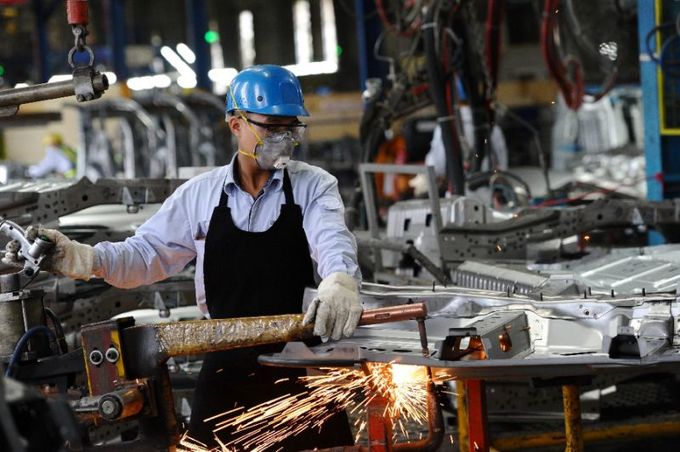
    The Vietnam-EU trade pact can diversify export markets and help reduce reliance on China and the U.S., experts say. On October 17, the European Commission submitted the EVFTA for signature and conclusion to the European Council. Once authorized by the Council, the agreement will be signed and presented by the end of this year to the European Parliament for ratification. The European Parliament is set to ratify the EVFTA early next year.

    The trade pact, which has been negotiated since June 2012, is considered a game changer as it would eliminate almost all trade tariffs between the two sides.

    Luu Bich Ho, former head of the Vietnam Institute for Development Strategies under the Ministry of Planning and Investment, said that the deal would play a major role in reducing Vietnam’s reliance on the U.S. and China, the world’s two largest economies.

    “This is obviously an opportunity for Vietnam to increase export [to the EU] to avoid being affected should the U.S. seek to limit imports from Vietnam,” Ho said.

    It’s also a chance for Vietnam to diversify its markets as it is still heavily dependent on China in trade, he added.

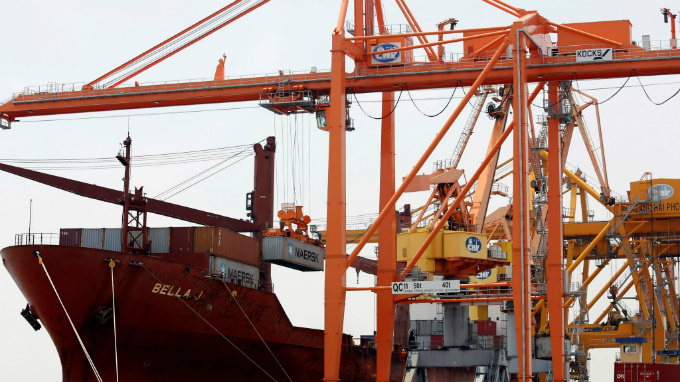
    In the first nine months this year, the U.S. was Vietnam’s largest export market, accounting for 19.5 percent of Vietnam’s total exports, a growth of 13.2 percent year-on-year, according to Vietnam Customs.

    Although the EU came second and accounted for 17.4 percent, this market has the smallest growth rate among Vietnam’s top six export markets at 10.5 percent.

    China was the third largest export market, had the highest growth rate of 29.9 percent. It was also Vietnam’s largest import market, accounting for 27.3 percent of Vietnam’s total imports.

  • Thai’s KBank presses ahead with 2019 loan growth target of 5-7%

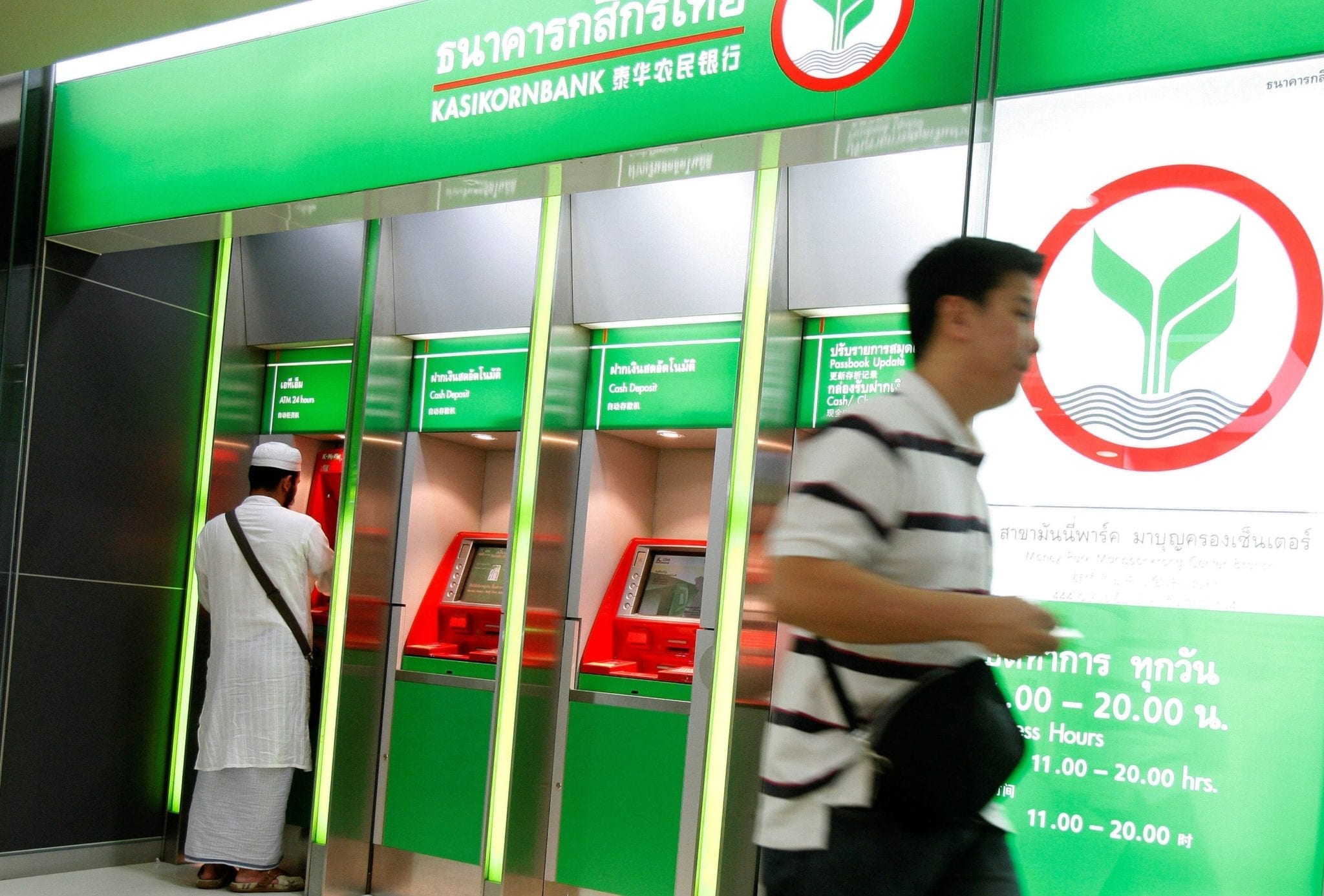
    Thai’s KBank presses ahead with 2019 loan growth target of 5-7%

    In the recently announced 2019 business plans, KASIKORNBANK (KBank) will press ahead to become the “Customers’ Life Platform of Choice” by using K PLUS to introduce financial and lifestyle services that suit individual clients. KBank’s financial and IT capabilities will be further enhanced through using data for decision making and steering business toward becoming a “Bank of Sustainability. The Bank has set 2019 loan growth target of 5-7%

    Mr. Banthoon Lamsam, Chairman of the Board of KBank, said that the Thai economy will likely post steady growth in 2019. Despite sagging demand abroad, domestic spending, buoyed by both public and private investments, may play a more important role in bolstering the Thai economic performance. It is expected the Thai GDP growth will reach 4.3 percent in 2019, which would be lower than the 4.6 percent pace projected for 2018 due to the slowdown in the export sector and tourism caused by the high 2018 base and the protracted US-China trade dispute that may dampen the global trade overall. Major drivers for the Thai economy in 2019 may include steady public infrastructure investment and the scheduled general election that will likely help reinvigorate investment climate overall while Thailand’s interest rates will be on the upward trend amid lofty household debt.

    Amid numerous challenges, KBank’s 2019 business operations will continue to focus on our “Customer Centricity” philosophy. With this mantra, we will press ahead with the “Customers’ Life Platform of Choice” strategy by using K PLUS, which has the highest number of users of any mobile banking applications in the country, to introduce financial and lifestyle services to meet the needs of individual customers. Our financial and IT capabilities will be enhanced further to allow KBank to be more responsive to every situation and become a data-driven bank, thus paving the way toward being a “Bank of Sustainability”.

    With regard to overall goals for 2019, KBank looks forward to achieving loan growth of 5-7%, which would be consistent with the 2019 economic growth, breaking down into corporate loan growth at 3-5%, SME loan growth at 2-4% and retail loan growth at 9-12%. We also set growth targets for our net interest margin (NIM) at 3.3-3.5%, and non-interest income growth at -5 to -7%. KBank’s NPL ratio is projected at 3.3-3.7%.

    Mr. Banthoon added that KBank continues to operate business, based on being a “Bank of Sustainability”, and under appropriate risk management and good governance. We are also building a balance in economic, social and environmental dimensions via strategies that will enable us to achieve and create sustainable returns over the long term. Such a sustainable development philosophy has been instilled in all of our operations until it becomes part of our corporate DNA, which has helped create maximum benefit for all stakeholders and promote sustainable growth to Thailand.

  • Vietnam to navigate rough trade war waters

    Vietnam to navigate rough trade war waters

    Parliament members say the ongoing US-China trade war has had visible impacts, and Vietnam needs to reduce dependence on both nations. At the ongoing National Assembly session, several National Assembly deputies Saturday stressed the need for Vietnam to make policy changes and diversify markets.

    Ha Sy Dong, a deputy from Quang Tri Province, said that the escalating tension between the U.S. and China is not confined to trade.

    It is also a long-term political conflict that has had visible impacts on Vietnam’s economy, he said.

    “The obvious impacts are higher risks in trade, and fluctuating currency and capital flows,” Dong said.

    A report by the National Center for Socio-Economic Information and Forecast (NCIF) released in August said that Vietnam’s GDP could drop 0.03 percent this year, 0.09 percent next year and 0.12 percent in 2020 and 2021 due to impacts of the US-China trade war.

    This equals a GDP drop of VND1.65 trillion ($71 million) this year and VND5.3 trillion ($228 million) next year. The decline will climax at VND8 trillion ($344 million) in 2021.

    The Vietnam Institute for Economic and Policy Research (VEPR) had previously cautioned that the trade war could prompt large corporations to send their capital back to the developed countries as developing countries lose their attraction.

    Technology giants like Foxconn are investing more in manufacturing in the U.S. as a result of the trade war, the VEPR noted.

    “We need to diversify our markets and trade partners to reduce dependence on China and the U.S.,” Dong stressed.

    In the first nine months this year, the U.S. was Vietnam’s largest export market, accounting for 19.5 percent of Vietnam’s total exports, a growth of 13.2 year-on-year, according to Vietnam Customs.

    China was the third largest export market, with the highest growth rate of 29.9 percent. It was also Vietnam’s largest import market, accounting for 27.3 percent of Vietnam’s total imports.

    Tran Tuan Anh, Minister of Industry and Trade, said that as geographical and political tensions between the U.S. and China escalate, the Vietnamese government needs to limit risks for the country.

    He told the National Assembly that he would report in more detail on this issue.

    Taking advantage

    Dong said that Vietnam could also benefit from the tensions, exporting more to the U.S. and welcoming more foreign direct investment as companies leave China.

    U.S. sports apparel company Brooks Running has recently announced that it is considering shifting its manufacturing operations from China to Vietnam to avoid the trade war tariffs of 45 percent.

    Adidas CEO Kasper Rorsted also said in May that his company was shifting footwear sourcing from China to Vietnam, and data from Nike showed that Vietnam produced 46 percent of its footwear last year, against 27 percent in China.

    The U.S.-China trade war escalated last month as the U.S. levied new tariffs of 10 percent on about $200 billion worth of Chinese products, with the tariffs to go up to 25 percent by the end of this year.

    China retaliated immediately with 5 and 10 percent tariffs on $60 billion worth of U.S. products.

  • Vietnam agriculture export shows progress

    Vietnam agriculture export shows progress

    Vietnam’s coffee exports grew 21.5 percent and rice exports 3.4 percent year-on-year in the first ten months, government data showed on Monday.

    Coffee 

    Coffee exports from Vietnam will rise an estimated 21.5 percent between January and October from a year ago to 1.58 million tons, equal to 26.3 million 60-kg bags, the General Statistics Office said in a report on Monday.

    Coffee export revenue for Vietnam, the world’s biggest producer of the robusta bean, rose 1.1 percent to $2.98 billion in the 10-month period, the report said.

    October coffee exports were estimated at 130,000 tons, worth $230 million.

    Rice

    Rice exports in January-October from Vietnam were forecast to rise 3.4 percent from a year ago to 5.24 million tons. Revenue from rice exports in the period was forecast to grow 16.1 percent year-on-year to $2.64 billion.

    October rice exports from Vietnam, the world’s third-largest shipper of the grain, were recorded at 350,000 tons, worth $180 million.

    Energy

    Vietnam’s January-October crude oil exports plunged 45.4 percent year-on-year to an estimated 3.22 million tons.

    Crude oil export revenue in the first 10 months of 2018 fell 24.8 percent to $1.82 billion.

    Oil product imports in the 10-month period were estimated at 10 million tonnes, falling 5.1 percent from the same period last year, while the value of product imports rose 20 percent to $6.77 billion.

    Vietnam’s January-to-October liquefied petroleum gas imports increased 5.7 percent from a year earlier to 1.2 million tons.

  • SE Asia Stocks not looking good, Singapore hits 22-month low

    SE Asia Stocks not looking good, Singapore hits 22-month low

    Philippines shares regained on Friday after reduction in previous section, while regional markets fell in line with broader Asia. The previous session saw sharp losses in the Philippines and other regional markets, as a tech-fuelled rout on Wall Street spooked investors across Asia, leading to a massive sell-off in regional equities.

    Asian bourses are likely to benefit from “tentative bottom-fishing”, analysts at OCBC said in a note.

    The Philippine index, which has been the region’s worst performer this year and the biggest loser in the previous session, rose 0.7 percent, boosted by real-estate stocks.

     “This is a short-lived bounce, since it was the worst performer and had seen a steep drop yesterday, I think investors think the 6,900 level of the index is a good time to buy… the last time it hit that level, investors bought back,” said Miguel Ong, research analyst at AP Securities.

    Real estate conglomerate Ayala Land Inc gained 2.1 percent and SM Investments Corp added 1.5 percent.

    Indonesian shares also ticked up, helped by telecom and financial stocks. Sector heavyweight PT Telekomunikasi Indonesia Tbk rose 0.8 percent and PT Bank Central Asia Tbk rose 0.9 percent.

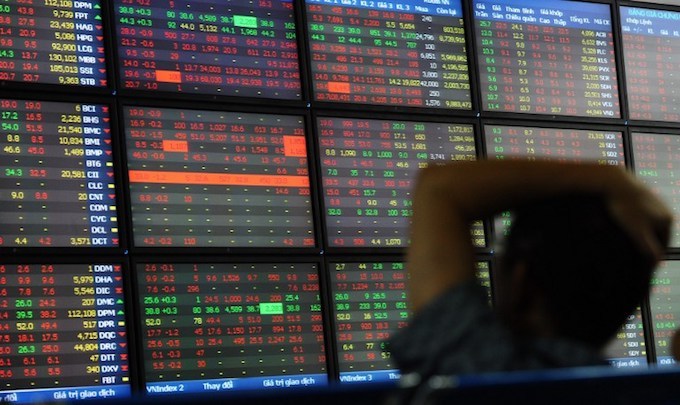
    Vietnamese stocks were on track for a seventh losing session and a fourth straight week of losses, with real estate stocks and industrials being the biggest drags on the benchmark.

    Vinhomes Joint Stock Company fell 3.7 percent and No Va Land Investment Group Corporation lost 3.1 percent.

    Singapore stocks approached their lowest in nearly 22 months, falling 1.7 percent and on track for a fourth week in the red. Financial heavyweights like United Overseas Bank Ltd lost 3.5 percent and DBS Bank’s parent company DBS Group Holdings Ltd lost 2.6 percent.

    Thai shares failed to sustain the previous session’s brief bounce and looked set to post a fourth week of losses. Its energy sector, which drove a turnaround in the index in the previous session, was the biggest drag.

    Oil and gas giant PTT PCL lost 2 percent, while PTT Exploration and Production PCL traded 2.2 percent lower.

    Malaysian stocks edged lower on the back of telecom stocks, with Telekom Malaysia Berhad shedding 1.3 percent and wireless service provider Digi.Com Berhad losing 1.7 percent.

  • SE Asia Stocks: Most lose ground, Vietnam dives to three-month low

    SE Asia Stocks: Most lose ground, Vietnam dives to three-month low

    Most Southeast Asian stock markets slumped on Thursday, following a tech rout on Wall Street that saw the year’s gains being wiped out. Disappointing forecasts from chipmakers beat down the tech sector, sending investors scurrying to the safety of sovereign bonds, pushing Wall Street to its worst single-day fall since 2011.

    A concoction of other negative factors like Saudi Arabia’s diplomatic tensions, fears of slowing global growth and the Brexit stalemate spooked investors, with MSCI’s broadest index of Asia-Pacific shares outside Japan dropping about 2 percent.

    Vietnamese stocks dived as much as 4 percent to an over three-month low and were on track for a sixth straight day in the red.

    Financial and real-estate stocks bore the brunt of the beating, with lender Joint Stock Commercial Bank for Foreign Trade of Vietnam (Vietcombank) losing 2.7 percent and conglomerate Vingroup JSC shedding 2.3 percent.

    Philippine shares fell 2.3 percent, dragged by banking and industrial stocks, pushing the index’s loss this week to 2.6 percent.

    “About 45 minutes into trading, net foreign selling has already reached over 100 million pesos. After last night’s bloody session on Wall Street, as expected foreigners are stepping up selling of Philippine shares, while local investors are staying on the sidelines,” said Fio Dejesus, a research analyst at RCBC Securities.

    Banking giant BDO Unibank Inc shed 3.6 percent and industrial conglomerate SM Investments Corp fell 2.7 percent.

    “It’s a flight to safety, they’re entering into lower risk assets like govt treasuries because the risk-off sentiment has hit emerging markets really hard,” he added.

    Singapore stocks saw the same dismal sentiment, giving up the previous day’s short-lived gains to take weekly losses to over 2 percent.

    Casino and gaming operator Genting Singapore Ltd fell 3.3 percent and investor Yangzijiang Shipbuilding (Holdings) Ltd lost 1.7 percent.

    Malaysian shares followed the same trajectory, shedding 0.8 percent, on track to post their sixth straight session of losses.

    Plantation and industrial heavyweight Sime Darby Berhad lost 5.9 percent and oil and gas services provider Dialog Group Berhad fell 3.9 percent.

    After the previous session’s sharp losses on energy stocks, the Thai index extended losses and were poised for a six-day run of losses.

    All sectors traded in the red, with oil and gas refiner PTT PCL losing 1 percent and lender Siam Commercial Bank PCL lost 2.2 percent.

    Indonesian shares appeared to escape the worst, trading slightly higher as gains in financial stocks offset losses in other sectors.

    Lender PT Bank Central Asia Tbk gained 0.8 percent while sector heavyweight and auto truck manufacturer PT Astra International Tbk lost 0.3 percent.

  • Vietnam’s per capita GDP up 17.3 pct in 3 years: PM

    Vietnam’s per capita GDP up 17.3 pct in 3 years: PM

    This year’s estimated per capita GDP of $2,540 marks a $440 increase over 2015, PM Nguyen Xuan Phuc informed the National Assembly Monday. In term of purchasing power parity (PPP), the per capita income in 2018 is estimated at $7,640, and expected to rise annually by six percent to reach $8,580 in 2020, the prime minister said.

    “Many international organizations said that Vietnam has good prospects, and is one of the fastest growing economies in the region and in the world,” Phuc noted.

    Vietnam is likely to achieve GDP growth of 6.7 percent in 2018, he said, adding that despite complex fluctuations in the domestic and global economies, caused in particular by the US-China trade war, as well as financial and currency market risks, Vietnam has managed to pull through 2018 with several positive economic signs.

    GDP growth reached 6.98 percent between January and September, and foreign direct investment inflows into Vietnam this year will likely reach a record $18 billion, Phuc said.

    It is expected that inflation will be kept at below 4 percent for the year, the third year in a row that the government has maintained this level, he added.

    Vietnam is aiming to post economic growth of between 6.6-6.8 percent in 2019, the PM said, adding that the target of keeping inflation below 4 percent will also be applied.

    However, he conceded that there was pressure on Vietnam’s inflation rate due to higher crude and electricity prices as well as costlier education and healthcare services.

    To speed up economic development, the Government plans to push ahead with the state-owned enterprise restructuring plan, Phuc said.

    “We want to restructure public investment more effectively and improve the efficiency of capital use. Furthermore, the privatization and divestment of state-owned enterprises will ensure publicity, transparency and maximization of the State’s interests,” the PM said.

    He emphasized the need for strong development of the private sector and the creation of a favourable and competitive environment that maximizes resources and improves all economic sectors.

    The Government will also focus on public investment, speeding up implementation of projects like the North-South expressway and the Long Thanh International Airport in southern Dong Nai Province, the PM said.

  • Exchange rates, tax worry Vietnam’s most profitable firms

    Exchange rates, tax worry Vietnam’s most profitable firms

    Exchange rate fluctuations and high taxes are the main concerns of Vietnam’s most profitable businesses, a recent report has found. The survey of the 500 most profitable companies this year, which include 41 foreign invested ones, by consultancy and market research firm Vietnam Report, said 51.4 percent of businesses considered exchange rate volatility as the biggest challenge this year.

    For 42.9 percent of respondents the tax burden was the biggest concern.

    Other factors that affect their profitability are red tape (37.1 percent), global economic instability (31.4 percent) and environmental disasters (25.7 percent).

    However, 90 percent expected their revenues to rise this year.

    Eighty percent said their profit had already exceeded last year’s, with another 8.6 percent saying it had drawn level.

    Almost all (97.1 percent) said the government has stewarded the economy well by curbing inflation and managing the exchange rate adroitly.

    But they wanted improvements to administrative procedures, infrastructure and access to land.

    The survey found the telecommunications-information technology sector having the highest return on equity, 30 percent, followed by transportation with 24 percent and pharmaceuticals with 21 percent.

    The Vietnam Oil and Gas Group or PetroVietnam is the most profitable company this year followed by telecomunications firm Viettel and Samsung Electronics Vietnam Co. Ltd.

  • For Vietnamese exporters, ASEAN market remains bridge too far

    For Vietnamese exporters, ASEAN market remains bridge too far

    Vietnamese companies are struggling to sell their products to ASEAN member countries despite the abolition of tariffs within the bloc. Analysts blame this on their lack of market information and poor understanding of consumer needs among other factors.

    With the formation of the ASEAN Economic Community (AEC) three years ago, members had to reduce over 90 percent of their tariff lines to zero percent, though Vietnam, Laos, Cambodia, and Myanmar were allowed until 2018 to do so.

    Yet Vietnam’s intra-ASEAN exports accounted for only 11 percent last year while this number for other members averaged 24 percent even in 2016, Nguyen Thi Tue Anh, deputy head of the Central Institute of Economic Management (CIEM), said at a recent conference.

    Anh said besides Vietnamese enterprises’ lack of market information, they have also failed to adequately differentiate their products from those of competitors within the bloc.

    A spokesperson for a business based in southern Soc Trang Province said his company, which produces dried fish and other fisheries products, wants to take its products to the ASEAN market but does not know how.

    He said that there are many factors such as package design, marketing and market research, and it does not know where to begin since all are equally important.

    Ha Xuan Anh, chairman of HCMC-based textile maker Son Viet, said his company’s products – undergarments – are sold at many modern retail outlets. But for the last 10 years it has sought to sell to Singapore, Thailand and Malaysia, and has been unable to do so.

    He explained that though the quality of his company’s products is competitive, Vietnamese brands remain unknown in these markets.

    It only sells in markets with less competitive products such as Laos, Cambodia and Myanmar.

    Pham Thiet Hoa, director of the HCMC Investment and Trade Promotion Centre (ITPC), also blamed the weaknesses of Vietnamese enterprises for their inability to export, listing lack of product diversification, failure to closely liaise with authorities responsible for foreign affairs, and poor marketing.

    ITPC said small companies entering a new market alone would find it very difficult to identify foreign business partners and distribution chains.

    Hoa said it is therefore necessary for trade envoys to work with their counterparts in foreign markets to bridge this gap.

    Participating in fairs, exhibitions and trade promotion programmes in target markets enables companies to assess the competitiveness of local rivals, he said.

    Despite the free trade environment, each country in the bloc has differences in culture, religion and consumer preferences, and businesses need to understand them before venturing into those countries, he said. “Enterprises should also carefully study the technical barriers and legal regulations to avoid losses.”

  • WeChat Pay to be ready in 7-Eleven, Guardian Singapore

    WeChat Pay to be ready in 7-Eleven, Guardian Singapore

    Customers of 7-Eleven, Cold Storage and Guardian stores in Singapore will soon be able to pay for purchases using WeChat Pay. The owner of the two retail chains, Dairy Farm Group, has worked with NETS to enable visitors from China and Chinese nationals based in Singapore to use the service from November 1.

    WeChat Pay is currently being trialled at the 7-Eleven and Guardian stores at Changi International Airport and some stores in key tourist destinations in the Orchard and Chinatown districts.

    According to the Singapore Tourism Board, visitors from China increased by almost 13 per cent, from 2.8 million in 2016 to 3.2 million last year. The partnership between Dairy Farm Singapore and NETS together with WeChat will enable Singapore’s largest multi-format retailer to better cater to the growing number of China visitors, by offering visitors a convenient way to pay when they shop in Singapore.

    Head of merchant services at NETS, Alvin Seck, said working with payment partners like WeChat and retailers like Dairy Farm Group enables NETS to roll out new payment services for consumers quickly while minimising adoption costs for merchants.

    “With this partnership, 7-Eleven and Guardian in Singapore along with Cold Storage and Giant can just make use of its existing NETS uPOS terminals to accept WeChat Pay, in addition to NETS, QR, NETS FlashPay, credit and debit payments.”

    To use WeChat Pay for payments, users simply need to scan the NETS QR code on the NETS uPOS terminal.

    Dairy Farm Singapore’s regional finance director, Tom van der Lee said this latest payment mode service is part of the multi-format retailer’s digital-transformation journey in line with the government’s ‘Smart Nation’ drive.

    “More customers are adopting cashless payments, thanks to easier and faster payment transactions with the uPOS terminal plus the convenience of the wide array of payment options to choose from across our Cold Storage, Giant, 7-Eleven and Guardian stores. Cold Storage alone has seen cashless payment increase by 6 per cent and at Guardian by 3 per cent since Dairy Farm Singapore installed 1800 unified NETS POS terminals last year – the single largest deployment by retailer here.”

  • Bank Negara to extend observation period for net stable funding ratio by a year to 2020

    Bank Negara to extend observation period for net stable funding ratio by a year to 2020

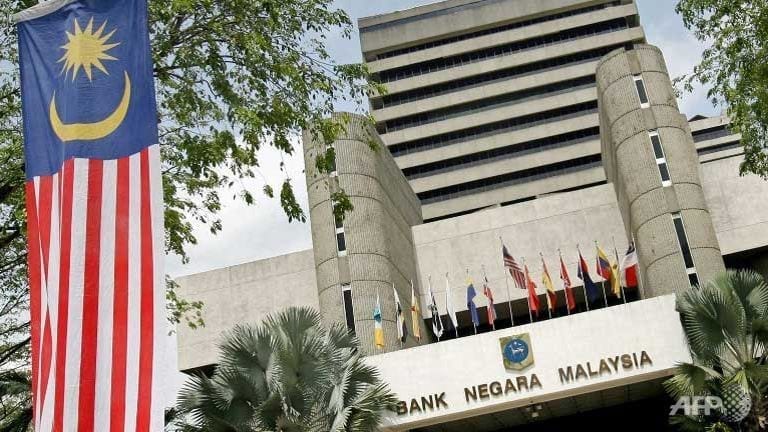
    Bank Negara Malaysia (BNM) is looking to extend the observation period for the net stable funding ratio (NSFR) in Malaysia for a year to 2020. NSFR is a liquidity standard which comes under the Basel III international regulatory reforms. It refers to requirements for banks to have in place a certain percentage of stable sources of funding, such as commercial papers that have more than a year’s maturity and retail deposits, to support their asset portfolios in the longer term.

    The initial deadline proposed by the Basel committee for the NSFR standard of above 100% was Jan 1, 2018. It was then deferred to Jan 1, 2019.

    Speaking at BNM’s Financial Stability Conference, governor Datuk Nor Shamsiah Mohd Yunus said the extension takes into account the intention to conduct further on-site assessments to validate the maturity and robustness of the liquidity and funding practices of banks, and uneven progress in implementation at the global level.

    “The bank remains committed to implementing the NSFR requirements as part of overall liquidity standards applicable to licensed banks in Malaysia.”

    She added that currently all banks maintain adequate liquidity buffers against short-term liquidity stress, and the vast majority of banks already report NSFR levels above the minimum 100% based on observation data.

    On another note, Nor Shamsiah said the challenge now is when a crisis is going to strike and how it will spread.

    In navigating an uncertain future, she suggested four strategic priorities for financial stability authorities.

    First, authorities need to remain vigilant as emerging economies face mounting pressures that continue to see more volatile capital flows. Second, authorities must continue to develop and deepen their understanding of risk transmission.

    Third, authorities must have a broad policy toolkit for responding to financial stability risks. Fourth, authorities need to increase policy agility as every crisis or financial stability issue is different, and each requires a different policy response.

  • Vietnam footwear industry to be benefited from trade war

    Vietnam footwear industry to be benefited from trade war

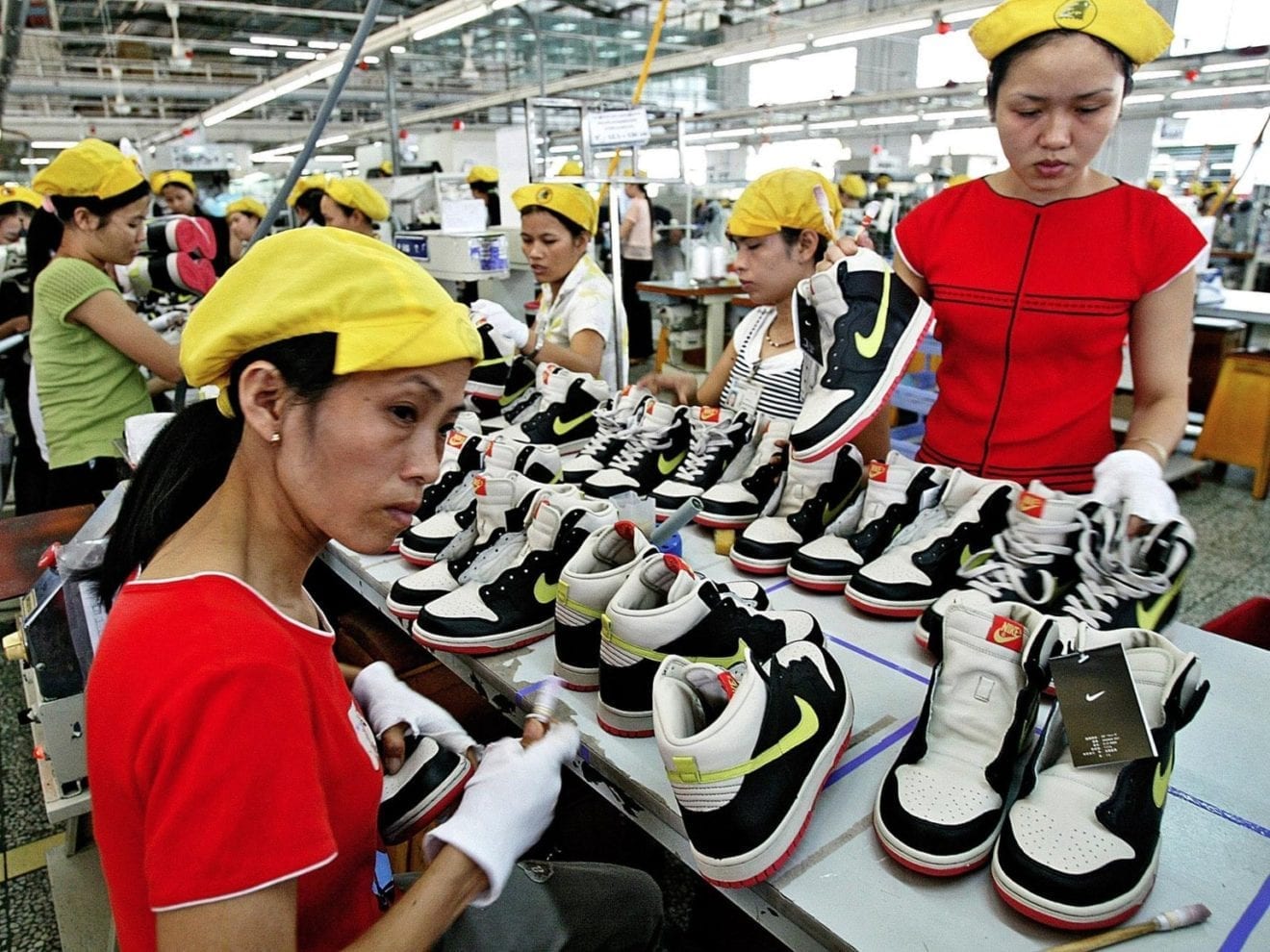
    Vietnamese footwear exporters seem to be benefiting from the ongoing trade war between the U.S. and China. According to customs statistics, Vietnam’s footwear exports in the first nine months of this year were worth $11.74 billion, a 10.2 percent year-on-year increase. Its exports to China in the period have risen by 28.5 percent, to Japan by 14.7 percent, and to the U.S. by 13.5 percent.

    Vietnam is the second biggest exporter of footwear to the U.S. behind China, shipping 404 million pairs of shoes last year.

    The upward trend is likely to continue, too, as rising wages in China increase the cost of goods produced there and the country is thus directing more of its manufacturing resources toward higher-priced goods like electronics, according to the global footwear news outlet Footwearnews.

    Foreign companies are moving to other countries like Vietnam to cut cost.

    Adidas CEO Kasper Rorsted said last May that his company is shifting sourcing of footwear from China to Vietnam.

    Vietnam has in fact overtaken China as its top supplier, with Vietnamese factories producing 44 percent of its shoes by volume last year and Chinese manufacturers supplying 19 percent, according to Adidas.

    This would help shield the company from potential tariffs or supply chain disruptions if President Donald Trump’s trade war with China continues to escalate, a fact its competitors also seem to be taking notice of.

    Vietnam may see export orders surging as footwear importers shun China to avoid high U.S. tariffs and choose the Southeast Asian nation instead, local media quoted Diep Thanh Kiet, vice chairman of the Vietnam Leather, Footwear and Handbag Association (Lefaso), as saying.

    “Vietnam’s leather and footwear export can reach $19.5 billion or slightly higher this year depending on the situation,” he said. Vietnam’s footwear exports were worth $14.65 billion last year.

  • CIMB chairman appointed new chairman

    CIMB chairman appointed new chairman

    CIMB Group Holdings Bhd has received Bank Negara Malaysia’s approval for the appointment of Datuk Mohd Nasir Ahmad as the group chairman. He will succeed Datuk Seri Nazir Razak, who is stepping down earlier.

    On Sept 24, Nazir announced his intention to retire from his position as the group chairman and all other positions within the CIMB group of companies by year-end.

    Nazir had served CIMB for 29 years since 1989, including as group CEO for 15 years and as group chairman since 2014. Under his leadership, CIMB grew from a fledgling corporate finance franchise into a top Malaysian investment bank, and was later transformed into a leading universal bank in Asean.

    Meanwhile, Mohd Nasir has been a member of the group’s board of directors (BOD) since 2015, and its senior independent director since April 2016.

    As part of this appointment, he will relinquish his positions as senior independent director and chairman of the audit committee. However, he will remain as a member of the group BOD’s audit committee, risk committee and group nomination & remuneration committee.

    Mohd Nasir is a chartered accountant by training and a fellow of the Association of Chartered Certified Accountants (ACCA), UK. He is also a council member of the ACCA Global Council. He has 39 years of corporate experience through companies such as Tenaga Nasional Bhd, including in CEO positions at Syarikat Permodalan Kebangsaan Bhd and Perbadanan Usahawan Nasional Bhd. He is the group chairman of Media Prima Bhd, as well as an independent director of CIMB Bank Bhd, SIRIM Bhd and Sistem Televisyen Malaysia Bhd.

    “I am delighted that following the Sept 24 announcement of my intention to retire, the board has been able to appoint my successor quickly from within the group board, and someone capable of taking over immediately. I am, therefore, relinquishing all my positions in the CIMB group with effect from today. Naturally, I will make myself available to assist the new chairman in any way to ensure a smooth transition,” Nazir said in a statement on Mohd Nasir’s appointment.

    CIMB group’s BOD and chairperson of group nomination & remuneration committee Teoh Su Yin said Mohd Nasir’s substantial corporate experience in various capacities and leadership roles, coupled with his three-year directorship on the CIMB group board, will provide valuable guidance and continuity during this time of transition and CIMB’s continued evolution.

    “The board looks forward to his stewardship as the group shapes its next mid-term growth strategy. The board would also like to record its appreciation to Nazir under whose tenure CIMB grew and became a leading Asean financial institution, and we wish him all the very best for the future.”

    CIMB group CEO Tengku Zafrul Aziz said the group looks forward to being guided by Mohd Nasir as it starts executing its next mid-term growth plan in 2019, which will focus on, among others, the people, customers, digital and sustainability.

  • Five Things to Check Before Taking Personal Loan

    Five Things to Check Before Taking Personal Loan

    Personal loan helps everyone in an unexpected financial crisis. Whether it’s an unforeseen expense during a wedding or renovating your home, emergency medical needs, restructuring your debts, starting a small business, etc., a personal loan can help you with immediate resources.

    Here is a list of five things to check before you avail of a personal loan –

    Interest rate offered

    The interest rate can vary depending on your creditworthiness. In addition, interest rates must be reviewed and compared with those of another institution before applying for loans, since interest rates usually vary due to several factors including competition among lenders. In this case, you can benefit from a loan at lesser interest.

    Since personal loans do not carry any security they attract high interest rates. Since there is no guarantee of repayment and nor does the lender have any asset in his possession to sell off the rate of interest is unusually high. As a customer you have to find a loan with lower interest rate to benefit

    Loan tenure

    Make sure that the tenure of the loan is acceptable to you. Loans with very short or long tenure can cause financial loss. You must always select a tenure that is suitable to your needs. A very long tenure would mean low EMI but also you must remember that you will be paying interest for a longer period. Thus your total outflow of interest will be more. Short tenure would mean rapid payback of principal which reduces total interest but makes the EMI expensive. The mean between these two would be best.

    Eligibility

    For being able to receive a personal loan you would have to check your eligibility to receive such a loan. Most banks and financial institutions have a web page with loan eligibility calculator. The amount of personal loan which can be given to you depends on the applicant’s income, age, credit score and other outstanding debts. If the loan is at all provided the loan amount and tenure of loan would depend on the above factors too. These factors vary widely between different financial institutions and it is quite possible that another bank will accept someone who has been refused earlier.

    Capacity to pay back

    It is always best to think calmly about your ability to repay. What is the EMI that you can afford depending on your income and monthly expenses and other commitments. The bank that is providing you with the loan will also carry out similar due diligence. It is of utmost importance that a borrower has sufficient funds to repay the monthly installments.

    Applicable penalties

    Lenders usually charge a fee if there is pre-payment. It is because early repayment prevents the bank from earning interest which they had expected as an income. One must always find a bank with least rate of prepayment penalties. Also watch out for exorbitant processing fees and late payment fines.

    Conclusion

    Take a personal loan only if it is absolutely needed for an emergency. It makes no sense to go on a vacation by paying exorbitant interest rates. Use personal loans judiciously and pay them back as soon as possible.

    Since a personal loan is associated with high interest rates, it is always advisable to obtain a personal loan only if you need money urgently and do not want to provide other assets as collateral. Personal loans are not secured, which means that nothing has been given as collateral.