Category: Finance

Retail News Asia is committed to providing both local and global retailers with the latest Finance news throughout the Asian market. This on a daily base.

  • Bankrupt US retail giant Sears owes Vietnamese firm $4 million

    Bankrupt US retail giant Sears owes Vietnamese firm $4 million

    Sears, a U.S. retail titan that has filed for bankruptcy, owes a Vietnamese textile company upwards of $4 million. Sears Holdings filed for bankruptcy on October 15 after failing to make a $134 million debt payment tranche. Its subsidiaries, Sears, Roebuck and Kmart are partners of Vietnamese textile firm Thanh Cong, contributing about 7 percent to the textile firm’s revenue every year.

    Last year, Sears contributed VND220 billion ($9.38 million) to Thanh Cong’s revenues of VND3.2 trillion ($136.5 million). Sears remaining debt to Thanh Cong is VND95 billion ($4 million), or 3 percent of the textile firm’s total assets, according to Vietnamese company’s  third quarter report.

    Thanh Cong CEO Lee Eun Hong said that his company was seeking to participate in the process and retrieve its money.

    The hearing is scheduled for November 15.

    Thanh Cong Textiles, established in 1967, has reported accumulated revenues of VND2.82 trillion ($120.3 million) in the first nine months of this year, up 15 percent year-on-year.

    Exports account for 88 percent of the firm’s revenue.

    The bankruptcy filing by Sears follows a decade of revenue declines, hundreds of store closures, and years of deals by billionaire Eddie Lampert in an attempt to turn around the company he acquired in 2005 for $11 billion.

  • Kakao’s blockchain gets 9 development partners

    Kakao’s blockchain gets 9 development partners

    Nine companies have agreed to develop apps for Kakao’s new Klaytn blockchain system. The public platform was developed by Ground X, Kakao’s blockchain subsidiary. It was offered on Oct. 8 on a test basis, or testnet. Kakao, Korea’s largest messenger app company, announced the introduction on Monday.

    The companies building the apps are from a wide range of industries from gaming to health care. They are planning to use Klaytn for the development and operation of dApps, or decentralized applications.

    Service operators are attracted to dApps because of their decentralized nature, transparency and ability to incentivize users through in-app rewards.

    Wemade Tree, a subsidiary of game developer Wemade Entertainment, is one of the Klatyn partners. Wemade said it wants to use blockchain because it allows for smooth and speedy operations. Wemade’s games, including its popular Legend of Mir massively multiplayer online role-playing games (Mmorpg) series, have over 200 million accumulated users.

    Piction Network, which helps web comic and novel creators retain ownership over their works while making them available for users, has also partnered with Klaytn. Piction Network plans to provide its Klaytn-powered network to webtoon platform Battle Comics, which currently has over a million active users.

    A blockchain-based food data project called Hint Chain, operated by Vital Hint, has also announced a plan to utilize Klaytn. Vital Hint first gained popularity for providing recipe recommendations through apps like Foodiest. Hint Chain goes one step further and analyzes individual tastes and eating habits. Hint Chain plans to use Klaytn to help consumers manage their eating and purchasing habits, and make this information available to restaurants, convenience stores, supermarkets and hospitals.

    Other notable industry partners include Nabu Studio, a sports simulation game developer, Airbloc, a data marketplace for businesses interested in gathering personal information for research and advertising, and Humanscape, a data marketplace specifically dealing with health information related to rare and incurable illnesses.

    Cosmochain, another partner, is a beauty information platform that incentivizes users to provide feedback on cosmetics products.

    VETTA is a crowdfunding platform for games selected by GTR, a game accelerator. Rayon connects borrowers and lenders.

    “It’s important to prove the value and utility of blockchain in order for the technology to commercialize,” said Han Jae-sun, chief executive of Ground X. “We will soon gradually begin presenting high-quality services that we worked on together with partners.”

    After the selected partners complete a test run, Klaytn plans to launch in the first quarter of 2019. Until the official release, Klaytn will continue forming new partnerships with qualified companies.

    “Service providers and developers interested in using Klaytn’s testnet can still register on the official Klaytn homepage,” said a Kakao spokesperson.


  • Samsung works with Dutch on blockchain

    Samsung works with Dutch on blockchain

    Samsung SDS said on Sunday it signed a partnership with two Dutch entities, ABN AMRO and the Port of Rotterdam, to use blockchain technologies for logistics. The IT solutions and logistics arm of Samsung will link its Nexledger blockchain product with ABN AMRO’s Corda platform by February. In doing so, it will verify whether the system is compatible with other blockchain systems.

    ABN AMRO’s system is designed mainly for financial transactions.

    Blockchain technologies, which allow for the validation of data without central management, will be used for the paperless administration of container financing and logistics, the Samsung SDS pilot project integrating container payments, administration and physical transportation.

    At present, the various processes in the handling of containers utilize separate circuits.

    “The project came after Europe took note of Korean marine logistics blockchain services,” said Kim Hyung-tae, vice president and general manager of the smart logistics unit at Samsung SDS. “It will help our global blockchain business expand and improve our competitiveness.”

    Last year, Samsung SDS led a consortium to conduct tests on blockchain-powered storage in marine transport. The consortium included companies and government bodies.

    “The ultimate goal is to reach an open, independent and global platform that operates from the perspective of shippers,” said Daphne de Kluis, ABN AMRO’s CEO of commercial banking. “This will make the logistics chain more transparent and efficient, and millions of euros can be saved in the long term.”

    According to the bank, the hope is to create an entirely new industry standard.

    “The transportation, monitoring and financing of freight and services should be just as easy as ordering a book online,” said Port of Rotterdam in a release.

    The pilot with the Dutch companies starts in January, and the results will be announced in February.

    The cooperative network will become open to other parties, according to ABN Amro and Port of Rotterdam.

  • Vietcombank files for private issue of 360 million shares

    Vietcombank files for private issue of 360 million shares

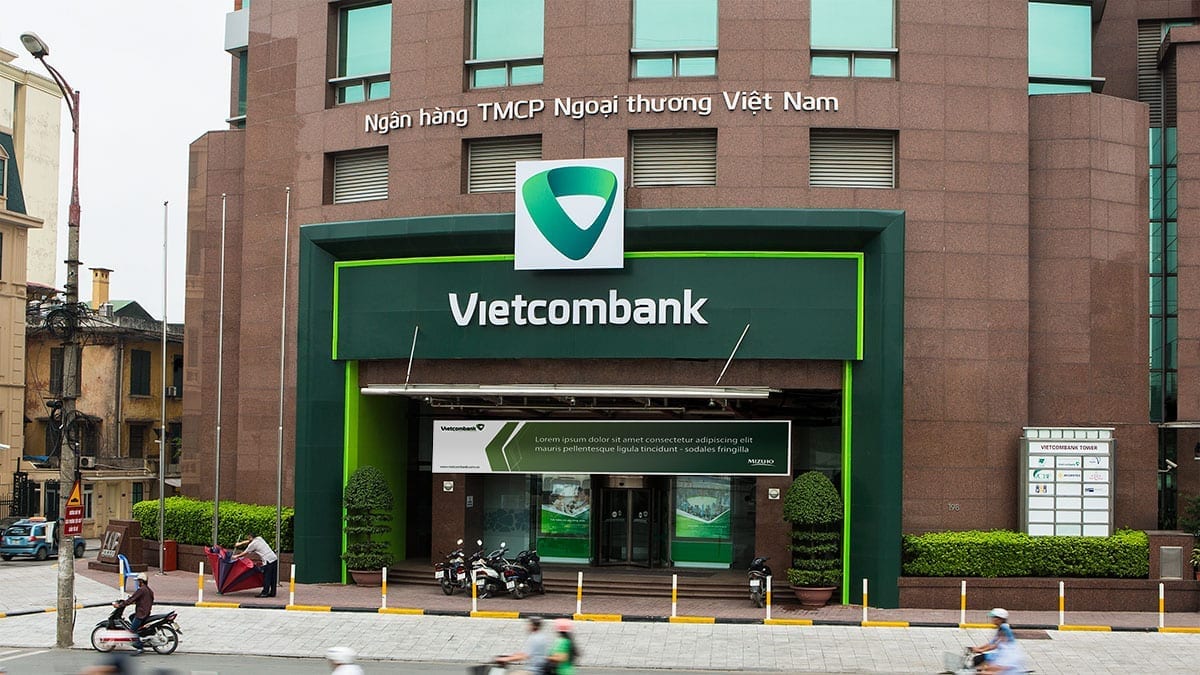
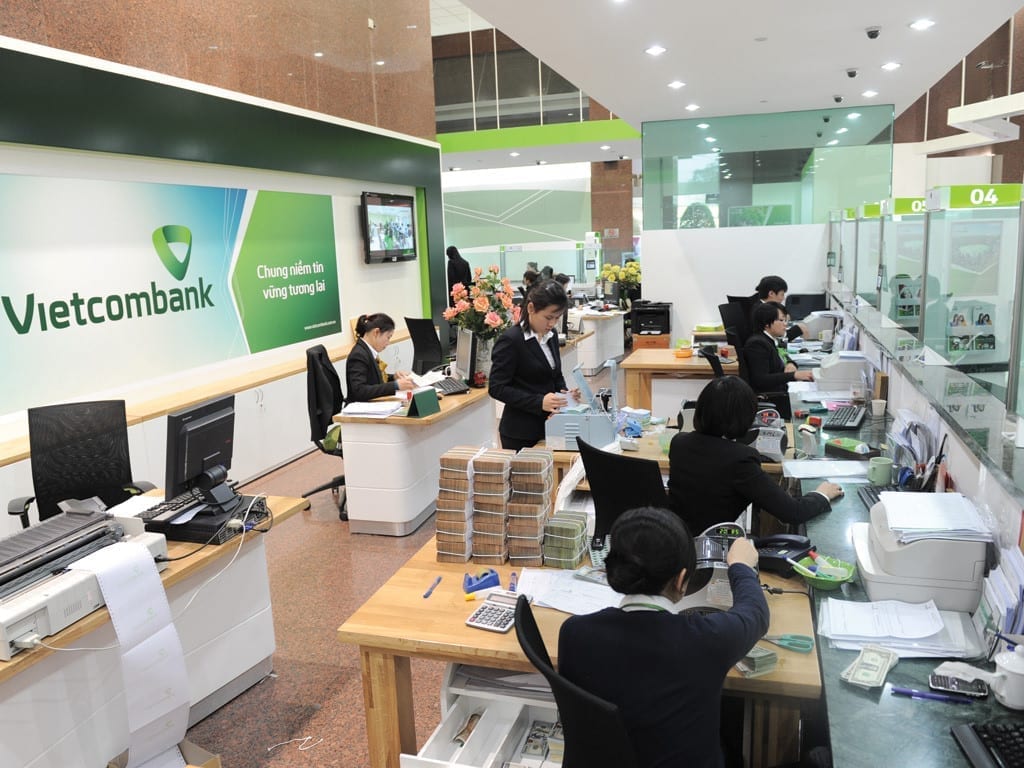
    Vietnam’s State Securities Commission has received an application from Vietcombank for a private placement of shares worth over $156.5 million. The commission (SSC) said the country’s third largest bank by assets proposes to make a private issue of 360 million shares, equivalent to 10 percent of its charter capital.

    The lender plans to sell nearly 54 million shares to its strategic partner, Japan’s Mizuho Bank, to ensure it retains its 15 percent stake post dilution.

    It will sell the remaining 306 million shares, or 7.73 percent of its charter capital, to other undisclosed investors.

    The bank has not disclosed the issue price either. Its shares closed at VND58,000 ($2.5) Friday on the HCMC market.

    The State Bank of Vietnam recently gave Vietcombank approval to increase its charter capital by 10 percent to VND39.58 trillion ($1.69 billion).

    The lender has also received approval from its shareholders to make the private placement.

    Vietcombank and other top lenders, including BIDV and Vietinbank, have been struggling to increase their capital to meet international capital adequacy norms.

    The second Basel Accords, or Basel II, prescribe minimum capital adequacy of 8 percent of risk-weighted assets for all financial institutions to cover operational risks.

    In 2016 Vietcombank signed a deal with Singapore sovereign wealth fund GIC Private Limited to sell a 7.73 percent stake. The deal has yet to be consummated, with the bank’s chairman, Nghiem Xuan Thanh, saying they have been unable to agree on a price.

    As a state-owned bank, Vietcombank’s issue of new shares must not be at a price lower than their current market price or a minimum value set by the government.

    However, the price offered by GIC did not meet this requirement.

    If the private issuance of VND3.6 trillion ($156.5 million) is successful, Vietcombank will have the highest chartered capital in the industry of nearly VND40 trillion ($1.74 billion).

  • EU pushes for approval of trade agreement with Vietnam

    EU pushes for approval of trade agreement with Vietnam

    The European Commission submitted for approval on Wednesday a free trade agreement with Vietnam. The E.U.-Vietnam trade and investment agreements will need approval from the E.U.’s 28 members and from the European Parliament.

    The parties have agreed a related accord to promote democracy and human rights, including commitments, dialogue and possible sanctions. E.U. Trade Commissioner Cecilia Malmstrom said no one denied there were human rights problems in Vietnam.

    “We are talking openly about this with our Vietnamese counterparts and the trade agreement will not make Vietnam a fully fledged democracy overnight. It is one tool in the toolbox that we have in relations with Vietnam and other countries,” she said.

    The European Union will sign a trade deal on Friday with Singapore, another member of the Association of Southeast Asian Nations (ASEAN), and is in talks with Indonesia.

    It is unclear whether the European Parliament, which is expected to debate and vote on the Singapore agreement as well as the E.U.-Japan free trade deal, will have time to pass the Vietnam accord before E.U. elections in May.

    The trade deal would eliminate 99 percent of all tariffs, although some staged over a time period and some, notably agricultural products, limited by quotas.

    Vietnam, for example, would cut its duty on E.U. car imports from 78 percent to zero over 10 years and for wines and spirits, from around 50 percent, over seven years. E.U. companies would also be able to bid for Vietnamese public contracts.

    In return, the European Union would take seven years to eliminate its duties on certain Vietnamese products, such as its major textiles, clothing and footwear exports.

    Vietnam has pledged to protect 169 European food and drinks products, such as champagne or Parmigiano Reggiano cheese, meaning such names could only be used for E.U. imports.

    The agreement includes a chapter on sustainable development, such as implementing international standards on labour rights and the Paris climate accord.

  • ‘Inevitable’ growth of Vietnam’s consumer lending market attracts newcomers

    ‘Inevitable’ growth of Vietnam’s consumer lending market attracts newcomers

    Early this month, EVN Finance, a subsidiary of national power utility, Vietnam Electricity, launched a consumer lending program called Easy Credit in Ho Chi Minh City. Customers with a monthly minimum income of VND4.5 million ($194) in five southern localities – Ho Chi Minh City, Dong Nai, Binh Duong, Long An and Vung Tau – are eligible to borrow cash from the program.

    Eligible customers can take loans of VND10-90 million ($432-3,882) with payback periods of 6-60 months.

    EVN Finance is one of many finance institutions looking to cash in on the growth in consumer lending, which had a value of over $5 billion at the end of last year, according to the National Financial Supervisory Commission (NFSC).

    SHB Finance and VietCredit Finance Company have also introduced similar credit schemes.

    Some banks and foreign investors have announced plans to set up consumer finance divisions to increase their market shares in the sector.

    Orient Commercial Bank (OCB) is planning to set up a subsidiary with a capital of around VND500 billion ($21.7 million) or acquire an existing finance company in the market.

    In June, SeABank acquired the subsidiary of Vietnam Posts and Telecommunications Group (VNPT), Posts and Telecommunications Finance Company, for VND710 billion ($30.87 million).

    In addition to the Vietnamese banks, foreign investors are also eyeing this market. Early this year, Korea’s Shinhan Financial Group bought Prudential’s consumer finance unit for $151 million.

    Industry insiders say more companies are coming in because of increasing demand in Vietnam for consumer lending services. NFSC statistics show consumer lending surged 50.2 percent and 65 percent in 2016 and 2017, respectively.

    The commission attributed the surge to a high demand for housing, arising from a young population and increasing urbanization.

    Kalidas Ghose, CEO of financial firm FE Credit, said that while consumer lending has developed rapidly in recent years, the market has vast room to grow.

    He said the potential for exploiting the market is still large since consumer lending is an inevitable trend across the globe.

    The share of consumer lending in Vietnam’s total outstanding loans is only about 11.4 percent, while the figure in developed countries is between 40-50 percent, Ghose added.

  • Vietnam’s per capita GDP long way away from 2020 target

    Vietnam’s per capita GDP long way away from 2020 target

    Vietnam’s GDP per capita is set to increase this year, but its 2020 target of $3,200-3,500 looks distant. Minister of Planning and Investment Nguyen Chi Dung said at a National Assembly meeting Monday that if Vietnam’s GDP increases by 6.7 percent this year, per capita GDP will reach $2,540, up $155, or 6.1 percent year-on-year, and 1.21 times that of 2015.

    However, the number is still far away from the country’s target of $3,200-3,500 by 2020, he conceded.

    According to World Bank Group statistics, Vietnam’s GDP per capita in 2017 is $2,343. The figure for Singapore is $57,714, Malaysia ($9,945), Thailand ($6,594), the Philippines ($2,989) and Myanmar ($1,298).

    Minister Dung estimated that Vietnam’s GDP would grow by 6.57 percent on average in the 2016-2018 period, meeting the National’s Assembly target of 6.5-6.7 percent growth.

    However, he expressed concerns about the increasing number of businesses that stopped operations in the first nine months of this year.

    While 96,610 new businesses opened, 73,100 closed, up 48 percent year-on-year.

    These figures worried government officials at the meeting. Vu Hong Thanh, Chairman of the National Assembly’s Economic Committee, said that the goal of having one million businesses by 2020 will be “difficult to achieve.”

    Last year Vietnam had over 560,000 active businesses, up 11 percent year-on-year, according to the General Statistics Office.

    But in another meeting last week, Deputy Prime Minster Vuong Dinh Hue said that the goal “is full of challenges, but achievable.”

    Hue said that how strong these businesses are and how much they can contribute to the economy is more important.

    “The government aims to practically improve the business environment by not imposing more conditions,” he said.

    In the first nine months this year, Vietnam’s GDP grew by 6.98 percent, the highest nine-month growth rate since 2011. The economy grew by 6.81 percent last year, the highest rate in a decade.

  • Nazir Razak steps down as CIMB chairman, succeeded by Mohd Nasir Ahmad

    Nazir Razak steps down as CIMB chairman, succeeded by Mohd Nasir Ahmad

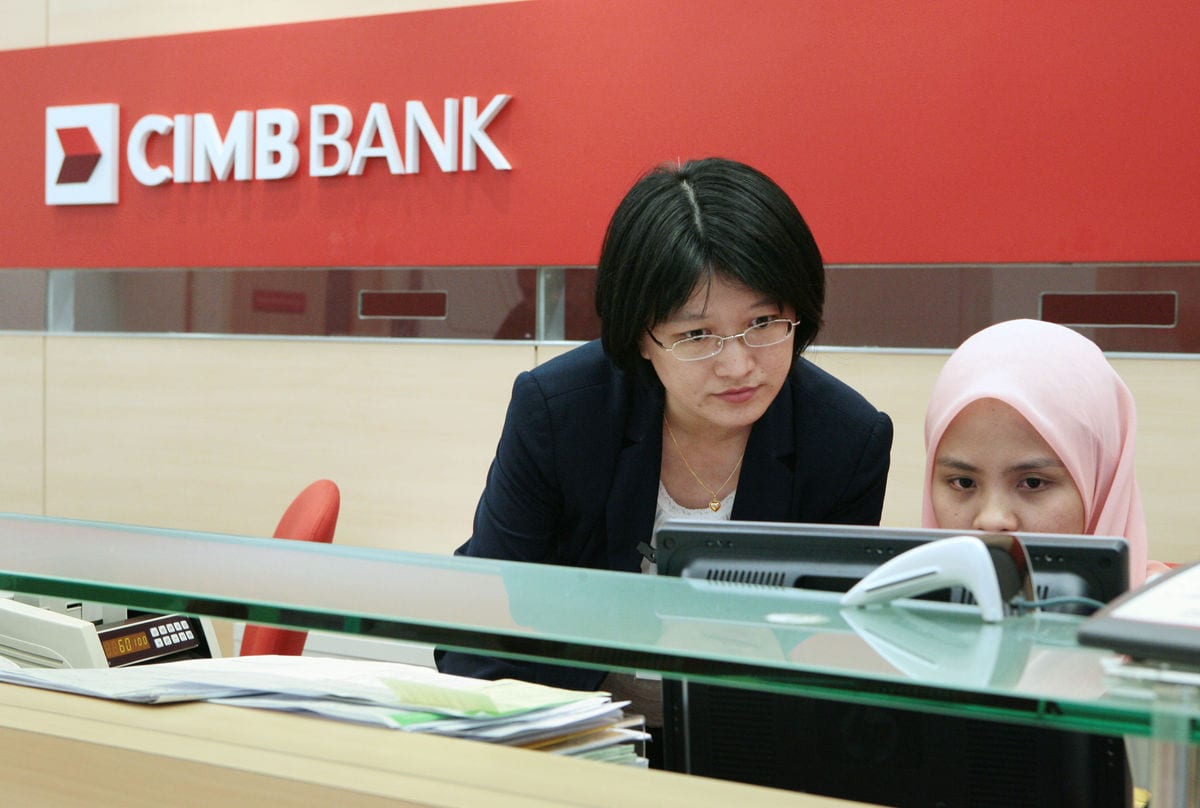
    CIMB Group Holdings Bhd has received Bank Negara Malaysia’s approval for the appointment of Datuk Mohd Nasir Ahmad as the group chairman effective tomorrow. He will succeed Datuk Seri Nazir Razak, who is stepping down last week.

    On Sept 24, Nazir announced his intention to retire from his position as the group chairman and all other positions within the CIMB group of companies by year-end.

    Nazir had served CIMB for 29 years since 1989, including as group CEO for 15 years and as group chairman since 2014. Under his leadership, CIMB grew from a fledgling corporate finance franchise into a top Malaysian investment bank, and was later transformed into a leading universal bank in Asean.

    Meanwhile, Mohd Nasir has been a member of the group’s board of directors (BOD) since 2015, and its senior independent director since April 2016.

    As part of this appointment, he will relinquish his positions as senior independent director and chairman of the audit committee. However, he will remain as a member of the group BOD’s audit committee, risk committee and group nomination & remuneration committee.

    Mohd Nasir is a chartered accountant by training and a fellow of the Association of Chartered Certified Accountants (ACCA), UK. He is also a council member of the ACCA Global Council. He has 39 years of corporate experience through companies such as Tenaga Nasional Bhd, including in CEO positions at Syarikat Permodalan Kebangsaan Bhd and Perbadanan Usahawan Nasional Bhd. He is the group chairman of Media Prima Bhd, as well as an independent director of CIMB Bank Bhd, SIRIM Bhd and Sistem Televisyen Malaysia Bhd.

    “I am delighted that following the Sept 24 announcement of my intention to retire, the board has been able to appoint my successor quickly from within the group board, and someone capable of taking over immediately. I am, therefore, relinquishing all my positions in the CIMB group with effect from today. Naturally, I will make myself available to assist the new chairman in any way to ensure a smooth transition,” Nazir said in a statement on Mohd Nasir’s appointment.

    CIMB group’s BOD and chairperson of group nomination & remuneration committee Teoh Su Yin said Mohd Nasir’s substantial corporate experience in various capacities and leadership roles, coupled with his three-year directorship on the CIMB group board, will provide valuable guidance and continuity during this time of transition and CIMB’s continued evolution.

    “The board looks forward to his stewardship as the group shapes its next mid-term growth strategy. The board would also like to record its appreciation to Nazir under whose tenure CIMB grew and became a leading Asean financial institution, and we wish him all the very best for the future.”

    CIMB group CEO Tengku Zafrul Aziz said the group looks forward to being guided by Mohd Nasir as it starts executing its next mid-term growth plan in 2019, which will focus on, among others, the people, customers, digital and sustainability.

  • Citi Hires UBS Banker For Taiwan

    Citi Hires UBS Banker For Taiwan

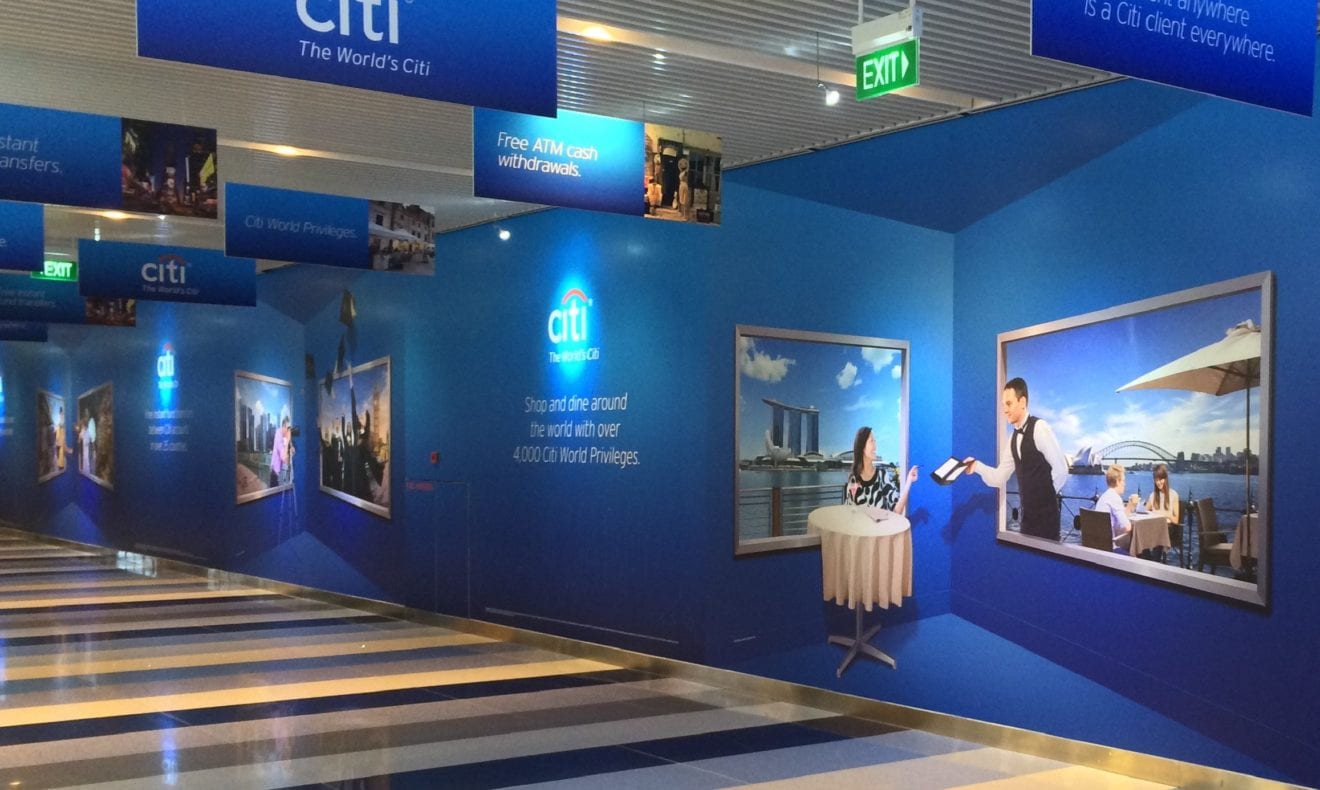
    Citi Private Bank appointed Sally Yeh as global market manager for Taiwan, who joins immediately. She joins the American bank from UBS, where she most recently led a team of offshore bankers working with entrepreneurs from Taiwan.

    She will be responsible for growing Citi’s with ultra-high net worth individuals from Taiwan and manages teams based in both Hong Kong and Singapore. Yeh, who is based in Hong Kong, reports to Rudolf Hitsch, Citi’s head of north Asia.

    Veteran Banker

    Yeh brings with her over 20 years of experience in various financial fields focused on the needs of business owners and investors from Taiwan.

    She started her career in Taiwan in asset management, before moving on to work in investment banking for eight years. In 2009, she joined UBS as a private banker  in Hong Kong for the ultra-high net worth segment.

  • Vietcombank files for private issue of 360 million shares

    Vietcombank files for private issue of 360 million shares

    The commission (SSC) said the country’s third largest bank by assets proposes to make a private issue of 360 million shares, equivalent to 10 percent of its charter capital. The lender plans to sell nearly 54 million shares to its strategic partner, Japan’s Mizuho Bank, to ensure it retains its 15 percent stake post dilution. It will sell the remaining 306 million shares, or 7.73 percent of its charter capital, to other undisclosed investors. The bank has not disclosed the issue price either. Its shares closed at VND58,000 ($2.5) Friday on the HCMC market.

    The State Bank of Vietnam recently gave Vietcombank approval to increase its charter capital by 10 percent to VND39.58 trillion ($1.69 billion).

    The lender has also received approval from its shareholders to make the private placement. Vietcombank and other top lenders, including BIDV and Vietinbank, have been struggling to increase their capital to meet international capital adequacy norms.

    The second Basel Accords, or Basel II, prescribe minimum capital adequacy of 8 percent of risk-weighted assets for all financial institutions to cover operational risks. In 2016 Vietcombank signed a deal with Singapore sovereign wealth fund GIC Private Limited to sell a 7.73 percent stake. The deal has yet to be consummated, with the bank’s chairman, Nghiem Xuan Thanh, saying they have been unable to agree on a price.

    As a state-owned bank, Vietcombank’s issue of new shares must not be at a price lower than their current market price or a minimum value set by the government.

    However, the price offered by GIC did not meet this requirement.

    If the private issuance of VND3.6 trillion ($156.5 million) is successful, Vietcombank will have the highest chartered capital in the industry of nearly VND40 trillion ($1.74 billion).

  • HSBC Appoints New Chairman for Singapore

    HSBC Appoints New Chairman for Singapore

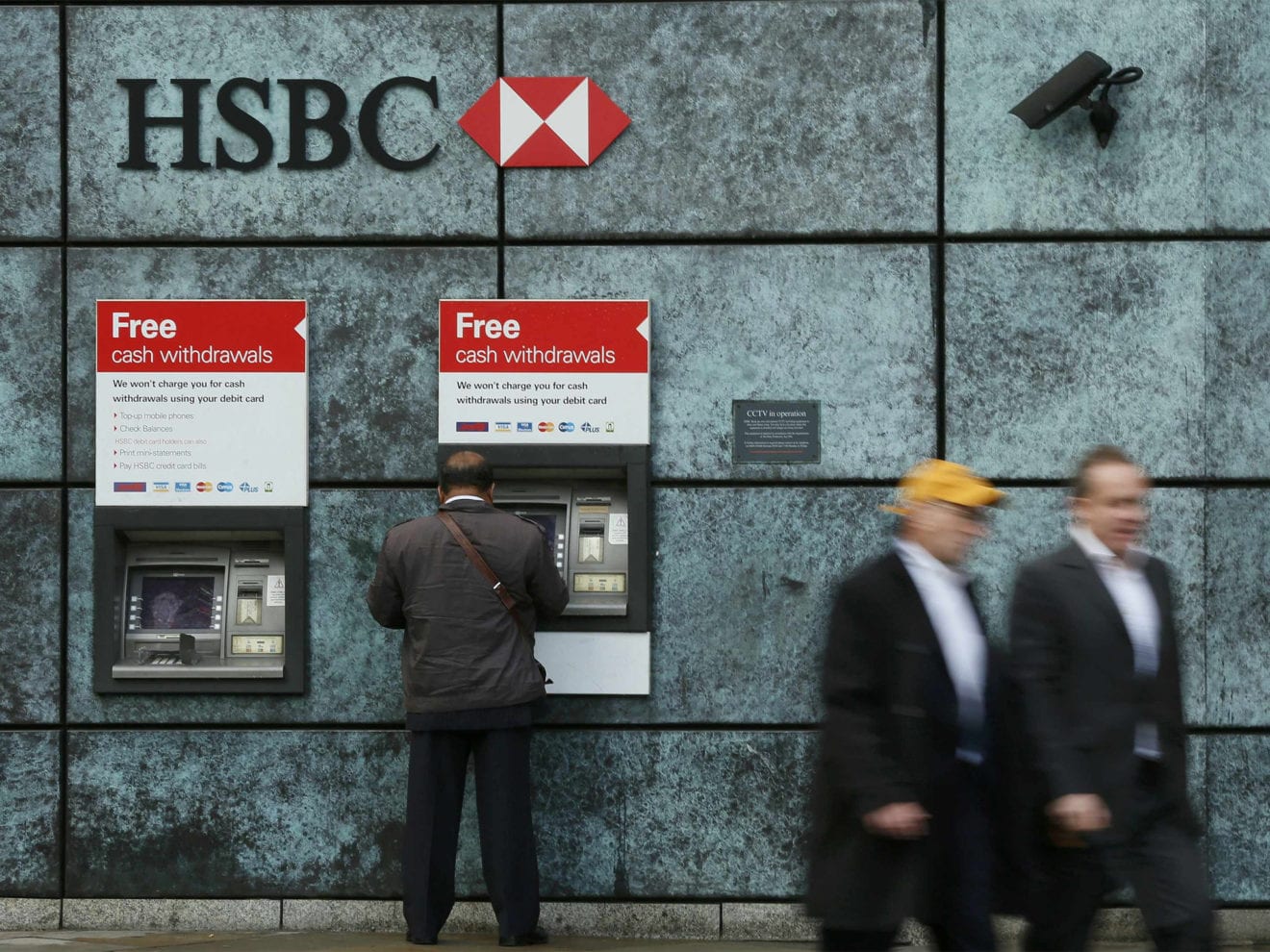
    HSBC Singapore appointed Mukhtar Hussain as chairman effective this week, the company said in a statement. The local subsidiary of HSBC  includes the retail banking and wealth management business in the city-state. It was formed when the bank incorporated its retail operations in May 2016.

    «Mukhtar’s presence, experience and counsel will go a long way to support our three-year growth plans – not just for retail banking – but across all of our business lines,» said Tony Cripps, chief executive officer of HSBC Singapore.

    Regional Knowledge

    On the consumer banking side, HSBC will tap on Mukhtar’s regional knowledge to provide oversight of the bank’s strategy to capture the personal wealth that is flowing from Asean markets into Singapore.

    «On the institutional side, his role in spearheading HSBC’s regional activity in support of BRI will be invaluable in advising Singapore on how it can further position itself as a strategic partner of this multi-decade investment programme,» said Cripps.

  • UOB Launches Southeast Asia eLab

    UOB Launches Southeast Asia eLab

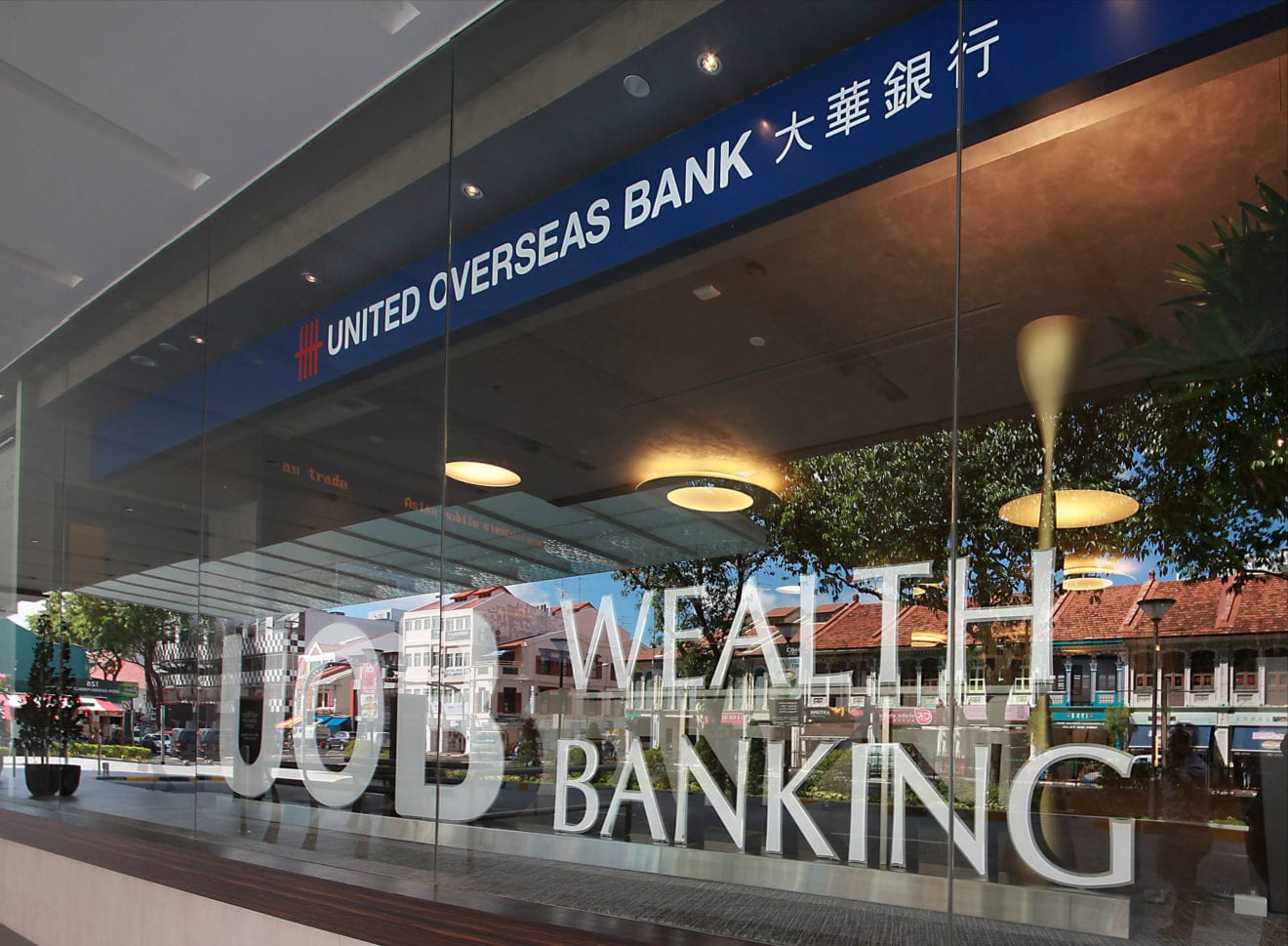
    UOB launches its pan-regional Engagement Lab (eLab) on Thursday, making it the first dedicated unit set up by a Southeast Asian bank that focuses on using the latest technology and behavioural insights to deepen customer engagement.

    «We believe that designing a simple and easy-to-navigate app interface to create an intuitive user experience is just the beginning. We want to build on this and to ensure that every touchpoint – from the on-boarding process to day-to-day banking – at the Digital Bank is relevant to our customers and resonates deeply with their lifestyle needs and priorities,» said Dennis Khoo, head of digital bank at UOB in a press statement.

    eLabs Serves Southeast Asian clients 

    The Bank will set up eLabs across its network of ASEAN countries such as Indonesia, Malaysia, Singapore, Thailand and Vietnam. UOB’s Digital Bank, set to launch in the next few months, has been modelled such that digital interactions with the customers are designed to deepen client relationships.

    Through the eLab, the Bank will use the insights drawn to design, to test and to trial ways to encourage customers to save and spend more wisely. Given ASEAN’s cultural and linguistic diversity, these conversations will be in the customers’ own mother tongue.

    Digital Capabilities

    In August, the bank had announced plans to introduce a Digital Bank for Asean customers that will use a data-centric business model to understand individual customer banking needs and habits through their digital interactions with the bank.

    «We will use next-generation digital capabilities to anticipate our customers’ needs and to prompt them to make better financial decisions to achieve their goals. This will be done through meaningful real-time digital conversations that guide customers to better financial choices,» Khoo said.

    UOB Accelerates Hiring For Digital Bank

    The Bank aims to increase its Digital Bank team by 50 per cent in the next 12 months. Of these new hires, a quarter will join the eLab. Other roles include those in areas such as user experience and user interface design, behavioural science and research, data analytics and design thinking.

    This helps to accelerate the Digital Bank’s initiatives in the region, it said. The new hires will join the 120-people strong team already working on the roll-out of UOB’s digital bank across ASEAN.

    In addition, it is looking to hire software engineers and architects to develop solutions such as in-house application programming interfaces (APIs) which tap UOB’s secure IT architecture to drive real-time data analytics.

  • Asian Private Banking Abuzz with UBS China Fiasco

    Asian Private Banking Abuzz with UBS China Fiasco

    Onshore China, and its rapidly growing billionaire population, is a target for most private banks in the region. UBS has arguably the best-established franchise in the competitive onshore market. Chinese regulators require foreign banks such as UBS to obtain licenses in each jurisdiction that they operate. UBS opened branches in both Beijing in 2014 and Shanghai in 2016 offices, amidst much fanfare and presumably at great cost.

    Due for Interview Next Week

    A female relationship manager at Switzerland’s biggest bank this week was detained at the airport in Beijing, according to a source familiar with the matter. The authorities allegedly held the UBS banker on grounds of illegally soliciting business, the source told.

    The relationship manager may have violated stringent Chinese onshore regulations, which declare illegal the marketing and sale of offshore financial products.

    The banker will be interviewed by Chinese authorities next week, according to information obtained. She has however received back her passport, which had been confiscated. The reasons for her detention remain unclear.

    Strong Message

    The Swiss bank will not comment on the detention of one of its bankers, but said that it had very stringent rules set for its bankers. «This is a strong message from the regulator that it will not tolerate fly in banking,» says one senior banker at another Swiss finance firm. The practice of «flying in» bankers, ostensibly for legitimate onshore reasons ranging from client meetings to golf trips – was one favored by many banks in capital controlled markets such as Taiwan and India.

    It was, however, abandoned as banks – Swiss wealth managers in particular – ran into trouble with regulators in these onshore jurisdictions.

    «Breached Lines»

    «Chilling» is how another senior manager at a European bank described the developments. «The fact that it is a UBS banker – and not one at a smaller shop – is indicative of how determined the regulator is,» he explains.

    A head of Taiwan business at another private bank says, «the line continues to be breached several times in onshore markets,» but it is likely there will be systemic reluctance among both bankers and their banks after the latest incidence.

    Hands-Off in China

    What this means for banks that have made deep investments in the China onshore market and are under considerable pressure to «move out of investment phase» is unknown. For the savvier ones, this is likely to be an inflection point.

    «It is certainly hands-off China for the moment and we will implement no-fly restrictions in any case where it is ambiguous whether the purpose of the visit is strictly onshore,» confirms the senior manager.

  • Worldpay launches new cross-border payment options

    Worldpay launches new cross-border payment options

    UK-based Worldpay has introduced new payment solutions aimed at providing eCommerce businesses with more choices to disburse funds to partners and customers and across country borders.

    Worldpay’s dynamic payment solutions combine the enhanced Worldpay Bankout solution, which now delivers 154 direct bank disbursement destinations (up from 65), and Worldpay FastAccess – enabled by Visa Direct.

    With these payment options, partners and customers need no longer wait for days to receive funds or refunds as they now can obtain them via card in near real-time – through a mobile wallet or directly to a local bank account.

    Bankout is targeted at businesses needing to make a large number of global payments to – or on behalf of – their customers and suppliers. With 89 new local markets, Worldpay now provides seamless cross-border payouts for businesses in local currencies without the expense of making multiple international bank transfers.

    Dynamic payouts allow businesses to make faster, seamless card-based payouts in near-real time within a maximum of 30 minutes. Building on its launch in the United States last year, FastAccess is now available to Worldpay customers in over 50 new markets across Europe and Asia.

    The new payment solutions are targeted at wide range of industries. For example, travel and tourism companies and marketplaces can pay out funds to accommodation vendors or disbursements to travellers in a variety of countries and currencies; gaming businesses can provide near-instant payouts to customers; insurance companies can save costs by replacing local checks with bank transfers; and marketplaces can allow independent sellers to retrieve funds more quickly.

  • Touché forms strategic partnership with Seed into the Middle East market

    Touché forms strategic partnership with Seed into the Middle East market

    Singapore-based technology company Touché has signed a Cooperation Agreement with SEED Group as their local sponsors and partners, to expand the reach of the world’s first fingerprint biometric-based payment and loyalty management solution to the Middle East. Based in Dubai, United Arab Emirates (UAE), SEED Group is a diversified group of companies owned and chaired by The Private Office of Sheikh Saeed bin Ahmed Al Maktoum. It establishes strategic partnerships with organisations in various sectors and accelerates their presence within the Middle East.

    Through this agreement, Touché hopes to leverage the local expertise of SEED Group to reach potential target customers, bringing personalised and seamless experiences to more merchants and consumers in the region.

    This marks a key milestone for Touché in the Middle East, which also received the Commercial License to engage commercial trade activity in the UAE. Issued by the Department of Economic Development in Dubai, the licensing enables Touché to perform business activities and introduce its solution in a compliant manner, further cementing Touché’s commitment towards the region.

    Developed in Singapore, with offices in Barcelona, Tokyo and now Dubai, Touché provides both an elegant and innovative device and a robust software solution that delivers highly secure, convenient and personalised point-of-sale transaction services using fingerprint biometrics or recurring cards.

    Touché’s solution also connects and manages loyalty programmes, and points and discounts are instantly applied for qualifying customers at the point of interaction without the need for vouchers or membership cards. This provides the customers a unique experience. Its data analytics component enables merchants to access historical and predictive purchasing habits and buying patterns of customers, creating bespoke, personalised, offers and recommendations for them.

    “We are delighted that such a high calibre and impressive organisation as SEED Group will be supporting Touché in redefining point-of-sale transactions in the Middle East. The partnership, together with our incorporation in the UAE with our trading license, will bring a new dimension to personalisation in the region, where customers can enjoy unique in-store experiences,” said Sahba Saint-Claire, Chief Executive Officer and Co-Founder, Touché.

    “The Middle East is well prepared to enter a new age of digitalisation and push the boundary in digital payment customer experience. We believe that Touché could serve as a key differentiator to transform the growing payment scene and offer a more secure, convenient and efficient payment and loyalty management solution for consumers,” said Hisham Al Gurg, CEO of SEED Group and of The Private Office of Sheikh Saeed bin Ahmed Al Maktoum.

    The partnership between Touché and SEED Group is supported by Enterprise Singapore, which as part of its mandate, champions internationalisation of Singapore companies. Enterprise Singapore has provided great assistance to Touché through facilitating introductions to potential partners and clients in its target markets, including the Middle East.