Category: Finance

Retail News Asia is committed to providing both local and global retailers with the latest Finance news throughout the Asian market. This on a daily base.

  • Gold Prices Plunge In Record Daily Drop: Market Volatility And Increased Dollar Index To Blame

    Gold Prices Plunge In Record Daily Drop: Market Volatility And Increased Dollar Index To Blame

    In a shocking turn of events, gold prices experienced their most significant daily drop in five years, resulting from investors cashing in their gains after the precious metal reached an unrivaled high in the preceding trading session. On Tuesday, spot gold fell by 5.5% to a one-week low of US$4,115.26 per ounce, marking its steepest decline since August 2020. Meanwhile, U.S. gold futures for December saw a slightly steeper dip, settling 5.7% lower at $4,109.10 per ounce.

    A Year of Substantial Gains

    After reaching a record-breaking peak of $4,381.21 on Monday, gold prices have seen an approximate 60% increase over the year. This impressive surge is primarily attributed to factors such as geopolitical instability, economic uncertainty, predictions of interest rate cuts, and continued purchasing by central banks.

    Independent metals trader, Tai Wong, remarked on the recent fluctuations in gold prices. “As recently as yesterday, gold dips were being purchased,” he said. “But the sharp increase in volatility at the highs over the past week is a warning sign that may prompt some short-term profit-taking.”

    A rise of 0.4% in the dollar index also played a role in this situation, as it made gold a more expensive investment for individuals holding other currencies.

    Other Factors at Play

    Senior analyst at Kitco Metals, Jim Wyckoff, highlighted the impact of improved risk appetite in the marketplace on precious metals. He noted, “The better risk appetite observed in the general marketplace earlier this week is bearish for safe-haven metals.”

    Further, Citi analysts projected that the resolution of the ongoing U.S. government shutdown and upcoming announcements regarding the U.S.-China trade deal could lead to the stabilization of gold prices in the coming two to three weeks.

    In the same vein as gold, spot silver also experienced a significant dip, falling by 7.6% to $48.49 per ounce. Wong provided his insights on the matter, stating, “Silver is stumbling badly today and has dragged the entire complex lower. It seems we have a short-term peak at $54, and while sentiment wobbles under $50, silver is likely to trade sideways with substantial volatility as long as gold remains relatively firm.”

    Other precious metals such as platinum and palladium also showed a decrease in value, shedding 5.9% and 5.3% respectively.

    Looking Forward

    As we approach the end of the week, traders eagerly anticipate the release of the U.S. consumer price index report for September, previously delayed due to the U.S. government shutdown. Predictions suggest a year-on-year rise of 3.1%.

    Furthermore, market expectations lean towards a 25 basis point cut in interest rates by the Federal Reserve at its policy meeting next week. As a non-yielding asset, gold typically profits in a low-interest-rate environment.

    Questions & Answers

    What was the recent record high for gold prices?
    The record high for gold prices was $4,381.21 per ounce, reached on Monday.

    What are the main factors contributing to the surge in gold prices this year?
    The surge in gold prices this year can be attributed to geopolitical and economic uncertainty, rate-cut predictions, and sustained central bank buying.

    How does the dollar index affect gold prices?
    An increase in the dollar index makes gold more expensive for holders of other currencies, potentially impacting demand and therefore gold prices.

  • Emirates NBD To Acquire Majority Stake In Rbl Bank In Unprecedented $3 Billion Investment

    Emirates NBD To Acquire Majority Stake In Rbl Bank In Unprecedented $3 Billion Investment

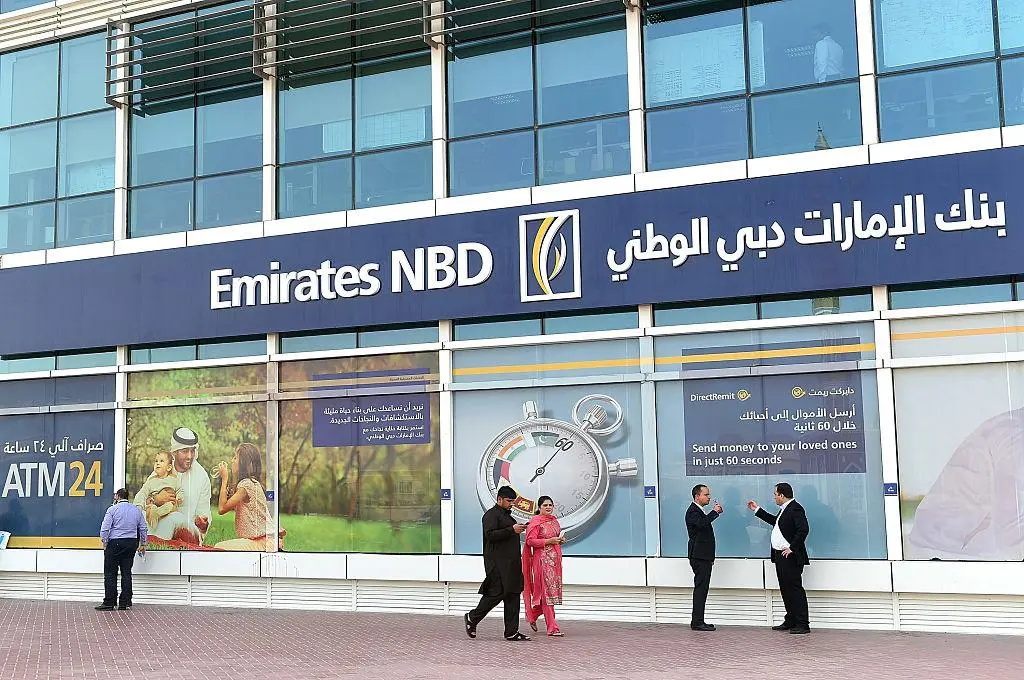
    Dubai-based banking group, Emirates NBD, has revealed that it will acquire a majority share in an Indian bank. This move represents the most significant foreign investment in India’s financial sector to date.

    Emirates NBD has confirmed an arrangement to purchase a 60 percent stake in RBL Bank, based in Mumbai. The deal, worth approximately $3 billion, will be carried out through a preferential issue of shares. This acquisition will set a new record for foreign direct investment in India’s financial services industry.

    Emirates NBD has expressed that the acquisition demonstrates its confidence in the Indian economy and emphasizes the strategic significance of India within the India-Middle East-Europe Economic Corridor (IMEC).

    “This strategic partnership marries RBL Bank’s burgeoning domestic franchise with Emirates NBD’s regional reach and financial expertise, providing a unique platform for growth and innovation”, says Shayne Nelson, group CEO of ENBD. He further added that a more substantial presence in India via a well-established business such as RBL Bank will complement ENBD’s services to customers operating across the MENATSA region.

    Questions & Answers

    What percentage stake is Emirates NBD acquiring in RBL Bank?
    Emirates NBD is acquiring a 60 percent stake in RBL Bank.

    What is the approximate worth of the deal between Emirates NBD and RBL Bank?
    The deal is approximately worth $3 billion.

    How does the acquisition of RBL Bank benefit Emirates NBD?
    The acquisition not only allows Emirates NBD to increase its presence in India but also complements its services to customers across the MENATSA region. It also provides a unique platform for growth and innovation by combining RBL Bank’s domestic reach with Emirates NBD’s regional reach and financial expertise.

  • Veteran Banker Chelsea Chu Takes Helm At Citi’s Corporate Banking Division In Taiwan

    Veteran Banker Chelsea Chu Takes Helm At Citi’s Corporate Banking Division In Taiwan

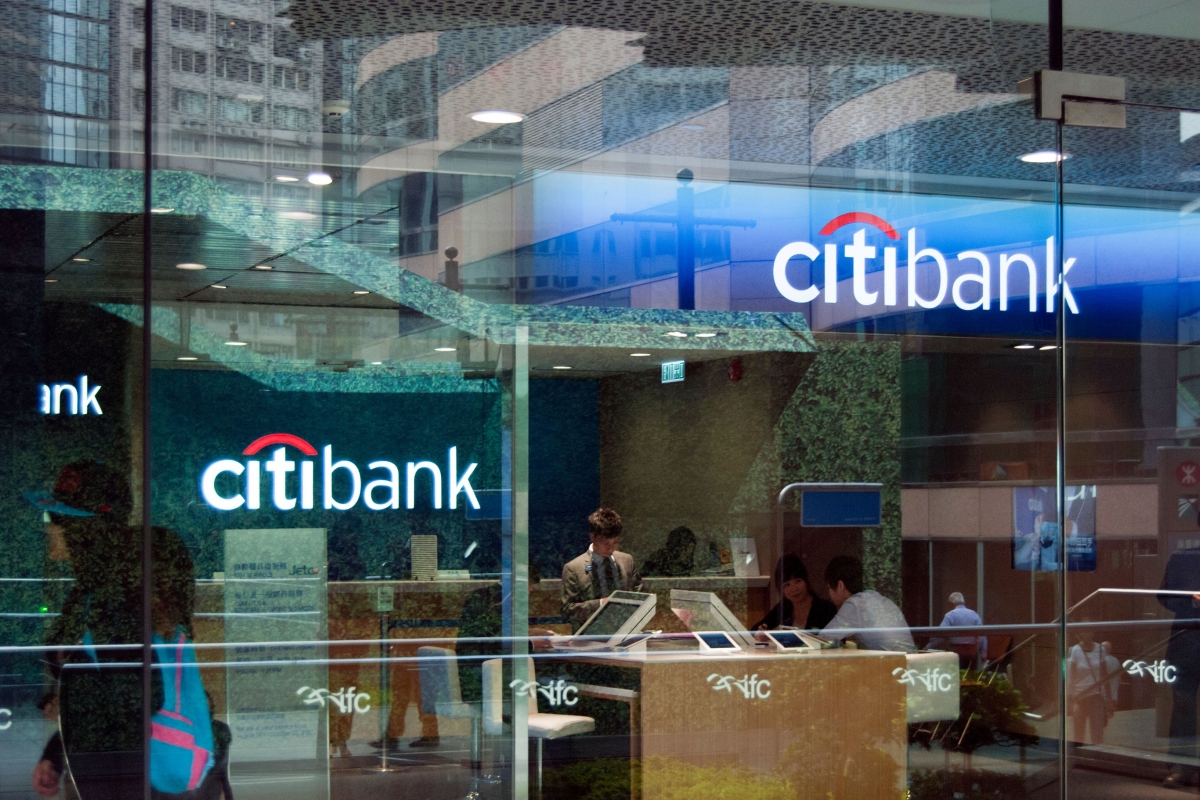
    Chelsea Chu, a veteran banking executive, has been appointed to head the corporate banking division of the American financial institution, Citi, in Taiwan. Based out of Taipei, Chu is expected to leverage her considerable experience in banking to enhance the bank’s performance across various customer segments within the market.

    Chu brings a formidable banking background to her new position. She has amassed 28 years of experience in the industry, with her most recent role being the head of corporate coverage for Taiwan at ANZ. Chu is no stranger to Citi, having spent two decades of her career at the bank, dealing with large corporate clients from a wide range of industries in Taiwan.

    Christie Chang, the chair of Citi Taiwan Limited, expressed the bank’s delight at welcoming Chu back into the fold. Chang highlighted Chu’s comprehensive experience and proven success as invaluable assets that will contribute to the strengthening of client relationships and solidify the bank’s leadership in Taiwan’s corporate banking sector.

    Kaleem Rizvi, Citi’s head of corporate banking for Japan, Australia, and North Asia, also shared his confidence in Chu’s ability to lead. Rizvi believes that under Chu’s leadership, Citi’s preeminent corporate banking franchise in Taiwan will continue on its robust growth trajectory.

    Since 2020, Citi has been instrumental in raising over $30 billion from global capital markets to assist Taiwanese corporate clients, underscoring the bank’s significant influence and commitment to the corporate sector in Taiwan.

    Questions & Answers

    Who has been appointed as the new head of corporate banking for Citi in Taiwan?
    Chelsea Chu has been appointed to head Citi’s corporate banking unit in Taiwan.

    Can you provide some information about Chelsea Chu’s professional background?
    Chelsea Chu has an extensive background in banking with 28 years of experience. She recently served as the head of corporate coverage for Taiwan at ANZ. Before that, she spent 20 years at Citi, handling large corporate clients across various industries in Taiwan.

    What is expected from Chelsea Chu in her new role at Citi?
    In her new role, Chelsea Chu is expected to use her vast experience to improve the bank’s performance across all customer segments in Taiwan. She is also expected to strengthen client relationships and enhance Citi’s leadership in Taiwan’s corporate banking sector.

  • Ubs Fined $1m By Hong Kong SFC For Misclassification Of Professional Investors

    Ubs Fined $1m By Hong Kong SFC For Misclassification Of Professional Investors

    UBS, a major global bank, has recently found itself facing penalties from Hong Kong’s Securities and Futures Commission (SFC). The bank has been fined HK$8 million ($1 million) due to misclassification of its clients under the professional investor regime, according to the SFC.

    The Misclassification Issue

    Professional investors, as defined by local regulations, are clients with a minimum asset value of HK$8 million. It appears UBS failed to accurately classify these investors in accordance with these guidelines for an extended period of more than 12 years.

    This misclassification led to clients gaining access to securities pooled lending and investment products that were specifically designed for professional investors. Such developments raise significant concerns about the bank’s adherence to regulatory standards and risk management practices.

    The Scope of the Misclassification

    A self-review conducted by UBS over the course of four years, from July 2018 to July 2022, found notable discrepancies. As per their findings, there were about 560 joint accounts that were booked or managed in Hong Kong which were inaccurately categorized as professional investor accounts.

    This extensive issue points to systemic flaws in the bank’s internal oversight mechanisms, which need to be addressed to prevent such oversights from recurring in the future.

    Questions & Answers

    What is the professional investor regime?
    Professional investors are defined by local regulations as clients with a minimum asset value of HK$8 million.

    What consequences did UBS face for its misclassification of clients?
    UBS was fined HK$8 million ($1 million) by Hong Kong’s Securities and Futures Commission (SFC) due to the misclassification.

    What was the scale of the misclassification by UBS?
    A self-review by UBS indicated that approximately 560 joint accounts booked or managed in Hong Kong were incorrectly classified as professional investor accounts.

  • Vietnamese Gold Bar Prices Climb Amid Global Market Fluctuations And Anticipation Of Us Interest Rate Cuts

    Vietnamese Gold Bar Prices Climb Amid Global Market Fluctuations And Anticipation Of Us Interest Rate Cuts

    Vietnamese gold bar rates experienced a climb on Monday morning, following a decrease over the weekend. Saigon Jewelry Company, a notable gold bar trader in the region, saw prices rise by 0.33%, bringing their rates up to VND151.5 million (US$5,750.62) per tael after their 1.31% fall over the weekend. Similarly, Asia Commercial Bank-branded bullion also saw its prices on par with the rates of Saigon Jewelry Company.

    Domestic gold bar prices now stand at VND15.5 million per tael higher than global rates. Meanwhile, the price for gold rings remained steady, circling around VND150.2 million per tael. Here, a tael is the equivalent of 37.5 grams or 1.2 ounces.

    Global Gold Market Trends

    In the global market, gold prices saw a slight ascent on Monday, influenced by the probability of more U.S. interest rate reductions. Investors with their eyes on the gold market are currently waiting for the release of U.S. inflation data along with the U.S.-China trade negotiations for further cues on market direction this week.

    Spot gold had an uptick of 0.1%, standing at $4,253.33 per ounce, while U.S. gold futures for December delivery saw an increase of 1.3%, adjusting to $4,266.30 per ounce.

    Spot silver experienced a rise of 0.5% to reach $52.12 per ounce. This came after prices took a 4.4% fall on Friday, marking their worst session since early April, despite hitting a record peak of $54.47 earlier that day.

    Kyle Rodda, a market analyst from Capital.com, remarked, “The gold market is trying to find its footing after Friday’s selloff. Sentiment is normalizing, cooling down a bit, after a few weeks of mania.” Gold experienced about a 1.8% plunge on Friday, marking the steepest fall since mid-May, following U.S. President Donald Trump’s statement that his proposed 100% tariff on goods from China would not be sustainable.

    Questions & Answers

    Why did the gold bar prices in Vietnam increase on Monday?
    The increase in gold bar prices on Monday followed a decline over the weekend. This is a common market fluctuation.

    How are global gold prices performing?
    Global gold prices saw a slight increase on Monday, influenced by the potential for more U.S. interest rate cuts. Investors are also waiting on U.S. inflation data and U.S.-China trade discussions for further market direction.

    What caused the drop in gold prices on Friday?
    Gold prices fell after a statement from U.S. President Donald Trump suggested that his proposed 100% tariff on goods from China would not be sustainable, leading to market uncertainty.

  • Panic withdrawals hit Cambodia’s Prince Bank after owner Chen Zhi accused of running Southeast Asian cybercrime empire

    Panic withdrawals hit Cambodia’s Prince Bank after owner Chen Zhi accused of running Southeast Asian cybercrime empire

    Following allegations of operating a multinational scam and money laundering network, Prince Bank owner Chen Zhi has elicited panic among customers in Cambodia. There has been a significant surge in account holders rushing to withdraw their funds from the embattled bank.

    Mass Withdrawals and Public Discontent

    On Saturday morning, throngs of account holders crowded outside Prince Bank’s main branch in Phnom Penh to retrieve their savings. Transactions were temporarily suspended at several other branches due to inadequate funds. Increasing public frustration was evident when customers found themselves unable to access Prince Bank’s website and mobile application.

    Hoping to assuage their customers’ fears, the bank issued a statement encouraging patience, assuring that their services were functioning normally despite facing a barrage of public complaints.

    The bank statement read, “The measures from the U.S. Treasury’s Office of Foreign Assets Control will not impact the bank’s operational ability. We continue to manage all our customer relationships with sincerity and transparency.”

    International Sanctions Trigger Panic

    The catalyst for the wave of withdrawals was an announcement on October 14 stating that sanctions had been imposed on Prince Holding Group (the parent company of Prince Bank) and its founder and chairman, Chen Zhi. These sanctions were implemented by the U.S. Department of Justice, the U.S. Department of the Treasury, and the British government.

    Chen has been charged with fraud and money laundering by the U.S. government, which resulted in seizing more than US$15 billion in Bitcoin, allegedly laundered by Chen and Prince Holding Group. This is a landmark case, representing the largest asset forfeiture in the history of the Department of Justice. If Chen is found guilty, he could face a prison sentence of up to 40 years.

    Additionally, the U.K. government imposed sanctions on Golden Fortune Resort World, which operates the Prince Compound near Phnom Penh. It also added the Jinbei Group, which is linked to Prince Holding Group via its hotels and casinos, and the digital currency platform Byex Exchange to its sanctions list.

    Both governments have accused Chen of leading a transnational criminal network, swindling victims worldwide, and exploiting trafficked workers across Southeast Asia.

    National Bank of Cambodia Reassures Depositors

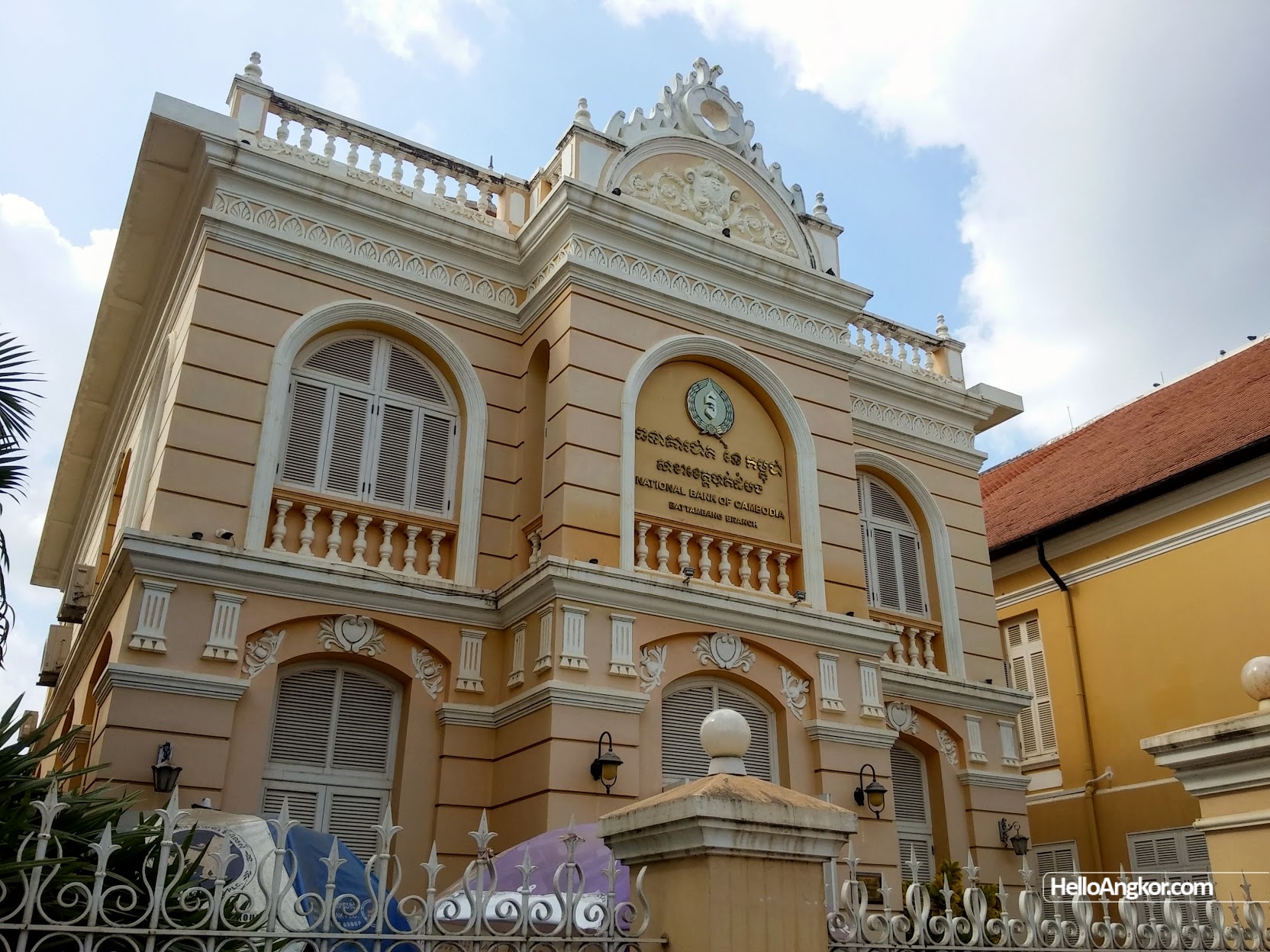
    In an effort to alleviate depositor anxiety, the National Bank of Cambodia assured that customer accounts are functioning normally and remain secure. It emphasized that banks are legally mandated to maintain sufficient liquidity to meet depositors’ demands.

    Questions & Answers

    What prompted the rush to withdraw money from Prince Bank?
    The rush was triggered by allegations against the bank’s owner, Chen Zhi, accusing him of running a transnational scam and money laundering network.

    What actions have been taken against Chen Zhi and Prince Holding Group?
    The U.S. and U.K. governments have imposed sanctions on Prince Holding Group and its founder, Chen Zhi. The U.S. government has also charged him with fraud and money laundering, seizing over US$15 billion in Bitcoin that Chen and Prince Holding Group allegedly laundered.

    How has the National Bank of Cambodia responded to the situation?
    The National Bank of Cambodia has reassured depositors that customer accounts are functioning normally and remain secure. It also emphasized that banks are legally obligated to maintain sufficient liquidity to meet depositors’ demands.

  • Australia Mandates Acceptance Of Cash For Fuel, Groceries: Exemptions And Future Plans Explained

    Australia Mandates Acceptance Of Cash For Fuel, Groceries: Exemptions And Future Plans Explained

    The Australian Federal Government has made significant strides towards safeguarding the validity of cash as a payment mode for everyday necessities by issuing key provisional regulations mandating the acceptance of cash for fuel and groceries.

    Details of the Draft Regulations

    Outlined after a public consultation conducted in the early part of the year, these draft regulations dictate that the obligation to accept cash for fuel and groceries will be restricted to face-to-face transactions of less than $500.

    However, small businesses with a combined turnover of less than $10 million, along with those businesses that are part of a franchise arrangement netting under $10 million, are exempt from these regulations. Additionally, companies that face challenges in managing cash transactions are also exempt.

    Daniel Mulino, the Assistant Treasurer and Minister for Financial Services, agrees that while Australians are progressively opting for digital payment methods, the government recognizes that cash will still be a vital part of society. He appreciates this as a balanced, pragmatic, and judicious move to aid cash users while also taking businesses into account.

    A Three-Year Review Plan

    The Federal Government has announced that it will evaluate the mandate in three years to ensure the policy is effectively serving its purpose. This evaluation will also explore whether the mandate should extend to cover other businesses. It will consider the potential impact on companies presently affected by the mandate and any advancements concerning cash distribution and access.

    The Council of Financial Regulators and the Australian Competition and Consumer Commission, back in July, issued a consultation paper suggesting various propositions on the regulation of cash distribution. Mulino assured that the government would closely examine the CFR’s recommendations alongside industry feedback, and work diligently to ensure that Australians continue to have access to cash.

    Questions & Answers

    What are the new draft regulations issued by the Australian Federal Government?
    The new draft regulations mandate the acceptance of cash for fuel and groceries, specifically for in-person transactions that are less than $500.

    Who are exempted from these new regulations?
    Small businesses with an aggregate turnover of under $10 million, businesses that are part of a franchise arrangement netting under $10 million, and companies that find managing cash transactions difficult are exempted.

    What is the future plan for these regulations?
    The Federal Government will review the mandate after three years to evaluate its effectiveness. This review will also consider whether the mandate should extend to other businesses and the potential impact on the currently affected companies.

  • Unprecedented Gold Rush Grips Vietnam Amid Soaring Global Prices

    Unprecedented Gold Rush Grips Vietnam Amid Soaring Global Prices

    For five straight days, Hoai, a 38-year-old self-employed individual, has been among the throng of hopeful buyers outside a Hanoi gold shop on Tran Nhan Tong Street. The majority of these people, much like Hoai, end up leaving without any gold in their hands.

    The Pursuit of Gold

    Hoai, who has some liquid savings, is attempting to safeguard her wealth through gold investment. The low returns offered by bank deposit rates have led her to this choice. Customers are permitted to buy only a single mace of gold at a time, which equals one-tenth of a tael or 3.75 grams. Despite the small quantity, Hoai is determined to endure the extensive waiting hours or even days to secure gold as an asset.

    In a similar situation is Thu Ha, a 26-year-old office worker in Hanoi. She withdrew half of her savings, totalling VND300 million (US$11,388), to invest in gold. Last month, she succeeded in buying five maces when the price was around VND130 million per tael. Now, she starts queuing as early as 4 a.m. every day in the hopes of purchasing more. However, the shortage of supply has left her with nothing. Some stores have even started issuing appointment slips, promising delivery within 7-10 days.

    Lan, a 43-year-old woman, took a day off from work to queue for her elderly mother. Her mother had been trying to buy gold with her pension without success. Lan decided to step in and help.

    The Gold Rush

    Gold shops across Hanoi and Ho Chi Minh City are currently witnessing unprecedented demand as prices soar to record highs. A tael of gold bar is now trading around VND153 million while gold rings range between VND153–160 million, representing an 80% increase since the start of the year.

    The rush has led to some interesting dynamics. Some people are making money by standing in queues on behalf of others. Most shops run out of stock by noon, with both bars and rings disappearing from the shelves. Customers are advised to return the next morning, but there are no guarantees of availability.

    In Ho Chi Minh City, the Saigon Jewelry Company outlet on Nguyen Thi Minh Khai Street had to stop taking orders for gold rings by midday Friday, limiting sales to just 3 maces per person.

    Global Gold Frenzy

    According to Huynh Trung Khanh, Vice President of the Vietnam Gold Trading Association, the gold-buying frenzy is not exclusive to Vietnam. People in other countries, including South Korea, are also rushing to buy gold as global prices have crossed US$4,300 per ounce.

    The State Bank of Vietnam, however, has warned buyers about the volatility of gold as an investment and advocated for prudence. The bank attributes the sharp domestic price increase to escalating global rates, public anticipation of further hikes, and limited local supply.

    Questions & Answers

    What is causing the gold-buying frenzy in Vietnam?
    The rush to buy gold is being driven by low bank deposit rates, soaring gold prices, and the desire to secure wealth.

    Are other countries experiencing a similar gold-buying frenzy?
    Yes, this is not unique to Vietnam. Countries like South Korea are also witnessing a rush to buy gold due to the increase in global prices.

    What has been the response of the State Bank of Vietnam to this situation?
    The State Bank of Vietnam has urged buyers to act prudently, given the volatility of gold as an investment. It attributes the rise in domestic prices to surging global rates, public anticipation of further increases, and limited local supply.

  • Gold Prices Soar To New Heights Globally And In Vietnam Amidst Geopolitical Tensions

    Gold Prices Soar To New Heights Globally And In Vietnam Amidst Geopolitical Tensions

    The price of gold in Vietnam continued its upward trend on Thursday morning, with global rates reaching a new high. The price of Saigon Jewelry Company’s gold bar increased by 0.41%, reaching VND148.6 million (US$5,642.15) per tael.

    The price of gold rings also saw an increase, rising by 0.34% to VND148.1 million per tael. It’s worth noting that one tael is equivalent to 37.5 grams or 1.2 ounces.

    Gold Value Increase in Vietnam

    In Vietnam, the value of gold bullion has seen a significant increase, jumping by 76.5% this year.

    As of September 6, 2025, the SJC gold bar price stood at 135.4 million VND per tael, given that one million VND equals $37.96.

    Global Gold Price Record

    On the global stage, the price of gold breached the $4,200 per ounce mark for the first time. This record was driven by the rising possibility of interest rate cuts and geopolitical concerns, which have prompted investors to seek out the safety of the precious metal.

    Despite reaching a new high of $4,241, the spot gold price fell to $4,230 at the time of writing.

    Market analyst Fawad Razaqzada commented on the current trend: “The metal has been on a tear, and it doesn’t look like it wants to stop. With U.S.-China trade tensions being reignited in the last few days, investors have even more reason to hedge their long equity bets by diversifying into gold.”

    Over the course of this year, gold has seen a surge of over 60%. This surge has been driven by a combination of factors including geopolitical tensions, bets on rate cuts, central bank purchases, de-dollarization, and strong inflows into exchange-traded funds (ETFs).

    Questions & Answers

    What is the current trend in gold prices?
    Gold prices have been on a steady upward trend, both globally and particularly in Vietnam.

    What factors are contributing to the surge in gold prices?
    A combination of factors including geopolitical tensions, bets on rate cuts, central bank purchases, de-dollarization and strong inflows into exchange-traded funds (ETFs) have contributed to the surge.

    How are investors responding to the current trend in gold prices?
    With increasing geopolitical tensions and potential interest rate cuts, investors are seeking safety in gold, using it as a hedge and diversification tool against their long equity bets.

  • Chagee Expands In Southeast Asia With Two Key Flagships In Kuala Lumpur

    Chagee Expands In Southeast Asia With Two Key Flagships In Kuala Lumpur

    Chagee, a leading Chinese milk tea company, is increasing its global presence with the launch of a new flagship store in Malaysia.

    Location and offerings

    The newly established Chagee Wolo KL Global Flagship is strategically situated at the busy intersection of Bukit Bintang, one of the most popular and frequented locations in Kuala Lumpur. The store, spread over two levels, offers an array of exclusive beverages that have been specifically designed to cater to the tastes of the Malaysian market.

    Expansion plans

    This latest venture is accompanied by the inauguration of another significant outlet, the Chagee Mid Valley KL Flagship, located in one of the city’s most active commercial centers. These new outlets emphasize the brand’s goal to reinforce its standing in Southeast Asia.

    Recent openings

    These openings in Malaysia come on the heels of Chagee’s recent unveiling of its biggest flagship store in Hong Kong. This two-level store, covering an area of 11,000 square feet, debuted earlier this month.

    Questions & Answers

    What is the strategy behind the location of the new Chagee Wolo KL Global Flagship?
    The store is strategically located at the busy intersection of Bukit Bintang, one of the most popular and high-traffic areas in Kuala Lumpur, to attract maximum customers.

    What unique offerings does the new Chagee store in Malaysia provide?
    The store offers an array of exclusive beverages that have been specifically designed to cater to the tastes of the Malaysian market.

    What are Chagee’s expansion plans in Southeast Asia?
    The opening of the new outlets in Kuala Lumpur underscores Chagee’s ambition to strengthen its presence in Southeast Asia.

  • Fintech Giant Icapital Plans Major Expansion In Asia-pacific Amid Growing Wealth Management Opportunities

    Fintech Giant Icapital Plans Major Expansion In Asia-pacific Amid Growing Wealth Management Opportunities

    Fintech platform, iCapital, is reportedly planning to expand its presence in the Asia-Pacific region, including in cities such as Hong Kong, Singapore, and Australia.

    Expansion in Singapore

    iCapital is currently relocating to a larger office in Singapore, fueled by an expanding team and increased client activity. The firm’s Head of International, Marco Bizzozero, reported that around 30 staff members are employed in the city-state, which constitutes half of the total headcount in Asia.

    Moving to Larger Spaces

    The fintech platform is also seeking a larger office in Hong Kong as part of its expansion strategy. The goal is to acquire more sales staff in both markets to support its growing operations. In addition to this, the firm is planning to open its first Australian office.

    The Wealth Management Market

    Marco Bizzozero pointed out that the wealth management sector is still in its early stages when it comes to integrating private markets into client portfolios. He noted that current allocations to private markets by the wealth management sector are low, averaging at around three percent. However, most wealth managers are now aiming for allocations between 10 and 20 percent. This trend presents significant opportunities for firms like iCapital.

    Questions & Answers

    What is iCapital’s expansion strategy in Asia-Pacific?
    iCapital plans to expand its presence by relocating to larger offices in Singapore and Hong Kong. It is also looking to hire more sales staff in these markets and open an office in Australia.

    How many staff members does iCapital currently employ in Singapore?
    The fintech platform currently employs around 30 staff members in Singapore, which makes up half of its total headcount in Asia.

    What trends in the wealth management sector present opportunities for firms like iCapital?
    The wealth management sector is still in its infancy in terms of integrating private markets into client portfolios. However, with most wealth managers now targeting allocations between 10 and 20 percent to private markets, firms like iCapital stand to benefit significantly.

  • UBS Expands Middle East Presence: Launches Advisory Office In Abu Dhabi Amidst Projected Wealth Boom

    UBS Expands Middle East Presence: Launches Advisory Office In Abu Dhabi Amidst Projected Wealth Boom

    UBS, the Switzerland-based banking institution, continues to broaden its reach in the United Arab Emirates (UAE) with a newly inaugurated advisory office in Abu Dhabi. This establishment is an extension of UBS AG and will deliver direct consultation services to clients from its base in the Abu Dhabi Global Market (ADGM). The institution will book its clients’ assets in Switzerland. This new office marks UBS’s second footprint in the UAE, complementing its other presence in Dubai.

    Projected Wealth Growth in the Middle East

    UBS’s expansion comes amidst projections of significant wealth growth in the Middle East. According to a report by the bank, the region’s personal wealth currently stands at a formidable $5.7 trillion. UBS, having been in the area for over six decades, is strategically positioning itself to take advantage of this wealth growth.

    Beatriz Martin, the president of UBS EMEA, remarked on this move, “Our expanded presence in the country puts us in a strong position to continue driving growth and delivering the full value of our One Bank offering to clients in Abu Dhabi and across the region.”

    Abu Dhabi as a Global Wealth Management Hub

    UBS’s presence in ADGM is a testament to Abu Dhabi’s growing status as a leading hub for global wealth management and family offices. Arvind Ramamurthy, the Chief Market Development Officer at ADGM, expressed his delight at UBS’s setup within the market. He stated that ADGM offers a perfect platform for firms like UBS to connect with regional and international investors. This connection aligns with Abu Dhabi’s aspiration to become a leading global financial hub.

    Questions & Answers

    What is the significance of UBS’s new advisory office in Abu Dhabi?
    The opening of this advisory office reinforces UBS’s presence in the UAE and positions the bank to capitalize on the projected wealth growth in the Middle East.

    What is UBS’s ‘One Bank’ offering?
    The ‘One Bank’ offering refers to UBS’s comprehensive suite of services provided to clients, which aim to fulfill all their financial needs under a single institution.

    How does UBS’s presence in ADGM align with Abu Dhabi’s vision?
    ADGM is positioning itself as a leading hub for global wealth management and family offices. UBS’s presence in the market supports this positioning and contributes to Abu Dhabi’s vision of becoming a key global financial hub.

  • Singapore Strengthens Europe-asia Link, Promotes Sustainability & Innovation At Inaugural Conference

    Singapore Strengthens Europe-asia Link, Promotes Sustainability & Innovation At Inaugural Conference

    Singapore, during the maiden “Europe Conference 2025”, solidified its position as a reliable conduit connecting Europe and Asia, fostering sustainability, innovation, and enduring collaboration across the continents. The Singapore Business Federation (SBF) and the European Chamber of Commerce Singapore (EuroCham) co-hosted this event, which served as a tribute to six decades of robust relations between Europe and Singapore. The event, held on October 14, 2025, garnered participation from more than 300 individuals across seven nations, underlining the profound engagement between the two regions.

    Future Anchored in Sustainability and Innovation

    The conference, underpinned by the theme of “Sustainability & Innovation”, brought together industry pioneers, policymakers, and innovators to delineate strategies for creating resilient, future-proof economies. The speakers emphasized the dire necessity of cross-border collaboration and partnerships spanning diverse sectors to sail through global uncertainties and stimulate sustainable growth.

    Building Bridges in a Changing World

    Singapore’s Minister for Foreign Affairs, Vivian Balakrishnan, initiated the conference with a keynote focusing on intensifying Europe-Singapore relationships. Balakrishnan underscored the importance of enhanced cooperation in digital and green economies, robust backing for multilateralism, and tighter ASEAN-EU collaboration. He also motivated European firms to leverage Singapore as a launchpad for their Southeast Asian ventures.

    Family Businesses as Catalysts of Change

    A stand-out session, steered by Federico Donato of MG Partners MFO, highlighted the escalating role of family-owned entities in fortifying Europe-Asia connections. Speakers including Peter Vyncke of Vyncke NV and Gan See Khem of HMI Medical elucidated how family businesses strike a balance between tradition and transformation, from handling generational transitions to embracing innovation without compromising their core values.

    Scaling Innovation Through Partnerships

    In an additional panel, headed by Marcus Lam, Executive Chairman of PwC Singapore, business leaders discussed how the Singaporean ecosystem can propel innovation. Industry experts, including Lawrence Wu of EDP Renewables APAC and Juliana Kua of the Ministry of Trade and Industry, shared practical strategies to assist businesses at various stages of their transformation journeys.

    Hub for Collaboration and Growth

    The conference served not just as a dialogue platform but also a networking opportunity. Participants engaged in cross-industry networking, explored foreign market prospects, and formed partnerships aimed at crafting resilient, future-proof business ecosystems. SBF Chairman S. S. Teo said, “The inaugural Europe Conference 2025 accentuates Singapore as a link connecting Europe and Asia. By collaborating with our European counterparts, we are cementing a foundation of trust, innovation, and long-term collaboration.”

    Milestone for Europe-Asia Connectivity

    The event, supported by partners such as Gulf Air, BPM LLP, EDP, Jason Marine, and PSA International, denoted a crucial landmark in promoting Europe-Asia connectivity. It highlighted Singapore’s persistent role as a strategic hub fuelling digitalisation, resilience, and sustainability – the primary forces moulding the future of international business.

    Questions & Answers

    What was the focus of the inaugural Europe Conference 2025?
    The conference focused on “Sustainability & Innovation” and aimed at bringing together industry leaders, policymakers, and innovators to chart strategies for creating resilient, future-ready economies.

    What role does Singapore play in connecting Europe and Asia?
    Singapore acts as a strategic hub that drives sustainability, innovation, and long-term collaboration between Europe and Asia.

    How can European firms leverage opportunities in Southeast Asia via Singapore?
    European firms are encouraged to use Singapore as a springboard for their ventures into the rapidly evolving Southeast Asian market.

  • Srini Kannan Takes Charge As Citi India’s New Head Of Digital And Technology

    Srini Kannan Takes Charge As Citi India’s New Head Of Digital And Technology

    Citi Commercial Bank has announced the appointment of Srini Kannan as the new Head of Digital and Technology in India. The appointment is set to take effect in early December.

    Srini Kannan’s Career and Expertise

    Kannan brings to Citi a wealth of experience in various fields such as equity, debt, mergers and acquisitions (M&A), financing, risk management, and payments. He recently held the post of Head of Innovation Economy and Venture Capital Coverage in India at J.P. Morgan. He also played a key role in the development of J.P. Morgan’s mid-corporate business in South India.

    Prior to these positions, Kannan began his career with Citi in 2002, as a part of the corporate banking team. He now returns to lead the charge in digital and technology.

    Expectations for Kannan at Citi

    Kannan’s addition to the team is expected to significantly boost Citi Commercial Bank’s operations in India, which is one of the bank’s largest markets globally. It is also projected that the bank will expand further in the coming years.

    K Balasubramanian, the CEO of Citi India, and Banking Head of the Indian subcontinent, expressed his optimism about Kannan’s appointment. The bank currently plays a major role in supporting India’s dynamic startup scene, catering to nearly half of the country’s unicorns.

    Questions & Answers

    What is Srini Kannan’s new role at Citi India?

    Srini Kannan has been appointed as the Head of Digital, Technology, Communication, Business & Professional Services and Industrials for Commercial Banking at Citi India.

    What previous positions has Kannan held?

    Kannan has held various positions at J.P. Morgan, most recently as the Head of Innovation Economy and Venture Capital Coverage in India. He began his career with Citi in 2002 as part of the corporate banking team.

    What is the significance of Kannan’s appointment for Citi India?

    Kannan’s appointment is expected to strengthen Citi India’s operations, which is one of the bank’s largest markets globally. His expertise and experience are seen as assets in the bank’s plans for expansion in the coming years.

  • Trust Bank: US Fractional Trading Comes to Singapore

    Trust Bank: US Fractional Trading Comes to Singapore

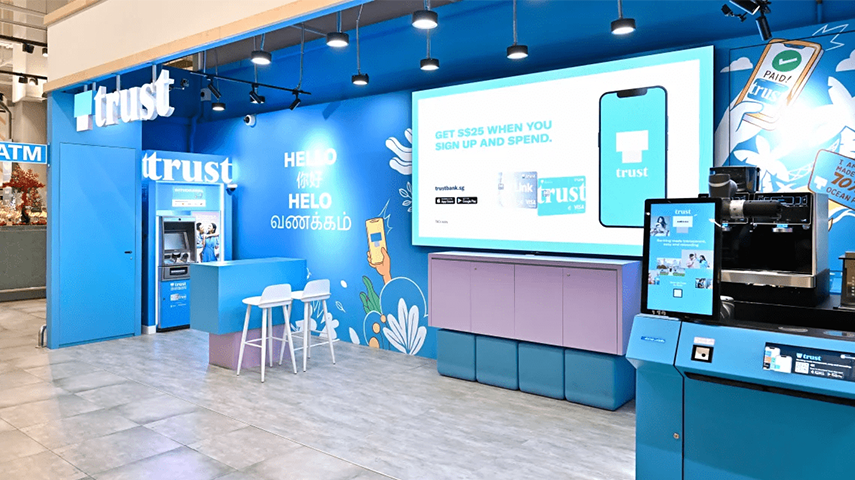
    Trust Bank is stepping into a new territory with the introduction of a trading platform for US stocks and exchange-traded funds (ETFs). This development makes Trust Bank the first in Singapore to offer fractional trading, thus offering everyday investors an easier gateway to the global marketplace.

    TrustInvest and Beyond

    In the early part of this year, Trust Bank rolled out TrustInvest, a tool aimed at simplifying the investing process and making it universally accessible. The digital banking institution is taking this promise a step further by launching a trading platform for US-listed stocks and ETFs within the Trust App.

    This innovative feature enables users to purchase and sell global equities directly within the app, creating an effortless path to investment, tracking, and increasing wealth all in one location.

    Leveraging Fractional Shares

    Trust Bank’s latest offering includes an outstanding feature: fractional trading. This facility allows customers to invest in fractions of high-priced stocks, thereby eliminating the need to invest large sums of money to own shares in their preferred companies.

    Trust Bank observes that some popular stocks and ETFs are priced over S$500 per share, but with fractional trading, even small investments can lead to building a diversified portfolio. This provision broadens the chance to access big-league entities like Netflix, Meta, or Apple for a wider range of investors.

    Diversification with ETFs and Sector Plays

    In addition to individual stocks, investors will have the opportunity to trade ETFs, offering a simple route to diversify their holdings. These funds amalgamate multiple assets – ranging from index trackers to sector-focused or digital asset portfolios – into a single investment. This strategy allows users to distribute risk while targeting specific themes or markets.

    All transactions take place within the Trust App, eliminating the need to transfer funds between different platforms. The entire experience is built to be straightforward, smooth, and secure.

    Open for Waitlist

    The waitlist for the new TrustInvest trading platform is now open for interested investors. Current Trust Bank customers can register directly within the app, while prospective users can open a Trust Savings account within a few minutes to start the process.

    Those on the waitlist will receive invitations to open trading accounts in the next few weeks.

    Empowering Every Investor

    Reflecting on the success of the initial TrustInvest launch, Dwaipayan Sadhu, CEO of Trust Bank, expressed enthusiasm about expanding the offering to allow customers to trade US stocks and ETFs. He emphasized that offering fractional trading will enable all customers to access a wide range of investments via a user-friendly and seamless banking app.

    This initiative positions Trust Bank as a pioneer in Singapore’s digital banking scene, drawing Wall Street closer to the everyday investor.

    Questions & Answers

    What is the new feature introduced by Trust Bank?
    Trust Bank has launched a trading platform for US stocks and ETFs within its app, making it the first in Singapore to offer fractional trading.

    How does the fractional trading feature benefit investors?
    Fractional trading allows investors to buy fractions of high-priced stocks, thus eliminating the need for large investments, and making the process accessible to a wider range of investors.

    How can investors join the waitlist for the new TrustInvest trading platform?
    Current Trust Bank customers can join the waitlist directly within the app, while new users can open a Trust Savings account to get started.