Category: Finance

Retail News Asia is committed to providing both local and global retailers with the latest Finance news throughout the Asian market. This on a daily base.

  • Citi’s 20th Annual China Conference: Connect, Engage, and Explore Strategic Opportunities in Shanghai and Shenzhen

    Citi’s 20th Annual China Conference: Connect, Engage, and Explore Strategic Opportunities in Shanghai and Shenzhen

    Citi, the global banking giant, is all set to host its 20th China Conference in the cities of Shanghai and Shenzhen. The event promises engaging discussions from esteemed guest speakers such as Jane Fraser, Citi’s CEO, and Janet Yellen, the former US Secretary of the Treasury and former Federal Reserve Chair.

    The 20th Citi China Conference

    The conference, scheduled to be held in Shenzhen from November 11-12 and in Shanghai from November 13-14, has sparked interest from around the globe. Over 2,300 business leaders, investors, and thought leaders are expected to participate, making the event a significant international gathering.

    The four-day conference will include more than 40 sessions, with a speaker list featuring many notable figures. Among the key speakers are Jane Fraser, CEO of Citi, Janet Yellen, former US Secretary of the Treasury and ex-Federal Reserve Chair, and Nicholas Burns, former US Ambassador to China.

    Citi’s Commitment to China

    This conference marks Citi’s continuing commitment to promoting business opportunities in China. “The Citi China Conference underscores our vision of bridging global investors with strategic opportunities in China,” stated Marc Luet, Citi’s head of Japan, Asia North, and Australia Banking. “With a history of over 120 years in fostering growth for companies in China, we look forward to continuing this role by aligning our clients’ aspirations with possibilities within and beyond China.”

    In a first, the conference will be presented in a comprehensive format in China, symbolizing the significance of the Chinese market. Wenjie Zhang, Citi’s Country Officer and Head of Banking in China, added, “This represents our dedication to our clients in this region.”

    Questions & Answers

    When and where will the 20th Citi China Conference be held?
    The conference will take place in Shenzhen from November 11-12, and in Shanghai from November 13-14.

    Who are some of the key speakers at the conference?
    The key speakers include Citi CEO Jane Fraser, former US Secretary of the Treasury and ex-Federal Reserve chair Janet Yellen, and former US Ambassador to China Nicholas Burns.

    What is the significance of this conference for Citi?
    This conference marks Citi’s commitment to connecting global investors to strategic opportunities in China. It also represents the importance of the Chinese market to Citi.

  • OCBC Maintains Steady Q3 Profit Amid Lower Interest Income: A Balance Sheet Analysis

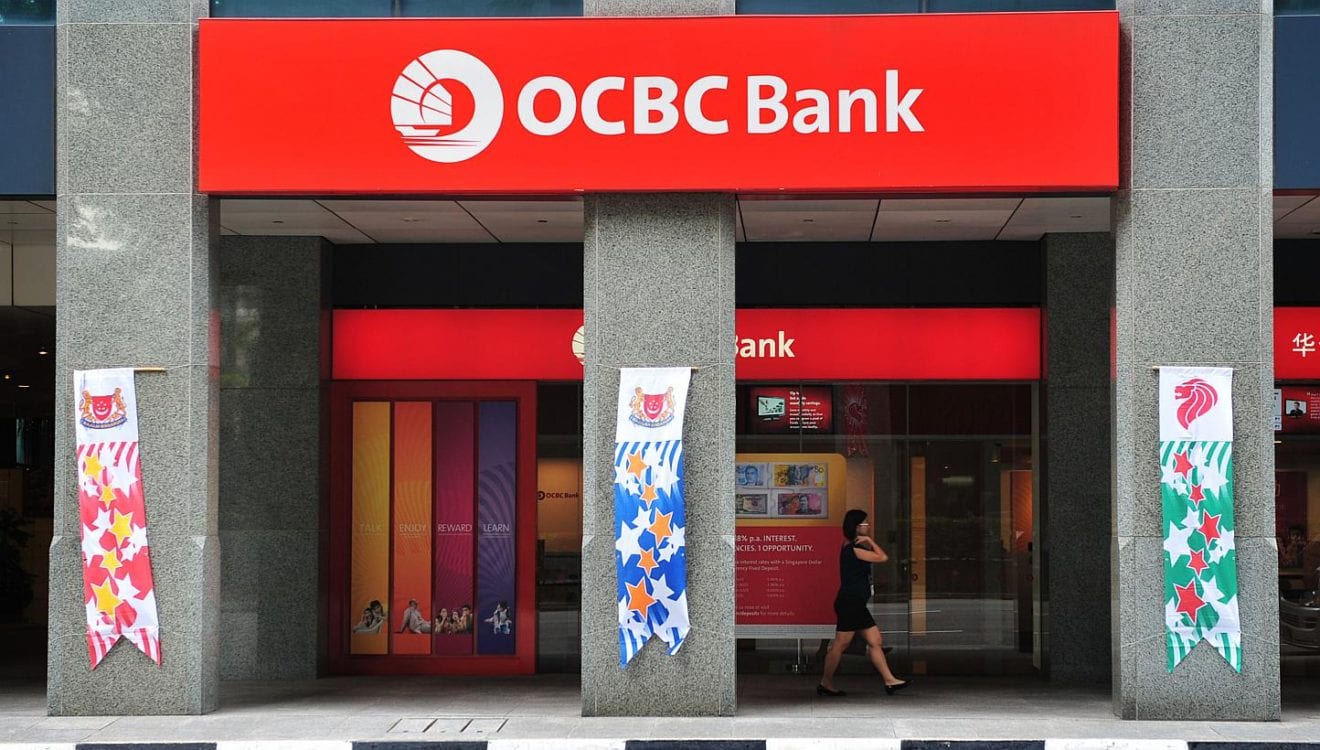
    OCBC Maintains Steady Q3 Profit Amid Lower Interest Income: A Balance Sheet Analysis

    OCBC, the Singapore-based banking corporation, has reported that its profits remained stable in the third quarter of 2025. The bank’s net earnings for the period matched the previous year’s figures, standing at approximately S$2 billion ($1.5 billion).

    Income and Expenditure Details

    The results showed that the bank’s non-interest income experienced a growth of 15 percent. It rose to S$1.6 billion, an increase driven by diversified earnings from fees, trading, and insurance. However, this upturn was balanced out by a drop in net interest income. Lowered by 9 percent due to contracting margins in a weakening interest rate environment, the net interest income fell to S$2.2 billion.

    The report also indicated a rise in operating costs, with an increase of 4 percent taking total expenses to S$1.5 billion.

    Year-To-Date Profits

    Considering the performance over the year to date, the bank’s net profit is reported to be S$5.7 billion. This signifies a decrease of 4 percent, indicating a drop in earnings from previous periods.

    Future Outlook

    Looking forward, the prospects appear challenging due to the dynamic policy environment and geopolitical tensions. Despite these complexities, OCBC’s strong balance sheet and robust capital position provide the flexibility to navigate these uncertain times. In the words of OCBC group CEO Helen Wong, their solid financial standing allows them to manage risks while continuing to serve their customers and invest in future growth.

    Questions & Answers

    What is the reported net profit of OCBC for the third quarter of 2025?
    The bank reported a net profit of S$2 billion, which is equivalent to $1.5 billion.

    How do changing dynamics in the policy environment and geopolitical tensions affect OCBC’s future prospects?
    These factors complicate the external environment, creating potential risks. However, OCBC’s robust capital position and strong balance sheet provide the flexibility to manage these uncertainties.

    What factors contributed to the 15 percent growth in OCBC’s non-interest income?
    The growth is attributed to diversified earnings from fees, trading, and insurance income.

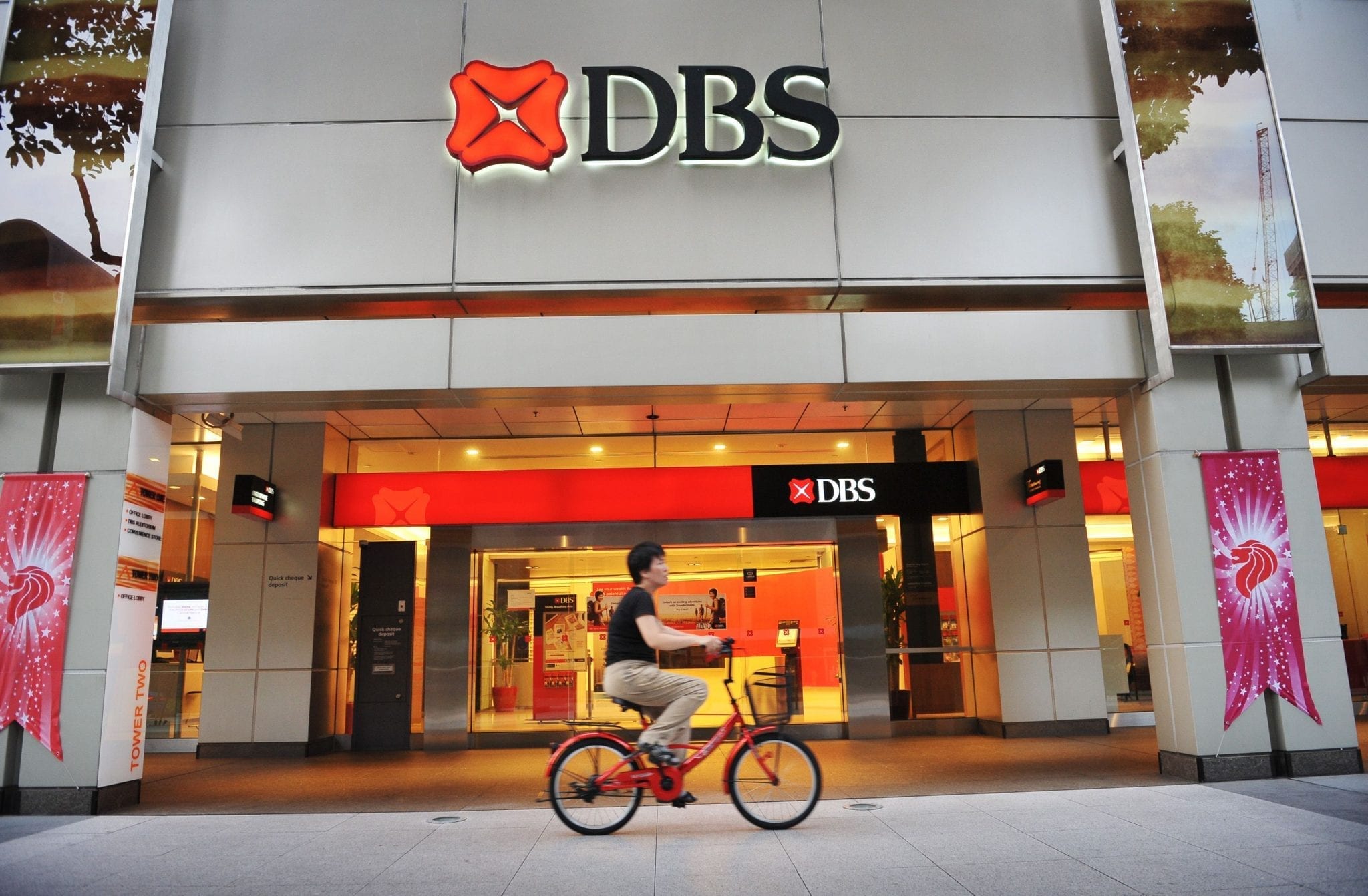
  • Wealth Management Drives DBS to Record-Breaking Q3 Income Despite Global Tax Reform Impact

    Wealth Management Drives DBS to Record-Breaking Q3 Income Despite Global Tax Reform Impact

    DBS bank reported a record-breaking income for the third quarter of 2025, largely due to strong fee income from wealth management. However, the bank’s net profit experienced a slight dip of 2 percent year-on-year, almost S$3 billion ($2.3 billion). This was a result of the newly enforced global minimum tax reform. Notwithstanding this, the profit before tax rose by 1 percent, reaching an all-time high of S$3.5 billion.

    Revenue and Expenses

    The bank’s total income also saw a significant surge, increasing by 3 percent to S$5.9 billion, setting another record. Net interest income remained relatively stable, while fee income and treasury customer sales witnessed new peaks, primarily driven by the wealth management sector. Market trading income improved due to lower funding costs and a more favorable trading environment. Simultaneously, expenses escalated by 6 percent to hit S$2.4 billion. The increase was primarily fueled by enhanced staff costs as bonus accruals rose in sync with the improved performance.

    For the first nine months of the year, DBS’s profit amounted to S$8.7 billion, representing a marginal decline of 1 percent.

    Looking Ahead

    DBS’s CEO, Tan Su Shan, provided some insight into the bank’s future strategy. He stated that the bank would continue to adapt to the challenges of decreasing interest rates through agile balance sheet management. He also emphasized the bank’s ability to seize structural opportunities across wealth management and institutional banking, ensuring continued growth and success.

    Questions & Answers

    What factors contributed to DBS’s record-breaking income in the third quarter of 2025?
    The record-breaking income was largely due to strong fee income from wealth management. Additionally, the bank saw new highs in fee income and treasury customer sales.

    What was the impact of the newly enforced global minimum tax reform on DBS?
    The new global minimum tax reform led to a slight dip in DBS’s net profit by 2 percent year-on-year in the third quarter of 2025.

    How does DBS plan to navigate the pressures of declining interest rates?
    DBS plans to navigate the pressures of declining interest rates through agile balance sheet management. The bank also aims to seize structural opportunities across wealth management and institutional banking.

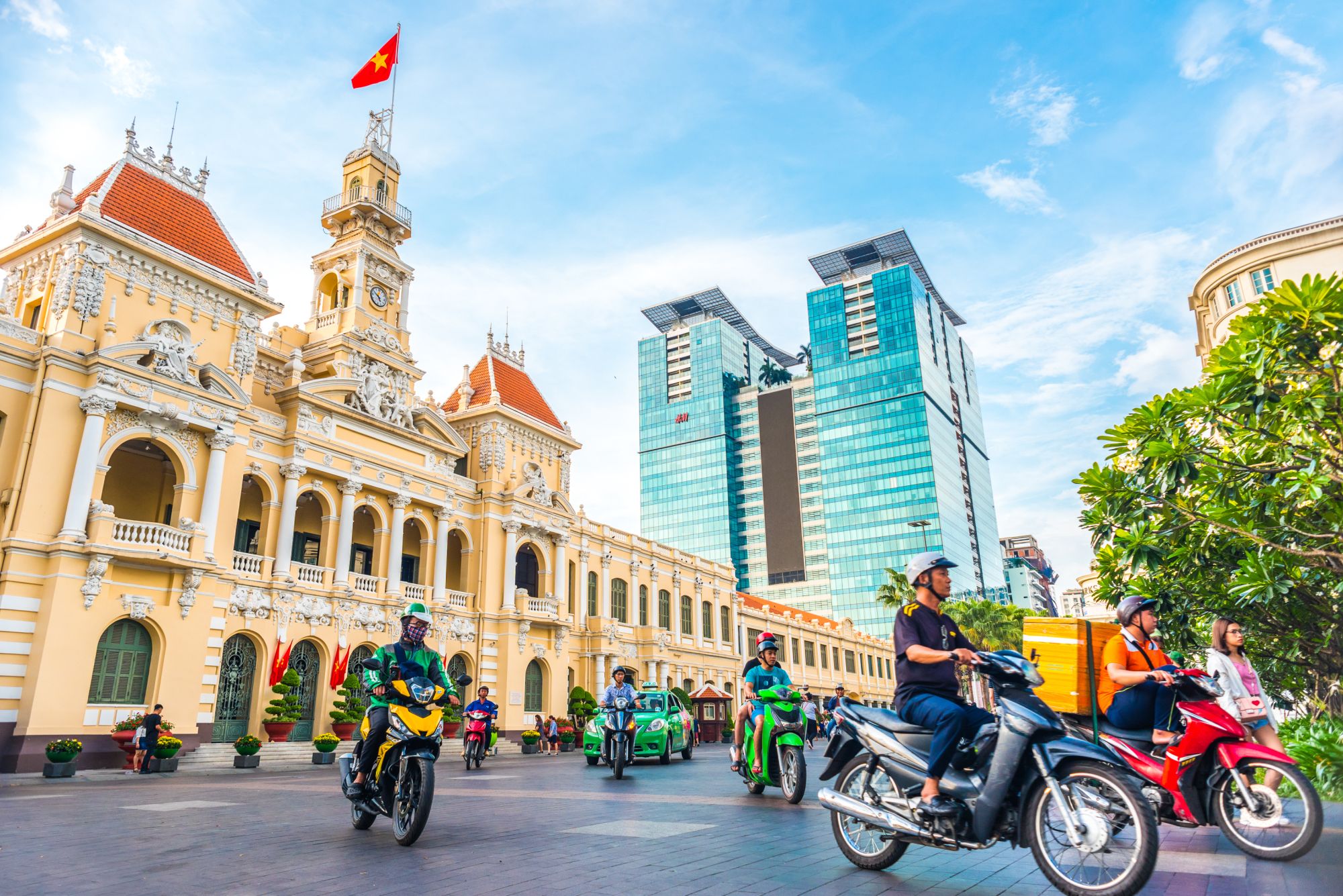
  • Vietnam Stocks Celebrate Largest Leap in a Month: Key Players and Factors in the Remarkable 2.16% Surge

    Vietnam Stocks Celebrate Largest Leap in a Month: Key Players and Factors in the Remarkable 2.16% Surge

    On Tuesday, Vietnam’s leading VN-Index experienced a significant increase, soaring by 2.16% to reach 1,654.98 points, marking the largest surge since October 6. This remarkable growth allowed the index to close approximately 35 points higher, a notable recovery from the 69-point decline it experienced over the previous three sessions.

    The trading value also increased significantly, rising by 16% to reach VND34.25 trillion, equivalent to US$1.3 billion.

    Dominant Performers

    The VN30 basket, which consists of the 30 highest capped stocks, saw impressive growth in 24 tickers. The rise was spearheaded by SSI Securities Corporation, VPBank, and Vincom Retail, each experiencing a gain of 6.9%. Other strong performers included Techcombank, which closed 4.2% higher, and MB, which rose by 3.9%.

    Despite the general upward trend, there were a few stocks that did not follow suit. The most notable of these were the tech heavyweight FPT Corporation and the state-owned Petrovietnam Gas, both of which saw a 1.6% decrease.

    Foreign Investment

    Foreign investors demonstrated significant activity, making net purchases worth VND1.22 trillion. Notably, the majority of this investment was directed towards HDBank and Masan Consumer.

    Lastly, the HNX-Index, which hosts mid-cap and small-cap stocks on the Hanoi Stock Exchange, rose by 2.6%. Simultaneously, the UPCoM-Index for the Unlisted Public Companies Market closed 0.57% higher.

    Questions & Answers

    What was the percentage increase of the VN-Index?
    The VN-Index increased by 2.16%.

    Which companies led the rise in the VN30 basket?
    The rise was led by SSI Securities Corporation, VPBank, and Vincom Retail, each with a 6.9% gain.

    What was the trend among foreign investors?
    Foreign investors were net buyers, mainly investing in HDBank and Masan Consumer.

  • 21Shares Shakes Things Up: New Leadership Structure Amidst $11 Billion Crypto Assets Management

    21Shares Shakes Things Up: New Leadership Structure Amidst $11 Billion Crypto Assets Management

    21Shares, a well-known firm that specializes in exchange-traded products (ETPs) tied to cryptocurrency assets, recently unveiled some major changes in its leadership structure. Having recently been taken over by a U.S. broker, the company currently oversees more than $11 billion in assets.

    Adrian Fritz’s Promotion

    With a tenure of four years, Adrian Fritz, who held the position of Global Head of Research, has ascended to the role of Chief Investment Strategist. In this new leadership role, Fritz will pivot his concentration towards sales and capital markets. As Vice President and Chief Investment Strategist, Fritz’s obligations will comprise of directing the company’s global investment strategy. This involves enhancing market predictions, portfolio evaluations, and the asset allocation strategy in digital assets.

    Eliézer Ndinga to Lead Research

    The leadership baton for the five-member research team has been passed to Eliézer Ndinga, the former Head of Strategy at 21Shares since April 2020.

    Ndinga, who originally founded the research team, served in this role for over three years. He held the position of Vice President, Head of Strategy at 21.co in New York City from December 2023 onwards. Ndinga will now resume his duties from the company’s headquarters in Zurich.

    Questions & Answers

    Who has been promoted to the role of Chief Investment Strategist at 21Shares?
    Adrian Fritz, who previously served as the Global Head of Research for the firm, has been promoted to the role of Chief Investment Strategist.

    Who will succeed Adrian Fritz as the head of the research team at 21Shares?
    Eliézer Ndinga, the former Head of Strategy at the company, will now lead the research team.

    What are the new roles and responsibilities of Adrian Fritz and Eliézer Ndinga?
    As the Chief Investment Strategist, Adrian Fritz will oversee the company’s global investment strategy, improve market forecasts, portfolio assessments, and manage the asset allocation strategy in digital assets. Eliézer Ndinga, on the other hand, will lead the research team from the company’s headquarters in Zurich.

  • Deutsche Bank Boosts Thailand Operations with Ex-Julius Baer Exec Appointment

    Deutsche Bank Boosts Thailand Operations with Ex-Julius Baer Exec Appointment

    Deutsche Bank Private Bank has appointed a former executive from Julius Baer’s onshore Thailand joint venture to their private wealth team. Penluck Sriboonruang has taken the post of vice president on the Thailand team, now based in Singapore and reporting directly to Paul Handley, the Southeast Asia market head.

    Professional Experience

    Sriboonruang brings with her a vast amount of experience, having worked for over seven years in the field. Her previous roles include being a senior private banker at the Thailand joint venture SCB-Julius Baer, as well as a team leader at the Bangkok-based Siam Commercial Bank.

    A representative for Deutsche Bank Private Bank has confirmed the details of Sriboonruang’s appointment.

    Questions & Answers

    Who has Deutsche Bank Private Bank appointed to their private wealth unit?
    Deutsche Bank Private Bank has appointed Penluck Sriboonruang to their private wealth unit.

    What is Penluck Sriboonruang’s role in Deutsche Bank?
    Penluck Sriboonruang has been appointed as the vice president in the Thailand team at Deutsche Bank Private Bank.

    What is her professional background?
    Penluck Sriboonruang has over seven years of combined experience at Thailand joint venture SCB-Julius Baer, where she was a senior private banker, and Bangkok-based Siam Commercial Bank, where she was a team leader.

  • Vietnam Gold Prices Tumble Despite Global Stability: A Detailed Analysis Amid US Interest Rate Speculations

    Vietnam Gold Prices Tumble Despite Global Stability: A Detailed Analysis Amid US Interest Rate Speculations

    On Tuesday morning, the price of gold in Vietnam dropped, even as global rates remained stable. A notable drop was seen in the gold bar from Saigon Jewelry Company, which decreased by 0.53%, making its current price VND148.2 million (US$5,628.34) per tael.

    Changes in Local and Global Gold Prices

    There was also a decrease in the price of gold rings, with rates falling by 0.34%, establishing a current price of VND145.9 million per tael of 37.5 grams, or 1.2 ounces. Despite such recent drops, there has been a significant increase in the price of gold in Vietnam throughout the year, with a surge of 76% observed so far.

    On a global scale, gold prices remained largely unchanged as investors anticipated the U.S. private payroll data expected to be released later this week. This data is critical in assessing the potential for an additional interest rate cut from the U.S. Federal Reserve this year.

    Stability in Spot Gold Prices

    Spot gold displayed minimal changes, maintaining a steady rate at $3,993.10 an ounce. Edward Meir, an analyst at Marex, suggests that gold is in the process of establishing a trading range, potentially in the high 3000s to the mid-4000s. This range is considered a consolidation following a significant move in prices.

    Despite a sharp increase of 53% this year, there has been an 8% decrease in the price of the metal from the record high that was observed on October 20th. Ole Hansen, the head of commodity strategy at Saxo Bank, commented on the current trend in gold prices. He noted, “Gold’s pause still looks like a breather, not a breakdown. Seasonal softness, temporary Chinese policy noise, and a firmer dollar explain the short-term retreat, but none change the longer-term narrative.”

    Questions & Answers

    What is the current price for Saigon Jewelry Company’s gold bar?
    The current price for Saigon Jewelry Company’s gold bar is VND148.2 million (US$5,628.34) per tael.

    By how much has the price of gold in Vietnam increased this year?
    The price of gold in Vietnam has seen a substantial increase of 76% this year.

    What factors are contributing to the current global gold price trend?
    Several factors, including seasonal softness, temporary Chinese policy noise, and a stronger dollar, are contributing to the short-term retreat in global gold prices. However, these do not influence the longer-term narrative.

  • US Dollar Clinches Marginal Victory Over Vietnamese Dong Amidst Divided Federal Reserve

    US Dollar Clinches Marginal Victory Over Vietnamese Dong Amidst Divided Federal Reserve

    On Tuesday morning, the U.S. dollar saw marginal gains against the Vietnamese dong. Vietcombank’s transactions reflected a 0.008% rise in the value of the dollar, selling at VND26,349.

    The U.S. Dollar on the Black Market

    Interestingly, on the black market, the dollar experienced a more significant increase of 0.14%, selling at VND27,840.

    Global Scene

    Globally, the U.S. dollar was trading close to a three-month high on Tuesday. The Federal Reserve’s evident division has led traders to restrain their expectations for interest rate cuts.

    In particular, the Australian dollar experienced fluctuations following the central bank’s cautious stance on inflation risks. After an immediate slip of 0.3%, it managed to recover some of its losses, closing at $0.6529, a 0.17% decrease for the day.

    The Dollar Index

    The dollar index, which juxtaposes the U.S. currency against a basket of six other currencies, also experienced a slight uptick of 0.1%, standing at 99.99.

    Questions & Answers

    What was the selling rate of the U.S. dollar against the Vietnamese dong on Tuesday?
    The U.S. dollar was sold at VND26,349, reflecting a 0.008% gain against the Vietnamese dong.

    What was the performance of the U.S. dollar on the black market?
    On the black market, the U.S. dollar rose 0.14% to VND27,840 against the Vietnamese dong.

    How did the Australian dollar perform after the central bank’s policy decision?
    The Australian dollar experienced a slip of 0.3% immediately after the policy decision, but it managed to recover and closed at $0.6529, a 0.17% decrease for the day.

  • HSBC and Standard Chartered Predict Blockchain and AI Boom in Hong Kong’s Fintech Future

    HSBC and Standard Chartered Predict Blockchain and AI Boom in Hong Kong’s Fintech Future

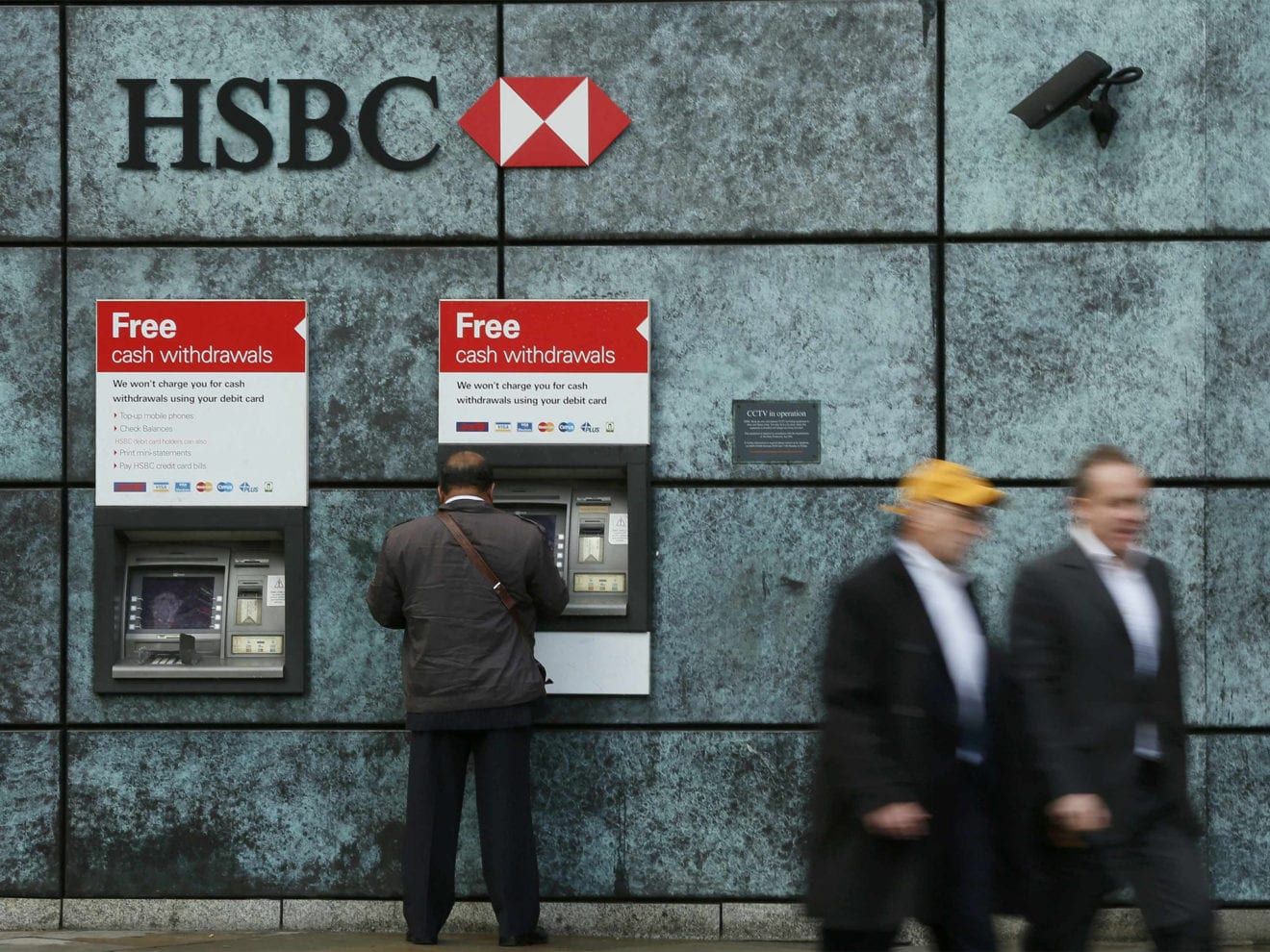
    During the 10th annual Hong Kong FinTech Week in 2025, HSBC CEO Georges Elhedery and Standard Chartered CEO Bill Winters discussed the city’s significant role as an international finance hub. Both CEOs shared a bullish outlook about the future of digital assets, blockchain, artificial intelligence (AI), and other tech-related advancements.

    The Future of Blockchain Settlements

    Standard Chartered CEO, Bill Winters, shared his vision for the future of money and settlements, anticipating a shift away from traditional methods. He expressed a mutual belief with Hong Kong’s leadership that, in due course, all transactions will be settled on blockchains and all money will become digital. “This implies a complete transformation of the financial system, although the specifics remain uncertain,” he stated.

    AI: Emphasizing Efficiency and Adoption

    HSBC CEO, Georges Elhedery, highlighted the distinctive approach to AI in Asia, particularly in mainland China and Hong Kong. This contrasts with the cutting-edge innovation focus in the US and the emphasis on safety through regulations in Europe. Elhedery pointed out the efficiency and speedy delivery showcased by AI, as well as the mass adoption of such emerging technologies, using the DeepSeek moment as an example.

    “This has truly been enlightening,” Elhedery commented.

    Tech Milestones in Hong Kong

    Both HSBC and Standard Chartered have been proactive in introducing new fintech innovations in Hong Kong, particularly in relation to digital assets. HSBC made several commendable strides, including being the first to complete a local blockchain-based settlement and the initial launch of tokenized gold. Standard Chartered has also shown leadership in crypto custody and the pioneering of tokenized money market funds.

    Elhedery reaffirmed their commitment to Hong Kong, stating, “HSBC announced on October 9th an investment exceeding HK$100 billion ($13 billion) for acquiring minority shares of Hang Seng Bank in Hong Kong. This demonstrates our strong confidence and belief in Hong Kong’s future outlook.”

    Questions & Answers

    What future predictions were made for blockchain settlements?
    Standard Chartered’s CEO, Bill Winters, predicted that all future transactions will be settled on blockchains and all money will be digital, implying a total transformation of the current financial system.

    What is the Asian approach to AI, according to HSBC’s CEO?
    HSBC’s CEO, Georges Elhedery, stated that Asia, particularly mainland China and Hong Kong, has embraced AI by showcasing efficiency, speed of delivery, and promoting mass adoption of such technologies.

    How is Hong Kong’s role as an international finance hub being reinforced?
    HSBC and Standard Chartered have been active in introducing new fintech innovations in Hong Kong, particularly in the area of digital assets. HSBC’s recent investment of more than HK$100 billion ($13 billion) in Hang Seng Bank also indicates confidence in Hong Kong’s future financial outlook.

  • Malaysia’s Digital Banking Revolution: The Race to Modernize Amid a Surge in Fintech Innovations

    Malaysia’s Digital Banking Revolution: The Race to Modernize Amid a Surge in Fintech Innovations

    As the Malaysian payments market surpasses the $90 billion mark, a significant challenge confronts traditional banking institutions – the urgent need to modernize to keep up with the rapid digital transformation and evolving consumer demands. The question then arises as to what strategies will help them stay ahead of the curve.

    The Digital Challenge

    While consumers in Malaysia are rapidly embracing digital payments, many banks are struggling to keep pace. Cards and digital wallets have become ubiquitous, fintech start-ups can offer a virtual card in minutes, and regulatory bodies are increasingly opening up the market to new players. However, banks operating on outdated systems risk being left behind in this rapidly-evolving market.

    By 2025, it is projected that card payments in Malaysia will reach MYR 422.4 billion ($92.6 billion), an increase from MYR 387 billion in 2024. This growth is largely driven by credit and charge cards, which make up nearly 60% of expenditures, with Malaysians using them more than twice as often as debit cards. Moreover, the use of contactless payment methods is now commonplace, with over 63% of consumers owning and using a contactless card.

    Regional Shift

    Despite the rise of digital payments, cash still accounts for nearly half of daily transactions in Malaysia. This is partly due to habit and partly because not all merchants and consumers are ready to completely let go of cash. As a result, banks are tasked with balancing different customer expectations – catering to the digital-savvy younger generation while also servicing traditional segments of the market.

    According to a recent study by Visa, about six out of ten consumers in Southeast Asia now prefer to go cashless, while more than seven out of ten reported having gone cashless for over a week as they experimented with new payment methods. In this context, cards continue to be the preferred payment medium, mainly due to their widespread acceptance by merchants and their use in funding digital wallets.

    Fintechs Lead the Charge

    The impact of this dual-speed market is most discernible in consumer behavior. Younger Malaysians, having grown up in the digital age, are more likely to use e-wallets and super-apps before applying for a traditional bank card. They expect financial services to be instantaneous, integrated, and accessible through familiar apps. Fintech companies have been quick to meet these demands.

    Companies like BigPay, Wise, GoPayz, and MAE offer instant virtual cards and integrate payments into everyday apps. Utilizing cloud-based systems allows them to roll out services such as multi-currency wallets and spending insights faster and more affordably than traditional banks. Moreover, lower fees on international spending and transfers make them more appealing to consumers.

    Regulatory Responses

    Regulatory bodies are also driving change. In 2022, Bank Negara Malaysia issued five licenses for digital banks under its new framework, which was updated in 2024 to enhance capital requirements and consumer safeguards. The central bank also introduced DuitNow QR as the national QR code standard, compelling banks and non-bank providers to adopt the same system. This initiative has facilitated the wider adoption of QR code-based transactions and reduced barriers to cashless transactions for consumers.

    Setting the Bar Higher for Banks

    These regulatory reforms have spurred innovation and raised the standards for banking institutions. They are part of the Financial Sector Blueprint 2022-2026, which envisions a more digital, inclusive, and fraud-protected financial system. Far from inhibiting progress, these regulations are actually accelerating it, with objectives that extend beyond convenience to include financial inclusion, resilience, and cross-border connectivity.

    Meeting Consumer Expectations

    For banks, the challenge lies in leveraging their scale and trustworthiness to gain a competitive edge in the digital realm. This necessitates direct attention to modernizing their legacy systems. Modern card management platforms can accommodate credit, debit, and digital credentials from a unified system.

    Such platforms also support instant issuance, thereby reducing the cost of maintaining multiple outdated platforms and enabling seamless integration with digital wallets and super-apps. They further offer enhanced features such as real-time fraud detection, flexible repayment options, and personalized card controls.

    Winning Customer Loyalty

    Modern platforms also open up a broader range of possibilities. They offer analytical capabilities that enable banks to detect and prevent fraud, and facilitate the design of products like ‘buy now, pay later’ schemes, which are gaining popularity among younger consumers.

    Moreover, these platforms enable banks to tailor offers and limits to individual consumer behavior, converting transaction data into personalized services. In a competitive market, these capabilities can be the key to winning customer loyalty and keeping up with fintech competitors.

    From Plans to Action

    Some banks have already commenced their digital transformation journey. For instance, Co-opbank Pertama implemented a new fraud management system to comply with stricter Bank Negara regulations and enhance online customer protection. This initiative highlighted how modern platforms can deliver regulatory compliance and a superior customer experience simultaneously.

    Further, banks that have replaced their outdated systems have been able to introduce flexible credentials – allowing a single card to switch between debit, credit, installment, or rewards – while extending fraud protection across all channels. These examples demonstrate that the shift towards digitalization is not just possible, but practical.

    Questions & Answers

    What is the projected growth of card payments in Malaysia by 2025?
    By 2025, card payments in Malaysia are expected to reach MYR422.4 billion ($92.6 billion), up from MYR387 billion in 2024.

    What steps are traditional banks taking to modernize their services?
    Many banks are adopting modern card management platforms that can issue credit, debit, and digital credentials from a single system. These platforms also offer features like real-time fraud detection, flexible repayment options, and personalized card controls.

    How are regulatory bodies in Malaysia driving the digital transformation in the banking sector?
    Regulatory bodies in Malaysia are issuing licenses for digital banks and introducing initiatives like DuitNow QR – the national QR code standard. This is part of a larger push towards a more digital, inclusive, and fraud-protected financial system.

  • Tokyo: The New Fintech Frontier Poised for $30.2 Billion Boom by 2033

    Tokyo: The New Fintech Frontier Poised for $30.2 Billion Boom by 2033

    Tokyo is spurring efforts to establish itself as a leading hub for financial technology (fintech), capitalizing on the exponential growth of digital finance in Asia. The city’s fintech market is predicted to hit an impressive $30.2 billion by 2033, growing at a steady rate of 14.1 percent annually. Leading the city’s drive to attract the most innovative fintech companies globally is FinCity.Tokyo, a financial promotion body that offers tangible support to startups seeking to penetrate the Japanese market and form enduring partnerships.

    Spotlight on Tokyo

    In a bid to showcase Tokyo’s potential, FinCity.Tokyo will host a Fintech Insight Session at the Singapore Fintech Festival (SFF) on 13 November 2025. The event, themed “Unlocking Tokyo: The Next Wave in Fintech and DeFi,” will delve into how global and ASEAN fintech enterprises can tap into Tokyo’s regulatory sandbox, burgeoning venture capital operation, and its function as a conduit for Japanese capital into Southeast Asia.

    A New Home for International Fintechs

    Tokio Morita, Executive Director of FinCity.Tokyo, announced that “ASEAN’s fintech sector is gaining strong momentum and cross-border expansion is the natural next step in its evolution.” He further noted that Japan offers more than just capital- it brings the credibility of a well-established regulatory environment and deep institutional trust. The organization’s aim is to assist fintechs from Singapore, ASEAN, and other global regions to create their secondary base in Tokyo. With the ASEAN fintech market projected to surpass $150 billion by 2030, the timing for such international collaboration is ideal.

    Enhancing Collaboration and Accelerating Web3

    The Financial Services Agency (FSA) in Japan has made strides in welcoming both local and international startups by opening its regulatory sandbox. This move allows businesses to experiment with new models in a flexible, low-barrier setting, thus facilitating smoother market entry and sparking innovation in fields like digital assets, Web3, and decentralized finance.

    Japan’s Ministry of Internal Affairs and Communications predicts that the country’s Web3 economy will grow over 20 times to 2.4 trillion yen by 2027, a testament to the strong institutional and governmental dedication to digital transformation.

    Bridging the Gap between Singapore and Tokyo

    ADDX, a Singapore-based digital securities platform, is one of FinCity.Tokyo’s success stories. The platform now collaborates with Japanese investors and key institutions. Another successful example is Lydia.ai, a healthtech startup that leverages AI to extract insights from unconventional data sources. The Co-Founder, Christina Cai, credited their successful entry into Japan’s financial ecosystem to the support they received from FinCity.Tokyo.

    Transforming Tokyo into a Fintech Launchpad

    FinCity.Tokyo’s mission goes beyond mere promotion. In collaboration with the Tokyo Metropolitan Government’s Invest Tokyo platform, the organization provides practical aid to foreign fintechs, ranging from licensing assistance to venture capital introductions. Under the Attraction U Project, eligible fintechs can receive subsidies of up to 30 million yen (approximately $200,000) to establish and expand their business in Japan.

    Building a Global Financial Hub

    Tokyo is positioning itself as a global launching pad for fintech innovators by offering regulatory clarity, institutional trust, and access to extensive Japanese capital. As the fintech landscape in Asia matures, Tokyo aims to play a crucial role in linking global innovation with one of the world’s largest and most advanced financial markets.

    Questions & Answers

    What is Tokyo’s projected fintech market value by 2033?
    The predicted value of Tokyo’s fintech market by 2033 is $30.2 billion.

    How is FinCity.Tokyo supporting fintech startups?
    FinCity.Tokyo is providing hands-on support to fintech startups by helping them enter the Japanese market and form lasting partnerships. It also offers tangible aid ranging from licensing advice to venture capital introductions.

    What is the purpose of Japan’s regulatory sandbox?
    Japan’s regulatory sandbox allows businesses to test new models in a flexible, low-barrier setting. This facilitates smoother market entry and fosters innovation in various fields, including digital assets, Web3, and decentralized finance.

  • Vietnam’s Economy Soars: Standard Chartered Forecasts 7.5% GDP Growth in 2025 Amid Robust Trade and FDI Inflow

    Vietnam’s Economy Soars: Standard Chartered Forecasts 7.5% GDP Growth in 2025 Amid Robust Trade and FDI Inflow

    Standard Chartered Bank has revised its economic growth forecast for Vietnam this year from an initial prediction of 6.1% to a more promising 7.5%. In its most recent macroeconomic report, Standard Chartered also adjusted its growth prospect for the country for 2026, from 6.2% to a promising 7.2%.

    Increasing Role in the Global Supply Chain

    A key factor highlighted by Standard Chartered Bank was Vietnam’s expanding role in the global supply chain. This elevation is largely fueled by the country’s robust trading performance and deepening integration into international commerce through various free trade agreements. In September, Vietnam’s exports reached a staggering US$42.7 billion, a 24.7% increase compared to the previous year. This impressive growth was spearheaded by key sectors such as electronics and computers (up 66.2%), telephones (17.5%), and machinery (11.6%).

    Simultaneously, imports saw a 24.9% increase to $39.8 billion, with electronics and computer supplies (up 43.6%) and machinery (up 33.6%) leading the charge. These numbers indicate a consistent expansion in production and industrial capacity in Vietnam.

    Resilient External Position and Economic Recovery

    Standard Chartered Bank highlighted Vietnam’s resilient external position, bolstered by solid trade and a stable foreign exchange outlook. After previously being depleted due to the strengthening of the U.S. dollar, it is anticipated that the country’s FX reserves will be rebuilt. This reflects an improved macroeconomic stability and a healthy trade performance.

    As another positive economic indicator, the growth of domestic credit has also sped up, suggesting a continued economic recovery without requiring policy rate cuts. Current credit growth surpasses 15% year on year, which indicates growing business confidence and a higher demand for finance. The bank also pointed out that lending growth continues to be robust, supported by favourable liquidity conditions and government initiatives to stimulate growth.

    Foreign Direct Investment as Key Growth Driver

    Foreign direct investment (FDI) remains a significant contributor to growth. In the first nine months of 2025, the amount of disbursed FDI increased by 8.5% year on year, amounting to $18.8 billion, while registered FDI surged by 15.2% to $28.5 billion.

    Looking ahead, Standard Chartered economists predict the refinancing rate to remain at 4.5% for the remainder of this year and 2026, with favourable conditions encouraging investment and expansion. Tim Leelahaphan, senior economist for Vietnam and Thailand at Standard Chartered, praised Vietnam’s resilience and adaptability, which have been demonstrated through its strong FDI inflows and robust export growth. These factors have reinforced its strategic role in the diversification of the global supply chain and suggest an optimistic outlook for continued economic expansion.

    The bank also maintained its forecast for the USD/VND exchange rate at VND26,300 for this year and VND26,750 for 2026, while lowering inflation projections to 3.4% for 2025 and 3.7% for next year. These updated figures were based on stronger-than-expected growth momentum and easing price pressures.

    Questions & Answers

    What is the revised economic growth forecast for Vietnam in 2026?
    Standard Chartered Bank has revised the economic growth forecast for Vietnam in 2026 from 6.2% to 7.2%.

    What factors have led to the growth of Vietnam’s role in the global supply chain?
    The growth of Vietnam’s role in the global supply chain is primarily due to its strong trading performance and its deepening integration into international commerce through several free trade agreements.

    How is the Foreign Direct Investment (FDI) contributing to Vietnam’s economy?
    FDI is a significant contributor to Vietnam’s economy. In the first nine months of 2025, discharged FDI increased by 8.5% year on year, reaching $18.8 billion whereas registered FDI surged by 15.2% to $28.5 billion. This robust FDI inflow is a testament to Vietnam’s resilience and adaptability, indicating a positive outlook for continued economic expansion.

  • Unprecedented Gold Rush: Global Demand Hits Record High Amid Surging Investment

    Unprecedented Gold Rush: Global Demand Hits Record High Amid Surging Investment

    In the third quarter, global gold demand experienced a 3% annual increase, amounting to 1,313 metric tons. This marked the highest level of demand ever recorded, primarily driven by a surge in investment demand, reported the World Gold Council.

    Spot Gold Prices Rise

    Spot gold prices have seen a remarkable increase of 50% in the year to date, culminating in a record high of $4,381 per troy ounce on October 20th. This surge can be attributed to safe-haven demand triggered by geopolitical instability, uncertainty surrounding U.S. tariffs, and a recent wave of ‘fear-of-missing-out’ or ‘FOMO’ buying.

    Senior markets analyst at the World Gold Council, Louise Street, expressed optimism regarding the future of gold. She pointed to factors such as ongoing weakness in the U.S. dollar, predictions of lower interest rates, and the potential threat of stagflation, that could further stimulate investment demand. Street also noted that their research suggests the market is not yet saturated.

    Gold Bar and Coin Demand Increase

    The demand for gold bars and coins witnessed a rise of 17% in the third quarter, with India and China leading the way. Inflows into physically backed gold exchange-traded funds soared by 134%, according to the industry body whose members comprise global gold miners.

    These categories combined managed to counterbalance the continuing steep decline in gold jewellery fabrication, which is the largest category of physical demand. The latter saw a 23% drop to 419.2 tons as high prices deterred buyers worldwide.

    Central Banks Boost Gold Demand

    Central banks, another significant source of gold demand, ramped up their purchases by 10% to 219.9 tons in the third quarter. This estimate was based on reported purchases and the World Gold Council’s assessment of unreported buying.

    From January to September, central banks have acquired 634 tons, which although lesser than the unusually high amounts of the last three years, is still significantly higher than the levels recorded before 2022.

    Gold Supply Reaches Record High

    On the supply side, a 6% contribution from recycling and a 2% increase in mine production in the third quarter led to the gold supply reaching an all-time high.

    Questions & Answers

    What factors are contributing to the increased demand for gold?
    Economic factors such as continued U.S. dollar weakness, lower interest rates, and the threat of stagflation are driving increased investment demand for gold.

    Which countries are leading in the demand for gold bars and coins?
    India and China are currently leading in the demand for gold bars and coins.

    How have central banks influenced gold demand?
    Central banks have increased their purchases by 10% to 219.9 tons in the third quarter, thereby significantly influencing gold demand.

  • U.S. Dollar Rallies on Black Market, Boosted by Hawkish Fed Comments

    U.S. Dollar Rallies on Black Market, Boosted by Hawkish Fed Comments

    On Thursday morning, the U.S. dollar experienced a rise against the Vietnamese dong in the black market, and also saw an increase over major currencies. The greenback saw a hike of 0.18% to VND27,800 at unofficial exchange points.

    Meanwhile, Vietcombank maintained its rate at VND26,345. The State Bank of Vietnam also held its reference rate steady at VND25,091.

    On a global scale, the dollar made gains following some hawkish comments from the Federal Reserve, settling near a two-week high at 99.09 against a selection of currencies. The Federal Reserve, on Wednesday, reduced rates by 25 basis points as anticipated and confirmed that it will conclude its balance sheet contraction on December 1.

    In other currency news, the Australian dollar saw a rise of 0.2% to $0.6588. Similarly, the New Zealand dollar also observed a gain of 0.2% to $0.5775.

    Questions & Answers

    What was the increase of the U.S. dollar against the Vietnamese dong?
    The U.S. dollar saw a rise of 0.18% against the Vietnamese dong on the black market.

    What was the reaction of the Australian and New Zealand dollars to the news?
    Both the Australian and New Zealand dollars rose 0.2%, to $0.6588 and $0.5775 respectively.

    What measures did the Federal Reserve take on Wednesday?
    The Federal Reserve lowered rates by 25 basis points as expected and announced that it will end its balance sheet drawdown on December 1.

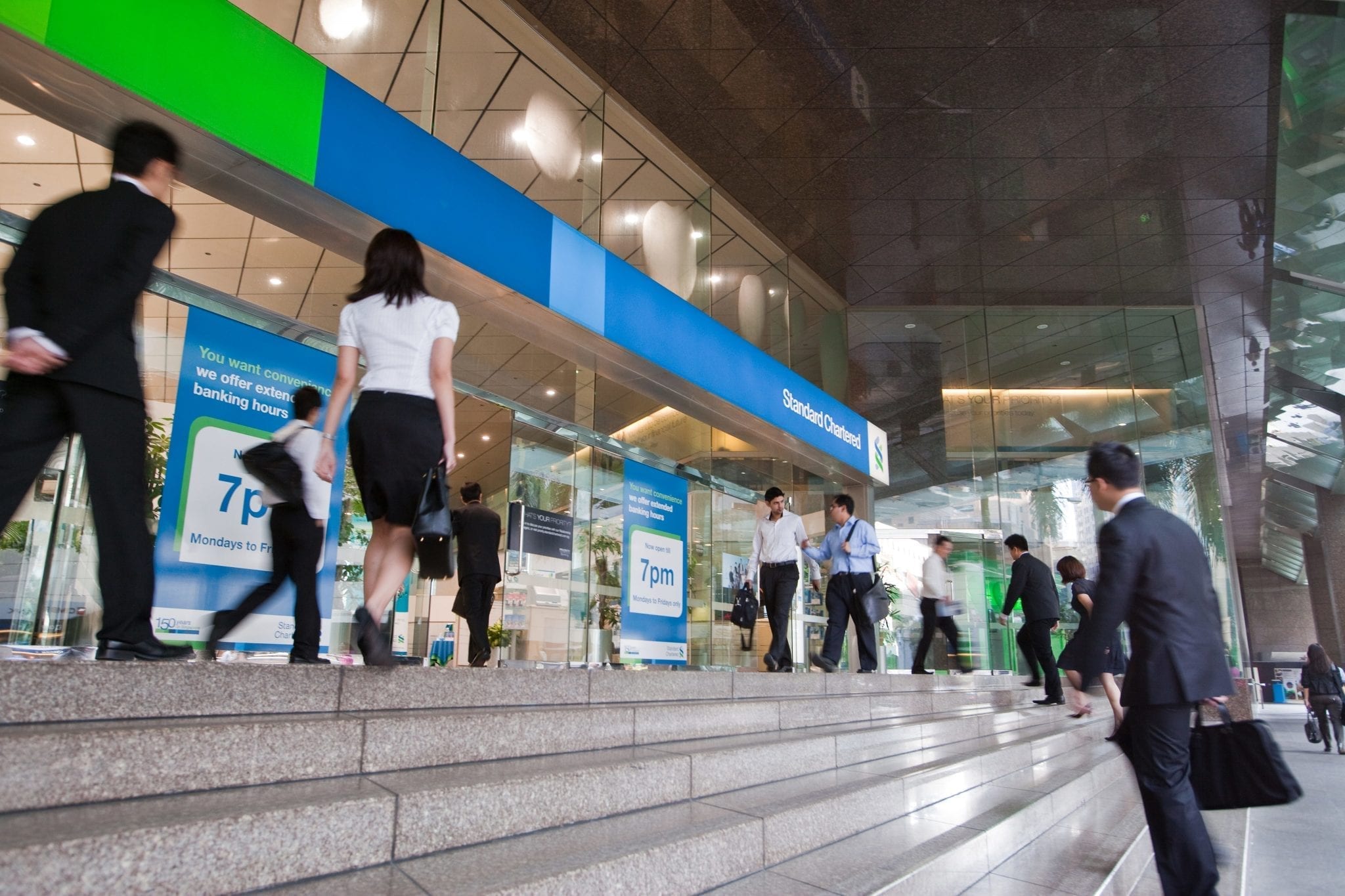
  • Standard Chartered Gears Up for Early RoTE Target Triumph Amid Q3 Profit Surge

    Standard Chartered Gears Up for Early RoTE Target Triumph Amid Q3 Profit Surge

    Following a prosperous third quarter, Standard Chartered Bank, noted for its focus on emerging markets, has reported a rise in profits. The bank now anticipates meeting its return on tangible equity (RoTE) goal ahead of its original schedule by one year.

    Financial Success in Q3

    Standard Chartered’s pre-tax profit for the third quarter of 2025 saw a 10% increase from the previous year, growing to just shy of $2 billion. This is according to the bank’s own recently released financial results.

    An increase of 5% was also noted in operating income, reaching $5.1 billion. Simultaneously, net interest income fell by 1% to $2.7 billion. However, non-interest income demonstrated a significant climb of 12% to $2.4 billion. The majority of this remarkable growth can be attributed to a record-breaking quarter experienced by wealth solutions, in conjunction with global banking. These sectors witnessed respective income growth of 27% and 23%. Meanwhile, operating expenses rose by 4% to $3 billion as a result of strategic investments intended to stimulate business development. Efficiency-related savings helped to partially offset this increase.

    The bank’s year-to-date pre-tax profit similarly displayed a promising trend, increasing by 16% to approximately $6.7 billion.

    Upward Revision of Projections

    Given these promising outcomes, Standard Chartered has revised its projections upwards. The bank now expects its operating income to demonstrate a compound annual growth rate of 5-7% from 2023 to 2026. Notably, the year 2025 is predicted to reach the upper end of this bracket, barring any remarkable items. This represents a shift from the bank’s previous forecast, which placed expectations towards the lower end of the range.

    In addition to these adjustments, the bank has also forecasted that its return on tangible equity (RoTE) will stand at roughly 13% in 2025. This indicates that the bank is on track to achieve its target one year sooner than initially planned.

    Strategic Focus Leads to Growth

    Standard Chartered’s CEO, Bill Winters, commented on the financial results, stating that the progress seen was widely distributed. However, he attributed a significant proportion of the bank’s success to a refined strategic focus on meeting the cross-border and affluent banking requirements of their clients. This stance has shown fruitful results, with substantial double-digit growth being observed in Wealth Solutions and Global Banking. There is also positive momentum in the bank’s Global Markets flow business.

    Questions & Answers

    What has led to Standard Chartered’s increase in profits in Q3?
    Standard Chartered saw a rise in profits due largely to a record-breaking quarter in wealth solutions and global banking, leading to a 10% increase in pre-tax profit for Q3.

    How has the bank revised its future projections?
    Standard Chartered now expects its operating income to demonstrate a compound annual growth rate of 5-7% from 2023 to 2026, with its return on tangible equity (RoTE) estimated to be approximately 13% in 2025.

    What strategic focus does CEO Bill Winters believe is paying off?
    Winters attributes the bank’s recent success to a strategic focus on meeting the cross-border and affluent banking needs of their clients. This has led to substantial growth in the Wealth Solutions and Global Banking sectors.