Retail News CRM

Category: Finance

Retail News Asia is committed to providing both local and global retailers with the latest Finance news throughout the Asian market. This on a daily base.

  • Malaysia’s Private Sector Loans Surge 5.4% in May, Boosting Economic Confidence

    Malaysia’s Private Sector Loans Surge 5.4% in May, Boosting Economic Confidence

    Asia’s retail landscape is brimming with innovation, and nowhere is this more evident than in the rise of omnichannel strategies among major players. As consumers in the region demand seamless shopping experiences that integrate both online and physical interactions, retailers are stepping up to meet these expectations with creativity and precision.

    Transforming Customer Experience

    Leading the charge is JD.com, which is redefining the shopping experience through cutting-edge technology. In a recent initiative, the e-commerce giant has begun experimenting with augmented reality (AR), allowing customers to visualize products in their own space before making a purchase. This playful and immersive approach not only enhances engagement but also boosts buyer confidence—a win-win in today’s competitive market.

    Revamping Traditional Outlets

    Meanwhile, traditional retailers aren’t sitting on the sidelines. With the pandemic having propelled a shift towards digital shopping, brands like 7-Eleven are redesigning their brick-and-mortar stores to cater to a hybrid shopping model. These new outlets emphasize convenience, featuring smart kiosks and dedicated pickup areas for online orders, making the in-store experience just as appealing as e-commerce. It’s not just a store; it’s an experience!

    Personalization at the Forefront

    In a world awash with choices, personalization has emerged as a powerful driver of customer loyalty. Retailers like Sephora have leaned into this trend by harnessing data analytics to offer tailored product recommendations. This level of customization not only enhances the shopping experience but also cultivates a connection between the customer and the brand, ensuring that shoppers feel seen and valued.

    Innovative Strategies in Payment Solutions

    Asia’s retail sector is also witnessing a revolution in payment solutions. The proliferation of mobile wallets, particularly in markets like China and Southeast Asia, is reshaping the way transactions are conducted. Companies such as Alibaba and Grab are leading the charge, enabling seamless transactions that often bypass traditional banking systems altogether. It’s as if cash is making a quiet exit, and digital currencies are gleefully taking center stage.

    Looking Ahead: Sustainability Matters

    As the spotlight on sustainability grows ever brighter, retailers are taking action. Brands are investing in eco-friendly practices and products to appeal to a more environmentally conscious consumer base. The challenge lies not only in meeting these expectations but also in communicating their sustainability efforts effectively. Retailers that navigate this tricky terrain will likely lead the pack in the years to come, as consumers increasingly prioritize ethics in their purchasing decisions.

    Questions & Answers

    How is JD.com using technology to enhance customer experience?
    JD.com is integrating augmented reality into its shopping platform, allowing customers to visualize products in their own environments before purchasing, thereby boosting engagement and buyer confidence.

    What changes are traditional retailers making to adapt to the rise of e-commerce?
    Traditional retailers like 7-Eleven are redesigning their stores to support hybrid shopping models, featuring smart kiosks and dedicated pickup areas for online orders to enhance convenience for customers.

    Why is personalization important in retail today?
    Personalization is crucial as it helps forge a deeper connection between the customer and the brand. Retailers like Sephora leverage data analytics to provide tailored product recommendations, enhancing customer loyalty.
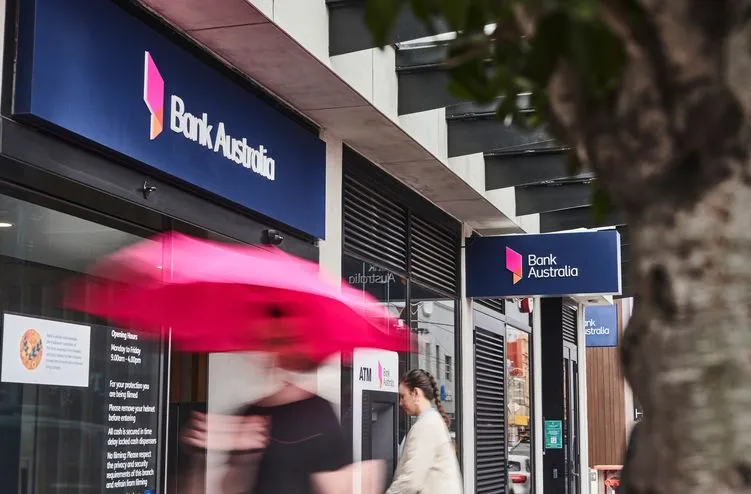

  • Bank Australia’s Merger with Qudos: A Strategic Move to Enhance Competitive Edge in Retail Banking

    Bank Australia’s Merger with Qudos: A Strategic Move to Enhance Competitive Edge in Retail Banking

    Bank Australia (BAL) has strengthened its foothold in the competitive banking landscape with its recent merger with Qudos Bank. The two entities joined forces on 1 July 2025, with Qudos transferring all its assets and liabilities to BAL, which will now operate under both the Bank Australia and Qudos Bank brands. This merger is seen as a significant step toward enhancing BAL’s capital position, which is projected to remain robust.

    Upcoming Australian Unity Bank Acquisition

    In an additional strategic move, BAL is set to acquire the assets and liabilities of Australian Unity Bank in fiscal 2026. Overall, these ventures are estimated to impact BAL’s risk-adjusted capital (RAC) ratio, which S&P Global Ratings predicts will decline to between 16.2% and 16.7% in fiscal years 2026 and 2027.

    Healthy Growth Amid Challenges

    S&P has expressed confidence in BAL’s stability, indicating the newly merged entity is unlikely to experience disruptions to its core activities. The agency believes that underlying loan growth will remain slightly above the average for the Australian banking sector. The RAC ratio serves as a critical metric for assessing a bank’s resilience against economic volatility.

    Navigating Integration Risks

    Of course, with growth comes challenges, particularly in the form of integration risks associated with the Qudos merger. S&P points out that as BAL works to consolidate systems, it must also contend with the financial strain posed by merger-related costs. The bank is anticipated to act as a price taker in the competitive Australian lending and deposit markets, facing pressure from larger regional and major banks.

    Following the merger, BAL will carve out a modest market presence, holding around 0.4% of Australia’s residential lending market. However, S&P remains optimistic, stating that the merger is unlikely to significantly raise the underlying risk in BAL’s consolidated lending and funding portfolios. The agency forecasts the bank’s credit losses to remain impressively low at approximately 0.05% of customer loans, which is below the systemwide average. This indicates a well-capitalized future for BAL, with expectations that its RAC ratio will stabilize between 16.2% and 16.7% until 2027.

    A Bright Future Ahead

    In a landscape marked by change, Bank Australia is poised to navigate its mergers while maintaining stability, a feat that may surprise even the most seasoned industry watchers.

    Questions & Answers

    What impact will the merger with Qudos Bank have on BAL’s capital position?
    The merger is expected to boost BAL’s competitive standing while maintaining a strong capital position, estimated to remain between 16.2% and 16.7% in the coming fiscal years.

    What challenges does BAL face post-merger?
    BAL must address integration risks associated with consolidating systems and manage costs related to the merger while remaining competitive in the Australian lending market.

    How does BAL’s market share compare after the merger?
    After the merger, BAL will hold about 0.4% of Australia’s residential lending market, a modest share that suggests it remains a small player amidst larger regional banks.

  • Gold Bar Prices Surge as Global Market Rates Rebound – What It Means for Investors

    Gold Bar Prices Surge as Global Market Rates Rebound – What It Means for Investors

    Vietnam gold bar prices rose on Monday afternoon as global bullion rates recovered from a one-month low. On Monday, the price of gold bars from the Saigon Jewelry Company increased by 0.25%, reaching VND119.5 million (approximately US$4,578.98) per tael, while the gold ring price held steady at VND115.7 million. For reference, a tael weighs about 37.5 grams or 1.2 ounces.

    A Global Recovery in Sight

    Internationally, gold prices made a comeback, buoyed by a weakening dollar. Earlier in the day, gold had dipped to its lowest point since May 29, prompted by easing tensions in U.S.-China trade relations that reduced the demand for safe-haven assets while heightening risk appetites, according to Reuters.

    Market Insights and Investor Sentiment

    Spot gold climbed by 0.5% to reach $3,290 per ounce after its earlier dip, with U.S. gold futures also rising by 0.4% to $3,301. Tim Waterer, Chief Market Analyst at KCM Trade, highlighted that the market sentiment has shifted away from a “doom and gloom” perspective regarding tariff discussions and geopolitical tensions in the Middle East, resulting in a decline in gold’s safe-haven appeal.

    Key Price Levels to Watch

    “The dollar continues to be under pressure, which is preventing a steep decline in gold prices,” Waterer noted. “The $3,250 threshold is pivotal for gold, as a breach of this level could lead to a swift plunge toward $3,200.” It seems the gold market is not ready to don its “doom and gloom” costume just yet, but the balance is precarious.

    Questions & Answers

    What was the price increase for gold bars in Vietnam on Monday?
    The price of gold bars from the Saigon Jewelry Company rose by 0.25% to VND119.5 million (approximately US$4,578.98) per tael.

    What contributed to the rise in global gold prices?
    Global gold prices increased due to a weaker dollar and improved investor sentiment following easing U.S.-China trade tensions, which dampened the demand for safe-haven assets.

    What key price level should investors watch for gold?
    Investors should monitor the $3,250 level, as a breach of this threshold could trigger a more significant decline toward the $3,200 mark.

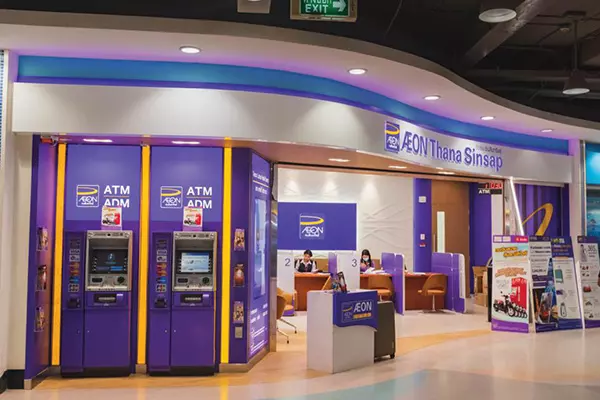
  • AEON Credit Service Reports Impressive 31.3% Profit Surge to US$13.9 Million in Q1!

    AEON Credit Service Reports Impressive 31.3% Profit Surge to US$13.9 Million in Q1!

    AEON Credit Service (Asia) Company Limited has announced promising financial results for the three-month period ending May 31, 2025, showcasing its resilience and strategic focus in a competitive market. The company recorded a revenue of HK$442.2 million (approximately US$56.33 million), reflecting a 3.7% increase year-on-year. This growth was primarily fueled by enhanced interest income and a steady rise in revolving credit card and personal loan receivables, underscoring the firm’s robust lending framework.

    Moreover, AEON Credit’s after-tax profit reached HK$109.3 million (US$13.92 million), marking a 31.3% surge compared to the same period last year. With earnings per share climbing to 26.11 HK cents, up from 19.88 HK cents, the company is clearly on a bullish trajectory, toasting to a fruitful quarter.

    Operational Profits and Strategic Enhancements

    Operating profit before impairment losses saw an impressive increase of 8.7%, rising to HK$229.7 million. Concurrently, the company’s cost-to-income ratio improved, dropping to 44.6% from 47.3% the previous year, signaling efficient management and cost control.

    To navigate the intricacies of credit exposure, AEON Credit has bolstered its credit assessment model. This strategic move allows the company to better manage higher-risk advances and receivables, ensuring that growth is sustainable and backed by robust risk management.

    Marketing Innovation and Customer Engagement

    The financial institution is also reaping the rewards of its focused marketing efforts. By employing targeted marketing and innovative digital advertising campaigns, AEON Credit has stimulated spending and maintained momentum in its credit card segment, even as personal loan sales faced a decline.

    Looking towards the future, AEON Credit is betting on its “AEON HK” mobile app as a cornerstone for acquiring new customers for both credit card and personal loan services. Moreover, the company is in the process of developing a new rewards platform tailored to its customers in Hong Kong, promising a more convenient way to redeem premium points and e-coupons. It seems the customer experience is set to take flight, with rewards that will surely keep clients engaged and coming back for more — because who doesn’t love a little extra something on their shopping spree?

    Questions & Answers

    How did AEON Credit perform financially in Q1 FY2024/25?
    AEON Credit reported a revenue of HK$442.2 million, a 3.7% YoY increase, while profit after tax surged by 31.3% to HK$109.3 million.

    What factors contributed to AEON Credit’s revenue growth?
    The growth was primarily driven by higher interest income and an increase in revolving credit card and personal loan receivables.

    What future initiatives is AEON Credit undertaking to enhance customer engagement?
    AEON Credit plans to leverage its “AEON HK” mobile app for new customer acquisitions and is developing a rewards platform for easier premium point and e-coupon redemptions.

  • Report: Thailand’s Emerging Virtual Banks Face Steep Challenges Against Established Players

    Report: Thailand’s Emerging Virtual Banks Face Steep Challenges Against Established Players

    Despite the buzz surrounding the rise of virtual banks, Thailand’s existing financial institutions appear to retain a safe buffer against potential disruption, at least in the near term. Moody’s Ratings recently indicated that the new entrants, set to launch in 2026, will navigate a landscape defined by regulatory restrictions that could curtail their growth over the next three to five years.

    Regulatory Framework Shapes Future Operations

    The Bank of Thailand’s (BOT) licensing framework will require these virtual banks to gradually increase their capital from THB5 billion ($153 million) to at least THB10 billion ($306 million) during their formative years. This regulatory structure aims to foster stability in the financial sector as these banks target segments that traditional institutions often overlook.

    Filling the Gaps in Financial Services

    These digital newcomers will primarily focus on lending to underserved populations, including lower-income retail clients, self-employed individuals, and small businesses. By catering to these niche customer groups, they may actually act as a shield for incumbent banks, delaying any immediate threats and allowing these traditional players time to adapt.

    Meet the New Players in Thailand’s Banking Scene

    Thailand’s Ministry of Finance has officially green-lighted three applicants to establish virtual banks, following rigorous evaluations alongside the BOT. The selected players include ACM Holding Company, part of the Charoen Pokphand Group, a consortium of Krung Thai Bank, PTT Oil, and Advanced Info Service, and another consortium including SCB X, KakaoBank, and WeTechnology, backed by WeBank.

    Leveraging Partnerships for Competitive Edge

    What these virtual banks lack in physical branches, they more than make up for in strategic partnerships. As Moody’s points out, the SCBX consortium stands to gain significantly from the operational experiences of KakaoBank and WeBank in South Korea and China, respectively. Simultaneously, the KTB consortium could leverage the market dominance of AIS and PTT Oil, major players in telecommunications and energy.

    A Competitive Arena Awaits

    Competition in this space is expected to be fierce, with incumbent banks not resting on their laurels. Many have stepped up their digital offerings, diversifying into areas like micro-financing and wealth management, though these segments currently contribute modestly to their overall revenue. “It’s not just about getting on the digital bandwagon; it’s about driving the innovation that sets new entrants apart,” Moody’s asserted.

    Challenges on the Horizon

    The launch of PromptPay, Thailand’s real-time retail payment system, has already transformed the speed of fund transfers and payments, adding further pressure on these new virtual banks to innovate. Compounding the challenge is Thailand’s high household debt and stagnant economic growth, a tougher landscape compared to the more favorable conditions faced by virtual banks in other Southeast Asian markets.

    As Thailand readies for an evolution in its banking system, both incumbents and new players will need to navigate a rapidly shifting terrain filled with opportunities and obstacles alike. One thing is certain: the quest for customer loyalty is about to get more exciting.

    Questions & Answers

    What regulatory hurdles will virtual banks face in Thailand?
    Virtual banks in Thailand will be required to increase their capital from THB5 billion to at least THB10 billion and will operate under certain restrictions for 3-5 years.

    Who are the major players in the new virtual banking landscape?
    The three approved virtual banks are ACM Holding Company (part of CP Group), a consortium including Krung Thai Bank and PTT Oil, and another consortium featuring SCB X, KakaoBank, and WeTechnology.

    How will existing banks respond to the rise of virtual banks?
    Incumbent banks are enhancing their digital offerings and expanding into micro-financing and wealth management to maintain their competitive edge against new entrants.

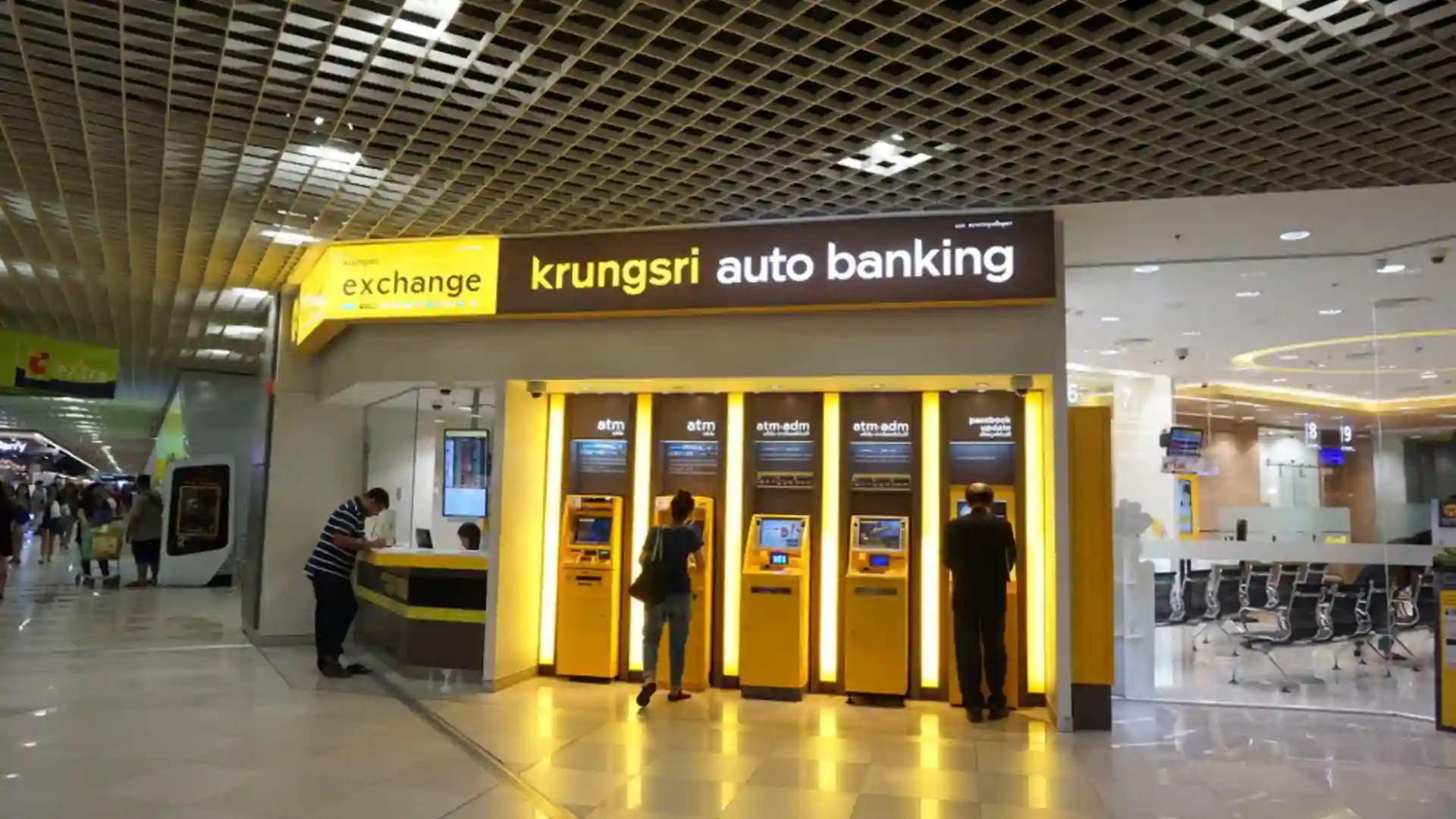
  • Krungsri and Schneider Electric Unite to Boost Energy Efficiency for Small and Medium Enterprises

    Krungsri and Schneider Electric Unite to Boost Energy Efficiency for Small and Medium Enterprises

    Driving Sustainable Energy Solutions in Thailand

    In a progressive move to enhance energy efficiency in Thailand, Krungsri (Bank of Ayudhya) has joined forces with Schneider Electric. This partnership aims to empower the nation’s entrepreneurs, particularly small and medium enterprises (SMEs), to embrace cutting-edge energy technologies.

    By blending Schneider Electric’s renowned expertise in energy management and automation with Krungsri’s prowess in sustainable finance, the two organizations are set to tackle pressing energy and environmental challenges facing Thailand. “In our pursuit of becoming The Leading Sustainable and Regional Bank, we are committed to promoting ESG practices among Thai businesses,” stated Pairote Cheunkrut, Krungsri’s Chief Strategy Officer, in a press release.

    Focusing on the unique needs of SMEs, which can face electricity costs ranging from 10% to 30% based on their industry, Krungsri is determined to facilitate their transition to more sustainable operations. “We understand how crucial these shifts are for SMEs struggling with high energy expenses, and our initiative is designed to support them through these evolving energy landscapes,” added Cheunkrut.

    Collaboration will center around two vital areas: decarbonization and ecosystem development, as well as sustainable finance solutions. Notably, Krungsri plans to provide financial assistance that enables SMEs to invest in energy-efficient technologies. As a result, businesses can expect not only a reduction in carbon emissions but also improved long-term sustainability. After all, who wouldn’t want to turn their energy bills into a business opportunity?

    Questions & Answers

    How will Krungsri and Schneider Electric support SMEs in Thailand?
    They will combine their strengths to provide access to advanced energy technologies and financial solutions, helping SMEs transition to energy-efficient operations.

    What is the significance of decarbonization in this partnership?
    Decarbonization is a central focus as it addresses the urgent need to reduce carbon emissions, offering a pathway for businesses to operate more sustainably.

    What are the expected benefits for SMEs adapting to these energy solutions?
    SMEs can expect to reduce their electricity costs significantly, enhance their sustainability, and improve their business resilience through the adoption of energy-efficient technologies.

  • ANZ’s Technology and Group Services Executive Announces Retirement, Marking a New Era for the Bank

    ANZ’s Technology and Group Services Executive Announces Retirement, Marking a New Era for the Bank

    In a rapidly evolving retail landscape, Asia continues to be a hotspot for innovation and consumer engagement. With burgeoning economies and a tech-savvy population, retailers are increasingly focused on strategies that captivate the modern shopper. Amidst this backdrop, a fresh wave of creativity is emerging, allowing brands to connect with consumers in unexpected ways that resonate deeply with their lifestyles.

    Changing Consumer Behavior and Retail Adaptation

    As shopping habits shift due to factors like digital transformation and changing demographics, retailers are adapting their approaches to meet evolving consumer needs. The rise of e-commerce has not only revolutionized how products are sold but has also challenged traditional brick-and-mortar strategies. Here, the importance of integrating technology into the shopping experience cannot be overstated. Retailers are leveraging data and analytics to personalize experiences, creating a seamless transition between online and offline worlds.

    The Power of Localized Strategies

    Asia’s diverse markets require retailers to adopt localized strategies to truly resonate with consumers. Companies are honing in on cultural nuances and preferences, whether it’s a brand that launches a limited-edition product reflecting local festivals or one that embraces regional tastes and traditions in its offerings. Such strategies not only enhance brand loyalty but also foster a sense of community, proving that sometimes thinking small is the key to large-scale success.

    Experiential Retail: The Leap Beyond Transactions

    As the retail experience evolves, many brands are realizing that it’s not just about the sale anymore—it’s about the experience. Retailers are crafting environments that go beyond transactions, turning stores into lifestyle hubs that encourage customer engagement and interaction. Imagine shopping in a space that feels more like a trendy cafe than a conventional store, where events and social gatherings thrive. This movement toward experiential retail is drawing in consumers, turning casual visitors into dedicated brand enthusiasts.

    Sustainability Takes Center Stage

    Environmental consciousness is no longer a mere add-on; it is now pivotal in shaping retail strategies across Asia. From sustainable sourcing to eco-friendly packaging, consumers increasingly seek brands that align with their values. Retailers are embracing sustainability not just as a responsibility but as a unique selling proposition, showcasing their commitment to the planet. It’s a refreshing shift in the industry, proving that being good to the Earth can also be good for business.

    Looking Ahead: The Future of Retail in Asia

    As we look towards the future, the Asian retail sector stands at a crossroads of tradition and innovation. With challenges come opportunities, and the ability to pivot and adapt will determine success in this dynamic market. Retailers who navigate these waters with agility and creativity are poised to thrive, continually engaging consumers in ways that surprise and delight. It’s a thrilling time to be part of the retail scene—after all, you never know when a shopping spree might turn into an unforgettable experience!

    Questions & Answers

    What strategies are retailers in Asia adopting to adapt to changing consumer behaviors?
    Retailers are increasingly utilizing data and analytics to personalize experiences and create seamless integration between online and offline shopping.

    How important is localization for brands operating in diverse Asian markets?
    Localization is critical, as brands that tailor their strategies to fit cultural nuances and preferences are more likely to foster brand loyalty and community engagement.

    What role does sustainability play in the future of retail in Asia?
    Sustainability has become a central focus for many brands as consumers actively seek out products and practices that align with their environmental values, making it a key competitive advantage.

  • Gold Hits Two-Week Low: What This Means for Investors and Retail Buyers

    Gold Hits Two-Week Low: What This Means for Investors and Retail Buyers

    A person holds gold bars in a jewelry shop in Hanoi. Photo by VnExpress/Ngoc Thanh

    In a noteworthy turn of events, Vietnam’s gold prices dropped sharply on Saturday, marking their lowest point since June 12 as the global gold market experienced a significant pullback.Saigon Jewelry Company reported a 0.42% decline in the price of gold bars, now valued at VND119.2 million (approximately US$4,567.92) per tael. Likewise, gold rings saw a 0.43% reduction, now priced at VND116 million per tael.

    Despite this recent dip, gold prices have soared by 42% since the start of the year. However, last Friday marked a crucial shift as gold fell by 2% globally, reaching a near one-month low. The decline followed a U.S.-China trade agreement that renewed risk appetite among investors, thus diminishing gold’s status as a safe haven.

    Spot gold prices eased by 1.5% to $3,277.17 per ounce, after an earlier drop of 2% that marked its lowest level since May 29. This decline represents a continued downturn for bullion, which has experienced a 2.8% drop over the past two weeks.

    “The waning geopolitical tensions have encouraged investors to take profits, driven by the increasingly optimistic outlook regarding relations with China and the evolving situation in the Middle East,” said Daniel Pavilonis, a senior market strategist at RJO Futures.

    The recent U.S.-China trade agreement, aimed at speeding up the shipment of rare earth metals to the United States, has been positively received by markets, leading to a rally in global shares.

    In the Middle East, the ceasefire agreement between Iran and Israel appears to be holding steady, despite a few minor incidents earlier on.

    Questions & Answers

    How much have gold prices fallen in Vietnam recently?
    Vietnam’s gold prices dropped to their lowest level since June 12, with gold bars declining by 0.42% to VND119.2 million per tael.

    What factors contributed to the global decline in gold prices?
    A new trade agreement between the U.S. and China, which has increased investor risk appetite, along with easing geopolitical tensions, has decreased gold’s appeal as a safe-haven asset.

    What is the overall trend for gold prices this year?
    Despite the recent drop, gold prices have surged by 42% since the beginning of the year, reflecting a strong performance before recent market shifts.

  • Krungsri Launches Exciting Corporate Banking Initiatives Across ASEAN Markets

    Krungsri Launches Exciting Corporate Banking Initiatives Across ASEAN Markets

    Bank of Ayudhya, known as Krungsri, is set to enhance its partnerships and consulting services geared towards high-potential industries, as it seeks to expand its corporate banking operations throughout ASEAN. With its eyes firmly on the future, the Thailand-based institution is prioritizing engagement with sectors that promise significant growth, including bio green technology, semiconductors, food innovation, and smart agriculture — all of which are pivotal for Thailand’s economic landscape in 2025.

    A Spotlight on Innovation and Collaboration

    The recent Japan-ASEAN Startup Business Matching Fair stands out as a key initiative underlining Krungsri’s strategic roadmap. This event saw participation from over 54 startups and showcased cutting-edge Japanese technologies focused on disaster prevention, culminating in an impressive 400 business connections made in just one day. Such endeavors reflect the bank’s commitment to bridging gaps and fostering collaboration within the region.

    Paving the Way for Tailored Financial Solutions

    As part of its ambition to deepen ties across ASEAN, Krungsri intends to roll out customized financial solutions for businesses, positioning itself as a valuable partner in their growth journeys. Moreover, the bank is unwavering in its dedication to achieving net-zero greenhouse gas emissions, emphasizing the importance of collaboration with public entities to facilitate knowledge sharing and elevate awareness around sustainable practices.

    Empowering Japanese Corporations

    Krusgri is particularly focused on supporting Japanese firms operating in Thailand, a community it serves robustly, covering over 70% of these businesses. The bank’s commitment is evident in its mission to empower these companies and help them realize sustainable growth metrics.

    Bunsei Okubo, head of Japanese corporate banking at Krungsri, echoed this ambition, stating, “Krungsri will remain a key driving force for Japanese corporations and support for the growth of the Thai economy, advancing innovation, nurturing growth, and fostering regional partnerships to support customer success. We are committed to being the first call business partner and Platformer for Society and Environment.”

    With plans for continuous development and collaboration, Krungsri stands ready to build the retail landscape of tomorrow, one innovative solution at a time. After all, in the fast-paced world of banking and retail, adaptability is as essential as a strong foundation.

    Questions & Answers

    What sectors is Krungsri focusing on for its expansion in ASEAN?
    Krungsri is concentrating on emerging sectors like bio green technology, semiconductors, food innovation, and smart agriculture as part of its strategy for growth in ASEAN by 2025.

    How does Krungsri plan to support Japanese companies in Thailand?
    The bank aims to empower Japanese firms by providing tailored financial solutions and helping them achieve sustainable growth, covering over 70% of Japanese businesses operating in Thailand.

    What commitment has Krungsri made regarding environmental sustainability?
    Krungsri is dedicated to achieving net-zero greenhouse gas emissions, focusing on collaboration with public sectors to enhance knowledge exchange and promote sustainable operational practices.

  • J.P. Morgan Expands Its Footprint in Switzerland, Enhancing Global Retail Opportunities

    J.P. Morgan Expands Its Footprint in Switzerland, Enhancing Global Retail Opportunities

    J.P. Morgan Reshapes Corporate Banking Landscape in Switzerland

    In a bold move that underscores its ambitions in Europe, J.P. Morgan is repositioning its Corporate Banking operations within the DACH region. Effective July 1, Lutz Karl, who has been at the helm of serving large corporate clients across the region, will make his way to Zurich. There, he will spearhead coverage for both Large and Mid Caps in Switzerland.

    This strategic shift was disclosed in an internal memo co-signed by Marcus Hiseman and Stefan Povaly, Co-Heads of Global Corporate Banking (GCB) for Europe, the Middle East, and Africa (EMEA). The details were later confirmed by J.P. Morgan, signaling a clear intent to strengthen its foothold in the Swiss financial landscape.

    Ambitious Growth Endeavors in Investment Banking

    The creation of this new leadership role in Switzerland emphasizes J.P. Morgan’s determination to bolster its corporate and investment banking capabilities—a narrative that has been echoed in previous reports by finews.com. With the goal of attracting an array of clients, from multinational giants to burgeoning mid-tier firms, the bank is clearly casting a wider net.

    Meanwhile, Bernhard Brinker, who has successfully navigated the Mid Cap segment in Germany and Austria, will expand his purview to also include oversight of the Large Cap segment along with other GCB functions. It seems that J.P. Morgan is ready to shake things up in a market ripe for competition.

    As the financial landscape evolves, echoes of opportunity ripple through banks such as J.P. Morgan, reminding industry players that change is often just the first step in a game that blends strategy with good fortune.

    Questions & Answers

    What is the significance of Lutz Karl’s relocation to Zurich?
    Lutz Karl’s move to Zurich reflects J.P. Morgan’s strategic shift to reinforce its Corporate Banking operations in Switzerland, aiming to enhance its presence in the region’s financial landscape.

    How does this repositioning align with J.P. Morgan’s broader goals?
    This reorganization aligns with J.P. Morgan’s aspirations to grow its corporate and investment banking sectors, allowing it to cater to a wider range of clients, from large corporations to mid-sized firms.

    Who will oversee the Large Cap segment in Germany and Austria?
    Bernhard Brinker, who has been leading the Mid Cap segment, will now expand his responsibilities to include the Large Cap segment and additional GCB business areas, further solidifying the bank’s leadership in the region.

  • Gold Prices Experience Slight Uptick, Signaling Market Resilience

    Gold Prices Experience Slight Uptick, Signaling Market Resilience

    Gold prices in Vietnam experienced a modest uptick Thursday morning, influenced by a slight rise in global gold rates amidst a weakening dollar. The Saigon Jewelry Company reported a 0.25% increase in gold bar prices, bringing them to VND119.8 million (approximately US$4,584.94) per tael. Meanwhile, gold rings climbed 0.34% to reach VND116.7 million per tael, contributing to a remarkable 42.3% surge in gold values since the year’s onset.

    Globally, gold prices edged upward on Thursday, buoyed by the declining dollar and increasing uncertainty following reports that U.S. President Donald Trump may have mulled replacing Federal Reserve Chair Jerome Powell as soon as September or October, according to Reuters.

    Spot gold rose by 0.2% to $3,339.20 per ounce, while U.S. gold futures increased 0.3% to $3,353.10. With the dollar slipping to its lowest level since March 2022, gold priced in dollars became more affordable for international investors, adding to its appeal.

    Typically, gold thrives during uncertain times and low-interest-rate conditions. Market analysts suggest that the prospect of a dovish Fed Chairman under Trump’s potential influence may further suppress the dollar’s strength. Tim Waterer, Chief Market Analyst at KCM Trade, noted, “Trump clearly wants a dovish Fed Chairman next time around, so the increased likelihood of an aggressive rate-cutting cycle is pinning down the USD.”

    For now, gold markets are in a holding pattern, awaiting fresh insights from upcoming U.S. macroeconomic data, including GDP and core PCE figures. Gold seems to be taking a breather, but that doesn’t mean investors are taking a nap — they are wide awake, scanning for the next clue!

    Questions & Answers

    What drove the recent increase in gold prices in Vietnam?
    The rise in gold prices in Vietnam can be attributed to a modest increase in global gold rates and a weakening dollar, which made gold more affordable for international buyers.

    How much have gold prices increased since the beginning of the year?
    Gold prices in Vietnam have surged by an impressive 42.3% since the start of the year, reflecting strong market demand and global economic conditions.

    What factors are influencing the current gold market trends?
    The gold market is currently influenced by uncertainties surrounding U.S. economic policies and potential changes within the Federal Reserve, alongside the typical behavior of bullion during low-interest-rate environments.

  • Bank Negara Indonesia Faces Ongoing NIM Challenges in Second Quarter: What Lies Ahead?

    Bank Negara Indonesia Faces Ongoing NIM Challenges in Second Quarter: What Lies Ahead?

    Over the past few years, the retail industry has endured a whirlwind of transformation, especially in Asia, where adaptation and resilience have been put to the test. Amid the ongoing evolution shaped by technological advancements and shifting consumer behaviors, companies are redefining their strategies to stay ahead in this dynamic sector.

    Embracing Technology: The Retail Revolution

    From mobile payments to virtual fitting rooms, technology is not just an addition to retail; it’s reshaping its very foundation. Asian consumers, known for their swift adoption of new digital tools, are now more empowered than ever. Retailers are responding with innovative solutions that enhance in-store and online experiences, appealing to an increasingly tech-savvy audience. Even traditional markets have found ways to digitize their operations, proving that innovation knows no bounds.

    Interestingly, amidst all this digital transformation, a few retailers are choosing to go old school—think cash transactions and handwritten receipts. It’s a reminder that sometimes, simplicity holds its own charm.

    The Luxury Segment’s New Frontier

    The luxury retail sector is experiencing rejuvenation as well, particularly in markets like China and Japan. High-end brands are tapping into the growing affluent middle class, curating exclusive experiences that blend both tradition and modernity. Events are no longer just about showcasing products; they’re immersive experiences that engage customers on an emotional level. Whether it’s a pop-up shop in a trendy Shanghai district or an exclusive virtual tasting in Tokyo, luxury retail is all about creating memorable moments.

    Sustainability Takes the Spotlight

    As environmentally conscious consumers on the rise, retailers are scrambling to adopt sustainable practices. Many are integrating eco-friendly materials into their products and adopting more transparent supply chains. In a climate where shoppers want to know the story behind their purchases, brands that prioritize sustainability aren’t just making a “greener” choice—they’re also amplifying their appeal. Embracing sustainability could spell the difference between staying relevant or fading into oblivion.

    The Future of Shopping: Omnichannel Strategies

    As the lines blur between online and offline shopping, retailers are leaning into omnichannel strategies more than ever. The seamless integration of physical and digital platforms is no longer a luxury but a necessity. Consumers expect a consistent experience whether they shop via mobile apps, websites, or brick-and-mortar stores. Retailers that fail to meet these expectations face the risk of losing their customer base to more agile competitors.

    While it’s easy to get caught up in forecasts and projections, the heart of retail is still about fostering connections. Whether it’s a brief chat with a store associate or classic customer service, businesses that understand this human element will stand the test of time.

    Questions & Answers

    What role does technology play in the transformation of retail in Asia?
    Technology is fundamentally reshaping retail by enhancing customer experiences through innovations such as mobile payments and virtual fitting rooms, reflecting the swift digital adoption among Asian consumers.

    How is the luxury retail sector adapting to modern consumer demands?
    Luxury retail is focusing on creating exclusive and immersive experiences that engage customers emotionally, appealing to a growing affluent middle class in markets like China and Japan.

    Why is sustainability becoming increasingly important for retailers?
    With the rise of environmentally conscious consumers, retailers are prioritizing sustainable practices and transparent supply chains, as these factors significantly enhance brand appeal and relevance in today’s market.

  • Metrobank Appoints Renato De Borja, Jr. as New Leader of Financial and Control Sector

    Metrobank Appoints Renato De Borja, Jr. as New Leader of Financial and Control Sector

    Riding the wave of digital transformation, retailers across Asia are navigating a sea of change as they adapt to evolving consumer behaviors and market dynamics. The rise of e-commerce continues to reshape the retail landscape, compelling businesses to rethink their strategies and embrace innovative technologies.

    Asian Retailers Embrace E-commerce Evolution

    In recent years, e-commerce has surged in popularity, driven largely by the pandemic, which forced consumers to rely on online shopping for their everyday needs. According to a report from eMarketer, Asia-Pacific is expected to account for over 60% of global e-commerce sales by 2023, with giants like China leading the charge. This unparalleled growth has prompted traditional retailers to pivot and enhance their digital offerings or risk being swept away by agile competitors.

    Omni-channel Strategies Take Center Stage

    Retailers are increasingly adopting omni-channel retailing, integrating online and offline channels to create seamless shopping experiences. This shift not only caters to consumers’ preferences for convenience but also allows retailers to gather valuable data about customer behavior. Brands like Alibaba and Shopee are setting benchmarks for personalization, employing advanced algorithms to tailor recommendations, making shoppers feel as if they’ve struck gold with every purchase.

    Technological Adoption Fuels Retail Innovation

    Emerging technologies are at the heart of the retail revolution, with artificial intelligence, augmented reality, and blockchain becoming critical tools for growth. AI chatbots are now commonplace, providing 24/7 customer service that rivals even the most attentive sales associates. Meanwhile, augmented reality is enhancing the online shopping experience, allowing consumers to virtually try on clothes and accessories from the comfort of their own homes—a fitting measure of convenience in a fast-paced world.

    Local Heroes Emerge Amid Global Giants

    As much as multinational corporations like Amazon and Walmart dominate headlines, local players are carving out niches by catering to regional tastes and preferences. For instance, South Korea’s Coupang has gained immense popularity through its lightning-fast delivery service, while India’s Flipkart continues to adapt its offerings to resonate with the local populace. This nimbleness not only fosters loyalty but also emphasizes the importance of understanding local markets in a globalized economy.

    Environmental Concerns Reshape Consumer Choices

    Today’s consumers are not just focused on convenience; sustainability has emerged as a significant driving force behind purchasing decisions. Retailers in Asia are increasingly conscious of their environmental footprint and are responding with eco-friendly practices, from sustainable sourcing to reduced packaging. Companies that embrace green initiatives are not only attracting eco-conscious shoppers but also setting trends that challenge the traditional notions of retail.

    The Future is Bright, Yet Challenging

    As Asia’s retail arena evolves at breakneck speed, the future holds both promise and challenges. Companies must navigate the complexities of supply chain disruptions and the rapidly changing regulatory landscape. However, the potential to connect with consumers in innovative and meaningful ways has never been greater. For retailers, the key lies in being adaptable, understanding their audience, and not being afraid to pivot in a landscape where change is the only constant. And as the old saying goes, “If you can’t beat them, join them”—though in this case, one might add, “and then outsmart them.”

    Questions & Answers

    How is e-commerce expected to shape the future of retail in Asia?
    E-commerce is projected to dominate retail sales in Asia, accounting for over 60% of global online transactions by 2023, pushing traditional retailers to innovate or risk obsolescence.

    What role do local retailers play in the competitive landscape?
    Local retailers are uniquely positioned to cater to regional preferences, often outshining global giants by offering tailored experiences and understanding customer needs better.

    How are sustainability practices changing consumer behavior?
    Today’s consumers are increasingly prioritizing sustainability, driving retailers to adopt eco-friendly practices that not only appeal to this demographic but also set new standards in the market.

  • Malaysia’s Digital Banks Struggle with Slower Loan Growth Amid Rising Costs

    Malaysia’s Digital Banks Struggle with Slower Loan Growth Amid Rising Costs

    Malaysia’s digital banking landscape is shifting, as the nation’s new players in the sector are reassessing their approaches to deposit gathering amidst challenges in lending growth, which has turned out to be more costly and sluggish than initially projected, according to a recent report from UOB Kay Hian (UOBKH).

    Digital Banks Adjust Strategies Amid Slower Growth

    As of now, three of the five licensed digital banks in the country—GXBank, Boost Bank, and AEON Bank—are operational, while Ryt Bank and KAF Digital Bank are still in the pilot phase. The slow scaling of lending activities has been a significant hurdle for these digital lenders. Their target market consists largely of underserved and unbanked Malaysians, who present unique operational and credit risks.

    UOBKH analyst Keith Wee Teck Keong highlighted the complications: “Many in this segment may lack the digital literacy to engage fully with app-based platforms, while their credit profiles may raise asset quality concerns,” he stated in a report dated June 24, 2025.

    The Ripple Effect on Deposits

    In light of these lending challenges, digital banks are likely to pull back on their deposit-gathering efforts. Wee pointed out that taking an overly aggressive stance in collecting deposits without a corresponding growth in lending could lead to negative carry. This scenario would see expensive deposits funneled into low-yielding money market instruments, squeezing profit margins.

    For conventional banks, this situation may present a silver lining, as the reduction in deposit competition could ease pressure within the broader banking ecosystem. Currently, none of the digital banks have reached profitability, and Wee notes that those that have begun operations estimate it could take over three years on average to reach breakeven.

    The Leaders of the New Wave

    Among the newcomers, GXBank Bhd stands out, boasting both the highest assets and customer deposits. As of September 2024, the bank reported total assets of MYR2.4 billion and deposits totaling MYR2.2 billion. EAON Bank trails with MYR711 million in assets and MYR339 million in deposits reported in November 2024, while Boost Bank has MYR819 million in assets and MYR573 million in deposits as of March 2025.

    Although these figures are promising, Wee cautions that the combined asset base of these three operational digital banks remains modest, representing less than 1% of Malaysia’s total banking sector assets, which were pegged at RM3.7 trillion as of late April 2025.

    Even under the regulatory cap of MYR3 billion per digital bank for their first 3-5 years, the cumulative MYR15 billion ceiling reflects just 0.4% of the industry’s total assets, leaving plenty of room for growth and opportunity for these nascent financial institutions.

    Questions & Answers

    What challenges are Malaysian digital banks facing?
    Digital banks in Malaysia are encountering significant hurdles in scaling their lending activities due to targeting underserved segments that often lack digital literacy and have questionable credit profiles.

    How have digital banks responded to lending growth challenges?
    In response to the costlier and slower growth in lending, digital banks are expected to temper their deposit-gathering strategies to avoid negative carry and maintain healthier profit margins.

    Which digital bank currently leads the market in assets and deposits?
    GXBank Bhd leads among operational digital banks in Malaysia, with total assets of MYR2.4 billion and deposits of MYR2.2 billion as of September 2024, showcasing a considerable market presence.

  • Financial Analysts’ Optimism Grows: A Positive Shift in Market Sentiment

    Financial Analysts’ Optimism Grows: A Positive Shift in Market Sentiment

    The Optimistic Turn of Financial Analysts

    The turbulent financial landscape, particularly the stir caused by U.S. President Donald Trump’s tariff announcements in early April, has begun to stabilize, leading to renewed optimism among financial analysts. A recent UBS survey for June reveals a shift back towards a positive outlook.

    After a significant dip in sentiment during April, signs of recovery were already emerging in May, as noted in UBS’s CFA Society Switzerland Indikator released Wednesday. The sentiment indicator now stands at -2.1 points—still slightly negative but a remarkable improvement from the depths of -22.0 points in May and an unsettling -51.6 points in April.

    Trade Tensions Ease, Hopes Rise for Global Growth

    The UBS report indicates a marked improvement in expectations concerning economic conditions in Switzerland, the USA, and China. Currently, 57 percent of analysts anticipate a deterioration in the U.S. economy over the next six months, a decrease from two-thirds just a month prior. Furthermore, only 10 percent are now bracing for an economic slowdown in China, a notable drop from approximately 30 percent.

    Inflation Expectations Begin to Seep Downward

    Trade disputes have notably influenced inflation forecasts. While the majority of analysts still expect consumer prices in the USA to rise in the coming six months, that number has dwindled from around 70 percent to just over 50 percent. A shift is also evident in attitudes towards potential declines in prices: around 20 percent now foresee a drop, compared to 14 percent last month. Both the Eurozone and Switzerland’s financial circles predict a further easing of inflationary pressures throughout the year.

    A Bullish Outlook for Stock Markets

    In the realm of stock market assessments, hope is palpable. Approximately 55 percent of analysts predict a rise in the Swiss Market Index (SMI), even as views regarding U.S. equities remain split, albeit with slight improvement.

    Steady Growth Projections Amid Uncertainties

    When it comes to long-term projections for growth and inflation in Switzerland, analysts maintain a stable outlook. Despite the challenges posed by geopolitical tensions and shifting trade policies, growth forecasts for the next three to five years hover around a 50 percent probability for an increase of 1 to 2 percent. However, 43 percent believe growth could dip below this range, while only 10 percent expect it to rise significantly.

    The anticipated growth rate in five years is pegged at 1.3 percent, slightly down from 1.4 percent in March. Two-thirds of analysts foresee inflation remaining within the Swiss National Bank’s target range of 0 to 2 percent within the same timeframe. Interestingly, there’s a notable shift in perspective; now, over 20 percent expect falling prices long-term, a jump from 10 percent who predict inflation exceeding 2 percent.

    Reflections on Negative Interest Rates and Their Impact

    UBS also surveyed the ramifications of the negative interest rate period in Switzerland from 2015 to 2022. A majority of respondents claimed these rates inflated real estate prices and positively affected credit growth, with two-thirds anticipating a beneficial impact on economic development overall. While 21 percent saw no change, 14 percent considered the impact adverse. Moreover, government spending appears to have surged as a result.

    When discussing inflation, just under half assessed the influence of negative interest rates as positive, whereas around 16 percent viewed it negatively. Notably, 44 percent and 53 percent felt that such rates negatively impacted pension fund performance and household net interest income, respectively. Interestingly, the consensus suggests that the era of negative interest rates has alleviated pressure on the Swiss franc, with only one in five contending it had created additional strain.

    Questions & Answers

    What recent trends have analysts noted regarding U.S. economic conditions?
    Analysts have reported a decline in pessimism, with only 57 percent now expecting a downturn in the U.S. economy, down from two-thirds.

    How are inflation expectations shifting in the U.S.?
    Expectations of rising consumer prices have decreased significantly, with only just over half of the analysts anticipating inflation, compared to around 70 percent the previous month.

    What is the long-term growth forecast for Switzerland?
    Analysts predict a 50 percent likelihood of economic growth for Switzerland to be between 1 to 2 percent over the next three to five years, maintaining stability amid current uncertainties.