Category: Finance

Retail News Asia is committed to providing both local and global retailers with the latest Finance news throughout the Asian market. This on a daily base.

  • Philippines Contemplates Major Gold Sell-Off Amidst Skyrocketing Prices and ‘Excessive’ Reserves

    Philippines Contemplates Major Gold Sell-Off Amidst Skyrocketing Prices and ‘Excessive’ Reserves

    The central bank of the Philippines, Bangko Sentral ng Pilipinas (BSP), is currently considering whether to hold onto or sell a portion of its substantial gold reserves. This comes following comments from Benjamin Diokno, a member of the bank’s Monetary Board and former governor, who noted that gold prices are likely to decrease from their record heights.

    Decisions on Gold Reserves

    In a recent interview, Diokno raised the idea of the BSP selling some of its “excessive” gold reserves to turn a profit. He pointed out that gold comprises around 13% of the bank’s gross international reserves, a percentage that is significantly higher than other central banks in the region. The ideal range, according to Diokno, should fall between 8-12%.

    The total reserves of the BSP, amounting to nearly US$109 billion, include gold, foreign exchange, foreign-denominated securities, and other assets.

    Gold Prices and Past Decisions

    The Philippines amassed a significant amount of its gold reserves when prices were situated near $2,000 per ounce. Since this point, the value of gold has more than doubled, reaching a record peak of $4,381.21 on October 20. Following this peak, prices fell below $4,000 as investors capitalized on the easing of geopolitical tensions and chose to make a profit.

    Despite the current uncertainty surrounding the future of gold prices, Diokno posed the question, “Shouldn’t you sell already? What will happen if the price goes down?”

    Even with a recent dip, the value of gold has increased by 52% since the beginning of the year, partly due to substantial purchases made by central banks. Predictions for the future of gold prices vary, with some analysts expecting a further decline while others anticipate new record highs.

    Public Criticisms and Future Considerations

    In the past, the BSP faced backlash for selling a portion of its gold reserves in 2024 before prices experienced a substantial surge. However, Governor Eli Remolona Jr. defended this decision, arguing that the sale was spurred by sound portfolio management strategies, rather than an attempt to exploit market conditions.

    Remolona explained that the decision to sell the gold arose after its share in the reserves exceeded the ideal ratio. He maintained that the bank does not seek to predict gold prices, nor does it base its decisions on such predictions. The bank’s priority is to maintain a balanced portfolio.

    The BSP has previously noted that gold often acts as a hedge against price declines in other reserve assets. However, the bank also acknowledged that gold prices can be volatile, yield little interest, and incur storage costs.

    Questions & Answers

    Why is the Philippine central bank considering selling its gold reserves?
    The BSP is exploring this option due to suggestions that the bank’s gold holdings are “excessive.” As gold prices are currently at a record high, the bank could make a significant profit by selling a portion of its reserves.

    What percentage of the bank’s gross international reserves is made up of gold?
    Approximately 13% of the BSP’s gross international reserves is comprised of gold. According to former governor Benjamin Diokno, the ideal range should be between 8-12%.

    What factors influence the central bank’s decision to sell its gold reserves?
    Decisions to sell gold reserves are driven by portfolio management strategies rather than the anticipation of future market conditions. The bank aims to maintain a balanced and profitable portfolio.
  • UBS Set to Appeal Crucial Court Ruling on Credit Suisse AT1 Bonds: A Challenge to Ensure Credibility and Recovery

    UBS Set to Appeal Crucial Court Ruling on Credit Suisse AT1 Bonds: A Challenge to Ensure Credibility and Recovery

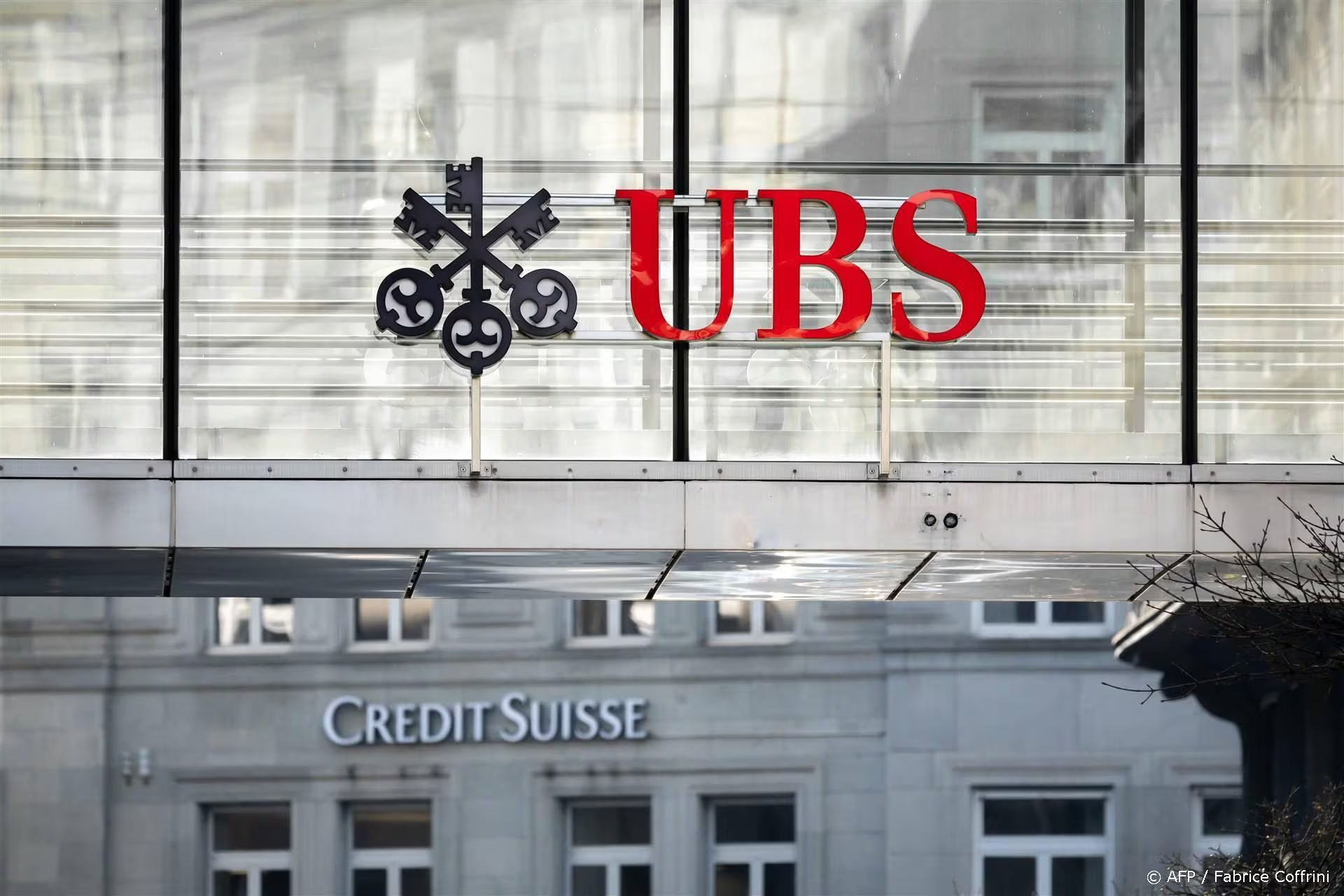
    The Swiss Federal Administrative Court’s partial ruling on October 13, 2025, sparked controversy over the legal legitimacy of deeming Credit Suisse’s AT1 bonds valueless. This occurred subsequent to an appeal lodged by Swiss financial regulator, Finma. Now, UBS has publicly announced its intention to file a similar appeal.

    UBS Announces Appeal

    UBS made a public announcement in tandem with the release of its third-quarter results for the year 2025. The bank expressed its decision to challenge the Federal Administrative Court’s partial ruling in the AT1 litigation. The bank stated that the appeal aims to ensure the court considers their perspective on the significant facts relating to the acquisition. Further, UBS conveyed that filing an appeal is necessary to maintain the credibility of AT1 instruments, given their crucial role in the resolution and recovery of banks.

    Crucial Component of the Rescue Package

    UBS underscored that writing off Credit Suisse’s AT1 instruments was a pivotal part of the rescue package. The bank expressed its belief that the write-off complied with the contractual terms of the AT1 instruments and the applicable law. UBS also maintained that Finma’s decision was within legal bounds.

    UBS further made reference to the conclusions drawn by the Parliamentary Inquiry Commission (PUK). PUK had declared that Credit Suisse would have been insolvent without the aid from the rescue package. They would have been incapable of continuing operations after Monday, March 20, 2023.

    Inadequate Ruling

    The Federal Administrative Court had concluded in October that the legal grounds for Finma’s decision to declare Credit Suisse’s AT1 bonds valueless were insufficient. Finma had already challenged the decision at the Federal Supreme Court, and UBS has now decided to do the same.

    Questions & Answers

    Why has UBS decided to appeal the partial ruling of the Federal Administrative Court?
    UBS intends to appeal the ruling to ensure that their viewpoint on the key facts concerning the acquisition is considered by the court. Additionally, they believe that an appeal is necessary to uphold the credibility of AT1 instruments, given the significant role they play in the recovery and resolution of banks.

    What was UBS’s stance on the write-down of Credit Suisse’s AT1 instruments?
    UBS has emphasized that the write-down of Credit Suisse’s AT1 instruments was a fundamental part of the rescue package. The bank believes that the write-down was in line with the contractual terms of the AT1 instruments and the law, asserting that Finma’s decision was lawful.

    What did the Parliamentary Inquiry Commission conclude about Credit Suisse’s situation?
    The Parliamentary Inquiry Commission concluded that without the rescue package, Credit Suisse would have become insolvent and would not have been able to continue operations beyond March 20, 2023.

  • HSBC Amplifies Asian Venture Ecosystem with $1.5 Billion Innovation Banking Hub in Singapore

    HSBC Amplifies Asian Venture Ecosystem with $1.5 Billion Innovation Banking Hub in Singapore

    HSBC is making a significant stride into the Singaporean market with the establishment of its Innovation Banking division. This move is marked by a considerable investment of $1.5 billion, aimed at promoting rapid expansion firms and improving the local venture ecosystem.

    Services and Leadership

    The department is structured to cater to venture-supported enterprises and investors by offering specialized products and sector knowledge. Additionally, it will provide access to the vast global network of HSBC. Neil Falconer, freshly appointed as the Head of Innovation Banking in Singapore, will lead a committed team to assist current clients and broaden coverage. Concurrently, he will maintain his role in managing the Consumer, Healthcare, and TMT sectors within the International Mid-Market segment of HSBC.

    Establishment of Credit Solutions Team

    In line with the new initiative, HSBC has also founded a Credit Solutions team. Shaun Sakhrani, the Head of Credit Solutions for Singapore and the Asia Head of Platform Lending, will lead this team. The group will offer a range of financial structures to Innovation Banking clients, including venture debt and platform finance.

    Singapore, A New Addition to HSBC’s Innovation Banking

    HSBC’s Innovation Banking launch in Singapore marks the third expansion within the Asia-Pacific region in the current year. This addition bolsters its presence across the globe, joining branches in the US, UK, Australia, New Zealand, Israel, Continental Europe, India, Hong Kong, and mainland China.

    Since its launch in 2023, HSBC’s Innovation Banking has witnessed a remarkable growth in its clientele, with an increase of nearly 60 percent. The bank now boasts of a robust team of over 900 innovation finance experts with a global connection.

    In Singapore, HSBC has been backing new-economy businesses since 2021, achieving double-digit revenue growth and supporting companies such as Atome Financial, Glife Technologies, and Tickled Media.

    Singapore: A Thriving Start-Up Hub

    Singapore houses over 4,000 start-ups and flaunts a pulsating network of accelerators, incubators, and investors. As Gilbert Ng, Head of Banking – Singapore, Corporate and Institutional Banking at HSBC, stated, the city-state is an attractive hub for the start-up ecosystem in Asia-Pacific.

    Questions & Answers

    What is the main aim of HSBC’s Innovation Banking division in Singapore?
    The division aims to support high-growth companies and enhance the venture ecosystem in the region.

    Who will lead the newly established Credit Solutions team?
    Shaun Sakhrani, the Head of Credit Solutions for Singapore and the Asia Head of Platform Lending, will lead the Credit Solutions team.

    How has HSBC’s Innovation Banking grown since its launch?
    Since its inception in 2023, the client base of HSBC’s Innovation Banking has grown by nearly 60 percent. It now includes more than 900 globally connected innovation finance experts.

  • Gold Rush Down Under: Massive Queues at Sydney Bullion Stores Amid Investment Frenzy

    Gold Rush Down Under: Massive Queues at Sydney Bullion Stores Amid Investment Frenzy

    In the face of global uncertainty, Australians in Sydney have been flocking to buy gold, a traditionally regarded safe-haven investment. Long queues have formed outside gold bullion stores as people patiently wait their turn to secure this precious metal.

    Gold Buying Rituals Amidst Challenges

    For Prakas, a Nepali Australian, purchasing gold during Diwali, an annual Hindu festival, is a treasured tradition. Yet, this year, this ritual proved to be a daunting task due to the thousands of Australians lining up for gold in Sydney. On October 18, Prakas drove to Sydney’s central business district, only to find approximately 400 people in line at the ABC Bullion store on Martin Place. Disheartened, he returned home. He later attempted to order online, but the expedited process still led him to a two-hour waiting line for online pre-purchasers.

    Gold Demand Skyrockets

    The demand for gold, a traditional hedge in uncertain times and a non-yielding asset, has soared by over 51% this year. This surge is attributed to ongoing geopolitical and trade tensions, as well as anticipated U.S. interest rate cuts. The ABC Bullion store on Martin Place recently experienced an influx of customers, with retirees and families jostling around the entrance in hopes of making a purchase, their presence persisting throughout the day. Jordan Eliseo, the store’s general manager, reported approximately 1,000 customers visiting daily for over a month, with thousands more opting for online purchases. Buyers from across the city arrive as early as 9 a.m. to secure their spots in line, while others wait for hours to make their purchases. To accommodate the rush, Eliseo extended trading hours and added five new staff members in the last two weeks.

    The Gold Market’s Potential Risks

    Despite the current gold-rush frenzy, market experts warn of potential risks in the gold market. Chief economist at a financial services firm, Shane Oliver, expressed concerns that the lengthy queues could be a red flag indicating a speculative market prone to correction. His warning seemed prophetic when, on October 22, gold prices plummeted 6.8% to $4,082.35 per ounce, marking the steepest single-day drop in 12 years. Although the price slightly rebounded later that week, it still ended lower, disrupting a record nine-week rally. Ray Attrill, head of FX strategy at National Australia Bank, noted that the steep fall mirrors a familiar pattern, hinting that a dash for profit was inevitable.

    Questions & Answers

    What is the current trend in the gold market in Sydney?
    A significant surge in gold buying has been observed in Sydney, partly due to its traditional status as a safe-haven asset during times of global uncertainty.

    What challenges are buyers facing in securing gold?
    Buyers are enduring long queues at gold bullion stores and even online pre-purchasers are facing waiting times. The high demand has resulted in extended trading hours and increased staffing at stores.

    What are the potential risks in the current gold market?
    Experts caution that the current trend could indicate a speculative market potentially at risk of a correction. The sharp fall in gold prices on October 22 supports this cautionary stance.

  • UBS Challenges Swiss Court Verdict on Credit Suisse’s AT1 Bond Valuation: A Game Changer in Bank Recovery?

    UBS Challenges Swiss Court Verdict on Credit Suisse’s AT1 Bond Valuation: A Game Changer in Bank Recovery?

    The Swiss Federal Administrative Court issued a partial ruling on October 13, 2025, which put up for debate the legality associated with deeming Credit Suisse’s Additional Tier 1 (AT1) bonds as worthless. The ruling came in response to an appeal lodged by Switzerland’s financial regulator, Finma. Now, UBS has declared its intention to lodge their appeal as well.

    UBS to Appeal Ruling

    In line with the release of its results for the third quarter of 2025, UBS announced its plan to challenge the partial ruling of the Federal Administrative Court relating to the AT1 litigation. The bank clarified that this step is being undertaken with the aim of ensuring that the court considers its perspective regarding the relevant facts associated with the acquisition of the AT1 bonds.

    UBS also emphasized that the appeal is essential in order to preserve the credibility of AT1 instruments, considering the integral role these play in the resolution and recovery process of banks.

    Key Component of the Bailout Package

    UBS highlighted that the devaluation of Credit Suisse’s AT1 instruments was an important part of the bailout package. The bank maintained that the devaluation was in line with the contractual terms of the AT1 instruments and the applicable legislation. It also asserted that the decision taken by Finma was lawful.

    UBS pointed to the conclusions reached by the Parliamentary Inquiry Commission, which determined that Credit Suisse would have faced insolvency without the bailout package and would not have been able to continue its operations after Monday, March 20, 2023.

    Challenging A Questionable Verdict

    In October, the Federal Administrative Court ruled that the legal foundation for Finma’s decision to deem Credit Suisse’s AT1 bonds as worthless was inadequate. Finma has already taken a step to challenge this decision at the Federal Supreme Court, and UBS has now announced its decision to do the same.

    UBS has also addressed several questions related to the AT1 issue on its FAQ page.

    Questions & Answers

    Why is UBS appealing the ruling?
    UBS is appealing the ruling to ensure the court considers their view regarding the acquisition of the AT1 bonds and to safeguard the credibility of AT1 instruments due to their key role in the resolution and recovery of banks.

    Why was the devaluation of Credit Suisse’s AT1 instruments a critical part of the bailout package?
    The devaluation was crucial as it was in line with the contractual terms of the AT1 instruments and the applicable law. Without the bailout package, Credit Suisse would have faced insolvency.

    What was Finma’s decision regarding Credit Suisse’s AT1 bonds?
    Finma decided to render Credit Suisse’s AT1 bonds worthless. However, the Federal Administrative Court ruled that the legal basis for this decision was insufficient. Finma and UBS have both decided to appeal this decision.

  • Dollar Dips Against Dong, Soars to Two-Week High Against Yen Amid Global Trade Talks

    Dollar Dips Against Dong, Soars to Two-Week High Against Yen Amid Global Trade Talks

    The US Dollar’s Fluctuating Performance Against Foreign Currencies

    The US dollar experienced a decline against the Vietnamese dong on Monday morning, while it simultaneously reached its most robust position in over two weeks against the Japanese yen. The greenback was sold by Vietcombank at a rate of VND26,351, marking a 0.004% dip from the weekend. However, the currency witnessed an increase of 0.18% on the black market, bringing it to VND27,750.

    Rate Adjustments by the State Bank of Vietnam

    The State Bank of Vietnam responded to these shifts by lowering its reference rate by 0.004% to VND25,097.

    Global Performance of the US Dollar

    Globally, the US dollar climbed to a high that hasn’t been seen in over two weeks against the yen on Monday, as critical worldwide trade negotiations and central bank meetings commenced. The dollar experienced a 0.15% increase against the yen, bringing it to 153.07 and hitting a peak of 153.17, the highest since October 10th. The dollar index, which assesses the greenback against a select group of peers, rose by 0.05% to reach 98.97.

    Performance Against Other Currencies

    Apart from the yen, the US dollar’s performance against other currencies remained steady. The euro remained at $1.1622 while sterling saw a slight boost of 0.04% to $1.3314. The Australian dollar also gained 0.2% against the greenback, reaching $0.6528.

    Mahjabeen Zaman, head of foreign exchange research at ANZ, suggested in a recent podcast that the strength of the dollar would likely continue in the near term. She stated: “Fed cuts are fully priced in for October and December meetings. So if anything, any cautious communication from the Fed would likely be more supportive for the U.S. dollar.”

    Questions & Answers

    What was the performance of the US dollar against the Vietnamese dong and Japanese yen recently?
    The US dollar declined against the Vietnamese dong, but it reached a more than two-week high against the Japanese yen.

    How did other currencies perform against the US dollar?
    The euro and sterling remained steady against the US dollar, while the Australian dollar saw a slight increase.

    What are the predictions for the near-term performance of the US dollar?
    According to Mahjabeen Zaman, head of foreign exchange research at ANZ, the dollar’s robust performance is expected to persist in the near term.

  • UBS Eyes Nationwide Expansion in US: A Game-Changer in Wealth Management Services

    UBS Eyes Nationwide Expansion in US: A Game-Changer in Wealth Management Services

    UBS, a Swiss multinational investment bank and financial services company, has signaled its plans to significantly expand its footprint in the United States’ financial market. This move demonstrates UBS’s dedication to deepening its presence across the American financial landscape.

    Existing Limitations and Expansion Plans

    With its current state-level charter, UBS has been able to offer its wealth management clients in the US a variety of banking services, including cash management, credit cards, and securities-based lending. However, the state-level charter also imposes certain limitations on the range of services the bank can offer.

    To expand its wealth management arsenal, UBS Bank USA, a subsidiary of UBS, has applied to the Office of the Comptroller of the Currency (OCC). The approval of this application would allow UBS to provide a more comprehensive portfolio of banking and lending services, including traditional checking and savings accounts.

    In essence, UBS is striving to deliver a full suite of banking services to its wealth management clients in the United States. This will make it easier for these clients to manage their finances in one location. The license is expected to facilitate a gradual expansion of the bank’s current range of services.

    A Testament to Long-Term Commitment

    UBS anticipates gaining regulatory approval in 2026, a process which is subject to review by the US authorities. This strategic move comes at a time when UBS is strengthening its status as the world’s largest wealth manager. This followed its acquisition of Credit Suisse and reflects its effort to balance its global scale with a deeper penetration in key markets, including the United States.

    Questions & Answers

    What does UBS’s application to the OCC imply?
    It signifies the bank’s intent to offer a broader range of banking and lending services, including traditional checking and savings accounts, to its wealth management clients in the US.

    What factors have provoked UBS’s decision to expand its services in the US?
    The decision is a reflection of UBS’s strategy to strengthen its position as the world’s largest wealth manager, following its acquisition of Credit Suisse, and to deepen its roots in key markets such as the US.

    When does UBS anticipate gaining regulatory approval for the expansion?
    UBS expects to gain regulatory approval by 2026, a process that is subject to a review by the US authorities.

  • Deutsche Bank Appoints Hsbc Veteran Cora Chiu As Head Of Investment Management, North Asia

    Deutsche Bank Appoints Hsbc Veteran Cora Chiu As Head Of Investment Management, North Asia

    Deutsche Bank Private Bank has recently welcomed an experienced HSBC FX specialist to its team. Cora Chiu has been designated as the Head of Investment Management, North Asia, a development that came into effect on December 16 and is pending regulatory approval. Chiu’s role will be to lead investment sales operations for the North Asia region, while also managing local supervisory functions over FX advisory and wealth planning resources. She will be stationed in Hong Kong, reporting to both Gian-Maria Piccolo and Fred Fong locally.

    Chiu brings with her a wealth of experience, spanning nearly two decades in various sectors including FX and commodity advisory, multi-asset trading, and product strategy. Her most recent role was as the Head of FX & Commodities, North Asia at HSBC. Chiu has a rich history of working at esteemed organizations like Citi, where she was instrumental in shaping the regional FX strategy for ultra-high net worth clients and family offices. She also has experience working at UBS, where she contributed to their wealth management and FICC (fixed income, currencies and commodities) divisions.

    Chiu will be taking over from Cedric Ko, who has chosen to explore new opportunities outside the bank. A representative from the bank confirmed the details of the internal memo.

    Questions & Answers

    Who is Cora Chiu?
    Cora Chiu is an experienced professional with nearly 20 years of experience across various sectors such as FX and commodity advisory, multi-asset trading, and product strategy. She has worked for prominent financial institutions like HSBC, Citi, and UBS.

    What is Cora Chiu’s new role at Deutsche Bank Private Bank?
    Cora Chiu has been appointed as the Head of Investment Management, North Asia at Deutsche Bank Private Bank. Her responsibilities will include leading investment sales operations for the North Asia region, and supervising FX advisory and wealth planning resources.

    Who did Cora Chiu succeed at Deutsche Bank Private Bank?
    Cora Chiu succeeded Cedric Ko in the role of Head of Investment Management, North Asia. Ko has decided to pursue new opportunities outside of the bank.

  • UBS Announces Major Executive Reshuffle; Aims For Streamlined Operations And Technological Advancement

    UBS Announces Major Executive Reshuffle; Aims For Streamlined Operations And Technological Advancement

    Swiss banking powerhouse, UBS, has recently disclosed several alterations to its executive board, including new appointments for the roles of compliance and operations.

    The reshuffling of the executive board comes after the proposal of Markus Ronner, the group’s chief compliance and governance officer, for the position of vice chairman.

    Michelle Bereaux, previously serving as the Group’s Chief Integration Officer, will step down and take on the new role of Group Head Compliance and Operational Risk Control. UBS accredits Bereaux for her significant contribution to the integration of Credit Suisse. The completion of this merger is forecasted to be by the end of 2026, and includes the transition of clients outside Switzerland and approximately two-thirds of Swiss clients.

    Beatriz Martin, currently the Head of Non-Core and Legacy, has been appointed as the Group’s Chief Operating Officer. Her new role will encompass her existing duties as the Sustainability and Impact Lead and Head of Non-Core and Legacy. Martin will also take on additional responsibilities such as overseeing the completion of the Credit Suisse integration, managing group operations, and supervising the internal consulting and governance teams. Martin will continue her duties as the EMEA President and UK Chief.

    Group Chief Technology Officer Mike Dargan will pivot his focus onto advancing the bank’s technology platforms with the objective to ensure they remain efficient, robust, and responsive to the organization’s changing needs. Dargan will also work on capitalizing on the opportunities that rapid technological advancements, particularly in AI and digital assets, present.

    Responsibilities related to governmental and regulatory affairs will be transferred to Group CFO Todd Tuckner. Meanwhile, group security will be integrated into the group’s human resources and corporate services organization under the leadership of Stefan Seiler.

    Following the announcement, UBS CEO Sergio Ermotti congratulated his colleagues on their new roles and expressed optimism about the bank’s positioning. “With these changes, UBS is ideally positioned to complete the integration, focus on growth opportunities, and continue to deliver in the best interest of all our key stakeholders,” Ermotti said.

    The new appointments are set to take effect from 1 January 2026.

    Questions & Answers

    What changes have been made to the executive board of UBS?
    Several changes have been made including the appointment of Michelle Bereaux as Group Head Compliance and Operational Risk Control, Beatriz Martin as Group Chief Operating Officer, and the transfer of responsibilities related to governmental and regulatory affairs to Group CFO Todd Tuckner.

    Who will oversee the completion of the Credit Suisse integration?
    Beatriz Martin, appointed as the new Group Chief Operating Officer, will oversee the completion of the Credit Suisse integration.

    What will be the new focus of Group Chief Technology Officer Mike Dargan?
    Mike Dargan will focus on advancing the bank’s technology platforms and capitalizing on the opportunities presented by rapid technological advancements, particularly in AI and digital assets.

  • HSBC To Acknowledge $1.1b Provision Following Luxembourg Court Ruling Tied To Madoff Scandal

    HSBC To Acknowledge $1.1b Provision Following Luxembourg Court Ruling Tied To Madoff Scandal

    HSBC, a London-based financial institution, is set to acknowledge a significant provision following a court ruling in Luxembourg, in relation to an ongoing lawsuit tied to the infamous Bernard Madoff scandal.

    The Madoff Scandal Impact

    HSBC is expected to make an accounting provision amounting to $1.1 billion in its third quarter financial results. This move comes as a consequence of the Luxembourg court’s ruling on Bernard Madoff’s fraudulent investment scheme, as stated in an official report.

    The lawsuit dates back to 2009, when Herald Fund SPC sought legal action against HSBC’s Luxembourg division. The fund sought the recovery of assets it asserted were lost in the Madoff fraud scandal. It is important to note that the British bank served as a service provider to several investment funds involved with Bernard L. Madoff Investment Securities LLC.

    HSBC’s Legal Battle

    The Luxembourg court, on October 24, 2025, rejected an appeal by HSBC Securities Services Luxembourg (HSSL) regarding the recovery of securities. Nevertheless, the court accepted HSSL’s appeal related to a separate cash recovery claim. In response, HSSL plans to file another appeal. If this appeal is unsuccessful, the firm will challenge the sum to be paid in subsequent legal proceedings.

    Implications for HSBC

    The sizable provision is estimated to affect HSBC’s common equity tier 1 (CET1) capital ratio by approximately 15 basis points. However, it is expected to have no impact on the yearly return on tangible equity, excluding notable items, nor on the distribution of dividends.

    Questions & Answers

    What is the value of the provision HSBC is expected to recognize?
    HSBC is expected to recognize a provision of $1.1 billion in its third quarter results.

    Why is HSBC recognizing this provision?
    This provision is a result of a Luxembourg court ruling tied to the Bernard Madoff investment fraud scandal.

    What will be the impact of this provision on HSBC’s financials?
    The provision is estimated to affect HSBC’s CET1 capital ratio by about 15 basis points, but it will not impact the yearly return on tangible equity, excluding key items, or the distribution of dividends.

  • Vietnam’s Gold Prices Buck Global Trend With Slight Increase Amid Overall Market Decline

    Vietnam’s Gold Prices Buck Global Trend With Slight Increase Amid Overall Market Decline

    Despite a global decline, the price of gold bars in Vietnam saw a slight increase last Saturday morning. The Saigon Jewelry Company reported a 0.47% rise in the price per tael of their gold bars, reaching VND149.2 million (US$5,671.93).

    Simultaneously, the cost of a gold ring also experienced a 0.47% surge, rising to VND148.6 million per tael. For context, one tael is equivalent to 37.5 grams or 1.2 ounces.

    Yearly Bullion Surge in Vietnam

    This year, there has been a notable increase in the value of bullion in Vietnam, with a growth rate of 77%.

    Global Gold Prices

    On the global stage, gold prices experienced a slight recovery on Friday. This recovery occurred after U.S. inflation data was slightly below expectations. This data reinforces the anticipation of a Federal Reserve interest rate cut in the following week. However, despite this minor recovery, gold is still believed to be on track for its first weekly loss in a ten week period.

    Spot gold experienced a decrease of 0.2%, falling to $4,118.29 per ounce, after an earlier decline of nearly 2% in the same session. Across the week, the price of spot gold fell by over 3%.

    Independent metals trader Tai Wong gave his insights, stating, “Gold and silver experienced an increase following the lower than expected September core CPI. However, this is likely insufficient to completely counteract this week’s selloff. The price action suggests that gold, and particularly silver, may require another downward leg before stabilization.”

    This year also saw a global increase in the value of bullion, with a growth rate of 55%. This rise has been attributed to various factors including geopolitical and trade tensions, substantial central bank buying, and expectations of U.S. interest rate cuts.

    Questions & Answers

    What was the price increase of gold in Vietnam?
    The price of gold bars in Vietnam increased by 0.47%, with the price per tael reaching VND149.2 million (US$5,671.93).

    How did the global gold prices fare last week?
    Despite a slight recovery after lower than expected U.S. inflation data, gold was still on track for its first weekly loss in ten weeks.

    Why has the global value of bullion increased this year?
    The global surge in the value of bullion is attributable to several factors including geopolitical and trade tensions, robust central bank buying, and expectations of U.S. interest rate cuts.

  • Goldman Forms Onshore Wealth Presence in Saudi Arabia

    Goldman Forms Onshore Wealth Presence in Saudi Arabia

    Goldman Sachs, headquartered in New York, is extending its international presence with the establishment of an onshore wealth management operation in Saudi Arabia.

    The banking giant is initiating an onshore private wealth management presence in Riyadh, Saudi Arabia, as per a recent announcement. To bolster this expansion, Goldman Sachs has appointed Yousef Alhozaimy and Khalid Soufi as private wealth advisors. The advisors will be based in Riyadh, and there is an active search to recruit more advisors and fill other roles.

    The One Bank Approach

    The American bank plans to utilize its “One Goldman Sachs” approach to serve its clients in Saudi Arabia holistically. This method capitalizes on the broad capabilities of the group, in cooperation with asset management, global banking, and markets colleagues.

    Rob Mullane, the co-head of private wealth management for EMEA at Goldman Sachs, expressed his delight over the expansion. He noted the dynamic nature of the Saudi Arabian economy and the sophistication of its investor base.

    He elaborated, “Our goal is to offer regional clients access to Goldman Sachs’ premier Private Wealth Management business. This will open up local and global investment opportunities and contribute to the local financial industry.”

    Questions & Answers

    What is Goldman Sachs’ latest expansion move?

    Goldman Sachs is establishing an onshore private wealth management business in Riyadh, Saudi Arabia.

    Who are the appointed advisors for the new Saudi Arabian operation?

    Yousef Alhozaimy and Khalid Soufi have been appointed as private wealth advisors for the Riyadh-based operation.

    What is the aim of this expansion according to the EMEA co-head of private wealth management at Goldman Sachs?

    Rob Mullane stated that the aim is to provide regional clients with access to Goldman Sachs’ leading Private Wealth Management business, thereby creating local and global investment opportunities and contributing to the local financial industry.

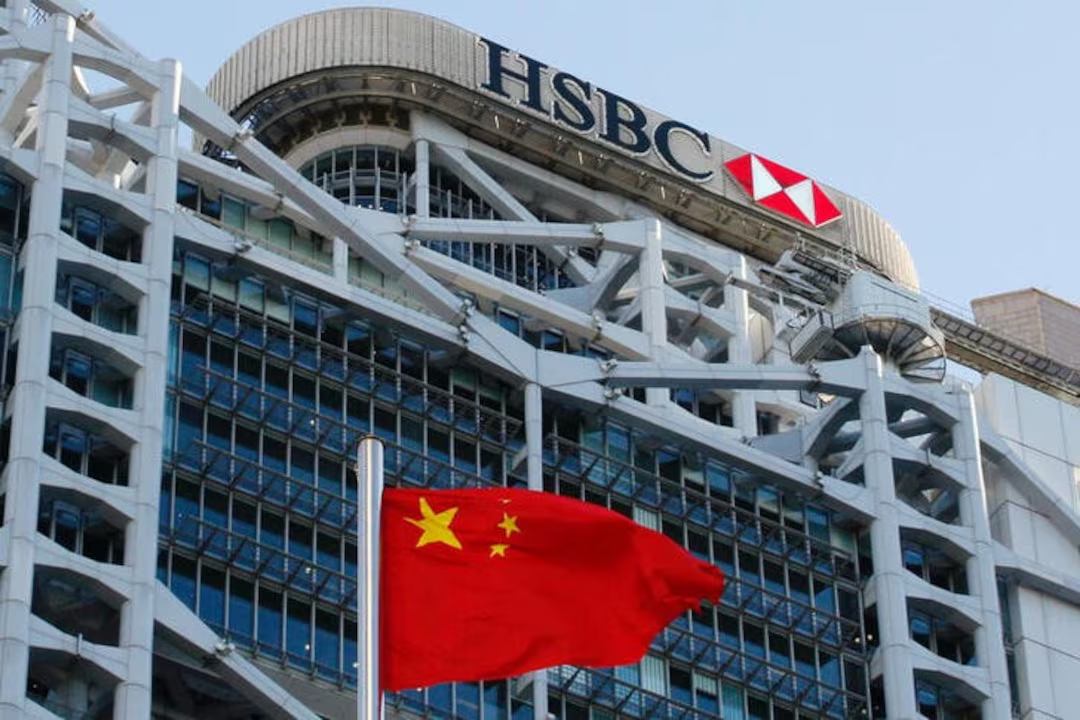
  • HSBC’s $13.6b Acquisition Of Hang Seng Bank: Independent Advisor To Evaluate Risks

    HSBC’s $13.6b Acquisition Of Hang Seng Bank: Independent Advisor To Evaluate Risks

    Hong Kong’s Hang Seng Bank has enlisted the services of an independent advisor to evaluate its impending takeover by HSBC. Somerley Capital, a financial advisory firm, has been tapped to scrutinize the details of the deal, according to a recent filing made to the exchange.

    HSBC’s Proposed Acquisition

    Earlier this month, British banking giant HSBC, which currently holds a 63% stake in Hang Seng Bank, disclosed its intention to acquire the remaining shares and privatize the local bank. The proposed deal is estimated to be worth HK$106 billion ($13.6 billion).

    HSBC’s Chief Executive Officer, Georges Elhedery, has described the initiative as a strategic move aimed at boosting growth. However, there have been several concerns raised by observers about the potential risks the bank could be taking on.

    Assessing Risks

    Critics have noted that the acquisition would mean HSBC absorbing the risks associated with a decline in Hong Kong’s commercial real estate sector. Hang Seng Bank has reported HK$25 billion worth of impaired loans in this sector for the first half of 2025. As such, this deal would expose HSBC to the potential economic fallout from this downturn.

    Questions & Answers

    What is HSBC’s proposed acquisition of Hang Seng Bank worth?
    The acquisition is proposed to be worth HK$106 billion ($13.6 billion) and would see HSBC owning all shares in Hang Seng Bank.

    Who has Hang Seng Bank appointed as an independent advisor for the deal?
    Hang Seng Bank has appointed Somerley Capital as an independent financial advisor to assess the proposed acquisition.

    What risks are associated with HSBC’s planned takeover?
    The key risk associated with the takeover is the exposure to the downturn in Hong Kong’s commercial real estate sector, with Hang Seng Bank having reported impaired loans worth HK$25 billion from this sector in the first half of 2025.

  • DBS CEO Outlines Singapore’s Success Strategy Amid Economic Uncertainty

    DBS CEO Outlines Singapore’s Success Strategy Amid Economic Uncertainty

    In a recent speech, DBS CEO Tan Su Shan discussed Singapore’s approach to the current unpredictable macroeconomic climate, emphasizing the role of trust as a crucial factor for ongoing success.

    Trust as the Foundation of Singapore’s Success

    Tan Su Shan highlighted how Singapore has positioned itself as a reliable center for entrepreneurs to safeguard data and intellectual property, enable interoperability, and create experimental environments in sectors including healthtech, biotech, and software.

    She noted that Singapore has cultivated a valuable asset over time – trust. Recalling a meeting with Jack Ma around a decade ago, she shared his insight on the significant trust that Singapore has earned globally.

    Tan Su Shan stated that Singapore has played a critical role in various fields, ranging from private banking, wealth management, pharmaceuticals, health supplements to food, serving as a bridge between East and West. She emphasized the city-state’s continued significance as a trusted hub in today’s globalized world.

    The Four D’s Framework

    Regarding Singapore’s reaction to the ongoing global uncertainty, Tan proposed a framework called the “four D’s”. It comprises:

    1. Defending the nation’s existing strengths
    2. Disrupting the environment to prevent complacency
    3. Embracing the digital age
    4. Diversifying supply chains and consumer demand sources

    She concluded her speech by introducing a bonus “D”, reflecting on the improbable success of Singapore as a nation, and the boldness and ambition it represents.

    The Last D: Dependable DBS

    Tan Su Shan called on partners to consider the last “D” – DBS Bank. She emphasized how DBS serves as a dependable partner, sharing the global dreams of its clients, and fostering their success and growth to new heights.

    Questions & Answers

    What are the “four D’s” proposed by DBS CEO Tan Su Shan?
    The “four D’s” are Defending existing strengths, Disrupting to avoid complacency, embracing the Digital age, and Diversifying supply chains and sources of demand.

    What does the last “D” in Tan Su Shan’s speech refer to?
    The last “D” refers to DBS, emphasizing the bank’s role as a dependable partner that shares the global ambitions of its clients and supports their success.

    How has Singapore established trust globally, according to Tan Su Shan?
    Tan Su Shan highlighted that Singapore has earned trust globally by serving as a reliable hub for a multitude of sectors, maintaining data and intellectual property security, and fostering innovation in industries like healthtech, biotech, and software.

  • Google Wallet Enhances Travel Experience With Real-time Updates And Card Integration

    Google Wallet Enhances Travel Experience With Real-time Updates And Card Integration

    Google Wallet is set to become more convenient for globetrotters as it integrates Android 16’s latest feature, “Live Updates”. This innovative function will make flight and train status readily accessible, delivering this crucial information precisely when it’s needed.

    Travel Upgrade for Google Wallet

    Google Wallet is undergoing not just a visual transformation with its Material 3 redesign, but also a functional enhancement. The new “Live Updates” feature, initially showcased at the I/O 2025 keynote for Maps and Uber Eats, is now branching out to Google Wallet. This will cover real-time updates for flights, train journeys, and events.

    Imagine a dynamic update system where static notifications are replaced with live progress bars tracking your flight duration or immediate alerts about gate changes. These updates will be constantly available on your display, your lockscreen, or discreetly tucked into your status bar.

    These developments were revealed in the release notes for Google Play services version 25.41. The rollout process is expected to be gradual, and it may take several weeks or even months for this feature to appear on your device.

    Additional Updates on Google Wallet

    Google Wallet is also introducing two minor but useful updates. Firstly, older phone models that operate on Android 12 or earlier will now receive notifications when a loyalty pass is imported from Gmail. Secondly, users will find it convenient to directly add credit or debit cards from their bank’s app, without needing the actual plastic card.

    While these updates may appear to be Google’s attempt at keeping up with its competitors, they are undeniably important. Apple Wallet, for instance, has been lauded for its real-time integration of live updates such as flight delays or gate changes directly on the lock screen. Google Wallet is now gearing up to match Apple Wallet’s “Live Activities”, shifting from a digital wallet that merely holds cards and passes to a proactive travel assistant.

    Improving User Experience

    These updates, although overdue, are a welcome change. The ability to have real-time updates directly on the lock screen eliminates the stress associated with travel, such as keeping track of gate changes or flight schedules.

    Moreover, the integration of bank cards is a significant improvement. The added convenience of not having to scramble for a physical card when adding it to the phone enhances the user experience. This smart, integrated feature enhances the overall cohesion of the Android ecosystem.

    Questions & Answers

    What is the new feature in Google Wallet?
    The new feature in Google Wallet is the integration of Android 16’s “Live Updates”, which provides real-time updates for flights, train journeys, and events.

    What are the other updates in Google Wallet?
    Google Wallet’s other updates include notifications for loyalty pass imports from Gmail for older Android versions, and the ability to add credit or debit cards directly from the bank’s app.

    How does the new update enhance the user experience?
    The new update enhances the user experience by providing live updates directly on the lock screen, eliminating the stress of travel. Additionally, the integration of bank cards removes the need for a physical card when adding it to Google Wallet.