Retail News CRM

Category: Finance

Retail News Asia is committed to providing both local and global retailers with the latest Finance news throughout the Asian market. This on a daily base.

  • 9Pay Streamlines Payment Solutions, Easing Transactions for Foreign Businesses in Vietnam

    9Pay Streamlines Payment Solutions, Easing Transactions for Foreign Businesses in Vietnam

    Vietnam is rapidly positioning itself as a go-to destination for foreign direct investment (FDI), yet many international businesses are still grappling with the complexities of payment operations. Issues such as local collections, disbursements, and cross-border payments present formidable barriers. Here, licensed domestic payment intermediaries like 9Pay are stepping up to address these hurdles.

    As reported by the Ministry of Planning and Investment, Vietnam’s registered FDI soared to nearly $18.4 billion by the end of May 2025, representing a remarkable 51.2% year-over-year increase. However, this surge doesn’t necessarily translate to a smoother operating environment, particularly for foreign firms entering the Vietnamese market for the first time.

    Despite holding legal registration and investment licenses, many FDI companies face significant challenges with domestic payment collection, local payment channel integration, and processing cross-border transfers. According to 9Pay, an intermediary licensed by the State Bank of Vietnam, three main factors contribute to these ongoing issues.

    Complex Procedures Hinder Profit Repatriation

    Repatriating profits or making payments to overseas service providers is a complicated affair in Vietnam. The EuroCham Q1 2025 Business Confidence Index shows that over 70% of European businesses report “little or no improvement” in administrative procedures. Companies find that outbound payments often take much longer than expected due to stringent documentation requirements, encompassing invoices, contracts, financial statements, and tax approvals. To add another layer of complexity, foreign exchange regulations demand strict compliance with commercial banks, which can be notably inflexible.

    Struggling to Access Local Payment Solutions

    While over 90% of domestic transactions are conducted via digital channels—bank transfers, QR codes, and e-wallets—foreign companies in sectors like e-commerce and logistics are often hamstrung by language barriers and unclear regulations. The absence of end-to-end service providers only compounds their difficulties.

    Endless Barriers to Opening Corporate Accounts

    To set up a corporate bank account, businesses must navigate a minefield of documentation, including investment certificates, capital contribution paperwork, rental agreements, and tax codes, with the entire process taking anywhere from three to six weeks. For those without a Vietnamese legal entity or local representative office, this requirement can be especially daunting. Currency volatility and the costs associated with foreign exchange only add to the challenges businesses face.

    In this evolving landscape, licensed payment intermediaries like 9Pay are crucial to developing Vietnam’s digital financial infrastructure. Positioned as a strategic partner for international companies across sectors such as e-commerce, fintech, and education, 9Pay aims to bridge the gap between Vietnam’s domestic market and global businesses.

    9Pay: More than Just a Payment Processor

    “We are more than just a payment solution provider; we are financial and legal partners who understand the intricacies of the Vietnamese market,” asserts Nguyen Quang Thinh, CEO of 9Pay. This initiative helps foreign enterprises navigate everything from payment integration to cash flow optimization, all while ensuring compliance with local regulations tailored to the specific needs of each business.

    With an expansive digital financial ecosystem, 9Pay enables businesses to accept payments via popular Vietnamese methods, including bank transfers, QR codes, e-wallets, and domestic cards. Remarkably, it’s one of the few intermediaries in Vietnam able to handle high transaction volumes swiftly and securely, making it a go-to solution for e-commerce platforms.

    Empowering Foreign Enterprises

    Further amplifying its services, the 9Pay e-wallet offers a user-friendly personal payment system that equips Vietnamese users with the tools to deposit, withdraw, pay bills, and seamlessly transact with businesses. By processing sales revenue, refunds, and payments to partners with impressive speed and accuracy, 9Pay removes some of the stress from the equation.

    Thanks to robust technology infrastructure and 24/7 customer support, 9Pay assists partners in managing cash flow needs efficiently, enhancing operational effectiveness while minimizing financial strain. The company’s ability to tap into synchronized data allows it to accurately predict emerging client needs, making it a preferred choice among banks and partners.

    Operating under the esteemed PCI DSS (level 1) security certification, 9Pay collaborates with over 50 domestic banks and e-wallets. Its impressive partner roster includes major financial organizations like MasterCard, VISA, and various prominent Vietnamese banks, positions it as a heavyweight in the payment intermediary arena.

    Future Ambitions and Market Positioning

    In an increasingly complex regulatory landscape, 9Pay offers foreign companies not just advanced technology but also the expertise to navigate Vietnam’s intricate legal and tax frameworks. As such, international firms can minimize legal risks while optimizing their operations.

    “Our goal is to standardize payment records, helping businesses navigate these complexities effortlessly,” adds Thinh. Businesses simply need to coordinate with 9Pay to manage all transactions, eliminating the need to juggle multiple banks or service providers while ensuring full legal compliance.

    By 2027, 9Pay aims to establish itself as Vietnam’s leading digital finance platform for foreign investors, providing comprehensive solutions that span payment technology, cash flow management, tax compliance assistance, and operational efficiency boosts. The focus will be particularly strong on sectors like cross-border e-commerce and digital services, which are witnessing high transaction volumes.

    Currently, 9Pay supports over 1,000 foreign enterprises, chiefly from Singapore, South Korea, China, Hong Kong, and the EU, with ambitions to double this number within three years. In 2025, the company targets an annual revenue growth of 30% from its FDI clients as demand for cash flow management surges.

    As global supply chains undergo significant adjustments in the aftermath of the pandemic, Vietnam emerges as a pivotal nexus for international business. To effectively capitalize on this dynamic landscape, foreign firms need proficient, legally compliant, and locally attuned financial platforms. With a partner like 9Pay, they can unlock operational efficiency and regulatory assurance amid the intricacies of Vietnam’s business environment.

    Founded in 2018, 9Pay Joint Stock Company is a licensed intermediary by the State Bank of Vietnam, delivering a suite of comprehensive financial solutions, including e-wallet services, payment gateways, and the innovative TingTing Payment Sound Box.

    Questions & Answers

    What challenges do foreign direct investment firms face in Vietnam?
    Foreign businesses often struggle with complicated administrative procedures, lengthy documentation for profit repatriation, and integration with local payment solutions due to language barriers and unclear regulations.

    How does 9Pay aid foreign businesses operating in Vietnam?
    9Pay functions as both a financial partner and a payment intermediary, providing tailored solutions that simplify payment integration, enhance cash flow management, and ensure compliance with local regulations.

    What are 9Pay’s future goals in the financial services sector?
    9Pay aims to become Vietnam’s leading digital finance platform for FDI firms by 2027, expanding its offerings to include comprehensive payment solutions and aiming for annual revenue growth of 30% from its foreign clients.

  • Standard Chartered Engages in Legal Clash Over $2.7 Billion Fraud Allegations in 1MDB Scandal

    Standard Chartered Engages in Legal Clash Over $2.7 Billion Fraud Allegations in 1MDB Scandal

    Standard Chartered Bank is firmly pushing back against allegations that it played a role in facilitating fraudulent activities linked to the infamous 1Malaysia Development Berhad (1MDB) scandal, which has continued to reverberate through financial headlines nearly a decade later. At the heart of the controversy is a lawsuit filed by liquidators seeking $2.7 billion, asserting that the bank was complicit in laundering ill-gotten gains from the sovereign wealth fund.

    Liability or Misunderstanding? Standard Chartered Defends Itself

    In a spirited defense, Standard Chartered categorically rejected the claims, stating, “We consider these claims to be without merit, and Standard Chartered will vigorously defend them.” According to a report from Reuters, the liquidators allege that the bank allowed for over 100 intrabank transactions from 2009 to 2013, which allegedly helped mask the misappropriation of funds totaling billions.

    The Players Involved: A Web of Allegations

    This legal battle is unraveling in the High Court of Singapore, led by liquidators from financial services firm Kroll. However, Standard Chartered insists that the entities behind the claims are not legitimate. The bank pointed out that these liquidators have acknowledged the companies involved were mere shell entities, with ties to high-profile fugitives such as Low Taek Jho and his associate Eric Tan. “These companies did not engage in any legitimate business and acted as conduits for misappropriated funds,” Standard Chartered added, emphasizing its distancing from the sordid events that unfolded.

    Facing the Music: What Lies Ahead for Standard Chartered

    In an increasingly complex saga of financial misappropriation, Standard Chartered’s determined rebuttal illustrates the challenges banks face when drawn into legal disputes involving deeply entrenched corruption. As the case unfolds, one can’t help but wonder: in the world of high-stakes finance, can any good ever come from a scandal as convoluted as this? The answer may lie in the courtroom.

    Questions & Answers

    What are the main allegations against Standard Chartered Bank?
    Liquidators are accusing Standard Chartered of facilitating over 100 transfers that helped launder funds linked to the 1MDB scandal, with claims totaling $2.7 billion.

    How has Standard Chartered responded to these allegations?
    Standard Chartered has vehemently rejected the allegations, asserting they are “without merit” and that the entities making the claims are fraudulent shell companies not engaged in legitimate business.

    What is the next step in this legal dispute?
    The lawsuit is currently being argued in the High Court of Singapore, where Standard Chartered intends to defend itself vigorously against the claims made by the liquidators.

  • Fed Eases ‘Reputational Risk’ Oversight, Boosting Opportunities for Crypto Firms to Thrive

    Fed Eases ‘Reputational Risk’ Oversight, Boosting Opportunities for Crypto Firms to Thrive

    The US Federal Reserve has announced a significant change in its supervisory approach by instructing its regulators to no longer weigh “reputational risk” when overseeing banks. This shift comes as a response to arguments from the cryptocurrency sector, which claimed that such considerations had led to unjust exclusions and banking challenges for crypto firms.

    Industries labeled as high-risk often find it hard to maintain banking relationships, a situation that escalated during what some have termed “Operation Chokepoint 2.0.” Over 30 technology and crypto firms were denied access to banking services in the US, leaving many scrambling for financial support.

    In a statement released on Monday, the Federal Reserve Board indicated that it is currently revising its supervisory materials to remove references to reputational risk. Instead, they will focus on more specific discussions centered on financial risk. Additionally, the board will enhance training for examiners to ensure uniform implementation across all banks it supervises, while collaborating with other federal banking agencies to foster consistent regulatory practices.

    Risk Management Remains Paramount

    Despite this pivotal change, the Federal Reserve has underscored the necessity for banks to maintain robust risk management protocols that align with existing laws and regulations. This new direction will not alter how banks supervised by the Federal Reserve incorporate reputational risk into their own management strategies.

    The Federal Reserve defines reputational risk as the potential backlash from negative publicity regarding an institution’s business practices — whether the claims are substantiated or not — which can lead to loss of clientele, expensive lawsuits, or decreased revenues.

    A Turning Point for Banks and Crypto

    Notable reactions to this development have emerged, with US Senator Cynthia Lummis remarking that aggressive reputational risk policies “assassinated American Bitcoin & digital asset businesses.” She characterized this shift as a victory, but added, “there is still more work to be done.”

    Rob Nichols, president and CEO of the American Bankers Association, also expressed his approval, stating that the adjustment would render the supervision process more transparent and consistent. “We believe banks should make decisions based on prudent risk management and free market principles, not the subjective views of regulators,” he added, making a case for more autonomy in banking operations.

    Nonetheless, critics caution that discarding reputational risk may obscure crucial non-financial factors, jeopardize bank stability, and weaken regulatory oversight, potentially leading to riskier banking practices. It’s a balancing act not unlike walking a tightrope.

    Regulatory Shifts in the Crypto Space

    This adjustment at the Federal Reserve is part of a broader trend, as other regulatory bodies in the US are also easing crypto-related restrictions this year. In May, the US Office of the Comptroller of the Currency confirmed that banks could engage in crypto trading on behalf of customers and outsource certain crypto functions to third parties. Additionally, in March, the US Federal Deposit Insurance Corporation clarified that banks under its supervision could participate in crypto activities without prior approval, signaling a thaw in the regulatory landscape that could energize the crypto market.

    Questions & Answers

    What does the Federal Reserve’s change mean for crypto firms?
    The change will allow banks to assess lending relationships with crypto firms without the burden of reputational risk, potentially making it easier for these companies to access banking services.

    How did US Senator Cynthia Lummis respond to the news?
    Senator Lummis declared it a win for the crypto sector, highlighting that aggressive reputational risk policies had detrimental effects on American Bitcoin and digital asset businesses.

    What are the potential downsides of removing reputational risk considerations?
    Critics warn that eliminating reputational risk might overlook important non-financial issues and weaken regulatory oversight, which could result in riskier banking practices.

  • Dollar Surges to New Peak Against Dong: What It Means for Retail and Consumers

    Dollar Surges to New Peak Against Dong: What It Means for Retail and Consumers

    On Wednesday morning, the U.S. dollar surged to an all-time high against the Vietnamese dong, intensifying its ascent while remaining at a three-and-a-half-year low against other major currencies.

    The Vietcombank sold the greenback at VND26,323, reflecting a modest increase of 0.05% from the previous record of VND26,310 set on June 24. However, on the black market, the dollar retreated by 0.26% from Tuesday, trading at around VND26,440.

    Since the beginning of the year, the U.S. dollar has appreciated by 3.02% against the dong, showcasing its growing strength in the local financial landscape.

    This week, the State Bank of Vietnam responded by raising its reference rate by 0.05% to VND25,070, aiming to stabilize the currency’s value.

    Globally, while the dollar soared against the dong, it faced challenges, hovering near its weakest levels since February 2022 against major counterparts. Market players are digesting dovish remarks from Federal Reserve Chair Jerome Powell and deliberating the potential implications of President Donald Trump’s spending bill, according to reports from Reuters.

    Notably, the dollar index, which gauges its performance against six major currencies, crept slightly upward to 96.677, yet remained close to its earlier low of 96.373. The greenback stabilized at 0.7906 Swiss franc, recovering slightly from a dip to 0.7873 franc during the previous session.

    The euro held steady at $1.1802, lingering near its overnight high of $1.1829, while sterling edged up to $1.37435, inching closer to Tuesday’s peak of $1.3787, a level not seen since October 2021. The dollar regained some ground against the yen, rising by 0.1% to 143.59 yen after a 0.4% decline in the previous session.

    Questions & Answers

    What does the recent increase in the dollar’s value against the Vietnamese dong indicate?
    The rise signifies a growing strength of the U.S. dollar in Vietnam’s financial landscape, influenced by global market dynamics and local currency policy adjustments.

    How has the State Bank of Vietnam responded to the dollar’s surge?
    To combat the dollar’s increasing value, the State Bank raised its reference rate by 0.05% to VND25,070, aiming to stabilize the local currency.

    What are the implications of Federal Reserve Chair Jerome Powell’s remarks for the dollar?
    Powell’s dovish hints suggest a more cautious approach to interest rate hikes, impacting global perceptions of the dollar’s strength among traders worldwide.

  • Bitcoin Suisse Reports Record Revenue Surge, Multi-Million Profit, and Bold International Growth Plans

    Bitcoin Suisse Reports Record Revenue Surge, Multi-Million Profit, and Bold International Growth Plans

    Bitcoin Suisse Turns Profit and Eyes Global Markets

    Bitcoin Suisse is on the rebound, marking a significant turnaround in its financial fortunes and gearing up for international expansion. At its recent Annual General Meeting held in late June, the Zug-based crypto broker proudly announced a remarkable net profit of 16 million francs for the fiscal year 2024. This recovery comes on the heels of a 13 million franc loss in 2023, with revenues soaring by 56 percent compared to the previous year.

    Over the last year, Bitcoin Suisse has intensified its efforts to solidify its status as a leader in the global crypto financial services sector. The firm has embraced technological advancements, accelerating automation and optimizing workflows to enhance operational efficiency. Additionally, they have integrated advanced data analytics tools to elevate the client experience. Notably, Bitcoin Suisse became the first Swiss crypto service provider to support the Babylon Bitcoin Staking protocol, expanding Bitcoin’s staking capabilities further. Who knew staking could be hip?

    Global Aspirations: Middle East Entry

    2024 has been a pivotal year for Bitcoin Suisse as it embarks on international expansion. The company established a new subsidiary, BTCS (Middle East) Ltd., which received in-principle approval from the Financial Services Regulatory Authority (FSRA) of the Abu Dhabi Global Market (ADGM) this May. This crucial step sets the stage for obtaining full licensing, allowing Bitcoin Suisse to diversify its offerings and provide regulated crypto financial services in the Middle East. These services will include trading virtual assets, dealing in crypto securities and derivatives, along with local custody solutions.

    “Our strategic focus on international growth and client-centric innovation is stronger than ever,” asserted CEO and co-founder Andrej Majcen during the AGM, displaying a renewed confidence in the company’s direction.

    Boardroom Shake-Up Introduces Fresh Perspectives

    In addition to its financial successes, Bitcoin Suisse also announced a shift in its board of directors. Giles Keating has stepped down, making way for Guenther Dobrauz-Saldapenna, who brings a wealth of experience from his leadership role in PwC’s global Crypto Practice. Dobrauz-Saldapenna is also a co-founder and partner at Exelixis Capital, a Swiss investment firm specializing in venture capital, and leads the Dobrauz-Saldapenna family office.

    The current board now consists of:

    Marco Menotti, Chairman of the Board; Luzius Meisser; Gabriela Hauser-Spühler; Philipp Rösler; Ani Banerjee; and newly appointed Guenther Dobrauz-Saldapenna.

    Questions & Answers

    What financial recovery did Bitcoin Suisse achieve in 2024?
    Bitcoin Suisse reported a net profit of 16 million francs for the year 2024, rebounding from a loss of 13 million francs in 2023.

    What steps has Bitcoin Suisse taken to expand internationally?
    The company established a subsidiary in the Middle East, BTCS (Middle East) Ltd., which has received in-principle approval from the FSRA of the Abu Dhabi Global Market, paving the way for offering regulated crypto financial services.

    Who joined Bitcoin Suisse’s board of directors recently?
    Guenther Dobrauz-Saldapenna joined the board following the departure of Giles Keating, bringing extensive expertise in crypto and venture capital to the organization.

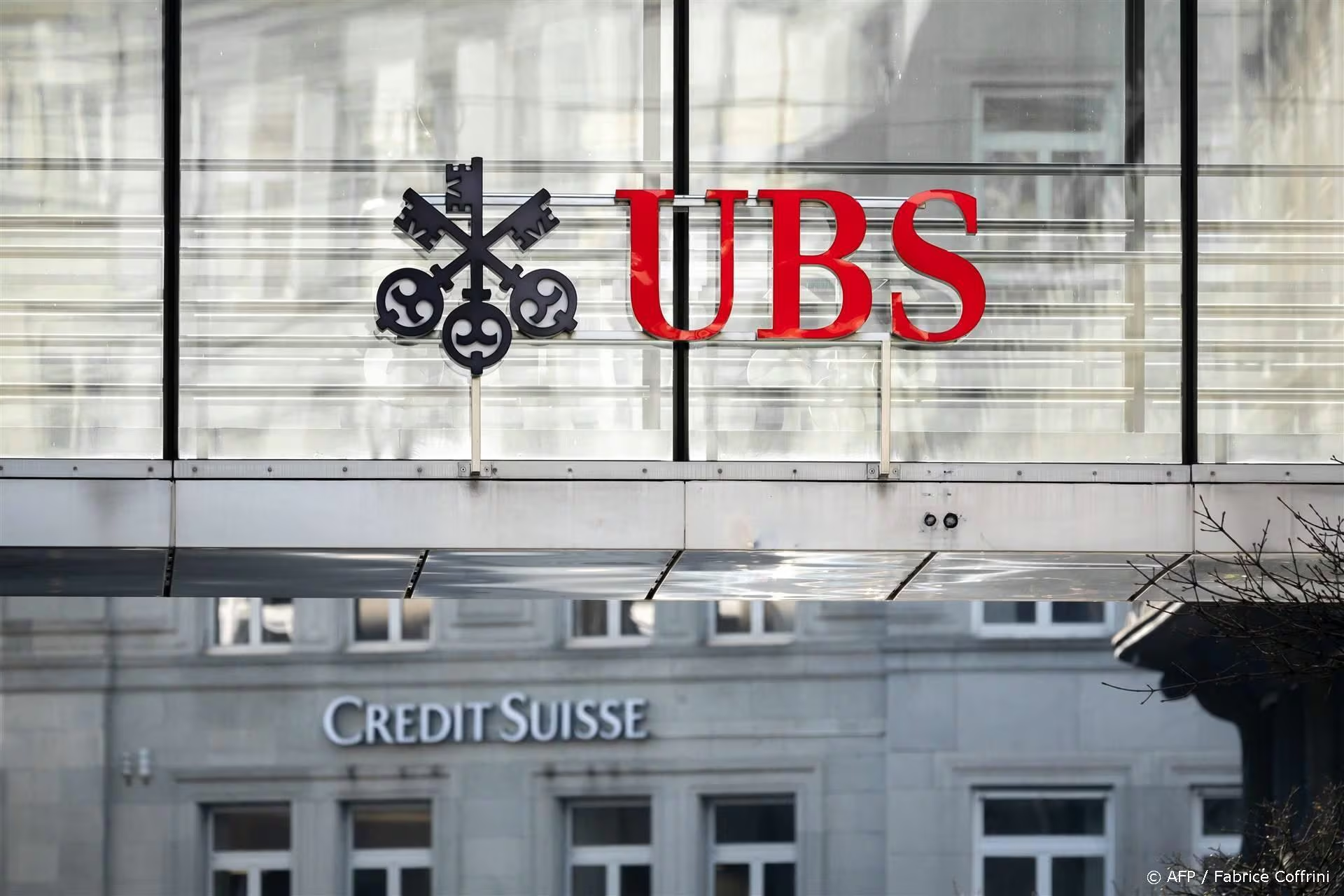
  • UBS Announces Early Redemption of Bond and AT1 Instrument: What It Means for Investors

    UBS Announces Early Redemption of Bond and AT1 Instrument: What It Means for Investors

    UBS Streamlines Funding with Early Bond and Tier 1 Capital Redemption

    In a strategic maneuver aimed at refining its funding structure, UBS is set to redeem both a bond and an Additional Tier 1 (AT1) instrument ahead of schedule. The Swiss banking titan has announced optional redemption dates that position it to manage its capital more effectively.

    Utilizing its call option, UBS will redeem Fixed Rate/Floating Rate Senior Callable Notes amounting to USD 1.5 billion on July 15, 2025, a full year ahead of the original maturity date. These notes carry a notable coupon of 6.373 percent. Investors will have until July 11, 2025, to trade the securities, which were issued by the bank in 2022. Impressively, the bond is identified under ISIN: US225401AY40 (144A) and USH3698DDR29 (Reg S).

    In a related development, UBS will also redeem its Tier 1 Capital Notes issued in 2015, valued at USD 1.575 billion and featuring a coupon of 6.875 percent. This redemption is scheduled for August 7, 2025, with the last trading day set for August 5. Such proactive measures highlight a growing trend among financial institutions to optimize their capital positions amid an evolving economic landscape.

    According to UBS’s first-quarter report, the bank holds USD 162 billion in outstanding long-term capital market obligations. Of this total, a striking 53 percent is on track to mature within the next three years, signaling a critical juncture in the bank’s financial strategy.

    It seems like UBS is acting with the agility of a seasoned chess player, always thinking two moves ahead. This careful planning not only reflects prudence but also sets a notable example in the ever-competitive financial sector.

    Questions & Answers

    What prompted UBS to redeem its bonds and AT1 instruments early?
    UBS aims to enhance its funding structure and optimize its capital management, which is reflected in its decision to redeem these financial instruments ahead of their maturity dates.

    What are the specifics of the bonds being redeemed by UBS?
    UBS will redeem USD 1.5 billion in Fixed Rate/Floating Rate Senior Callable Notes with a coupon of 6.373 percent on July 15, 2025, and USD 1.575 billion in Tier 1 Capital Notes with a coupon of 6.875 percent on August 7, 2025.

    How much of UBS’s long-term obligations are set to mature soon?
    As of the end of April, approximately 53 percent of UBS’s USD 162 billion in outstanding long-term capital market obligations is scheduled to mature within the next three years.

  • Mizuho Bank Launches Streaming FX Prices on SGX, Elevating Currency Trading Experience

    Mizuho Bank Launches Streaming FX Prices on SGX, Elevating Currency Trading Experience

    Aiming to capture the attention of consumers in Asia, the global retail giant Walmart recently unveiled its plans for an ambitious expansion across the region. Speaking at a press conference in Tokyo, company executives detailed their strategy to enhance the shopping experience with a focus on sustainability, technology, and local partnerships.

    Bold Moves: Walmart’s Commitment to Asia

    Walmart’s strategy in Asia hinges on a harmonious blend of innovation and community engagement. The retail titan plans to invest over $1 billion in green initiatives by 2025, reflecting its commitment to tackling climate change while appealing to increasingly environmentally-conscious shoppers. “We are not just in the business of selling products,” Walmart’s Asia CEO emphasized. “We are here to create better experiences for our customers while also being good stewards of our planet.” This bold commitment is expected to resonate well with consumers across the region, who are eager for sustainable shopping options.

    Tech-Savvy Shopping: Elevating Customer Experience

    The integration of technology into the shopping experience is another cornerstone of Walmart’s Asian expansion. Plans include the rollout of advanced mobile payment systems and AI-driven inventory management, aimed at streamlining customer interactions both in-store and online. Imagine walking into a Walmart store and having your personalized shopping list instantly curated by an app that knows your preferences—sounds like something out of a sci-fi movie, right? But that’s the future they are aiming for.

    Local Partnerships: A Recipe for Success

    In a strategic pivot that highlights the importance of community, Walmart will forge partnerships with local businesses to boost its supply chain and foster economic growth in the regions where it operates. By teaming up with local producers and artisans, Walmart hopes to offer fresh and unique products that resonate with local tastes and preferences. This local-first approach is designed not only to enhance its product offerings but also to build brand loyalty among customers.

    Staying Ahead in the Retail Race

    As competition in the retail space intensifies, Walmart’s proactive measures position it well against rivals like Alibaba and regional players who have dominated the e-commerce landscape. By blending advanced technology with a focus on sustainability and local partnerships, Walmart appears determined to capture market share in Asia’s dynamic and diverse retail environment. The question remains: will this formula be enough to entice the discerning Asian consumer and maintain growth amid fierce competition?

    Questions & Answers

    What is Walmart’s financial commitment toward sustainability in Asia?
    Walmart plans to invest over $1 billion in sustainability initiatives by 2025, reflecting their dedication to environmental stewardship.

    How will technology play a role in Walmart’s expansion strategy?
    The company plans to introduce advanced mobile payment systems and AI-driven inventory management to enhance the customer shopping experience.

    Why is Walmart focusing on local partnerships in Asia?
    By collaborating with local businesses, Walmart aims to boost its supply chain while offering products that resonate with local tastes, fostering brand loyalty among consumers.

  • CommBank Launches AI Bots to Combat Scams and Enhance Customer Security

    CommBank Launches AI Bots to Combat Scams and Enhance Customer Security

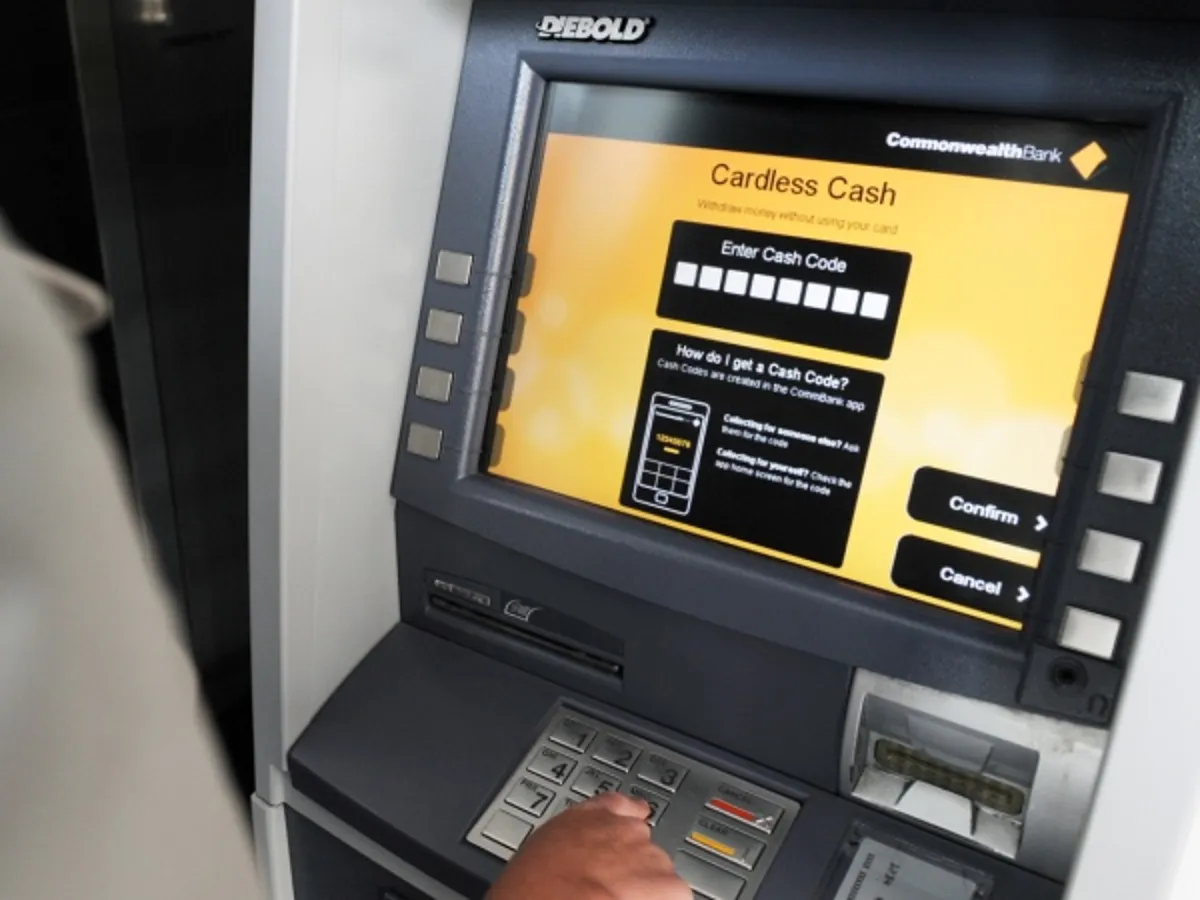
    The Commonwealth Bank of Australia (CBA) is leveraging the power of artificial intelligence to combat the rising tide of scams targeting unsuspecting Australians. In an innovative move, the bank has deployed “a fleet of thousands of AI-powered bot profiles” specifically designed to engage with scammers, gather crucial intelligence, and disrupt their illicit operations.

    AI Bots on the Frontlines Against Scams

    This impressive initiative comes from Apate.ai, a cyber-intelligence firm that evolved from Macquarie University. Each day, Apate.ai unleashes thousands of these smart conversational bots to thwart scammers who rely on text messages and voice calls to deceive their victims. The launch of this bot network follows a successful pilot program from late 2024, showcasing the potential of AI in consumer protection.

    A Honeypot System for Scammers

    At the core of Apate.ai’s operations is an innovative “honeypot” system, explained Dali Kaafar, the company’s CEO and founder. In collaboration with telecommunications partners, the firm maintains an expansive and ever-growing array of dedicated phone numbers that are specifically designed to attract scammers. “When a scammer dials or messages one of these numbers, they actually engage in conversations with one of our AI-powered bots and not a person,” Kaafar elaborated, emphasizing the ingenious trap set for fraudsters.

    The Evolution of Retail security

    The integration of such technology marks a significant step not just in banking but across the entirety of retail, as businesses grapple with the constant threat posed by scammers. While traditional methods of fraud prevention still have their place, the adoption of advanced AI technologies offers a fresh line of defense, transforming the way retailers and banks protect their customers and maintain their trust.

    With creativity and intelligence, CBA and Apate.ai are setting a precedent that may very well redefine how industries combat financial fraud in the digital age. In a world where scams are becoming as common as avocado toast on brunch menus, it pays to have sophisticated tools in your corner.

    Questions & Answers

    How is Commonwealth Bank using AI to combat scams?
    The Commonwealth Bank of Australia is utilizing a network of thousands of AI-powered bots to engage with scammers, gathering intelligence and disrupting their operations.

    What technology underpins Apate.ai’s scam-fighting strategy?
    Apate.ai’s approach is based on a “honeypot” system that employs dedicated phone numbers designed to attract scammers and engage them in conversations with AI bots.

    Why is the integration of AI significant for the retail industry?
    The use of AI in combating scams represents a revolutionary step for the retail industry, as businesses increasingly adopt advanced technologies to protect consumers and safeguard trust.

  • Crypto-Bank Snags Former Credit Suisse Executive to Strengthen Leadership Team

    Crypto-Bank Snags Former Credit Suisse Executive to Strengthen Leadership Team

    Amina Bank Welcomes Credit Suisse Veteran Alessandro Manfron

    Amina Bank has appointed Alessandro Manfron as the chief of staff to the chief client officer for the EMEA region, a move that marks a significant shift in his career. Announcing his new role on LinkedIn, Manfron confirmed he began this position this month, reporting directly to Markus Menzl, the chief client officer EMEA.

    A Wealth of Experience

    Manfron brings over 20 years of experience from Credit Suisse-UBS, where he held diverse leadership roles. His recent position was as the team head of USG Evolution and an executive director at UBS in Zurich. Before this, he directed high net worth individual segment development at Credit Suisse, where he played pivotal roles such as chief of staff for premium clients and head of business management for premium clientele.

    It’s safe to say that his journey in finance has been anything but mundane, offering him a treasure trove of insights into wealth management that he’ll now channel into the burgeoning realm of crypto banking.

    Embracing a New Challenge in Crypto

    Reflecting on this transition, Manfron expressed his enthusiasm: “After 20 years at Credit Suisse and UBS, it’s time to start a new chapter. I’m excited to join Amina Bank, a regulated Swiss crypto bank, as Chief of Staff to the Chief Client Officer EMEA. I truly look forward to merging my background in UHNWI and SFO wealth management with the innovation and energy of crypto banking.”

    Broadening Horizons

    Interestingly, Manfron’s move to Amina isn’t the only shift in his professional landscape—he has also recently accepted a position on the advisory board of TheBiTechnologies, a private equity and venture capital firm. This speaks volumes about his commitment to staying at the forefront of financial innovation.

    Questions & Answers

    What motivated Alessandro Manfron to leave Credit Suisse for Amina Bank?
    Manfron was eager to embark on a new chapter in his career, attracted by the potential of crypto banking and the opportunity to apply his extensive experience in wealth management.

    What roles did Manfron hold at Credit Suisse?
    Over his two-decade tenure, he occupied various leadership positions, including head of UHNWI segment development and chief of staff for premium clients.

    What other venture is Manfron involved in aside from Amina Bank?
    In addition to his role at Amina, he has joined the advisory board of TheBiTechnologies, indicating his interest in private equity and venture capital.

  • DBS Unveils Exclusive Deals and Rebates for Cardholders at 680+ Retail Outlets!

    DBS Unveils Exclusive Deals and Rebates for Cardholders at 680+ Retail Outlets!

    DBS Bank is stepping up its game in the competitive retail landscape of Asia by teaming up with prominent players like Cold Storage, CS Fresh, Giant, Guardian, and 7-Eleven, among others. This collaborative effort aims to deliver enticing spending privileges to its cardholders at over 680 retail outlets across the region.

    Exclusive Deals for DBS/POSB Cardholders

    As announced in a press release on July 1, 2025, DBS and POSB cardholders can look forward to a year-round array of exclusive deals and savings with these well-known brands. Holders of the DBS yuu card can benefit from cash rebates of up to 18%, while PAssion POSB debit cardholders will enjoy up to 9% in cash rebates, alongside enticing one-for-one deals.

    Delicious Discounts in July to September

    From July through September 2025, all DBS and POSB cardholders will enjoy a slew of special grocery promotions, including a chance to save up to S$12 at Cold Storage and S$6 at Giant, provided they meet the minimum spend requirement. Fridays just got a bit sweeter, too, with cardholders receiving S$6 off Guardian vouchers for return visits and an attractive 10% discount at 7-Eleven outlets. It’s almost like grocery shopping is becoming a sport—who doesn’t love a good discount sprint?

    Unique Weekly Promotions Await

    DBS has promised that cardholders will encounter unique weekly promotions across all participating outlets during this two-month period, adding an element of surprise to the shopping experience. Chan Sow Han, head of payments and platforms at DBS Singapore, emphasized that the bank’s extensive retail partnerships enable it to provide unmatched value. “This collaboration demonstrates our deep understanding of customer priorities and our commitment to addressing cost-of-living concerns through meaningful partnerships,” Chan stated, highlighting the bank’s proactive approach in these challenging economic times.

    Questions & Answers

    What types of benefits do DBS and POSB cardholders receive through this collaboration?
    Cardholders can enjoy exclusive savings, cash rebates of up to 18% for DBS yuu cardholders, and up to 9% for PAssion POSB debit cardholders, along with various promotional deals throughout the year.

    What are some specific promotions available to cardholders from July to September 2025?
    During this period, cardholders can save up to S$12 at Cold Storage, S$6 at Giant, as well as receive S$6 off Guardian vouchers and 10% discounts at 7-Eleven on Fridays.

    How does DBS Bank demonstrate its understanding of customer needs?
    By leveraging its partnerships with major retailers, DBS Bank aims to alleviate cost-of-living concerns for its customers, showcasing a commitment to deliver value through thoughtful promotional programs.

  • Chart of the Week: Hong Kong’s Credit and Charge Card Market Set to Hit $132.4 Billion!

    Chart of the Week: Hong Kong’s Credit and Charge Card Market Set to Hit $132.4 Billion!

    Banks in Hong Kong are stepping up their game with exciting new offerings like mobile virtual cards and dual-currency payment options. As a reflection of this growing competitiveness, the credit and charge card payments market is projected to expand by 6% to reach an impressive $132.4 billion (HK$1 trillion) by 2025, according to insights from data and analytics firm GlobalData.

    Currently, credit and charge cards account for a staggering 77% of all card payments in Hong Kong. This remarkable uptick in consumer spending is driven by a rapidly evolving payment infrastructure, an increasing number of merchant acceptances, and enticing benefits tailored for customers.

    With 27,252 point-of-sale (POS) terminals per million inhabitants, Hong Kong proudly outpaces Japan, Thailand, and Indonesia in this regard. As banks roll out innovative schemes, the appetite for adopting digital payment solutions is only expected to grow.

    Revolutionary Offerings Fuel Market Growth

    In June 2025, HSBC partnered with Mastercard to introduce the city’s pioneering mobile virtual corporate card, specifically designed for commercial clients. This avant-garde solution allows businesses to instantaneously issue virtual cards through a user-friendly portal. For added convenience, these cards can be linked to compatible digital wallets for immediate use through the Mastercard In Control Pay mobile app. Users enjoy the flexibility to activate or deactivate their virtual cards at any time and from any location — because why not take control of your finances while sipping a coffee at your favorite café?

    First Dual-Currency Card Takes Center Stage

    In a related development, the Bank of China Hong Kong (BOCHK) collaborated with UnionPay International to launch a dual-currency BOC Go credit card. This innovative card enables holders to make purchases in both Chinese yuan and Hong Kong dollars, blurring the lines of currency accessibility.

    Transaction Growth Points to Consumer Confidence

    Recent data from the Hong Kong Monetary Authority (HKMA) reveals that in the first quarter of 2025, the total value of credit card transactions surged by 8.4% year-on-year to reach $34.9 billion (HK$274.1 billion). Delving deeper, of this sum, $23.7 billion (HK$186.1 billion) stemmed from retail spending within Hong Kong. Overseas retail spending accounted for $10.06 billion (HK$79 billion), with cash advances making up $1.15 billion (HK$9 billion).

    Flexible Repayment Options to Enhance User Experience

    Recognizing the importance of managing risk, banks are enhancing credit card user experience by introducing flexible repayment options. For instance, Citibank’s Merchant Instalment Plan allows consumers to convert purchases of HKD2,000 ($256) or more at over 600 participating merchants into manageable monthly installments. Similarly, Standard Chartered offers customers the ability to convert purchases of HKD500 ($64) and above into payments spread over three to 60 months, fostering greater financial ease.

    Questions & Answers

    What is the projected growth rate of Hong Kong’s credit and charge card payments market by 2025?
    The market is expected to grow by 6%, reaching $132.4 billion (HK$1 trillion) by 2025.

    How are banks encouraging the adoption of new payment solutions?
    Banks are introducing innovative products like mobile virtual corporate cards and dual-currency credit cards, alongside flexible repayment options to enhance user convenience.

    What percentage of all card payments in Hong Kong currently comprises credit and charge cards?
    Credit and charge cards account for a significant 77% of all card payments in Hong Kong.

  • Philippine Thrift Banks Surge to $19.5 Billion in Assets, Marking 6% Growth in 2024

    Philippine Thrift Banks Surge to $19.5 Billion in Assets, Marking 6% Growth in 2024

    The Philippine thrift banking sector revealed strong performance indicators as it reported total assets reaching $19.5 billion (PHP1.1 trillion) by the end of 2024, marking a 6% increase from the previous year. The data, released by the Chamber of Thrift Banks (CTB) in July 2025, spotlighted significant growth in lending activities, with core loan portfolios expanding by an impressive 14.7% to $13.8 billion (PHP777.28 billion).

    Deposits on the Rise

    Meanwhile, deposit liabilities in the sector also saw an upswing of 4.7%, reaching $14.67 billion (PHP826 billion). This growth reflects a resilient demand for thrift banking services, even as the economy faces various challenges. The sector’s capital base remains robust at $3.08 billion (PHP174 billion), boasting a capital adequacy ratio of 17.88%, comfortably above the regulatory benchmarks.

    A Commitment to Progress

    “We are pleased to report that the Chamber of Thrift Banks has continued to demonstrate remarkable growth and adaptability through the years,” stated CTB President Mary Jane Perreras. Under her leadership, the CTB is advocating for crucial regulatory adjustments, including a proposed reduction of the Minimum Liquidity Ratio from 20% to 16%, to better align with the realities of thrift banks.

    Digital Innovation Takes Center Stage

    Perreras noted that many member banks have successfully enhanced their digital infrastructure and adopted advanced cybersecurity protocols. “In today’s interconnected financial landscape, offering digital literacy programs is essential to protecting consumers,” she asserted. Collaborations with fintech firms and low-code platform providers have allowed thrift banks to introduce customized digital services with greater efficiency—a move that has infused new energy into traditional banking practices.

    Looking Ahead

    As the sector looks to the future, the CTB remains focused on promoting sound risk management, operational excellence, and sustainable growth. “Our goal is to strengthen the thrift banking sector’s contribution to inclusive economic development, ensuring our members remain key providers of financial access in communities across the country,” Perreras emphasized, hinting at a vision where thrift banks not only survive but thrive in the evolving market landscape.

    Questions & Answers

    What growth rate did Philippine thrift banks achieve in lending activities?
    Philippine thrift banks recorded a significant growth rate of 14.7% in core loan portfolios, totaling $13.8 billion (PHP777.28 billion).

    What initiatives is the CTB pursuing for regulatory changes?
    The Chamber of Thrift Banks is advocating for a reduction in the Minimum Liquidity Ratio from 20% to 16% to better reflect the operational realities of thrift banks.

    How are thrift banks enhancing their services in the digital age?
    Many member banks are upgrading their digital infrastructure, adopting cybersecurity measures, and collaborating with fintech firms to offer customized digital services, thus improving consumer protection and service efficiency.

  • Citi Welcomes Nomura’s Senior MD as New Co-Head of Investment Banking in Japan

    Citi Welcomes Nomura’s Senior MD as New Co-Head of Investment Banking in Japan

    Citi has tapped Akira Kiyota and Taiji Nagasaka as co-heads of investment banking for Japan, an appointment that took effect on October 1, 2025. This strategic move signals Citi’s commitment to bolstering its operations in one of Asia’s most significant financial markets.

    Bringing Extensive Experience to the Table

    Kiyota joins the ranks of Citi after an impressive tenure at Nomura, where he served as a senior managing director and global head of mergers and acquisitions since 2022. With over three decades of experience in investment banking, Kiyota specializes in mergers and acquisitions as well as in healthcare and consumer coverage, providing valuable insights to clients globally. His prior roles include stints at J.P. Morgan Securities and Sanwa Bank, solidifying his reputation as a heavyweight in the industry.

    Nagasaka’s Deep Roots in the Market

    On the other hand, Nagasaka brings a wealth of knowledge from his current position as managing director and head of Investment Banking products and equity capital markets for Citi in Japan. With over 20 years of experience in advising clients on capital markets transactions and M&A, Nagasaka has been instrumental in navigating the complexities of the Japanese market. He joined Citi in 2022 from Mizuho Securities, where he headed equity capital markets, further sharpening his credentials in an increasingly competitive landscape. It’s safe to say that together, Kiyota and Nagasaka carry enough experience to write a chapter on Japanese investment banking.

    A New Leadership Structure

    The duo will report to Jan Metzger, who oversees investment banking for Japan, Asia North & Australia, as well as Asia South, alongside Robert Nakamura, Citi’s Country Officer and banking head for Japan. This change marks a pivotal moment for Citi as it aligns its leadership structure with its growth ambitions in Asia.

    Expansion of Vice Chair Role

    In a related development, Masuo Fukuda, the vice chair of Citi Japan and head of investment banking, will transition to a new position as Vice Chair for Japan and Asia North investment banking, while also retaining his existing responsibilities. This dual role underscores Citi’s strategy to enhance its leadership footprint in the region.

    Questions & Answers

    What positions have been created at Citi for the investment banking sector in Japan?
    Citi has appointed Akira Kiyota and Taiji Nagasaka as co-heads of investment banking for Japan, effective October 1, 2025.

    What prior experience does Akira Kiyota bring to his new role?
    Kiyota has over 30 years of experience in investment banking, previously serving as global head of mergers and acquisitions at Nomura, and has worked at J.P. Morgan Securities and Sanwa Bank.

    Who will Kiyota and Nagasaka report to in their new roles?
    They will report to Jan Metzger, head of investment banking for Japan, Asia North & Australia, and Robert Nakamura, Citi Country Officer and banking head for Japan.

  • UBS Subsidiary Faces Setback with Loss of Esteemed Banking Mandate

    UBS Subsidiary Faces Setback with Loss of Esteemed Banking Mandate

    Revamping Leasing: Porsche Shifts Focus to Internal Management

    Porsche Switzerland is making a significant pivot in its leasing strategy. In a recent announcement, the iconic sports car manufacturer revealed that it will no longer rely on Bank-now—a subsidiary integrated into UBS following its acquisition of Credit Suisse—for its leasing operations. Instead, Porsche Financial Services Schweiz (PFSCH) will take the reins and manage leasing directly, aided by the operational support of Amag Leasing as an outsourcing partner.

    The End of an Era: Goodbye to Bank-now for Leasing

    For over a decade, Bank-now has held the reins of Porsche’s leasing activities in Switzerland. The specialist in consumer credit and leasing joined UBS after the historic takeover of Credit Suisse, marking a notable partnership since 2008. This recent restructuring reflects a strategic decision by Porsche to bring leasing operations in-house, allowing the company to have more control over key aspects of the value chain. The goal is to enhance flexibility in addressing customer demands and the needs of its dealers amid a rapidly changing automotive landscape.

    Embracing the Future with New Offerings

    The shift allows Porsche to respond more dynamically to evolving market trends driven by the rise of electric vehicles and the increasing importance of digital solutions. “With this strategic realignment, we are strengthening our resilience in an increasingly demanding market environment,” stated Dino Minutolo, Managing Director of PFSCH, underscoring the proactive approach to meet the challenges ahead. Expect a fresh array of tailored financing models to hit the market soon—imagine financing your dream Porsche with a swipe on an app!

    Gaining Independence: A New Chapter

    This newfound autonomy paves the way for Porsche to engage in independent product design while ensuring a closer relationship with its dealers. To facilitate the transition, Porsche will count on Amag Leasing’s expertise for back-office functions and contract processing, allowing them to focus on strategic development and customer service enhancement.

    Bank-now Faces New Challenges

    As Porsche moves forward with PFSCH, Bank-now experiences a notable loss of a high-profile client. The bank chose not to comment on how this change might impact its financial metrics. “Beyond our annual report, Bank-now does not provide information on current business developments,” a representative shared, suggesting that all is not lost as the bank continues working with various strategic partners in vehicle financing.

    The Bigger Picture: Bank-now’s Stability

    While Porsche has opted for a new direction, Bank-now reassured stakeholders regarding its collaborative ties with brand-independent garages and extensive dealer networks. The volume of Porsche’s previous leasing business remains a well-guarded secret, as both parties are tight-lipped about the specifics of their financial dealings.

    On a more positive note for UBS Switzerland, Porsche Financial Services’ credit card business, which underwent restructuring last year, still maintains ties with the bank. So, while one door closes, another remains open.

    Financial Health: Bank-now’s Robust Position

    Looking ahead, Bank-now displayed commendable health in its financial reports for the 2024 fiscal year, boasting total assets exceeding CHF 5 billion, equity of CHF 416.3 million, and an operating profit of CHF 39.5 million. With a CHF 73 million dividend distribution to UBS Switzerland, the bank appears to be on steady ground, even as it navigates this noteworthy client transition.

    Questions & Answers

    What prompted Porsche to transition its leasing operations away from Bank-now?
    Porsche decided to take control of its leasing operations to enhance flexibility and better respond to changing customer needs and market dynamics, particularly in the wake of electric mobility and digitalization.

    How does this restructuring affect Bank-now?
    Losing Porsche as a client represents a significant shift for Bank-now. However, the bank continues to collaborate with various strategic partners in vehicle financing, aiming to offset this loss.

    What financial condition is Bank-now currently in?
    Bank-now has reported strong financial health, with more than CHF 5 billion in total assets and a dividend distribution of CHF 73 million to UBS Switzerland, demonstrating its resilience despite recent changes.

  • Raiffeisen Reports: Immigration Key to Sustaining GDP Growth Momentum

    Raiffeisen Reports: Immigration Key to Sustaining GDP Growth Momentum

    Swiss Economy’s Growth Weighed Down by Global Concerns

    The Swiss economy’s growth appears to be buoyed more by immigration trends than by domestic productivity, according to Raiffeisen’s latest semi-annual economic forecast. The report highlights that challenges in the global economy, particularly from the U.S. and EU, are casting a shadow over Switzerland’s economic outlook.

    As trade relations with the U.S.—Switzerland’s second-largest trading partner—remain precarious, Raiffeisen’s economists caution that the impact of potential tariffs looms large. Negotiations have been sluggish, with possible tariffs on the Swiss pharmaceutical industry still on the table. “The market underestimates that Trump is focused on increasing tariff revenues, not on reciprocal tariffs,” warned Chief Economist Fredy Hasenmaile, during a web call.

    Hasenmaile projected that regardless of the severity of any final tariff measures, the pervasive uncertainty is stifling the industry, predicting a loss of momentum in the latter half of the year.

    Economic Activity Dips Following Early Surge

    Switzerland experienced a paradoxical first half of the year, driven initially by pre-emptive purchases but ultimately leading to a significant downturn. After a robust boost in the first quarter, economic activity fell to its lowest level in over 15 months.

    Raiffeisen now forecasts GDP growth of 1.1 percent for the current year and 1.0 percent for the next, a considerable drop from earlier projections made in December 2024, which had assessed a 1.3 percent growth for 2025. “The return to potential growth of around 1.5 percent is further delayed,” Hasenmaile noted, positioning Raiffeisen on the conservative end of economic forecasts.

    Mixed Signals in Industrial Performance

    The outlook for Swiss industry is bleak, with purchasing manager indices indicating poor business conditions. Domestically focused small and medium enterprises (SMEs) are faring better, continuing on a growth trajectory. Conversely, export-driven firms are witnessing dwindling demand, particularly from Germany, with only 20 percent anticipating any improvement.

    The service sector, which had seen sustained positive momentum for nearly a year, has now dipped below the growth threshold in the purchasing managers’ index, indicating rising concerns.

    Real Wage Growth Fuels Consumer Spending

    Despite the uncertain industrial backdrop, Swiss consumer spending remains robust, bolstered by wage increases and low inflation contributing to real wage growth. Yet, signs of a cooling labor market are increasingly evident.

    Employment Landscape Slows

    The labor market mirrors the economy’s mixed expectations, with the KOF employment indicator showing signs of weakness. Surveys reflect a dip in hiring intentions, hinting at slower employment growth and a seasonally adjusted uptick in unemployment. “So far, the industrial downturn has hardly affected the service sector,” Hasenmaile pointed out, “but even the previously resilient domestic market could encounter challenges as the year progresses.”

    Negative Interest Rates Unlikely in Switzerland

    As uncertainties around tariffs persist, they have become a significant hindrance to Switzerland’s return to potential growth, raising the proverbial elephant in the room. Hasenmaile commented on the Swiss National Bank’s (SNB) interest rates, stating, “Zero is not negative,” and he does not foresee the SNB pushing rates back into negative territory soon.

    Global Influence on Interest Rate Policy

    The robust Swiss franc plays a critical role in shaping interest rate policy conditions. The current strength of the dollar has also lent a hand to the eurozone. While further rate cuts are anticipated in the eurozone and the U.S., where more flexibility exists, Hasenmaile believes the European Central Bank is likely to keep rates steady in July.

    Population Growth Fuels Economic Activity

    Two consecutive years of moderate economic growth could potentially lead to a decline in per capita economic output in Switzerland. With the economy largely expanding due to population growth rather than productivity, maintaining pace with demographic changes remains a crucial factor. Hasenmaile predicts a population growth rate of 0.9 percent for 2025, falling slightly to 0.8 percent the following year. “Net immigration depends heavily on the domestic labor market and developments in the EU,” he concluded.

    Regional Disparities in Growth

    Raiffeisen’s analysis reveals significant regional disparities within Switzerland. While sectors driven by population growth—such as retail, education, and healthcare—are thriving, autonomous sectors like industry and IT services are either stagnating or contracting in many regions. Zurich stands out, accounting for over 40 percent of autonomous growth, particularly in IT and consulting services. Central Switzerland and parts of western Switzerland, like Nyon and Rolle–Saint-Prex, are resisting the tide of deindustrialization and showing dynamic growth, although the overall contribution to growth from autonomous sectors has diminished.

    Questions & Answers

    What factors are currently impacting Swiss economic growth?
    Key factors include global economic uncertainties, particularly concerning trade relations with the U.S., and substantial net immigration which has bolstered growth.

    How is the industrial sector performing in Switzerland?
    The industrial sector faces challenges, with many companies reporting poor business conditions and declining demand, especially from export markets like Germany.

    What is the outlook for interest rates in Switzerland?
    The Swiss National Bank is not expected to move interest rates into negative territory, as existing economic conditions do not warrant such a drastic measure.