Category: Finance

Retail News Asia is committed to providing both local and global retailers with the latest Finance news throughout the Asian market. This on a daily base.

  • Malaysia’s Digital Banks Struggle with Slower Loan Growth Amid Rising Costs

    Malaysia’s Digital Banks Struggle with Slower Loan Growth Amid Rising Costs

    Malaysia’s digital banking landscape is shifting, as the nation’s new players in the sector are reassessing their approaches to deposit gathering amidst challenges in lending growth, which has turned out to be more costly and sluggish than initially projected, according to a recent report from UOB Kay Hian (UOBKH).

    Digital Banks Adjust Strategies Amid Slower Growth

    As of now, three of the five licensed digital banks in the country—GXBank, Boost Bank, and AEON Bank—are operational, while Ryt Bank and KAF Digital Bank are still in the pilot phase. The slow scaling of lending activities has been a significant hurdle for these digital lenders. Their target market consists largely of underserved and unbanked Malaysians, who present unique operational and credit risks.

    UOBKH analyst Keith Wee Teck Keong highlighted the complications: “Many in this segment may lack the digital literacy to engage fully with app-based platforms, while their credit profiles may raise asset quality concerns,” he stated in a report dated June 24, 2025.

    The Ripple Effect on Deposits

    In light of these lending challenges, digital banks are likely to pull back on their deposit-gathering efforts. Wee pointed out that taking an overly aggressive stance in collecting deposits without a corresponding growth in lending could lead to negative carry. This scenario would see expensive deposits funneled into low-yielding money market instruments, squeezing profit margins.

    For conventional banks, this situation may present a silver lining, as the reduction in deposit competition could ease pressure within the broader banking ecosystem. Currently, none of the digital banks have reached profitability, and Wee notes that those that have begun operations estimate it could take over three years on average to reach breakeven.

    The Leaders of the New Wave

    Among the newcomers, GXBank Bhd stands out, boasting both the highest assets and customer deposits. As of September 2024, the bank reported total assets of MYR2.4 billion and deposits totaling MYR2.2 billion. EAON Bank trails with MYR711 million in assets and MYR339 million in deposits reported in November 2024, while Boost Bank has MYR819 million in assets and MYR573 million in deposits as of March 2025.

    Although these figures are promising, Wee cautions that the combined asset base of these three operational digital banks remains modest, representing less than 1% of Malaysia’s total banking sector assets, which were pegged at RM3.7 trillion as of late April 2025.

    Even under the regulatory cap of MYR3 billion per digital bank for their first 3-5 years, the cumulative MYR15 billion ceiling reflects just 0.4% of the industry’s total assets, leaving plenty of room for growth and opportunity for these nascent financial institutions.

    Questions & Answers

    What challenges are Malaysian digital banks facing?
    Digital banks in Malaysia are encountering significant hurdles in scaling their lending activities due to targeting underserved segments that often lack digital literacy and have questionable credit profiles.

    How have digital banks responded to lending growth challenges?
    In response to the costlier and slower growth in lending, digital banks are expected to temper their deposit-gathering strategies to avoid negative carry and maintain healthier profit margins.

    Which digital bank currently leads the market in assets and deposits?
    GXBank Bhd leads among operational digital banks in Malaysia, with total assets of MYR2.4 billion and deposits of MYR2.2 billion as of September 2024, showcasing a considerable market presence.

  • Financial Analysts’ Optimism Grows: A Positive Shift in Market Sentiment

    Financial Analysts’ Optimism Grows: A Positive Shift in Market Sentiment

    The Optimistic Turn of Financial Analysts

    The turbulent financial landscape, particularly the stir caused by U.S. President Donald Trump’s tariff announcements in early April, has begun to stabilize, leading to renewed optimism among financial analysts. A recent UBS survey for June reveals a shift back towards a positive outlook.

    After a significant dip in sentiment during April, signs of recovery were already emerging in May, as noted in UBS’s CFA Society Switzerland Indikator released Wednesday. The sentiment indicator now stands at -2.1 points—still slightly negative but a remarkable improvement from the depths of -22.0 points in May and an unsettling -51.6 points in April.

    Trade Tensions Ease, Hopes Rise for Global Growth

    The UBS report indicates a marked improvement in expectations concerning economic conditions in Switzerland, the USA, and China. Currently, 57 percent of analysts anticipate a deterioration in the U.S. economy over the next six months, a decrease from two-thirds just a month prior. Furthermore, only 10 percent are now bracing for an economic slowdown in China, a notable drop from approximately 30 percent.

    Inflation Expectations Begin to Seep Downward

    Trade disputes have notably influenced inflation forecasts. While the majority of analysts still expect consumer prices in the USA to rise in the coming six months, that number has dwindled from around 70 percent to just over 50 percent. A shift is also evident in attitudes towards potential declines in prices: around 20 percent now foresee a drop, compared to 14 percent last month. Both the Eurozone and Switzerland’s financial circles predict a further easing of inflationary pressures throughout the year.

    A Bullish Outlook for Stock Markets

    In the realm of stock market assessments, hope is palpable. Approximately 55 percent of analysts predict a rise in the Swiss Market Index (SMI), even as views regarding U.S. equities remain split, albeit with slight improvement.

    Steady Growth Projections Amid Uncertainties

    When it comes to long-term projections for growth and inflation in Switzerland, analysts maintain a stable outlook. Despite the challenges posed by geopolitical tensions and shifting trade policies, growth forecasts for the next three to five years hover around a 50 percent probability for an increase of 1 to 2 percent. However, 43 percent believe growth could dip below this range, while only 10 percent expect it to rise significantly.

    The anticipated growth rate in five years is pegged at 1.3 percent, slightly down from 1.4 percent in March. Two-thirds of analysts foresee inflation remaining within the Swiss National Bank’s target range of 0 to 2 percent within the same timeframe. Interestingly, there’s a notable shift in perspective; now, over 20 percent expect falling prices long-term, a jump from 10 percent who predict inflation exceeding 2 percent.

    Reflections on Negative Interest Rates and Their Impact

    UBS also surveyed the ramifications of the negative interest rate period in Switzerland from 2015 to 2022. A majority of respondents claimed these rates inflated real estate prices and positively affected credit growth, with two-thirds anticipating a beneficial impact on economic development overall. While 21 percent saw no change, 14 percent considered the impact adverse. Moreover, government spending appears to have surged as a result.

    When discussing inflation, just under half assessed the influence of negative interest rates as positive, whereas around 16 percent viewed it negatively. Notably, 44 percent and 53 percent felt that such rates negatively impacted pension fund performance and household net interest income, respectively. Interestingly, the consensus suggests that the era of negative interest rates has alleviated pressure on the Swiss franc, with only one in five contending it had created additional strain.

    Questions & Answers

    What recent trends have analysts noted regarding U.S. economic conditions?
    Analysts have reported a decline in pessimism, with only 57 percent now expecting a downturn in the U.S. economy, down from two-thirds.

    How are inflation expectations shifting in the U.S.?
    Expectations of rising consumer prices have decreased significantly, with only just over half of the analysts anticipating inflation, compared to around 70 percent the previous month.

    What is the long-term growth forecast for Switzerland?
    Analysts predict a 50 percent likelihood of economic growth for Switzerland to be between 1 to 2 percent over the next three to five years, maintaining stability amid current uncertainties.

  • Japan’s SMBC Makes Strategic Move with Investment in Cutting-Edge Biotechnology Fund

    Japan’s SMBC Makes Strategic Move with Investment in Cutting-Edge Biotechnology Fund

    Amid a shifting retail landscape, the integration of technology and innovative solutions is proving pivotal in enhancing customer experiences across Asia. From AI-driven inventory management to virtual fitting rooms, retailers in the region are increasingly leveraging technology to optimize operations and meet the evolving demands of consumers.

    The Technological Transformation of Retail

    As retailers globally scramble to adapt to a post-pandemic world, Asia is no exception, leading the charge with its rapid adoption of technological solutions. In China, for instance, AI algorithms are being employed to analyze consumer behavior and streamline inventory management. Brands are harnessing this data not only to predict trends but also to reduce waste—something akin to a retail fortune teller, albeit more data-driven. Meanwhile, in Japan, contactless payment systems have ascended to new heights of popularity, allowing shoppers to breeze through transactions with just a tap of their smartphones.

    Experiential Retail: The New Normal

    In a bid to cultivate deeper connections with consumers, Asian retailers are increasingly focusing on experiential shopping. Brands are creating immersive environments where shoppers can engage with products beyond traditional methods. For example, South Korean fashion retailers are transforming storefronts into live-action stages that host events, fashion shows, and art installations, turning mundane shopping trips into memorable experiences. This approach is not just enhancing customer satisfaction; it’s also fostering community and brand loyalty.

    Challenges Amidst the Innovation

    However, the journey toward innovation is not without its challenges. Retailers face hurdles such as cybersecurity risks, rising operational costs, and a need for continuous training and development for employees. Moreover, as competition intensifies, differentiating offerings in a saturated market becomes an uphill battle.

    Yet, the resilience of brands and their willingness to pivot creatively suggests a promising future. With every challenge comes an opportunity, and many retailers are finding unique ways to not merely survive but thrive.

    Green Retailing: The Next Frontier

    Sustainability is emerging as a defining force in the retail space. Brands across Asia are making notable strides in adopting sustainable practices, whether through eco-friendly packaging or ethical sourcing. This shift not only appeals to environmentally conscious consumers but also positions retailers as responsible corporate citizens in an era increasingly defined by environmental awareness.

    In a refreshing twist, some brands are even incorporating gamification techniques into sustainability efforts, turning recycling habits into competitive challenges. Who knew that environmental consciousness could be so engaging?

    Looking Ahead: The Future of Retail in Asia

    As Asia’s retail landscape continues to evolve, the focus on technology, experience, and sustainability will likely dominate discussions in the industry. The retailers that can blend these elements seamlessly will not only appeal to the current generation of shoppers but will also lay the groundwork for a robust retail future.

    The road ahead is bright for those willing to embrace innovation and adapt to consumer needs. With creativity and technology at the helm, retailers across Asia are set to define the next chapter of shopping.

    Questions & Answers

    What technological innovations are Asian retailers embracing?
    Asian retailers are increasingly adopting AI for inventory management, contactless payment systems, and virtual fitting rooms to enhance customer experiences and streamline operations.

    How are retailers enhancing the shopping experience beyond traditional methods?
    Many retailers in Asia are focusing on experiential shopping by creating immersive environments, from live events to artistic installations, that foster deeper connections with consumers.

    What role does sustainability play in the future of retail in Asia?
    Sustainability is becoming a pivotal concern for Asian retailers, leading them to adopt eco-friendly practices and explore gamification techniques that engage consumers in eco-friendly behaviors.

  • Gold Prices Dip Slightly: What This Means for Investors and Shoppers Alike

    Gold Prices Dip Slightly: What This Means for Investors and Shoppers Alike

    Vietnam’s gold prices dipped on Tuesday afternoon, reflecting a downward trend in global rates as geopolitical tensions eased.

    Market Shifts: Vietnamese Gold Prices Reflect Global Trends

    On Tuesday, the price of gold bars at the Saigon Jewelry Company decreased by 0.17% to VND119.5 million (approximately US$4,569.09) per tael. Meanwhile, the price of gold rings showed stability at VND116.5 million per tael. Notably, gold prices in Vietnam have surged by an impressive 41.9% since the start of this year, a testament to the metal’s allure in the market.

    Global Influences: Easing Tensions Affecting Gold Demand

    Globally, gold prices suffered a drop of over 1%, reaching a near two-week low on Tuesday amid an improved appetite for risk following the announcement of a ceasefire to end a 12-day conflict between Iran and Israel. This reduction in geopolitical worries appears to have dampened the demand for gold as a safe-haven asset. Spot gold was down 1.4% at $3,319.84 an ounce, marking its lowest point since June 11.

    Expert Insights: What Lies Ahead for Gold Prices?

    Ilya Spivak, head of global macro at Tastylive, shared insights on the market’s trajectory, stating, “It seems like there’s a good bit of geopolitical risk that’s exiting the market here in the near term after signs of de-escalation between the U.S. and Iran.” However, he also cautioned that while the long-term outlook for gold prices remains bullish, a short-term correction may be in store should the U.S. Federal Reserve’s Jerome Powell reassure markets that interest rates might not see significant cuts this year. Gold generally flourishes in lower interest rate environments, making these developments crucial for investors aiming to navigate this evolving landscape.

    Questions & Answers

    How much have gold prices in Vietnam changed since the beginning of the year?
    Gold prices in Vietnam have increased by 41.9% since the start of 2023.

    What has influenced the recent dip in global gold prices?
    The recent drop in global gold prices can be attributed to reduced geopolitical tensions, particularly following the ceasefire in the Iran-Israel conflict.

    What is the outlook for gold prices according to experts?
    Experts suggest that while the long-term trend for gold prices remains positive, there may be a short-term correction if the U.S. Federal Reserve signals fewer rate cuts.

  • India’s Banks Set to Thrive Amidst Margin Challenges and Rising Costs

    India’s Banks Set to Thrive Amidst Margin Challenges and Rising Costs

    According to Fitch Ratings, India’s banking sector is on a promising trajectory, poised for growth bolstered by enhanced asset quality, robust capital reserves, and a stable profitability outlook. As banks maneuver through the financial landscape, analysts suggest that credit metrics will largely hold steady into fiscal year 2026, although earnings could be impacted by cyclical pressures on margins and credit costs.

    Slowdown or Steady Forward March?

    Currently, the sector is experiencing its slowest loan growth in four years, hovering at just 10.6%. Lending to non-bank financial institutions (NBFIs) and unsecured retail customers has particularly softened, a shift attributed to stricter regulatory oversight and challenging funding conditions. However, optimism remains. Fitch projects a rebound in loan growth to between 12% and 13% in FY2026, fueled by an accommodating monetary policy and gradually easing funding constraints.

    Deposits and Ratios: The Balancing Act

    Despite this optimistic outlook, banks must enhance their deposit mobilization to sustain the nearly 120 basis points improvement in loan-to-deposit (LDR) ratios they have achieved. A notable decrease in the impaired loans ratio, falling by 60 basis points to 2.2% in FY2025, indicates a positive shift. Bad loans saw a decline of 12%, further painting a brighter picture for the sector as a whole.

    A Brave New Banking Era?

    Fitch emphasizes that the impaired-loan ratios and credit costs for most banks have likely hit their lowest point. There remains potential for gains as some banks might improve their standings through write-offs of legacy bad loans, which would further shrink the outstanding bad loan stock. In Fitch’s eyes, the Indian banking sector’s strong performance is not merely a flash in the pan; expectations are set for sustained progress, contingent on banks maintaining solid core financial metrics that enhance their resilience against economic fluctuations.

    Questions & Answers

    What does Fitch Ratings predict for India’s banking sector in FY2026?
    Fitch Ratings forecasts a rebound in loan growth to 12% to 13% in FY2026, supported by an accommodative monetary policy and improved funding conditions, while projecting that credit metrics will remain stable.

    Why is the current loan growth considered the slowest in four years?
    The current loan growth rate of 10.6% is primarily due to tighter regulatory scrutiny and tougher funding conditions impacting lending, particularly to NBFIs and unsecured retail customers.

    What improvements have been observed regarding banks’ impaired loans?
    The impaired loans ratio has fallen by 60 basis points to 2.2% in FY2025, accompanied by a 12% reduction in bad loans, indicating a trend towards better asset quality in the banking sector.

  • Thai Banks Anticipate 9% Earnings Decline in Q2 Amid Rising Credit Costs

    Thai Banks Anticipate 9% Earnings Decline in Q2 Amid Rising Credit Costs

    Thailand’s banking sector is bracing for a challenging second quarter in 2025, with expectations of a 9% year-on-year drop in earnings driven by rising credit costs and diminished pre-provisioning operating profits. According to UOB Kay Hian (UOBKH), the banks under its analysis are likely to report a combined net profit of about $1.47 billion (THB 48.6 billion), reflecting a notable decline of 9% year-over-year and 17% quarter-on-quarter.

    Credit Costs on the Rise

    Analyst Thanawat Thangchadakorn highlighted that excluding provision expenses, pre-provisioning operating profit is projected to experience a decline of 9% year-on-year and 11% quarter-on-quarter. The anticipated uptick in credit costs during Q2 compared to Q1 is expected to range from 11 to 151 basis points.

    Individual Bank Insights

    Among individual lenders, Kiatnakin Phatra (KKP) is forecasted to see an increase in credit costs, largely due to the uneven recovery in the automotive market. Meanwhile, SCB X is also predicted to report heightened credit costs as a precautionary measure in provisioning.

    Additionally, Tisco Financial Group is expected to follow suit with rising credit costs, having previously set a 2025 target of 100 basis points for credit expenses. Banks are advised to adopt a more cautious lending approach to preserve asset quality, as emphasized by Thangchadakorn.

    With the banking landscape evolving, who knows? Perhaps we’ll see a renaissance in creative financial products that actually excite consumers!

    Questions & Answers

    What is the projected profit decline for Thailand’s banking sector in Q2 2025?
    The banking sector is expected to experience a 9% year-on-year decline in earnings, resulting in a combined net profit of approximately $1.47 billion.

    Which banks are expected to increase their credit costs?
    Kiatnakin Phatra, SCB X, and Tisco Financial Group are all anticipated to report higher credit costs due to various market conditions and cautious provisioning strategies.

    How are banks expected to adjust their lending practices?
    Banks are likely to adopt a more cautious approach to lending in order to maintain strong asset quality amidst rising credit costs.

  • Chongqing Rural Commercial Bank Poised for Stability and Growth Through 2026

    Chongqing Rural Commercial Bank Poised for Stability and Growth Through 2026

    Chongqing Rural Commercial Bank (CQRCB) is poised to maintain a stable financial profile over the next 12 to 18 months, with solid asset quality, robust capitalisation, healthy profitability, and ample liquidity. According to Moody’s Ratings published in June 2025, the bank is well-equipped to navigate potential challenges, receiving government support if necessary.

    Resilience Amid Risks

    While CQRCB boasts a strong capital position and a solid base of retail deposits, the emergence of new nonperforming loans (NPLs) poses a risk to its asset quality. The bank faces unseasoned risks as it finances the nation’s economic transition. Still, Moody’s predicts that the bank’s asset quality won’t significantly decline in the coming months, bolstered by the substantial buffers CQRCB has cultivated. As of December 31, 2024, the bank’s loan loss reserves covered an impressive 363.4% of its NPLs, providing an additional layer of security.

    Capitalisation and Profitability in the Spotlight

    The institution’s capitalisation will likely remain strong, with its Tangible Common Equity to Risk-Weighted Assets ratio expected to stay above 12%. This performance outshines many of its medium-sized peers in China, according to the ratings agency. Profitability is also on track to stabilise around the 2024 level of 0.8%, a reassuring sign for stakeholders.

    Adequate Liquidity and Funding

    While net interest margin (NIM) contraction is progressing slowly, CQRCB’s liquidity remains robust. With liquid banking assets exceeding 40% of tangible banking assets, the bank comfortably covers its market funds. Customer deposits serve as a crucial funding source, accounting for 68.2% of its total liabilities as of December 31, 2024, with retail deposits making up a whopping 85.8% of total deposits.

    In this sophisticated economic landscape, CQRCB continues to showcase its resilience, much like a seasoned acrobat navigating a tightrope. The bank’s proactive strategies and substantial reserves place it in a promising position, ready to tackle whatever comes next.

    Questions & Answers

    How is CQRCB expected to manage its asset quality in the coming months? CQRCB is anticipated to maintain stable asset quality due to strong buffers, despite risks from new nonperforming loans arising during economic transitions.

    What does Moody’s predict for CQRCB’s capitalisation and profitability? Moody’s forecasts robust capitalisation levels above 12% and stable profitability around 0.8% for the bank over the next 12-18 months.

    How does CQRCB fund its operations? The bank relies heavily on customer deposits, which make up 68.2% of its total liabilities, with retail deposits comprising a substantial 85.8% of total deposits.

  • CITIC Bank International Demonstrates Resilience with Strong Capital and Liquidity, Analysts Confirm

    CITIC Bank International Demonstrates Resilience with Strong Capital and Liquidity, Analysts Confirm

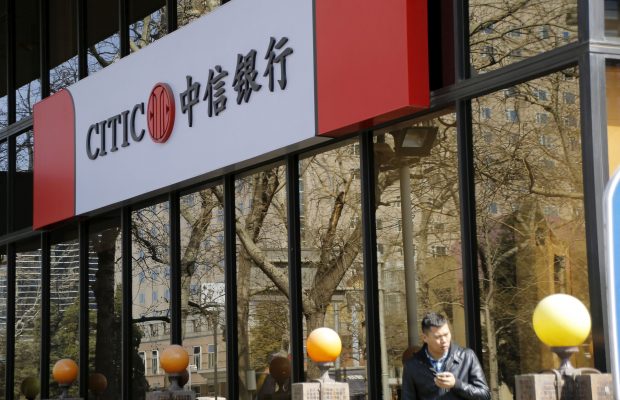
    China CITIC Bank International is showcasing a robust ability to weather the ongoing challenges in Hong Kong’s sluggish property market, as reported by Moody’s. The bank is expected to uphold its solid asset quality, strong capital base, and excellent liquidity throughout the next 12 to 18 months.

    Property Development Exposure

    At the close of 2024, the bank’s exposure to property development and investment in Hong Kong represented 13% of its total gross loans. Fortunately, these loans are considered low-risk due to the strong profiles of the borrowers and conservative loan-to-value ratios. This strategic positioning could provide breathability in unavoidable market fluctuations.

    Improved Loan Metrics

    Moody’s highlights that the bank has actively reduced its exposure to mainland Chinese developers, which has been bolstered by enhanced provisioning. The impaired loan ratio also showed improvement, dropping from 2.3% in 2023 to 2.1% in 2024.

    Solid Capitalization and Liquidity

    Capitalization remains robust, backed by moderate internal capital generation alongside controlled growth in risk-weighted assets. With a liquidity coverage ratio of 200% in Q1 2025—well above the regulatory minimum of 100%—the bank’s liquidity position appears to be nothing short of impressive, like an Olympic gymnast.

    Deposit Growth and Profitability Outlook

    Total deposits for the bank surged by 9% in 2024, with current and savings account deposits climbing to 27% of total deposits, up from 25% the previous year. However, profitability in 2025 may face headwinds as the narrowing net interest margin (NIM)—which slipped slightly to 1.79% in 2024—will likely exert pressure on earnings. Nevertheless, the bank expects some relief from increased fee and commission income.

    Financial Resilience and Future Prospects

    While CITIC Bank International leans moderately on wholesale funding, its overall liquidity framework indicates resiliency. Steady deposit growth complemented by high-quality liquid assets has fortified the bank’s financial health. The bank continues to rely significantly on its parent company, CITIC Bank, and Moody’s foresees continued indirect support from the Chinese government, albeit not universally across all liability classes.

    An analysis of Loss Given Failure reveals a low to moderate risk across most liabilities. However, the recent redemption of US$500 million in Tier 2 subordinated debt has heightened the potential severity of losses for some instruments.

    Questions & Answers

    What percentage of gross loans does the bank have exposed to property development in Hong Kong?
    At the end of 2024, China CITIC Bank International’s exposure to property development and investment in Hong Kong accounted for 13% of its gross loans.

    How did the bank’s impaired loan ratio change in 2024?
    The impaired loan ratio improved to 2.1% in 2024, a decrease from the 2.3% reported in the previous year.

    What is the outlook for the bank’s profitability in 2025?
    Profitability is anticipated to be pressured in 2025 due to a narrowing net interest margin, although increased fee and commission income may provide some relief.

  • Thailand Unveils Three Winning Bids for Exciting New Virtual Banks!

    Thailand Unveils Three Winning Bids for Exciting New Virtual Banks!

    In a significant move for Thailand’s financial landscape, the Bank of Thailand (BOT) has approved three applicants to launch virtual banks. This recent development heralds a new era of banking innovation as the country shifts towards digitalization.

    Meet the New Players in Thailand’s Banking Scene

    The approved entities include AMC Holding Company Limited; a consortium made up of Krung Thai Bank, Advanced Info Service, and PTT Oil and Retail Business Public Company Limited; and another group featuring SCB X, WeTechnology Limited, and Kakaobank Corp.

    Leading the charge is SCB X, the parent company of Siam Commercial Bank (SCB), the oldest bank in Thailand. Alongside them, KakaoBank, a thriving digital bank from South Korea, and WeTechnology, the Hong Kong arm of WeBank—the first digital bank in China—are set to make waves.

    Partnerships That Spark Change

    The consortium formed by Krung Thai Bank—a state-owned institution—teams up with Advanced Info Service, Thailand’s largest mobile operator, and PTT Oil, a key state-owned oil and gas player. This diverse mix signals a push towards integrating financial services with existing consumer bases and technology.

    Countdown to Launch: June 2026

    The clock is ticking for these virtual banks, which must commence operations within one year following the Thai Finance Minister’s approval on June 19, 2025. The BOT emphasizes that these companies need to structure themselves as public limited entities and successfully undergo assessments to qualify for their banking licenses.

    Setting a New Standard in Banking

    As part of their qualification process, the BOT and the Ministry of Finance will evaluate each applicant’s business strategy and capacity to introduce “new value propositions” to financial services. The aim is clear: enhance existing processes and deliver improved service via digital channels—the bank of the future is just around the corner!

    So, who’s excited about virtual banks in Thailand? These innovative players are sure to shake up the status quo in banking. Who knows, maybe your next transaction will involve a banking chatbot powered by AI!

    Questions & Answers

    What is the deadline for the new virtual banks to begin operations? They are required to start business operations by June 2026.

    Who are the approved applicants for virtual banking in Thailand? The BOT has approved AMC Holding Company Limited, a consortium including Krung Thai Bank, Advanced Info Service, and PTT Oil, as well as a group consisting of SCB X, WeTechnology Limited, and Kakaobank Corp.

    What must applicants demonstrate to qualify for a virtual bank license? Applicants must showcase their business plans and ability to deliver innovative financial services that improve efficiency through digital channels.

  • Trade Vulnerabilities: South Korea, Taiwan, and Thailand Banks Brace for Deteriorating Economic Outlook

    Trade Vulnerabilities: South Korea, Taiwan, and Thailand Banks Brace for Deteriorating Economic Outlook

    The banking sectors across South Korea, Taiwan, Thailand, Hong Kong, and China are bracing for challenging times ahead, with a deteriorating outlook for 2025 driven by increased trade tensions and tariff impacts that are expected to hamper loan growth and profits. This mounting concern reflects the shared vulnerabilities linked to their high export exposure and significant sales to the United States, according to Fitch Ratings.

    Changing Fortunes for South Korea, Taiwan, and Thailand

    In a recent analysis, Fitch Ratings downgraded the outlook for South Korea, Taiwan, and Thailand from neutral to deteriorating. The implications are clear: banks in these regions may grapple with weakened loan growth, deteriorating asset quality, and diminishing profitability as tariffs escalate. With their economies closely tied to exports, the ripple effects are anticipated to be significant.

    Vietnam: A Unique Scenario

    Contrastingly, Vietnam’s banking sector outlook transitioned from improving to neutral, yet it holds the distinction of having the highest level of export exposure to the U.S. within the Asia-Pacific region. Factors such as a potential reduction in lending rates and prospects for loan relief could provide a cushion against the adverse impacts on lending yields and provisioning. “Vietnam’s softer economic outlook may lead to higher credit costs, but it is expected to still experience solid profit growth this year,” Fitch noted.

    Looking ahead, a projected loan growth quota of 16% for 2025 suggests that, even in a tight environment, non-performing loan rates may only rise moderately. Furthermore, Vietnamese authorities may encourage banks to lower lending rates to stimulate economic activity amid the rising tariff scenario, which could affect their net interest margins.

    Challenges in China and Hong Kong

    For both China and Hong Kong, the outlook remains grim as they retain a “deteriorating” status heading into 2025. Fitch highlights that Hong Kong is expected to experience the steepest rise in non-performing loans across the region, primarily due to ongoing struggles in the property sector. “Both systems are facing subdued loan demand compared to historical levels,” Fitch commented, underscoring the strain on their financial landscapes.

    The situation in China reflects a similar pattern, with government policies likely to constrain profitability as banks confront asset quality challenges stemming from a faltering economy and property sector difficulties.

    Not only are these banks navigating a complex landscape, but they must also do so with a sense of urgency as conditions evolve. After all, a financial ripple effect rarely stays localized; it often sets off waves that can reach far and wide.

    Questions & Answers

    What has led to the deterioration of the banking outlook in certain Asian countries? The outlook for South Korea, Taiwan, and Thailand has shifted to deteriorating due to the impact of rising tariffs and trade tensions with the U.S., which are expected to weaken loan growth and profitability.

    Is Vietnam’s banking sector in distress like others in the region? While Vietnam has a high level of export exposure to the U.S., its outlook has only shifted to neutral, with potential measures like reduced lending rates and loan relief helping to buffer against economic pressures.

    What challenges do banks in China and Hong Kong face? Both regions are experiencing a deteriorating outlook characterized by rising non-performing loans and subdued loan demand, exacerbated by issues in the property sector and overarching economic weakness.

  • Dollar Dips Against Dong in Black Market Trade: What This Means for Retail Investors

    Dollar Dips Against Dong in Black Market Trade: What This Means for Retail Investors

    The U.S. dollar slipped slightly against the Vietnamese dong on the black market this past Saturday, presenting a modest change in the currency landscape.

    Black Market Dynamics

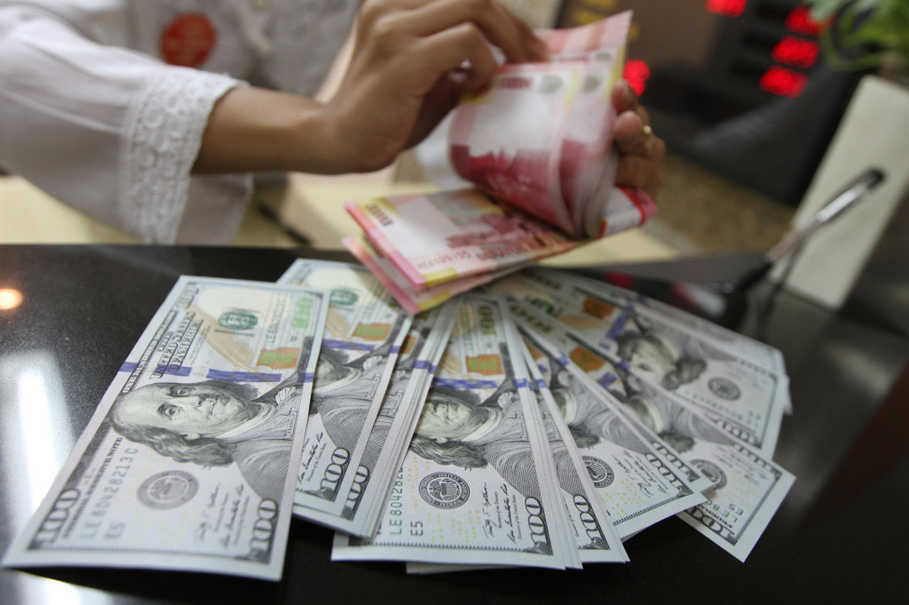
    Unofficial exchange points listed the dollar at VND26,395, marking a slight decline of 0.06% from the previous Friday. Meanwhile, the established rate at Vietcombank held steady at VND26,282. The State Bank of Vietnam’s reference rate remained unchanged at VND25,031.

    Global Insights

    In broader market trends, the U.S. dollar climbed to a three-week high against the ever-cautious yen and made gains against the Swiss franc on Friday. This uptick comes amid a noticeable easing of tensions in the Middle East, as Iran has expressed support for ongoing diplomatic discussions with Europe regarding the conflict with Israel, according to reports.

    The dollar index, which gauges the U.S. currency against a basket of six others, is on track to rise by 0.6% this week. However, it remained stable on the day after a Federal Reserve governor signaled that interest rate cuts could be on the horizon, potentially as early as July, in light of recent inflation data.

    On a side note, the Swiss franc held steady at 0.8166 per dollar but is facing its most significant weekly drop since mid-April, following the Swiss National Bank’s decision to lower interest rates to 0%. Who knew that currency fluctuations could be so dramatic?

    Questions & Answers

    What was the value of the U.S. dollar against the Vietnamese dong on Saturday?
    The dollar was traded at VND26,395 on the black market, reflecting a slight decrease from Friday.

    What is the current exchange rate at Vietcombank?
    Vietcombank maintained a dollar exchange rate of VND26,282.

    How is the U.S. dollar performing globally?
    Globally, the dollar has reached a three-week high against the yen and has gained ground against the Swiss franc amidst easing Middle Eastern tensions, while the dollar index is set to rise by 0.6% this week.

  • Citi Names Asia Clean Energy Head

    Citi Names Asia Clean Energy Head

    Based in Hong Kong, the newly created role will support the bank’s clients with their transition to cleaner energy.

    Citi has appointed William Pang as head of natural resources and clean energy transition (NRCET) investment banking Asia, effective immediately, the U.S. lender announced in a statement on Tuesday.

    Pang joined Citi in 2015, and has over 18 years of investment banking and legal experience, including at HSBC, Lexicon Partners, Macquarie Group and Clifford Chance.

    In his new role, Pang will work closely with the global leaders of NRCET and the leaders of the relevant sectors – chemicals, energy, power and clean energy transition. He is currently head of power and infrastructure investment banking for Asia, and will concurrently hold this role, the announcement said. He will report regionally to Jan Metzger, Asia Pacific head of banking, capital markets and advisory and globally to NRCET co-heads Stephen Trauber and Sandip Sen.

    In 2019, Citi met its $100 billion environmental finance goal four years early. In April 2021, it announced a $500 billion environmental finance goal and $1 trillion sustainable finance goal, all by 2030. Circular economy and sustainable agriculture and land use are among the new criteria for its $500 billion goal.

    The drive toward low and net-zero carbon solutions will facilitate the formation and growth of many new companies and will require significant capital investment. It will also facilitate the formation and growth of many new companies requiring significant capital investment, Metzger said.

  • Card Payments Lead the Way as South Koreans Embrace Convenient Transactions

    Card Payments Lead the Way as South Koreans Embrace Convenient Transactions

    As the retail landscape in Asia continues to evolve at a rapid pace, the spotlight shines on innovative marketing strategies and the power of community engagement. Major players in the retail sector are embracing the digital age, maximizing their reach through targeted advertising, both online and offline. The potential for collaboration is endless, and businesses are beginning to understand the importance of crafting campaigns that resonate with their audience on multiple platforms.

    Reimagining Advertising in Retail

    In today’s vibrant market, retailers are not just sellers; they are storytellers, weaving narratives that captivate customers and build loyalty. An effective advertising campaign can make all the difference, and the right partnership can amplify these efforts. By combining print and digital strategies, brands can engage with their customers like never before, creating a seamless experience that bridges the gap between traditional and modern marketing.

    Creating Memorable Events

    Organizing engaging events—whether in-person or virtual—has never been more crucial. Retailers are discovering that the right event can spark creativity and collaboration. By bringing together industry leaders and innovators, brands can forge valuable connections and explore potential partnerships. These gatherings are more than just networking opportunities; they are platforms for inspiration and breakthroughs that could spark the next big trend in retail.

    Awards That Shine a Spotlight

    Recognition plays a vital role in motivating businesses to reach new heights. Retail awards not only celebrate achievements but serve as a benchmark of excellence within the industry. Participating in or sponsoring these awards can elevate a brand’s profile and foster a sense of community among peers. It’s a chance to showcase what sets a company apart—think of it as the retail equivalent of the Academy Awards!

    With the retail environment constantly shifting, staying ahead of the curve is essential. As businesses strive to innovate and connect authentically with their customers, there has never been a better time to invest in meaningful partnerships and campaigns that elevate the retail experience. After all, in the world of retail, it’s not just about selling products; it’s about creating memories and building relationships.

    Questions & Answers

    What are the key benefits of combining print and digital advertising?
    Combining print and digital advertising allows brands to reach a wider audience, engage customers in diverse ways, and create a cohesive brand narrative across multiple platforms.

    Why are events important for retailers?
    Events foster networking opportunities, stimulate creativity, and enable brands to connect directly with customers and industry leaders, paving the way for future collaborations.

    How do awards influence retail companies?
    Awards provide recognition, boosting morale and motivation within a company, while also enhancing its reputation in the industry and attracting potential partnerships.

    Isn’t it exciting to think about how retailers will continue to revolutionize their approach in an ever-changing marketplace?

  • Singapore Overtakes Japan as Asia’s Richest Market

    Singapore Overtakes Japan as Asia’s Richest Market

    While Singapore’s net financial assets per capital grew 4.4 percent year-on-year, global economic instability and trade wars are weighing heavily on the global middle class, according to Allianz’s new Global Wealth Report.

    With net financial assets per capita of €100,370 ($110,201), Singapore has taken the crown from Japan as the richest country/region in Asia, ranking third globally after the United States and Switzerland, according to the 10th edition of the «Global Wealth Report,» published last week by German financial services company Allianz.

    Financial assets in both industrial and emerging economies both fell together for the first time in 2018, while the gross financial assets of Asian households (ex-Japan) fell 0.9 percent during the year – the first decline since the global financial crisis a decade ago, the report, which looks at the asset and debt situation of households in more than 50 countries and regions, said.

    Global equity prices fell by 12 percent in 2018, which directly affected asset growth – the global gross financial assets of private households fell by 0.1 percent, to €172.5 trillion. The publication attributed this decline to increasing geopolitical tensions and a slowdown in international trade.

    The dismantling of the rule-based global economic order is poisonous for wealth accumulation. The numbers for asset growth also make it evident: Trade is a no zero-sum game. Either all are on the winning side – as in the past – or all are on the losing side – as happened last year, Michael Heise, chief economist of Allianz Group, said.

    The size of the global middle class, at 1,040 million people, remained relatively similar to the year before. This is the first time in over a decade that this demographic did not grow, Allianz said, attributing it to shrinking assets in China.

    However, report co-author Arne Holzhausen, Allianz head of insurance and wealth markets, said «There are still plenty of opportunities for global prosperity,» noting that if countries with large populations like Brazil, Russia and India had better wealth distribution, the global middle class could grow by 350 million

  • Mobile Wallet YouTrip to Double Local Workforce

    Mobile Wallet YouTrip to Double Local Workforce

    The company will be adding over 50 new hires in Singapore across engineering and product development by 2022.

    YouTrip has announced plans to grow its technology capabilities and product development to capture the rise of the multi-currency payments landscape.

    The Singapore-headquartered company will be establishing an innovation lab in the country to drive the development of a new suite of multi-currency products and features, according to an announcement on Wednesday.

    Among them are a new suite of products including YouTrip Business, a new multi-currency corporate credit card and a refresh of its consumer app, which will include new features such as a virtual card, an interactive exchange rates dashboard, exclusive deals, and the ability to hold more popular currencies.

    YouTrip intended to tap on booming travel among people in Southeast Asia when it was launched in 2019. And despite the travel standstill, the company has seen significant growth in online overseas spending

    With this shift in spending, our advancement in innovation to offer a wider suite of multi-currency is timely, and drives our goal of elevating the cross-border payment experience for our users.