Category: Finance

Retail News Asia is committed to providing both local and global retailers with the latest Finance news throughout the Asian market. This on a daily base.

  • Line Launches Digital Bank in Indonesia

    Line Launches Digital Bank in Indonesia

    The country – the world’s fourth most populous – is its third overseas market, following launches in Thailand and Taiwan.

    Japan-headquartered mobile and internet services firm Line has launched a digital banking platform in Indonesia in collaboration with Bank KEB Hana Indonesia, a subsidiary of South Korea’s Hana Bank, and LINE Financial Asia.

    Line Bank by Hana aims to make banking easier and expand access to financial services in a country that counts one of Southeast Asia’s largest unbanked populations. Its product line includes savings accounts, time deposits, debit cards, and bill payments. Line said it plans to expand the range of products to include loans, partnership loans, and QR payments.

    In Indonesia in particular, due to this market’s unique geographical characteristics, we believe bringing banking services to people’s mobile phones will greatly increase their availability and convenience,» Young Eun Kim, Line Financial Asia CEO, said in an announcement on Friday.

    Founded in 2011 as a messaging app in Japan, Line has since grown into a global ecosystem that includes AI technology, fintech, and more. The company has lay the groundwork in Indonesia since 2018, when it became the second-largest shareholder of Hana Bank Indonesia when it acquired 20 percent of the company through a Share Subscription Agreement.

    Line has its work cut out in the country: it is competing in a crowded market with giants such as Gojek with Bank Jago, Sea Group with Seabank Indonesia, Akulaku with Bank Neo Commerce, and Kredivo.

  • Gold prices down

    Gold prices down

    SJC gold price fell 0.22% to VND68.8 million ($2,815.92) per tael Tuesday morning.

    Gold ring price dropped 0.09% to VND57.75 million per tael. A tael equals 37.5 grams or 1.2 ounces.

    Globally, spot gold slipped 0.1% to $1,914.61 per ounce, while U.S. gold futures fell 0.2% to $1,933.30.

    The dollar hit a 10-month high, while benchmark 10-year Treasury yields continued their ascent to a fresh 16-year peak.

    Higher interest rates weigh on non-interest-paying bullion, which is priced in dollars.

    The European Central Bank’s record high deposit rate could help cut inflation to 2%, ECB President Christine Lagarde said on Monday, repeating the bank’s guidance that neither promises nor rules out further rate hikes.

  • BNI to expand in Malaysia by first half of 2017

    BNI to expand in Malaysia by first half of 2017

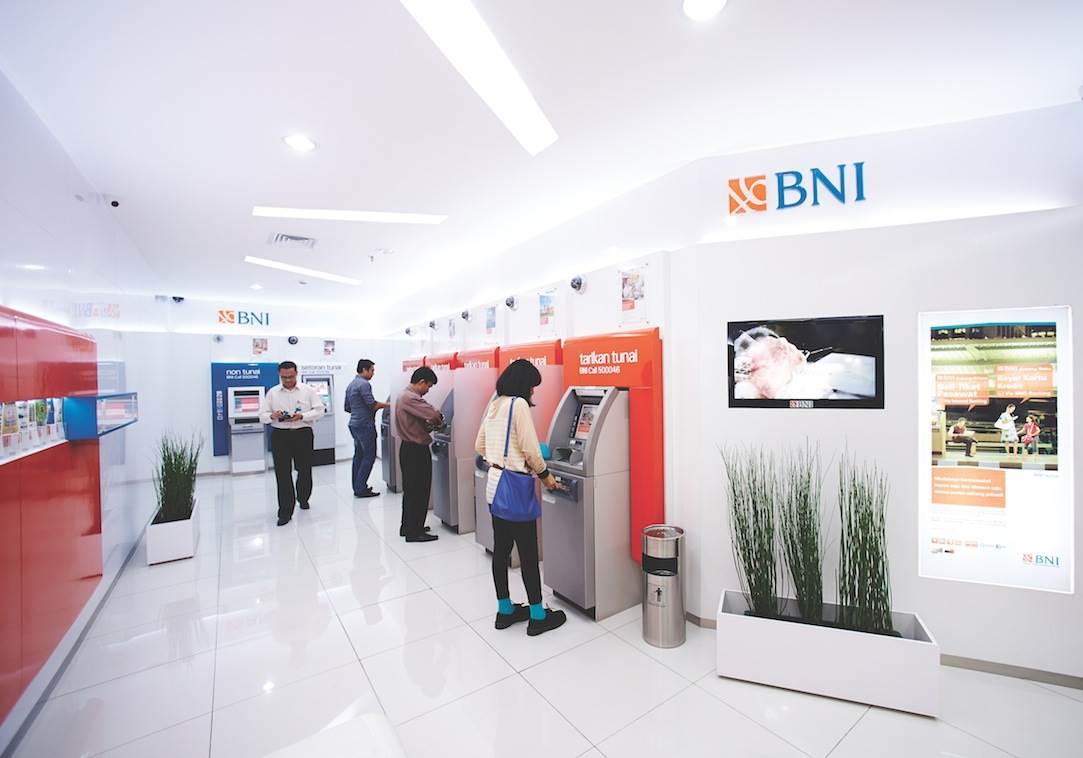
    PT Bank Negara Indonesia (BNI) has submitted an expansion proposal to the Indonesian and Malaysian regulators to establish a network branch in Malaysia. The target is to have the branch working by the first half of 2017.

    Chairman of PT BNI Achmad Baiquini said in Jakarta on Thursday that the Financial Services Authorities (OJK) signed a reciprocal bilateral agreement with the Malaysian Central Bank in August.

    Since then, the bank began putting together documentation to execute an expansion in Malaysia.

    “We should be able to establish a network there within the first semester of 2017,” he added.

    Once the bank explores the sector, he noted, it will delve into the remittances business, which will allow Indonesian laborers in Malaysia to send money to their families back home.

    The bank is also looking at trade financing in Malaysia.

    Remittances, he observed, will also act as a good start to initiate a digital banking business in Malaysia.

    In the future, the banking services would shift solely to digital platforms in Malaysia.

    As for capital funds prepared by the bank, Baiquini was reluctant to reveal the details.

    “We will surely follow the agreement signed by the Authority and Malaysia, and will follow all their guidelines,” he remarked.

    Indonesia and Malaysia had signed a bilateral partnership agreement on August 1 as part of the ASEAN Banking Integrated Framework.

    As part of such cooperation, which emphasizes the principle of reciprocity, Indonesias bank will receive a cost reduction incentive for network expansion in Malaysia, including admission fee and payment system fee.

    The Financial Services Authoritys Deputy Supervisor, Mulya Siregar, pointed out that the admission fee for Indonesia has been reduced from 10.4 million Ringgits to 5.2 million Ringgits.

    “Costs regarding payment systems, including Automatic Cash Machines, also went down from 4 Ringgit to 1 to 2 ringgit per transaction,” informed Siregar.

  • Australian winemakers fight EU to retain Prosecco name

    Australian winemakers fight EU to retain Prosecco name

    Winemakers from Victoria’s King Valley traveled to Canberra on Tuesday to lobby parliamentarians to protect their use of the prosecco grape variety name. Australian winemakers are “not giving any ground” against the European Union, which does not want exporters to sell foods trademarked under geographical indicators as a condition in Australia’s free trade deal.

    Australian Grape and Wine is a producer representative organization leading the campaign against the name ban. Chief executive Lee Mclean said the European Union wanted to use the Australia EU Free Trade Agreement to ban Australian producers from using the variety name.

    “The fact is, prosecco is a grape variety name, just like chardonnay or cabernet sauvignon,” Mr McLean said.

    “The European Union’s approach to this issue is motivated by a desire to protect Italian producers from the competition and nothing more.”

    In 2009, Italy changed the name of the prosecco grape variety to “glera” within the European Union.nIf the condition is agreed upon as part of Australia’s EU free trade deal, Australian winemakers could have to use “glera” or “Australian prosecco” on labels. Most Australian prosecco is produced in Victoria’s King Valley and Murray Valley where many winemakers have invested heavily in the grape variety.

    Pizzini Wines owner Alfred Pizzini said this was not the first time winemakers had been to Canberra to state their case.

    “It’s been an ongoing conversation with government,” Mr Pizzini said.

    “This is coming to a pinnacle because the free trade arrangements are negotiated as we speak and could be finalized over the next six months.”

    Mr Pizzini estimated the King Valley needed to plant up to 50 hectares of prosecco each year to keep up with demand and the loss of the name would have economic impacts on exports.

    “In the short term it would be economically damaging, but we’ve got to be careful not to give any ground because it’s the use of the name of a grape variety,” he said.

    “I think one of the potential problems we will have, a lot of export of prosecco goes through Singapore ports.

    “If we lose that name, there’s a good chance we will lose the opportunity to send prosecco through Singapore.”

    Victorian winemakers fear the loss of the name prosecco could lead to further grape variety names being banned in Australia. Brown Brothers winemaker Katherine Brown told ABC Radio they would stand strong against Italy.

    “Champagne is a method and it’s made in a certain way and we understand the French want to keep that as their own, but prosecco is a grape variety,” Ms Brown said.

    “Italians have created a region in Italy called prosecco and they are claiming now that sparkling wine that comes from there is the only wine that can have prosecco on it and the rest of us who have been using prosecco grapes need to find another name.”

  • Released Loan Loss Reserves Fuels HSBC Profits

    Released Loan Loss Reserves Fuels HSBC Profits

    Asia-focused British lender HSBC beat analyst forecast, more than doubling profits in the first half after a significant reduction in credit loss provisions.

    HSBC posted $8.4 billion of profit after tax, according to its first-half interim report, a 170% increase compared to $3.1 billion in the same period last year.

    The expected release of credit loss provisions drove profits higher with revenues down around 4 percent to $25.6 billion and adjusted operating expenses rising by 3 percent.

    These are good results that reflect the return of growth in our main markets and marked progress in the execution of our strategy, said HSBC group chief executive Noel Quinn highlighting four main pillars of the bank’s plans: focusing on strengths, digitizing at scale, energizing for growth, and transitioning to net zero.

    The mix of HSBC’s results by region is also noteworthy as it registered profits across Asia, Middle East and North Africa, North America, Latin America and even Europe – HSBC UK Bank plc posted profit before tax of over $2.1 billion in the period – which has reported consecutive halves of pre-tax losses.

    We were profitable in every region in the first half of the year, supported by the release of expected credit loss provisions.

    HSBC also paid an interim dividend of $0.07 per ordinary share in the first half, noting that the bank is moving towards its planned target.

    The Group maintains a strong capital position and is well placed to fund growth and step up capital returns,» the bank said.

    Reflecting the current improved economic outlook and operating environment in many of our markets, we now expect to move to within our target dividend payout ratio range of 40% to 55% of reported earnings per ordinary share in 2021.

  • Standard Chartered Faces More Hin Leong Headwinds

    Standard Chartered Faces More Hin Leong Headwinds

    Energy trader Winson Oil Trading is seeking damages from Standard Chartered for failed payments over a diesel cargo sold to Hin Leong Trading.

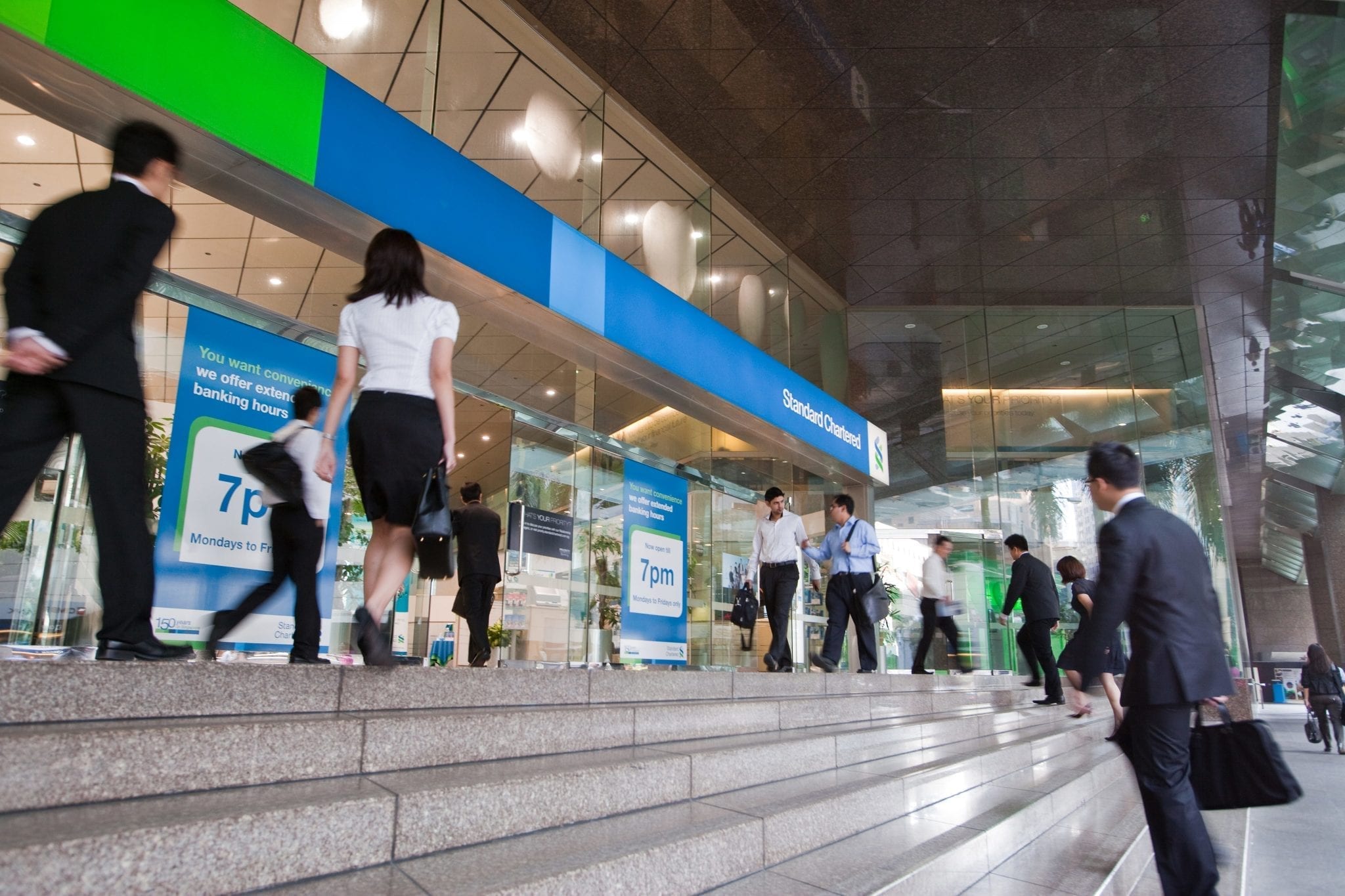
    The Hin Leong debacle continues to unravel with Winson Oil filing the latest case to seek damages, interest and costs – at least $30.4 million – from Standard Chartered, according to court documents.

    Documents show that Winson Oil sold a cargo of ultra-low sulfur diesel to Hing Leong and had received a letter of credit (LC) from Standard Chartered in early April. Upon presenting the LC through Credit Agricole Corporate and Investment Bank, Standard Chartered failed to complete the payment.

    23 banks were reportedly affected by financial distress at Hin Leong, whose founder reportedly admitted that the Singapore oil trader failed did not disclose losses totaling $800 million. OCBC is amongst the affected lenders who also faced charges from Winson Oil which demanded payment for the sale of fuel financed by the bank.

    Hin Leong is currently under Singapore’s judicial management to restructure billions of dollars in debt.

  • CITIC Offloads McDonald’s Stake

    CITIC Offloads McDonald’s Stake

    CITIC has plans to sell a 22 percent stake in McDonald’s Chinese mainland and Hong Kong business to its parent group’s private equity arm.

    The main listed arm of the Chinese state-owned CITIC Group, CITIC Ltd., will aim to raise at least 2.17 billion yuan, according to a report citing a Beijing bourse filing.

    The report also underlined CITIC Capital, the group’s alternative investment arm, as the likely buyer of the stake, adding to its $26 billion in assets already under management. Finalization of the deal is earmarked for early February, one of the sources added.

    McDonald’s said that strategy and daily operations at its mainland and Hong Kong business would be unaffected by the deal. CITIC also provided assurances, noting that the deal was a purely «commercial decision» and that it would continue cooperation with McDonald’s business in China.

    CITIC will be selling the 22 percent stake through Fast Food Holdings Ltd., a holding firm set up with CITIC Capital to hold the combined 52 percent stake of McDonald’s mainland and Hong Kong business. Following the deal, CITIC Ltd. will still hold 10 percent of the regional McDonald’s business.

  • Gold Prices Stage a Strong Comeback Following Weekend Decline

    Gold Prices Stage a Strong Comeback Following Weekend Decline

    Gold prices in Vietnam experienced a rebound on Monday afternoon, recovering somewhat from a sharp decline over the weekend, while global bullion rates remained stable.

    Gold Prices on the Rise

    The price of gold bars from the Saigon Jewelry Company increased by 0.43%, reaching VND117.7 million (approximately US$4,500.77) per tael, partially reversing the 0.68% drop recorded last Saturday. Meanwhile, gold rings saw a modest uptick of 0.26%, bringing the price to VND113.8 million per tael, following a 0.7% dip over the weekend. To clarify, a tael is equivalent to 37.5 grams or 1.2 ounces.

    Globally, gold prices stabilized on Monday as investors exhibited caution ahead of U.S.-China trade talks, which could potentially alleviate ongoing tensions, as reported by Reuters. Spot gold edged up by 0.1%, reaching $3,313.54 an ounce, while U.S. gold futures slipped by 0.4% to $3,333.80.

    Market analyst Kelvin Wong from OANDA noted that short-term traders are hesitant to adopt aggressive long positions in advance of the U.S.-China discussions. Though tariffs may still persist, Wong suggested that the talks could mitigate some cost pressures in the U.S. However, he cautioned that the widening budget deficit could exacerbate inflationary issues.

    In a related development, Trump stated that a decision regarding the next Federal Reserve chair will be made soon, hinting that a favorable chair could lead to reduced rates. As a safe-haven asset, gold traditionally flourishes amid economic uncertainties and in low-interest environments.

    On the technical side, analysts predict that spot gold may retest support levels at $3,296. Should it break below this point, prices could potentially slide towards $3,262.

    And just like magic, a slight change in trade talks can turn the tide for gold prices faster than a rabbit out of a hat!

    Questions & Answers

    What caused the increase in gold prices in Vietnam?
    Gold prices rose due to a partial recovery from a steep drop over the weekend, coinciding with stable global bullion rates.

    How are global gold prices behaving amid the U.S.-China trade talks?
    Spot gold has shown a slight increase of 0.1%, as investors are cautious yet optimistic about the outcome of the trade discussions, which could lessen tensions between the two nations.

    What are analysts expecting for gold prices in the near future?
    Analysts are watching key support levels closely; if gold prices break below $3,296, they could fall further towards $3,262.

  • Vietnam gold bar price increases despite global dip

    Vietnam gold bar price increases despite global dip

    Vietnam gold bar price rose 0.59% to VND85 million (US$3,421.22) per tael Monday morning while global rates inched down.

    Gold ring price held firm at VND83 million per tael. A tael equals 37.5 grams or 1.2 ounces.

    Globally, gold prices eased on Monday, weighed down by a firmer U.S. dollar, while investors looked out for fresh clues on Federal Reserve interest rate cuts.Spot gold fell 0.2% to $2,651.99 per ounce after rising 1% in the previous session. U.S. gold futures lost 0.3% to $2,669.20.

    “The continued momentum of the U.S. currency on reigned-in rate cutting expectations has created an obstacle for the gold price,” said Tim Waterer, chief market analyst at KCM Trade.

    Data on Friday showed unchanged U.S. producer prices last month.

    The zero-yielding bullion is preferred in a low-interest rate environment as well as amid periods of economic and geopolitical turmoil.

  • UBS Faces Major Darknet Data Breach Exposing Personal Details of 130,000 Employees

    UBS Faces Major Darknet Data Breach Exposing Personal Details of 130,000 Employees

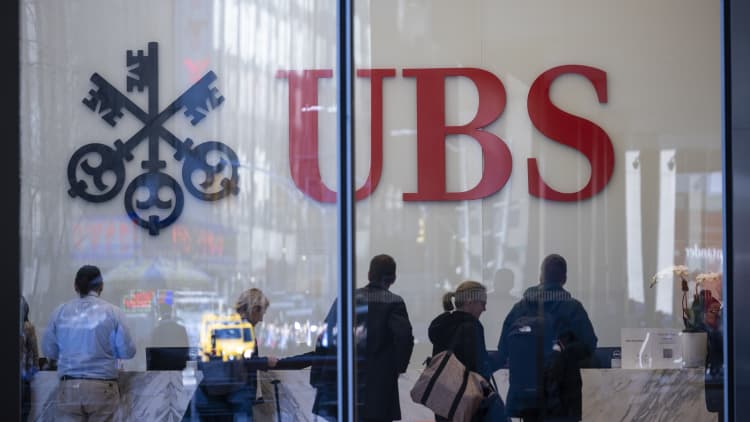
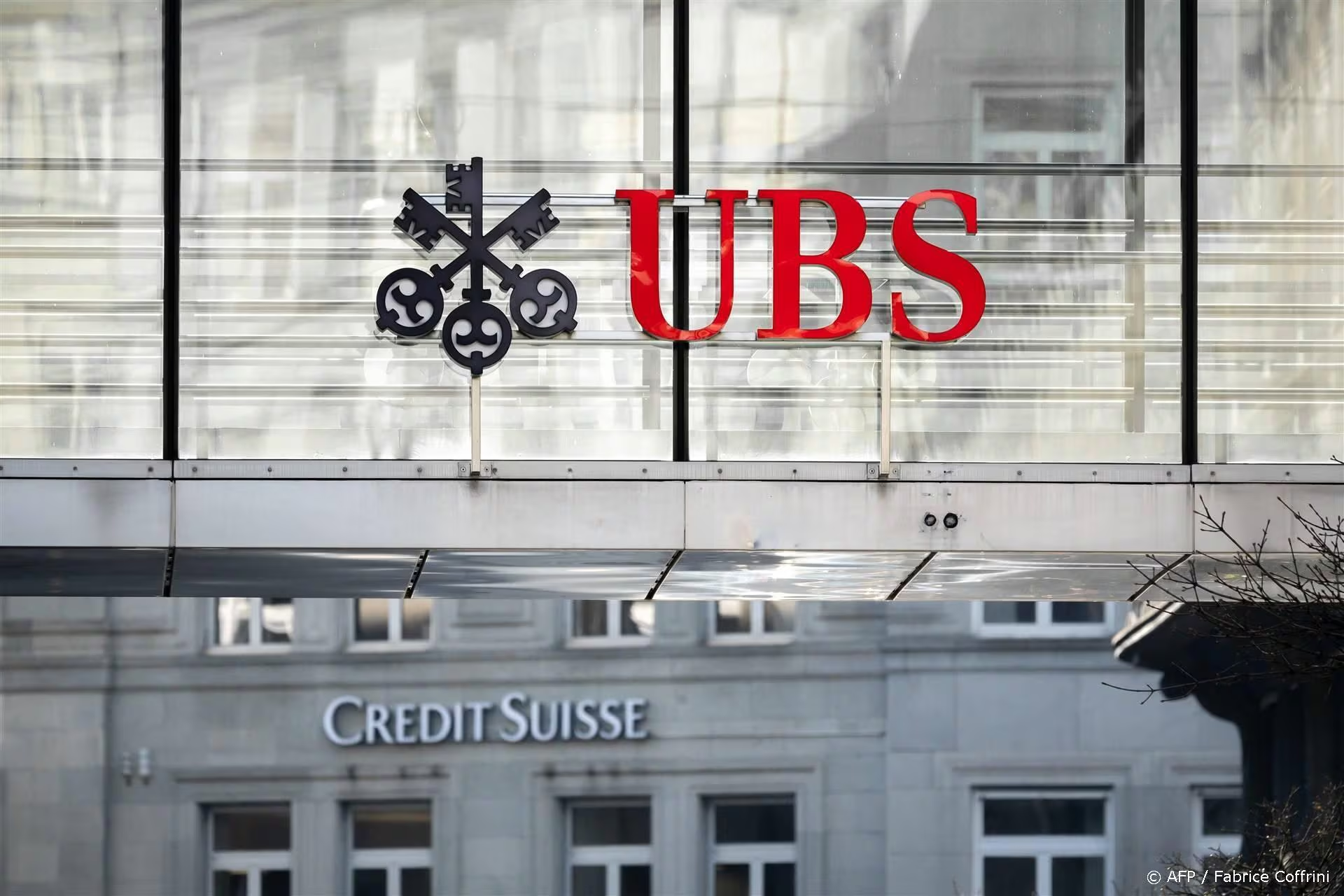
    A significant cybersecurity breach has rattled UBS, as sensitive data concerning 130,000 of its employees has surfaced on the darknet following a hacker attack on its procurement service provider. But UBS isn’t the only one feeling the heat from this incident.

    Chain IQ: The Breach Exposed

    The breach traces back to Chain IQ, a procurement service provider and former UBS spinoff, which has also served other prominent clients such as Pictet, Manor, and Implenia. The troubling news was first reported by the Swiss daily Le Temps, shedding light on a severe data theft that occurred in June.

    Among the leaked information are names, email addresses, landline numbers, and, in some instances, mobile numbers—one of which belongs to UBS CEO Sergio Ermotti. Other details include job levels, languages spoken, and office locations within the bank.

    Service Provider in the Spotlight

    Chain IQ, headquartered in Baar with additional offices in Geneva and Zurich, has established itself firmly in the procurement sector, delivering services that cover human resources, IT systems, waste management, and more.

    The Victorious Hacker’s List

    The data leak is not just a concern for UBS. Chain IQ’s client list is also up for grabs on the darknet; a troubling revelation. The firm has previously engaged with over 400 partners, and now exposed are the details of contracts, service types, and the internal contacts for each partner. Noteworthy clients include Pictet, insurance giants like Swiss Life and Axa, and global entities such as FedEx and IBM.

    UBS’s relationship with Chain IQ includes support in managing supply chain due diligence and company credit card administration. The leaked dataset spans 137,192 rows, each representing an employee.

    Darknet Deals and Criminal Risks

    Concerns escalate as reports confirm that the leaked file has been sold multiple times on the darknet. Such information poses a risk of being exploited for criminal activities, including identity theft and fraud.

    In response, Chain IQ is treating this situation with the utmost seriousness. The company has activated its security protocols, assembled a dedicated team of internal and external experts, and contacted the Zug cantonal police. They also aim for transparency, having informed all stakeholders promptly.

    A UBS spokesperson confirmed their awareness of the cyberattack on Chain IQ, assuring that they are monitoring the developments closely.

    Pictet’s Invoice Data Under Scrutiny

    In an additional twist, the leaked data allegedly includes information from Pictet, detailing “tens of thousands of invoices.” While the invoices themselves are not part of the leak, the records describe various expenditures by companies and employees, including groceries, dining, travel, and security services.

    A representative from Pictet stated that the compromised data does not include sensitive employee information or customer data, but mostly concerns invoice details from select suppliers. Precautionary measures are being implemented to mitigate further risks.

    As the world turns more digital, will we see a rise in such cyber capers, or can the industry step up its defenses to combat these digital bandits?

    Questions & Answers

    What type of data was leaked in the UBS incident? The data includes names, email addresses, phone numbers, and job-related details for 130,000 UBS employees.

    Which companies are involved in the breach? Chain IQ, former UBS spinoff, is the main service provider affected, alongside other clients like Pictet and Manor.

    What actions are being taken in response to the breach? Chain IQ has activated security protocols, mobilized a dedicated response team, and contacted law enforcement while keeping stakeholders informed.


  • ABN Amro Faces Significant Penalties for Controversial Bonus Payments

    ABN Amro Faces Significant Penalties for Controversial Bonus Payments

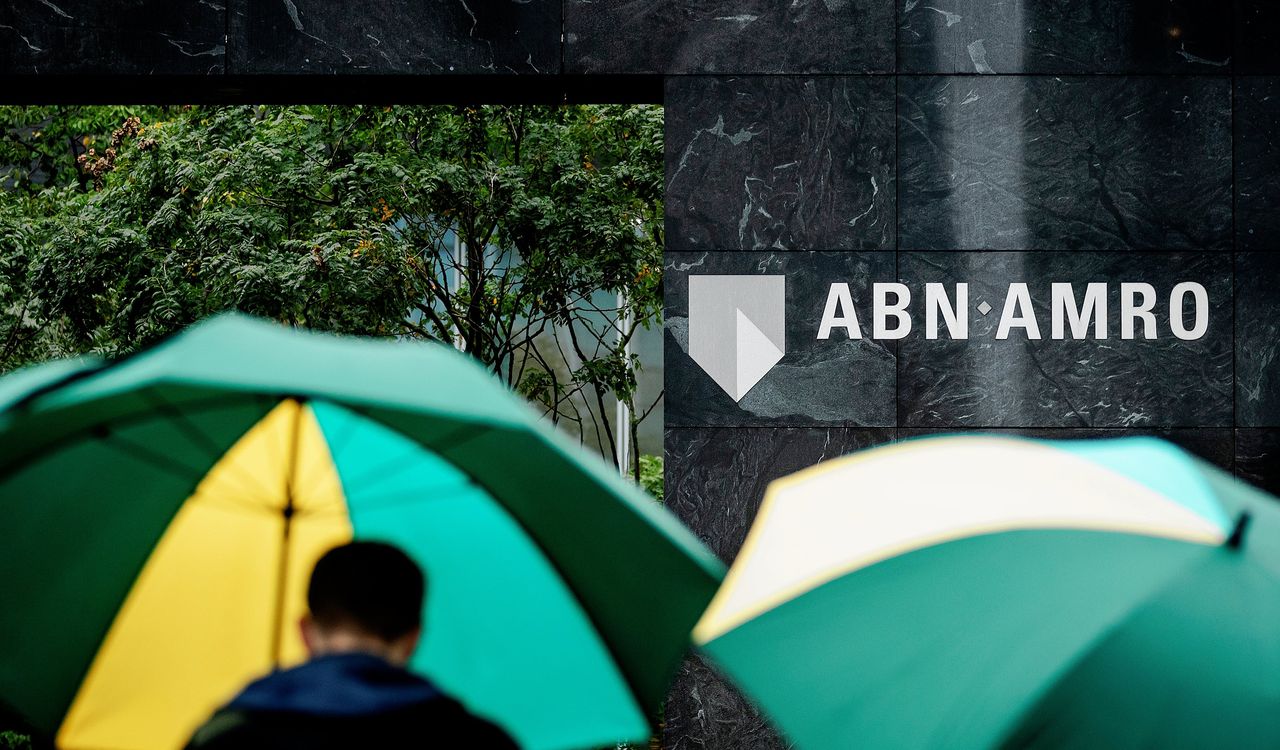
    The Dutch central bank has handed down a hefty €15 million fine to ABN Amro for awarding bonuses to senior executives, a practice strictly forbidden for state-owned banks since 2012. This punitive action stems from the bank’s decision to defy explicit warnings from regulators, much to their chagrin.

    Regulatory Backlash

    De Nederlandsche Bank (DNB) described this incident as a “serious violation.” The rationale behind the ban on bonuses for state-owned banks is clear: it aims to safeguard taxpayer money and ensure that government support does not enrich top executives. Although the law forbade bonuses for board members since 2012, its reach extended to certain senior managers, categorized as the “second tier,” in 2015.

    Between 2016 and 2024, ABN Amro managed to pay €1.5 million in bonuses to seven of these second-tier managers, along with awarding one executive two raises that notably exceeded established pay norms—all of which were prohibited. The fine, fixed in accordance with current regulatory guidelines, is seen as “appropriate and justified” given the size of the institution.

    A Warning Ignored

    The supervisory authority has long had its eyes on ABN Amro, having previously flagged the illegal bonus policy. After temporarily halting the practice, the bank bizarrely decided to reinstate it and even issue new bonuses, which directly contradicted instructions from the DNB. This blatant disregard for regulations has earned the bank a higher degree of culpability in the eyes of its overseers.

    “A professional market participant and licensed bank such as ABN Amro is expected to be aware of and comply with the applicable laws and regulations,” the DNB emphasized.

    Acceptance and Reflection

    In the aftermath, ABN Amro accepted the fine, claiming it had “interpreted and applied the legislation in good faith,” while conceding that this interpretation was flawed. The bank was nationalized during the 2008 financial crisis when it teetered on the edge of collapse, leading to a government bailout. Although the Dutch government has been gradually reducing its ownership stake since 2015, it still retains a 30 percent share in the bank.

    ABN Amro might now wish it had kept its bonuses under wraps because, as they say, money can’t buy you compliance!

    Questions & Answers

    What was the reason behind the fine imposed on ABN Amro?
    The Dutch central bank fined ABN Amro €15 million for awarding bonuses to senior executives, which is prohibited for state-owned banks to prevent taxpayer funds from enriching top executives.

    How long had ABN Amro been violating the bonus ban?
    The bank paid bonuses between 2016 and 2024, even after receiving warnings from regulators.

    What was ABN Amro’s response to the fine?
    ABN Amro accepted the fine and admitted that its interpretation of the legislation was incorrect, despite claiming it was applied in good faith.

  • Dollar Surges Against Dong: What This Means for Retail and Consumers

    Dollar Surges Against Dong: What This Means for Retail and Consumers

    The U.S. dollar has taken a notable leap against the Vietnamese dong, maintaining its stability against major currencies as of Thursday morning.

    A Steady Climb for the Dollar

    At Vietcombank, the greenback was sold at VND26,276, reflecting a 0.13% increase. Meanwhile, the State Bank of Vietnam raised its reference rate by 0.12%, bringing it to VND25,025. In the informal market, the dollar climbed even higher, hitting VND26,410—a 0.34% rise.

    Internationally, the dollar has held its ground amid cautious sentiments arising from Federal Reserve Chair Jerome Powell’s recent remarks on inflation. Investors are also keeping a watchful eye on escalating geopolitical tensions in the Middle East, adding to the market’s precariousness, as reported by Reuters.

    The Euro and Yen’s Response

    As for the euro, it traded at $1.14805, indicating a 0.6% drop this week—the largest decline since early May. The Japanese yen made a slight recovery, sitting at 144.86 per dollar, while the Swiss franc was valued at 0.81895 per dollar.

    Amid all this, the dollar index, gauging the currency against a basket of six others, stood at 98.957. This positions it for a 0.8% weekly gain, marking the most robust performance since late February. In the world of currency exchange, it seems the greenback is strutting its stuff like a confident runway model.

    Questions & Answers

    Why did the U.S. dollar rise against the Vietnamese dong?

    The dollar’s increase against the dong can be attributed to the State Bank of Vietnam raising its reference rate, combined with overall strong performance in the global market.

    What does the rise in the dollar index signify?

    A rising dollar index indicates that the U.S. dollar is performing well against a range of other currencies, suggesting increased investor confidence in the dollar.

    What factors are influencing the currency market currently?

    Investor sentiments are influenced by Federal Reserve commentary on inflation, along with ongoing geopolitical tensions in the Middle East, creating a cautious global financial atmosphere.

  • Taipei Fubon Commercial Bank Poised to Thrive Amid Market Volatility with Strong Financial Resilience

    Taipei Fubon Commercial Bank Poised to Thrive Amid Market Volatility with Strong Financial Resilience

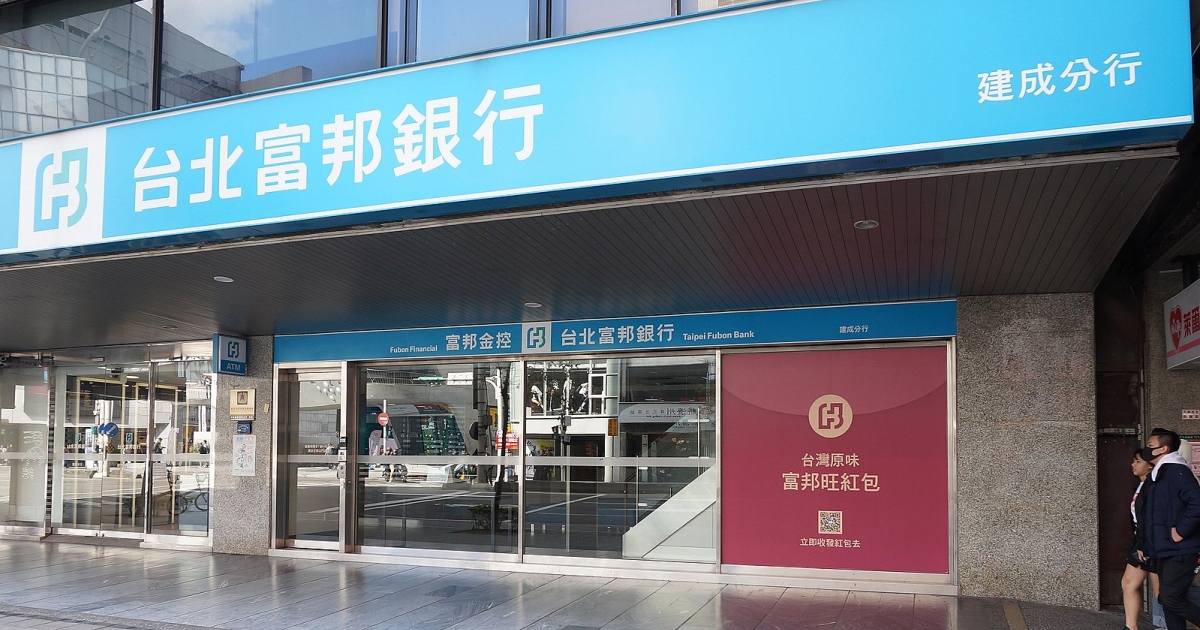
    The landscape of corporate lending at Taipei Fubon Commercial Bank (TFCB) is set for a period of modest turbulence, but the institution is firmly grounded in its financial foundation. According to Moody’s Ratings, the bank is projected to maintain solid solvency and robust liquidity through 2026, navigated by the stormy waters of global trade tensions and their potential impact on Taiwan’s economy. As the new Taiwanese dollar strengthens, TFCB is well-positioned to weather these challenges.

    Steady Outlook Amid Challenges

    As of March 31, 2025, TFCB’s problem loan ratio stood at a commendable 0.42%. Moody’s anticipates a “very mild increase” in this ratio over the next year and a half. Meanwhile, caution is warranted for corporate lending, particularly among borrowers heavily reliant on revenue streams from the United States, which may see a moderate dip in asset quality.

    Residential Lending Remains Stable

    On a brighter note, the bank’s residential mortgage and property-related lending—accounting for nearly half of its gross loans—shows promising stability, with low levels of non-performing loans. While growth in this sector is expected to be modest, sitting in the low single digits, this largely stems from credit control measures recently instituted by the government in 2024.

    Profitability Projections

    Looking ahead, TFCB’s profitability is predicted to see a modest rise, thanks to steady flows from non-interest income streams, particularly from wealth management and credit card fees. This positive trend underscores the bank’s ability to diversify and strengthen its earnings base.

    Strong Funding and Liquidity

    Moody’s also highlights that TFCB’s funding and liquidity continue to be significant credit strengths. The bank’s funding structure remains robust, with customer liabilities representing 88% of its total liabilities. Furthermore, its liquid banking assets make up approximately 29.5% of tangible banking assets as of March 31, 2025. This financial cushion, coupled with the government’s readiness to bolster the banking system, provides a reassuring backdrop for TFCB as it grapples with the changing economic landscape.

    So, while clouds may gather, it seems that TFCB is more than ready to dance in the rain!

    Questions & Answers

    What are the predictions for TFCB’s problem loan ratio?
    The problem loan ratio is expected to see a very mild increase over the next 12 to 18 months, remaining stable at 0.42% as of March 31, 2025.

    How stable is TFCB’s residential mortgage lending?
    The asset quality of TFCB’s residential mortgage and property-related lending remains stable, with low non-performing loan formation; growth is expected to be in the low single digits due to government credit control measures.

    What are the main sources of income driving profitability?
    Profitability is predicted to improve modestly, bolstered by steady growth in non-interest income from wealth management and credit card-related fees.

  • Baloise Welcomes Dynamic New Executive from NPB Neue Privat Bank to Strengthen Leadership Team

    Baloise Welcomes Dynamic New Executive from NPB Neue Privat Bank to Strengthen Leadership Team

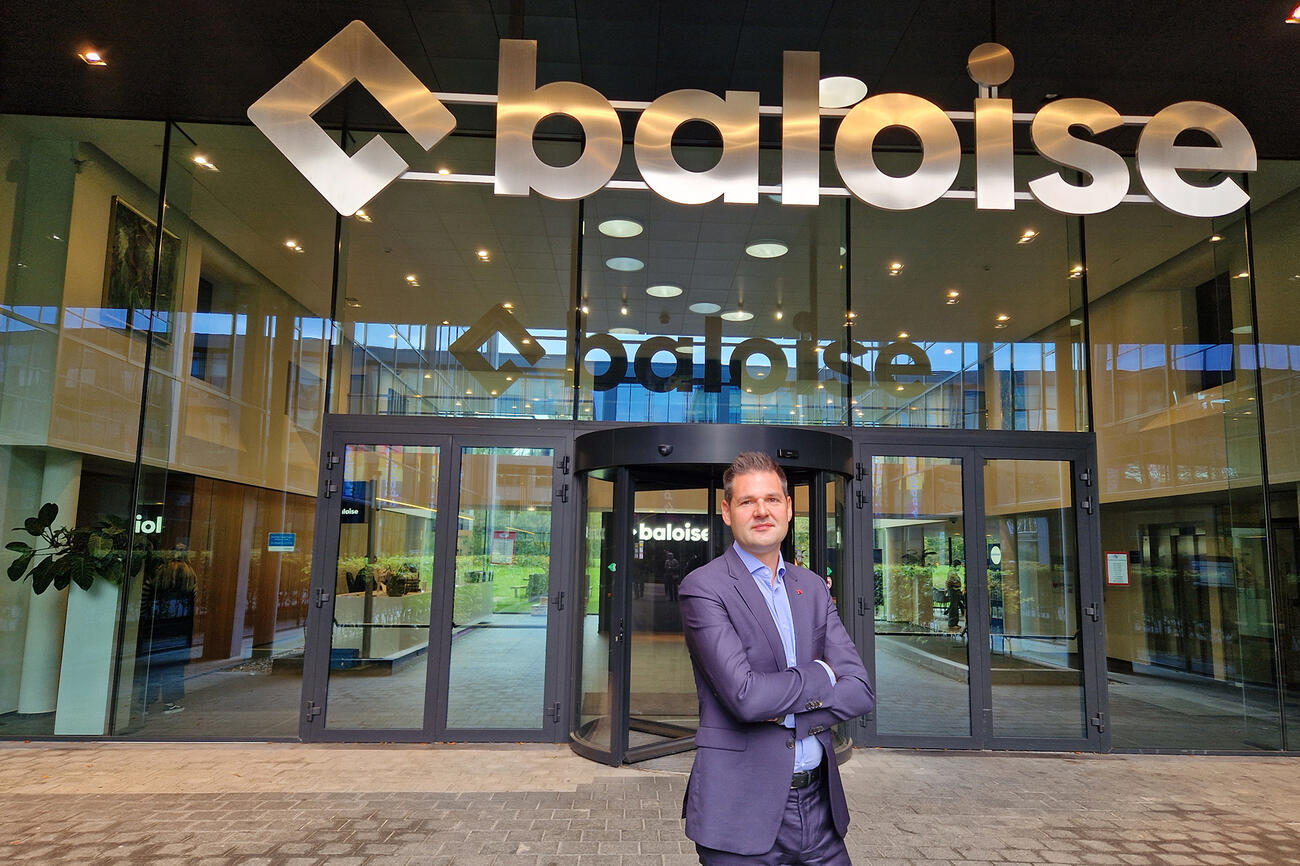
    Baloise Bank has welcomed a new addition to its executive board with the appointment of Joël Renggli, who took on his role in May following a brief tenure at NPB Neue Privat Bank. This vibrant shift hints at how major banks continue to adapt in today’s dynamic financial landscape.

    As a multi-asset trader, Renggli will navigate the complex waters of capital markets by executing transactions in equities, bonds, funds, options (EUREX), and foreign exchange. His responsibilities also encompass co-managing the bank’s liquidity and strategizing on money market operations, including the meticulous handling of FX reserves and REPO transactions. It’s a crucial role that demonstrates Baloise’s commitment to maintaining a robust and agile financial position.

    From NPB and UBS to Baloise

    Renggli’s impressive journey in the banking sector brought him from NPB, where he served as a junior relationship manager for ultra-high-net-worth individuals, focusing on international clients primarily from the Middle East. His extensive previous experience at UBS spanned nearly seven years, where he began his career as an intern in 2017 and climbed through various roles within the bank’s external asset management division.

    With a career trajectory that showcases adaptability and expertise, Renggli’s transition to Baloise is not just a shift in position but a sign of the evolving demands in the banking industry. Will he bring a fresh approach that disrupts the norm? Only time will tell!

    Questions & Answers

    Who is Joël Renggli? Renggli is the newly appointed multi-asset trader and executive board member at Baloise Bank, having previously worked at NPB Neue Privat Bank and UBS.

    What are Renggli’s responsibilities at Baloise Bank? He is responsible for executing capital market transactions, co-managing the bank’s liquidity, and handling money market operations, including FX reserves and REPO transactions.

    What prior experience does Renggli have in the banking sector? Before joining Baloise, Renggli worked at NPB Neue Privat Bank and spent nearly seven years at UBS, where he held multiple roles in the external asset management division.

  • UBS Teams Up with British Fintech: A New Era of Investment Innovation Begins

    UBS Teams Up with British Fintech: A New Era of Investment Innovation Begins

    British fintech firm Icon Solutions, a pioneer in payment systems, has recently attracted attention from UBS, which has joined a funding round that also includes existing investors Citi and NatWest. This significant investment, announced in a press release on Thursday, underscores Icon’s commitment to enhancing payment capabilities for banks around the globe.

    Driving Innovative Payment Solutions

    Pieter Brouwer, Head of Group Operations and Technology Office (GOTO) at UBS, highlighted the importance of this partnership, stating, “Icon is an important partner of UBS and plays a key role in modernizing payment platforms through innovative infrastructure solutions. This investment strengthens our partnership with Icon and underscores our commitment to providing our clients with faster and future-ready payment solutions.”

    By collaborating with Icon, UBS and other banks seek to fuel innovation in instant payments and streamline advanced transaction processing, enhancing overall performance in this fast-evolving sector.

    Empowering Banks through Technology

    Tom Kelleher, co-founder and CEO of Icon Solutions, expressed enthusiasm about the funding, stating, “This funding round further validates our core belief that banks should be empowered to transform their payments operations themselves.”

    The Icon Payments Framework (IPF), a development platform increasingly embraced by major financial institutions, is central to this vision. The IPF equips banks with the necessary technology and processes to independently upgrade their payment infrastructures, allowing for accelerated development, testing, and deployment while ensuring that banks maintain control over timelines and costs.

    Founded in 2009, Icon Solutions is headquartered in London and has a representative office in New York, hinting at a global ambition to revolutionize payment systems. Icon is on a mission so significant that it could make even your morning coffee payments feel cutting-edge!

    Questions & Answers

    What is Icon Solutions known for?
    Icon Solutions specializes in payment systems and focuses on developing innovative infrastructure solutions for banks worldwide.

    How does the partnership with UBS benefit Icon Solutions?
    The partnership with UBS enhances Icon’s capabilities in refining payment solutions and accelerates the development of their Icon Payments Framework (IPF) to better serve their banking clients.

    When was Icon Solutions founded?
    Icon Solutions was founded in 2009 and is based in London, with a representative office in New York.