Category: Finance

Retail News Asia is committed to providing both local and global retailers with the latest Finance news throughout the Asian market. This on a daily base.

  • Gold Reaches Three-Week Peak, Signaling a Potential Market Turnaround

    Gold Reaches Three-Week Peak, Signaling a Potential Market Turnaround

    Gold prices in Vietnam are experiencing a noticeable rebound, reaching their highest levels since April 24 on Saturday. This uptick reflects a lively market fueled by recent global events.

    Rising Prices in Vietnam

    The Saigon Jewelry Company reported a 0.25% increase in gold bars, now priced at VND 120.33 million (around US$4,614.76) per tael. Meanwhile, gold rings saw a slightly higher rise of 0.52%, reaching VND 116.8 million per tael. Since the start of the year, gold has surged by an impressive 43%.

    Global Influences

    On the international stage, gold prices soared on Friday as investors flocked to safe-haven assets in light of Israeli airstrikes on Iran, which rekindled fears of a broader Middle Eastern conflict, according to Reuters. Spot gold climbed 1.3% to $3,428.10 an ounce, drawing tantalizingly close to its record high of $3,500.05 from April. For the week, gold prices surged nearly 4%.

    The geopolitical uncertainty is palpable. “Israel knocking out Iranian targets is causing a little bit of geopolitical scare in the market,” noted Daniel Pavilonis, senior market strategist at RJO Futures. “Prices will stay elevated in anticipation of what is to come, the retaliation by Iran.”

    As the markets react to these developments, major financial institutions are optimistic about gold’s trajectory. Goldman Sachs has issued a bold prediction, stating that robust central bank buying could push gold prices up to $3,700 per ounce by the end of 2025 and even reach $4,000 by mid-2026. Bank of America also sees a potential path for gold to climb to $4,000 in the coming year, making it an exciting time for gold enthusiasts.

    Who knew that a geopolitical skirmish could send gold prices dancing like a pop star?

    Questions & Answers

    What factors are contributing to the rise in gold prices in Vietnam?
    The rise in gold prices is largely influenced by global events, including heightened geopolitical tensions following Israeli airstrikes on Iran, leading investors to seek safe-haven assets.

    How much has gold price risen in Vietnam since the beginning of the year?
    Gold prices in Vietnam have surged by an impressive 43% since the start of the year, reflecting a broader trend across global markets.

    What predictions do financial analysts have for gold prices in the next few years?
    Goldman Sachs forecasts that prices could reach $3,700 per ounce by the end of 2025 and $4,000 by mid-2026, while Bank of America believes prices could also rally to $4,000 within the next 12 months.
  • Dollar Dips Slightly Against Dong: Key Trends to Watch in Currency Exchange

    Dollar Dips Slightly Against Dong: Key Trends to Watch in Currency Exchange

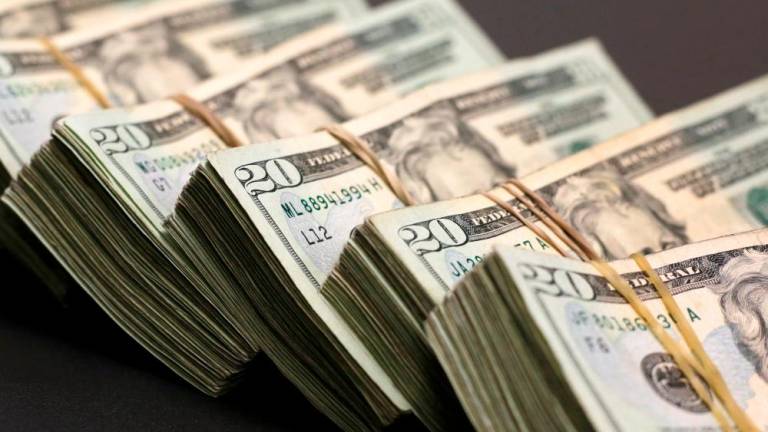
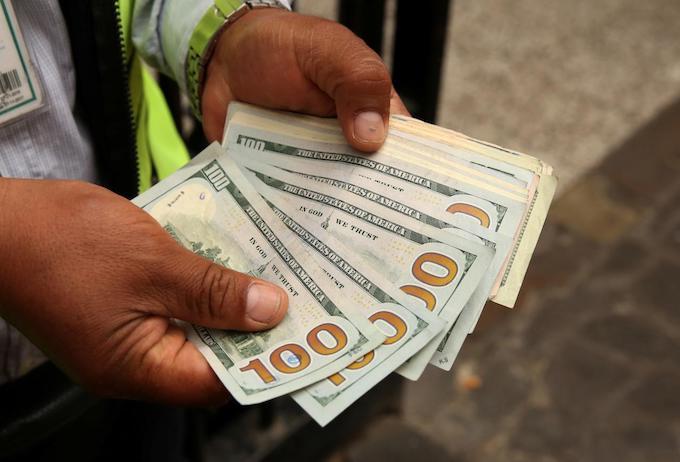
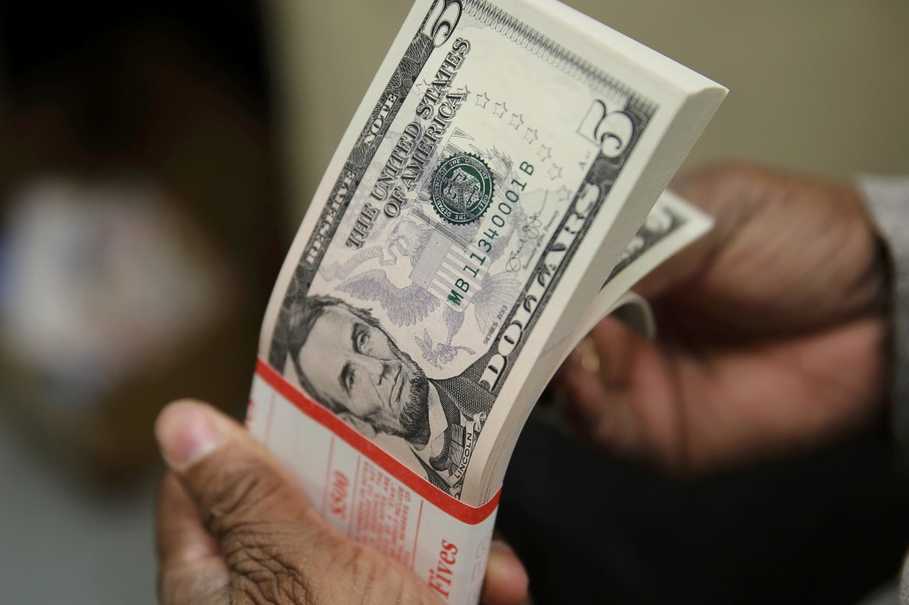
    The U.S. dollar took a dip against the Vietnamese dong on the black market Saturday morning, rounding out a week of financial fluctuations. The greenback slid 0.34% to VND26,290 at unofficial exchange points, signifying a notable shift as currency dynamics remain in flux.

    Meanwhile, Vietcombank maintained its rate at VND26,223, while the State Bank of Vietnam’s reference rate held steady at VND24,975, suggesting a calm amidst the stormy seas of international currency markets.

    Globally, the dollar experienced a surprising uptick against major currencies like the euro and yen on Friday. Investors rushed to secure safe-haven assets in response to escalating geopolitical tensions in the Middle East following an Israeli attack on Iran, according to Reuters. In the afternoon trading session, the dollar notched a 0.3% gain to reach 143.88 against the Japanese yen and edged up 0.1% to 0.8110 against the Swiss franc. Despite this bounce, the dollar remains set for a weekly decline against both the yen and franc, and is down nearly 1% versus the yen—a trajectory that could mark its most significant weekly drop since mid-May.

    “Historically, geopolitical events trigger knee-jerk reactions in the markets,” noted Jack Janasiewicz, portfolio manager at Natixis Investment Managers in Boston, emphasizing the importance of looking past temporary turbulence.

    As we navigate these treacherous financial waters, the question remains: how will currencies dance in the face of shifting global dynamics?

    Questions & Answers

    What happened to the U.S. dollar against the Vietnamese dong?

    The U.S. dollar dropped 0.34% to VND26,290 on the black market.

    How did the U.S. dollar perform globally?
    On Friday, the dollar rose against major currencies like the euro and yen amidst geopolitical tensions in the Middle East.

    What are the implications of these fluctuations?
    While the dollar gained temporarily, it is still on track for a weekly loss against the yen and franc, raising concerns about ongoing market stability.

  • Dollar Strengthens Against Dong, Signaling Shifts in Currency Market Dynamics

    Dollar Strengthens Against Dong, Signaling Shifts in Currency Market Dynamics

    The U.S. dollar showed signs of strength against the Vietnamese dong as well as other major currencies on Friday morning, reflecting a complex global economic landscape. Vietcombank reported a slight uptick, pricing the dollar at VND26,223, an increase of 0.05% from the previous day. However, in the black market, the dollar traded at approximately VND26,355, indicating a 0.06% dip.

    In the broader context, the State Bank of Vietnam adjusted its reference rate by lowering it 0.06% to VND24,975. This move coincides with rising geopolitical tensions following Israel’s military actions against Iran, prompting a rush back into safe-haven assets such as the dollar, the Japanese yen, and gold. “The geopolitical escalation adds another layer of uncertainty to an already fragile sentiment,” noted Charu Chanana, chief investment strategist at Saxo. He cautioned that escalating tensions could disrupt oil supply routes, perpetuating a risk-averse climate that keeps upward pressure on crude oil prices and safe-haven assets.

    On the global stage, the dollar rose by 0.4%, bringing its index to 98.07 against six other currencies. This was accompanied by gains for other safe-haven currencies—the yen and Swiss franc appreciating 0.3% and 0.4% respectively versus the dollar. In contrast, risk-sensitive currencies faced a decline, with the Australian dollar and New Zealand dollar both slipping by 0.9%. Following a four-day rally, the euro also retraced slightly, trading down 0.3% at $1.155.

    While the dollar index is poised for a weekly decline exceeding 1%, it will mark the largest drop in nearly a month, illustrating the ebbs and flows of currency movement amidst unpredictable geopolitical currents. So, it seems the dollar’s strength might just be a flip side to a risky global situation—who knew that international politics could stir such a financial cocktail?

    Questions & Answers

    What factors contributed to the strengthening of the U.S. dollar?
    The dollar’s strength stems from geopolitical tensions, particularly Israel’s military actions in Iran, which prompted investors to flock to safe-haven currencies.

    How is the Vietnamese dong performing against the U.S. dollar?
    The Vietnamese dong has shown mixed results, with the dollar increasing slightly in Vietcombank while showing a small decrease in the black market.

    What impact does the dollar’s movement have on global currencies?
    The dollar’s movements are affecting other currencies, particularly risk-sensitive ones like the Australian and New Zealand dollars, influencing broader market sentiment and trading strategies.

  • Singapore Banks Face Growing Job Vacancies Amid Corporate Spending Slowdown

    Singapore Banks Face Growing Job Vacancies Amid Corporate Spending Slowdown

    Singapore’s banking landscape is undergoing a significant transformation, as hiring practices take a cautious turn in response to shifting economic realities. According to recruitment expert Ken Ong, managing director at Morgan McKinley’s Singapore operations, banks are slowing down hiring, with a striking statistic emerging: for every two employees who resign, only one position is filled.

    Hiring Trends Shine Light on Industry Concerns

    Ong shared his insights in a recent interview with Asian Banking & Finance, noting that while some specific roles, particularly in wealth management and relationship management, continue to be in demand, the overall trend is undoubtedly towards reduced hiring. “Bulge bracket banks are not bringing in new talent at the same pace,” he explained. “Conversely, second-tier banks, especially Asian ones, are still making selective strategic hires.”

    Cybersecurity and Contract Work Take Center Stage

    Ong emphasized that second-tier banks are actively looking for specialized skills to enhance their cybersecurity measures, cloud investments, and data analytics capabilities. However, this hiring activity is primarily concentrated in contract positions, reflecting a broader economic expectation for stagnation this year. “Organizations are eager to maintain greater flexibility with their cash flow, ensuring they have enough cushion in these uncertain times,” he added.

    Shifting Job Market Dynamics

    In this era of caution, the banking workforce is also evolving. Ong noted a noticeable trend of bankers transitioning into the fintech sector, as well as shifts in job locations, with roles moving from Hong Kong to Singapore. Employers are now leveraging contract work as a means to evaluate potential candidates before offering permanent positions. “Many clients are open to the contracting approach to validate performance,” he shared.

    Career Paths Redefined

    Interestingly, new professionals are embracing contract roles as a unique opportunity to explore different career paths. “Gone are the days when young professionals were expected to specialize early in their careers; they now prefer varied experiences before committing to a niche,” Ong concluded, revealing a refreshing shift in mindset.

    Questions & Answers

    What is the current trend in hiring at Singaporean banks?
    The hiring trend in Singaporean banks is slowing down, with a significant imbalance where for every two resignations, only one position is filled.

    What types of roles are still in demand despite the slowdown?
    Roles such as relationship managers and positions in wealth management continue to be sought after, particularly within second-tier Asian banks.

    How are new hires approaching their career paths differently today?
    New hires are increasingly opting for contract roles that allow them to explore various career paths before settling on a specialization, contrasting with previous expectations of early specialization.

  • Migros Bank Strengthens Leadership Team with Former UBS Executive Appointment

    Migros Bank Strengthens Leadership Team with Former UBS Executive Appointment

    Migros Bank is making waves with its newly appointed Head of Corporate Clients. As of September 2025, Stephan Hässig, a seasoned professional with nearly two decades at UBS, will step into this pivotal role on the Executive Board.

    The Transition of Leadership

    Hässig takes over from Olivier Häner, who has been holding the position temporarily since February. This change comes after former Head of Corporate Clients Bernd Geisenberger announced his departure at the end of June to pursue new professional ventures.

    A Wealth of Experience from UBS

    Hässig is no stranger to the nuances of banking, having joined UBS in 2005 where he cultivated expertise in advising corporate, institutional, and affluent individual clients. His most recent role was as Head of Personal Banking in the Zurich Region while also overseeing Corporate Clients for Aargau & Solothurn. Prior to his tenure at UBS, he honed his skills in client management and customer acquisition at private bank IHAG Zurich and Zürcher Kantonalbank.

    A Warm Welcome and Future Aspirations

    CEO Manuel Kunzelmann expressed enthusiasm over Hässig’s recruitment, stating, “His extensive leadership background in sales and proven ability in developing corporate and private clientele create the perfect environment for the growth of Migros Bank’s corporate client segment.” Meanwhile, Häner will refocus on leading the structured corporate finance division that he has expertly nurtured.

    As Migros Bank navigates this significant transition, one can’t help but wonder: Will Hässig’s years at UBS introduce a new era of innovation for corporate clients? Only time will tell, but it promises to be an intriguing journey ahead!

    Questions & Answers

    When will Stephan Hässig officially begin his new role at Migros Bank? He will take over as Head of Corporate Clients on September 2025.

    Who did he succeed in this position? Hässig succeeds Olivier Häner, who has been in the role on an interim basis since February 2023.

    What previous experience does Hässig bring to Migros Bank? He has nearly 20 years of experience at UBS, focusing on corporate client advisory and personal banking across various regions.

  • Ant International Pursues Stablecoin Licenses in Hong Kong and Singapore, Report Reveals

    Ant International Pursues Stablecoin Licenses in Hong Kong and Singapore, Report Reveals

    Since you’re here, you might find it intriguing to know that a vast array of advertising opportunities awaits you to connect with your customers. Our dedicated team is ready to help you craft compelling advertising campaigns, both in print and digital formats, on this platform and within our print magazine.

    But that’s not all! We can also facilitate engaging live or digital events tailored to your needs, complete with industry leaders and thought-provoking speakers who could serve as ideal partners. Additionally, our awards programs provide a fantastic chance for recognition, allowing you to shine as a participant or sponsor throughout the year.

    Let us propel your business forward with an effective partnership!

    Retail Landscape Update

    In a remarkable turn of events this quarter, retail trends across Asia are evolving, shaped by shifting consumer behaviors and the growing demand for sustainability. With more shoppers opting for eco-friendly products, brands are racing to adapt their offerings to this conscious consumer base.

    Digital Transformation Accelerates

    Technology continues to be a key player in the retail arena, driving businesses to invest in e-commerce platforms and innovative shopping experiences. From augmented reality showcases to seamless payment solutions, the digital shift is not just noteworthy—it’s revolutionary. Retailers who embrace this shift stand to gain a competitive edge, capturing the hearts of tech-savvy consumers.

    Brands Embrace Sustainability

    Sustainability has leapt to the forefront of retail strategies, as consumers increasingly seek products that are not only high-quality but also environmentally responsible. Major brands are committing to sustainable practices, ensuring their supply chains reflect eco-friendly values.

    To keep up with these dynamic changes, it’s crucial for retailers to remain vigilant and responsive. After all, in the world of retail, it’s not just about selling products; it’s about creating experiences that resonate with the modern shopper.

    Oh, and did you hear? Apparently, sustainable shopping can now even be a fun family outing!

    Questions & Answers

    **What are the main trends influencing retail in Asia right now?**
    The current trends include a strong emphasis on sustainability, digital transformation, and evolving consumer preferences towards eco-friendly products.

    How can retailers prepare for the digital shift?
    Retailers can prepare by investing in robust e-commerce platforms, enhancing customer experience through technology, and exploring omnichannel strategies.

    Why is sustainability becoming so important in retail?
    Sustainability is crucial as consumers are increasingly choosing brands that reflect their values, prioritizing environmentally friendly and ethically sourced products.

  • Indonesian Banks Poised for Liquidity Boost in Second Half of the Year

    Indonesian Banks Poised for Liquidity Boost in Second Half of the Year

    The retail landscape in Asia is continuously evolving, driven by technology and shifting consumer desires. Leaders in the industry are not just adapting; they are innovating in ways that reshape shopping experiences. The latest trends provide a glimpse into the forward-thinking mindset that characterizes the modern retail scene.

    Emerging Trends in Retail Innovation

    As technology weaves itself into the fabric of retail, businesses are witnessing a significant transformation. From immersive virtual shopping experiences to the integration of AI in customer service, retailers are redefining interactions with their consumers. The push for sustainability is also omnipresent, with companies striving to meet the growing demand for eco-friendly products.

    Consider the surge in pop-up stores—these temporary retail experiences are popping up in unexpected places, creating buzz and intrigue. It’s not just about grabbing attention; it’s about cultivating an interactive and shareable experience that resonates with today’s consumer.

    Digital Engagement: A Critical Component

    In a world where online shopping reigns supreme, enhancing digital touchpoints has become paramount. Brands are investing heavily in their digital presence, employing advanced analytics to personalize shopping experiences and drive engagement. This digital-first approach not only boosts sales but also builds lasting relationships with customers.

    Many retailers are joining the “live shopping” movement, combining entertainment with e-commerce in real-time. Picture this: you’re browsing a store from the comfort of your sofa, and suddenly, a charismatic host appears on your screen, showcasing products while interacting with viewers. It’s shopping meets reality TV—a delightful fusion that keeps customers coming back for more.

    Sustainability Takes Center Stage

    Sustainability is not merely a trend; it’s a necessity. Retailers across Asia are increasingly prioritizing ethical sourcing, waste reduction, and transparent supply chains. An informed consumer base is demanding it, leading brands to adopt sustainable practices that not only appeal to conscience but also enhance their market position.

    Innovative initiatives like clothing recycling programs and reducing plastic packaging are gaining traction. It’s a win-win scenario: brands can enhance their image while appealing to environmentally conscious shoppers.

    As the retail industry continues to adapt, it’s clear that staying relevant means embracing change. The future is bright, not just for those who follow trends but for those who set them.

    Questions & Answers

    What are some current trends shaping the retail sector in Asia?
    Emerging trends include the integration of AI in customer service, the rise of pop-up stores for engaging shopping experiences, and the popularity of live shopping events that blend entertainment with e-commerce.

    How are retailers prioritizing digital engagement?
    Retailers are enhancing their online presence through personalized shopping experiences facilitated by advanced analytics, making it easy for customers to find what they love. Live shopping events have also gained momentum in this digital landscape.

    Why is sustainability important in retail today?
    Sustainability is now a necessity for brands as consumers increasingly demand ethical practices. Innovative initiatives like clothing recycling and reducing plastic use not only resonate with shoppers but also bolster a brand’s market position.

  • Gold Prices Surge to Two-Week High: What This Means for Retail Investors

    Gold Prices Surge to Two-Week High: What This Means for Retail Investors

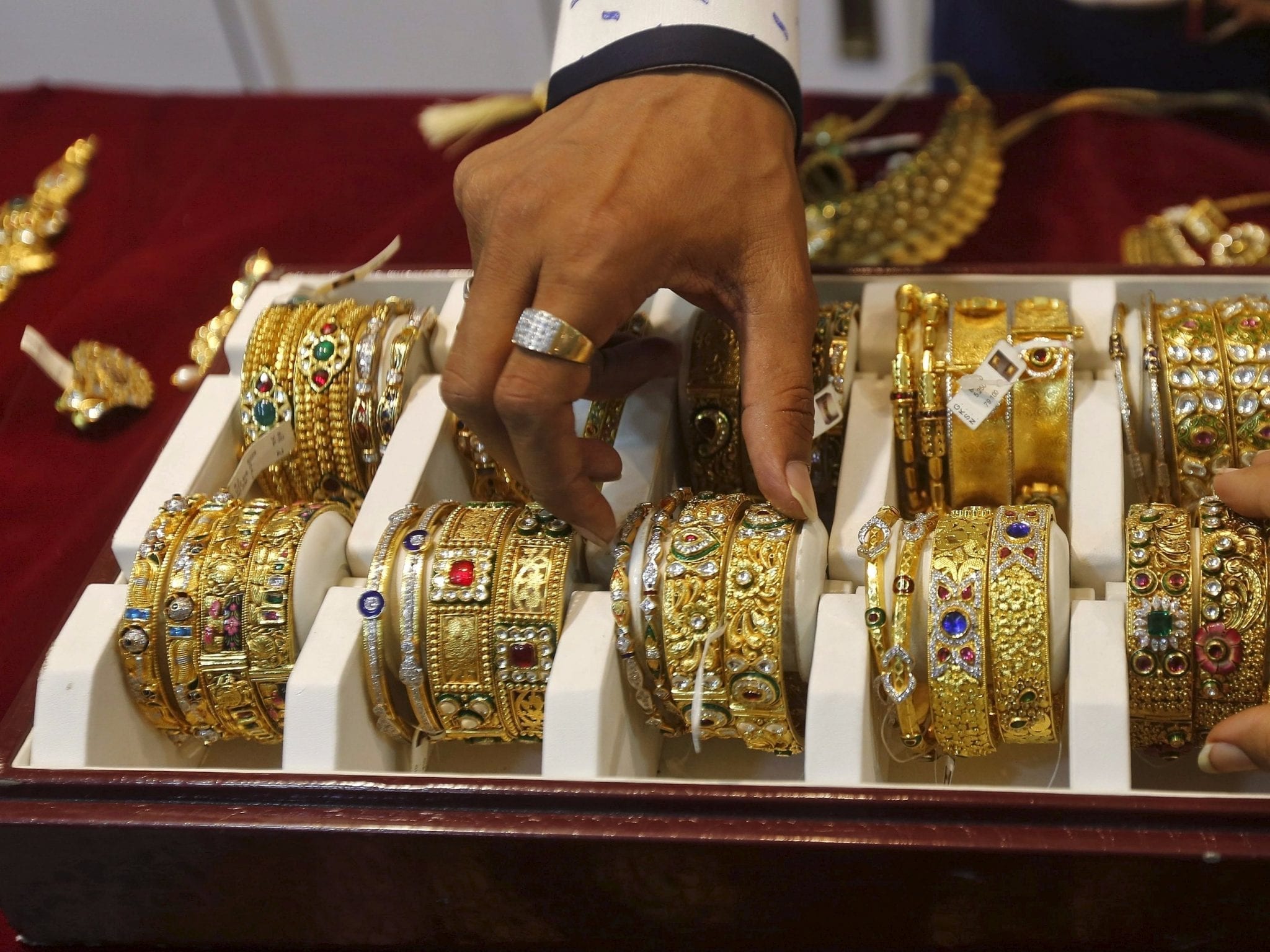
    Gold jewelry shines brightly in a Hanoi shop as Vietnam’s gold market experiences a notable surge this Thursday morning. Prices have climbed to their highest levels in over two weeks, driven by rising global rates.

    Gold Prices Rebound

    The Saigon Jewelry Company reported a 0.76% increase in the price of gold bars, now valued at VND119.7 million (approximately US$4,598.99) per tael, where a tael is equivalent to 37.5 grams (1.2 ounces). Similarly, gold rings saw a boost of 0.87%, reaching VND115.8 million per tael.

    Global Trends Impact Local Market

    On a global scale, gold prices saw a boost as geopolitical tensions in the Middle East added pressure and a weakening dollar rendered the precious metal more appealing to international buyers. Spot gold jumped 0.7% to reach $3,375.06 per ounce, while U.S. gold futures enjoyed a 1.5% increase to $3,395.

    The U.S. dollar index, recently falling to a near two-month low, has created conditions conducive to gold investment. “The weakness in the dollar index serves as a strong catalyst,” noted Kelvin Wong, a senior market analyst at OANDA in Asia Pacific. He highlighted that the bullish breakout of the $3,346 resistance level has triggered technical buying among investors.

    While gold’s allure often shines brightest in uncertain times, it appears that the market remains a vibrant space for both seasoned investors and curious newcomers alike.

    Questions & Answers

    What caused the rise in gold prices in Vietnam?
    The rise in gold prices is attributed to increased global prices due to geopolitical tensions in the Middle East and a weakening dollar.

    How did gold perform in the international market?
    Globally, spot gold increased by 0.7% to $3,375.06 per ounce, with U.S. gold futures rising 1.5% to $3,395.

    What is the significance of the U.S. dollar’s performance?
    The U.S. dollar index’s decline makes gold more attractive to international buyers, boosting demand and values in the market.

  • Dollar Surges Against Dong Amid Global Market Softening: What Retailers Need to Know

    Dollar Surges Against Dong Amid Global Market Softening: What Retailers Need to Know

    The U.S. dollar is enjoying a modest rise against the Vietnamese dong, but it’s singing a different tune when faced with major global currencies. This development marked Thursday morning as Vietcombank nudged its rate up by 0.04%, setting the dollar at VND26,210. Meanwhile, the State Bank of Vietnam adjusted its reference rate to VND24,990, a slight increase of 0.03%. Interestingly, in the black market, the greenback surged by 0.21%.

    Globally, however, the dollar was experiencing a slip, with reports from Reuters indicating that President Donald Trump might be leaning towards a more conciliatory approach in tariff discussions. Coupled with mounting hopes for cuts from the Federal Reserve, this resulted in the dollar shrinking in strength. Specifically, it fell 0.43% against the Japanese yen and 0.34% against the Swiss franc, trading at 143.98 and 0.81725, respectively.

    As for the broader picture, the dollar hit its lowest level against a basket of currencies since April 22, dropping to 98.327. On the other hand, the euro is basking in recent victories, having surged against a swath of currencies in its last session. Carol Kong, a currency strategist at Commonwealth Bank of Australia, noted that “expectations of fewer European Central Bank rate cuts have lent some support to the euro,” highlighting a shift in market sentiment that seems to favor the single currency.

    In these fluctuating currency tides, it’s clear that the dollar’s journey is anything but predictable—might we see it dancing back into favor soon, or is the decline here to stay?

    Questions & Answers

    What impact does the rise of the dollar against the dong have on the Vietnamese economy?
    The dollar’s rise can lead to increased costs for imports, potentially affecting inflation and consumer spending in Vietnam.

    What does the dollar’s drop against major currencies indicate about the U.S. economy?
    The dollar’s decline suggests increasing market confidence in foreign currencies, likely fueled by expectations of policy changes from the U.S. government and Federal Reserve.

    How do currency fluctuations affect consumers directly?
    Currency fluctuations can influence the prices consumers pay for imported goods and services, ultimately impacting their purchasing power.

  • PostFinance Welcomes New CFO with Impressive History from Major Banking Institutions

    PostFinance Welcomes New CFO with Impressive History from Major Banking Institutions

    Postfinance has made a significant stride in its leadership by appointing Claudio Gaugler as the new Chief Financial Officer, effective at the start of September. Gaugler is stepping into the role previously held by Kurt Fuchs, who concluded his 13-year tenure at the end of February 2025.

    Described as a seasoned financial expert with a wealth of leadership experience in the banking sector, Gaugler brings a robust profile to the table. Until his arrival, Marc Bonfils will continue to act as interim head of Finance, ensuring a seamless transition before returning to his position as Head of Treasury.

    Significant Experience with Top Banking Institutions

    At just 40 years old, Gaugler arrives with more than 15 years of international experience in finance. He studied Business Administration and Banking and Finance at the esteemed University of St. Gallen. Since 2010, he has held strategic positions and senior roles in corporate development at Credit Suisse and UBS, enhancing his reputation within the industry.

    Most recently, Gaugler served as the CFO of Credit Suisse Asset Management, where he played a pivotal role in overseeing the financial integration with UBS following the latter’s acquisition.

    Fuchs’s departure, announced in June 2024, was a decision driven by his desire for a fresh leadership team to take the reins under the guidance of new CEO Beat Röthlisberger. With Gaugler’s appointment, Postfinance appears poised for a dynamic new chapter, ready to embrace fresh challenges and opportunities in the financial landscape.

    As the saying goes, “new blood brings new ideas,” and Postfinance seems excited for the creative infusion Gaugler promises.

    Questions & Answers

    What is Claudio Gaugler’s professional background? Gaugler has over 15 years of experience in the financial sector, having held significant positions at Credit Suisse and UBS, and recently served as CFO of Credit Suisse Asset Management.

    When did Kurt Fuchs announce his departure? Fuchs announced his retirement in June 2024 after a 13-year tenure, expressing a desire for a new leadership team to emerge.

    What is Marc Bonfils’s role during the transition? Bonfils is currently serving as the interim head of Finance, ensuring a smooth transition before resuming his role as Head of Treasury.

  • Dollar Slips as Vietnamese Dong Gains Strength in Currency Markets

    Dollar Slips as Vietnamese Dong Gains Strength in Currency Markets

    The U.S. dollar exhibited a slight decline against the Vietnamese dong on Wednesday morning, while maintaining its stability against other major currencies. In a move that reflects shifting dynamics, Vietcombank reported selling the greenback at VND26,200, marking a 0.07% decrease from the previous day. Meanwhile, on the black market, the dollar dipped 0.04% to VND26,370.

    In a strategic adjustment, the State Bank of Vietnam has lowered its reference rate by a marginal 0.01%, setting it at VND24,982. As eyes turn globally, the dollar and China’s yuan held steady while U.S. and Chinese teams wrapped up trade negotiations in London. These talks hinted at a possible thaw in the long-standing trade tensions between the two economic powerhouses, although specifics remained elusive, as reported by Reuters.

    The agreement among officials focused on a framework conceived from a trade truce brokered last month in Geneva, aiming to address China’s restrictions on the export of rare earth minerals and magnets while easing some of the recently imposed U.S. restrictions.

    In the wake of these talks, the dollar strengthened a bit, nudging the euro down by 0.07% to $1.141 and stabilizing at 144.91 yen. The British pound also saw a slight decline, trading at $1.3483. On the other hand, China’s onshore yuan remained steady at 7.1873 per dollar, with the offshore unit mirroring that stability at 7.1875.

    An index that measures the dollar’s performance against six other currencies edged up by 0.1%, standing at 99.132. This year, however, has been rife with volatility, fueled by investor jitters surrounding Trump’s erratic policies. Despite a rebound in U.S. stocks, there is a noticeable erosion of investor confidence, with the dollar down over 8% from the start of the year.

    And who knew that economic talks between two nations could stir such a rollercoaster of currencies?

    Questions & Answers

    What was the exchange rate of the U.S. dollar against the Vietnamese dong today?
    The dollar was sold at VND26,200 by Vietcombank, down 0.07% from Tuesday.

    What did the State Bank of Vietnam do regarding reference rates?
    The State Bank of Vietnam lowered its reference rate by 0.01% to VND24,982.

    How did global trade talks affect the dollar?
    The dollar showed slight strengthening following positive signals from U.S. and China trade talks, although it remains down over 8% for the year.

  • Gold Prices Climb as Global Market Rates Surge: What This Means for Investors

    Gold Prices Climb as Global Market Rates Surge: What This Means for Investors

    Gold jewelry displayed in a bustling shop in Ho Chi Minh City reflects vibrant market activity as Vietnam experiences a rise in gold prices.

    On Wednesday morning, the cost of gold surged slightly, driven by an uptick in global bullion rates. The Saigon Jewelry Company reported a 0.25% increase in the price of its gold bars, now standing at VND118.8 million (approximately US$4,564.84) per tael. Similarly, the price for gold rings ticked up by 0.44%, reaching VND114.5 million per tael—a tael equals 37.5 grams, or around 1.2 ounces.

    The global gold market echoed this trend as prices climbed amid mounting uncertainty surrounding the finalization of a U.S.-China trade agreement. Investors, driven by a sense of caution, are turning to gold as a secure investment, especially with pivotal U.S. inflation data on the horizon. Spot gold experienced a modest rise of 0.2%, hitting $3,328.89 an ounce, while U.S. gold futures also gained 0.2%, climbing to $3,349.80.

    Amid recent talks, U.S. and Chinese officials announced a draft framework aimed at revitalizing their trade truce and addressing China’s export limits on rare earth minerals and magnets. U.S. Commerce Secretary Howard Lutnick shared this update following two days of intense negotiations in London. However, uncertainty still looms. As City Index senior analyst Matt Simpson pointed out, though a framework has been established, the final go-ahead from leaders Trump or Xi remains pending, keeping investors on edge. This sense of trepidation is fueling gold’s rise as everyone anticipates the forthcoming inflation data.

    Gold may be shining a bit brighter today, but will it outshine market volatility tomorrow?

    Questions & Answers

    What recent developments have influenced gold prices in Vietnam?
    Gold prices in Vietnam increased as global bullion rates rose amidst uncertainty regarding a U.S.-China trade agreement.

    How have global gold prices behaved recently?
    Spot gold saw a 0.2% rise, reaching $3,328.89 an ounce, while U.S. gold futures climbed to $3,349.80.

    What factors are contributing to current market uncertainty?
    The pending approval of a trade framework by leaders Trump and Xi creates an atmosphere of uncertainty, compelling investors to seek safety in gold as they await crucial inflation data.

  • S&P: Chinese Banks Show Resilience Amid Trade-Related Challenges

    S&P: Chinese Banks Show Resilience Amid Trade-Related Challenges

    China’s banking landscape is currently holding up under the strain of tariff-related challenges, but not all financial institutions are created equal. According to S&P Global Ratings, while the larger megabanks are expected to bolster their financial defenses thanks to government support, regional banks situated in coastal provinces may face a tougher road ahead. This could lead to more pronounced pressures for these smaller institutions as they navigate the economic fallout.

    The Strength of Diversity

    S&P noted that most rated banks benefit from portfolio diversity across the country, which serves as a stabilizing factor in uncertain times. The government’s recent injection plan is set to enhance the loss buffer for megabanks, allowing them to maintain strong capitalization levels even amid economic turbulence.

    Challenges Among Small Enterprises

    However, the bank ratings agency cautioned that their stress scenario paints a sobering picture for inclusive micro and small enterprises (MSEs). These businesses, characterized by tight profit margins and limited financial flexibility, are expected to bear the brunt of economic turbulence with a projected 20% nonperforming asset (NPA) ratio for MSE loans. Furthermore, trade finance may see challenges as well, with the NPA ratio for discounted bills lending estimated at 5%. Although normally low, this figure is worrisome given that defaults in this lending category are usually minimal because the counterparties involved are financial institutions. Yet, the bright side is that a significant portion of discounted bills stems from domestic trade, which remains relatively insulated from the impacts of increased U.S. tariffs. Who knew tariffs could be so picky in their effects?

    Forecast Ahead

    In light of these mixed signals, banks will need to employ strategic methods to shield their assets and support their SMEs effectively. The resilience of China’s banking system will be tested as it adapts to a rapidly changing landscape, balancing pressures from tariffs against the inherent strengths found in diversity and domestic trade.

    Questions & Answers

    What is the expected impact of U.S. tariffs on Chinese banks?
    Most banks are anticipated to withstand tariff-related strains, although megabanks will likely benefit more from government support than regional banks.

    Why are regional banks particularly at risk?
    Regional banks in coastal provinces may experience greater pressure due to their reliance on small enterprises, which face challenges in maintaining profit margins amid economic fluctuations.

    How are nonperforming asset ratios expected to vary?
    S&P predicts a 20% NPA ratio for MSE loans and a 5% ratio for discounted bills lending, underscoring the challenges posed by small enterprises and trade financial dynamics.

  • Commonwealth Bank of Australia Sells Stake in Bank of Hangzhou: A Strategic Shift Unveiled

    Commonwealth Bank of Australia Sells Stake in Bank of Hangzhou: A Strategic Shift Unveiled

    The world of retail is buzzing with excitement as companies navigate the competitive landscape, continually seeking innovative strategies to engage consumers. Businesses are not only looking for traditional advertising avenues; they are harnessing the power of digital platforms and live events to foster connections and showcase their brand narratives.

    The Power of Advertising

    In this dynamic climate, retailers are discovering creative ways to communicate with their target audiences. From vibrant print campaigns to impactful digital marketing strategies, the opportunities are vast. Partnering with expert teams can amplify these efforts, ensuring that the subtleties of brand messaging resonate authentically.

    Engaging Through Events

    Additionally, the retail space is becoming a hub for events—both in-person and online—where brands can engage with consumers in unique ways. Organizing such gatherings enables companies to bring together thought leaders and industry trailblazers. These interactions not only foster collaboration but also pave the way for potential partnerships. It’s a win-win situation, where brands can shine and forge vital connections.

    Celebrating Success

    What’s more, awards programs are emerging as a beacon for recognizing excellence in the retail sector. Companies have the opportunity to not only participate but also sponsor these accolades, reinforcing their commitment to innovation and quality in the industry. It’s the perfect moment to not just be in the spotlight but to dazzle it!

    All of these strategic endeavors are designed to help businesses navigate the consumer landscape more effectively, enhancing their overall market presence. In a world where retail competition is fierce, wouldn’t it be fabulous to outshine the rest?

    Questions & Answers

    What advertising options are available for retailers?
    Retailers can utilize a mix of print and digital advertising, leveraging partnerships with experienced teams to create vibrant campaigns.

    How can live events benefit a retail brand?
    Live events foster connections with consumers and enable brands to engage with industry leaders, creating collaboration opportunities that can enhance business growth.

    What is the significance of awards programs in retail?
    Awards programs provide a platform for brands to showcase their achievements, solidifying their reputation for excellence and innovation within the industry.

  • VNPAY PhonePOS Unlocks Global Payment Acceptance for Small Merchants

    VNPAY PhonePOS Unlocks Global Payment Acceptance for Small Merchants

    For many small businesses, especially in suburban and rural areas, the costs associated with traditional point-of-sale (POS) devices have posed a significant barrier to embracing modern payment methods. This disparity has highlighted a digital divide: regions that have enthusiastically adopted technology are racing ahead, while others with limited infrastructure—home to 4 million small enterprises—lag behind.

    Transforming Payments with VNPAY PhonePOS

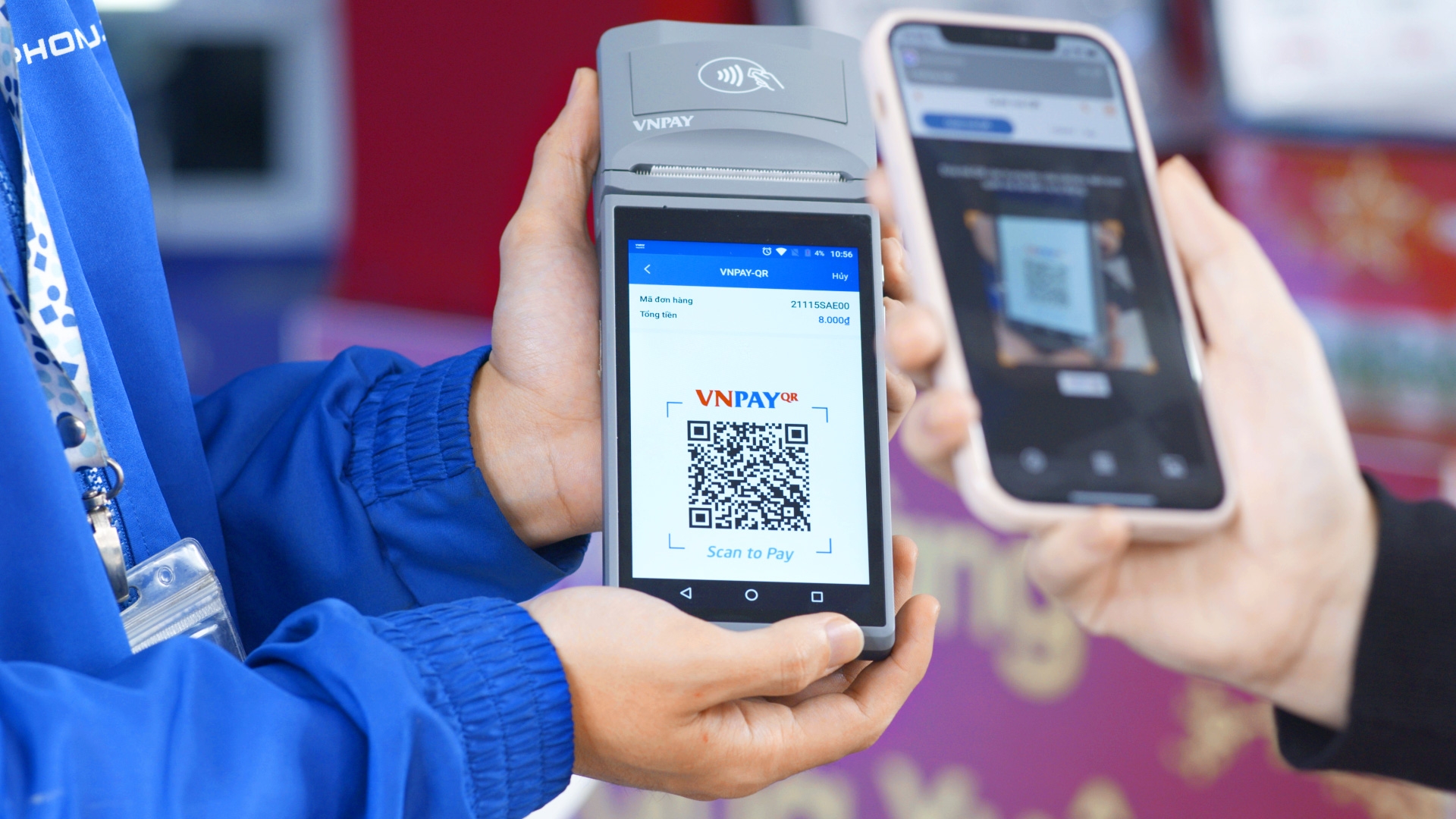
    The introduction of the VNPAY PhonePOS solution is set to change this landscape dramatically. With just an Android smartphone equipped with NFC capabilities, merchants can effortlessly accept payments via major cards like Visa, Mastercard, JCB, and Napas, along with international e-wallets like Apple Pay and Google Pay. This innovation allows businesses to sidestep the hefty expenses linked to investing in specialized POS technology.

    Empowering Small Retailers

    VNPAY PhonePOS not only streamlines acceptance of card payments but also incorporates a robust real-time transaction reporting system. This feature enables sellers to monitor revenue, manage cash flow, and check transaction history directly from their smartphones. For those without advanced accounting software, this tool offers a simple yet effective way to enhance business operations.

    According to a 2024 report by the State Bank of Vietnam, cashless transactions in the country skyrocketed by 53% compared to last year. While this feat is commendable, it barely scratches the surface of the untapped potential within the fragmented retail market.

    Bridging the Digital Payment Divide

    Tran Tri Manh, Chairman of VNPAY, emphasized that the push for technological progress hinges on solutions that facilitate easy, low-cost, and secure technology adoption. VNPAY PhonePOS checks all the boxes and integrates seamlessly into the VNPAY Merchant platform, making it highly accessible for small merchants.

    “Rural regions, home to over 60% of our nation’s population, are increasingly gaining access to digital payment methods. From local markets to highway stops, cashless transactions are now faster and safer,” he highlighted.

    Solutions like VNPAY PhonePOS, which were once exclusively available in shopping malls, are now reaching these underserved markets, unlocking new business opportunities for millions of small entrepreneurs across Vietnam.

    Expanding into Tourism

    Moreover, PhonePOS is extending its reach into the burgeoning tourism sector. Numerous popular tourist spots, including Hoi An, Sa Pa, and Phu Quoc, are experiencing a surge in foreign visitors. Consequently, the capacity to accept international cards is becoming increasingly essential for small businesses, from quaint homestays to bustling roadside eateries. With just a smartphone, they can tap into fresh streams of revenue.

    Technology truly shines when it empowers the masses. Under this lens, VNPAY PhonePOS reduces costs while serving as a bridge connecting small businesses to global financial networks. The dream of digital economy participation for everyone in Vietnam is gradually transforming into reality.

    Previously known as VNPAY-SoftPOS, the newly renamed VNPAY PhonePOS—marketed with the catchy tagline “PhonePOS – Turn Your Phone into POS”—highlights its simplicity and broad appeal. Any store, no matter how tiny, can now play in the digital payment arena with an NFC-enabled Android phone.

    In a remarkable achievement, VNPAY has become the first company in Vietnam to secure the Mobile Payments on Commercial Off-The-Shelf (MPCOS) security certification for the VNPAY PhonePOS solution, as verified by the Payment Card Industry Security Standards Council.

    To earn this certification, the payment solution met over 190 stringent technical security requirements concerning system operations, monitoring, and protection, including end-to-end data encryption and proactive attack detection. This comprehensive security framework ensures robust safety throughout the user experience.

    Questions & Answers

    How does VNPAY PhonePOS work?
    It transforms any NFC-enabled Android smartphone into a payment acceptance device, allowing businesses to accept card payments and e-wallet transactions.

    What benefits does VNPAY PhonePOS offer small businesses?
    It’s cost-effective, easy to use, and provides real-time transaction reporting, which enhances financial management without the need for complex accounting software.

    What makes VNPAY PhonePOS a secure option?
    The solution has achieved MPCOS security certification, meeting over 190 technical requirements for security, including end-to-end encryption and regular security testing.