Category: Finance

Retail News Asia is committed to providing both local and global retailers with the latest Finance news throughout the Asian market. This on a daily base.

  • Dollar Strengthens Against Dong in Black Market Surge

    Dollar Strengthens Against Dong in Black Market Surge

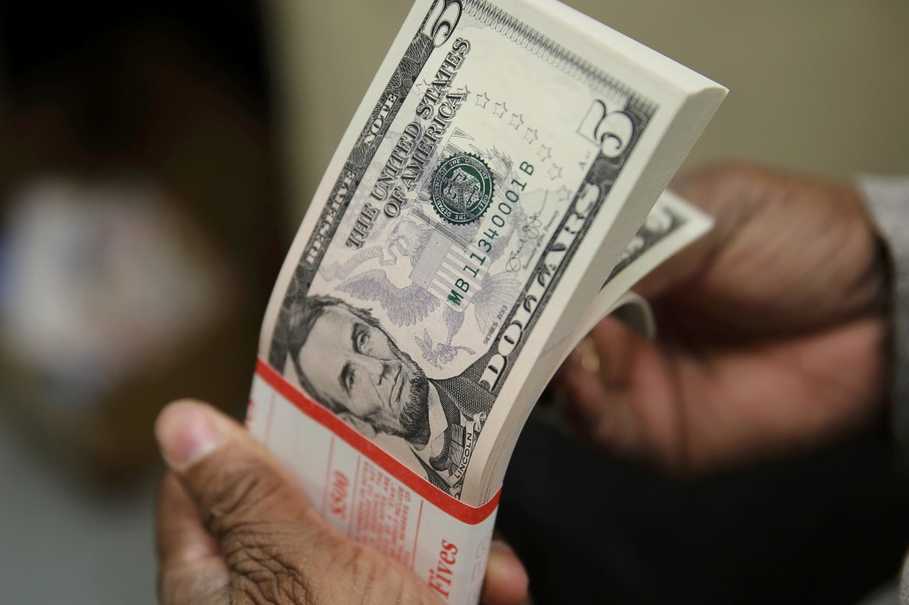
    The U.S. dollar rose against the Vietnamese dong on the black market on Monday morning.

    On unofficial exchange platforms, the dollar was selling for VND26,380, marking a slight 0.2% increase since the weekend. Meanwhile, Vietcombank set its rate at VND26,220, while the State Bank of Vietnam maintained a reference rate of VND24,992.

    Globally, the dollar remained stable against major currencies as Monday unfolded, blending enthusiasm from a strong U.S. employment report with a cautious atmosphere ahead of crucial U.S.-China trade talks in London later in the day, according to Reuters.

    The dollar index, which measures the currency’s performance against six others, stood firm at 99.169. In early trading in Asia, the yield on 10-year Treasury notes remained unchanged following a significant rise of over 10 basis points on Friday.

    Against the yen, the dollar dipped by 0.3% to 144.39, slightly offsetting its 0.9% gain from Friday. The euro, however, climbed 0.2% to reach $1.1422.

    Watchful eyes will be on the impending inflation report from the U.S. for May, crucial for investors and Federal Reserve policymakers, as they seek to assess the economic toll of trade-restrictive policies.

    “May will be the first month reflecting the impact of Trump’s 10% universal tariff on imports outside of the USMCA,” analysts at ANZ Bank noted. “The Fed will likely await several months of inflation data to fully gauge the tariff’s effects, particularly its durability.”

    Questions & Answers

    What was the dollar’s rate against the Vietnamese dong on the black market?
    The dollar reached a rate of VND26,380, reflecting a 0.2% gain compared to the weekend.

    How did the dollar perform against other international currencies?
    Globally, the dollar held steady amidst mixed sentiments, with a slight dip against the yen but a rise against the euro.

    Why is the upcoming inflation report significant?
    This report is anticipated to shed light on the economic impact of recently instated trade tariffs, which could influence Federal Reserve policy decisions moving forward.

  • Circle Co-Founder Jeremy Allaire Joins Billionaire Ranks Following Impressive Crypto Firm Stock Debut

    Circle Co-Founder Jeremy Allaire Joins Billionaire Ranks Following Impressive Crypto Firm Stock Debut

    Jeremy Allaire, the co-founder of cryptocurrency powerhouse Circle Internet Group Inc., experienced a remarkable surge in wealth on Thursday, surpassing the $1.7 billion mark as the company’s stock soared nearly threefold on its first trading day.

    Circle’s Spectacular IPO Debut

    The stablecoin issuer strategically priced its shares at $31 each during an expanded initial public offering (IPO), successfully raising close to $1.1 billion. In a thrilling market debut, the shares skyrocketed by 168%, closing at $83.23 in New York trading, despite facing several volatility halts, as reported by Bloomberg.

    Allaire, 54, who sold approximately 1.6 million shares during the IPO, still retains about 18 million shares, along with additional options and restricted stock units. With a rich history of steering technology firms, Allaire co-founded Circle in 2013 and currently serves as its CEO.

    His entrepreneurial journey began in 1995 when he co-founded Allaire Corp. with his brother, a company focused on internet-centered technology. Allaire Corp. went public in 1999 and was later acquired by Macromedia Inc. for a staggering $360 million just two years later. In 2004, he launched Brightcove, a video platform, where he remained CEO until 2013.

    Based in New York, Circle issues USDC, an asset-backed stablecoin that had a market circulation of approximately $61 billion as of May 29, according to its website. These stablecoins are digital tokens pegged to the value of a currency and underpinned by reserves.

    Circle competes primarily with Tether, which currently boasts a circulation of nearly $154 billion. Meanwhile, the financial landscape is also seeing new players like World Liberty Financial, owned by Donald Trump, which recently rolled out its own stablecoin, USD1, with a circulation exceeding $2 billion.

    It’s a fascinating time in the cryptocurrency world—who knew that launching a financial product could lead to such dramatic wealth changes faster than you can say “blockchain”?

    Questions & Answers

    What was the opening price of Circle’s stock during its IPO?
    Circle’s shares opened at $31 each during their initial public offering.

    How much funding did Circle raise through its IPO?
    The company raised approximately $1.1 billion through its expanded IPO.

    Who is Circle’s primary competitor in the stablecoin market?
    Tether is Circle’s main competitor, with a current circulation nearing $154 billion.

  • Dollar Dips Against Dong in Vibrant Black Market Trading

    Dollar Dips Against Dong in Vibrant Black Market Trading

    The U.S. dollar saw a slight decline against the Vietnamese dong in the black market as trading began on Saturday morning. Unofficial exchange points reported the greenback selling for 26,325 VND, marking a 0.02% drop. Meanwhile, major player Vietcombank maintained its rate at 26,220 VND, while the State Bank of Vietnam’s reference rate held steady at 24,992 VND.

    Beyond Vietnam’s shores, the dollar performed quite differently on the global stage. On Friday, it experienced a notable uptick against major currencies, buoyed by encouraging U.S. jobs data from May. This news, while highlighting a slowdown from the previous month, indicated that the Federal Reserve may be in no hurry to cut interest rates. As reported by Reuters, the dollar surged 0.95% against the Japanese yen, reaching 144.87, and climbed 0.26% to 0.822 against the Swiss franc. This trend means that the dollar is on track for a second consecutive weekly gain against these safe-haven currencies, though it still lags behind, down approximately 8% year-to-date against the yen and nearly 9% against the franc.

    In a world where currency rates seem to dance with the latest economic news, it’s almost as if the dollar has a flair for drama!

    Questions & Answers

    What is the current exchange rate of the U.S. dollar against the Vietnamese dong?
    The U.S. dollar is currently being traded at approximately 26,325 VND in the black market.

    How did the dollar perform globally recently?
    Recently, the dollar rose against major currencies based on stronger-than-expected U.S. jobs data, indicating the Federal Reserve might hold off on interest rate cuts.

    What is the trend for the dollar against the yen and franc?
    The dollar is experiencing a second consecutive weekly gain against both the Japanese yen and Swiss franc, although it remains down year-to-date against both currencies.

  • Gold Prices Climb as Global Markets Experience a Surge

    Gold Prices Climb as Global Markets Experience a Surge

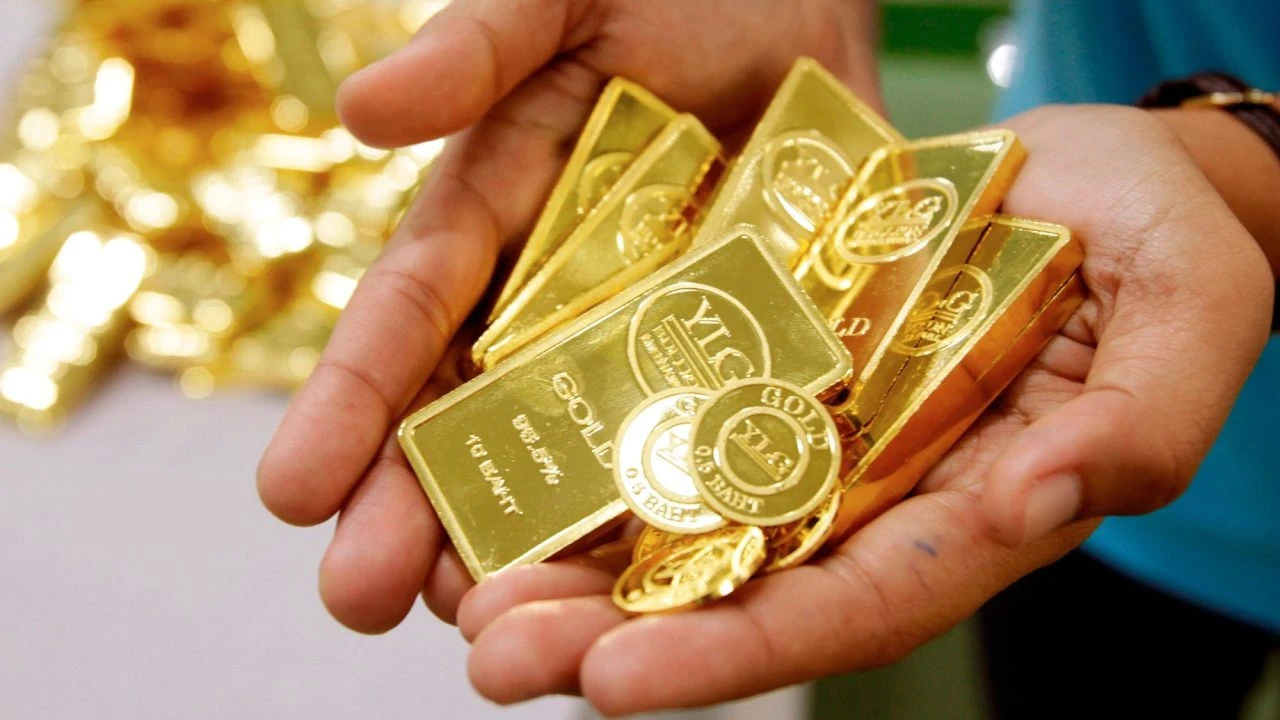
    Gold prices in Vietnam experienced a modest uptick on Friday morning, buoyed by a positive trend in global bullion markets. The Saigon Jewelry Company reported a 0.25% increase in gold bar prices, bringing them to VND 118 million (approximately US$4,526.46) per tael. Meanwhile, gold ring prices rose by 0.26%, reaching VND 114.3 million per tael. For those not in the know, a tael is equivalent to 37.5 grams or 1.2 ounces.

    As we look beyond Vietnam’s borders, global gold prices rose on the same day and were poised for a weekly gain. Investors were reacting to a slew of underwhelming economic data from the U.S., which overshadowed initial optimism stemming from a recent call between U.S. President Donald Trump and his Chinese counterpart, Xi Jinping. All eyes are now on the upcoming U.S. payroll data, as reported by Reuters.

    Spot gold saw an increase of 0.5%, landing at $3,368.49 an ounce, and has enjoyed a 2.5% gain for the week. Similarly, U.S. gold futures also picked up 0.5%, reaching $3,391.40. Tim Waterer, chief market analyst at KCM Trade, noted that the initial enthusiasm for risk-taking triggered by the Trump-Xi call has begun to wane, allowing gold to edge higher. He pointed out that the excitement over Trump’s remarks masked recent weak U.S. economic indicators.

    In fact, the number of Americans filing new applications for unemployment benefits has surged to a seven-month high. Waterer hinted that the forthcoming Non-Farm Payroll (NFP) report could serve as a game-changer, especially if the data significantly deviates from expectations.

    Federal Reserve policymakers have communicated that inflation remains a bigger worry than a cooling labor market, suggesting that adjustments to monetary policy may be on hold for some time. Historically, gold is regarded as a safe-haven asset, thriving amidst economic uncertainty and low-interest-rate climates—a fact that has undoubtedly punctuated its recent upward trend.

    As the gold market continues to shimmer, it seems like investors are tuning in to the allure of safe havens. After all, you never know when you might want to turn a little anxiety into a thriving fortune!

    Questions & Answers

    What caused the rise in gold prices?
    The increase in gold prices was primarily driven by a surge in global bullion rates, as soft U.S. economic data overshadowed initial optimism stemming from a significant diplomatic call between the U.S. and China.

    How are gold prices in Vietnam comparing to global trends?
    Gold prices in Vietnam are mirroring the positive momentum seen internationally, with local gold bar and ring prices rising in tandem with their global counterparts.

    Why is gold considered a safe-haven asset?
    Gold is often viewed as a safe-haven asset due to its historical stability during times of economic uncertainty and its tendency to perform well in low-interest-rate environments.

  • Gold Prices Fall: Exploring the Factors Behind the Decline

    Gold Prices Fall: Exploring the Factors Behind the Decline

    Vietnam’s gold market saw a dip on Saturday morning, reflecting a global trend sparked by the latest U.S. jobs data which revealed stronger-than-anticipated economic growth. This information rippled through financial markets, causing gold prices to plunge.

    Declining Prices in Vietnam

    At Saigon Jewelry Company, the price of gold decreased by 0.68%, settling at VND117.2 million (approximately US$4,498.35) per tael. Meanwhile, gold rings saw a decline of 0.70%, priced at VND113.6 million per tael. To put it in perspective, one tael weighs 37.5 grams or 1.2 ounces. Despite this recent downturn, gold has impressively increased by 39% this year.

    Global Trends Impact Local Prices

    The worldwide gold market experienced a more than 1% fall on Friday, a direct reaction to a stronger-than-expected U.S. jobs report. This report dampens the expectation for immediate interest rate cuts by the Federal Reserve. Nevertheless, silver shone brightly, soaring to its highest level since 2012, according to Reuters. Spot gold prices slid by 1.1%, now at $3,316.13 an ounce, but interestingly, showed a slight weekly increase of 0.8%.

    Gold is often viewed as a safeguard against inflation and geopolitical uncertainty. However, rising interest rates diminish the allure of bullion, especially since it does not provide any interest income.

    A report from the U.S. Labor Department revealed that non-farm payrolls increased by 139,000 in May, slightly outpacing economists’ expectations, which forecasted a rise of 130,000. The unemployment rate remained stable at 4.2%. According to Marex analyst Edward Meir, this data lost its bullishness for gold as it indicates that the Federal Reserve may hold firm on interest rates for the time being. Yet, Meir noted, “These are very difficult negotiations and they’re not going to be solved just on the phone. If the tariff headlines become negative, that’s bullish for gold.”

    What a wild ride the financial markets are on—who knew that jobs could have such an effect on precious metals!

    Questions & Answers

    What caused the decline in gold prices in Vietnam?
    The decline is attributed to a stronger-than-expected U.S. jobs report, which reduced expectations for immediate interest rate cuts by the Federal Reserve.

    How much has gold increased this year despite the recent drop?
    Gold prices have impressively risen by 39% so far this year.

    What might impact gold prices moving forward?
    Ongoing negotiations regarding tariffs and any negative headlines could potentially boost gold prices, as elevated uncertainty tends to draw investors towards safe-haven assets.

  • UBS Faces Harsh Realities in Challenging Financial Landscape

    UBS Faces Harsh Realities in Challenging Financial Landscape

    Today marks a pivotal moment for UBS as the Swiss Federal Council is set to unveil its stance on capital requirements for systemically important banks. For UBS, the outlook is likely grim, but this narrative is far from over.

    Capital Requirements: A Much-Needed Clarification

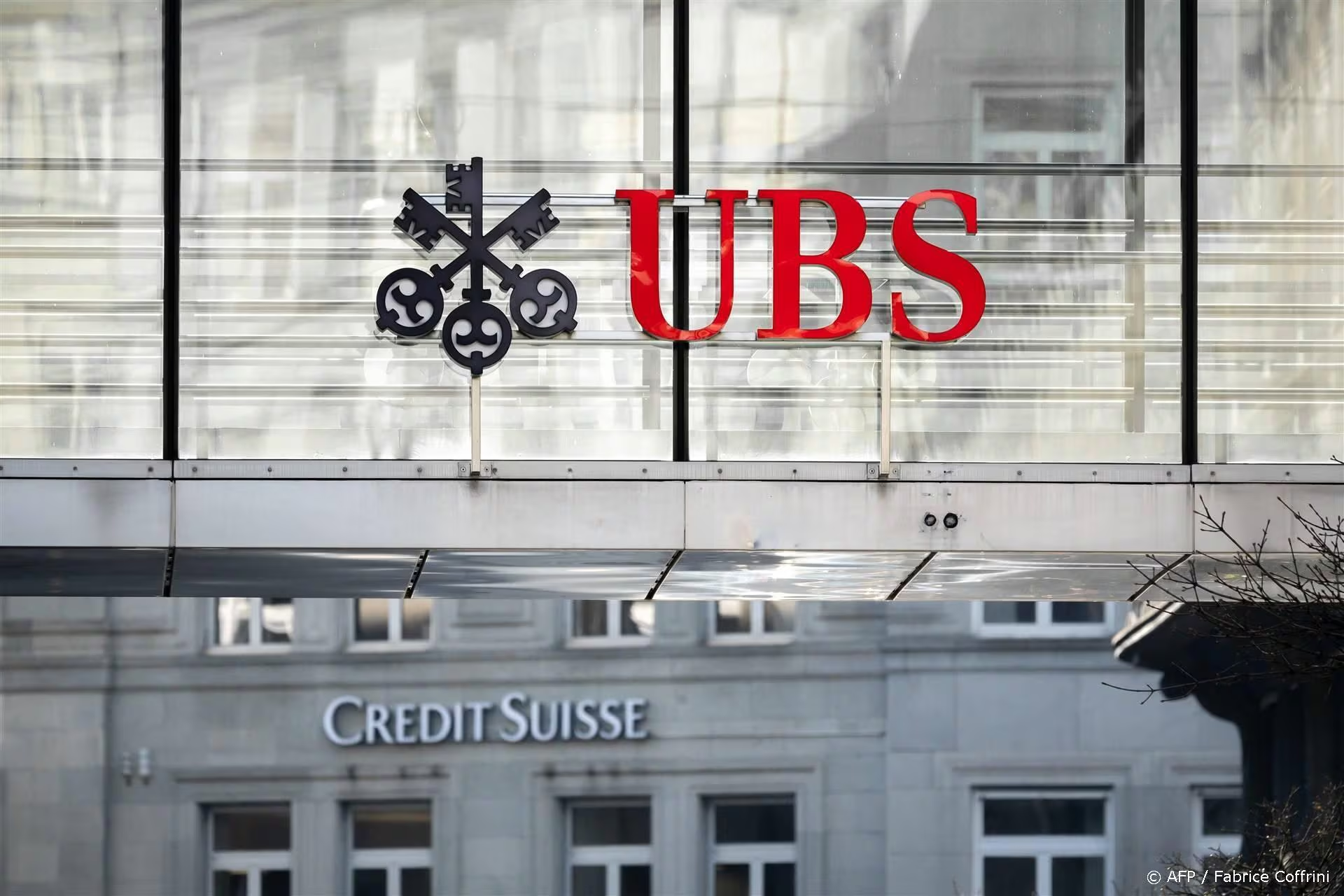
    The spotlight today is on Finance Minister Karin Keller-Sutter, who is anticipated to clarify how much capital Switzerland’s major banks will need to hold. The proposed regulation primarily targets UBS, which has transformed into the nation’s largest bank after integrating Credit Suisse. With total assets amounting to 1.7 trillion francs, UBS’s balance sheet now towers over Switzerland’s annual GDP, representing a significant risk in times of crisis.

    UBS Group CEO Sergio Ermotti has been vocal about the importance of the bank’s business model over its sheer size. The lingering question, however, is whether this message has struck a chord in Bern, and doubts linger.

    What’s on the Horizon?

    Most analysts predict that the Federal Council will recommend tougher capital requirements for UBS. The expectation is that the bank will need to bolster its foreign subsidiaries with 100 percent capital, up from the current 60 percent. This move aligns with suggestions from the Swiss Financial Market Supervisory Authority (Finma) and the Swiss National Bank (SNB).

    Reports hinting that Finance Minister Keller-Sutter might appease lobbying efforts from UBS’s top brass are being dismissed as mere speculation, grounded in information available prior to the bank stability report presented back on April 10, 2024.

    Implications for UBS

    The prospect of stricter regulations presents a sobering outlook for UBS’s leadership, who have invested significant effort over the past year and a half to avert such a scenario. Heightened capital requirements hinder the bank’s ambition to rival U.S. banking titans on a global scale. UBS believes the stricter rules could inflate its Common Equity Tier 1 (CET1) ratio, a key indicator of capital health, to between 17 and 19 percent. For context, American banks like Morgan Stanley trail with a CET1 ratio of 13.5 percent.

    These proposed changes are not likely to sit well with UBS’s shareholders, as they could exert downward pressure on the bank’s stock. A crucial factor will be the timeline provided for UBS to boost its capital ratio; periods shorter than ten years are generally viewed unfavorably by financial analysts. Moreover, these higher requirements could jeopardize future share buyback initiatives, with UBS previously aiming to surpass a $5.6 billion buyback volume by 2026. Yet, bank officials have asserted that such programs would only proceed if the CET1 ratio remains at 14 percent and significant changes to capital requirements do not arise immediately.

    UBS’s Potential Moves

    Media speculations suggest that UBS may consider relocating its headquarters should it be compelled to hold more capital. Nonetheless, UBS Executive Board member Markus Ronner dismissed these rumors as baseless during a recent appearance on Swiss TV’s Arena program. Yet, it’s conceivable that higher capital regulations could render UBS a tempting acquisition target, especially if its stock price declines significantly.

    Another potential strategy could see UBS adopt the so-called Holcim principle, perhaps spinning off riskier operations and relocating them abroad. One plausible path might involve separating its investment banking division and migrating it to London, a concept recalling the pre-2008 discussions around the Glass-Steagall Act that once mandated such divisions in the U.S.

    The Road Ahead

    The Federal Council’s proposals will transition into a consultation phase, with a final proposal expected by year’s end. Subsequently, it will be in the hands of the National Council and the Council of States. Gauging the sentiment in Parliament remains challenging at this stage, and a public referendum could also be on the table. As it stands, clarity on this matter remains elusive and will likely take considerable time to emerge.

    Questions & Answers

    What is the expected change in UBS’s capital requirements?
    The Federal Council is likely to require UBS to back its foreign subsidiaries with 100 percent capital, up from the current 60 percent.

    How might the capital requirements impact UBS’s ambitions?
    Stricter regulations could hinder UBS’s competitiveness against U.S. banks and may pressure its stock, impacting potential share buyback programs.

    Is relocation a serious consideration for UBS?
    While there are speculations about relocating its headquarters, UBS has dismissed such plans, highlighting that no concrete decisions have been made.

  • Dollar Weakens Against Vietnamese Dong Amidst Market Fluctuations

    Dollar Weakens Against Vietnamese Dong Amidst Market Fluctuations

    The U.S. dollar dipped slightly against the Vietnamese dong this Friday morning, positioning itself for a potentially challenging weekly performance against major currencies.

    At Vietcombank, the dollar was priced at VND26,241, marking a modest decline of 0.01% from Thursday. In informal trading, the greenback slipped 0.08% to around VND26,305.

    In a strategic move, the State Bank of Vietnam lowered its reference rate by 0.01% to VND24,992.

    Globally, the dollar was on track for a weekly decline, weighed down by signs of economic fragility in the U.S. and stalled trade negotiations with its partners, including a deadline that looms ever closer, as reported by Reuters.

    Overnight, currencies experienced some volatility, initially spiking against the dollar amid optimism from a lengthy phone conversation between Trump and Chinese leader Xi Jinping, although many then retraced some of their gains.

    The euro received a boost from the European Central Bank’s hawkish hints, following a widely anticipated rate cut that propelled it to a 1.5-month high of $1.1495 on Thursday. It was last seen trading at $1.1449, a rise of 0.05%.

    In early Asian trading on Friday, most currency pairs held steady, with the British pound inching up just 0.1% to $1.3583, after reaching a peak not seen in over three years. It was poised for a 0.9% gain this week. The Japanese yen, on the other hand, dipped slightly by 0.1% to 143.74 per dollar.

    Against a basket of currencies, the dollar remained relatively unchanged at 98.72, having recently hit a six-week low on Thursday, and was headed for a weekly loss of 0.7%. It’s a rough week in a game where the dollars often met with unexpected twists!

    Questions & Answers

    What was the current exchange rate of the U.S. dollar against the Vietnamese dong?
    The U.S. dollar was selling for VND26,241 at Vietcombank, a slight decrease of 0.01% from the previous day.

    What factors contributed to the dollar’s decrease?
    The dollar’s decline is attributed to signs of economic fragility in the U.S. and stalled trade negotiations with its partners, adding to global uncertainties.

    What impact did the European Central Bank’s statements have on the euro?
    The ECB’s hawkish rhetoric following a rate cut lifted the euro to a 1.5-month high, reflecting growing confidence in the currency amidst a struggling dollar.

  • Cathay United Bank’s HCMC Branch Champions Sustainability with Insightful ESG Seminar

    Cathay United Bank’s HCMC Branch Champions Sustainability with Insightful ESG Seminar

    Celebrating 20 years of operations in Vietnam, the Ho Chi Minh City branch of Cathay United Bank (CUBHCM) hosted a dynamic ESG seminar titled “ESG: Challenges and Practices for Sustainable Development.” This event reflected the bank’s enduring commitment to innovation and sustainability. In a world where ESG considerations are reshaping business strategies, the seminar provided a crucial platform for industry leaders to delve into emerging trends, regulatory updates, and actionable insights for ESG implementation.

    As a subsidiary of Cathay Financial Holdings, a prominent Asian financial institution, CUB has consistently pushed the boundaries of traditional banking. Notably, in 2015, it became the first Taiwanese bank to adopt the Equator Principles, pledging to uphold internationally recognized environmental and social risk management standards. This pioneering stance has established CUB as a reliable partner for businesses venturing into the realm of sustainability.

    Michael Wen, Executive Vice President of Cathay United Bank, stressed the bank’s pivotal role in guiding clients through the complex ESG landscape. “Vietnam’s rapid economic growth presents both opportunities and sustainability challenges,” he remarked. “Collaboration among businesses, financial institutions, and policymakers is essential for driving meaningful, long-term change.”

    During the seminar, Nguyen Hoang Nam, ESG Leader at PwC Vietnam, highlighted the limited ESG awareness among local businesses, noting that nearly 39% of Vietnamese SMEs have never even heard of the concept. “Over 60% are unaware of the relevant regulations,” Nam explained, adding that financial constraints, vague legal frameworks, and limited capacity are significant barriers to progress.

    He advised businesses to invest in internal ESG education, develop robust data reporting systems, partner with green finance institutions, and engage with industry associations to implement best practices.

    Practical models and best practices

    Despite the hurdles, Vietnam is witnessing a notable surge in ESG implementation. The government has rolled out the Green Growth Strategy for 2021–2030, marking a national commitment to sustainable economic development. The forum also spotlighted enterprises excelling in ESG adoption, including IDICO Industrial Park, Schneider Electric, Ares International Certification, Dan-D Foods, and Micro Electricity.

    IDICO Industrial Park has embraced rooftop solar systems and wastewater reuse in its factories while investing in social housing to attract skilled labor. Schneider Electric is pushing toward net-zero emissions by 2050, focusing on innovations in clean electricity and grid decarbonization to shrink its carbon footprint.

    Partnering for sustainability

    By 2024, Cathay United Bank has garnered nearly 90 prestigious awards for excellence in asset management, digital innovation, and ESG practices, solidifying its reputation as a forward-thinking financial institution. Recently, it ranked in the top 20% of the Financial Supervisory Commission’s sustainable finance ratings.

    In alignment with its vision of Vietnam as a “second home,” CUB has vigorously supported ESG initiatives nationwide. The bank partnered with the Asian Development Bank to finance Vietnam’s largest onshore wind project in Ninh Thuan Province, boasting a total investment of US$107 million.

    Additionally, CUBHCM has unveiled a green CAPEX loan program aimed at funding environmentally friendly development projects. Notably, the first-phase factories financed through this initiative were the first in Northern Vietnam to achieve the LEED international green building certification.

    Lu Wei Chieh, General Manager of CUBHCM, emphasized that the seminar tackled real ESG challenges and provided actionable solutions. “Whether discussing energy transitions, strategic planning, or firsthand business experiences, the message was clear: collaboration is key to long-term change.” This seminar marked the first event in CUBHCM’s 20th-anniversary series, underscoring the bank’s commitment to connecting people, ideas, and solutions for a brighter future. Embracing the theme “Better Together,” CUB highlights that ESG is a collective journey, demanding spirited partnership from businesses, financiers, and communities to foster sustainable progress.

    Questions & Answers

    What are some challenges facing ESG implementation in Vietnam?
    Many local businesses lack awareness of ESG principles and relevant regulations, with significant barriers including financial constraints and vague legal frameworks.

    How is CUB supporting sustainability efforts in Vietnam?
    Cathay United Bank is actively promoting ESG practices and partnering with organizations like the Asian Development Bank to finance large renewable projects, as well as launching green loan programs to support eco-friendly investments.

    What was the main takeaway from the ESG seminar?
    The seminar highlighted the importance of collaboration among businesses, financial institutions, and policymakers to navigate the ESG landscape effectively and drive long-term change in Vietnam’s sustainability journey.
  • PostFinance Unveils Restructuring Plans, Leading to Job Cuts Ahead

    PostFinance Unveils Restructuring Plans, Leading to Job Cuts Ahead

    PostFinance has announced plans to implement job cuts by the end of November 2025, unveiling a consultation procedure aimed at increasing operational efficiency amidst ongoing restructuring efforts.

    Job Cuts Affecting Administrative Roles

    The Swiss financial services provider revealed on Thursday that it intends to eliminate 141 positions, primarily impacting administrative staff in Bern. Furthermore, up to 73 adjustments to contracts are anticipated. This reduction represents about 3.6 percent of its total workforce, which numbers approximately 3,900 employees as of the end of 2024.

    Consultation Process Underway

    In light of the restructuring, PostFinance is initiating a consultation process, allowing affected employees to propose measures to minimize, limit, or prevent layoffs altogether. A final decision from the management board is anticipated in July, leaving a glimmer of hope for those facing uncertainty.

    Aiming for Strategic Growth

    The job cuts stem from changes within PostFinance’s organizational framework, aligning with its Strategy 2025–2028. The goal is to foster moderate growth, enhance market positioning, and improve overall performance. This strategy includes generating additional revenue streams, augmenting non-interest income, and boosting sales. The restructuring aims to optimize resources and foster synergies in crucial areas.

    CEO Beat Röthlisberger acknowledged the distress this announcement may cause, stating, “We are aware that this announcement will be burdensome for many of our employees and may cause uncertainty and concern. We will support them closely during this period.”

    Positive News from the Federal Office of Communications

    On a brighter note, the Federal Office of Communications (BAKOM) reported in its annual review that Swiss Post has exceeded the statutory minimum levels for basic service provision. Impressively, over 90 percent of the population can access cash payment services within a 20-minute journey by foot or public transport.

    Additionally, PostFinance enjoyed good customer ratings; private clients scored the company at 81 out of 100, matching last year’s results, while business clients reported slightly increased satisfaction with a score of 77.

    Questions & Answers

    What is the reason behind PostFinance’s job cuts? The job cuts are part of a restructuring strategy aimed at increasing efficiency and adapting to changes within the organizational model.

    How many jobs will be affected? A total of 141 jobs are set to be eliminated, mainly within administrative roles in Bern, alongside potential adjustments to 73 contracts.

    What did recent reports say about customer satisfaction? According to the Federal Office of Communications, private customers rated PostFinance at 81 out of 100, while business customers scored it 77, indicating stable satisfaction levels.

  • Bank Syz Welcomes Vontobel’s Former Chief Economist in Strategic Move for Economic Insight

    Bank Syz Welcomes Vontobel’s Former Chief Economist in Strategic Move for Economic Insight

    Bank Syz is making waves in the private banking sector with strategic talent acquisitions that promise to bolster its investment leadership team. The family-owned institution recently announced three key appointments, each sourced from prestigious firms like Vontobel and UBS, reflecting a commitment to enhancing expertise in portfolio management, macroeconomic research, and client advisory services.

    Reto Cueni Takes the Helm as Chief Economist

    In a significant move, Reto Cueni has been named Chief Economist at Bank Syz. With an impressive tenure of over a decade at Vontobel, where he spent the last five years in the Chief Economist role, Cueni is well-equipped to steer the bank’s economic insights. His leadership at Vontobel encompassed macroeconomic and monetary policy research, where he routinely advised the executive board and portfolio managers. Cueni’s strengths span economic modeling, policy analysis, and crafting both short- and long-term market forecasts, making him a remarkable addition to the Bank Syz family.

    New Leadership in Advisory Services

    Bank Syz has also welcomed Gianluca Oderda as the new Head of Discretionary Portfolio Management. Bringing over 20 years of expertise in multi-asset portfolio construction and alternative investments, Oderda has held impactful roles at renowned institutions such as Credit Suisse and UBS. His extensive background promises to bolster the bank’s investment strategies significantly.

    Grégory Diche Shines as Head of Advisory

    Another notable addition is Grégory Diche, who steps in as the Head of Advisory. Formerly the Head of Investment Advisory for the Geneva region at UBS, Diche brings more than two decades of experience and deep knowledge in structured products and client relationships within Swiss private banking.

    Nicolas Syz, Head of Wealth Management, expressed his enthusiasm about these appointments: “By attracting top-tier talent, we can further enhance our capabilities and increase the value we deliver to clients across market cycles. We remain focused on expansion and on setting new standards as a pioneering leader in wealth management.” With such daring ambitions, one can’t help but wonder if Bank Syz is preparing for a corporate game of high-stakes chess—where every move counts!

    Questions & Answers

    Who is the new Chief Economist at Bank Syz?
    Reto Cueni has taken on the role of Chief Economist, bringing over a decade of experience from Vontobel.

    What expertise does Gianluca Oderda bring to his new position?
    As the Head of Discretionary Portfolio Management, Oderda is equipped with over 20 years of experience in multi-asset portfolio construction and alternative investments.

    What does Nicolas Syz aim for with these new appointments?
    Syz emphasizes enhancing the bank’s capabilities and value delivery to clients, aiming for expansion and innovation in wealth management.

  • ECB Rate Decision: Key Insights and Implications Captivating Financial Markets Today

    ECB Rate Decision: Key Insights and Implications Captivating Financial Markets Today

    Anticipation is palpable as analysts and economists unite in their predictions for the European Central Bank’s (ECB) upcoming rate decision on Thursday, with a key interest rate cut looming on the horizon. Yet, the conversation branches out when discussing what lies beyond this pivotal moment.

    Inflation Figures Create the Case for a Rate Cut

    Recent inflation data from the eurozone has fueled further arguments in favor of a rate reduction. A preliminary estimate from Eurostat revealed that the inflation rate fell to 1.9 percent year-on-year in May, down from 2.2 percent in April. This marks the lowest inflation rate since September 2024 and nudges it below the ECB’s target of 2 percent, creating a sigh of relief among policymakers.

    Much to everyone’s surprise, the decline was sharper than predicted, with economists anticipating a rate of 2.0 percent. “The ECB will likely be pleased that inflation is now just below its 2 percent target,” remarked Commerzbank Chief Economist Jörg Kramer. While core inflation—excluding energy, food, and tobacco—remains higher at 2.3 percent, expectations are for it to wane in the coming months.

    Future Declines on the Horizon

    An appreciating euro, coupled with a projected influx of goods from China due to ongoing trade tensions with the U.S., is expected to apply downward pressure on European prices. “Thus, the ECB will probably not stop with Thursday’s rate cut. We anticipate another move post-summer break,” Commerzbank added.

    Thomas Gitzel, an economist at VP Bank, echoed this sentiment, stating, “The ECB has the green light for a rate cut next week.” However, the prospect of further cuts remains a question mark. Should the deposit rate dip below the 2 percent threshold (currently at 2.25 percent), it could result in a negative real interest rate—potentially heightening inflation risks in the future.

    A Temporary Pause or the End of the Cutting Cycle?

    According to Tomasz Wieladek, Chief European Economist at T. Rowe Price, a pause is likely in July following this week’s cut. Reaching the so-called “neutral interest rate” of 2 percent, however, does not signal the conclusion of the rate-cutting cycle. “The ECB might hold rates steady in July to monitor the economic impact of U.S. tariffs on Europe and the broader global economy,” he noted, anticipating further unfavorable surprises ahead.

    Wieladek also signaled caution regarding rates below 1 percent, suggesting rates could drop to 1.25 percent later this year, but only if the global economy appears to be edging toward recession.

    Bank of America’s Expectations

    In line with this sentiment, Bank of America predicts a 25 basis point cut this week, maintaining that the ECB’s forward guidance will remain largely unchanged. This forecast aligns with sluggish short-term growth prospects and a consistent undershooting of the inflation target. “Forecast uncertainty is high, especially regarding the implementation of the German fiscal package,” they cautioned.

    Data-Driven Decisions in the Spotlight

    As the meeting approaches, all eyes will be on ECB President Christine Lagarde, who is expected to address three key aspects: inflation, the swirling uncertainty, and a commitment to data-driven decision-making. Rather than making any precise commitments, she will likely emphasize the need for flexibility, keeping the door open for cuts below the 2 percent threshold.

    Whether the rates will dance further downward or find a moment of stillness remains to be seen, but one thing is for sure: the world will be watching closely, perhaps with popcorn in hand.

    Questions & Answers

    What is the expected outcome of the ECB’s upcoming rate decision? Analysts predict a key interest rate cut as inflation figures have dipped below the ECB’s target.

    How might the economic landscape affect future rate decisions? The ECB is likely to remain flexible and data-dependent, assessing impacts from U.S. tariffs and trade policies before making further cuts.

    What are the implications of a negative real interest rate? A drop below 2 percent could result in a negative real interest rate, raising concerns regarding potential inflation risks going forward.

  • Vietnam’s Gold Market Remains Resilient Amid Ongoing Economic Shifts

    Vietnam’s Gold Market Remains Resilient Amid Ongoing Economic Shifts

    Gold jewelry sparkles in Ho Chi Minh City, where the allure of gold remains steadfast even as prices hold steady. On Thursday morning, the gold market saw a slight uptick, influenced by stabilizing global rates.

    Marginal Gains in Local Gold Prices

    The Saigon Jewelry Company reported a 0.43% increase in gold bar prices, bringing them to VND117.7 million (approximately US$4,509.06) per tael. Meanwhile, gold rings rose by 0.35%, now priced at VND114 million per tael. It’s an impressive year for gold, with prices climbing by 39.8% thus far.

    Global Market Trends and Investor Sentiment

    Globally, gold prices remained stable on Thursday as investors mulled over disappointing U.S. economic data and an ongoing climate of uncertainty in both political and economic arenas. Many eyes are also on the upcoming U.S. payroll figures for potential market guidance.

    Spot gold maintained its position at $3,372.91 an ounce, while U.S. gold futures slipped by 0.1%, landing at $3,396.60. According to Matt Simpson, a senior analyst at City Index, “Like most markets at present, gold finds itself in a holding pattern, subject to the unpredictability of trade headlines. It shows support while remaining cautious about breaking above this week’s highs.”

    Simpson adds that volatility remains muted as investors await statements from FOMC members and Friday’s Non-Farm Payroll (NFP) report, which could potentially pressure gold if the jobs data reflects robust growth. The precious metal, often seen as a safe haven in unstable times, tends to flourish when interest rates are low.

    Questions & Answers

    What was the increase in gold prices on Thursday?
    The Saigon Jewelry Company gold bar rose by 0.43% and is now priced at VND117.7 million per tael, while gold rings increased by 0.35%, reaching VND114 million per tael.

    How much have gold prices increased this year?
    Gold prices have surged by 39.8% so far in 2023.

    What factors are influencing global gold prices?
    Global prices are being influenced by weaker-than-expected U.S. economic data and persistent global uncertainties, with investors awaiting upcoming U.S. payroll data for more direction.

  • UBS Dominates Digitalization Rankings, Securing Top Spot Once More

    UBS Dominates Digitalization Rankings, Securing Top Spot Once More

    A recent study has delved into the digital transformation of Swiss retail banks, shedding light on their efforts to enhance digital services. For yet another year, Switzerland’s last major bank, UBS, has maintained its position at the top of the digitalization rankings.

    Groundbreaking Insights from the IFZ Study

    Digital enhancements have long been a cornerstone in the customer service strategies of Swiss banks. The Institute of Financial Services Zug (IFZ), in partnership with Swisscom’s think tank e.foresight, has meticulously assessed 47 banks based on 138 criteria to gauge their digital maturity. The findings produced both unweighted and weighted rankings, giving greater weight to specific key factors.

    Since the annual evaluations kicked off in 2020, UBS has almost consistently held the crown, having narrowly been surpassed by Migros Bank in 2023 but bouncing back to reclaim second place in this year’s rankings.

    Visual representation of the digital retail bank rankings in Switzerland (left: unweighted; right: weighted; chart: IFZ)

    Who Leads the Digital Charge?

    When it comes to evaluating features in e-banking, mobile banking, and websites, Migros Bank still takes the lead over UBS, according to the latest study. Trailing behind are VZ Depotbank and PostFinance, holding high ranks of third and fourth place respectively. PostFinance, in particular, has made impressive strides compared to last year. Interestingly, Credit Suisse, which was ranked fourth in 2024, did not appear in this year’s analysis, while BCV managed to preserve its fifth-place standing.

    Expanding Digital Horizons

    Among the 47 banks under scrutiny, 35 had been part of the previous assessment. On average, these banks are now delivering 9.38 percent more functionalities than before. An encouraging statistic from the study reveals that 28 of the 35 banks analyzed have made improvements over the past year.

    The drive towards innovation reflects a significant emphasis on technology, particularly the effective deployment of artificial intelligence (AI). Strikingly, leading banks in digitalization, including Acrevis, VermögensZentrum, Migros Bank, and UBS, have collectively introduced more than 10 new functions each, demonstrating a robust commitment to investment in digital capabilities.

    Indeed, the array of digital features has expanded notably. Instant payments, AI capabilities, multibanking options, customizable interfaces, and digital saving rules are becoming more commonplace. However, features like voicebots in mobile banking, fractional share trading, and social trading remain elusive treasures within the industry.

    Room for Improvement

    Despite the advancements, the study authors point out that significant disparities persist between different banks in terms of digital feature coverage and overall digital maturity. This is evident in the unweighted scoring, where banks scored between a high of 114.5 and a low of just 9.5 points out of a maximum of 139. Alarmingly, 33 of the 47 banks scored less than half of UBS’s impressive tally.

    As Swiss banks continue to navigate the digital landscape, one thing is clear: the race for the best digital platform is heating up, and the competition is anything but boring!

    Questions & Answers

    Which bank topped the digitalization rankings this year?
    UBS regained its top position in the digitalization rankings for Swiss retail banks.

    What were the criteria used to evaluate the banks?
    The banks were assessed on 138 criteria, covering various aspects of digital maturity including functionalities in e-banking and mobile banking.

    Did all banks show improvement in their digital offerings?
    Yes, 28 out of the 35 banks that were part of the previous study reported improvements in their digital functionalities over the past year.

  • Former UBS Banker Takes the Helm of New Zurich Branch at Multi Family Office

    Former UBS Banker Takes the Helm of New Zurich Branch at Multi Family Office

    Novum Capital Partners has ventured into Zurich, marking a significant expansion of its independent multi-family office framework in Switzerland’s leading wealth management center.

    The Geneva-based wealth manager, recently crowned “Best Wealth Manager in Switzerland” by Euromoney, aims to connect more closely with the German-speaking regions of Switzerland and engage with its vibrant community of entrepreneurial families. The new Zurich office officially opened its doors in early June and will initially be staffed by three dedicated professionals, including Sebastian Jeck, a former UBS banker who will spearhead the local operations as a Partner and member of the Executive Committee.

    Strategic Response

    Founded in 2018 by Gabriele Gallotti, a former J.P. Morgan private banker, Novum Capital Partners has witnessed impressive growth, currently managing over 5 billion Swiss francs in assets. What sets Novum apart is its commitment to providing unbiased advice; the firm avoids retrocessions, never sells proprietary products, and embraces a stringent one-to-one client service model. Clients are charged only a management fee, a refreshing departure from traditional practices.

    Sebastian Jeck with Founder Gabriele Gallotti. (Image: Courtesy)

    “We offer personalized advisory services with bespoke solutions that extend far beyond conventional products,” Jeck explained. “Our clients enjoy unique access to institutional co-investments and benefit from our global expertise in tax structuring, succession planning, and alternative investments.” Notably, Novum is one of the few Swiss multi-family offices with a Finma license for local operations, complemented by an independently managed, U.S. SEC-registered entity, Envisage GmbH, which targets American clients—enhancing both compliance and global outreach.

    Focus on Organic Growth

    When asked about the potential for acquisitions to boost the firm’s growth in Zurich, Jeck maintained a thoughtful perspective. “Our primary focus is on organic growth. We believe in expanding with quality—surrounding ourselves with advisors who align with our values. An acquisition would be contemplated only if it culturally and qualitatively suits us. Many firms operate under a different model, which simply doesn’t fit our vision.” Jeck’s confidence in Zurich and the broader German-speaking Swiss market is palpable. “We see vast potential here. Numerous entrepreneurial families crave a genuine alternative to the traditional banking model. With our specialized approach, we’re perfectly positioned to offer sustainable solutions for multi-generational wealth preservation.” The firm’s ambition is clear: to redefine the wealth management landscape in Switzerland and beyond, proving that financial security can be a delightful adventure.

    Questions & Answers

    What is Novum Capital Partners?
    Novum Capital Partners is a Geneva-based wealth management firm specializing in independent multi-family office services, recently expanding to Zurich.

    Who will lead the new Zurich office?
    Sebastian Jeck, a former UBS banker and Partner at Novum, will lead the Zurich office as part of its strategic expansion into the German-speaking regions of Switzerland.

    What is Novum’s approach to client service?
    Novum Capital Partners prides itself on offering unbiased, personalized advice through a one-to-one service model, ensuring clients enjoy exclusive access to investment opportunities without the conflicts often seen in traditional banking.

  • Gold Prices Steady Amidst Soaring Global Interest Rates

    Gold Prices Steady Amidst Soaring Global Interest Rates

    Vietnam’s gold market showcased resilience on Wednesday morning, with gold bar prices firming up even as global bullion rates experienced an uptick.

    Steady Prices in Vietnam Amid Global Trends

    The Saigon Jewelry Company set its gold bar price at VND 117.2 million (approximately US$4,496.46) per tael, while gold rings were priced at VND 113.5 million per tael. A tael is equivalent to 37.5 grams or about 1.2 ounces—enough to dazzle anyone in the jewelry store!

    Meanwhile, the international scene saw gold prices ascend, driven by a wave of uncertainty surrounding U.S.-China trade relations and broader global economic fears, as reported by Reuters. The price of spot gold climbed 0.3% to reach $3,361.03 an ounce, with U.S. gold futures mirroring this trend, rising 0.2% to $3,384.20.

    Kelvin Wong, a senior market analyst for Asia Pacific at OANDA, noted, “We potentially see dip-buyers coming back into the picture… things remain uncertain, especially concerning the trade relationship between China and the U.S., and even between the EU and the U.S. as well.” Amid these turbulent waters, gold continues to shine as a preferred safe-haven asset.

    The outlook became even murkier when the Organisation for Economic Cooperation and Development (OECD) issued a stark warning earlier this week about an impending sharper economic slowdown, which could be exacerbated by the Trump administration’s trade policies negatively impacting the U.S. economy.

    Wong added, “The OECD report will certainly enhance safe-haven demand from a medium-term perspective.”

    As gold maintains its allure amid uncertainty, could it be the shining light investors need during these rocky economic times?

    Questions & Answers

    What was the price of gold bars in Vietnam on Wednesday?
    The Saigon Jewelry Company priced gold bars at VND 117.2 million (US$4,496.46) per tael.

    How did global gold prices perform on the same day?
    Spot gold increased by 0.3% to $3,361.03 an ounce, while U.S. gold futures rose 0.2% to $3,384.20.

    What economic factors are influencing the gold market?
    Uncertainty in U.S.-China trade relations and warnings from the OECD regarding an economic slowdown are pushing safe-haven demand for gold higher.