Category: Finance

Retail News Asia is committed to providing both local and global retailers with the latest Finance news throughout the Asian market. This on a daily base.

  • Dollar Rises for Third Consecutive Day Against Dong, Marking Ongoing Currency Trend

    Dollar Rises for Third Consecutive Day Against Dong, Marking Ongoing Currency Trend

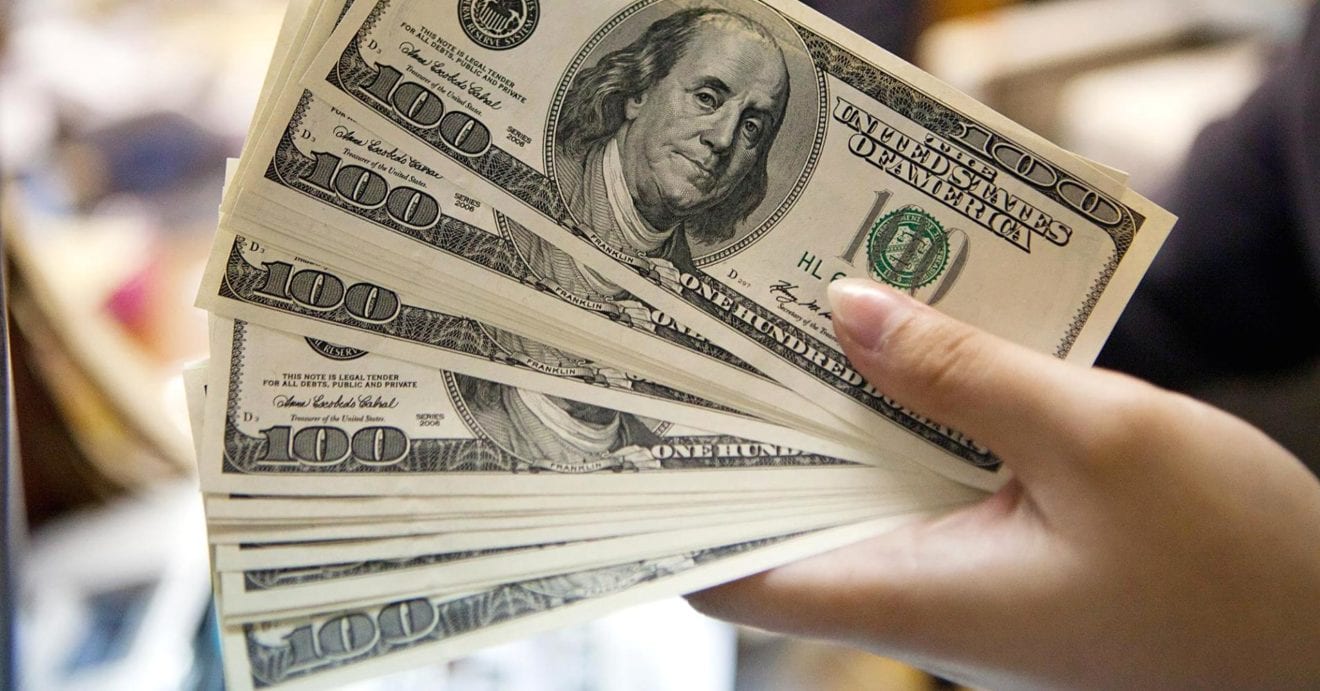
    The U.S. dollar continued its upward trend against the Vietnamese dong on Thursday, marking the third consecutive day of gains as global rates surged.

    Dollar Exchange Rates on the Rise

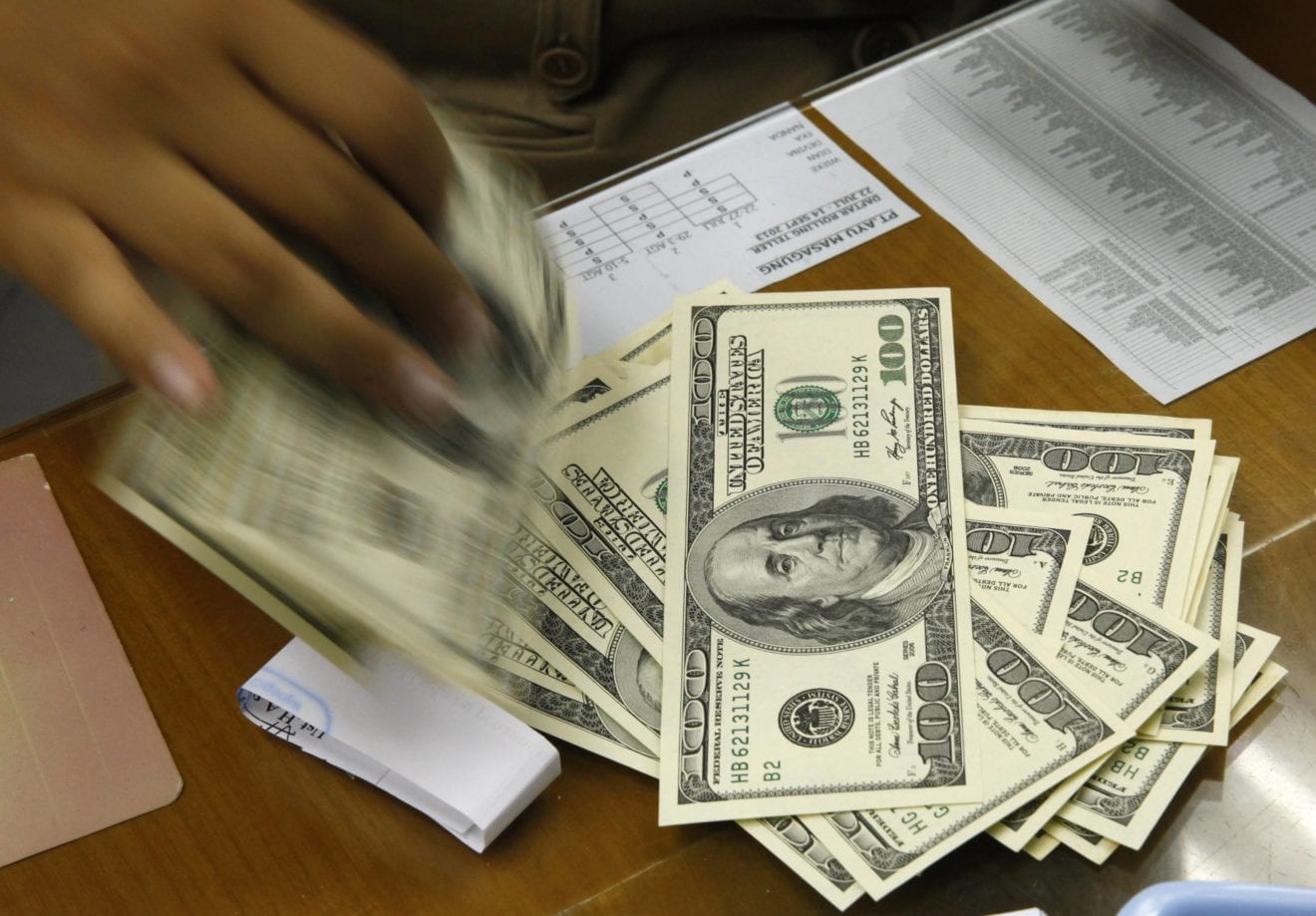
    At Vietcombank, the dollar was listed at VND 26,210, reflecting a 0.23% increase. Meanwhile, the State Bank of Vietnam adjusted its reference rate up by 0.06% to VND 24,962. In parallel, at unofficial exchange points, the dollar climbed 0.08% to VND 26,360.

    This rally comes in the wake of a court ruling that blocked former President Donald Trump from implementing import tariffs on various countries, a decision that created ripples in the currency market. Analysts suggest that this unexpected turn could provide the beleaguered dollar with some much-needed relief amid ongoing trade uncertainties.

    “It’s difficult to predict whether the tariffs will be fully reversed, but if they are, we can certainly expect to see the dollar appreciate,” noted Yunosuke Ikeda, head of macro research at Nomura in Tokyo. He further added that the existing tariffs pose stagflation risks to the U.S. economy, so their potential reversal would bode well for the dollar’s strength.

    In a world where currency fluctuations can feel as unpredictable as a game of chance, one can’t help but wonder what other surprises lie in the global financial arena.

    Questions & Answers

    Why is the U.S. dollar rising against the Vietnamese dong?
    The U.S. dollar has been appreciating due to a surge in global rates and a recent court decision blocking tariffs proposed by Donald Trump, resulting in a more favorable outlook for the dollar.

    What are the new exchange rates for the dollar?
    As of Thursday, the dollar was listed at VND 26,210 at Vietcombank and VND 26,360 at unofficial exchange points.

    What impact do tariffs have on the dollar’s strength?
    Trump’s tariffs have added stagflation pressures to the U.S. economy. A potential reversal of these tariffs could lead to an appreciation of the dollar.

  • Gold Bar Prices Surge as Global Market Momentum Intensifies

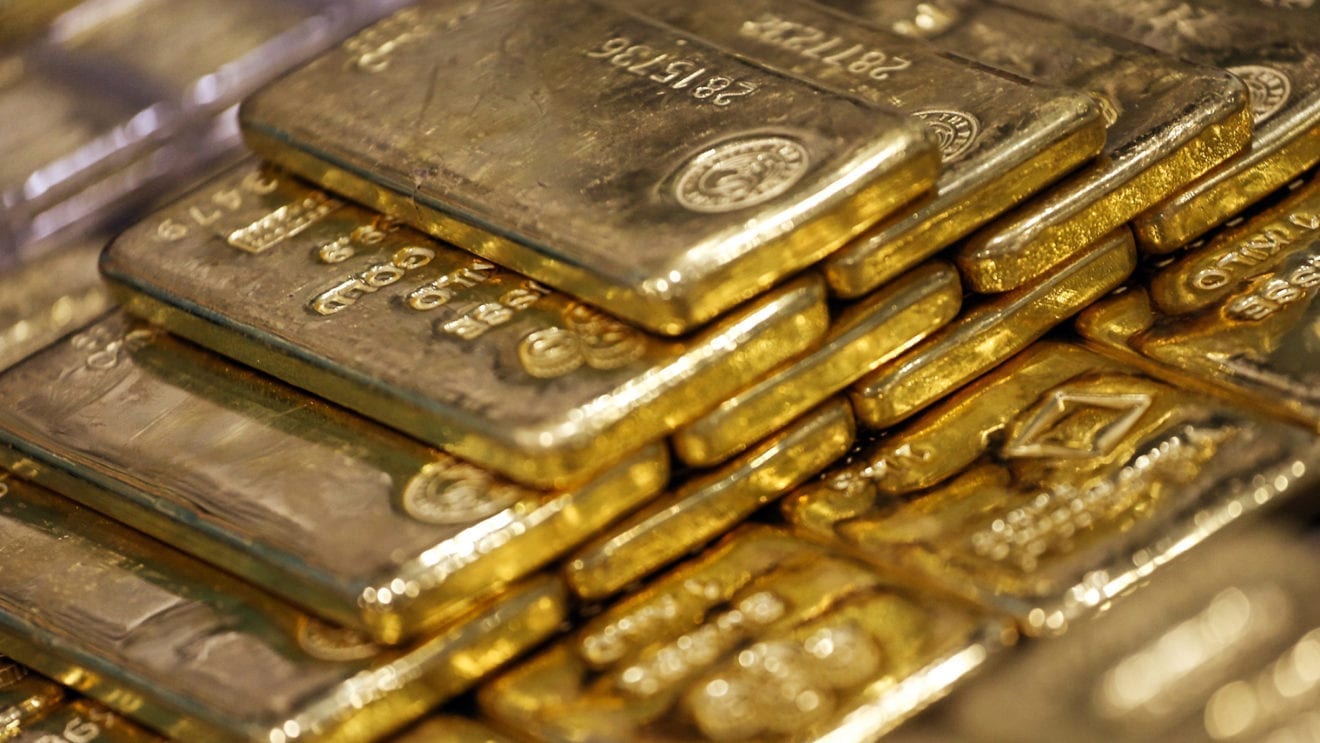
    Gold Bar Prices Surge as Global Market Momentum Intensifies

    Vietnam gold bar prices edged higher Wednesday morning as global bullion prices recovered slightly after falling in the previous session.

    A Slight Uplift in Local Gold Prices

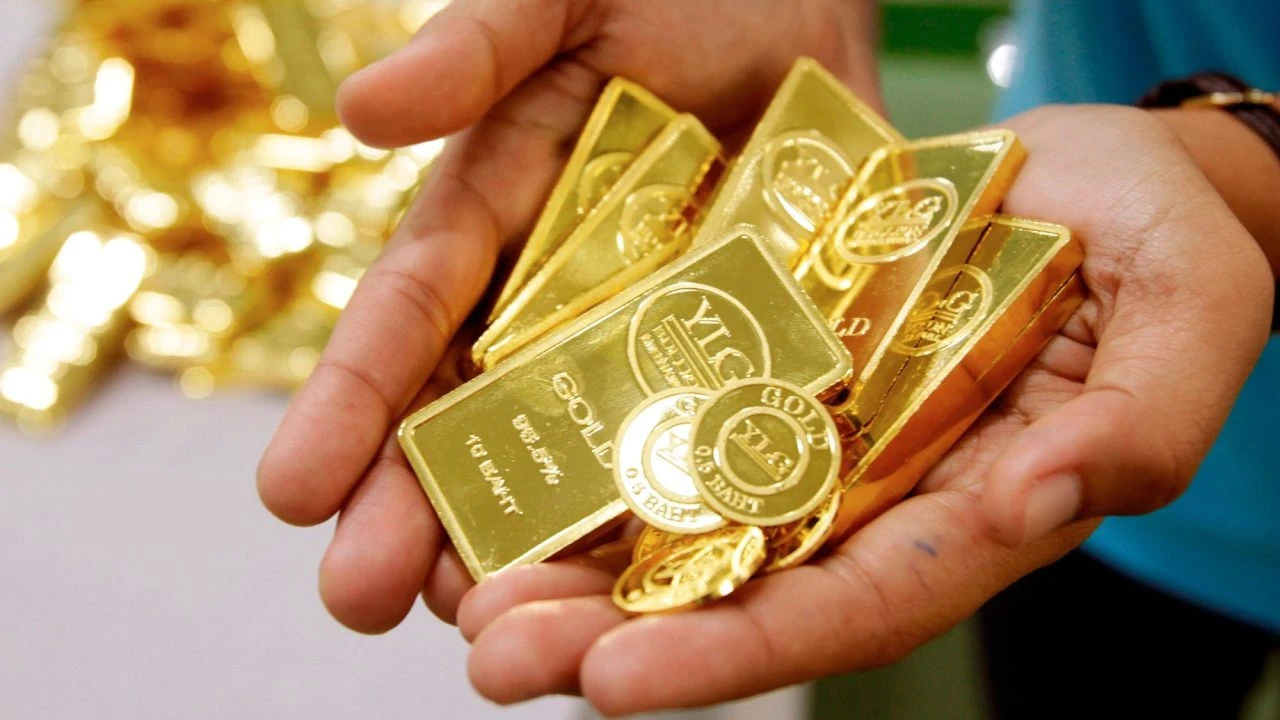
    In a bright turn of events, the price of gold bars from Saigon Jewelry Company climbed by 0.25%, reaching VND118.3 million (approximately US$4,560.52) per tael. Meanwhile, the price for gold rings remained steady at VND114 million per tael, with one tael equivalent to 37.5 grams or 1.2 ounces.

    Global Market Trends at Play

    On the international stage, gold prices enjoyed a modest uptick as investors seized the opportunity to buy on the dip, even as easing U.S.-EU trade tensions constrained further gains. The market now eagerly anticipates the upcoming U.S. core Personal Consumption Expenditures report for hints on future interest rates, as noted by Reuters.

    The spot gold price rose by 0.3% to $3,308.99 an ounce, making a slight recovery after a 1% plunge in the previous session. U.S. gold futures also saw an increase of 0.2%, now valued at $3,308.30.

    Market Analyst Insights

    “Gold’s dip below $3,300 attracted some buyers. However, the overall market sentiment remains upbeat with diminishing U.S.-EU trade tensions, which is limiting gold’s upside potential for the time being,” stated Tim Waterer, chief market analyst at KCM Trade. He also added, “If support holds in the $3,250-$3,280 range, gold could be well-positioned to rally towards $3,400 should risk appetite wane.” It’s almost like waiting to see if the stock market will need its morning coffee!

    Questions & Answers

    What factors contributed to the rise in Vietnam’s gold bar prices?
    Prices increased due to a slight recovery in global bullion prices following a previous decline, as well as local market dynamics.

    What is the current price of a tael of gold in Vietnam?
    As of Wednesday morning, a tael of gold from Saigon Jewelry Company is priced at VND118.3 million, which is about US$4,560.52.

    How are global market trends affecting local gold prices?
    Easing trade tensions between the U.S. and EU have contributed to a generally upbeat market sentiment, somewhat capping potential gains in gold prices.

  • Sygnum Bank Welcomes ‘Crypto Dad’ to Its Advisory Team in a Strategic Move

    Sygnum Bank Welcomes ‘Crypto Dad’ to Its Advisory Team in a Strategic Move

    Swiss crypto bank Sygnum is taking a significant step into the U.S. market with the appointment of J. Christopher Giancarlo, the former Chairman of the U.S. Commodity Futures Trading Commission (CFTC), as Senior Policy Advisor. Known affectionately as “Crypto Dad” for his enthusiastic advocacy of digital assets, Giancarlo brings a wealth of regulatory expertise that could prove invaluable as Sygnum looks to expand its footprint.

    Vision for U.S. Growth

    Giancarlo expressed his excitement about joining Sygnum, stating, “I look forward to contributing my regulatory knowledge, networks, and perspectives to Sygnum’s growth strategy, as well as advancing the group’s mission to build new regulated bridges between the traditional and crypto economies on a global scale.” His role marks a pivotal moment for Sygnum, which has typically adopted a conservative stance toward the U.S.—often regarded as a challenging environment for crypto institutions.

    A Stellar Advisory Team

    Mathias Imbach, Co-Founder and Group CEO of Sygnum, underscored the significance of Giancarlo’s appointment. He highlighted the former regulator’s “deep understanding of regulation, market infrastructure, and public policy, as well as his extensive U.S. network.” Giancarlo’s addition enriches an already impressive advisory council that features noteworthy figures such as Philipp Hildebrand from BlackRock and fintech innovator Alexander Lipton. As the U.S. potentially moves toward a new era of crypto deregulation, Sygnum seems well-positioned to navigate the changing landscape.

    With Giancarlo on board, Sygnum isn’t just dipping its toes into the U.S. market—it’s making a splash! Who knows, we might even see crypto-themed brunches at Wall Street soon!

    Questions & Answers

    Who is J. Christopher Giancarlo? Giancarlo is the former Chairman of the U.S. Commodity Futures Trading Commission, often referred to as “Crypto Dad” for his advocacy of digital assets.

    What is Sygnum Bank’s strategy for entering the U.S. market? With Giancarlo’s appointment, Sygnum aims to leverage his regulatory knowledge and connections to establish a stronger presence in the U.S., navigating the challenging landscape of crypto regulations.

    Why is Giancarlo’s appointment significant? His extensive regulatory experience and network in the U.S. make him a key asset for Sygnum as it seeks to bridge traditional and crypto economies globally, particularly amid potential deregulation in the U.S. market.

  • Lombard Odier Strengthens Presence in Asia with New Strategic Partnership

    Lombard Odier Strengthens Presence in Asia with New Strategic Partnership

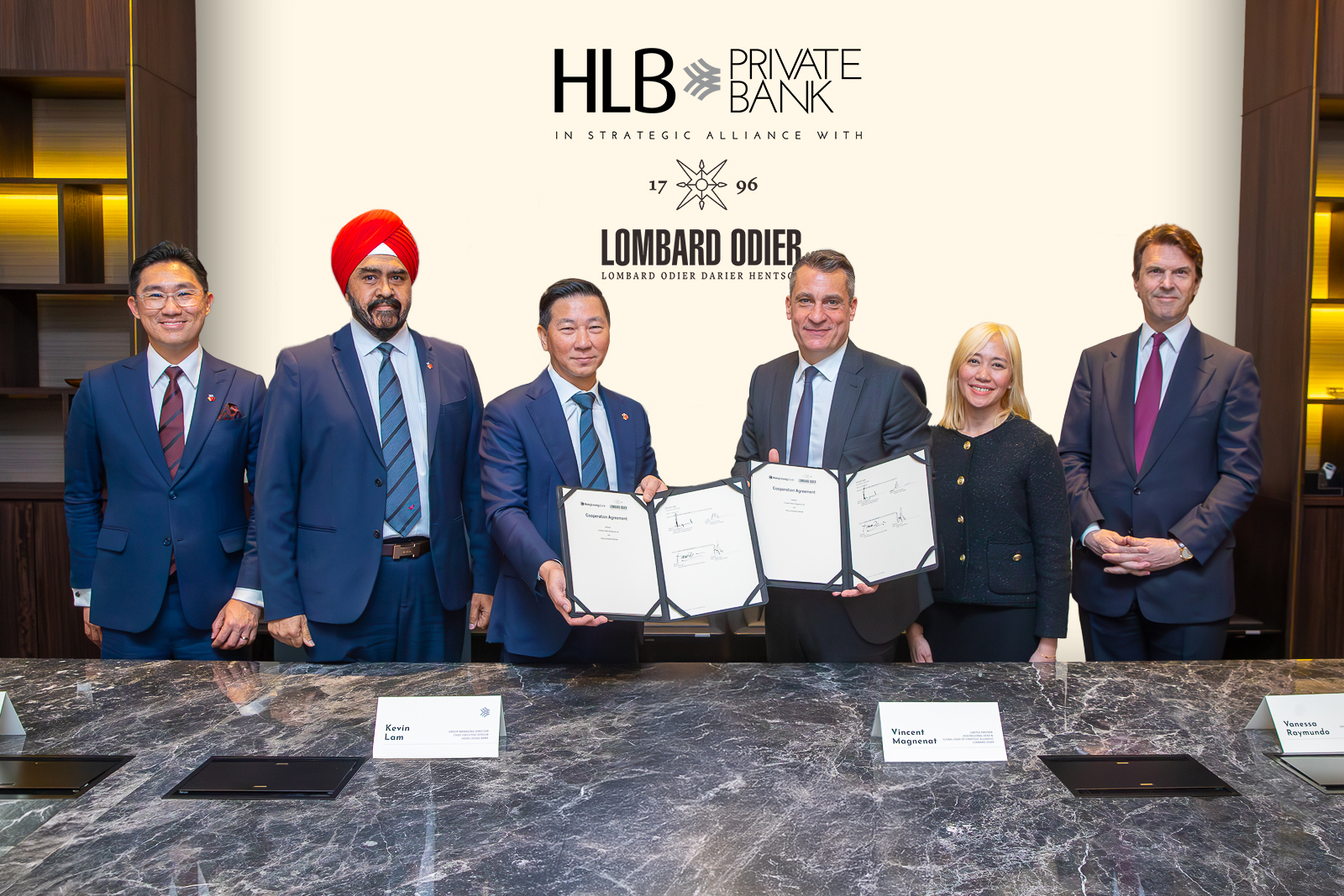
    Swiss private bank Lombard Odier has forged a significant strategic alliance with Kuala Lumpur’s Hong Leong Bank, reinforcing its presence in Asia’s dynamic financial landscape.

    Forging a Strategic Alliance

    This partnership, announced by Lombard Odier (Singapore), aims to blend Hong Leong Bank’s deep understanding of the Asian market with Lombard Odier’s renowned expertise in sustainability and tailored wealth management. The collaboration promises a holistic suite of bespoke advisory services, including exclusive “red carpet advisory” and discretionary portfolio management for discerning clients.

    Senior Managing Partner Hubert Keller emphasized the potential for remarkable growth in Asia’s domestic markets, citing an increasing demand for customized wealth management solutions and a growing necessity for banks to offer clients access to global investment opportunities from within the region.

    Elevating Client Services

    Hong Leong Bank is also elevating its HLB Private Bank offerings by integrating Lombard Odier’s global investment insights with its local knowledge. “Singapore is a pivotal wealth hub in a continent experiencing unprecedented growth in affluence,” noted Kevin Lam, Group Managing Director and CEO of HLB. “This strategic alliance allows us to enrich our Private Banking services in a meaningful way.”

    Founded in 1905, Hong Leong Bank has a robust presence not only in Malaysia but also in Singapore, Hong Kong, Vietnam, and Cambodia, further enhancing its international appeal.

    Expanding Onshore Capabilities

    The establishment of such alliances forms a core part of Lombard Odier’s strategy to expand its wealth management services within onshore markets. The bank has already partnered with local financial institutions in various regions, including Australia, Japan, Taiwan, Thailand, and the Philippines. Notably, Lombard Odier is set to celebrate the 10th anniversary of its collaboration with Kasikornbank’s private wealth arm in December 2024.

    Vincent Magnenat, Asia Group Regional Head and Global Head of Strategic Alliances at Lombard Odier, expressed confidence in the partnership, stating, “We believe in collaborating with the right partners who share our vision for the future of wealth and asset management. Our alliance with HLB is a powerful testament to our shared values and commitment to innovation and sustainability.”

    With the dynamic financial sphere in Asia continually shifting, this partnership promises not just growth but a fresh chapter of opportunity for wealth creation — who knows what other surprises await in the world of finance?

    Questions & Answers

    What is the significance of the partnership between Lombard Odier and Hong Leong Bank? The partnership aims to blend local market expertise with global investment insights, enhancing wealth management services for clients in Asia.

    How does this alliance fit into Lombard Odier’s broader strategy? The alliance is part of Lombard Odier’s push to expand its wealth management capabilities in onshore markets, building on existing partnerships in various Asian countries.

    What benefits can clients expect from this collaboration? Clients will have access to tailored advisory services, leveraging both Lombard Odier’s sustainability expertise and Hong Leong Bank’s local market knowledge for a comprehensive wealth management experience.

  • BNP Paribas Faces Scrutiny: Insights from Ms. Pariset on Recent Criticism

    BNP Paribas Faces Scrutiny: Insights from Ms. Pariset on Recent Criticism

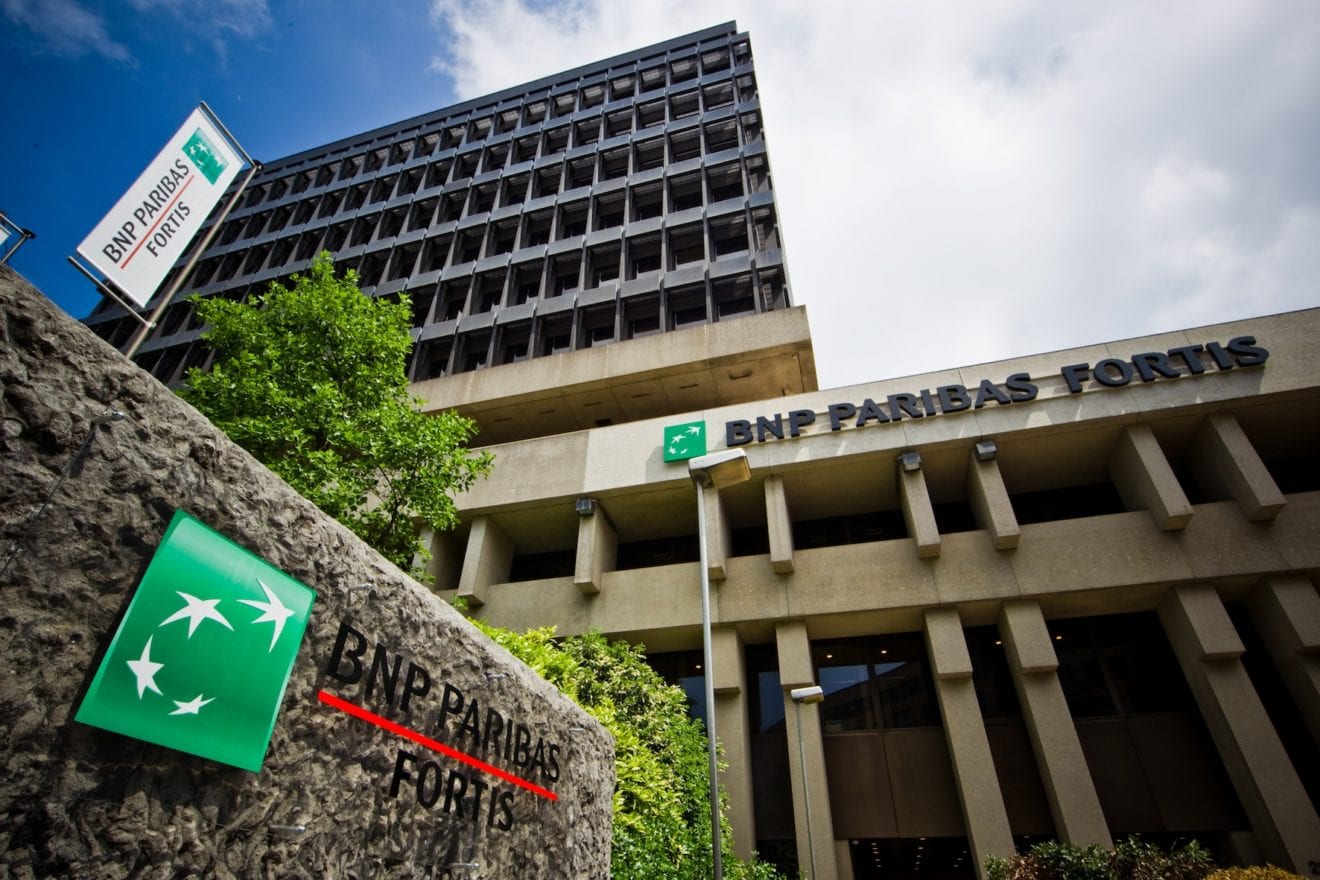
    BNP Paribas has recently restructured its operations in Switzerland, transitioning from a subsidiary to a branch of its French parent company. This strategic move, according to Switzerland CEO Enna Pariset, is designed to streamline the group’s legal framework and enhance operational efficiency across markets where retail banking isn’t part of the offering.

    Legal Streamlining for Growth

    By becoming a branch, BNP Paribas has aligned its Swiss operations more closely with its overall group structure, which has already been implemented in other European markets. Pariset expressed satisfaction with the transition, noting that Switzerland was the final European market to make this change. The bank remains fully regulated by FINMA and also falls under the scrutiny of the European Central Bank.

    Benefits to Clients and Organizational Structure

    This reorganization is not just an administrative shift; it directly supports the bank’s growth ambitions. With branches in Zurich and Geneva, and Lugano functioning under Zurich’s umbrella due to its small team of 15 specialists, the new setup aims to boost operational clarity and efficiency. “Clients benefit from the new structure,” Pariset emphasized, hinting at the positive outcomes expected from this realignment.

    Client Reception and Future Outlook

    What about the clients’ reactions to these changes? Surprisingly, there has been no negative feedback reported. After a two-year preparation process, clients were thoroughly informed and guided throughout the transition. They now enjoy direct access to BNP Paribas Group’s impressive €2.7 trillion balance sheet, bolstered by strong credit ratings—A+ from S&P and A1 from Moody’s. “We are the largest branch of an international bank ever to operate in Switzerland,” Pariset proudly stated.

    Navigating Challenges and Setting Goals

    Despite a lackluster performance in 2023 and the ongoing transformation, Pariset remained optimistic regarding the bank’s future. Operating in Switzerland since 1872, BNP Paribas aims to expand its business with local clients to €1 billion in 2024, with a bold target of €1.5 billion by 2030. “We’re on the right path,” she asserted, detailing the bank’s mission to provide a unique value proposition to Swiss corporates and wealthy families, helping them thrive internationally while preserving their wealth.

    With all this restructuring, it seems one thing is clear: BNP Paribas isn’t just weathering the storm; it’s fine-tuning its sails for smoother seas ahead. Who knew banking could be so exhilarating?

    Questions & Answers

    What are the main motivations behind BNP Paribas’s restructuring in Switzerland? The restructuring aims to streamline legal structures and improve operational efficiency across the group.

    How has the client response been to the new branch model? Clients have responded positively, with no negative feedback reported, gaining direct access to the BNP Paribas Group’s substantial resources.

    What ambitious goals does BNP Paribas have for the Swiss market by 2030? The bank aims to grow its business with Swiss clients to €1.5 billion by 2030, enhancing support for corporates and high-net-worth families.

  • Swiss Corporate Banking Gains Momentum After Credit Suisse Departure

    Swiss Corporate Banking Gains Momentum After Credit Suisse Departure

    The recent collapse of Credit Suisse has created significant ripples in Switzerland’s corporate banking landscape, presenting both challenges and new opportunities. It was not just a regular player; for many businesses, Credit Suisse was a cornerstone in financial dealings. With its sudden exit, the corporate banking arena is experiencing a dramatic upheaval.

    The Emergence of a New Leader

    As UBS steps into a more prominent role, foreign banks are eager to fill the gap, aiming particularly at the lucrative segment of large corporate accounts. Enter Swiss Credit Partners, a fresh name in structured finance poised to seize the moment. At the helm is Matthias Wyder, former head of Corporate Finance and Private Debt at Credit Suisse, now taking on the role of CEO.

    “We believe there is a remarkable opportunity for a Swiss-centric solution,” Wyder comments. “With many syndicated loans approaching renewal in the next few years, the demand for an alternative Swiss option is becoming increasingly apparent.”

    Partnerships That Matter

    Swiss Credit Partners plans to put its focus on mid-sized enterprises and underwriting—an area that has been somewhat overlooked. Despite its critical role in financing diverse projects, many banks have become reluctant in this regard.

    Launching with nearly CHF 1.2 billion in capital, Swiss Credit Partners is backed by notable investors such as Swiss Life and Vaudoise. Wyder hints at the possibility of attracting further financial partners, including other insurers, pension funds, and asset managers.

    Aiming to Complement, Not Compete

    Wyder stresses that the firm does not aim to disrupt the existing market, saying, “We consider ourselves a complementary presence among the established institutions. Our goal is to restore choice for businesses.” With its headquarters in Zurich, Swiss Credit Partners is currently staffed by a team of eight experts, with plans for further expansion on the horizon.

    In a world of rapidly changing financial dynamics, who would have thought a banking void could inspire new opportunities—and perhaps even a little friendly competition? The Swiss corporate banking scene is about to get a dash of fresh energy!

    Questions & Answers

    What is Swiss Credit Partners’ main focus? The firm aims to concentrate on mid-sized companies and underwriting, an area that has been somewhat neglected in the market.

    Who is leading Swiss Credit Partners? The company is headed by Matthias Wyder, the former long-serving Head of Corporate Finance and Private Debt at Credit Suisse.

    What is the firm’s relation to other financial institutions? Swiss Credit Partners views itself as a complementary player, aiming to provide more choices for companies alongside existing banking institutions.

  • Gold Prices Dive in Vietnam: What’s Behind the Sudden Drop?

    Gold Prices Dive in Vietnam: What’s Behind the Sudden Drop?

    Gold prices in Vietnam took a notable plunge on Monday morning, mirroring a downward trend in global bullion markets as the United States and European Union reached an agreement on a deadline for a much-anticipated trade deal.

    Gold Prices on the Decline

    The Saigon Jewelry Company’s gold bars fell by 0.82%, bringing the price to VND120 million (approximately US$4,631.42) per tael. Meanwhile, gold rings saw a decrease of 0.86%, now priced at VND115 million per tael, with one tael equating to 37.5 grams or 1.2 ounces. Interestingly, despite this drop, gold prices have skyrocketed by 42.5% since the start of the year, keeping investors on their toes.

    Globally, gold prices softened on Monday after U.S. President Donald Trump set a July 9 deadline to finalize a trade agreement with the European Union, retracting his earlier stance of imposing a 50% tariff starting June 1. As reported by Reuters, spot gold dipped 0.3% to $3,346.59 an ounce, while U.S. gold futures experienced a 0.6% decline, settling at $3,345.70.

    Kyle Rodda, an analyst at Capital.com, commented on the market fluctuations, stating, “There is a kind of element of relief in the marketplace after the pause on tariffs on the EU, and we’re seeing gold weaken.”

    So, as the gold market takes a breather, investors wonder: will a shiny future be on the horizon, or are we just polishing the surface?

    Questions & Answers

    What caused the drop in gold prices in Vietnam?
    The decline in gold prices is attributed to global market shifts following the U.S.-EU trade deal, easing fears of impending tariffs.

    How much has gold surged since the start of the year?
    Gold prices have surged by an impressive 42.5% since January 2023.

    What are the current prices for gold bars and rings in Vietnam?
    As of Monday, the price for gold bars is VND120 million per tael, while gold rings are priced at VND115 million per tael.

  • Dollar Hits 5-Week Low Against Dong: A Significant Shift in Currency Trends

    Dollar Hits 5-Week Low Against Dong: A Significant Shift in Currency Trends

    The U.S. dollar experienced a notable decline against the Vietnamese dong on Monday morning, reaching its lowest point since April 21. This dip reflects a series of movements in the currency markets that are drawing attention from analysts and investors alike.

    A Shift in the Currency Landscape

    Vietcombank reported a 0.11% decrease in the dollar’s value, pricing it at VND26,100. Meanwhile, the State Bank of Vietnam made adjustments to its reference rate, reducing it by 0.08% to VND24,940. On the black market, the dollar fell further, dropping 0.34% to VND26,340. Despite this recent decline, the dollar has still experienced a 2.15% increase against the dong since the start of the year.

    Global Currency Reactions

    In global markets, the euro surged alongside risk-sensitive currencies like the Australian dollar. This rise follows President Donald Trump’s decision to retract proposed 50% tariffs on European Union imports, a move that occurred after the EU sought additional time to negotiate a more favorable deal. Trump’s sudden policy reversals, compounded by a comprehensive spending and tax-cut bill currently working its way through legislation, have led to a broader sell-off of U.S. assets. In response, the U.S. dollar index, which measures the dollar against six major currencies, dropped 0.3% to 98.813, building on a significant 1.9% decline from the previous week.

    As the dollar’s uncertainty lingers, investors are left wondering how these developments will impact the future of global trade and currency exchanges.

    Questions & Answers

    What recent event contributed to the dollar’s decline against the dong?
    The dollar fell after President Donald Trump backed away from imposing 50% tariffs on European goods, a move that appeased investors and allowed for risk-sensitive currencies to rise.

    How much has the dollar changed against the dong since the beginning of the year?
    Despite the recent decline, the dollar has increased by 2.15% against the dong this year, showcasing a complex dynamic in currency exchange rates.

    What does the decline in the U.S. dollar index signify for investors?
    The drop in the U.S. dollar index signals growing investor skepticism towards U.S. assets, driven by recent policy shifts and ongoing legislative changes that may reshape economic conditions.

    In a world where currencies dance to the rhythm of policy and international negotiation, the dollar’s performance can often feel like watching a thrilling game of cat and mouse.

  • Standard Chartered Strengthens UAE Private Banking Team for Enhanced Client Service

    Standard Chartered Strengthens UAE Private Banking Team for Enhanced Client Service

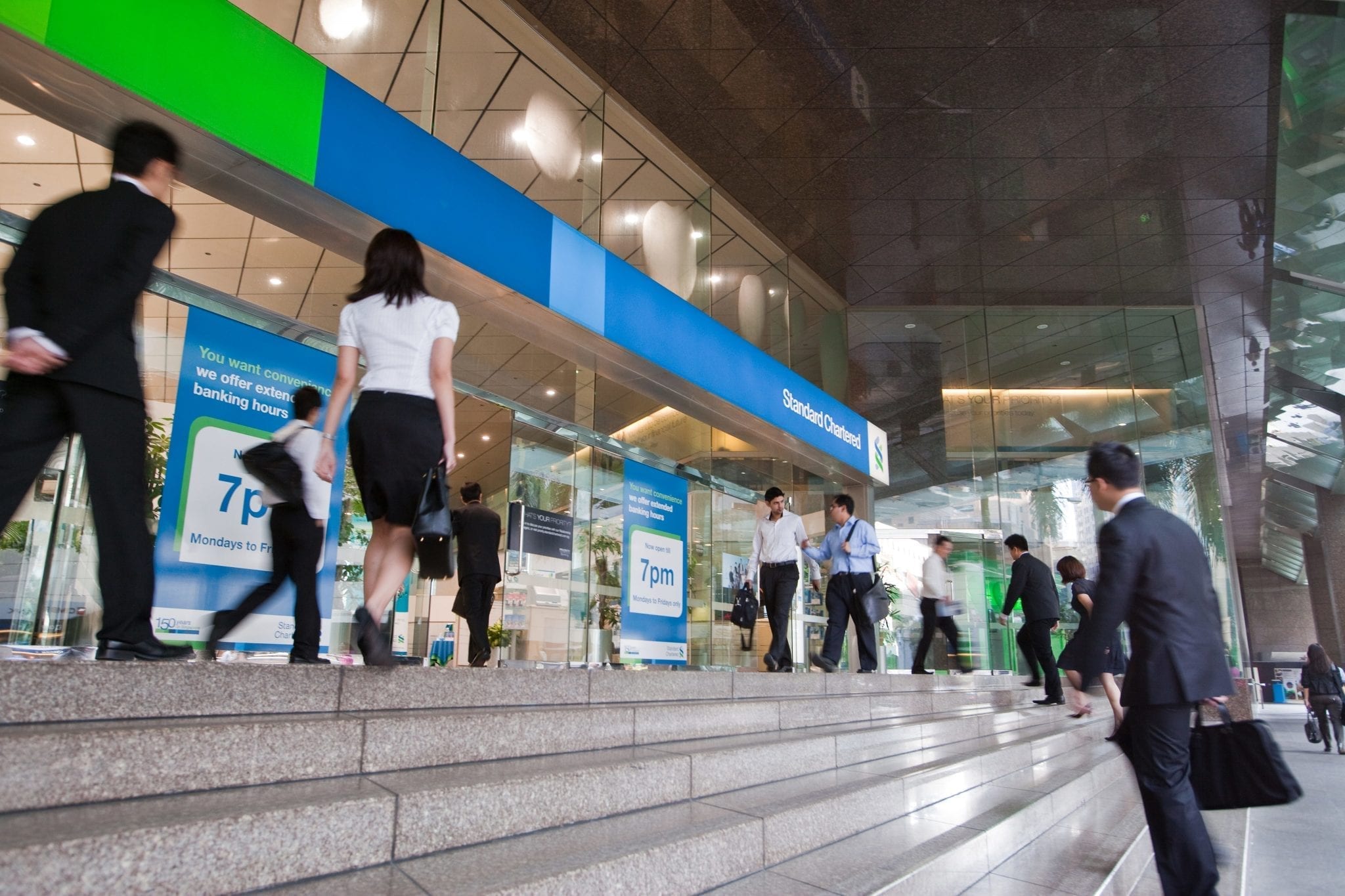
    The private banking division of Standard Chartered is ramping up its presence in the UAE with a series of notable new hires in a move that underscores the region’s burgeoning wealth landscape. The bank has appointed Yahya Ismail as managing director and market head for Europe, the Middle East, and Africa (EMEA). Bringing over 25 years of expertise, Ismail has spent the last two decades immersed in private wealth management roles at prestigious firms like Julius Baer and ABN AMRO.

    Emerging Wealth in the Middle East

    “The Middle East is growing at an extraordinary pace, with the UAE in particular experiencing rapid growth in wealth creation among high-net-worth (HNW) and ultra-high-net-worth (UHNW) individuals who increasingly seek bespoke, cross-border financial solutions for wealth preservation, intergenerational transfers, and sustainable growth,” noted Vinay Gandhi, the global head of the South Asian community and regional head of EMEA at the private bank.

    A Stronger Team for Enhanced Client Care

    Ismail now leads a powerhouse team that includes Laura Haddad, appointed as senior client partner responsible for GCC UHNW clients, alongside Samia Shahnawaz as executive director and relationship manager. Additional key players include Ramla Mansukhani and Lakshmi Menon, who serve as relationship and client service managers, respectively. Haddad brings two decades of experience at firms like Credit Agricole and Citibank, while Shahnawaz boasts a similar wealth of experience in private and institutional banking.

    Investing in Future Growth

    This latest expansion is part of Standard Chartered’s ambitious plan to inject $1.5 billion into its affluent business over the next five years. “As one of the Bank’s wealth hubs, the UAE plays a pivotal role in Standard Chartered’s global strategy. We are dedicated to enhancing our talent pool, providing tailor-made client solutions, and diversifying our product offerings to meet the evolving needs of our HNW and UHNW clients,” Gandhi added, hinting that the private banking sector may soon see a flurry of innovation and bespoke services aimed at high-end clientele.

    In a region known for its luxury lifestyles, can you imagine the tailored experiences these banking professionals will bring to their high-flying clients? The sky is not just the limit; it’s merely a starting point.

    Questions & Answers

    What is the role of Yahya Ismail at Standard Chartered? Ismail is appointed as managing director and market head for EMEA, overseeing the bank’s private banking operations in the region.

    Why is the UAE significant for Standard Chartered’s strategy? The UAE is considered a key wealth hub, prompting Standard Chartered to actively invest in talent and resources to cater to the growing HNW and UHNW client base.

    How much is Standard Chartered investing in its affluent business? The bank plans to invest $1.5 billion in its affluent business over the next five years.

  • Gold Prices Edge Higher Amid Market Shifts and Economic Uncertainty

    Gold Prices Edge Higher Amid Market Shifts and Economic Uncertainty

    Vietnam’s gold market saw a subtle uptick on Saturday morning, buoyed by a surge in global bullion prices.

    Vietnam’s Gold Prices on the Rise

    The Saigon Jewelry Company reported a 0.41% increase in gold bars, pricing them at VND121 million (approximately $4,662.09) per tael. Gold rings also experienced a slight gain of 0.43%, reaching VND116 million per tael. Notably, since the start of the year, gold prices have skyrocketed by 44%.

    On the international scene, gold prices climbed more than 2% on Friday, marking the best weekly performance in six weeks. This surge occurred as investors turned to gold as a safe-haven asset amidst new tariff threats from U.S. President Donald Trump and a weakening dollar, as reported by Reuters. Spot gold jumped 2.1% to $3,362.70 an ounce, and bullion posted a 5.1% weekly increase, hitting its highest point in over two weeks.

    “U.S. President Donald Trump has been on a tear the last 24 hours. Threatening 50% tariffs on the EU as of June 1, biting Apple, and hammering Harvard has stocks in a black mood, which is great for gold,” noted Tai Wong, an independent metals trader. It seems when the stock market frowns, gold shines—truly a case of financial opposites attracting!

    Questions & Answers

    How much has gold increased since the beginning of the year?
    Gold prices have surged by 44% since the start of the year.

    What influence did President Trump have on the gold market recently?
    His recent tariff threats contributed to a decline in investor confidence in stocks, leading many to turn to gold as a safer investment.

    What was the percentage gain for spot gold on Friday?
    Spot gold rose by 2.1% on Friday, marking an impressive increase amidst global market fluctuations.

  • Dollar Dips Against Dong in Thriving Black Market Exchange

    Dollar Dips Against Dong in Thriving Black Market Exchange

    The U.S. dollar took a hit against the Vietnamese dong in the black market this past Saturday morning, as unofficial exchange points reported a decrease of 0.34%, bringing the dollar’s value to VND 26,340. In contrast, Vietcombank opted to maintain its exchange rate at VND 26,130.

    Globally, the dollar faced a significant decline on Friday, largely fueled by a surge of investor concern as U.S. President Donald Trump escalated trade tensions. His suggestion to impose a 50% tariff on European Union imports beginning June 1 sent investors scrambling, as reported by Reuters. The dollar index, a gauge that measures the greenback against a basket of other currencies, fell by 0.8% to settle at 99.09, marking its lowest point in three weeks.

    Over the course of the week, the dollar slid 1.9%, on track for its most significant weekly percentage drop since early April. Jayati Bharadwaj, a global foreign exchange strategist at TD Securities, noted that the concurrent decline of the dollar and U.S. stocks indicates a noteworthy shift in market dynamics. “The dollar’s correlation with equities is broken,” she stated, adding that this inversion is likely to persist due to the U.S.-specific risks influencing the financial landscape since the year’s beginning.

    In this topsy-turvy market, one might wonder if the dollar’s next move will involve a dramatic dance with tariffs or a quieter retreat into the shadows.

    Questions & Answers

    What was the dollar’s exchange rate against the dong on the black market?
    The U.S. dollar traded at VND 26,340 on the black market, down 0.34%.

    How did the dollar perform globally last Friday?
    The dollar fell by 0.8% in value, hitting its lowest point in three weeks, predominantly due to escalating trade tensions.

    What did the global FX strategist say about the dollar’s performance?
    Jayati Bharadwaj pointed out that the dollar is no longer acting as a safe haven, as its correlation with stock performance has significantly shifted.

  • Dollar Takes a Dive Against Dong: What It Means for the Markets

    Dollar Takes a Dive Against Dong: What It Means for the Markets

    On Friday morning, the U.S. dollar tumbled against the Vietnamese dong, marking what seems to be a continuous seven-day decline. Vietcombank priced the dollar at VND26,130, reflecting a 0.07% decrease from the previous day. Meanwhile, the State Bank of Vietnam maintained its reference rate at VND24,960. In the black market, the dollar fell further, hitting VND26,380, down 0.19%.

    Globally, the dollar was softening as Friday unfolded, poised for its first weekly drop against the euro and yen after five weeks. This decline is attributed to concerns surrounding the worsening fiscal health of the United States, leading investors to seek refuge in safer assets. According to Reuters, the dollar index, which measures the currency against six others, including the yen and the euro, is forecasted for a 1.1% dip this week, despite showing little fluctuation, resting at 99.829 early in Asian trading.

    In these economic tides, the dollar seems to be on a slippery slope, almost like a tightrope walker struggling to maintain balance!

    Questions & Answers

    How much did the U.S. dollar drop against the Vietnamese dong?
    The U.S. dollar dropped to VND26,130, a decrease of 0.07% from Thursday.

    What was the state of the dollar on the black market?
    On the black market, the dollar fell to VND26,380, reflecting a 0.19% decline.

    What factors are contributing to the dollar’s decline?
    Worries about the worsening fiscal health of the United States have prompted investors to seek safer assets, leading to the dollar’s decline against other currencies.

  • Revolut Business Aims to Double Swiss Client Base, Says Chief Executive

    Revolut Business Aims to Double Swiss Client Base, Says Chief Executive

    Currently boasting around 10,000 corporate customers in Switzerland, Revolut Business is making a significant impact across the landscape of local enterprises. They cater to a diverse clientele ranging from solo entrepreneurs to established international corporations. The sweet spot for their core clients typically falls within small to medium-sized businesses, housing between five to fifty employees and experiencing an annual turnover of one to ten million. These Swiss companies often have cross-border operations, whether importing from Europe or exporting to the UK, leveraging Revolut’s services to manage foreign currency transactions and global payments. About half of global users consider Revolut their primary business banking account, a figure that holds strong, albeit slightly lower, in Switzerland.

    Understanding Swiss Business Dynamics

    While approximately 40 percent of Swiss businesses utilize Revolut as their primary account, it is evident that the platform is more than just a tool for occasional international payments. With plans for accelerated growth, Revolut’s expansive offerings are set to become even more attractive, especially with an already impressive traction in the region.

    What Fuels Growth?

    The rise in popularity can be credited to several distinct factors. First and foremost, Revolut presents an all-in-one solution, encapsulating everything businesses need in a single, user-friendly web and mobile interface. The onboarding process is surprisingly quick and straightforward, allowing companies to manage their finances with ease. Spending controls add an extra layer of security, enabling businesses to set limits and define approval protocols for corporate expenditures, key for advertising and day-to-day expenses. Of course, the ability to execute transactions in over 30 currencies at interbank rates serves as a significant lure, especially attractive to Swiss SMEs engaged in European trade.

    A Currency-Forward Thinking Strategy

    Revolut maintains its competitive edge not just in its functionalities but also in its continuous adaptation to customer needs. Recently, it launched access to foreign currency money market funds—ideal for businesses looking to optimize cash management rather than leaving funds idle. While holding investments in foreign currencies may not appeal to everyone, adoption has been swift—especially among startups with USD funding and companies operating in foreign markets. They are keenly aware that a forthcoming launch of local savings options in Swiss francs will broaden appeal even further.

    Upcoming Innovations for Swiss Market

    Looking ahead, Revolut is poised to introduce three exciting offerings in Switzerland. A Euro-denominated savings account, traditional cash savings options, and merchant solutions that enable businesses to accept card payments—complete with physical terminals. Most notably, the FX Forwards product will allow Swiss companies to lock in future exchange rates, catering to a market rife with cross-border trading.

    Seizing Market Share

    With a keen eye on the competitive landscape dominated by established giants like Worldline, Revolut’s strategy focuses on delivering superior technology and pricing. The integration of multiple services on one platform eliminates the need for separate accounts and enables businesses to manage finances seamlessly. Their recent push into active marketing, backed by a growing sales team, highlights their commitment to gaining traction in the Swiss market where approximately 10 percent of the population already uses the Revolut app.

    A Bold Target Ahead

    As the company sets its sights on ambitious growth for 2023 and beyond, General Manager James Gibson is aiming for a 100 percent year-on-year expansion. Doubling their base of business customers in Switzerland within the next year is the goal—an aspiration that promises to reinvigorate the local financial services landscape.

    Questions & Answers

    What is the current focus for Revolut Business in Switzerland? The immediate focus is on expanding our product offerings, including launching a Euro-denominated savings account and merchant payment solutions.

    How does Revolut plan to differentiate itself from competitors in the Swiss market? By providing a fully integrated platform that is user-friendly and competitively priced, we aim to streamline financial management for our customers.

    What does Revolut foresee for its expansion in Switzerland? We anticipate significant growth, aiming to double our Swiss client base within the next 12 months as we invest more resources into the local market.

  • Dollar Gains Ground Against Dong in Latest Currency Exchange Update

    Dollar Gains Ground Against Dong in Latest Currency Exchange Update

    The U.S. dollar experienced a slight uptick against the Vietnamese dong on Thursday morning, but faced declines when matched against various major currencies.

    Vietcombank Adjusts Rates

    In an intriguing shift, Vietcombank increased its dollar exchange rate by 0.04%, setting it at VND 26,150. Meanwhile, the State Bank of Vietnam took a different approach, reducing its reference rate by 0.03% to VND 24,955. On the black market, the dollar saw a 0.19% drop, marking a noteworthy twist in the ongoing currency dynamics. Despite these fluctuations, the greenback has seen a rise of 2.34% against the dong since the beginning of the year.

    Global Concerns Weigh on the Dollar

    Internationally, the U.S. dollar faced headwinds driven by fiscal uncertainties and a lackluster Treasury bond auction, causing it to hit a two-week low against the yen. According to reports, President Donald Trump was making an attempt to shepherd his ambitious spending and tax-cut proposal through Congress. As a result, the dollar dipped to 143.27 yen, its lowest since May 7. In the European currency market, the euro remained stable at $1.1330 following a 0.4% rise on Wednesday, marking a third consecutive day of gains.

    Bitcoin and Gold Shine

    In the world of alternative investments, Bitcoin soared to a new all-time high on Thursday, capturing the attention of investors seeking options beyond U.S. assets. Gold also enjoyed a boost, hitting an almost two-week peak of $3,325.79—just $175 shy of its record high from April. It seems that, in a world rife with uncertainties, some assets just know how to dazzle!

    Questions & Answers

    What sparked the rise in the dollar against the Vietnamese dong?
    Vietcombank’s increase of its exchange rate contributed to the dollar’s rise, despite mixed signals from the State Bank of Vietnam.

    How did the dollar perform in global markets?
    While it rose against the dong, the dollar struggled against major currencies, dropping to a two-week low against the yen.

    What trends did Bitcoin and gold exhibit recently?
    Bitcoin reached an all-time high as investors sought alternatives to the dollar, while gold climbed to nearly a two-week high, heightening its appeal in this uncertain financial landscape.

  • Vietnam’s Gold Prices Rise as Global Markets Surge

    Vietnam’s Gold Prices Rise as Global Markets Surge

    A subtle shift in the gold market has been observed in Vietnam as local prices edged upwards on Thursday morning, coinciding with a significant uptick in global bullion values. This rise comes as gold reached its highest point in two weeks, enticing investors to seek refuge in this precious metal amid growing economic uncertainties.

    Local Gold Market Response

    In Hanoi, gold bars from the Saigon Jewelry Company saw a modest increase of 0.57%, bringing the price to VND121.3 million (approximately US$4,668.98) per tael, which is equivalent to 37.5 grams or 1.2 ounces. Gold rings also experienced a rise, climbing 0.43% to VND115.5 million per tael.

    Global Factors at Play

    On the international stage, gold prices surged to a two-week high as investors gravitated towards this safe-haven asset in light of escalating concerns regarding the burgeoning debt of the U.S. government and tepid demand for 20-year Treasury bonds. This scenario increasingly reflects a diminished appetite for U.S. assets. As reported, spot gold climbed 0.8% to $3,340.53 an ounce, marking its highest level since May 9.

    The U.S. dollar remains weak, hovering near a two-week low reached in the previous trading session. This trend has made dollar-priced gold more affordable for investors holding foreign currencies. “Gold’s bullish reversal is supported by a weaker U.S. dollar and lingering stagflation risks in the U.S. economy,” observed Kelvin Wong, senior market analyst for Asia Pacific at OANDA.

    As the global gold market fluctuates, one can’t help but wonder if this precious metal will soon become the star of the economic show!

    Questions & Answers

    What caused the recent rise in gold prices in Vietnam?
    The rise in Vietnam’s gold prices is attributed to a surge in global bullion values, driven by investor concerns about the U.S. government’s growing debt and soft demand for Treasury bonds.

    How much did the gold price increase at the Saigon Jewelry Company?
    Gold bars at the Saigon Jewelry Company increased by 0.57%, with prices reaching VND121.3 million per tael.

    What external factors are influencing gold prices globally?
    A weaker U.S. dollar and concerns over stagflation in the U.S. economy are key factors contributing to the recent bullish trend in global gold prices.