Category: Finance

Retail News Asia is committed to providing both local and global retailers with the latest Finance news throughout the Asian market. This on a daily base.

  • Dollar Strengthens Slightly Against Vietnamese Dong in Currency Trading

    Dollar Strengthens Slightly Against Vietnamese Dong in Currency Trading

    The U.S. dollar experienced a slight uptick against the Vietnamese dong on Tuesday morning, even as global rates plunged to a six-week low. This nuanced currency dance unfolds amidst a backdrop of economic fragility and trade tensions.

    Dollar Surges Against Dong

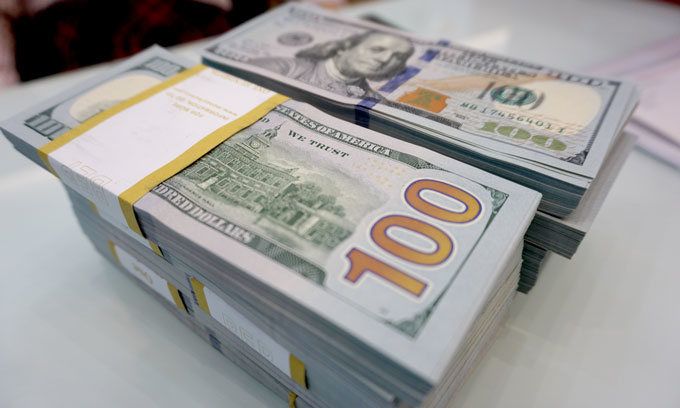
    Vietcombank marked an increase in its dollar selling rate, up 0.11% to VND26,230. This change represents a 0.54% rise in just over a week. Meanwhile, the State Bank of Vietnam also raised its reference rate, pushing it up by 0.05% to VND24,982. However, on the black market, the dollar dipped 0.11% to VND26,330, illustrating a mixed sentiment regarding the greenback. Year-to-date, the dollar has appreciated by 2.66%, showcasing its resilience.

    Global Trends Impacting Exchange Rates

    On a broader scale, the dollar’s global standing fell to a six-week low on signs of a weakening U.S. economy. Analysts point to the ongoing trade war initiated during President Donald Trump’s administration as a critical factor in this economic fragility. Effective Wednesday, U.S. tariffs on imported steel and aluminum will inflate to 50%, coinciding with the Trump administration’s push for improved trade offers.

    Rodrigo Catril, senior FX strategist at the National Australia Bank, expressed that the persistent trade tensions suggest no significant improvement in sight and have contributed to widespread declines in the dollar’s value. Intriguingly, the Australian and New Zealand dollars have emerged as unlikely champions during this turbulent time, showcasing their surprising resilience.

    As the dollar index—the measure against six major peers—remained steady after dipping to 98.58, its lowest point since late April, the greenback was trading at 142.71 yen, hovering near a one-week low. Who said financial markets don’t have drama?

    Questions & Answers

    What is the current exchange rate of the U.S. dollar against the Vietnamese dong?
    The dollar is trading at VND26,230 at Vietcombank and VND26,330 in the black market.

    How much has the dollar increased since the start of the year?
    The U.S. dollar has gained 2.66% against the Vietnamese dong since the year began.

    What factors are contributing to the dollar’s recent low globally?
    Global trade tensions and concerns about the U.S. economy’s health, particularly due to ongoing tariffs, are key contributors to the dollar’s decline.

  • Gold Prices Hold Steady Amidst Global Bullion Decline

    Gold Prices Hold Steady Amidst Global Bullion Decline

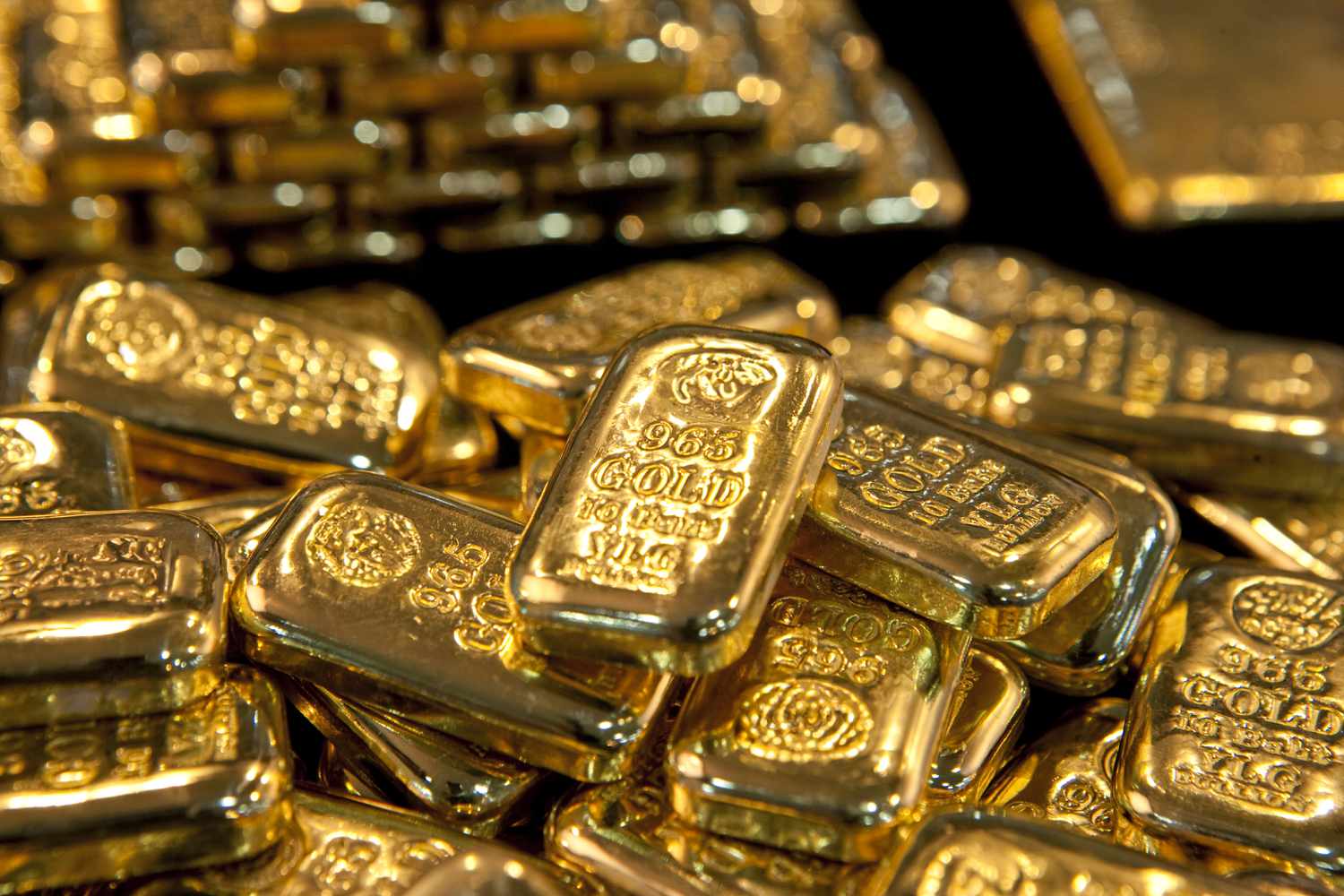
    Vietnam’s gold market is experiencing a cautious day as prices struggle to rise back to their historic highs reached earlier this year. On Tuesday morning, the gold bar price from the Saigon Jewelry Company saw a modest increase of 0.17%, now standing at VND118 million (approximately US$4,529.31). Meanwhile, the price of gold rings ticked up by 0.18%, reaching VND114 million per tael, where one tael equals 37.5 grams or 1.2 ounces.

    Despite these slight gains, gold prices have skyrocketed by 40% since the start of the year, reflecting a persistent interest in the precious metal amid fluctuating global rates.

    Global Trends Impacting Local Prices

    Internationally, gold faced pressures as the dollar dipped from a recent peak, causing some hesitation among investors. The recent uncertainty surrounding the U.S.-China trade agreement has left market participants cautious, contributing to a limited decline in gold’s value, according to reports. Spot gold saw a 0.5% decline, reaching $3,362.57 per ounce after peaking earlier in the day. U.S. gold futures fell by 0.3% to $3,386.60.

    Brian Lan, managing director at GoldSilver Central in Singapore, commented on the current market dynamics: “As the dollar recovers slightly, gold prices have dropped. There is an inverse correlation right now.” Yet, Lan noted that gold continues to serve as a safe haven for investors, who have only slightly reduced their holdings. This caution contrasts with previous instances of easing global tensions when sell-offs were more pronounced.

    So, while the gold market may feel the pinch from outside forces, it remains a glittering beacon in unpredictable times. After all, who would’ve thought a metal could so elegantly dance with the complexities of international trade?

    Questions & Answers

    What is the current price of gold bars in Vietnam?
    Gold bars in Vietnam now sell for VND118 million, approximately US$4,529.31.

    How much has gold risen in price this year?
    Gold prices have surged by 40% since the beginning of the year.

    What factors are influencing the global gold market?
    The market is currently impacted by fluctuations in the dollar and ongoing uncertainties within U.S.-China trade relations.

  • Ultra-Rich Seek Safe Haven: Singapore’s Gold Storage Becomes Hot Commodity Amid Rising Global Risks

    Ultra-Rich Seek Safe Haven: Singapore’s Gold Storage Becomes Hot Commodity Amid Rising Global Risks

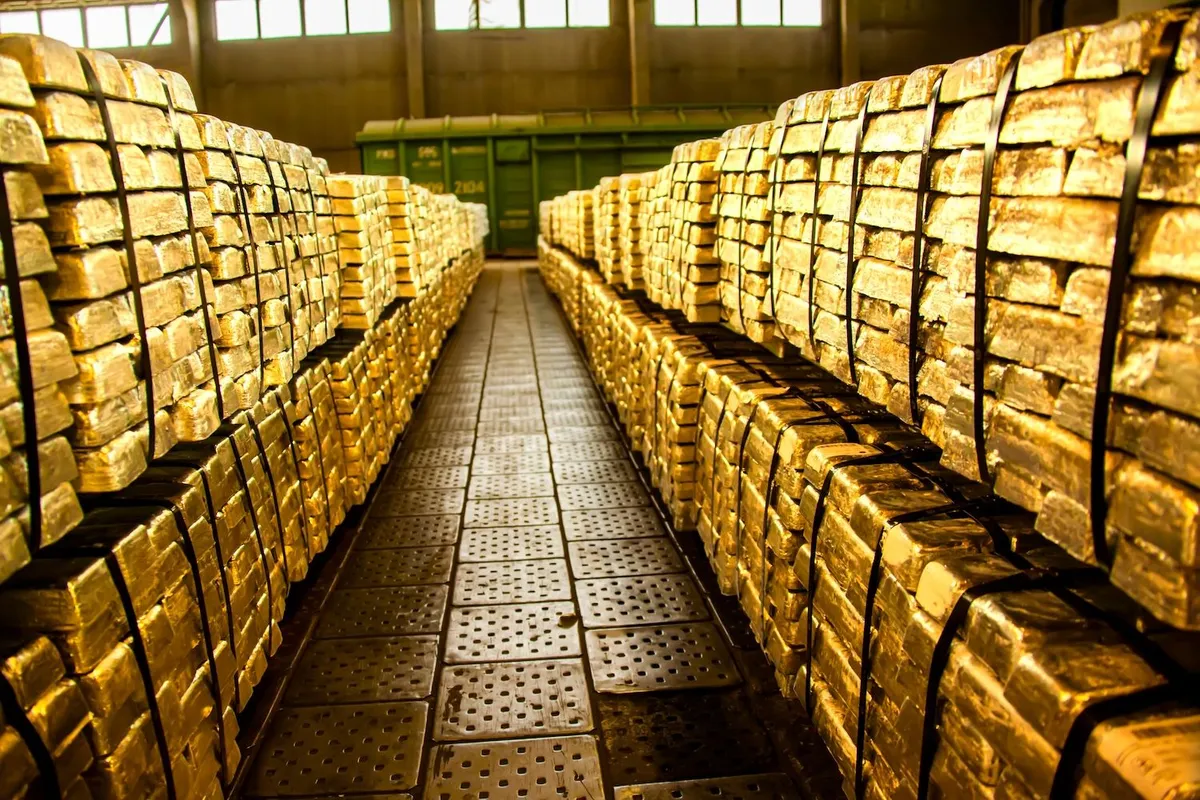
    Located near Singapore’s bustling airport, a remarkable six-story structure known as “The Reserve” holds gold and silver bars valued at an astounding US$1.5 billion. This extraordinary facility features numerous private vaults and an impressive storage chamber filled with thousands of safe deposit boxes, soaring three stories high.

    Record Surge in Precious Metal Storage

    In the first four months of this year, The Reserve reported an astonishing 88% increase in orders for gold and silver storage compared to the same period in 2024, according to its founder, Gregor Gregersen. Even more striking, the facility experienced a 200% year-on-year rise in sales of precious metals bars during this timeframe.

    “A lot of very high net-worth clients are looking at tariffs, the changing world, and the potential for geopolitical instabilities,” Gregersen shared with CNBC. “The idea of placing physical metal in a safe jurisdiction like Singapore with trustworthy partners is becoming an undeniable trend.” Interestingly, 90% of the new orders come from clients based outside Singapore.

    Gold Prices on the Rise

    With gold prices skyrocketing to consecutive record highs this year, driven in part by its status as a safe haven amid tumultuous U.S.-China trade tensions, the allure of physical gold has tantalized investors. Currently, spot gold is trading at around $3,300 and is projected to climb to $3,400 in the near term, according to Tim Waterer, chief market analyst at KCM Trade. Furthermore, JP Morgan anticipates bullion could reach $4,000 per ounce next year.

    Gregersen highlighted that wealthy investors are increasingly opting for tangible gold bars over paper investments to mitigate counterparty and geopolitical risks. “Previous crises have amplified the demand for physically owning gold rather than relying on paper assets or pooled reserves, which may become precarious if a bank fails,” noted Nicky Shiels, head of research and metals strategy at MKS Pamp, a distinguished refining and trading firm for precious metals.

    Singapore’s Spotlight Role

    Given the current economic uncertainties, Singapore has emerged as a premier hub for gold reserves. “Singapore is regarded as the ‘Geneva of the East’; it boasts a reputation for political and economic stability,” Shiels remarked to CNBC.

    This major transit hub not only serves as a safe space for storing wealth but also offers ease of access. According to Shiels, “You can bank and store your gold there, and it’s easy to pick up and transport, making it a competitive advantage over Switzerland.”

    As The Reserve continues to flourish in Singapore, it’s clear that the allure of physical gold won’t be fading away anytime soon.

    Questions & Answers

    What significant increase did The Reserve see in storage orders?
    The Reserve experienced an impressively high 88% surge in orders for gold and silver storage in the first four months of this year.

    What are the current trends in gold pricing?
    Spot gold is currently trading around $3,300, with predictions suggesting it may rise to $3,400 soon, and JP Morgan estimates it could reach $4,000 per ounce next year.

    Why is Singapore viewed as a favorable location for gold storage?
    Singapore is considered a legitimate “Geneva of the East” due to its political stability, economic security, and convenience as a major transit hub, making it an attractive option for wealth storage.

  • Gold Bar Prices Soar as Global Rates Take a Dive

    Gold Bar Prices Soar as Global Rates Take a Dive

    In a striking turn of events, gold bar prices in Vietnam took a downward plunge on Monday morning, even as global bullion rates experienced a modest uptick. The Saigon Jewelry Company reported that gold bars saw a decline of 1.01%, settling at VND117 million (approximately US$4,496.03) per tael. Meanwhile, gold rings staged a minor comeback, rising 0.18% to VND113.7 million per tael—a tael equals 37.5 grams or 1.2 ounces.

    Internationally, the landscape for gold shifted as escalating tensions in the Russia-Ukraine conflict, coupled with U.S. President Donald Trump’s renewed threats to double tariffs on imported steel and aluminum, prompted investors to flock to the safety of bullion. According to Reuters, spot gold increased by 0.5% to reach $3,305.85 an ounce, while U.S. gold futures climbed 0.4% to $3,329.80.

    Tim Waterer, chief market analyst at KCM Trade, noted, “With trade and geopolitical worries bubbling to the surface once again, it’s no surprise to see gold ticking higher to start the week.” He added that riskier assets are losing steam while a dip in the dollar continues to support gold’s upward trajectory.

    The recent dip in the U.S. dollar index rendered bullion more affordable for international buyers, reinforcing gold’s status as a safe-haven asset amid global uncertainties. Given its tendency to flourish in low-interest rate environments, gold remains a shiny beacon for investors eyeing stability in the face of economic volatility.

    What a modern-day treasure hunt it is! As geopolitical tensions rise, it seems gold is the new black—always in style and never out of demand.

    Questions & Answers

    What caused the drop in Vietnam’s gold bar prices?
    Vietnam’s gold bar prices fell due to a decrease in local demand, even as global gold prices rose in response to geopolitical tensions.

    How did global gold prices react on the same day?
    Globally, gold prices climbed, with spot gold increasing by 0.5% to $3,305.85 an ounce, driven by investor concerns over escalating geopolitical issues.

    What factors typically support gold prices?
    Gold prices tend to thrive during periods of geopolitical and economic uncertainty, especially in low-interest rate environments, as it is seen as a safe-haven asset.

  • Lumen Capital Welcomes Former UBS Executives to Enhance Its Dynamic Team

    Lumen Capital Welcomes Former UBS Executives to Enhance Its Dynamic Team

    In an exciting development for the financial services landscape in Switzerland, former UBS executives are joining the dynamic team at Lumen Capital, an independent asset management firm based in Zurich. This move signifies Lumen Capital’s ambitious growth strategy as it seeks to enhance its offerings in wealth management.

    Wealth Management Expertise Taking Center Stage

    Leading the charge is Haas, who brings more than two decades of experience in wealth management, both within Switzerland and on an international scale. Since kicking off his career in 2004 with UBS’s international wealth management division, he has amassed a wealth of knowledge that places him in a prime position to contribute to Lumen Capital’s success.

    From 2010 to 2014, he played a pivotal role in establishing a private bank in Zurich, managing its private banking operations. Following this venture, he dedicated a decade to advising affluent Swiss clients at UBS as a Senior Client Advisor, eventually taking the helm as Team Leader. “At Lumen Capital, I can offer my clients tailored, conflict-free advice. Active listening is key for me to fully grasp their needs,” Haas explained, painting a picture of client-centric service.

    His academic credentials include a Master’s degree in Economics from the University of St. Gallen and a Chartered Alternative Investment Analyst (CAIA) diploma. Additionally, he is recognized as a Certified Wealth Management Advisor (CWMA) for the Swiss market—a trifecta of qualifications that bolsters his expertise.

    A Fresh Voice in Lumen’s Advisory Board

    In an equally exciting development, Lumen Capital has welcomed Matthias Krauland to its Advisory Board. A distinguished figure in the financial realm, Krauland previously held positions at UBS before moving to Deutsche Bank, where he continues to lend his insights as an Advisor.

    Boasting more than 18 years at Eisenmann SE, where he served as CEO for over twelve years and is now Chairman of the Board, Krauland brings a wealth of experience from the world of manufacturing, particularly serving the automotive industry from his base in Böblingen, Germany. His diverse background enriches Lumen Capital’s strategic direction, melding finance with industrial insights.

    This intriguing mix of talent at Lumen Capital promises a robust and innovative approach to asset management that could change the game in the Swiss market.

    Questions & Answers

    What is Lumen Capital’s strategy for growth? Lumen Capital aims to expand its service offerings by leveraging the extensive experience of its newly appointed team members, focusing on tailored, conflict-free wealth management.

    Who is leading the wealth management efforts at Lumen Capital? Haas, with his rich background of over 20 years in wealth management, is spearheading wealth management at Lumen Capital, emphasizing individualized client experiences.

    How does Matthias Krauland contribute to Lumen Capital? As an Advisory Board member, Krauland provides strategic insights drawn from his extensive experience in the financial sector and as an industry leader at Eisenmann SE.

  • Thailand’s Largest Bank Takes Bold Step: Foreign Tourists Unable to Open Accounts Amid Fraud Crackdown

    Thailand’s Largest Bank Takes Bold Step: Foreign Tourists Unable to Open Accounts Amid Fraud Crackdown

    In a significant policy shift, Bangkok Bank, Thailand’s largest bank by assets, has halted account openings for certain foreign customers without long-term residency. This move is a part of a broader crackdown on fraud that could impact visitors and some expatriates.

    Tightened Restrictions

    The bank’s updated policy also limits access to credit card services and mobile banking for individuals who do not meet the newly established eligibility criteria. “Customers flagged as suspicious under regulatory guidelines are required to undergo identity verification,” the bank stated, as reported by the Bangkok Post.

    Impact on Foreign Nationals

    The effects of this policy shift are already being felt, as numerous foreigners have taken to social media to express their frustrations over frozen accounts and blocked cards. The Bangkok Community Help Foundation has also received several similar reports.

    Exceptions to the Rule

    According to the Russian state news agency TASS, a spokesperson for Bangkok Bank confirmed that tourists are now ineligible to open accounts, though exceptions are made for foreigners with Thai spouses, property ownership, or long-term visa status. “An account with Bangkok Bank can be opened by foreigners present in the country under retirement or non-immigrant visas,” the spokesperson clarified.

    Seeking Assistance

    Customers navigating account issues or looking for further clarification are encouraged to reach out to Bangkok Bank through its official support channels. After all, even banks need a little TLC from their customers!

    Questions & Answers

    What prompted Bangkok Bank to implement this new policy?
    Bangkok Bank is cracking down on fraud, leading to a restriction on account openings for foreign customers without long-term residency.

    Who is still eligible to open an account at Bangkok Bank?
    Foreigners with Thai spouses, property ownership, or long-term visa status, including retirement or non-immigrant visas, can still open accounts.

    How can affected customers get assistance?
    Customers facing issues with their accounts should contact Bangkok Bank through its official support channels for help.

  • Gold Prices Dip Slightly as Market Dynamics Shift

    Gold Prices Dip Slightly as Market Dynamics Shift

    Gold prices experienced a slight dip this weekend, bringing some intrigue to the market. In a recent report, the Saigon Jewelry Company announced that the price of their gold bars fell by 0.17%, landing at VND118.3 million (approximately USD4,546.25) per tael—a measurement equivalent to 37.5 grams or 1.2 ounces.

    Gold Jewelry Prices Drop

    The price for gold rings also saw a reduction, dropping by 0.44% to VND113.5 million per tael. This decline aligns with a broader trend, as global gold prices fell on Friday. Analysts suggest that various factors are at play, including a stronger dollar and recent tariff discussions that have left markets on edge. A softer inflation report continues to keep the potential for a U.S. interest rate cut alive, fueling speculation among investors, according to Reuters.

    On the global stage, spot gold saw a reduction of 0.7%, settling at $3,293.59 an ounce, marking a notable 1.9% decrease for the week. U.S. gold futures mirrored this trend, finishing 0.9% lower at $3,315.40.

    Market Pressures and Tariff Developments

    Complicating the situation, a federal appeals court temporarily reinstated President Donald Trump’s expansive tariffs on Thursday. This decision followed a day after a U.S. trade court found that Trump had overstepped his authority in imposing these duties, calling for an immediate block on them. David Meger, director of metals trading at High Ridge Futures, indicated that gold is presently in a consolidation phase, pulling back from recent highs.

    “There’s a slight pressure on gold currently as the need for a safe haven diminishes,” Meger explained. However, he remains optimistic that Trump’s anticipated resistance to the tariffs will eventually provide a lift to prices. With gold’s historical performance thriving in low-interest environments and acting as a hedge against inflation, the metal reached a record peak of $3,500.05 in April.

    Just like a roller coaster ride, the market keeps us on our toes—one day soaring high, the next taking a dip!

    Questions & Answers

    What caused the recent drop in gold prices?
    The drop in gold prices can be attributed to a stronger dollar, evolving tariff discussions, and a softer inflation report that ignites speculation about a potential U.S. interest rate cut.

    What is the current price trend for gold in Asia?
    In Asia, prices have reflected a downward trend, with gold bars falling 0.17% to VND118.3 million per tael and gold rings down 0.44% to VND113.5 million per tael.

    How does the prevailing interest rate environment affect gold prices?
    Gold typically thrives in low-interest rate environments, as it serves as a hedge against inflation and uncertainty, making it more appealing to investors during such times.

  • Understanding Online Loans: Benefits, Process, and Key Considerations

    Understanding Online Loans: Benefits, Process, and Key Considerations

    In today’s digital age, obtaining financial assistance has become more convenient than ever. One of the most popular options for borrowing money is an online loan. This type of loan allows borrowers to apply, receive approval, and access funds entirely through the internet, eliminating the need to visit a physical bank or lender’s office. Understanding how online loans work, their advantages, and what to consider before applying can help individuals make informed financial decisions.

    What Is an Online Loan?

    An online loan is a form of borrowing where the entire process — from application to disbursement — takes place on a digital platform. Unlike traditional loans, which often require face-to-face meetings and paperwork, online loans streamline the borrowing experience through automated systems and electronic documentation.

    Key Benefits of Online Loans

    1. Speed and Convenience The application process for an online loan is typically fast and accessible 24/7. Borrowers can complete forms at their convenience without visiting a bank, which saves time.
    2. Minimal Documentation Many lenders require fewer documents for online loans compared to traditional loans, often verifying information through automated credit checks and digital identity confirmation.
    3. Wide Range of Options Online platforms offer various loan products, including personal loans, payday loans, and installment loans, tailored to different financial needs.
    4. Transparency Loan terms, interest rates, and repayment schedules are usually clearly presented on the platform, allowing borrowers to compare offers easily.

    The Online Loan Process

    Understanding the typical steps involved in securing an online loan can help borrowers prepare:

    1. Application Submission The borrower fills out an online form providing personal information, income details, employment status, and the loan amount requested.
    2. Verification and Approval The lender verifies the information, often using automated systems to assess creditworthiness and confirm identity. This can include soft credit checks and document uploads such as pay stubs or bank statements.
    3. Loan Offer Upon approval, the borrower receives an offer detailing the loan amount, interest rate, fees, and repayment terms.
    4. Acceptance and Disbursement If the borrower accepts the terms, funds are transferred electronically, sometimes within hours or a few business days.
    5. Repayment Borrowers repay the loan in accordance with the agreed schedule, typically via online payments or automatic bank withdrawals.

    Important Considerations Before Applying

    • Interest Rates and Fees Interest rates on online loans can vary widely depending on the lender and the borrower’s credit profile. It is important to review all fees and understand the total repayment amount.
    • Loan Terms Pay attention to repayment periods, monthly installment amounts, and penalties for late or missed payments.
    • Lender Reputation Choose lenders that are licensed and transparent about their terms to avoid predatory practices.
    • Security of Personal Data Ensure the online platform uses secure encryption methods to protect sensitive information during the application and transaction process.

    Conclusion

    Online loans offer a flexible and efficient alternative to traditional borrowing methods by leveraging technology to simplify the loan process. They provide quick access to funds with minimal paperwork and greater convenience. However, borrowers should carefully evaluate loan terms, interest rates, and lender credibility to ensure they select the best option for their financial situation. With proper understanding and caution, online loans can serve as a valuable financial tool.

  • Abu Dhabi’s Financial Regulator Issues Urgent Advisory Amid Market Concerns

    Abu Dhabi’s Financial Regulator Issues Urgent Advisory Amid Market Concerns

    The Abu Dhabi Global Market (ADGM), the capital of the UAE’s thriving financial sector, recently hit 23 resident firms with fines totaling 610,000 dirhams (around 166,000 dollars). While the amounts may seem minor, the implications behind them are anything but.

    According to the Financial Services Regulatory Authority (FSRA), these penalties stem from breaches of accounting standards introduced back in 2017. Moreover, several of the firms involved also neglected to meet foreign tax compliance regulations put forth in 2022, underscoring a potentially troubling trend.

    No Tax Haven Here

    The FSRA has taken a firm stance, clearly stating on its website that the regulations were designed to align with international frameworks requiring entities to report information about foreign account holders. This is all part of a broader effort to combat tax evasion on a global scale. The regulator highlighted violations related to both the Common Reporting Standard (CRS) and the Foreign Account Tax Compliance Act (FATCA).

    The Common Reporting Standard, created by the OECD, aims for the efficient exchange of financial account data for tax purposes worldwide. In tandem, FATCA mandates U.S. financial entities to identify and report on accounts held by American taxpayers, ensuring that no one slips through the cracks when it comes to tax obligations.

    “Robust Regulations” in Play

    Emmanuel Givanakis, CEO of the FSRA at ADGM, emphasized the authority’s dedication to tackling tax evasion. He stated, “We are committed to identifying and addressing practices that fall short of our efforts to combat tax evasion by implementing robust and effective regulations in line with leading global compliance and reporting standards.” This is a wake-up call for firms operating in a landscape increasingly wary of tax dodgers.

    In a world where financial transparency is becoming the norm, it seems the days of tax havens are fading faster than a mirage in the desert. Will companies heed the warning and adjust their sails accordingly?

    Questions & Answers

    What is the total amount of the fines imposed by the FSRA? The FSRA imposed fines totaling 610,000 dirhams (approximately 166,000 dollars).

    What regulations did the fined firms violate? Firms were penalized for violating accounting standards established in 2017 and failing to comply with foreign tax compliance regulations introduced in 2022.

    What two major frameworks are mentioned in the article? The Common Reporting Standard (CRS) and the Foreign Account Tax Compliance Act (FATCA) are the two frameworks highlighted.

  • Dollar Dips as Vietnamese Dong Gains Strength

    Dollar Dips as Vietnamese Dong Gains Strength

    The U.S. dollar has taken another tumble against the Vietnamese dong, marking a trend that could signal continuous challenges for the greenback. As traders eyed a tumultuous month ahead, Friday morning saw the dollar heading for its fifth consecutive monthly decline against prominent currencies.

    Dong Gains Ground While Black Market Sees Tweaks

    Vietnam’s leading bank, Vietcombank, set the dollar price at VND26,170, reflecting a slight dip of 0.11% from the previous day. Interestingly, the black market didn’t seem to follow suit, with the dollar inching up by 0.08%, trading around VND26,380.

    Just before the weekend, the State Bank of Vietnam nudged its reference rate up by 0.06%, settling at VND24,978, demonstrating its ongoing commitment to managing currency strength amid fluctuating market conditions.

    Global Dollar Dynamics: A Look at the Numbers

    Globally, the dollar showed signs of softness, aligning with traders’ apprehensions about potential instability surrounding trade and fiscal health. Many investors were eagerly awaiting a crucial inflation report that was set to release later that day, poised to influence market sentiment dramatically.

    That day, the dollar index—often seen as a barometer of the dollar’s strength compared to six major currencies—was lackluster. Set to decline by 0.4% for May, this would make it the fifth month in decline—a trend that’s causing whispers among market analysts.

    The euro slightly strengthened, phrased at $1.1378, while the Swiss franc also gained some traction at 0.8216 against the dollar. Over in Japan, the yen surged by 0.3% to 143.73 per dollar, bolstered by recently released data showing that inflation in Tokyo reached a peak not seen in over two years.

    As the week came to a close, the dollar had navigated a tumultuous landscape, marked by recent court rulings that altered the landscape for trade tariffs. The federal court temporarily reinstated tariffs initiated during President Donald Trump’s tenure, stirring uncertainty after a trade court had just directed a halt on those tariffs. Kyle Rodda, a senior financial market analyst at Capital.com, reflected on the market’s mood, emphasizing how this judicial tug-of-war has reignited worries among traders.

    If only the dollar could learn to ride these waves with the grace of a balletic dancer!

    Questions & Answers

    How has the dollar’s performance affected the Vietnamese economy?
    The dollar’s decline against the dong has implications for imports and exports, potentially making foreign goods more expensive while bolstering domestic products in the international market.

    What factors are driving the dollar’s depreciation?
    Traders are unsettled by ongoing uncertainties related to trade policies, possible tariff reinstatements, and upcoming inflation reports that could reveal more about the U.S. economic landscape.

    How might the situation evolve in the coming months?
    Keep an eye on economic indicators and regulatory shifts; shifts in inflation rates and monetary policy could significantly impact the dollar’s strength moving forward.

  • Gold Prices Surge as Global Rates Decline: A Shift in the Market Landscape

    Gold Prices Surge as Global Rates Decline: A Shift in the Market Landscape

    Vietnam’s gold market saw an uptick on Friday morning as global bullion rates experienced a slight dip. This increase reflects a growing interest in gold amidst fluctuating financial conditions.

    Local Gold Prices on the Rise

    Saigon Jewelry Company reported a 0.42% rise in the price of gold bars, now trading at VND118.5 million (approximately US$4,558.22) per tael. Meanwhile, gold rings climbed 0.62%, reaching VND114 million per tael. For context, one tael is equivalent to 37.5 grams or about 1.2 ounces.

    Global Trends Impacting Gold Values

    On the international front, gold prices experienced a decline on Friday, pressured by a slight increase in the dollar’s value. Investors are keeping a close eye on an upcoming key U.S. inflation report, which could steer the Federal Reserve’s monetary policy decisions. According to Reuters, spot gold prices fell 0.5% to $3,300.59 an ounce, marking a 1.7% drop for the week. U.S. gold futures mirrored this trend with a 0.5% decline to $3,298.30. The rising dollar index is making gold costlier for buyers outside the U.S.

    Market Insights and Future Outlook

    Brian Lan, the managing director at GoldSilver Central in Singapore, noted, “Gold prices are largely consolidating at this point. What we’re witnessing are normal market fluctuations, albeit in a slightly wider range due to confidence in the U.S. dollar.”

    San Francisco Fed President Mary Daly highlighted the potential for policymakers to reduce interest rates two times this year, although she emphasized that keeping rates steady is crucial for guiding inflation towards the central bank’s 2% target. Non-yielding bullion often thrives in low-interest-rate scenarios, making the current market environment particularly relevant for gold investments.

    Who knew gold could dance with dollars?

    Questions & Answers

    What caused the rise in local gold prices?
    The increase in local gold prices can be attributed to a dip in global bullion rates, alongside investor speculation about future monetary policy.

    How are international gold prices faring?
    Internationally, gold prices have fallen by about 0.5%, influenced by a stronger dollar and anticipation of upcoming economic reports.

    What factors will shape the future of gold pricing?
    Key factors include interest rate decisions by the Federal Reserve and shifts in the dollar’s strength, both of which could affect the attractiveness of gold as an investment.

  • Swiss Banking: Navigating the Fine Line Between Confidence and Self-Reliance

    Swiss Banking: Navigating the Fine Line Between Confidence and Self-Reliance

    Private wealth management thrives on discretion, making the open dialogue at the recent Private Banking Day all the more significant. In an era of increasing global pressure and uncertainty, the event’s celebration of “Swissness” serves as a clear declaration of intent.

    Switzerland’s Continued Financial Dominance

    As a global frontrunner in private wealth management, Switzerland has compelling reasons to defend its prestigious standing. In times of volatility, stability and security are paramount, and the Swiss financial ecosystem boasts strong expertise, collaborative industry relationships, and a proactive synergy between public and private sectors.

    Even more promising, the demand for private wealth management is expected to surge in the coming decades, with global private wealth projected to soar.

    Voicing Concerns and Commitment

    The ninth Private Banking Day held on Tuesday in Zurich, organized by the Association of Swiss Private Banks (VSPB) and the Association of Swiss Asset Management and Wealth Management Banks (VAV), underscored this optimistic outlook. The day kicked off with remarks from the esteemed Minister of Economic Affairs, Guy Parmelin, who urged everyone in attendance to rally around efforts that ensure Switzerland retains its status as a premier financial hub. However, he also reflected on his poignant experiences with three bank bailouts—Banque Cantonale Vaudoise, UBS, and Credit Suisse—expressing a firm hope that he wouldn’t have to navigate a fourth.

    Neutrality Under Pressure

    In a broad-ranging address, Parmelin highlighted various pressing issues touching on wealth management. He expressed optimism about upcoming trade negotiations with the U.S., while also acknowledging the challenges posed by rising international regulatory pressures, which risk diminishing national identities. He was candid about the current trend of deglobalization, characterizing it as the “return of protectionism.”

    Another Perspective on Industrial Policy

    Amid this discussion, Parmelin pushed back against suggestions for Switzerland to adopt an industrial policy reminiscent of other nations that use government tools like subsidies to push specific sectors. He maintained that automatic stabilizers like unemployment insurance should be adequate for Switzerland’s needs.

    Daniela Stoffel, State Secretary for International Finance and a panelist, echoed this sentiment but acknowledged the growing debate in Bern regarding how long Switzerland can adhere to rule-based economic principles while many countries now overtly support key companies with extensive incentives.

    Walking a Fine Line on Neutrality

    Stoffel, who aptly described her job as part of “Swissness,” tackled a thorny issue: Switzerland’s alignment with EU sanctions against Russia. While this move came with significant implications for the banking sector, she insisted that Swiss neutrality remains intact—albeit with a hint of uncertainty.

    The Wealth Management Landscape

    Returning to the theme of wealth management, Giorgio Pradelli, President of the VAV, highlighted the sector’s vital role, pointing out that it employs about 30,000 individuals, with roughly two-thirds situated in Switzerland. Noteworthy too are the roughly 2.4 trillion francs in assets under management and an impressive “export share” of 60 percent from the member banks.

    Lessons from the Watch Industry

    These statistics rival those of Switzerland’s illustrious watch industry, often viewed as the epitome of Swissness. Not surprisingly, the event featured Christoph Grainger-Herr, CEO of IWC, who captivated the audience with a keynote on successful branding for products “that no one really needs,” humorously likening luxury watchmaking to the entertainment sector—perhaps a reflection that some bankers found amusingly relatable.

    Networking or Real Debate?

    Events like these primarily serve as networking opportunities, offering both camaraderie and collective reinforcement rather than engaging dialogue. Against this backdrop, Grégoire Bordier, President of the VSPB, concluded the day by emphasizing the essential value of hard work and cultivating humility amongst the attendees.

    This blend of buzzwords like proportionality, risk-based regulation, and international competitiveness was prominent throughout the day. On the surface, these terms seem agreeable, yet they mask complex trade-offs and conflicting objectives, especially given the absence of a cohesive hierarchy among them.

    Smaller bank representatives argue for proportional regulation, while UBS contends that competitiveness should take precedence, irrespective of other countries’ regulations. Economists may call for a risk-based approach to maintain financial stability, yet Credit Suisse’s recent challenges illustrate that implementing such theories isn’t as straightforward as one might hope. And isn’t that part of the fun?

    Questions & Answers

    What was the primary theme of the 9th Private Banking Day?
    The central theme was “Swissness,” highlighting Switzerland’s commitment to maintaining its position as a global leader in private wealth management.

    Who was the featured speaker at the event?
    The event featured remarks from Minister of Economic Affairs, Guy Parmelin, who shared concerns about the future of Switzerland’s financial center.

    What parallels were drawn between wealth management and other Swiss industries?
    Speakers compared the wealth management sector’s economic significance to that of the renowned Swiss watch industry, reinforcing the idea of “Swissness” in both contexts.

  • Gold Prices Slump to Lowest Level in Five Weeks: What’s Driving the Drop?

    Gold Prices Slump to Lowest Level in Five Weeks: What’s Driving the Drop?

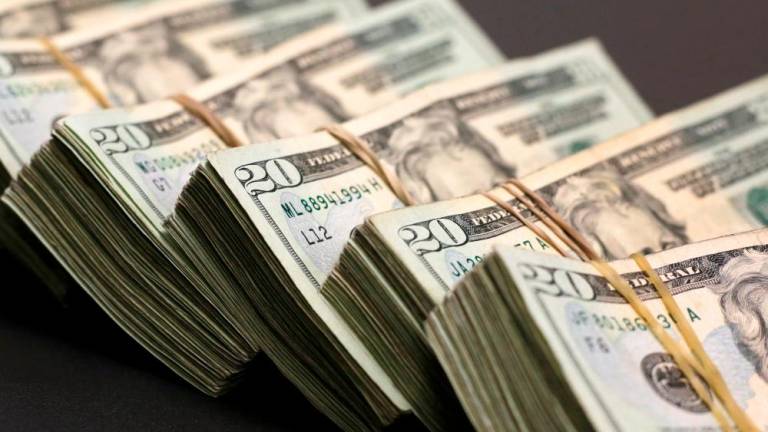
    Gold jewelry displayed in a Hanoi shop shines less brightly this week, as the value of gold in Vietnam has dipped to its lowest point since April 21.

    On Thursday morning, the price of gold bars from Saigon Jewelry Company fell by 1.01%, bringing it down to VND 117.5 million (around US $4,514.20) per tael. Meanwhile, gold rings saw a decline of 0.87%, now sitting at VND 113.4 million per tael. To give you a sense of scale, a tael weighs about 37.5 grams, or 1.2 ounces. Despite this drop, gold has managed to climb 39.5% since the start of the year, a fact that may leave some investors scratching their heads amid recent fluctuations.

    Globally, the metal is facing pressure, having slipped to a one-week low following a U.S. federal court’s decision to block President Donald Trump’s “Liberation Day” tariffs. This unexpected ruling has diminished gold’s appeal as a safe-haven asset while a strengthening dollar adds further downward pressure. As per reports, spot gold has dipped by 0.7% to $3,268 an ounce, marking its lowest value since May 20.

    “This was obviously the most important news driver, and looking at the broad dollar, it rallied on that, pushing gold lower,” said Nicholas Frappell, global head of institutional markets at ABC Refinery. Yet, there remains a silver lining for the gold market; Frappell notes that the long-term outlook hints at a potential weakening of the dollar and persistent inflationary pressures in the near future.

    Could it be that in the world of gold, what glitters truly is not gold after all?

    Questions & Answers

    What was the recent price drop for gold jewelry in Vietnam?
    Gold bars dropped to VND 117.5 million, and gold rings fell to VND 113.4 million per tael.

    How much has gold increased this year?
    Gold prices have risen by 39.5% since the beginning of the year.

    What factors are impacting global gold prices?
    The recent decision to block “Liberation Day” tariffs and a robust dollar have dampened gold’s safe-haven appeal.

  • Dollar Strengthens Against Vietnamese Dong in Currency Market Shift

    Dollar Strengthens Against Vietnamese Dong in Currency Market Shift

    U.S. banknotes shimmered a bit brighter in Hanoi as the dollar edged up against the Vietnamese dong on Wednesday morning, continuing its upward trend against major currencies. With a rate of VND26,120 at Vietcombank, the dollar gained 0.08% compared to Tuesday. However, on the black market, the currency slipped slightly to VND26,360, down 0.04%.

    In a proactive move, the State Bank of Vietnam raised its reference rate by 0.05% to VND24,947, reflecting changes in the market dynamics. Reporting from Reuters highlighted that the dollar retained its strength, buoyed by favorable economic indicators emerging from the United States.

    The financial world greeted news of reduced trade tensions between the U.S. and Europe. Elsewhere, global bond markets began to stabilize after a tense rise in long-term yields, providing some much-needed relief for investors. A surge in U.S. consumer confidence ahead of key employment figures due on Thursday added to the overall optimism.

    The dollar index, which measures the greenback against a host of currencies, ticked up by 0.1%, building on a robust 0.6% jump the previous day. Meanwhile, the greenback also gained a slight edge against the euro, trading at $1.132. In a curious twist, the yen remained relatively stable at 144.345 per dollar after experiencing a 1% drop on Tuesday, attributed to speculation that Japan may reduce the issuance of super-long bonds following recent yield spikes.

    The rising dollar’s influence on various markets certainly adds an interesting dimension to the financial landscape—let’s hope your wallet is ready to keep pace!

    Questions & Answers

    How much did the U.S. dollar rise against the Vietnamese dong?
    The U.S. dollar increased by 0.08% against the Vietnamese dong, reaching VND26,120 at Vietcombank.

    What did the State Bank of Vietnam do in response to market changes?
    The State Bank raised its reference rate by 0.05% to VND24,947 to adapt to the ongoing market conditions.

    What contributed to the dollar’s strength in global markets?
    The dollar’s strength was bolstered by positive economic signals from the U.S., easing trade tensions between the U.S. and Europe, and an unexpected rise in consumer confidence ahead of job reports.

  • VN-Index Soars to Three-Year High, Signaling Strong Market Optimism

    VN-Index Soars to Three-Year High, Signaling Strong Market Optimism

    Vietnam’s stock market is buzzing with fresh energy as the benchmark VN-Index climbed to a remarkable 1,341.87 points on Wednesday, marking its highest level since May 2022. Investors celebrated the index’s upward trajectory, which reflects a gain of 0.15%, or 2.06 points, and extends its winning streak to four consecutive sessions.

    The VN-Index has soared nearly 250 points since dipping in early April, a downturn largely attributed to U.S. tariffs. While the mood in the market is optimistic, trading volume on the Ho Chi Minh Stock Exchange slipped by 11% to VND22.284 trillion (approximately US$858 million).

    Blue Chips Reign Supreme

    In the VN-30 basket, which features the 30 largest stocks, 10 companies saw their shares rise. Notable performers included VRE, the retail real estate arm of Vincom Retail, up by 5.5%, and VIC, the stock of private conglomerate Vingroup, which increased by 2.6%. Fuel distributor Petrolimex (PLX) also had a solid day, edging up 2.2%. However, the blue-chip landscape wasn’t all rosy—15 stocks fell, with HDBank (HDB) down 1.5%, Sacombank (STB) slipping 1.1%, and Vietnam International Commercial Bank (VIB) mirroring that drop.

    Foreign investors played a different tune, becoming net sellers to the tune of VND200 billion, mainly divesting from VRE and VIC. It seems their cautious approach didn’t dampen local spirits, as the HNX-Index for mid and small caps in Hanoi rose by 0.80%, while the UPCoM-Index for unlisted companies gained 0.46%. It’s a thrilling time for stock enthusiasts, reminding us that the market can be as unpredictable as a game of poker—one moment you’re soaring, and the next, you’re bluffing!

    Questions & Answers

    Why did the VN-Index rise to a three-year high?
    The VN-Index surged due to consistent gains over several sessions, alongside a recovery from lows seen earlier this year amid U.S. tariff concerns.

    How did trading volume change in the Ho Chi Minh Stock Exchange?
    Trading volume decreased by 11%, totaling VND22.284 trillion, which indicates a decline in market activity amidst rising index values.

    What stocks were the main contributors to the index’s gain?
    Noteworthy contributors included Vincom Retail (VRE), Vingroup (VIC), and Petrolimex (PLX), with significant gains that propelled the index upward despite some blue-chip stocks experiencing declines.