Category: Finance

Retail News Asia is committed to providing both local and global retailers with the latest Finance news throughout the Asian market. This on a daily base.

  • Eximbank profits triple in Q3

    Eximbank profits triple in Q3

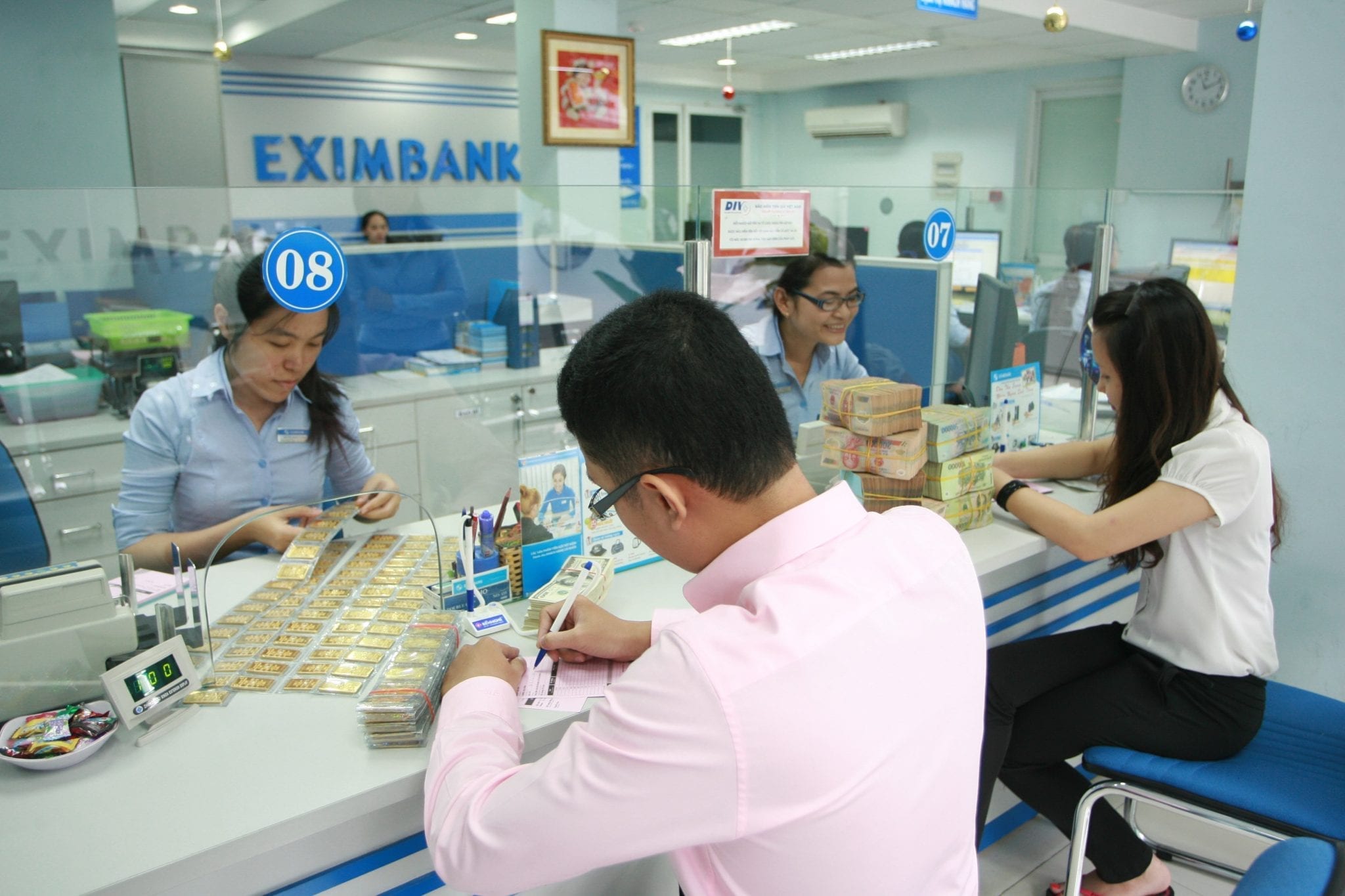
    Lender Eximbank has tripled profits year-on-year for the third quarter to over VND1.278 ($51.5 million).

    Its net interest income doubled, and non-interest income from services and foreign exchange businesses grew in double digits.

    Its profits for the first nine months topped VND3.18 trillion, an increase of 3.3 times and well above the target of VND2.5 trillion.

    The bank estimates its pre-tax profits for the full year at VND3.5 trillion and targets VND5 trillion next year.

    It also eyes total assets of VND210 trillion for next year, up 14%, and an on-balance sheet bad debt ratio of 1.6% or less, down from 1.7% or less estimated for this year.

  • Dollar nears 6-week low

    Dollar nears 6-week low

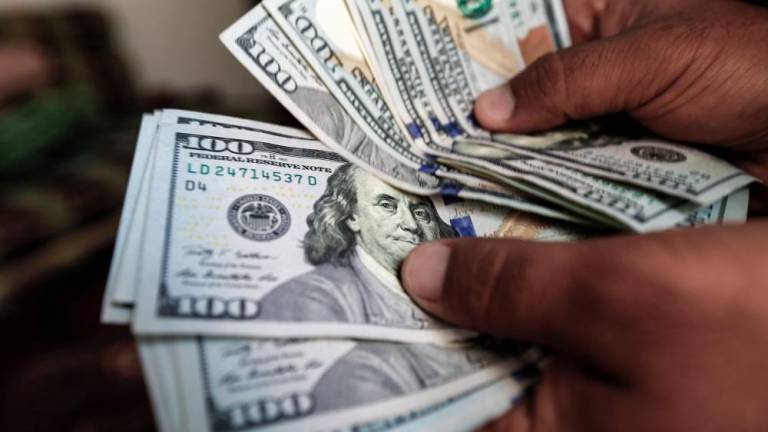
    The U.S. dollar plunged against the Vietnamese dong Thursday to a near six-week low at Vietcombank.

    The state-owned lender sold it at VND24,680 at 10 a.m., down 0.48% from Wednesday to the lowest since October 22.

    DongABank let the dollar slide by 0.44% to VND24,700. Eximbank sold it at VND24,670, down 0.36%.

    The State Bank of Vietnam (SBV) let the reference rate decline by 0.01% to VND23,662.

    Unofficial exchange points sold the dollar 0.44% lower at VND24,850.

    The USD Index, which measures the greenback’s strength against major currencies, dips to 105.69 points, lowest since mid-August.

  • Swiss Crypto Bank Opens Hong Kong Office

    Swiss Crypto Bank Opens Hong Kong Office

    Swiss crypto bank SEBA will look to establish its Asia Pacific presence by opening a new office in Hong Kong.

    According to a statement, SEBA has officially opened its Hong Kong office, with managing director Ludovic Shum appointed to lead the city’s executive team.

    The new office will serve to establish the crypto bank’s Asia Pacific presence and initial activities will include consultancy services, market research and engagement with strategic partners for the head office in Switzerland.

    According to SEBA, the choice of Hong Kong as its «first strategic location in APAC» is driven by the city’s supportive licensing framework, with local authorities recently announcing ambitions to become a crypto hub.

    We are proud to strengthen our presence in the APAC market with the opening of the new office of SEBA Hong Kong, said SEBA Bank CEO Franz Bergmueller. With a considerable pedigree as an international financial center and a supportive regulatory approach to cryptocurrencies, Hong Kong is cementing its position as a global leader in cryptocurrencies.

    SEBA is a Zug-based crypto lender that provides services across trading, structured products, bank accounts, cards, credit, staking, and crypto and non-fungible token custody. Its backers include Swiss private bank Julius Baer.

  • Dollar plunges at banks

    Dollar plunges at banks

    The U.S. dollar plunges at commercial banks Wednesday morning, with Vietinbank selling it at VND24,785, down 0.26% from Tuesday.

    It dropped 0.20% to VND24,800 at Vietcombank, and 0.28% to VND24,770 at Eximbank.

    The State Bank of Vietnam set the reference rate 0.01% lower at VND23,665.

    The greenback is sold at VND24,960 on the black market, down 0.24%.

    The Dollar Index, which measures the greenback’s strength against major currencies, hovers around 106, down from a 20-year high of 114.78 on September 28 on expectations that its rally may have been overstretched and as the Fed looks to slow its pace of rate increases.

    Rising inflation and geopolitical tension have pushed the dollar up 8% over the dong by over 8% since the beginning of this year.

  • UBS Switzerland Marketing Manager Moves to Group

    UBS Switzerland Marketing Manager Moves to Group

    UBS named a new head of marketing and digital sales for its Switzerland business to replace the current manager who is moving to another role within the bank at the group level.

    After eight years as the head of marketing and digital sales for UBS Switzerland, Daniel Fischer is moving to group communications and branding starting January 1, reporting to the head of the team Marsha Askins, according to an internal memo seen by finews.com and confirmed by a UBS spokesperson.

    To replace him, UBS recruited Aydin Sahin as the new head of marketing and digital sales for UBS Switzerland, who joins on January 1, and also become a member of the business forum COO Switzerland, reporting to the COO of the Swiss unit Sabine Magri who wrote the memo.

    Sahin’s career at Commerzbank spanned 12 years, where he was jointly responsible for the company’s digitalization and growth strategy in various management positions, most recently as head of marketing & customer Intelligence at Commerzbank and Comdirect.

    The past two years have been characterized by the definition of our strategy and the start of its implementation, with clearly defined growth areas, a strong focus on digitalization and transformation, as well as the corresponding alignment of the organization. We have achieved a lot and gained excellent momentum in the market, Magri wrote the memo announcing the changes.

  • Bank deposit interest rates surpass 10%

    Bank deposit interest rates surpass 10%

    Some banks have hiked deposit interest rates to 10-10.35% amid low liquidity in the system. NCB is paying the highest interest rate of 10.35% for 12-month deposits of VND1 billion (US$40,300) downwards made online. For six-month deposits, it is offering 10%. Over the past month, lenders have increased deposit interest rates frequently, even weekly in some cases.

    At least ten banks are now offering more than 9% deposit interest rates. Most have also launched promotions offering higher rates than officially listed to attract depositors. MSB is offering 9.9% to new clients if they place a deposit of at least VND1 million.

    Many, including Kienlongbank, GPBank, BaoVietBank, PGBank, OCB, VPBank, VietBank, Sacombank, and SeABank, are paying over 9% for 12-month deposits. Public banks are offering around 8% for 12 months.

    For periods of below six months most banks are paying around 6%. Banks lack liquidity and so have had to sharply hike the rates to meet the needs of business borrowers, Nguyen Quoc Hung, general secretary of the Vietnam Banks Association, said.

    The director of a large bank said the tightened bond and property markets mean some lenders have to increase deposit interest rates to ensure liquidity steeply.

    In the last two months, interest rates on deposits of six months or more have increased by 1.5-2.5 percentage points, leading to higher lending interest rates. Floating interest rates are predicted to soon surge to 15% yearly for individual borrowers and 11-12% for businesses.

    Now they are around 13% and 9%.

  • Citigroup on the Migratory Patterns of the Rich

    Citigroup on the Migratory Patterns of the Rich

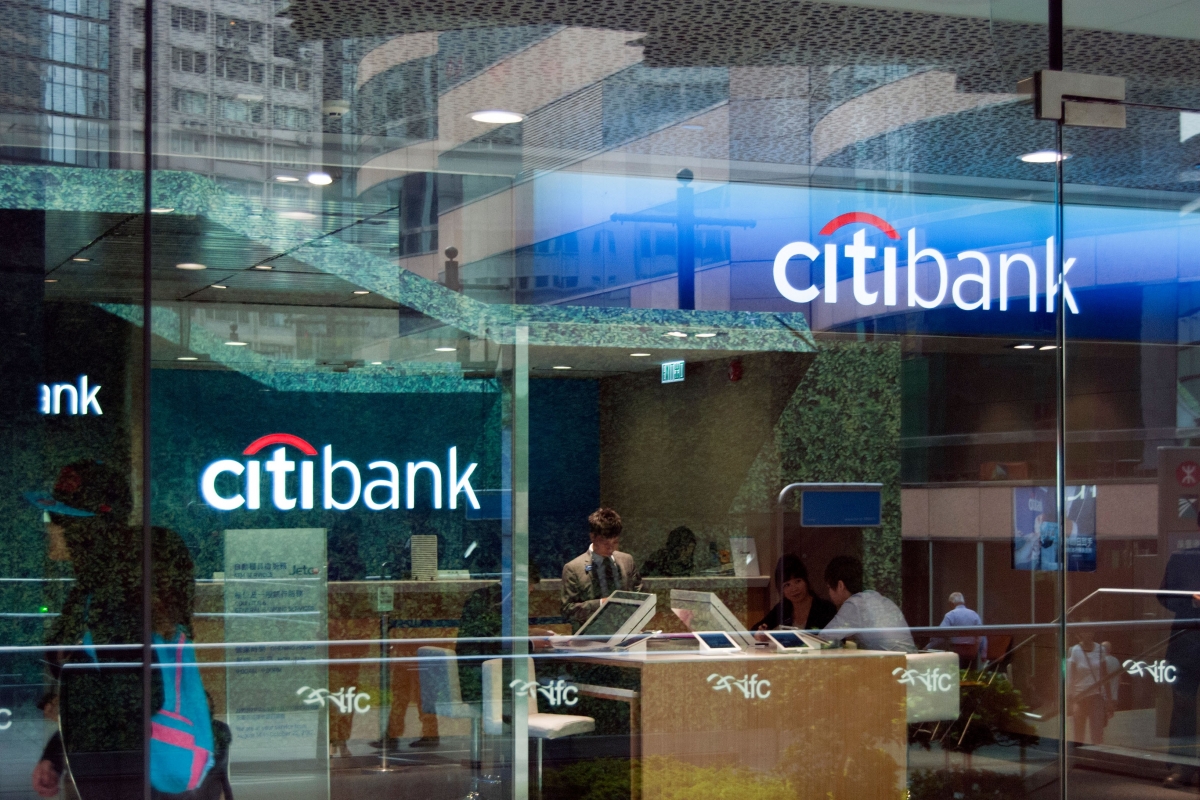
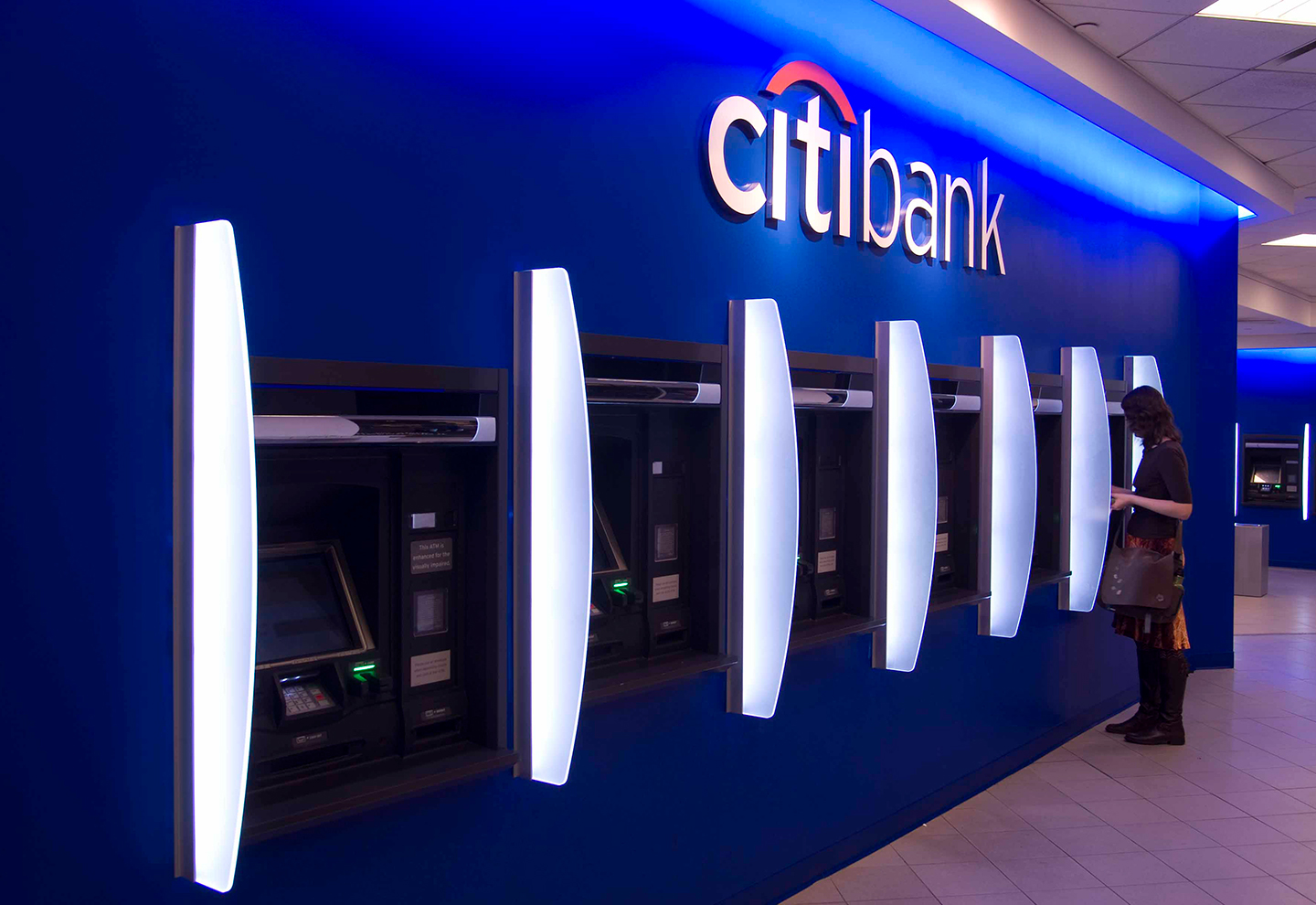
    Switzerland has always been a magnet for the super-wealthy. In the last two years, more families and their wealth have moved to the country. Citigroup’s General Market Manager for Switzerland said who has been coming over and why.

    Having worked in several locations in Citigroup’s private banking over the past twenty years, Laurence Mandrile has kept a close eye on the migratory patterns of the world’s rich.

    After having lived here previously, her return to the country was well-timed. Mandrile started her role overseeing Citigroup’s Swiss private bank in the summer of 2019, a few months before the pandemic set many of the wealthy and their assets in motion.

    Since joining the Geneva office, she has observed an increasing demand for ultra-high net worth families to be serviced from Switzerland for safety reasons, especially post-corona, with its education, health care, and countryside also playing into the nation’s hands.

    This new money flows into Citigroup’s Swiss onshore business dedicated to Swiss nationals and residents with a minimum net worth of 25 million francs and family offices from its Geneva and Zurich branches.

    Family offices play an important role in Citigroup’s worldwide private banking operations. The bank regularly brings the members of its 1,500-strong family office network together to exchange expertise on topics, such as how to engage with the next generations ahead of the great wealth transfer.

    Along with centers in London, Jersey, and Luxembourg, the Swiss booking center falls under Citigroup’s EMEA umbrella, accounting for 20 percent of assets booked in the region.

    Although Brexit coming into force at the start of 2020 made it harder for UK citizens to get a Swiss passport, it didn’t stop some of the bank’s super-wealthy clients from heading to the alpine country. This year’s political instability and high inflation on the island have only added to the trend.

    The US bank’s Swiss booking center also serves clients in the Middle East, a region Mandrile sees as a big opportunity, given the current price of oil and the energy crisis, all boosting its economic growth.

    Clients are attracted to the US bank, not only because its wallet share in the region is growing, but because its Swiss booking center «remains the destination of choice for the Middle East, Mandrile said.

    The Swiss booking center is also a draw for Chinese clients, who make up a large part of the wealth coming from Asia over the past two years. Among them are some who have close ties to the United Arab Emirates. These clients might choose to relocate to Dubai or Abu Dhabi, while their wealth is managed from Geneva, she said.

    Overall, Switzerland stands out as being particularly business-friendly, which is also partly why US families have continued to come over the past few years, she added.

    After COVID, many individuals who had installed themselves or their family offices in Switzerland were ready to invest, but then the war came, keeping clients on the sidelines.

    It is only in the past few months that we’ve seen clients come back to trading, Mandrile said.

    Reflecting the uncertain and evolving dynamics of the last 12 months, the bank had to shift the way we invest several times, she added while advising clients to remain invested for the core of their wealth and increase the quality of their investments.

    During this time, for European investors, the best hedge has been in US dollar, which has shown a 10 percent positive performance just by holding the currency, while safe-haven instruments, like investment grade income, have not worked, she said.

    Citigroup is now focused on reviewing clients’ asset allocation while taking a close look at yields, which are making a comeback in fixed income. Moreover, Mandrile has observed certain clients moving to commodities, particularly energy, and illiquid markets.

    A recent Citigroup study on the segment showed family offices hold over 35 percent of their invested assets in illiquid markets, via direct investments, real estate, and private equity funds. Within alternative investments, Citigroup has the advantage of being able to offer its clients direct private equity investments in US and global deals.

    However, one area the Swiss competition does not need to worry about is the retail sector. The US bank, which prefers «to lead where it can have a competitive edge,» doesn’t have a retail presence in the country, she said.
  • Hong Kong Dollar Peg Tests Another Round of Doubters

    Hong Kong Dollar Peg Tests Another Round of Doubters

    US-China decoupling, weak growth, and shrinking reserves have led to fresh doubts about the sustainability of the Hong Kong dollar peg. Will the city’s linked exchange rate system survive this round of doubters?

    Last week, Pershing Square Capital Management founder Bill Ackman announced that he was betting against the Hong Kong dollar and its US dollar peg, citing worsening US-China decoupling as a driver.

    We have a prominent notional short position against the Hong Kong dollar through the ownership of put options. The peg no longer makes sense for Hong Kong and it is only a matter of time before it breaks, Ackman said in a social media post.

    In light of the recent US/China decoupling of recent years, we find it surprising, almost embarrassing, for China to continue to peg the HK dollar to the US dollar, he added in another post that has since been deleted.

    Ackman is not alone in his doubts about the Hong Kong dollar peg. In one of his social media posts, who details concerns about Hong Kong’s shrinking foreign reserve as a reason for the peg to become untenable.

    Call me old fashioned but a government clearly in need of cash and a chunk of assets whose value has probably further fallen make it rather likely that the Exchange Fund’s assets have further to shrink — and that the reasons for that will put still further pressure on the peg, said Cookson.

    However unlikely de-peg may be, the payoff of upwards of 200:1 is comparable to CDS payoffs for the default of co’s like IBM over the same [6-month] horizon, tweeted hedge fund manager and Saba Capital Management founder Boaz Weinstein in support of Ackman’s trade, calling it a smart lottery ticket. Nothing is impossible, but only one of these is at all plausible.

    Since 1983, the Hong Kong dollar has been pegged to the greenback and successfully defended against multiple rounds of attacks. Notable investors against the peg include George Soros in 1998 and Hayman Capital Management founder Kyle Bass in 2020 during the height of political unrest in Hong Kong, in a strategy with 200 times leverage.

    Even for Ackman, this is not his first time wagering against the peg after betting in 2011 that the Hong Kong dollar would appreciate due to being materially undervalued.

    It’s nice to finally have others agreeing with our thesis. Rigid currency pairs harnessed to asynchronous economies are destined to fail, Bass said in report in response to Ackman’s latest bet. One bad day of deposit/currency outflows will likely bring unimaginable stress to the situation.

    Still, banks remain positive that the Hong Kong dollar peg will remain in the foreseeable future.

    Although maintaining a peg could at times bring short-term headwinds to growth, we believe it remains the optimal arrangement for Hong Kong in the longer term, according to a Morgan Stanley research note authored by economists Helen Lai, Jenny Zheng and Robin Xing, highlighting that the yuan was not yet fully convertible.

    Conditions are not favorable for selling Hong Kong dollar which will suffer negative carry, added DBS strategist Carie Li. The Hong Kong government also shows no intention to change the system.

    And as usual, local authorities continue to vehemently defend the exchange rate policy.

    If you bet against the Hong Kong dollar, you are bound to lose, said financial secretary Paul Chan in a speech at the city’s global banking summit earlier this month. You can verify my advice with certain hedge fund managers in the US who have been wrong about Hong Kong dollar time and again.

    Up until moments before a currency peg is lifted, the sovereign always asserts that they will never lift their peg. Peg defense 101, Ackman added.

  • Binance Launches Billion-Dollar Crypto Rescue Initiative

    Binance Launches Billion-Dollar Crypto Rescue Initiative

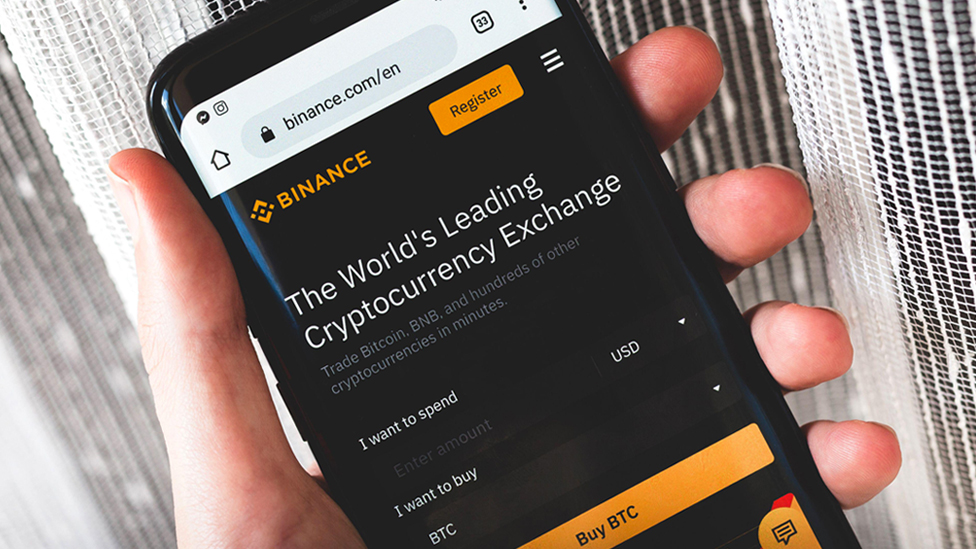
    Binance invites participants to support the crypto industry via a rescue initiative, to which it will initially commit $1 billion.

    Binance has established the Industry Recovery Initiative (IRI), which includes its own initial commitment of $1 billion, according to a blog post by the crypto giant.

    The IRI is not an investment fund, Binance said, adding that it intends to increase the amount to $2 billion soon if the need arises.

    The initiative is expected to last about six months with flexibility on the investment structure, be it token, fiat, equity, convertible instruments, debt, or credit lines. The committed capital must be set aside within public addresses to ensure transparency.

    Aside from Binance, there are other existing IRI participants, including Jump Crypto, Polygon Ventures, Aptos Labs, Animoca Brands, GSR, Kronos, and Brooker Group which have made an initial aggregate commitment of around $50 million. 150 applications from companies seeking to provide support have also been received.

    On the participation of traditional financial institutions, Binance said it was open to exploring other deal structures for those keen as such firms may be unable to send money to a public address.

    On the targets for capital deployment, IRI is aiming for companies with «innovation and long-term value creation, a delineated and viable business model, and a laser focus on risk management.

    Aside from funding support, we plan to provide founders and projects with comprehensive support – from formation, technical execution, fundraising, and more – so that they can emerge and grow stronger from the crypto winter, the post added.

    Meanwhile, the crypto winter persists following the collapse and subsequent revelations of the fallen exchange FTX. Binance had planned initially to acquire FTX but backed out one day after signing a non-binding agreement citing concerns from due diligence and news reports.

  • Dollar drops against dong

    Dollar drops against dong

    TPBank let the dollar slide 0.004% to VND24,854. Techcombank sold it at VND24,852, down 0.004%.

    The State Bank of Vietnam set its exchange rate at VND23,671, also down 0.004%.

    The dollar was sold VND24,940 at unofficial exchange points, down 0.4% from Wednesday.

    The U.S. dollar was broadly weaker on Thursday as investors, encouraged by the prospect of a slower pace of interest rate hikes from the Federal Reserve, placed bets on riskier assets.

    The dollar index, which measures the greenback against six major peers, was down 0.066% at 105.830, after sliding 1% overnight.

  • Citigroup Preparing for a Dealmaking Upswing

    Citigroup Preparing for a Dealmaking Upswing

    The second half of next year could see an increase in M&A and leveraged finance deals as market makers move closer together in their earnings expectations, and pent-up deals come to fruition.

    Macro-economic uncertainty, triggered by the Ukraine war, inflation, and supply chain disruptions, have left many European and US deals up in the air, Citigroup’s head of mergers & acquisitions for German-speaking countries in Europe, Holger Knittel, said at a media roundtable Wednesday.

    Although the slowdown in deal flow is expected to continue over the next few quarters, it could pick up next year if the situation stabilizes. Citigroup’s co-head of equity capital markets for EMEA, Valery Barrier, said that.

    Initial public offerings (IPOs), which dropped by 70 percent in EMEA so far this year compared to last year, could even surge in the second half of 2023 with pent-up deals potentially materializing, he said.

    At the same time, the trend for companies to delay or hold off from going public is likely to remain as the investor base for minority private placements of equity investments has become more structured with more defined processes, Barrier said.

    Compared to 2021, which was one the best for equity markets, companies’ earnings expectations for next year have already come down, because investors are grappling with not knowing how inflation, the macro-outlook as well as energy prices will affect companies’ business models, Knittel said, adding that there is still scope for further earnings estimate downgrades.

    In this uncertain climate there is a gap between what the sell-side says companies are worth and what the buy-side is willing to pay, halting dealmakers in their tracks. Exacerbating the situation within leveraged finance is the limited number of buyers able to finance such deals, resulting in the absence of a fully functioning leveraged finance market.

    The sheer velocity at which this year’s investment environment has changed, is partly responsible for this deficiency within leveraged finance, according to Barrier. Some companies have seen their stock prices plummet 50 percent since the beginning of the year, he said while drawing attention to the rate at which central banks are pushing ahead with interest rate increases.

    Citigroup seems to be preparing for when markets have more clarity by bolstering its investment banking leadership with recent new hires Patrick Frowein from Deutsche Bank and Jens Welter from Credit Suisse.

  • Sole bond issuance recorded in October

    Sole bond issuance recorded in October

    Only one private bond issuance was recorded in October, indicating that companies remain reluctant to mobilize cash using this channel after recent arrests of alleged fraudsters.

    Nui Phao Mining Company under the Masan Group was the only corporate bond issuer last month with a batch of VND210 billion ($8.45 million) with a five-year maturity.

    This is very unusual as banks and property developers have been the biggest bond issuers in Vietnam for several years now.

    Financial data provider FiinRatings said in a report that the rising interest rates, tightened bond regulations and recent violations in the market have restrained companies from mobilizing cash through bonds.

    The alleged violations of An Dong Investment Group and other companies like property developer Tan Hoang Minh, as well as the arrests of their leaders, have raised red flags for businesses.

    They are now buying back the bonds they have issued. Last month, VND5.8 trillion worth of bonds was bought back.

    Banks accounted for 53% of the buyback value, followed by property developers at nearly 22%.

    The buyback has helped ease payment pressure on companies this year as they only have VND21.85 trillion worth of bonds set to mature after November 15.

    But next year, the value of bonds set to mature will be high, at VND119.05 trillion, and in 2024 it will be VND111.81 trillion.

    FiinRatings analysts expect more debt restructuring moves to be carried out soon. Some of the methods being used are an extension of debt payment with new coupon rates, converting the bonds to long-term loan contracts with new interest rates, or converting them into property units.

    “This is a positive signal for the current liquidity issues on the market as it helps reduce the payment burden in the short term for bond issuers,” they say.

    With mobilizing capital domestically proving very difficult, companies are seeking international loans.

    Ten major loans have been recorded recently with a total value of $1.92 billion, including that of the Masan Group ($600 million), VPBank ($500 million) and SeABank ($200 million).

  • Gold prices drop

    Gold prices drop

    Prices of gold bars branded SJC on Saturday dropped VND100,000 ($4.03) from the previous day to VND67.6 million per tael.

    Selling prices of gold rings also decreased VND100,000 to VND54.2 million per tael.

    SJC gold prices are higher than the world average by some VND14.9 million per tael.

    Globally, gold prices were bound for a weekly dip following indications from U.S. Federal Reserve officials that more interest rate hikes were due as the bank seeks to lower inflation.

    The slight pullback in gold after the recent rally has been through a technical retracement in the gold market, according to David Meger, director of metals trading at High Ridge Future.

    The pullback could continue going into next week’s December option expiration, which could cause a further consolidation in gold, Meger said, adding the market overall seems focused on interest rate expectations from the Fed.

  • Bitcoin Suisse Partners With Lukka

    Bitcoin Suisse Partners With Lukka

    Swiss crypto Bitcoin Suisse is partnering with US crypto software and data specialist Lukka to support its middle and back office operations and further improve its systems. Lukka’s data and software are designed specifically for crypto and blockchain data, providing Bitcoin Suisse and its institutional client’s wide-ranging asset coverage and flexible reporting, according to a media release Thursday.

    Bitcoin Suisse is focusing on institutional grading for its professional private and institutional clients to be at the forefront of the growing demand in this client segment, said CEO Dirk Klee. He added, this marks the beginning of an integrated technology partnership that strengthens institutional- crypto asset support in Switzerland’s Crypto Valley.