Category: Finance

Retail News Asia is committed to providing both local and global retailers with the latest Finance news throughout the Asian market. This on a daily base.

  • HSBC’s $2B Singapore Insurance Unit Sale to Allianz: A Strategic Boost for Both Giants

    HSBC’s $2B Singapore Insurance Unit Sale to Allianz: A Strategic Boost for Both Giants

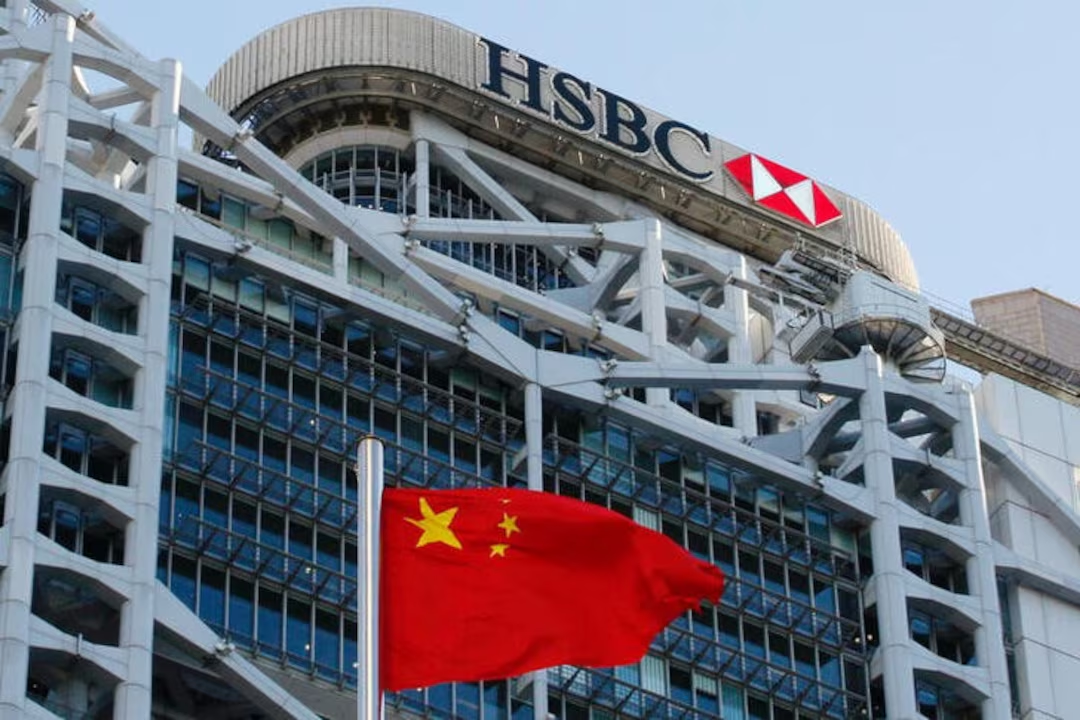
    HSBC has announced that it will sell its life and health insurance division in Singapore to Germany’s Allianz. The deal, which values the unit at SGD2.7 billion (US$2.09 billion), is expected to produce a pre-tax gain of US$1.8 billion for HSBC and potentially enhance the HSBC Group’s common equity tier 1 ratio by up to 15 basis points.

    Simplifying Operations and Boosting Capital Returns

    This sale signifies another move in HSBC CEO Georges Elhedery’s strategy to streamline operations at Europe’s largest bank and reinvest capital into sectors and markets that promise better yields. Simultaneously, he aims to maintain Singapore’s position as a vital hub for wealth and wholesale banking.

    The deal presents Allianz with a unique chance to expand in Singapore, a wealthy, strictly regulated market where distribution networks and bank-insurance partnerships carry high value. Anusha Thavarajah, Allianz’s Asia Pacific Regional CEO, states that the transaction underscores her company’s confidence in Singapore and recognizes HSBC Life Singapore’s fast-growing business, local expertise, and solid reputation among customers and partners.

    The planned divestment, set to occur in early 2027, will lead HSBC to enter a 15-year bank-insurance distribution agreement with Allianz. This agreement involves selling insurance products in Singapore, supported by an upfront payment of SGD200 million.

    Expanding Insurance Business

    The deal arrives in the wake of HSBC’s broader expansion in the insurance sector. Despite the bank’s ongoing effort to reshape its global footprint and focus on core Asian wealth and corporate banking markets, insurance income has seen a 16% year-on-year rise in the first quarter. This trend has contributed to an 18% boost in quarterly wealth revenue.

    Past investment interests include HSBC Holdings’ acquisition of French insurer Axa’s Singapore assets for US$529 million in 2022. However, the bank is also known for trimming smaller or less scalable retail and insurance operations in parts of Asia, while fiercely vying for affluent clients in the region.

    This sale follows Singapore’s Overseas-Chinese Banking Corp’s announcement in May of its Indonesian unit’s acquisition of certain HSBC wealth and premier banking portfolio assets and liabilities. HSBC is currently also reviewing its retail operations in Turkey, Australia, and Egypt.

    Questions & Answers

    What is the value of the deal between HSBC and Allianz?
    The deal values HSBC’s Singapore life and health insurance unit at SGD2.7 billion (US$2.09 billion).

    What will be HSBC’s strategy after the planned divestment in 2027?
    HSBC plans to enter into a 15-year bancassurance distribution agreement with Allianz to sell insurance products in Singapore.

    What has been the trend in HSBC’s insurance income?
    HSBC’s insurance income has seen a 16% year-on-year rise in the first quarter.

  • Ant International’s Alipay+ Adds New Bank Partners Amid Cross-border Mobile Payment Boom in Asia Pacific

    Ant International’s Alipay+ Adds New Bank Partners Amid Cross-border Mobile Payment Boom in Asia Pacific

    Ant International is making inroads into the traditional banking industry in Asia, with Hang Seng Bank being the first to partner with the payment network in Hong Kong. This collaboration will enable customers to make cross-border QR payments directly from the bank’s mobile app.

    Users of the Hang Seng Mobile App are now able to scan QR codes to facilitate payments in mainland China and overseas. This is made possible through the Alipay+ network, which boasts access to over 100 million merchants across 55 countries and regions. This marks a significant milestone in the integration of traditional banking apps with the fast-growing digital wallet and QR-based payment network ecosystem in Asia.

    Banking Sector Taps Into Expansion of Cross-Border Payments

    Banks are finding that integrating with Alipay+ allows them to enhance their cross-border payment capabilities without the necessity of establishing separate connections with merchants and payment networks in individual markets.

    Alipay+, which serves as Ant International’s unified wallet gateway, is connected to more than 50 digital wallets and financial institutions. It is accepted across more than 220 markets globally and has forged partnerships with over ten national QR payment systems including Malaysia’s DuitNow and Thailand’s PromptPay.

    With the demand for cross-border payments originating from Asia-Pacific predicted to grow faster than the global average, this presents banks with a prime opportunity. The expectation is that outbound consumer-to-consumer and consumer-to-business cross-border payment volumes from the region could hit $3.7 trillion by 2032, almost twice the level recorded in 2024. This trend enables banks to retain customers within their own digital ecosystems, even when they travel or carry out international transactions.

    Alipay+ Builds Banking Network Across Asia

    Hang Seng Bank joins an increasing number of Asian banks that are connecting their mobile banking customers to Alipay+. Existing banking partners include OCBC in Singapore, Public Bank in Malaysia, Bank of the Philippine Islands, Asia United Bank in the Philippines, Kasikorn Bank and Siam Commercial Bank in Thailand, as well as Vietcombank in Vietnam.

    This model enables customers to continue using their familiar banking app while gaining access to a much larger international merchant network. In addition to payments, banks can utilise the Alipay+ Super App Platform to integrate additional services through mini-programs and plug-in solutions, which include travel-related services and other digital features.

    Ant International is not only positioning itself as a payments provider but increasingly as a technology and infrastructure partner to banks. Alongside Alipay+, the company is developing AI-based foreign-exchange technology and blockchain-powered infrastructure for cross-border liquidity management. Ant International already collaborates with global financial institutions such as Citi, Barclays, Standard Chartered and HSBC across various technology initiatives.

    For traditional banks, the rise of networks like Alipay+ signifies a broader strategic shift in Asian payments. Banks are increasingly connecting their own apps to external payment ecosystems rather than competing with digital wallets solely through proprietary solutions. The partnership with Hang Seng brings this model to Hong Kong, one of Asia’s primary banking and cross-border financial hubs.

    Questions & Answers

    What does the partnership between Hang Seng Bank and Ant International entail?
    This partnership allows Hang Seng Bank’s customers to make cross-border QR payments directly through the bank’s mobile app via the Alipay+ network.

    How is Alipay+ influencing the cross-border payment landscape in the Asia-Pacific region?
    Alipay+ is helping banks expand their cross-border payment capabilities without the need for separate connections with merchants and payment networks in individual markets.

    What is the broader strategic shift in Asian payments?
    There is a strategic shift in favor of banks connecting their own apps to external payment ecosystems, rather than competing with digital wallets solely through proprietary solutions.

  • Visa and Lianlian Pioneer AI-Driven B2B Payments in Greater China

    Visa and Lianlian Pioneer AI-Driven B2B Payments in Greater China

    In a pioneering move, Visa and Chinese fintech company, Lianlian, have successfully completed the first-ever business-to-business (B2B) transaction facilitated by artificial intelligence (AI) in Greater China. The transaction, which marks significant progress towards a future where AI agents independently facilitate purchases and make payments, was executed using LoopXPay, an AI agent developed by Lianlian.

    In a single workflow, the agent sourced a product sample from a vendor, identified the purchasing requirement, suggested suitable suppliers, compared options, placed the order, and securely executed the payment. This process was conducted within predefined spending limits and approval ranges allowing control over the transaction to be retained, while much of the procurement process was delegated to the AI. The development exemplifies the potential for AI to progress beyond information gathering and assistance to include commercial decision-making and financial transactions.

    Establishing Trust in AI-Mediated Payments

    The progression also raises a fundamental question for Visa: how can merchants and financial institutions verify if an AI agent initiating a transaction is authentic and authorised to spend? In response to this, Lianlian’s LoopXPay has been registered in Visa’s Agentic Directory, a tool that allows businesses and merchants to recognise validated AI agents.

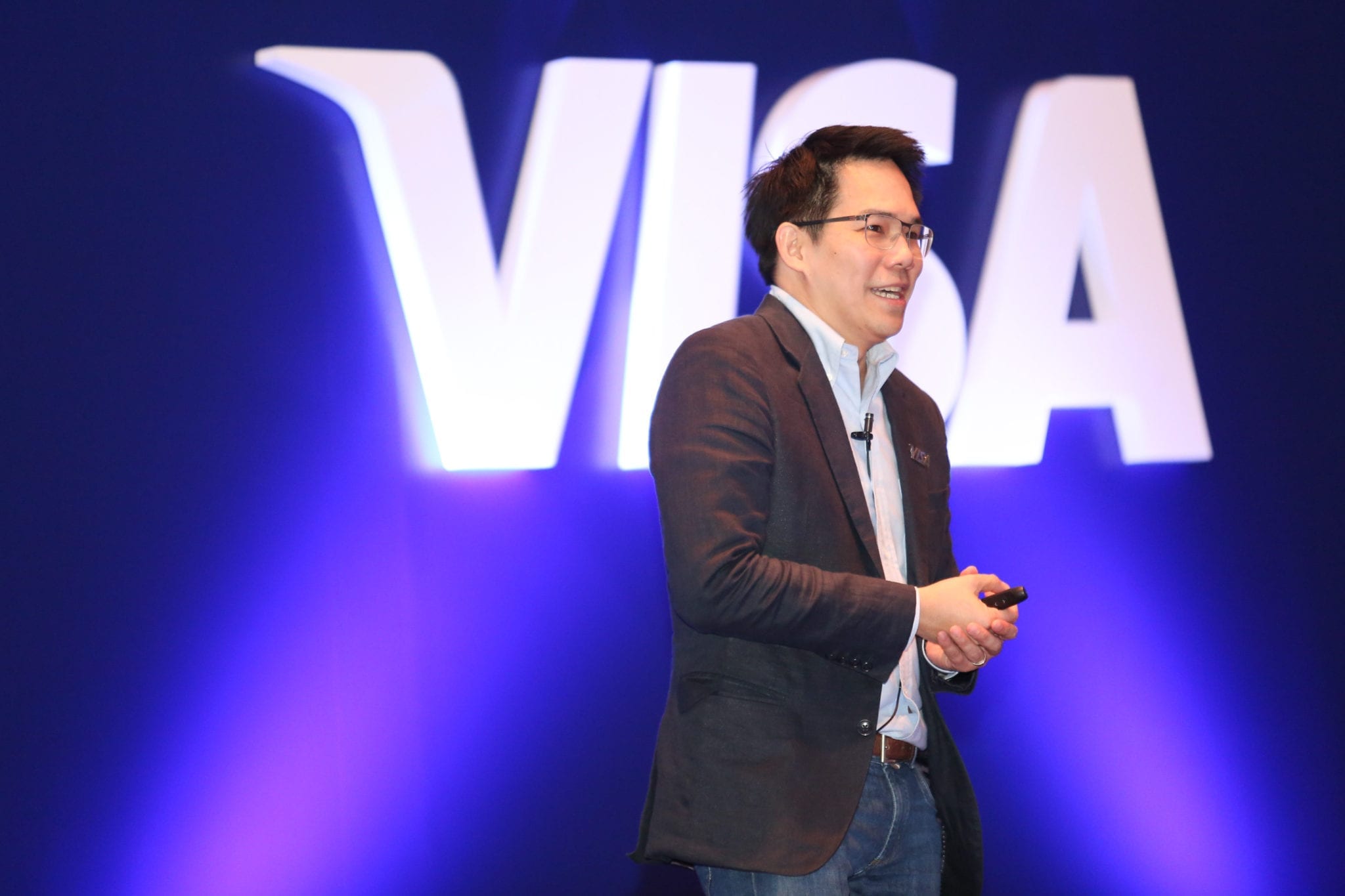
    The infrastructure aids Visa’s Trusted Agent Protocol, built to offer identity, transparency, and controls for agent-facilitated transactions. “As businesses increasingly look to incorporate intelligence into purchasing and payment experiences, trust will become an essential driver of adoption,” stated Darren Parslow, Global Head of Visa Commercial Solutions.

    The initiative intimates a potential new function for payment networks. As autonomous AI systems become capable of commercial decision-making, payment providers will increasingly need to establish rules governing identity, authorisation, and spending controls for machines acting on behalf of businesses.

    Expanding Applications for AI Agents

    Visa and Lianlian are already exploring additional applications for AI agents beyond the first transaction. These include procurement, digital advertising optimisation, and payments on B2B platforms.

    Lianlian views payments as a crucial element of the emerging infrastructure supporting what it refers to as the “Agent Economy.” “AI is transforming the entire commercial value chain, where a growing number of business activities will be independently carried out by AI agents, with payments serving as the critical infrastructure linking them to global commerce,” explained Zhang Zhengyu, founder, chairman, and CEO of Lianlian DigiTech.

    The collaboration between Visa and Lianlian arrives as payment networks, banks, and fintech companies progressively explore how autonomous AI agents could revolutionise commerce. If adoption accelerates, the competition may extend beyond who processes a payment to who provides the identity, trust, and authorisation infrastructure enabling AI agents to transact initially.

    Questions & Answers

    What was the nature of the transaction conducted by Visa and Lianlian?
    The companies completed a B2B transaction driven by an AI agent. This marked a significant step towards autonomous AI systems facilitating purchases and making payments.

    How do Visa and Lianlian ensure that AI-driven transactions are legitimate?
    LoopXPay, the AI agent used for the transactions, is registered in Visa’s Agentic Directory. This tool allows businesses to verify AI agents, ensuring that they are legitimate and authorized to conduct transactions.

    What is Lianlian’s view of the role of payments in the future of commerce?
    Lianlian sees payments as a vital component of the infrastructure supporting the “Agent Economy.” They believe that AI is transforming the commercial value chain, with payments serving as a critical link connecting autonomous business activities to global commerce.

  • Singapore Exchange Broadens Horizons with SpaceX and Grab Depository Receipts Launch

    Singapore Exchange Broadens Horizons with SpaceX and Grab Depository Receipts Launch

    Singapore Exchange (SGX), the country’s stock exchange, has announced that it will introduce depository receipts for three major tech companies: SpaceX, Grab, and Sea. This announcement was made on Tuesday, with the trading of the depository receipts set to commence the following day. The addition of these companies allows investors to trade in Singapore Dollars during local trading hours.

    The introduction of these three businesses expands the SGX’s offering to a total of 38 depository receipts, adding to those already available from companies across Thailand, Indonesia, Hong Kong, and the United States. This expansion serves to further diversify and enhance the offerings available to investors in the local market.

    The Impact on Retail Investors

    The SGX highlights that the inclusion of these companies, especially the launch of SpaceX’s depository receipts following its historic IPO last month, provides retail investors with unprecedented access to these equities. The depository receipts offer a simplified and convenient method for investors to gain exposure to these equities, using local currency.

    Grab and Sea, while both listed in the U.S., are headquartered in Singapore, further solidifying the SGX’s position as a global hub for investment. Bernice Tan, a representative from the Securities Market & Depository with SGX, expressed that the new addition mitigates traditional challenges such as foreign exchange friction and the complexities of overseas markets. She added that this allows investors to build a globally diversified portfolio in the Singapore Dollar, within a familiar trading environment.

    Questions & Answers

    What is the significance of introducing depository receipts for SpaceX, Grab, and Sea to the Singapore Exchange?
    Introducing depository receipts for these companies provides investors with more diversification options. It allows them to invest in these companies using local currency and during local trading hours.

    How does the introduction of these companies impact the SGX’s portfolio?
    The addition of SpaceX, Grab, and Sea expands the SGX’s portfolio to a total of 38 depository receipts, alongside those from Thailand, Indonesia, Hong Kong, and the U.S., enhancing its offerings.

    What advantages do these new additions offer to retail investors?
    The new additions provide a simplified and convenient way for retail investors to gain exposure to these equities, mitigating challenges such as foreign exchange friction and overseas market complexities.

  • US Dollar Climbs Against Vietnamese Dong in Black Market Amid Global Uncertainties

    US Dollar Climbs Against Vietnamese Dong in Black Market Amid Global Uncertainties

    The U.S. dollar saw an incremental increase against the Vietnamese dong in the unofficial market on Thursday morning. Independent exchange centers traded the U.S. dollar 0.19% higher, at VND26,380, while Vietcombank maintained its rate at VND26,500.

    Global Currency Trends

    Globally, the U.S. dollar stabilized largely on Thursday. The escalating U.S.-Iran tensions fostered a sense of uncertainty among investors, bolstering the demand for the U.S. dollar, a widely recognized safe-haven currency. Concurrently, the Japanese yen hovered around a 40-year low, with no imminent signs of recovery.

    The dollar index, a metric that juxtaposes the U.S. dollar against a selection of currencies including the yen and the euro, slightly declined by 0.06%, settling at 101.05. The increasing geopolitical tensions between Washington and Tehran have triggered a rise in oil prices, intensifying inflation fears. This in turn has facilitated an appreciable gain for the greenback.

    Meanwhile, the euro experienced a minor increase of 0.07%, closing at $1.1418. The European Central Bank (ECB) is scheduled for a meeting later on Thursday. It is expected that the ECB will maintain its interest rates, but will leave room for a potential rate hike in September. This anticipated move is in response to the recent surge in energy prices, which threatens to exert additional inflationary pressure.

    Questions & Answers

    What impact did the U.S.-Iran tensions have on the U.S. dollar?
    The escalating tensions between the U.S. and Iran fostered investor uncertainty. This led to increased demand for the U.S. dollar, a well-known safe-haven currency.

    What changes were observed in the euro and the Japanese yen?
    The euro saw a slight increase of 0.07%, while the Japanese yen remained around a 40-year low with no clear signs of improvement.

    What is the expected move of the European Central Bank in response to the recent surge in energy prices?
    The European Central Bank is anticipated to maintain its current interest rates but may consider a rate hike in September to counter the potential inflationary pressure stemming from the recent surge in energy prices.

  • Gold Prices Plunge to 6-Week Low Amid Rising Oil Prices and Anticipated Federal Rate Hikes

    Gold Prices Plunge to 6-Week Low Amid Rising Oil Prices and Anticipated Federal Rate Hikes

    Gold prices in Vietnam experienced a notable decline on Thursday, marking their lowest level since the 11th of June. The downturn continued from the morning into the afternoon session, reflecting a trending decrease in gold prices throughout the year.

    Trends in Gold Prices

    The Saigon Jewelry Company reported a drop of 1.41% in the price of their gold bars, bringing the price to VND140 million, or US$5,321.37, per tael. This decrease marks a total decline of 4.11% since Wednesday’s close. Additionally, the cost of a gold ring plummeted by 1.85%, settling at VND143.3 million per tael. Overall, gold prices in Vietnam have fallen by 8.4% this year.

    Internationally, the value of gold also fell on Thursday, drifting down from a two-week peak reached earlier. This worldwide decrease was caused by various factors, including a growing conflict in the Middle East, which has led to a surge in oil prices. Traders are also awaiting the outcomes of the Federal Reserve policy meeting next week for indications regarding the possible timing of interest rate hikes.

    Spot gold fell by 0.6%, bringing the price to $4,103.39 per ounce. This shift comes after spot gold reached its highest value since July 7th at $4,165.87 on Wednesday. Concurrently, August delivery for U.S. gold futures dropped by 1.1% to $4,106.40.

    Market Influences and Future Predictions

    These changes in the gold market can be attributed to various causes, as explained by Jigar Trivedi, a senior research analyst at IndusInd Securities. According to him, “Rising oil prices have contributed to escalating inflation and the anticipation of Fed rate hikes. Consequently, these factors have limited the positive momentum in the gold market as the dollar weakens.”

    Questions & Answers

    What factors are causing the drop in gold prices?
    A combination of escalating inflation, expected Fed rate hikes, and a weakening dollar have influenced the gold market negatively, resulting in a price drop.

    What is the current trend in Vietnam’s gold market?
    The gold market in Vietnam has been experiencing a downward trend, with an 8.4% decrease in prices so far this year.

    How has the conflict in the Middle East affected global gold prices?
    The escalating conflict in the Middle East has driven up oil prices. As a result, inflation has increased and gold prices have fallen globally.

  • CIMB Expands Wealth Services into Singapore and Thailand, Targeting Southeast Asias Rising Affluent Class

    CIMB Expands Wealth Services into Singapore and Thailand, Targeting Southeast Asias Rising Affluent Class

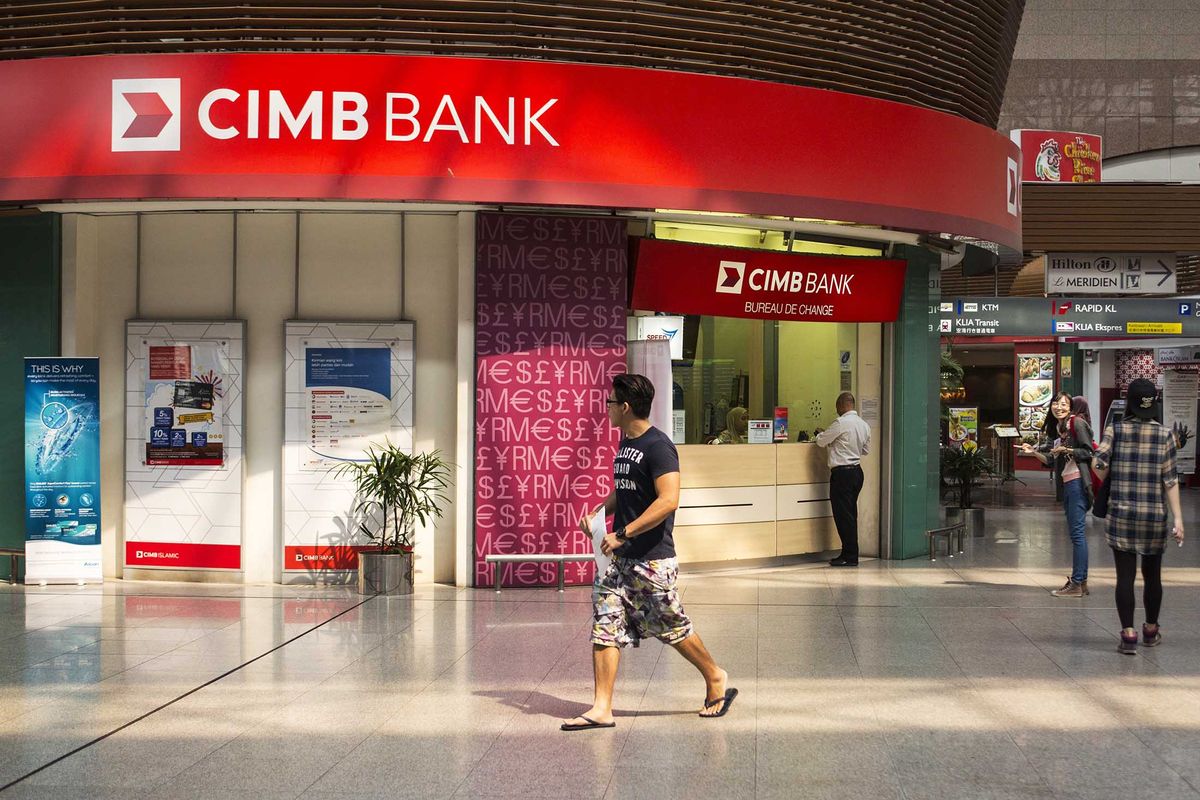
    CIMB Group, Malaysia’s second-largest bank in terms of assets, has announced its intention to expand its private wealth business to Singapore and Thailand by the end of the year. This move is part of a larger plan to double the bank’s wealth assets under management by 2030.

    Targeting Southeast Asia’s Growing Affluent Segment

    Haniz Nazlan, the CEO of group consumer banking at CIMB, revealed on Monday that this expansion activity is targeting the rapidly increasing affluent segment in Southeast Asia. This strategic move follows the successful launch of the bank’s private wealth business in Indonesia earlier in the year and in Malaysia on the same day.

    According to Nazlan, the ASEAN economy, worth US$4 trillion, has been experiencing robust annual economic growth rates of approximately 4%, which is significantly higher than many developed markets. This economic dynamism is expected to stimulate a 5% to 6% annual increase in the region’s affluent population. Furthermore, the middle class is projected to comprise between 65% and 70% of the ASEAN population by 2030.

    Factors such as growing incomes, escalating cross-border investments, and a notable surge in intergenerational wealth transfers are propelling the market.

    A New Service for High Net-Worth Clients

    Daniel Cheong, CIMB’s head of consumer banking for Malaysia, revealed that the new private wealth service is tailored to clients who have at least RM1 million ($244,612) in assets under management. This offering is positioned above CIMB Preferred, the bank’s mass-affluent priority banking segment, which requires a minimum of RM250,000 in assets.

    CIMB’s Private Wealth service offers clients dedicated relationship managers, treasury solutions, investment advisors, customized investment products, succession planning, and digital wealth capabilities.

    Nazlan noted that affluent clients are progressively seeking advice that goes beyond mere investment product selection. He explained that they want guidance on wealth protection, preparation of their children’s futures, access to global opportunities, and making informed decisions in an unpredictable world.

    Nazlan disclosed that CIMB’s wealth assets under management (AUM) were approximately RM250 billion in the preceding year. However, he refrained from providing interim growth targets or customer acquisition figures, stating that it is still the early stages of the Private Wealth proposition’s rollout.

    Questions & Answers

    What is CIMB Group’s plan for its private wealth business?
    CIMB Group plans to expand its private wealth business to Singapore and Thailand by year-end, aiming to double its wealth assets under management by 2030.

    Who are the target clients of the new CIMB private wealth service?
    CIMB’s private wealth service targets high net-worth clients who have at least RM1 million ($244,612) in assets under management.

    What are the key services offered by CIMB’s Private Wealth service?
    CIMB’s Private Wealth service offers dedicated relationship managers, investment advisors, treasury solutions, succession planning, customizable investment products, and digital wealth capabilities.

  • Vietnam’s Gold Prices Tumble: Global Market Trends and Implications Explored

    Vietnam’s Gold Prices Tumble: Global Market Trends and Implications Explored

    Gold prices in Vietnam witnessed another slump on Monday afternoon, following an earlier decrease of 0.2% in the same session. Saigon Jewelry Company reported a fall in the price of gold bars by 0.82% from the morning rate, settling at VND146 million (US$5,552.39) per tael. This resulted in an overall loss of approximately 1% for the day.

    Additionally, the price of gold rings also declined by 1%, reaching VND145 million per tael. It should be noted that a tael is equivalent to 37.5 grams or 1.2 ounces.

    Global Gold Price Trend

    Internationally, gold prices remained stable on Monday. Investors worldwide were assessing the influence of the escalating tensions between the U.S. and Iran on oil prices. Concurrently, U.S. Federal Reserve policymakers hinted at potential interest rate hikes to alleviate inflationary pressure.

    The spot price of gold lingered at $4,018.75 per ounce. Meanwhile, U.S. gold futures for August delivery slightly advanced by 0.1%, reaching $4,023.20.

    UBS analyst Giovanni Staunovo noted the negative correlation between gold and oil prices. He stated that market players are vigilantly monitoring the developments in the Middle East. Staunovo predicted a weaker dollar would bolster gold prices in the next 6 to 12 months, with expectations of the precious metal surpassing the $5,000 per ounce mark.

    Questions & Answers

    How much did gold prices in Vietnam fall on Monday?
    Gold prices in Vietnam fell by approximately 1% on Monday.

    What is the recent global trend in gold prices?
    Globally, gold prices have remained steady. However, the impact of the U.S.-Iran conflict on oil prices and possible interest rate hikes by the U.S. Federal Reserve are being closely observed by investors.

    What are the predictions for gold prices in the future?
    According to Giovanni Staunovo, a UBS analyst, a weaker dollar is expected to support an increase in gold prices over the next 6 to 12 months, potentially moving above the $5,000 per ounce mark.

  • US Dollar Stumbles Against Vietnamese Dong Amid Market Turbulence

    US Dollar Stumbles Against Vietnamese Dong Amid Market Turbulence

    In the unofficial trading market on Saturday morning, the U.S. dollar experienced a decline against the Vietnamese dong. The greenback was sold 0.04% lower at VND26,410 at these non-official trading spots. Meanwhile, Vietcombank, a significant financial player in the region, maintained its rate at VND26,490.

    A Global Perspective on the Dollar’s Performance

    Worldwide, the performance of the dollar on Friday was relatively stable, but it concluded the week on a lower note. This downtrend was attributable to the moderate U.S. inflation data which resulted in traders reducing their expectations of immediate rate hikes from the Federal Reserve.

    Mounting tension between Iran and the U.S. became a crucial factor impacting the global economy. The recent week-long escalation has significantly undermined the peace agreement established last month. This development has incited investors to seek sanctuary in the dollar and has also contributed to the surge in oil prices to nearly one-month highs.

    The plummeting of the tech-dominated global equity market and the ongoing disturbance to the traffic in the Strait of Hormuz have incited a rush to safety. Elias Haddad, the global head of markets strategy at Brown Brothers Harriman, mentioned this. He also noted the U.S. dollar had recouped some of its losses from this week and that global bond yields had marginally decreased.

    Questions & Answers

    What was the impact of the U.S. inflation data on the dollar?
    The moderate U.S. inflation data led traders to reduce their bets on impending rate hikes from the Federal Reserve, which resulted in the dollar ending the week on a lower note.

    What are the effects of the escalating tension between Iran and the U.S.?
    The escalating tension between Iran and the U.S. has encouraged investors to seek refuge in the dollar and has also pushed oil prices to near one-month highs.

    How did the tech-led global equity market’s performance affect the U.S. dollar?
    The decline in the tech-led global equity market has triggered a flight to safety, helping the U.S. dollar to recover some of its losses from the week.

  • Stripe and Advent Propose $53 Billion Deal to Acquire PayPal: A Giant Leap in Payments Industry

    Stripe and Advent Propose $53 Billion Deal to Acquire PayPal: A Giant Leap in Payments Industry

    In significant financial news, payment giant PayPal Holdings Inc has reportedly received a joint acquisition bid from payments provider Stripe and private equity powerhouse Advent International. The offer, which values PayPal at a staggering $53 billion USD, was allegedly initiated earlier this month.

    The proposed offer places PayPal’s share value at $60.50, marking an impressive increase of around 28% on PayPal’s closing share price last Tuesday. This proposal leverages approximately $50 billion in committed financing from banking institutions, according to insiders.

    Under the proposed agreement, Stripe and Advent International would retain co-ownership of PayPal, with each party securing an equal share. This arrangement ensures that PayPal would continue operating as a unified entity instead of facing potential fragmentation.

    However, it’s important to note that these discussions remain in the early stages, and there is no assurance that this preliminary approach will actualize into an official transaction. The individuals providing the information have chosen to remain anonymous due to the confidential nature of these ongoing negotiations. Official representatives from Advent, PayPal, and Stripe have yet to issue public comments on the subject.

    PayPal’s first-quarter performance reported a promising 7% increase in revenue, amounting to around $8.35 billion. This figure comfortably surpasses analysts’ predicted average of $8.05 billion. Furthermore, on a currency-neutral basis, total payment volumes experienced an 8% rise over the past year, totaling about $464 billion.

    Questions & Answers

    What is the proposed offer for PayPal’s shares?
    The joint acquisition bid by Stripe and Advent International is proposing a value of $60.50 per PayPal share.

    How is the proposed acquisition to be financed?
    The proposed acquisition is backed by approximately $50 billion in committed financing from banking institutions.

    What were PayPal’s first-quarter performance figures?
    PayPal reported a 7% increase in revenue in the first quarter, amounting to $8.35 billion. On a currency-neutral basis, total payment volumes saw an 8% rise over the past year, reaching approximately $464 billion.

  • DBS, Singapores Largest Lender, Hits Record Market Value of $155B – A Milestone for Citys Stock Market

    DBS, Singapores Largest Lender, Hits Record Market Value of $155B – A Milestone for Citys Stock Market

    DBS Group, Singapore’s dominant bank, has reached a new milestone with its market value surpassing SGD200 billion (US$154.8 billion) as of Monday. This achievement marks a key moment for DBS, known for being the largest bank in Singapore in terms of asset size, and underscores the strength of the city-state’s stock market. The bank’s shares climbed almost 0.5%, closing at SGD70.79, following their peak at SGD70.80 in the session. To date, the bank’s gains this year total approximately 26%.

    Anticipation of Q2 Results Fuels Rally

    DBS’ increase in market valuation comes ahead of its second-quarter results announcement, scheduled for August 6th. The bank’s net profit for the first quarter had seen a 1% increase to reach SGD2.93 billion, largely driven by record income and robust wealth management fees. Experts believe that the share price surge is likely due to the improving clarity of earnings and a more favorable interest rate outlook. Future growth is anticipated if the banks present an optimistic outlook during their results release.

    Analyst Jayden Vantarakis, the head of Asean equity research at Macquarie Capital, stated, “We are entering an environment where we believe Singdollar rates will be supportive of improving net interest income alongside continued strength in non-interest income.”

    Singapore Banks Propel Straits Times Index

    The collective rally of DBS, OCBC, and UOB, the top three Singapore banks by market value, has boosted the Straits Times Index to all-time highs. Together, these banks make up over half of the index’s total weight.

    According to Vantarakis, the strengthening of the U.S. dollar, due to high U.S. interest rates, will have a positive influence on Singapore dollar rates. Moderate rate increases, he suggests, will encourage wealth inflows and improved asset quality.

    Vantarakis also anticipates a possible further re-rating of the sector, supported by growth in both net interest and non-interest income. He maintains that the Singapore dollar will remain a preferred currency due to the broad strength of the U.S. dollar.

    Lastly, Thilan Wickramasinghe, head of Singapore research and regional head of financials at Maybank Securities, added that the banks are well-positioned to gain from robust credit growth and wealth management fees. He also indicated that ongoing uncertainty in certain regional markets and conflicts in the Middle East, have likely directed safe-haven liquidity towards Singapore banks over the past week.

    Questions & Answers

    What factors have contributed to DBS’ market value surge?
    The bank’s rising market value has been attributed to a combination of an upcoming second-quarter results announcement, improving clarity of earnings, and a more favorable interest rate outlook.

    How have the top three Singapore banks impacted the Straits Times Index?
    The collective rally of DBS, OCBC, and UOB, which constitute over half of the Straits Times Index’s total weight, has propelled the index to all-time highs.

    What is the potential future outlook for the sector?
    There is a potential for further re-rating of the sector supported by growth in both net interest income and non-interest income. Moreover, the Singapore dollar is expected to remain a preferred currency due to the broad strength of the U.S. dollar.

  • Vietnam Gold Prices Hit Two-Week Downtrend Amidst Global Market Shifts

    Vietnam Gold Prices Hit Two-Week Downtrend Amidst Global Market Shifts

    On Tuesday, Vietnam witnessed its lowest gold prices since the start of July, resulting from a decline in worldwide prices due to escalating tensions in the Middle East. The price of a gold bar from the Saigon Jewelry Company fell 0.88%, to VND147.1 million (equivalent to US$5,604.76) per tael. In Vietnam, a tael is a unit of weight equivalent to 37.5 grams or 1.2 ounces.

    Gold Market Trends

    The price of gold rings also saw a decrease, falling by 0.54% to VND146 million per tael. The drop in gold prices this year has amounted to a 3.7% decrease overall.

    On the worldwide stage, after experiencing a 3% drop on Monday, gold prices made a minor recovery. This was following an announcement by U.S. President Donald Trump that he was re-establishing a naval blockade on Iran. This action led to a rise in oil markets, renewed fears about inflation, and the potential for the longevity of higher U.S. interest rates. As a result, spot gold increased by 0.28% to $4,011.10 per ounce.

    Expert Insights

    Market analyst at Forex.com, Fawad Razaqzada, commented on the situation, explaining that the rally in oil prices was a result of the conflict in the Middle East and suggested policy tightening by the Federal Reserve. He also noted that these developments spelled bad news for assets like gold, which yield no interest.

    Razaqzada further speculated, “If oil prices continue to surge, gold prices might experience a downfall, potentially dropping to the $3,800 level initially. There is also a chance they could drop to $3,500 over time if the selling pressure intensifies.”

    Questions & Answers

    What caused the drop in Vietnam’s gold prices?
    The decrease was primarily due to a dip in global gold prices, spurred by increased tensions in the Middle East.

    How has the global gold market reacted to recent events?
    After a 3% plunge on Monday, global gold prices have slightly recovered following the US President’s decision to reinstate a naval blockade on Iran.

    What impact could rising oil prices have on the gold market?
    According to market analysts, if oil prices continue to surge, gold prices could potentially drop significantly, possibly down to $3,500 over time if the selling pressure increases.

  • US Dollar Takes a Dip against Vietnamese Dong Amid Global Uncertainties

    US Dollar Takes a Dip against Vietnamese Dong Amid Global Uncertainties

    The performance of the United States dollar presented a mixed picture on Tuesday, as it dipped slightly against the Vietnamese dong while maintaining its position against other key currencies. The state-owned Vietcombank recorded a 0.04% reduction in the greenback’s value, with an exchange rate set at VND26,450. However, in contrast, the black market saw the US dollar appreciate by 0.11%, pegged at the same exchange rate.

    Global Performance of the Dollar

    In the wider international scene, the dollar remained relatively stable as markets anticipated the release of U.S. inflation data. Rising tensions in the Middle East provided a boost to oil prices which, in turn, had a knock-on effect on currency exchange rates. The Japanese yen traded in a cautious manner, due in part to potential interventions and recent comments made by policymakers regarding the allocation of state pension funds.

    The dollar index, a tool used to compare the value of the greenback against a selection of international currencies such as the yen and euro, also recorded a slight decrease of 0.04%, resulting in a figure of 101.23.

    Meanwhile, the euro showed a strengthening trend against the dollar, trading at a rate of $1.1388. The British pound also saw a minor gain of 0.07%, resulting in an exchange rate of $1.3355.

    Questions & Answers

    What was the exchange rate of the US dollar against the Vietnamese dong?
    The state-owned Vietcombank listed an exchange rate of VND26,450 for the US dollar, showing a minor drop of 0.04%.

    What influenced the performance of the Japanese yen?
    The Japanese yen was affected by several factors, including potential interventions and recent policy-related comments on state pension fund allocations.

    How did the euro and the British pound perform against the US dollar?
    Both the euro and the British pound displayed a strengthening trend against the dollar. The euro traded at a rate of $1.1388, while the British pound gained 0.07%, resulting in an exchange rate of $1.3355.

  • Home Credit Vietnam Triumphs Again: Wins Coveted Finance and Sustainability Awards for 2026

    Home Credit Vietnam Triumphs Again: Wins Coveted Finance and Sustainability Awards for 2026

    Home Credit Vietnam has been awarded ‘Finance Company of the Year’ for the second consecutive year, and also received the ‘Sustainability Initiative of the Year’ at the Asian Banking & Finance Retail Banking Awards 2026. The awards acknowledge the company’s robust business performance, as well as its endeavors in financial inclusion, promoting environmentally friendly consumption, and fostering community development.

    Striving for Sustainable Growth

    The FiinGroup’s Vietnam Consumer Finance Report 2026 indicates that Vietnam’s consumer finance market is evolving, with a shift in focus towards the quality of growth, operational efficiency, and risk management in the wake of a period of market instability. In this context, Home Credit Vietnam has consistently invested in augmenting its governance capabilities and integrating technology into its operations and customer service. The company has fortified its credit assessment models and digital systems, which has facilitated quicker processing of applications and honed loan portfolio management.

    Moreover, the company has crafted financial solutions tailored to diverse customer segments, considering their repayment capacity, and has enhanced the transparency of product information and loan terms to aid customers in making more informed borrowing decisions. These efforts have culminated in Home Credit Vietnam receiving the ‘Finance Company of the Year’ award, which acknowledges financial institutions based on their operational performance and adaptability to fluctuating market conditions. The company’s 2025 financial statements reveal a 36.8% increase in total assets compared to the start of the year, with an after-tax profit of VND2.077 trillion (US$79 million).

    Embedding Sustainability in Business Practices

    Pham Ngoc Khang, the Chief Strategy Officer and Chairman of Home Credit Vietnam’s ESG Steering Committee, emphasized that sustainable development forms a key part of the company’s long-term strategy. He asserted that a company’s growth should align with the interests of customers and communities, as financial solutions are truly meaningful only when they improve the quality of life and broaden people’s access to financial services.

    The company’s sustainability strategy, which was recognized by the ‘Sustainability Initiative of the Year’ award, centers on increasing access to responsible finance, promoting green consumption, and supporting community development. In 2025, Home Credit Vietnam launched preferential financing packages for electric motorcycles to spur the use of zero-emission transportation. They also broadened their financial literacy initiatives. By the end of 2025, the company’s Home Smart online platform had reached over 21 million people, and they had organized personal finance management workshops for over 4,000 students and women.

    Questions & Answers

    What awards did Home Credit Vietnam receive at the Asian Banking & Finance Retail Banking Awards 2026?
    Home Credit Vietnam was recognized as ‘Finance Company of the Year’ for the second year in a row and also received the ‘Sustainability Initiative of the Year’ award.

    What are some of the initiatives Home Credit Vietnam has undertaken to promote sustainable growth?
    The company has been investing in enhancing its governance capabilities, integrating technology into its operations, and crafting tailor-made financial solutions for diverse customer segments. They have also increased the transparency of product information and loan terms to aid customers in making informed decisions.

    What is the focus of Home Credit Vietnam’s sustainability strategy?
    The sustainability strategy of the company involves expanding access to responsible finance, promoting green consumption, and supporting community development. They have launched financing packages for electric motorcycles and extended their financial literacy initiatives to promote responsible lending.

  • Techcombank Leverages Digital Finance to Tap into Vietnams $100 Billion Infrastructure Nexus

    Techcombank Leverages Digital Finance to Tap into Vietnams $100 Billion Infrastructure Nexus

    Techcombank, Vietnam Technological and Commercial Joint Stock Bank, is strategizing to bridge global capital with Vietnam’s escalating investment needs. The bank is placing digital financial infrastructure at the forefront, seeing it as a pivotal factor for the country’s next economic growth stage.

    Techcombank is expressing its aspiration to be instrumental in channeling both local and global capital towards Vietnam’s economic progression. In furtherance of its goals, it co-hosted the Vietnam Financial Forum 2026 (VFF 2026) from July 9th to 10th in Danang. The forum attracted over 350 attendees, including policymakers and executives from domestic and international financial institutions and companies.

    Modernizing Vietnam’s Capital Markets

    The forum centered on the modernization of Vietnam’s capital markets, bolstering the country’s financial infrastructure, and enhancing corporate access to capital. The country’s government aims to achieve double-digit economic growth from 2026 through to 2030.

    Digital and green finance took center stage at the forum. Delegates deliberated on how new technologies and the digital transformation of the financial infrastructure could ease capital flow and bolster Vietnamese companies.

    Techcombank CEO, Jens Lottner, in his keynote speech, pointed out that the bank’s role goes beyond conventional financing. He stated, “We are constructing the digital infrastructure that allows capital, data, and financial services to flow smoothly through the economy.” The CEO also revealed Techcombank’s goal to be Vietnam’s most reliable financial platform and to help efficiently channel domestic and international capital into sectors generating sustainable economic value.

    $100 Billion Investment Goal

    The funding of Vietnam’s rapidly expanding infrastructure needs was a key focus of the forum. Techcombank executives and representatives of their partner ecosystem discussed potential areas for the next $100 billion investment. The conversations included infrastructure, energy, and industrial development, as well as tactics to draw capital from global institutional investors.

    Techcombank emphasized mechanisms for luring foreign investment and steering international capital towards strategic Vietnamese projects. Lottner mentioned that Techcombank is ready to share its experience in developing digital ecosystems and utilizing data and technology to connect citizens, companies, investors, and public services.

    Techcombank aims to contribute its financial resources, tech expertise, and global network to the development of a more modern and transparent financial ecosystem through its participation in the Vietnam Financial Forum. The bank currently services around 18 million retail and corporate clients and operates one of Vietnam’s top digital banking platforms.

    Questions & Answers

    What is Techcombank’s primary aim in Vietnam’s economic development?
    Techcombank aims to facilitate the efficient allocation of both domestic and international capital into sectors generating sustainable economic value, leveraging digital financial infrastructure.

    What were the key areas of focus at the Vietnam Financial Forum 2026?
    The forum focused on modernizing Vietnam’s capital markets, strengthening the country’s financial infrastructure, and improving corporate access to capital. Other areas of focus included digital finance, green finance, and the role of technology in facilitating capital flow.

    What is Techcombank’s strategy for meeting Vietnam’s growing infrastructure needs?
    Techcombank intends to attract and steer international capital towards strategic projects in Vietnam. It also aims to share its experience in developing digital ecosystems and using data and technology to connect various sectors, including citizens, companies, investors, and public services.