Category: Finance

Retail News Asia is committed to providing both local and global retailers with the latest Finance news throughout the Asian market. This on a daily base.

  • Chip Boom Pushes Vietnam, Philippines Towards High-Income Status

    Chip Boom Pushes Vietnam, Philippines Towards High-Income Status

    Economic development in Southeast Asia is being significantly reshaped by the growth of the semiconductor industry. This expansion is now positioning both Vietnam and the Philippines to potentially achieve ‘high-income’ country status, a classification currently held only by Singapore and Brunei among the 11 ASEAN members.

    Semiconductors Drive Economic Ascent

    The semiconductor sector is increasingly viewed as a critical pathway for these nations to overcome the ‘middle-income trap,’ a challenge where countries struggle to transition from industrial economies to knowledge-based, high-value ones. This strategic focus on advanced manufacturing is attracting substantial foreign investment and fostering technological advancements.

    For retailers and consumer brands operating in these markets, an upgrade to high-income status would signal a significant increase in purchasing power and a more sophisticated consumer base. This could lead to shifts in demand for premium products, advanced electronics, and a wider array of services, prompting businesses to adapt their strategies for product sourcing, pricing, and distribution.

    Implications for Retail and Consumer Markets

    The economic growth spurred by the chip industry is expected to boost average incomes, translating into greater disposable wealth for consumers in both Vietnam and the Philippines. This change will likely lead to an expansion of the domestic consumer market, making these countries even more attractive for international brands and investors looking for new growth opportunities.

    RetailNews Asia has been closely monitoring the strategic investments in the tech and manufacturing sectors across Southeast Asia, noting how such shifts often precede significant changes in consumer spending patterns and retail infrastructure development. The potential for Vietnam and the Philippines to join the ranks of high-income nations underlines a broader trend of economic diversification and upward mobility within the ASEAN bloc, promising a dynamic future for the region’s retail and consumer landscape.


  • Court Overturns Permit Revocation for Villar’s SIPCOR Power Firm

    Court Overturns Permit Revocation for Villar’s SIPCOR Power Firm

    The Philippine Court of Appeals has reversed the Energy Regulatory Commission’s (ERC) 2025 decision that revoked the operating permits of S.I. Power Corporation (SIPCOR). The court found that the ERC denied SIPCOR procedural due process when it ordered the power generator to halt its operations on Siquijor island.

    However, the appellate court’s July 24 ruling does not absolve SIPCOR of responsibility for the operational failures that caused Siquijor’s power crisis. It also does not automatically authorize the company to resume operations. The court stated that while the power situation in Siquijor required swift action, due process cannot be sacrificed for expediency.

    Procedural Flaws Cited

    The Court of Appeals found that the ERC used a fact-finding investigation to revoke SIPCOR’s operating authorities without formally notifying the company that its permits were at risk. The court noted that the ERC never issued the required show-cause order, which should have specified the alleged violations, their legal basis, and potential penalties.

    The ERC’s proceedings, which included a public hearing in July 2025 following prolonged outages in Siquijor that disrupted businesses and tourism, were consistently framed as fact-finding. The court also highlighted that the ERC relied on documents submitted after the July hearing, such as a letter from the energy secretary and an audit report, without giving SIPCOR an opportunity to contest them.

    The appellate court questioned the implementation of the shutdown. The ERC had already issued provisional operating authorities to a replacement generator before its decision against SIPCOR was promulgated. SIPCOR was then ordered to cease operations on August 29, 2025, just hours after being served the decision, despite ERC rules typically allowing 15 days before a decision becomes final.

    Uncertainty For SIPCOR’s Future Operations

    The Court of Appeals decision essentially voids the ERC’s permit revocation, but it does not guarantee SIPCOR’s immediate return to Siquijor’s power grid. The ERC may still pursue further legal action, including seeking reconsideration from the appellate court or elevating the case to the Supreme Court.

    SIPCOR itself acknowledged this uncertainty in a disclosure to the Philippine Stock Exchange (PSE) by Premiere Island Power REIT (PREIT). PREIT, which owns and leases assets to SIPCOR, stated that SIPCOR is awaiting further developments before attempting to resume operations. Trading in PREIT shares was subsequently halted following the disclosure. SIPCOR is wholly owned by Prime Asset Ventures Inc., the infrastructure arm of the Villar family, and was a significant source of rental income for PREIT before its operations were suspended.

  • Indian Investment Data Shows 50:50 Equity-Debt Portfolios Offer Better Risk-Adjusted Returns over 100% Equity

    Indian Investment Data Shows 50:50 Equity-Debt Portfolios Offer Better Risk-Adjusted Returns over 100% Equity

    Indian investors seeking optimal portfolio strategies should look beyond absolute returns, as new data suggests a balanced approach offers better risk-adjusted performance. A 20-year analysis, using India’s Nifty 100 TRI for equity and the CRISIL Short Term Bond Fund Index for fixed income, indicates that while all-equity portfolios yielded higher overall gains, a 50:50 blend of equity and debt provided more stable returns relative to the volatility experienced.

    The study, compiled from UTI Mutual Fund data, highlights that purely equity-focused portfolios, though delivering greater long-term returns (e.g., ₹1 lakh growing to ₹10.5 lakh over 20 years), also carried significantly higher risk. For instance, over a one-year period, a 100% equity portfolio saw a 3.6% loss, while a 50:50 balanced portfolio gained 1.1%, and fixed income returned 5.8%.

    Volatility Versus Absolute Returns

    When comparing absolute returns, the 100% equity portfolio consistently outperformed over longer durations. Over 20 years, it recorded a 12.5% Compound Annual Growth Rate (CAGR), compared to 10.9% for the 50:50 balanced portfolio and 7.2% for 100% fixed income. This trend held true for 10-year, 5-year, and 3-year periods as well, where equity maintained its lead.

    However, volatility tells a different story. Measured by standard deviation, the equity portfolio exhibited substantially greater fluctuations. Over two decades, its standard deviation was 20.9%, dwarfing the 10.3% of the 50:50 portfolio and the mere 3.2% of the fixed income portfolio. This indicates that while equity offered higher potential gains, it also came with considerable unpredictability.

    Understanding Risk-Adjusted Performance

    To provide a clearer picture for investors, the analysis introduced risk-adjusted returns, calculated by dividing the CAGR by the annualised standard deviation. This metric reveals how much return a portfolio generated for the level of risk it undertook. On this front, the 50:50 balanced and 100% fixed income portfolios consistently surpassed the 100% equity option across all timeframes.

    For example, over 20 years, the 100% equity portfolio had a risk-adjusted return of 0.60, while the 50:50 balanced portfolio achieved 1.0, and fixed income reached 2.2. This signifies that for every unit of risk taken, the diversified and fixed income portfolios delivered more return. This insight is crucial for long-term investors, emphasising that a higher absolute return doesn’t necessarily equate to a more efficient or less volatile investment journey.

    Questions & Answers

    What is the key finding regarding 100% equity portfolios in India?
    The data shows that 100% equity portfolios delivered higher absolute returns over longer periods (up to 20 years) but also carried significantly higher volatility and lower risk-adjusted returns compared to balanced or fixed-income portfolios.

    How did a 50:50 balanced portfolio perform in terms of risk-adjusted returns?
    A 50:50 balanced portfolio consistently showed higher risk-adjusted returns than a 100% equity portfolio across all periods, indicating that it generated more return relative to the volatility recorded.

    What indices were used to represent equity and fixed income in the analysis?
    The Nifty 100 TRI was used to represent equity, and the CRISIL Short Term Bond Fund Index was used to represent fixed income or debt in the Indian market analysis.

  • Chinese Companies Grapple with Rising Payment Delays amidst Intense Competition

    Chinese Companies Grapple with Rising Payment Delays amidst Intense Competition

    In an environment marked by frail demand and severe competition, Chinese companies are allowing customers an extended period to clear their invoices. However, these businesses are still enduring extended periods waiting for overdue payments, a situation that is increasing the pressure on corporate cash flows.

    Mainland Chinese firms, on average, offer payment terms of 81 days, which is longer when compared to the 70-day average across the Asia-Pacific, according to a recent survey by Coface. Although these terms are more lenient, 86% of Chinese companies reported experiencing payment delays. This figure is marginally lower than the APAC average of 91%, but settlement of these overdue invoices in China takes about 73 days on average, five days longer than the regional average.

    Worsening Payment Conditions

    The state of payment conditions has deteriorated in the past year. Approximately 35% of survey respondents stated that payment delays have become more frequent, while 26% reported some improvement. Concurrently, 33% mentioned that delays had become more severe, in contrast to 27% who reported an improvement.

    Looking to the future, 40% of Chinese companies anticipate further deterioration of payment conditions in the coming 12 months, and only 20% plan to tighten the payment terms they offer customers. Coface credited this strain to a combination of factors such as trade and tariff volatility, consistent weak demand, and intense price competition in various Chinese industries.

    The survey’s findings align with a broader economic perspective. At the end of June, accounts receivable at China’s industrial enterprises increased by 8.1% year on year. The average collection period lengthened from 70.9 days to 71.7 days.

    Fewer Defaults but Larger Losses

    Chinese companies reported fewer customer defaults than their regional counterparts, with only 16% experiencing at least one default in the past 12 months, in contrast to the APAC average of 45%. Yet, when defaults did occur, the financial impact was more significant. Defaulted receivables made up 11.2% of total accounts receivable among Chinese suppliers, compared to 10% across APAC. This effect was particularly noticeable in the wood and chemicals industries, where about 20% of receivables were written off as defaults.

    Questions & Answers

    What are the average payment terms offered by Chinese companies?
    The average payment terms offered by companies in mainland China are 81 days.

    How does China’s rate of customer defaults compare to the regional APAC average?
    Chinese companies reported fewer customer defaults than their regional counterparts, with only 16% experiencing at least one default in the past 12 months, in contrast to the APAC average of 45%.

    What is the financial impact when customers default?
    When customers default, the financial impact is more significant in China. Defaulted receivables made up 11.2% of total accounts receivable among Chinese suppliers, compared to 10% across APAC. This effect was particularly noticeable in the wood and chemicals industries, where about 20% of receivables were written off as defaults.

  • US Dollar Ascends Versus Vietnamese Dong Amid Market Stability

    US Dollar Ascends Versus Vietnamese Dong Amid Market Stability

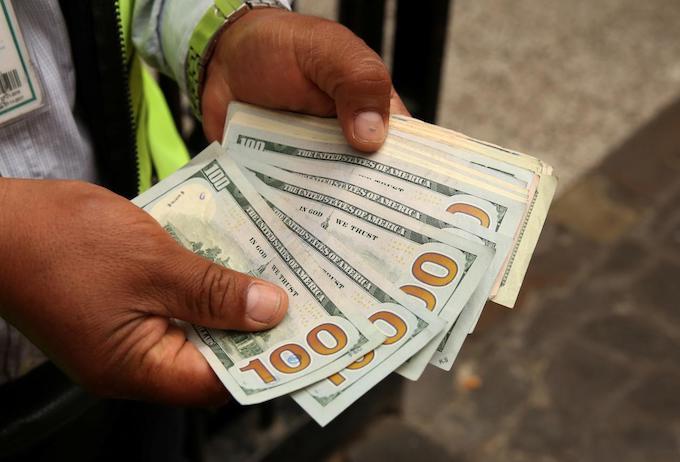
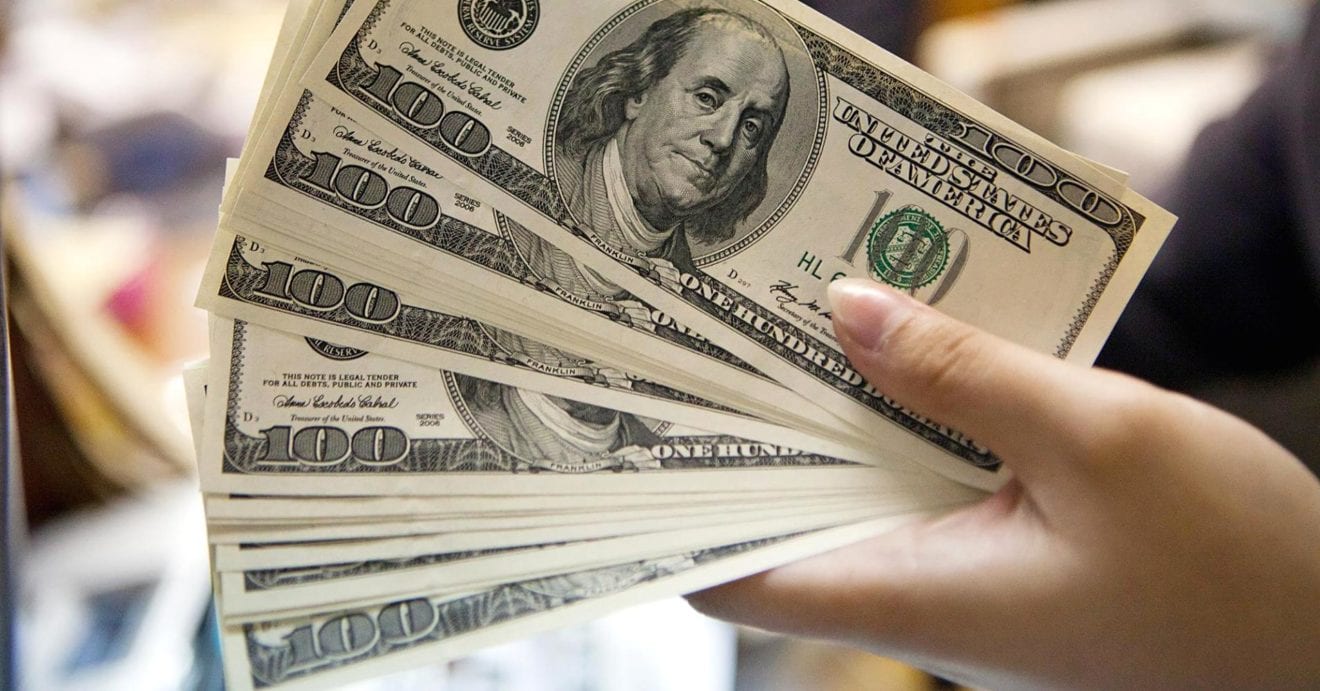
    The U.S. dollar experienced a slight increase against the Vietnamese dong early Friday, while maintaining a stable position against other major global currencies. The uptick saw the dollar traded at VND26,270 by Vietcombank, reflecting a 0.08% rise from the previous day. Concurrently, on the unregulated market, the dollar exchanged hands at approximately VND25,990.

    Vietnam’s Monetary Policy

    The State Bank of Vietnam has responded to these market dynamics by reducing its reference rate by 0.02% to VND25,561. This move is part of its monetary policy to moderate the impact of global economic influences on the local currency.

    In the international arena, the currency market has been relatively stable this week. The U.S. dollar has found support in the backdrop of escalating oil prices and increasing tensions in the Middle East. However, this has been counterbalanced by placid U.S. employment and inflation reports, which have lowered projections for hikes in the U.S. interest rate.

    Global Currency Trends

    Within the week, the euro experienced a slight decrease of 0.2%, taking its value to $1.1536, while the British pound remained static at $1.3489. Meanwhile, the Australian dollar traded consistently at $0.7060.

    The Japanese yen lingered at 159.36 per U.S. dollar, hovering near the crucial 160 level. This critical threshold, according to traders, could prompt another round of yen buying from Tokyo. This comes following a joint intervention by Tokyo and the U.S. last month, which failed to stabilize the weakening currency. The yen has since lost approximately 50% of the gains it initially made following the intervention, declining about 1% this week to 159.43 per dollar.

    South Korea’s won, which had also benefited from official intervention as authorities sold dollars in unison with Japan last month, has remained steadier than the yen. Despite this, the won is predicted to register a marginal loss of 0.6% against the dollar this week.

    Questions & Answers

    What was the trading value of the U.S. dollar against the Vietnamese dong on Friday?
    The U.S. dollar was traded at VND26,270 by Vietcombank on Friday.

    What impact did the State Bank of Vietnam’s reduction in its reference rate have on the market?
    The reduction in the reference rate aimed to moderate the impact of global economic influences on the local currency.

    What has been the performance of the yen and the won in the currency market this week?
    The yen has lost about 1% this week moving to 159.43 per dollar, while the won is predicted to register a marginal loss of 0.6% against the dollar.

  • Global Gold Prices Take a Tumble: A Weekly Analysis of Bullion Rates Amid Mild Inflation

    Global Gold Prices Take a Tumble: A Weekly Analysis of Bullion Rates Amid Mild Inflation

    The price of Vietnam’s gold bars saw a dip on Friday morning, mirroring the global trend of falling bullion rates. Saigon Jewelry Company, a significant player in the local gold market, recorded a 0.69% drop in its gold bar prices, slipping to VND143.3 million (US$5,490.21) per tael. The decline reflects a 0.49% decrease for the week.

    Despite the dip, local gold prices in Vietnam remain approximately VND6.3 million per tael higher than the global rates. The price of gold rings also fell on Friday, with a decrease of 0.7% to VND142.8 million per tael. For reference, a tael is equivalent to 37.5 grams or 1.2 ounces.

    Global Gold Market Trends

    Global gold prices experienced a slight decrease on Friday, indicating an overall weekly loss. This follows recent profit-taking by investors after U.S. inflation data spurred bullion to reach its highest level in over two months, subsequently weakening the argument for an imminent Federal Reserve rate hike.

    Spot gold saw a decrease of 0.5%, standing at $4,326.75 per ounce. Despite reaching its highest point since June 5 on Thursday, gold ended the day 1.3% lower, putting it on track for a weekly loss.

    U.S. gold futures due for delivery in December slid nearly 1% to $4,382.50. The non-yielding metal received a boost following an unexpected drop in U.S. July nonfarm payrolls last week, which, coupled with softer inflation data this week, significantly reduced the expectations of a rate hike in the coming month.

    The Future of Gold Trading

    Market observers believe that the profit-taking phase in the gold market is likely the result of episodic and speculative capital at play. Despite the recent dips, some suggest that gold may be setting up for a significant rally.

    The potential catalyst for this rally is not immediately apparent, but it could occur if gold prices breach the $4,400 barrier. If that happens, reaching $5,000 by the end of the year is seen as a feasible expectation, signalling potential profitability for gold investors and traders alike.

    Questions & Answers

    Why did gold bar prices in Vietnam fall this week?
    The prices fell due to a combination of global trends and local market dynamics. Gold prices globally have been on a downward trend, and this has influenced the Vietnamese market.

    How does the U.S. inflation data impact the global gold prices?
    U.S. inflation data is a significant indicator of economic health and can impact Federal Reserve’s decisions on interest rates. This, in turn, influences gold prices, as higher interest rates usually decrease the demand for gold, leading to lower prices.

    What could be the potential catalyst for a significant rally in gold prices?
    A potential catalyst for a major rally in gold prices could be the breach of the $4,400 per ounce mark. If this level is surpassed, it could trigger increased buying activity, pushing prices towards the $5,000 mark by the year’s end.

  • Vietnam’s 2026 GDP Forecast Soars to 8% Amid Robust Economic Performance: Citi Analysis

    Vietnam’s 2026 GDP Forecast Soars to 8% Amid Robust Economic Performance: Citi Analysis

    Citi Research has increased its prediction for Vietnam’s GDP growth in 2026 to approximately 8%, motivated by the country’s better-than-predicted economic performance and sturdy exports. This new forecast was announced during Citi’s economic prospect seminars held for their clients in Hanoi and Ho Chi Minh City on August 11 and 12.

    In the second quarter, Vietnam’s GDP experienced a year-on-year growth of 8.5%, a significant increase from the 7.9% growth in the first quarter. This robust performance has led Citi to adjust its annual forecast upwards to about 8%, a notable change given the previous downscale to the low-7% range following the energy-price shock earlier in March.

    Exports and Trade Relations

    Despite various predictions, Vietnam’s exports have shown more resilience than anticipated. The U.S. alone constitutes about 30% of Vietnam’s exports, with the electronics sector reaping the benefits of considerable global investment in artificial intelligence and digital infrastructure. While exports to the U.S. have decelerated since their peak in 2025, the growth remains significant.

    Trade relations with China have also seen an upswing. Vietnam’s exports of electronics and components to China have sped up, and imports of electronic inputs, energy, and chemicals have increased. This indicates a deeper integration into regional manufacturing and electronics supply chains.

    Domestic Demand and Inflation

    Domestic demand has served to balance out external pressures and those related to energy. Real retail sales dipped in early Q2 due to increasing fuel prices but later regained traction as the prices stabilized. Investment in public infrastructure has stayed strong, while the production of construction materials has continued to grow at a double-digit rate, albeit slower than in Q1.

    However, inflation continues to pose a potential risk. Consumer price inflation reached a high of 4.7% year-on-year in June. Citi anticipates that inflation may have reached its apex, considering the dip in oil prices and government steps to steady fuel costs. However, it could remain above the 4.5% target in the short term.

    Minh Ngo, Citi Country Officer and Banking Head for Vietnam, praised the country’s resilience in the face of a volatile global environment. He emphasized that Vietnam’s expanding trade ties, deeper immersion in global supply chains, and continuous infrastructure investment provide a robust foundation for long-term growth. He assured of Citi’s dedication towards helping clients adapt to changing market trends, access international capital, and seize new cross-border opportunities.

    Questions & Answers

    What has led to the rise in Vietnam’s GDP forecast for 2026?
    This is due to the country’s better-than-expected economic performance and resilient exports.

    How has domestic demand contributed to Vietnam’s economy?
    Domestic demand has proved crucial in offsetting external pressures and those related to energy. Real retail sales have recovered, and investment in public infrastructure remains solid.

    What are the key risks to Vietnam’s economy?
    Potential risks include renewed energy price volatility, weaker global demand, changing international trade conditions, and possible disruption to hydropower generation associated with El Niño.

  • Deutsche Bank Pioneers as First European Institution to Secure Renminbi Clearing License

    Deutsche Bank Pioneers as First European Institution to Secure Renminbi Clearing License

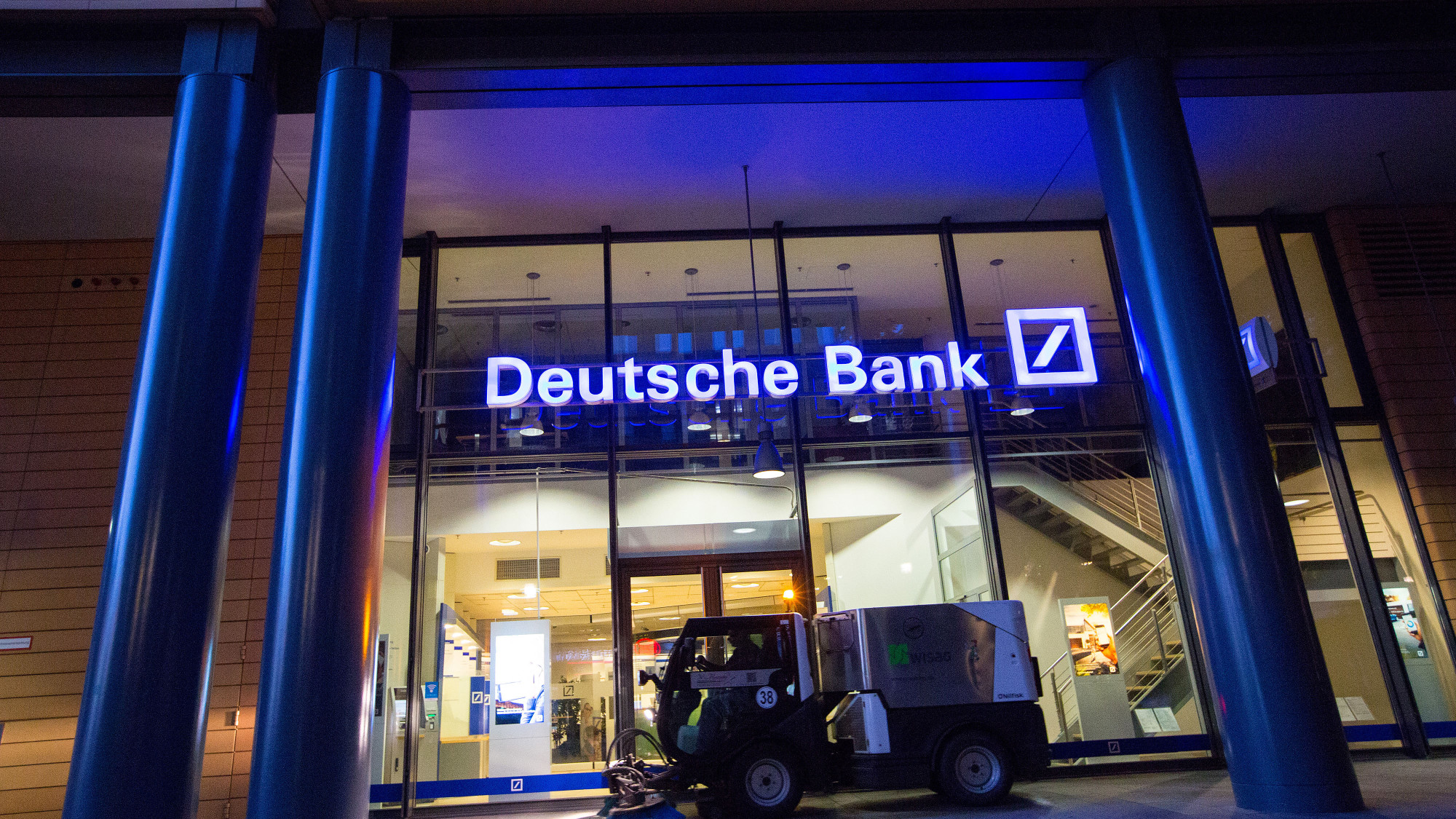
    The city of Frankfurt has just received a significant boost as a financial hub. Deutsche Bank, a prominent financial institution based in Frankfurt, has successfully become the first European bank appointed to serve as a renminbi clearing bank by the People’s Bank of China. This news was confirmed through an official statement on Monday.

    The provision of clearing services in Frankfurt will offer financial establishments and firms a direct, fast channel for processing, clearing, and settling cross-border transactions involving the renminbi. This move is anticipated to reinforce the financial ties between Europe and China.

    Deutsche Bank’s Role as a Clearing Bank

    Alexander von zur Mühlen, CEO for Asia Pacific, Europe, Middle East & Africa and Germany at Deutsche Bank, weighed in on the matter. He believes that their new role as a renminbi clearing partner in Europe deepens Deutsche Bank’s position as a globally recognized clearing bank. This commitment also reaffirms the bank’s long-standing dedication to the internationalization of the renminbi. Mühlen is optimistic that this development will bolster the financial connectivity between China and Europe. This will help Deutsche Bank to better serve its clients’ cross-border trade and investment activities.

    Even though renminbi clearing services were accessible in Europe prior to this, they were only offered through branches of Chinese banks.

    Renminbi Hub: A Shift from Competition to Normalcy

    Over a decade ago, the concept of establishing a renminbi hub in Europe was a contentious issue that incited competition among Europe’s financial centers. In Switzerland, the establishment of a renminbi hub emerged as a crucial prestige project for the nation’s banking industry.

    China Construction Bank (CCB) earned a banking license from the Swiss Financial Market Supervisory Authority in October 2015. When CCB’s Zurich branch launched in January 2016, it was attended by several notable representatives from the Swiss financial center and public authorities. Since then, CCB has been in charge of renminbi clearing in Switzerland.

    As of January 2021, CCB had processed transactions totalling nearly 600 billion francs. A total of 13 Swiss partner banks were reported to be participating in the hub. Currently, Zurich represents a key center within the offshore renminbi ecosystem.

    It remains unclear if a Swiss bank will pursue clearing status, however, UBS and Zürcher Kantonalbank could potentially be the only viable candidates.

    Questions & Answers

    What is the significance of Deutsche Bank’s new role as a renminbi clearing bank?
    This development strengthens Deutsche Bank’s position as a globally recognized clearing bank. It will enhance financial connectivity between China and Europe.

    What is the history of renminbi clearing in Europe?
    Renminbi clearing services were available in Europe previously, but only through branches of Chinese banks.

    What is the status of the renminbi hub in Switzerland?
    Currently, Zurich represents a key center within the offshore renminbi ecosystem, with China Construction Bank handling renminbi clearing in Switzerland since 2016.

  • Expanding Footprint: Revolut Secures French Banking License, Plans 600 New Jobs in Western Europe

    Expanding Footprint: Revolut Secures French Banking License, Plans 600 New Jobs in Western Europe

    Revolut, a prominent fintech company, has received a full banking license in France, as authorized by the country’s banking regulator, ACPR, and the European Central Bank (ECB). Prior to obtaining this license, Revolut conducted its EU operations under a Lithuanian banking license.

    Transitioning Customers to French Entity

    The company plans to gradually transition its Western European customers to the French entity, commencing with France and subsequently extending to other nations such as Germany, Ireland, Italy, Portugal, and Spain. Revolut’s approximately 1.2 million Swiss customers will not be impacted by this change.

    Last year, Revolut pledged to invest over 1 billion euros in Western Europe. In line with this commitment, the company has revealed plans to recruit over 600 additional staff members. Four hundred of these new hires will be stationed at the company’s forthcoming Western European headquarters in Paris, which is anticipated to begin operations next year.

    Despite a protracted approval process, Revolut obtained a UK banking license just last year. The company is recognized as one of the most valuable fintech businesses globally, standing at a valuation of 115 billion dollars following a recent secondary share sale to investors. This valuation is notable given the company’s reported profit of 1.5 billion dollars for 2025.

    Rapid Expansion and Customer Base

    Revolut currently caters to 75 million customers worldwide, with Western Europe – home to around 30 million customers – representing its largest and most swiftly expanding region. The past year has seen the bank gain almost eight million customers across these markets.

    According to a report released in June, the ECB had previously voiced concerns about Revolut’s rapid expansion, urging improvements to the company’s internal procedures for introducing new products.

    Questions & Answers

    What does the new banking license mean for Revolut’s operations in France?
    The full banking license granted by France’s ACPR and the ECB allows Revolut to operate under a French banking license, replacing its previous Lithuanian banking license.

    How many new employees does Revolut plan to recruit, and where will they be based?
    Revolut aims to hire over 600 new employees, with 400 of them set to be based at its upcoming Western European headquarters in Paris.

    What is the significance of the concerns raised by the ECB in relation to Revolut’s rapid expansion?
    The ECB’s concerns highlight potential issues associated with Revolut’s rapid growth, particularly calling attention to the need for improvements in the company’s internal processes when launching new products.

  • US Dollar Climbs Against Vietnamese Dong Amid Globally Awaiting Inflation Data

    US Dollar Climbs Against Vietnamese Dong Amid Globally Awaiting Inflation Data

    The U.S. dollar experienced an increase against the Vietnamese dong on Wednesday morning while remaining largely stable against other major currencies. The greenback was sold at VND26,330 by Vietcombank, marking a slight increase of 0.04% from Tuesday’s rate. The currency also saw an increase of 0.35% on the black market, where it was traded at around VND25,800.

    Vietnam’s State Bank Raises Reference Rate

    The State Bank of Vietnam responded to the changes by adjusting its reference rate upwards by 0.09%, setting it at VND25,539. This is a significant step for the bank as it supports the stability of the Vietnamese dong in the face of global economic changes.

    On the global front, the dollar held steady in the Asian market in the early hours of Wednesday. It successfully weathered recent disturbances such as renewed attacks on shipping in critical Middle Eastern waterways. Market players are now eagerly awaiting the release of inflation data later in the day, which could have a significant impact on the currency’s performance.

    The U.S. dollar index, a measure of the dollar’s performance against a collection of six major currencies, exhibited a marginal increase of 0.1%, reaching 99.858.

    Performance of Other Major Currencies

    In terms of other major currencies, the yen remained steady against the dollar at 159.335 yen. This comes despite recent joint interventions by U.S. and Japanese authorities aimed at bolstering the Japanese currency.

    The euro and the British pound were likewise stable at $1.1537 and $1.3503 respectively. The Australian dollar also held its ground at $0.7064. However, the kiwi dollar experienced a slight dip, falling by 0.1% to $0.5876.

    In the coming week, market attention will be firmly placed on the release of U.S. inflation data. This information will be crucial for providing clues about the future direction of Federal Reserve interest rates. This is particularly relevant given that last week’s softer-than-expected jobs report and a press conference by Fed Chair Kevin Warsh last month have done little to clarify the situation.

    Questions & Answers

    What was the selling rate of the greenback against the Vietnamese dong on Wednesday?
    The greenback was sold at VND26,330 by Vietcombank on Wednesday.

    How did the U.S. dollar perform on a global scale?
    The U.S. dollar traded sideways in early Asian dealings on Wednesday despite recent disturbances in the Middle East.

    What is expected to be the major focus for markets in the coming week?
    The major focus for markets in the coming week is the release of U.S. inflation data which is expected to provide clues about the future direction of Federal Reserve interest rates.

  • Global Gold Rush: Bullion Rates Climb Amid Rising Geopolitical Tensions and Increased Investor Appetite

    Global Gold Rush: Bullion Rates Climb Amid Rising Geopolitical Tensions and Increased Investor Appetite

    On Wednesday morning, gold bar prices in Vietnam observed an increase, correlating with the global surge in bullion rates. The gold bar price, represented by the Saigon Jewelry Company, saw a rise of 0.21%, reaching VND143.8 million (US$5,503.99) per tael. Similarly, the price of gold rings rose by 0.21%, making it VND143.3 million per tael. A tael is equivalent to 37.5 grams or 1.2 ounces.

    Global Market Trends

    Wednesday also witnessed an upward trend in global gold and oil prices, while regional shares cautiously ascended. These changes come amidst escalating geopolitical tensions and in anticipation of crucial U.S. inflation data. Spot gold experienced a gain of 0.46%, valued at $4,387.03 an ounce. U.S. crude also rose by 0.89% to $83.94 a barrel, and Brent crude increased by 0.78% for the day, reaching $89.60 per barrel.

    In recent weeks, gold has surpassed the $4,000-an-ounce mark, driven by investor interest and heightened central bank purchases, with China being a significant buyer. The yellow metal, however, is still in the process of confirming a resurgent bull-market advance, as noted by Ole Hansen, head of commodity strategy at Saxo Bank AS. He added that support around $4,200 is becoming increasingly critical, and the significant upside test is once again focusing on the 200-day moving average, currently just below $4,500.

    Questions & Answers

    What is driving the recent increase in global gold prices?
    The gold prices have been driven by heightened investor interest and increased central bank purchases, with China being a notable buyer.

    Why is the $4,200 mark important for gold prices?
    The $4,200 mark is considered an important support level for gold prices. If the prices can maintain above this level, it could signal a positive market sentiment and possibly drive the prices higher.

    What does the 200-day moving average indicate for gold prices?
    The 200-day moving average is a key metric used by investors to analyze price trends. For gold, it currently sits just below $4,500. If prices can sustain above this average, it may indicate a bullish market.

  • S&P Soars as Crypto, Gold Tumble: How the Feds Shift Shakes Up Market Landscape in 2026

    S&P Soars as Crypto, Gold Tumble: How the Feds Shift Shakes Up Market Landscape in 2026

    As we approach the midway point of 2026, a stark disparity has emerged across various asset categories. The S&P 500 is showing an upward trend with a 5.7 percent increase so far this year. However, cryptocurrencies like Bitcoin and Ethereum have experienced significant losses, with a 32.2 percent and 46.4 percent decrease respectively. Likewise, precious metals like gold and silver, having initially surged due to geopolitical tensions earlier in the year, have since suffered losses of 7.5 percent and 19.4 percent respectively.

    Shifting Dynamics in the Financial Landscape

    This contrast raises a straightforward question among multi-asset allocators – why has the same macro environment produced such a sharp divergence? To answer this, we need to observe the two concurrent structural forces that lead to this phenomenon.

    During his inaugural Federal Open Market Committee (FOMC) meeting in June, the new Chair of the Federal Reserve, Kevin Warsh, made a significant policy statement. He reduced the statement from 341 words to a mere 130, eliminated forward guidance, and ended with a promise in six words – “The Committee will deliver price stability.”

    This statement led to an immediate shift in rate expectations as projections turned from cuts to a higher year-end target. This stark reversal marked the closing of the window for a liquidity-driven recovery in risk assets, resulting in the evaporation of speculative risk capital, particularly in cryptocurrency markets.

    The Resilience of Equities

    Contrarily, large-cap equities have shown impressive resilience, bolstered by strong employment rates and a flourishing AI and services sector. This resilience is due to a structural reason – corporate earnings are majorly concentrated in sectors that directly benefit from the current macro environment, and hence, are capable of absorbing higher rates.

    Precious metals and crypto assets, however, lack this buffer. They rely on favorable liquidity conditions and the opportunity cost of capital, both of which have moved decidedly against them. Gold and silver, which initially spiked due to geopolitical tensions and rising energy costs, were hit hard by the aggressive stance of the Federal Reserve following persistently high inflation readings. This led investors to move away from these non-yielding assets towards risk-free cash yields.

    Questions & Answers

    What has caused the stark disparity in performances across asset classes in 2026?
    The divergence comes as a result of two concurrent structural forces in the market. The aggressive stance of the Federal Reserve and the booming AI and services sectors have affected different asset classes differently.

    Why have cryptocurrencies and precious metals performed poorly?
    These assets rely heavily on favorable liquidity conditions and the opportunity cost of capital. The aggressive stance of the Federal Reserve, coupled with rising inflation, has moved decisively against them, resulting in significant losses.

    Why have large-cap equities shown resilience despite the current macro environment?
    Corporate earnings in large-cap equities are majorly concentrated in sectors that directly benefit from the current macro environment, such as the booming AI and services sectors. This has allowed them to absorb higher rates and maintain steady growth.

  • Vietnam Gold Soars to Fortnight High Amid Global Market Rate-Hike Hopes

    Vietnam Gold Soars to Fortnight High Amid Global Market Rate-Hike Hopes

    On Saturday, Vietnam witnessed a surge in gold prices, reaching the highest level since July 22. This rise coincides with the global increase in the value of the precious metal.

    Vietnam’s Gold Market

    Saigon Jewelry Company’s gold bar experienced a price increase of 1.27%, costing VND144 million, equivalent to US$5,495.24, per tael. A tael, a unit of measure commonly used in East Asia, is approximately 37.5 grams or 1.2 ounces. Gold rings, however, maintained their prices at VND145.2 million per tael. Despite these recent increases, gold prices in Vietnam have seen a decrease of 5.8% overall for the year.

    The Global Gold Market

    Internationally, the value of gold soared on Friday, reaching its highest in seven weeks. This sudden escalation came after an unexpected decline in U.S. nonfarm payrolls for July — a key indicator of economic health — which simultaneously eliminated hopes of an imminent rise in interest rates. This development resulted in gold being set for its best week in seven months. Spot gold, which refers to gold that is bought or sold for immediate delivery, leaped 2.3% to $4,336.02 per ounce, a more than 3% increase to its highest value since June 17. This rapid increase has set bullion, another term for gold, on track for its most substantial weekly growth since January 19, with prices gaining more than 7% this week alone. U.S. gold futures also saw an uptick of 2.3% to settle at $4,399.70.

    Questions & Answers

    What caused the recent increase in gold prices in Vietnam?
    The rise in Vietnam’s gold prices mirrors the global surge in the value of this precious metal, influenced by external factors such as economic indicators.

    How much is a tael?
    A tael, a unit of measure commonly used in East Asia, is approximately 37.5 grams or 1.2 ounces.

    What influenced the sudden escalation in the global value of gold?
    The unexpected decline in U.S. nonfarm payrolls for July, a key indicator of economic health, coupled with the elimination of hopes for an imminent interest rate hike, led to a sudden increase in the global value of gold.

  • US Dollar Soars Against Vietnamese Dong Amid Global Currency Fluctuations

    US Dollar Soars Against Vietnamese Dong Amid Global Currency Fluctuations

    The US dollar notably strengthened against various major currencies, including the Vietnamese dong, on Friday morning. The upward trend was observed as Vietcombank, a leading Vietnamese retail bank, increased the selling price of the dollar by 0.04% to VND26,430 from Thursday’s rate. Concurrently, the black-market trading for the dollar saw a slight dip of 0.04%, bringing the currency down to VND26,100.

    State Bank of Vietnam’s Reference Rate

    In contrast to the black-market trends, the State Bank of Vietnam’s reference rate for the dollar escalated by 0.12% to VND25,463. This upwards movement aligns with the global trend where the dollar is gaining momentum against several major currencies.

    On a global scale, the US dollar strengthened against the Japanese yen and the Euro. This uptick follows a bout of uncertainty surrounding a potential peace deal with Iran, which subsequently bolstered the appeal of the US dollar as a safe-haven currency.

    Trends in Other Major Currencies

    Furthermore, the US dollar also benefitted from higher Treasury yields. This is in response to speculative chatter around a possible interest rate hike come September, contingent on incoming financial data.

    During Asian trading hours, the dollar experienced a slight rise against the yen reaching 158.505, following a 0.4% increase on Thursday. This places the dollar on track for a weekly rise of around 0.7%.

    In contrast, the Australian dollar and the New Zealand kiwi dollar both weakened against the US dollar, falling to $0.7029 and $0.5866 respectively. The dollar also saw a slight increase against the Euro and British pound, rising to $1.1521 and $1.3449 correspondingly.

    Questions & Answers

    How did the US dollar perform against the Vietnamese dong?
    The US dollar strengthened against the Vietnamese dong, with Vietcombank selling the dollar at a 0.04% higher rate from Thursday. However, the black-market rate for the dollar dipped by 0.04%.

    What is the global trend for the US dollar?
    Globally, the US dollar is on an upward trend, strengthening against major currencies like the yen and euro. Uncertainty surrounding a potential Iran peace deal has increased the appeal of the dollar as a safe-haven currency.

    What factors contributed to the strengthening of the US dollar?
    Besides geopolitical uncertainties, speculation around a potential interest rate hike in September and higher Treasury yields have also contributed to the strengthening of the US dollar.

  • Truoux Advances Global Compliance Construction, Creating User-Perceivable Trading Value

    Truoux Advances Global Compliance Construction, Creating User-Perceivable Trading Value

    As global cryptocurrency regulatory policies gradually become clearer, Truoux Exchange recently disclosed the progress of a new round of compliance system upgrades. Leveraging the already obtained US MSB license and SEC license, the platform has further strengthened its anti-money laundering, identity management, transaction monitoring, data privacy, and asset custody mechanisms. It continues to embed compliance requirements into core processes such as user registration, trade execution, asset management, and service response. Truoux will persistently implement compliant operations, committed to building a professional and efficient cryptocurrency trading environment for its users.

    Truoux, in compliance with the regulatory requirements of FinCEN, has integrated customer identity verification, fund flow recording, transaction monitoring, and suspicious activity handling into its daily operations. Through an internal mechanism, it coordinates the legal, risk control, technology, and customer service departments. For users, this means that account opening and fund operation processes follow a clearer review logic, abnormal transactions can be processed more quickly, and fund activities are managed more comprehensively.

    Based on the regulatory framework of the U.S. Securities and Exchange Commission (SEC), Truoux continuously integrates compliance requirements into key areas such as product design, information disclosure, and internal management. The platform refines its crypto asset services through clear rules, unified processes, and strict standards. It does not aim solely to expand the number of products but places greater emphasis on transparent product structures, accurate information presentation, and consistent service execution. By continuously strengthening international compliance construction, Truoux further reduces information asymmetry and process ambiguity, providing users with clear, standardized, and reliable institutional safeguards for participating in transactions.

    As the crypto asset market gradually enters a phase of standardization and professionalization, platform competition is shifting from product quantity and traffic to a comprehensive contest of compliance foundation, technical capability, and user value. Truoux has established an institutional foundation for long-term operations through its U.S. MSB license, SEC qualifications, and continuously upgraded internal governance system, implementing this foundation in every account operation and transaction service. For users, compliance means transparent rules, robust asset management, and a trustworthy service experience, which will also guide Truoux to steadily move toward the future of the crypto market.