Category: Food

Retail News Asia is committed to providing both local and global retailers with the latest Food and Food & Beverage news throughout the Asian market. This on a daily base.

  • Burger chain Eggslut set to open in Korea and Singapore

    Burger chain Eggslut set to open in Korea and Singapore

    SPC Group, operator of Shake Shack in South Korea, is bringing Eggslut, the California-based egg sandwich chain, to Seoul.

    The group has acquired the rights to exclusively operate in South Korea and Singapore. The first Korean Eggslut store will be launched at the Starfield Coex Mall in Seoul in June.

    Details of a Singapore launch have yet to be revealed.

    “We are pleased to show Korean guests the special taste of Eggslut, which means someone who loves eggs,” said Jeff Vales, co-founder of Eggslut.

    “SPC Samlip has the standout production and supply chain of eggs, meat processing, vegetables, sauces, etc. based on baking technology. Therefore SPC Samlip is the best partner to maintain the high quality of the Eggslut menus,” he added.

    Founded by chef Alvin Cailan in 2011, Eggslut is famous for its egg sandwich made with a brioche bun, coddled egg and sriracha mayo sauce. The chain now operates stores in four countries including the UK and Japan.

  • Brotzeit creates a virtual experience to promote new outlet during Covid-19 crisis

    Brotzeit creates a virtual experience to promote new outlet during Covid-19 crisis

    German-themed restaurant chain Brotzeit engaged a design firm to create a virtual walkthrough video of its new outlet to promote the venue during the coronavirus crisis.

    The 3D walkthrough video of Brotzeit’s new restaurant in Hong Kong was put together by 5 Star Plus Design, which says such technology helps brands strengthen their retail strategy.

    The video creates a virtual extension of the physical restaurant while also providing their guests with an immersive experience.

    Brotzeit engaged the design firm to enhance its existing interior design concept for its latest franchise unit in Hong Kong with modern touches, so as to make it more attractive to both younger guests as well as lunch and dinner customers.

    The videography is intended to align with Brotzeit’s brand strategy, enabling customers to observe the restaurant virtually.

    The Singapore-based German brand operates stores in seven countries across Asia Pacific.

  • McDonald’s, The Cheesecake Factory find the perfect recipe for staying relevant during crisis

    McDonald’s, The Cheesecake Factory find the perfect recipe for staying relevant during crisis

    With customers subjected to stay-at-home orders or lockdowns around the world, major brands are facing unprecedented challenges staying relevant and connected – especially fast-food retailers and theme parks.

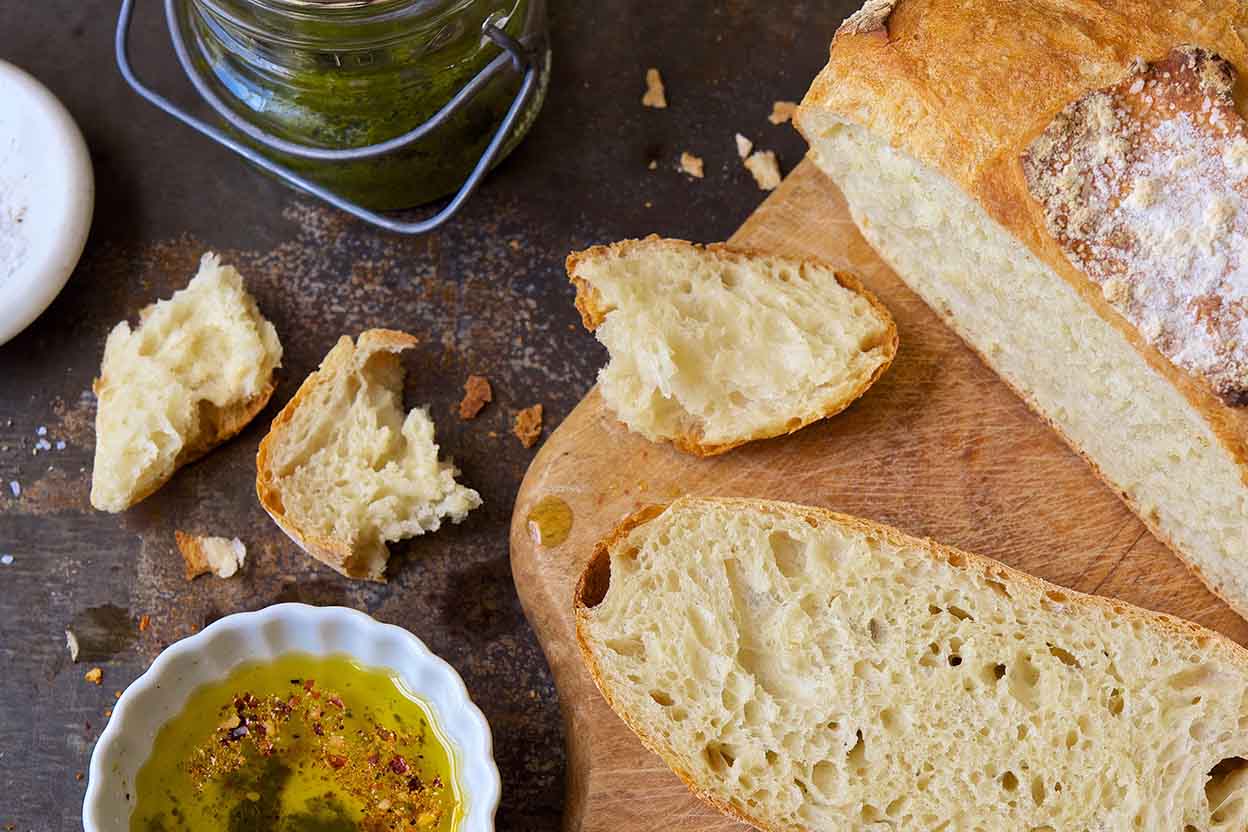
    At the same time, the lockdowns have spurred an unprecedented demand for baking ingredients as consumers try their hand at creating food and snacks at home – either to kill time or save money.

    At least four international corporate giants have linked these two features of the Covid-19 pandemic into feel-good marketing initiatives that help consumers, subtly reinforce brand ‘feel-good factors’ and drive traffic to their social media accounts. McDonald’s, Disney, The Cheesecake Factory and hotel chain DoubleTree have each shared recipes for foods they serve to customers so they can make them at home.

    Fast-food giant McDonald’s in the UK, which closed all of its restaurants last month, released a recipe for its Sausage and Egg McMuffin for fans to recreate in their own kitchens. This was in response to viral tweets from internet users who had tried to make their own McMuffin breakfast sandwiches while unable to visit restaurants.

    The chain produced a recipe card (below) revealing the five ingredients and full cooking instructions in order to promote its brand while outlets are closed – and included a step-by-step guide on how to prepare its crispy hash browns.

    In the US, hotel chain DoubleTree has released the recipe for the popular chocolate chip cookies presented to travelers fresh from the oven upon arrival at the firm’s properties. More than 30 million of the cookies are baked and shared with customers each year, and the cookie carries the distinction of being the first food baked in orbit at the International Space Station.

    “We know this is an anxious time for everyone,” said DoubleTree by Hilton senior VP and global head Shawn McAteer. “A warm chocolate chip cookie can’t solve everything, but it can bring a moment of comfort and happiness … we look forward to welcoming all our guests with a warm DoubleTree cookie when travel resumes.”

    Disney Parks – the theme park division of the giant Disney entertainment empire – has similarly released a recipe inspired by the churro snacks available at all its parks worldwide, most of which are closed during the pandemic.

    “These past few weeks, we’ve seen many of you sharing Disney recipes and creating your very own magical moments right at home,” wrote Alex Dunlap, food & beverage communications coordinator at Disney Parks in a blog post for fans. “This has inspired us to share one of my favorite recipes so you can continue creating #DisneyMagicMoments.”

    The company also shared on a blog how to make the grilled three-cheese sandwich offered at Woody’s Lunch Box at Toy Story Land in Disney World, on the occasion of National Grilled Cheese Day.

    Restaurants and bakeries are joining the trend as well. US casual-dining chain The Cheesecake Factory has published recipes online for many of its dishes, including its lemon-ricotta pancakes, Tuscan chicken, (pictured above), almond-crusted salmon salad, California guacamole salad, and chicken Bellagio.

    Other chains to post recipes online include Pret-A-Manger in the UK and US bakery Panera Bread.

    Meanwhile, The Hustle is reporting how one US bakery supplying restaurants pivoted into creating home-baking kits for consumers, in order to keep its factory operating and staff employed.

    Aaron Caddel was forced to close his San Francisco and Los Angeles bakeries Mr. Holmes Bakehouse after all 60 of his wholesale customers canceled their orders within 72 hours, equivalent to about $3 million of business.

    “I had single mothers on staff begging me to keep their jobs,” he told The Hustle. “So I just had to turn to solution mode: How can I create an insurance policy against this economy?”

    His solution was to create an all-inclusive kit including yeast, flour and detailed instructions to help consumers bake their own Mr. Holmes loaves. He had no e-commerce experience, but he did have 121,000 followers on his Instagram account.

    “Caddel is one of many small business owners recalibrating to serve a rapidly growing class of housebound bakers,” wrote Zachary Crockett, senior writer at The Hustle. You can read his full feature here.

    The demand for information about baking at home has surged since lockdown orders were put in place. One overseas columnist described flour as “the new toilet paper” in terms of consumer demand, with stocks running low in supermarkets as demand outstripped usual supply volumes.

    This chart below shows the rate of Google searches for bread-making instructions since stay-at-home orders were put in place in parts of the US last month.

    It seems some global brands have found the perfect recipe to delight consumers they would otherwise have had little opportunity to connect with during the coronavirus pandemic…
  • Starbucks China launches plant-based menu with Beyond Meat, Oatly, Omnipork

    Starbucks China launches plant-based menu with Beyond Meat, Oatly, Omnipork

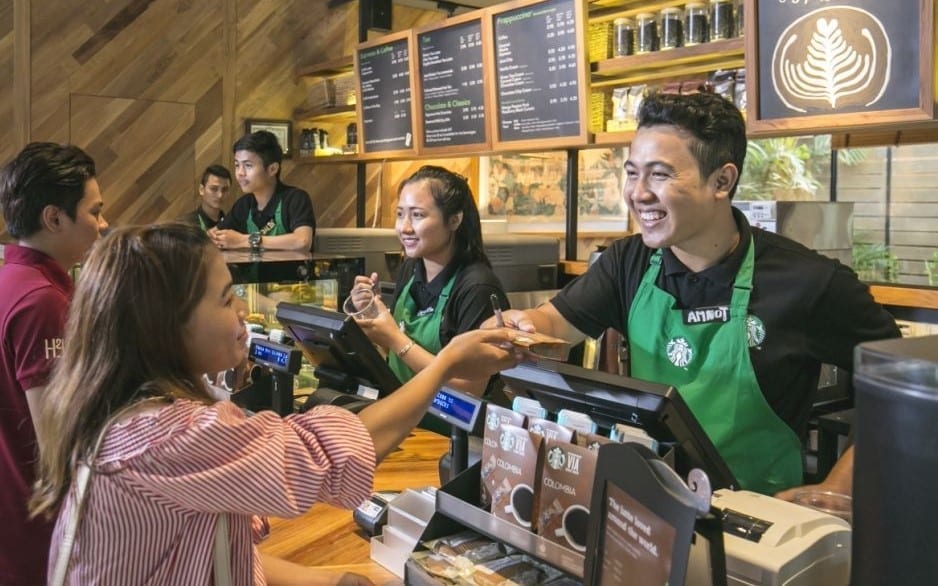
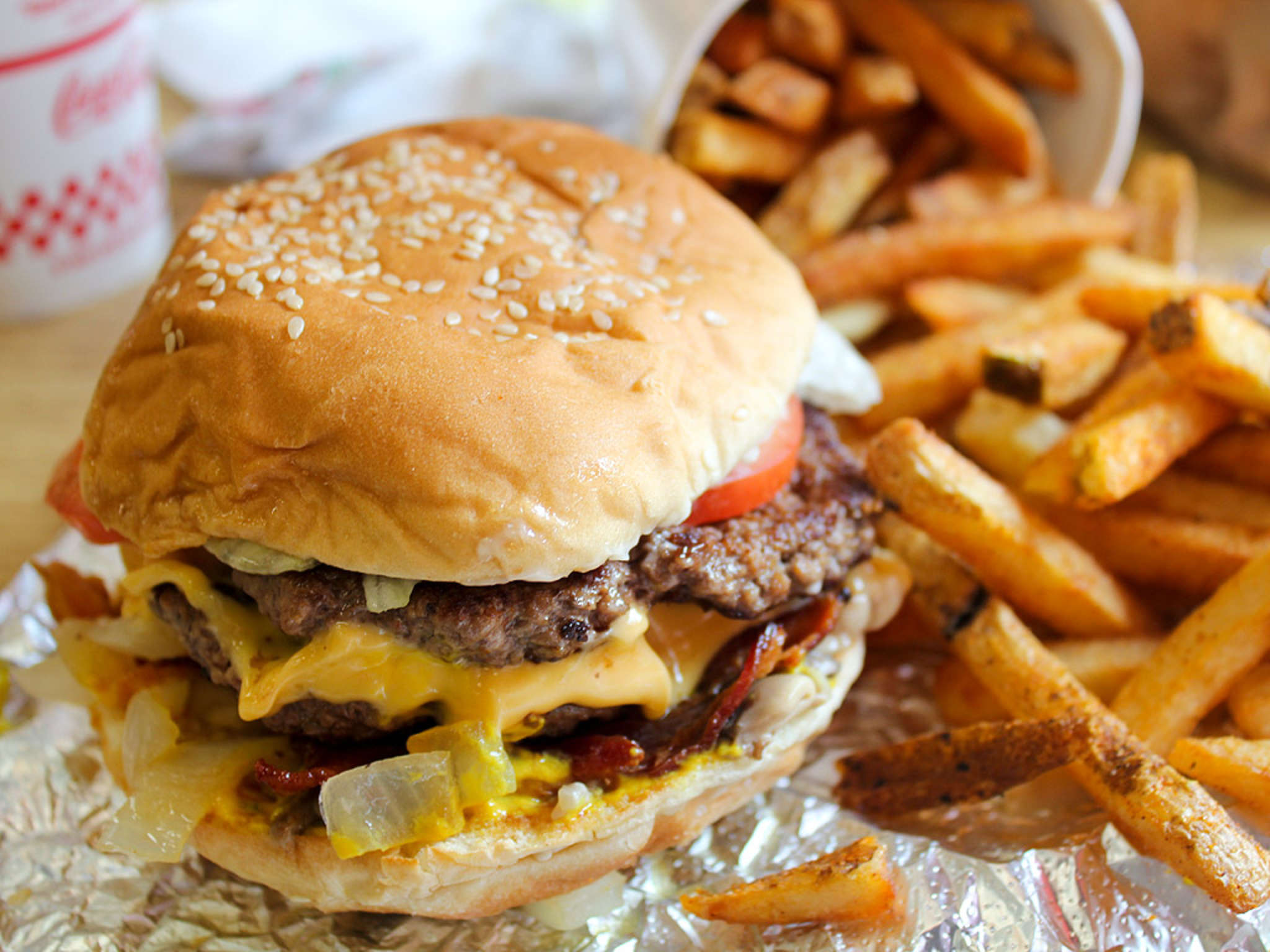
    Starbucks China is launching a plant-based menu in partnerships with Beyond Meat, Omnipork and dairy-substitute Oatly which will be available in most stores nationwide.

    From tomorrow (April 22) the coffee chain will launch two pasta dishes and a wrap featuring Beyond Beef, effectively launching the meat-substitute brand on the mainland.

    A Vietnamese-style noodle salad and mushroom-sauce grain bowl created with protein-based pork substitute Omnipork is also going on sale, along with oatmilk options on its beverage menu, created with Swedish brand Oatly.

    Leo Tsoi, senior VP, COO and president at Starbucks China Retail, says the new menu items make it easy and enjoyable for customers to explore new lifestyles.

    “Through our new plant-based platform, we seek to inspire new routines by inviting everyone to eat good, feel good and do good. Together, we can take a small, humble step to make a better world,” he said.

    Beyond Meat has worked with Starbucks as part of its market entry into the Chinese mainland. Ethan Brown, Beyond Meat founder and CEO says the launch marks an important milestone in the company’s goal of increasing accessibility to plant-based protein globally.

    “Starbucks is a trusted brand with a strong market presence and deep understanding of customers in China, and we’re pleased to partner with them on our market entry. We believe the new Beyond Beef menu items deliver on our promise of enabling consumers to Eat What You Love while also enjoying the nutritional and environmental benefits of plant-based protein,” he said.

    Meanwhile, oatmilk joins soy as a dairy alternative, which has been a feature of the Starbucks China menu for 13 years.

    “It’s a significant step for the growing plant-based movement that Starbucks customers in China can now enjoy their favorite beverage with Oatly,” said Toni Petersson, global CEO at Oatly.

    “Oatly pairs extremely well with espresso and creates a wonderfully dense and creamy foam for lattes.”

    Starbucks China has also launched a merchandise range made with recycled coffee grounds, including tumblers and notebooks. The grounds are processed and mixed with polypropene to form an industrial-grade material with more than 30-per-cent recycled coffee ground content. Th

  • How Covid-19 is impacting food-and drink-markets in Southeast Asia

    How Covid-19 is impacting food-and drink-markets in Southeast Asia

    The spread of Covid-19 is forcing Southeast Asian consumers to change their eating habits and embrace new shopping practices, says Mintel Apac food-and-drink analyst Tan Heng Hong.

    Given today’s consumer climate, food and drink categories with strong immunity claims can drive home the importance of immunity to protect wary consumers, he says.

    “Manufacturers of immunity-boosting food and drink products are actively promoting the importance of immunity to strengthen the body during the pandemic. These immunity-enhancing products include vitamin-fortified food and drinks, as well as spoonable yogurt, drinking/cultured yogurt, and nutritionally-complete drinks,” says Heng Hong.

    According to the Mintel Global New Products Database, growing-up milk (1–4 years) (16 percent), meal replacement drinks (6 percent), and drinking yogurt/liquid cultured milk (6 percent) make up the largest share of food and drink product launches in Southeast Asia that carried an immunity claim between March 2017 and February this year.

    The research also confirmed more and more consumers are turning to the convenience of ordering their groceries online as people choose to stay indoors to minimize their exposure to Covid-19. As a result, online grocery vendors have witnessed a surge in orders.

    This trend presents huge opportunities for grocery retailers to better engage with consumers through measures that bring added value and convenience, he says.

    “We’re also seeing growing interest in at-home cooking, which presents challenges and opportunities for brands looking to engage with those preparing and enjoying tasty meals at home.

    “Online grocery players can maximize the current situation and gain new users by showcasing the benefits of shopping for groceries online, including having sufficient stock of popular items during the pandemic, safe handling and delivery of parcels, free delivery, promotions, and use of e-payments.”

    There is evidence that consumers stuck at home are finding it challenging to prepare healthy meals that taste good. According to Mintel’s research, 72 percent of consumers in Vietnam cook meals from scratch all or most of the time, and 52 percent say it is difficult to prepare healthy food with great flavor.

    Heng Hong says as more consumers dine at home to avoid crowds, food manufacturers can step in to provide them with a more convenient, tasty and healthy meal solution.

    “Even after the current situation calms down, given the scale of the outbreak, and depending on the duration of lockdown measures, the pandemic is likely to leave an indelible mark on consumer lifestyles. Key behaviors such as vigilance around immunity and hygiene will stick around for the long term, as will dependence on online grocery shopping and, possibly, even the habit of at-home cooking.”

  • McDonald’s Singapore shuts all stores

    McDonald’s Singapore shuts all stores

    McDonald’s Singapore has temporarily closed all its restaurants as preventative action during the island’s “circuit breaker” period.

    According to a company statement, McDonald’s Singapore is suspending its restaurant operations, including drive-through and delivery service, until May 4.

    “These are indeed unprecedented times for all of us,” said Kenneth Chan, MD of McDonald’s Singapore. “With the safety of all our customers and employees as top priority, we will do all we can to help Singapore flatten the curve.”

    The company has confirmed staff will be paid as usual during the period of closure.

    The move came on Saturday, a day after the company suspended its takeaways service.

    McDonald’s Singapore had previously closed its store at Changi Airport Terminal 3 and its drive-thru outlet at a Shell petrol kiosk on Tampines Ave 2, after employees tested positive for Covid-19 at each location, taking the number of infected McDonald’s Singapore staff to seven since the coronavirus outbreak first occurred.

  • Jollibee Singapore fined for flouting social-distancing rules

    Jollibee Singapore fined for flouting social-distancing rules

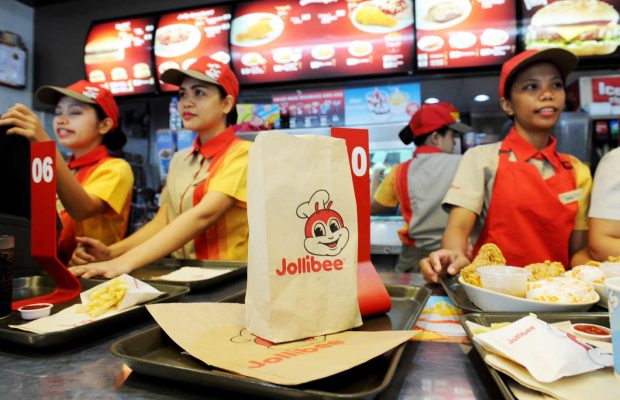
    A Jollibee Singapore outlet is among several businesses fined SG$1000 for breaches of the government’s social distancing mandate.

    Official enforcement measures found the franchise’s Woodlands MRT branch had neglected to ensure queueing customers and food delivery workers maintained one-meter spacing between them, despite issuing previous warnings.

    “The infringements included failure to implement a crowd management system and allowing customers and delivery personnel to crowd together without one-meter spacing between one another,” read a statement by the Singapore Tourism Board and Enterprise Singapore. “If these stores continue to flout the rules, they will face higher fines and can be charged in court.”

    In an official apology, Jollibee explained that a staff member on duty had been unable to control the queue due to “a strong surge in delivery orders and a corresponding increase in third-party delivery riders in the store.”

    The one-meter distance requirement, as well as mandatory wearing of face masks, has been in effect since April 12. Members of the Singapore public are encouraged to report infringements by email to Covid_GoBusiness@mti.gov.sg.

  • KFC Singapore launches contactless takeaway service

    KFC Singapore launches contactless takeaway service

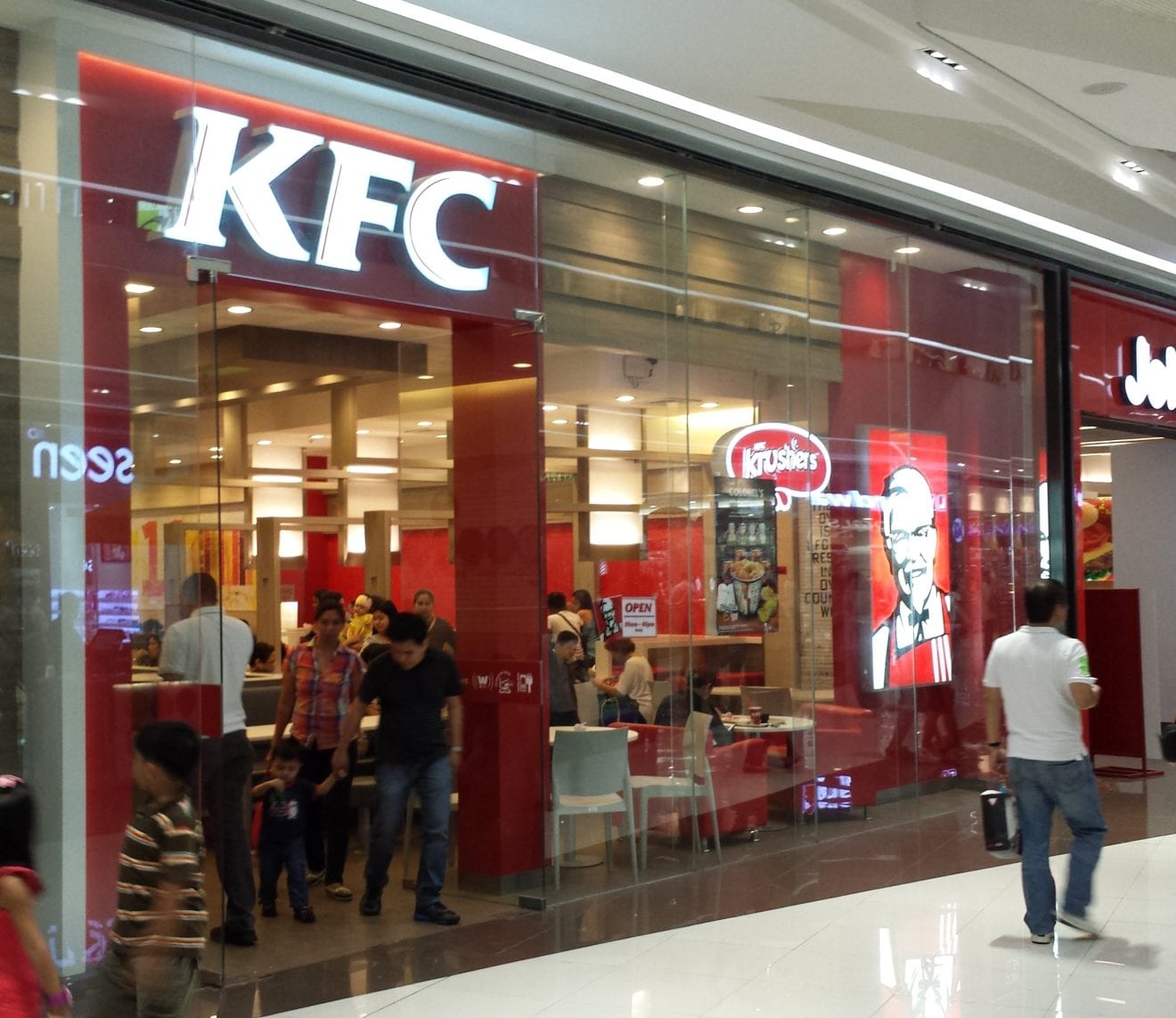
    KFC Singapore has launched a contactless takeaway service, allowing customers to purchase safely during the circuit breaker period in the city.

    According to KFC, it is the first fast-food restaurant brand in Singapore to launch such a service. With “Contactless Takeaway”, customers can place orders via KFC Singapore’s app or its website and pick up the food at contactless pick-up tables in the chosen store.

    These contactless pick-up tables will be sanitised after each order is completed, the company said in the statement.

    “With the ‘Contactless Takeaway’ and ‘Contactless Delivery’ options, we are doing our very best to ensure that our famous fried chicken will be as accessible as always even during these trying times,” said Lynette Lee, GM at KFC Singapore.

    The ‘Contactless Takeaway’ service follows the ‘Contactless Delivery” option launched early last month.

  • Starbucks disclosing financial support for its staff in Asia

    Starbucks disclosing financial support for its staff in Asia

    Global coffee giant Starbucks has announced a US$10 million fund to support its partners (employees) around the world impacted by the coronavirus outbreak.

    The Starbucks Global Partner Emergency Relief Programme marks the first time both company-operated and international licensed market store partners across Starbucks will be able to access hardship grants.

    In company-operated markets such as China and Japan, the grants will be made available to partners through the existing Caring Unites Partners Fund – while in the rest of Asia, where Starbucks operates with local licensed businesses, they will be available to partners through the Emergency Assistance Foundation.

    “During this very difficult time, we believe it is our responsibility to create additional support for partners facing unexpected financial hardship wherever they are,” said Starbucks’ chief partner officer Lucy Helm. “We are proud to be a catalyst for a first-of-its-kind global funding initiative to further demonstrate to our Starbucks partners that we are in this together.”

    Starbucks’ commitment will also create a pathway for international licensed markets to set up their own funds, with Starbucks contributing an initial investment – a first for the company.

    Qualified categories for fund grants include (but are not limited to) housing and utilities, sudden loss of home, death of a family member or partner, and related funeral expenses.

  • Take-out and delivery shelter hamburger chains from Corona virus impact

    Take-out and delivery shelter hamburger chains from Corona virus impact

    While most South Korean restaurants are facing a serious survival crisis due to the coronavirus outbreak, hamburger franchises are showing better performance thanks to take-out and delivery services.

    McDonald’s Korea reported that more than 10 million cars visited McDrive, the company’s drive-thru service, pictured above, in the first quarter of this year.

    Shinsegae Food Inc’s No Brand Burger saw a rise in take-out orders, accounting for 32 percent of total sales in January, 41 percent in February, and 47 percent in March.

    Lotteria, South Korea’s largest hamburger chain, saw a 13-per-cent drop in the number of customers eating at stores in the first annual quarter, but a 30-per-cent jump in delivery orders.

  • FamilyMart Thailand launches vending concept store FamilyMart Corner

    FamilyMart Thailand launches vending concept store FamilyMart Corner

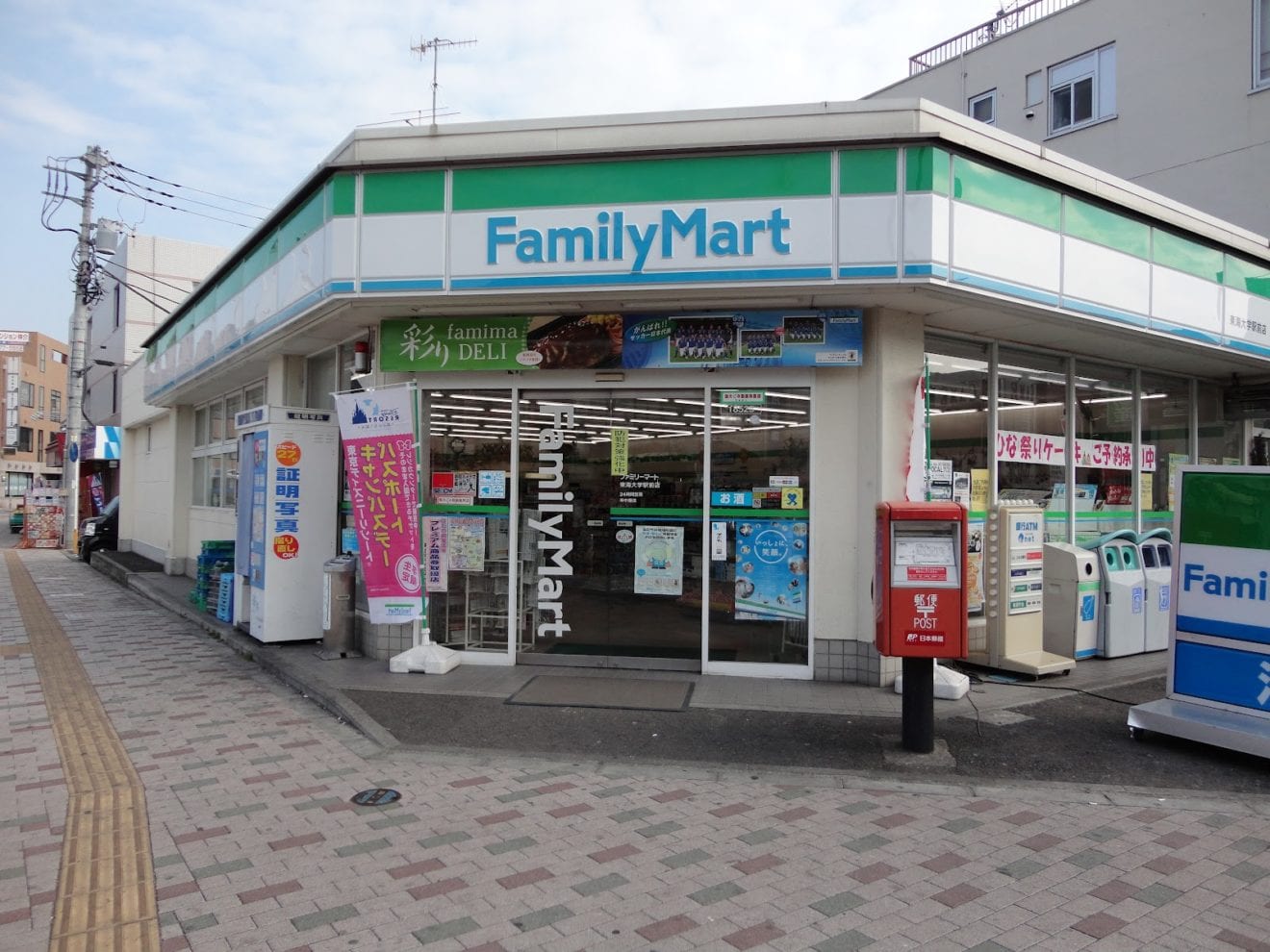
    FamilyMart Thailand has opened its first ‘FamilyMart Corner’ stores where beverages, snacks and convenience foods are sold from automatic vending machines.

    Central Food Retail, which operates FamilyMart Thailand and the Tops supermarket chain, created the FamilyMart Corner, the first concept of its type in the nation, to provide increased convenience to consumers on the go.

    “Convenience stores must always adapt,” says Stephane Coum, CEO of Central Food Retail Group. “In every crisis lies endless opportunities. The Covid-19 outbreak has prompted us to adapt ourselves and changed the way we work.”

    Coum says the container-style convenience stores can be built quickly and take up limited space, enabling them to be opened rapidly in areas where consumers in lockdown need to access food and beverages quickly and close to their homes.

    “We focus on locations in front of shopping malls, condominiums, universities, communities, and factories,” says Coum. “The design of the containers is attractive, with graffiti and street art to attract people and invite them to come buy our products.”

    The first FamilyMart Corners opened at Robinson Lifestyle Srisaman and Saraburi on April 10 and the next is scheduled for Robinson Bangrak on April 22.

    The Family Mart Corners are open daily from 7am to 9pm, and after Thailand’s Covid-19 curfew is canceled, the opening hours will be extended. Entry will be restricted to five customers at any one time to meet social-distancing requirements.

    Meanwhile, in a second initiative, FamilyMart and Tops Daily have introduced automatic vending machines under the concept of “Hungry? Get it Now”. The machines offer food and beverages for consumers for people in a rush and who want to maintain a safe social distancing.

    With convenience stores unable to trade 24-seven as usual in Thailand, the paired vending machines – one selling snacks and chilled food, the other cold beverages – will also serve people exempted from the curfew.

    The product mix sold in the machines will be adjusted to each location based on sales data from FamilyMart or Tops convenience stores, so as to best serve the local population. The machines will only accept cash payments initially, with other payment methods in planning.

    The first Hungry? Get it Now machines have opened outside FamilyMart stores at Muang Thong Popular 3, Rangsit University, Pracharatbamphen 11, Soi Ramintra 34, Bang Bon 5-Soi 8 and Tops Daily Thammasat University Rangsit Campus.

  • Yum acquires Chinese casual dining chain Huang Ji Huang

    Yum acquires Chinese casual dining chain Huang Ji Huang

    Restaurant operator Yum China, which operates KFC and Pizza Hut in the territory, has purchased a controlling interest in Chinese-style casual dining franchise Huang Ji Huang.

    The brand, launched in 2004, has more than 640 restaurants within China and overseas operating primarily under a franchise model, offering simmer pot and localized fast-food cuisines.

    After settling the purchase, Yum China says it will now establish a Chinese-dining business unit that will involve its three core Chinese dining brands – Little Sheep, East Dawning, and now Huang Ji Huang.

    The company hopes the new business unit will build a significant share of the Chinese-style dining market within Mainland China, building on its own scale and operational network, complemented by Huang Ji Huang’s track record and skills in product research and development, franchisee management, and Chinese dining expertise.

    As of the end of last year, Yum China had 9200 restaurants in more than 1300 cities.

  • Baeman accused of monopolistic behaviour as merger looms

    Baeman accused of monopolistic behaviour as merger looms

    The pending merger between South Korea’s number one food-delivery app Baedal Minjok (Baemin), and Yogiyo, the industry’s second-largest player, has fuelled widespread concerns about monopolistic market behavior.

    In particular, recent changes to Baemin’s fee system from a flat rate to a pre-payment method has sparked controversy, raising concerns over such a monopoly.

    Woowa Brothers, Baemin’s owner, has apologized for causing controversy over the “open service” fee system.

    “Woowa Brothers humbly accept the criticism that we introduced the new fee system without considering the difficult situation of the restaurant owners, hit by the Covid-19 outbreak,” management said in a statement.

    Starting this month, the delivery service will apply a 5.8 percent pre-payment fee to restaurants for food orders. The system is designed to replace the current monthly fixed amount system, which costs 88,000 won (US$71.90) per month.

    This will result in 5.8 percent of sales being taken by Baemin as commission from this month.

    However, small business owners say the changes are not for small businesses.

    According to the Korea Federation of Micro Enterprise, stores with monthly sales of 1.55 million won (US$1267) or less are eligible for lower fees due to the new policy.

    Some self-employed people raised the issue, saying that the fees paid to Baemin are excessive compared to the past.

    Gyeonggi Province Gov Lee Jae-myeong openly criticized the company, citing “the tyranny of monopoly,” and targeting Baemin on his social media account.

    The controversy is continuing as politicians and consumer groups joined the campaign. A recent survey by Consumers Korea showed that 86.4 per cent of consumers oppose the merger of Baemin and Yogiyo.

    The survey also showed that Baemin accounts for 59.2 per cent of delivery apps, with Yogiyo another 35.6 per cent, suggesting a combined 94.8 per cent for the two companies post-merger.

    The biggest reason for the opposition to the merger was, “food prices and delivery fees rising due to the formation of an exclusive market,” cited by 82.9 percent of respondents.

    The decrease in incentives for business innovation or service improvement followed at 46.3 percent, reduction in consumer benefits such as coupons and events came in at 40.5 percent.

  • Consumers swamp Luckin Coffee app in wake of controversy

    Consumers swamp Luckin Coffee app in wake of controversy

    Disgraced Chinese coffee giant Luckin has apologized to customers and promised business as usual following a widely publicized admission that the firm had fabricated sales figures.

    The apology came while downloads of its delivery app skyrocket as Chinese consumers seek to take advantage of a longstanding offer of a free drink. Reporting suggests downloaders are eager to cash in on the offer while the company’s future remains in question.

    The scramble to download the app has made it temporarily the second-most-popular free app in China, up from its usual ranking of around 70th to 100th place. In some cities services offered via the app have frozen due to demand overload.

    Observers both within China and worldwide were stunned by the shocking admission that the firm’s COO and other staff had filed false sales data in an attempt to boost the company’s value within a year of its IPO. The news wiped more than US$5 billion off Luckin Coffee’s market capitalization and sent its share price plummeting 80 percent as stockholders dumped their stakes.

    On Monday, Luckin’s chairman Charles Zhengyao Lu and CEO Jenny Zhiya Qian conceded their shares to lenders after defaulting on a $518 million margin loan. Class B shares totalling 515,355,752 and 95,445,000 class A shares in the firm had been pledged as loan security.

    Banks involved in the loan, including Goldman Sachs, Morgan Stanley, Credit Suisse, Haitong, CICC and Barclays are now holding discussions on a potential sale of the shares.

    Before the revelation, Luckin had been widely heralded as a serious competitor to Starbucks within the territory, surpassing the total number of outlets operated by Starbucks China earlier this year.

  • Thai grocery Loxley pivots to delivery

    Thai grocery Loxley pivots to delivery

    Thai grocery wholesaler Loxley is pivoting to delivery services as the coronavirus pandemic continues.

    Loxley’s distribution subsidiary LTC has set up an online grocery store for essential items during the country’s lockdown period, with some of the firm’s fleet of delivery trucks converted into mobile grocery stores.

    The mobile stores are retailing goods such as packed rice, cooking oil, fish sauce and roasted peas to consumers residing in crowded communities such as Klong Toey and Phra Khanong. Items are discounted at 15 to 20 percent below regular sales channels.

    LTC is a leading FMCG distributor within the territory, covering more than 30,000 wholesale, retail, modern trade and convenience stores nationwide, including hotels and restaurants. The firm has seen a 40-per-cent spike in sales over the past two months, predominantly caused by panic buying.