Category: Food

Retail News Asia is committed to providing both local and global retailers with the latest Food and Food & Beverage news throughout the Asian market. This on a daily base.

  • Australia’s Hey Yogurt lifts off in Malaysia

    Australia’s Hey Yogurt lifts off in Malaysia

    Australian probiotic yogurt brand Hey Yogurt is planning to launch 100 outlets in Malaysia this year following its Nasdaq listing in February.

    The brand – which combines Australian yellow peaches with grain and yogurt and is marketed as a low-sugar, low-fat health food – has been operating in Singapore since January, where it has already achieved sales of more than 1000 cups per day.

    Hey Yogurt is already preparing its first stores in Kuala Lumpur, Malacca and Johor Bahru.

    The popularity of the drink during an economic downturn brought about by the coronavirus epidemic may be related to recent findings that the Lactobacillus bacteria found in yogurt has positive benefits for the immune system when blended with probiotics, according to a German study cited by the brand.

  • McDonald’s UK to scrap plastic Happy Meal toys

    McDonald’s UK to scrap plastic Happy Meal toys

    McDonald’s UK is ditching its plastic Happy Meal toys in favor of more sustainably produced alternatives in its stores.

    In a move to reduce the firm’s plastic waste by more than 3000 tons, from May onwards the firm will phase out the playthings it provides with its children’s meals and instead offer books, stuffed items or paper-based toys.

    Simultaneously, the restaurant chain will be collecting plastic toys back in its UK and Ireland restaurants to be recycled into play equipment for its children’s charities.

    McDonald’s UK has already been providing books as an option with its Happy Meals for several years under its Happy Reader program.

    “We care passionately about the environment and are committed to reducing plastic across our business,” said McDonald’s UK marketing chief Gareth Helm.

    “Families have high expectations of us and we’re working as hard as we can to give them the confidence that their Happy Meal is as sustainable as possible.”

  • South Korea’s Crispy Chicken n’ Tomato expands in Japan

    South Korea’s Crispy Chicken n’ Tomato expands in Japan

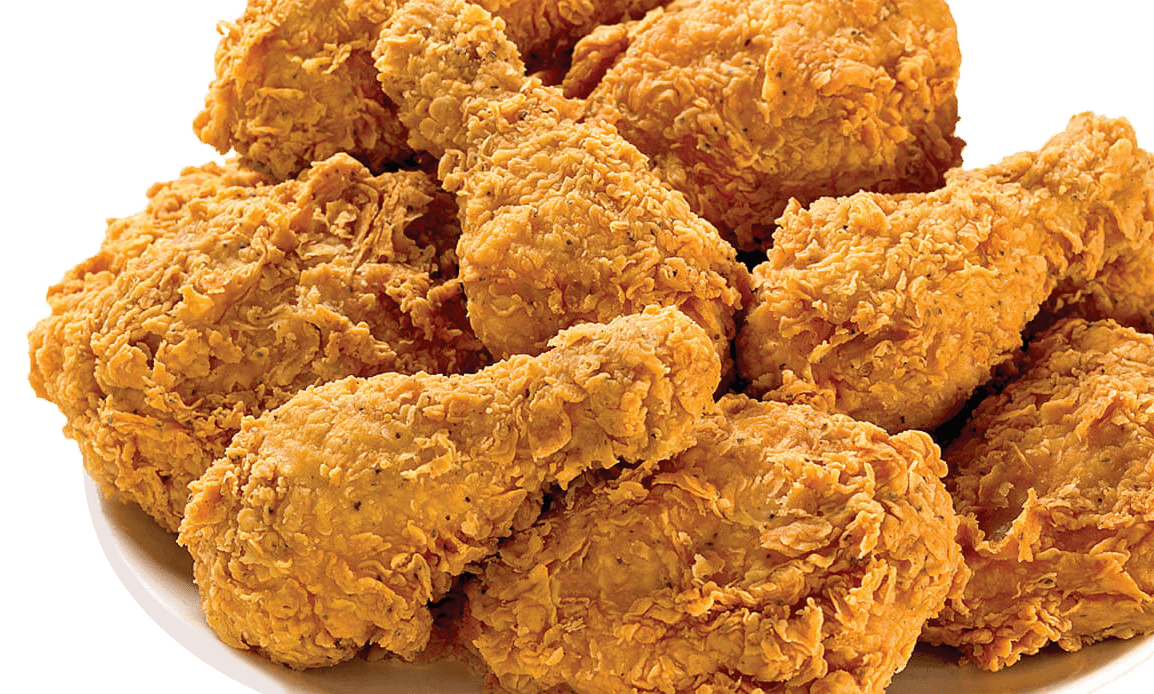
    South Korean chicken chain Crispy Chicken n’ Tomato has expanded its retail network into Tokyo, opening 10 stores in the city this month.

    Besides selling at stores, Crispy Chicken n’ Tomato has also partnered with UberEats to offer “sharing brand service” which allows one store on UberEats to bear two brands at the same time.

    The company introduces this type of business as unlike franchises, owners do not need to change interiors, uniforms, equipment or their existing menu.

    Crispy Chicken n’ Tomato’s operator, E-mate Co, said food-delivery sales are increasing significantly in a local restaurant market that has traditionally suffered slow sales growth for various reasons.

    “We are looking for restaurant partners and agencies that want to secure new profits”, said a spokesperson.

  • Hong Kong malls join Deliveroo programme to rescue plunging F&B sales

    Hong Kong malls join Deliveroo programme to rescue plunging F&B sales

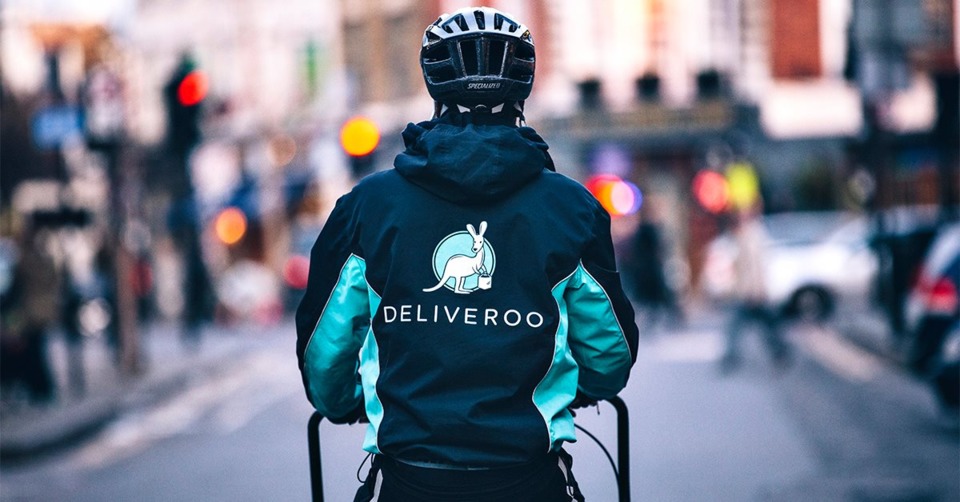
    Twenty Hong Kong shopping malls have joined a program launched by Deliveroo to help food & beverage tenants survive the coronavirus by expanding their delivery business.

    Deliveroo expects the mall partnership program to generate at least HK$20 million (US$2.6 million) in incremental online sales for the restaurants, “a critical avenue of additional income” for retail food & beverage tenants hit by decimated footfalls as consumers avoid crowded places such as malls.

    Deliveroo estimates about 300 restaurants will benefit from the program which has benefited from a $1.5 million investment by the company and partner malls.

    The program will include a fast-tracked onboarding for mall tenants and cross-marketing opportunities for malls to work with Deliveroo.

    The 20 shopping malls which have already signed on to partner with Deliveroo, include K11 Musea and K11 Art Mall from New World Development; Lee Gardens, Lee Theatre and Hysan Place From Hysan Development; East Point City, New Town Plaza, Popwalk, APM, World Trade Centre, Tai Po Mega Mall, Yuen Long Plaza and New Jade Shopping Plaza from Sun Hung Kai Properties; Tseung Kwan O Plaza and Nan Fung Place from Nan Fung Group; MegaBox from Kerry Properties; and Amoy Plaza, Kornhill Plaza, Fashion Walk and Grand Plaza from Hang Lung Properties.

    Discussions are ongoing with other malls across Hong Kong to join the program.

    Deliveroo says research of its 6500 restaurant partners has shown that online delivery channels which used to comprise 15 to 25 percent of turnover before the advent of the coronavirus crisis, now accounts for 50 percent total sales and for some, even more.

    Besides the fast-track onboarding, Deliveroo has developed a voucher program enabling malls and tenants to create coupon offers at a reduced rate, encouraging higher spend from existing customers and drawing in new customers to place food-delivery orders with restaurants located inside partner malls.

    Deliveroo and participating malls will develop locally relevant offers to drive demand and turnover for restaurant tenants’ delivery and pick-up services. User codes are being created for tenants of offices or apartments located above the malls and district-specific push notifications will be sent via social media and digital channels.

    Deliveroo says it has already signed on about 150 new restaurant partners due to the incentives provided by the mall partners, representing more than 25 per cent of all new sign-ons since the onset of the coronavirus crisis.

    In the case of one New Territories partner mall, restaurant tenants have seen sales increase by 1500 over the last fortnight.

    “The 30 restaurant outlets in the property are projected to earn at least HK$15,000 to $20,000 more in sales than they achieved in February delivery sales,” Deliveroo said in a statement.

    Brian Lo, GM of Deliveroo Hong Kong, said he is encouraged to see the positive momentum in engagement in the programme from leading developers and mall operators in Hong Kong.
  • Ikea and Pizza Hut design table based on pizza box widget

    Ikea and Pizza Hut design table based on pizza box widget

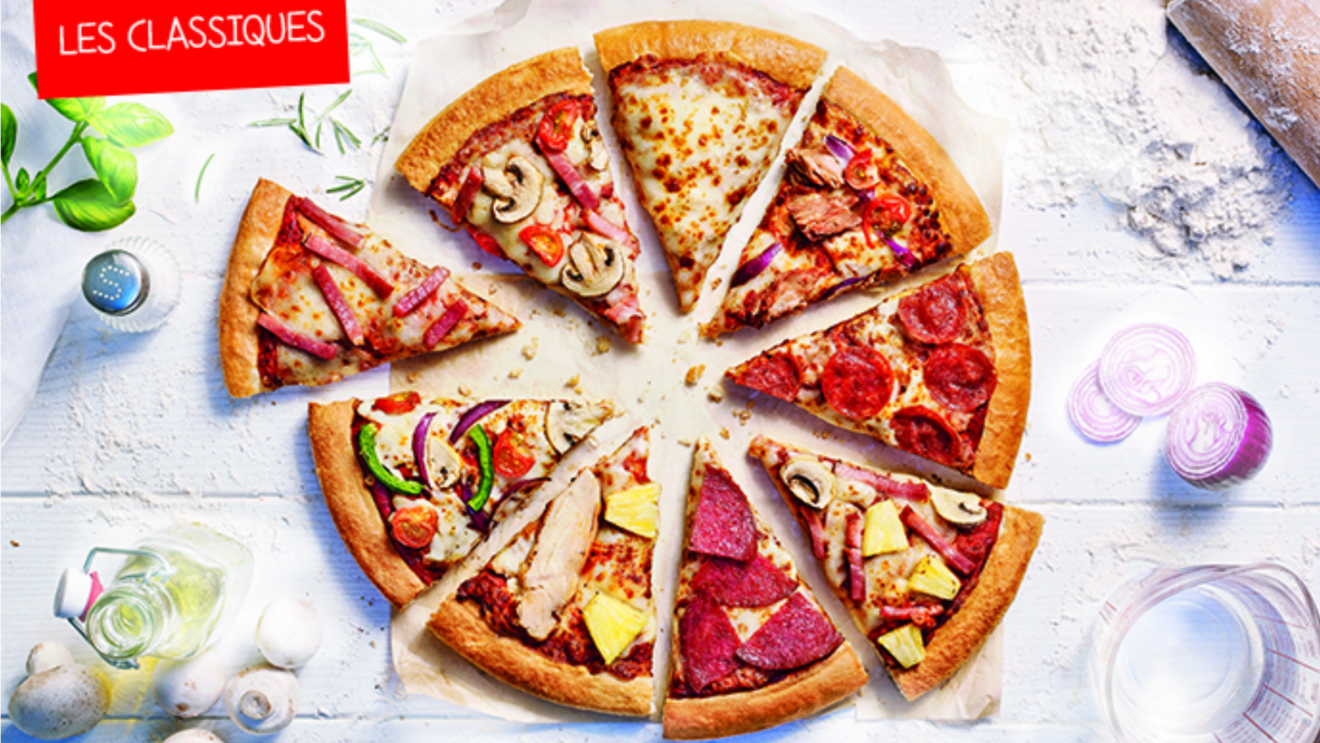
    Swedish furniture chain Ikea and Pizza Hut Hong Kong have teamed up to create a full-sized pizza table shaped exactly like the tiny plastic table (the “sava”) included in pizza boxes.

    The product is part of a collaboration that has also resulted in a new pizza recipe using Ikea’s meatballs – and comes packed in a genuine pizza box for good measure.

    The collaboration has been advertised throughout Hong Kong in a campaign designed by Ogilvy.

    “We’ve been absolutely thrilled to see the launch of the new Ikea and Pizza Hut pizza with a fun, cheeky campaign that has proven to be quite popular with the fans already on the first day,” said Ogilvy Hong Kong executive creative director John Koay. “This is a great pizza, and this campaign really shows how collaborations can really benefit the fans – not just the brands.”

    “This campaign shows the playful side of Pizza Hut,” said Pizza Hut Hong Kong marketing director Wendy Leung, “and that our credentials can move beyond the kitchen into new and interesting collaborations with other brands.”

    The Ikea and Pizza Hut collaboration has already proven popular with 67 percent of units already sold.

  • Starbucks China to open Coffee Innovation Park

    Starbucks China to open Coffee Innovation Park

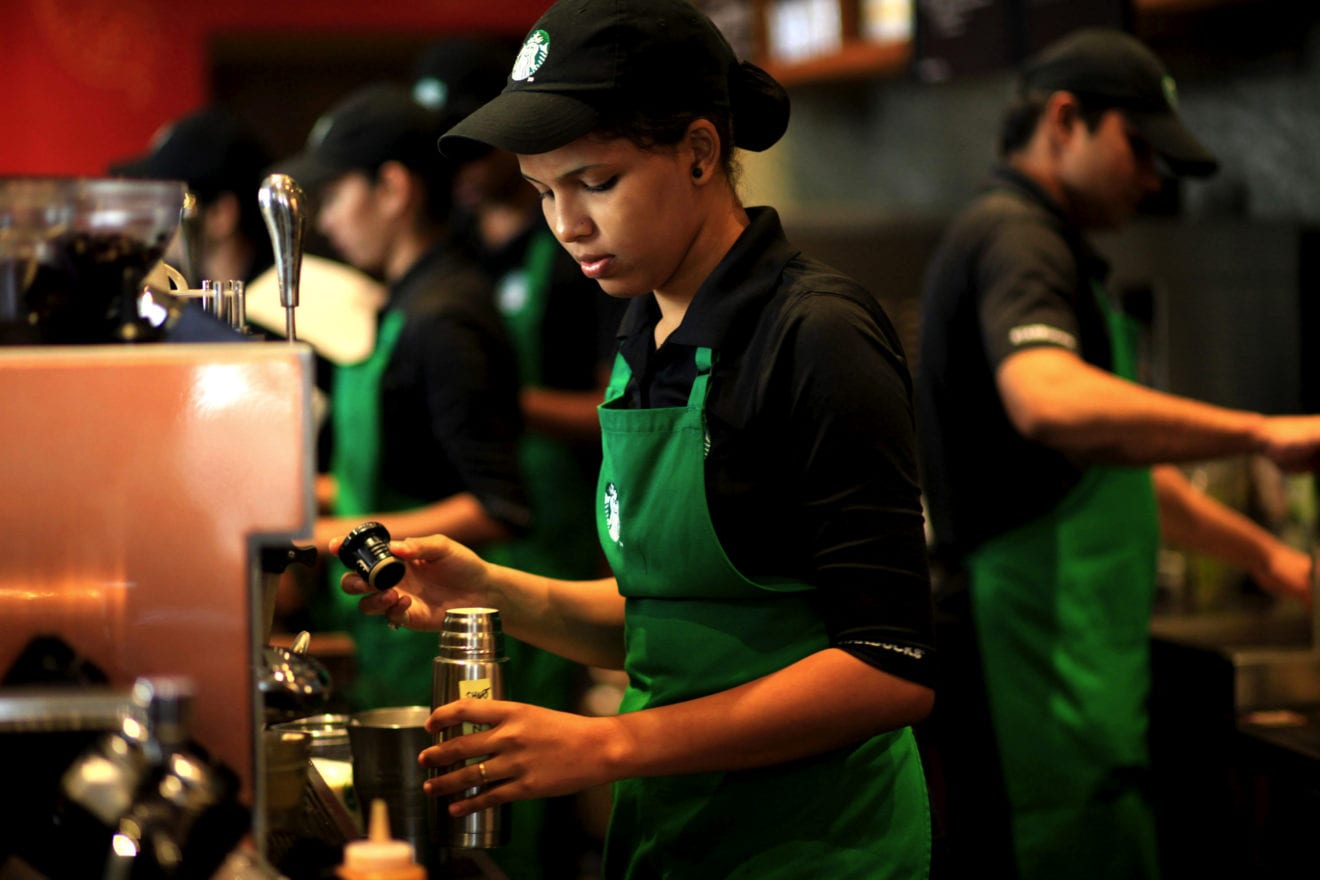
    Starbucks China will invest US$130 million in a new roasting facility in 2022 as part of its upcoming Coffee Innovation Park in Kunshan.
    The park will be Starbucks’ largest manufacturing investment outside of the US and its first in Asia, incorporating a roasting plant, warehouse and distribution centre. The firm has committed to strengthening the specialty coffee industry in China, aiming to operate 6000 stores in China within two years.

    “Starbucks has spent the past 20 years sharing its passion for coffee across China and helping to build a leading industry that makes us all proud,” said Starbucks China chairman and CEO Belinda Wong.

    “The roasting facilities at the Coffee Innovation Park will set a blueprint for the future of coffee roasting and supply chain management, and further elevate China’s coffee industry, while supporting Starbucks’ growth in China.”

    The Coffee Innovation Park will incorporate advancements in sustainable manufacturing, smart supply chain innovation, and technology to help deliver the most energy- and water-efficient roasting operations for Starbucks in the world, while minimizing waste.

    Starbucks opened its Yunnan Farmer Support Centre eight years ago to provide open-source agronomy resources to coffee farmers throughout the region. Its new Coffee Innovation Park will source coffees from China and around the world directly from the origin for processing, roasting, packaging and distribution, for the first time in China.

  • DC Super Heroes Cafe in Manila closes for good

    DC Super Heroes Cafe in Manila closes for good

    DC Super Heroes Cafe in Manila permanently closed on Thursday, announcing the move on Facebook.

    In the post, management thanked customers of the SM Megamall store who had been fans of the superheroes-themed cafe since it opened in 2018.

    “To say that it was our pleasure to serve you is an extreme understatement. Our goal was to create a place where every superhero fan can enjoy good food and feel at home. Seeing your faces when you walk into our store, when you talk excitedly with our team about how you enjoy all the small details when you acknowledge the service and food makes it all worth it”.

    The DC Super Heroes Cafe in Manila, managed by Edric Chua. was known for its DC-inspired food and drinks. It also offered DC superhero merchandise collections for characters including Batman, Superman and Wonder Woman. Even though closing, the shop promised customers it will still continue to sell merchandise through its Facebook account.

    “We would have loved to extend our stay, but these are trying times. The most important thing to remember now is to stay properly informed, and to stay safe,” the company concluded.

    In the end, DC Super Heroes Cafe in Manila described its customers as “the true heroes”.

  • The Philippines’ Max’s Group posts 17-per-cent profit growth

    The Philippines’ Max’s Group posts 17-per-cent profit growth

    Max’s Group (MGI) which operates restaurants under its own brand name, Yellow Cab Pizza, Krispy Kreme, Jamba Juice and Teriyaki Boy, has boosted net income to $14.43 million last year.

    Fourth-quarter sales alone increased by 10.4 percent to $108.55 million from $98.22 million the previous year.

    System-wide revenue for the full year totaled $77.56 million, up 7 percent year on year, to $392.07 million.

    “Our performance demonstrates the success of our strategies to focus on our core business and spur long-term expansion through franchising,” said MGI president and CEO Robert F Trota. “Our continued investment in our commissaries also marshals the integration and modernization of our operations.”

    He said the company remains cognisant of the headwinds in the current business environment and assured investors that their teams are well-equipped to sustain levels of service and profitability.

    Meanwhile Ariel P Fermin, group COO said that following a year when the company invested in its brands to drive mainstream relevance, its focus now is to deliver on the increased demand.

    “Our integrated supply-chain programs are designed to furnish consistent quality, cost-optimized, and responsive services to our growing customer base and store network.”

    He added that the fundamentals the company put in place will serve it well in light of the challenges ahead this year.

    Max’s Group opened 82 new stores last year, including 22 overseas, taking its network to 760 locations, with 70 of them located overseas in North America, the Middle East and Asia.

  • Starbucks teams with Royal Selangor in merchandise range

    Starbucks teams with Royal Selangor in merchandise range

    Starbucks Malaysia has collaborated with iconic local pewter manufacturer and retailer Royal Selangor to produce a collection of handcrafted merchandise exclusively for coffee lovers in Malaysia.

    The collection includes a coffee stirrer, collar pin, shot glass, keychains, glass mug, and an ID tag.

    Sydney Quays, group CEO of Berjaya Food Berhad and MD of Starbucks Malaysia and Brunei, said the company is excited to offer a collection that celebrates Malaysia, and elevates Malaysian resources through the partnership.

    “Just as our customers are always looking out for meaningful trends and styles, we seek out some of the most coveted home-grown brands from across Malaysia to explore ways we can collaborate and curate a line of locally-made products through the Starbucks X Royal Selangor series,” said Quays.

    Meanwhile, Chen Tien Yue, Royal Selangor International executive director said designing the range was a fun project for both designers and crafts, developing not only coffee accessories but also personal accessories that would appeal to the Starbucks fan.

    Royal Selangor was founded in 1885 by Yong Koon. It was first named as Selangor Pewter but later changed to Royal Selangor in 1992. The company produces tableware and gift items including tankards, tea sets, photo frames, desk accessories and wine accessories distributed worldwide from its Kuala Lumpur base.

    “After 20 years in Malaysia, the Starbucks siren is now immortalised in pewter”, Yue added.

  • Juice chain Hui Lau Shan served with winding-up order

    Juice chain Hui Lau Shan served with winding-up order

    Juice chain Hui Lau Shan has been served with a winding-up order in Hong Kong’s High Court over unpaid rents for one of its mall locations, dating back to October.

    Hong Kong-headquartered Hui Lau Shan, known for its mango platter and glutinous rice balls in mango juice, has 260 stores around Asia, including in the Philippines, Malaysia and Mainland China.

    According to the South China Morning Post, the winding-up petition was filed by Kuen Kee Trading Company and relates to a store in Kowloon which has been vacated.

    A separate legal action was filed the same day over HK$195,000 (US$25,000) in rent arrears for a store in Lam Tin.

    Since 2012, Hui Lau Shan has been pursuing a regional growth program, but the advent of social unrest in Hong Kong mid last year significantly impacted on sales.

    Founded by Hui family, Hui Lau Shan opened its first outlet in Yuen Long in the 1960s. In 2007, Hui Lau Shan was acquired by private equity firm Navis Capital Partners.

    According to the South China Morning Post, Hui Lau Shan has received at least six legal actions since last November alleging unpaid rent at multiple stores.

  • Starbucks opening signing store in Tokyo

    Starbucks opening signing store in Tokyo

    Starbucks Japan is to open its first signing store in early Summer 2020 in Kunitachi City, Tokyo.

    Launched for the convenience of the deaf and hard of hearing, the new Starbucks outlet will provide service to customers in Japanese Sign Language. Signing stores have previously opened in Malaysia, Washington DC, and China. The store will be the first of its kind in Japan and the fifth globally.

    Deaf and hard-of-hearing staff will work alongside hearing partners to provide service to customers. The store is located close to a school for the deaf.

    A statement from the firm read “Starbucks aspires to become a people positive company where we uplift each other, our customers, and the communities we serve. Since 2018, Starbucks Japan has taken a ‘no filter’ approach to diversity and inclusion to create a place of belonging where partners can bring their best selves to work, without prejudice, assumption or bias toward race, age, gender, position, employment status, disability, personal values, or any other basis.”

  • Chinese fast-food companies will recover soon from virus crisis

    Chinese fast-food companies will recover soon from virus crisis

    China’s fast-food sector will recover soon, according to analysts, as life in major mainland cities slowly begins to return to normal, the peak of the coronavirus crisis there now over.

    Anne Ling, an equity analyst at Jeffries, said strong growth in fast-food sales has boosted China’s delivery business during the crisis when many residents stayed at home rather than eat out to reduce the risk of virus transmission.

    “We believe that for fast-food chains like KFC, its business will recover soon. Consumers’ change in behavior is likely to benefit bigger chains like KFC,” said Ling.

    “For casual dining, like Pizza Hut or Haidilao, we believe it will take longer to recover depending on guidance from local governments on consumer safety.”

    Local governments have issued guidelines to restaurant operators, requiring consumers to be spaced out in restaurants.

    Ling says restaurants will need to reassure customers of the safety of eating on their premises. “There is a chance that operators might need to redesign the restaurant layout so there is more space between tables.”

    Major fast-food chains in Mainland China have developed effective contactless-delivery procedures, or consumers have been asking delivery riders to drop food at the front gate of their residential complex, which helps efficiency, she said.

  • Bonchon chicken in Thailand Planning Expansion

    Bonchon chicken in Thailand Planning Expansion

    Thai-headquartered Minor International has bought an effective 70-per-cent stake in the master-franchise rights holder of Bonchon chicken in Thailand.

    The deal sees Minor take controlling interests in Singapore’s Spoonful Pte and Spoonful Thailand, which will drive future expansion of the South Korean fried-chicken chain in Thailand. Minor paid US$79 million for the shares.

    The transaction leaves Mint as the effective operator of Bonchon chicken in Thailand and follows its $66 million purchase of Chicken Time last November, which at the time ran 40 outlets across Thailand. At the time of that deal the company said it was in the process of negotiating with Bonchon’s South Korean owners for the right to expand the network further.

    That pathway has been cleared and Mint says it now owns long-term exclusive territorial rights and the ability to expand and sub-franchise Bonchon chicken in Thailand. It plans to grow the store network to more than 150 restaurants throughout the country by the end of 2024, representing a five-year CAGR of more than 25 percent.

    “This latest investment in the master franchise rights of the Bonchon brand … emphasizes our strategy to enhance our portfolio offerings and further strengthen the restaurant business in Thailand,” said Minor Food CEO Paul Kenny.

    “With almost 10 years of presence in the country, Bonchon brings a highly loyal customer base of Thai millennials and Generation Z, which we will further build on.”

    The expansion strategy will focus on shopping centers and community malls, along with delivery-format stores to capture the fast-growing delivery market. With only two stores outside the nation’s capital of Bangkok currently, key cities in the regions will be targeted as well.

    During the first two months of this year, sales of Bonchon chicken in Thailand have proven resilient amidst the coronavirus crisis, supported by strong delivery sales.

  • Starbucks sales down in Mainland China

    Starbucks sales down in Mainland China

    Starbucks China has predicted sales will halve in the current quarter due to the coronavirus crisis.

    According to the US parent company’s CEO Kevin Johnson and CFO Patrick Grismer, sales at Starbucks China stores dropped 78 percent year on year because of a sharp decline during the coronavirus outbreak.

    Prior to the outbreak, Starbucks aimed to achieve 3-per-cent sales growth in China at stores open at least 13 months. At the moment, the company predicts a 50 percent drop in sales this quarter and delays store openings in the country.

    “We remain confident in the strength of the Starbucks brand and the long-term profitability and growth potential of our business in China,” the company said in a statement.

    Starbucks China temporarily closed most of its stores in China last month to protect staff and customers from exposure to the virus. Recently, the coffee chain has progressively reopened stores business with limited trading hours. The company aimed to open 95 percent of its stores by the end of the second quarter, said CNN.

    Meanwhile, Ikea China is reopening nine more stores after resuming trade at five stores last week, as it slowly returns to normal business.

  • Japan Food Town in Isetan Singapore shuttered

    Japan Food Town in Isetan Singapore shuttered

    Isetan’s Japan Food Town restaurants on the Singaporean department store’s fourth floor have been unexpectedly shuttered.

    A Straits Times report said Isetan filed a statement with the Singapore Exchange in late January, saying that notice had been served to the development for non-payment, immediately terminating the tenancy. The food court was a collaboration between the Japan Association of Overseas Promotion for Food & Restaurants and the Cool Japan Fund, backed by the government of Japan.

    Optimistic reports dating from just four years ago spoke of a long term commitment to the success of the project – those sentiments have now given way to an austere notice on Japan Food Town’s website announcing its closure and social-media announcements of promotions that faded out in late February.

    At least one of the tenants has now relaunched in multi-stall restaurant Picnic Food Park down in Wisma Atria, with potentially more to follow.