Category: Food

Retail News Asia is committed to providing both local and global retailers with the latest Food and Food & Beverage news throughout the Asian market. This on a daily base.

  • First Burger & Lobster Store to open in Singapore

    First Burger & Lobster Store to open in Singapore

    Burger & Lobster Singapore will open its first outlet, at Jewel Changi tomorrow.

    The 81-seat Jewel Changi store is the 16th Burger & Lobster’s outlet internationally. Others are in locations including New York, Bangkok, Dubai, Genting Highlands in Malaysia, London and Kuwait City.

    “Singapore is an extremely important market as we see Singaporeans in our outlets particularly in London, Bangkok and Malaysia,” said Riccardo LaMonica, Burger &Lobster’s regional head of operations.

    “There is no immediate plan for another Burger & Lobster Singapore outlet,” he said. “We will have to see how people respond.”

    The new eatery’s menu offers Original Lobster with live lobsters from Nova Scotia, Canada, and Original Roll with tender lobster meat rolls.

    There will be a Singapore twist – items available exclusively at Jewel Changi – such as the Sambal Glazed Lobster, and Chocolate Jewels, a dessert of dark chocolate spheres topped with housemade caramel sauce.

    A bar operates from 9am until midnight daily, offering a selection of cocktails, beer and wine.

  • Global food e-commerce sales forecasted to Triple

    Global food e-commerce sales forecasted to Triple

    A new report has forecasted global food e-commerce sales to nearly triple through 2023, rising to US$321 billion and accounting for nearly 5 percent of total e-commerce revenues.

    The Global Food E-Commerce report, released by market research firm Packaged Facts, projects the Asia Pacific region will account for the majority of absolute growth, primarily due to the rapidly expanding Chinese market.

    China dominates regional e-grocery activity in part because of the country’s large urban population and rapidly expanding the middle class. In addition, much of China’s large population has access to high-tech devices and the ability to shop online, due to the country’s position at the forefront of technological development and electronics.

    Last year, more than 75 percent of global food e-commerce sales were concentrated in the top five markets: China, the US, Japan, the UK, and South Korea. In each of these countries, e-grocery spending is highest in large urban centers, where many retailers have focused their marketing efforts for home delivery or click-and-collect services.

    The report states that through 2023, demand growth in these countries will be driven by five key factors: increasing comfort among existing online shoppers in making routine grocery purchases online; growing use of subscriptions and memberships with online retailers; greater penetration of broadband internet in rural and remote areas; greater acceptance of (and investment in) home delivery, click-and-collect, and drive order fulfillment formats in an increasingly omnichannel retail environment; and improvements to data security that ease consumer fears about having their personal information stolen while shopping online.

  • Vinomofo seeks to satisfy Singaporeans

    Vinomofo seeks to satisfy Singaporeans

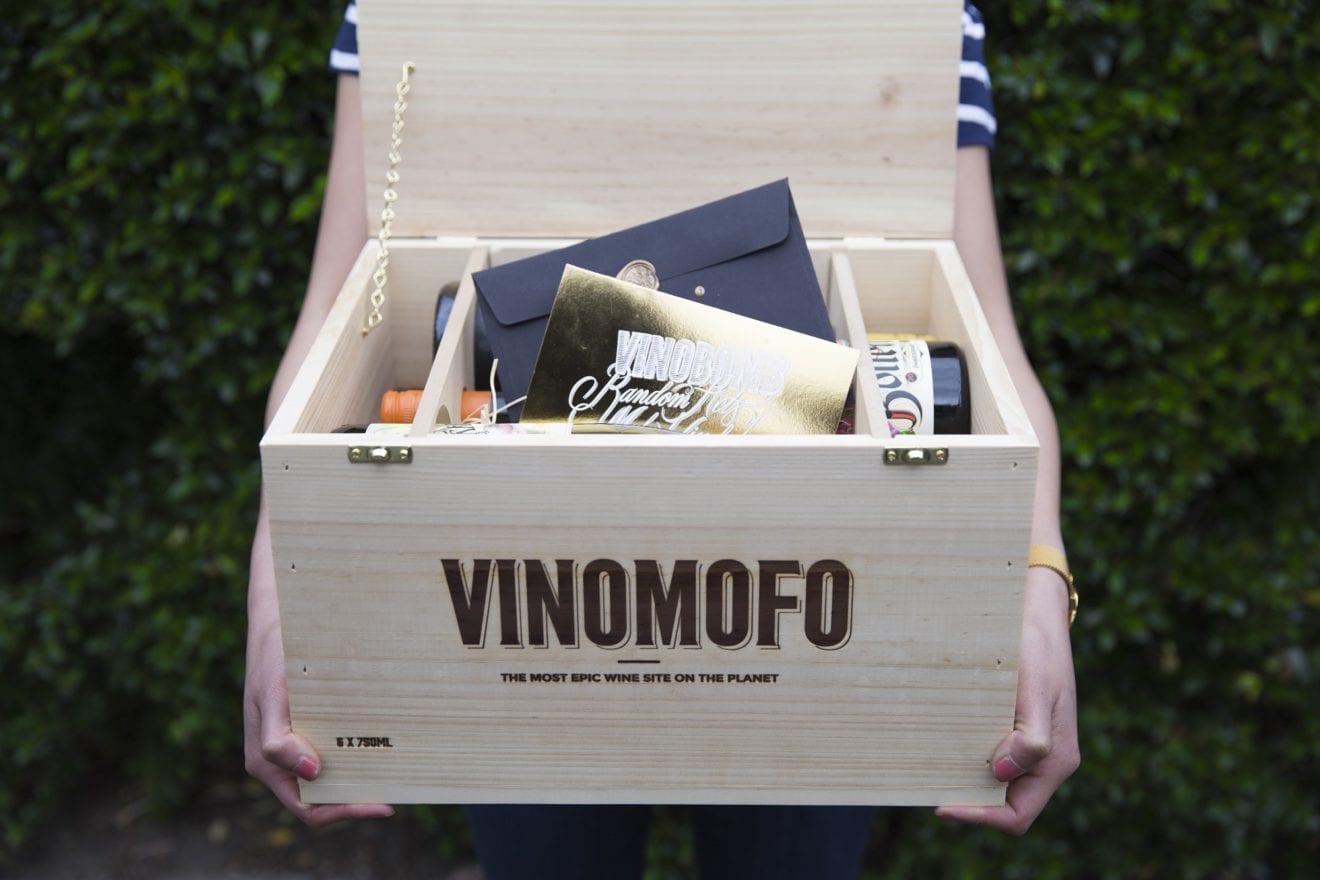
    Online wine business Vinomofo has appointed its first employee in Singapore, fortifying its growth strategy in the region.

    “We like to build out our community and business in person as much as possible, and Michael’s appointment will help us do that,” Dry said.

    The US is Vinomofo’s next area of expansion. According to Dry, the company is in “advanced discussions” to launch in the region, but he said there is always the possibility Vinomofo will launch in another market first.

    “There are lots of interesting opportunities popping up at the moment, so all I can say is stay tuned,” Dry said.
    Online wine business Vinomofo has appointed its first employee in Singapore, fortifying its growth strategy in the region.

    Michael Parmeter has been appointed general manager of Singapore, and will look after ground operations, strategic growth, merchandise and local area marketing.

    According to Parmeter, his main task is to streamline local operations in the region and be a point of contact on the ground, from talking with locals about what they are drinking, and helping ensure the right wines are sent to Singapore, through to overseeing and handling, storage and final stage of delivery.

    “A major opportunity for the Singaporean market is attributed to the thirst for knowledge in the region,” Parmeter said.

    “We have found our mofos in Singapore are keen to try new varietals and learn about wine in general, which perfectly suits our operation.”

    Vinomofo chief executive and co-founder Justin Dry  said that Singapore is a “great market” for the business, and that Parmeter’s appointment will assist with expanding operations in the region in the near term and getting into the corporate wine sales market, where he has experience.

    “We like to build out our community and business in person as much as possible, and Michael’s appointment will help us do that,” Dry said.

    The US is Vinomofo’s next area of expansion. According to Dry, the company is in “advanced discussions” to launch in the region, but he said there is always the possibility Vinomofo will launch in another market first.

    “There are lots of interesting opportunities popping up at the moment, so all I can say is stay tuned,” Dry said.
  • Jamie Oliver’s UK restaurant chain collapses

    Jamie Oliver’s UK restaurant chain collapses

    International outlets, such as those in Hong Kong, Singapore and Thailand, will continue to trade.

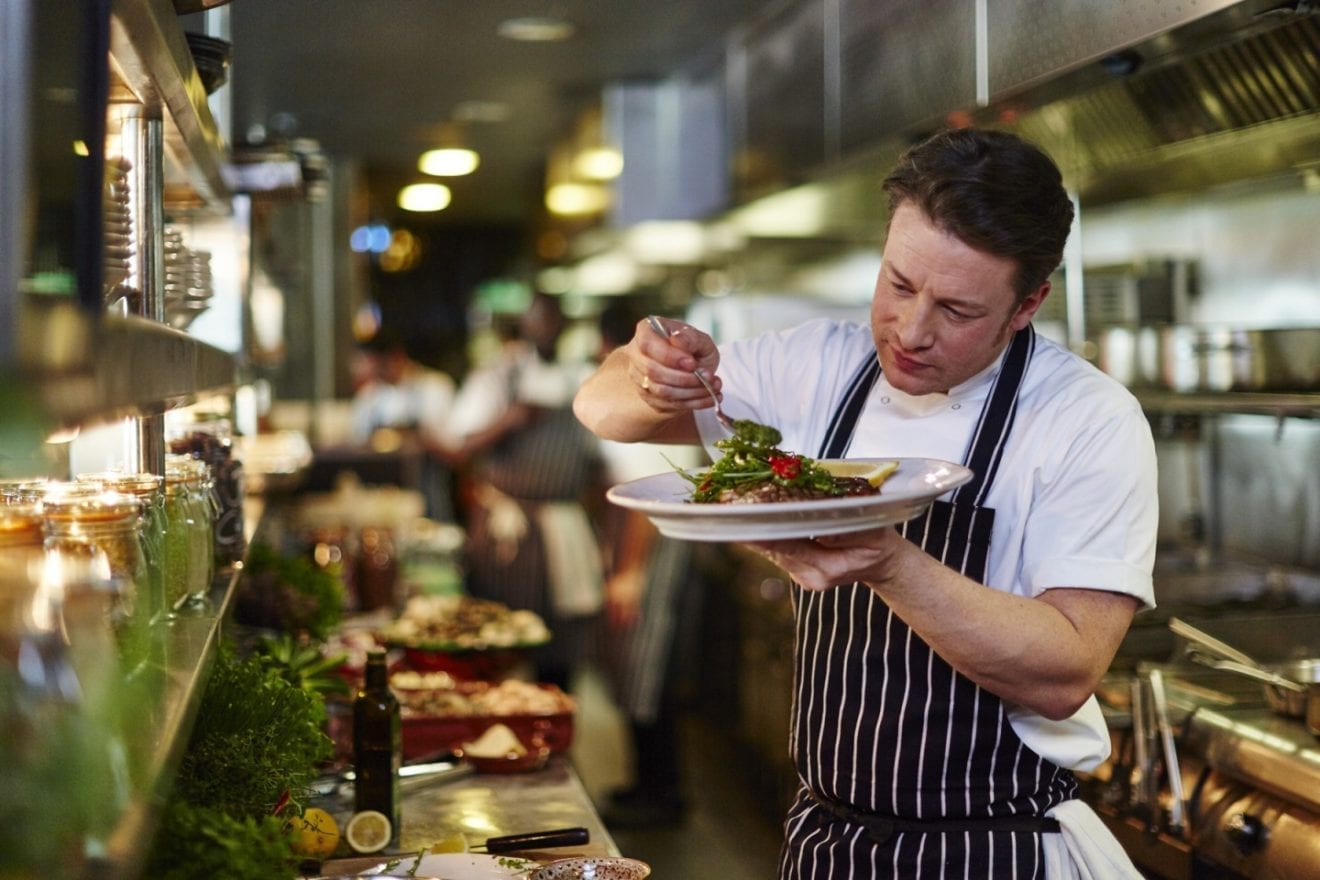
    Jamie Oliver’s UK restaurant chain has collapsed – but the international outlets remain trading for now.

    “I am deeply saddened by this outcome and would like to thank all of the staff and our suppliers who have put their hearts and souls into this business for over a decade,” said Oliver, who rose to fame as a television celebrity chef before founding a network of high-street restaurants in 2008.

    “I appreciate how difficult this is for everyone affected.”

    Jamie Oliver’s UK restaurant chain employed about 1300 people in 25 outlets bearing the brands Jamie’s Italian, Barbecoa steakhouse and Jamie Oliver’s Diner. They are now in administration.

    UK news media reported the process did not affect the business’ international operations which are largely run by local franchise partners. They include restaurants in Causeway Bay and Harbour City, in Hong Kong, at VivoCity and on Orchard Road in Singapore; and at Bangkok’s Siam Discovery.

    High-street restaurant chains have been hampered by a rough trading environment in recent years, in both the UK and the US. In the UK, rival operator Boparan Restaurant Group revealed plans in March to shutter more than a third of its outlets, trading under the Giraffe and Ed’s Easy Diner brands. Other operators, including Prezzo, Strada, Gourmet Burger Kitchen and Carluccio’s all closed stores last year.

    In the US, casual dining chains like Applebee’s, TGI Friday’s and Ruby Tuesday have scaled back their networks.

    The collapse of Jamie Oliver’s UK restaurant chain this week follows a rescue attempt last year in which the company entered a company voluntary arrangement with landlords to close some stores and reduce rents on others in a bid to continue trading.

    But the company has now succumbed to intense competition, rising costs and a tough consumer market.

  • Impossible Foods Teams Up with Honbo for Taikoo Place food truck

    Impossible Foods Teams Up with Honbo for Taikoo Place food truck

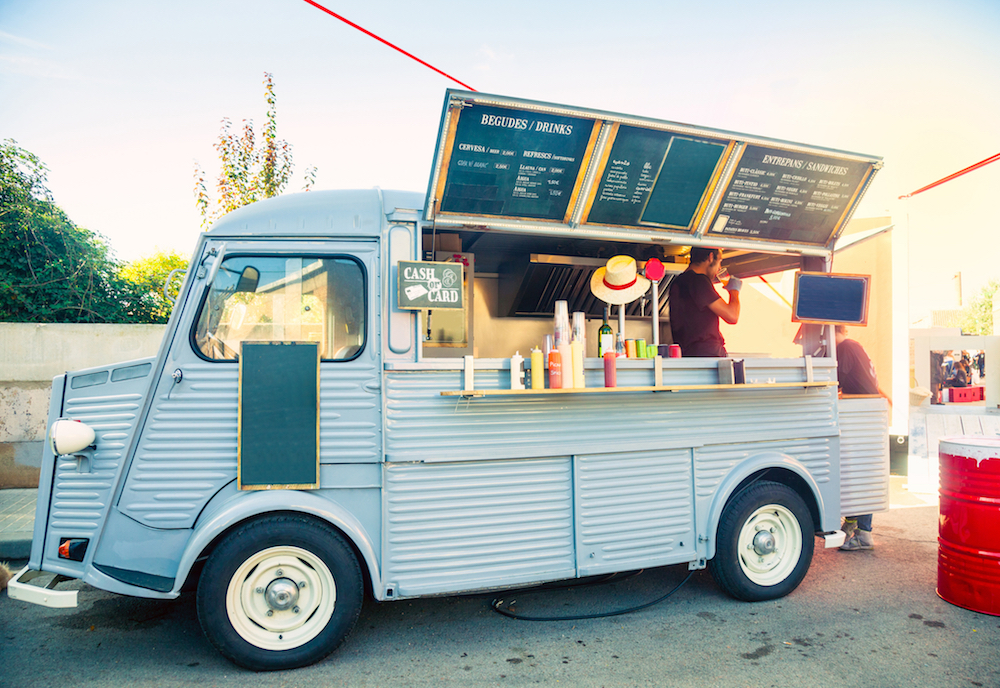
    Vegetable-based meat product retailer Impossible Foods is partnering with Hong Kong business hub Taikoo Place and various restaurant partners in a food truck charity initiative taking place from May to July.

    Since launching on May 6 with Pici, Impossible Foods’ truck has been gearing up to serve recipes from grassroots burger restaurant Honbo to residents and workers at Taikoo Place.

    From May 20 to June 14, customers of the Impossible x Honbo food truck can select from a range of the brand’s “Impossible” burgers alongside fries and drinks. 10 per cent of all proceeds will go Sai Kung-based charity Catherine’s Puppies, which works to rescue and rehome stray dogs.

    From mid-July, Impossible Foods and Taikoo Place will launch their next partnership with Hong Kong’s “greenest caterer”, Invisible Kitchen. The group will cater for planned Swire Properties events inviting members of the public to “Discover Taikoo Place” while promoting its sustainable foods concept to the wider community.

    Impossible Foods is now serving its plant-based meat products in more than 7000 restaurants across the US, Hong Kong, Macau and Singapore.

  • Indian grocery chains merging to create nation wide network

    Indian grocery chains merging to create nation wide network

    Two regional Indian grocery retail chains are effectively merging, creating a national player.

    Spencer’s Retail, part of RP Sanjiv Goenka Group, says it will pay US$42.76 million to acquire upmarket grocery chain Nature’s Basket from Godrej Industries.

    The deal will give Spencer’s access to the western part of India through 36 stores of Nature’s Basket in Mumbai, Pune and Bengaluru, according to Shashwat Goenka, head of RPG. It will also strengthen the company’s omnichannel capability.

    Tanya Dubash, executive director and chief brand officer at Godrej Group, said the sale would unlock “the immense potential of the Nature’s Basket brand” allowing it to grow faster.

    “We have passed on the torch to owners who have prioritised retail in their portfolio strategy and have the relevant ecosystems to take the business to the next level,” she said.

    Nature’s Basket was launched in 2005.

    Goenka said the Nature’s Basket stores are located in prime residential locations, have a high sales throughput per square feet, and will add to the top line of Spencer‘s grocery portfolio.

    “Nature’s Basket has a strong portfolio of private-label brands which has huge traction with its consumers. We believe there is huge potential to expand this to Spencer’s stores. It also has a strong e-commerce presence, and we believe that fits in well with our omni-channel strategy.”

    He said both chains were positioned as experiential grocery retailers and there were many synergies in the acquisition.

  • Taco Bell India eyes 600 store Openings

    Taco Bell India eyes 600 store Openings

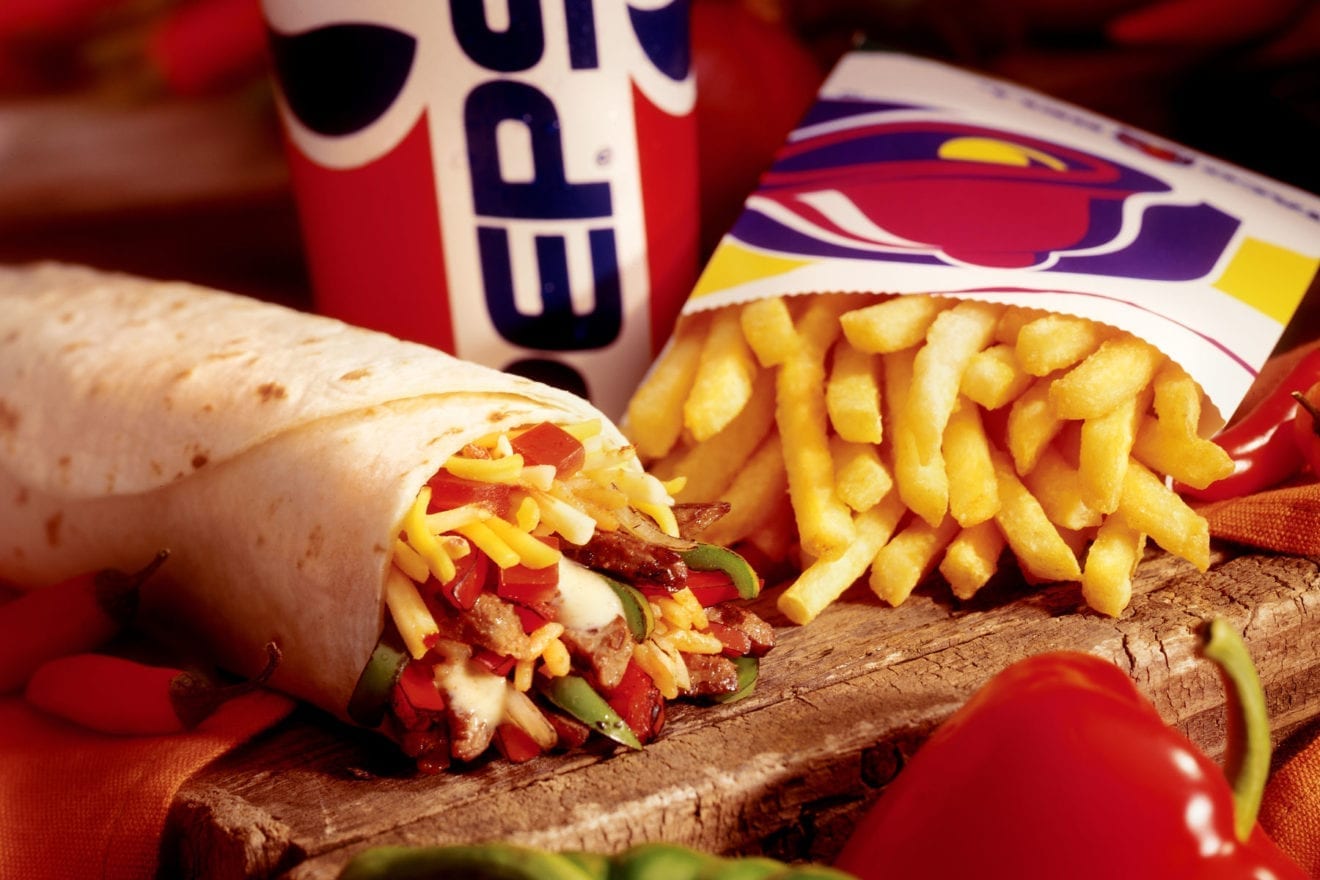
    Taco Bell India plans to expand to more than 600 stores before sub-licensing to local operators.

    The US-headquartered QSR chain has appointed its existing local partner since 2015 Burman Hospitality,  as master franchise holder for the country.

    Following nine years in the territory, the brand now seeks to open 600 locations in India within 10 years, a target that if achieved will make India Taco’s largest foreign market, reflecting the popularity of its menu in the region extending beyond its parent company’s core offerings of its sister brands’ chicken, burgers and pizzas.

    The appointment makes Burman the largest Taco Bell franchise globally in terms of store count. “If you look at chicken and pizza, they are two very familiar categories to the consumer and that helped both KFC and Pizza Hut with their explosive growth, not only in India, but all over the world,” said Taco Bell International president Liz Williams. “The Mexican category is a relatively new category for consumers and I think the Indian consumer has shown us they are ready for it.”

    Research conducted last year showed that the vast majority of food ordered in the Indian territory is North Indian, followed by Chinese and South Indian. The market for other cuisines is shown to be expanding.

    Burman is currently seeking to keep tight control over store launches before seeking sub-franchisees and then expanding into new formats such as food court kiosks.

  • Chicha San Chen opens in Singapore

    Chicha San Chen opens in Singapore

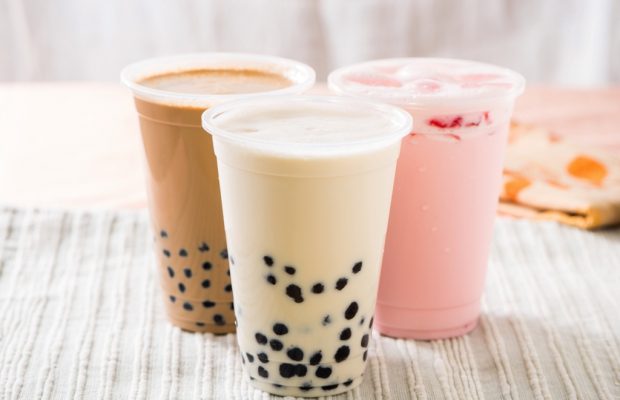
    Taiwanese bubble-tea chain Chicha San Chen has opened its first outlet in Singapore.

    Located in 313@Somerset, the flagship store has modern design with an open kitchen.

    Customers can make their own tea and watch as it brews in a Teapresso machine.

    They can choose from milk-tea, fruit-tea or pure-tea bases including Green Tea, Osmanthus Oolong Tea, High Mountain Pouchong Tea, Black Tea, Dong Ding Oolong Tea and Cassia Black Tea.

    The store also features a tea appreciation counter where tea connoisseurs can learn more about teas and sample the special Taiwanese Lishan Qingxin Oolong Tea.

    Established in Taichung 20 years ago, Chicha now has more than 200 stores in Taiwan and China.

    Chicha has its own tea plantations in Taiwan, where they harvest their tea leaves and other ingredients.

  • Coles targets health-conscious Aussies with private label

    Coles targets health-conscious Aussies with private label

    Supermarket giant Coles is targeting the 40 percent of Australians seeking healthier food choices with the launch of a new private label health food range.

    Wellness Road aims to provide customers with  “uncomplicated, nutritionally balanced” options to make meals more nutritious.

    The new range comprises 28 products including organic foods, seeds, flour, grains, noodles, and oil.

    “Industry stats suggest that the health food aisle is growing twice as fast as retail food sales overall,” a Coles spokesperson said.

    “Wellness Road is about our strategy at Coles of lowering the cost of living for Australians and how we give them better quality foods at lower prices.”

    Coles has designed Wellness Road to make healthier eating more accessible and affordable to customers of all ages.

    “From teenagers through to those in their 60s and 70s our customers are telling us that they want to eat less processed foods and cut back on sugar and salt,” the spokesperson added.

    The supermarket giant has been making waves this week that Coles is taking a two-pronged approach to gain market share and grow sales, with some stores to be reformatted towards convenience, with a bigger range of ready-to-eat meals, and some stores to be reformatted towards value. Managing director Steven Cain is expected to unveil the strategy next month.

  • Shake Shack opens first store in Philippines

    Shake Shack opens first store in Philippines

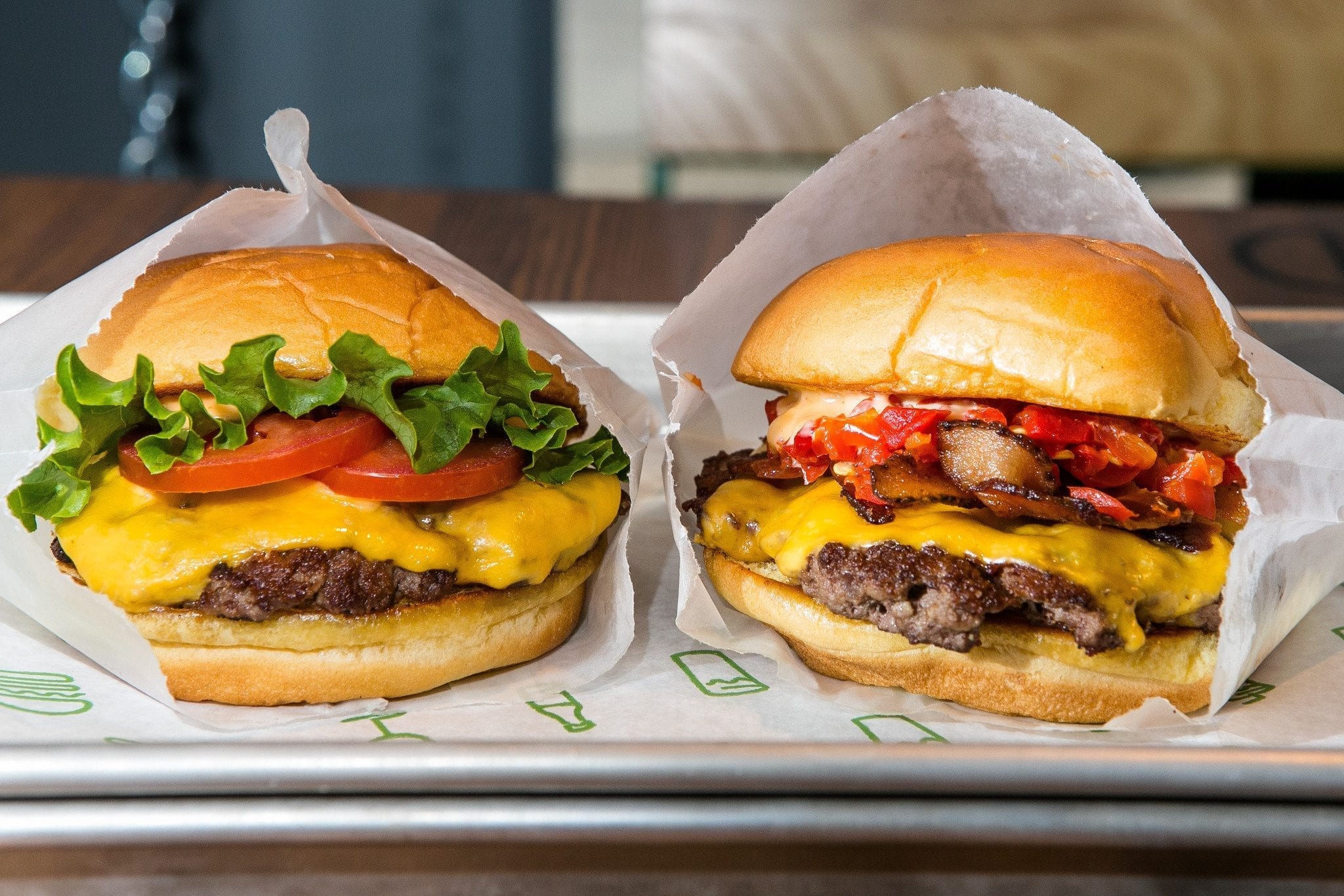
    The new QSR restaurant has opened at Bonifacio Global City (BGC) as the brand’s 225th location, although only its second in Southeast Asia after Singapore.

    “It is known for quality and consistency in taste,” said the president of the exclusive franchise holder SSI Group Anton Huang. “As far as SSI is concerned, we want to be the purveyor of lifestyle choices to the Filipino consumer. In keeping with that goal, we identified Shake Shack as a brand or concept that would really resonate well with the Filipino consumer.”

    “Filipinos are already clamoring for it to begin with and it would be a must do part of their pilgrimage to the US,” he added.

    The restaurant’s Instagram announcing the Manila launch achieved 16,000 likes, the highest-ranking post on its account.

    Huang expressed confidence that the new store will meet revenue and sales targets, and is keeping a tight focus on the performance of the first outlet before making expansion plans.

    “We’re concentrated on doing well to serve our customers and meet their expectations,” he said. “Once we’ve done that, and I’m pretty sure we are going to get that right from the beginning or the get-go, then, we will look at expansion. As I am sure you can sense, with the kind of demand there is for Shake Shack in the Philippines, I think the expansion opportunities are in fact endless. You really just have to select properly where we will expand.”

  • Starbucks China opens Signing Coffee Store in Guangdong

    Starbucks China opens Signing Coffee Store in Guangdong

    Starbucks China has opened its first Signing Store, staffed entirely by deaf or hearing-impaired people.

    The store is in Guangzhou, in Guangdong Province which is home to about 4 percent of China’s deaf population. It is Starbucks’ third Signing Store, following outlets in Washington DC and Malaysia.

    Sign language symbols are printed on umbrellas in front of the store, and there are indicators throughout the store. Deaf baristas will wear aprons with the word “Starbucks” embroidered in sign language. The store is equipped with a customized ordering system. Customers and partners will be able to communicate using notepads and two-way digital displays. For customers new to sign language, there will be a dedicated area for customers to write down their orders on an electronic board and wireless vibrating pagers will notify customers when their orders are ready.

    The cafe also features exclusive artwork and unique merchandise designed by deaf artists.

    The initiative aims to offer employment and career-advancement opportunities for the deaf and hard-of-hearing community as well as “a welcoming hub for those passionate about improving accessibility and experiences for all”. It is located near the Guangdong Disabled Association and Guangdong Deaf People Association.

    “Starbucks is committed to creating equal opportunities for everyone, as well as a unique third-place experience that addresses a wide range of community needs,” said Belinda Wong, CEO of Starbucks China. “The new Signing Store is an example of how we are building inclusive environments and careers for our partners.”

    Store staff, who have been recruited from across China, are fluent in Chinese sign language.

    To create an inclusive environment and encourage customers to learn more about the deaf community, the store will also offer sign-language lessons and coffee workshops in sign language.

    “The Guangdong Deaf People Association is proud to partner with Starbucks to provide training and opportunities for the deaf and hard of hearing community,” said Yitao Fan, vice chairman, China’s Deaf People Association and president of Guangdong Deaf People Association. “Thanks to Starbucks, deaf partners are empowered to develop their careers in a vibrant and supportive environment, while the store provides a strong platform to drive societal awareness around deaf culture and the needs of the community.”

  • Restaurant Brands International eyes massive China expansion

    Restaurant Brands International eyes massive China expansion

    Restaurant Brands International, parent of the Burger King, Tim Hortons and Popeyes Louisiana Kitchen brands, is eyeing significant expansion in China despite current trade tensions.

    The firm is aiming to surpass 40,000 locations in the territory within 10 years, making the firm one of the world’s largest restaurant chains.

    “Our view is that we want to be there, and we will be there for the long term,” said company CEO Jose Cil. “It’s an amazing consumption market, growing tremendously.”

    The firm is making its intentions known in an atmosphere of a deteriorating trade relationship between China and the US. Before tensions heightened last week, China was already on track to experience its worst GDP growth in 29 years.

    Restaurant Brands is aiming to launch 1500 Tim Hortons locations within China within the next decade as the brand’s growth is slowing in its home Canadian market. There are currently just four Tim Hortons in the territory, compared to more than 1000 Burger King restaurants.

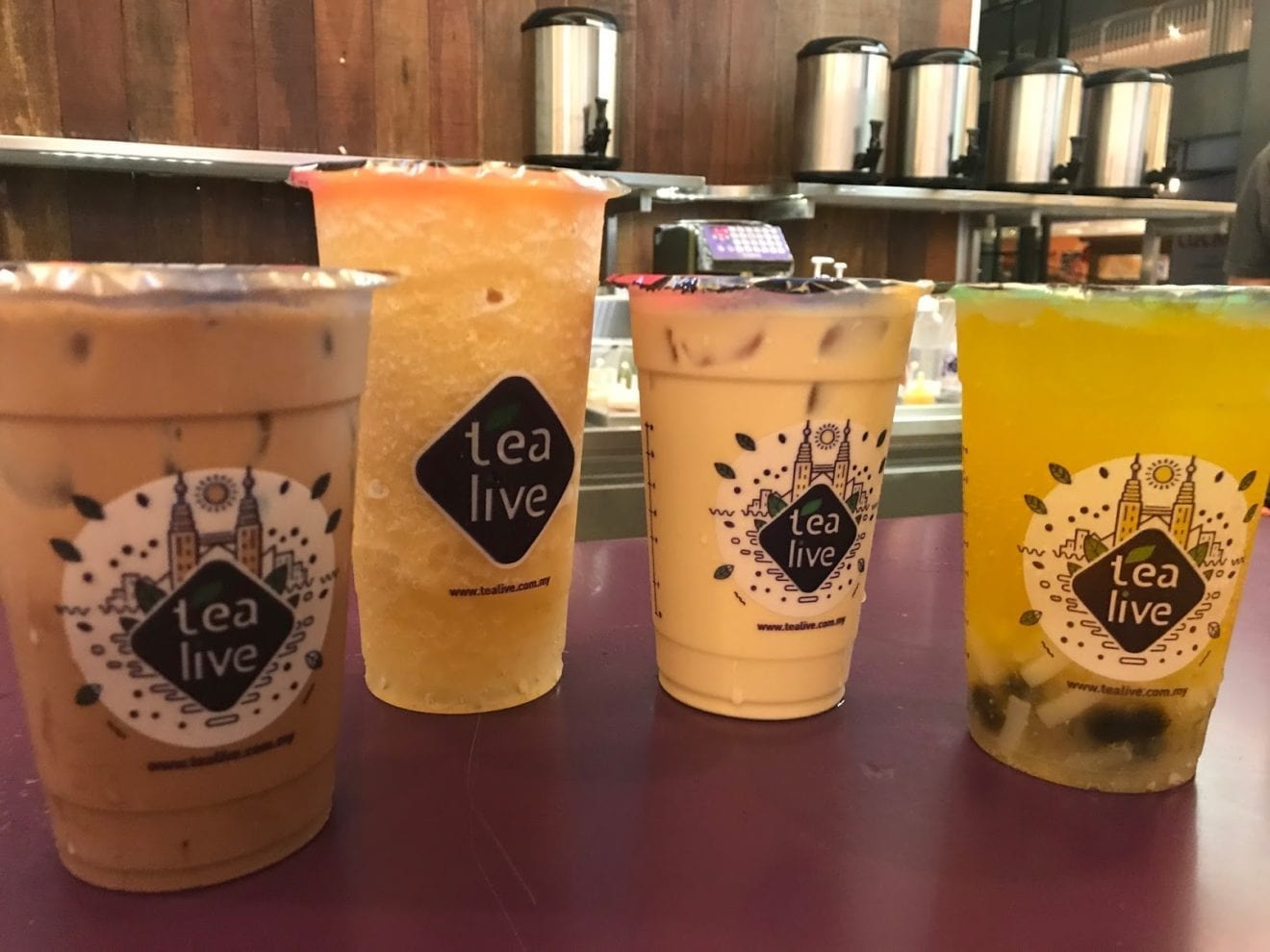
  • Malaysian bubble-tea chain Tealive Eying IPO

    Malaysian bubble-tea chain Tealive Eying IPO

    Loob Holding, parent of Malaysian bubble-tea chain Tealive, is preparing an IPO in Malaysia with a view to raising MYR300 million (US$72 million).

    The firm, which operates more than 200 food-and-beverage outlets in the territory, has reportedly hired advisors to facilitate the process and is seeking a valuation of up to MYR1 billion.

    “We have engaged corporate advisers for this exercise,” said Loo’s CEO Bryan Loo. “We cannot confirm the valuation sought nor the IPO portion, pending final recommendations from our advisers.”

    New listings have been slow off the mark this year, with only $9.4 million in first-time sales so far compared to $47.8 million during the same period last year. Several retail businesses are expected to list shortly, including Malaysia KFC operator QSR Brands and home improvement chain Mr DIY.

  • McDonald’s Philippines Planning 50 Restaurant Openings

    McDonald’s Philippines Planning 50 Restaurant Openings

    McDonald’s Philippines is expanding, with new stores and branch upgrades unfolding this year along with menu additions.

    There are currently around 650 McDonald’s restaurants in the territory, 61 of which opened last year.

    “We’re continuing our aggressive expansion,” said McDonald’s MD Margot Torres. “In terms of new stores, we’re looking at about 50.”

    The firm’s outlets will be upgraded to the McDonald’s Nxtgen system, featuring a touch-screen service allowing customers to place orders without interacting with a cashier. The Nxtgen kiosks also allow customers to customize their orders and access additional offerings.

    An estimated 70 per cent of stores are expected to receive the upgrade by 2021

  • Dome Cafe Singapore Closing Doors

    Dome Cafe Singapore Closing Doors

    The last Dome Cafe Singapore cafe is to close next month. The Australian casual-bistro concept which specializes in light meals and coffee will exit Singapore after 20 years on June 23 when the last outlet, at Parkway Parade, shuts its doors.

    Opened in 1993, under a Singaporean joint venture called Dome Holding, it was one of the first cafes serving specialty coffee on the island.

    A second outlet opened five months later, and by 1996, there were five Dome Singapore cafes.

    In the same year, Suntec Investment acquired a 51 percent stake in Dome Holding, forming Suntec Dome Holding and by 2009 the chain had grown to 10.

    “The food and beverage scene has evolved tremendously since the first Dome Cafe opened in Singapore more than 20 years ago,” said Rebecca Lim, Suntec F&B Holdings MD in a statement.

    “As a group, we have to progress with the times to stay relevant in this competitive industry. We will be channeling our resources to concepts that are aligned with the interests and welfare of the customers we serve.”

    Dome Cafe has more than 100 outlets internationally.