Category: Food

Retail News Asia is committed to providing both local and global retailers with the latest Food and Food & Beverage news throughout the Asian market. This on a daily base.

  • Louis Vuitton cafe and restaurant opens in Osaka

    Louis Vuitton cafe and restaurant opens in Osaka

    The world’s first Louis Vuitton cafe and restaurant have opened inside the stunning new Louis Vuitton Maison Osaka Midosuji in Japan.

    In cooperation with renowned chef Yosuke Suga, the first Louis Vuitton cafe, Le Cafe V is located on the top floor, featuring a Cocoon Room, with a terrace and a bar.

    A speakeasy-style door connects the Louis Vuitton cafe, dubbed Le Cafe V, with the brand’s restaurant Sugalabo V where an open kitchen is set up. Design details are similar to the original, connecting to the central theme of the building’s design, according to DesignBoom.

    The Louis Vuitton Maison Osaka Midosuji is the result of a close partnership between Jun Aoki and New York designer Peter Marino, reflecting Osaka’s heritage as Japan’s most important port.

    Inspired by sailing vessels, the store’s facade, designed by Aoki, resembles a floating ship with a light and airy white structure. To create a floating effect, Marino creates wooden floors, wood-clad pillars, and metal ceilings.

    The launch of a Louis Vuitton cafe and restaurant follows similar forays into f&b by other luxury brands, including Tiffany & Co’s Blue Box Cafe, Armani Cafes and Ralph Lauren eateries.

  • Hong Kong food-delivery sales down

    Hong Kong food-delivery sales down

    Food-delivery sales in Hong Kong soared 20 percent over Lunar New Year week as consumers chose to stay indoors, sheltering from the coronavirus.

    A spokesperson for Deliveroo told Inside Retail Asia that the Chinese New Year holiday period is usually a busy period for the company, the market leader in food-delivery in the territory.

    “We saw an increase of more than 20 percent in order volume as compared to the week before, potentially indicating that people were choosing to stay home and order in during the Chinese New Year holiday following traditional visits to relatives over the weekend.”

    The company witnessed a 6-per-cent drop in Chinese food orders and a 6-per-cent increase in American food orders when compared with the week before. Taiwanese cuisine also experienced an order growth of around 3 percent over the festive period.

    The spokesperson said Deliveroo had been in touch with all of its 4000 self-employed riders in Hong Kong to share official guidance with regards to the coronavirus, including safety practices.

    “Health and safety is our top priority. We have a customer service team ready to answer any questions customers may have.”

    Asked if the company was scheduling extra drivers to cope with an increase in demand as consumers ordered in rather than venturing out to public spaces, the spokesperson said the company is prepared year-round unexpectedly busy order times.

    A rider-supply planning team which is responsible for the operational performance of the delivery network uses data analytics to match supply and demand, “ensuring the company has the right number of riders on the road, in the right place and at the right time”.

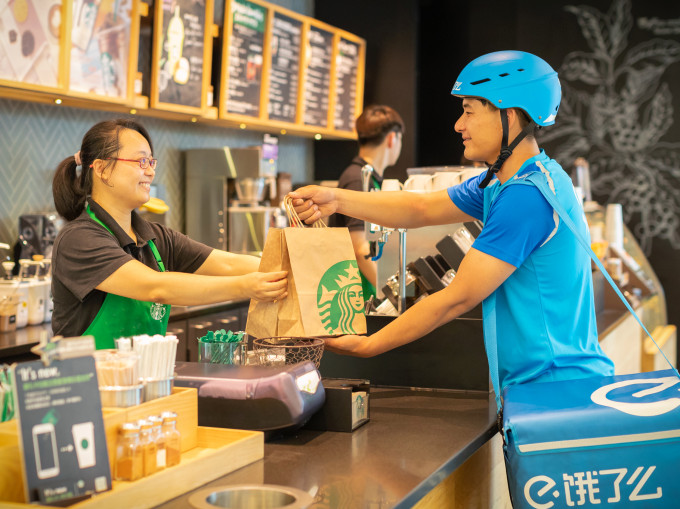
    In Mainland China, Alibaba-owned delivery service Ele.me has been delivering meals for more than 100 restaurant partners to the frontline medical staff at hospitals and treatment centers.

  • Philippine grocery MerryMart to raise US$31 million in IPO

    Philippine grocery MerryMart to raise US$31 million in IPO

    Philippines grocery operator MerryMart has filed to raise up to PHP1.6 billion (US$31 million) in its forthcoming IPO.

    The firm is seeking the funds to finance its nationwide expansion program, according to DealStreetAsia. It expects to operate 1200 stores within the territory following its expansion drive, including potential franchises, in an attempt to reach its target revenue of PHP120 billion ($2.36 billion). It will also establish a network of warehouses and distribution centers.

    The firm intends to sell 1.6 million shares – about 21 percent of its total holdings – at PHP1 (2c) per share. PNB Capital and Investment will serve as lead underwriter, issue manager, and book-runner for the offering.

    “Our family initially had no plans to expand the retail business,” said company owner Edgar Sia, “but our recent experiences made us realize the need for us to be in the modern retail business, and we believe we will be in it while the transition from traditional retail to modern retail is still ongoing.”

  • Starbucks China closes over 2000 stores due to Coronavirus virus

    Starbucks China closes over 2000 stores due to Coronavirus virus

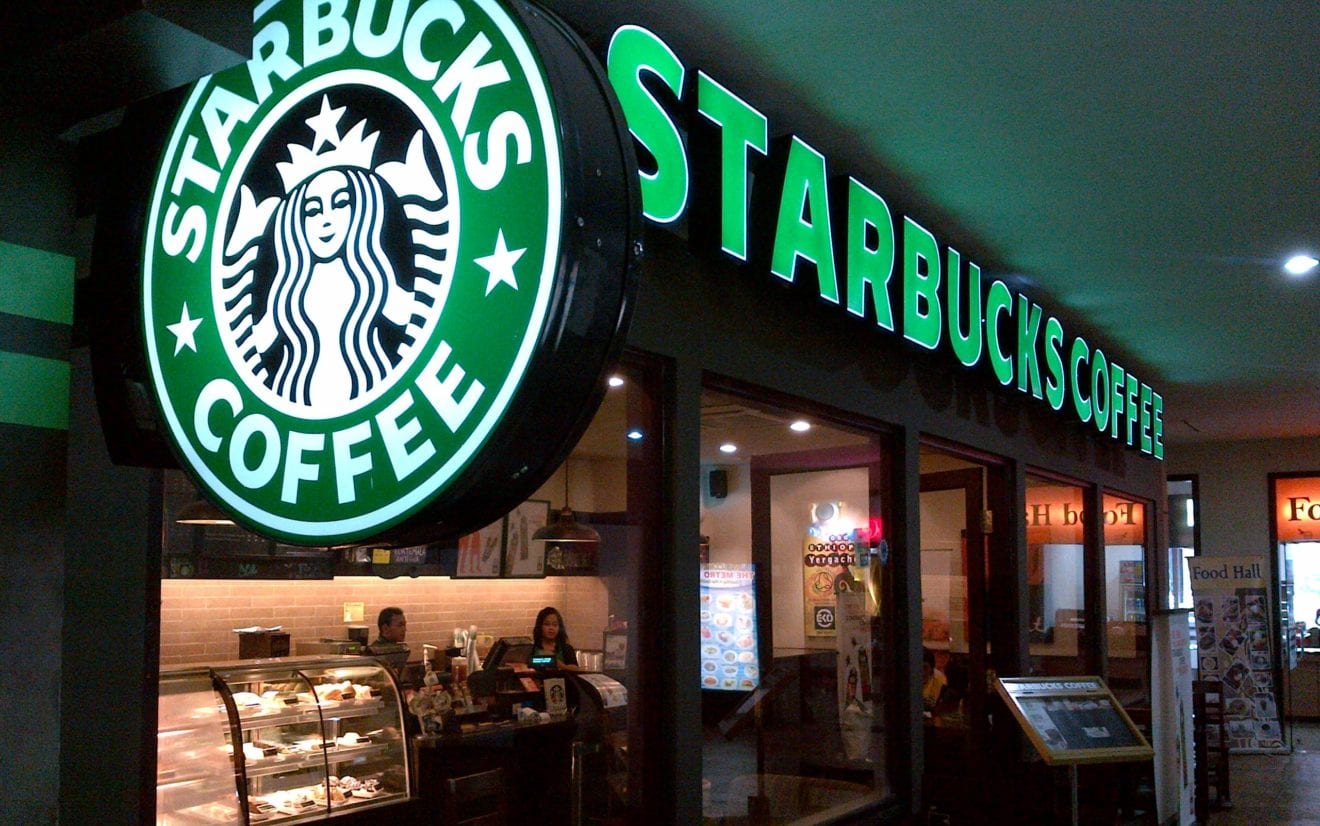
    More than 2000 Starbucks China stores have been closed to protect staff and customers from the coronavirus outbreak, including its giant Shanghai Roastery.

    “We currently have over half our stores closed in the market,” said Starbucks Inc group president, international, channel development and global coffee & tea, during an earnings call on Tuesday.

    “We are assessing this each and every day. We do have delivery available to customers from stores that are remaining open. But again, this is something that we continue to assess every day… This is a very complex situation.”

    The unprecedented network closure comes as the deadly coronavirus spreads beyond its epicenter of Wuhan in the Hubei province across China. As at 9am ICT Thursday, there were 7892 confirmed cases of infection the vast majority in Mainland China. To date, there have been 170 deaths, all on the mainland.

    Starbucks China’s widespread store closures coincided with the release of the parent company’s first-quarter figures which showed 5-per-cent global same-store-sales growth, including 3-per-cent growth in China. The company has more than 4100 stores on the mainland and 31,795 globally, adding a net 539 during the quarter to December 29, 167 of those in China. Consolidated net revenues of US$7.1 billion grew 7 percent year on year.

    During the earnings call, Culver said the closures were ordered because the company was making sure it was taking care of its partners, their health and well being, as well as the customers.

    “As the situation has accelerated, we’ve taken action to close stores, both working with the local government in the direction that they’ve given us, but then also proactively closing stores in the country.”

    The stores will reopen when it is considered safe, but Culver indicated Starbucks was not yet sure about the potential impact of the closures on its second-quarter performance.

    “It really is difficult to say at this juncture, what the impact to our business will be and how it will show up in our financials. Given the fluidity of the situation, the business impact is largely a function of two things – the number of stores closed and the duration of closure – and with respect to the duration, it’s not entirely in our control. We will need to move beyond the extended Chinese New Year holiday season to assess how the situation may be stabilizing, and what the implications are. We’re probably looking at early March at the earliest to reasonably assess the implications for revenue operating income and EPS for our second quarter and for the full year at the very latest will provide an update in conjunction with our Q2 earnings release on April 28.

    “As a company, we’ve navigated complex situations before and in China, we feel there’s no other company that’s better positioned to navigate this given our relationship that we’ve been able to build with our partners and the relationship and trust that they’ve been able to build with their customers.

    “We will remain transparent as the events continue to unfold. But we do have complete confidence in the decisions that we’re making. We’ve been in the market for 20 years and we have built an admired and trusted brand. And we will continue to play the long game in China, as we navigate in the coming weeks and months.”

    Meanwhile, Starbucks executives say they are focusing on lower-tier cities to maintain its Chinese market growth. Of the 167 stores opened in the December quarter, 46 percent were in tier 1 and 2 cities, the balance in tier 3, 4 and 5 cities.

    “We continue to make investments in those cities, playing the long game, clearly when we opened our first few stores, there’s a lot of demand for Starbucks coming into those cities, as we continue to build out the footprint,” said Culver. “What we’ve seen historically, is that the total transactions obviously continue to grow and volumes show up as very similar to some of our outer tier-one cities.”

    Delivery services – available in 3500 stores, or about 80 percent of its network there, we’re also paying dividends.

    “We see it as an incremental for these existing customers as well as attracting new customers in total dollar profits, continue to increase because of it, and slightly margin diluted, but it does provide a higher ticket, as well as a higher food attach,” said Culver.

    “And we also see stronger demand in the morning, and during the lunch period.”

  • Tea chain Nayuki expanding to USA and Japan

    Tea chain Nayuki expanding to USA and Japan

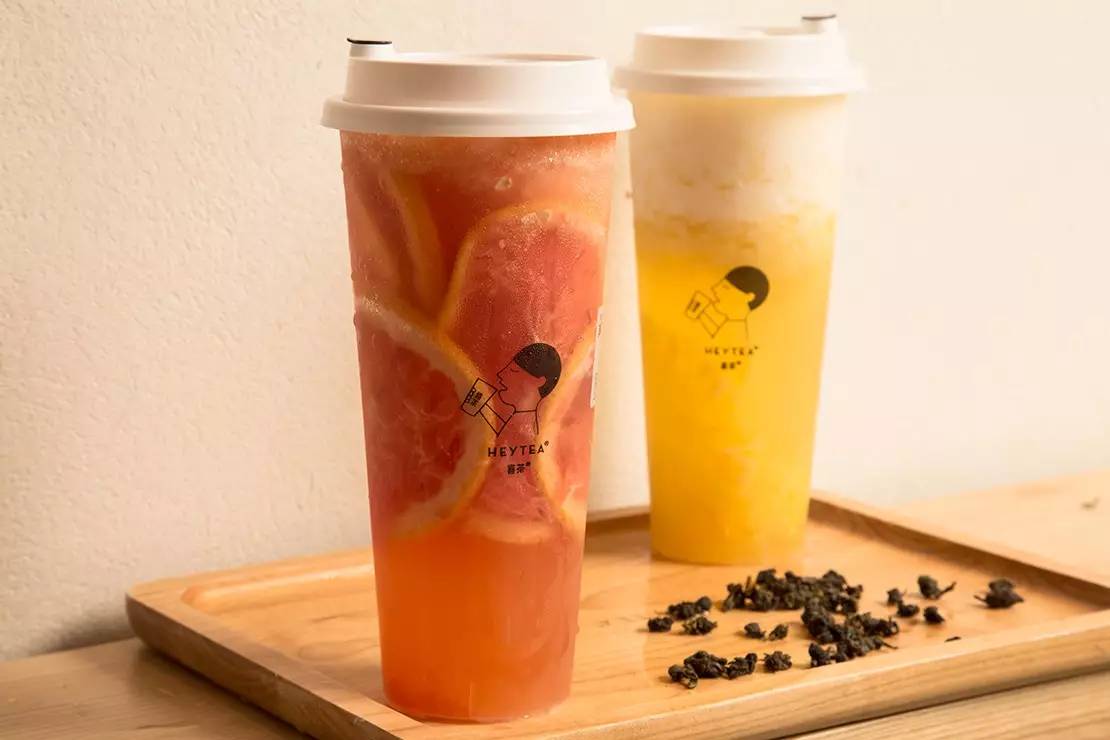
    Chinese tea chain Nayuki will launch its first stores in Japan and the US this year.

    The firm, which operates nearly 400 stores in China and three in Singapore, serves tea blended with fruit, cream cheese and toppings.

    “With our commitment to becoming an innovator and purveyor of Chinese tea culture, we hope to deliver our unique and exceptional tea experience to the world,” said Nayuki founder Peng Xin. “To achieve this goal, we have established tea fields where tea is cultivated under strict conditions from cultivation to processing.”

    In recent years, China’s traditional tea culture has been revamped by new-style tea franchises backed by large investments. The tea chain Nayuki, valued at RMB6 billion (US$865 million), received a multi-hundred-million RMB injection in Series A plus funding from TianTu Capital in 2018.

    In November last year, the company opened its largest shop – Nayuki’s Dream Factory – in Shenzhen, an 11,000sqft retail space offering an immersive in-store experience. Visitors are invited to see, hear and learn about the innovations of Nayuki’s teas while enjoying a menu of handcrafted teas, coffees, cocktails, baked goods, desserts and more exclusive to the store.

  • Sabeco reports record profits

    Sabeco reports record profits

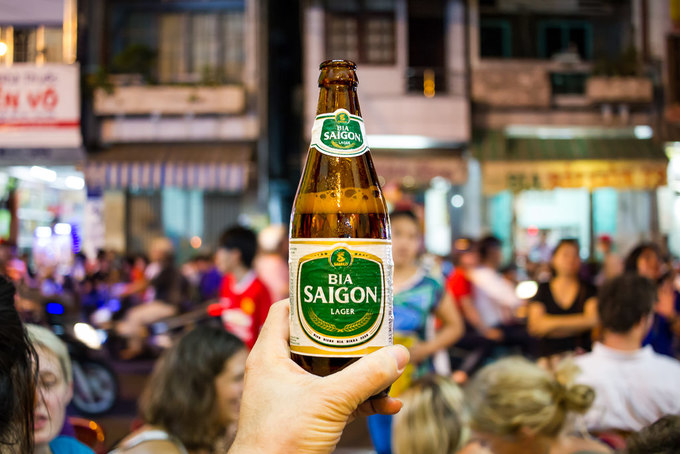
    Post-tax profits surged 22 percent year-on-year for Vietnam’s largest brewer Sabeco, reaching VND5.37 trillion ($231.96 million), its highest annual profit ever.

    The brewer’s 2019 revenues increased 5 percent year-on-year to VND37.9 trillion ($1.64 billion), with improved business results mainly attributed to heavy investments in sales and marketing, Sabeco management said in the company’s latest annual financial report.

    Sabeco spent VND1.49 trillion ($64.33 million) on marketing last year, a year-on-year increase of 31 percent, the report said.

    Revenues in the final quarter, however, declined 7 percent year-on-year to VND9.73 trillion ($420.11 million), but post-tax profits rose 18 percent to VND1.09 trillion ($47.06 million). This was due to profits from financial investments surging 54 percent, and profits from joint ventures and associate companies rising 41 percent, Sabeco said.

    By the end of 2019, Sabeco’s total assets and liabilities were valued at approximately VND27 trillion ($1.17 billion) and VND6.9 trillion ($297.92 million) respectively.

    Sabeco is owned 53.59 percent by Vietnam Beverage, a subsidiary of Thai beverage company ThaiBev. The Vietnamese government, represented by the Ministry of Industry and Trade, retains a 36 percent stake in the company.

    According to the latest figures by securities firm FPTS Securities, Sabeco held 40.9 percent of Vietnam’s beer market by the end of 2018, followed by Heineken Vietnam with 23 percent and local brewer Habeco, with 18.4 percent.

  • First Mott 32 Singapore restaurant opens at Marina Bay Sands

    First Mott 32 Singapore restaurant opens at Marina Bay Sands

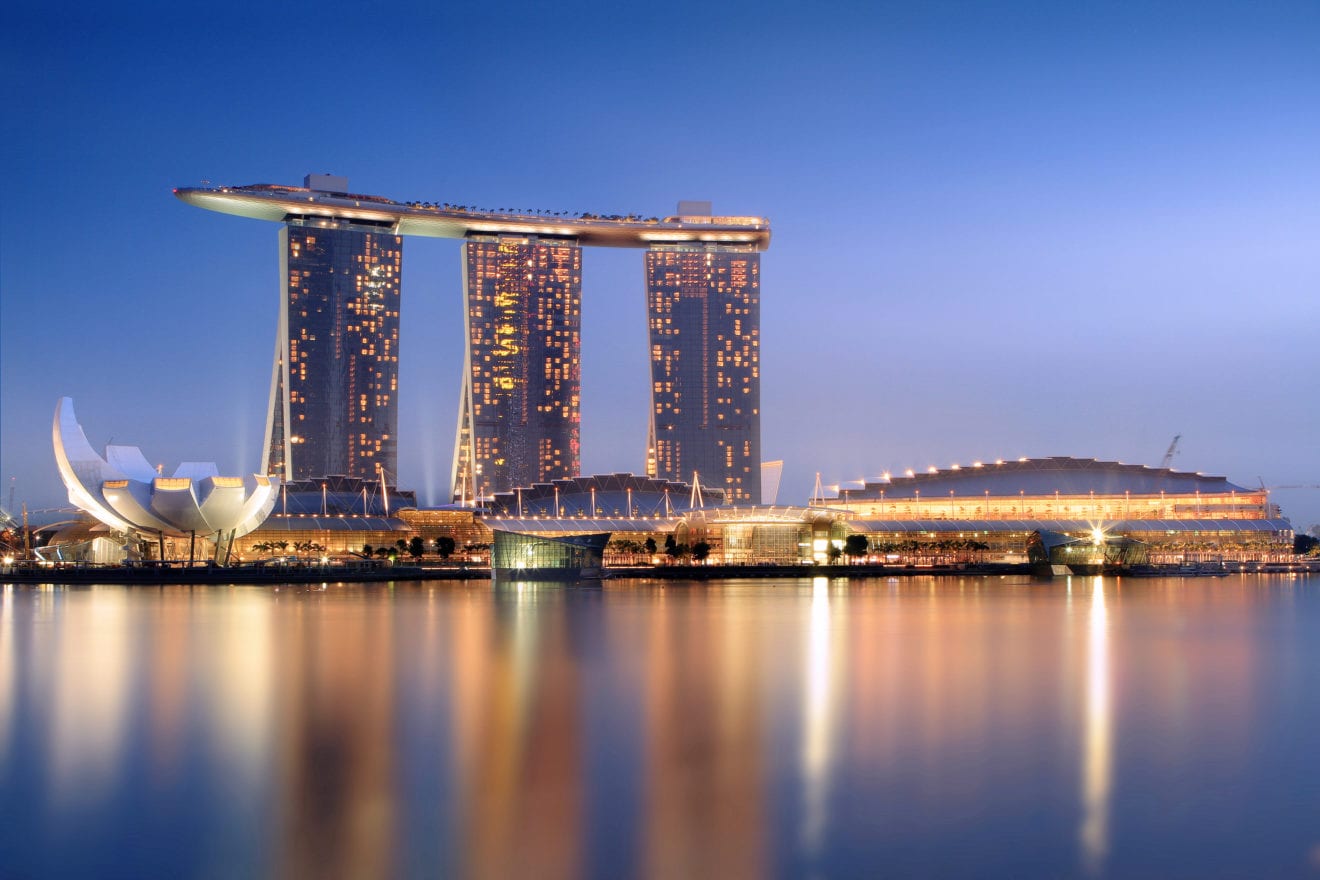
    Hong Kong restaurant chain Mott 32 is launching at Marina Bay Sands today in partnership with Maximal Concepts.

    After Hong Kong, Las Vegas, Seoul and Vancouver, the opening of Mott 32 Singapore brings the brand’s approach to regional Chinese cuisine to the Lion City.

    The restaurant is known for its use of recipes handed down across the generations, prepared using progressive cooking techniques and premium ingredients.

    “At Mott 32, we are dedicated to serving authentic, timeless recipes that pay homage to the rich heritage of Chinese cuisine,” noted Mott 32’s executive chef Chan Wai-Keung. “Our approach to cooking is to retain the essence and original flavors of the dish while elevating it using quality produce.”

    “Singapore has a sophisticated and incredibly talented dining scene,” said Maximal Concepts co-founder Xuan Mu. “The opening of Mott 32 Singapore marks a significant milestone for us, and we hope that it will be well-received amongst Singaporeans.”

    “We welcome guests from all around the world to explore the intricacies of Chinese cuisine at Mott 32 Singapore, and look forward to showcasing a combination of Mott 32’s iconic dishes and Singapore-exclusive creations,” said Chan.

  • Japanese franchise Kura Sushi to launch in China

    Japanese franchise Kura Sushi to launch in China

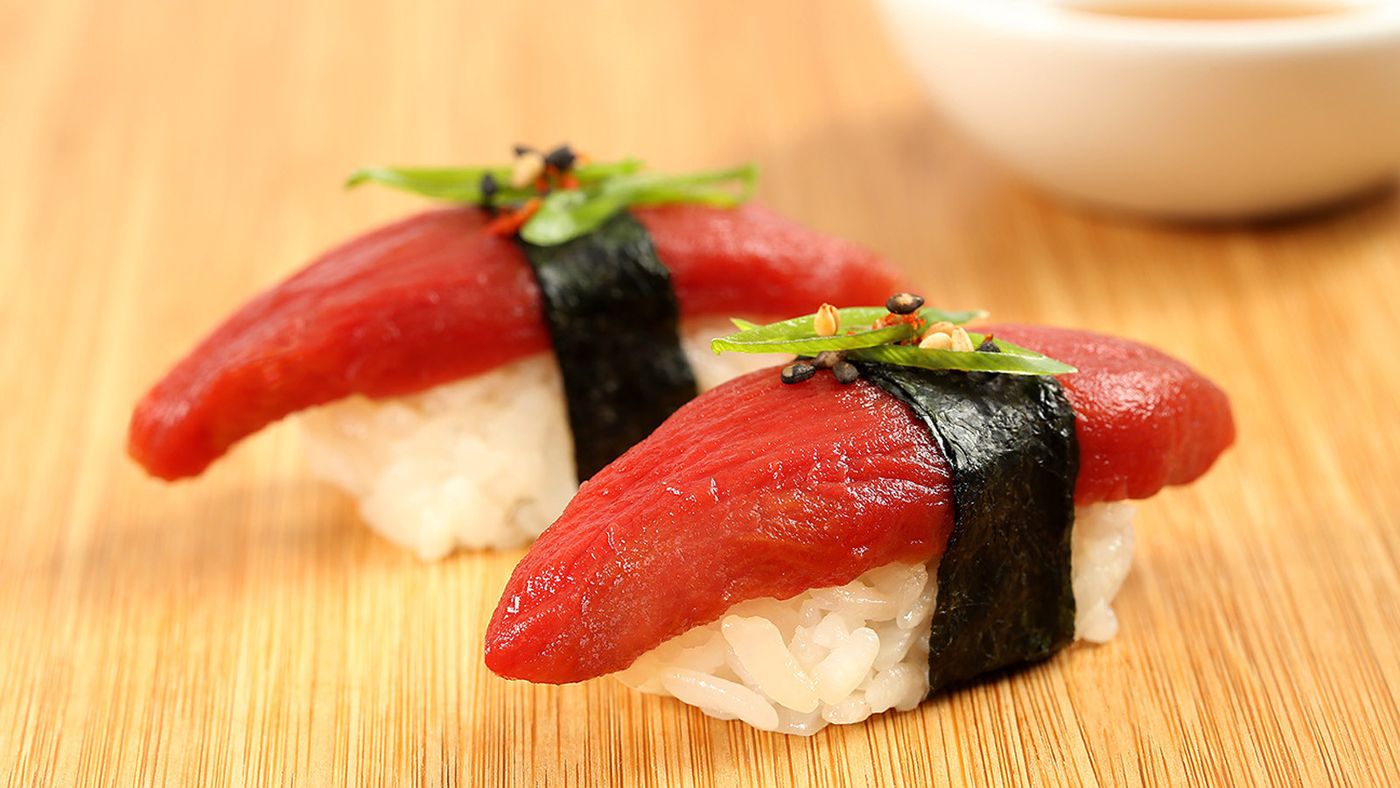
    Japanese restaurant franchise Kura Sushi is launching in its third overseas market, China.

    The brand has already enjoyed some success in the US and Taiwan, and is now set to open its first Chinese mainland location in Shanghai. Ten further locations are planned for the territory later this year.

    According to a Nikkei report, the firm’s current strategy is to “double its revenues outside Japan to ¥300 billion (about US$2.7 billion) in 2030 by increasing its total number of outlets worldwide to 1000”.

    The move coincides with Kura Sushi’s launch of its global flagship in Tokyo, where it expects to serve 2000 people per day, including around 600 tourists.

  • Starbucks unveils ambitious sustainability commitment

    Starbucks unveils ambitious sustainability commitment

    Starbucks CEO Kevin Johnson has announced a multi-decade commitment to be a “resource-positive” company – aspiring to give more than it takes from the planet.

    “As we approach the 50th anniversary of Starbucks in 2021, we are looking ahead with a heightened sense of urgency and conviction that we must challenge ourselves, think bigger and do much more in partnership with others to take care of the planet we share,” said Johnson. “By embracing a longer-term economic, equitable and planetary value for our company, we will create greater value for all stakeholders.”

    The firm released plans to expand plant-based options, migrating toward a more environmentally friendly menu, as well as a shift from single-use to reusable packaging. It also intends to invest in “innovative and regenerative agricultural practices, reforestation, forest conservation and water replenishment in Starbucks supply chain”.

    Furthermore, Starbucks is committing to making investments in better ways to manage waste, both in its stores and its communities, to ensure more reuse, recycling and elimination of food waste. It will also develop more eco-friendly stores, operations, manufacturing and delivery processes.

    Johnson also outlined three preliminary targets for 2030, including a 50-per-cent reduction in carbon emissions in Starbucks direct operations and supply chain; a 50-per-cent conservation or replenishment of water withdrawal for direct operations and coffee production with a focus on communities and basins with high water risk; and a 50-per-cent reduction in waste sent to landfill from stores and manufacturing.

    “It is encouraging to see Starbucks embrace a data-driven and team-driven approach to creating a resource positive future,” said strategic consultancy firm SustainAbility’s executive director Mark Lee. “Their most senior leadership was directly involved in the creation of this plan, and they did an outstanding job convening experts in the field in the course of its development, inviting them to help Starbucks dream big on what’s possible for the planet. This puts Starbucks in the vanguard of corporate sustainability leaders, and we hope more businesses will be inspired to develop similarly robust approaches to addressing the world’s most pressing sustainability challenges.”

  • Japanese restaurant group Skylark to end 24-hour trading

    Japanese restaurant group Skylark to end 24-hour trading

    Japanese corporate restaurateur Skylark Holdings says it will discontinue 24-hour trading of 150 stores by April.

    Skylark, one of Japan’s largest family-owned restaurant operators, owns the Jonathan’s and Gusto chains, among other brands. It launched 24-hour trading in 1972 and according to the company about 10 percent of its daily revenue comes in between midnight and 6am.

    The company says while round-the-clock trading appeals to customers, the increasing costs of labour makes it less viable to trade all night. Instead, it will focus on peak meal times.

    In total, Skylark owns 560 eateries across the country. Many of the other stores will have trading hours trimmed by a couple of hours a day to reduce labour costs.

  • US sandwich chain Blimpie makes Asian debut

    US sandwich chain Blimpie makes Asian debut

    American ‘submarine sandwich’ chain Blimpie has opened its first store in Singapore, marking its debut in Asia.

    Located in Tampines, the Blimpie Singapore store offers a menu adapted for halal consumers.

    In a style similar to Subway, customers can choose a type of bread ranging from white, wheat, olive, or Parmesan and choose fillings they want. Price range between SGD6.50 (US$4.81) and SGD13.50 (US$9.99) for regular subs.

    Last year, American restaurant group Kahala Brands entered an agreement with Singapore’s Deelish Brands to launch Blimpie Singapore. The Singapore business is 100-per-cent Muslim owned and has the same owners as Fatburger Singapore, which is halal certified.

    “Although Blimpie Singapore is not yet certified, the supply chain is 100-per-cent halal and we will be applying for certification shortly”, the company said in a statement.

  • Japanese restaurant group Skylark to end 24-hour trading

    Japanese restaurant group Skylark to end 24-hour trading

    Japanese corporate restaurateur Skylark Holdings says it will discontinue 24-hour trading of 150 stores by April.

    Skylark, one of Japan’s largest family-owned restaurant operators, owns the Jonathan’s and Gusto chains, among other brands. It launched 24-hour trading in 1972 and according to the company, about 10 percent of its daily revenue comes in between midnight and 6 am.

    The company says while round-the-clock trading appeals to customers, the increasing costs of labor makes it less viable to trade all night. Instead, it will focus on peak meal times.

    In total, Skylark owns 560 eateries across the country. Many of the other stores will have trading hours trimmed by a couple of hours a day to reduce labor costs.

  • South Korea’s foodservice industry thriving despite rumours

    South Korea’s foodservice industry thriving despite rumours

    Rumors that South Korea’s foodservice industry is in a slump have been scotched by new data showing the sector is actually growing at a steady 9 percent annually

    And it’s the thriving coffee sector which is driving much of the growth.

    Analysts say the gap between business sentiment and the real economy is widening as the polarisation between sectors is deepening.

    According to a survey conducted by Kim Young-gap, a professor at Hanyang Cyber University, using a big data business analysis system from consulting firm Nice Genie Data, the size of the Korean foodservice industry was estimated to exceed US$155.2 billion last year.

    Unlike other sluggish industries, the coffee and beverage sectors grew at a fast pace of more than 20 percent, leaving other industries far behind.

    The growth rates of carb food, accounting for 15.2 percent, Chinese food, accounting for 14.3 percent, and bakeries, accounting for 11.7 percent, were also notable.

    On the other hand, bars saw a negative growth of -1.3 percent, buffets grew by 0.5 percent and Western food grew by 3.8 percent, which also illustrates poor growth.

    The total number of restaurants rose 3.2 percent annually from about 604,000 in 2016 to about 663,000 last year.

    In the number of restaurants, coffee and beverage companies also ranked first with a 19-per-cent increase, far ahead of the confectionery, baking, rice cake, and cake industries with an 8.7 percent increase.

    Major customers of South Korea’s foodservice industry are likely to be reorganized into those in their 20s and 50s and 60s.

    In terms of the rate of increase and decrease for consumers by gender and age at food service establishments, the number of people in their teens and 30s and 40s declined, while that of men in their 50s and 60s and 20s increased.

    This trend translated into an increase in the number of customers in their 20s, mainly at fast-food restaurants, as well as a growing number of customers in their 50s and 60s opting for Korean food, according to Kim.

  • Kellogg’s tests cereal refill concept in UK supermarket

    Kellogg’s tests cereal refill concept in UK supermarket

    UK supermarket Asda is undertaking a 12-month trial to test initiatives to reduce, remove and reuse plastic packaging at its Middleton store in Greater Manchester.

    Shoppers are invited to bring their own containers to stock up on products such own brand coffee, rice and pasta at designated refill stations. The grocery has partnered with FMCG giants Unilever and Kellogg’s to create refill points for cereals such as Rice Krispies and Coco Pops and PG Tips tea.

    “We’re getting ready to trial lots of new and innovative ways to reduce and remove plastic packaging in our first-ever sustainability store. Customers at our Middleton store in Leeds will be the first to try the new innovations starting in May this year. Before then we’ll be working hard in the store to install new refill solutions and recycling options, like in the artist’s impression above,” said Asda in a statement.

    “We know lots of our customers would like to see us remove packaging on loose produce so this is another thing we’ll be trialing at the store. We will be removing the plastic packaging from mushrooms and cucumbers on produce and we’ll also be selling “naked” flowers without any plastic packaging,” said Asda.

    The supermarket will also install new recycling facilities in store. It will have a reverse vending machine for plastic bottles and cans, hanger recycling and a deposit box for unwanted small plastic toys.

    Asda said it will monitor feedback from customers to see if the new program will affect consumer’s shopping habits.

  • Global exclusive Kiehl’s Lunar New Year store launched at Changi Airport

    Global exclusive Kiehl’s Lunar New Year store launched at Changi Airport

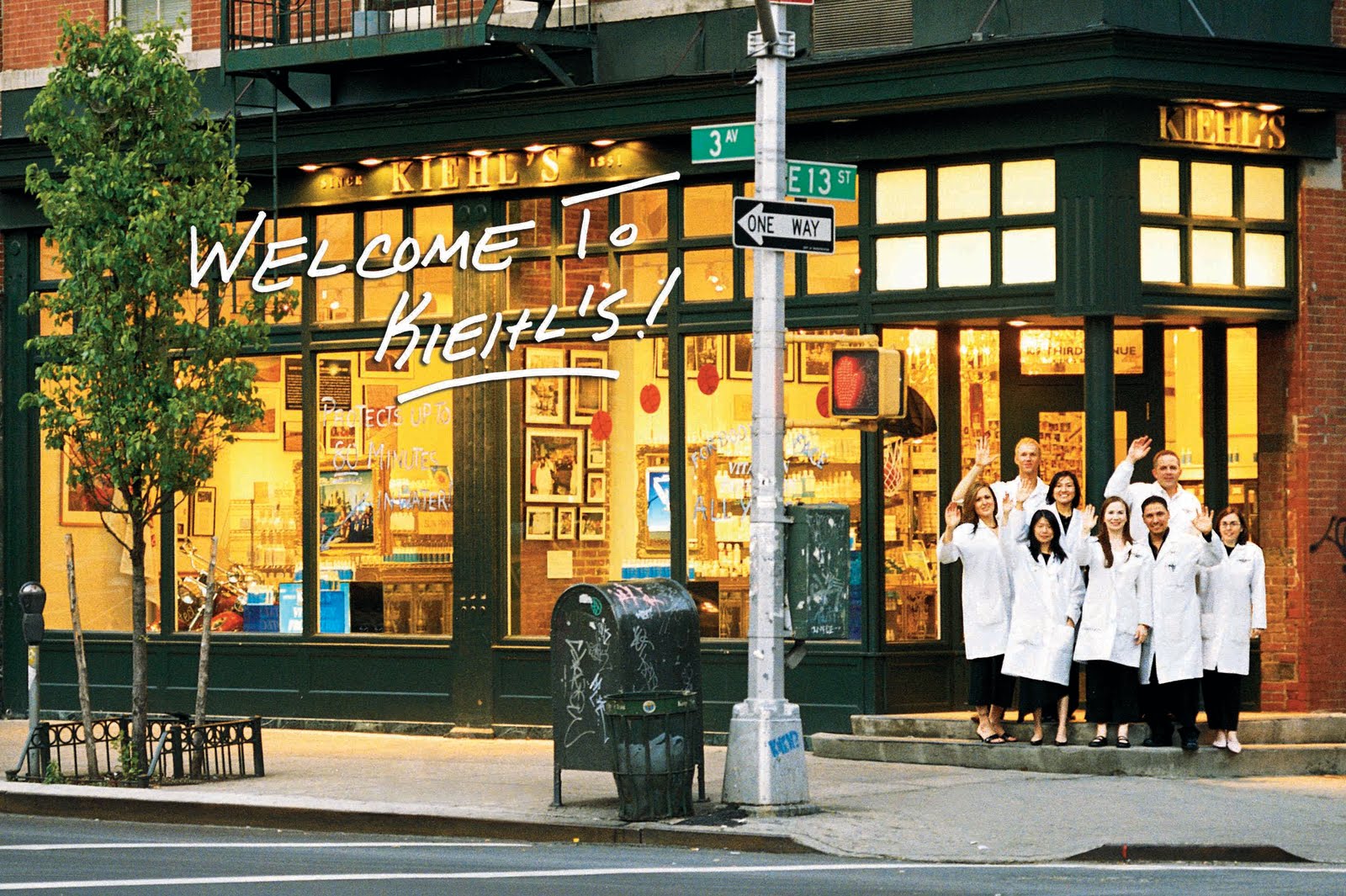
    New York skincare brand Kiehl’s has launched one of its largest-yet airport pop-up stores in the region, at Singapore’s Changi Airport.

    The global-exclusive Kiehl’s Lunar New Year store at Terminal 3 was formally opened in partnership with the airport’s beauty-products concessionaire The Shilla Duty-Free and will trade until February 9.

    At Friday’s launch, popular Chinese actor, singer and model, Dylan Wang, best known for his appearances in Chinese television series Meteor Garden, made a guest appearance, greeting 35 young fans from across Asia who had won a contest to attend the event and wowing KOLs from Mainland China.

    The pop-up store artwork was created by Australian artist Eirian Chapman and features a mascot Rock-it the Rat traveling through a cinematic New York to the garden city of Singapore. Chapman also designed Year-of-the-Rat labels for three of Kiehl’s’ most-popular products, the Ultra Facial Cream, Avocado Eye Cream, and Calendula Herbal Extract Alcohol-Free Toner, sold in a travel-exclusive boxed set. Playing on the theme of the mischievous rat lighting up the sky and the year, Chapman also illustrated a Rat on a firecracker she has ‘set alight’.

    More than a just a large, high-profile store, the Kiehl’s Lunar New Year pop up features an interactive game where visitors can win prizes for tapping the rat as it pops up on a digital screen, an onsite calligrapher drawing Chinese characters and customizable messages on souvenir fans, and Instagrammable spots, including a Singaporean rickshaw.

    On an interactive screen, visitors can write New Year blessings on a rocket graphic, then decorate it with their choice of colors and stickers, before virtually blasting it off into the sky, to be shared with friends via email.

    Cellophane-free packaging

    Sustainability issues and the Kiehl’s commitment to the environment were also highlighted at Friday’s event. Petrina Kho, GM of Kiehl’s Travel Retail Asia Pacific, revealed the brand has eliminated all cellophane wrapping of its products as part of a commitment to reducing its environmental footprint.

    The company also presented a cheque for US$30,000 to Singaporean charity the Jane Goodall Institute which supports student-initiated activities under its Roots & Shoots program, encouraging and empowers youth to help solve human, animal welfare, and environmental problems in their communities. The funds will allow local youngsters to plant 800 saplings and monitor their growth and wellbeing over three years.

    “I am very proud that we continue to successfully engage customers in an evolving retail landscape while supporting a meaningful cause that gives back to the community,” said Kho.

    Jeff Lee, MD of The Shilla Duty-Free Singapore, says the Kiehl’s pop up helps his company create unique shopping experiences to excite airport travelers. “Working closely together with Kiehl’s Travel Retail Asia Pacific and Changi Airport Group, we strive to push the boundaries in delivering exceptional customer-centric retail experiences.”

    Teo Chew Hoon, group senior VP of airside concessions at Changi Airport Group said the Kiehl’s pop up kicked off Lunar New Year festivities for Changi Airport Group. “Travellers can engage in fun and memorable experiences at the interactive space, while shopping for the perfect gifts for their friends and families.”