Category: Food

Retail News Asia is committed to providing both local and global retailers with the latest Food and Food & Beverage news throughout the Asian market. This on a daily base.

  • Cha Tra Mue Ready for Hong Kong debut

    Cha Tra Mue Ready for Hong Kong debut

    The bubble-tea craze is showing no sign of letting up with yet another overseas entrant about to make its debut on the streets of Hong Kong.

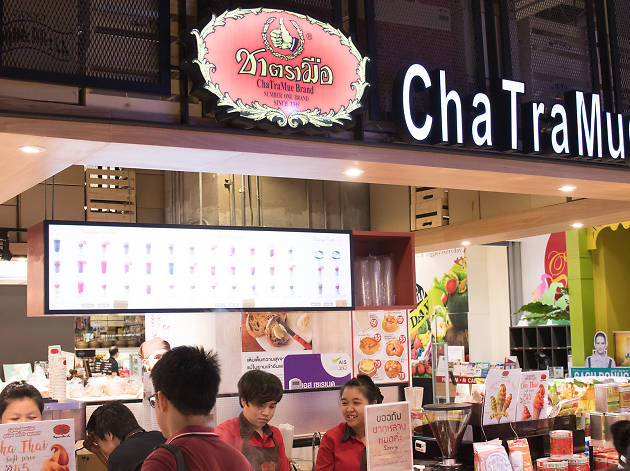
    The latest brand comes not from Taiwan, but from Thailand. Cha Tra Mue, described by Time Out as “one of Thailand’s most popular and beloved tea brands,” will open its first store in Hong Kong this Saturday (April 27), in Causeway Bay.

    Cha Tra Mue (which translates to Number One Brand) was launched more than 70 years ago as a packaged consumer goods brand and in recent years expanded into fresh tea shops. It is known for its sweet, smooth Thai-style milk tea and green-tea drinks. It has already expanded into Malaysia, South Korea, Mainland China (Beijing) and Singapore.

    The Hong Kong outlet, at 49 Jardine’s Bazaar, will use only tea leaves, coffee beans, lime and honey imported fresh from Thailand. It will also offer a pandan-flavoured bubble tea.

    Besides serving fresh beverages, the Cha Tra Mue cafe will sell packaged tea including family-sized packs of tea bags, and most likely soft-serve tea-flavoured ice cream.

  • Kenny Rogers Roasters will reopen in Singapore

    Kenny Rogers Roasters will reopen in Singapore

    American rotisserie restaurant Kenny Rogers Roasters will reopen in Singapore with new look and Halal-certified menu.

    The chain’s last branch in the city – at Great World City – will reopen sometime this year, the announcement coming just a week after its shock closure.

    Lao Huo Tang Group of Companies will be taking over the master franchise of rights from Roasters Asia Pacific (Cayman). The company says the brand will re-emerge in new facilities, at new locations, with a new fast-casual dining concept, and a halal-certified, ultra-modern, improvised menu.

    The company says it is also committed to keep prices down.

    Kenny Rogers Roasters is best known for its baked-chicken dishes and corn muffins. The brand’s first Singapore outlet opened in 1994, followed by more in Suntec City, Holland Village, Tampines, and elsewhere.

    However, during the last couple of years, several outlets were shut down, leaving only the Great World City branch.

    The brand has a strong presence in neighbouring Malaysia.

  • Tiger Street Lab expands brand from beer to fashion and more

    Tiger Street Lab expands brand from beer to fashion and more

    Tiger creates experiential space. Tiger Beer has unveiled Tiger Street Lab at Singapore’s Jewel Changi – billed as the brand’s first global experiential concept store.

    Tiger Street Lab expands the brand beyond beverages into food, fashion and design, in an ‘open-air’ space overlooking the world’s tallest indoor waterfall at the heart of the new shopping centre.

    “As a brand born and brewed in Singapore, we are excited to debut the Tiger Street Lab concept at Jewel, which we believe is set to become the next Singapore icon,” said Faye Wee, marketing director at Asia Pacific Breweries Singapore.

    “Jewel will be a place where Singapore meets the world and the world will meet Singapore, and we are proud to be one of the local brands that will fly Singapore’s flag high. With Tiger Street Lab, we have created an experience that represents Singapore that locals can be proud of on an international stage, leaving it up to Singapore talents to decide what that should look like,” she said.

    The Tiger Street Lab menu was created in collaboration with local music and F&B group, Timbre and Zi Char mainstay, Keng Eng Kee (KEK) Seafood.

    In addition to the beer and food, visitors can get creative at Tiger Street Lab.

    Featuring interactive touchscreens powered by digital print innovation, customers can select a series of unconventional designs exclusive to Tiger Street Lab to personalise their own beer bottle labels. The customisation station is equipped with on-the-spot printing, enabling visitors to make their picks an instant reality.

    The overall experience will be complemented by contemporary local designs featuring the iconic tiger motif. Recruited via Tiger Beer’s Roar Collective platform, emerging local artists Cyntherea Tan, Esther Goh, Chris Chai, and creative studio Tell Your Children, created artwork to provide an inspirational ambience at the Tiger Street Lab.

    Tiger Street Lab is open daily from 9am to 3am.

  • Yonghui boosts stake in Chinese grocery Zhongbai

    Yonghui boosts stake in Chinese grocery Zhongbai

    Dairy Farm Group-backed Yonghui Superstores is to boost its interest in Central Chinese regional supermarket chain, Zhongbai Holdings.

    According to a stock exchange filing in Shanghai, Yonghui is offering RMB8.10 per share to take its stake in the company from 30 per cent to 40 per cent. The deal is worth RMB559 million (US$83.3 million) and the shares will be bought from a state investment fund.

    Zhongbai, based in Wuhan, has 1255 stores, mostly in central China, including supermarkets, convenience stores, neighbourhood fresh-produce shops, foodmarkets and a premium grocery concept.

    Dairy Farm Group has a 20 per cent stake in Yonghui and has continued to invest in the business to maintain that shareholding as other investors, including Tencent and JD have invested in the retailer’s growth. Jardine Matheson executive chairman Ben Keswick is Yonghui’s chairman.

    Yonghui currently has just a single store in Hubei province, which means the investment will give it instant critical mass in the region. The company has more than 950 supermarkets in 22 Chinese provinces, its strongest representation in Guangdong.

  • Starbucks opens its largest store in Singapore

    Starbucks opens its largest store in Singapore

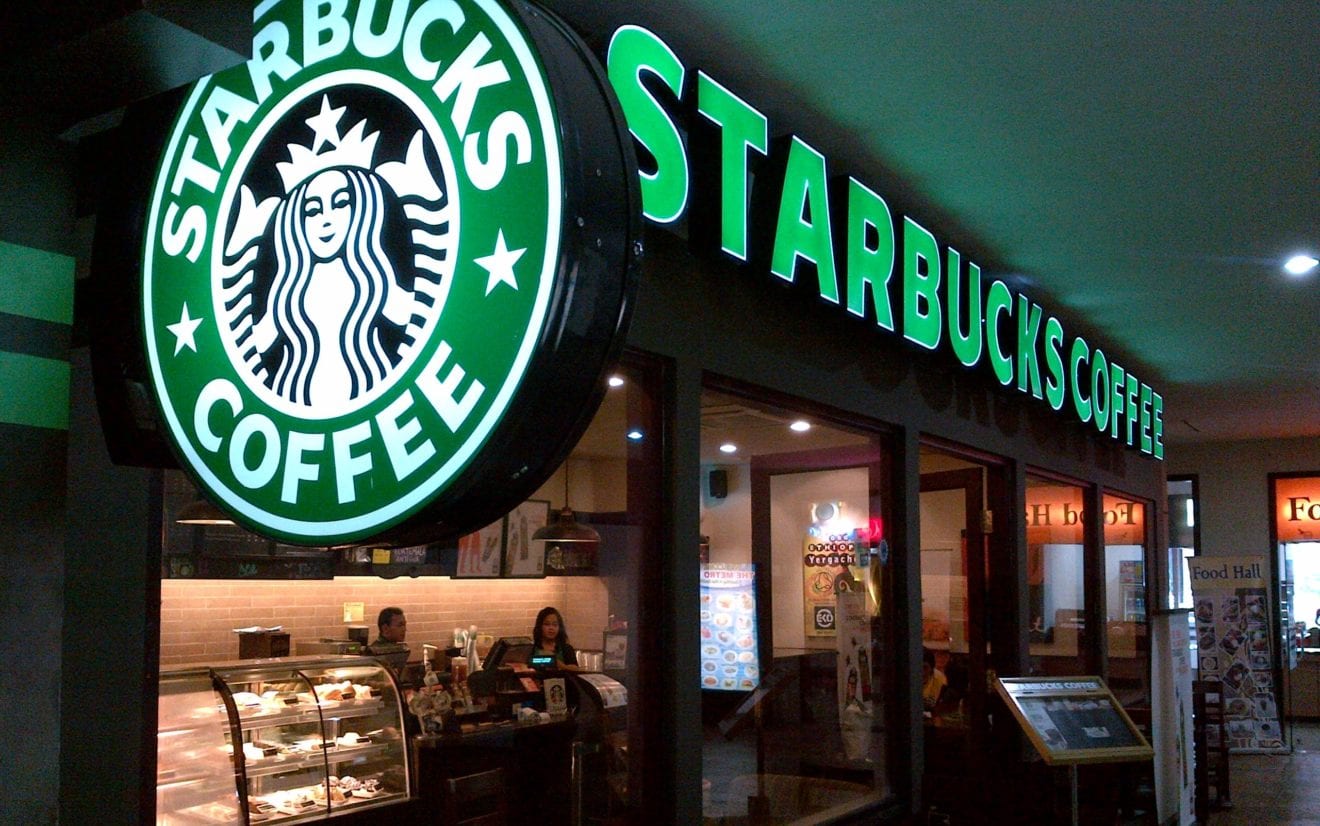
    Starbucks Singapore has opened its largest store yet.

    Operating in Jewel Changi, the two-storey flagship store will serve a mix of quality coffee experiences and localised offerings.

    Upon entry, visitors are greeted by a layered wooden storefront, inspired by the textures of coffee-farm landscapes. At the front and centre of the store stands a sprawling coffee bar shaped like a coffee bean. It is designed with cross-sectional honeycomb patterns carved on the wooden material for added texture.

    “Our Starbucks Jewel flagship store brings to life our vision for the Starbucks brand in Singapore – with the depth of our coffee expertise, our strength in store design and experience, and our pipeline of meaningful product innovations to elevate the customer experience – this is the epitome of our coffee leadership in Singapore,” said Starbucks Singapore GM Patrick Kwok.

    Beyond the exclusive local menu at the flagship, the space pays tribute to the whole coffee journey in the duplex’s lush indoor landscaping, polished interiors and artisanal woodwork. The bar features the VA388 Black Eagle Espresso Machine – a familiar sight at the World Barista Championships – which allows the barista full control over the consistency and precision in every aspect of a coffee, from bean ratio to brewing time and water temperature.

    To reinforce the local touch to the menu, Starbucks Singapore has also partnered with homegrown ice-cream parlour Udders. Dessert fans can take their pick from a series of coffees paired with ice cream, including a classic affogato.

  • Godiva New York City store a launchpad for Global Dominance

    Godiva New York City store a launchpad for Global Dominance

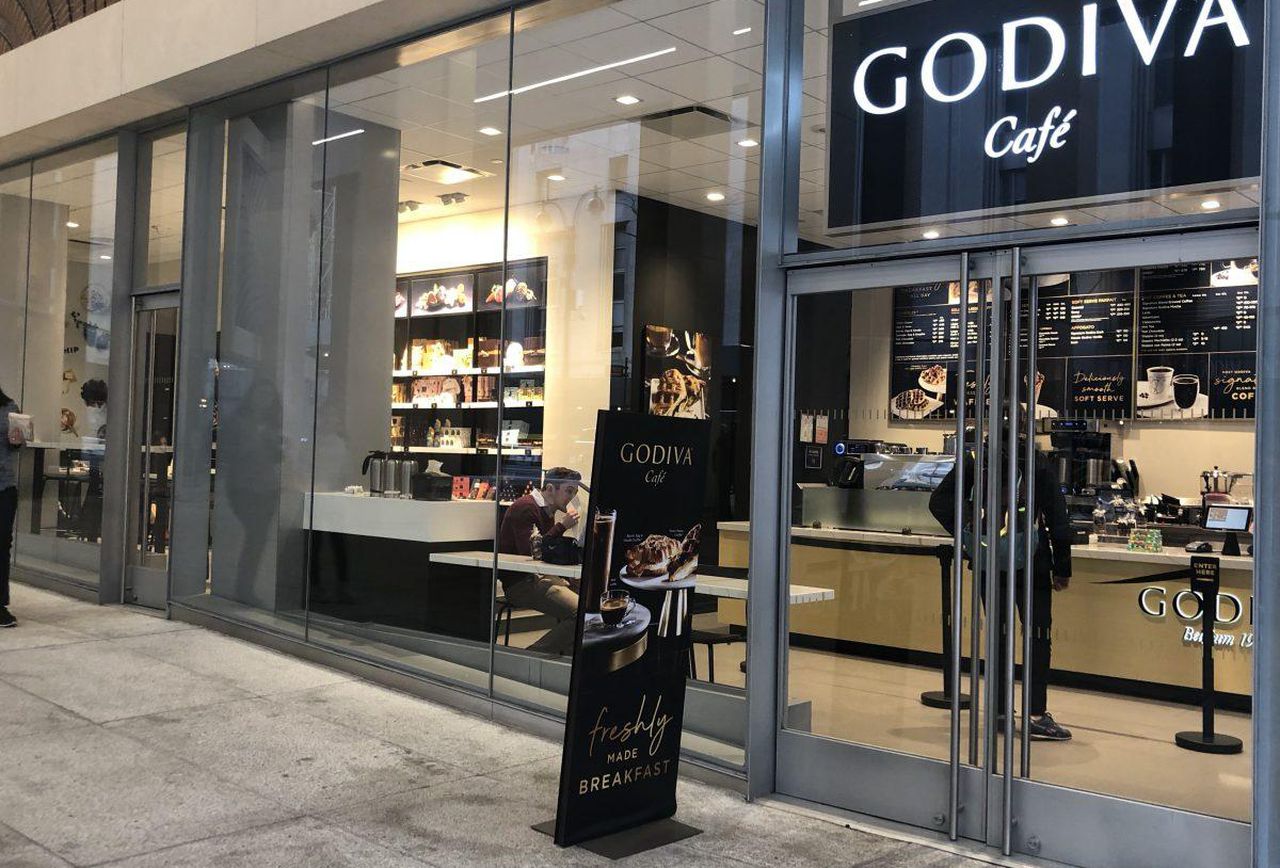
    The Godiva New York City store not only presents the newest store look, it serves as a launching pad for the brand to expand into new product categories, part of the brand’s larger global strategy in achieving a fivefold growth plan in the next six years. By the end of the year, 10 more cafes are slated to open in New York State, and the plan is to launch more than 400 locations in the Americas.

    “This is a very pivotal time for Godiva as we transition to align with the ever-changing consumer behavior,” said Godiva Chocolatier CEO Annie Young-Scrivner. “We have an aggressive growth plan for the next six years, which includes expanding our footprint of 2000 cafes worldwide with a focus on growth in the Americas.”

    Godiva’s cafes have seen international success, with locations currently open in Japan, China, Belgium and the Middle East. In February, the company sold its retail and distribution operations in four markets – Japan, South Korea, Australia and the future rights to develop New Zealand – to private equity company MBK.

    The overall concept has shifted with the Godvia New York City location, featuring a refreshed design and a wide array of new menu items that will shape and be replicated in the course of expansion over the next few years.

    “Godiva’s plan to open more cafes is a smart move from a customer loyalty perspective,” said Clarus Commerce CEO Tom Caporaso, a loyalty program expert with 20 years of experience. “One of the greatest assets that brick and mortar brands like Godiva have is their physical real estate, and adding a refreshed component to the in-store experience will create renewed excitement for both long-standing and new customers.

    “The chocolatier has already established itself as a premier brand for special occasions, but these eateries now also allow it to be a staple in its customers’ everyday lives. This will help create a deeper, more meaningful connection to the brand, and build consumer loyalty over time.”
    The Godiva New York City store not only presents the newest store look, it serves as a launching pad for the brand to expand into new product categories, part of the brand’s larger global strategy in achieving a fivefold growth plan in the next six years. By the end of the year, 10 more cafes are slated to open in New York State, and the plan is to launch more than 400 locations in the Americas.

    “This is a very pivotal time for Godiva as we transition to align with the ever-changing consumer behavior,” said Godiva Chocolatier CEO Annie Young-Scrivner. “We have an aggressive growth plan for the next six years, which includes expanding our footprint of 2000 cafes worldwide with a focus on growth in the Americas.”

    Godiva’s cafes have seen international success, with locations currently open in Japan, China, Belgium and the Middle East. In February, the company sold its retail and distribution operations in four markets – Japan, South Korea, Australia and the future rights to develop New Zealand – to private equity company MBK.

    The overall concept has shifted with the Godvia New York City location, featuring a refreshed design and a wide array of new menu items that will shape and be replicated in the course of expansion over the next few years.

    “Godiva’s plan to open more cafes is a smart move from a customer loyalty perspective,” said Clarus Commerce CEO Tom Caporaso, a loyalty program expert with 20 years of experience. “One of the greatest assets that brick and mortar brands like Godiva have is their physical real estate, and adding a refreshed component to the in-store experience will create renewed excitement for both long-standing and new customers.

    “The chocolatier has already established itself as a premier brand for special occasions, but these eateries now also allow it to be a staple in its customers’ everyday lives. This will help create a deeper, more meaningful connection to the brand, and build consumer loyalty over time.”
  • Tiffany Cafe in Tokyo marks first for New York jeweller

    Tiffany Cafe in Tokyo marks first for New York jeweller

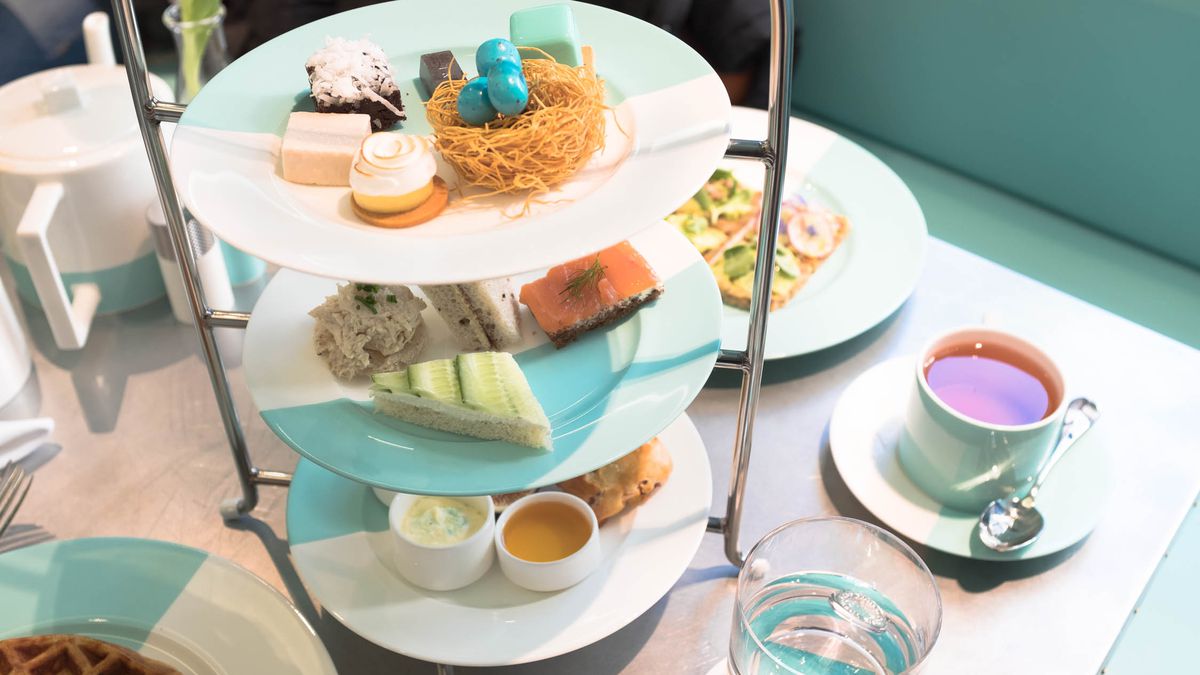
    Jeweller Tiffany & Co is launching its first Tiffany Cafe in Tokyo.

    The new Tiffany @ Cat Street concept store is located on the top floor of the Tadao Ando-designed Bank Gallery, in the Harajuku district. It follows the launch of the brand’s Blue Box Cafe in New York in November 2017.

    The lower five levels house a more futuristic-looking Tiffany fitout than the brand uses elsewhere, including a variety of areas for jewellery customisation designed to appeal to the young creative market who frequent the district.

    The Tiffany Cafe in Tokyo also includes a jewellery vending machine and photo booth, expected to be a popular background for social media images.

  • Supermodel Gigi Hadid Named for McDonald’s role

    Supermodel Gigi Hadid Named for McDonald’s role

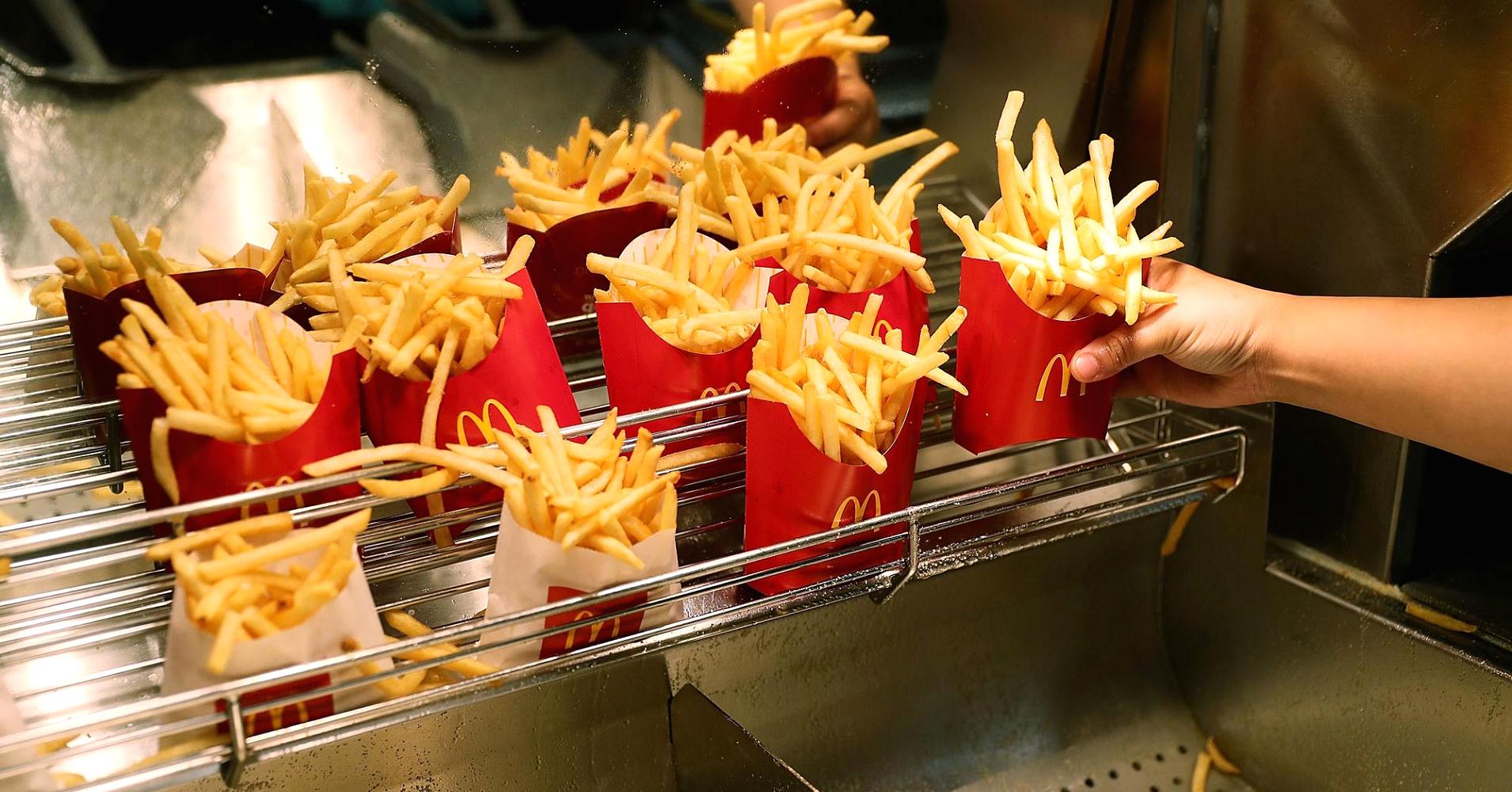
    Supermodel Gigi Hadid is facing criticism over her recent promotional Instagram post for McDonald’s.

    A photo of Hadid eating McDonald’s French fries at the Coachella music festival provoked a considerable backlash in the comments feed, with many observers taking issue with her partnership with a fast-food chain considered by many to be synonymous with obesity and poor health, considering her Instagram account is followed by 47 million people.

    Hadid’s photo caption, captioned “Pre festival with @mcdonalds yesterday fed & hydrated, thanks friends!” caused many to question her wisdom in choosing sponsors.

    One popular comment liked by more than 3600 people read “I really do not understand why you would promote McDonalds. In fact, it utterly baffles me why an intelligent, well informed and influential person like yourself would what to be affiliated with such a company. Surely it can’t be for the money? There are so many other ways to be ‘fed and hydrated.’”

    The comments have been said to reveal McDonald’s still has significant PR hurdles to overcome regarding the nutritional content of its offering, despite recent moves to become seen as a “modern, progressive” burger chain.

    As one comment put it, “Awful partnership Gigi. McDonald’s is poison.”

  • A&W Singapore makes a Huge Comeback

    A&W Singapore makes a Huge Comeback

    American fast food chain A&W Singapore is making a comeback this week at Jewel Changi.

    The chain made its original debut in the city back in 1966 with an outlet at Dunearn Road, burt closed all five outlets in 2003, exiting the market.

    After the Jewel Changi return, a second outlet will be opened by June, and a third next year, however the locations have yet to be revealed.

    “After opening here, we wanted to be able to scale [at] such a speed it would ease the crowd at the first outlet,” said Kelvin Tan, A&W International’s director of marketing and communication.

    A&W Singapore also intends to apply for halal certification to cater to the big Muslim market in Singapore.

    “The Muslim community formed a very big chunk of our business (in the past) and I think right now we will continue to respect and recognise that this particular market is very important to us,” Tan said.

    And directly by A&W Restaurants, A&W Singapore’s menu also incorporates regional favourites such as the “golden aroma chicken” from A&W’s Malaysian and Indonesian outlets, and the “waffle sundae” from A&W outlets in Thailand.

  • Habeco forecasts profit to drop a third to 10-year low

    Habeco forecasts profit to drop a third to 10-year low

    The Hà Nội Beer-Alcohol-Beverage JSC (Habeco) has forecast its post-tax profit will fall 36 per cent year-on-year to VNĐ310 billion (US$13.3 million) in 2019, the lowest in 10 years.

    The announcement will be reported at the firm’s annual shareholder.

    Other topics that will be brought up at the meeting include the projection of total production, total revenue and dividend payouts.

    In 2019, total production is projected at 438 million litres, including 434.5 million litres of beer and 3.6 million litres of mineral water.

    Total revenue for 2019 is predicted to reach VNĐ8.27 trillion and pre-tax profit is expected to touch VNĐ384.5 billion.

    The company will also ask shareholders to pass a 10 per cent dividend payout for 2019.

    According to the company’s board of directors, the beer industry has gradually approached its break-even point with annual growth rate of 5 per cent.

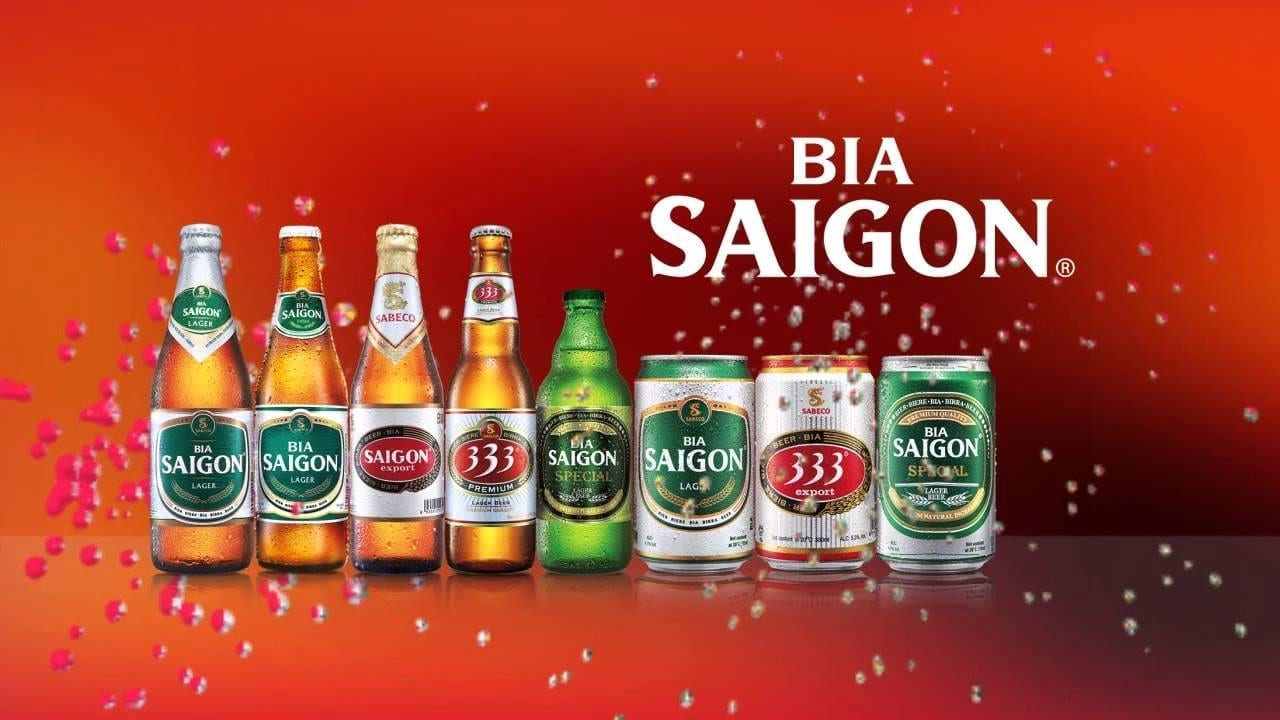
    Habeco’s sales volume in the north and central regions in 2018 fell 3 per cent year-on-year. The company has also encountered strong competition from other firms such as the Saigon Beer-Alcohol-Beverage JSC (Sabeco) and Heineken Vietnam.

    In addition, increases to the special consumption tax and production costs had also hit home.

    In 2019, the board of directors will keep restructuring the company and developing local retailers in the central and southern regions.

    The company will strive to maintain its market share in the traditional markets in the northern and northern coastal regions.

    In 2018, Habeco recorded VNĐ484 billion in total post-tax profit, down 26.4 per cent year-on-year. It plans to pay a 8 per cent dividend for 2018.

  • Cardboard cafe opens in Mumbai

    Cardboard cafe opens in Mumbai

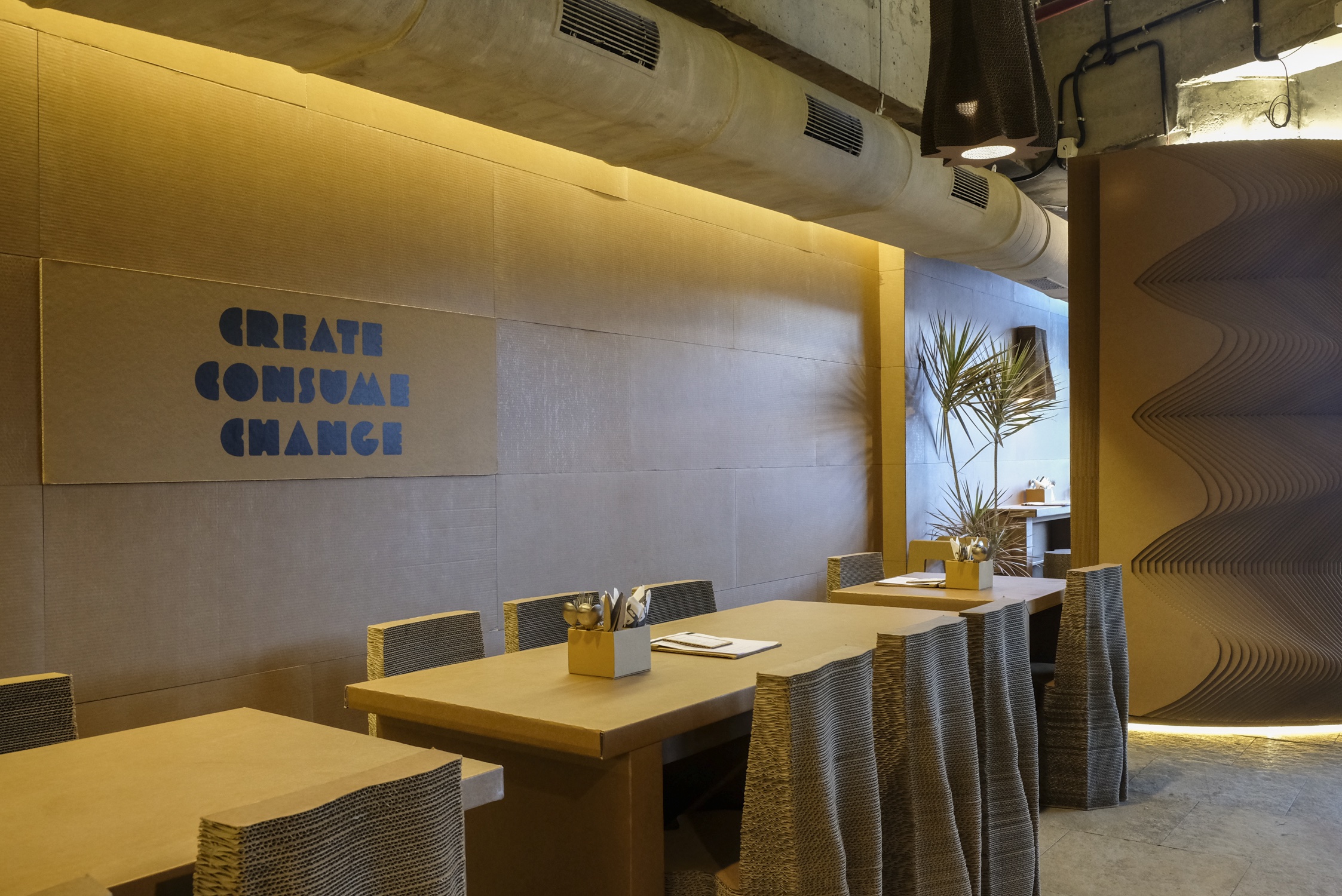
    An entire cafe has been built out of corrugated cardboard in Mumbai, India by local architectural studio Nudes, according to a report in Dezeen.

    In an attempt to demonstrate its versatility, every structure in the cardboard cafe outside the core frame is made from recycled, biodegradable materials, including the furniture. The features were constructed by compiling numerous layers of the cardboard, which was then sculpted into shape. Some furniture in the cardboard cafe, including high chairs for children, are built in segments that can be assembled at will.

    According to Dezeen, the cardboard “is also an insulating material that absorbs sound well in a noisy cafe environment.”

    “Building with cardboard meant constant exploration and inquiry into material performance,” said a Nudes spokesperson. “The table tops are impregnated with wax treatment to prevent water absorption and facilitate ease of maintenance.

    “We are hoping that this space evolves into a vibrant hub for dialogue and conversation on the role of design, material & technology in protecting the earth’s resources towards a sustainable future.”

  • Vietnam Poultry industry needed to further develop

    Vietnam Poultry industry needed to further develop

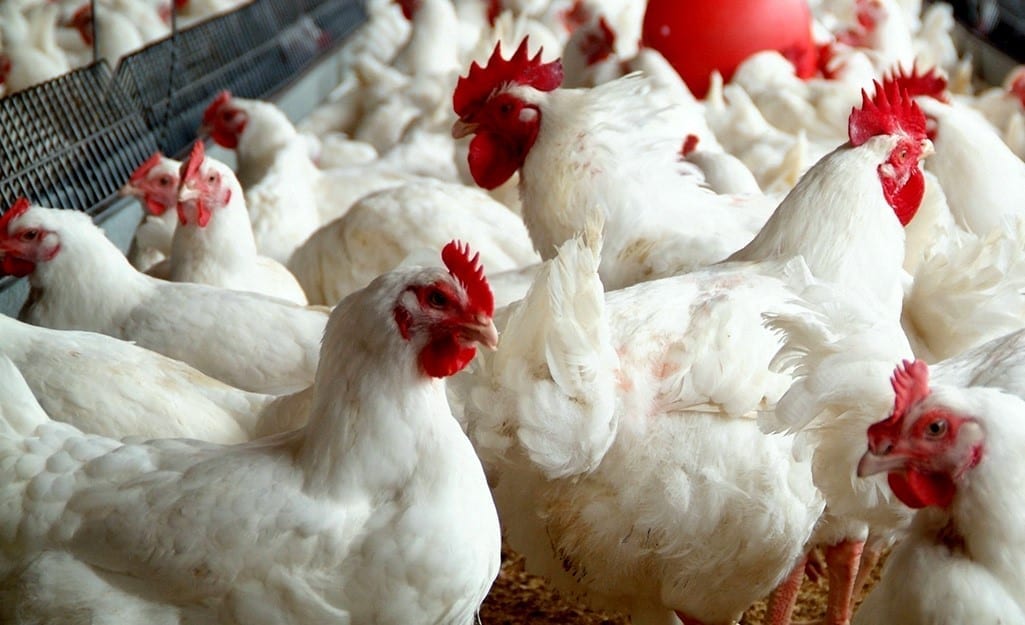
    Vietnam needed to promote the development of it’s poultry industry due to rising demand for eggs and meat in the domestic and global markets. Experts made the comments at a meeting organised by the Ministry of Agriculture and Rural Development (MARD) in Hà Nội on April 12.

    Deputy Minister of Agriculture and Rural Development Phùng Đức Tiến said it was necessary to focus on production to meet quality standards at home and abroad.

    This would create favourable conditions for domestic poultry products to meet hygiene and safety standards in export markets such as Japan, Republic of Korea (RoK) and some ASEAN countries, Tiến said.

    It would also help local businesses expand their production scale and export to potential markets including China and the Philippines, he said.

    However, experts said the industry needed a strategy to increase other processed poultry products including processed chicken and duck and other products processed from eggs.

    They said this year, localities should draw up support policies for farmers, owners and enterprises to invest in poultry development.

    Deputy Head of MARD’s Animal Husbandry Department Nguyễn Văn Trọng said Vietnam held huge potential for poultry production because of domestic high demand with a population of nearly 100 million, excluding export demand.

    According to Trọng, output had increased to 1 million tonnes of meat and 11 billion eggs.

    Current trends in consumption of animal products show that pork accounts for 65 per cent of Vietnamese meals while chicken is just 20 per cent, therefore, the domestic poultry industry needs to enhance chicken farming for domestic consumption and export.

    Nguyễn Quang Hiếu, deputy general director of De Heus Co, Ltd, said to boost exports, the industry should build safe areas free from disease and have mechanisms to protect livestock farms, ensuring quality standards of export markets.

    According to the ministry, joining international organisations as well as bilateral, multilateral and free trade agreements would help domestic poultry production meet domestic consumption and export demands.

    The average consumption for the average person is 89 eggs per year while the figure is 125-340 eggs in Thailand and Indonesia and 404 in Israel.

    In addition, the domestic confectionery and processed food industry was also developing an increasing demand for eggs.

    Global production in 2019 was expected to increase by 3 per cent compared to 2018 to reach 98.4 million tonnes, marking the strongest growth rate over the past five years mainly due to rising demand in China. That was a great opportunity for the nation to promote poultry meat and egg exports, according to the ministry.

    The poultry production industry was applying scientific and technological advances in production to improve quality of products and competitiveness.

    However, there was an imbalance between supply and demand because there were small scale farms with high production costs and risk of disease.

  • Deliveroo Plus Service Launched in Hong Kong

    Deliveroo Plus Service Launched in Hong Kong

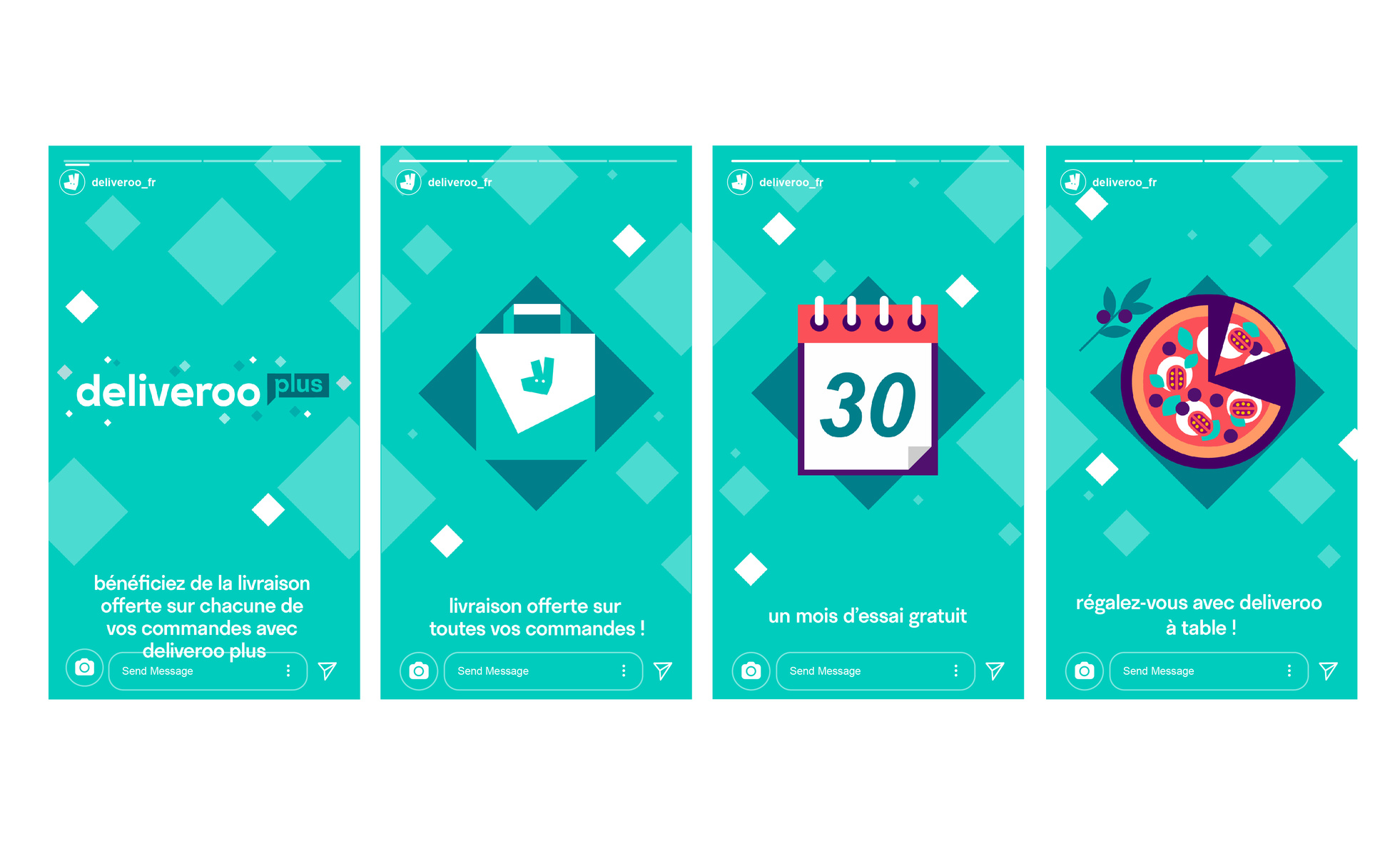
    Food-delivery service Deliveroo has launched a subscription model in Hong Kong, dubbed Deliveroo Plus.

    For HK$98 a month, customers can get unlimited free delivery on meals ordered throughout the day. The service is being launched with a two-week free trial.

    Deliveroo Plus is being rolled out internationally after a successful launch in the UK. Deliveroo says that during their first two months of signing up to the pilot, half of the UK customers saved nearly £25 ($260), whilst one in 10 saved more than £75 (HK$770).

    Brian Lo, Deliveroo Hong Kong GM, said Deliveroo Plus aims to reward frequent customers by offering better value for money.

    “This new subscription service provides a more affordable option to the frequent users while the earnings of riders is expected to rise with the increasing demand for food delivery.”

    By its nature, the service will also likely make customers commit to one platform rather than shopping across rival services.

    Customers throughout Hong Kong wishing to subscribe to Deliveroo Plus will see the option to sign up to the service on their basket at checkout and in the ‘account’ section of the app and website.

    Deliveroo operates in more than 500 towns and cities across 14 markets: Australia, Belgium, France, Germany, Hong Kong, Italy, Ireland, the Netherlands, Singapore, Spain, Taiwan, UAE, Kuwait and the UK.

  • Foot Locker Opens in Jewel Changi Airport, Celebrating Youth and Sneaker Culture

    Foot Locker Opens in Jewel Changi Airport, Celebrating Youth and Sneaker Culture

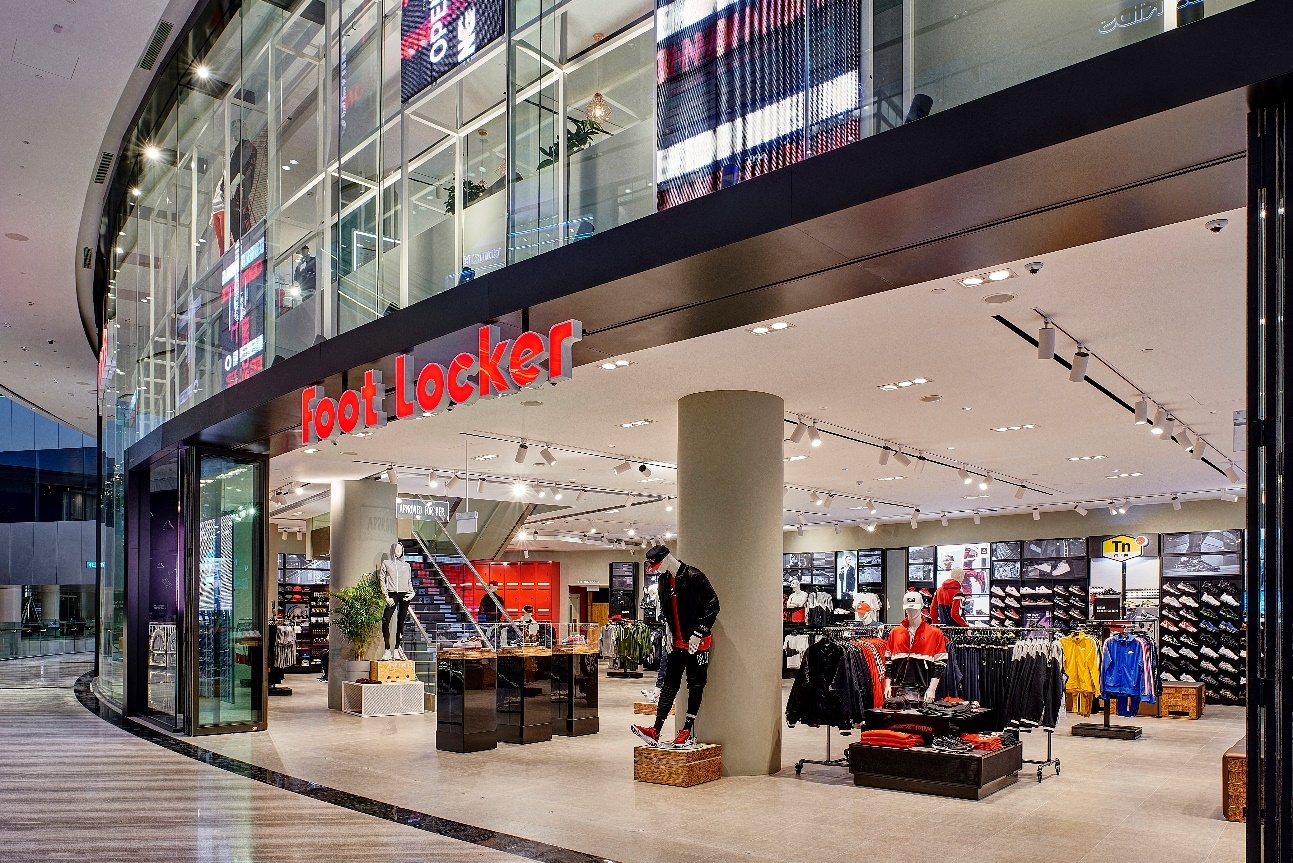
    Located in Jewel Changi Airport, the two-story space with a dedicated women’s and kids’ area, delivers an engaging retail experience, combining premium products, elevated in-store presentations, as well as enhanced customer experiences.

    With impressive footwear and apparel collections from global brand partners, customers can expect elevated product storytelling from Nike, adidas, Puma, Fila and Champion. The store celebrates basketball culture, offering a premium selection of sneakers and apparel from Nike and Jordan, and features the widest selection of Nike Air Max Plus (TN’s) available in market.

    The store features specially commissioned artwork by local artist Clogtwo, setting the tone for how Foot Locker will regularly tailor the store to the local community.

    To celebrate the launch, Foot Locker hosted a preview event for media. Attendees experienced Xbox gaming, a pop up nail bar and Nike customisation.

    Commenting on the new store, Tomas Petersson, VP and GM, Foot Locker Asia said, “The Jewel store gives Foot Locker a great opportunity to engage and inspire youth culture within the local community. We designed a space that celebrates the city’s creative community and inspires Singapore’ssneaker enthusiasts.”

  • Gong Cha to open world’s first bubble-tea funhouse

    Gong Cha to open world’s first bubble-tea funhouse

    Gong Cha will team up with Tokidoki to create the world’s first bubble-tea funhouse at Singapore Shilin night market.

    The Tokidoki-themed bubble-tea funhouse will bring three new flavours including Rosa Latte, Berry Biscotti, Bambu Boba, served in Tokidoki co-branded cups.

    Boba enthusiasts can also treat themselves to bubble tea-inspired desserts such as Boba Pancake, and Earl Grey Milk Tea Ice Cream.

    There will also be two limited-edition Tokidoki x Gong Cha-merchandised tumbler and sleeve for the first 500 customers daily.

    At a DIY station, customers can customise their own drinks.