Category: Food

Retail News Asia is committed to providing both local and global retailers with the latest Food and Food & Beverage news throughout the Asian market. This on a daily base.

  • Gucci restaurant pop up heads into Singapore

    Gucci restaurant pop up heads into Singapore

    Osteria, the Gucci restaurant pop up, will open in Singapore next month.

    Set to open at The Arts House, the four-week popup will have a Renaissance theme, replete with the signature red Gucci Herbarium-motif wallpaper.

    The restaurant will open for lunch and dinner on select days from May 1 to 26

    The menu will be conceptualised by chef Massimo Bottura, with Gucci Osteria head chef Karime Lopez.

    Main highlights include Bottura’s signatures dishes, including The Crunchy Part of the Lasagne, Lopez’s creation of sweet-sour pork belly bun, named Taka Bun.

    “We are excited to be able to bring Gucci Osteria to Singapore – a city with a vibrant culinary landscape,” says chef Karime Lopez.

    “At our first international edition, we want to showcase the best of global cuisine, as a country’s cuisine is no longer confined to its birthplace – it can always be reinterpreted and refined. The cuisine we are presenting is not just traditional Italian, but rather a cultural expression that resonates with the global diner of today.”

    Ticket sales open on the 20th of this month. Diners can choose a specially curated four-course lunch (from $128), a seven-course lunch ($228), or seven-course dinner (from $278).

  • China’s Coffee Consumption Keeps Growing

    China’s Coffee Consumption Keeps Growing

    China’s coffee craze has gained pace with the growth rate in consumption on premise 25 per cent higher last year.

    According to research from Mintel, China’s on-premise coffee market value reached RMB64.7 billion (US$9.6 billion) last year, up 7.5 per cent on the year prior, when the growth rate was 6 per cent. It is predicting growth to resume to 6 per cent annually from this year until 2023.

    However, while sales by value are thriving, Mintel estimates that the number of on-premise coffee house outlets shrank by 2 per cent as fewer new stores opened than closed. But that is half the decline of a year earlier.

    “Like many industries across China, the on-premise coffee market is not immune to the influence of New Retail,” said Belle Wang, associate food and drink research analyst at Mintel.

    “The quick expansion of New Retail coffee businesses across the country has stimulated more coffee consumption among consumers, resulting in strong sales volume. With the growing momentum of New Retail coffee shops, and an increasing number of international and domestic brands entering the market, consumers today have more options when it comes to coffee. As such, the industry will see positive growth rates over the next two years.

    “However, this growth will slow down, largely due to Chinese consumers’ traditional behaviour of drinking tea and the country’s thriving tea shops,” said Wang.

    Mintel expects positive volume growth in the next two years, at 0.6 per cent from last year to this year and a further 1.2 per cent between this year and next, to reach an estimated 74,000 coffee houses by 2020.

    Convenience versus traditional

    When it comes to choosing where to get their caffeine fix, more Chinese consumers today are purchasing coffee from convenience stores than traditional coffee house chains. Mintel’s research reveals that 52 per cent of Chinese consumers (survey sample of 3000) buy coffee at convenience stores compared to just 44 per cent who purchase it from a traditional coffee-house chain.

    About 23 per cent of consumers who drink on-premise coffee at least once a month have done so at new retail coffee houses.

    “Our research shows that more on-premise coffee users get their coffee from convenience stores than from traditional chain coffee houses. This is perhaps due to Chinese consumers associating convenience stores with a full range of breakfast options. Convenience stores are also viewed as easily accessible and more affordable. Given this upward trend, other coffee vendors could introduce unique features, like providing various food and coffee pairings, in order to compete,” said Wang.

    “While New Retail coffee is experiencing a lot of growth at the moment, consumer engagement remains low – partially because they are still relatively new. However, there is an opportunity for New Retail coffee houses to catch up in terms of popularity by offering aggressive discounts and delivery service.”

    That said, big discounts alone will not be sufficient, as discounting is neither the best nor a sustainable strategy for a long-term business plan. There needs to be other merits such as offering healthy mix-and-match meal deals,” Belle added.

    Latte the top choice

    Mintel’s research reveals the favourite coffee beverages consumed in China’s coffee craze. More than half of on-premise coffee consumers order lattes (54 per cent) or cappuccinos (52 per cent). These are followed by mocha (45 per cent), Americano (38 per cent), flavoured coffee (36 per cent), espresso (26 per cent) and cold-brew coffee (23 per cent).

    A relatively new concept in China’s coffee craze is coffee mixed with plant-protein milk, with 22 per cent of on-premise coffee consumers ordering it.

    “Lattes and cappuccinos are the most popular drinks in coffee houses as they are generally very palatable due to their creamy texture and rich dairy flavour. Furthermore, as they are usually widely available, they are often a first step into coffee appreciation,” said Wang.

    “Once consumers fully appreciate these basic beverages, they are more likely to try non-milk based drinks, like an Americano or cold brew coffee. However, only offering basic coffee selections makes it difficult to stand out in the homogenous coffee marketplace and attract more coffee consumers.

    “As such, coffee houses can take inspiration from tea shop drinks by making their offerings more visually appealing and ‘instagramable’ in order to draw attention and pique consumer interest,” Belle concluded.


  • Comvita Honey wholly acquires China joint venture

    Comvita Honey wholly acquires China joint venture

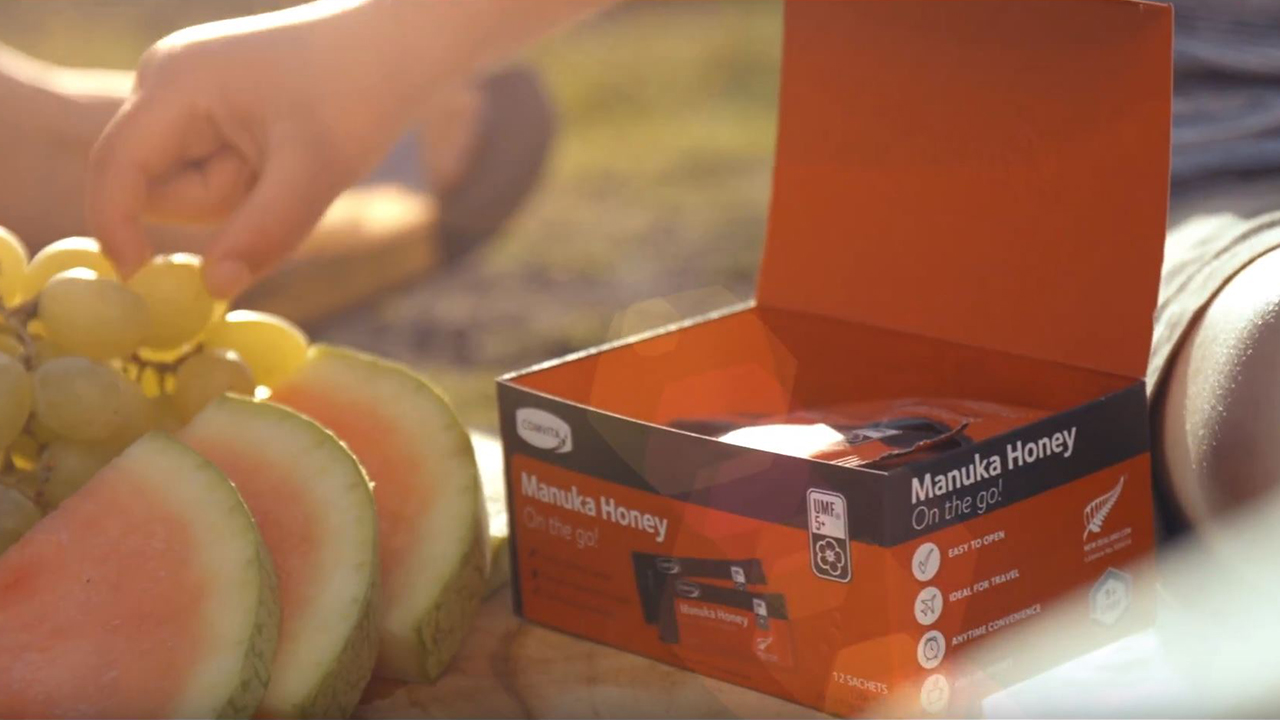
    New Zealand honey business Comvita has entered into a conditional agreement to acquire the remaining 49 per cent of its China joint venture, Comvita Food Ltd and Comvita China Limited.

    The acquisition will be funded through the issuing of 4.05 million new shares, as well as a payment of $3.19 million.

    “This completes the ‘final piece of the jigsaw’ with respect to our China Strategy, which we have been working on for a number of years,” Comvita chief executive Scott Coulter said.

    “Our goal has been to gain full control of our brand across all key channels into China. This acquisition significantly strengthens our direct to China business, the key building block in our China strategic plan.”

    According to Coulter, China remains Comvita’s strongest consumer base, with its success in the region underpinned by its efforts to get closer to the Chinese consumer.

    This was initially done through a distribution relationship for 12 years, before the business entered a 51 to 49 per cent joint venture in 2017. This acquisition is the culmination of that effort.

    “China is moving into a direct trade and a formalised cross border e-commerce model, to ensure both consumer protection and fairness in taxation between online and offline ‘players’ are in place,” Coulter continued.

    “This acquisition will provide Comvita with much more flexibility to optimise sales and channel profitability in this fast evolving environment.”

    For the remainder of the year, the brand issued three goals for the China market: to achieve price harmonisation between its channels and markets, to supply key cross border e-commerce platforms directly, and to build its e-commerce and marketing capability in the region.

    Comvita chair Neil Craig noted that while the recent period had been tough on shareholders due to the execution of the brand’s strategy in China impacting its short term earnings, the brand now expects revenue from its consolidated China business to be greater than $200 million in sales annually.

  • Vietnamese agriculture giant enjoys fruitful year

    Vietnamese agriculture giant enjoys fruitful year

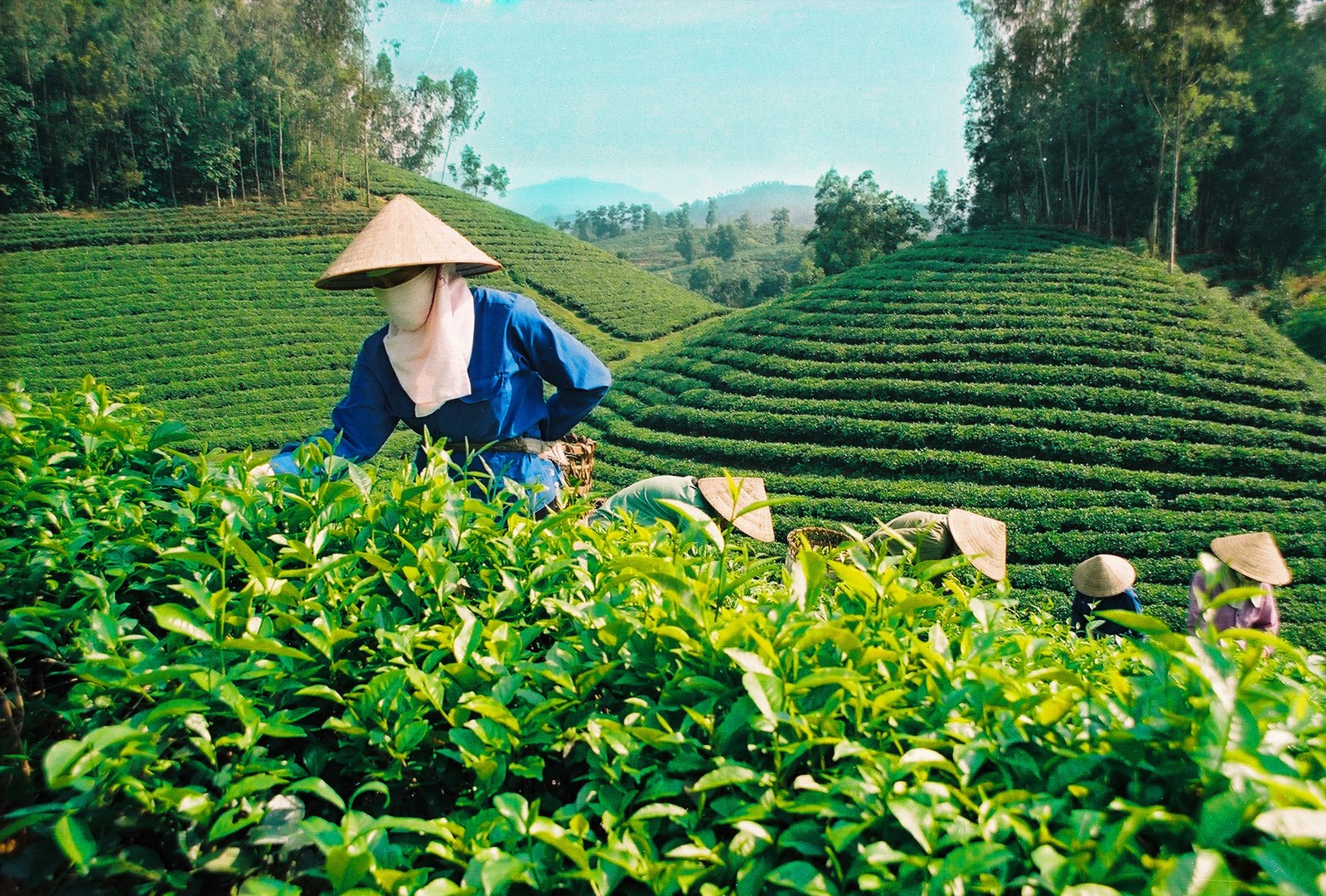
    The fruit sales of VND2.9 trillion ($125.05 million) accounted for 54 percent of the corporation’s revenue, according to Hoang Anh Gia Lai JSC’s (stock code: HAG) consolidated financial statements for 2018.

    Other agricultural products like chilli and pepper also contributed VND550 billion ($23.71 million) in revenues.

    Meanwhile, revenues from cattle raising fell 83 percent to VND126 billion ($5.43 million); and that from rubber plantations fell 24 percent to VND345 billion ($14.87 million).

    The corporation recorded VND5.4 trillion ($232.83 million) in total sales last year, an increase of 11 percent over the previous year.

    Last year, HAG’s subsidiary Hoang Anh Gia Lai Agriculture JSC (HAGL Agrico) invested VND976 billion ($42 million) in 5,300 hectares of land in Cambodia to grow bananas for export to China in response to rapidly rising demand.

    HAGL used to be a leading property developer in Vietnam, but restructured itself in 2010 to focus on agriculture, rubber and livestock farming.

  • Bubble tea, the next gold mine

    Bubble tea, the next gold mine

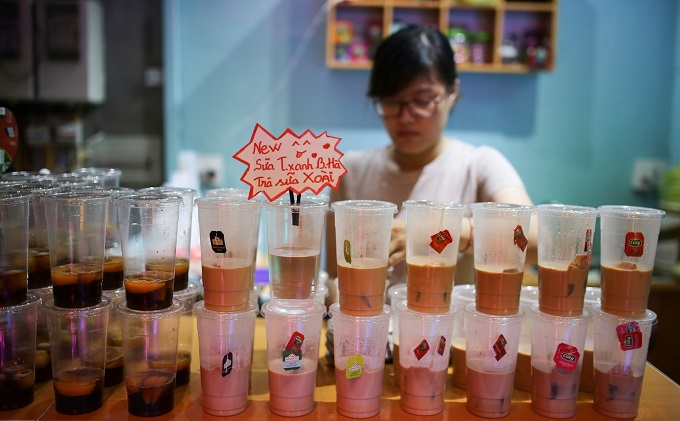
    Investors are flocking into the bubble tea market since demand is booming across the country. Market researchers have found the market is growing at 20 per cent a year and reached US$300 million two years ago. There are over 100 brands already and many more famous names are flocking in.

    In large cities like HCM City and Hà Nội, it is easy to find bubble tea stores belonging to major brands like Alley, Gongcha, Phúc Long, Ten Ren, and Royaltea.

    There are also smaller stores with cheaper prices run by small business people.

    Seeing the demand, many coffee chains like Highlands and The Coffee House and restaurants have added bubble tea to their menu.

    Besides bubble tea simply being a popular drink for various age groups, the shops selling it have become a haunt for youngsters because of their facilities and decor.

    A spokesperson for a famous brand name, Gong Cha, said: “Competition in bubble tea market in Việt Nam is a marathon.

    “Bubble tea has established itself on the Vietnamese food and drink scene. Bubble tea shops are no longer just places selling beverages. They are places featuring a speciality totally different from traditional places like coffee stores and restaurants.”

    Brand expert Võ Văn Quang was quoted as saying by Người Lao Động (The Labourer) newspaper that the popular drink in Hong Kong and Taiwan has undergone many changes in the Vietnamese market with many toppings to match Vietnamese tastes.

    “Milk tea is now a popular drink among Vietnamese youth.”

    Most of the milk tea brands have come to Việt Nam as franchises, he said.

    “At prices of VNĐ30,000 to over VNĐ80,000, bubble tea is brining huge profits. That is why foreign brands are keen on franchising in Việt Nam.”

    A bubble tea shop is much cheaper to set up than a coffee shop while the profits are huge, he said.

    Dr Đào Duy Khương, a retail expert, said milk tea, unlike coffee and tea, targets youths in big cities, and this demographic’s consumption behaviour is trendy meaning investors should change their offerings frequently.

    It is not surprising several brands closed in recent times, he added.

  • Mos Thailand Found Investor, Securing Further Expansion

    Mos Thailand Found Investor, Securing Further Expansion

    Japanese hamburger-restaurant chain Mos is selling a 74.3 per cent stake in its Thailand operations to bolster its local presence.

    The Mos Thailand shares are being acquired by former Thai skincare entrepreneur Pitharn Ongkosit, who will undertake to expand the business within the territory and increase the number of outlets within the region.

    The Japanese brand will retain all remaining shares in the business.

    The brand’s original partnership failed after local operators kept just six outlets running since the firm’s 2007 launch in Thailand. The partners now aim to have 45 shops in operation within five years.

    The firm has 1321 outlets in Japan and 265 in its second-largest market, Taiwan.

  • Japan revokes Vietnamese chili sauce for Safety Reasons

    Japan revokes Vietnamese chili sauce for Safety Reasons

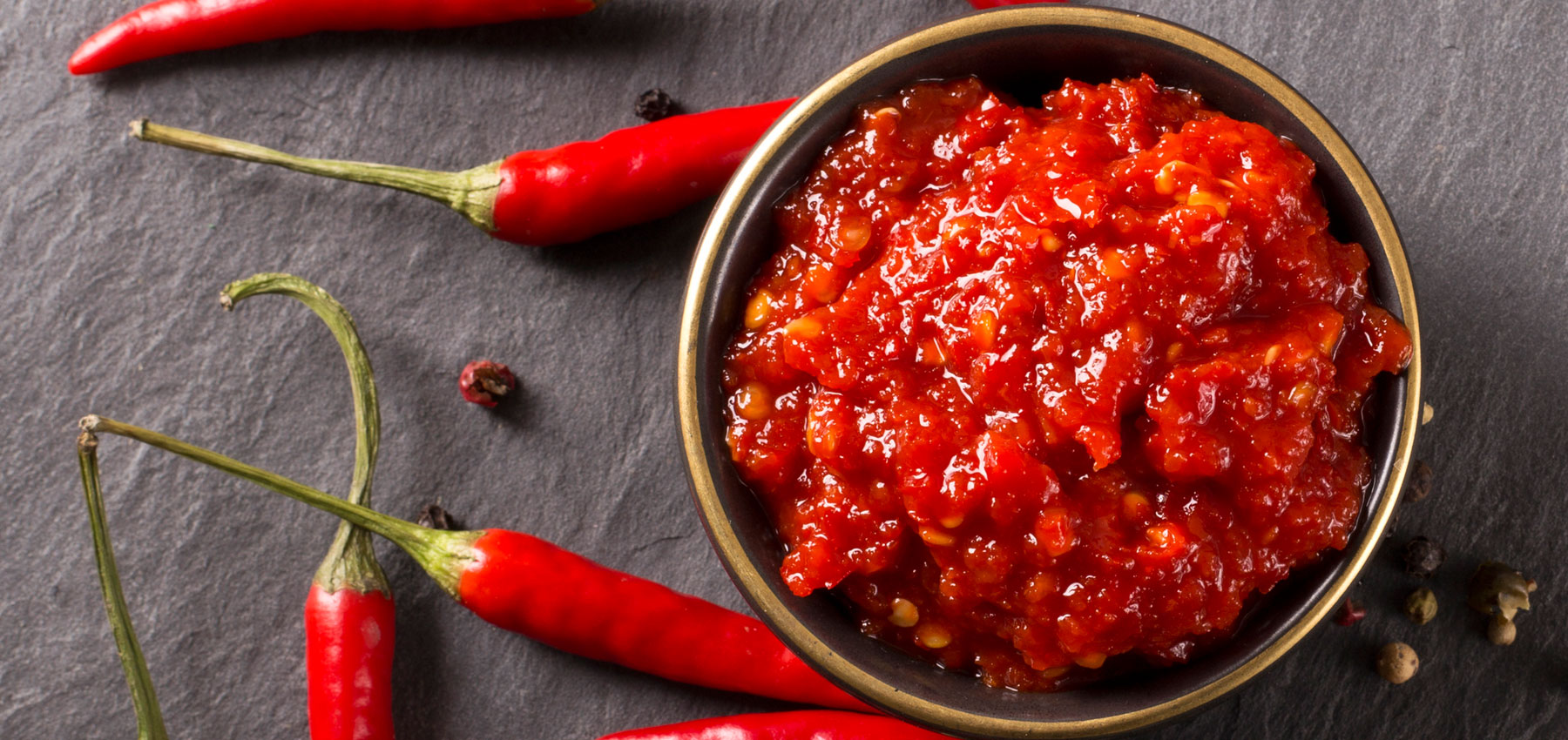
    The Osaka Information Portal reported Tuesday that the bottles were imported from Vietnam to Japan by the Osaka-based Javis Co., Ltd last December, and sold to the Kobe-based ISC Industrial Co., Ltd. Javis Co., Ltd never mentioned that the imported chili sauce contained benzoic acid, which is banned from all chili sauce in Japan, before selling it to ISC Industrial Co., Ltd, the portal said.

    Japanese authorities determined that the bottles contained between 0.41 to 0.45 grams of benzoic acid per kilogram of chilli sauce, after suspicions arose that ISC Industrial Co., Ltd was violating the country’s laws on food safety and food labeling.

    The Masan Group, which produced the chili sauce under the brand name of Chin-su, said it never exported the chili sauce to either Javis Co,. Ltd or ISC Industrial Co. Ltd. It said it only exported the product to the United States, Australia, Russia, the Czech Republic, China and Taiwan.

    “As we have no chili sauce sample in hand right now, we have no official conclusion on the origins of the bottles. However, it is likely that they are either exclusive for the Vietnamese market, or their origins are unknown,” the group stated in a press release.

    Vietnam’s Ministry of Health has yet to receive any official statements from Japan about the Chin-su case, Tran Viet Nga, deputy head of the Food Safety Department, said Saturday. But it is taking steps to clarify the matter, she added.

    “Benzoic acid is allowed as a food preservative according to the Codex Alimentarius Commission (CAC), in which both Vietnam and Japan are members. In accordance to standards from the CAC, the levels of benzoic acid found in the chili sauce revoked by Japan were still within international standards,” she said.

    “Maybe Japan just has tougher requirements.”

    Japan bans benzoic acid in its chili sauce, but allows its presence in certain food products like syrup, margarine or soft drinks. Vietnam allows a maximum amount of one gram of benzoic acid per kilogram of chili sauce.

    The World Health Organization says a person can consume five milligrams of benzoic acid per kilogram of body weight daily without adverse health effects.

  • Cuckoo clock inspires Vietnam cafe

    Cuckoo clock inspires Vietnam cafe

    Design firm Tropical Space has built a coffee shop inspired by a cuckoo clock in Vietnamese seaside city Da Nang.

    The design, featured by Dezeen, features a brick structure with a house perched on top, with the coffee shop forming a single-storey base and the house extending out over the garden area. The local clay brick base is inset with vaulting arches surrounding a large courtyard and the glass-walled shop area.

    “Habits mean most people’s daily lives usually take place in functional spaces,” said the firm’s architects. “We have detached the walls that define these spaces to offer buffer space, urging people to leave their rooms and join together.”

    The house area, divided into three distinct blocks, feature spaces that can be closed off by small cuckoo clock-style wooden doors.

    The shells of perforated brickwork create cool, shaded spaces that admit natural light, and reflect other designs by the firm built in the region.

  • Malaysian bakery Lavender Singapore Opens Its Doors

    Malaysian bakery Lavender Singapore Opens Its Doors

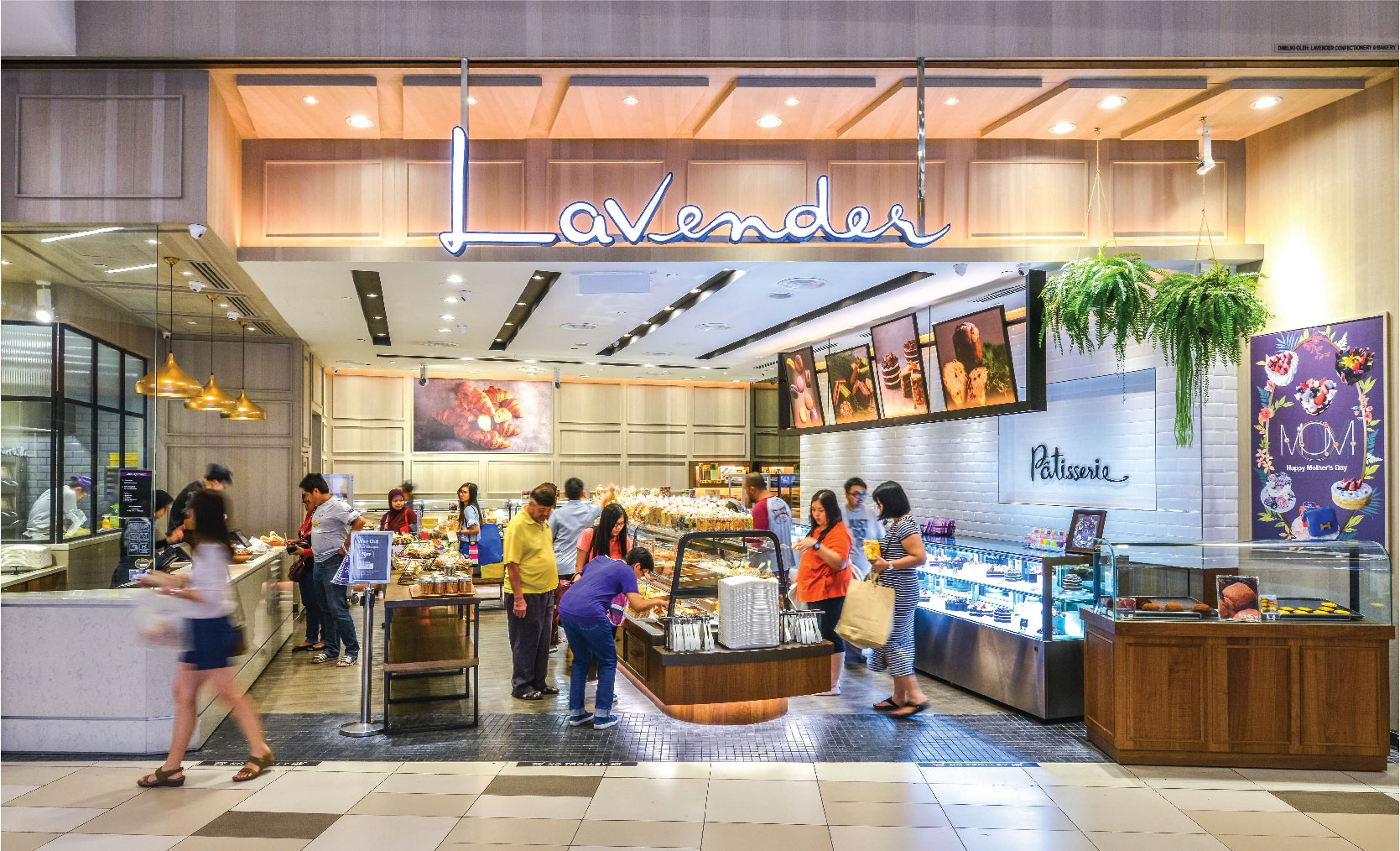
    Malaysian bakery Lavender is opening at Jewel Changi in Singapore this week.

    Set to open on Thursday (April 11), the store will sell Lavender’s buns, French-style choux cream puffs, and house-made pandan kaya.

    Located next to the 40m-high Rain Vortex waterfall, the outlet offers takeaway-only baked goods.

    “We try to stay competitive with prices so all our customers can enjoy our products and taste the difference in quality,” a Lavender bakery representative said.

    “Prices will definitely be different to Malaysia’s as overheads like rent, salaries and material costs will all be in Singapore dollars.”

    Malaysian bakery Lavender has six outlets in Kuala Lumpur and five in Johor Bahru, including a multi-storey flagship at Taman Pelangi.

  • KFC Singapore debuts open-kitchen restaurant at Tampines Mall

    KFC Singapore debuts open-kitchen restaurant at Tampines Mall

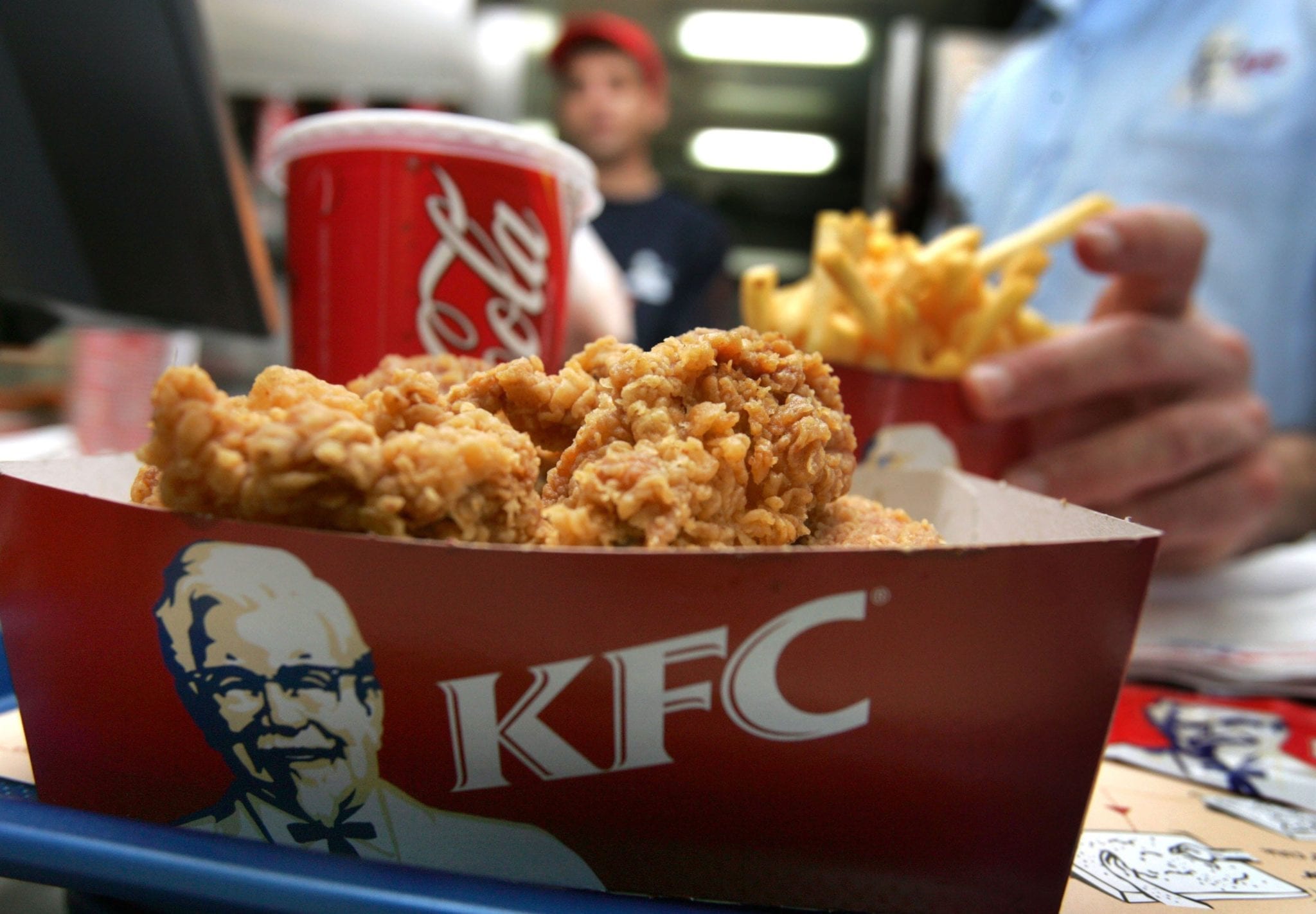
    KFC Singapore has launched its first Southeast Asian open-kitchen restaurant at Tampines Mall, revealing how its chicken is prepared.

    The fast-food giant’s Open Kitchen program, also called ‘The Tank’, has already been rolled out in the UK, Ireland, Australia and Japan.

    “With the rollout of the ‘The Tank’ at KFC Tampines Mall and the KFC Open Kitchen program, I hope to proudly share KFC’s heritage and Colonel Sanders’ obsessive passion in cooking the best-tasting chicken,” said Lynette Lee, KFC Singapore GM.

    The chain also plans to host guests on ‘insider tours’ where visitors can watch staff perform Colonel Harlan Sanders’ “7-10-7” technique.

    Beginning today, guided 35-minute tour sessions of KFC kitchens at selected outlets, including Kallang, Waterway Point, Toa Payoh Lorong 6, Jurong Point and Northpoint City, will be available for booking online through KFC Singapore’s website.

    Tours cost $15, including a two-piece KFC chicken meal and a goodie bag. Visitors will get to see the kitchen’s storage area, the chicken breading and preparation stations, and the service counter area.

  • Khun Thai Tea appoints First Indonesian Franchise

    Khun Thai Tea appoints First Indonesian Franchise

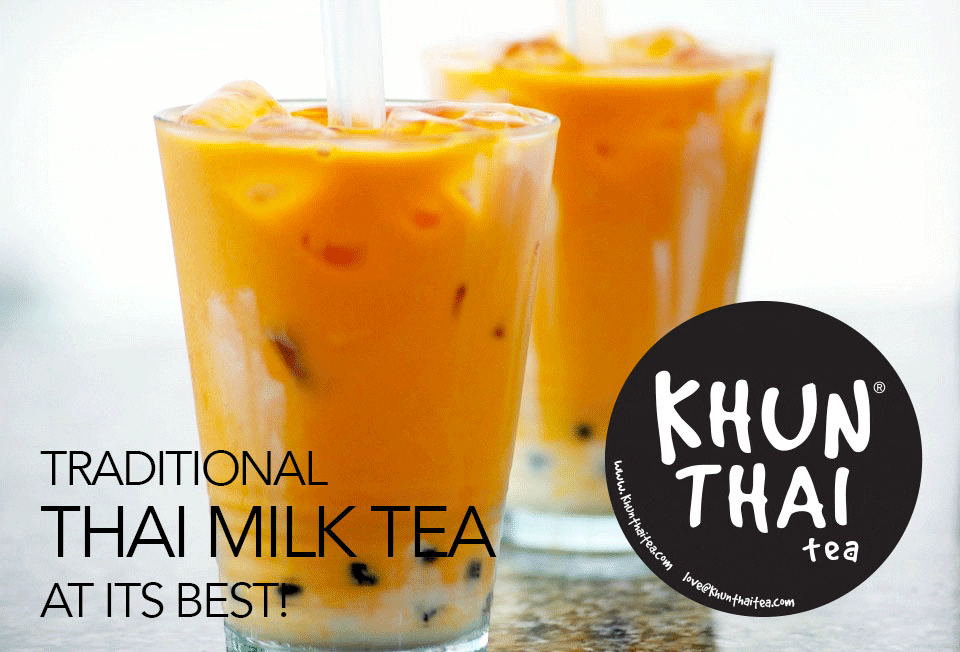
    Entrepreneur Amelia Fransisca has been appointed master franchise holder for Khun Thai Tea Indonesia.

    Fransisca, who has a 10-year tenure in the foodservice industry, said she chose Khun Thai Tea for its novel, fresh taste despite its low sugar content compared to other competitors, amidst trending consumer demand in Indonesia for original tea and healthier beverage options.

    “This brand will be huge as an option for fresh tea and healthier choices,” said Fransisca. “I believe the brand will also become more recognizable to our people (especially among young people) because it is introduced and organized by a great team and a great plan.”

    Indonesia is already home to four Khun Thai Tea outlets – three in Jakarta and one in Bali. Fransisca plans to spur growth by focussing her efforts in Indonesia’s cities and suburban areas, with special care given to the Jakarta, Bogor, Tangerang and Bekasi areas, where she says new outlets will help the brand gain more recognition.

    She has also chosen to open in these areas first due to local consumers’ strong buying power, range of food and beverage choices and exposure to product innovation. They are also well-positioned in terms of proximity, allowing closer supervision of procedures, services, and product quality.

    “The food and beverage business still has lots of room to develop and innovate nowadays, especially in Indonesia. That is why F&B is a good business,” she said. “Selling drinks is also simpler, and delivers good margins for comparatively average business costs … Compared to starting up a new business, it is also safer to choose a franchise.”

    “According to recent research conducted through social media in Indonesia, a glass of milk tea with boba is still the number-two most-wanted product on most Indonesians’ must-buy list, after famous chicken dishes called ‘Ayam Geprek’.”

    Khun Thai Tea is currently amongst the fastest-growing beverage store brands in Singapore, Malaysia, and Indonesia.

  • Zarraffa’s Coffee Open Two New Shops

    Zarraffa’s Coffee Open Two New Shops

    Coffee chain Zarraffa’s Coffee will open two new stores this month, one in Clarkson, WA, and the other in Bankstown, NSW.

    The chain’s Clarkson store, which will be the retailer’s first purpose-built location in the Perth area, will feature a comfortable in-store environment and a full-service drive through.

    Zarraffa’s new drive through brings the total to six in Western Australia, with the other five stores located in various suburbs across Perth, including Ellenbrook, Canning Vale, Currambine, Peppermint Grove and in Kalgoorlie.

    “The Clarkson store typifies what Zarraffa’s customers experience on the East Coast where the brand has been built steadily since 1996,” said founder and managing director Kenton Campbell.

    The Bankstown store will be the retailer’s fourth store under the NSW area developer arrangement, Zarraffa announced.

    The retailer said more stores have been proposed this year for the company.

    “We are not interested in growth for growth’s sake,” Campbell said.

    “Zarraffa’s has built its reputation on creating small business opportunities, through specialised training, operational consistency and great products and service – year on year.”

  • Shakey’s to buy Peri-Peri Charcoal Chicken chain

    Shakey’s to buy Peri-Peri Charcoal Chicken chain

    Philippines restaurant chain operator Shakey’s Pizza Asia is buying the Peri-Peri Charcoal Chicken brand.

    The firm filed details of the deal with Peri-Peri’s operator I-Foods at the Philippine Stock Exchange this week, although the transaction cost has not been released. A representative for the business said the price was not substantial relative to the firm’s market capitalisation, and that the acquisition will be financed by a combination of internally generated cash and debt, most likely to be completed by mid-year.

    The deal is expected to affect Shakey’s bottom line this year, but boost profits in the long run.

    Peri-Peri Charcoal Chicken operates 23 outlets in metropolitan Manila, 40 per cent of which are run under franchise agreements.

    “The brand now has a strong following and recently gained even more traction,” said Shakey’s president and CEO Vicente Gregorio, “evident in its strong same-store sales growth last year amidst the more challenging macroeconomic environment, and the amount of interest in new stores from potential lessors and franchisees.”

    “We are excited by the potential of Peri to scale,” added  Shakey’s chairman Christopher Po. “We expect it to be an important future growth driver for our fast casual chain restaurant business.”

    The firm also has plans to expand its core offering – US brand Shakey’s Pizza, for which the firm has perpetual rights in several broad territories, including most of Asia. It plans to open 20 new branches this year, which will see it operating 248 locations by next year.

  • Vive Cake Boutique Hops Into Easter With ‘Cutielicious’ Easter Bunny & Adorable Chicks

    Vive Cake Boutique Hops Into Easter With ‘Cutielicious’ Easter Bunny & Adorable Chicks

    Celebrity-loved Vive Cake Boutique is hopping into Easter with cutielicious Easter Bunnies and adorable Easter Chicks from 1-30 April at its Central flagship café-store in H Queen’s, 80 Queen’s Road Central and latest pop-up store in Harbour City, Tsim Sha Tsui.

    Founder Vivien Lau’s new Insta-worthy dessert sensations are headlined by the most enchanting Easter Bunnie cake in town – ‘Bunny Luvs You’ – a showstopper which is an Easter dessert and table decoration all in one.

    Priced HK$680 for 1lb, this darling creation for the festive holiday is available in an assortment of flavours to suit all tastes: Pistachio Cake with Pistachio Buttercream, Red Velvet Cake with Cream Cheese Fillings, Earl Grey Cake with Earl Grey Cream, Chocolate Cake with Chocolate Cream and Crunchies, Lemon Cake with Lemon Buttercream filled with Yuzu Curd, Green Tea Cake with Green Tea Buttercream, Banana Cake with Chocolate Buttercream, and Hazelnut Cake with Hazelnut Buttercream.

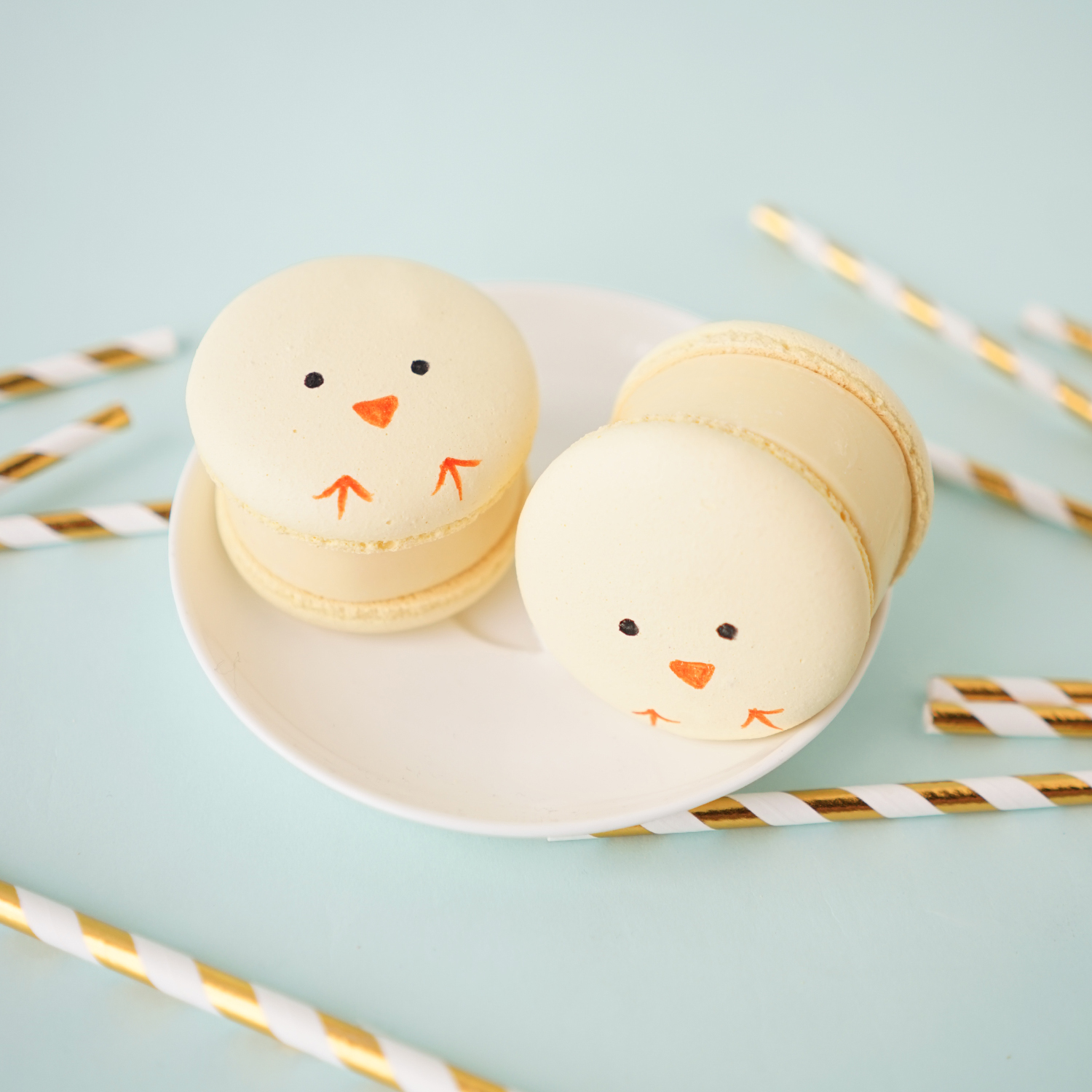
    Two of the sweetest little treats imaginable are also on the endearing Easter menu. Baby Chick Macacreams (HK$68, available only at Central cafe-store) is confectionary queen Vivien Lau’s charming festive adaptation of her beloved melt-in-your-mouth macarons – styled after chicks hatching from Easter eggs and flavoured with yuzu ice-cream.

    Available at both stores, ‘Easter Meringues’ (HK$55) are the sweetest of treats styled in carrot and chick shapes especially for Easter Bunnies – adapted from a new line of meringues launched with the recent opening of Vive Cake Boutique’s Harbour City pop-up.

    Vive Cake Boutique has proved a roaring success story since being launched with online orders in 2014 by founder and creative director Vivien Lau, who discovered her passion and talent by chance, making her first cake for a friend’s birthday.

    Her signature ‘handmade with love’, cupcakes, macarons, cookies, confectioneries and tailor-made cakes for weddings and special occasions, are all made from scratch with less sugar and finest ingredients sourced from all over the world.

    VIVE’s widespread acclaim includes Time Out’s listing among the “crème de la crème of Hong Kong’s bespoke dessert makers” – with a massive celebrity and socialite following including Aaron Kwok, Charlene Choi, Gillian Chung, Niki Chow, Sharon Chan, Miki Yeung, Ella Koon, Myolie Wu and more.

  • New Deliveroo Subscription Service gives Food Lovers Free Delivery

    New Deliveroo Subscription Service gives Food Lovers Free Delivery

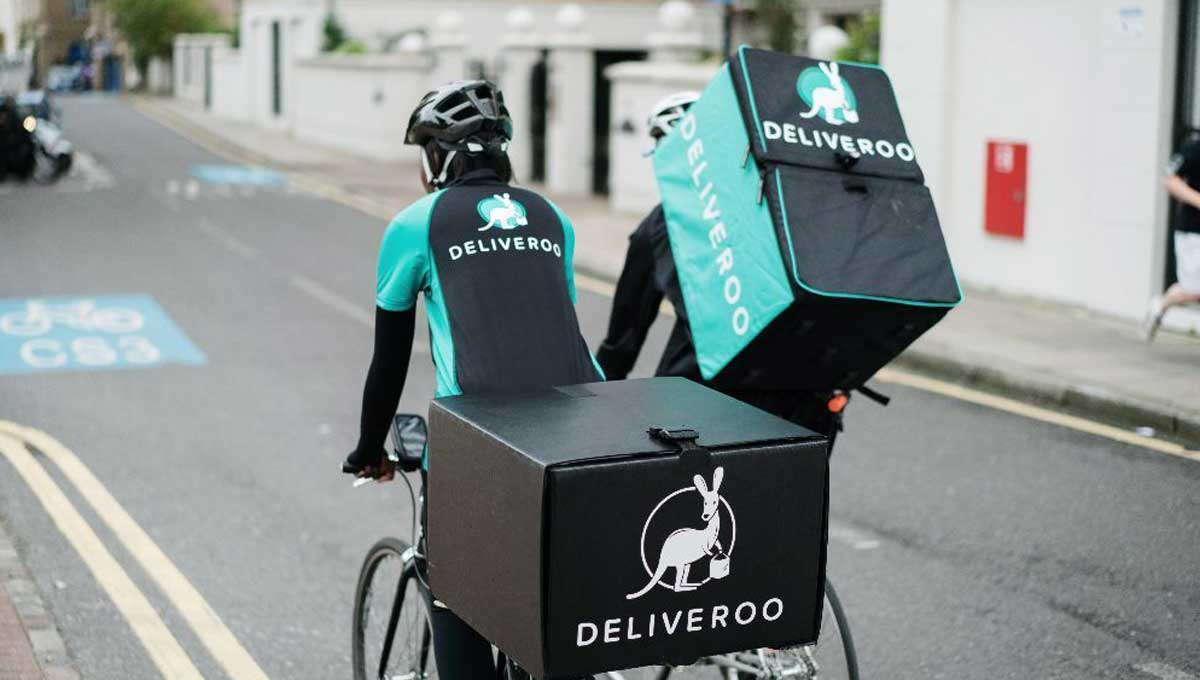
    Deliveroo the leading food-delivery company is today launching Deliveroo Plus, a new subscription service available for food lovers across Hong Kong. The new service, priced at HK$98 a month, will enable customers to get unlimited free delivery. Customers will be able to benefit further by trialling Deliveroo Plus free for two weeks or more.

    Deliveroo Plus is being rolled out following a successful launch in the UK. During their first two months of signing up to the pilot, half of all customers saved nearly £25 (around HK$ 260) over the time period, whilst one in ten saved over £75 (around HK$ 770).

    Brian Lo, General Manager, Hong Kong at Deliveroo said, “At Deliveroo, we are continuously striving to innovate our offer as well as expand our delivery platform. Through the launch of Deliveroo Plus, Deliveroo aims at rewarding our users with a better value for money. This new subscription service provides a more affordable option to the frequent users while the earnings of riders is expected to rise with the increasing demand for food delivery.”

    Customers throughout Hong Kong wishing to subscribe to Deliveroo Plus will see the option to sign up to the service on their basket at checkout and in the ‘Account’ section of the app and website.