Category: Food

Retail News Asia is committed to providing both local and global retailers with the latest Food and Food & Beverage news throughout the Asian market. This on a daily base.

  • Starbucks China Reshuffles Management

    Starbucks China Reshuffles Management

    Starbucks China management has been restructured as the company gears up for a more intense focus on its digital business. From June 1, CEO Belinda Wong, becomes chairman and CEO of Starbucks China.

    Two distinct business units will be created – Starbucks Retail and Digital Ventures – the heads of which will report directly to the newly created office of the chairman and CEO, Starbucks China.

    Leo Tsoi has been appointed SVP, COO & president of Starbucks Retail and Molly Liu has been appointed VP & GM of Digital Ventures.

    Wong will oversee new business development in China and focus on long-term sustainable growth.

    “The new team structure is for the next phase of growth and managing resources to balance the short-term needs of the business and the long-term strategic priorities in China,” said Starbucks group president, international, channel development and global coffee and tea, John Culver.

    “While paying more attention to customers and partners, we will accelerate the pace of innovation to capture the new opportunities in the third-place experience and digital innovation,” he said.

    Wong has headed the China business since 2011 and under her leadership, the company has grown at a rate faster than any other of the brand’s global markets. Among her achievements were setting up the New Retail partnership with Alibaba, integrating the East China business in 2017 and creating the “Coffee Wonderland” experience with the Starbucks Reserve Roastery in Shanghai.

    After 20 years in China, the company has grown to 3800 stores in 165 cities, serving 9 million customers every week.

    “For 20 years, we have worked steadily to achieve a long-term and healthy development in China,” said Wong. “For the next chapter of growth, we will stay true to our mission, values and guiding principles. About 53,000 Starbucks partners in China will work together to continue our innovation ventures and bring our passion of coffee to our customers to enhance the third-place experience.

    “We will also support our partners in their professional development to realise their full potential and give back to the community where we live in. ‘In China, for China’, we will continue to fulfill our commitment in developing a long-term and healthy development in China, making Starbucks as a faster, stronger and more loving company,” she said.
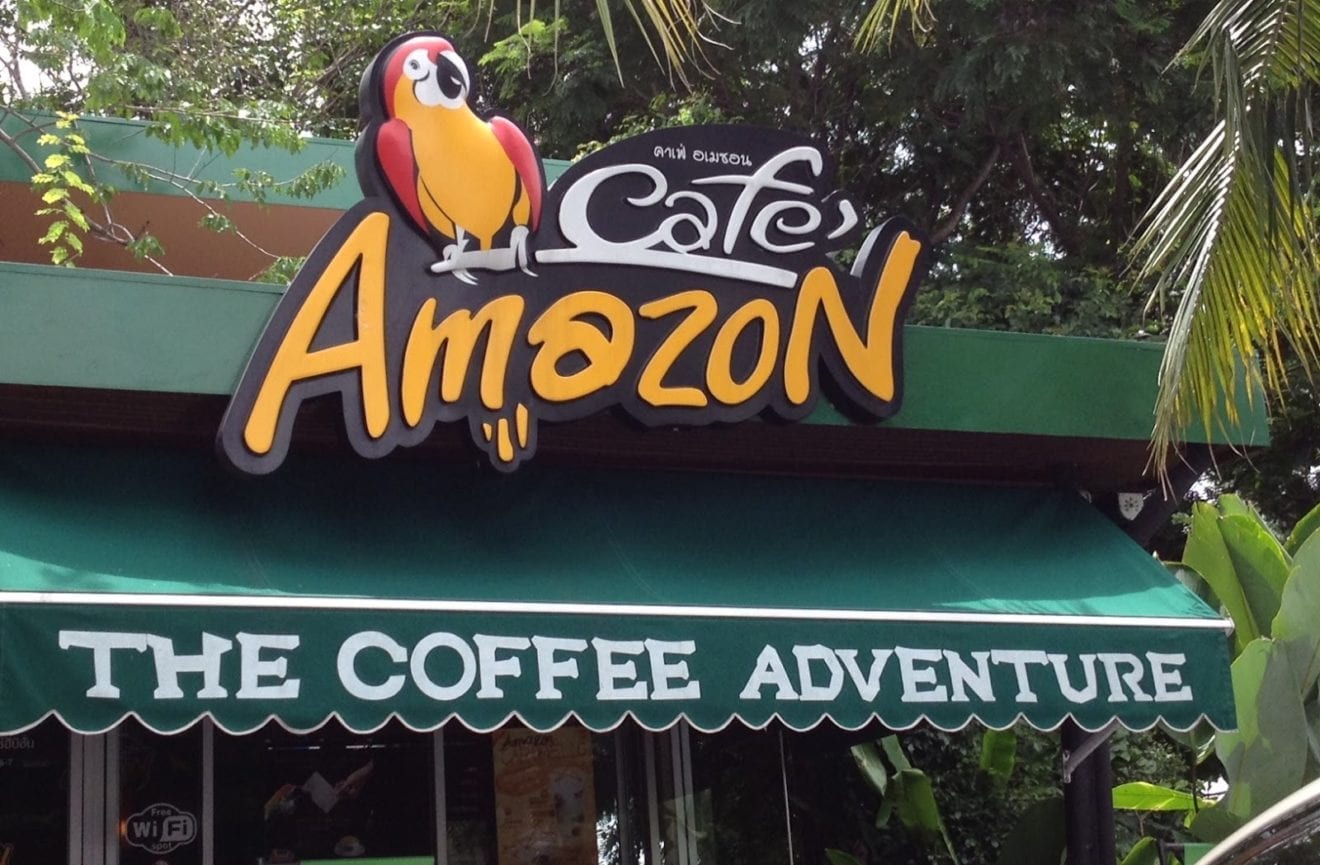
  • Cafe Amazon Opens in Singapore

    Cafe Amazon Opens in Singapore

    Thai coffee chain Cafe Amazon has opened its first outlets in Singapore.

    One store is located at Jewel Changi, the other at Jurong Point shopping center.

    An opening ceremony was held at Cafe Amazon Jewel Changi, which marked the 2750th branch of the franchised chain worldwide. The chain was founded in 2002 to provide beverages and food to travelers refueling at the company’s gas stations.

    PTT Oil and Retail Business Public Company Limited (PTTOR) chairman Auttapol Rerkpiboon said the company was pleased to open in the Lion City.

    “Throughout 15 years of business, we’re proud to say that Cafe Amazon has received an overwhelming response in every country it operates.”

    Singapore joins Laos, Cambodia, Myanmar, the Philippines, Japan and Oman on the list of countries Cafe Amazon has entered. It has about 2500 stores in Thailand and nearly 200 abroad.

    To adapt to Singaporean taste, Cafe Amazon has adjusted its snack and beverage menu, making Yin Yang, a premium matcha latte its signature drink.

    PTTOR plans to invest US$1.3 billion to open 20,000 branches of Cafe Amazon over the next five years under a franchise business model.

  • FreshToHome raises US$11 million

    FreshToHome raises US$11 million

    Indian online fresh fish and meat retailer FreshToHome has raised US$11 million in funds led by Hong Kong-based CE Ventures.

    FreshToHome, which currently operates in Bengaluru, Delhi/NCR, Kerala, Chennai and Dubai, now intends to grow its business throughout all tier-I Indian cities. It will use the fresh capital to develop its supply chain by extending its proprietary sourcing technologies to farmers and fishermen nationwide.

    “We are disrupting the food-supply chain in India with our patent pending commodities exchange technology offering food that is free of added chemicals to end consumers and a fair price to the producers,” said FreshToHome founder and CEO Shan Kadavil. “Most of our capital has gone into re-inventing the food supply chain.

    We currently sell meat and fish sourced from more than 1500 fishermen and farmers on our platform, using our state-of-the-art technology backed with cold chain infrastructure, a fleet of dedicated refrigerated trucks, using the hub and spoke distribution model from four large processing factories to ensure traceability and food safety.”

    The business claims more than 400,000 customers within four cities, trading in fish sourced from 125 Indian coastlines. It reports a turnover of more than ₹12 crore ($1.72 million) GMV per month.

    “The meat-and-seafood segment in India is pegged to be a $30 billion market, but we have to keep in mind that it’s a highly fragmented industry,” said CE Ventures director Tushar Singhvi.

    “FreshToHome.com is not only trying to streamline the industry, but they’re also using technology to revolutionize the way the industry functions by disintermediating the supply chain, eliminating the middleman, and working directly with the fishermen and farmers in a marketplace model to make fresh and chemical free food accessible to the masses at large.”

  • Online liquor sales boom in Vietnam

    Online liquor sales boom in Vietnam

    Vietnam has removed a proposed decree to prohibit online liquor sales, accepting that it goes against international trends. The bill, proposed by the Ministry of Health last year, would have prohibited online sales of beverages with an alcohol content of more than 15 percent. But legislators got into a heated debate over this regulation, with critics saying that it would go against international trends and challenge e-commerce development.

    The National Assembly (NA) Committee for Social Affairs on Thursday said it has removed the decree after listening to legislators’ views.

    Some new changes have been made in the latest version of the bill. The advertisement for beverages with less than 15 percent of the alcohol content will now be allowed on TV and radio.

    However, these advertisements must not be carried between 7-8 p.m. every day.

    The bill is set to be discussed and voted on at the end of the ongoing National Assembly session.

    Alcohol, especially beer, is widely consumed in Vietnam. Data collected by the Ministry of Health shows Vietnamese citizens consumed 305 million liters of liquor and 4.1 billion liters of beer in 2017, making it the biggest alcohol consumer in Southeast Asia and third biggest in Asia after Japan and China.

  • Nespresso Improves subscription offering

    Nespresso Improves subscription offering

    Nespresso is increasing its marketing and communications around a new coffee pod subscription service in Australia, after a successful soft launch in early May.

    The move taps into the growing demand for convenience in everyday life, as consumers – conditioned by the Ubers and Netflixes of the world – expect more seamless transactions.

    “We all live busy lives…not having to make the same decision over and over is helpful,” Loic Rethore, Nespresso’s head of Oceania, told Inside Retail.

    Nespresso offers three subscription plans based on the number of coffee pods customers use per day. Those who use around one pod per day pay $50 to receive 60 pods every two months, and those who use two pods per day pay $50 to receive 60 pods every month. A third plan costs $75 for 90 pods per month for those who use around three pods per day.

    All plans include free delivery and a 10 per cent credit, so those who pay $50 every month actually receive $55 in credit that they can put towards coffee or accessories.

    The service was designed to be flexible and easy to cancel, since customers don’t want to feel ‘locked in’ to subscription programs, Rethore said. And while it currently is online only, customers will be able to subscribe to the plans in Nespresso boutiques in Q3.

    “We’re seeing a very nice uptake of the program, and we’re going to continue to ramp up the communications around it,” Rethore said

    This is the first time the company has offered coffee pod subscriptions – it offers subscriptions for machines – and depending on the uptake over the next few months, it will consider rolling out the service to other markets around the world.

    “We want to understand how it plays out, and what kind of uptake and additional sales we can expect from the coffee pod subscription service,” Rethore said.

    “We’re in the process of monitoring that now. We’ll be able to make forecast in a few months,” he said.

    Rethore noted that Nespresso often tests out new products and concepts in Australia.

    “Australia is very special in terms of markets for Nespresso. It’s considered a mature and adventurous market in terms of coffee consumption. They’re early adopters,” he said.

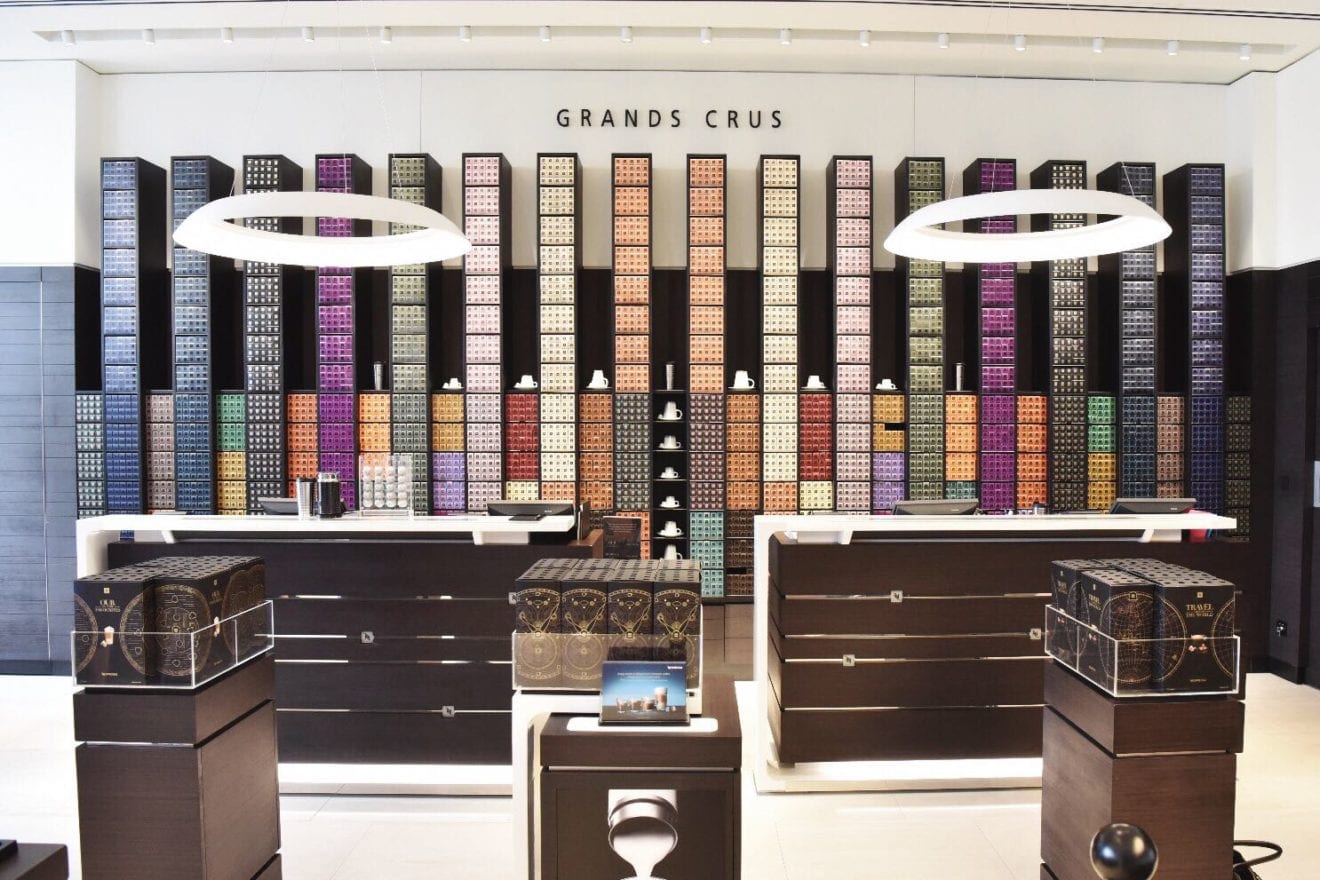
    The company recently has been rolling out a new store concept in Australia, which focuses on education and experience. Customers can learn about the origin of Nespresso coffee, the company’s sustainability efforts and other information in dedicated areas, and staff are equipped with tablets and can process orders anywhere in the store – similar to an Apple store.

    “It’s very pleasing to see that club members have reacted very well to this new concept. They’ve really embraced the new journey of storytelling,” Rethore said.

    Seven stores currently feature the new concept, and Nespresso will continue to shift existing stores to the new concept as they come up for renovation.

    “Overall, the business of the new stores is doing well,” Rethore said.

    One metric he cited was the customer response to the coffee master classes that Nespresso is offering in the new concept stores.

    “The master classes have been fully booked. We didn’t expect such a reaction. People are enjoying not only knowing more about our coffee, but also the experience.”

  • Domino’s Pizza  invests in technology to improve quality

    Domino’s Pizza invests in technology to improve quality

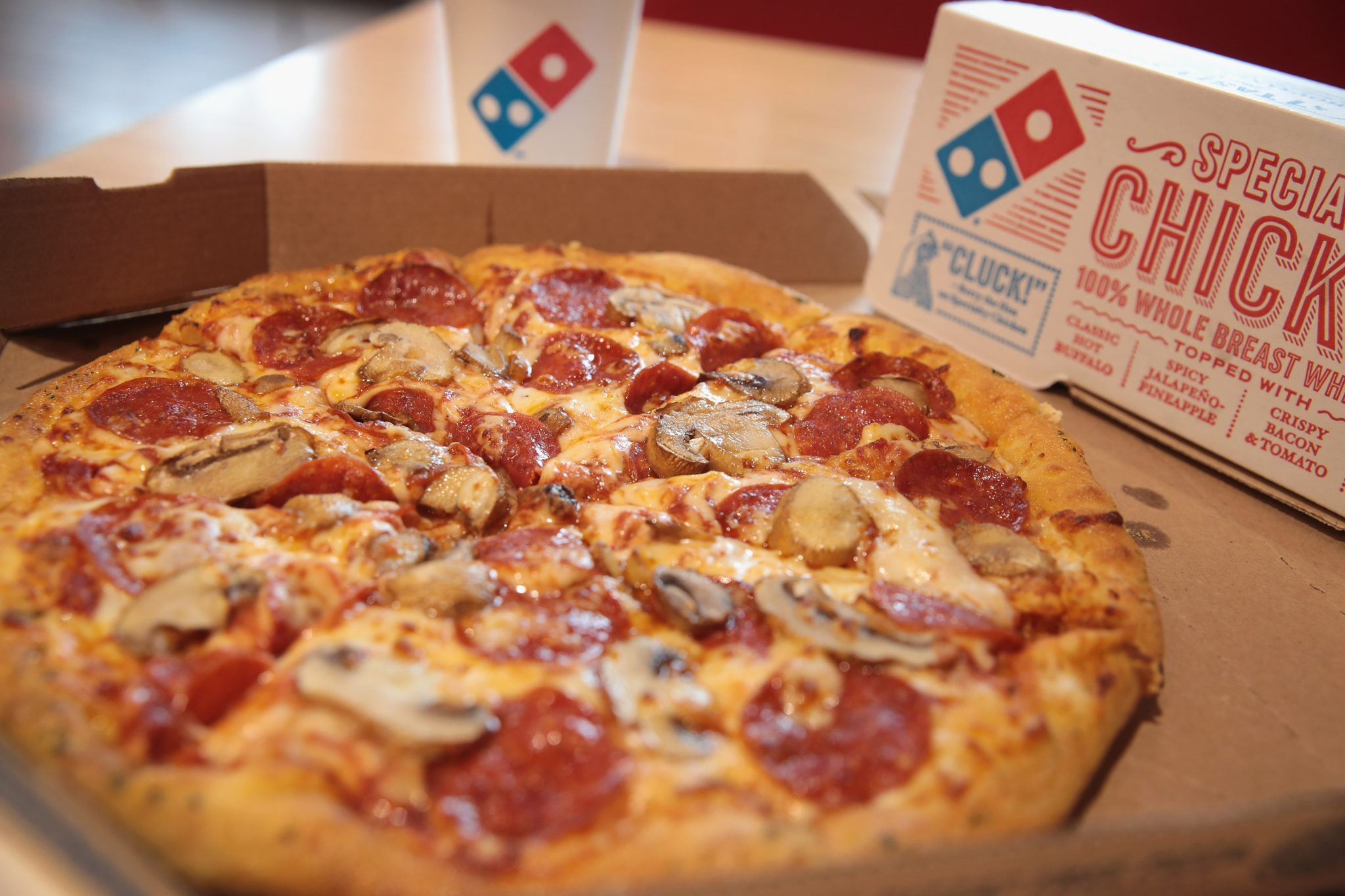
    Domino’s Pizza is taking on one of its customers most common complaints, that the ordered pizza “doesn’t look like it should”, with a nationwide roll-out of its Pizza Checker technology.

    The technology takes the form of a camera system that grades individual pizzas on certain qualities, such as the topping volume and spread, as well as the amount of cheese used, and it’s already showing results according to Domino’s Australia and New Zealand chief executive Nick Knight.

    “So far, it’s analysed more than one million pizzas, and there is a lot of learning that we’ve captured,” Knight told analysts during a briefing call last week.

    “It’s early days, but I’m really pleased with what we’re seeing. Team members are using this technology to put a much needed extra focus on product quality.”

    According to Knight, while customers so far can’t see or tell that the pizza they receive has been ‘checked’, customer metrics show that they are reacting positively to the results.

    “In my experience, when we’ve tackled one of the biggest customer tensions, like we did with GPS drivers, those things have flowed through to sales,” Knight told analysts.

    The technology uses artificial intelligence to grade pizzas, and will eventually allow customers to view a real-time image of their pizza on the cut bench, and will notify them if their pizza failed the process – resulting in a remake, though it’s possible this situation could lead to longer delivery times.

    The technology is now active across all Australian and New Zealand Domino’s stores.

    During the call last week, Knight also discussed Domino’s effort to improve the overall health of its franchise business through its Operations 360 initiative, which launched 18 months ago.

    The initiative provides franchisees with data on sales drivers at the store level, and gives the company’s operations team members an opportunity to provide advice and training in those areas where certain franchisees may be struggling.

    While this has helped some franchisees to improve, it has also led some franchisees to exit the business, Knight said.

    “Unfortunately, some franchisees don’t have the passion or capability to take their business to that level, and they aren’t able to run with us,” Knight told analysts.

    To help these franchisees in their exit, Domino’s has purchased some franchised stores back from franchisees and will, in the short term, run them as corporate stores.

    Knight said some franchisees who left may have been unhappy, and cautioned that they might lodge proceedings in an attempt to bargain with the business, or out of a genuine issue.

  • Foodpanda kicking off delivering groceries in Hong Kong

    Foodpanda kicking off delivering groceries in Hong Kong

    Foodpanda Hong Kong is adding grocery deliveries to its services from late next month.

    The food-delivery service, pitched in a head-to-head battle with Deliveroo in Hong Kong, is finalising a collaboration with about 100 stores across Hong Kong to source products such as dry groceries, frozen meat and wine for customers ordering online or by app, promising order fulfilment within 30 minutes.

    Foodpanda Hong Kong CEO Arun Makhija said in an interview with the South China Morning Post that the company wants to offer both its customers and its 2000-strong fleet of drivers opportunities beyond delivering restaurant meals.

    Foodpanda has been in Hong Kong for five years and Makhija says the business’ growth remains “exceptional”.

  • Aldi food truck delivering Healthy Food to Football Clubs

    Aldi food truck delivering Healthy Food to Football Clubs

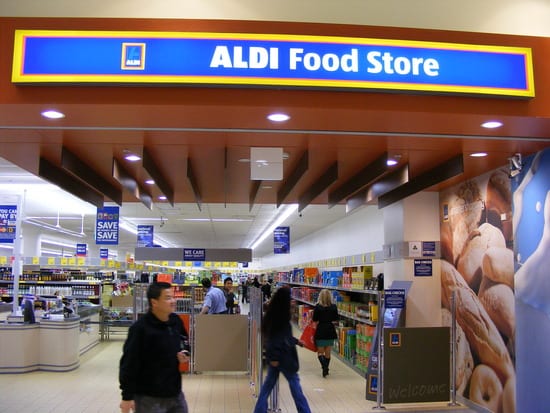
    Discount grocer Aldi is bringing its new food truck to MiniRoos football clubs across Australia to offer kids healthy food options.

    The Mighty Mini Chefs Food Truck has an accompanying app with interactive games for kids to create healthy lunch box based on their daily activities.

    From June 1, Aldi’s food truck will begin visiting 14 football clubs, from Yeppoon in Queensland to Wodonga in Victoria.

    “For the clubs that the truck visits, ALDI MiniRoos participants will be able to play on an app to learn about food and how it impacts their day-to-day lives,” the retailer said in a blog post on Friday.

    “For any kids that don’t get a chance to experience the Mighty Mini Chefs Food Truck, we have the MiniRoos Mighty Menu on hand to inspire parents and children to cook nutritious meals. Created in partnership with the Caltex Socceroos’ chef and nutritionist, Vinicus Capovilla, the seven day menu is full of easy, affordable and healthy meals. The MiniRoos Mighty Menu has been a mighty success, with families all over the country discovering that eating well doesn’t have to be hard work and that healthy foods taste great.”

    The supermarket giant’s three-year partnership with Australia’s largest football program for kids, the MiniRoos, has helped the retailer reach a broader section of the community. The discount grocer partnered with Football Federation Australia on creating fun ALDI MiniRoos sessions that will help kids develop new skills and meet new friends.

    The retailer recently added Sam Kerr, Westfield Matilda’s and Perth Glory player, as an Aldi MiniRoos ambassador.

  • McDonald’s China Teams up loyalty program with Ele.me app

    McDonald’s China Teams up loyalty program with Ele.me app

    McDonald’s customers in China can now earn loyalty points when they order a Big Mac or Filet-o-Fish through Ele.me, Alibaba Group’s on-demand delivery platform.

    Ele.me users can activate a McDonald’s membership card with just one click on the app to earn loyalty points for purchases and receive vouchers worth up to RMB 88.5 (US$12.80). The fast-food giant attracted nearly 20,000 new members on its first day of launching the service on May 20, while single-day orders increased about 20 per cent week-on-week, McDonald’s China said.

    McDonald’s China is one of the first restaurant chains to pilot the new Ele.me service, one of the app’s latest tools to help the food-and-beverage sector seamlessly connect their online and offline operations.

    “McDonald’s is an important strategic partner for us, and we are thrilled to fully integrate their loyalty program with our platform. We look forward to continuing to work together to improve the delivery experience for consumers and provide even more services, benefits and perks,” said Hu Xiaoyu, VP of Ele.me.

    There are more than 3100 McDonald’s restaurants in Mainland China, more than 2000 of which also have a virtual presence on Ele.me. McDonald’s China launched its membership program last year, rewarding members for purchases made in-store or via its app and mini-program. It now counts more than 75 million members.

    “Integrating our loyalty program with Ele.me helps us provide more customers with a complete set of membership services and benefits, which ultimately enhances the delivery experience,” said Emily Pang, head of brand extension at McDonald’s China.

    Also among the first batch of global restaurant chains to bring their membership program to Ele.me are Burger King, Dairy Queen and Papa Johns, all of which reported higher sales in the 30 days that followed their launch. Burger King was the first to opt in last November, and has since attracted 2 million new members, with members contributing to nearly 40 percent of its gross merchandise volume on Ele.me.

    Ele.me plans to roll out even more features, such as birthday perks and member-only sales campaigns, to “bring more value to every purchase,” Hu said.

  • Yum China eyes Thailand with A Fresh Hotpot Concept

    Yum China eyes Thailand with A Fresh Hotpot Concept

    Yum China looks to expand Asian footprint for hot-pot restaurant brand.

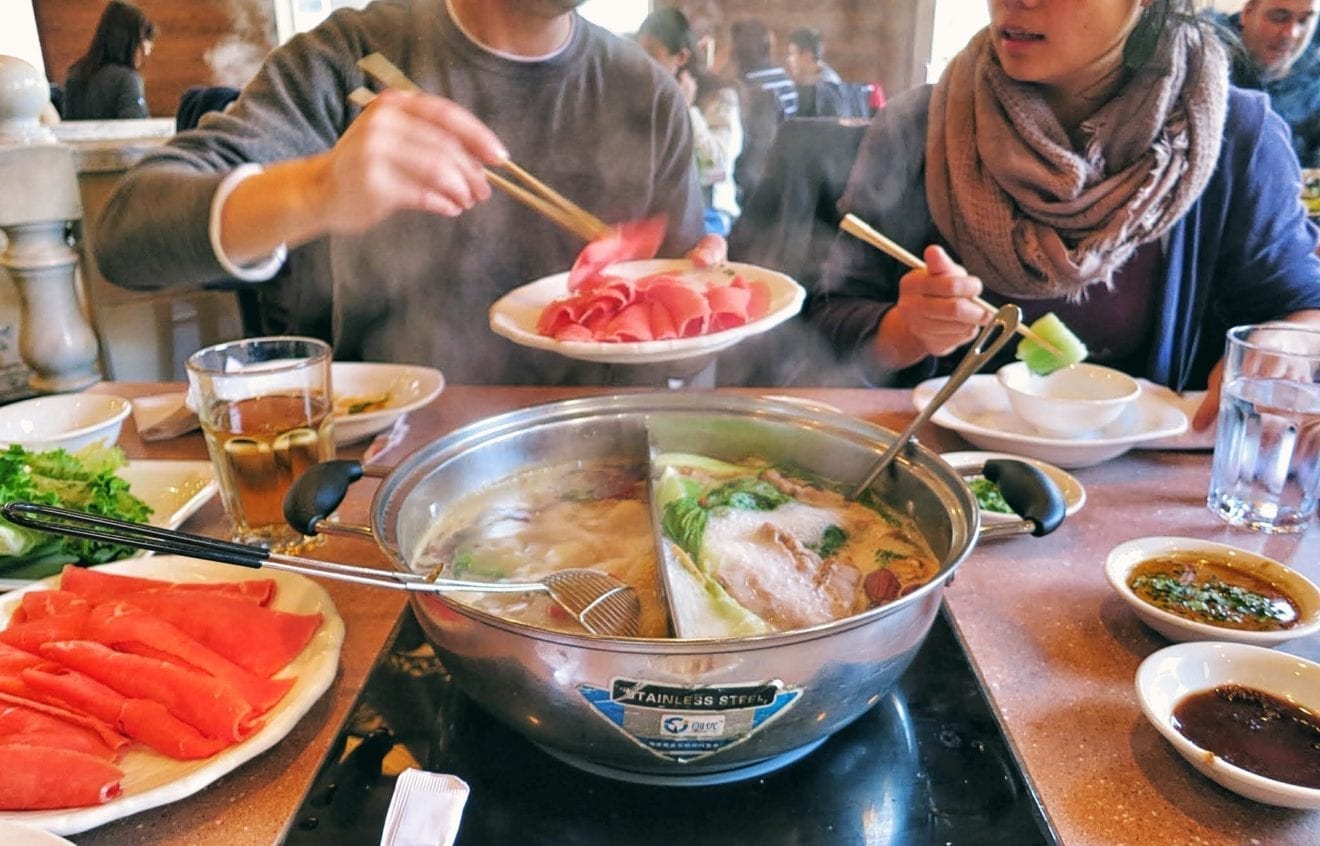
    Quick-service restaurant firm Yum China Holdings is seeking entry into the Thai hotpot market, reportedly worth THB5 billion (US$156.7 million).

    The company is seeking a local partner to launch its Little Sheep Mongolian hotpot chain in the territory.

    “The food and beverage industry in Thailand is one of the most developed markets in the world,” said Yum’s senior specialist for franchise development Isa Jiang. “Thailand also has a rich history of hotpots, as well as food culture.”

    Sixty-six Little Sheep outlets opened in China last year, as well as a further 10 abroad. Seventy of the openings were franchised. The restaurant is currently operated in 300 locations across 130 cities.

    “Ma la, or Sichuan hot chillies, is growing in popularity with Thais,” said business advisory firm Gnosis MD Sethaphong Phadungpisuth, “and we believe that Little Sheep will fit well with Thai tastes.”

    “Southeast Asia and the US have the highest projections for expansion this year,” observed Jiang. “We are focusing on Malaysia, the Philippines and Indonesia. Shabu restaurants are quite popular in Thailand, but we are confident in our key product’s characteristics, especially our meat and broth.”

  • In-N-Out Burger opens pop-up Restaurant in Seoul

    In-N-Out Burger opens pop-up Restaurant in Seoul

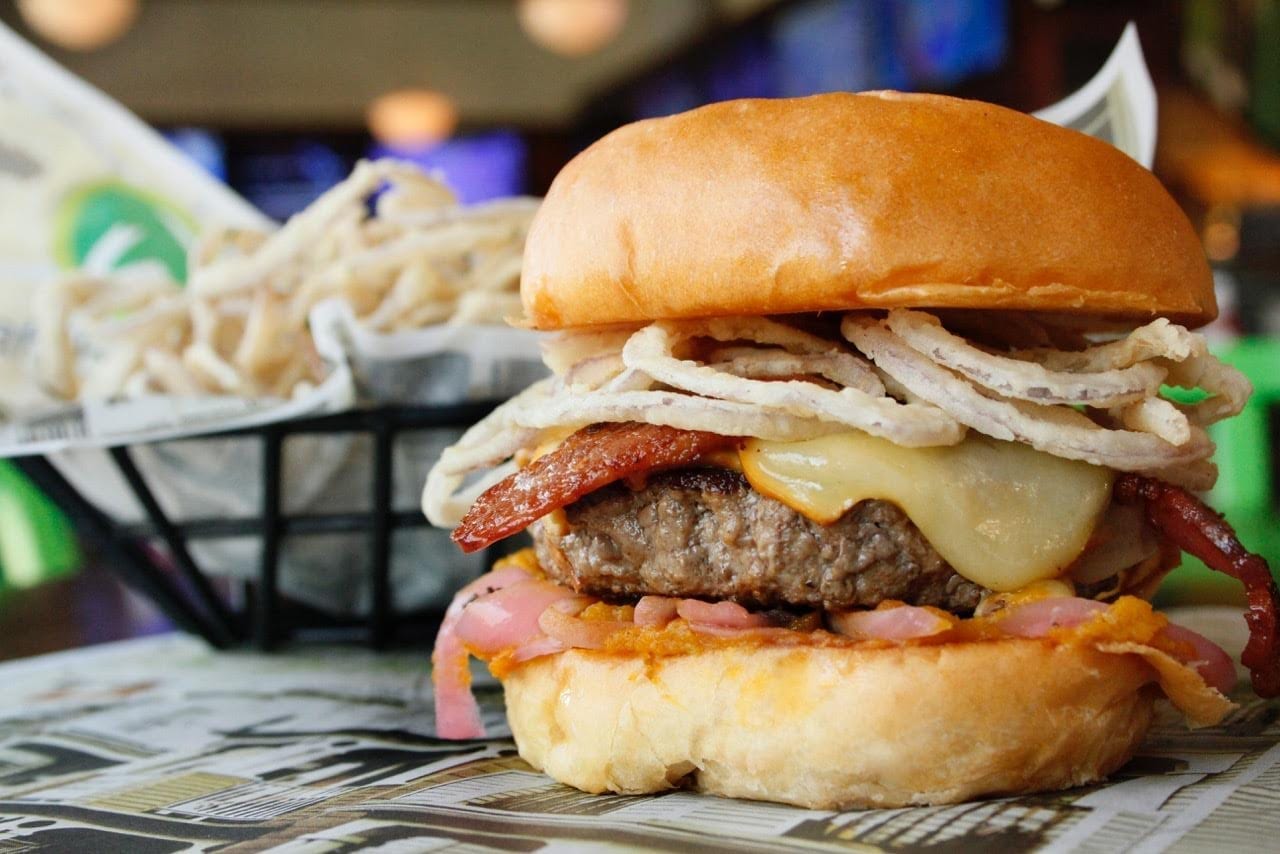
    In-N-Out Burger, a popular American hamburger franchise, opened a pop-up store on Wednesday in Gangnam, Seoul, drawing hundreds of visitors.

    People began lining up at the store from 6am to try out what can otherwise be tasted only in America. The 250 burgers prepared for the day sold out in just 30 minutes.

    South Korea’s craze for American food brands, including Shake Shack in 2016, and recently Blue Bottle Coffee, is drawing attention from brands.

    The pop-up event, originally scheduled to start at 11am, had to open early at 9.30am due to the massive number of people queuing. All 250 wristbands, needed to purchase a burger, were given out before the clock struck 10.

    This is In-N-Out Burger’s third pop-up store since the last one in 2012. The burger franchise, however, currently has no plans to enter the South Korean market.

    Some argue that the pop-up store is In-N-Out Burger’s strategy to maintain trademark rights in South Korea.

    Experts say that South Korea’s craze over American food chains reflects the people’s need for ‘small but definite happiness’ in the age of social networks.

    When the first Shake Shake opened in South Korea in July 2016, for more than a month, customers had to line up for at least two or three hours to get a burger.

    People also lined up at Blue Bottle’s first store in Seoul’s Seongdong District, which opened early this month.

    “In the age of social networks, people’s need for a ‘small but definite happiness,’ which can be easily shared with other consumers, seems to coincide with these food chains,” said one expert.

    “That is why people seem to become more willing to wait in line for hours, just like how they did at Shake Shack or Blue Bottle.”

  • Starbucks launches Starbucks Now cashless in China

    Starbucks launches Starbucks Now cashless in China

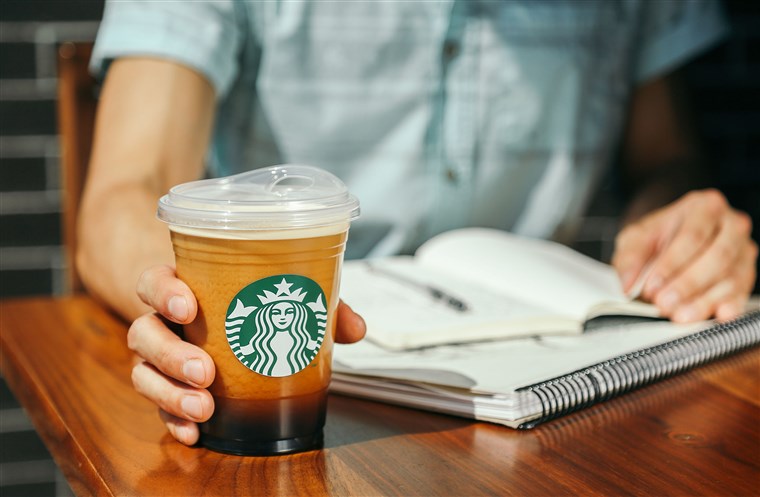
    Starbucks China has launched its new mobile order & pay experience Starbucks Now to 300 selected stores in Beijing and Shanghai.

    The firm is planning to introduce this feature across China over the course of the next year.

    Starbucks Now allows customers to place an order in advance of their visit and pick up their beverage and food at a Starbucks store. The new feature is exclusively available to the cafe chain’s loyalty program members through the Starbucks China mobile app.

    “Starbucks Now represents a significant opportunity for Starbucks China to drive new innovative customer experiences,” said Starbucks China CEO Belinda Wong.

    “This builds on the latest of several digital initiatives in China, including Starbucks Delivers and locally relevant gifting and e-commerce experiences. We are excited to offer this special mobile order & pay service exclusively to our Starbucks Rewards members to provide convenience and speed to suit their on-the-go lifestyle and seamlessly integrate Starbucks into their daily lives.”

    The rollout of Starbucks Now builds on the digital capabilities and infrastructure of the recently introduced Starbucks Delivers program last year. Starbucks Now will provide customers in China a unique and convenient way to order, pay and pick up their favourite Starbucks beverage and food item without the wait.

    The service allows customers to choose a store location based on their GPS location to browse, customise a beverage, select a food offering, view order time, and pay – wherever they may be. Following confirmation of the order, baristas prepare each beverage and ensure the order is ready to hand to the customer when they arrive at the store.

    Starbucks Now is curated to enable customisation as part of the mobile order experience. Through the feature, customers can modify the beverage size, select the number of espresso shots and select their dairy preferences. In a first-ever mobile order feature for Starbucks, beverage options have been expanded to include: type of espresso shot, amount of whipped cream, and room for milk.

  • Dairy Farm adds Starbucks Thailand

    Dairy Farm adds Starbucks Thailand

    Hong Kong operator to partner with local investor, almost doubling its store network overnight.

    Dairy Farm subsidiary Maxim’s is about to add Thailand to the list of markets it operates Starbucks cafes.

    Maxim’s has partnered with a local subsidiary of Singapore-headquartered Fraser & Neave (F&N) to acquire Starbucks Thailand Ltd from the US parent company. F&N, listed in Singapore, is controlled by Thai Beverages, in turn controlled by Thai billionaire Charoen Sirivadhanabhakdi.

    Under the joint venture, Maxim’s Caterers will oversee the retail operations and new store development in Thailand, with F&N apparently taking more of an investment role and fulfilling local company ownership requirements under Thai laws.

    Financial details of the sale were not disclosed, but one US media channel, citing confidential sources, reported the deal was worth about US$500 million.

    “The acquisition allows F&N to leverage Maxim’s long-standing partnership with Starbucks and its extensive experience in running Starbucks stores in multiple markets as well as other food and beverage retail outlets, to grow Starbucks Thailand’s fast-expanding footprint of 372 Starbucks stores,” said F&N in a statement.

    Maxims, through its subsidiary Coffee Concepts, already operates more than 400 Starbucks stores in Hong Kong, Singapore, Vietnam, Macau and Cambodia.

    “This is a significant move for our company,” said John Culver, group president, Starbucks international, channel development and global coffee and tea.

    “We are pleased to transition the Thailand business to Maxim’s Caterers Limited and F&N Retail Connection Co, with their focus on accelerating new store development to realise the full potential of this important market.”

    “We look forward to leveraging our expertise and deep understanding of the Starbucks culture and brand to build on the unparalleled service, craft and passion of our Thai partners (employees) which will propel the business for the future,” said Michael Wu, chairman and MDof Maxim’s Caterers Limited. “We look forward to continuing to deliver the unique Starbucks Experience to Thai customers as we grow.”

    “This acquisition provides an interesting strategic opportunity for F&N to enter and participate in the fast-growing premium retail coffee market in Thailand, one of F&N’s three significant core markets,” said Koh Poh Tiong, F&N’s chairman. “We believe that adding Starbucks Thailand, with its store footprint and its position as a well-recognised coffee retailer in Thailand, will strengthen our competencies in the on-premise sector and elevate our capabilities in directly engaging consumers, in the long term,” he said.

    Starbucks Thailand was launched in 1998.

  • Starbucks China opens First Signing Coffee Store in Guangdong

    Starbucks China opens First Signing Coffee Store in Guangdong

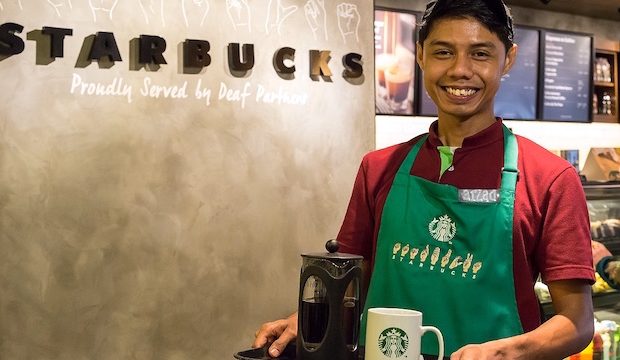
    Starbucks China has opened its first Signing Store, staffed entirely by deaf or hearing-impaired people.

    The store is in Guangzhou, in Guangdong Province which is home to about 4 percent of China’s deaf population. It is Starbucks’ third Signing Store, following outlets in Washington DC and Malaysia.

    Sign language symbols are printed on umbrellas in front of the store, and there are indicators throughout the store. Deaf baristas will wear aprons with the word “Starbucks” embroidered in sign language.

    The store is equipped with a customized ordering system. Customers and partners will be able to communicate using notepads and two-way digital displays. For customers new to sign language, there will be a dedicated area for customers to write down their orders on an electronic board and wireless vibrating pagers will notify customers when their orders are ready.

    The cafe also features exclusive artwork and unique merchandise designed by deaf artists.

    The initiative aims to offer employment and career-advancement opportunities for the deaf and hard-of-hearing community as well as “a welcoming hub for those passionate about improving accessibility and experiences for all”. It is located near the Guangdong Disabled Association and Guangdong Deaf People Association.

    “Starbucks is committed to creating equal opportunities for everyone, as well as a unique third-place experience that addresses a wide range of community needs,” said Belinda Wong, CEO of Starbucks China. “The new Signing Store is an example of how we are building inclusive environments and careers for our partners.”

    Store staff, who have been recruited from across China, are fluent in Chinese sign language.

    To create an inclusive environment and encourage customers to learn more about the deaf community, the store will also offer sign-language lessons and coffee workshops in sign language.

    “The Guangdong Deaf People Association is proud to partner with Starbucks to provide training and opportunities for the deaf and hard of hearing community,” said Yitao Fan, vice chairman, China’s Deaf People Association and president of Guangdong Deaf People Association. “Thanks to Starbucks, deaf partners are empowered to develop their careers in a vibrant and supportive environment, while the store provides a strong platform to drive societal awareness around deaf culture and the needs of the community.”

  • Basao delivers ‘sineculture’ at Star Street

    Basao delivers ‘sineculture’ at Star Street

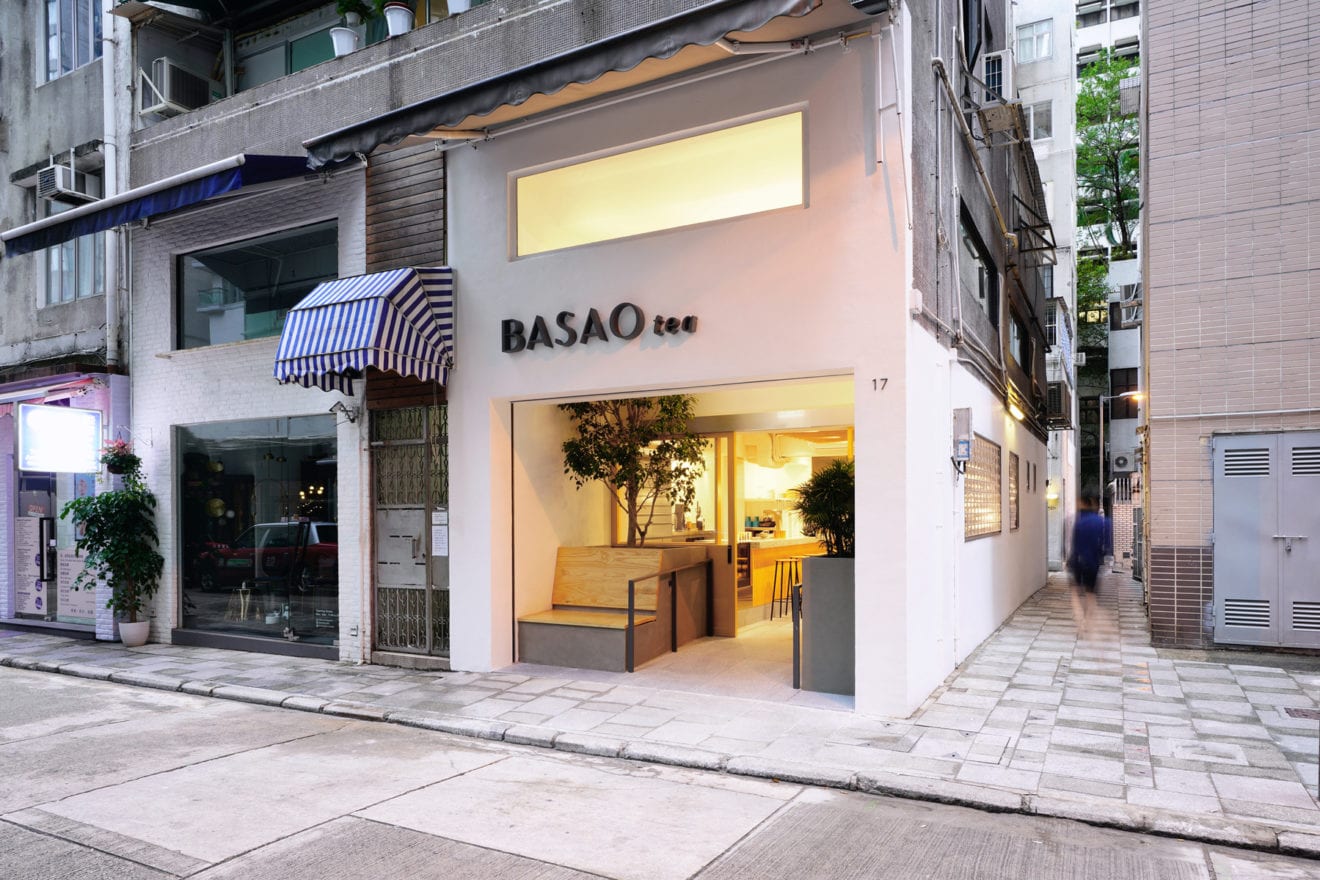
    Homegrown Hong Kong fine-tea brand Basao was launched online four years ago. Now the fast-growing brand has opened its first physical retail outlet on Moon Street, in Wanchai’s hip Star Street foodie precinct.

    Since 2015, Basao has been attracting a growing following for its teas, which appeal for not only their fine taste, but their holistic health benefits. The teas are handpicked by partner growers in Mainland China, Taiwan, Nepal, India and Japan.

    “We believe tea appreciation will evolve in the same way as drinks like coffee, wine and craft beer,” explains founder COO Oliver Ma. “They have all started reaching a new generation of discerning enthusiasts in recent years and I think tea is ready for a very similar experience. Interesting times are brewing for long overdue respect and admiration of this ancient craft.”

    Basao tea is named in honour of an 18th century Japanese Buddhist monk with the slightly different nickname of Baisao, or “old tea seller”, who became famous for travelling around Kyoto selling tea.

    Ma says Basao is now similarly admired for pioneering a “modern holistic era of sineculture,” (the science of everything relating to tea), working closely with small artisan growers across Asia, promoting sustainable, eco-friendly cultivation and production of highest-quality tea without chemical pesticides.

    “Our tea engineers advocate the holistic ecology and craft of tea as an art, not just a mere commodity, connecting personally with our partner growers from cultivation and picking to brewing, packaging and fair trade,” he says.

    A diverse tea range extends from Basao’s collection of black tea, green tea and oolong brewed by experienced tea masters, through to chilled bottled tea, Japanese matcha, traditional blends and Chajito specialties.

    Hitherto sold only online, now these brews can be tried and purchased at the new Basao tearbar. Visitors to the store are greeted by a bright white and warm-wood interior in a laid-back venue with a bar where tea masters explain their brews.

    Workshops are held at the cafe, conducted by renowned Hong Kong tea master Katherine Yu Man-sum, a protege of tea pioneer Master Yeung Chi-sum in the 1980s, and founder a tea appreciation course called Teaism, teaching Cha Tao (The Way of Tea), at the Jockey Club Creative Arts Centre.

    Basao’s single-origin, clean-grown signature authentic loose leaves are highlighted by black teas including Lingia Second Flush, a coppery summer tea from Darjeeling’s Golden Valley in the Himalayan foothills of India, with a spicy mineral flavour and hints of tangerine and waffle cone; sweet and refreshing Seaside Honey from the Kararuan Coast of southeastern Taiwan; and Traditional Smoky Bohea from the home of China’s Wuyi Mountain smoked black teas located in the highlands of northern Fujian in China.

    Among the oolongs are sweet, crisp and floral Gardenia Dancong from Phoenix Mountain, Guangdong; and slightly sweet Red Heart Tieguanyin from Anxi, Fujian China Spring, with a hint of daisy, lily and dry-wood aroma; and honey and jasmine flavour.

    Headlining the Japanese green tea offer is sweet and savoury Wazuka Sencha green tea with a unique fresh spinach flavour and light, delicate finish from the legendary plantations of Wazuka, near Kyoto.

    Cold brew teas also include Nitro Cold Brew, Cold Brew and Fruit-Infused Nitro Cold Brew, steeped in cold water, rather than brewed, for a sweeter, milder, low-caffeine, low-tannin option high in vitamin C.

    Also launched is First Crush Kombucha, an ancient, refreshing cure-all elixir that is naturally bubbly and deliciously sweet and tart, crafted from Lingia First Flush in a new partnership with local Kombucha brewery Taboocha.

    Basao’s teabar also serves desserts incorporating its signature teas, with a menu including Homemade Tea Cake Roll, Basao Tea Ice Cream, Tea Crystal, and Belgium Waffle, with Basao homemade tea syrup.

    The Basao teabar is located on the ground floor of 17 Moon Street, open daily from 11am to 8pm.