Category: Food

Retail News Asia is committed to providing both local and global retailers with the latest Food and Food & Beverage news throughout the Asian market. This on a daily base.

  • Luxury restaurant Lawry’s wins significant Rent Reduction

    Luxury restaurant Lawry’s wins significant Rent Reduction

    High-end US restaurant Lawry’s The Prime Rib, will pay 80 per cent less rent for its new location than the previous tenant who vacated the premises three years ago.

    The leased 6500sqft venue is located on the third floor of The Galleria in Central on the corner of Queen’s Road and Ice House Street, with a HK$150,000 (US$19,155) per month rental, or HK$23/sqft.

    News of the rent deal was broken by a local Chinese-language news media outlet and has not been verified. However it appears to suggest the reduction reflects an overpricing of the previous tenant’s deal rather than a true reflection of the decline in retail rents in premium Hong Kong retail strips, especially given the site has been empty for three years.

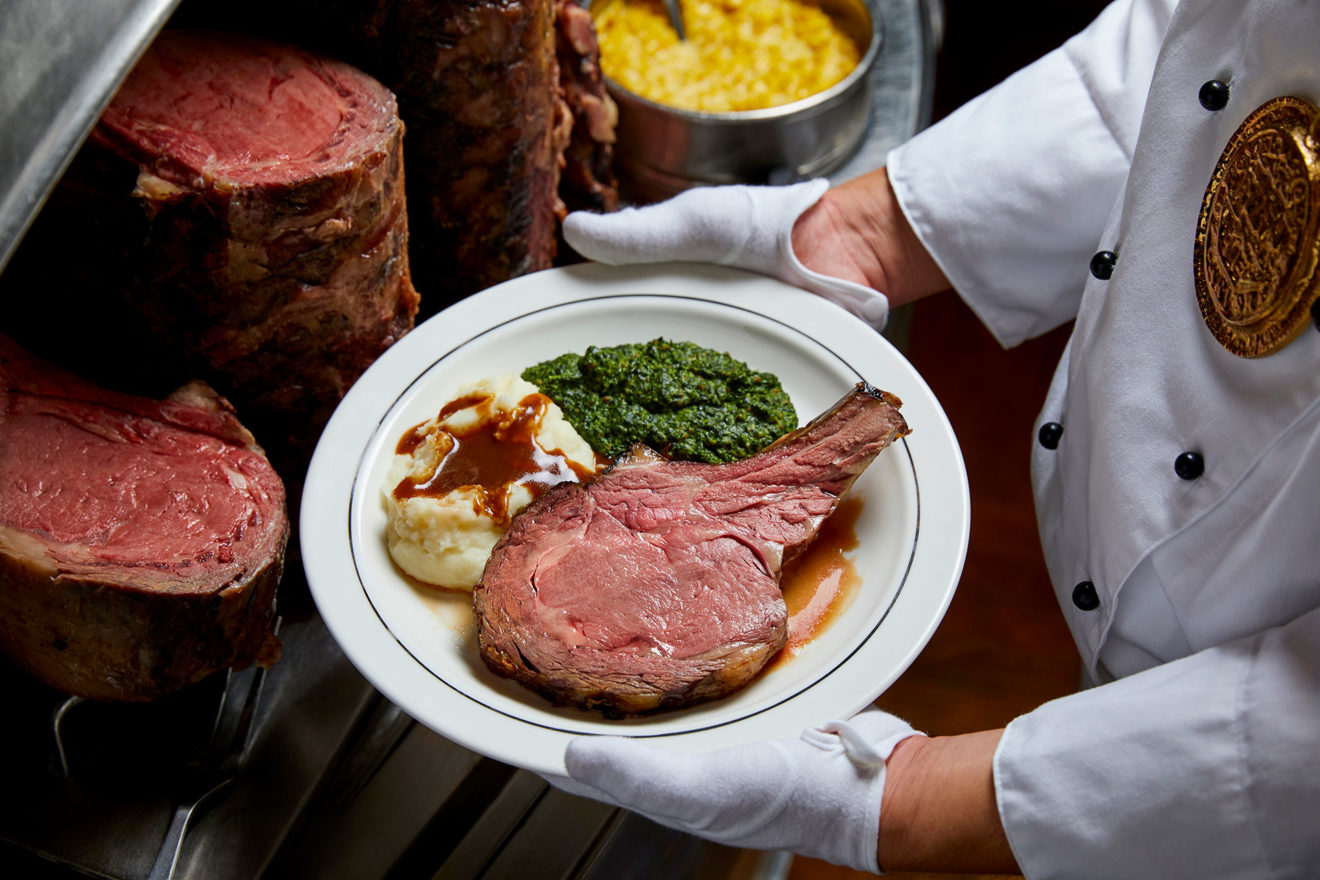
    The restaurant Lawry’s is considered a heritage dining brand with premium locations in several US cities, as well as a presence via franchisees in Singapore, South Korea, Taiwan and Japan. A point of difference is that food is taken to diners’ tables on silver carts as part of a theatre experience.

  • Burger Fuel New Zealand Restaurants performing well

    Burger Fuel New Zealand Restaurants performing well

    Burger Fuel said its stores in New Zealand have been performing well, posting a 2.6 per cent increase in sales on the previous year.

    Burger Fuel, which has 56 restaurants in New Zealand, said sales have increased from last year but growth was less than what the company would have liked for the period.

    Company chair Peter Brook and group CEO Josef Roberts said in a statement they will continue to focus on the opening of new restaurants in NZ for FY19 and update the market as the year progresses.

    They said, however, that they will only undertake new openings if they can achieve both the right locations as well as the accompanying franchisees.

    At this stage, the company said they are not undertaking third party home delivery, as over time they believe it will negatively affect both the brand and individual store profitability.

    “This decision may have impacted our growth numbers, however we remain committed to a no delivery policy at this stage,” Brook said.

    The company is in the process of changing from a single-brand international company to a multi-brand New Zealand company. The move was announced last year.

    “This transition is going well and we are pleased that we have managed to absorb all the costs associated with this transition, as well as the costs to develop the new brands and provide an acceptable profit for FY19,” Brook said.

    “We will continue to focus on the opening of new restaurants in NZ and we look forward to updating the market with these new openings as the year progresses.”

    Burger Fuel Worldwide posted a $1.2 million net profit for the year ending March 31, a turnaround from the previous year’s $463,000 net loss, as it transitions to a new business model.

    Sales decreased 15 per cent to $21 million, mostly reflecting the sale of the company-owned store in the United States to founding director Chris Mason in March last year, while expenses dropped 22.7 per cent to $19.2 million.

    “This internal change lowers revenue from our proprietary product manufacturing operation but will ensure that this business unit becomes more financially efficient,” the company says.

    Total system sales, including both company-owned and franchised stores, fell 2.9 per cent to $102 million.

    There were 78 Burger Fuel stores operating worldwide and two new outlets in New Zealand, one for each of the company’s new concepts, Shake Out, a new burger concept developed in-house, and Winner Winner, the chicken concept purchased by BurgerFuel Worldwide in December 2017.

    Of the BurgerFuel stores, 56 are in New Zealand.

  • TKO Gateway to host a Scent and Taste Lab

    TKO Gateway to host a Scent and Taste Lab

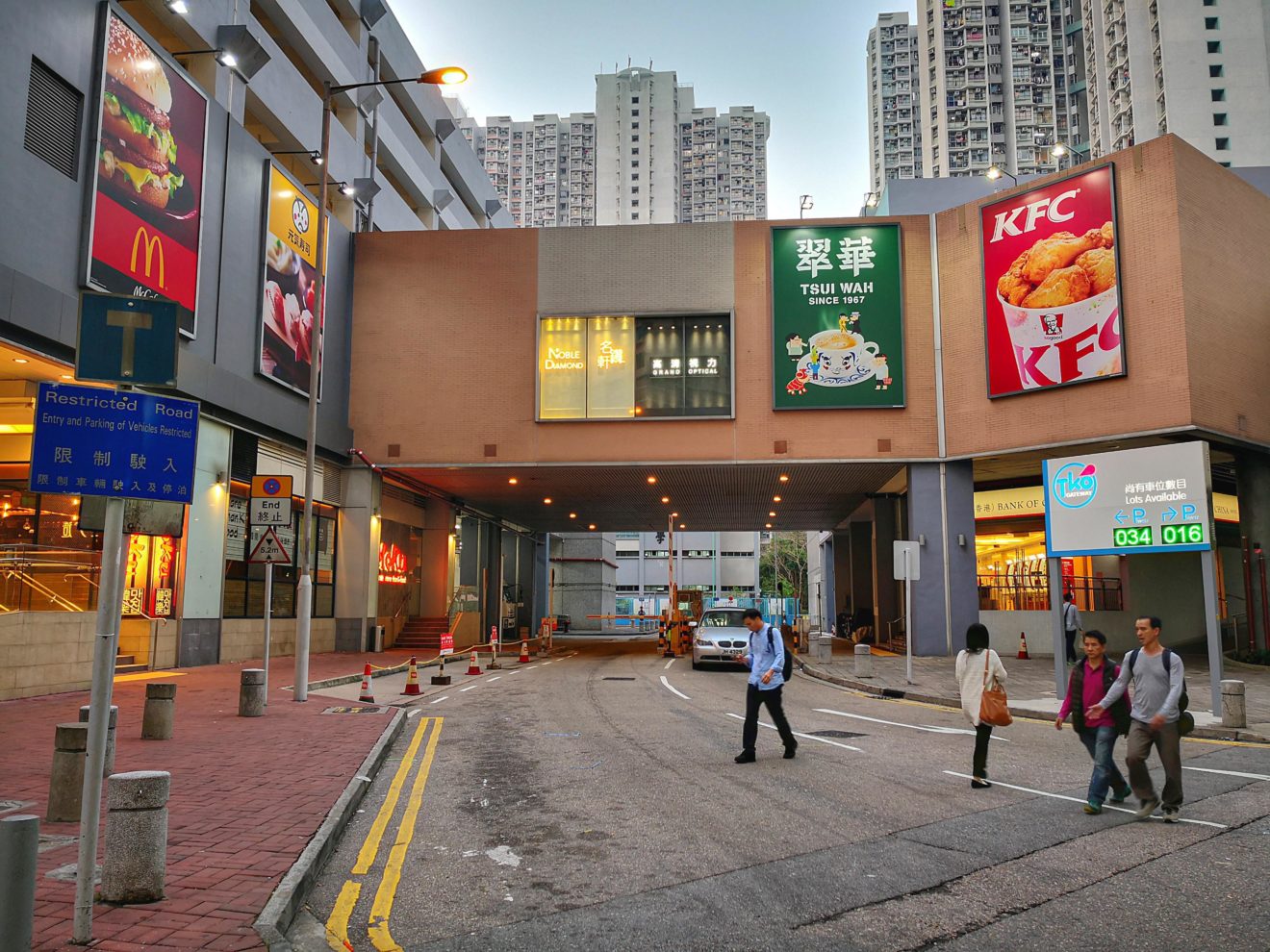
    Link’s TKO Gateway will host a Scent and Taste Laboratory, showcasing around 30 food scents from June 22 to July 21.

    The HK Foodie Zone – designed by local designer Jacqueline Chak, winner of the DFA Hong Kong Young Design Talent Award, presents signature local delicacies, including pineapple buns, mini egg puffs and curry fish balls, using scented candles and aroma essence oils.

    The lab creates and exhibits food scents across five different themes – Hong Kong Delicacies, Fresh Fruits and Spices, International Cuisine, Signature Beverages and Sweetie Desserts. An Aroma Bazaar and two redemption programmes for portable aroma diffusers and food lane cash coupons will also be held during the campaign period.

    In addition to offering these olfactory experiences, the Scent and Taste Laboratory includes 2D cartoon-like decorations and furnishings to present an Insta-worthy spot for customers.

  • Hong Kong restaurant Mott 32 Opens in Singapore

    Hong Kong restaurant Mott 32 Opens in Singapore

    Hong Kong restaurant Mott 32 will open at Marina Bay Sands by the end of this year.

    Operated by MBS and Maximal Concepts, the 7000sqft space will occupy the space of Italian restaurant Nostra Cucina on level B1 at The Shoppes at Marina Bay Sands, which will close within the next two months.

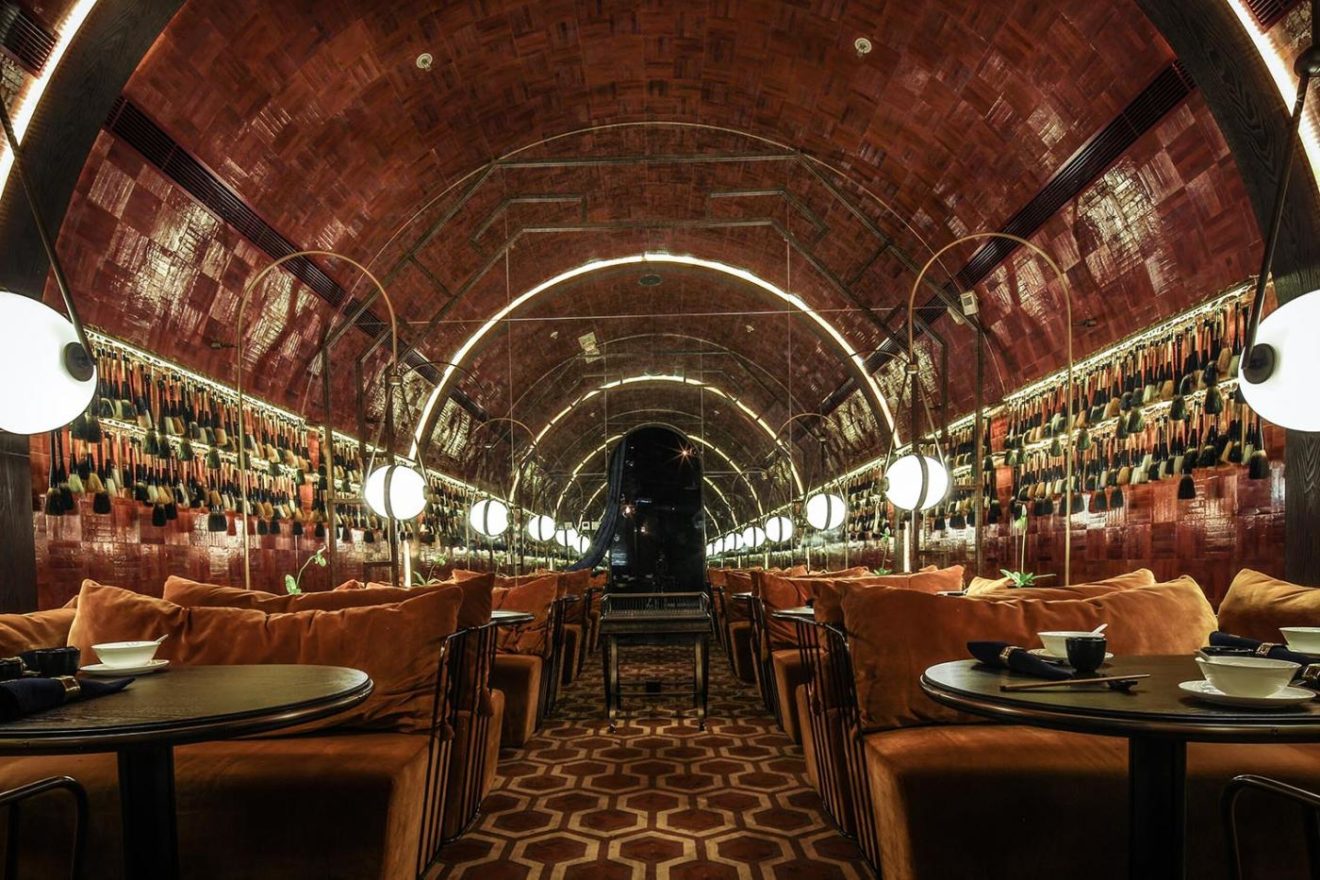
    The space will be designed by Joyce Wang Studio, which is also behind the Hong Kong flagship.

    Set to offer lunch and dinner daily, the menu will feature signature Mott 32 items such as its apple wood-roasted Peking duck and deluxe dim sum, and some dishes with Singapore flavours.

    The restaurant will also have a bar serving Asian-style cocktails.

  • Cafe de Coral profits down during 50th anniversary year

    Cafe de Coral profits down during 50th anniversary year

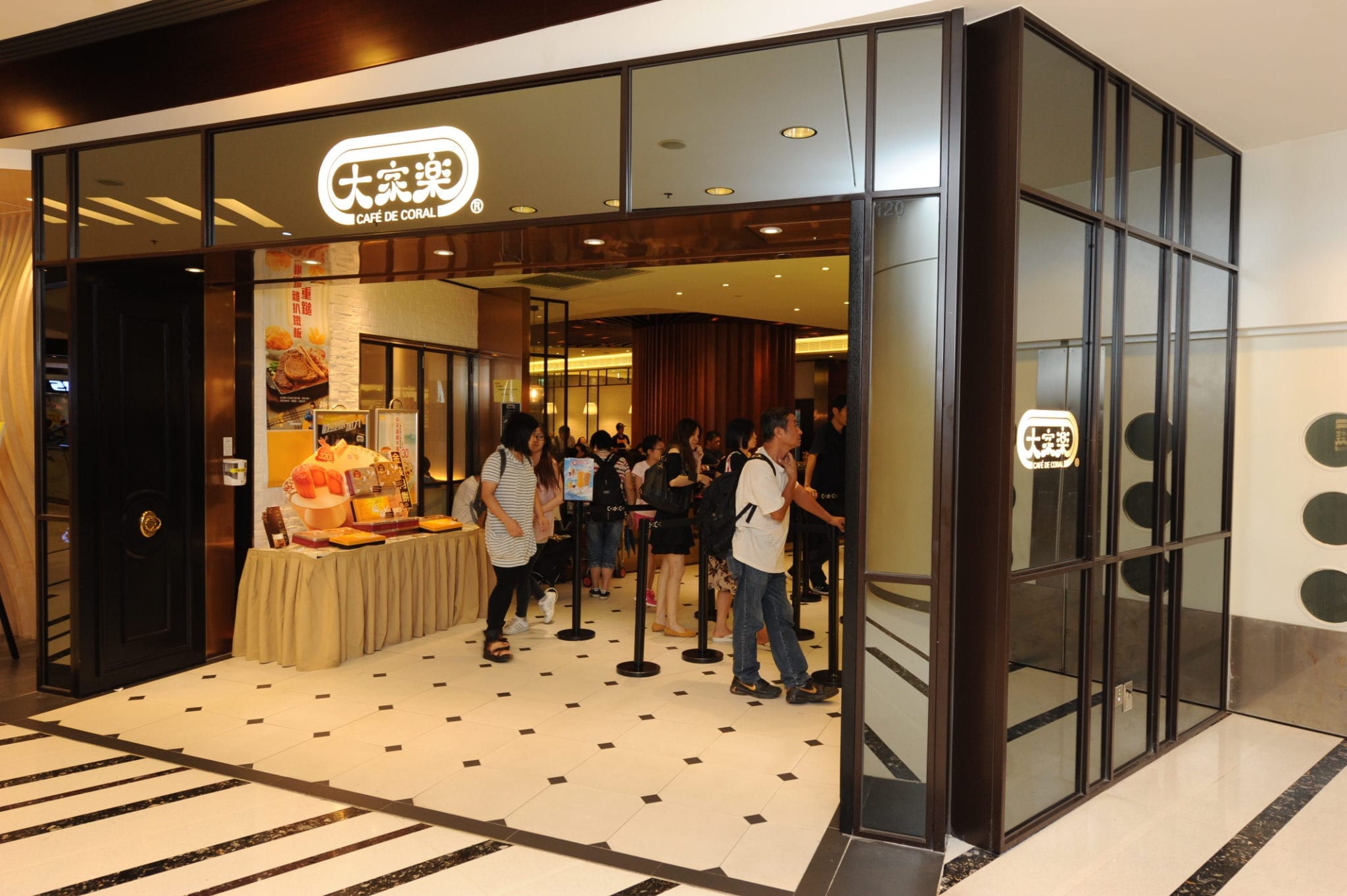
    A sharp focus on customer experience and behind-the-scenes efficiency has driven a solid rise in profits for Cafe de Coral in its 50th year of trading.

    Revenue for the Hong Kong-listed quick-service restaurant, catering and casual dining operator rose by a modest 0.8 per cent to HK$8.494 billion, however profit attributable to shareholders soared 28.9 per cent to $590.3 million, primarily due to improvements in operating efficiency and profit margins.

    “The results achieved during the year under review indicate clear improvement in performance and customer experience, as well as a positive trend in all areas of operations,” said chairman  Sunny Lo Hoi Kwong.

    “Our philosophy towards development is driven by a long-term view, and is inspired by a belief that development cannot be rushed, yet it cannot be slow. While a succession team and sustainable growth take time to nurture, it is important the business maintains forward momentum while adapting to the environment.”

    He said the China market – and in particular the Greater Bay Area – was a key driver of growth for the group during the past year.

    “Over the past 50 years, our business has organically grown outward from Hong Kong to include key neighbouring cities and regions, which cover largely the same footprint as the official Greater Bay Area region. In expanding from our home market, Cafe de Coral’s network in Mainland China has naturally focused on the Greater Bay Area – building on our knowledge of customers, markets, property and supply chain logistics. This has allowed us to grow at a comfortable pace, confident in our ability to maintain our high standards of quality, cleanliness and service throughout our network.”

    He said focusing on the future business environment, technology will continue to be a key differentiator of the business this year. “Whether automating mobile ordering, payment or take-out and delivery, e-channels now represent a significant portion of our business, which will only grow as time passes.”

    While sales in the QSR and institutional division decreased by 0.6 per cent to $6.26 billion, the businesses maintained their leadership positions in the Hong Kong market, and contributed 73.8 per cent of the group’s total sales. The division finished the year with 298 outlets – the same as at the same time a year earlier.

    “Although the Hong Kong market remains very competitive, sentiment is positive and the fast food segment continues to grow,” said Lo. “In order to maximise growth opportunities, the group is maintaining its focus on improving all parts of the customer journey. With the manpower investment program in previous years now largely complete, costs are stable and under control – and margins are improving as a result.”

    He said consumers remained price sensitive and continued to be attracted by price cuts and value promotions. Cafe de Coral fast-food recorded flat same-store sales growth during the year. A review of the store network saw one opened and six closed during the year, for a net 162 shops as at March 31.

    “With network consolidation now complete, the group expects to expand its network. Seven new outlets have been scheduled to open in the months ahead.”

    A new customer loyalty program launched in May last year has proven highly popular with customers, with a significant increase in membership.

    The group has strengthened Super Super Congee & Noodles’ brand positioning as Hong Kong’s No 1 leading neighbourhood chain, providing nostalgic traditional and authentic Chinese cuisine (congee, noodles and wok-fried dishes). It achieved 2 per cent same-store sales growth during the year.

    The casual dining business achieved revenue of $905.8 million during the year, an increase of 2.7 per cent year on year. Following rationalisation of the brand portfolio and branch network, the division operated 60 shops at the end of the year, eight fewer than a year earlier.

    The group’s Chinese cuisine brands, Shanghai Lao Lao and Mixian Sense, maintained sizeable networks and shop presence with 12 and 17 shops at year end, respectively. Shanghai Lao Lao, the company’s leading home-grown brand, was successful in its promotions during the year.

    Mixian Sense opened three more shops during the year, introduced QR code ordering to improve the customer experience and operational efficiency, and also launched a new VIP program to encourage customer response.

    Non-Chinese cuisine brands continued to rationalise their branch networks to improve performance. The Spaghetti House ended the year with seven shops and Oliver’s Super Sandwiches with 13, both chains two stores down year on year.

    Lo said Mainland China represents a major opportunity for the group’s business. “Continuing last year’s momentum, the Mainland China business delivered strong performance during the year, achieving 7 per cent growth in revenue to $1.152 billion and same-store sales growth of 2 per cent.”

    Building on management’s confidence in the market, the group doubled the number of store openings compared to the previous year, opening 16 shops to end with 107. Another 20 new stores are planned for this year.
  • Arabica Singapore Opens

    Arabica Singapore Opens

    Coffee chain % Arabica Singapore is to open three stores initially, the first at 56 Arab Street on June 28.

    After many delays due to construction and interior works, the Arab Street outlet of the Japanese coffee house will opened with seating for 20 and featuring a minimalist white design.

    Two other stores will follow at Chip Bee Gardens at Holland Village, and 313@Somerset on Orchard Road.

    There are plans to serve food at the Chip Bee Gardens outlet.

    Established in 2011, % Arabica has 16 stores in Hong Kong, Japan, Kuwait, the UAE, Oman, the Philippines and China.

  • Australian barista Paul Bassett Expanding Coffee Bussiness

    Australian barista Paul Bassett Expanding Coffee Bussiness

    A decade after launching in South Korea, Australian Paul Bassett plans to make the most of a “positive evolution” in the local coffee culture, expanding his brand partnership with a local dairy company.

    Paul Bassett teamed with Maeil Dairies Co to launch a coffee brand named after him in 2009 – just at the time local consumers were starting to embrace specialty coffee. Their vision was to target the growing high-end coffee market.

    “Driven by a lot of curiosity for specialty coffee, the overall (Korean coffee) market has grown in the past 10 years and specialty components within the market showed some real healthy growth,” the 2003 World Barista Champion said in a recent interview.

    “I think it was the timing when we opened the (first) store and the location of the store was quite important. Had we been here 20 years ago, I am not sure.”

    South Korean’s craze for coffee has been described as dramatic in recent years. Starbucks and other premium coffee brands have sprawled into every corner of the nation’s big cities.

    South Korea’s coffee market was estimated at US$9.85 billion last year, and the specialty sector of the market is still growing.

    When Paul Bassett opened its first location in a department store in the affluent Gangnam district in 2009, it made a splash in the sector with a differentiated product lineup beyond typical Americanos and lattes.

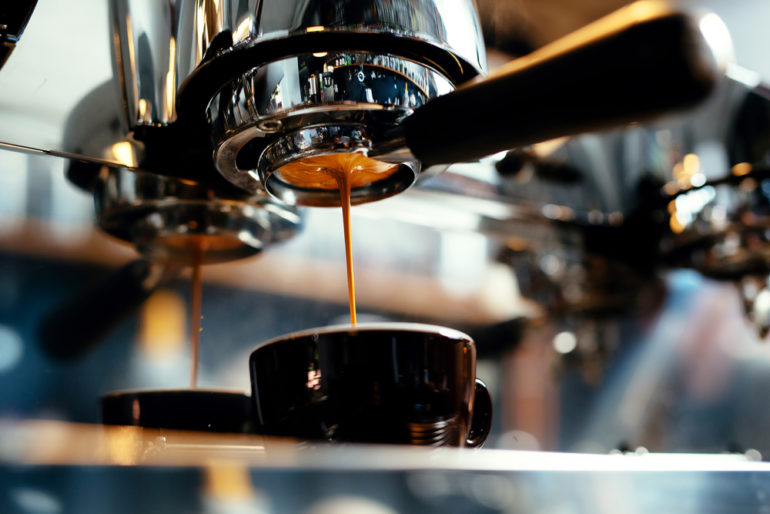
    The brand made a name for itself with lungos, an Italian-style short black coffee with more water, a rather nascent item at the time. Lungos are weaker than espressos with additional hot water but more bitter than Americanos.

    Paul Bassett outlets, operated by M’s Seed Co, a wholly owned unit of Maeil Holdings, have also proven popular due to a variety of latte items and ice creams, with milk provided by Maeil Dairies.

    For example, its ice cream latte, similar to Italian espresso-based affugatos, is also a hit at the coffee house.

    Bassett said he has been deeply involved in selecting beans, deciding on the blending ratio and roasting profile, quality checks and product development. Baristas at Paul Bassett stores extract espresso and make drinks according to his manual.

    The 41-year-old barista says he works as a “gatekeeper of quality” to maintain quality and consistency of beans and other drinks at 96 stores, mostly located in the Seoul metropolitan area.

    “We can go into one store in one location and have the same result and same experience in all of the locations,” he said. “It’s a challenge, but it’s one of the things that is really important to us.”

    Starting with 500 million won in sales in the first year, Paul Bassett posted 93.8 billion won in sales in 2018 and aims to double the number of outlets to 200 by next year.

    Without a doubt, local coffee brands like Paul Bassett still lag far behind Starbucks. The US coffee giant generated 1.5 trillion won in sales last year and currently runs 1290 stores in Korea.

    Still, Bassett is optimistic about his brand’s further expansion on the back of a rising appetite for specialty coffee and its royal customers. To fuel growth, the barista, who makes regular visits to Korea to check the menu and train baristas, said he will work with the M’s Seed to educate South Koreans about the origin of beans and the chemistry behind coffee.

    Once consumers know every cup of coffee can tell a story from farms from Ethiopia, Guatemala and Brazil, they will crave specialty coffee more than blended coffee, he said.

    Growing up in a family that runs a restaurant in Australia and having found his true passion for coffee during his trip to Italy 20 years ago, Bassett says he wants to contribute to the Korean coffee culture.

    “I have a very intimate and personal relationship with coffee. I’ve been able to develop an understanding of coffee through so much experimentation that I understand all the little inputs and how they can impact taste,” Bassett said.

    “I feel like the journey has brought me to where I am now.”

  • Meal Temple Group invests in Myanmar with Freshgora

    Meal Temple Group invests in Myanmar with Freshgora

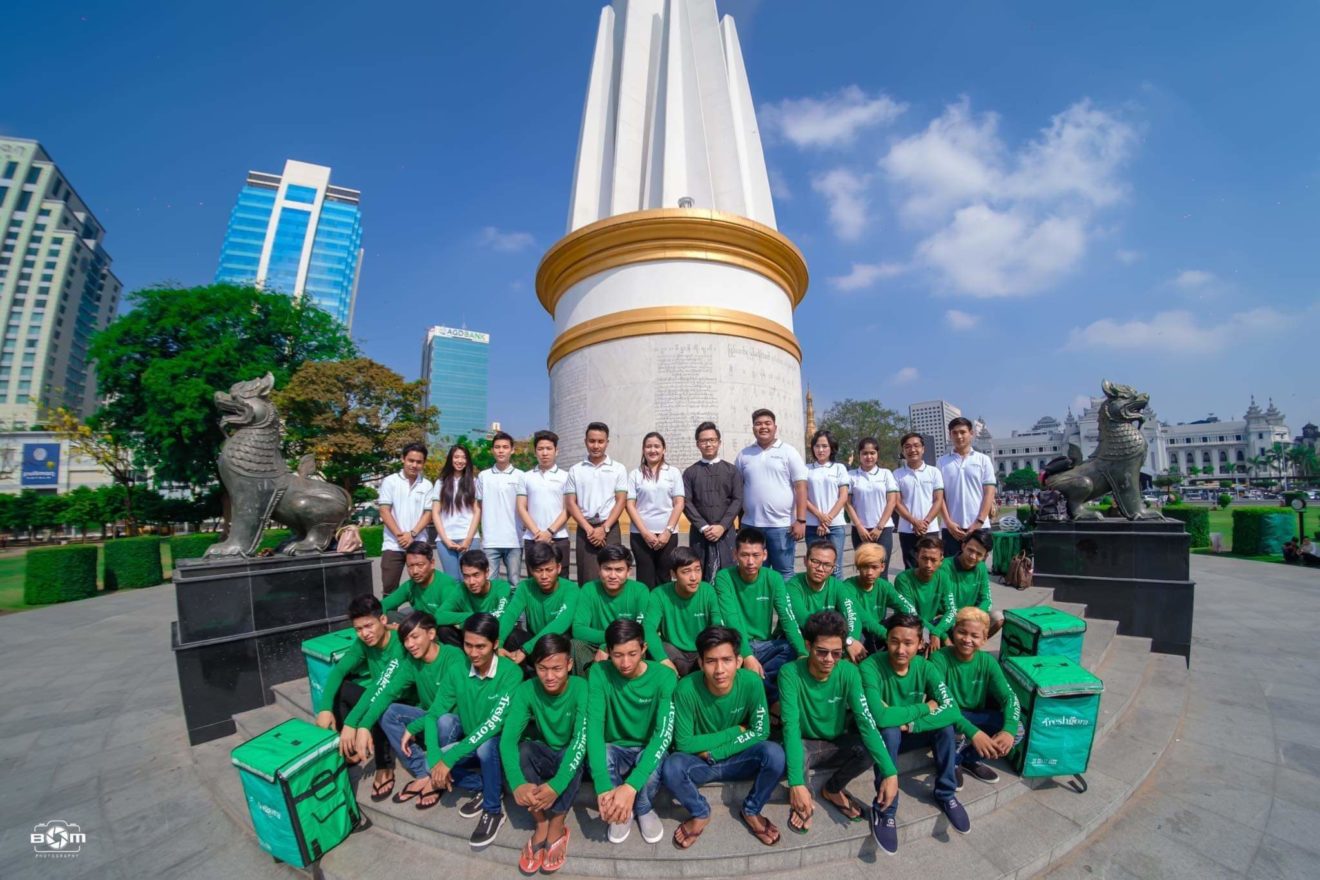
    Meal Temple Group, the leading startup in food delivery and logistics in Cambodia and Laos is continuing its expansion in the region by partnering FreshGora.com in Myanmar, after raising seed stage funds less than a year ago. Freshgora.com is a local startup based in Yangon, Myanmar, offering many on demand services through its online based mobile application and website. Meal Temple Group is the leading food delivery service in Cambodia and Laos, expanding its logistics offer to local businesses as well and offering its customers more new services.

    Both companies just entered an agreement to address the market in Myanmar and expand its operations nationally. With more than 55 million people, including more than 6 million in the Yangon
    metropolitan area, Myanmar is one of the fastest growing markets in South-East Asia. Freshgora.com, is a young startup from Yangon, that started less than a year ago, and already achieved to get over the rate of more than 100 deliveries a day in Yangon, offering food deliveries from restaurants and local markets in less than one hour through its own fleet of drivers. Sharing common vision, challenges and opportunities as Meal Temple Group in Cambodia or Laos, Daniel Htut, the founder, and its team, will benefit from Maxime Rosburger, Meal Temple Group’s founder,
    and their 5 years experience in the market.

    Daniel Htut says “We are really excited to partner with Meal Temple Group and offer our customers in Myanmar more services, support and perks, and be guided by Maxime and his team on how to sustain our growth in the market. After only 8 months, we are already tackling the largest local players, with a clean approach on technology, user experience and interface as well as customer
    service. We are also really inspired by Meal Temple Group’s vision on electric vehicles and social impact ambition.”

    The local entity will continue to operate as Freshgora, adding more services along the way, and working together with Meal Temple Group for an on demand super app for frontier markets of Asia in the long run. Meal Temple Group is looking to address more than 100 million people in frontier markets of Asia by the end of the year, and grow its technology to a super app model.

  • Pirata Group to launch new temakeria concept

    Pirata Group to launch new temakeria concept

    Japanese temakeria restaurant concept TMK is set to open on Hong Kong’s Hollywood Road in mid-July.

    The Pirata Group brand is being positioned as a “ballsy temakeria offering a wild experience and finger-licking good food”. The new venue’s executive chef Miguel Huelamo, supported by Japanese head chef Takeshi Suzuki, are offering a selection of classic and signature temaki rolls as well as sushi, fresh-from-the-sea sashimi and reimagined takes on traditional Japanese dishes.

    “TMK is a missing piece in Hong Kong’s F&B market,” said Pirata Group cofounder Christian Talpo, the creative force behind TMK. “A unique, one-of-a-kind punk-inspired restaurant that paves the way for novel all-day dining and late-night experiences.”

    Promotional material for the restaurant promise “a lawless venue where tattooed bikers and black-clad punks are served a varied selection of sake, Japanese highballs and craft beer”. Inspired by the exuberance and irreverence of punk rock, TMK will feature a “headbanging soundtrack and a dive-bar-styled interior”.

  • Japanese-born Pronto Caffe & Bar is opening in Singapore

    Japanese-born Pronto Caffe & Bar is opening in Singapore

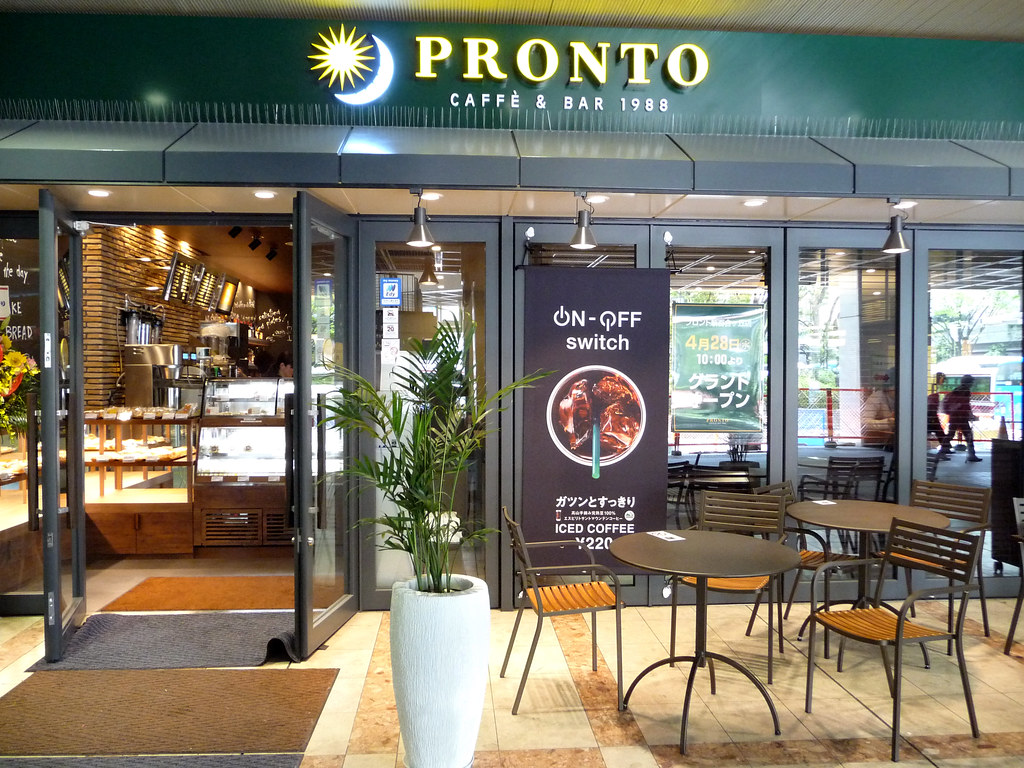
    Japanese-Italian cafe chain Pronto Caffe & Bar is opening in Singapore this week.

    Set to open on Thursday (June 13) at Capital Square, the outlet will serve breakfast sets, pastas, pizzas, desserts and coffee by day; and alcohol and bar food by night.

    The menu features a mixture of Japanese-influenced dishes, including Japanese Style of Pork and Spicy Greens, along with more traditional western fare, such as Eggplant with Bacon in Tomato Sauce pasta.

    Green tea beverages are available as well as coffee.

    First opened in 1988, and jointly owned by Suntory and UCC, Pronto now has more than 260 outlets in Japan.

    There are plans to open more outlets in Singapore next year.

  • Gram Cafe & Pancakes Opening in Singapore

    Gram Cafe & Pancakes Opening in Singapore

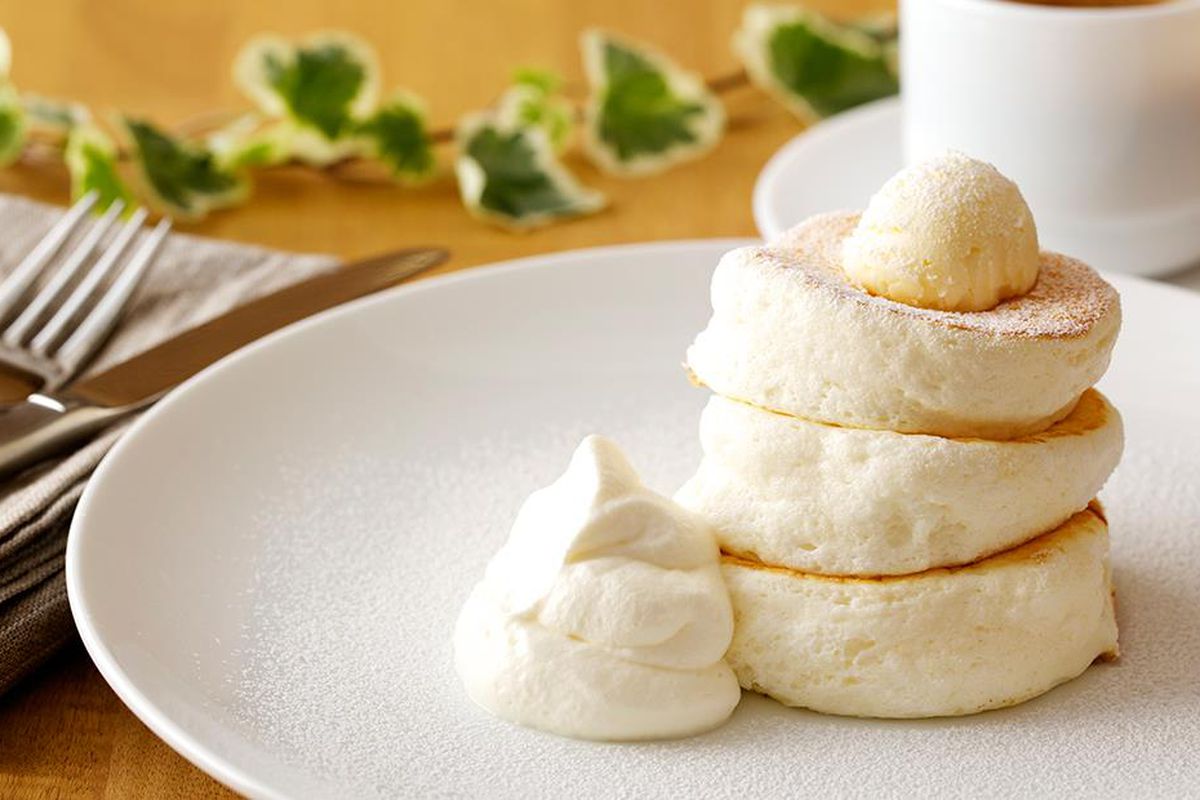
    Japanese-based Gram Cafe & Pancakes will open its first Singapore franchised outlet at VivoCity mall.

    Gram is being brought to Singapore by three locals who travelled to Japan and ‘adored’ the chain’s pancakes. A Japanese business partner linked them up with Gram’s owner Takeda Takeshi.

    Established in Osaka in 2014, Gram has six franchised international outlets in Hong Kong, Bangkok, San Francisco, and now, Singapore.

    The 40-seat VivoCity cafe will offer savoury pancakes, such as chilli beef version, as well as an exclusive Japanese Curry pancake set.

    For those who are not pancake fans, the cafe serves French Toast topped with fresh cream, maple syrup, bananas, chocolate sauce and a scoop of vanilla ice cream.

  • Ramen chain Afuri Opening in Singapore

    Ramen chain Afuri Opening in Singapore

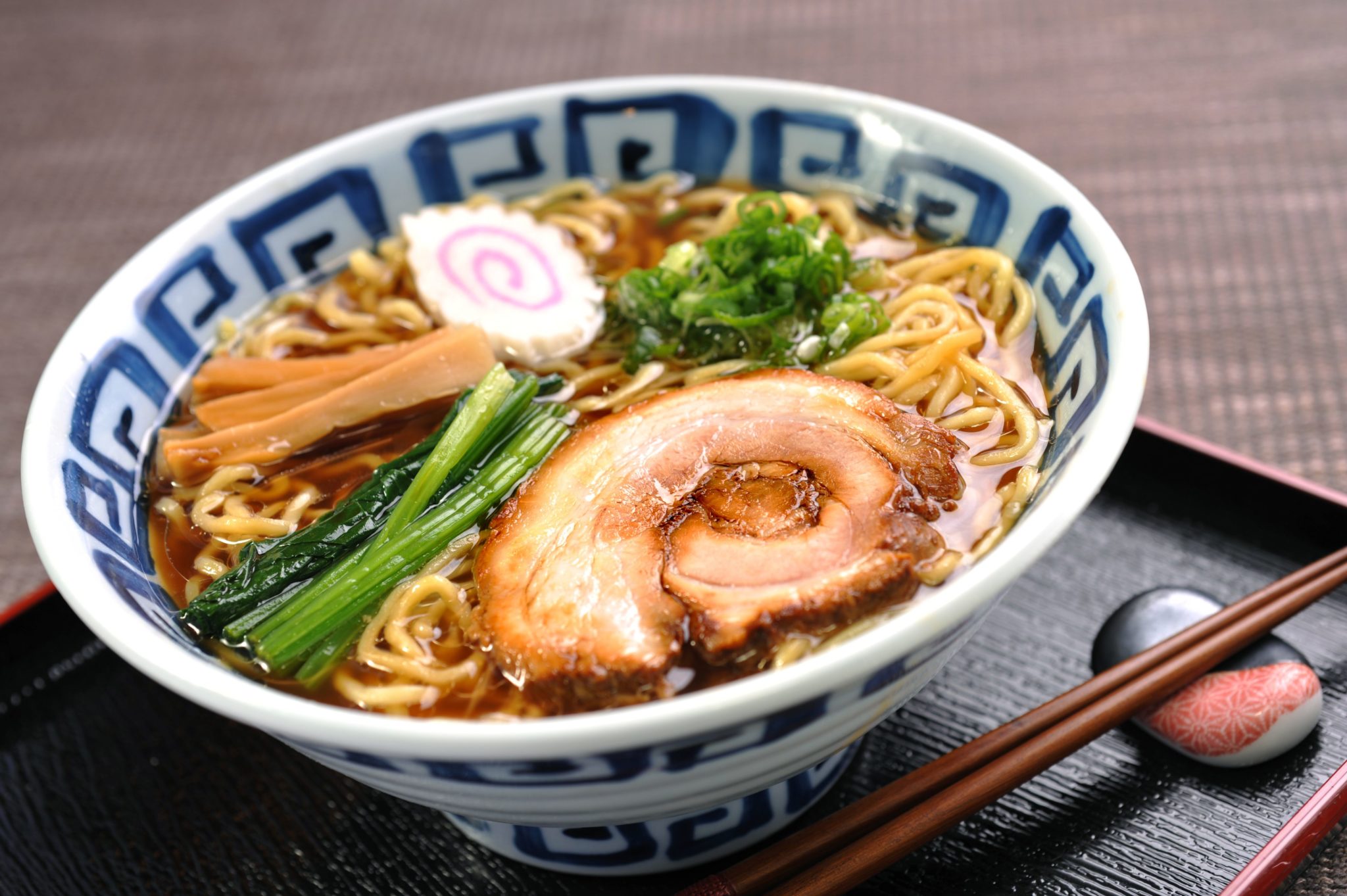
    Japanese ramen chain Afuri is to open its first outlet in Singapore, at Funan mall.

    Brought to Singapore by F&B group Japan Foods Holding, the Funan outlet will be known as Afuri Ramen + Dumpling.

    Besides Afuri’s signature yuzu ramens, the expanded menu will have small plates options as well as gyoza (dumplings).

    Funan mall will open its doors to shoppers on June 28, after a three-year redevelopment.

    Afuri ramen adds to the food options at Funan, including Japanese restaurant Noka, urban farming outfit Edible Garden City, Taiwanese bubble tea brand Milksha, and modern Peranakan restaurant Godmama.

    Named after Mount Afuri in Japan, the chain first started in 2001, known as Zund-Bar, at the foot of Mount Afuri.

    It changed brand to Afuri in 2003, and now has 15 outlets worldwide.

    The latest location was Lisbon, Portugal.

    Afuri ramen instant noodles have been sold in Singapore at selected supermarkets and Japanese speciality food marts.

  • Hot Dog on a Stick opens first Restaurant in China

    Hot Dog on a Stick opens first Restaurant in China

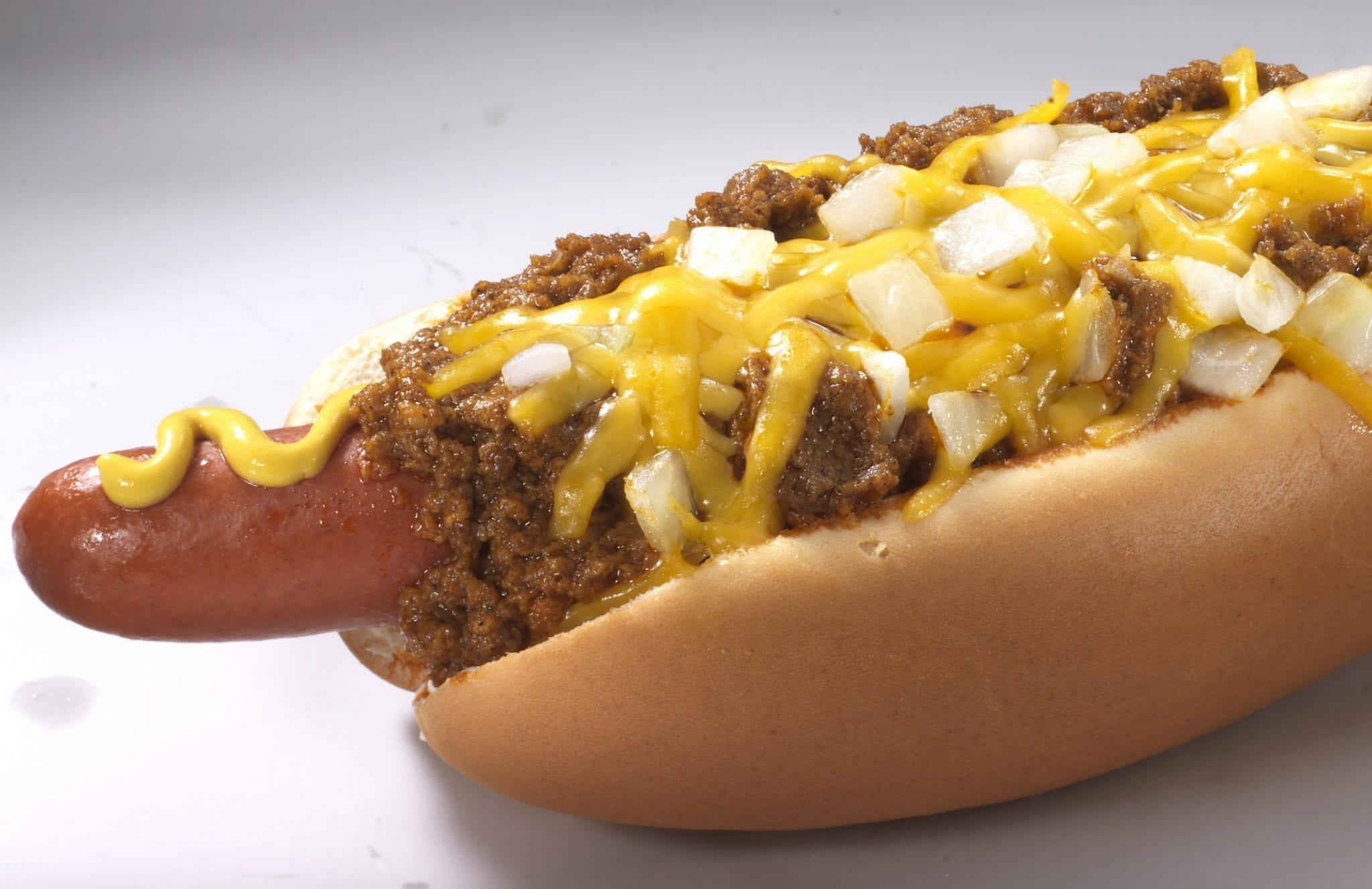
    The brand’s parent, Global Franchise Group, has signed a master-franchise agreement with Eugene Restaurant Management which will see Hot Dog on a Stick launching at Crystal Galleria prior to opening 20 additional locations throughout the greater Shanghai area.

    “Hot Dog on a Stick is a pop culture phenomenon, and the sunny concept with our famous striped uniforms and portable food items really resonates with the modern Chinese lifestyle,” said GFG president and CEO Chris Dull. “Global Franchise Group is confident that Hot Dog on a Stick will be a very popular dining destination in Shanghai.”

    “I’ve been a fan of Hot Dog on a Stick since my childhood in the US and decided to open a location in China because I truly missed the food,” said master franchisee Eugene Mao. “I believe the local population in Shanghai will love Hot Dog on a Stick as much as I do.”

    Established in 1946 in southern California, Hot Dog on a Stick also has international locations in Korea.

  • Hong Kong debut for Japanese hot-pot chain Bijin Nabe

    Hong Kong debut for Japanese hot-pot chain Bijin Nabe

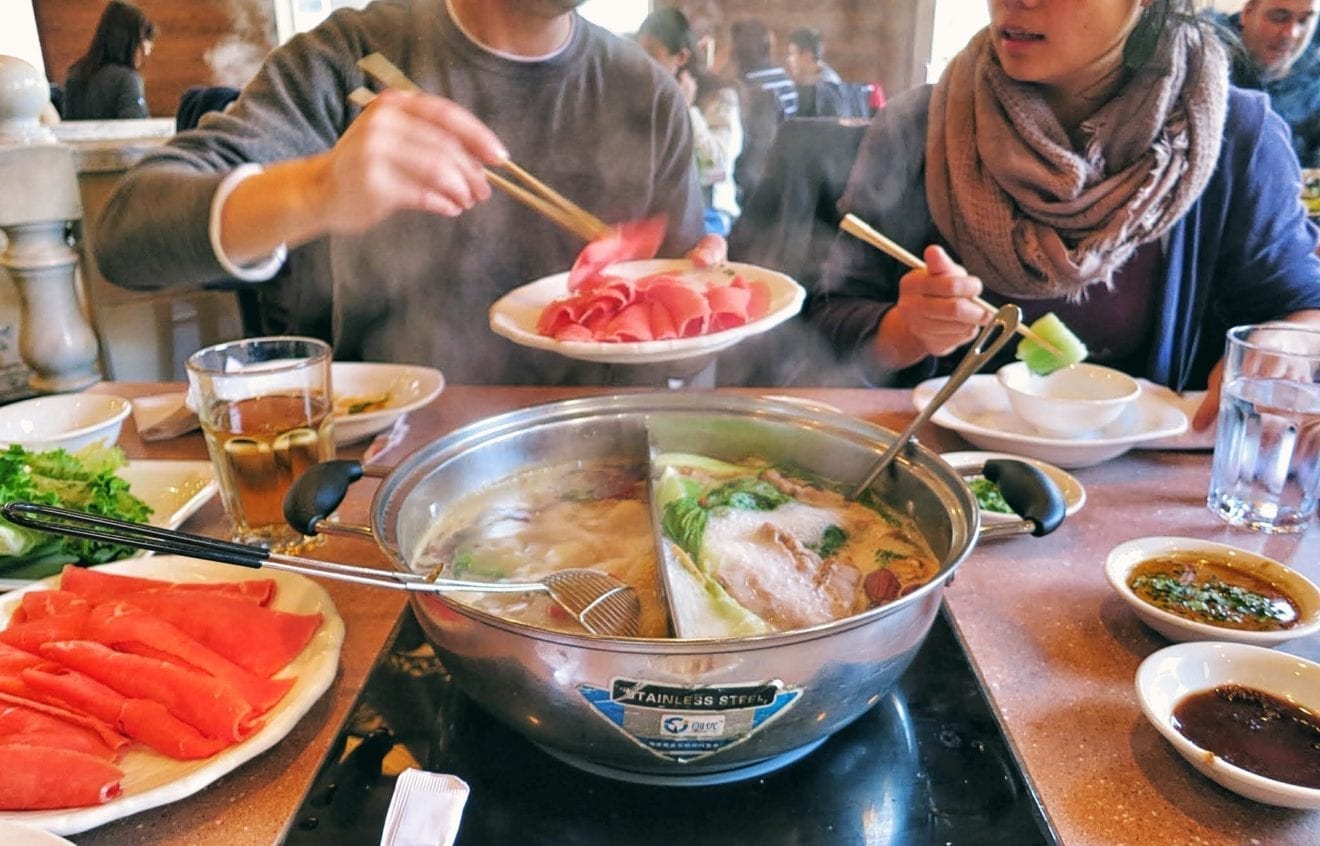
    Japanese “farm-to-table” restaurant group AP Company is expanding in Hong Kong with the local debut of its Bijin Nabe hot-pot brand.

    Named after the group’s signature “collagen-rich chicken ‘beauty stock’”, Bijin Nabe’s 2800sqft venue is now open at APM Millennium City 5 in Kwun Tong. AP Company has expanded to 200 restaurants in Japan and Singapore based on the reputation of its ‘super supplement’ stock – boiled for eight hours from free-range chickens, free of steroids, hormones and antibiotics and raised at its own poultry farms in Japan.

    “Bijin Nabe is establishing a niche with ‘per person’ hotpots in a dining style usually designed for groups,” said Bijin Nabe MD Masashi Kamatani, “with the added appeal of fashionable and ‘instagrammable’ appetisers, desserts, alternative specialty dishes, mocktails, cocktails and home-made vegetable juices.”

    Bijin Nabe’s focus is on young millennial consumers via an emphasis on three key concepts – beauty, tasty and healthy.

    The group made its debut in Hong Kong in 2017 with its flagship upmarket izakaya-style restaurant brand Tsukada Nojo in Harbour City, followed by the opening of a Shatin branch last year.

  • Five Guys confirms Singapore Restaurant Opening

    Five Guys confirms Singapore Restaurant Opening

    American burger chain Five Guys is set to open in Singapore within six months.

    Local franchisee Zouk Group says the first outlet will open somewhere “central”.

    “There will definitely be more than one outlet here, depending on how many the market can sustain,” Andrew Li, Zouk Group CEO said.

    Five Guys is known for its customisable beef burgers, hotdogs, milkshakes and sandwiches.  Singapore outlets have the same menu as the US and Hong Kong.

    Prices have yet to be confirmed, but the outlet will serve alcohol including craft beer.

    Founded in Virginia in 1986, the brand now has more than 1600 restaurants worldwide across the US, Europe, Middle East and Asia.