Category: Food

Retail News Asia is committed to providing both local and global retailers with the latest Food and Food & Beverage news throughout the Asian market. This on a daily base.

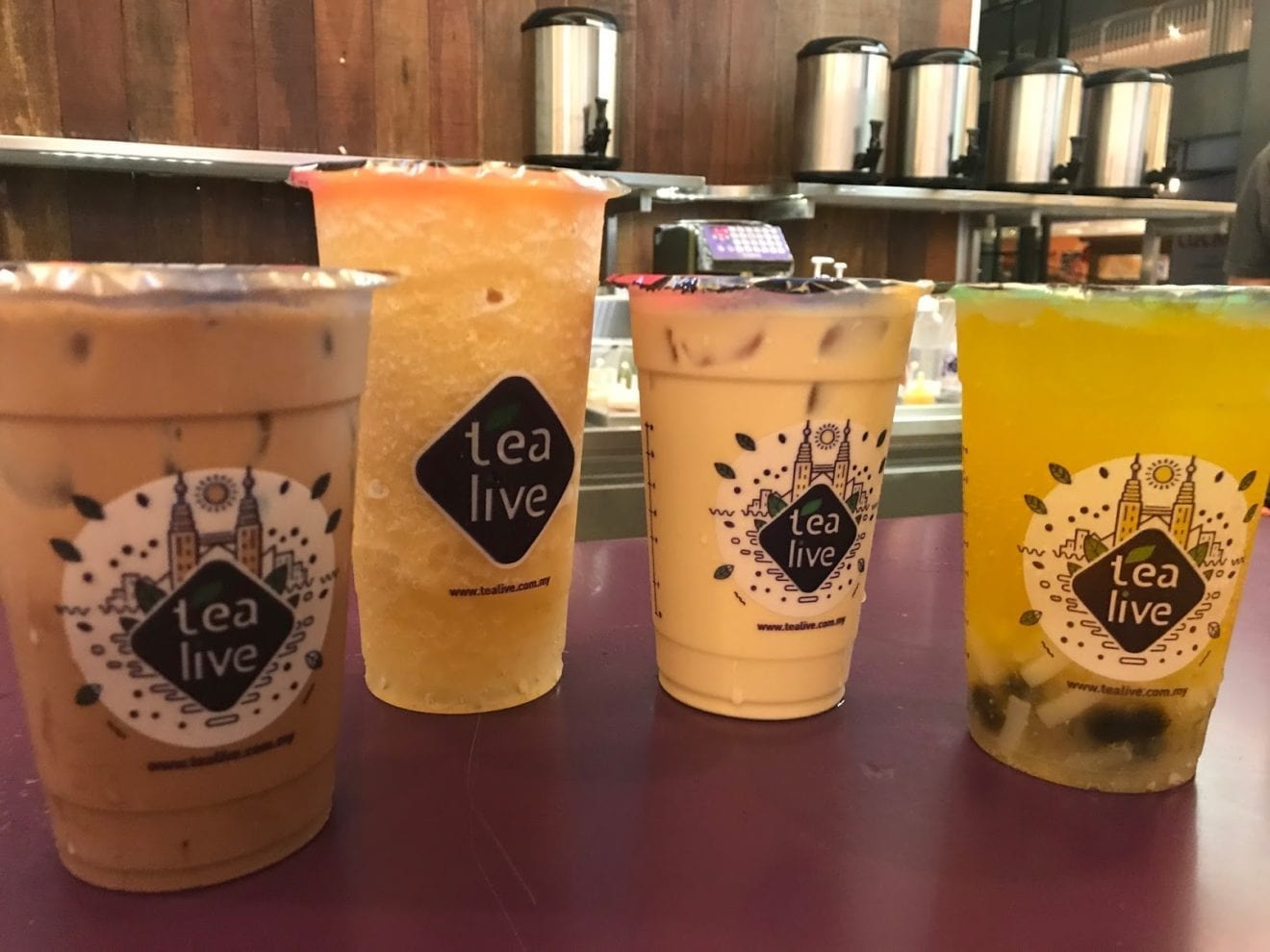
  • Tealive parent Loob Holding eyes on IPO

    Tealive parent Loob Holding eyes on IPO

    Tealive parent Loob Holding, is planning an IPO to fund ‘aggressive expansion’. The company is looking to open 1000 Tealive stores in 15 countries by the end of next year.

    Along with another 150 new outlets in India by 2024.

    China is still its focus market, with 500 more outlets to come after first outlet opened last November.

    Tealive has more than 200 outlets in its home market, seven in Vietnam, two in China, and one in Australia. About one third of these are operated by franchisees.

    Loob Holding CEO Bryan Loo said the company is building relationships with potential business partners in Japan, Indonesia, Myanmar, Mongolia, and the UAE, while Singapore is also in its expansion plan.

    Apart from Tealive, Loob also runs F&B franchises in Malaysia, including Gindaco, Croissant Taiyaki, Define:food, Define:burgers and Ko Ko Kai.

  • Industry leaders at Café Asia, Singapore’s largest coffee and tea show welcome the inaugural Restaurant Asia 2019

    Industry leaders at Café Asia, Singapore’s largest coffee and tea show welcome the inaugural Restaurant Asia 2019

    This morning, business leaders and key players from the coffee, tea and bakery industries gathered at the official opening ceremony of the 7th Café Asia 2019, the 7th International Coffee & Tea (ICT) Industry Expo, and the 6th Sweets & Bakes Asiashows at Marina Bay Sands Singapore Expo & Convention Centre. This year, the three shows are held concurrently with the inauguralRestaurant Asia 2019 (RA 2019).

    The official opening ceremony was graced by Guest-of-Honour, Mr Chee Hong Tat, Senior Minister of State, Ministry of Trade and Industry & Ministry of Education.

    Together, the four exhibitions form a dedicated platform to host some 250 exhibitors from 28 countries, who are here to meet the needs of cafes and restaurants all over ASEAN and beyond. The one-stop convenient sourcing hub for the coffee, tea, pastry and the F&B industries is organised to foster new collaborations, explore opportunities, and to present the latest trends and developments to trade professionals and members of the public. Spanning a gross exhibition area of 7,000 square metres, the shows are expected to attract over 10,000 restaurateurs, baristas, café and coffee purveyors, coffee roasters, tea and baking ingredients suppliers, equipment distributors, and members of the public over the next three days.

    Restaurant Asia 2019 presents a dedicated showcase of the latest in cutting-edge restaurant, kitchen and culinary equipment, as well as solutions and supplies that will address the needs of restaurant owners, from front of house reception to the back of house operations. Restaurant Asia will also present its first Restaurant Asia Symposium 2019. Speakers at the symposium themed, Futureproof F&B: The Next Lap, will share invaluable insights on productivity, capability development and leverage on relevant technologies to future-proof the F&B business.

    Among the topics to be presented at the symposium is Menu Re-engineering for Profit Maximisation, led by Mr Chen Xin Shi, Managing Director of the illustrious Han Yuan Academy, a Taiwan-based organisation which provides consultations and classes for restaurateurs and the food & beverage industry. Classes and consultations conducted by Mr Chen are known to have leaders and players of the local and international food & beverage industry flocking into Taiwan for his invaluable insights and knowledge. During the presentation, Mr Chen will share knowledge on actionable steps to increase top-line through an understanding of customers and restaurants’ value perceptions and needs. Through strategic menu design and mixed management, restaurant owners will be able to enhance customer satisfaction and maximise unrealised profits.

    The launch of the inaugural Restaurant Asia expo this morning also bore witness to the signing of the Memorandum of Understanding between restaurant associations in the region to facilitate the forming of the ASEAN Restaurant Association Alliance. Present at the ceremony were representatives of the Cambodia Restaurant Association, the Indonesian Hotel and Restaurant Association, the Malaysian Food & Beverage Executives Association, the Hotel & Restaurant Association of the Philippines, the Restaurant Association of Vietnam and the Restaurant Association of Singapore.

    The MOU is the first step to the associations in ASEAN working towards promoting each other’s events and jointly organising activities for the business benefit of members of the collaborating associations, promoting the industry’s best practices, the creation of strong business relations among members of MOU partners and more.

    A key highlight of Café Asia this year is the inaugural ASEAN Coffee Federation (ACF) Specialty Coffee Auction which will make its debut on the second day of the show. A joint event by the ACF and Conference & Exhibition Management Services Pte Ltd (CEMS), the auction will feature coffee of specialty grade from participating exhibitors of Café Asia and also from ASEAN. All the beans on auction have been graded to meet ASEAN’s very own set of Coffee Standards which focuses on coffee beans cultivated in the ASEAN region. The set of ASEAN Coffee Federation Standards which was announced at Café Malaysia earlier this year, also makes its debut at Café Asia and is an excellent tool to boost the growth of the coffee industry in ASEAN which features key differentiations from existing standards originating from the west. The auction is attractive because the specialty coffee beans offered observe a dedicated process to acquire better quality beans.

    Café Asia’s packed comprehensive programme includes three high-octane National Coffee Championships which will see Singapore’s home-grown baristas, brewers, latte artists, and students contend in the Singapore Latte Art Championship, Singapore Cup Tasters Championship and the Singapore Coffee in Good Spirits Championship. Winners of the respective national titles will represent Singapore on the international stage at the world championships later this year.

    As part of the multi-sensorial and a highly interactive experience promised by Sweets and Bakes Asia 2019, visitors and bread-lovers will get to attend cooking studio workshops and demonstrations at the show. Activities will include hands-on sessions on baking the classic Ham Mayo Bread treat, workshops on baking the soft and fluffy Soufflé Cheesecake, as well as demonstrations on how to bake the all-time favourite flourless Gateau au Chocolat. Coffee cocktail lovers who visit Café Asia will also be feted with three daily demonstrations by coffee experts on how to concoct coffee cocktails using the finest coffee liqueur.

    Café Asia 2019, the International Coffee & Tea Industry Expo 2019, and Sweets & Bakes Asia 2019 are organised by CEMS. Café Asia 2019 and International Coffee & Tea Industry Expo 2019 are hosted by Singapore Coffee Association. The inaugural Restaurant Asia 2019 is organised by the Restaurant Association of Singapore (RAS) in partnership with CEMS.

  • Starbucks opens 30,000th store, somewhere in China

    Starbucks opens 30,000th store, somewhere in China

    Starbucks has opened its 30,000th store – launched in Shenzhen, China.

    The new Starbucks Reserve Shenzhen Bay Mix City location in the largest growth market for Starbucks globally serves to demonstrate the continued momentum in the firm’s global growth agenda. The new store is inspired by Shenzhen harbour, the spirit of the city as a technology hub, and the modern life of its community.

    Starbucks first opened in China in 1999, and has since grown to more than 3700 stores in its 20 years in the market.

    “The opening of Starbucks’ 30,000th store is a proud moment for all Starbucks partners,” said the firm’s president and CEO Kevin Johnson. “Over the past 48 years we have worked to build a different kind of company based on a mission grounded in the human experience, the world’s finest coffees, and a constant of pursuit of doing good.

    “Starbucks now serves more than 100 million customer occasions across 78 markets around the world. It all started with our first store in Seattle, Washington, and today we celebrate the 30,000th store that just opened in Shenzhen, China.”

    Starbucks drives net new store growth of 6–7 per cent annually, including a variety of different formats.

    Recently three new Starbucks Reserve roasteries opened in Milan, New York and Tokyo, along with a first-of-its-kind coffee sanctuary in Bali, Indonesia. A second ‘signing store’ providing employment opportunities for the deaf and hard of hearing also launched recently in Washington, DC.

    As Starbucks celebrates its 30,000th store, the company’s more than 380,000 employees deliver the brand experience to more than 100 million customers weekly across 78 markets around the world.

  • Starbucks launches a New $100 million equity fund

    Starbucks launches a New $100 million equity fund

    Starbucks has launched an investment fund to boost food and retail startup technology companies.

    The new entity, Valor Siren Ventures, will be managed by Valor Equity Partners, a growth-focused private equity investment firm that was among the first investors in food technology. Starbucks has contributed an initial US$100 million into the fund, which will identify and invest in companies developing technologies, products, and solutions relating to food or retail.

    “These verticals are increasingly relevant to Starbucks as it seeks to support its world-class talent with an innovation agenda accelerated by external relationships,” the company said in a statement.

    Valor Siren Ventures will seek to raise an additional $300 million in the coming months from other strategic partners and key institutional investors.

    Separately, Starbucks will also explore direct commercial arrangements with these start-ups. Starbucks president and CEO Kevin Johnson says the company is embracing new ideas and innovations that are relevant to its customers, inspiring to its partners, and meaningful to its business.

    “We believe that innovative ideas are fuel for the future, and we continue to build on this heritage inside our company across beverage, experiential retail, and our digital flywheel,” he said.

    “At the same time, and with an eye toward accelerating our innovation agenda, we are inspired by, and want to support the creative, entrepreneurial businesses of tomorrow with whom we may explore commercial relationships down the road. This new partnership with Valor presents exciting opportunities, not only for these startups, but also for Starbucks, as we build an enduring company for decades to come.”

    Over 20 years, Valor’s team has worked with companies, principally in the consumer, engineered products, and services sectors. Its investments in food and retail technology include GoPuff, Fooda and Sizzling Platter.

  • Sushi Sushi acquired by Odyssey

    Sushi Sushi acquired by Odyssey

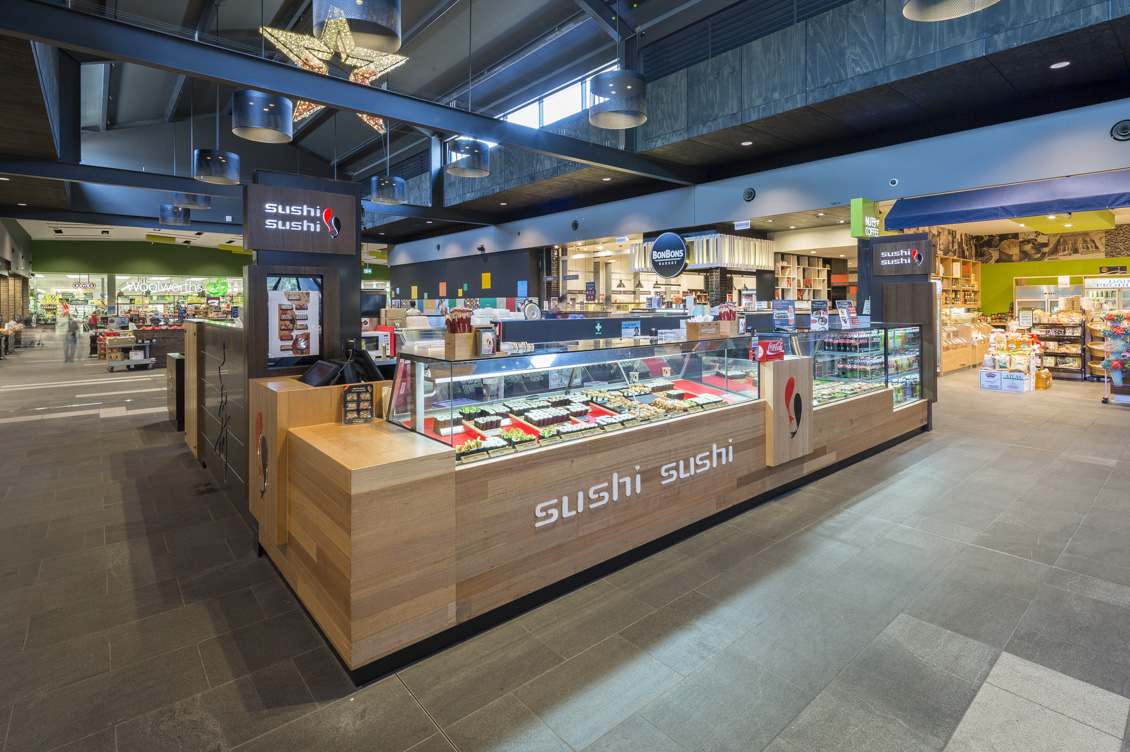
    Sushi Sushi has announced an expansion into New South Wales, and New Zealand, alongside an agreement to sell a majority share to Odyssey Private Equity. Founder Anna Kasman said she is confident the business will continue to prosper under Odyssey, and that she is grateful to its dedicated and passionate team and franchise partners.

    The acquisition is expected to be finalised by the end of the month, while the New Zealand store will open in May, followed by New South Wales store openings later in the year.

    Sushi Sushi chief executive Scott Meneilly said the team was very proud of what they had achieved with the Japanese food market business, and are looking forward to working with Odyssey moving forward to grow the business, signalling that “2019 is set to be very exciting.”

    Meneilly had previously indicated that the brand had intended to grow into New South Wales during 2018, and had formed relationships with potential partners across Malaysia, the UK, the US and Dubai in the lead-up to an international expansion.

    “When you take a brand overseas, you’re relaunching it and you need to get the nuances right within those regions,” Meneilly said.

    “What worked in Australia won’t necessarily work overseas, you have to tailor it. It takes an incredible amount of focus and resources to get it right.”

    Odyssey partner Paul Readdy said that the acquisition was a great change to work with the experienced management team, with executives who have previously held positions in Boost Juice and Retail Zoo.

    “The growth in demand for sushi and Japanese inspired food more generally is being driven by consumers’ demand for healthy and convenient meals,” Readdy said.

    “We believe that Sushi Sushi’s commitment to innovation, consumer experience and quality food will continue to fuel the company’s growth.”

  • Jollibee Guam flagship Restaurant Opening Early April

    Jollibee Guam flagship Restaurant Opening Early April

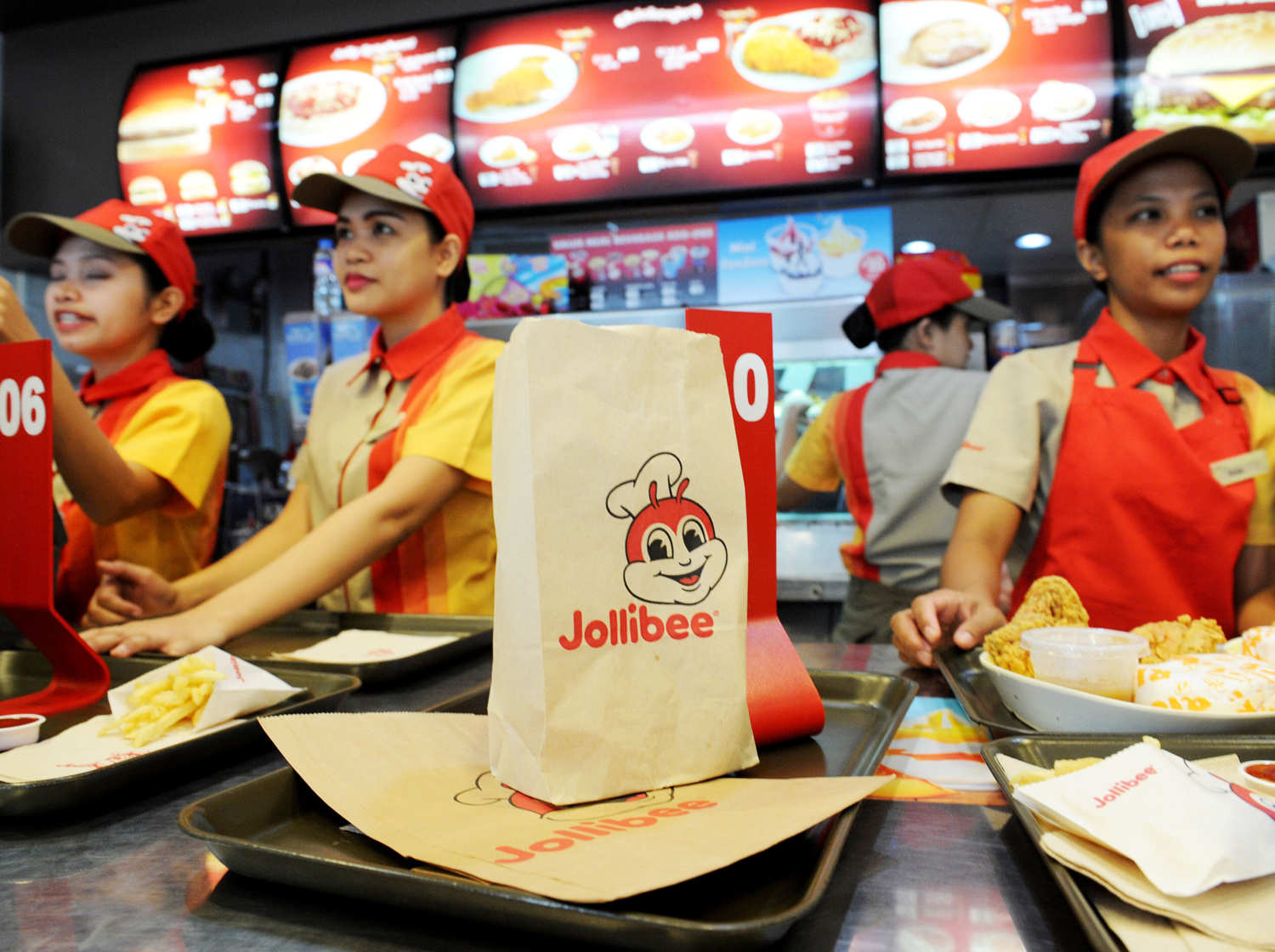
    Filipino fast food chain Jollibee, the largest and fastest-growing Asian restaurant company in the world, is soon to open its flagship brand in Guam.

    The first Jollibee Guam outlet will launch at Micronesia Mall on Saturday, April 6.

    “We’ve seen people queue even in extreme weather to enjoy our unique and tasty food,” said Jollibee Foods Corporation’s president and head of international business Dennis Flores. “We invite everyone – Chamorus, Micronesians, mainland Americans in Guam; everyone here in Guam – to come taste and see for themselves why people are willing to wait and line up for our food.”

    With Jollibee operating in Guam – where America’s day begins – the company says it can claim that it is serving food to more diners on American soil at any given moment of the day or night. Jollibee has 37 stores in the US.

    Jollibee, from its humble beginnings as an ice cream house in 1975, quickly grew into a fast-food giant with more than 1300 stores worldwide. Its openings have drawn queues with people lining up to 20 hours for a taste of their Jollibee favourites.

  • Ihop Pakistan franchise deal got signed

    Ihop Pakistan franchise deal got signed

    Dine Brands Global has announced a deal with several principals of Gerry’s Group, a leading logistics and F&B group, to launch Ihop Pakistan.

    The deal calls for 19 Ihop locations throughout the country over the next nine years, nine of which will be franchised by the principals of Gerry’s Group with the other 10 sub-franchised. The first location is expected to open in Karachi by the end of this year and continues the brand’s expansion into the Asia-Pacific market.

    Ihop, founded in 1958, has been a global brand since 1969. It already has a presence in India, Thailand and Guam as well as 11 other countries and Puerto Rico.

    “My commitment as CEO of Dine Brands Global was to return it to a growth company, and our international development is certainly a major component of that growth,” said Steve Joyce. “Key to our international strategy is identifying and entering new markets, such as Pakistan, that have a rapidly growing economy, are contiguous to existing markets to offer an economy of scale, and above all, have an appetite for Ihop’s unique guest experience of warm hospitality with world famous pancakes, breakfast and other menu items.

    “The opportunity to partner with principals from Gerry’s Group as franchisees was also a major factor in our decision. Under their ownership, Gerry’s Group is an experienced, established company based in Pakistan with multinational experience across a broad number of industries as well as food and beverage, including operating and owning 40 Costa Coffee locations in the UK.”

    “The principals of Gerry’s Group bring a strong track record of success with global brands,” added the firm’s regional VP and GM, Asia Pacific and the Middle East Gary Moore. “They bring an infrastructure – and the shared values and commitment to excellence – that will be key to introducing Ihop in this exciting new country for us.”

    “We have had a lot of interest in Pakistan from potential franchisees and while it fits perfectly with our expansion strategy in the region, we wanted to be sure we found the strongest partner in the country to take that step,” said Dine Brands executive director, international, development Dan Lecocq. “Gerry’s Group brings exactly the qualities and qualifications we look for in every franchisee as we look to continue our expansion here and in our other international areas of opportunity.”

    MD for Gerry’s Group, Akram Wali Muhammad, said that while Ihop will be a new brand in Pakistan, there is already significant awareness of and excitement about the brand. “We look forward to the opening of our first location later this year.”

    Asia Pacific has been targeted as a key area of growth for Dine Brands, along with Latin America, Canada and the Middle East. The company has already signed deals to bring the Ihop brand to South America this year in Peru and Ecuador, and to expand its presence in Canada to Atlantic provinces of New Brunswick, Prince Edward Island, Nova Scotia, and Newfoundland and Labrador.

    Dine Brands is also actively exploring opportunities to take the Ihop brand to the UK.

  • Happy Lemon teashop showcases Alibaba tech

    Happy Lemon teashop showcases Alibaba tech

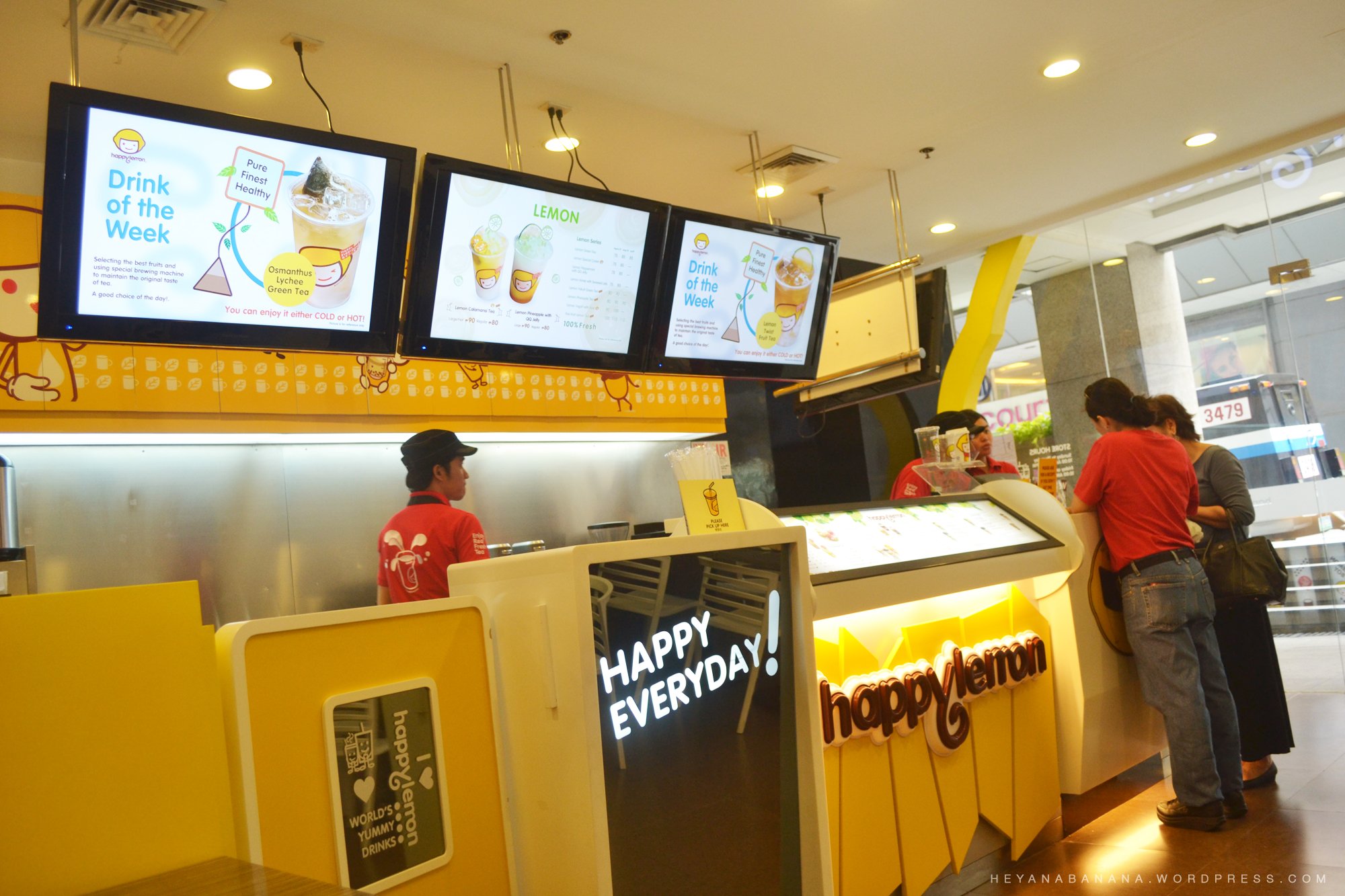
    Taiwanese bubble-tea chain Happy Lemon has teamed up with Koubei, Alibaba Group’s local-services app, to upgrade its in-store technology, including a new drink-making robot. At its pilot “smart store” in Shanghai, customers have the option of buying their drinks at a counter manned by employees or, for a fully automated experience, purchasing via their smartphones for service by the robot. Customers scan a QR code with the Koubei app, tick a few boxes to customise their drink, then wait for a text notification to pick up their tea at a smart locker, which opens when they tap a “pick-up” button on the app.

    The robot can make eight types of drinks with about 40 variations based on customer preferences for different amounts of ice and sugar – each taking about 90 seconds, Koubei said.

    “The smart-store initiative is part of our journey to bring New Retail to food and beverage merchants,” said Guo Haodang, head of Koubei’s smart-store program. “We bring advanced technologies, such as our QR codes, intelligent pick-up lockers and robotic tea mixers, to merchants’ brick-and-mortar stores, helping the sector rethink how they sell and engage with consumers.”

    Koubei and Happy Lemon’s tea-making robot can serve up drinks in 90 seconds.

    Koubei and Happy Lemon’s tea-making robot can serve up drinks in 90 seconds.

    Happy Lemon, which operates more than 1000 stores worldwide, including in the US, Canada, the UK and South Korea, is the latest company to join the smart-store program. Launched in 2017, there are now about 100 brands that have partnered with Koubei to upgrade their brick-and-mortar locations with in-store technology, such as features that allow consumers to pre-order by mobile app and skip queues. Other brands that have signed on include the century-old Chinese restaurant chain Wu Fang Zhai, Hong Kong traditional sweets maker Honeymoon Dessert and pastry chain Kengee.

    Daniel Lee, deputy GM of global marketing at Happy Lemon, said that high employee turnover can lead to drinks being made inconsistently. The robot, which knows right ingredients and amounts, is the perfect solution to that problem, he said.

    Happy Lemon is working with Koubei to replicate this model at more of its stores across China, according to a statement from the local-services app.

    A Happy Lemon customer uses the Koubei app to place his order.

    “Aside from hardware innovations like with the robotic tea mixer, what’s more important to us are the big-data applications behind it,” said Lee, adding that Koubei’s analytics had helped determine where to build the pilot smart store as well as provide AI-powered customisations to customers.

    Last year, the company leveraged Koubei’s consumer analytics to better reach its potential customers online and drive traffic to its physical stores. In 2016, Happy Lemon had joined Alibaba’s on-demand delivery arm, Ele.me. The brand said that 30 per cent of its orders come from delivery rather than in-store purchases, and it expects that ratio to grow further.

    Market research firm Mintel says demand for tea-shop drinks has grown remarkably in the last couple of years in China, reaching a total retail value of RMB 48.5 billion (US$7.2 billion) last year. While nearly all tea-shop consumers in China have bought their beverages in physical stores, just over two-thirds have ordered their drinks online, Mintel noted, which means online channels are a potential growth opportunity for tea chains.

  • KiKi Tea@Sun’s Bazaar Partnering Old Bazaar Kitchen  with Pop-up Spring Menu Inspired by Sister Brand KiKi Noodles

    KiKi Tea@Sun’s Bazaar Partnering Old Bazaar Kitchen with Pop-up Spring Menu Inspired by Sister Brand KiKi Noodles

    Pacific Place’s popular casual Asian dining concept KiKi Tea@Sun’s Bazaar has teamed-up with iconic Hong Kong restaurant Old Bazaar Kitchen for a new pop-up menu. Curated by renowned chef Billy Chung of Old Bazaar Kitchen, three Asian-inspired specialties incorporating KiKi Tea’s sister brand KiKi Noodles are served from now to 30 April 2019.

    Available from 3:00 p.m. o 10:30 p.m. on weekdays and whole day on weekends, Chef Billy’s signature style of Southeast Asian favourites are reinvented with a modern twist.

    Mixed KiKi Noodles in Thai Herbs, Minced Beef (HK$118) twins KiKi’s popular sun-dried noodles with colourful fresh spices and herbs for bold flavours; Singaporean Curry Soup KiKi Noodles, Shredded Chicken (HK$118) embraces the sun-dried noodles with rich coconut flavour and fresh seafood; and Mixed KiKi Noodles in Thai Tom Yum, Prawn reinvents the spicy Thai favourite with complex hot and sour flavours, priced HK$128.

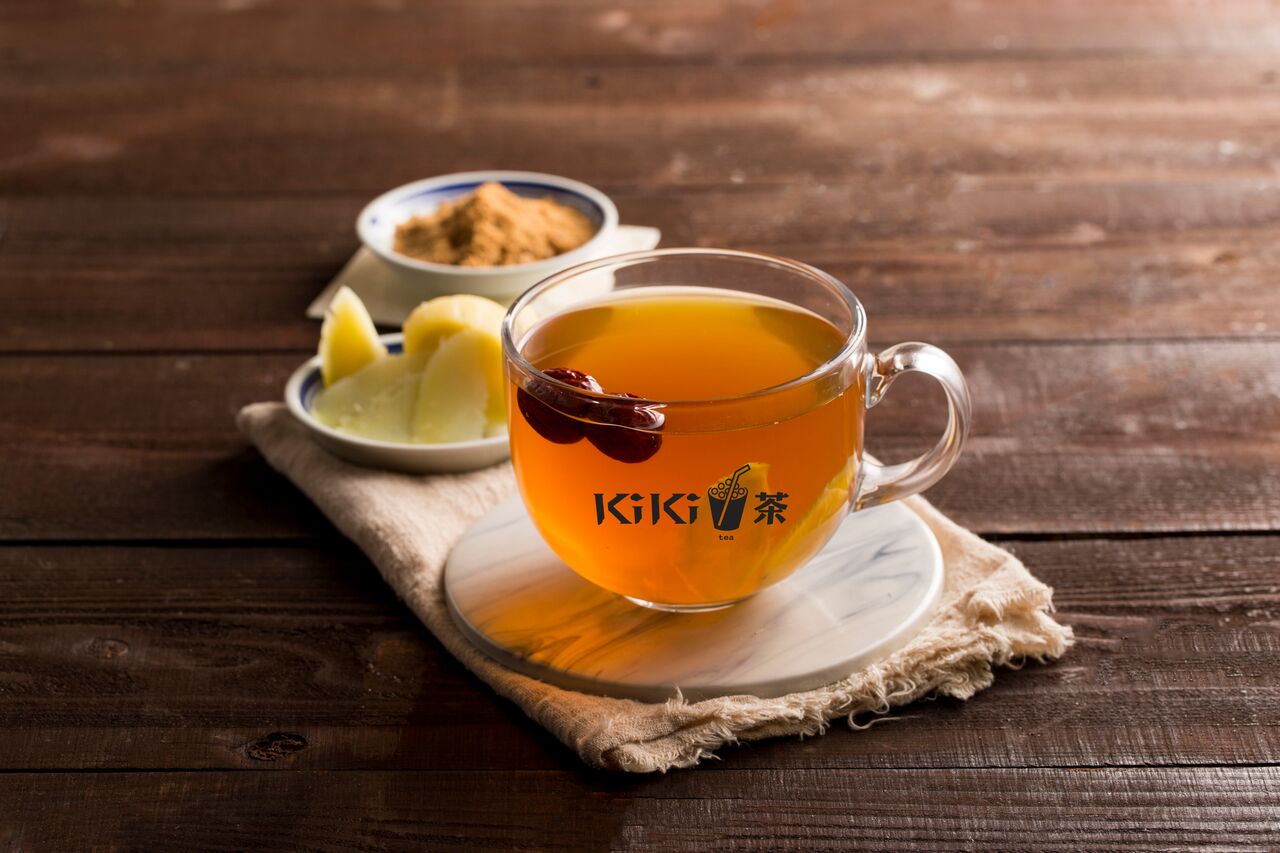
    Kiki Tea has also styled two refreshing spring-themed concoctions to pair with Chef Billy’s three hearty noodle creations.  Inspired by classic Taiwanese favourite drinks, thirst quenching Winter Melon Tea, Butterfly Pea Flower, Lime, Aloe Vera (HK$35) also brings calming and natural anti-oxidant benefits, while aloe vera is high in fibre and low fat. Jasmine Tea, Orange Juice, Lime, Aiyu Jelly (HK$35) likewise balances the hearty, savoury cuisine, embracing refreshing orange juice and fresh lime with low fat Aiyu Jelly.

    Completing the pop-up promotion is a new dessert Chestnut Mont Blanc (HK$38), KiKi Tea’s re-interpretation of the classic French dessert of puréed, sweetened chestnuts topped with a dab of whipped cream. Enjoy it with Ms KiKi Premium Black Tea (HK$35) for a perfect afternoon tea experience.

    Old Bazaar Kitchen originated as an iconic private kitchen popular with locals, expats, tycoons and celebrities alike for showcasing Hong Kong’s ‘melting pot’ of Asian cuisines. With the backing of F&B powerhouse Lai Sun F&B Management, Chef Billy Chan cemented its glowing reputation C opening a fully-fledged Old Bazaar Kitchen restaurant at 32-38 Cross Lane in Wanchai.

    KiKi Tea@Sun’s Bazaar has become an instant hit at Pacific Place, twinning the brand’s premium Taiwanese teas and bubbles with affordable modern Asian favourites.  It stands out from the bubble tea crowd using quality natural ingredients including premium Taiwanese tea leaves, black sugar and cane sugar C along with authentic handmade pearls and pressed-to-order House Blend Teapresso.  Popular favourites include Pineapple Green Teapresso (HK$38), Winter Melon Tea, Sichuan Pepper Flavoured Pearls topped with Cream Mousse (HK$36), Jasmine Tea, Chinese Herbal Tea Pearls (HK$33), KiKi Roasted Tea topped with Caramel and Nuts Cream Mousse (HK$34), and Brown Sugar Milk with Pearls (HK$35).

    Different ‘bubbles’ (add HK$5) are also available: the most popular Brown Sugar Pearls; a favourite in Taiwan; Mini Taro Balls, Sichuan Pepper Flavoured Pearls with a spicy kick of ‘KiKi Sichuan Pepper Seasoning’ blended from natural peppercorns and premium chilli; and Chinese Herbal Tea Pearls with prunella ‘heal-all’ tea (xia ku cao) used in Chinese medicine, all beloved by celebrities including Shu Qi and Kimbee Chan.

  • Ho Say Liao, Singapore! Shake Shack’s First Southeast Asia Restaurant Lands at Jewel Changi Airport

    Ho Say Liao, Singapore! Shake Shack’s First Southeast Asia Restaurant Lands at Jewel Changi Airport

    Singaporeans, the wait is finally over! Shake Shack is set to make its highly anticipated debut in Singapore (and in Southeast Asia!) at Jewel Changi Airport on 17 April 2019. The Singapore menu will feature Shake Shack’s signature items including the ShackBurger®, Shack-cago
    Dog™, classic crinkle-cut fries, craft beer, wine and frozen custard ice-cream. Shake Shack will also partner with local food purveyors and producers to create one-of-a-kind items for the Singapore community. Stay tuned to @shakeshacksg for details on the exclusive menu! Shake Shack has partnered with SPC Group, a leading global food company based in the Republic of Korea to bring Shake Shack to the Lion City. The SPC Group is a 74-year-old food company with 51 subsidiaries and 35 brands around the world including USA, France, China and Singapore. In 2016, SPC Group launched the first Shake Shack in Korea and is currently operating 8 Shake Shack restaurants across Seoul.

    Shake Shack is a critically acclaimed, modern day “roadside” burger stand known for its 100% all-natural Angus beef burgers (no hormones or antibiotics – ever), griddled flat-top beef hotdogs, fresh-made frozen custard, crispy crinkle cut fries and more. A fun and lively community gathering place with widespread appeal, Shake Shack has earned a cult-like following around the world. In its fifteen-year history, Shake Shack has been recognized with countless accolades, including Bon Appétit’s “The 20 Most Important Restaurants in America” (ranked #16), TIME Magazine’s “17 Most Influential Burgers of All Time” (ranked #7 for the ShackBurger) and winning “Best Burger” in 2007 and 2014 at the South Beach Wine and Food Festival’s Burger Bash.

    Shake Shack started as a hot dog cart in Madison Square Park, created by Danny Meyer’s Union Square Hospitality Group to support the Madison Square Park Conservancy’s first public art project. After three summers of fans lining up daily for the cart, Shake Shack opened a permanent kiosk in the park, and Shake Shack was officially born. An instant neighbourhood fixture, Shake Shack welcomed people from all over the city, country and world who gathered together to enjoy fresh, simple, high quality versions of the classics in a majestic setting.

    Fine dining roots are a unique part of Shake Shack’s beginnings. For its first three summers, Shake Shack operated out of Eleven Madison Park’s private dining-room kitchen (voted #1 restaurant in the world in 2018) and continued to work closely with the restaurant for years. That fine dining heritage remains a core tenant of Shake Shack today – from its premium ingredients to its sourcing practices to the acclaimed chefs Shake Shack collaborates with around the world like Dominique Ansel, Missy Robbins, Rosio Sanchez, Chef Zaiyu Hasegawa, Daniel Boulud, David Chang, and more. Shake Shack sources only high quality, premium ingredients from the best ranchers, farmers, bakers and food purveyors.

    The beef patty is 100% all-natural Angus, vegetarian fed, humanely raised and source verified with no hormones or antibiotics. The fries are crinkle cut with zero artificial ingredients and the vanilla and chocolate frozen custards use only real sugar, no corn syrup, and milk from dairy farmers who pledge not to use artificial growth hormones. Shake Shack’s fine dining heritage and commitment to community building, hospitality and the sourcing of premium ingredients have helped pioneer a new “fine casual” restaurant category. Fine Casual couples the ease, value and convenience of fast casual with the high standards of excellence grounded in fine dining heritage: thoughtful ingredient sourcing and preparation, hospitality and quality. As a pioneer in this new category, Shake Shack strives to maintain the culinary traditions of the classic American burger stand, while providing guests with a menu of inspired food and drinks, made with carefully sourced and quality ingredients, and always cooked to order

  • Greater China Club Presents  ‘A Taste of Guangdong Nostalgic Dining Experience’  at Chinese Dining Room Man Hing

    Greater China Club Presents ‘A Taste of Guangdong Nostalgic Dining Experience’ at Chinese Dining Room Man Hing

    Greater China Club’s classic Chinese dining room Man Hing is presenting ‘A Taste of Guangdong Nostalgic Dining Experience’ from 3 C 22 April 2019. A nostalgic menu of popular Cantonese dishes from the 1960s C 70s is being curated by veteran guest chef brothers Heung Chung-Kin and Heung Chung-Tat, bringing combined experience of over 90 years in classic Guangdong cuisine.

    Both in their 60s, the master chef brothers have a celebrated track record of cooking for Hong Kong’s rich and famous dating back to 1968.

    Elder brother Chef Chung-Kin, 67, helmed Chinese kitchens from The Oceania Restaurant, Furama Hotel and Grand Hyatt in Hong Kong to ANA InterContinental Tokyo, Grand Bay Hotel Zhuhai and Four Seasons Macau before becoming a tycoon’s personal chef.

    Younger brother Chef Chung-Tat, 60, rose to Head Chinese Chef at Great Eagle Hotel, Royal Garden Chinese Restaurant and exclusive Club Vendome at luxury Kowloon development Imperial Cullinan.

    “This vintage menu is a tribute to their vast knowledge of the roots of Guangdong cuisine, with a nostalgic menu recalling beloved Cantonese specialties from a charming era before Hong Kong became a global cosmopolitan powerhouse,” said Eric Ting, Founder and CEO of Bird Kingdom Group, managing company of Greater China Club.

    Guests can embark on a classic culinary journey back in time in the presentation of over 70 exquisite Guangdong favourites, from appetisers and soups to main courses, desserts and dim sum C many that once graced celebratory banquets but are rarely served today, requiring lengthy preparation and intricate skills.

    Once-popular starters include Deep-fried Chinese Egg Pudding with Yunnan Ham (HK$158), Crispy Chinese Milk Puddings Served with Sugar (HK$158) and Tossed Pork Intestines with Homemade Sauce (HK$138).

    Among soups, Braised Partridge Soup with Bird’s Nest (HK$188 per person) is a classic favourite combining partridge’s high nutritional value as a source of iron, selenium, vitamin B, potassium and magnesium with bird’s nest nutrients restoring health and helping chronic cases of cough and asthma. Also on the menu is Braised Fish Head Soup with Egg and Barbecued Pork (HK$148 per person); Double-boiled Winter Melon with Conpoy and Chinese Ham (HK$138 per person); and Double-Boiled Vegetarian Shark Fin Soup stuffed in Whole Pigeon (HK$488).

    Traditional main course favourites from the bygone era range from Sautéed Prawns stuffed with Chinese Ham and Bamboo Shoot (HK$288) to banquet classics Signature Crispy Chicken in Traditional Method (HK$588, limited supply daily), Sautéed Pork Stomach with Olive Kernel and Bell Pepper (HK$298, limited supply daily) C a classic test of slicing technique selecting most tender sections of eight stomachs per dish.

    Braised Pomelo Peel with Shrimp Roes (HK$188) has a uniquely soft, melt-in-your-mouth texture; and rare Braised Dried Giant Garoupa Skin with Thick Sliced Abalone in Oyster Sauce (HK$488, limited supply daily) is a tradition from Manchu Han imperial feasts, cooked with precious dried giant garoupa skin from Malaysia that costs over HK$50,000 per 9kg.

    1960s and 70s specialties extend to Sautéed Soft Shell Turtle Skin with Green Bell Pepper and Celery (HK$368); Deep-fried Caul Fat Rolls Stuffed with Shredded Pork and Eel (HK$188); Steamed Fresh Crab Claw in Superior Soup (HK$288, limited supply daily); Pan fried Shrimp Toast in Traditional Style (HK$288) and Braised Vegetarian Pockets Stuffed with Mushrooms and Vegetables (HK$168).

    Main dishes extend to Sliced Noodles with Crabmeat in Superior Soup (HK$88 per person), a Guangdong classic using deep-fried diamond shaped wonton wrappers; Fried Rice Noodles with Pork Liver, Barbecue Pork, Pork Stomach, Fish Maw and Chicken Kidney (HK$188); and Egg Noodles with Shrimps, Sliced Pork, Fish Maw, Squid and Barbecued Pork in Soup(HK$188).

    Among classic Guangdong dim sum are Steamed Buns Stuffed with Chicken, Black Mushrooms, Barbecued Pork, Shrimps and Salty Egg York (HK$68); Steamed Seafood Dumpling Stuffed with Superior Soup (HK$88 per person); Steamed Shrimp Dumplings with Chinese Celery (HK$68) or Steamed Shrimp Dumplings with Bamboo Shoot (HK$66); and the street-food staple, Pork Lard Buns in Traditional Style (HK$58).

    Completing the traditional menu are beloved retro desserts C from Cantonese Sponge Cake (HK$48) and Red Bean Rice Flour Pudding (HK$48) to Baked Egg Custard Pudding with Sago and Lotus Paste (HK$48).

    Greater China Club’s ‘Classic Guangdong Nostalgic Dining Experience’ continues a tradition of inviting guest chefs to showcase novel, authentic and exquisite regional Chinese cuisine, following previous presentations by star chefs from Beijing, Hangzhou and Chaozhou.

    Greater China Club is located at Unit A, 10/F, D2 Place One, 9 Cheung Yee Street, Lai Chi Kok, Kowloon, Hong Kong. It opens from Monday to Thursday, Sunday and Public Holidays, 12:00 noon to 12:00 midnight and Friday and Saturday, 12:00 noon to 1:00 am.

    Greater China Club offers Corporate and Individual memberships entitling members to exclusive offers at the Club’s dining outlets, waived service charges and exclusive benefits.  Priced HK$18,888 for corporate membership with 3 nominees and exclusive benefits, including 10% discount on food consumption at Umai and Rustico, 3 bottles of Champagne (HK$1,080 each), HK$15,000 cash vouchers which can be used at all restaurants under Bird Kingdom Group; and HK$6,888 for individual members with exclusive benefits, including 10% discount on food consumption at Umai and Rustico, 1 bottle of Champagne (HK$1,080), HK$5,500 cash voucher can be used at all restaurants under Bird Kingdom Group, while monthly membership fees (which can be used for spending in the Club) are HK$600 and HK$300, respectively.

    Members enjoy special benefits, but the Club is also open to guests and tourists at D2 Place, a revitalised industrial building now buzzing with eclectic bars and restaurants, named after its MTR exit at Lai Chi Kok.
  • Grand Opening of Elizabeth Arden White Tea House In The Shilla Duty Free Changi Airport

    Grand Opening of Elizabeth Arden White Tea House In The Shilla Duty Free Changi Airport

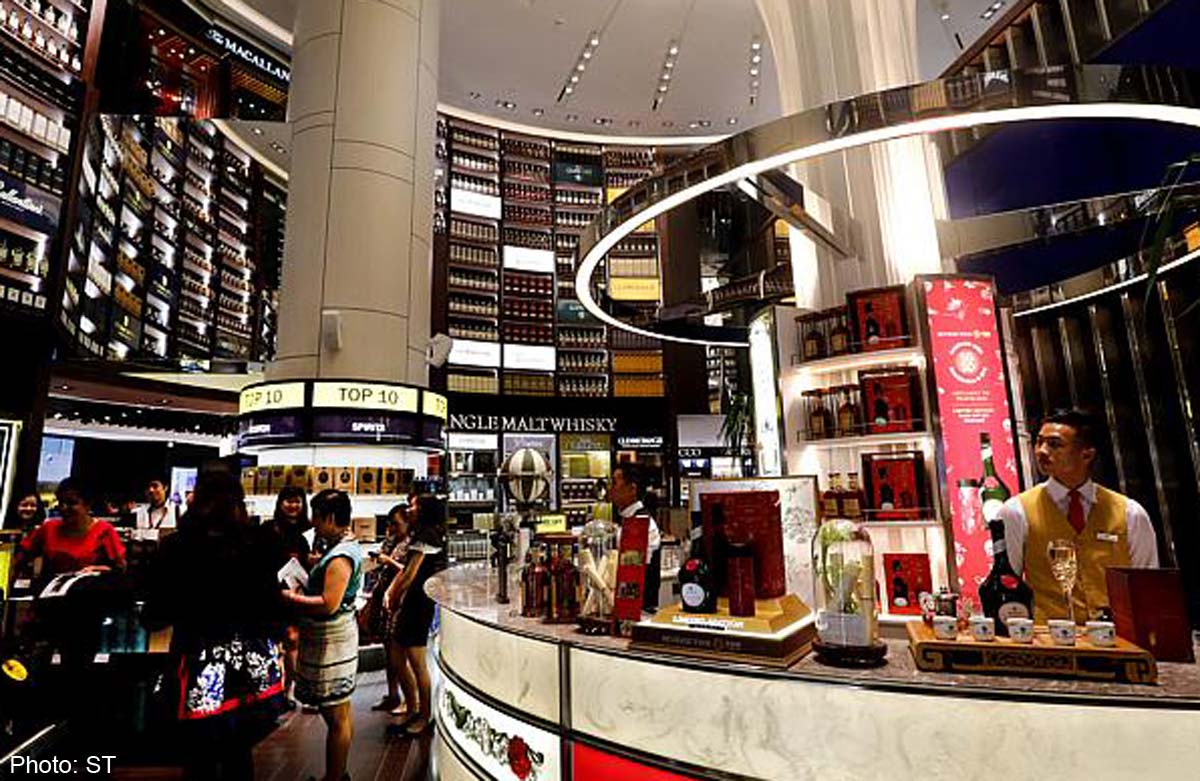
    Elizabeth Arden has partnered with Changi Airport Group and The Shilla Duty Free to open a world exclusive pop-up concept celebrating the travel retail prelaunch of two new fragrances – White Tea Wild Rose and White Tea Vanilla Orchid.

    The Elizabeth Arden White Tea House opens on Sunday 3 March and sits beside The Shilla Cosmetics & Perfumes Central Store at Singapore Changi Airport’s Terminal 1 Transit Departure Hall until 13 April 2019.

    Elizabeth Arden’s first White Tea fragrance launched in 2017 with the aim to capture the feelings of simple pleasures, a carefree afternoon, a good book or the first sip of tea in a pure and uncomplicated fragrance. Today, Elizabeth Arden is expanding the experiential collection with the launch of White Tea Wild Rose and White Tea Vanilla Orchid.

    Experiential

    The White Tea House is part of Elizabeth Arden’s commitment to present memorable and coveted travel experiences and presents travellers with the opportunity to embark on a #WhiteTeaMoments experiential journey.

    Fragrance and skincare sampling are presented to travellers in a “degustation style” – customers get to experience the three scents of White Tea, White Tea Wild Rose and White Tea Vanilla Orchid before deciding on their complimentary cup of tea, inspired by each of the fragrances.

    Elizabeth Arden’s best-selling skincare products are presented in sampling portions, and plated in degustation style. Customers will be able to share their experience with other travellers via the Tea House message board and photos against a specially designed floral wall to share with friends and family on social media via hashtags #WhiteTeaMoments #Changi 1st. They will also receive a free hardcopy polaroid photo.

    Stephane Bonnet, Elizabeth Arden Vice President of Global Travel Retail explained: “The White Tea House is an excellent way to kickstart the launch of our new White Tea fragrances. The tea house integrates beauty and lifestyle elements beautifully with various memorable touch points during the service journey. We hope the travellers will attach this pleasant memory to the subtle yet enchanting scents of Elizabeth Arden’s White Tea Fragrances.”

    Exclusive gifts

    Customers are rewarded with a Changi Airport-exclusive magnet and postcard set designed in collaboration with Grace Ciao, an illustrator globally recognised for her delicate and chic fashion illustrations using real flowers and watercolours.  The design depicts a modern woman in a dress created from wild rose, posing elegantly against a backdrop of pink roses and white vanilla orchids, symbolizing the two new pre-launch fragrances. Elizabeth Arden also provides free mailing service for travellers who want to post the postcard to their loved ones.

    The shopping experience in the White Tea House is further elevated by a tea blending activity where customers can customise their own White Tea blend to bring home in a personalised sealed tea bag upon purchase of a White Tea fragrance.  This customisable gift is available only at the White Tea House in Changi Airport.  “Personalisation of gifts, either for yourself or for your loved ones is becoming increasingly important in the competitive and congested retail environment. Customers want to be part of the process of creating something unique for themselves,” shared Yumie Chia, Senior Regional Director of Asia Pacific Travel Retail Division at Elizabeth Arden.

    “Multi-level engaging expereience”

    “Changi Airport is honoured to host the world’s first Elizabeth Arden White Tea House experiential pop-up concept and be the first airport to launch the two new beautiful fragrances ahead of the rest of the world. Passengers flying through Terminal 1 can take a moment to indulge in the fragrance of white tea to ease the stress of travelling, and bring home some elegant mementos from Changi Airport,” said Teo Chew Hoon, Group Senior Vice President of Airside Concessions, Changi Airport Group.

    Phil Yoon, Managing Director from The Shilla Duty Free added: “As The Shilla Duty Free continues to seek for innovative partnership launches, this collaboration with Elizabeth Arden provides a multi-level engaging experience that will delight even the weariest travellers.  A traveller’s buying behaviour has evolved in marvellous ways.  The concept of a Tea House is a great way to appeal to our increasingly sophisticated travellers and engage with them on both olfactory and gastronomical levels.”

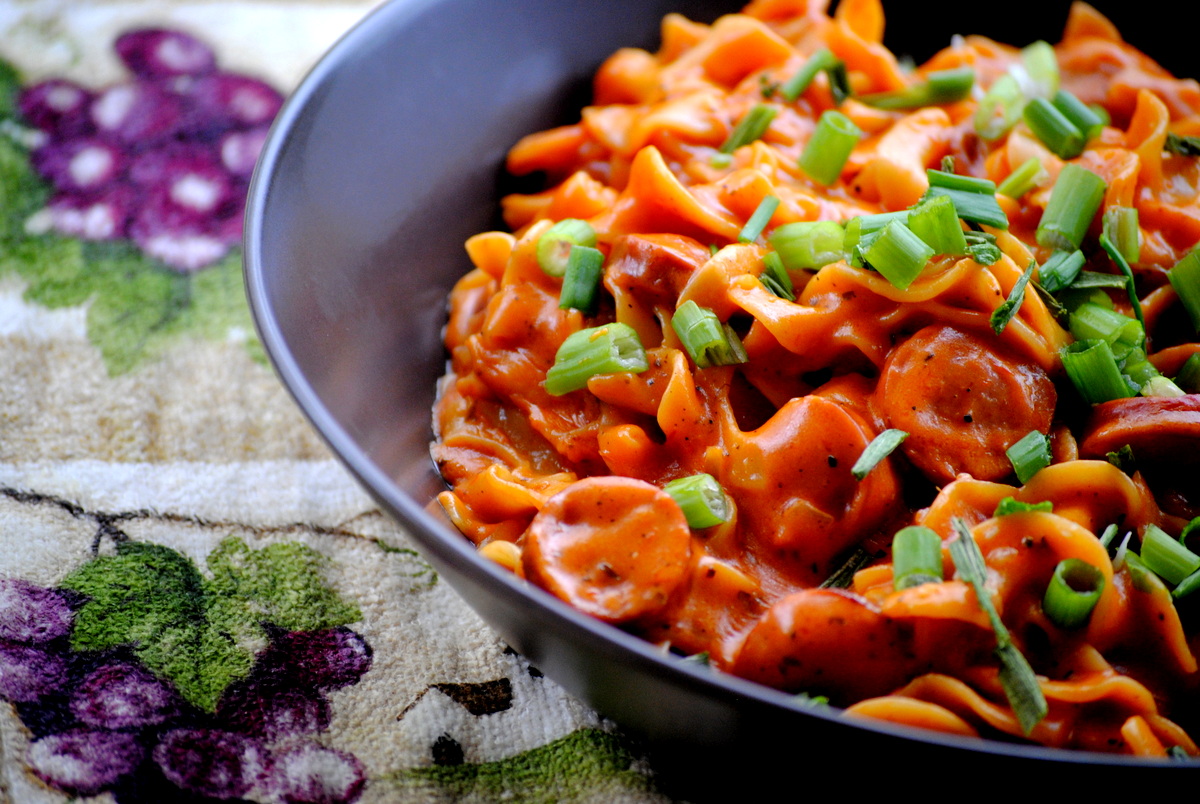
  • Disneyland for all things pasta

    Disneyland for all things pasta

    Five or six years ago, Australian retail pundits who’d visited the 50,000sqf Eataly Italian “food emporium” in New York (which opened in 2010), were breathlessly rhapsodising about it in presentations back home.

    My visit to its Munich outpost two years ago was pleasant but not earth-shattering. Still, the enterprise continues to march across the globe, currently with 40 locations across its core countries of Italy and the US, as well as Japan, Korea, Germany, Sweden, Russia, Brazil, Turkey and the Middle East, with further sites planned for Belgium, Hong Kong, South Africa, France, Canada, the UK and Australia in the “near future”.

    Eataly executive chairman Andrea Guerra told the Financial Times at the end of 2017 that the company was planning major expansion over the next decade and wanted to “have a store in every world capital”. Or maybe he was just talking the company up in advance of a theoretical IPO, which a potential overreach into theme parks may have derailed. Let’s take a look.

    Authentic or dumbed-down?

    For those not familiar with it – or somehow immune to past hype – Eataly is a large format/footprint Italian marketplace or food hall comprising a variety of upscale restaurants, food and beverage counters and delicatessens, bakery and other specialty food counters, a supermarket, other retail such as homewares and kitchen utensils, and a cooking school.

    Guerra defined its concept as “a complete emotional food experience where customers shop, eat and learn all about Italian food, all in a cross-selling approach”. Its strapline, Alti Cibi, translates literally as “high food” – which perhaps may go some way to explaining its perceived high prices, a continual source of aggravation on its Tripadvisor reviews.

    Eataly originally showcased a number of small and artisan companies operating in the food and wine sector, such as durum wheat pasta from Gragnano, mineral water from the Maritime Alps, Veneto and Piedmont wines, Ponente Riviera Ligure oil, Piedmont fassone meat, and traditional Italian cheese and cold cuts. In theory, Eataly offers “the best artisan products at reasonable prices” and says it creates a “direct relation between producers and distributors, focusing on sustainability, responsibility and sharing”.

    Despite its pun-in-English name, Eataly is not a US franchise. It’s actually Italian, and therefore in theory “authentic” although some Italians think it’s dumbed-down. It was founded in 2004 in Italy’s northern Piedmont region by Oscar Farinetti, an entrepreneur formerly involved in the consumer electronics business. In 2007 he converted a closed vermouth factory in Turin into the first location of Eataly.

    Fast forward to 2018 and Eataly has 40+ locations in the northern hemisphere and a 2017 revenue of €465 million ($737 million), a 20 per cent revenue increase on the previous year (7 per cent up in Italy, 48 per cent up in the US but primarily through lateral growth via new store openings) although its profits are negligible and variable. Like-for-like store growth statistics are hard to come by.

    Eataly was theoretically due to list on the Italian stock exchange in mid-2018 with a 33 per cent floating capital and a huge valuation (more than €2 billion). However it does not yet appear to have done so, and has been suspiciously “quiet” in new store openings in any market since early 2018.

    An educational dinner at the farm

    It appears ambition may have strangled the golden goose. In advance of a theoretical mid-2018 IPO, in November 2017 Farinetti and Guerra launched Fico Eataly World in the northern Italian city of Bologna, with at best mixed results and feedback.

    Dubbed the Disneyland of Pasta, Fico Eataly World was inaugurated by prime minister Paolo Gentiloni and claimed to be the world’s largest agri-food park. Its 20 acres contains three dozen restaurants, a gigantic market, farms and factories enabling visitors to see how products are made and processed, and a variety of “multimedia experiences”. It is intended to “unify Italy’s diverse food culture under one roof”. There is a multitude of pop-up-style stores selling Italian produce and kitchenware; six experiential educational pavilions; several classrooms, sports and play areas as well as a cinema and a 1000-capacity congress space. It is surrounded by several hectares of farm animals and vegetable plots. The project took four years to complete, at a cost of €120 million. It works with over 150 Italian companies, from relatively small to very large, and has created more than 3000 jobs.

    But inevitably it has its detractors, who denounce it as an American concept in search of an Italian home, and has had patchy performance.

    Forecast to bring in three million visitors a year, in 2018 in its first five months of operation it had brought in just 1.5 million. And only 1.8 per cent of them were foreigners versus a projection of 30 per cent. Reports suggested that on those initial numbers, it won’t meet the required breakeven of four million visitors a year.

    The site has been plagued by claims of isolation – the “culinary cathedral in the desert” is not readily accessible by public transport. It is now, apparently, investigating hotel and resort development to cater to the conference market. According to reports, it has laid off substantial numbers of staff.

    Where are the tourists?

    Either way, the question remains whether an American-style retail idea can work in Italy unless it’s substantially marketed to foreign visitors as a tourism (not retail) destination, and made readily accessible.

    It appears the substantial capital required for Fico Eataly World and its mixed performance have stalled its IPO.

    And regarding its Australian visions, it’s not as if the nation is bereft of Italian restaurants. Due to its sizeable Italian-heritage population, there are Italian eateries everywhere, both alti and not-so-alti. If and when Eataly’s food emporium returns to its retail roots and comes to Australia, it will be interesting to see how it caters to this market.

  • Finaccess takeover of Restaurant Brands

    Finaccess takeover of Restaurant Brands

    Investment firm Finaccess’ takeover bid for quick-service group Restaurant Brands has been declared unconditional, with the firm accumulating 61.73 per cent of shares in the business.

    While the firm’s offer specifies it is seeking 75 per cent of shares in the business, it was able to declare the offer unconditional should it reach over 50 per cent.

    Shares in the business spiked almost 2 per cent after the news, increasing 17 cents to $8.92 per share, though the offer is paying $9.45 per share.

    Group chief executive Russel Creedy was among those who decided to sell shares, offering up his 571,601 share stake in the business – an offer worth approximately $5.4 million.

    While the offer is now considered unconditional, the end date has been automatically extended to 26 March, and the Restaurant Brands board continues to recommend shareholders accept the partial takeover for their shares in the absence of a greater offer.

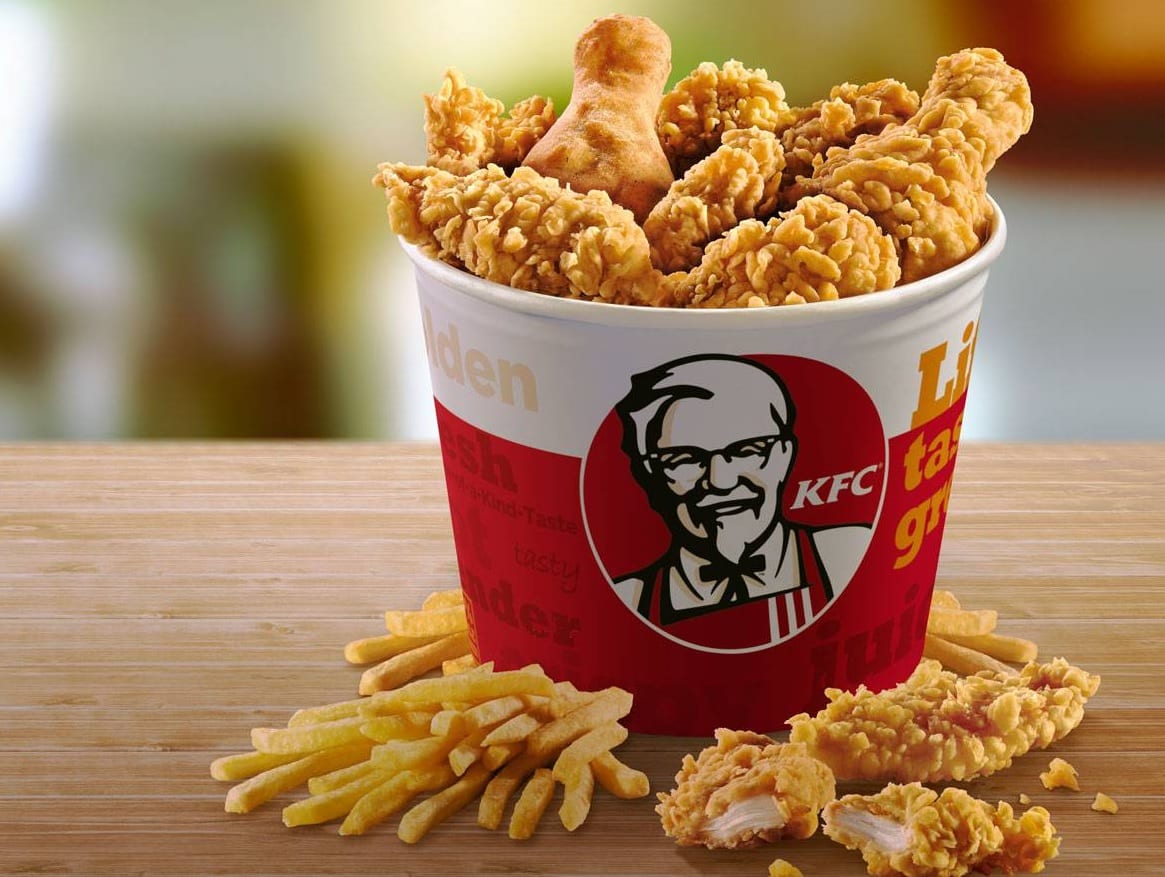
    The QSR group declared it had increased full-year sales to $794 million last week, due to strong growth in the KFC business in Australia and New Zealand.

    KFC New Zealand saw sales increase to $336.5 million, a 5.3 per cent increase over the previous period, while Australian operations saw 27.8 per cent sales growth to $178.3 million.

  • Maxim’s waste cooking oil to fuel Hong Kong delivery trucks

    Maxim’s waste cooking oil to fuel Hong Kong delivery trucks

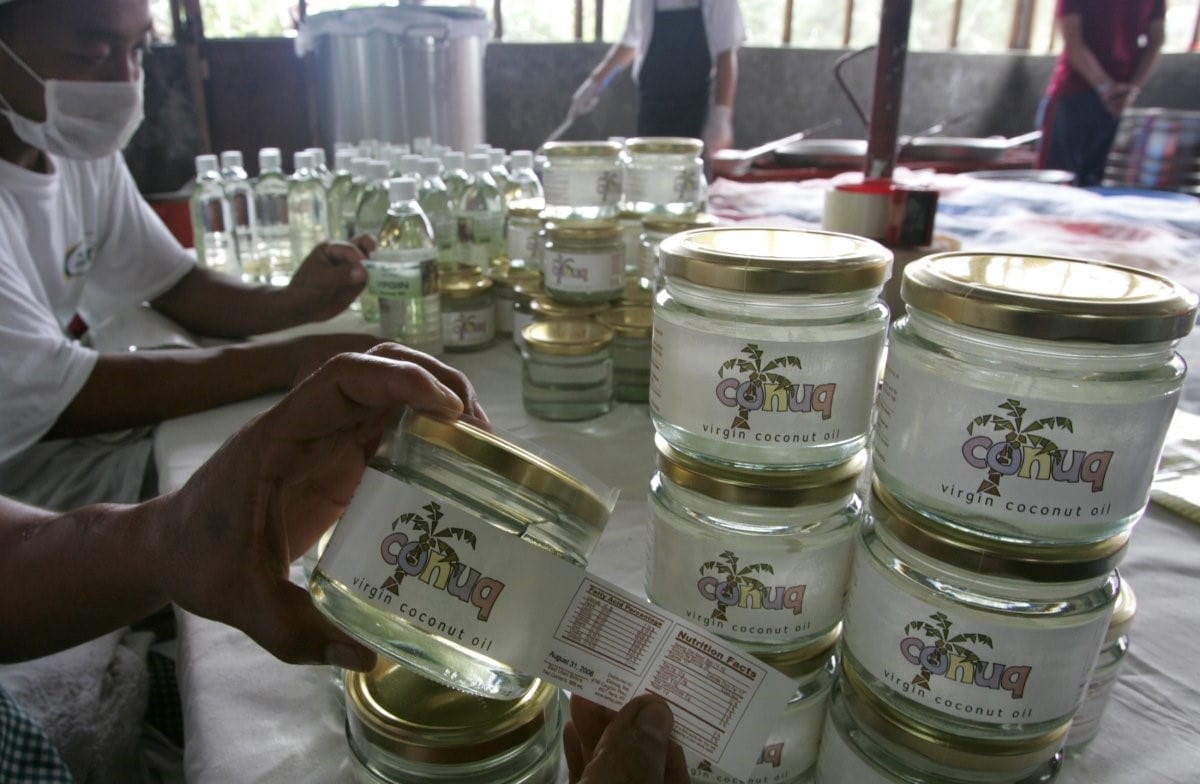
    Oil giant Shell has launched a pilot program with catering firm Maxim’s to use biodiesel made from its used cooking oil to power its fleet in Hong Kong.

    The first-of-its-kind program in the territory will support over 100 delivery trucks with annual consumption of 396,000 litres. Maxim’s is the first restaurant group in Hong Kong to join the program.

    “Shell is proud to announce this first-of-its-kind partnership with Maxim’s Group,” said Shell Hong Kong’s retail GM Anne Yu (pictured). “Together we take this important step towards a more sustainable energy future for Hong Kong. Biofuels are a smart solution because they reduce ‘well-to-wheel’ CO2 and upcycle domestic waste materials.

    “By transforming cooking oil into useable fuel, we can reduce both local waste and CO2 emissions, while providing energy security for Hong Kong. With over 30 years of experience in distributing biofuels globally, Shell is committed to the further development of bioenergy.”

    “Maxim’s Group is committed in environmental protection through various key initiatives since 2009, including our signature Surplus Bread Donation Program which enables volunteers to collect surplus bread from our cake shops across town and donate to the needy”, said Maxim’s Cakes & Bakery and Branded Products GM Patrick So.

    “Giving waste a second life has been extended to upcycling used cooking oil at Maxim’s restaurants to energy. We are happy to partner with Shell, and currently our 100-plus trucks from two food production plants are using Biodiesel as part of our sustainable development.”

    To produce biodiesel, Shell sources biocomponents (B100) to blend into petrodiesel whilst managing an end-to-end quality assurance process to achieve high-quality fuel. This is intended to improve Hong Kong’s energy security in using sustainably produced domestic raw materials.

    As the first and only biodiesel provider in Hong Kong through retail oil stations, Shell has been providing energy solutions for corporations to contribute to Hong Kong’s sustainability since 2016. It has recently made biodiesel available at Shell’s Tai Po Market station, the third station providing the fuel, expanding coverage to encourage biodiesel adoption among commercial fleet customers. The other two stations providing biodiesel are located at Tsing Yi and Hong Kong International Airport.

    “Shell is one of the first to invest in advanced biofuels to explore new sustainable fuels that contribute to the energy mix of the future,” concluded Yu. “We are pleased that Maxim’s Group believes in the value of sustainable fuel as we do and partnered with us to tackle the energy challenges together. We will continue to work with companies, customers and the society through different projects to make Hong Kong more sustainable.”