Category: Food

Retail News Asia is committed to providing both local and global retailers with the latest Food and Food & Beverage news throughout the Asian market. This on a daily base.

  • Oliver’s founder and former CEO takes up mantle again

    Oliver’s founder and former CEO takes up mantle again

    Less than a year after exiting Oliver’s Real Food, Jason Gunn is once again chief executive and an executive director on the board of the company he founded.

    The decision follows the departure of Gunn’s replacement, Greg Madigan, who resigned earlier this month after ten months in the role.

    The news drove up the business’s share price from 0.022 cents per share to 0.029 cents per share, a 31.8 per cent increase.

    The announcement was part of a broader leadership change that saw Nicholas Downer named chairman and non-executive director, Steven Metter named company secretary and non-executive director and Amanda Robson Gunn named operations manager and executive director.

    Downer said to shareholders that the brand’s head office had become bloated, and was no longer focused on performance at the cash register.

    After investigating the business’s expenditure, the incoming board found a weekly cash burn rate of approximately $100,000, as well as a number of fees related to consultants and advisors which have now been ceased.

    “The focus of the board and management will be to return calm and confidence to our employees, a relentless focus on implementing [our] cost savings…, returning the business to the successful formulae from it’s pre-IPO stage, all designed to increasing turnover and profits, and rebuilding shareholder value,” the chairman said in his address to shareholders.

    According to Downer, Gunn returns to the business “invigorated, relaxed and ready for this challenge.”

    “As founder and creator, Jason is undoubtedly the right person to drive the business through this turnaround process, as he did while Oliver’s grew at the rate it did over the last 10 years,” Downer said in a note to investors.

    The changes come after Oliver’s suffered a difficult holiday period, having dropped its expectations for the remainder of the year to an EBITDA loss of between $1 and $4 million.
  • Meituan Dianping nearly doubled revenue

    Meituan Dianping nearly doubled revenue

    China’s Meituan Dianping, the world’s largest food-delivery service, nearly doubled its revenue last year, but the tech startup is still bleeding cash.

    In the second set of results since its high-profile IPO, Meituan Dianping reported total revenues of RMB65 billion (US$9.68 billion), up 92.3 per cent on its 2017 result. Gross profit rose to RMB15.1 billion ($2.25 billion), but its adjusted net loss blew out to RMB8.5 billion ($1.27 billion).

    In its results statement, the company said strong revenue growth was achieved across all major business segments and its food-delivery business and in-store, hotel and travel segments on a combined basis generated positive adjusted operating profit.

    Total gross transaction volume grew by 44.3 per cent to RMB515.6 billion and the number of annual transacting users rose from 309 million to 400.4 million last year.

    The losses have been incurred by new services including ride-hailing and bike sharing.

    During the last year, Meituan Dianping has been boosting its customer base by targeting internet users who have not previously used food-delivery services from an online platform. It also launched a rewards program to maintain customer loyalty and incentivise user referrals through social media platforms.

    “In addition, through creating more diversified service categories, consumption scenarios and upgrading marketing programs, we increased users’ transaction frequency and further boosted transaction volume growth,” the company said in a results filing.

    “We continued to expand the service categories on our platform to include breakfasts, afternoon tea and midnight snacks. Delivery volume of fast food, snacks, desserts and drinks achieved strong growth during last year.”

  • Pizza Hut Singapore appoints BLKJ as Singapore creative agency of record

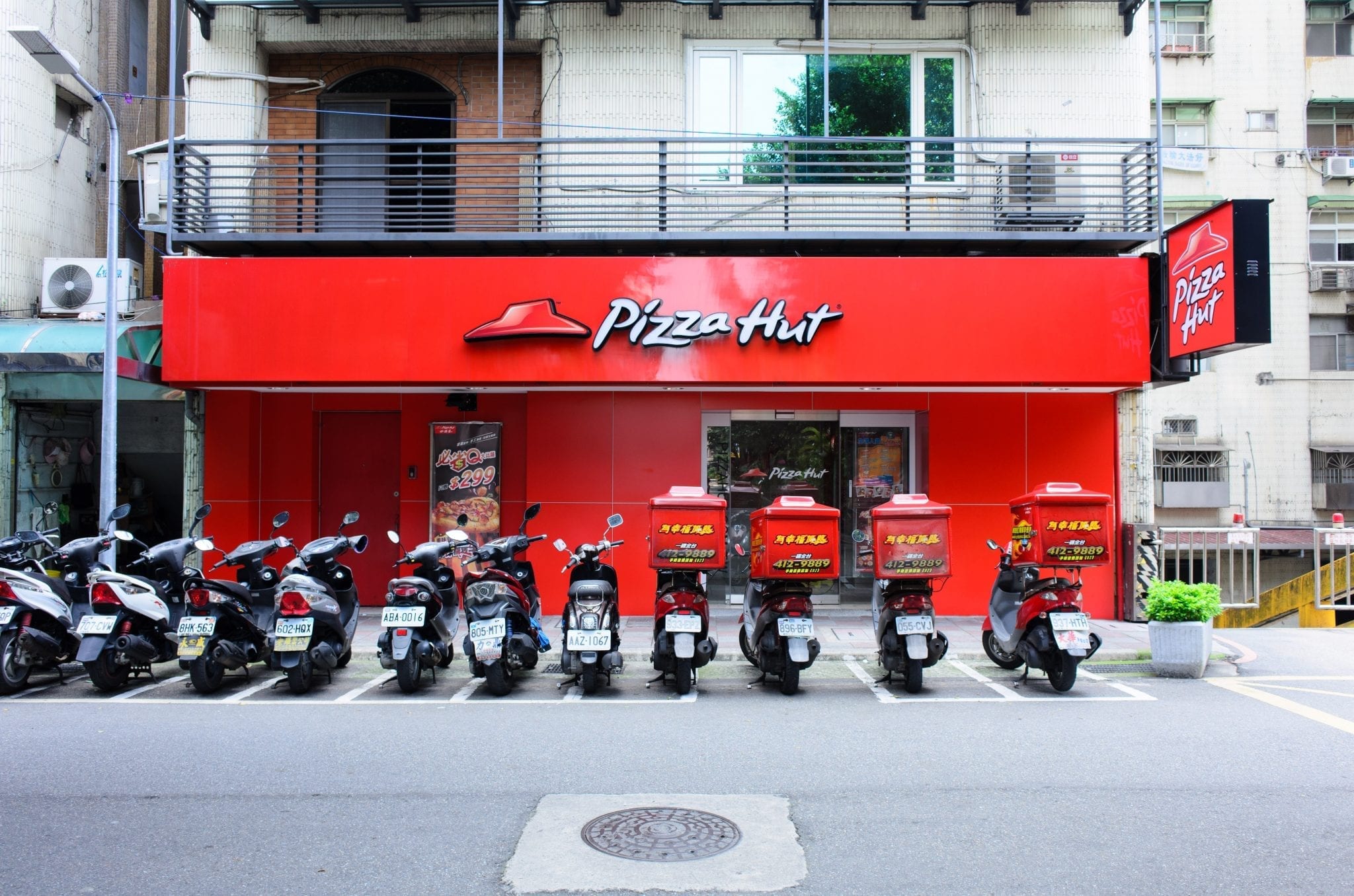
    Pizza Hut Singapore appoints BLKJ as Singapore creative agency of record

    Pizza Hut Singapore appoints BLKJ, an independent creative agency, as Agency of Record to resonate with young adults while maintaining its strong heritage among families. BLKJ, one of the fastest growing independent creative agencies in Singapore, was established in 2017. BLKJ will be managing all Pizza Hut’s upcoming campaign launches. They will lead all marketing efforts in content creation, creative designs and art direction. BLKJ will be tasked to deliver innovative ideas and refresh the Pizza Hut brand in Singapore.

    “We were bowled over by the boldness of their ideas, their appreciation for the brand challenges and spot on solutions to win the hearts of the Millennials. Most of all, it was a meeting of minds and we believe this is fundamental to any successful partnership,” says Joyce Tan, Senior Director, Marketing & Food Innovation, Pizza Hut Singapore. “We launched ‘Your Slice of Simple’ campaign last year and believe that BLKJ is a strong partner to help reinforce and cement this positioning for our brand.”

    The appointment was made following a three-way agency pitch. Pizza Hut was particularly drawn to BLKJ’s good grasp of the category and the Pizza Hut brand. The decision to partner with BLKJ was made after a stringent evaluation process which involves key marketing and senior stakeholders.

    “We are very excited to be working with Pizza Hut. Firstly it’s a great brand with the potential for creating ground-breaking work. Pizza Hut’s positioning of ‘Your Slice of Simple’ is a great place to start from. Secondly, from the word go the chemistry between the two parties was great. Both of us want to make Pizza Hut more successful than it’s ever been before,” says Rowena Bhagchadani, CEO and Co-Founder, BLKJ.

    The appointment will be further enhanced with the launch of Pizza Hut’s new brand campaign in March 2019. With the addition of BLKJ, Pizza Hut will continue to rekindle the simple and delicious pizza experience, further emphasising an alternative to “foodie complexity”. The partnership with BLKJ will elevate Pizza Hut brand among millennials in Singapore and brings captivating ideas to life.

  • Tiger Sugar to open first Korea store next month

    Tiger Sugar to open first Korea store next month

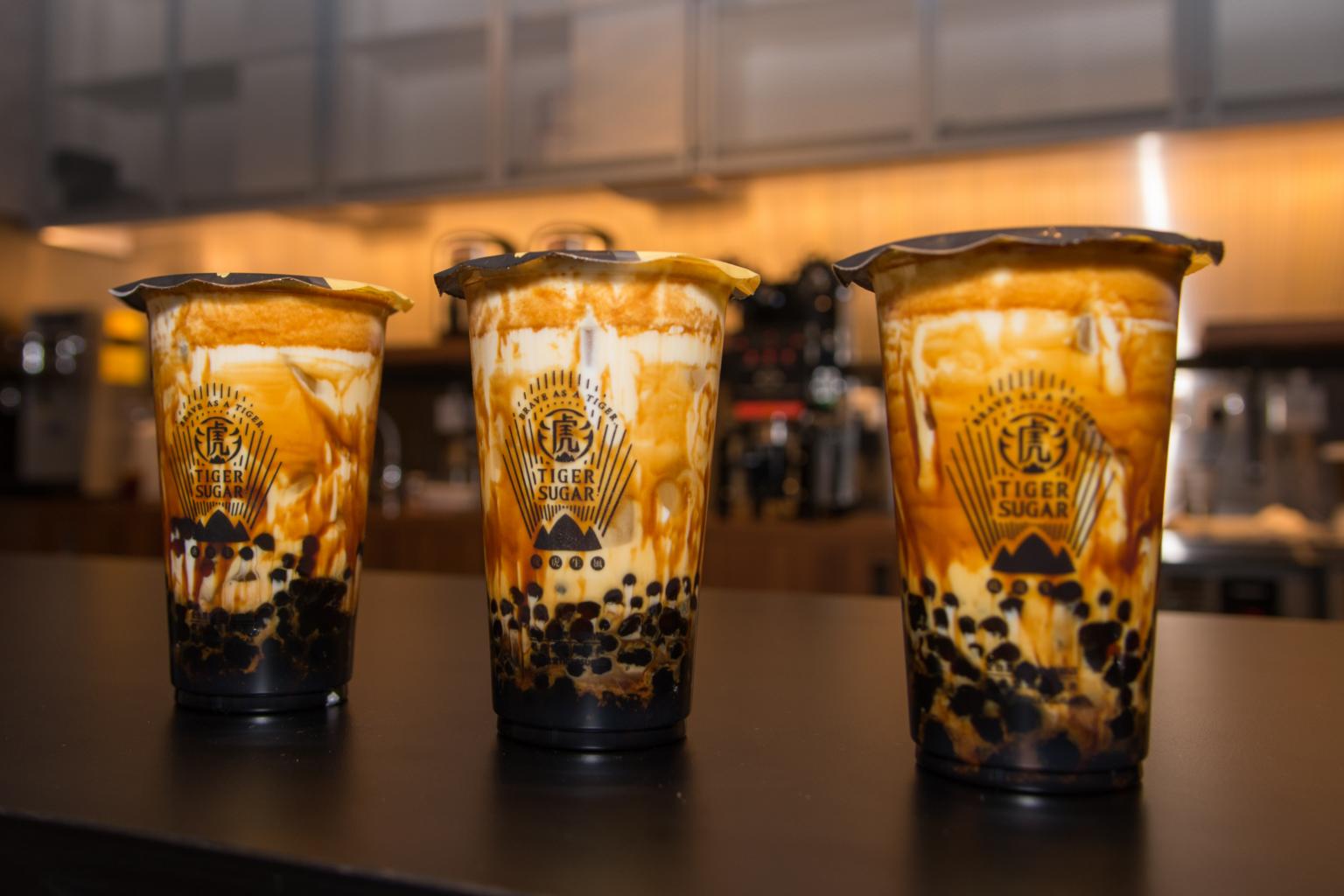
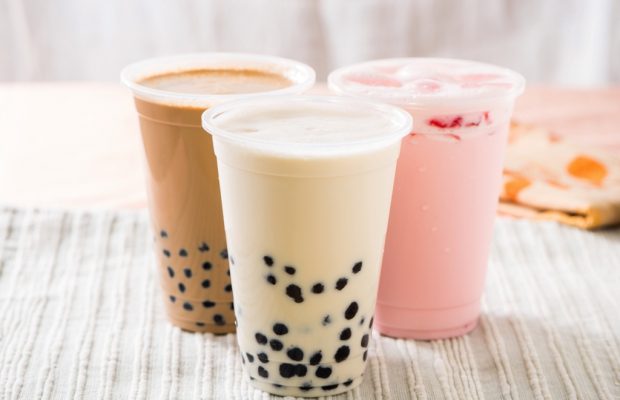
    Bubble milk tea brand Tiger Sugar Korea will open first branch in Hongdae, a bustling university town of Seoul.

    Located at a popular hang-out area for young people, the Hongdae store will offer the same taste as that in Taiwan and use premium ingredients to “become the hottest dessert drink this year”.

    In order to do that, Tiger Sugar Korea will be competing with another original Taiwanese chain Gong Cha, which is now popular among locals.

    First opened in Taiwan in 2017, Tiger Sugar is known for drinks with dark-brown sugar syrup inside. The chain now has branches in eight countries including Hong Kong, Singapore, and Korea.

    It also plans to open stores in the US and China.

  • Starbucks Reserve Roastery in Tokyo opens

    Starbucks Reserve Roastery in Tokyo opens

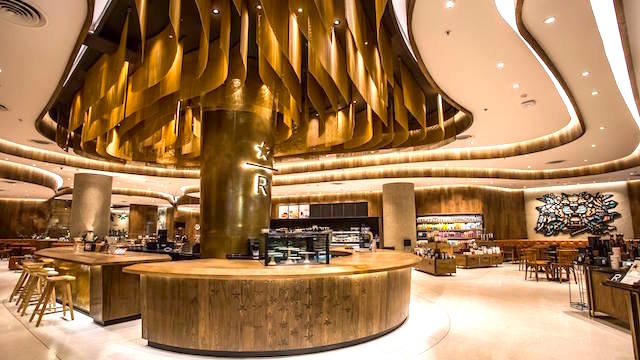
    Starbucks opens a four-story fully-immersive Starbucks Reserve Roastery in Tokyo today.

    Located in the Nakameguro neighborhood, the new venue offers more than 100 unique coffee and tea beverages and merchandise exclusively available in store. It will be the fifth Roastery globally, home to the largest Teavana Bar in the world and Japan’s first Princi Italian bakery.

    It also introduces Starbuck’s first Amu Inspiration Lounge, a full floor dedicated to community gathering – and is planned as Starbucks’ first Specialty Coffee Association certified training location in Japan in the near future.

    “As the first international market outside of North America, Starbucks Japan has contributed 23 years of innovation for the company globally,” said Starbucks CEO Kevin Johnson. “The opening of the Tokyo Roastery will further amplify what Starbucks Japan has done across all stores in the market for more than two decades – innovating and delivering the finest quality coffee one person, one cup and one neighbourhood at a time.”

    “The Roastery will amplify and inspire coffee passion across all Starbucks stores, and will serve as a catalyst for a new wave of growth centered on the customer experience and passion for coffee and service,” added Starbucks Japan CEO Takafumi Minaguchi. “Beginning with the ‘Make it Yours’ campaign that will commence at every store in Japan upon the opening of the Roastery, customers will be invited to experience the first Starbucks coffee roasted exclusively in Tokyo, for Japan, and available in a variety of coffee beverage styles.

    “The Roastery signifies our commitment to fostering moments of human connection over a cup of coffee and using these moments to create positive social impact in the communities we serve.”

    The Starbucks Reserve Roastery in Tokyo  is the only one designed in collaboration with a local architect from the ground up. Inspired by the famous cherry-blossom trees lining the Meguro River, the building’s glass walls and terraced floors fold into the fabric of the neighbourhood, bringing visitors eye-level with the cherry blossoms and the four seasons of the river to reflect the natural beauty and sense of harmony found across Japan.

    The coffee journey at the Starbucks Reserve Roastery in Tokyo is an immersive experience and education in coffee, and its process – from green bean to cup – which begins at the Main Bar on the first floor. The open floor plan draws customers into the immersive experience, introducing them to the art of roasting, brewing and hand-crafting beverages. The terraced third floor features Starbucks Japan’s first cocktail bar, Arriviamo.

    Japan is the fourth largest market in terms of store count for Starbucks globally – behind the US and China – and today has more than 1400 Starbucks stores.

  • Feel International brings Myanmar cuisine into Thailand

    Feel International brings Myanmar cuisine into Thailand

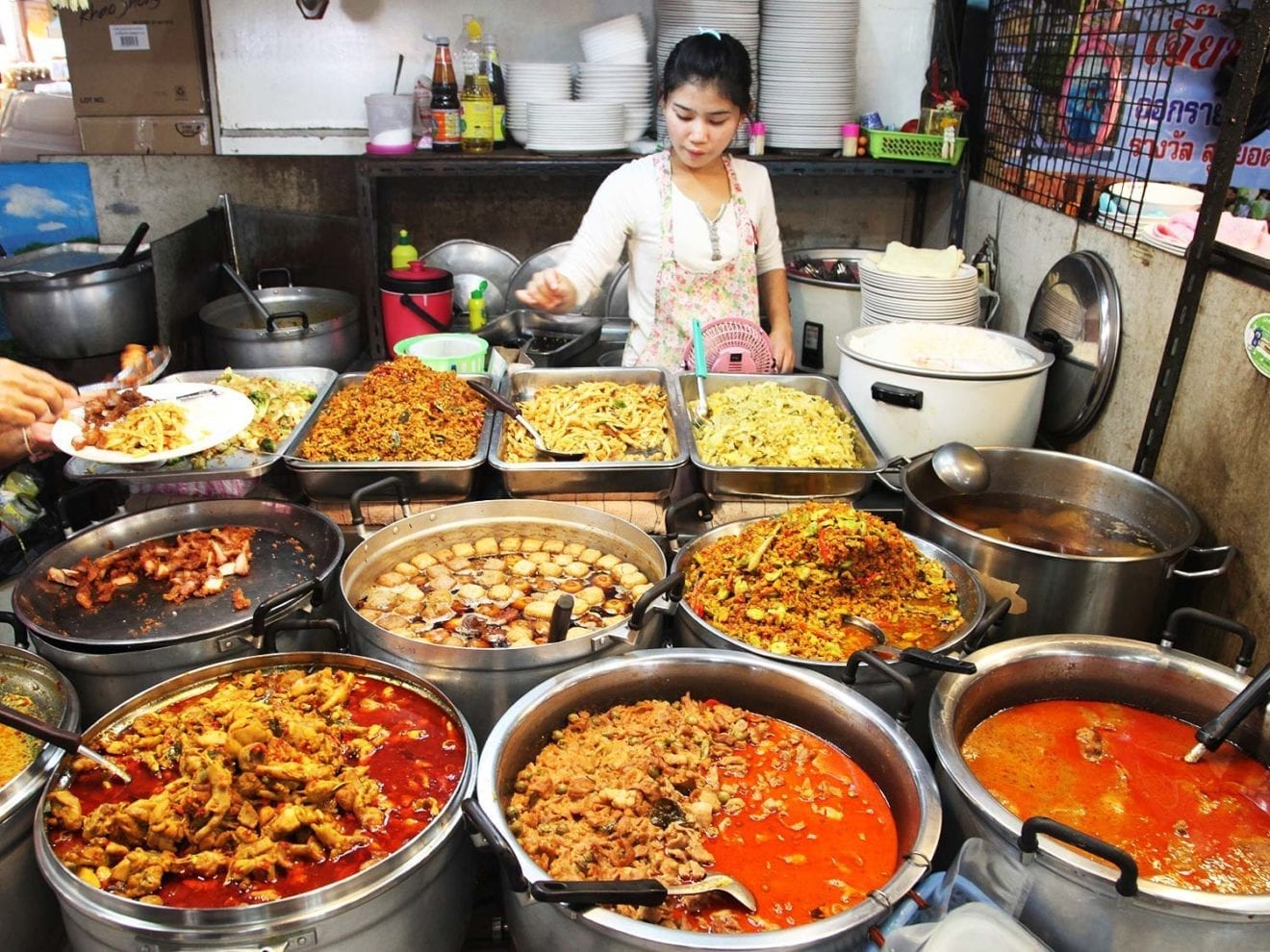
    Myanmar restaurant chain Feel International is set to open in Thailand. Opening in the popular Bangkok tourist area of Pratunam on Thursday (January 24), the group intends to introduce Myanmar cuisine to Thai consumers and foreigners.

    “At present, many restaurants are attempting to cater to the needs of tourists from China, however there are eight flights to Bangkok from Yangon every day, and there are tens of thousands of Myanmar citizens working and studying there, so there is a potential market for Myanmar cuisine”, said Feel International operations director Ko Johnny.

    “This is the very first Myanmar restaurant opened in a foreign capital city. Bangkok is one of the biggest restaurant markets in the world. It offers a wide variety of cuisine, even something as exotic in Asia as Ethiopian. Bangkok is the first step for Myanmar traditional food to penetrate the international markets”, he said.

    The restaurant intends to serve lunch boxes with Myanmar favourites for Myanmar people working in companies and offices around the area.

    Discussions are being held to open further restaurants in Chiang Mai and Mesauk.

  • International sales bolster McDonald’s results

    International sales bolster McDonald’s results

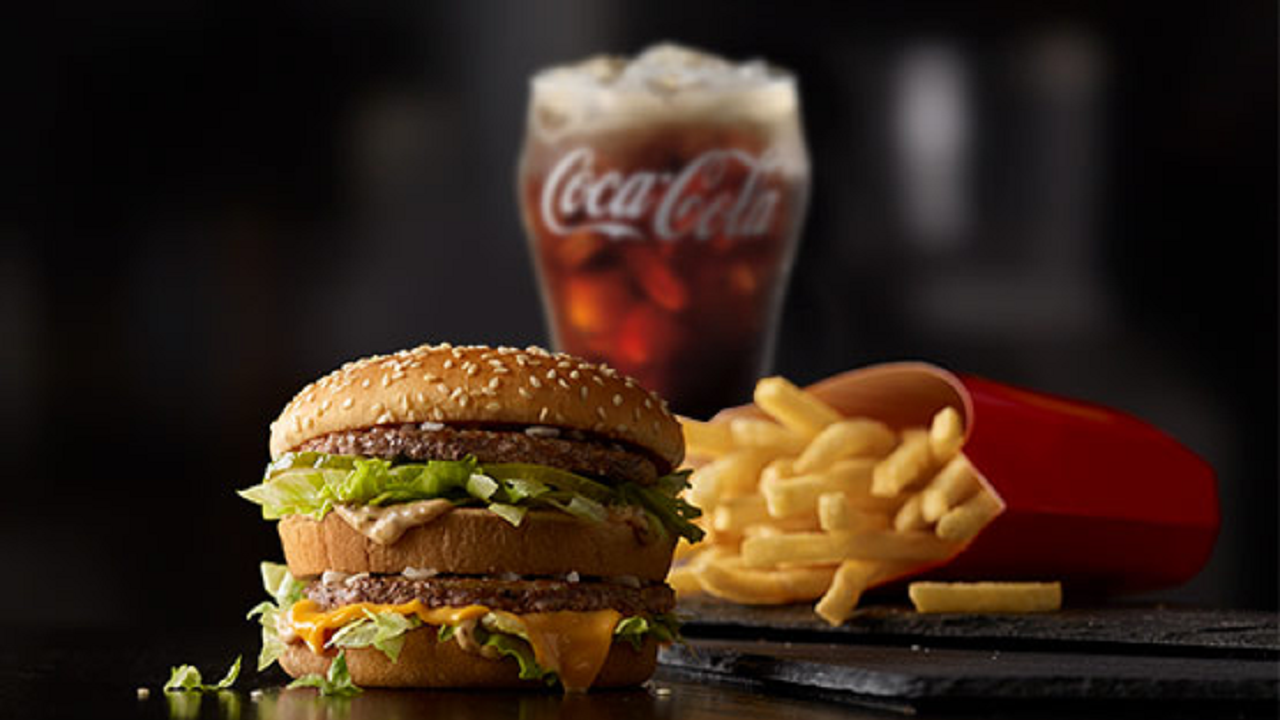
    Strong international sales ensured respectable McDonald’s results in the latest quarter as the fast-food giant encountered challenges in its core US market. Global sales slipped 3 per cent in the three months to December, to US$5.16 billion, although this was largely due to currency translations, without which sales would have been flat.

    While the company did not break out Asian performance, it said international same-store revenue rose 5.2 per cent.

    Same-store sales in the US rose 2.3 per cent, primarily due to increased prices, given foot traffic in stores fell by 2.2 per cent. Global visitor numbers crept up by a mere 0.2 per cent.

    Breakfast remains its most challenging category, with the chain struggling to attract diners in the mornings. While that mealtime accounts for about a quarter of its total sales, the breakfast market is experiencing fierce competition among rival chains.

    “We’re doing well with average check growth but we really want the customer to come back and more often,” CEO Steve Easterbrook said in an investor presentation about the McDonald’s results.

    He said McDonald’s is trying to recover breakfast customers by trialling different price promotions, launching localised advertising campaigns and improving the drive-through service.

    More stores, more kiosks

    Globally, McDonald’s plans to open a net 750 new stores this year. It will also speed up the rollout of its digital touchscreen ordering systems. Easterbrook says stores with self-ordering kiosks were achieving higher sales than those without.

    Commenting on the McDonald’s results, Neil Saunders, MD of GlobalData Retail, said the kiosks and order-by-app services need to be rolled out faster.

    “This isn’t just a case of installing and implementing the technology, it is about getting customers to actually use it. Consumers need to be given more incentives to use the new ways of ordering, especially mobile, as many still shun the technology,” said Saunders.

    “Longer term, more automation in the kitchen is also critical – something that will be particularly beneficial now McDonald’s menu options are more varied and complex.”

    Saunders described the latest McDonald’s results as “reasonable”. But he said a 6.7 per cent decline in operating income suggests that McDonald’s is having to work harder for much slimmer rewards.

    “In our view, this does not sit well with the increasing complexity and higher levels of capital expenditure the company is introducing into the business.”

    Saunders believes McDonald’s is on the right track. “However, this year will be a more challenging year than last and it will be a balancing act between keeping both customers and franchisees happy.”

  • Thailand’s Zen Corporation completes IPO

    Thailand’s Zen Corporation completes IPO

    Thai restaurant operator Zen Corporation secured THB975 million (US$31.35 million) via an IPO issued last Wednesday.

    The firm sold all 75 million shares on offer, representing 25 per cent of its registered capital, at THB13 each. Its stock price grew 17.69 per cent over the course of its trading debut, as strong demand pushed the value per share up to THB15.30 on the first day.

    Zen Corporation is known for its various restaurant chains, including its eponymous brand as well as Musha by Zen, Sushi Cyu Carnival Yakiniku, AKA, On the Table Tokyo Cafe, Tetsu and de Tummour.

    The firm also operates food delivery, catering, restaurant management and consultancy services, as well as food retail operations.

  • Belgian Waffle heads to Southeast Asia

    Belgian Waffle heads to Southeast Asia

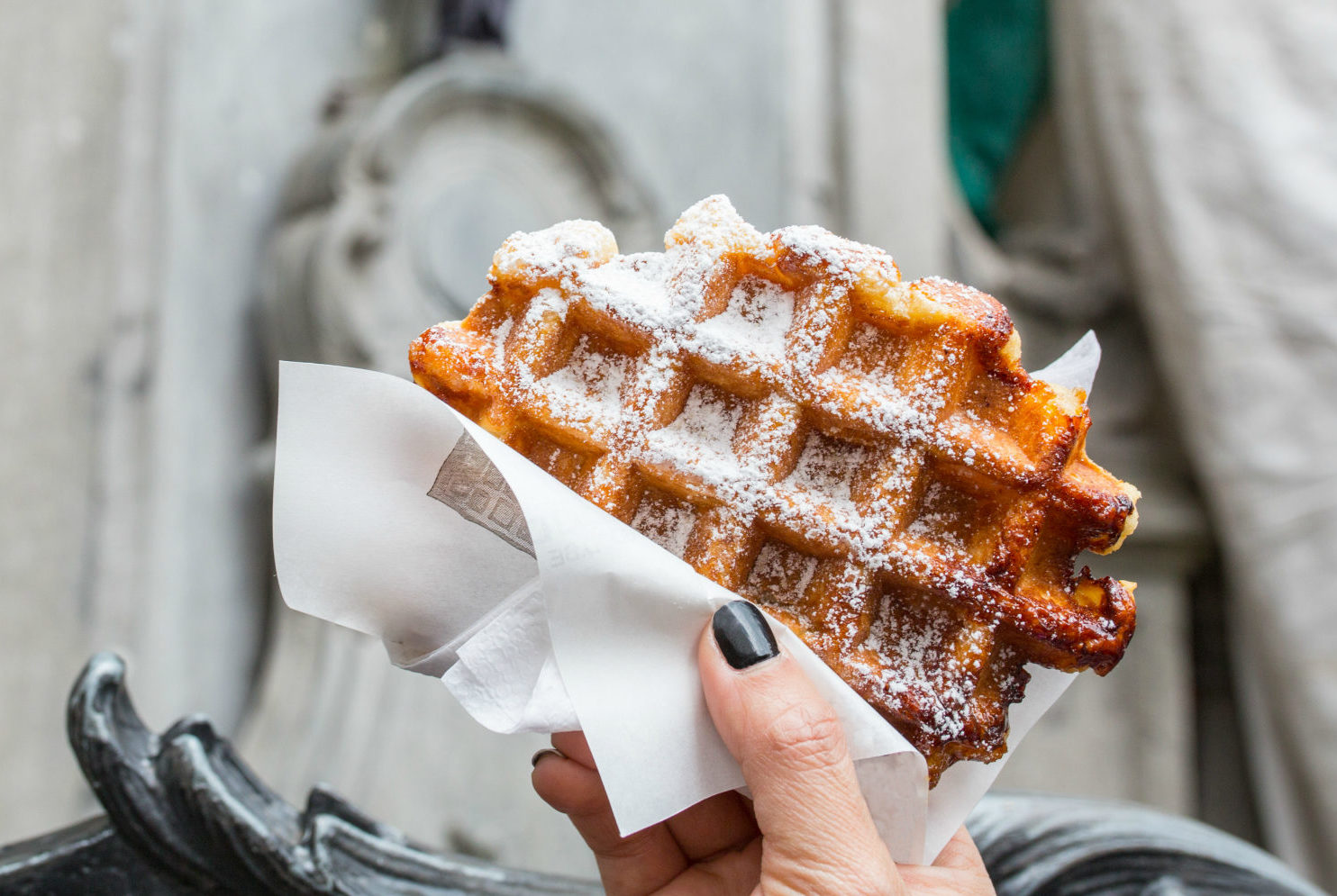
    Indian-headquartered Belgian Waffle Co has partnered with VF Franchise Consulting to expand into Southeast Asia.

    The chain is operated under small kiosk and cafe models, and is best known for its waffle sandwiches.

    “The Belgian Waffle Co has seen exponential growth in India in less than three years with unprecedented success,” said Shrey Aggarwal, cofounder of The Belgian Waffle Co.

    “Our vision is to be a Global Player in the QSR segment, being recognised for dessert offerings and our values of affordability, quality and simplicity.”

    Founded in 2015, Belgian Waffle Co now has more than 200 outlets in 55 cities in India, Nepal and Dubai.

    “We are delighted about partnering with The Belgian Waffle Co as the company seeks to expand further into Southeast Asia,” said Sean T Ngo, CEO of VF Franchise Consulting.

    “Belgian waffles have universal appeal amongst Asians and non-Asians alike. They have taken a fork-and-knife approach to eating waffles and turned the industry upside down into a fast, on-the-go food for people who enjoy delicious-tasting breakfasts, snacks and desserts and a business that offers potential fast returns.”

  • Gong Cha bubble tea could fetch US$442 million

    Gong Cha bubble tea could fetch US$442 million

    South Korean private equity firm Unison Capital is selling its Gong Cha bubble tea franchise in a deal likely to fetch up to US$442 million.

    The company purchased the brand four years ago for KRW34 billion ($30 million), before taking over its global headquarters in Taiwan in a KRW40 billion ($35.45 million) deal in 2017. The brand’s HQ operates stores in 16 countries.

    The offer has attracted interest from major South Korean F&B players, considering the brand’s stable cash flows and EBITDA margin of 24–25 per cent, compared with Starbucks’ 21 per cent.

    The brand runs 448 outlets within South Korea, and derives 70 per cent of its sales from directly managed stores within Korea and Japan. The firm plans to expand its global store count from 900 to 1700 by 2021, expanding into 10 more countries during the period – with concrete plans to establish stores in the UK, Mexico, Thailand, Indonesia and Cambodia.

    Sales are forecast at KRW180 billion ($159.54 million) this year, compared to KRW134 billion ($118.77 million) last year.

  • BreadTalk buys out Thai partner

    BreadTalk buys out Thai partner

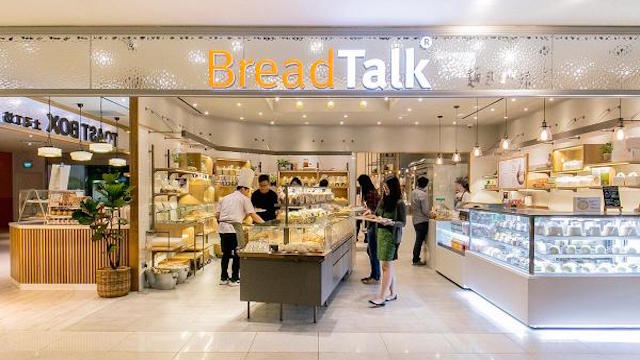
    Minor Group has sold its half share in BreadTalk Thailand to the bakery’s Singapore-listed owner.

    BreadTalk paid US$5.15 million for the stake, which Minor Group is expected to use to expand its other food and beverage brands in the kingdom, including The Coffee Club.

    The BreadTalk Thailand joint venture, called BTM Thailand, was set up in 2014.

    Minor Group’s other brands in Southeast Asia include ThaiExpress, Xin Wang Hong Kong Cafe, Swensens and the Pizza Restaurant Company.

  • Pablo Cheese Tart Singapore closes down

    Pablo Cheese Tart Singapore closes down

    Pablo Cheese Tart Singapore has closed all of its stores in the city. After 19 months in operation, the cheese-tart brand’s exit from the city follows the shuttering of its outlets in Malaysia last July.

    The first outlet in Wisma Atria saw long queues when it first opened in August 2017.

    Pablo Cheese Tart has not issued any announcement towards the closings. However, its Facebook pages appear to have been deactivated.

    Reasons for the closure in Malaysia included customer feedback that the tarts had a sub-par taste compared to the Japanese stores’ products, and consumers found them expensive.

  • Japanese eatery Botejyu opens in Manila

    Japanese eatery Botejyu opens in Manila

    Japanese eatery Botejyu, a restaurant chain specialising in okosoba and okonomiyaki dishes, has opened a flagship at One Bonifacio High Street in Taguig City.

    The new branch is the largest of 12 Botejyu locations in the Philippines, with more outlets expected to open later this year. All branches feature an open kitchen and a private meeting room at the back of the venue.

    The brand is the second concept imported by Viva International Food & Restaurants.

    “Most Japanese restaurants only specialise in one item like ramen, or just tempura,” said Viva International senior VP Vicente Raphael “VR” del Rosario IV. “But for Botejyu, though we specialise in okosoba and okonomiyaki, the main selling point is that technically, we carry the best of each place in Japan.”

    Botejyu is a legacy brand in Japan, credited as the first to use mayonnaise as a dressing on okonomiyaki pancakes, as well as inventing the okosoba by wrapping traditional stir-fried noodles in the okonomiyaki batter.

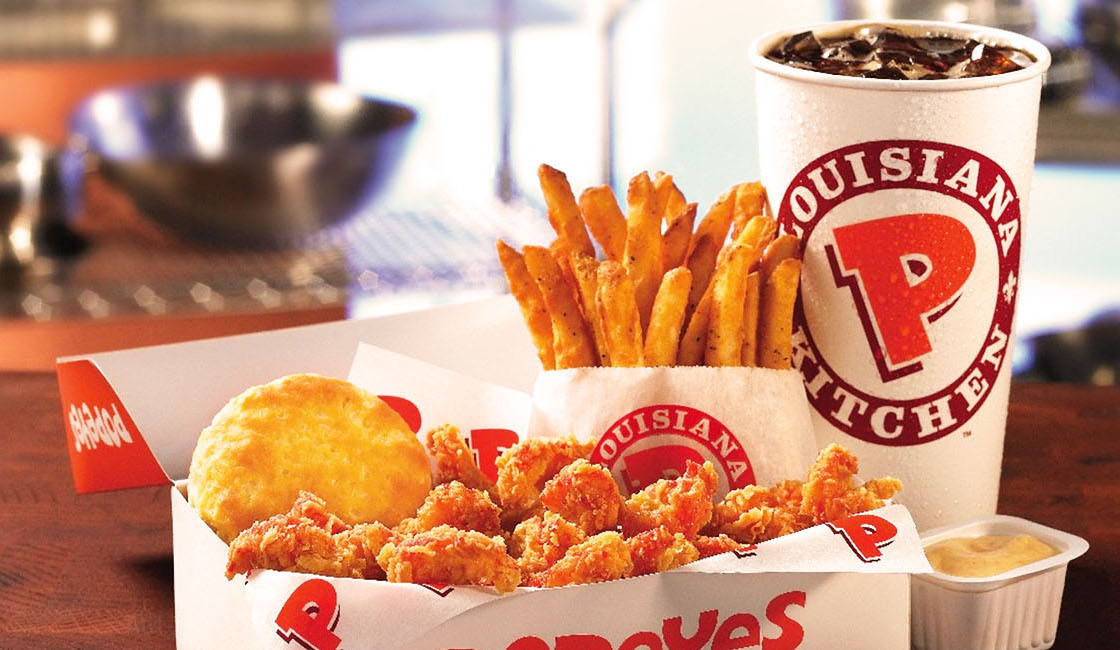
  • Popeyes Philippines to launch with seven new locations

    Popeyes Philippines to launch with seven new locations

    Popeyes Philippines has revealed the location of its first seven stores.

    Kuya J’s Restaurant Group confirmed it was bringing the popular New Orleans brand to the Philippines in August, prompting widespread interest from landlords.

    The brand – best known for its fried chicken menu – has confirmed seven locations where they will be opening: Arcovia in Pasig, Eastwood and Vertis North in Quezon City, Alabang Town Center in Muntinlupa, SM San Lazaro and SM Manila in Manila, and Kroma Tower in Makati.

    “The Philippines is a large and growing market and we are looking forward to servicing the high-quality food that Popeyes offers to the country’s more than 100 million people,” said Kuya J chairman Lowell L. Yu.

    The Popeyes brand has operated since 1972, serving “authentic New Orleans-style fast food”.

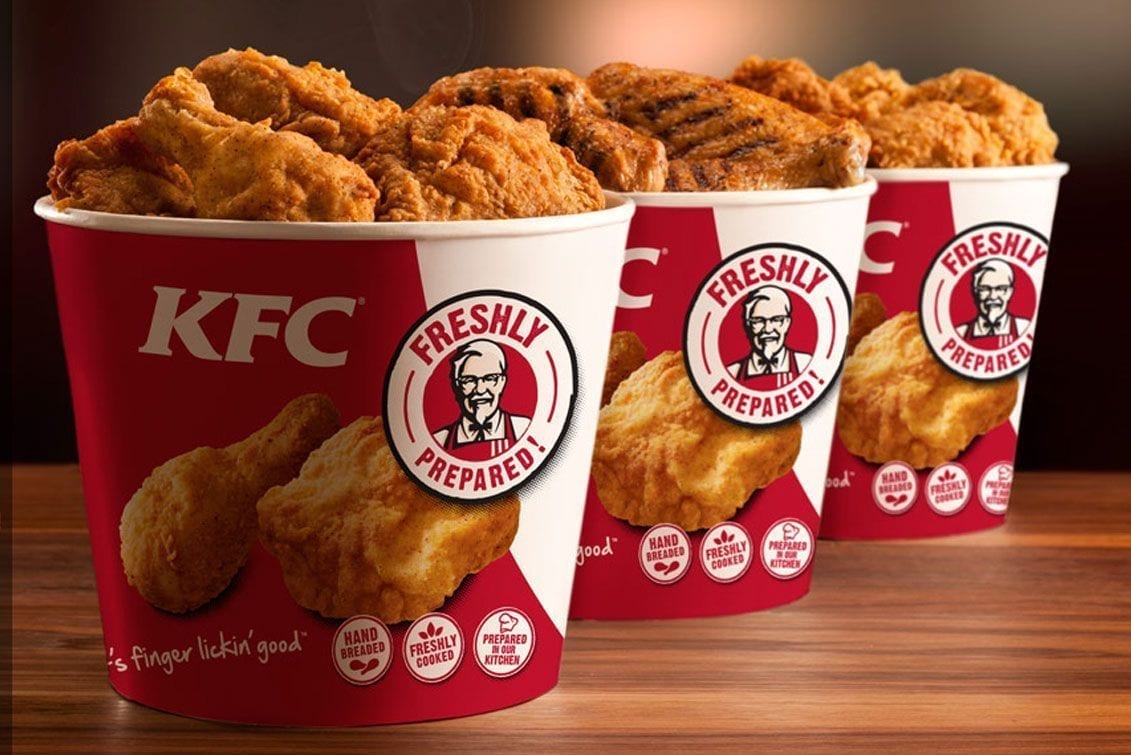
  • KFC poised to expand after strong full year sales

    KFC poised to expand after strong full year sales

    Restaurant Brands is planning to expand the number of KFC restaurants it operates across Australia and New Zealand off the back of strong sales over the 12 months to February 2019, which contributed to the group’s overall 7.2 per cent increase in full-year sales of $764.6 million (NZ$794 million).

    In Australia, KFC’s sales grew 27.8 per cent to $178.3 million, thanks to new store acquisitions in the period. Same-store-sales grew 4.7 per cent.

    Starbucks saw a 4 per cent increase in sales to $15.4 million, and was sold to Tahua Capital on 23 October 2018.

    Carl’s Jr., however, saw an 8.8 per cent decline in total sales to $30.7 million. Same-store-sales also fell 3.3 per cent over the year.

    The group’s performance in New Zealand was more varied.

    KFC’s New Zealand operations improved 5.3 per cent over the period to $324 million (NZ$336.5 million), and 4.3 per cent on a same-store basis, while Pizza Hut faltered – seeing a 14 per cent decrease in sales over the year to $34 million (NZ$35.4 million), down 6.1 per cent on a same-store basis.

    The group is currently in the midst of a partial takeover, with investor Finaccess Capital having proposed to acquire up to 75 per cent of the group’s shares for a premium of NZ$9.45 ($8.68) cash per share.

    Restaurant Brands shares currently sit at $7.33 on the ASX, and $NZ8.62 on the NZX. Currently, Finaccess has secured 33.71 per cent, or just over 42 million, shares.

    The board of Restaurant Brands “unanimously” recommends shareholders accept the partial takeover offer, which closes on 12 March 2019, based on the absence of a superior proposal.