Category: Food

Retail News Asia is committed to providing both local and global retailers with the latest Food and Food & Beverage news throughout the Asian market. This on a daily base.

  • KFC China opens tribute to Lei Feng

    KFC China opens tribute to Lei Feng

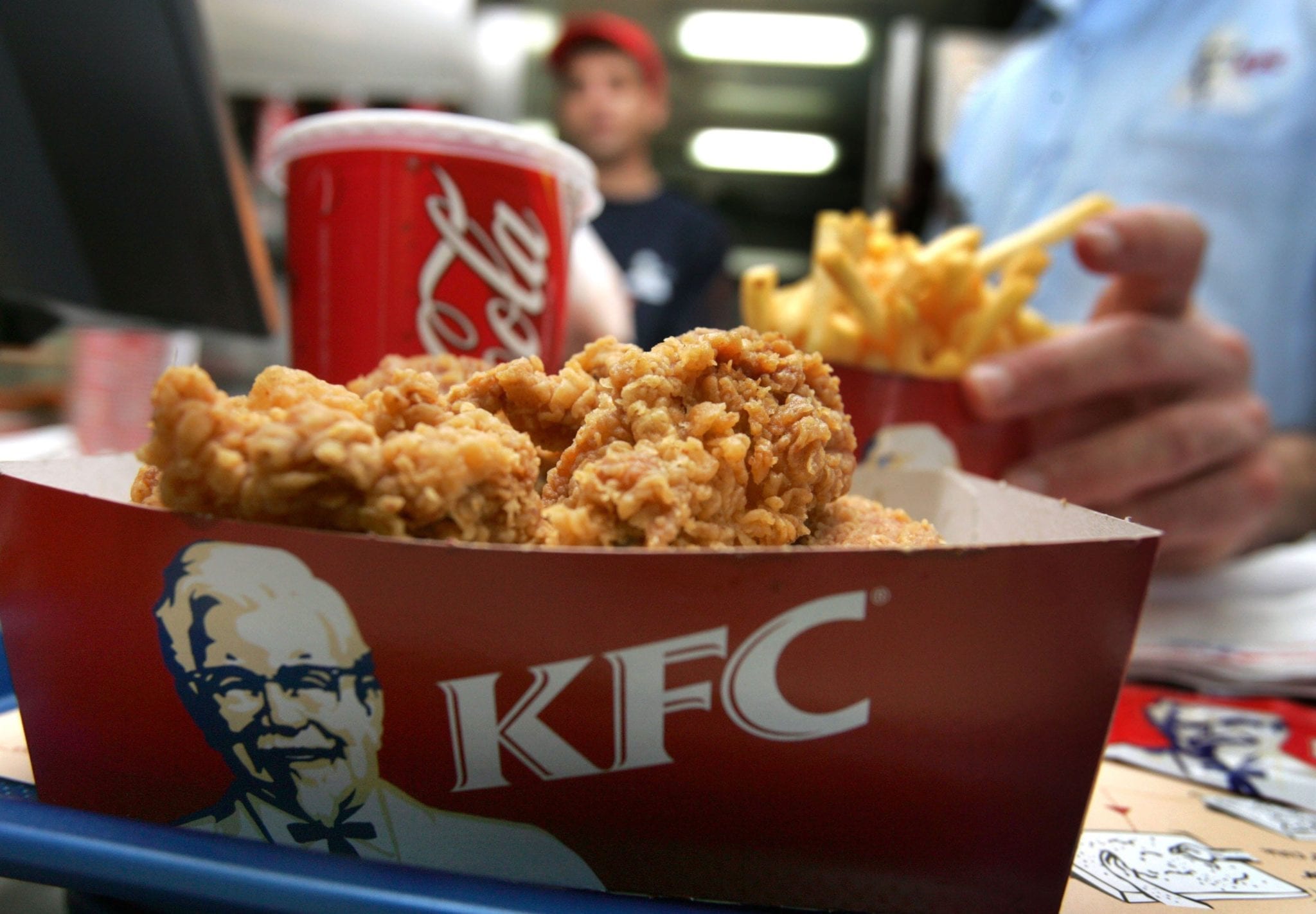
    KFC China has held a promotion honouring Communist Lei Feng. The “Lei Feng Spirit” promotion was first launched in the legendary young soldier’s home province of Hunan on the national holiday dedicated to his memory. The figure of Lei Feng has been considered an inspiration to the Chinese people since he was first held up as a figurative icon of the communist movement by leader chairman Mao Zedong.

    KFC China is celebrating “the Lei Feng spirit in its over 250 outlets in the province and encouraging its staff to learn from the role model,” according to local news outlet Xinhua.

    KFC’s operator Yum China has also opened a 27,000sqft innovation centre in downtown Shanghai. The integrated R&D facility is designed to generate new ideas and concepts and enable the rapid roll out of localised and innovative products.

    The centre features a test kitchen, a sensory test area, as well as a suite of labs covering quality assurance, equipment and restaurant technology testing, packaging innovation, new store model prototypes, and content production.

    “The establishment of the Innovation Centre is testament to our commitment and vision to become the world’s most innovative pioneer in the restaurant industry,” said Yum China CEO Joey Wat.

    “Through creating an integrated hub, we look forward to continuing to explore innovative ways to drive growth, deliver value, and enhance every aspect of the customer experience.”

  • Chicken rice eatery Liao Fan opens in Malaysia

    Chicken rice eatery Liao Fan opens in Malaysia

    Michelin-starred chicken rice restaurant Liao Fan has opened its first Malaysia outlet. Located in Ipoh, Chan Hon Meng’s birthplace, the outlet attracted a big crowd and all the food sold out on the soft-opening day last week.

    Singapore’s street food hawker Chan Hon Meng made headlines in 2016 when his soy-sauce chicken rice dish received a Michelin star. The Liao Fan Hawker Chan stall became one of the first street-food stands in the world to receive the award and also the cheapest Michelin-star meal in the world.

    The Liao Fan Hawker Chan Malaysia is non-halal as the restaurant also sells pork dishes.

  • Little Caesars Pizza Philippines ready to launch

    Little Caesars Pizza Philippines ready to launch

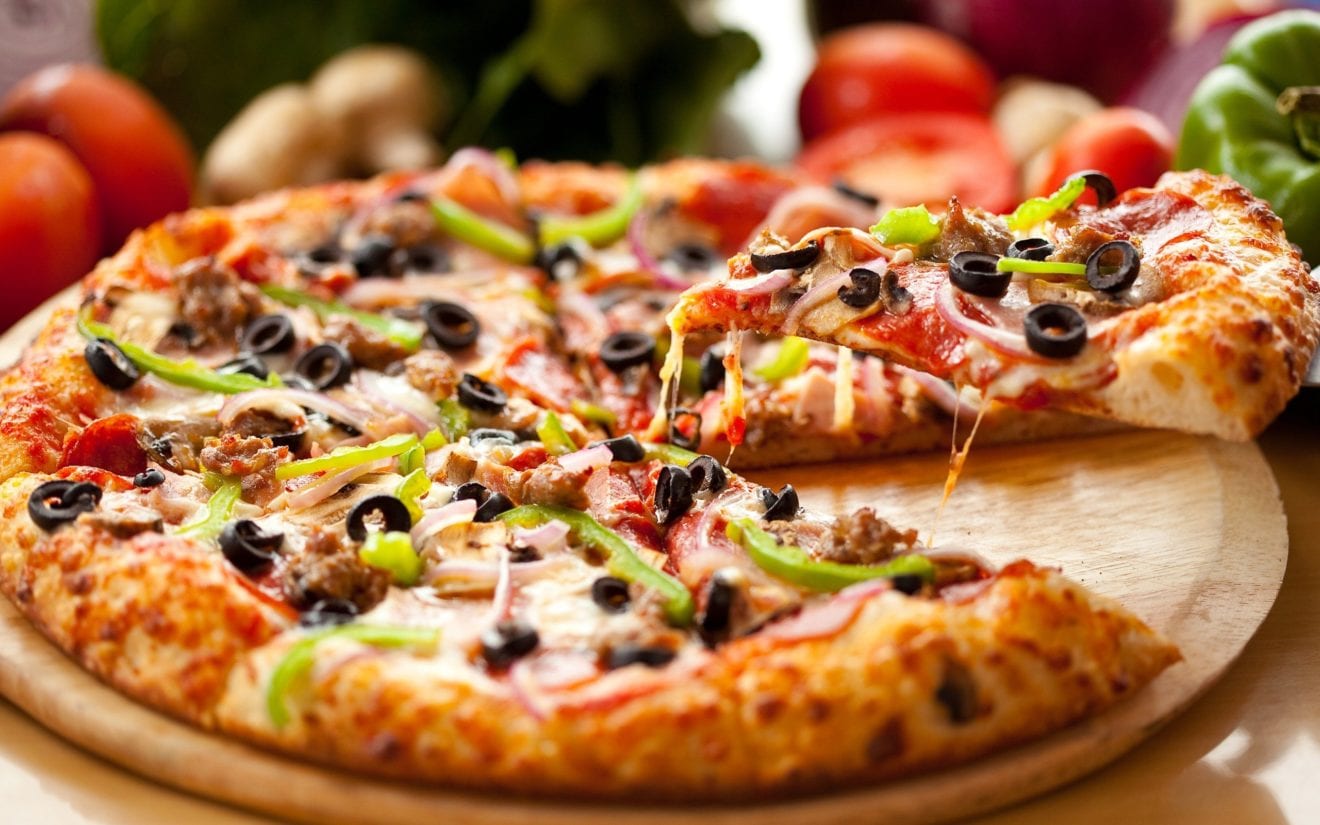
    Little Caesars Pizza Philippines will launch with its first restaurant next month. The move continues the expansion of the brand’s international footprint with new restaurants in Southeast Asia. The first restaurant to open under the new franchise relationship with local operator Palmtree PH Foods Corp will be located at the Metrosquare Building in Manila.

    Senior VP of International for Little Caesars Pizza Paula Vissing said he believes the Philippines is a perfect fit for the company’s international expansion due to its strong affinity for both pizza and value.

    Palmtree owner James Kodrowski, who manages a group of companies that operate in the region, said: “Little Caesars Pizza is exactly what this market needs … We believe that the Hot-N-Ready concept will have undeniable market appeal, as well as our commitment to excellent guest service, and superior value. It is our ambition to make Little Caesars the new favorite pizza of the Philippines.”

    Little Caesars is the third largest pizza chain in the world, currently operating in 23 countries and territories. It will also open its first location in Singapore in January.

  • Coles starts selling food on eBay

    Coles starts selling food on eBay

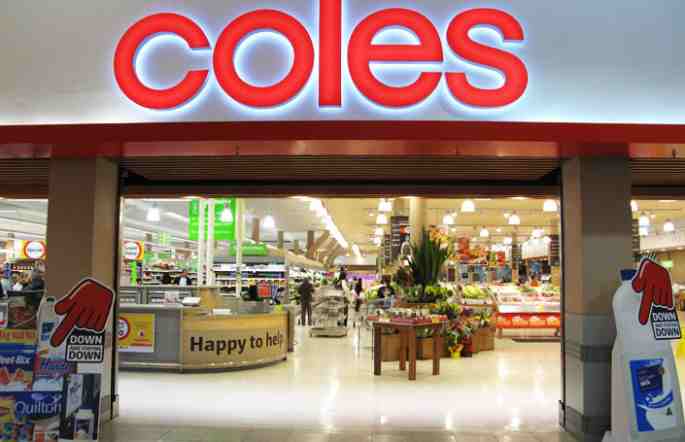
    Coles on Wednesday started selling a range of ‘everyday essentials’ on eBay, in a bid to reach some of the marketplace’s 11 million unique monthly visitors. The offering includes perishable and non-perishable items in Coles’ everyday essentials range across several categories, including select pre-packaged fresh food, pantry, personal care and household items. The items at launch are available to eBay shoppers in metro Sydney, Melbourne and Brisbane. Shoppers will initially have just one delivery option, though more will be added throughout the year, according to a statement from eBay and Coles. 

    Alister Jordan, chief executive of Coles Online, described the partnership as being all about convenience.

    “By partnering with eBay, we are providing our customers another convenient way to access our products and have them delivered straight to their door,” he said in a statement.

    The idea is that consumers who are already buying fashion, homewares and electronics on eBay can also complete their food shopping on the online marketplace, rather than having to make a second – virtual – trip to Coles’ e-commerce site.

    “It really comes down to convenience and being able to choose from a great range of groceries as well as those bigger ticket items you can’t get from a supermarket,” Julie Nestor, eBay’s CMO told.

    “Think about planning for a dinner party and being able to purchase everything from the table setting to the meal ingredients on the one site – it’s a more convenient, seamless way to shop online.”

    There is also the fact that more and more brands stocked on supermarket shelves are increasing their direct-to-consumer sales through their own websites or marketplaces like Amazon, which expanded into the pantry category last October, though it doesn’t yet offer fresh food in Australia. For eBay, the partnership seems to be about growing its eBay Plus membership program, which it launched in May 2018 in what many saw as a response to Amazon Prime. The program, which costs $49 a year, includes unlimited delivery and returns on new items bought on eBay, discounts on the Stan streaming service and opportunities to earn points through Coles’ flybuys loyalty program.

    Nestor confirmed that launching Coles’ food offering on eBay has been in the works for some time.

    “After we successfully launched our partnership with flybuys last year, this is a natural extension of our relationship with Coles,” she said.

    Nestor declined to say how many members are currently signed up to the eBay Plus program, but she described the uptake so far as “really positive” and said the company expects it to continue to grow with the launch of Coles on eBay. EBay Plus members get free delivery on orders that are $49 and over, and they earn double the number of flybuys points on all orders.

  • Vive Cake Boutique opens fresh pop-up at Harbour City

    Vive Cake Boutique opens fresh pop-up at Harbour City

    Vive Cake Boutique has opened a three-month pop-up store at Harbour City’s Gateway Arcade. The store is timed to coincide with White Day, a traditional holiday in Japan where men return gifts to their sweethearts who gave them chocolate on Valentine’s Day.

    The bakery’s founder Vivien Lau and her team have designed a White Day selection which will also be available in the company’s Central flagship store.

    “Vive’s pop-up store in Harbour City is an idyllic location that embodies refinement and luxury,” says Lau. “Gourmands from around the world can explore our unique and new dessert sensations in a homely, inviting, and Insta-worthy environment.”

    In addition to the cake creations and offers, Lau and her team have also designed memorabilia and treats for shoppers to take home, including a unicorn portable charger inspired by their signature Uni-Cone cake.

    Vive Cake Boutique was launched online in 2014 with its first pop up opening at The Pulse the following year. The company now has two permanent boutiques with pink and sleek marble decor, in Lee Tung Street in Wan Chai and H Queen, Central’s lifestyle hub.

  • Moon Lok Chinese restaurant opens at Xiqu Centre

    Moon Lok Chinese restaurant opens at Xiqu Centre

    The first dining establishment has opened in the brand new Xiqu Centre in West Kowloon, showcasing high-calibre Chinese regional cuisine. Seating 260 guests, the 8000sqft Moon Lok Chinese Restaurant evokes the atmosphere of a Chinese garden as a place where one spends time with family and friends for pleasure and relaxation, inspiring a closeness with nature.

    The venue is operated by Buick Management, a Hong Kong-based hospitality group that has over 25 years’ experience in the food and beverage industry. It is best known for managing Pak Lok Chiu Chow, a household name for Chiu Chow cuisine in Hong Kong, with branches in Times Square, K11 and Elements, as well as Starhill Gallery in Kuala Lumpur.

    Located at the junction of Canton Road and Austin Road, Moon Lok Chinese Restaurant is easily accessible by the Hong Kong West Kowloon Station and Austin MTR station, the China Ferry Terminal that connects to Macau, Zhuhai, and Shekou, as well as the Guangzhou-Shenzhen-Hong Kong Express Rail Link.

    Reflecting the Xiqu Centre’s modern design inspired by traditional Chinese lanterns, the restaurant also blends traditional and contemporary elements to reflect the evolving nature of the culinary art form.

  • Hong Kong’s Hui Lau Shan launching in Philippines

    Hong Kong’s Hui Lau Shan launching in Philippines

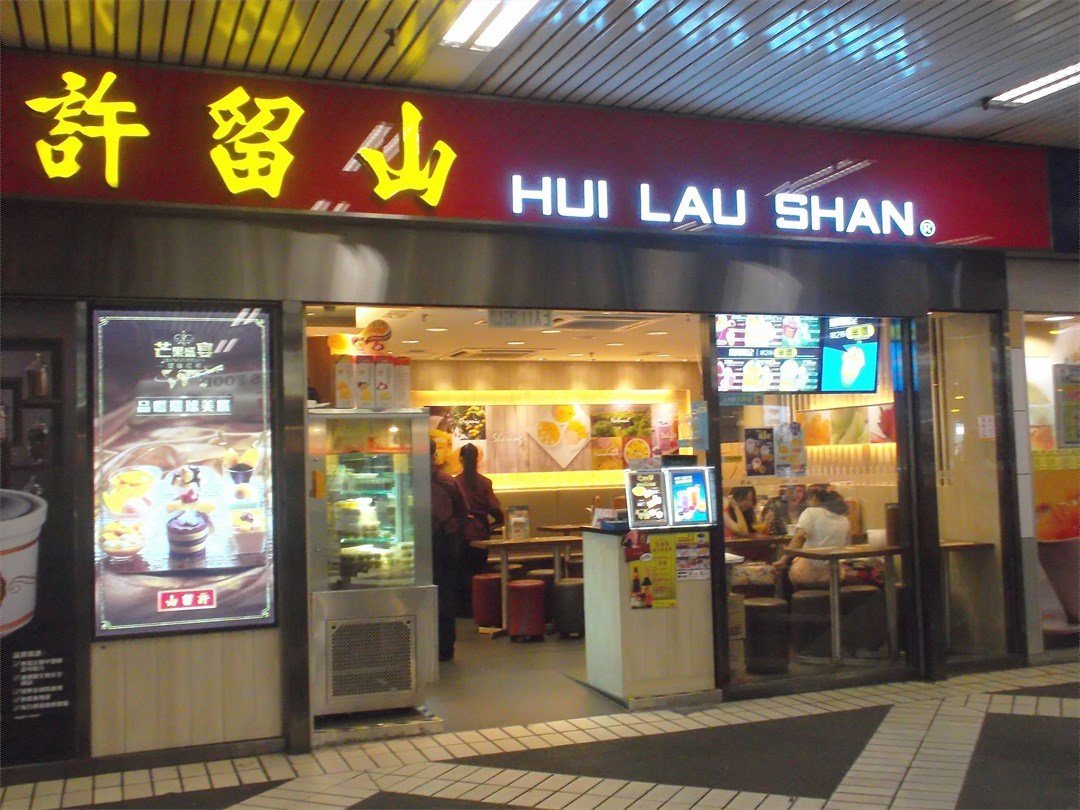
    Hong Kong dessert chain Hui Lau Shan will launch in the Philippines in February. The franchise, best known for its mango-based treats,will open at SM Megamall in Mandaluyong City with a range of desserts that are expected to draw on local fruits.

    Mango desserts have proven popular in the region recently, with prominent social media coverage of long queues for mango floats.

    Hui Lau Shan is a heritage brand originating from a herbal tea & tea trolley that traded in Hong Kong’s Yuen Long back in the 1960s.

  • Vietnam is Nestlé’s fastest-growing market in South East Asia

    Vietnam is Nestlé’s fastest-growing market in South East Asia

    Nestlé South-East Asia posted solid growth last year underpinned by double-digit growth in Vietnam. The growth was based on strong momentum gained by five of its biggest brands, MILO, NESCAFÉ, MAGGI, NAN and Nestlé itself. This year, the Swiss giant plans to improve organic sales growth and underlying margins as it progresses toward its 2020 target.

    Chris Johnson, Executive Vice President, Chief Executive Officer Zone, Asia, Oceania and sub-Saharan Africa (AOA), speaks to Retail News about how one of the biggest companies in the world has set its business goals for 2019 and contributes to the Vietnam’s overall socio-economic development.

    Can you share the highlights of Nestlé’s business performance last year?

    Nestlé Vietnam has had strong performance in the last four years and we are among the fastest growing food FMCG companies in Vietnam.

    Although Vietnam is not a huge market for Nestlé, it is the fastest growing market in Asia. And its contribution to growth has been important. We have much confidence in the growth potential of Nestlé Vietnam based on a strong and growing economy and burgeoning middle class and population.

    If we look at other countries, sometimes we are strong in one or two categories, but here we have a broad presence in a number of categories. MILO is the strongest brand for Nestlé Vietnam along with four other brands including NESCAFÉ, MAGGI, Nestlé itself and NAN – infant nutrition.

    Last year our efforts were recognized by the government with an award for being the 59th biggest corporate tax payer from the Ministry of Finance, a Certificate of Merit for significant contribution to the FDI sector over the last 30 years in Vietnam from the Ministry of Investment and Planning, a place in the list of top 10 sustainable businesses in Vietnam by the Vietnam Council for Sustainable Development, and an award for prominent employer in manpower development from the Ministry of Labour.

    This year we expect Vietnam will continue to be an important, growing contributor to Nestlé.

    Nestlé Vietnam is a key contributor to not only the growth of Zone AOA but also the Nestlé Group.

    What is Vietnam’s role in the development of Nestlé in Asia?

    Vietnam is important not only because we have a strong business here but also because of the coffee landscape. Vietnam is the second biggest coffee producer in the world and the biggest in robusta. Nestlé is the biggest buyer of coffee in Vietnam with an annual purchase volume of 20-25 percent of the total coffee output. We also invested above $600 million into the economy via coffee purchase and exports.

    In 2011 Nestlé unveiled the NESCAFÉ Plan, among whose important aspects was helping Vietnamese farmers with their crops. Our agronomists provide farmers with training in good agriculture practices and technical assistance. We have distributed 27 million high-yield plantlets since 2011, encouraged farmers to reduce water usage 20 percent and increase their income and resilience through better farming practices, and have provided 200,000 training sessions to farmers to develop the industry.

    The reason we do this, the core philosophy of Nestlé, is that this is not about donations, it is good business for us that Vietnamese coffee farmers do well. That assures we have good-quality supply for the world. Vietnam is a good example of how Nestlé operates well for other countries.

    How does Nestlé plan for short-term and long-term investments in Vietnam for 2019 and subsequently?

    We have a long-term vision and a firm belief in the potential of the country. In 2017 we inaugurated the Bong Sen factory in North Vietnam and a new distribution center in the South.

    In 2018 we further expanded our business, notably through a new distribution center in the northern province of Hung Yen and the NESCAFÉ Dolce Gusto production line in the southern province of Dong Nai. This year will be another year of growth with more and more capacity in line with our ambition in Vietnam.

    Our growth priority remains, and our 2019 activities will continue our long-term strategy that is set for 2017-2020. We want to introduce new products that meet new consumer needs, and Creating Shared Values – CSV will always remain a big driver of our goals.

    Once again, as the world’s top conglomerate in nutrition, health and wellness, we aspire to take a holistic view of our product offerings. This means we must improve our recipe to increase good nutrients, while reducing fat, sugar and salt. At the same time, we want to promote a healthier lifestyle for our Vietnamese consumers and Nestlé looks forward to more collaborations to fulfill this mission.

    The overall plan is to continue to grow, continue to focus on our five core brands in Vietnam. We believe Nestlé Vietnam can reach mid-double-digit growth in 2019.

    What activities have been undertaken in support of the United Nations’ sustainable development goals?

    Since its inception in 2011, the NESCAFÉ Plan has been hailed as one of the most successful public-private partnerships by the Ministry of Agriculture and Rural Development. In eight years we have distributed over 27 million high-yield, disease-resistant plantlets to help farmers replant over 21,000 hectares of aging coffee trees.

    In addition to supporting sustainable farming practices in accordance with international 4C standards, the program also assists farmers in managing coffee quality and supports them in updating market information.

    We see this initiative as a win-win situation because farmers can get a better life and improve their income by 30 percent while Nestlé benefits from high-quality coffee products.

    In addition to the NESCAFÉ Plan, MILO via the Activ Vietnam program in conjunction with the Ministry of Education and the Government’s Project 641 have embarked in grassroot sports development and promoting a healthier lifestyle in school.

    Nestlé Vietnam provided the market with two billion fortified servings in 2018 and has been collaborating closely with the Ministry of Health and the National Institute of Nutrition in the proposal of the national Recommended Daily Allowance (RDA).

    We also promote woman entrepreneurs under the NESCAFÉ Plan, improve women’s incomes in rural areas through the “Go rural” project with the Women’s Union. We are also a signatory to UN Women Empowerment Principles. We recognise that among others, gender equality and women’s empowerment are critical to Creating Shared Value for our business with a respect for diversity.

    How do you view the challenge of competition from local and foreign firms in the coming years?

    We always welcome competition. At the end of the day consumers benefit from competition because they have more choices. More importantly, that drives us to work hard and be competitive every day. We have been trying to do the right things in producing high-quality products while the market is becoming stronger and stronger thanks to competition.

    This is your first trip to Vietnam since you took over as Executive Chief Officer Zone Asia, Oceania and sub-Saharan Africa (AOA) in January. What is your most valuable takeaway from the trip?

    I have only been in the job now for about two months and Vietnam is the third market I have visited after China and India. The most valuable thing for me is to connect with the people working here. We have over 2,300 employees and I am very proud of the team here.

    The next step will be making sure that Nestlé Vietnam continues to cooperate with the government and farmers to ensure successful operations and make social contributions when doing business in the country.

  • Jollibee Malaysia opens in Kota Kinabalu

    Jollibee Malaysia opens in Kota Kinabalu

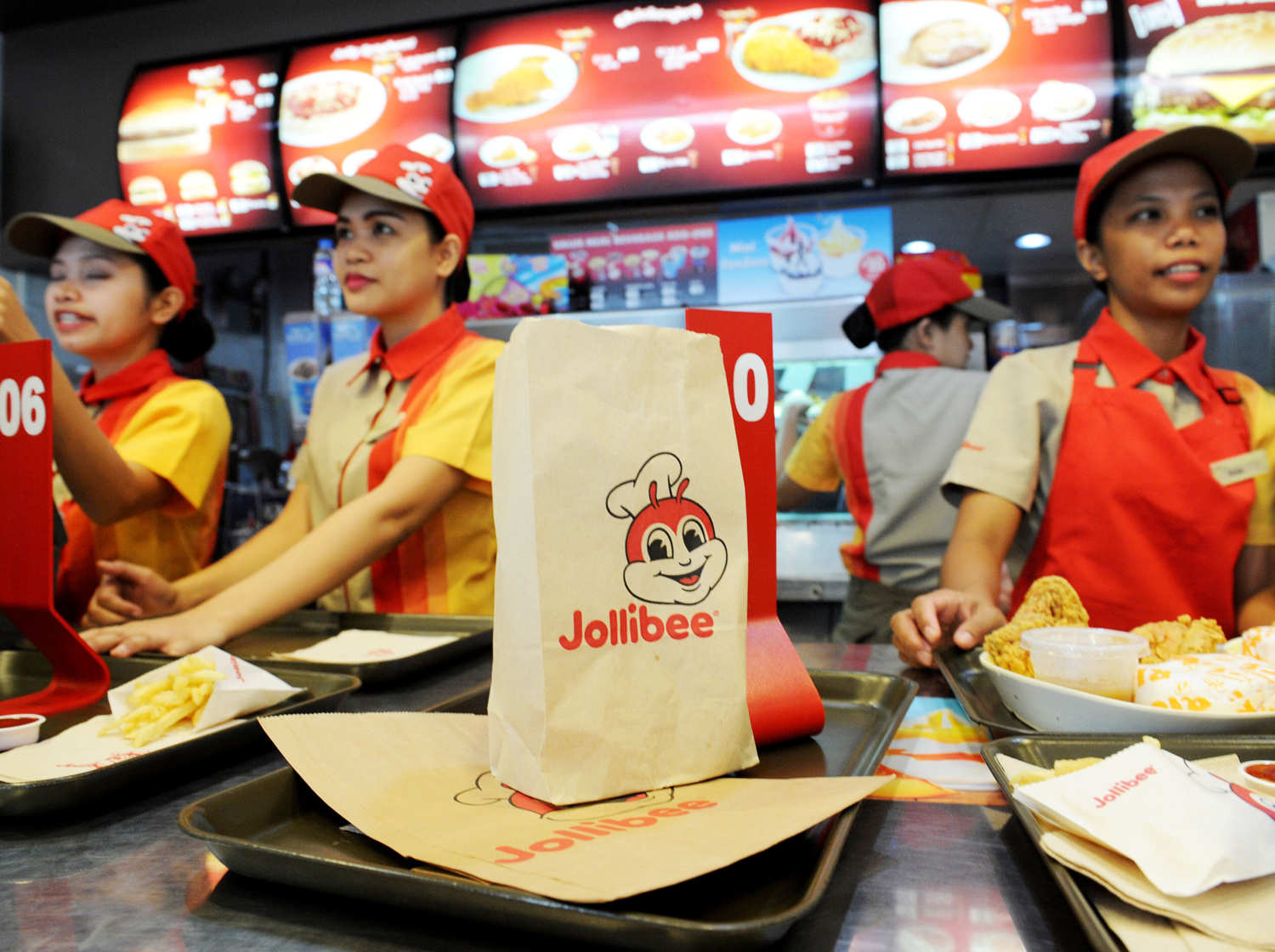
    Jollibee Malaysia has opened its first outlet – in the beachside city of Kota Kinabalu. CEO Ernesto Tanmantiong said opening in Malaysia marked a new chapter for the group.

    “We invite Malaysians to come and see for themselves why people line up for hours.”

    Jollibee Foods head of international business, Dennis Flores, said Jollibee is beloved throughout Asia, because it appeals to diverse tastes and cultures.

    “This has propelled us to become the fastest-growing Asian restaurant company, and we are thankful for the overwhelming support. It drives us to do better for our customers, and to continue to serve delicious food with our signature warm service.”

    The Jollibee Malaysia opening follows the brand’s recent expansion into London and Manhattan as its rapidly expands its global store network to surpass 4300.

    After making its debut in the capital of Sabah, Jollibee Malaysia plans further outlets in major cities across the country.

  • Jollibee acquires Smashburger

    Jollibee acquires Smashburger

    Jollibee has taken full ownership and control of US fast-food chain Smashburger after acquiring an 85 per cent stake in February.

    The Philippine company said it paid US$10 million to acquire the remaining 15 per cent of the company and that it has made management changes.

    Tom Ryan, Smashburger founder and CEO, will take on the additional title of chief product development advisor at Jollibee Foods Corporation globally, focusing on strengthening taste and quality aspects across key brands and enhancing their relevance across global markets.

    Jose “Pepot” Minana has assumed the role of Smashburger president, including daily operations, collaborating on strategy and brand direction, and lead the continuing integration of Smashburger into the Jollibee Foods portfolio.

    Smashburger has 351 stores and accounts for 7 per cent of Jollibee’s global sales which totalled $3.4 billion last year.

  • Bo’s Coffee acquiring new Shops

    Bo’s Coffee acquiring new Shops

    ilipino cafe chain Bo’s Coffee plans to more than double its store network within four years and is also eyeing expansion into the Middle East.

    In an interview, founder Steve Benitez says the ambitious growth plan has been fuelled by strong local demand. With 103 cafes currently, Benitez is targeting between 200 and 250 by 2022.

    “Our job is to make sure that we are able to popularize coffee and be able to supply so much, not only in the Philippines but globally,” he said.

    In its home market, Bo’s Coffee, which was founded in 1996, will be targeting Luzon, especially given the brand has “only scratched the surface” there to date.

    In the Middle East, Bo’s Coffee plans to open a second store in Qatar shortly, followed by three more within two years. Other markets in the region are now in its sights.

    The expansion plans will be accelerated following an investment by Philippine-focused Navegar Fund which was attracted to Bo’s Coffee by its efforts to support local coffee-growing communities.

    “Seventy to 80 per cent of our coffee beans are sourced locally,” said Benitez. “We were trailblazers. We started featuring Philippine coffee and the other shops followed after.”

    Bo’s Coffee recently opened a 300sqm flagship store in Cebu which supports social enterprises by partnering with local micro-small entrepreneurs in their store interiors, products, and merchandise inside.

  • Vietnamese pork banned in several countries

    Vietnamese pork banned in several countries

    Some countries and terriories are banning pork imports from Vietnam following the recent outbreaks of African swine fever in the country. Violators of the ban face fines and even imprisonment. Taiwan has announced that Vietnamese people coming in with pork products would be fined about $6,500, according to Vietnam’s Ministry of Foreign Affairs.

    The fine will go up to $33,000 if a passenger is caught for a second time and denied entry if they do not pay the fine in full.

    A Vietnamese woman was fined $6,500 for bringing a pork snack into Taichung airport in central Taiwan on February 27.

    Vietnam Airlines has been warning passengers against carrying pork items into Japan and Australia.

    Passengers carrying raw or processed foods to Japan from Vietnam must have a certificate of safety, failing which they face three years’ imprisonment or a fine of JPY1 million ($8,900).

    In Australia, passengers must declare all foods made from plant or animal ingredients or face a fine of AUD420,000 ($298,032).

    Dubai, the U.K. and the U.S. also prohibit pork products from Vietnam.

    Following China and Mongolia, Vietnam has become the third Asian country hit by the incurable African swine fever, which has been detected in the cities of Hanoi and Hai Phong, and four provinces of Thai Binh, Hung Yen, Ha Nam, Thanh Hoa and Hai Duong.

    The flu is a viral disease that infects all pig species through bodily fluids such as blood and mucus. It causes hemorrhagic fever with a 100 percent mortality rate.

    Humans are not affected by the disease.

  • Starbucks India caught profiteering from tax cut

    Starbucks India caught profiteering from tax cut

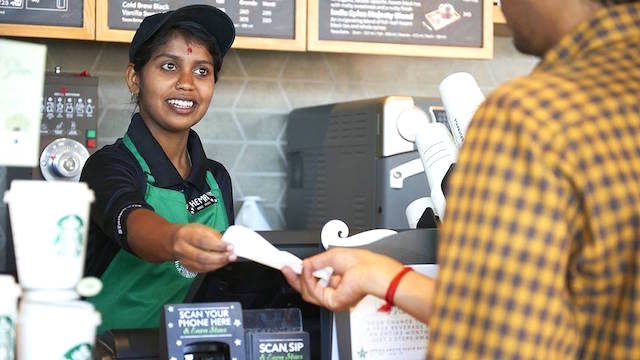
    Starbucks India could be fined after failing to pass on a hefty GST cut to its customers. India’s director general of anti-profiteering (DGAP) has found that Tata Starbucks profiteered by not reducing its prices when the government reduced the GST from 18 per cent to 5 per cent in November 2017. Starbucks India is a joint venture between Tata Group and Seattle-based Starbucks.

    The DGAP submitted its report to National Anti-Profiteering Authority (NAA) recently.

    “The company is found to have profiteered Rs 4-5 crore (US$564,000 to $705,000) as it did not pass on the benefit of GST rate cuts to its customers,” a source told the online publication. “The case is now being heard by the NAA for a final decision.”

    Last year, a regular latte at Starbucks India cost Rs 205, equivalent to US$2.89 plus 5 per cent GST. An overcharge of 13 per cent is equivalent to 38 cents on every cup sold. Starbucks may argue it increased its prices at the time coinciding with the cut to offset increased overheads.

    The probe was sparked by a customer complaint who was unhappy that the company did not reduce its prices when the tax rate fell by such a large margin.

    says that under India’s GST system, businesses have an obligation to compute and pass on the benefit of tax-rate cuts to consumers.

    “Any reduction in rate of tax on any supply of goods or services or the benefit of input tax credit (ITC) shall be passed on to the recipient by way of a commensurate reduction in prices,” rule 171 of the Central GST (CGST) Act, 2017, reads.

    A spokesman for Tata Starbucks emailed the publication saying the company “conducts its business ethically and complies with all the local laws and regulations”.

    A decision on the case will take up to three months. If the NAA rules against Starbucks India, the company can be forced to reimburse affected patrons. In the case of a coffee chain, it would be impossible to identify all the affected customers, in which case the NAA may order the overcharged sum to be deposited into a government-operated Consumer Welfare Fund. The authority may also impose a fine.

  • Dairy Farm Group CEO says restructure will take some years

    Dairy Farm Group CEO says restructure will take some years

    Dairy Farm Group has warned shareholders that its restructure will take five years to complete.

    “There are few ‘quick fixes’ and no ‘silver bullets’,” CEO Ian McLeod told shareholders in the company’s results filing last week. “Continuous improvement against a deliverable, long-term strategic and operational plan is needed.”

    McLeod says the Strategic Review launched soon after his arrival has created a three-step process to restore strong profitability to the Hong Kong-listed, multinational retail business: Building a Solid Foundation, Delivering Consistently Well, and Driving the Dairy Farm Difference.

    “We began the urgent work required to assess and address the significant issues faced by the group, especially those within our food business, to support the changing demands of the customers. While the Strategic Review also highlighted opportunities to improve performance in other parts of the group, the food business is clearly the one requiring the greatest level of focus and short-term action,” he said.

    “It is very clear that the level of change necessary to deliver the required improvements will take at least five years to deliver in a sustainable way.”

    Phase one is now underway with the first step to bring in the right leadership talent with the capability and determination to deliver significant and meaningful transformational change. Seven of the 10-strong leadership team are new to the business, and two have revised responsibilities.

    McLeod said they have already begun to instil the right functional discipline, efficiency and business capabilities to deliver on the turnaround plan.

    A key finding from the Strategic Review was that the company was organised and deployed as multiple business units by banner, country or format – or all of those.

    “While allowing for locally based decision-making, our way of working was to act as a series of small businesses, without shared learning, quality functional specialism, or the consistency of scale and expertise one might expect from one of Asia’s largest retailers. Our businesses have now been centralised into two core trading divisions, covering North Asia and Southeast Asia,” said McLeod.

    No more hypermarkets

    “As new leaders have joined, we have begun to address key areas where we have fallen behind, most notably in store format development and digital expansion. As an example, having used stronger consumer insights and intelligence to analyse our customer offering and product selection, we have decided no longer to build hypermarkets. While some of these stores remain successful and continue to show growth, it is clear that this format has struggled to deliver effective returns across the food retail industry in Southeast Asia and needs to be reshaped.

    “We are now introducing pilot stores, redefining space allocation and trialling new innovations in our formats, to place greater emphasis on fresh food, demographic range optimisation and, where relevant, even repurposing the space altogether.”

    One of the group’s hypermarkets in Indonesia is being repurposed as an Ikea this year, with the prospect of this conversion offering an opportunity to accelerate the expansion of Ikea in that market, while also addressing an underperforming food store.

    “While we have strengthened our digital capability to better respond to expanding opportunities in e-commerce, we are starting from a very low base and are playing catch up,” said McLeod.

    Last financial year, Dairy Farm Group took a US$453 million hit from writedowns relating to restructuring costs, but McLeod says this was the down side of an essential shift towards delivering quality service, value and trust to the company’s customers.

    Five priorities

    The company has set five strategic priorities it says will enable it to grow moving forward:

    • Grow in China.
    • Maintain strength in Hong Kong.
    • Revitalise Southeast Asia.
    • Build capability.
    • Drive digital innovation.

    Grow in China: “China is one of the largest and fastest growing consumer markets in the world, and one where convenience, health and brand trust represent encouraging market potential for our businesses there. While we have been represented in China for more than 25 years with 7-Eleven and 14 years with Mannings, our scale of growth has not fulfilled its potential. With both businesses centred in Guangdong province, which is home to 100 million people, we should be able to pool resources and grow these businesses more successfully.

    “By more effective definition of range, space, store size and location, we believe there are opportunities for both businesses to achieve stronger growth in scale in the coming years. We have developed a strong and growing relationship with Yonghui, which continues to impress, and we anticipate further shared learning and idea generation between the two businesses going forward. We also continue to develop relationships with China’s technology companies, with a series of trials taking place to better understand the changes in customer expectations as regards the use of technology in this market and beyond.”

    Maintain strength in Hong Kong: “We are in the fortunate position that, within our home market of Hong Kong, we have a series of very strong brands with a track record of effective performance. Each of Wellcome, Mannings, 7-Eleven and Ikea have high brand presence, strong brand awareness with consumers and importantly, high degrees of brand trust.

    “We have the further benefit of our long-standing relationship with Maxim’s, which continues to be a thriving business with effective presence in each area of the market and a growing portfolio of renowned international brands such as Starbucks, Genki Sushi, The Cheesecake Factory and the recently added Shake Shack, which has exceeded all performance expectations.

    “Mannings had an exceptional year in 2018, but Wellcome’s performance disappointed. While the underlying business remains strong, substantial cost rises, particularly on rents, have had a material effect on year-on-year profitability. As a result of the Strategic Review, we will reconsider our approach to opening new space, where we open it, and seek to deliver greater range clarity by demographic across the Wellcome portfolio of retail brands.

    “Ikea benefitted from a full year of operation by a fourth store opened in the last quarter of 2017, which cemented our leading position within the home furnishings market in Hong Kong. While we have faced some cost offsets with currency fluctuations on cost of goods and new startup costs, we are very confident about our underlying position for Ikea and its growth potential not only in Hong Kong but also in the other markets where we operate the franchise.

    “We will also drive further innovation with a planned relaunch of e-commerce and building on the recent experience of a pop-up Christmas store in Hong Kong.

    Revitalise Southeast Asia: “We have some serious problems in our food business that require radical solutions and actions. This will necessitate a fundamental re-engineering of our food offer and our customer proposition plus significant rationalisation of space and of our general merchandise offer, converting hypermarkets to large food format stores over time.

    “In Southeast Asia our core issue rests within our Giant brand and particularly hypermarkets in Malaysia, Indonesia and Singapore. We have significantly underinvested in these hypermarkets in the past and they now need a course correction to reshape and resize our offering, to ensure it is fit for purpose to meet the demands of modern-day consumers and keep pace with the rising middle class.

    “We have already begun the process of redesigning our proposition in fresh and grocery and we have pilot propositions already on the ground. Our Malaysian pilot is a redefined hypermarket where we have halved the general merchandise range size and achieved double-digit sales growth. We are also putting more emphasis on fresh food, investing in value on grocery and streamlining general merchandise and apparel to optimise our range and space by category. In another pilot conversion, general merchandise has been reduced by a third while fresh space has been increased by more than 70 per cent.

    “While it remains very early days for the pilots being developed in each key market of Indonesia, Malaysia and Singapore, we have been encouraged by their early performance. The predominant challenges rest within mass-market hypermarkets and supermarkets where locations have been lacking in investment for years, or were simply built in the wrong place, or the competitive landscape has changed. These fundamental retail errors are now being addressed head on.

    “Encouragingly, our upscale stores within these markets are showing signs of recovery as we raise operating standards of quality, freshness, availability and even hygiene. That said, the challenge that we face in right-sizing our food business in Southeast Asia is substantial and will take considerable time to achieve.

    “Our Guardian Health and Beauty business remains a significant opportunity for us in Southeast Asia. Countries which were demonstrating trading difficulties a couple of years ago are beginning to grow, if not thrive, under new leadership and we will more aggressively invest in the expansion and format development of our health and beauty business in the region.”

    Build capability: McLeod says the new management team has brought increased experience and capability “absolutely key” to the success of the work ahead.

    “Embedding their knowledge and expertise right across the group is now the priority. With around 200 years of retail and consumer experience collectively across the leadership team we now have the ability to drive the considerable changes necessary to not only improve Dairy Farm’s performance, but to transform the business to a modern-day retailer focused on delivering what customers want, where and how they want it.”

    The new team is supported by more than 30 new senior management appointments across the group, “adding further experience and energy to the transformation effort”.

    Drive digital innovation: “Retail is seeing rapid change and Dairy Farm has been slow in responding to the pace of digital change. We have significantly underinvested in digital (people and technology) and as a result are behind the curve. Last year, we began to change this.”

    Two new roles have been created: chief digital officer and chief technology officer, both people taking up their appointments in the last quarter of last year.

    “They have already begun to review all our current ad-hoc programmes and initiatives, to reset and reshape our group approach to a badly needed IT infrastructure upgrade and accelerate our core SAP system rollout, as well as carrying out a review of our digital priorities within each business and region. We have made some improvements in developing our digital offer, with numerous initiatives and pilot schemes now in place, as well as developing partnerships with key Chinese technology companies. The reality, though, is that our digital capability is in its infancy; something we believe is vital that we change.”

    Writedowns

    Dairy Farm Group’s $453 million hit in last year’s results comprise a write down for goodwill associated with the Giant business across the region, along with impairing underperforming assets, booking onerous lease provisions relating to underperforming stores, writing off poor-quality stock, and incurring various business correction costs. McLeod said this allows the company to build for the future and draw a line under the weakness of the past.

    Most of the $453 million comprised non-cash items, with the net cash impact estimated at less than $50 million.

    However, this amount was partially offset by a gain from the exchange of Dairy Farm Group’s food business in the Philippines for a share in Robinsons Retail and the exit of its Giant hypermarket in Vietnam which was taken over by Auchan. An an impairment of goodwill was realised relating to Rose Pharmacy in the Philippines while taking full ownership of this business.

    Elsewhere, there were gains on the sale of several food properties which the company did not consider strategic assets to own moving forward.

    These positive factors reduced the overall impact of non-trading items to $332 million for the year.
  • Vietnamese beer sales now drive revenues for Sabeco’s new Thai owner

    Vietnamese beer sales now drive revenues for Sabeco’s new Thai owner

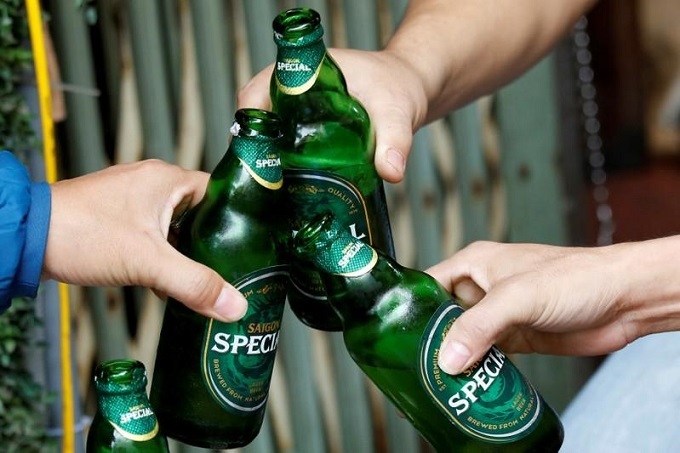
    Vietnamese brewery Sabeco has contributed 46 percent of the revenues of Thai parent ThaiBev in the first quarter of 2018-19. For the quarter ended December 31, 2018, it reported sales of VND13 trillion ($560.58 million) as ThaiBev announced net profits of VND5.54 trillion ($238.83 million) on total revenues of VND54.28 trillion ($2.34 billion), 35 percent and 60 percent up year-on-year.

    Beer products became its revenue driver for the first time with sales of VND24.84 trillion ($1.07 billion). Though spirits sales saw strong growth, their share of revenues dropped from 54 percent to 43 percent.

    In terms of sales by market, the group reported 52 billion baht ($1.66 billion) in Thailand, down to 71 percent from 96 percent last year. The other significant amount was Vietnam’s VND13 trillion or 23.9 percent.

    ThaiBev said while consumption in Southeast Asia is generally slowing, Sabeco has sustained impressive growth.

    Two months ago the Thai group became the majority shareholder in the Vietnamese brewer with a 53.59 percent stake following a debt-to-equity swap.

    It believes the acquisition of Sabeco would help its expansion in Vietnam, which has a youthful population, extensive distribution network and the strongest beer market growth in the region.

    Sabeco, formally known as Saigon Beer Alcohol Beverage Corp, reported a 5 percent rise in revenues last year to more than VND36 trillion ($1.56 billion).

    It has a 42.8 percent share of the Vietnamese beer market, according to the Ho Chi Minh City Securities Corporation.

    According to the Vietnam Beverage Association (VBA), the Vietnamese beer market is worth $3.4 billion.

    Securities company FPT Securities predicts the market will grow by 5-6 percent a year.