Category: Food

Retail News Asia is committed to providing both local and global retailers with the latest Food and Food & Beverage news throughout the Asian market. This on a daily base.

  • Freshly brewed coffee is rising in China

    Freshly brewed coffee is rising in China

    Although Luckin Coffee, a chain of coffee shops in China,  disclosed a loss of 857 million yuan (RMB) last year, they are still positive about the potential for growth in China. Meanwhile, a Canadian coffee brand, Tim Hortons, announced its expansion into the country, planing to open more than 1,500 stores in China in ten years.

    Convenience store’s brewed coffee stand out in a crowded market

    Coffee brand giants are everywhere, but  coffee sales from convenience store never falls behind, occupying the lower level consumer market. According to the FamilyMart Co., Ltd., there are more than 2,000 stores in the country now selling freshly brewed coffee and the annual revenue in 2018 has exceeded 50 million cups. FamilyMart  revealed that their goal is to sell 100 million cups of coffee in 2019.

    Food plus coffee combo drives sales

    Another profitable coffee sales business people usually neglected is the Western-style fast food restaurant. Since KFC, also known as Kentucky Fried Chicken, upgraded the coffee products in 2015, their coffee sales has grown rapidly. In the first three quarters of 2018, KFC sold more than 63 million cups of coffee at an average rate of 2.5 cups per second.

    “The growth of coffee market among convenience store and western restaurant reflects the characteristics of current Chinese coffee market, a market with multi-level, multi-channel and multi-consumer profile.” China food industry analyst Zhu Danpeng said that this also proves the Chinese coffee market still have a big room to invest and develop.

    The current high profit of the coffee industry leads to competition

    Some industry consulting companies predict that the sales of the Chinese coffee shop will grow at a compound annual growth rate of 15% from 2017 to 2025, and will reach more than 100 billion yuan (RMB) by 2025. The number of coffee shops in China is expected to reach more than 80 thousand in the near future.

    However, the competition between freshly ground coffee market cannot be avoided. Zhu believes that one of the fundamental reasons for tight competition is that the profit of the this particular beverage industry is extremely high.

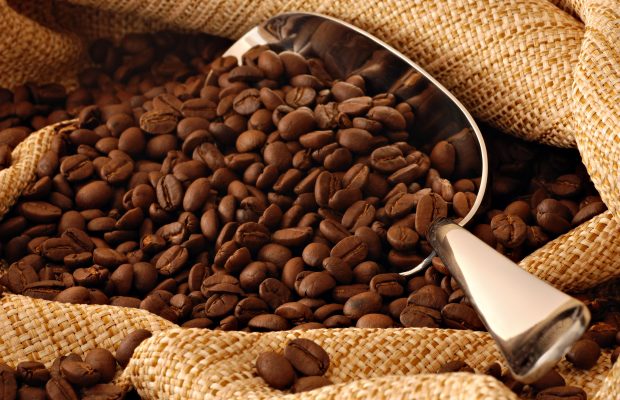
    Recently, Zhu went to Yunnan for site visit and he communicated with the local farmers. He said that the coffee bean purchase price of the famous coffee brand is about 12-16 yuan/kg, which can be used to brew 10-12 cups of coffee. In other words, the cost of coffee beans is less than 2 yuan (RMB) per cup. “It is obvious that the gross profit of this industry has reached several hundred percent.”


  • LVMH sues Hong Kong merchant over XLV wine range

    LVMH sues Hong Kong merchant over XLV wine range

    French luxury group LVMH is suing a wine merchant in Hong Kong over an alleged trademark infringement.bThe plaintiffs are suing over a wine range named “XLV”, established in collaboration between Cuvee XLV French Wine and Quentin-Louis, the son of fifth generation family member Xavier-Louis Vuitton.

    During a January 16 hearing in the High Court, LVMH claimed that the wine’s label design deliberately mimics the Louis Vuitton logo to mislead consumers. Cuvee XLV’s owner Wong Sau Ying has previously stated that the range has no relationship with the LV business, although the family connection is a factor in the wine sales.

    “The family is involved and that is important. In China trust is important – there are many imitations, but this brand can be trusted,” said Wong in a 2012 interview.

    Wong is pleading that the font size used on the XLV label differs from that of LV products.

    The case has been pending since 2008 when the label became apparent to the LVMH group.

  • Hong Kong Harry Potter-themed cafe sued by Warner Bros

    Hong Kong Harry Potter-themed cafe sued by Warner Bros

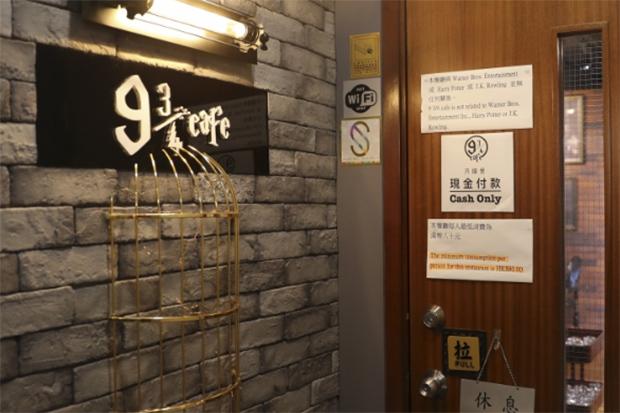
    The 9¾ Harry Potter-themed Hong Kong cafe has been sued by Warner Bros for copyright infringement. The cafe, open since 2017, has never claimed to have a formal relationship with the Harry Potter franchise – although it is festooned with art and props made famous in the popular book and movie series. Trademarks registered by the studio within the territory of Hong Kong, including “Harry Potter”, “quidditch”, “muggles”, “Professor McGonagall” and “dementors” are used liberally at the venue. Iconic features and images from the films are used in the cafe’s interior design, including the Gryffindor coat of arms and the Hogwarts Express train ticket for Platform 9¾.

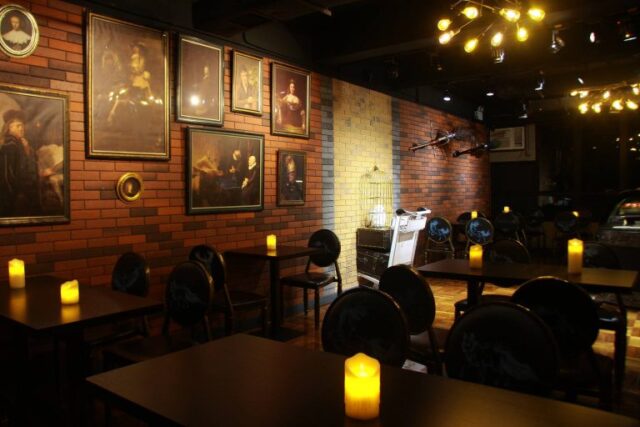
    Located on Yin Chong Street in Mong Kok, the cafe features wall-mounted wands and broomsticks, stuffed owls, portraits of witches and wizards, and faux candlelight. There is even a half-disappearing luggage trolley, as featured at King’s Cross Station, complete with Hedwig in a cage.

    The drinks menu of the Harry Potter-themed Hong Kong cafe includes some Harry Potter-specific concoctions, such as the Polyjuice Potion, Amortentia love potion, golden Felix Felicis (aka “liquid luck”), and Veritaserum. Visitors 18 years and older can down a pint of Butterbeer.

    For food, the cafe serves Western starters and mains named after mythical creatures and charms from the Harry Potter series, such as the soft-shell crab Aragog salad, Romanian longhorn pumpkin pasta (after one of the dragons from Goblet of Fire), and Prior Incantato cream of mushroom soup.

    Warner Bros is seeking an unspecified sum of damages, a removal order plus multiple injunctions.

  • Restaurant company expands into Thailand with local Myanmar cuisine

    Restaurant company expands into Thailand with local Myanmar cuisine

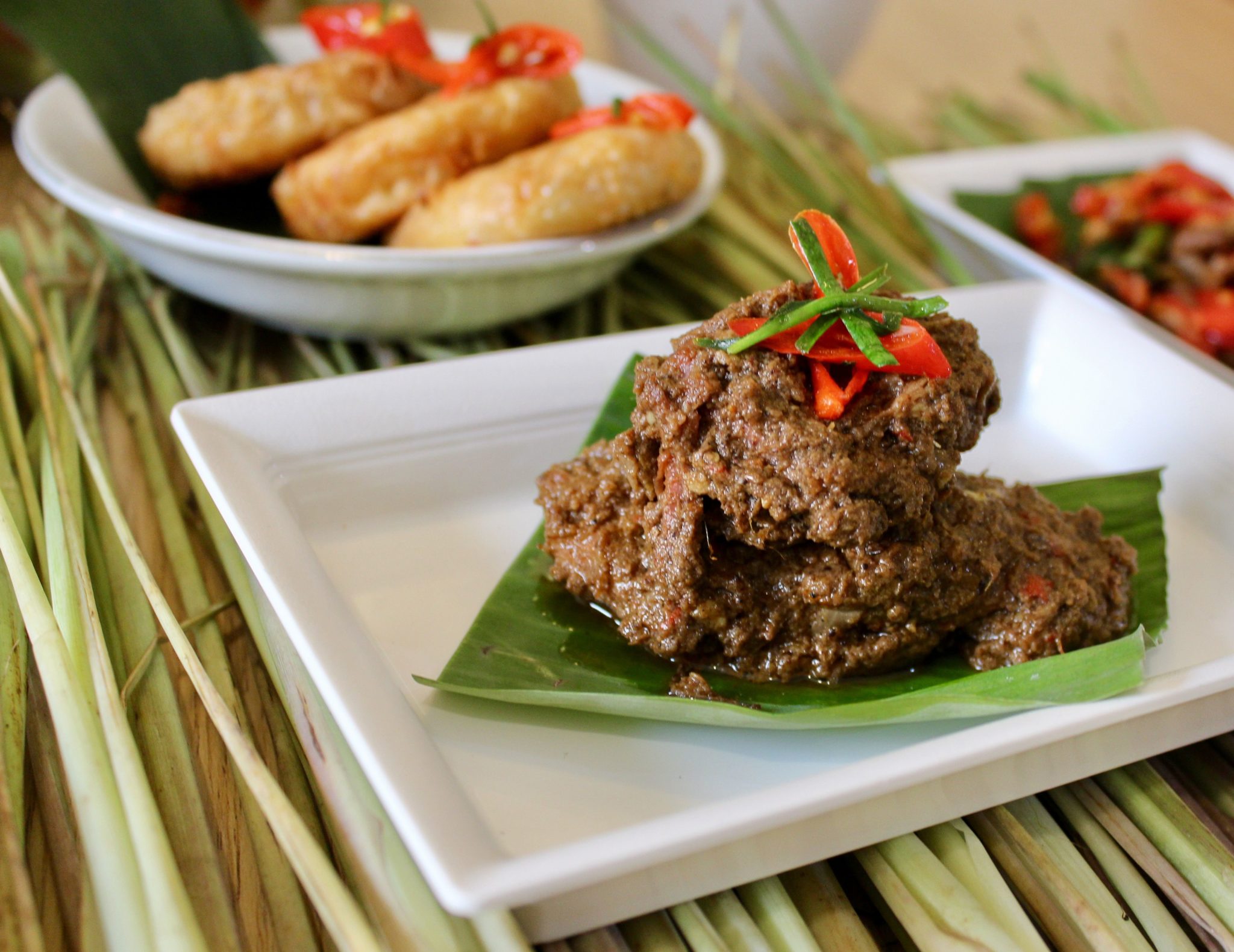
    Myanmar restaurant chain Feel International is set to open in Thailand. Opening in the popular Bangkok tourist area of Pratunam on Thursday (January 24), the group intends to introduce Myanmar cuisine to Thai consumers and foreigners. “At present, many restaurants are attempting to cater to the needs of tourists from China, however there are eight flights to Bangkok from Yangon every day, and there are tens of thousands of Myanmar citizens working and studying there, so there is a potential market for Myanmar cuisine”, said Feel International operations director Ko Johnny.

    “This is the very first Myanmar restaurant opened in a foreign capital city. Bangkok is one of the biggest restaurant markets in the world. It offers a wide variety of cuisine, even something as exotic in Asia as Ethiopian. Bangkok is the first step for Myanmar traditional food to penetrate the international markets”, he said.

    The restaurant intends to serve lunch boxes with Myanmar favourites for Myanmar people working in companies and offices around the area.

    Discussions are being held to open further restaurants in Chiang Mai and Mesauk.

  • More bubble tea shops open in Vietnam

    More bubble tea shops open in Vietnam

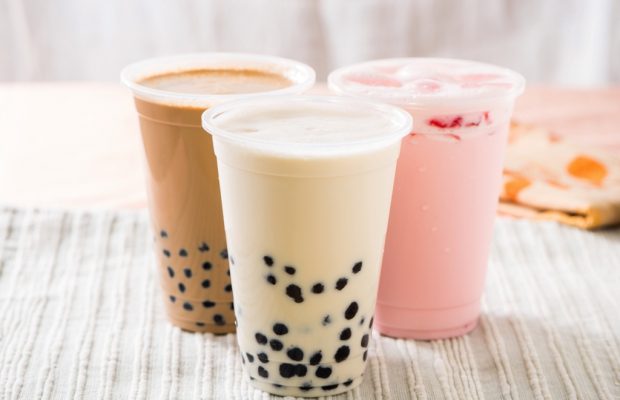
    More and more Vietnamese entrepreneurs are banking confidently on the popularity of bubble tea among the nation’s youth.It was past 10 in the night, but the bubble tea shop was packed. “I opened this milk tea shop just a few months ago, but people have been pouring in every day. My six employees struggle to serve all customers, especially in the weekend,” 33-year-old Nguyen Quang Dung said.

    Located in northern Bac Ninh Province in an industrial area with some 10,000 young workers, Dung’s milk tea shop sells 150-200 cups every day, and he himself has to join his waiters in serving a large crowd.

    “It’s busy, but investing in milk tea shop is one of my best decisions. I have no regrets,” said Dung, who works fulltime as a manager at a nearby power plant.

    Dung is among many Vietnamese entrepreneurs who have been investing in the bubble tea industry in recent years, lured by good profit and high demand among the young population.

    The number of bubble tea stores in Vietnam reached 2,000 last year, with a new store opening every four days, according to the Vietnam Association of Small and Medium Enterprises.

    Even though bubble tea entered Vietnam in 2000, the surge in the number of outlets has only happened in recent years, mostly through franchising.

    Vietnamese brand TocoToco opened its first bubble tea outlet in 2013 and now has almost 200 across the country. Taiwanese brand Ding Tea also has around 200 outlets, while local brand Bobapop has over 100.

    About 30 major bubble tea brands are operating in Vietnam. They are all seeking to compete for a slice of the $282 million dollar market, according to British research firm Euromonitor International.

    Hoang Thi Hien, owner of bubble tea chain Pozaa Tea with outlets in Hanoi, Ho Chi Minh City and other localities, said that the number of outlets increased last year.

    “Many investors want to partner with us. In 2017 we had only eight shops, but the number has increased to almost 60 by the end of last year,” she said.

    She is confident that this figure will rise to 200 this year.

    Generation Z demand

    Visiting a bubble tea shop is among the most popular leisure activities among generation Z, people born between 1996 and 2015, according to a survey by market research firm Nielsen.

    The survey of 210 Gen Z people in Hanoi and Ho Chi Minh City last October found 81 percent of respondents saying bubble tea shops were their favorite hangouts.

    Vo Van Quang, a branding strategy consultant and marketing mentor, said: “Most 15-year-old girls don’t drink coffee, but they’ll gladly pay for a cup of bubble tea. Teenagers are a large customer group for tea-based drinks, hence the high demand for bubble tea.”

    High demand and high profits are irresistible lures for entrepreneurs.

    Nguyen Phi Van, a branding expert and board chairwoman of consulting firm Retail & Franchise Asia, said that an investor can earn up to 40 percent in profit on each cup of bubble tea, which sells for VND25,000-60,000 ($1-2.6).

    Therefore, entrepreneurs are willing to make big investments of up to VND1 billion ($43,000) for one store, including furnishing and brand franchising fees.

    “It takes less than a year for an investor to recover his capital, that’s why this business has been attracting so many,” Van said.

    Tran Thi Thuy Nga opened a bubble tea shop last September in the central Quang Ngai Province with an investment of almost VND800 million ($34,430).Many bubble tea entrepreneurs have other full time jobs and are using their savings to make more money. They can create their own brand or partner with a well-known brand.

    Even though Nga’s store is located in a very small town, students have been coming in every day with their friends and family. Nga often has to ask for help from her family members to join her eight employees in serving customers.

    “I haven’t recovered my capital yet, but so far I’m very happy with the revenue and demand,” Nga said, without revealing specific figures.

    She did reveal plans to open another shop soon.

    Dung, the bubble tea investor in Bac Ninh, has revenues of VND180 million a month ($7,760), and his profit is around half the amount. Dung estimates that he will recover his investment of VND700 million ($30,146) in just six months.

    He is also planning to open a second bubble tea store four kilometers away from the first one, which has been operating for only four months.

    “I’m confident that both stores will do very well.”

  • Starbucks India showcases coffee craft and innovation with ‘Starbucks Barista Pride’

    Starbucks India showcases coffee craft and innovation with ‘Starbucks Barista Pride’

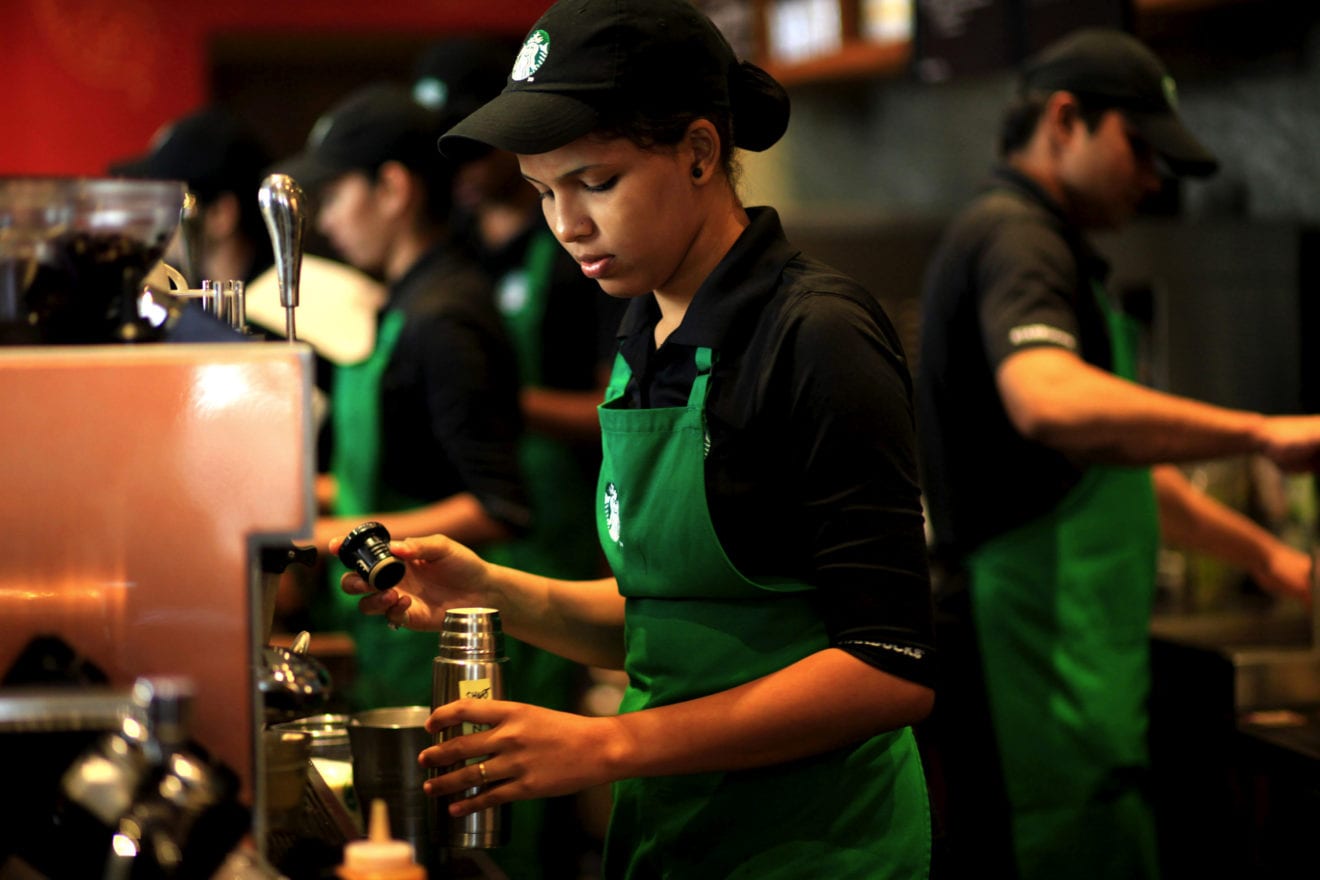
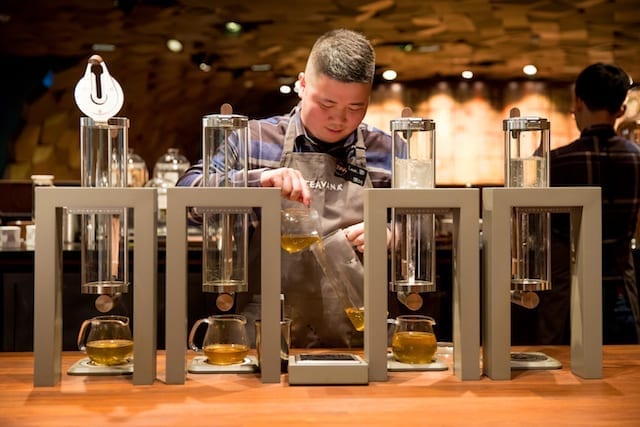
    Starbucks is taking beverage innovation to new heights with the simultaneous launch of 134 new, crafted beverages. Delivering on the iconic ‘Third Place’ experience, while strengthening commitment to innovation and coffee passion, the global coffee chain has introduced a new initiative called Starbucks Barista Pride where baristas from each Starbucks store will feature a beverage unique to their store, conceptualized and created by themselves.

    Till the end of February, all Starbucks stores across India will serve a specially curated beverage, enabling customers to ‘coffee hop’ and try 134 unique beverages across the 134 Starbucks stores in India.

    Based on the idea of customization and personalization, while celebrating the heart and soul of the signature Starbucks Experience, Starbucks Barista Pride is here to showcase the talent and innovation the Starbucks baristas have to offer.

    The wide range of unique beverages includes Turkish Espresso Praline available at the Chapel Road store in Mumbai, Chai White Chocolate Mocha available at the Vega Mall store in Bangalore and Winter Chocolate Cream available at the DLF Hub store in Delhi.

    “Starbucks is committed to delivering an unparalleled, unique experience for every customer. We are delighted to introduce ‘Starbucks Barista Pride’- a new coffee forward initiative which highlights the exemplary coffee skills of our Starbucks baristas and brings to our customers a wide range of artisanal beverages. At Starbucks, we believe in celebrating each customer’s individual coffee preference and profile. For us each cup of coffee is unique and especially suited to the coffee palette of our customer. With a deep understanding of coffee, our Starbucks baristas personalize each cup to perfection,” said Veetika Deoras, Head – Marketing, Category, Digital and Loyalty at Tata Starbucks Pvt. Ltd.

    “We are humbled to lead specialty coffee in India and initiatives like Starbucks Barista Pride are a tribute to our customers and reflect the Starbucks 47-year legacy of sourcing, roasting and serving world’s top Arabica coffee,” she added.

  • Vietnam liquor maker makes a loss, 4 years in a row

    Vietnam liquor maker makes a loss, 4 years in a row

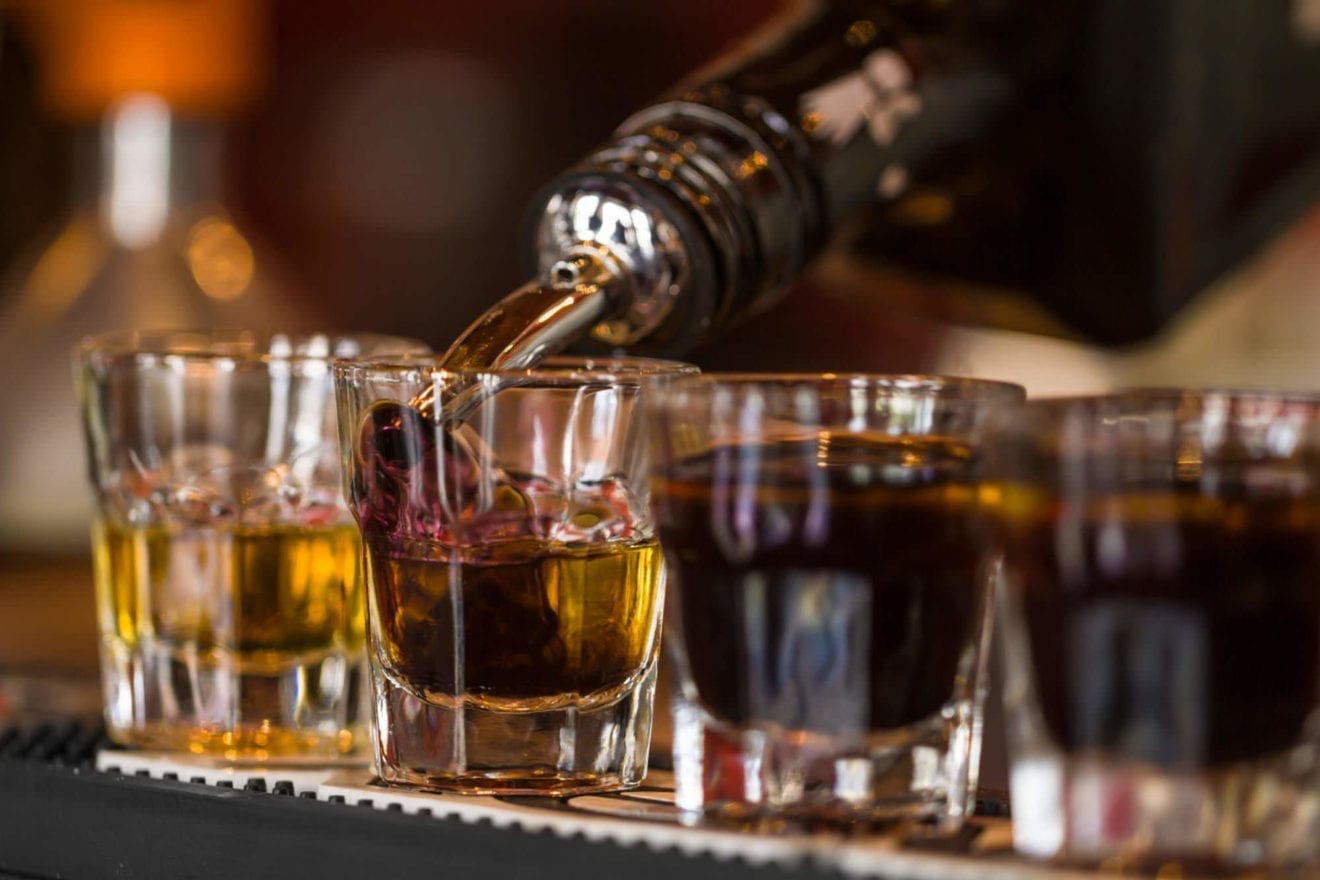
    Nation’s leading liquor maker Halico has reported a loss of VND75 billion ($3.22 million) for 2018. With Vietnamese consumers moving towards foreign brands, the 120-year-old liquor maker, in which Vietnam’s second biggest brewery Habeco has 54.29 percent ownership and British multinational Diageo holds a 45.5 percent stake, Halico has reported losses for the fourth year in a row.

    It reported a loss of over VND20 billion ($859,780) in the fourth quarter of 2018, raising the total annual loss to VND75 billion ($3.22 million).

    In its annual statement for 2018, Halico’s board expressed doubts that the company can continue operating, with Vietnamese consumer tastes shifting to imported beer and foreign alcoholic products. It conceded that it has failed to capture younger consumer segments.

    In addition, Diageo has been unable to negotiate any substantial supply contracts with foreign partners, so the company has not been able to do well in exports.

    Furthermore, management costs have risen to over 60 percent of revenue. Despite a 30 percent rise in sales in 2018 (VND155 billion or $6.66 million), the difference was not able to compensate for expenses incurred.

    The Hanoi Liquor Joint Stock Company was originally a Hanoi winery, founded in 1898 and equitized in 2004 with initial charter capital of nearly VND50 billion ($2.15 million).

    In early 2011, Diageo Plc, a British multinational alcoholic beverages company, acquired an 18.67 percent stake in Halico for a total of VND800 billion ($34.4 million) from investment fund VinaCapital.

    Diageo is the world’s biggest liquor company, owning famous brands such as Johnnie Walker, Bailey and Smirnoff. It bought another 26.83 percent stake in 2012, hoping to cash in on the growing consumer market.

    Halico’s accumulated losses at the end of last year topped VND330 billion ($14.19 million), 1.6 times higher than its current charter capital at VND200 billion ($8.6 million).

  • Chibo to open Indonesia store soon

    Chibo to open Indonesia store soon

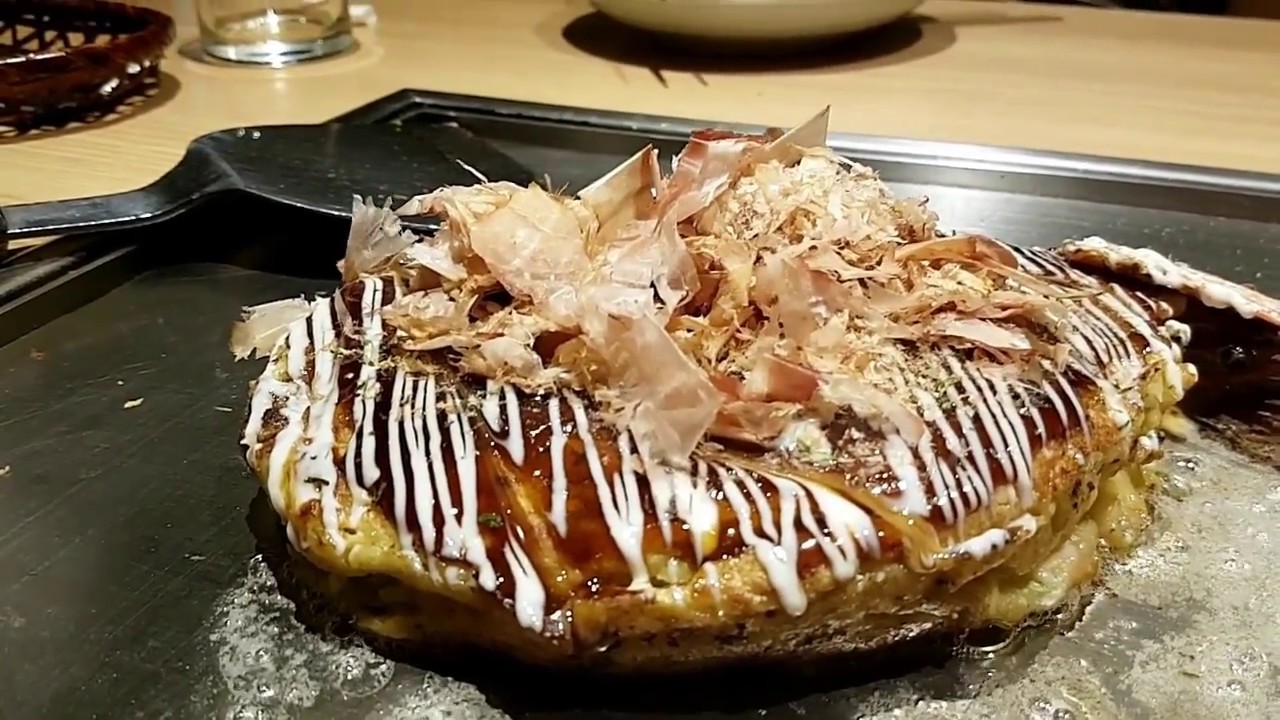
    Japanese “okonomiyaki” pancake restaurant Chibo is launching in Indonesia this month. The opening is part of the firm’s unfolding global plans to counteract a dip in the Japanese food service market. It is partnering with local operator Jaddi Foods within Indonesia’s territory. Importantly for the predominantly Islamic market, the firm will be swapping out pork for suitable Halal alternatives.

    The 188sqm venue is opening at Gandaria City Mall in southern Jakarta, seating 90 diners. It joins eight Chibo restaurants outside Japan, with sister venues in China, Hong Kong, Hawaii, the Philippines, Thailand and Vietnam. The firm is targeting 20 international outlets by March next year, with locations planned for Brazil, London, New York and Russia.

  • Burger house competition in Hong Kong

    Burger house competition in Hong Kong

    In 2018, two international burger chains have opened restaurants and branched out in the city. In May 2018, Shake Shack brought the modern day roadside burgers, to Hong Kong with its partner Maxim’s Caterers Limited. Maxim’s Caterers Limited is a Hong Kong based food, beverage and restaurant chain founded in 1956, and the company operates over 1,000 outlets in Hong Kong including The Cheesecake Factory and Simplylife Cafe.

    “We see tremendous opportunity for Shake Shack in Hong Kong and Macau,” said Randy Garutti, CEO of Shake Shack. “We are thrilled to bring the joy of Shake Shack to our fans in these dynamic communities as we continue to expand our footprint in Asia.”

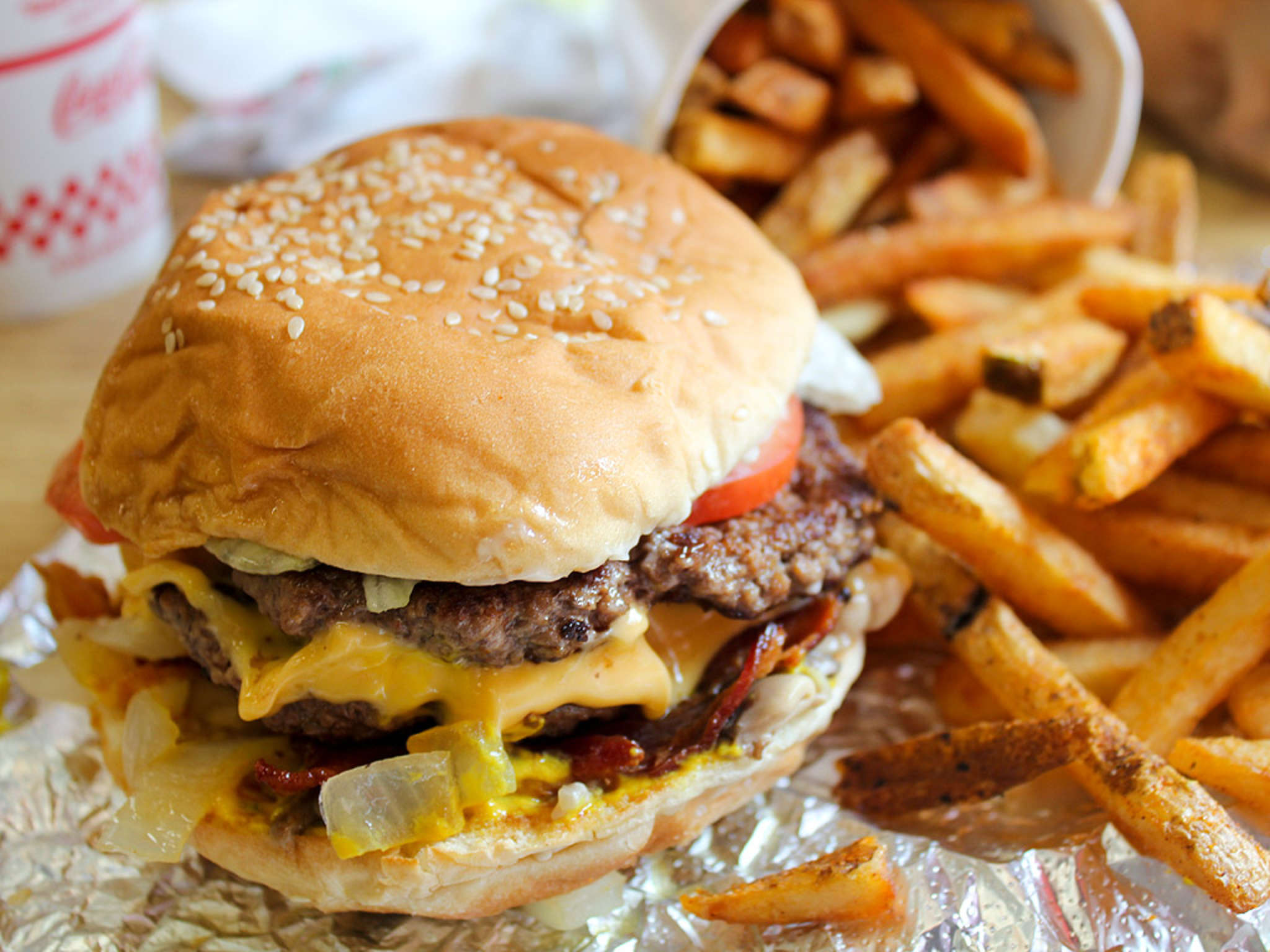
    On 19 November 2018, after months of staring longingly at the red and white hoarding, the day to check out Five Guys’ first Hong Kong restaurant has finally arrived. The popular fast food chain is now serving up all the American-style burgers, hotdogs, milkshakes, and fries. Naturally, burger lovers in Hong Kong were excited to get a chance to check it out.

    After 2 months,there is still a queue outside Five Guys owing to the all-you-can-eat peanuts and Coca-cola Freestyle. Coca-cola Freestyle is a concept similar to the Big Gulp offered by the 7-Eleven, customers may choose and drink all the provided soft drinks freely for only $30 Hong Kong dollars.

    This increasing number of burger outlets landing in HK just leaves us with one question – when is In-N-Out Burger making its way to Hong Kong?

  • Coffee exports jump for Korean firm

    Coffee exports jump for Korean firm

    Namyang Dairy Products said Friday its coffee exports jumped more than 20 percent in 2018 on market diversification and the rising popularity of Korean pop culture abroad. Overseas shipments of its freeze-dried coffee and instant coffee products totaled 36 billion won ($32 million) last year, compared with 28 billion won a year earlier.

    Exports of freeze-dried coffee totaled 2,000 tons last year, compared with 1,500 tons a year earlier. The value rose to 30 billion won from 23 billion won. The company also exported 50 million instant coffee mixes, up from 40 million the previous year.

    A company official attributed the export jump to its development of premium products as well as the overseas popularity of Korean pop culture.

    Namyang Dairy Products said it will ramp up efforts to diversify its export markets to Europe. Last year, Korea’s overall exports of coffee products came to 75,100 tons, up slightly from 75,000 tons a year earlier.

    Meanwhile, Korea’s exports of milk powder surged to 32.5 billion won last year from 26 billion won a year earlier.

  • Indian rice prices slip as demand lags; Vietnam awaits major harvest

    Indian rice prices slip as demand lags; Vietnam awaits major harvest

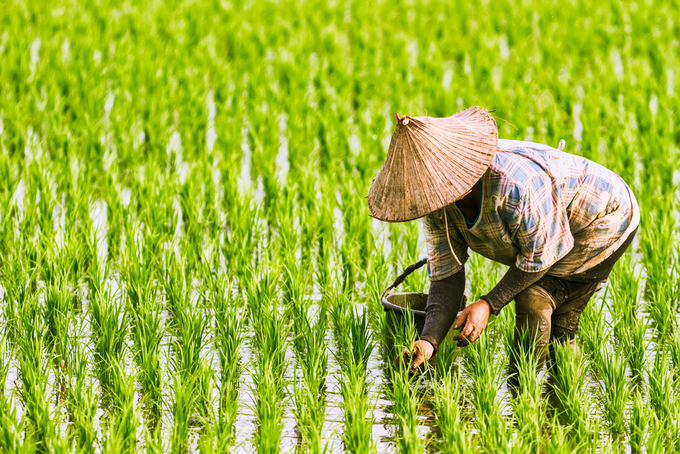
    Rice export prices slipped in India as the rupee weakened and demand waned, prompting buyers to turn to other markets such as Vietnam. India’s 5 percent broken parboiled variety eased to $379-$384 per tonne this week from the $382-$387 range last week. “Demand is still weak due to higher prices,” said an exporter based in Kakinada in the southern state of Andhra Pradesh, adding that despite the fall, prevailing high rates were prompting buyers to look at other markets, such as Vietnam.

    The Indian rupee hit a month low on Thursday, increasing exporters’ margins from overseas sales and thereby prompting a reduction in prices.

    Export prices in India had shot up after the central state of Chhattisgarh, a leading rice producer, raised minimum paddy buying prices to 2,500 rupees per 100 kg from 1,750 rupees.

    In neighboring Bangladesh, an increase in domestic rates for rice could prompt the government to cut the import duty on the staple grain, traders said.

    The south Asian country, which emerged as a major importer of the grain in 2017 after floods destroyed crops, imposed a 28 percent duty in June last year to support its farmers after local production revived.

    In Vietnam, rates for 5 percent broken rice fell to $355-$360 a tonne from $370-$375 last week ahead of the country’s largest harvest, expected to begin in two weeks.

    “Indonesia’s state food procurement agency’s recent announcement that it may not import rice this year has also weighed on prices,” a Ho Chi Minh City-based source said.

    “We are negotiating a deal for around 10,000 tonnes to be delivered late February, and we are stuck at pricing. We’re asking for $360 and they are offering $345,” the trader said, adding that the shipment would be bound for Africa.”

    Another trader said China’s move to limit rice shipments from Vietnam may not be as bad as some traders initially feared.

    “It’s only the beginning of the year now and importing countries can change their import plans, especially when hit by natural disasters,” the trader said.

    In second biggest exporter Thailand, prices of the benchmark 5 percent broken variety widened to $385-$400, free on board Bangkok, from $390-$400 the previous week, mostly due to fluctuations in the value of the domestic currency.

    “Demand remains flat, but some exporters are starting to talk about possible orders from the Philippines,” a Bangkok-based trader said.

    The Thai market is likely to see additional supplies flowing in toward the end of this month, from the seasonal harvest, and this could in turn move prices, another trader in Bangkok said.

  • Luckin, Starbucks rivalry heats up

    Luckin, Starbucks rivalry heats up

    Luckin vs Starbucks: baristas and technology are engaged in a gigantic battle for Chinese coffee drinkers’ loyalty. Seattle, Washington-based Starbucks Corporation has been the indisputable market leader in the Chinese coffee industry ever since its Beijing World Trade Center branch opened its doors in January 1999. Yet Starbucks’ two decades of coffee dominance in China appears to be reaching its end.

    While “China watchers” and retail industry insiders have been expressing concerns about Starbucks for months, it has taken Wall Street a few months to catch on; just last week, Goldman Sachs downgraded the Starbucks stock from “buy” to “neutral” for the first time in recent memory, specifically citing Starbucks’ bleak business trajectory in China as a major concern.

    Most of this concern is linked to Luckin Coffee 瑞幸咖啡 Ruixing Kafei, the young tech-forward coffee startup that has managed to build more than 2000 outlets throughout 30 mainland cities in just about 14 months of operations, reaching startup “unicorn status” seemingly overnight.

    While China is Starbucks’ largest market after the US, with roughly 3600 stores across 150 cities, it took Starbucks nearly 13 years to achieve Luckin’s current size. Perhaps even more shocking, Luckin is showing absolutely no signs of slowing down any time soon; the Luckin team has publicly announced its goal of reaching 4500 outlets across China by the end of 2019, and as of November, Luckin Coffee’s overall value was estimated to be about US$2 billion, a figure that has almost certainly risen since.

    Luckin is clearly trying to develop a mass-market coffee product that can bring the “coffee shop experience” to the working class at an ultra-competitive price point.

    While its early success may seem unfathomable, it mostly comes down to three distinct points of difference within its business model: the Luckin app, delivery infrastructure, and competitive pricing. For outsiders visiting China or first-time Luckin customers, the most noticeable quirk of Luckin’s business model is that customers are forced to use the Luckin app to purchase a coffee in a Luckin store or have Luckin coffee delivered to their office or home. Luckin does not accept cash payments at all: there are no tills inside Luckin stores. Fortunately, Luckin offers new users a free beverage after their first download, to lessen the pain a little. While this may seem perplexing to many outsiders, this is a feature that distinctly appeals to an increasingly app-focused Chinese consumer base who prefer digital payments to cash.

    Tensions rising

    With tensions rising between China and the US, Luckin has another unique competitive advantage: its status as a truly Chinese coffee brand, owned by Chinese people and tailored specifically to the unique tastes of the Chinese market. If these tensions continue to grow worse, one can expect Luckin to follow the trend of many other Chinese companies by appealing directly to this patriotic sentiment and further distancing itself from the distinctly American image of Starbucks.

    With Luckin’s CEO Jenny Qian Zhiya and most of its senior leadership coming directly from UCAR, a ride-hailing service spun out of rental car giant Car Inc, it should come as no surprise that transportation and delivery are two key focus points of the business. With the exception of a few sit-down locations in hot real estate areas, the vast majority of Luckin Coffee locations do not offer customers a place to sit. While many locations have space for customers to wait in line and pick up drinks, roughly half of Luckin stores are “preparation stores” that focus solely on preparing beverages for the endless queue of Luckin delivery drivers. Thanks to this elaborate and effective delivery system, customers can usually expect to get their coffee quickly; Luckin claims the average delivery time is roughly 18 minutes, (and even during the busy morning hours in my Beijing office park, I never had to wait longer than 30 minutes). With young Chinese city-dwellers becoming more and more reliant on delivery services like Ele.me and Meituan Waimai, Luckin’s impressive delivery capabilities allow the company to remain convenient and attractive. As a side benefit, this store setup also allows Luckin to place most of its shops in cheaper out-of-the-way locations with limited foot traffic, allowing for significant real estate savings.

    Price the differentiator

    Perhaps the most important point of differentiation between Luckin and Starbucks is price.

    While Starbucks generally charges at least 35 RMB (US$5) for most of its coffee drinks, Luckin’s prices generally fall in the 20 to 25 RMB range, with only a 6 RMB surcharge for delivery.

    Luckin also regularly runs promotions that bring the price per cup down to as little as 10 RMB, prices no competitor has been willing to match. While the exact price of a Luckin coffee fluctuates dramatically due to promotions, customers can generally expect to pay 30-40 per cent less than they would pay for a similar drink at Starbucks. Perhaps even more appealing, Luckin’s widely used “refer a friend” system rewards users who convince their friends to download the Luckin app with a free beverage.

    These three aspects of Luckin’s business platform have clearly caught on with young Chinese customers and urban office workers, who are increasingly looking for cheaper and more convenient coffee options. It appears that Starbucks ultimately has little chance of competing with Luckin in this lower end of the market. While Starbucks does have an app developed for the Chinese market, it is not nearly as intuitive or eye-catching as Luckin’s well-developed system. Similarly, after Starbucks failed to catch the wave of China’s food-delivery boom, it may be too late for Starbucks to substantially overhaul its delivery capabilities. Starbucks did not implement its own internal delivery service until August last year, arguably three years too late.

    Until last summer, Chinese customers have been forced to improvise their own “hacked” Starbucks deliveries through the app Ele.me; those wanting Starbucks coffee had to use an unwieldy two-step process using two separate apps to get their drinks delivered.

    While Starbucks could use its resources to develop a more effective app and more efficient delivery system for the Chinese market, it is likely too little, too late; after ignoring these two major trends in Chinese retail over the past few years, Starbucks is already considered an inconvenient option by rushed coffee customers, an image that will prove hard to shake off. And after spending nearly two decades cultivating the company’s image as a high-end aspirational brand for the emerging Chinese middle class, it is unlikely Starbucks can drop its prices enough to compete with Luckin’s promotional pricing.

    Going high

    Ultimately, it seems Starbucks has no choice but to “go high” in this market. While Luckin has already cemented itself as the most popular option among working-class coffee drinkers looking for an everyday beverage option, the startup has yet to grab the attention of the more status-driven higher end of the coffee market. As many industry insiders have pointed out, Luckin’s “take-and-go” model and delivery focus does not offer customers the high-end experience of whiling away an afternoon sitting at a coffee shop. So while Starbucks executives certainly have significant reason to be concerned over their dwindling market share, Starbucks still maintains a solid grasp on the market for customers seeking a true coffee experience, rather than just caffeine boost to get them through the day.

    This split in the market has been happening naturally, and is quite apparent: if you visit a Luckin outlet in any tier-one Chinese city, you will most likely encounter either a delivery man holding several bags to be delivered or a young office worker making the coffee run for his or her office, taking 10 or 20 cups back up to the office. Meanwhile, the most common sight at an urban Starbucks location is a store filled with tables, each crammed with Chinese millennials or parent groups chatting the afternoon away. In a sense, this harkens back to the ethos of the company’s original entry into China in the late 1990’s: Starbucks built its business in China by providing customers with第三空间 di san kong jian, a “third place” between home and work that functioned as a public conference room or a relaxing respite from the busy world outside, an important societal role that was traditionally satisfied by China’s ancient tea house culture. As Gwynn Guilford, reporter for Quartz, puts it: “In China, Starbucks doesn’t sell coffee to make its millions… it rents couches.”

    If the statistics are to be believed, there is certainly space in the market for both companies; Chinese citizens drink just four to six cups of coffee per year on average, compared to 250 among British residents and 360 for Americans. While Starbucks will likely continue to face struggles as the company redefines its hold in the Chinese market, this year we will see how Luckin Coffee’s unique business model fares – will Luckin continue to set record-breaking growth numbers, or will it shatter before showing any profit?

    Hunter White-

  • Hennessy celebrates Chinese New Year by opening pop up store at Changi

    Hennessy celebrates Chinese New Year by opening pop up store at Changi

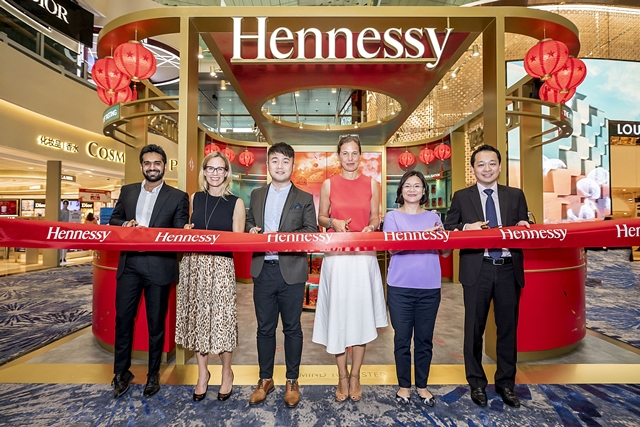
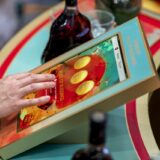
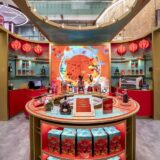
    Moet Hennessy is partnering with DFS Group in Hennessy pop-up store a Changi Airport celebrate Chinese New Year. The store, a Travel Retail Concept Exclusive, features interactive consumer experiences and will remain open until February 19. Located at the Terminal 3 Departure Hall, the pop-up experience, the only one of its kind globally. It invites travellers to “engage in a joyous reunion through experiences such as interactive digital games, Hennessy’s bottle engraving service, limited edition offers, as well as exclusive gifts with purchase,” the companies said in a statement.

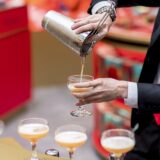
    Travellers are also welcomed to test the Firecracker, a unique Hennessy cocktail, which will be available exclusively at the pop up.

    Hennessy collaborated with contemporary artist Guang-Yu Zhang to create an art piece centrestage in the pop up. The design, A Joyous Reunion, celebrates the love for nature, mastery of savoir-faire and spirit of conquest.

    Gallery of the pop up stores (6 images) :

    “Hennessy shares the dream of Harmony, from vine to grape to distillation to glass, from nature to people, Hennessy takes the best of nature and offers it to the Chinese people to celebrate this special moment,” said Guang-Yu Zhang.

    The also features on the limited-edition packaging that has been created for Hennessy XO, Hennessy VSOP and James Hennessy products.

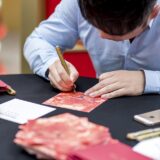
    After purchase, customers at Changi are invited to use Hennessy’s first-ever engraving station at the pop-up store to add a personalised messages to their bottles.

    “At Hennessy, we are honoured to have collaborated with a world-class artist to deliver these beautiful, one-of-a-kind Chinese New Year limited-editions for our travellers,” said Moet Hennessy MD travel retail Asia Pacific, Vanessa Widmann.

    A rising star in the international art world, Guang-Yu Zhang grew up in Shanghai and graduated from Central Saint Martins College in London in 2012. In 2014, he was selected for the International Emerging Artists Exhibition at the Saatchi Gallery in London; that year, he also exhibited his work at the Tate Britain Museum in London. He is known for his unique fusion of Eastern and Western cultures and traditional and contemporary techniques.

  • Vietnam seafood export remains red

    Vietnam seafood export remains red

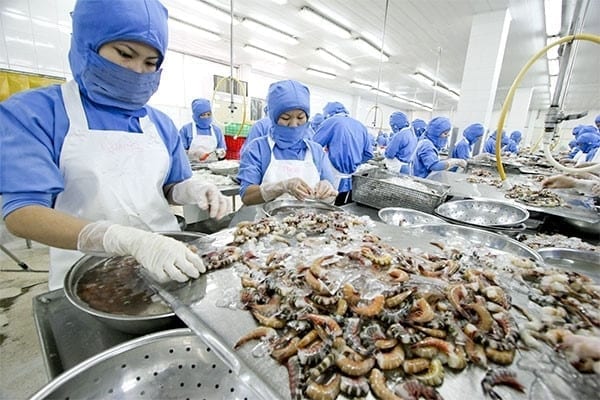
    Agifish, a major seafood company, reported a second straight year of losses in 2018 as both exports and domestic sales fell. The recently released 2018 audited financial report of one of Vietnam’s 10 largest seafood export companies puts its loss at VND178 billion ($7.66 million). The An Giang Fisheries Import Export Joint Stock Company, to give its formal name, had lost VND190 billion ($8.2 million) a year earlier.

    The company said the loss came as sales downed 43 percent to VND1.29 trillion ($55.27 million) in 2018, due to lower fish exports and domestic sales as well as lower revenues from by-products.

    The poor performance last year caused auditors to raise doubts about the company’s ability to remain a going concern, but the management rejected this, saying it would increase domestic and export sales, adjust prices and reduce costs to return to the black in 2019.

    Agifish has total assets of VND1.23 trillion ($52.92 million) and debts of VND800 billion ($34.42 million).

    The Vietnamese seafood industry faced some challenges last year such as being subject to a “yellow card” warning by the European Commission for failing to demonstrate sufficient progress in the fight against illegal, unreported and unregulated (IUU) fishing. There were also technical barriers and anti-dumping duties in several markets.

    Seafood export value rose 5.8 percent year-on-year in 2018 to reach $8.8 billion, according to the Vietnam Customs.

  • Pizza Hut Malaysia 400th store opens soon

    Pizza Hut Malaysia 400th store opens soon

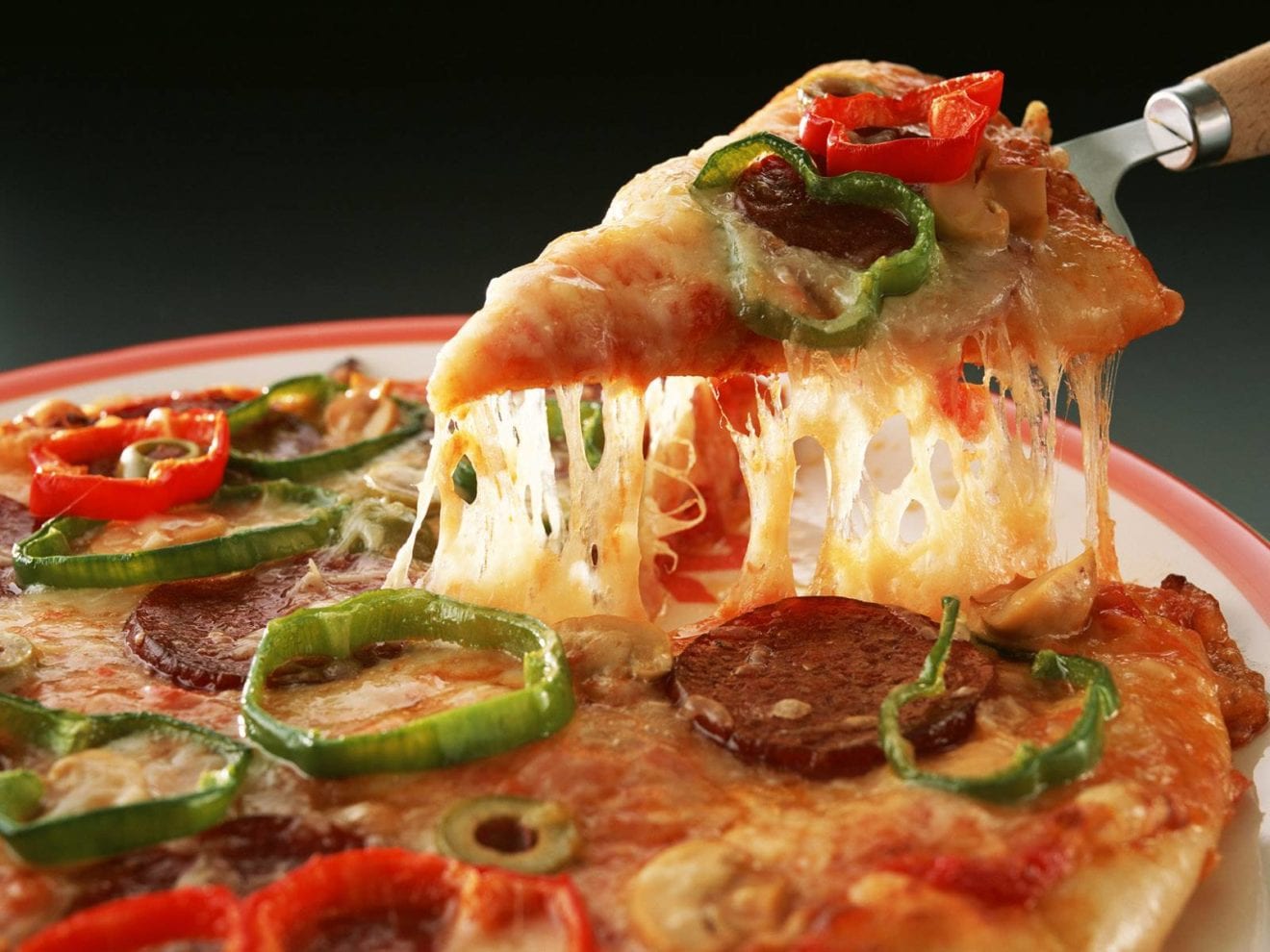
    Pizza Hut Malaysia will open its 400th store in within the next three months. The company says it plans 15 new stores this calendar year, part of the 67 it announced last year within three years. Parent QSR Brands operates 810 KFC locations in its territory of Malaysia, Singapore, Brunei and Cambodia, drawing 25 million customers per month. It has another 393 Pizza Huts in Malaysia and 80 in Singapore, attracting 6 million diners per month.

    QSR Brands restaurants division CEO Merrill Pereyra said Pizza Hut anticipates a strong year as it heads towards a planned IPO in the next quarter, partly aimed to raise capital for network expansion.