Category: Food

Retail News Asia is committed to providing both local and global retailers with the latest Food and Food & Beverage news throughout the Asian market. This on a daily base.

  • The Coca-Cola Company completes acquisition of Costa

    The Coca-Cola Company completes acquisition of Costa

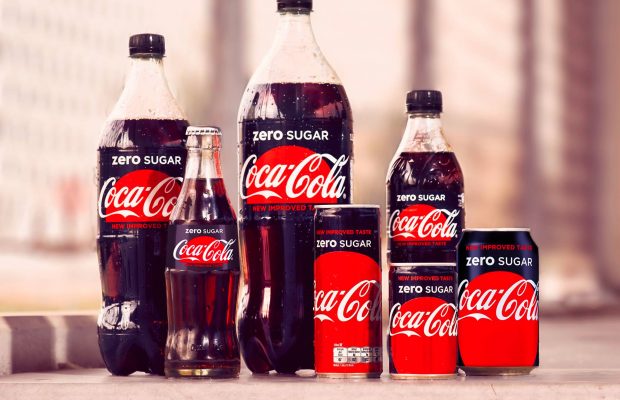
    The Coca-Cola Company has announced that it has completed the acquisition of Costa Limited from Whitbread PLC. The US$ 4.9 billion transaction follows approval from regulatory authorities in the European Union and China. The acquisition was first announced on August 31, 2018. Costa, which has operations in more than 30 countries, gives Coca-Cola a significant footprint in the global coffee business. Worldwide, the coffee segment is growing 6 percent annually. Costa has a scalable platform across multiple formats and channels, from the existing Costa Express vending system to opportunities to introduce ready-to-drink products.

    “We see great opportunities for value creation through the combination of Costa’s capabilities and Coca-Cola’s marketing expertise and global reach,” said James Quincey, CEO of The Coca-Cola Company. “Our vision is to use the strong Costa platform to expand our portfolio in the growing coffee category.”

    “We wish our friends and colleagues at Costa all the very best for their future success,” said Alison Brittain, Whitbread Chief Executive. “Whitbread acquired Costa 23 years ago, when it had only 39 shops. Costa has grown to become a leading, international coffee brand, and Coca-Cola is the right partner to take Costa to the next stage of expansion.”

  • BreadTalk, Song Fa JV launch first Beijing restaurant

    BreadTalk, Song Fa JV launch first Beijing restaurant

    BreadTalk and Song Fa have launched their first restaurant in northern China at Beijing’s APM Mall. Saturday’s opening follows the successful launch of the first Song Fa restaurant in Shanghai Jing An Kerry Center in January last year, where it averaged RMB1 million (US$145,570) in monthly sales. It is the fourth restaurant opened following the signing of the joint-venture agreement between BreadTalk and Song Fa Holdings in July 2017.

    The restaurant is located on level 5 of the mall, featuring a spacious interior accommodating close to 100 diners with Nanyang nostalgia decor and contemporary seating.

    “Since the opening of our first Song Fa outlet in Shanghai last year, we were encouraged and overwhelmed by the positive response from consumers in China,” said BreadTalk Group CEO Henry Chu. “This vote of confidence enabled us to open another three restaurants successfully in Shanghai last year.

    With the opening of our first restaurant in Beijing, we will continue to harness and leverage BreadTalk Group’s brand operations and management experience to bring the Song Fa brand to northern China and provide local consumers with high quality Teochew Bak Kut Teh cuisine.”

    “The Bak Kut Teh culture is one of the most iconic food cultures of Singapore,” added Song Fa’s second-generation helmsman and MD Yeo Hart Pong. “It is Song Fa’s mission to spread this culture and continue to serve generations of Bak Kut Teh fans. Besides our Singapore homeground and Indonesia, China is our most-valued market outside Southeast Asia. We feel very honoured to be able to collaborate with BreadTalk Group and introduce the Teochew Bak Kut Teh culture to epicures in China.”

  • Singapore company seeks to increase stake in Vietnam’s largest dairy firm

    Singapore company seeks to increase stake in Vietnam’s largest dairy firm

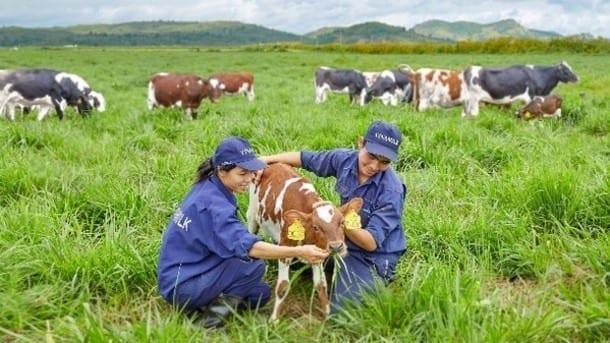
    A Singaporean shareholder in Vinamilk is seeking to increase its stake in Vietnam’s largest dairy firm. Jardine Cycle & Carriage Ltd has registered to buy 17.41 million shares between January 9 and February 7 through its wholly-owned local subsidiary, Platinum Victory, which will enable it to increase its ownership in Vinamilk from over 10 percent to 11.62 percent.

    At a proposed price of VND125,000 ($5.38) per share, the transaction will be worth VND2.17 trillion ($94.42 million).

    Last year Jardine, Vinamilk’s third largest shareholder, had registered on six different occasions to buy 14-17 million shares to increase its stake to above 11 percent, but was unsuccessful due to unfavorable market conditions.

    It first bought a 3.3 percent stake in Vinamilk in November 2017. Within a month it raised its ownership to over 10 percent.

    In April last year a representative of Jardine’s parent company, Jardine Matheson, became a Vinamilk board member.

    Hong Kong-based Jardine Matheson is one of Asia’s biggest conglomerates with interests in luxury hotels, motor vehicles, property, food retail, transport financial services, and agribusiness and revenues of almost $16 billion in 2017.

    F&N Dairy Investments, a subsidiary of Singapore-based Fraser & Neave Ltd, which is backed by Thai tycoon Charoen Sirivadhanabhakdi, owns a 17.31 percent stake in Vinamilk.

    Vietnam’s dairy industry reported revenues of more than VND100 trillion ($4.4 billion) in 2017, with Vinamilk commanding more than a 50 percent market share.

    According to a report by the EU-Vietnam Business Network, the market is expected to double in size by 2020 as the country’s population, personal incomes and dairy consumption increase.

  • Ramen Cubism makes debut in Hong Kong

    Ramen Cubism makes debut in Hong Kong

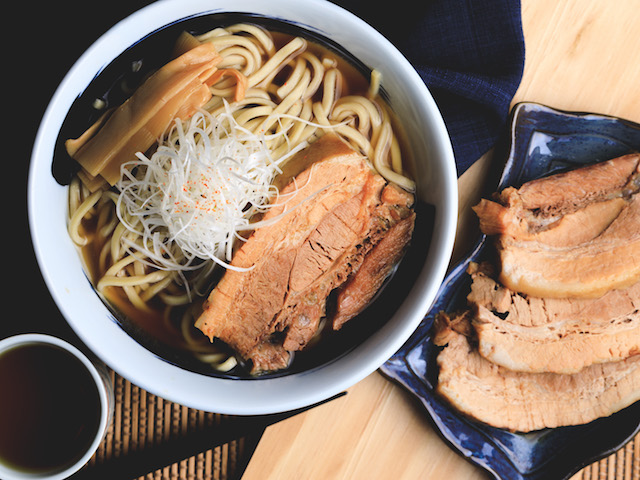
    Japanese celebrity chefs Hayashi Takao and Matsumura Takahiro are launching a new international noodle soup restaurant brand called “Ramen Cubism”. The brand’s flagship opens in a chic basement venue in Hong Kong’s Wellington Street tomorrow. It is the collaborators’ first overseas venture, launched in partnership with Hong Kong’s Bird Kingdom Group, of Lai Chi Kok’s D2 Place. It marks the first collaboration between Chef Hayashi and Bird Kingdom Group, slated for international expansion with branches across the region – including their hometown of Osaka, Macau (within the next quarter) and Mainland China.

    Ramen Cubism introduces Chef Hayashi’s signature ramen creations to Hong Kong, following the success of his Osaka restaurant that regularly attracts long queues of as many as 100 diners.

    Pictures gallery below (5 images) :

    Equally renowned as a ramen master and recipe developer, Chef Matsumura has previously established eight noodle brands in Osaka, including the newly-opened “The Most Hopeful Ramen Bar in the World”.

    In celebration of its launch, Ramen Cubism features Chef Hayashi’s new exclusive Hong Kong recipes, limited to 200 servings a day during opening time.

    “Ramen Cubism promises to be a magnet for lovers of this beloved specialty,” said Bird Kingdom Group CEO Eric Ting. “We look forward to building a new generation of followers in Hong Kong and worldwide for this traditional high quality and flavourful comfort food”.

  • Vietnam’s largest brewer is now a foreign owned business

    Vietnam’s largest brewer is now a foreign owned business

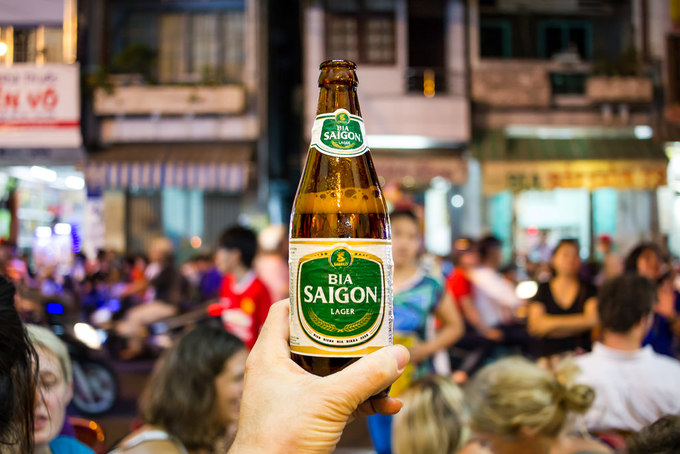
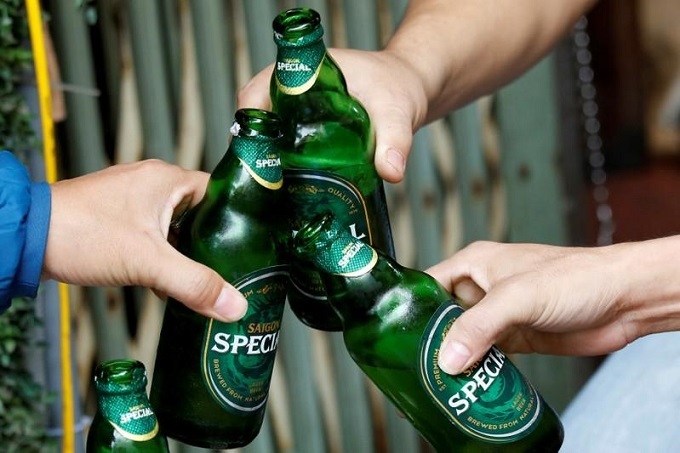
    After a $4.78 million debt restructuring, Vietnam’s largest brewer Sabeco is now owned by a Thai company. In December 2017, Thai Beverage (ThaiBev) acquired a 53.59 percent stake in Sabeco from Vietnam’s Ministry of Industry and Trade for $4.78 billion through a local entity, Viet Beverage (VietBev). VietBev, which had 100-percent Vietnamese ownership at the time with VND682 billion ($29.33 million) in charter capital, was loaned VND111.21 trillion ($4.78 billion) by ThaiBev to complete the transaction.

    VietBev was used as a financial vehicle to get around a 49 percent foreign ownership cap in place at the time.

    The $4.78 billion loan was then converted to shares under a debt-to-equity conversion agreement between VietBev and ThaiBev. As a result, VietBev now has a chartered capital of VND111.89 trillion ($4.81 billion), increasing ThaiBev’s ownership in VietBev to 99.39 percent.

    The adjustment in capital was approved by local authorities, and made possible after authorities raised Sabeco’s foreign ownership cap to 100 percent at the end of 2018. The conversion was completed a few days ago.

    ThaiBev has since announced it is committed to ensuring shareholders’ benefits on share prices and annual dividends after this restructure.

    With a charter capital of VND111.89 trillion, VietBev is among a few businesses in the country with chartered capital of hundreds of trillions of dongs, along with state-run oil & gas giant PVN (VND285 trillion or about $12.26 billion); Vietnam’s sole power distributor and biggest producer EVN (VND163.8 trillion or $7.04 billion); and telecoms provider Viettel (VND121.52 trillion or $5.23 billion).

    Recently, Sabeco was caught up in legal trouble with tax authorities, who blocked its bank accounts in order to withdraw VND3.1 trillion ($135.73 million) to collect overdue special sales tax from 2007 to 2015 and penalties for administrative violations. However, this enforcement action proved futile as accounts handed over to the tax authorities were empty.

    After the recent share conversion, the Prime Minister has directed the tax agencies to suspend their enforcement, in order to carefully consider regulations as it involves “foreign factors.”

  • Honolulu Cafe debuts in Philippines

    Honolulu Cafe debuts in Philippines

    Hong Kong’s Honolulu Cafe has opened its first branch in Manila. Renowned for its signature egg tarts with 192 flakey pastry layers (no, we are not sure who counted them!), the cafe also serves its own house-blend of coffee. The new store opened last week, January 5, at the SM Aura shopping centre. Honolulu Cafe dates back to 1940 when it opened as an ice cream parlour. Nearly 80 years on, the company now has stores in Singapore, Malaysia and Taiwan as well.

    Besides egg tarts and coffee, the cafes serve Hong Kong-style stocking-strained milk tea, pastries, buns, Cantonese-style roast meat, and fried noodles. The new outlet is on the ground floor of the Bonifacio Global City shopping centre.

  • Vietnam eyes top 15 agriculture spot in 10 years

    Vietnam eyes top 15 agriculture spot in 10 years

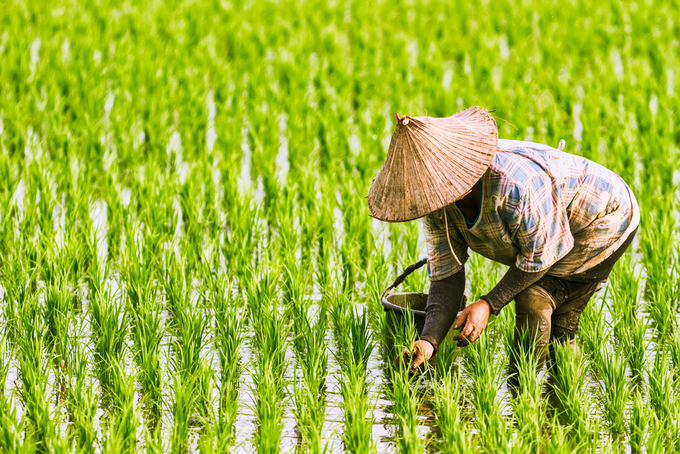
    “Vietnam must strive to become a top 15 country in agriculture development in 10 years,” says PM Nguyen Xuan Phuc. “In particular, the agriculture processing sector should be in the top 10,” Phuc said at a conference held by the Ministry of Agriculture and Rural Development (MARD) on Thursday. “Vietnam must strive to become a global centre for wood processing and shrimp production,” he added.

    The PM also set a 3 percent growth target for the whole sector (agriculture, forestry and fisheries), and a $42-43 billion export target for 2019.

    Phuc asked the agriculture ministry to deploy the best measures and promote innovation to achieve targets set.

    “This is a difficult and challenging task but it must be done, a political duty, if we do not do it, our people’s lives will still remain difficult,” he emphasized.

    In order to achieve the goals, the ministry should develop good legal institutions and remove obsolete ones, the PM said.

    The ministry needs to step up efforts to restructure agricultural and rural development systems, including the creation of key national and provincial products, he added.

    It should also perform well its marketing functions, namely, forecasting, assessing supply and demand, developing new markets, and brand building for Vietnamese agricultural products like rice, shrimp and wheat, in which Vietnam is “a little slow compared to Thailand and Cambodia,” Phuc noted.

    He called for enhanced application of science and technology, hi-tech, biotech, artificial intelligence and other technological breakthroughs of Industry 4.0.

    Minister of Agriculture and Rural Development Nguyen Xuan Cuong said that the sector will maintain its good form while undertaking comprehensive and synchronous reforms.

    He said the sector still has several limitations that need to be addressed, including uneven development of different segments, limited innovation of existing processes, and inadequate managerial manpower for market regulation.

    The sector would aim to build a smart industry in 2019, foster international integration, adapt to climate change, increase value additions for products and services and ensure sustainable development through building better rural areas, he noted.

    Vietnam’s agricultural growth had reached 3.65 percent year-on-year in 2018, the highest since 2012, according to the General Statistics Office.

    Last year, the country earned $22 billion from agricultural and forestry product export, and $8.8 billion from fishery shipment, respectively increasing 10 percent and 6.3 percent over the previous year, said the office.

  • Omotesando Koffee Coffee Shop Opens in London

    Omotesando Koffee Coffee Shop Opens in London

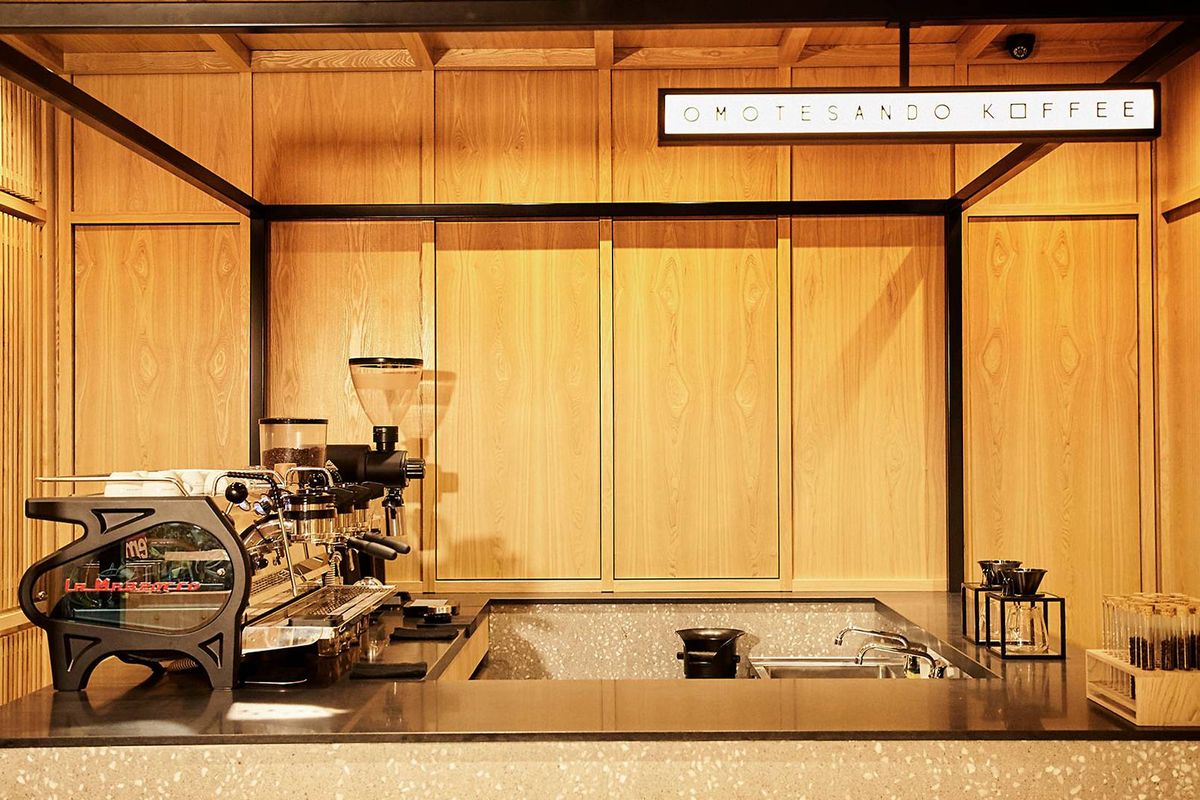
    Popular Japanese coffee shop Omotesando Koffee has opened in the central London district of Fitzrovia on Rathbone Square. Serving coffee in a manner inspired by Japanese tea ceremony, the cafe features a cubic bar design where each customer is served by a single barista in ritualistic fashion. The approach has inspired a cult following in the brand’s home territory, and has been followed by a sister brand in Tokyo that offers gourmet bean selections in cloth bags.

    While Omotesando’s original location has closed due to poor building maintenance, it reopened in Hong Kong in 2016, followed by launches in Tokyo and Singapore. The London location aims to provide a unique coffee experience in an otherwise generally homogeneous market.

  • Starbucks South Korea offers incentives using own cups

    Starbucks South Korea offers incentives using own cups

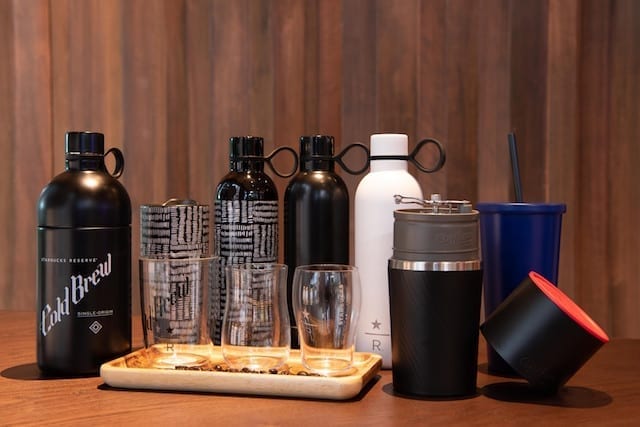
    Starbucks South Korea says the number of customers bringing their own cups to the store leapt 24 per cent in just one month. The boost is the result of its ‘Eco Bonus Star Program’ aimed at reducing waste and improving consumer awareness of sustainability issues. Through the Eco Bonus Star Program, customers of Starbucks South Korea can collect additional ‘stars’ – or bonus points – by bringing their own cups to cafes. The stars can be used for discounts and other benefits.

    Customers can choose to receive an immediate discount of 300 won (US27 cents) if they don’t want to collect stars.

    Starbucks said that, compared to 970,000 customers who brought their own cups in October, more than 1.21 million customers brought their own cups in December, the first full month of the program.

    Two-thirds of customers chose to save up stars, rather than receive the discount.

    “More than 1.81 million additional stars were given to customers just 50 days after the Eco Bonus Star program was implemented,” said Starbucks.

    “Gold members for My Starbucks can get a free drink for 12 stars, which also likely encouraged more customers to bring their own cups.”

    More than 8 million customers have brought their own cups this year, twice as many as last year.

  • Vietnam’s Sabeco, taxman at loggerheads

    Vietnam’s Sabeco, taxman at loggerheads

    HCMC tax authorities have failed to collect $135.73 million in taxes and fines, while brewer Sabeco has cried foul. The Tax Department of Ho Chi Minh City informed Vietnam’s largest brewer Sabeco on December 24 that it would withdraw VND3.1 trillion ($135.73 million) from the beer company’s bank account to collect overdue special sales tax from 2007 to 2015 and penalties for administrative violations.

    However, the move failed because there was no money left in Sabeco’s Vietcombank account.

    Le Duy Minh, deputy head of the department, said that his agency has temporarily blocked Sabeco’s Vietcombank account.

    “We have asked Sabeco to provide details of other bank accounts but it has not fulfilled that request,” he said.

    But Sabeco claims that it has not violated the law.

    Sabeco general director Neo Gim Siong Bennett said in a statement Sunday that Sabeco has not violated regulations on the declaration, calculation and payment of special sales tax.

    He said the enforcement action by the HCMC Tax Department was a violation of Vietnamese laws, as it was taken “without a valid administrative decision” and “contradicts with the very written guidance issued by the Ministry of Finance, General Department of Taxation and Tax Department of HCMC.”

    He said Sabeco’s “legitimate interests are being threatened by the inconsistent views among State authorities.”

    As Sabeco is set to meet with Prime Minister Nguyen Xuan Phuc, the tax department will await the meeting’s results before taking further steps, Minh said.

    Following Sabeco’s meeting with Prime Minister Nguyen Xuan Phuc on Wednesday, the latter has asked the tax department to defer its enforcement actions.

    Mai Tien Dung, Chairman of the Prime Minister Office said that government bodies are carefully examining the case as it involves “foreign factors.”

    In December 2017, Thai Beverage acquired a 53.59 percent stake in Sabeco from Vietnam’s Ministry of Industry and Trade for $4.84 billion through a local entity, Viet Beverage (VietBev).

    Sabeco, formally known as Saigon Beer Alcohol Beverage Corp, recorded revenues of VND25.5 trillion ($1.1 billion) in the first nine months 2018, meeting 70 percent of its annual target.

    It occupies approximately 42.8 percent of the domestic beer market, according to the Ho Chi Minh City Securities Corporation. It produced nearly 1.8 trillion litres of beer in 2017.

  • Jollibee aims for international growth

    Jollibee aims for international growth

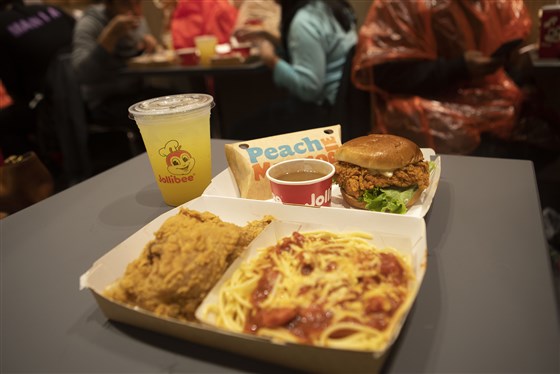
    It’s been called the “McDonald’s of the Philippines,” and the late Anthony Bourdain dubbed it “the wackiest, jolliest place on earth.” Jollibee, a fast food chain based in the Philippines, has become one of the world’s largest restaurant franchises, with more than 4,000 stores in 23 countries, including 37 in the United States. (For comparison, McDonald’s has more than 37,000 worldwide and 14,000 in the U.S.)

    Known for its fried chicken, sweet spaghetti and “Aloha burger,” Jollibee serves fast-food with a Filipino twist: The spaghetti, for instance, includes cheese and mini hot dogs, and the fried chicken is meant to be eaten with rice and gravy.

    While Jollibee first came to the U.S. in 1998, opening locations in areas with large Asian populations including California, Hawaii and Illinois, the company’s latest investments and openings, including one near Manhattan’s Times Square, are part of a new strategy that the company hopes will make it one of the “top five restaurant companies in the world.”

    Incorporated in 1978, the company started as a pair of ice cream parlors before adding hot meals to its menu when McDonald’s announced they were coming to the Philippines.

    “We told our friends back then that we wanted to compete with McDonald’s, and they told us not to confront the giant,” Ernesto Tanmantiong, Jollibee’s CEO and younger brother of founder Tony Tan Caktiong, said. “Instead of chickening out, we served Chickenjoy.”

    The company now owns 14 global brands. In February, it acquired stakes in Smashburger and fast-casual Mexican chain Tortas Frontera, both U.S.-based companies.

    Arthur Dong, professor of strategy and economics at Georgetown’s McDonough School of Business, said the acquisitions gives them “a bigger media footprint into the North American market, and a push into becoming one of the biggest companies in the world.”

    Dong added that Jollibee’s success in the North American market, as well as its other overseas locations, makes a huge impact on the Philippine economy.

    “Any success anywhere contributes to the company’s success overall and would make Jollibee at home more successful and endure a lot more things, in terms of their future expansion opportunities,” he said.

    Jollibee’s most recent opening in New York City was highly anticipated, with some customers lining up for 20 hours.

    Dong said that the New York opening is a wise move in line with what some economists call the “dense market theory,” which suggests that when a franchise opens a location in an urban area with populations that reside and work in high-rise buildings, it increases the chances of one’s success because of that population density.

    “It’s perfect because rather than putting a billboard up to advertise their brand, Times Square is like a billboards haven itself,” Dong said. “In cities, they go from zero to 60 very quickly because of the sheer amount of foot traffic. Because this new location is near Times Square, the result of that is they’re able to capture the attention of not only natives, but people who don’t even reside from New York City, and that gives exposure to the Jollibee menu and their concept.”

    Justin Callan from the New York City neighborhood of Coney Island said that, as a non-Filipino, he has always felt welcomed at Jollibee. He and his girlfriend, Faye, were the first customers in line for Jollibee’s Manhattan grand opening on Oct. 27. “All you have to do is open up the door and let the people smell it — that’s what got me,” he said.

    Jollibee executives hope to open 150 stores in the U.S. and 100 stores in Canada over the next five years.

    “This is our entry into the mainstream, not just Filipino, market — we are catering to a bigger spectrum, and want to keep strengthening our foothold both in the U.S. and globally,” Tanmantiong, the CEO, said.
  • Amazon to expand Whole Foods, open more stores

    Amazon to expand Whole Foods, open more stores

    Nearly a year-and-a-half after Amazon acquired Whole Foods for approximately US US $13.5 billion, things are about to start changing. Amazon is planning to expand its Whole Foods Market portfolio by adding more stores to put more customers within its two-hour delivery service range, The Wall Street Journal reported this week. The report says Amazon has been scouting locations for bigger Whole Foods stores in states and regions where they don’t currently have any stores at all–places like Idaho, south­ern Utah and Wyoming, along with many other suburban areas.

    The report goes on to say that these stores will be approximately 45,000 sq. ft. in size and the extra space is intended to accommodate Amazon delivery and pickup from online orders.

    According to WSJ, the world’s largest online retailer also plans to expand its two-hour delivery service, Prime Now, to nearly all of its roughly 475 Whole Foods stores in the United States.

  • Knows more : Rahul Singh, Founder & CEO, The Beer Café India

    Knows more : Rahul Singh, Founder & CEO, The Beer Café India

    With multiple awards like; Images Coca Cola Golden Spoon Award, India Restaurant Congress Award, Times Nightlife Award and ET Now Business and Service Excellence Award, the consumer and industry has recognized this startup as a blockbuster. Singh is the recipient of the TiECON 2010 Entrepreneurial Award for Excellence and holds the position of the Honorary Secretary for the NRAI (National Restaurant Association of India). He was also bestowed with the Prestigious Entrepreneur India 2015 Award in F&B services.

    Before he started The Beer Café, Singh was CEO, Greg Norman Collection India from 2007-09. In that role he spearheaded the brand’s operations involving sales, marketing and manufacturing.

    Prior to 2007, he was the Executive Director at Reebok India for 8 years and was a part of their leadership team, also setup a robust sourcing base for exports from South Asia.

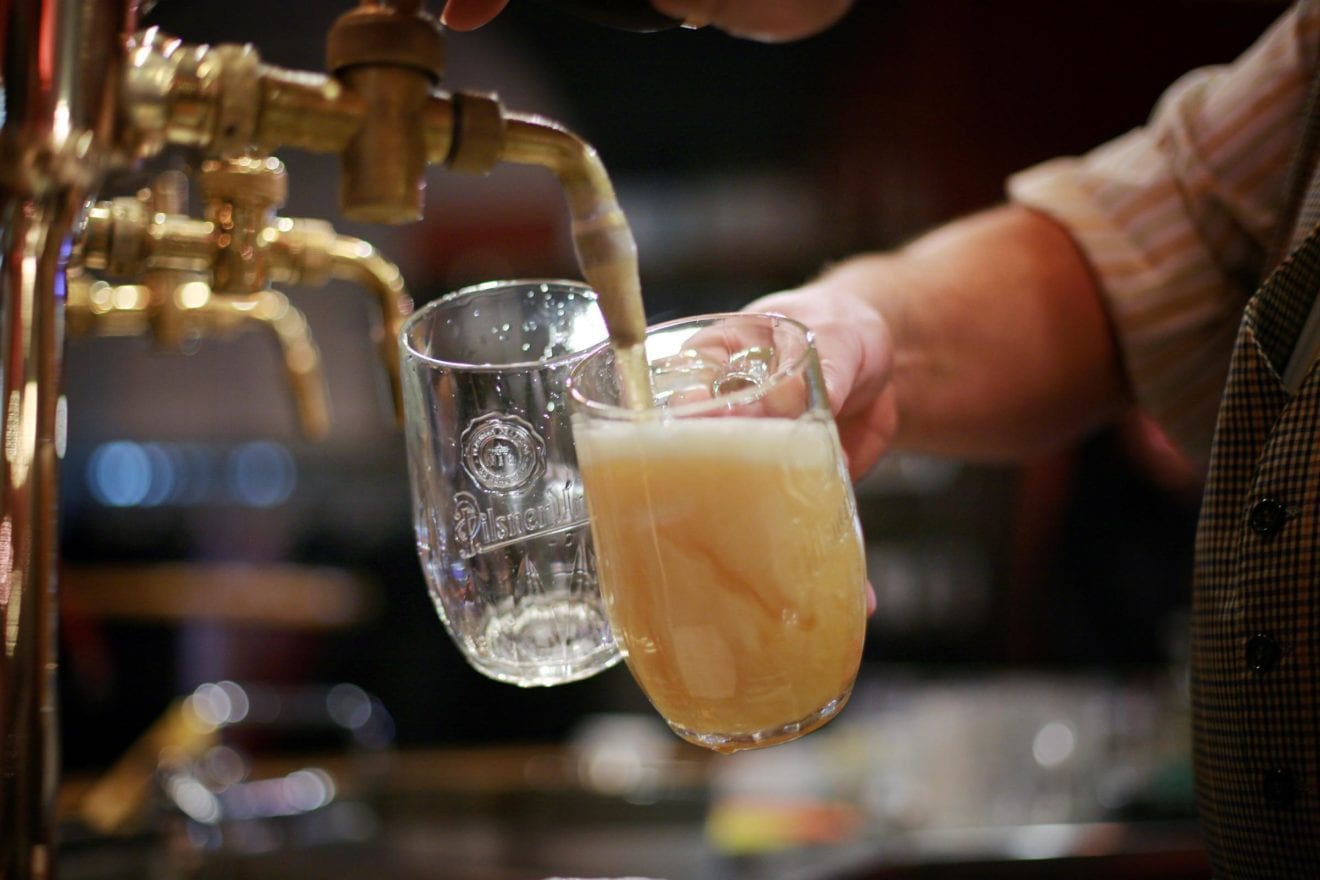
    As a textile engineer, he brings in an analytical approach to each line of enterprise that he gets into. He has undergone training in draught beer technology at Micromatic Institute in Florida, USA.

  • Yum! appointed new leader for Pizza Hut Asia Pacific

    Yum! appointed new leader for Pizza Hut Asia Pacific

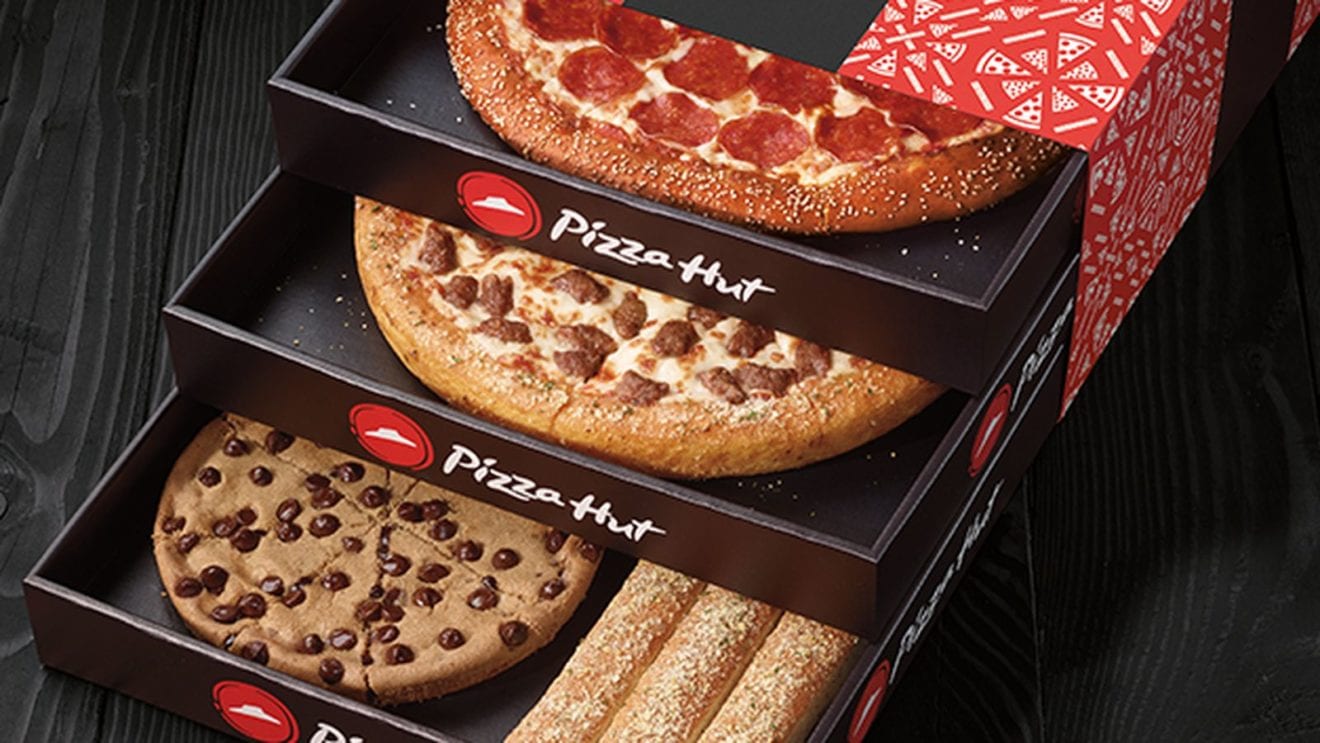
    Pizza Hut International on Tuesday announced that Unnat Varma, Managing Director, Pizza Hut India Subcontinent has been elevated to the position of Managing Director, Pizza Hut Asia Pacific effective 1 January 2019. In his new role, he will be responsible for steering Pizza Hut to the next phase of growth across the Asia Pacific region. Varma will be based in Pizza Hut APAC headquarters at Singapore and will report to Vipul Chawla, President, Pizza Hut International. As part of the APAC growth strategy, Pizza Hut India-Subcontinent will now be inducted under the Asia Pacific Business Unit. In total, Varma will oversee over 5500 stores across 22 countries.

    With Varma at the helm since 2015, Pizza Hut India-subcontinent has achieved strong business results with 10 successive quarters of positive Same Store Sales Growth. The brand has also expanded its physical store footprint – having recently launched its 500th physical store in the Indian Subcontinent.

    Under his stewardship, Pizza Hut has also pioneered the Fast-Casual Delco (FCD) concept in India, which offers a seamless integration of dine-in, takeaway and delivery channels, all under one roof and also upgraded all its digi-tech assets including the website, m-site and mobile app.

    These initiatives have enabled Pizza Hut to deliver on the promise of providing the Easiest, Fastest and the Tastiest pizza experience to consumers in India. As a result, Pizza Hut has been voted the most trusted brand in India for the 12th time in a row (as per a reputed media house) and was awarded the prestigious EFFIE Gold in the Foods and Confectionery category in 2018 for its outstanding consumer-centric performance.

    Varma is a respected and credible leader with over 24 years of industry experience. He joined Yum! in February 2006 and was elevated to Director Marketing, KFC, India Subcontinent in 2008. In February 2011, he took over the role of General Manager – Taco Bell and was responsible for launching the brand as the next growth engine for Yum! in India.

    After successfully establishing a strong foundation for KFC and Taco Bell, Varma was appointed as General Manager – Pizza Hut, India Subcontinent in December 2015and thereafter promoted as Managing Director – Pizza Hut, India Subcontinent in February 2016.

    Varma is also the Chairman of FICCI Task Force on Food Service Retail. Prior to joining Yum!, he worked with Gillette in India for 12 years across sales and marketing functions.

  • 2018 : Alibaba’s news about F&B, starting from Starbucks’ partnership

    2018 : Alibaba’s news about F&B, starting from Starbucks’ partnership

    Starbucks launched its first virtual store in China powered by technology from Alibaba Group, providing a unified, one-stop digital experience across the Starbucks app and mobile apps within the Alibaba ecosystem, including Taobao, Tmall, and Alipay. The first-of-its-kind virtual store leverages an online management hub developed specifically for Starbucks by Alibaba. It provides consumers integrated access to Starbucks’ digital offerings, including “Starbucks Delivers,” “Say it with Starbucks” social gifting and merchandise available from Starbucks’ Tmall flagship store.

    Alibaba’s technology streamlines the shopping process, pulling offers that were available in multiple digital apps into a single access point. Adopting a centralized approach to its mobile presence enabled by the Alibaba ecosystem, Starbucks now has a complete overview of its consumers’ actions online. Moreover, the integration of membership between Starbucks and the range of Alibaba apps is expected to fuel strong growth in Starbucks Rewards membership in China.

    The new virtual store steps up the collaboration announced by Alibaba and Starbucks in August 2018, when the companies agreed a deep, strategic “New Retail” partnership. Ele.me, China’s leading on-demand food delivery platform, owned by Alibaba, provides Starbucks delivery service for 2,000 stores across 30 Chinese cities.

    In October 2018, Starbucks also piloted its first “Star Kitchens” within two FRESHIPPO (previously known as Hema) supermarkets in Shanghai and Hangzhou. As the first retail brand to establish a dedicated back-of-house presence in FRESHIPPO locations, each Star Kitchen utilizes the distinct fulfilment and delivery capabilities on-site to complement the handcrafted beverages offered through existing Starbucks stores.

    The launch of Starbucks’ virtual store is also the latest example of how the so-called “Alibaba Operating System” empowering traditional retailers. After years of development in this digital age, Alibaba has created a unique system to support enterprises in the process of digital transformation that covers critical areas such as retail, marketing, finance and logistics.