Category: Food

Retail News Asia is committed to providing both local and global retailers with the latest Food and Food & Beverage news throughout the Asian market. This on a daily base.

  • Supermarket retailer Big C opens 147th hypermarket

    Supermarket retailer Big C opens 147th hypermarket

    Supermarket retailer Big C has launched its 147th hypermarket at Nakhon Si Thammarat. Big C Supercenter CEO Aswin Techajareonvikul said Big C’s business has continued to expand this year. “We are recruiting new employees to drive our promising business providing the best shopping experience to our customers. “In Nakhon Si Thammarat, we are offering the new shop-in-shop concept serving the variety of customers. We also focus on home appliance and electronic products responding to trend and consumers’ interests in electronics and IT products.”

    The new centre will employ more than 1000 workers and joins the firm’s network of hypermarkets, 60 markets, 671 Mini Big Cs, and 138 Pure Pharmacies, as well as e-commerce channel Big C Shopping.

  • Starbucks to open two stores in Macau Airport

    Starbucks to open two stores in Macau Airport

    Starbucks has expressed interest in seeking further opportunities to expand within Macau.

  • Hong Kong’s Hui Lau Shan debuts in Philippines

    Hong Kong’s Hui Lau Shan debuts in Philippines

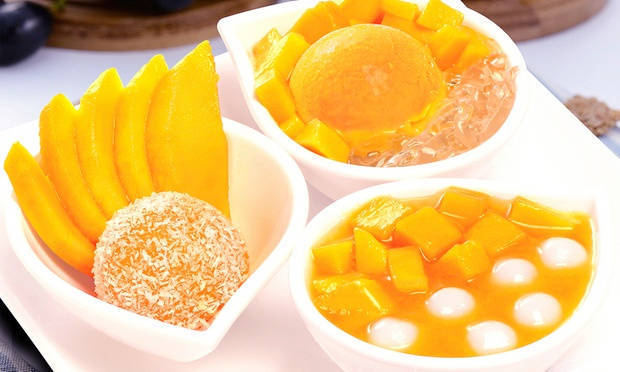
    Hong Kong dessert chain Hui Lau Shan will launch in the Philippines in February. The franchise, best known for its mango-based treats,will open at SM Megamall in Mandaluyong City with a range of desserts that are expected to draw on local fruits. Mango desserts have proven popular in the region recently, with prominent social media coverage of long queues for mango floats.

    Hui Lau Shan is a heritage brand originating from a herbal tea & tea trolley that traded in Hong Kong’s Yuen Long back in the 1960s.

  • Vietnam’s 2018 coffee exports at 1.88 mln tonnes, surges from last year

    Vietnam’s 2018 coffee exports at 1.88 mln tonnes, surges from last year

    Vietnam’s coffee export volumes for 2018 are expected to increase 20.1 percent from last year, while rice exports are estimated to rise 4.6 percent.

    Coffee

    Coffee exports from Vietnam will climb an estimated 20.1 percent this year to 1.88 million tonnes, equal to 31.37 million 60-kg bags, the General Statistics Office said in a report on Thursday.

    Coffee export revenue for Vietnam, the world’s biggest producer of the robusta bean, will edge up 1.2 percent to $3.54 billion in the year, the report said.

    December coffee exports were estimated at 160,000 tonnes, worth $287 million.

    Rice

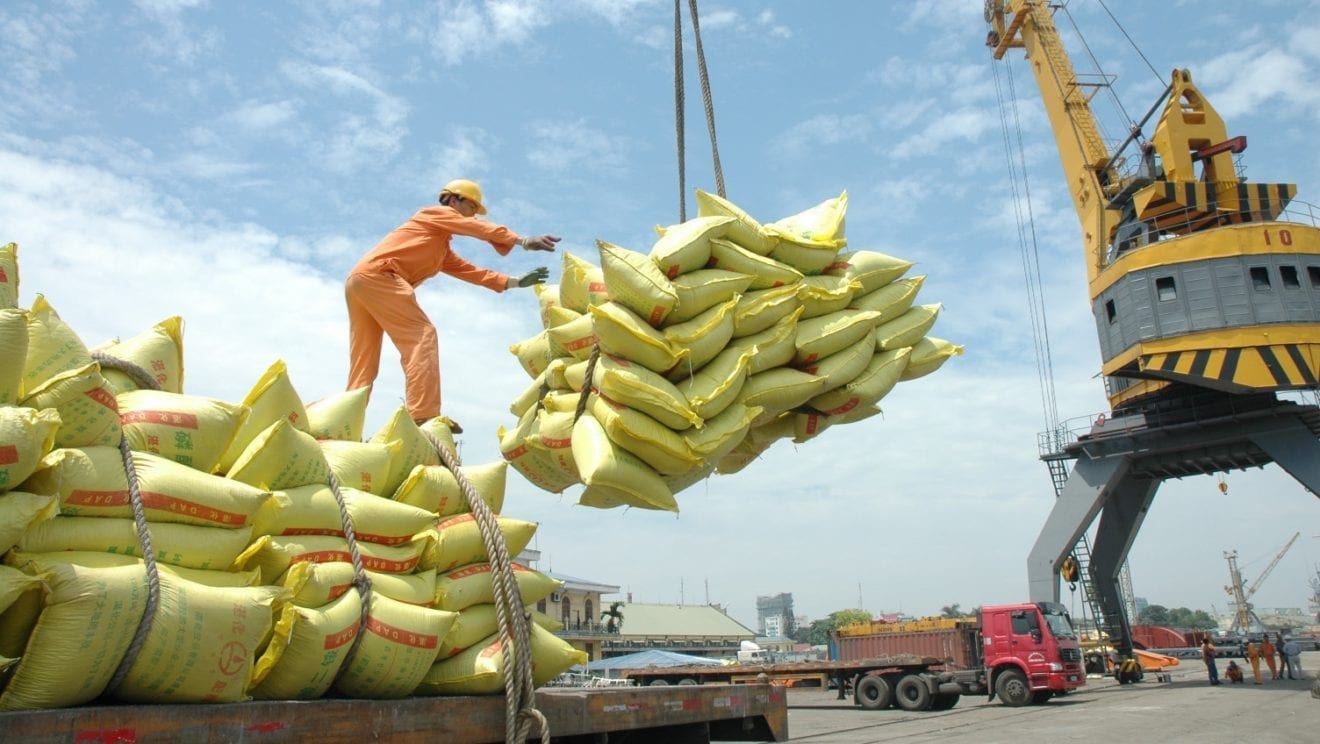
    Rice exports in 2018 from Vietnam were forecast to rise 4.6 percent from last year to 6.09 million tonnes. Revenue from rice exports in the period was expected to grow 16 percent to $3.05 billion.

    December rice exports from Vietnam, the world’s third-largest shipper of the grain, were estimated at 450,000 tonnes, worth $220 million.

    Energy 

    Vietnam’s 2018 crude oil exports were seen plunging 39.5 percent from last year to an estimated 4.12 million tonnes. Crude oil export revenue in the year is expected to decline 21.2 percent to $2.27 billion.

    Oil product imports in the year were estimated at 11.35 million tonnes, falling 12.1 percent from the same period last year, while the value of product imports rose 7.8 percent to $7.61 billion.

    Vietnam’s 2018 liquefied petroleum gas imports were seen increasing 4.9 percent from last year to 1.43 million tonnes.

  • Yellow Tie Hospitality to bring Taiwan-based beverage brand Chachago in India

    Yellow Tie Hospitality to bring Taiwan-based beverage brand Chachago in India

    Karan Tanna led Yellow Tie Hospitality, the leading food and beverage franchise management company, has tied up with Taiwan based beverage brand, Chachago to launch its first outlet in Bengaluru in January 2019. Yellow Tie has acquired the master franchise rights for the brand in India as well as UAE, Turkey, Kuwait, Lebanon, Jordan, Israel, Oman, Syria, Turkey, Iran, Iraq, Qatar, Bahrain & Afghanistan and plans to launch100 outlets in India by 2021, with an overall investment of USD 6 million in brand expansion and development in India.

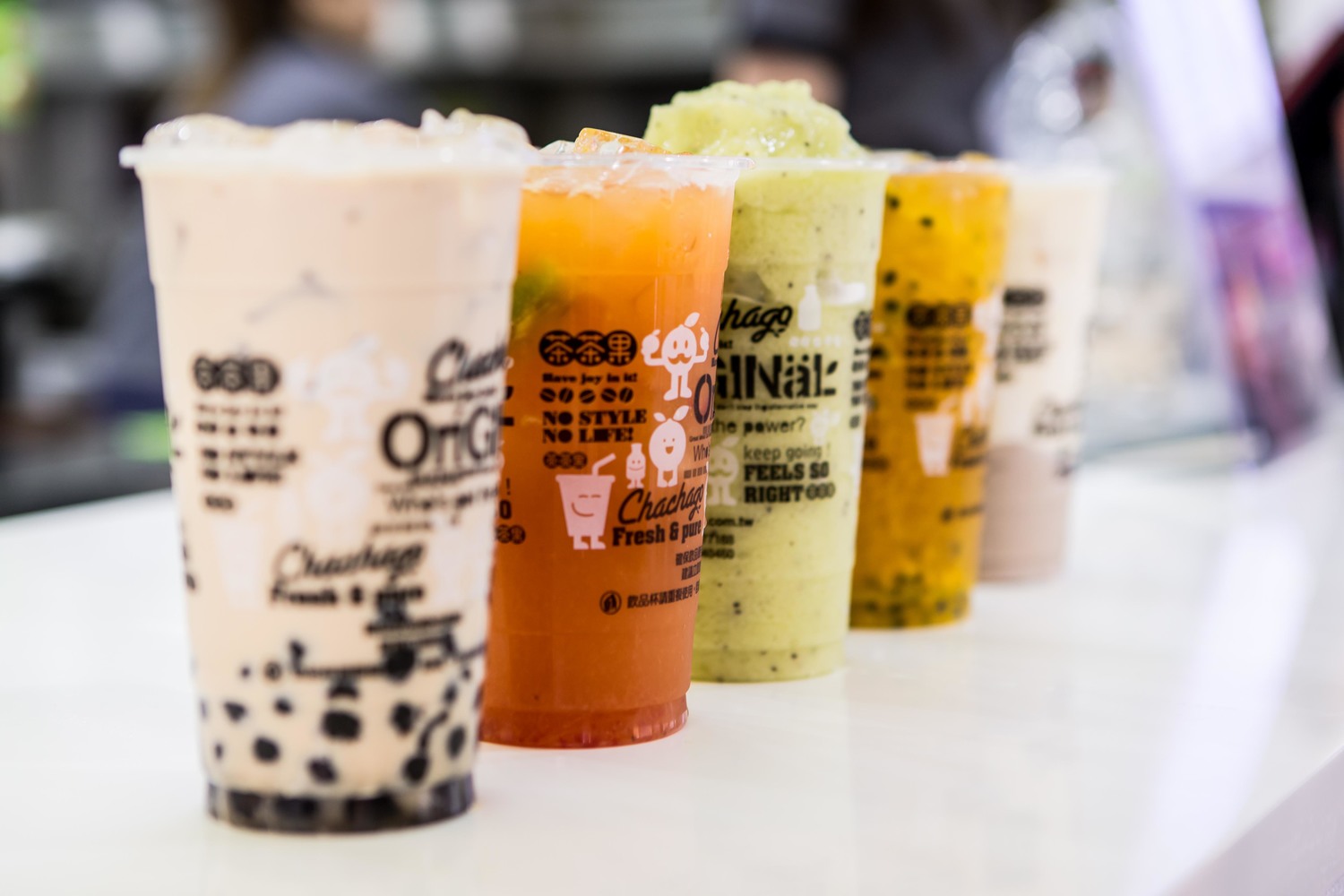
    Chachago is a Taiwanese beverage brand known for its aromatic and delicious varieties of Taiwanese milk tea, bubble teas, fruit-infused beverage, cheese-based beverages, milkshakes, and other specialty beverages and desserts. This is the first time the brand is entering India after having established its presence in countries like Taiwan, Canada, Australia, Hongkong, Vietnam, and Phillippines. A typical Chachago outlet will be in malls, high street, and educational institutions, and will spread over an area of 100 to 500 square feet and a capex of INR 20-40 lakh will be invested in building each outlet.

    Commenting on the launch Karan Tanna, Founder CEO of Yellow Tie Hospitality said: “Chachago is a specialty beverage brand originated in Taiwan, a country also known as the ‘House of Milk Tea’. We felt Indian consumers would connect with these specialty beverages, as there is a high demand for them in a tropical country like ours. It is a well-known fact that specialty beverages are a large and growing segment in the QSR category. As the market evolves, niche offerings are becoming more popular, giving us confidence that a brand like this will go down well with Indian consumers. Chachago is positioned very well with a gamut of products ranging in various teas, fruit infusions, and milkshakes. Chachago will be a one-stop-destination for premium beverages. We are very sure that the finest product development capability of Chachago in Taiwan combined with their experience of over three decades and optimized operation to give more throughput, will enable very quick growth for them in India”.

    He further added that there is a plan to turn Chachago into a 300 outlet chain by 2023 across the franchise geographies, “Going forward, the company is also looking for strong growth in countries outside India, by the second half of 2019; and by the year 2023, we are expecting the total outlets of Chachago to contribute approximate Rs 120 crore in annual revenue.”

    “We have tasted success in the very competitive Taiwanese market because of our own capability of using the most premium ingredients with optimized results. These ingredients are not only appreciated in Taiwan but also in other countries like Canada and Australia. We are very sure that with our experience and the expertise of Yellow Tie Hospitality, Chachago will be able to grow aggressively in a market which is the second highest competitive market in the world. We look forward to our presence in India”, said Hseih Yu Yin, Owner, Chachago.

    To further streamline the franchising process for Chachago, the company will go through a master franchise and multi-unit franchise route wherein franchise selection criteria will be based as per International brand standards. The potential franchise owner’s credibility will be audited by Yellow Tie Hospitality.

    Economic growth and social change on the Indian subcontinent are causing the beverage, dairy and liquid food industry to boom. Euromonitor International forecasted that all beverage sectors will grow at double-digit rates in the next four years, which Drink Technology India (DTI) will also benefit from.

  • Beer tax prioritized as foreign brands build market share

    Beer tax prioritized as foreign brands build market share

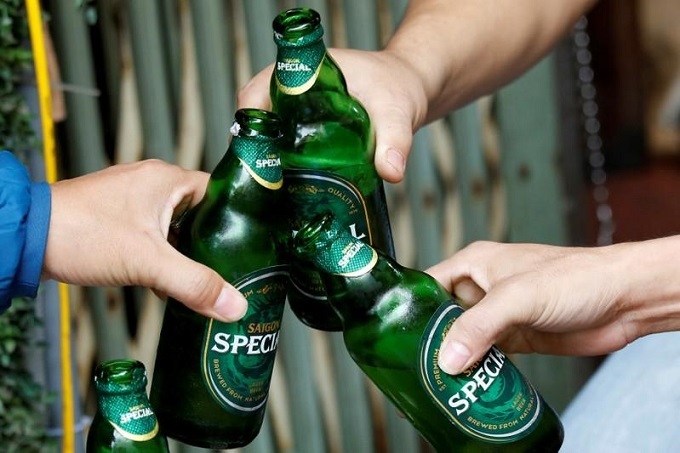
    The government is planning to overhaul the current cost-based alcohol-tax system to a quantity-based system, which may address concerns from local alcohol companies about cheap imported beer. According to the Ministry of Economy and Finance on Tuesday, current taxes on alcohol are based on costs, such as manufacturing or import prices. The government is currently working on a reform that will transition the system, established back in 1969, to a new one based on quantity, such as total volume or alcohol content.

    The initiative has been in the spotlight with Finance Minister Hong Nam-ki addressing the issue during his recent confirmation hearing.

    “[We] will consider a change next year without increasing prices,” said Hong. “[We] will consider strengthening the future competitiveness of the alcohol sector and the fairness of the alcohol-tax system as a whole.”

    The comments come as criticism mounts against importers that reportedly declare low import prices for foreign beer and maintain competitive or even cheaper prices than local beer.

    The tax base for local beer is based on the price of beer shipped out from distilleries, which includes costs for production and sales and a margin. For imported beers, the tax is calculated based on the import price paid by the importer and the customs duty. As importers can lower taxes by reporting low prices, foreign beers can maintain price competitiveness against local offerings.

    Local beer companies have argued against this cost-based tax system, saying it is a form of discrimination against Korean manufacturers.

    “The tax rates are identical, but because the tax base is high, there is a twofold difference,” said Kang Seong-tae, chairman of the Korea Alcohol & Liquor Industry Association at the annual National Assembly audit in October.

    The favorable tax system has allowed for the competitive pricing of imports and an increasing market share for foreign beers, rising to 16.7 percent last year from 4.9 percent in 2013.

    While the tax change may provide a level playing field, it raises concerns that widely popular promotions in which four beer cans are sold for 10,000 won ($8.89) may not survive the reform.

    The change, however, is unlikely to eliminate the promotions altogether.

    The government is considering a plan to introduce alcohol taxes of 850 won per one liter (33.8 ounces) of beer. The current average beer tax works out to roughly 850 won per liter, though it is calculated in a different way.

    When converting the current alcohol tax to an amount per liter based on figures by imported country from the Korea Customs Service, imported beers that are taxed higher than 850 won per liter include those from the United Kingdom at 1,194 won per liter on average; the Philippines at 1,032 won per liter; Ireland at 1,004 won per liter and Japan at 958 won per liter.

    Beers from these countries will likely attract a lower tax after the reform.

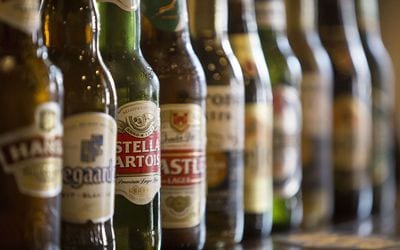
    Meanwhile, beer from countries that have lower average taxes per liter compared to the 850 won per liter standard will become more expensive. Beers from the Netherlands are currently taxed at 519 won per liter, Belgium 567 won per liter, the United States 654 won per liter and Germany and Denmark 735 won per liter.

    In general, premium imported beers have expensive import prices.

    With the introduction of a quantity-based system, taxes levied will become lower and the current promotions of four cans at 10,000 won will likely remain.

    However, promotions of six cans for 10,000 won will probably disappear as cheap imported beer will face higher taxes.

    “[We] will establish a reform plan for alcohol tax as early as the first half of next year by conducting research and gathering opinions,” said Kim Byung-gyu, director general of the Tax and Customs Office at the Finance Ministry. “[We] have an objective to ensure overall fairness in taxation and make changes without increasing the burden on the consumer.”
  • Saigonese spend $11.5 a month on convenient food and drinks

    Saigonese spend $11.5 a month on convenient food and drinks

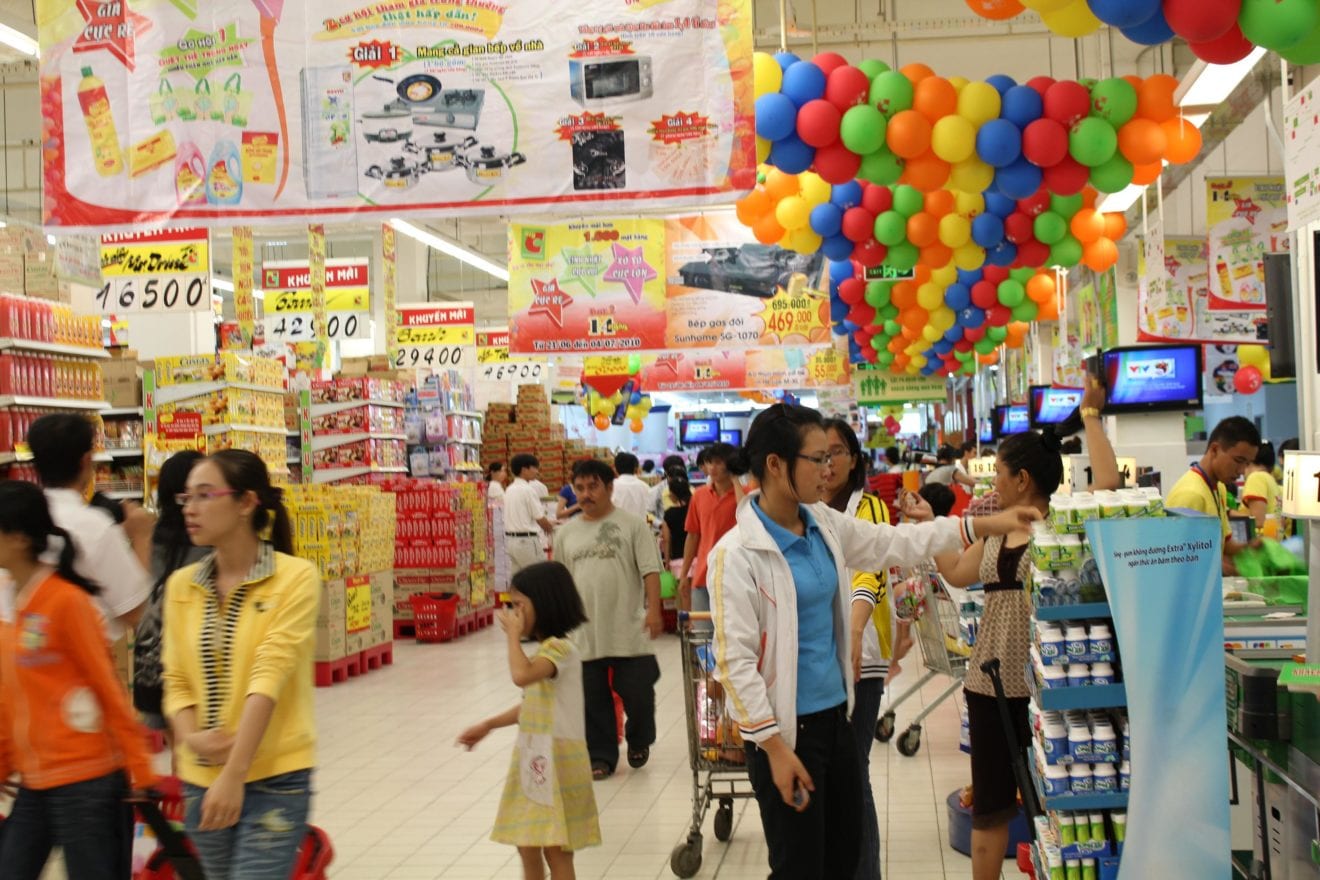
    Each Saigon resident spends $11.5 on average per month on convenient foods and drinks, a consumer research firm says. The product groups most often chosen by consumers are non-alcoholic drinks, nutritional beverages, confectionery and snacks like instant noodles, sausages and pies, according to a study on Saigon consumers’ out-of-home (OOH) spending.

    The study was recently done by Kantar Worlpanel, an international company dealing in consumer knowledge and insights.

    On average, Saigon residents make around 8 or 9 out of home trips for these products a month.

    This study also shows that product selection and external spending patterns are clearly differentiated by gender. Women, especially students, often spend money on milk tea, while men and the seniors prefer coffee. Consumption of carbonated soft drinks, energy drinks and bottled water are highly skewed towards teenagers.

    Coffee shops and tea shops are the most popular places, chosen by 45 percent for those going out for OOH drinks, most of whom are aged 30-39. The remaining channels are convenience stores, restaurants, supermarkets, shopping malls and traditional channels such as markets and pavement shops.

    Previously, market research firm Decision Lab had published a report on spending trends of target groups born in 1995 and later (Generation Z). It is estimated that Vietnam has more than 14.4 million people in this age group, with above 56 percent of them having no income or earning less than VND3 million ($129.12) per month.

    Despite the modest income and large dependence relying on their families, average monthly OOH spending by this generation is VND892,400 ($38.41), almost four times that of the average Saigon resident, the report said.

    On average each month, the total amount spent by this age group on eating and drinking was nearly VND13 trillion ($559.56 million).

  • China’s cheese tea bakery Nayuki opens in Singapore

    China’s cheese tea bakery Nayuki opens in Singapore

    The cheese tea bakery, which draws inspiration from the Japanese philosophy of ‘Kaizen’ (a dedication to continuous improvement), opened to Singapore shoppers on December 8. Marking its debut international store opening, Nayuki has teamed up in a joint venture with BreadTalk Group for its officially opening in Vivocity.

    Vivocity store has been designed to reflect Nayuki’s philosophy: sophisticated and comfortable with seating and premium ingredients such as fresh fruit and tealeaves.

    “When it comes to shop design, we work with different designers, artists and some influential KOLs [key opinion leaders],” Peng Xin, Nayuki’s co-founder said in an interview.

    Singaporeans can now enjoy Nayuki’s signature “fruit tea and soft euro bread pairing” concept featuring the famous Supreme Cheese Strawberry tea and Strawberry fresh cream bread combo.

    In addition to the café’s breads and teas, the outlet also stocks cold brew teas, as well as selling an exclusive edition of its award-winning Alisan Mountain Dew Tea.

    Founded in Shenzhen, Nayuki was launched in 2015 from an appreciation of tea-drinking culture, something that has been known to China for centuries.

    To keep the tradition alive among the younger generation, Nayuki seeks to make tea drinking appealing through a stylish and modern tea concept, and effectively retailing it to millennials.

    And it’s proven successful. With over 100 stores across China across some 13 citie, Nayuki has garnered a cult following with celebrities and international lifestyle brands alike opting to partner with it.

    China is the largest market for tea drinking globally, with 13% of the world’s consumption taking place in China, according to Euromonitor. However, teeing up with BreadTalk Group and entering Singapore is the next step forward in global expansion, according to Peng.

    “Singapore is an important market. We chose Singapore to learn how to meet international standards – and then we can go global,” said Peng.

    Founded in 2000, the BreadTalk Group Limited is a Singaporean multinational food and beverage corporation headquartered in Paya Lebar, Singapore.


  • Ramyeon Korea set to cross the $400 million export mark

    Ramyeon Korea set to cross the $400 million export mark

    Exports of ramyeon are sure to exceed $400 million this year, a state food agency reported Wednesday. Shipments of ramyeon totaled $385 million as of the end of November, up 11.2 percent from the same period last year, according to Korea Agro-Fisheries & Food Trade.

    The figure is already more than the total for 2018. Given the sum so far, the monthly average exports are $35 million, suggesting that exports will $400 million by end of this year. South Korea broke the previous threshold of $300 million just last year.

    Ramyeon remains popular in the United States and in Southeast Asia, while China’s boycott of Korean products due diplomatic disagreements has weakened, according to the agency.

    Related data showed Korea exported $8.56 billion worth of agricultural and fisheries products in the first 11 months of the year, a gain of 2.6 percent from last year.

    By country, exports to Japan were the highest, at $1.94 billion, followed by $1.38 billion to China, $980 million to the United States and $530 million to Vietnam.

    The figures indicate a 0.3 percent fall for Japan but increases of 1.2 percent for China, 0.2 percent for the United States and 1 percent for Vietnam.

    Exports of farm and livestock products rose 2.4 percent to $6.37 billion, and those of fisheries goods were up 3.1 percent to $2.2 billion.

  • Vietnamese prefer fresh food by far to processed items

    Vietnamese prefer fresh food by far to processed items

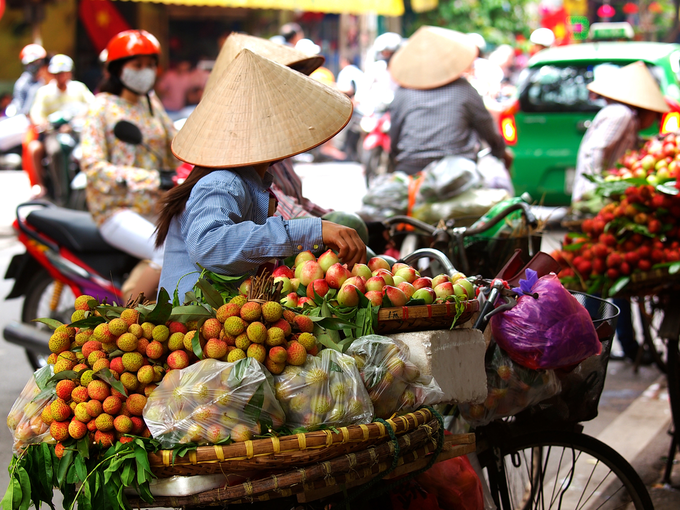
    Vietnamese citizens spend three times more on fresh food than fast-consumer moving goods (FMCG), a new survey says. A family in urban Vietnam spends about VND1.1 million ($47.12) on fresh food a month, according to the recent survey by market research firm Kantar Worldpanel Vietnam.

    The survey polled over 2,000 households in Hanoi, the central city of Da Nang, Ho Chi Minh City and southern Can Tho City, and over 1,000 households in various rural areas across Vietnam.

    Fruits top the spending category in fresh food, accounting for 19 percent of the total, while vegetables come second at 11 percent. The rest goes to meat, seafood and rice.

    The traditional market remains the favorite shopping outlet for Vietnamese people, accounting for 85 percent of total spending on fresh food.

    Vietnamese people spend VND930,000 ($39.81) per week on fresh food at traditional markets, mostly on meat and seafood.

    Although locals spend only VND220,000 ($9.42) per week on fresh food at supermarkets, the figure shows a 28 percent growth over last year. Most of the supermarket spending is on fruits and processed food.

    Fresh food and FMCG make up the majority of Vietnamese people’s spending at 26.8 percent last year in the cities and 25.9 percent in rural areas.

    With rising incomes, Vietnamese people, especially in the cities, have been spending more on education and health, the report finds.

    The share of spending on education by urban families increased from 10.8 percent in 2012 to 12.9 percent last year, while spending on health grew from 3.5 percent to 3.9 percent in the same period.

    The report also finds that Vietnamese consumers accord top spending priority to food safety, health and environmental issues/disease.

    The majority of survey respondents, 96 percent, are confident that their spending capability will be stable or increase in upcoming months, and 86 percent expect the Vietnamese economy to be stable or grow stronger in the near future.

  • How Pizza Hut is mixing technology with pizza

    How Pizza Hut is mixing technology with pizza

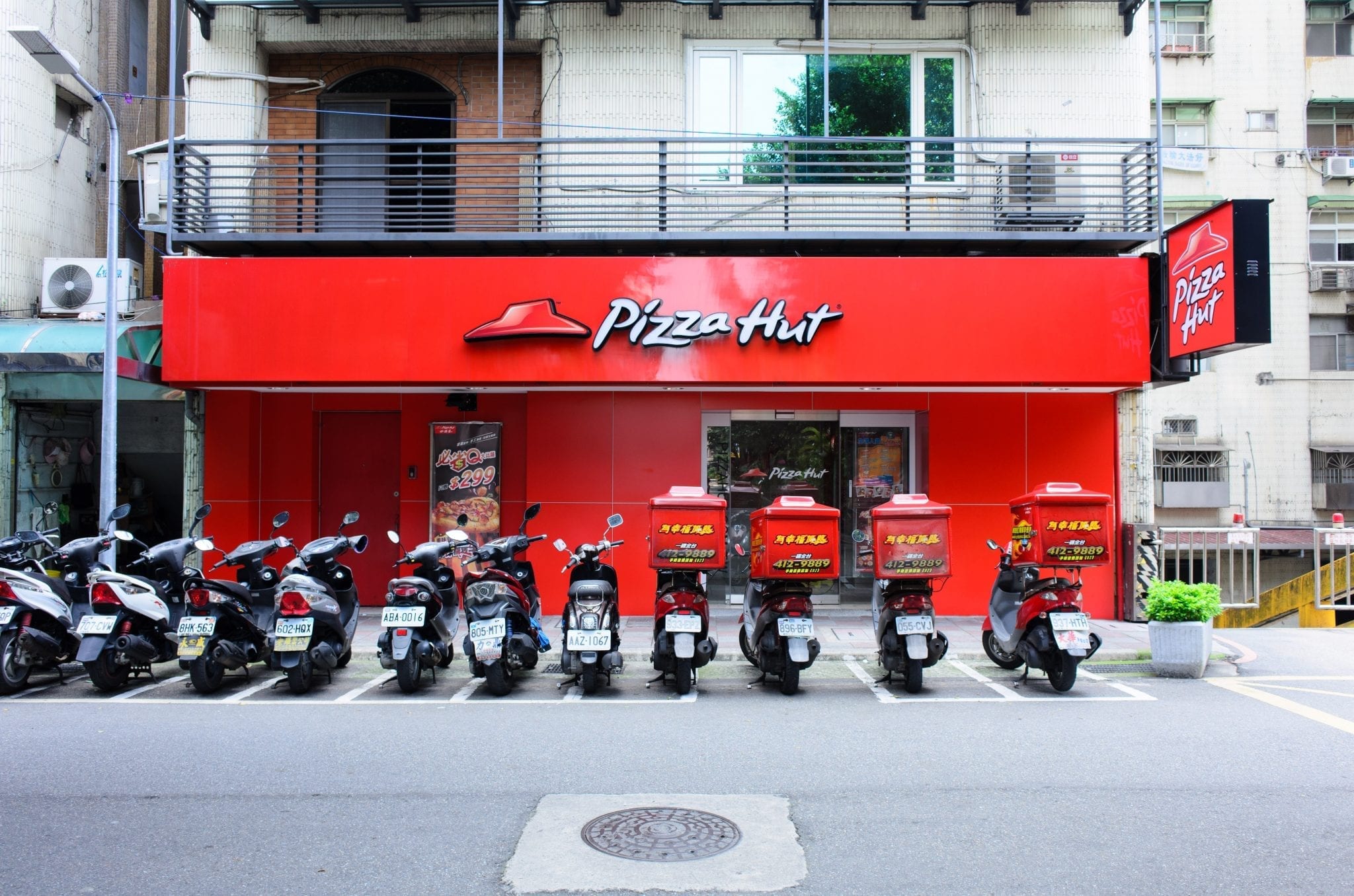
    Yum! Restaurants-led Pizza Hut is betting big on technology. The brand is investing technology at each every step from taking orders to delivery of the pizza. Elaborating more on the same, Managing Director, Pizza Hut (India Subcontinent), Yum! Restaurants, Unnat Varma said, “We are using technology in sorting out our kitchens. So kitchens are becoming better in terms of layout, efficiency, optimising labour. Apart from this, we are also using technology to schedule riders to make sure that pizzas reach hot and fresh to the consumers.”

    “To ensure a seemless experience to the customers we have again using technology. We have a new online experience for customers, it is one of the best friction-less experience. From getting customer’s location to ordering the pizza, the entire process has been reduced to a four-step journey,” he added.

    The brand is also not shying away from using drones to deliver the pizzas in the near future.

    “We are closely watching the drone delivery space. However, there is no current successful model. There has to be regulation, approval from the Government that drones can fly in the air space and to understand that how does it work for food as food is very atypical, it cannot loose temperature and it has to be accurate, it has to reach in a certain stipulated time and it has be delivered straight. We will host the space, we are very open, we are transforming ourselves digitally and technologically, if this space helps us unlock some future possibilities, we will definitely go ahead with it,” Varma revealed.

    Enhancing Customer Experience

    To add to the overall consumer experience, the brand has been constantly improving its products.

    According to Varma, “These days the customer experience is always around product and product excellence and there we have been making a continuos effort to make our product more delicious, fresh and hot but in addition to that it is about the entire experience – how fast customer can place the order, how fast cusotmer can locate our store, can we give cusotmers a great value deal, can we understand their requirements, can we customise, can we help them earn and let them use some loyalty points in the future.”

    Expansion Plans

    Pizza Hut India plans to open over 200 more outlets in India by 2022 to expand its retail footprint. Currently, it operates 422 stores in the country.

    “‘Pizza Hut is a very democratic brand, it is used by segments of the consumers in the market, so our attempt is to go to as close to consumer as possible, it could be going after the shoppers in the shopping mall or it could be going close to residential areas, or going to captive locations where we have people working, so we are open to all kind of opportunities that exist. We are even open to open our outlets at airports and railway stations too,” asserted Varma.

    The pizza chain runs a franchise model in the country, where investments for opening new outlets mainly comes from franchise partner.

  • Starbucks opens immersive coffee destination in New York

    Starbucks opens immersive coffee destination in New York

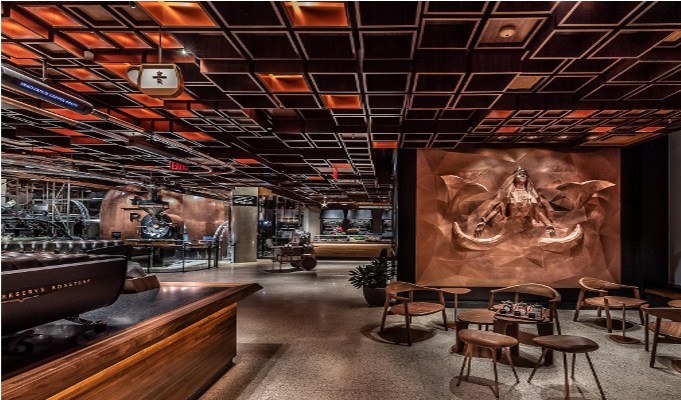
    “We designed the Roastery as the pinnacle experience around all-things-coffee, and there is nothing else like it in the world. With premium coffees, teas, mixology and the iconic Milanese Princi Bakery, it serves as a Starbucks brand amplifier and a platform for future innovation,” said Kevin Johnson, CEO, Starbucks. “Beverages such as Draft Nitro, Cold Foam and the recent launch of Juniper Latte all began at the Roastery and have since been introduced to Starbucks locations around the world. It is the ultimate Starbucks Experience and an unforgettable way to connect with our customers.”

    Starbucks has a long history in New York. In 1994, Starbucks chairman emeritus, Howard Schultz, who was born and raised in Canarsie, Brooklyn, opened the first Starbucks store in the city on Broadway and 87th Street on the Upper West Side. Nearly 25 years later, there are 350 Starbucks stores across the five boroughs in the city where Starbucks employs approximately 5,000 partners (employees). The Roastery employs nearly 300 people, including roasters, baristas, commessas and mixologists.

    “Like most people I first experienced Starbucks as a customer, where I would go to my store at 195 Broadway in the Financial District in New York City and order a tall latte which was the perfect way to start my day,” said Raul Adorno, Managing Director Reserve Roastery New York. “I look forward to welcoming my fellow New Yorkers and visitors from all around the world when we open the Roastery on Friday. You will be amazed.”

    At its core, Starbucks Reserve Roastery New York is a working coffee roastery, where every day Starbucks Master Roasters, who have trained for years in the craft of coffee roasting, will be small-batch roasting Starbucks rarest single-origin coffees and blends called Starbucks Reserve. Those coffees then get served fresh at the Roastery or shipped to select Starbucks stores around the world. That functional purpose, as well as the history of industry and manufacturing in the meatpacking district, is reflected in the design of the space.

    “New York is a hub to the world,” said Liz Muller, Chief Design Officer of Starbucks. “It’s an unbelievable place with such history. The meatpacking district has a fantastic history of industry, and the neighborhood has an electric energy; it is alive. We’ve designed a space where the excitement and dynamic activity of the neighborhood is mirrored in the Roastery. We want our customers to come in and feel very inspired.”

    Unique Food and Beverages

    Coffee Bars – There are two coffee bars at the Roastery, which in total offer seven brewing methods, including pour over, Chemex, coffee press, siphon, espresso, Clover and cold brewing.

    Upon entering the Roastery, visitors can visit the coffee bar on the main level, where baristas, called coffee masters, are crafting classic espresso beverages such as cappuccino, latte, cortado and specialty drinks such as whiskey barrel-aged cold brew, sparkling citrus espresso, nitro hopped apricot cold brew and rotating specials like the cardamom latte.

    Arriviamo Bar – For the first time in the U.S., Starbucks will debut the Arriviamo Bar inspired by the Italian tradition of aperitivo. This craft cocktail bar is located inside the Roastery where expert mixologists will serve cocktails and spiritfrees curated by award-winning mixologist Julia Momose featuring coffee and tea. Specialty cocktails include the Nocino Notte, made with cold brew coffee, barrel-aged gin and black truffle salt, and the Triomphe, made with Teavana/MC Darjeeling de Triomphe Tea, gin, dry Riesling, aquavit, passionfruit sparkling water and orange saffron bitters. The Arriviamo Bar will also serve a selection of beer, wine and classic cocktails

    Princi – Inside the Roastery is the Milanese boutique bakery Princi from founder Rocco Princi, with on-site baking of fresh breads, Pizzas, cornetti, focaccias, desserts and more.

  • Food delivery start-up Swiggy raises US$ 1 billion from venture funds

    Food delivery start-up Swiggy raises US$ 1 billion from venture funds

    Leading food ordering and delivery start-up Swiggy has raised US $1 billion (Rs 7,000 crore) venture funds from existing investors led by Naspers, to strengthen its technology and hire talent, it said on Thursday. “Swiggy will use the funds to bring more quality food brands closer to consumers and address gaps in supply through delivery-only kitchens, as well as hire talent and strengthen the technology,” the city-based app provider said in a statement.

    The Series H round of funding, led by Naspers, also includes the participation of existing investors DST Global, Meituan Dianping and Coatue Management.

    The funding round saw the participation of new investors Tencent, Hillhouse Capital and Wellington Management Company, the company said.

    The firm will also use the capital to hire talent, especially for machine learning and engineering roles across mid and senior levels, as well as strengthen its technology backbone.

    “The company will focus on building a next-generation Artificial Intelligence (AI)-driven platform for hyperlocal discovery and on-demand delivery,” it added.

    Inclusive of the latest round, Swiggy said it has raised a total of US$ 1.26 billion (Rs 8,825 crore).

    In June, the food-tech start-up raised US$ 210 million (around Rs 1,500 crore) from multiple investment firms, including Naspers, DST Global in Series G funding and US$ 100 million (around Rs 700 crore) in Series F in February from multiple investors.

    Details of the promoters’ equity holding in their firm after the latest round of funding are not made public by the company.

    “As we add more firepower to our vision of elevating quality of life for urban consumers by offering unparalleled convenience, our global investors also share our purpose and have made a significant investment in our future,” Swiggy’s Chief Executive Sriharsha Majety said in the statement.

    Founded in 2014, Swiggy claims to have 50,000 restaurant partners across 50 cities, including New Delhi, Gurugram, Hyderabad, Bengaluru, Chennai, Mumbai, Kolkata and Pune, and receives about 25 million food orders a month.

    The company, which has over 4,000 employees, reported an operating revenue of Rs 442-crore for fiscal 2017-18.

  • India rice rates hit more than three-month high, Chinese rules weigh on Vietnam

    India rice rates hit more than three-month high, Chinese rules weigh on Vietnam

    Rice export prices in India rose to their highest in more than three months as a key producing region hiked procurement rates for domestic paddy. Top exporter India’s 5 percent broken parboiled variety was quoted at $375-$382 per tonne this week, the highest since Sept. 7.

    The central state of Chhattisgarh, a leading rice producer, raised the minimum paddy buying price to 2,500 rupees per 100 kg, from 1,750 rupees earlier this week.

    “Importers are not ready to pay a higher price. Exports are likely to slow down in coming months,” said an exporter based at Kakinada, in the southern state of Andhra Pradesh.

    Prices of Vietnam’s 5 percent broken rice declined for the fifth straight week to $385 a tonne as activity remained muted, traders said.

    “Prices fell further because we are concerned that China’s move to impose stricter conditions on Vietnamese rice will have a long-term impact,” a trader based in Ho Chi Minh City said.

    “It’s not clear if China is buying more from Cambodia and Myanmar to compensate for the possible declining shipments from Vietnam.”

    Another trader said supplies from Vietnam will increase from late next month when the winter-spring harvest begins.

    In Thailand, benchmark 5 percent broken rice prices were quoted at $390-$391 per tonne, free on board Bangkok, versus $385-$393 a week ago, as the market is expected to remain quiet until well after the New Year period.

    “This is a reasonable level as we’re nearing the end of the year. There is not much overseas activity and we’re also in the harvesting season,” a Bangkok-based trader said.

    Meanwhile, Bangladesh, which emerged as a major importer of rice in 2017 due to stock depletion following floods, has stepped up efforts to procure more rice locally after output of the staple grain improved, a food ministry official said.

    “The response from farmers is very good and the procurement drive will be continued,” the official said.

    The country’s production for 2018/19 is expected to recover to 34.7 million tonnes, up 6.3 percent year-on-year, according to estimates from the U.S. Department of Agriculture attaché in Bangladesh.

    The South Asian country has procured more than 1.3 million tonnes of rice locally so far in the current season to build state reserves.

  • Jollibee buys out Smashburger with big deal

    Jollibee buys out Smashburger with big deal

    Jollibee has taken full ownership and control of US fast-food chain Smashburger after acquiring an 85 per cent stake in February. The Philippine company said it paid US$10 million to acquire the remaining 15 per cent of the company and that it has made management changes.

    Tom Ryan, Smashburger founder and CEO, will take on the additional title of chief product development advisor at Jollibee Foods Corporation globally, focusing on strengthening taste and quality aspects across key brands and enhancing their relevance across global markets.

    Jose “Pepot” Minana has assumed the role of Smashburger president, including daily operations, collaborating on strategy and brand direction, and lead the continuing integration of Smashburger into the Jollibee Foods portfolio.

    Smashburger has 351 stores and accounts for 7 per cent of Jollibee’s global sales which totalled $3.4 billion last year.