Category: Food

Retail News Asia is committed to providing both local and global retailers with the latest Food and Food & Beverage news throughout the Asian market. This on a daily base.

  • Vive cake boutique launches hot beverages this winter

    Vive cake boutique launches hot beverages this winter

    Embracing the joyous holiday season, celebrity-loved Vive Cake Boutique launches a selection of luscious winter drinks specially curated by Founder, Ms Vivien Lau, to pair with VIVE’s delectable sweet treats. A selection of premium organic teas sourced from Taiwan are also introduced to add to its repertoire of beverages.

    “The holiday season is one that inspires the sharing of love and joy between family and friends,” says Vivien Lau. “Our new hot drinks are ‘warm, comforting and the perfect thing to cozy up with as the weather gets colder. Pair them with our signature cakes; it is soul-warming.”

    The new non-alcoholic So Grape-ful (HK$68), is a sophisticated yet whimsical libation designed to emulate mulled wine. Made with grape juice, tangy orange and lemon zest, a dash of cinnamon, cloves, and star anise, this warm drink not only brings to mind a winter wonderland classic, but also inspires a sense of playfulness with its presentation in a classic Christmas bauble sitting in a Martini glass.

    Lovers of sweetness and tradition will enjoy the classic S’mores (HK$50) concoction. A classic hot chocolate topped with roasted marshmallows, featuring butter cake crumbs, the smooth and satisfying drink conjures the classic Christmas moment shared by family and friends in front of a fireplace.

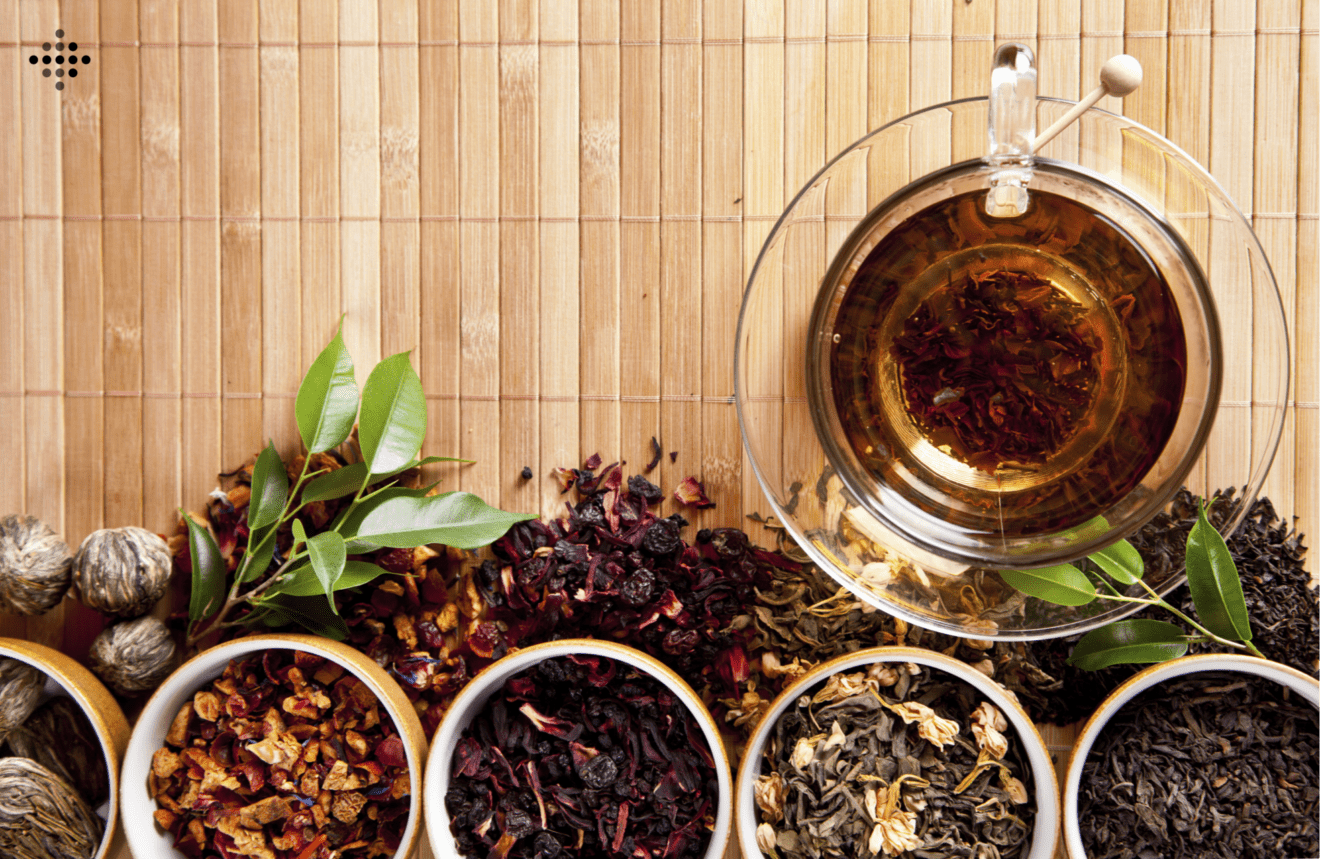
    The chilly winter season need not only be a time exclusively for indulgences. VIVE introduces a repertoire of three organic premium teas personally sourced by Vivien Lau from Taiwan, unrivalled for its high quality teas.

    Each of these teas is recommended to be paired with VIVE’s repertoire of signature desserts. The long-lasting, mellow sweetness of the Golden Honey Black Tea (HK$42) which invokes a scent of honey, floral, fruity, and milky aroma is recommended to be paired with Berry Jolly (HK$58), a layered sponge cake with mascarpone mousse and strawberry fillings. The slight astringency of black tea will make that mascarpone mousse really sing.

    The sweet, floral, and honey-fragrant Oriental Beauty Tea (HK$42) with its unique flower and honey aroma is best paired with the Berry Almond Tart (HK$48), made with seasonal fruits set atop an almond cake base and a crisp, sweet tart shell.  The tea is light enough to not overpower the fruits, but flavorful enough to make this simple sweet treat shine.

    Tea lovers who fancy the classic clean and grassy aroma with a tinge of roast, will love the mellow and brisk taste of Alpine Roast Oolong Tea (HK$42), which leaves tea drinkers with a lingering sugar cane sweetness. This tea is best paired with Treasure Hunt (HK$58), a rich caramel glazed cake, layered with dark chocolate sponge, caramel & chocolate mousse, set on a crunchy base.  The fragrant florals of lightly oxidized oolongs will bring out the fruity and earthy flavors of dark chocolate.

    Tea-ophiles may also take these naturally grown, chemical-free teas home with them. Tea connoisseurs may enjoy Golden Honey Black Tea for a natural caffeine boost, Alpine Roast Oolong Tea, and Oriental Beauty Tea at the comforts of their own homes. The packaged tea box with priced HK$218, including 15 individual tea bags (each flavour of 5), is a perfect personal or corporate gift.

    Vive Cake Boutique has proved a roaring success story since being launched with online orders in 2014 by founder and creative director Vivien Lau, who discovered her passion and talent by chance, making her first cake for a friend’s birthday. Her signature ‘handmade with love’ cakes, cupcakes, macarons, cookies, confectioneries and tailor-made cakes for weddings and special occasions, are all made from scratch from finest ingredients sourced from all over the world.

    VIVE’s widespread acclaim includes Time Out’s listing among the “crème de la crème of Hong Kong’s bespoke dessert makers” – with a massive celebrity and socialite following including Aaron Kwok, Charlene Choi, Gillian Chung, Niki Chow, Sharon Chan, Miki Yeung, Ella Koon, Myolie Wu and more.
  • Hyundai Department Store offers higher price rice

    Hyundai Department Store offers higher price rice

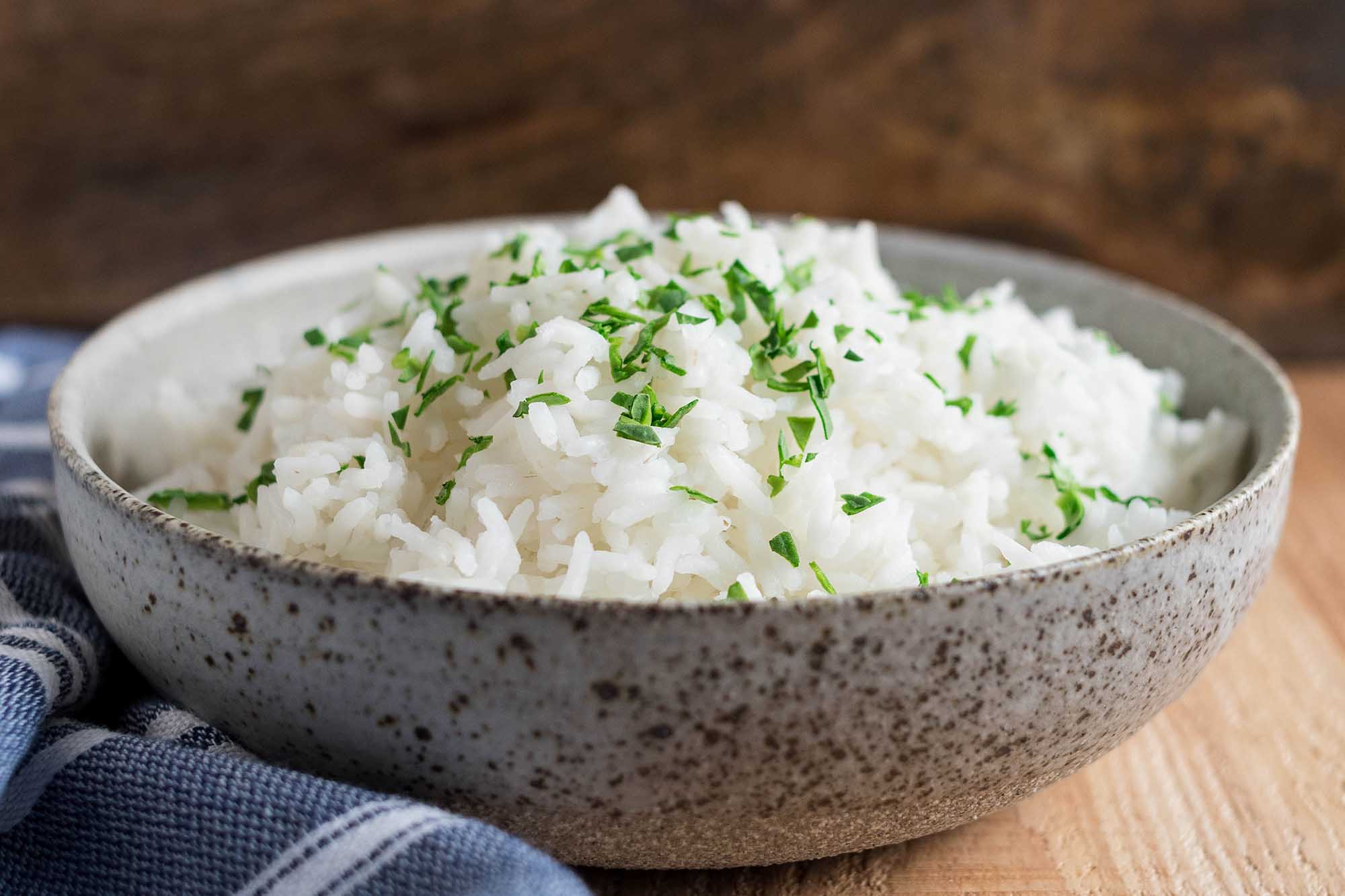
    Hyundai Department Store is hoping to cash in on Korea’s growing preference for premium rice with Hyundai Rice House, its new chain rice stores. Hyundai Rice House, which opened inside four existing Hyundai Department Stores on Wednesday, offers around 20 different types of high-quality rice unfamiliar to the average rice eater, such as Youngho Jinmi and Golden Queen No. 3.

    Despite changing tastes in Korea that are seeing a growing preference for Western food and an overall decrease in demand for rice, premium rice is growing in popularity.

    Hyundai Department Store reported a 3.1 percent decrease in its rice sales growth figures through November this year compared to the previous year, but sales of premium rice such as Koshihikari and Hitomebore have increased by 15.7 percent over the same period.

    Hyundai is pulling out all the stops to satisfy Korea’s budding rice connoisseurs, and the new stores will also sell bags of rice that contain different varieties mixed together in combinations chosen by a “rice sommelier.”

    The expert, accredited by the Corporation of Rice-Cooking of Japan, will also visit stores once every month to conduct “rice taste consulting” for customers to help them find rice that best suits their tastes and nutritional needs.

    The department store is also going to stock more small bags of rice to address the increase in one or two-person households in the country.

    Hyundai will continue to increase its rice lineup next year by introducing other Korean regional specialties produced only in small quantities.

    “[We] planned Hyundai Rice House to target customers who want to eat well even for one meal as the convenience food market continues to expand with the increase of one and two-person households,” said a Hyundai Department Store official.

    Customers will have to shell out more cash for the pricey rice as the average cost is 15 to 25 percent higher than the existing rice sold at the department store.

    The specialty store is located at Hyundai Department Store’s branches in Mok-dong, western Seoul; Pangyo, Gyeonggi; Ulsan and Busan.

  • Vietnam to work on cheaper premium Japanese beef

    Vietnam to work on cheaper premium Japanese beef

    Vietnamese businesses are racing to raise upmarket Japanese cattle at home to produce cheaper Wagyu beef. Beef from cattle raised in Vietnam is 2-4 times cheaper than imported ones. Two years ago, Huy Long An Limited Company in the southern province of Long An imported thousands of Wagyu cattle, from which the famous Japanese beef is produced.

    Vo Quang Huy, the company’s director, said his company has signed a deal with Japan’s Sawai Farm to develop a farming model for Wagyu beef in Vietnam.

    “We are selling the beef on a trial basis to hotels and restaurants. The product will hit the markets in 2019, when production is stabilised. Although it’s difficult to raise them (Wagyu) in Vietnam, they’re worth a lot,” Huy said.

    He said a kilo of Wagyu beef can sell for VND700,000 ($30) to VND1 million ($42.84) a kilogram.

    Like the Huy Long An company, the Kobe Beef Vietnam company has also been breeding Wagyu cattle in the Central Highlands province of Lam Dong. Nguyen Tri Vu, general director of the company, said he imported genetic material for the Japanese breed from the U.S.

    The company is currently rearing 420 cows, and on average sells one every week. Each cow is worth VND200-250 million ($8,567- 10,708), many times higher than that of other cow breeds in the market today. Each kilogram of ‘Viet Wagyu’ sells for VND2-4 million ($85.67- 171.34) per kilogram.

    “This beef is mostly sold to restaurants, hotels and gourmets, mainly in Hanoi, Ho Chi Minh City and Da Lat. This is a premium breed. It costs VND150,000 ($6.43) a day to feed one cow. They are also fed some materials that have to be imported, hence the high price,” Vu said.

    Local beef now costs from VND100,000-500,000 ($4.4-22.02) per kilogram.

    Other Japanese farms have also announced their intention to start raising cattle in Vietnam.

    Speaking on the potential of the market, an agriculture expert said that demand for Japanese beef was increasing, but among those with high earnings.

    Import prices are relatively high, with the cheapest around VND1 million (($42.84)) per kilogram and the most expensive nearly VND19 million ($815.89), and the average ones at VND9 million ($386.47) per kilogram. On the other hand, beef from cattle raised in Vietnam have very competitive prices.

    However, if the local breeders do not establish good brands, they could lose market share to products of no clear origin, he said

    Vietnam’s cattle industry is failing to meet the country’s increasing demand for beef, forcing local consumers to turn to imported products, the expert added.

    Last year, the country imported more than 262,300 live cattle, and nearly 42,000 tons of beef and buffalo meat valued at more than $410 million, according to the Animal Husbandry Department under the Ministry of Agriculture and Rural Development.

    The deputy director of the department, Tong Xuan Chinh, said Vietnamese people’s diets have changed drastically in recent years, and they’re now eating more beef and buffalo meat.

    Average consumption has doubled to 5-6 kilograms of beef and buffalo meat per year in the past decade, but the cattle industry has been unable to keep up with the rise in demand. Local supplies of beef and buffalo meat only meet 80 percent of the current demand, he said.

  • Cafe Leitz opens in Raffles Hotel Singapore

    Cafe Leitz opens in Raffles Hotel Singapore

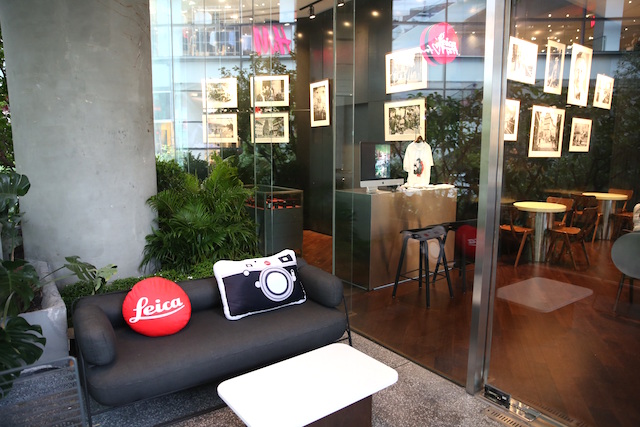
    German photography brand Leica has reopened at Raffles Hotel with a line of wristwatches and a cafe. The opening debuts Leica’s Cafe Leitz in Singapore, based on its German flagship and serving a variety of coffees and petit fours. The store, launched on the site of the brand’s original Singapore location, features a new experiential retail concept that showcases Leica’s iconic cameras while drawing visitors towards its first line of digital watches in Southeast Asia.

    Leica enters the watchmaking industry alongside a pewter and silver collaboration jewellery line with Royal Selangor exclusive to Leica Store Raffles, featuring subtle references to the Leica camera. The store hosts a gallery space for classic Leica photography.

  • Haidilao hot pot debuts in Vietnam

    Haidilao hot pot debuts in Vietnam

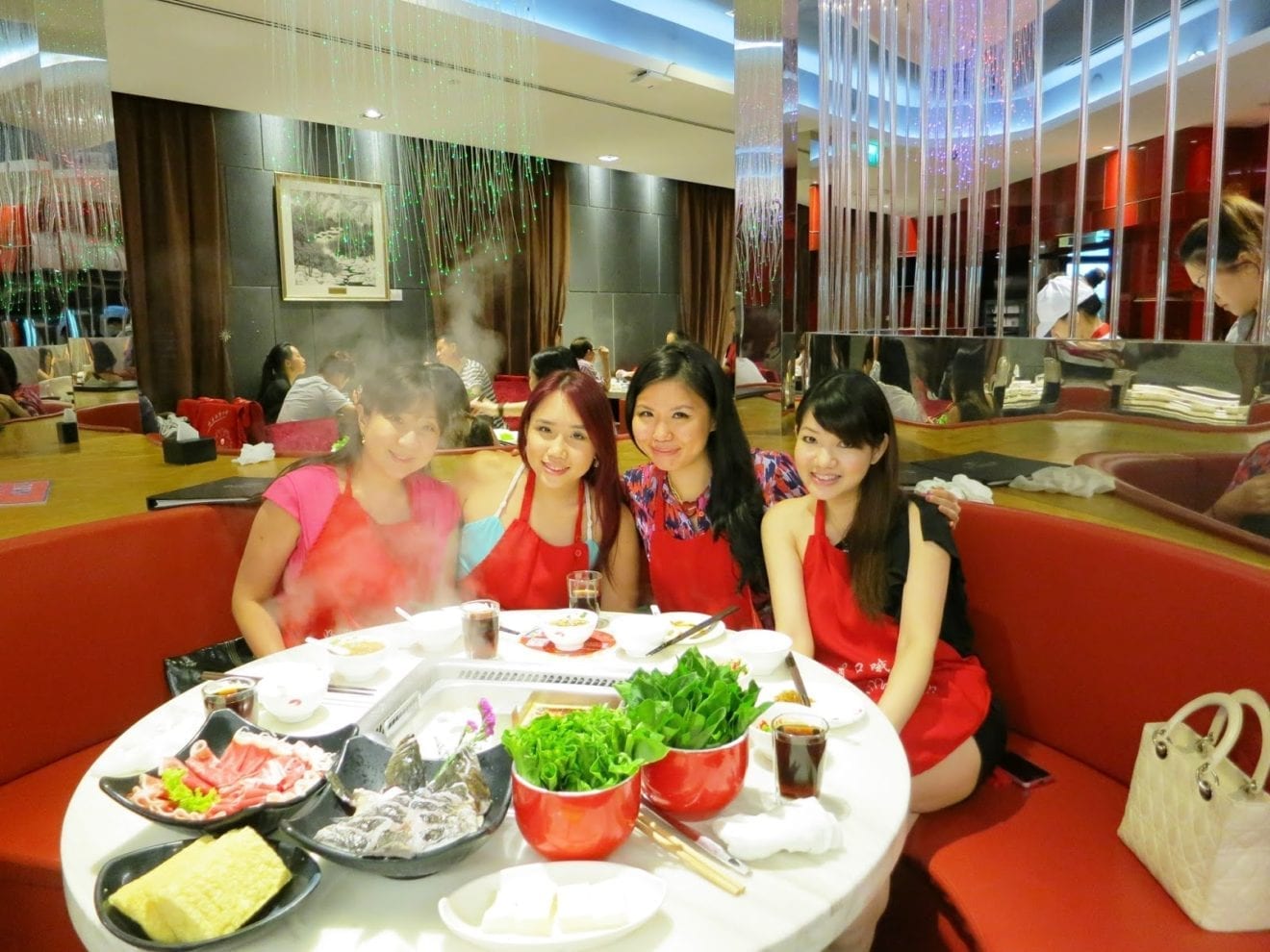
    Chinese hot-pot chain Haidilao is to open its first outlet in Vietnam. The outlet is located on the second floor of the 68-story Bitexco building in Ho Chi Minh City. Without revealing the opening date, the company has been recruiting office staff and restaurant crews for its Vietnam debut. Hai Di Lao Viet Nam Holdings Company was established in August, headquartered in Hanoi.

    Founded in 1994, Haidilao serves Sichuan-style hot pot integrating features from all over China. Until now, the chain has opened 29 restaurants overseas, including in Japan, Singapore, South Korea, and the US.

  • South African restaurant chain Barcelos to add 12 restaurants in India by FY’20

    South African restaurant chain Barcelos to add 12 restaurants in India by FY’20

    South African restaurant chain Barcelos is looking to add 12 more to its kitty in India by the end of 2019-20 as part of an expansion plan, a senior company official said. The company has one restaurant each in Delhi, Lucknow, Kolkata, Jaipur, Hyderabad, Chennai and two in Mumbai.

    “We plan to add 12 more restaurants across the country by the end of next fiscal year,” Rohit Malhotra, Business Head India, Barcelos said.

    According to a report: The new restaurants would be in Bengaluru, Pune, Goa, Chandigarh, Kochi, Puducherry, Mumbai, among others, he added. The company is also planning to rename all its big restaurants (area of 1,500 square feet or above) by March next year, Malhotra said.

    Barcelos is also looking to open between 10 to 12 smaller outlets in food courts in the country. Such outlets will have area between 300-500 square feet, he added.

    When asked about the business model Barcelos follows in India, Malhotra said: “All the outlets are franchise owned. Barcelos works through franchise model in India.”

    Regarding investments to expand Barcelos’ presence in the country, he said it will be mainly on research and development for menus, supply chain, marketing and training.

    Barcelos started operations in 1993 in Pretoria in South Africa. The company is present in 22 countries, Malhotra said.

  • Little Caesars Pizza Philippines is opening soon

    Little Caesars Pizza Philippines is opening soon

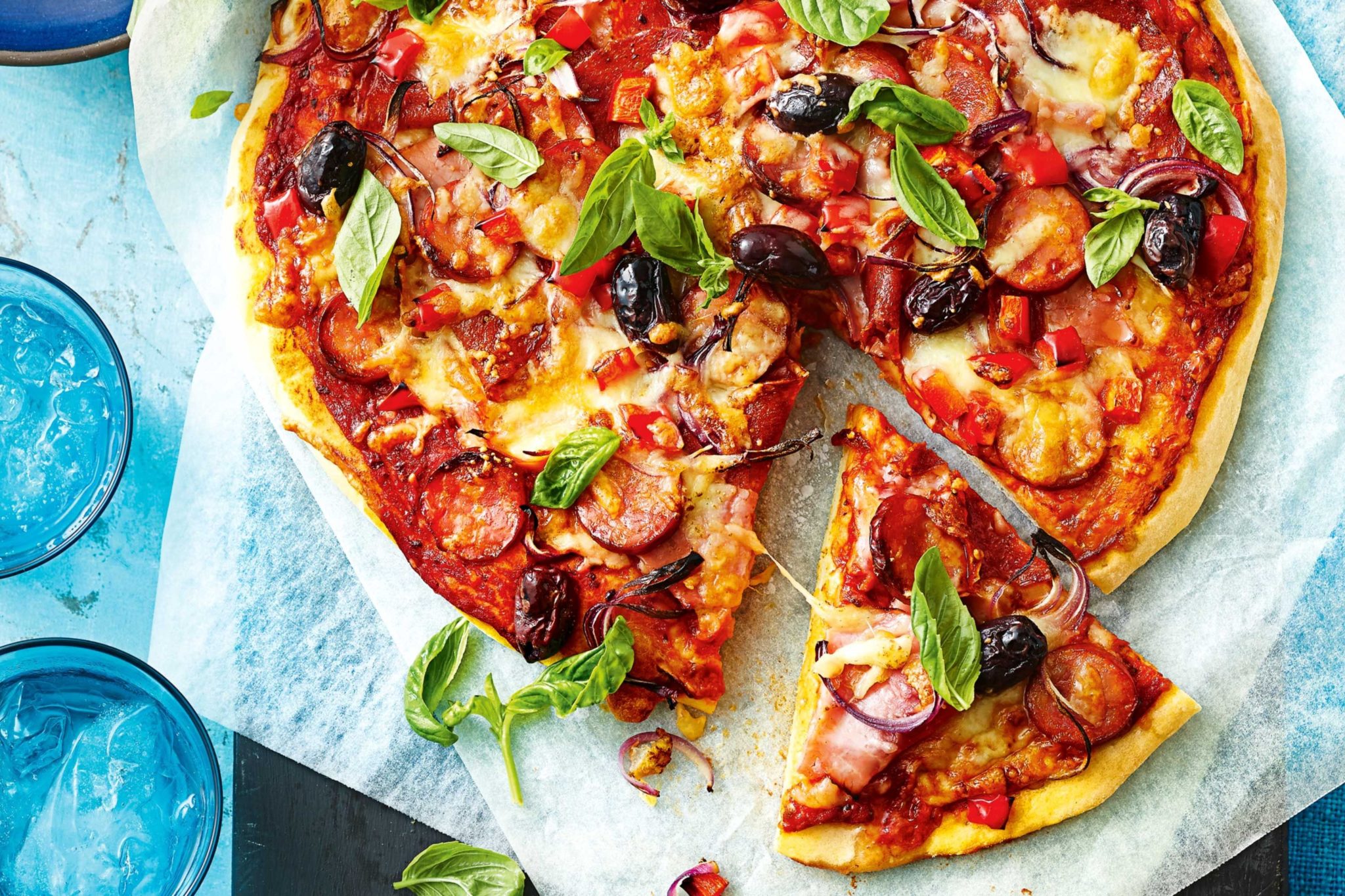
    Little Caesars Pizza Philippines will launch with its first restaurant next month. The move continues the expansion of the brand’s international footprint with new restaurants in Southeast Asia. The first restaurant to open under the new franchise relationship with local operator Palmtree PH Foods Corp will be located at the Metrosquare Building in Manila.

    Senior VP of International for Little Caesars Pizza Paula Vissing said he believes the Philippines is a perfect fit for the company’s international expansion due to its strong affinity for both pizza and value.

    Palmtree owner James Kodrowski, who manages a group of companies that operate in the region, said: “Little Caesars Pizza is exactly what this market needs … We believe that the Hot-N-Ready concept will have undeniable market appeal, as well as our commitment to excellent guest service, and superior value. It is our ambition to make Little Caesars the new favorite pizza of the Philippines.”

    Little Caesars is the third largest pizza chain in the world, currently operating in 23 countries and territories. It will also open its first location in Singapore in January.

  • Jollibee opens first Malaysian outlet in Kota Kinabalu

    Jollibee opens first Malaysian outlet in Kota Kinabalu

    Jollibee Malaysia has opened its first outlet – in the beachside city of Kota Kinabalu. CEO Ernesto Tanmantiong said opening in Malaysia marked a new chapter for the group. “We invite Malaysians to come and see for themselves why people line up for hours.”

    Jollibee Foods head of international business, Dennis Flores, said Jollibee is beloved throughout Asia, because it appeals to diverse tastes and cultures.

    “This has propelled us to become the fastest-growing Asian restaurant company, and we are thankful for the overwhelming support. It drives us to do better for our customers, and to continue to serve delicious food with our signature warm service.”

    The Jollibee Malaysia opening follows the brand’s recent expansion into London and Manhattan as its rapidly expands its global store network to surpass 4300.

    After making its debut in the capital of Sabah, Jollibee Malaysia plans further outlets in major cities across the country.

  • Homeplus hosts 1st beer sommelier competition

    Homeplus hosts 1st beer sommelier competition

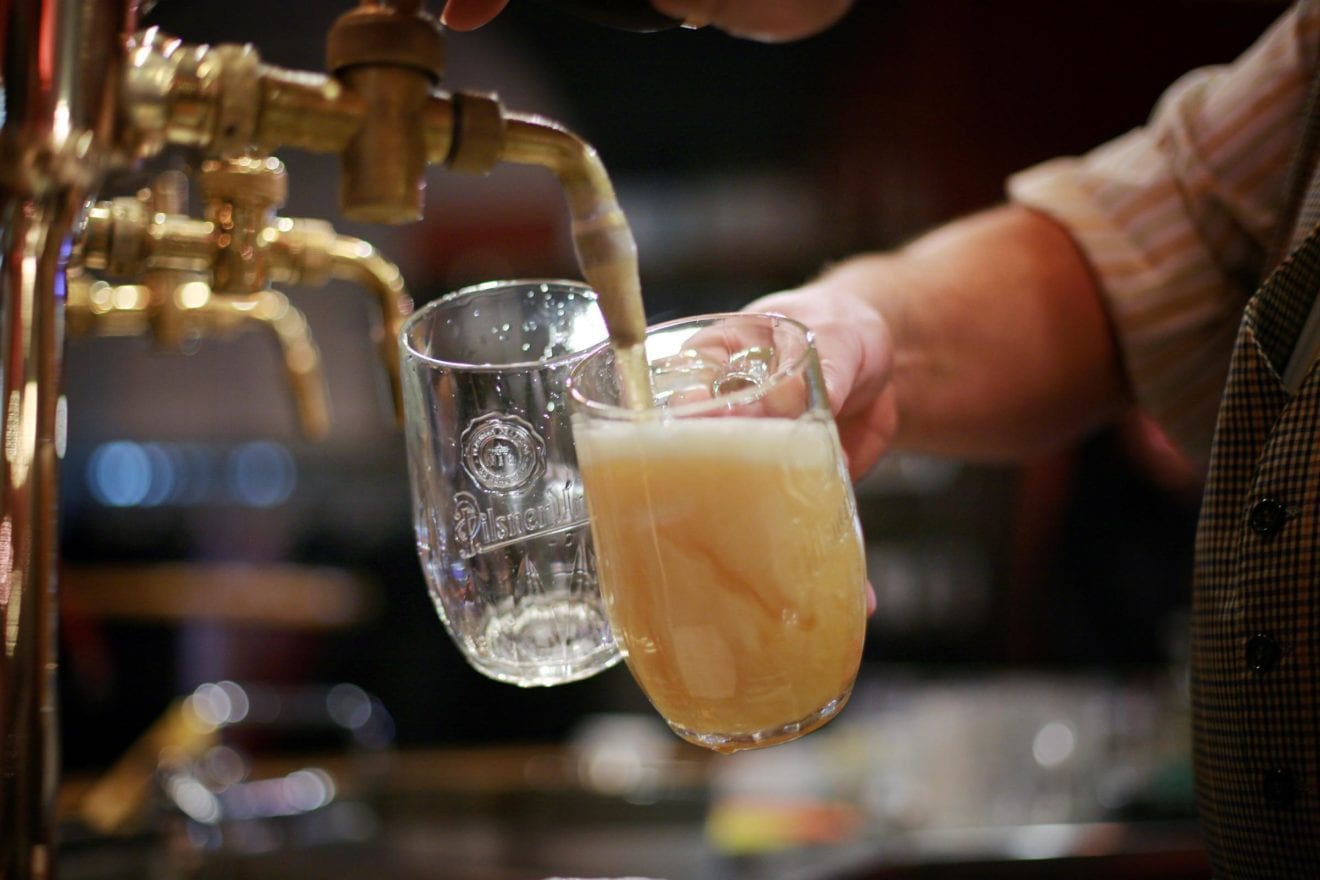
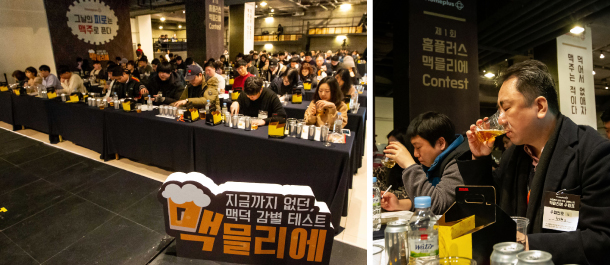
    Twenty-seven people have been awarded the auspicious title of beer sommelier by discount chain Homeplus. The discount chain’s first Macmelie Contest – macmelie is a portmanteau of the Korean word maekju, or beer, and sommelier – on Saturday saw 200 contestants gather at a convention center in Gangnam District, southern Seoul, to take a comprehensive test for a chance to become Homeplus-certified beer sommeliers.

    A total of 10,000 people had taken an online preliminary test to qualify to attend the Macmelie Contest.

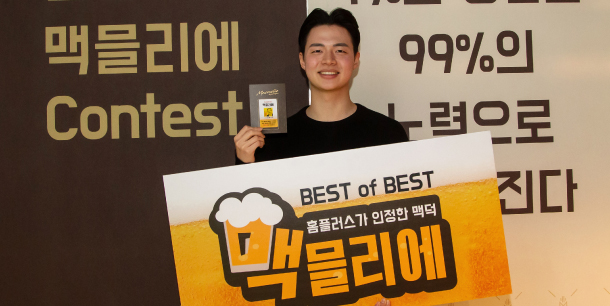
    The 27 contestants who passed the test on Saturday with over 70 points out of a 100 were awarded Macmelie ID cards. They were also given the opportunity to be the first to try out Homeplus’ newest beer imports and work together with the company to develop new beer products.

    The test included a written paper, worth 60 points, and a more interactive round – inevitably including a beer tasting test – worth 40 points.

    Some of the written questions tested contestants’ basic knowledge of beer, for example by asking for the German city that hosts Oktoberfest or the brew’s four core ingredients. Other questions were more difficult. One asked for the historic period when Duke Wilhelm IV of Bavaria adopted the German Beer Purity Law, while another asked for the number of indents that beer bottle caps have.

    The interactive questions were also challenging. Contestants had to guess how many milliliters of beer a cup held and also identify beer types by taste.

    Lee Ik-jin scored the highest out of all contestants with 84 points. “I didn’t expect to win first place, but I think my experience drinking a lot of beer in the past helped.”

    Homeplus currently offers around 690 types of local and foreign beer. The company says it hopes to enrich Korea’s beer consumption culture through its Macmelie contest.

    “We’ve been offering beer from around the world to meet rising demand that we are now even called the beer mecca,” said Kim Min-soo, a brand marketing manager at Homeplus.

  • Global grocery markets growth fuelled by Asia, says IGD

    Global grocery markets growth fuelled by Asia, says IGD

    Global grocery markets are likely to generate an additional US$1.9 trillion in sales by 2023, led by Asian countries, according to new research data. The IGD forecast, based on IMF, World Bank, UN and Oanda base data, predicts Asia will see the strongest real growth – from population growth or consumers spending more on grocery – and is set to account for 47 per cent of the additional spend between 2018 and 2023. The forecast anticipates that nearly half (44 per cent) of extra sales will be created in Asia, which will add more than Africa, Europe and Latin America combined.

    Asia as a region will contain seven of the largest global grocery markets by 2023, with a combined market size of US$3.8 trillion.

    On growth in Asia, Nick Miles, head of Asia Pacific at IGD said: “China’s grocery market is expected to continue growing over the next five years, establishing itself as the largest grocery market globally. While growth varies between markets across Asia, countries such as India, Indonesia, Pakistan and Vietnam will continue to grow in importance for retailers and suppliers given the large populations, improving levels of GDP per capita and the development of modern trade. Retail partnerships have also in some cases helped retailers accelerate growth ahead of the market, and we expect more of these relationships to emerge and develop over the next year.

    “Grocery growth in Asia continues to benefit from a rapidly growing middle class, fast development and adoption of new technology, improved infrastructure and logistics networks, plus improvements to retail standards. Modern trade retailers continue to expand their store networks and improve existing operations.

    Meanwhile, traditional trade still plays a role, with mom-and-pop stores modernising their offerings and tailoring services to local communities. In countries like China and India this is being aided by online retailers such as Alibaba and Amazon.

    “Across Asia the pace of development and focus of retailing varies by market. However, online is expected to be the fastest growing channel regionally over the next five years,” said Miles.

    “Online grocery retailing is already well established in countries like South Korea, Japan and China and we expect the share of sales accounted for by channel in these markets to increase to over 10 per cent by 2023.

    While online grocery retailing is growing rapidly across Southeast Asia we expect it to still account for less than 2 per cent of sales in most markets in five years’ time.”

  • Luckin Coffee worth $2.2 billion in quite short time

    Luckin Coffee worth $2.2 billion in quite short time

    Fast-growing Chinese cafe chain Luckin Coffee has raised US$200 million in its latest funding round, effectively valuing the company at a stunning $2.2 billion. That’s up to $700 million more than its value was estimated just one month ago when the quest for funding was announced.

    Launched only in January, the company had already opened more than 1700 outlets in 21 Mainland China cities by last month. Its rapid growth is based on an inexpensive delivery service concept and online ordering system.

    An aggressive competitive strategy involves an IT-focused approach whereby all customers must purchase coffee via an app, with which they can then monitor brewing progress via livestream. Its pricing is considerably less than Starbucks.

    Luckin said the latest funding round was led by Singapore Government sovereign wealth fund GIC and China International Capital Corp. They were likely attracted by a mid-term plan for an IPO of the Luckin business in either Hong Kong or New York. GIC was a participant in a similar capital raising in July.

  • Deliveroo is opening first restaurant in Hong Kong

    Deliveroo is opening first restaurant in Hong Kong

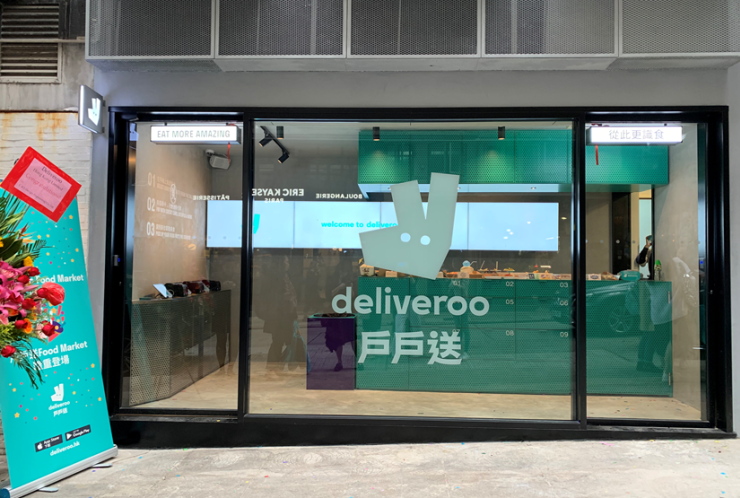
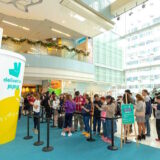
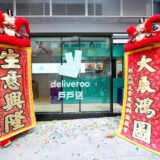
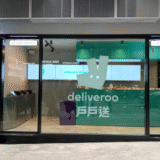
    A Deliveroo restaurant has opened in Hong Kong in a trial which, if successful, could see its own-branded eateries opened globally.

    Called Deliveroo Food Market, the outlet will serve as both a kitchen for delivering online orders, and a customer-facing storefront where diners can choose between 15 dining concepts.

    The 1500sqft kitchen which cost HK$7.5 million (US$960,000) to build, does not have seating for dine-in.

    “We find there is an opportunity to bring our online to offline model to our customers,” Brian Lo, Deliveroo GM said.

    With Hong Kong boasting some of the most expensive rental prices of any major international city, the pressure on restaurant operators to develop concepts which perform is very high.

    “This model works very well for them,” said Lo.

    The debut Deliveroo restaurant will open in Sai Ying Pun as an extension of the brand’s Editions program, where eateries share kitchen space to fulfil Deliveroo delivery orders.

    Five restaurant brands will share the Deliveroo restaurant space in Hong Kong, offering a combined 15 concepts: Chinese chain Crystal Jade, Pizza Express, Pololi Group, Beef & Liberty and Red Sauce Hospitality.

    Singapore-headquartered Crystal Jade is using the kitchen to launch Lao Er and Brother Kwok, two delivery-only virtual brands targeting younger consumers by offering a modern twist on traditional noodle and fried rice dishes.

    “This is a location we can have a closer touch with the residents nearby and understand their dining behaviour,” said Wincy Cheung, Crystal Jade’s assistant marketing & communications director. “It allows us to test our new brands. If we opened a physical store, we’d have to consider a lot of things. This delivery platform allows us to reach more customers at a location that we’re not already in,” she said.

    Another participant in the trial is Pizza Express which plans to test a new concept called The Pasta Project.

    “Deliveroo’s Food Market allows customer-facing trials of new concepts to launch in market much faster, just as we have done with The Pasta Project,” said Pizza Express MD of international, Liam Collette.

    He stressed that restaurants are not going to be eliminated by delivery and the company will continue to expand.

    Pololi Group will offer Shaka with American-style sushi rolls and Killer Golden Bird with fried chicken, while Beef & Liberty is debuting the vegetarian and vegan Leaves & Liberty concept, using Impossible Meat.

    Lo said virtual restaurant brands are already supporting the business of Deliveroo’s partner restaurants. Kai, which serves up customised poke bowls, and Blazed offering Hawaiian BBQ platters are both virtual brands launched by Pololi Limited at the first Deliveroo Editions site, a so-called ‘dark kitchen’ in Wan Chai cooking only for delivery orders, without a customer interface. Both brands have succeeded as a delivery concept, leading to brick-and-mortar stores.

    Sai Ying Pun appeal

    Deliveroo chose Sai Ying Pun as home for its first Food Market due to the neighbourhood’s fast-expanding food, drink and cafe scene, which is attracting local and expat foodies alike. Deliveroo is also working with partner restaurants to create new corporate-specific offerings for the growing number of businesses now moving into SYP and surrounding districts such as Kennedy Town and Sheung Wan.

    “Residential projects, business development and cultural sites are flourishing in the western districts of Hong Kong Island, and yet many popular restaurant brands have little presence in the area,” said Lo.

    “Sai Ying Pun is an exciting location for future growth and we are pleased to offer our partners restaurants more reach into this vibrant district and its surrounding areas. In the coming year, Deliveroo will be looking for more opportunities to expand into Kowloon and the New Territories to bring our Food Market concept to more customers across Hong Kong.”

    The Sai Ying Pun location is expected to employ up to 30 on-site staff in its kitchen and customer spaces.

    View the gallery below (5 images) :

  • Lotteria burgers get 2.2% more expensive

    Lotteria burgers get 2.2% more expensive

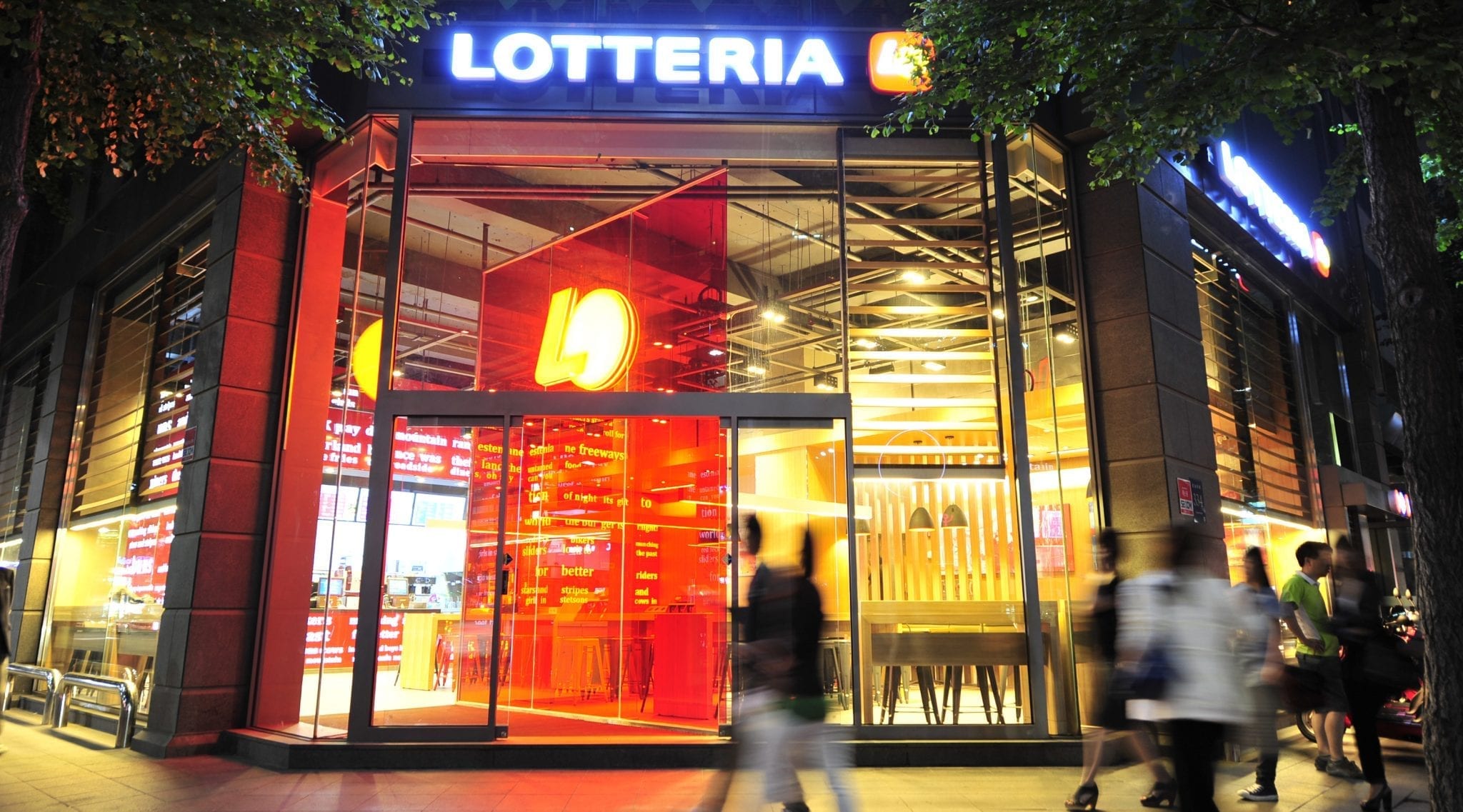
    Lotteria is raising burger prices. The fast food franchise announced Wednesday that it was going to raise the price of 11 of its burgers by an average of 2.2 percent. Its Teri Burger, for example, will now cost 2,300 won ($2.04), up from the original 2,000 won. The price of the Classic Cheese Burger will rise from 4,000 won to 4,200 won.

    “We have decided to increase prices due to economic factors, but hope to offer customers higher quality and service,” read a statement from the franchise.

    Cafe franchise Angel-in-us Coffee also announced it would raise prices of 17 of its beverages by an average of 2.7 percent, or 200 won. Both Lotteria and the cafe chain are operated by Lotte GRS, the food business subsidiary of Lotte Group.

    Angel-in-us cited higher prices of ingredients – like coffee beans and milk, as well as higher labor costs – for the beverage price hike.

  • Bo’s Coffee plans big expansion ahead

    Bo’s Coffee plans big expansion ahead

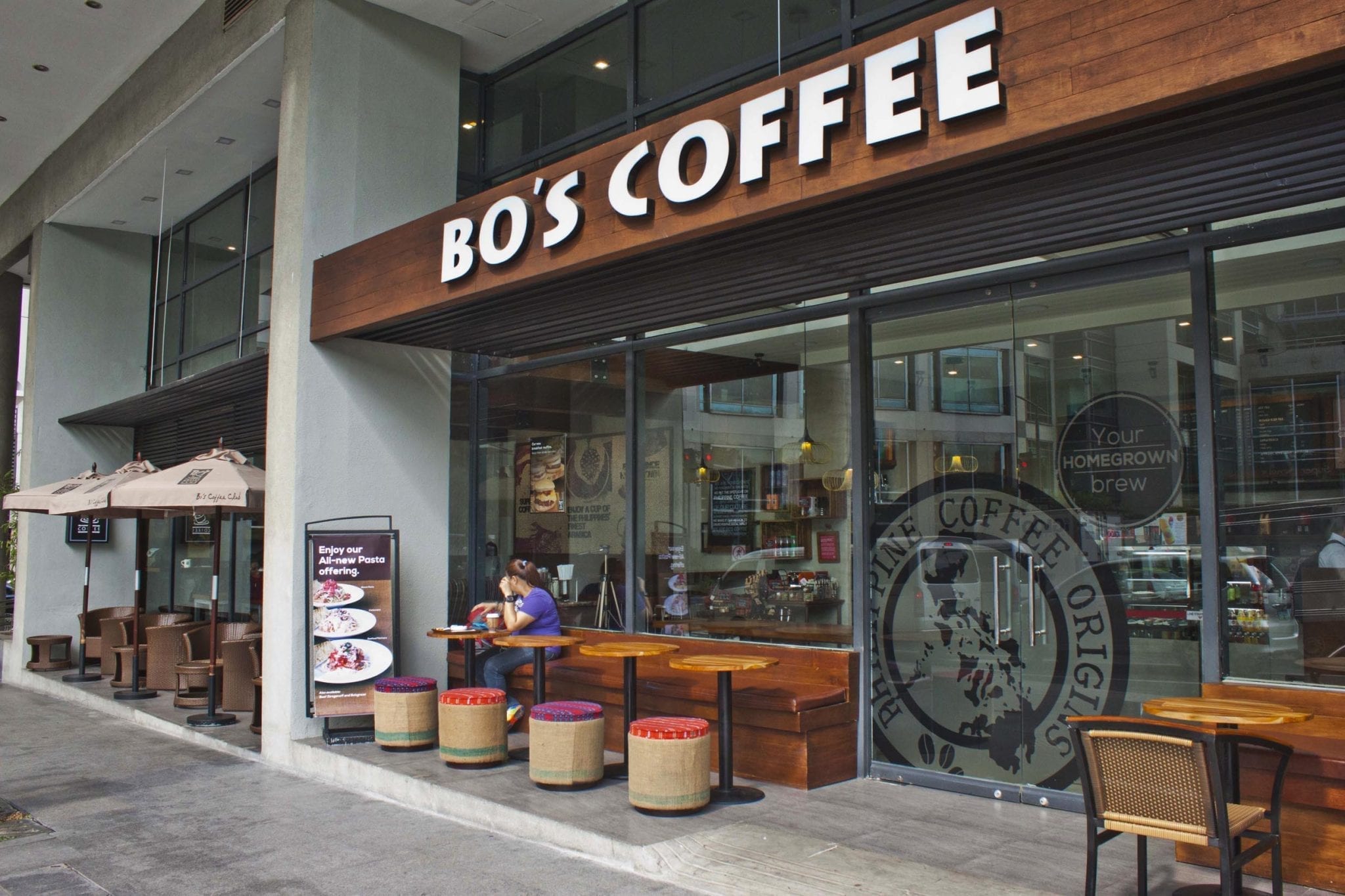
    Filipino cafe chain Bo’s Coffee plans to more than double its store network within four years and is also eyeing expansion into the Middle East. In an interview, founder Steve Benitez says the ambitious growth plan has been fuelled by strong local demand. With 103 cafes currently, Benitez is targeting between 200 and 250 by 2022.

    “Our job is to make sure that we are able to popularize coffee and be able to supply so much, not only in the Philippines but globally,” he said.

    In its home market, Bo’s Coffee, which was founded in 1996, will be targeting Luzon, especially given the brand has “only scratched the surface” there to date.

    In the Middle East, Bo’s Coffee plans to open a second store in Qatar shortly, followed by three more within two years. Other markets in the region are now in its sights.

    The expansion plans will be accelerated following an investment by Philippine-focused Navegar Fund which was attracted to Bo’s Coffee by its efforts to support local coffee-growing communities.

    “Seventy to 80 per cent of our coffee beans are sourced locally,” said Benitez. “We were trailblazers. We started featuring Philippine coffee and the other shops followed after.”

    Bo’s Coffee recently opened a 300sqm flagship store in Cebu which supports social enterprises by partnering with local micro-small entrepreneurs in their store interiors, products, and merchandise inside.

  • Pezzo Pizza debuts in Brunei

    Pezzo Pizza debuts in Brunei

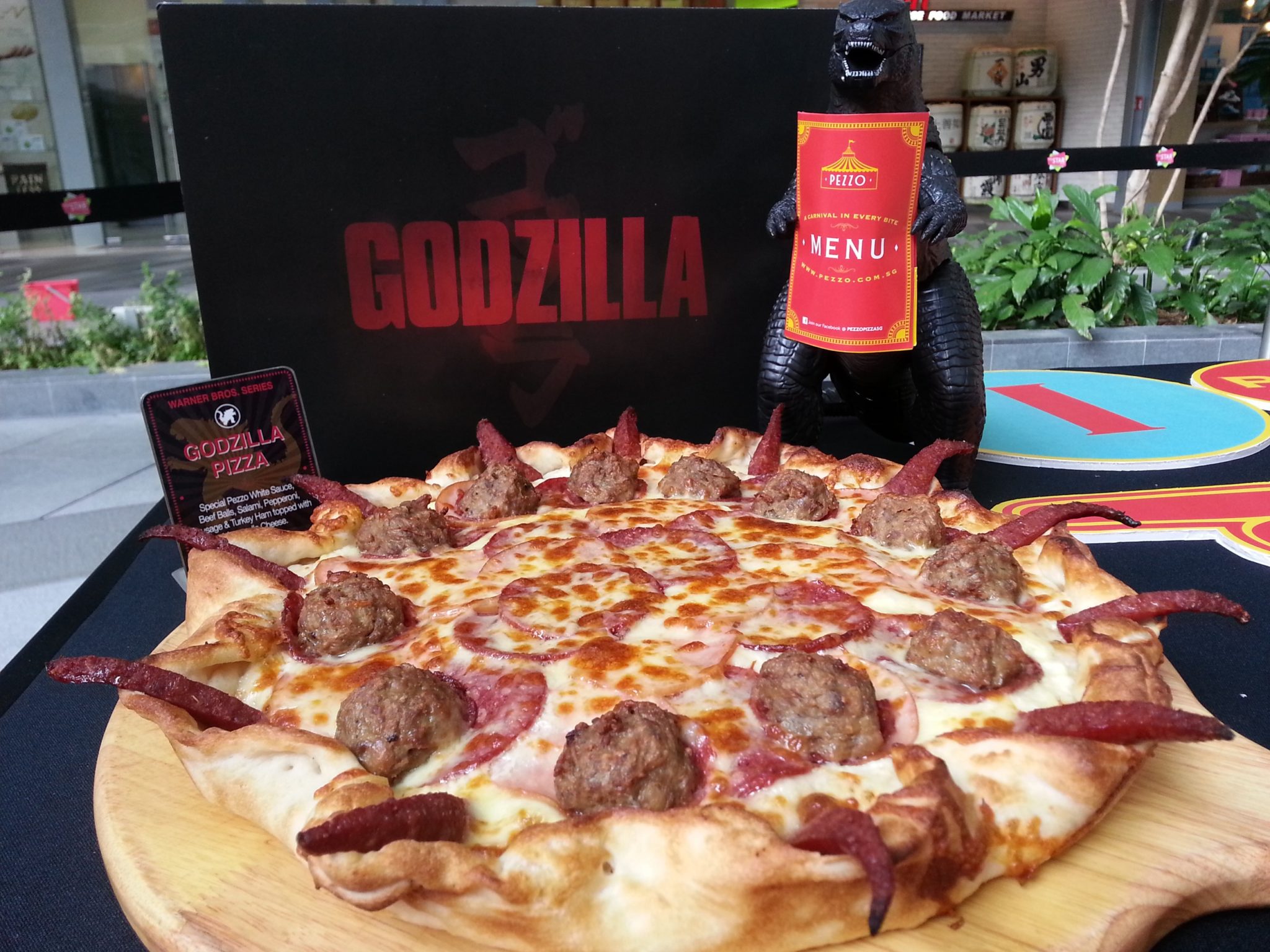
    International pizza franchise Pezzo has launched in Brunei Darussalam. The brand, operating under Satami Group of Companies, features a “Grab & Go” kiosk serving pizza by the slice for immediate purchase, and a “mix and match” pizza purchase option, whereby customers can collate their own pizza out of 12 different flavours. The brand stakes its reputation on generous toppings with shredded mozzarella cheese.

    Pezzo, best-known for its circus-themed design, is exclusively using ingredients certified under the Brunei Halal procedure in the store.

    In May of this year, Pezzo launched in Cambodia. The company now boasts more than 120 kiosk outlets, mainly in China, Indonesia, Malaysia, Myanmar, Philippines, Singapore and Thailand.