Category: Food

Retail News Asia is committed to providing both local and global retailers with the latest Food and Food & Beverage news throughout the Asian market. This on a daily base.

  • BreadTalk to open 1st Din Tai Fung restaurant in London by end-2018

    BreadTalk to open 1st Din Tai Fung restaurant in London by end-2018

    Taiwanese dumpling chain Din Tai Fung has opened in Covent Garden, London. The new 8000sqft Din Tai Fung London eatery is the franchise’s 153rd globally, and is the first of at least two outlets planned for the city. A second store is planned for Centre Point next year.

    The Din Tai Fung London store has been launched by Taster Food UK in partnership with Singapore-based BreadTalk Group.

    BreadTalk Group CEO Henry Chu said: “The group will leverage on our experience of operating Din Tai Fung in Singapore and Thailand, and the strength of our overseas partners to continue the tradition of delivering an authentic Taiwanese dining experience to Londoners.”

    Brand founder and chairman George Quek commented that there is potential to open 20 Din Tai Fung outlets in Britain, serving as a starting point for further expansion into Europe.

    Din Tai Fung has already opened in Australia, China, Hong Kong, Indonesia, Japan, Malaysia, Philippines, South Korea, the US and the UAE. It was recognised by the New York Times in 1993 as one of the world’s top 10 restaurants.

  • Japan Foods in regional tie-up with Minor Singapore

    Japan Foods in regional tie-up with Minor Singapore

    Japan Foods has entered a joint venture with Minor Singapore to support each other’s operations in Japan, Thailand and China. Japan Foods is to operate the partners’ Thai restaurants in Japan and support Japanese cuisine operations. Minor Singapore will meanwhile run Japanese outlets in Thailand and China, supporting the preparation of Thai cuisine.
    The JV is being funded by a combined shareholder loan of $2.3 million to be disbursed equally for working capital. Japan Foods will fund its half of the loan with internal cash resources.

    Japan Foods executive chairman and CEO Takahashi Kenichi said he believes the expanded network will “make us more attractive as a franchise partner to Japanese brand owners who may be looking to expand beyond their local market”.

    Minor Singapore executive chairman and CEO Dellen Soh said the partnering firms “share many synergies, including strong brand portfolios and good operating track records”.

  • Cheese tea bakery cafe Nayuki launches debut store in Singapore

    Cheese tea bakery cafe Nayuki launches debut store in Singapore

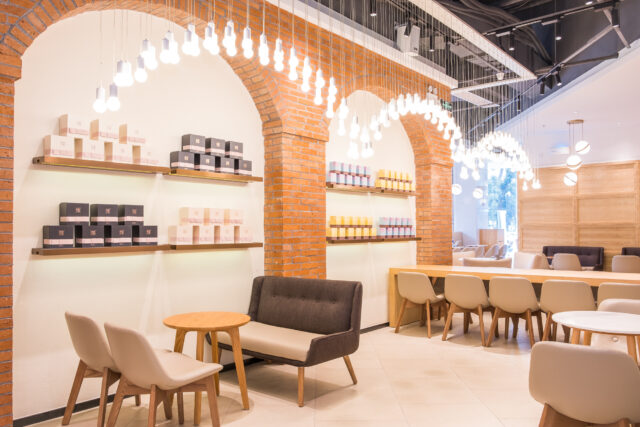
    Chinese tea bakery Cheese Tea Bakery Nayuki has launched its first overseas store at VivoCity. The popular brand, credited as a forerunner in pairing fruit teas with soft European-style bread items, is offering a one-for-one promotion to celebrate the opening. A wave of similar businesses has emerged within China and throughout the region following the brand’s business model.

    Cheese Tea Bakery Nayuki is entering the Singaporean market under a joint venture agreement with local bakery franchise BreadTalk Group.

  • 4FINGERS takes full ownership of Mex Out

    4FINGERS takes full ownership of Mex Out

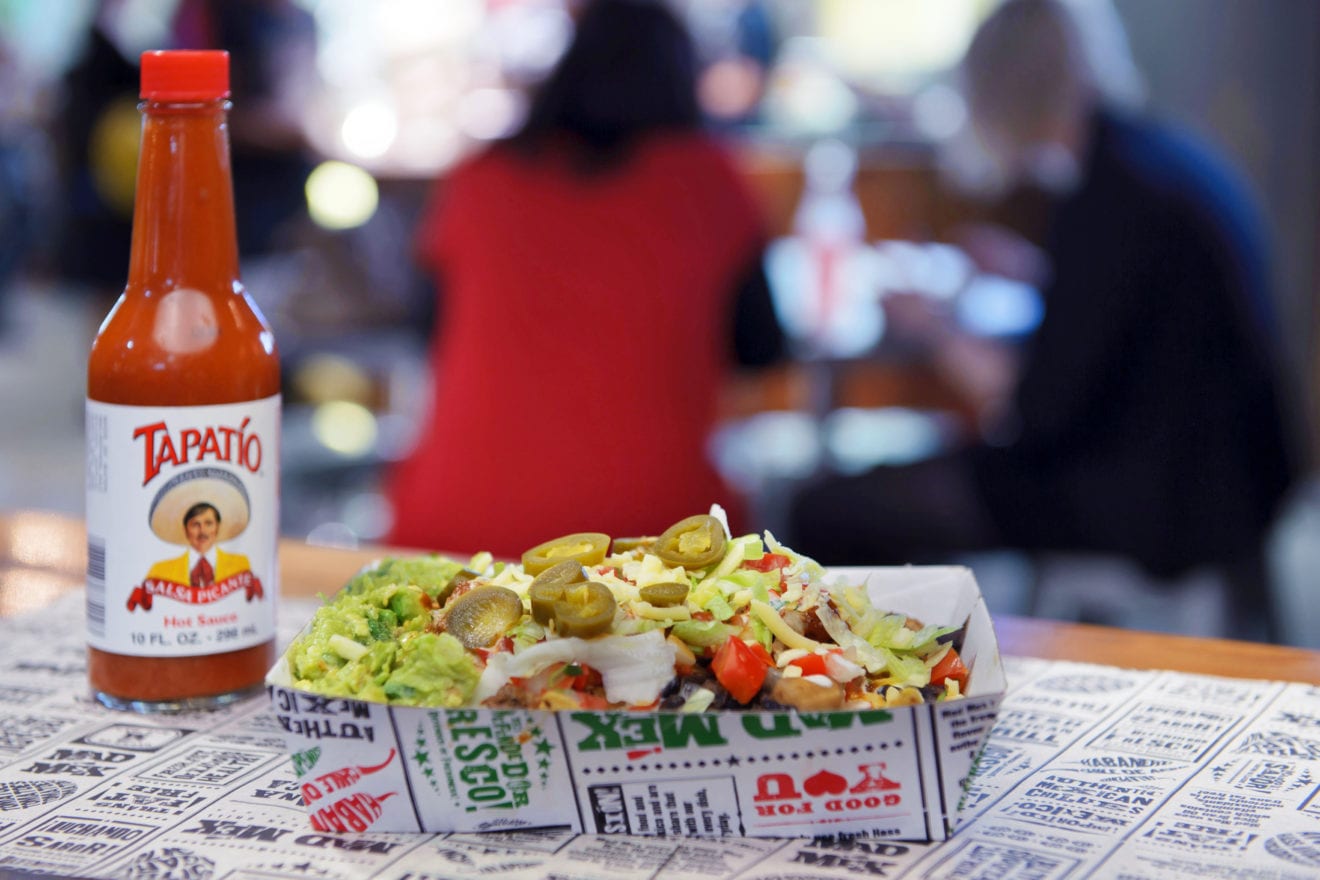
    4FINGERS Group, the group behind innovative fast-casual dining brand 4FINGERS,  announced its acquisition of Mex Out, one of Singapore’s leading Mexican food concepts. This acquisition is part of the group’s plan to accelerate Mad Mex’s roll out in Singapore, following its recent acquisition of a 50% stake in the leading Australian Mexican quick-service restaurant (QSR) brand.

    4FINGERS Group intends to re-brand the four Mex Out outlets into Mad Mex establishments from the first quarter of 2019, making Mad Mex one of the largest Mexican food and beverage concepts in Singapore by revenue.

    Until then, Mex Out will continue regular operations.

    This buyout continues the Group’s push into the growing fresh and healthy segment in the F&B industry and its commitment to bring Mad Mex to Southeast Asia.

    “We are excited to be able to so quickly establish Mad Mex’s presence in Singapore, and are entering an exciting new phase. With Mad Mex’s strong brand and proven track record, we are very confident of its growth in the region,” said Vijay Sethu, Director of 4FINGERS.

    This acquisition also enables the Group to further capitalise on menu innovation, shared services and other economies of scale.

    4FINGERS continues to grow their flagship brand, and with the current focus on growth outside of Singapore, the brand looks to close the year with 14 4FINGERS outlets in Malaysia.

    The brand is also continuing to spread its wings beyond Asia, with their maiden U.S. outlet set to open in Los Angeles in 2019, as well as three new outlets in Australia.

  • Fortnum & Mason Asia sales soars boosted by Hong Kong

    Fortnum & Mason Asia sales soars boosted by Hong Kong

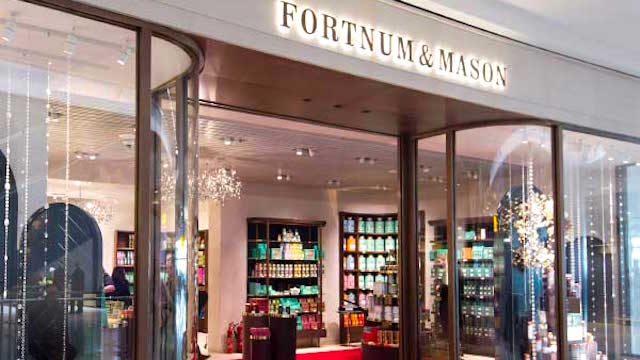
    Fortnum & Mason Asia sales are soaring, prompting the UK luxury-food retailer to plan more stores. In Hong Kong, the chain achieved a 55 per cent increase in sales in the year to July, helping it book a sixth consecutive year of double-digit sales and profit growth. Two new stores are now trading in South Korea – in Shinsegae Gyong-Gi and Shinsegae Gangnam – and options in other Asian markets are being assessed. Another new store opened in London.

    Global sales for Fortnum & Mason grew 12 per cent, reaching £126 million (US$161 million), while profit soared 26 per cent to £9.6 million. The company is now delivering products to a record 125 markets worldwide from its online sales channels.

    Sales at its flagship store in London rose 10 per cent – during a time most department stores in the UK have been struggling to maintain sales growth and profits. Travel retail stores in Heathrow and St Pancras International train station rose 12 per cent.

    “This year has not been without its challenges, but we’re proud to report another exceptional trading period,” said Fortnum & Mason CEO Ewan Venters.

    “By being faithful to our heritage and pedigree, focusing on the creation of extraordinary products and exceptional service, and delivering our world-renowned products to customers anywhere in the world, I am pleased that we are able to meet the growing demand for quality and impeccably-sourced products.”

    He said he was “particularly pleased” with the increased sales of Fortnum & Mason Asia and has great confidence in the two new spaces in South Korea.

  • The Healthy Chef partners with Quantium Solutions to expand into APAC

    The Healthy Chef partners with Quantium Solutions to expand into APAC

    Quantium Solutions, a leading end-to-end logistics service provider in Australia, has announced a partnership with The Healthy Chef, a company founded by internationally lauded chef, nutritionist and award-winning cookbook author Teresa Cutter. The partnership will help the Australian business expand its eCommerce presence in the Asia Pacific, and it is also the first in the Australian food industry for Quantium Solutions.

    Owned by Singapore Post, Quantium Solutions is an established eCommerce logistics solutions provider in the Asia Pacific, operating in 19 markets, and handling every touch point of their partners’ supply chain process, from delivery to fulfilment. It enables major eCommerce companies – including some of the world’s largest fashion and beauty brands, and now, the Australian food industry – to expand their footprint globally.

    Founder of The Healthy Chef, Teresa Cutter is one of Australia’s leading authorities on healthy cooking. She is also known internationally, having designed menus and recipes around the world for InterContinental Hotels Group, and publishing a weekly column for Time Magazine in the USA. Dedicated to improving the health of individuals, Teresa launched The Healthy Chef eCommerce site in 2012 to sell organic, wholefood nutritional products and her bestselling cookbooks to Australians and overseas customers. Since its launch, the eCommerce store has seen consistent year-on-year growth in its online orders.

    The Healthy Chef enlisted Quantium Solutions to help the business take its popular products, such as Whey Protein Isolate and Organic Pea Protein, to more customers overseas. Quantium Solutions will handle its warehousing, packaging and delivery of orders across Australia, New Zealand and around the world.

    Teresa Cutter, Founder of The Healthy Chef, said: “Our customers are our priority, so it’s important that they receive their order quickly and effectively. With Quantium Solutions an order can now take two to three days to reach our customers in the Asia Pacific. If there are any issues with deliveries, we can count on someone there to rectify the situation immediately. Having Quantium Solutions as part of our team is reassuring and enables us to expand with outstanding service.”

    Per Gustafsson, Australia and New Zealand General Manager at Quantium Solutions, said: “We are very excited to have The Healthy Chef onboard as they are our first customer from the food industry. Having worked with major hotels around the world, Teresa has insights to the demands and buying power of overseas destinations. Also, Australia’s proximity to leading eCommerce markets like China, Singapore, and Southeast Asia, makes it ideal for Australian brands to take their products to larger and more lucrative markets. With a well-established network across the Asia Pacific, Quantium Solutions is able to help brands like The Healthy Chef expand overseas.”

  • JD to grow its own vegetables for sale on and offline

    JD to grow its own vegetables for sale on and offline

    JD has partnered with Japanese chemical manufacturing giant Mitsubishi Chemical to open the largest hydroponic “plant factory” in China. The omnichannel retailer says the premium-quality, fresh produce produced at the new facility will provide its customers with new options for safe, nutritious and environmentally friendly food, online as well as offline at its 7Fresh supermarkets.

    The factory spans 11,040sqm and incorporates a hydroponic culturing system with solar light and a closed seedling production environment using artificial light. Currently it can produce spinach, cabbage, red and green lettuce, coriander, among others.

    All crops produced at the site are tracked from the time they are planted to when they are delivered, a step toward the future of food production and retail as consumers worldwide increasingly demand transparency. In China, in particular, consumers place high importance on food safety while the overuse of fertiliser, environmental deterioration, and rapid population increase have caused soil problems.

    In the new facility, temperature, humidity, light, and liquid fertiliser are automatically controlled by the factory’s management system, enabling more standardised production of high-quality vegetables without the challenge of seasonal changes. For example, spinach produced in the facility contains 80 per cent more folate, 32 per cent more vitamin C, 25 per cent more potassium and 37 per cent more phosphorus than if grown in the field. Meanwhile, the technology makes pesticides and agrochemicals unnecessary, reducing the need for washing.

    The factory can produce a higher output of vegetables than traditional agriculture systems; it can grow 19 batches of spinach in a year, compared to just four batches per year in a field or six per year in a greenhouse. It only requires half a litre of water to grow any of the factory’s vegetables. The factory is integrated with JD’s cold-chain logistics network, so vegetables can be delivered to consumers’ tables as soon as the same day they are harvested.

    “The JD Plant Factory in Tongzhou marks JD’s entry into the very beginning of the fresh-food production chain, allowing us to guarantee that the fresh goods we sell have been treated with the care JD applies to everything we do,” said Xiaosong Wang, president of JD FMCG and food businesses.

    “JD’s supply chain technology, logistics network and e-commerce expertise combined with Mitsubishi Chemical’s sophisticated growing technology puts us in an ideal position to create an entirely new model for agriculture, and cultivates a fresh and healthy lifestyle in China.”

    Fresh vegetables from the plant factory will be available on JD.com and at 7Fresh stores from this month. JD and Mitsubishi Chemical will cooperate to introduce more fruits and vegetables in the future.
  • Remodeled M&M’S World Shanghai reopened

    Remodeled M&M’S World Shanghai reopened

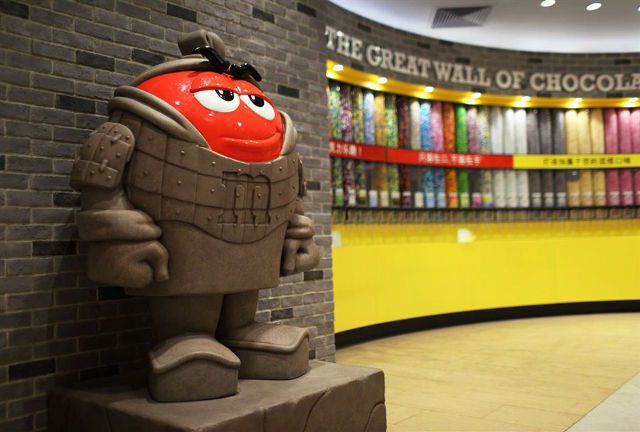
    M&Ms World Shanghai reopened yesterday in Shanghai Shimao International Plaza. The newly remodeled 1600sqm interactive store, which offers an immersive, personalised experience with the M&M brand to residents and tourists, remains the only one based in Asia.

    The store is part of the global M&Ms retail business, which includes My M&Ms’ e-commerce sites and a B2B channel in the US and Europe.

    The M&Ms World Shanghai experience store features a “Great Wall of Chocolate” made out of more than 1 million M&Ms, a personalised printer, and a device that scans customers to create a personalised M&Ms avatar. It also features an improved checkout experience that allows mobile payment options from Alipay, WeChat and Apple Pay.

  • KKR to acquire significant stake in V3, TWG Tea

    KKR to acquire significant stake in V3, TWG Tea

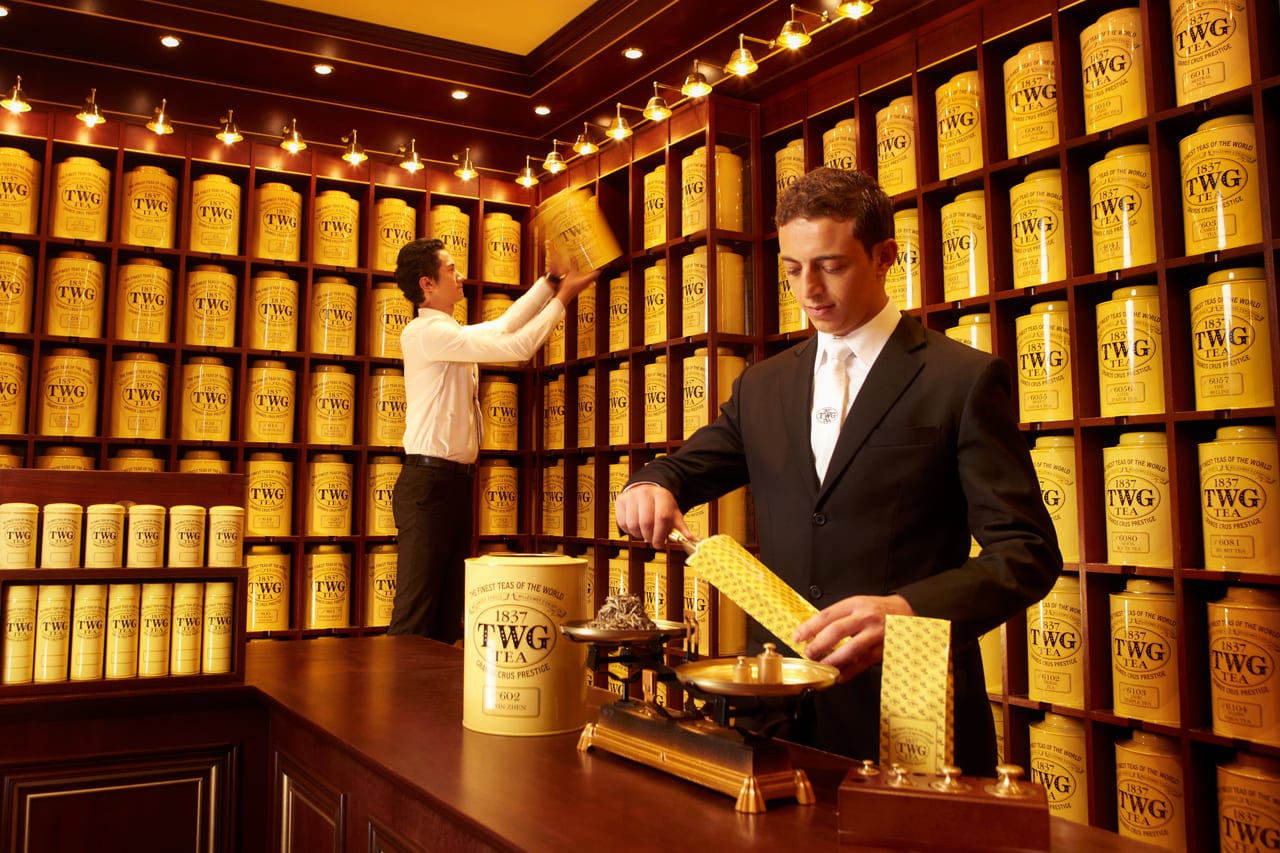
    Private equity company KKR is to invest as much as S$500 million (US$366 million) into V3, the parent of cafe chain TWG Tea and massage chair retailer Osim, to fund regional expansion. In a deal which mixes equity and financing, KKR will take an unspecified “significant stake” in V3, which is effectively valued at S$1.7 billion. V3 is the company which resulted from last year’s restructuring of once-listed Osim International after plans for an IPO were shelved.

    Keith Magnus, chairman of Evercore Asia, which advised V3 on the deal said that the investment by KKR represents a more than 50 per cent increase in enterprise value compared to when the group was taken private.

    “This is a phenomenal premium for [Ron] Sim,” said Magnus.

    Sim remains the chairman, chief executive and controlling shareholder of V3. Sim, who remains chairman, CEO and controlling shareholder of the business added in a statement: “I am extremely pleased to welcome KKR as a significant shareholder in V3. I am confident this investment will position the company for our next phase of growth, starting with the immediate expansion of TWG Tea in Japan and the US and of Osim in China.

    “We would also be looking into M&A opportunities that are earnings accretive.”

    V3 also owns the rights to retail GNC nutritional supplements in Singapore, Malaysia, the Philippines and Taiwan.

    Sim says V3’s revenue cleared S$600 million last year and profit was also up.

  • Zomato India to expand food delivery business to 100 cities

    Zomato India to expand food delivery business to 100 cities

    Online restaurant guide and food ordering firm Zomato on Friday said it is expanding food delivery services to 100 cities over the next week.

    The company’s food delivery services are currently present across 93 cities and lists over 75,000 restaurants on the platform, Zomato said in a statement.

    “… the food delivery business is ramping up really well with the growth in main markets, as well as the reception in tier II tier III cities,” Deepinder Goyal, Founder and CEO, Zomato said.

    Founded by Goyal and Pankaj Chaddah in 2008, Zomato is a restaurant search and discovery platform providing in-depth information for over 1.4 million restaurants across 24 countries and serves more than 50 million users every month.

  • Thai’s The Lobster Lab expands to China

    Thai’s The Lobster Lab expands to China

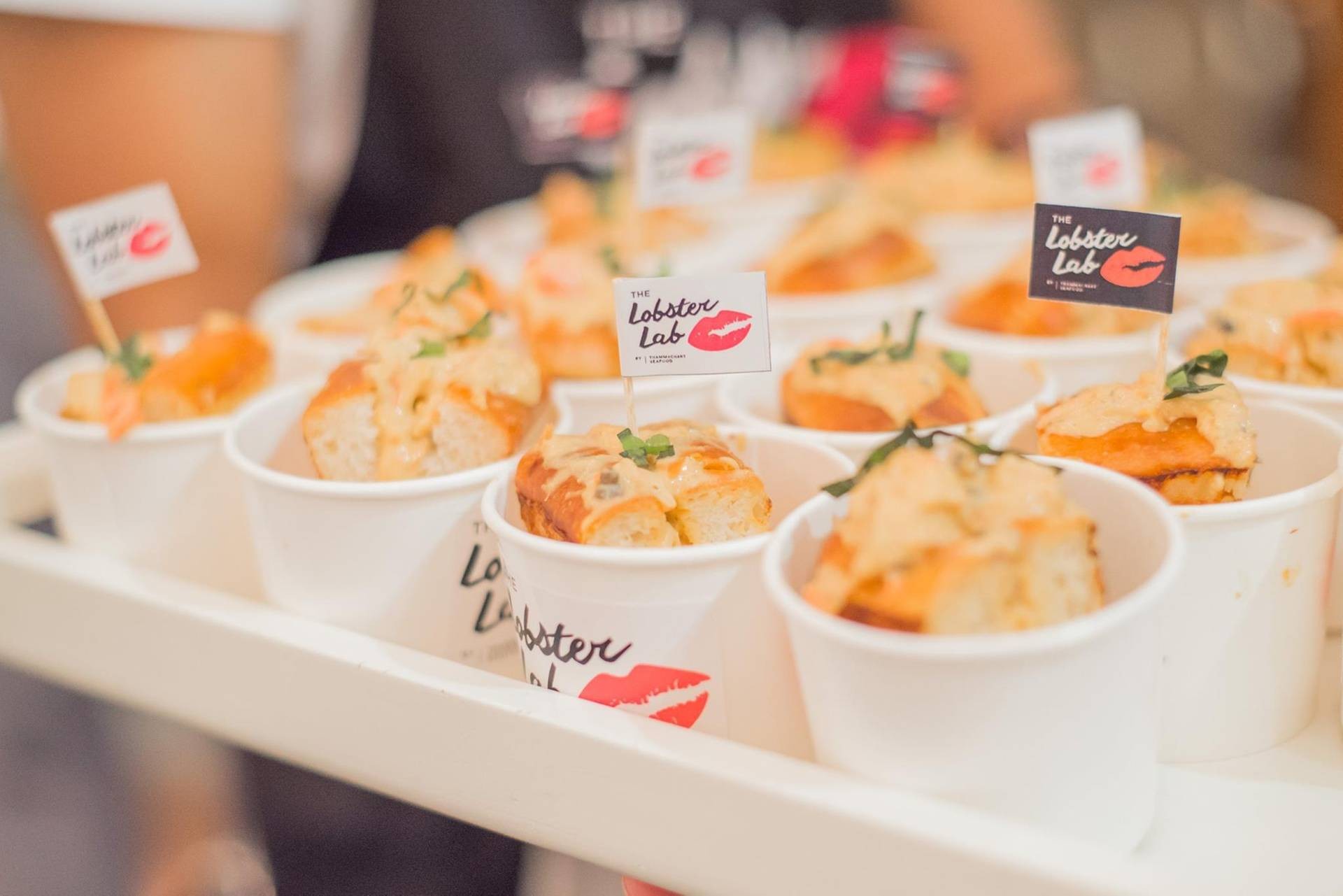
    Thai restaurant concept The Lobster Lab has opened its first outlet in Shanghai.

    The restaurant, operated by Bangkok-based Thai Union Group opened inside one of Alibaba’s Hema supermarkets last month. It serves lobster rolls, seafood chowder and some western dishes.

    The concept is based on Thai Union’s King Oscar brand, a dine-in and takeout restaurant which serves fresh lobsters imported from the US and Canada to meet “the growing Chinese consumer’s demand for tasty and nutritious seafood”.

    Thai Union also owns the American-style seafood restaurant chain Red Lobster and plans to open one of those stores inside IFC mall in Shanghai soon.

    The Lobster Lab is part of Thammachart Seafood Retail, of which Thai Union owns 25 per cent.

  • KFC Thailand benefits from transforming franchise model

    KFC Thailand benefits from transforming franchise model

    Fast-food restaurant chain KFC Thailand is on track to achieve double digit year-end sales growth since transforming itself into a 100-per-cent franchised model, exceeding business expectations.The largest restaurant chain in Thailand is also set to accomplish a record high of 75 new outlet openings this year, 39 per cent above target and pushing the total number of outlets in Thailand past 700, including 65 drive-through branches.

    GM for KFC, Yum Restaurants International (Thailand) Waewkanee Assoratgoon said Yum Thailand has successfully transformed itself into a 100-per cent franchisor business in only one year.

    “Our organisation is now in a good shape with an effective structure so that we can expect the most efficiency within the entire business operation.”

    KFC Thailand franchise operator Yrit secured the No 1 position and top-of-mind QSR brand as surveyed by Thai business magazinesMarketeer and Brandage, as well as picking up awards for social media penetration.

    Thailand is KFC’s eighth largest international market.

  • Kenanga Malaysia raises earnings outlook for Carlsberg

    Kenanga Research has increased its FY18 and FY19 earnings for Carlsberg Brewery Malaysia Bhd on the back of improved contributions from Lion Brewery in Sri Lanka.

    “We increased our FY18E and FY19E earnings by 4.3% and 3.5% respectively as we improved contributions from Lion Brewery. Additionally, we increased our Malaysian demand assumptions following the stronger results,” it said in its report today.

    For the nine months ended Sept 30, the group reported core Patami of RM205 million, which amounted to 82% of Kenanga Research’s full-year expectations.

    “We deem this to be above but within our consensus estimates, mainly due to better-than-expected contribution from its Sri Lankan associate, Lion Brewery. Malaysian sales were also better than expected, subsequent to our previous adjustments for softer demand post-Sales and Services Tax (SST),” it said.

    Moving forward, it expects Carlsberg’s on-trade sales (at food and beverage establishments) to be dented by Sales and Services Tax finally kicking in, as these establishments would have to bear the brunt of both taxes.

    “We anticipate demand to be skewed towards the off-trade market (retails, supermarkets), albeit being a lower margin channel. Still, the group’s continued emphasis on its premium mix could bolster the overall performance in the local scene,” it said.

    Meanwhile, HLIB Research does not expect any hike in alcohol excise duty as the structure is already the third highest globally.

    “We opine a hike in excise duty would result in growth in the illicit market at the expense of the legal volumes, which will result in reduced tax collection. For this reason, a hike in alcohol excise duties is unlikely,” it said in its report.

    It expects the government and Royal Malaysian Customs to continue their efforts to fight contraband and strengthen the legitimate tax paying portion of the beer market in Malaysia and hence the government’s revenue collection of excise duty.

    On the recent increase in the minimum age for purchasing alcohol to 21, it expects this to result in lower industry volumes due to a smaller pool of legal consumers.

    HLIB Research maintained its “buy” call with an unchanged target price of RM22.70.

    Carlsberg’s share price fell 1.62% or 32 sen to close at RM19.40 with 51,600 shares traded. It was one of the top losers on the bourse this week.

  • Vietnam Jan-Nov coffee exports up 23 pct, rice 4.8 pct

    Vietnam Jan-Nov coffee exports up 23 pct, rice 4.8 pct

    Vietnam’s coffee export volumes from January to November have grown 23 percent year-on-year and rice exports have risen by 4.8 percent, official data shows.

    Coffee

    Coffee exports from Vietnam will climb an estimated 23 percent between January and November from a year ago to 1.725 million tonnes, equal to 28.75 million 60-kg bags, the General Statistics Office said in a report on Thursday.

    Coffee export revenue for Vietnam, the world’s biggest producer of the robusta bean, will edge up 2.9 percent to $3.3 billion in the 11-month period, the report said.

    November coffee exports were estimated at 140,000 tonnes, worth $264 million.

    Rice

    Rice exports in January-November from Vietnam were forecast to rise 4.8 percent from a year ago to 5.7 million tonnes. Revenue from rice exports in the period was expected to grow 16.8 percent year-on-year to $2.86 billion.

    November rice exports from Vietnam, the world’s third-largest shipper of the grain, were estimated at 450,000 tonnes, worth $218 million.

    Energy

    Vietnam’s January-November crude oil exports were seen plunging 42.5 percent year-on-year to an estimated 3.6 million tonnes.

    Crude oil export revenue in the first 11 months of 2018 were expected to decline 20.4 percent to $2.1 billion.

    Oil product imports in the 11-month period were estimated at 10.7 million tonnes, falling 8.1 percent from the same period last year, while the value of product imports rose 15.4 percent to $7.3 billion.

    Vietnam’s January-to-November liquefied petroleum gas imports were seen increasing 1.5 percent from a year earlier to 1.3 million tonnes.

  • Cafe Amazon preparing Coffee Shop concept to challenge Starbucks

    Cafe Amazon preparing Coffee Shop concept to challenge Starbucks

    Thai oil company PTT plans to spin off its Cafe Amazon division and build a coffee chain it says will one day rival Starbucks. The company says it will open 20,000 cafes globally, nearly 10 times the current network of 2300 outlets in Thailand, the Philippines, Laos, Cambodia, Myanmar and Japan.

    PTT will invest US$1.3 billion in the Cafe Amazon brand over the next five years to develop the franchise business.

    “We aim to build the Cafe Amazon into a top 10 global brand over the next five years,” said PTT Oil and Retail CEO Jiraporn Khaosawas.

    The move signals PTT’s turn towards the retail business at a time when it stands poised to be floated next year, initially into China and the Middle East via franchise partnerships.

    PTT announced plans earlier this year to sell off half of its retail holdings, which generate 20 per cent of the group’s profits, including takings of THB10 billion (US$303 million) from Cafe Amazon last year. The firm has declined to reveal how much it expects to raise in the floatation, although experts have valued the firm’s retail unit at roughly THB120 billion ($3.6 billion).

    PTT’s executive VP for the retail oil business Suchat Ramarch said: “We will not only expand Cafe Amazon, but we will also expand our petrol stations and our lube oil retail business. However, Cafe Amazon will be the highlight, with strong potential to grow.”

    Informed estimates suggest it would cost about THB2.3 million ($70,000) to open a Cafe Amazon shop in a PTT gas station, and from $100,000 to $300,000 for a stand-alone outlet.