Category: Food

Retail News Asia is committed to providing both local and global retailers with the latest Food and Food & Beverage news throughout the Asian market. This on a daily base.

  • Five Guys and Shake Shack go head to head in Central HK

    Five Guys and Shake Shack go head to head in Central HK

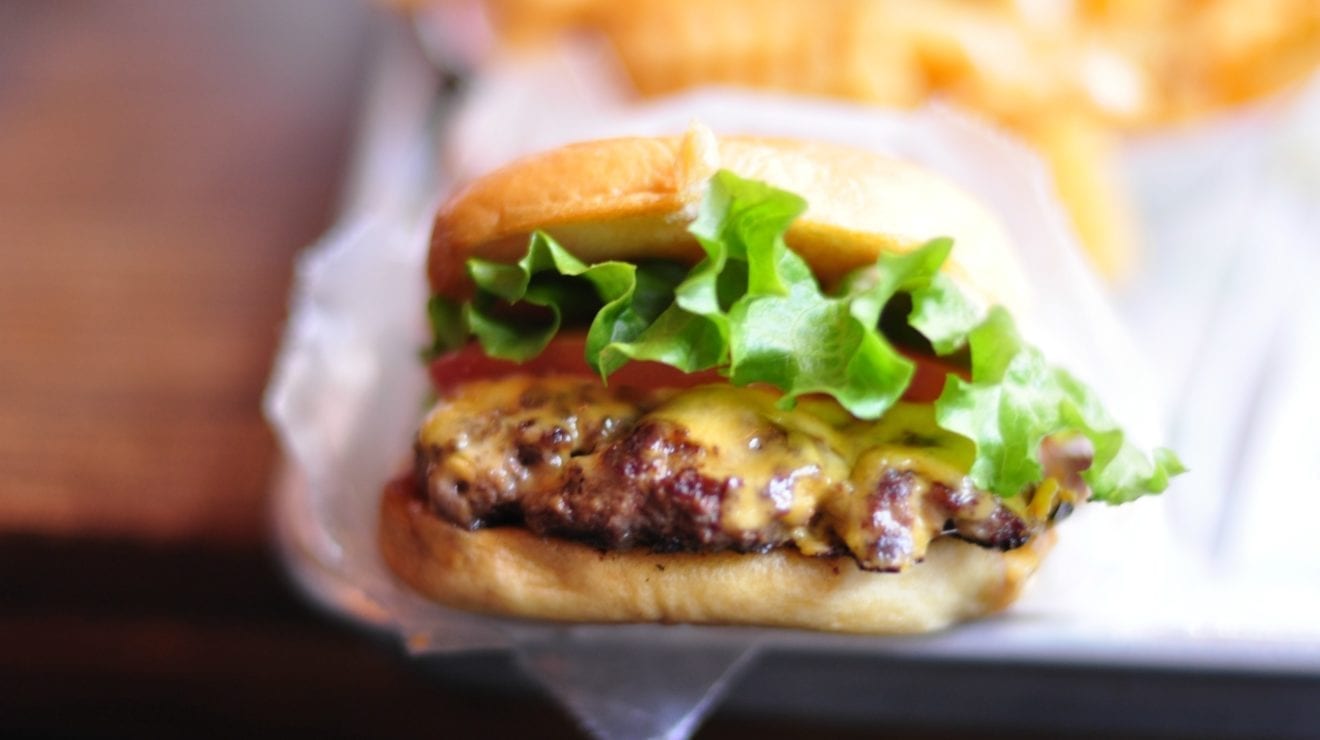
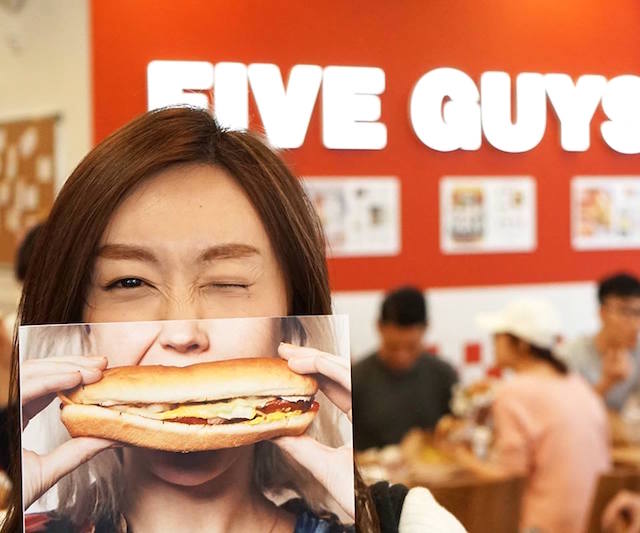
    American burger franchises Five Guys and Shake Shack have opened new stores in Hong Kong this week. Launching on Johnston Road in Wan Chai this week, in premises formerly home to Tommy Bahama, Five Guys is known for its made-to-order beef burgers, creamy shakes and thick-cut Cajun fries.

    The move is part of an aggressive global expansion plan for the US fast-food chain. Founded in 1986 in Virginia, Five Guys first expanded outside the US in 2003 and now has almost 1500 outlets worldwide, in the US, Canada, UK, Europe and the Middle East.

    The company says it has another 1500 outlets under development as the brand has built “a cult-like following around the world”.

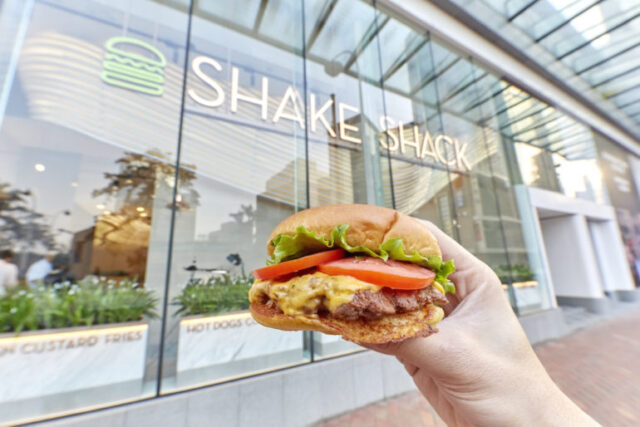
    New York’s Shake Shack opened at the Pacific Place Admiralty yesterday to queues of more than 200 fans and local residents. The first 200 people in line were awarded Shake Shack tote bags in celebration of the launch. It’s the chain’s second store, the first located at IFC mall.

    Shake Shack is a modern day “roadside” burger stand known for its Angus beef burgers, chicken sandwiches and flat-top Vienna beef dogs. The franchise also serves craft beer and wine. It was brought to Hong Kong by Maxim’s Group.

    Shake Shack originally opened in 2004 in Madison Square Park, and has since expanded to more than 180 locations in the US and more than 70 international locations.

  • 7Fresh to open store in Shanghai

    7Fresh to open store in Shanghai

    E-commerce giant JD’s offline retail store 7Fresh is set to launch at Shangbin Plaza in Shanghai’s Hongkou District. The move is regarded as a step towards expansion nationwide beyond the firm’s home base in Beijing, as well as an attempt to follow recent trends to diversify from online-only business models. The high spending power of Shanghai residents was key in determining the store’s location.

    JD expects to be operating 1000 outlets with three to five years, using insights learnt from trading online to tailor product ranges popular locally. It will be taking on rival Alibaba’s Hema Market, which has already grown to more than 100 outlets.

    JD’s senior VP Wang Xiaosong said: “JD’s online fresh food business provides an advantage in terms of merchandise selection when we’re expanding into offline retail.”

    Shangbin Plaza is due to open early next year.

  • Uno Chicago Bar & Grill to opens stores in India

    Uno Chicago Bar & Grill to opens stores in India

    Ambuja Neotia Group’s hospitality vertical has recently introduced globally recognized American casual dining chain, Uno Chicago Bar & Grill in India through franchise route. The first outlet has opened at Gardens Galleria Mall, Noida.

    Harshavardhan Neotia, Chairman of the Ambuja Neotia Group says, “We feel that the Indian consumer is a well-travelled consumer who has an acquired taste to world cuisine. The Indian market is yet untapped with immense potential and it is an exciting time to enter India.”

    “As an authentic American Bar & Grill concept, the brand is positioned to be a smart casual dining restaurant in India, where people can enjoy a truly American cuisine paired with crafted drinks and entertainment with live performances. Anchored by vibrant culinary heritage, strong craft culture in food and beverages and deeply mindful of wellness, Uno is bringing Deep Dish and New Americana to India. As an ‘Eat-ertainment’ driven casual dining space, it is inclusive and welcoming for all generations – millennial, the young-at-heart and kid. The restaurants will operate as a family style full service restaurant,” he adds.

    Each restaurant in India, which will spread across 2,500-3,000 square feet with the interiors same as of any other Uno Pizzeria & Grill restaurant in the US, will be opened with an approximate capex of Rs 4-5 crore.

    “This year, the brand is opening outlets in region of NCR, Kolkata and Bengaluru. The group has signed a franchise agreement with the food chain to open about 70 outlets across the country over the next seven years spreading across Tier I and II cities,” states Neotia.

    The brand is planning to open 12-15 outlets in the next 3 years with estimated investments upwards of Rs 60 crore.

    Tracing Brands’ History

    Uno Chicago Bar & Grill’s entry in India also coincides with its 75 years of successful global operations. Globally, the brand is recognized for its fun and welcoming Chicago inspired environment. The dining experience is relaxed, casual and family friendly as the brand places great emphasis on hospitality and service. The brand is synonymous with pizza but the menu extends to pastas, grills, salads, burgers, sandwiches and special curated menus. The chain also gives special emphasis to bar and alcohol offerings.

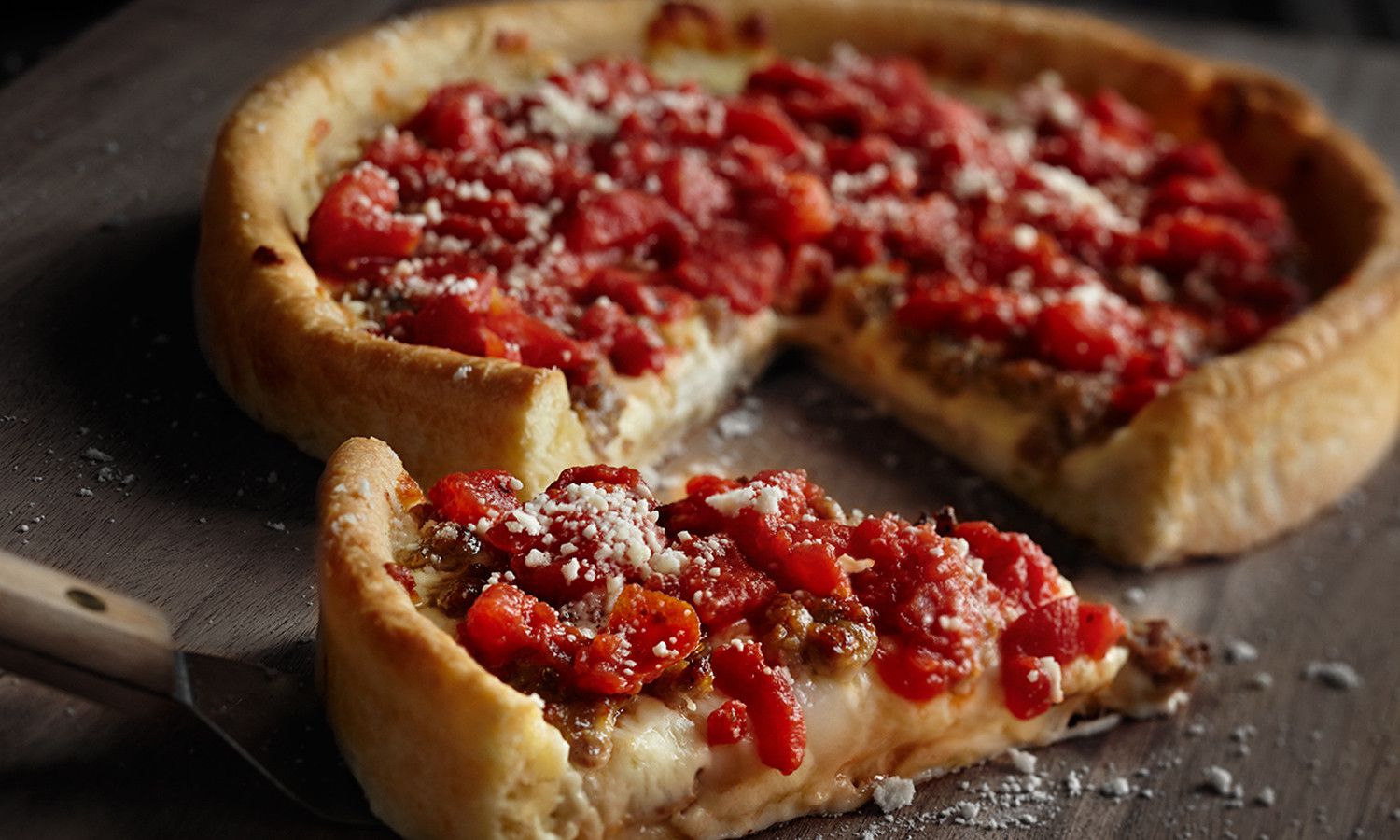
    Famous for inventing Deep Dish Pizza in 1943, Uno’s mission is to deliver big, bold flavors, rich, rewarding experiences and unbelievably delicious pizza and a range of other delectable menu creations.

    According to Neotia, “The UNO story began in Chicago in 1943 when Ike Sewell developed deep-dish pizza and opened a new type of restaurant at the corner of Ohio and Wabash. It was here that Ike served a pizza unlike any that had been served before. He figured that if some of Italy’s old, authentic recipes with impressive quantities of the finest meats, fresh cheeses, ripe vegetables and flavourful spices is combined with pizza, it could become a hearty meal. That was the start of an American tradition – the Chicago Deep Dish Pizza. Today, 75 years later, UNO continues to be undisputed creators of original Deep Dish Pizza, bringing its legacy to India.”

    The Boston, Massachusetts-based brand has 110 company-owned and franchised restaurants located in 21 states of the US. Apart from this, the brand has international presence through franchise outlets in the District of Columbia, the United Arab Emirates, Honduras and Saudi Arabia.

  • Philippine’s La Lola to open in Singapore

    Philippine’s La Lola to open in Singapore

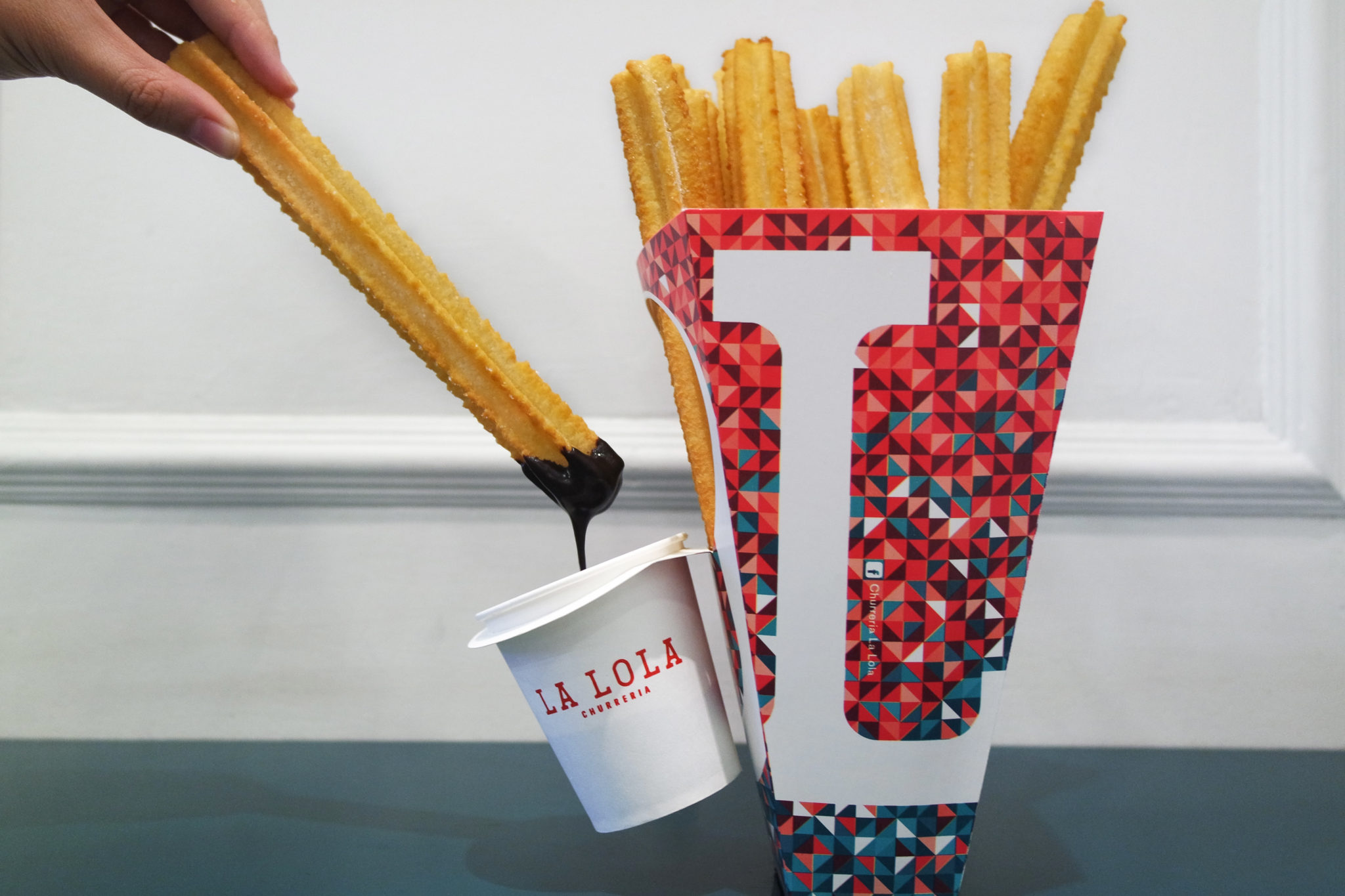
    La Lola Churreria will soon open its first store in Singapore at Clarke Quay Central. The Brazilian-inspired food-retailing concept is being brought to the city by MFT Group of the Philippines, in partnership with Bistronomia which opened the first La Lola store in the upmarket Manila Power Plant Mall at Rockwell.

    The Clarke Quay site was chosen for its close proximity to the MRT and bus stations.

    MFT Group chief marketing officer Chiqui Tan said the company chose Singapore because of locals’ dessert-driven palette and openness to new concepts.

    A former employee of the Philippines’ SM group, Tan says she has been watching La Lola with interest for several years.
    “We’ve been fans of the brand ever since they started. We thought it was genius that something so simple can be done so well. I saw the speed and the scale they grew the brand,” she said in an interview.

    “La Lola churros are so global in flavour that [the concept] can be taken anywhere and will have a strong chance of succeeding,” she said.

    The two companies are planning multiple outlets across Singapore and MFT Group is also actively looking for more food concepts to launch.

    The MFT Group, a private equity investor, has already successfully taken Singaporean chain Salad Stop to Spain. And it plans to open branches of that brand in Vietnam soon.

  • Women can make or break Vietnam’s F&B industry

    Women can make or break Vietnam’s F&B industry

    With more women spending more on eating out, they have become linchpins of the F&B industry, a study indicates. A new survey by HCMC-based market research firm Decision Lab finds that female consumers can make or break the food and beverage industry of Vietnam.

    Average visits per capita by female consumers to the out of home food and beverage market has increased by 5 percent during last year, from 121 between the fourth quarter of 2016 and the third quarter last year to 128 between the fourth quarter last year and the third quarter this year.

    Women have also increased spending on almost all major food channels in Vietnam, namely full service restaurants (FSR), or sit down eateries where food is served directly to the customers’ table, and quick service restaurants (QSR), where table service is minimal and the typical fare is fast food, street food, convenience stores, canteens and bars.

    As a result, women’s contribution to the out of home market revenue has increased by a whopping 10 percent.

    Among the women themselves, the 15-34 year-old segment accounts for 82 percent of the visits in the out of home market, and more than half of those by white-collar workers. Students are also seen as the driving force of female visits at 25 percent.

    As such, Decision Lab points out that the growing influence of women on the foodservice market is real and the industry would be well advised to use female-friendly messages to increase the traffic.

    According to market research firm Vietnam Report (VR), Vietnamese spend more than a third of their income on food and beverages, topping education and utilities.

    VR said the food and drink market has become more exciting in recent years with the entry of technologies such as phone apps that allow users to find nearby restaurants and order deliveries.

    Food and beverages were two of the 10 most bought products online last year, it said, citing data from market research company Nielsen.

  • Jollibee’s 250th store opened in North America

    Jollibee’s 250th store opened in North America

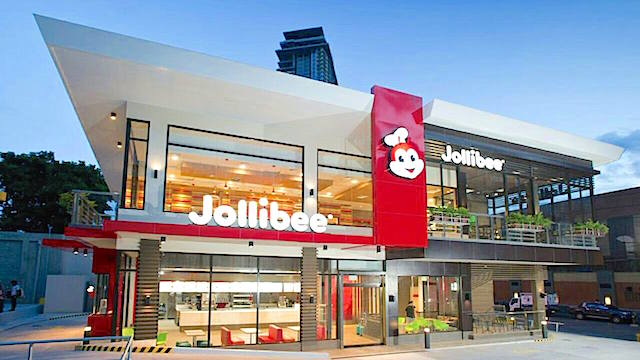
    Philippines fast food operator Jollibee is planning to hit 150 locations in the US within five years, up from its current 37. The company’s CEO Ernesto Tanmantiong said: “The fried chicken market in the US is quite huge. This is just the first leg of our journey, to be one of the major players in the fried chicken market.”

    The company has also announced plans to open 100 additional stores in Canada, part of its strategy to become on of the world’s top five quick-service restaurants.

    Jollibee operates 4300 stores in 20 countries, and has a portfolio of 14 brands.

  • Shake Shack opens in Pacific Place HK

    Shake Shack opens in Pacific Place HK

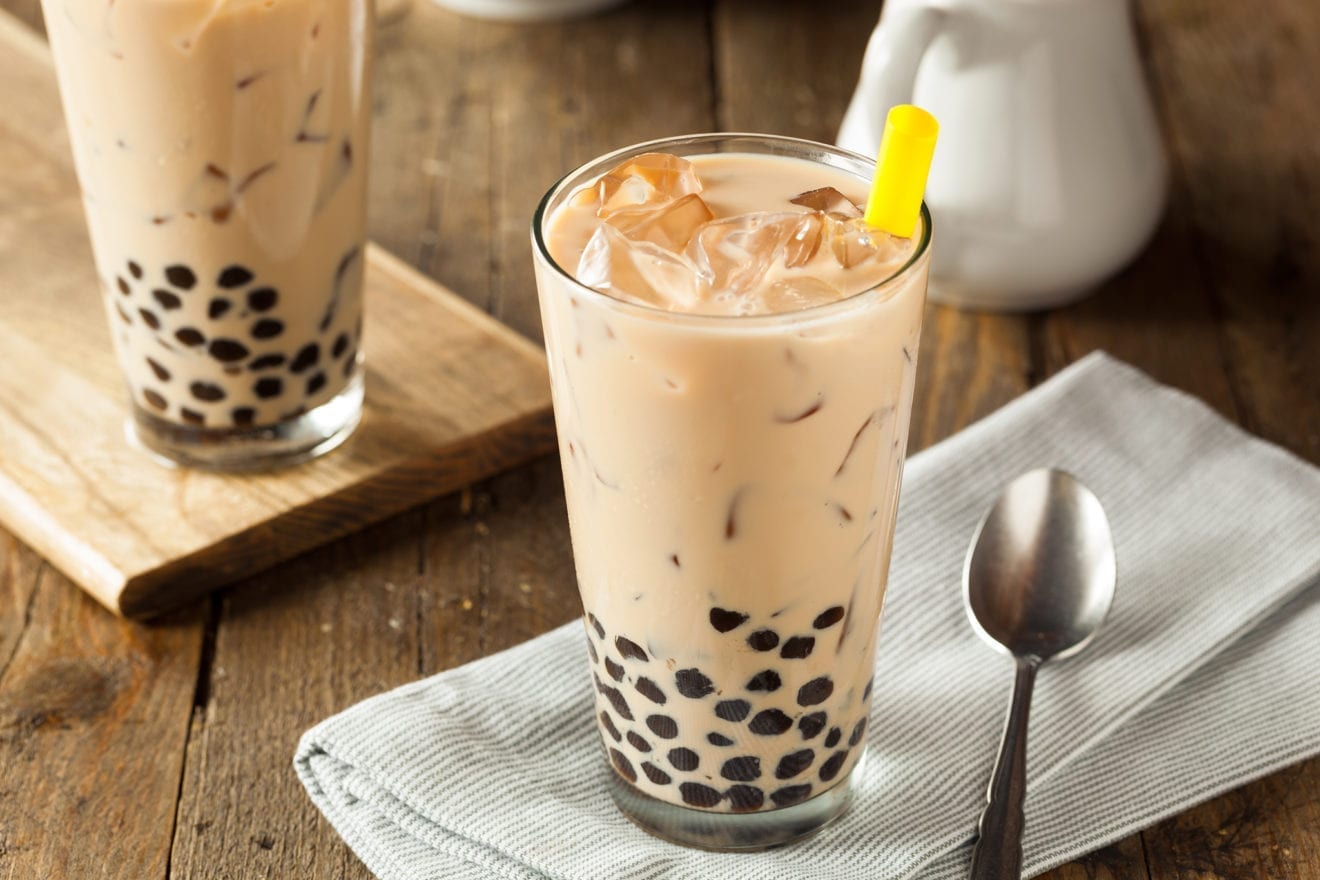
    Located at Pacific Place, the new branch will give out 200 Shake Shack tote bags on a first-come-first-serve basis. In addition to the Shack classics and the Hong Kong exclusive milk tea shake, the new store will introduce a selection of local menu items, including a new series of “concrete” (custard desserts) – matcha golden bell, open sesame and queensway crunch.

    Shake Shack will launch three holiday shakes – Christmas cookie, chocolate peppermint, and Hazelnut – to celebrate the festive season. All of which are topped with whipped cream and decorated with colourful sprinkles.

    The holiday shakes will be available for a limited time at both Pacific Place and ifc mall.

    Echoing with Shake Shack’s mission to Stand For Something Good®, the Pacific Place store will donate 5% of sales from its matcha golden bell concrete to the i-dArt programme of Tung Wah Group of Hospitals, a non-profit organisation that promotes social inclusion by encouraging people with differing abilities to participate in art.

    Shake Shack is ramping up its effort on global expansion.

    In a statement, Randy Garutti, CEO of Shake Shack, said the company entered into licensing agreements to open more than 50 stores in the Philippines, Mexico and Singapore over the next decade.

    The company expects to open its first stores in Singapore and Mexico in 2019.

  • The ThickShake Factory eyes 1,000 plus outlets across India

    The ThickShake Factory eyes 1,000 plus outlets across India

    The ThickShake Factory, a premium thick shake brand that recently completed a century of being operational with more than 100 outlets in India, is planning to expand its footprint in Telangana, Tamil Nadu, Andhra Pradesh, Karnataka, Gujarat, Maharashtra and many more states in the coming few months.

    According to a ANI report: The brand, which brings the concept of running a cold dessert beverage quick service business (QSB) for the first time in the country, has won a number of accolades in the recent past, including ‘The Times Nightlife – Best Beverages, 2015 & 2018’, ‘Coca-Cola Golden Spoon Awards 2018’, ‘IMAGES, Most Admired Startup of the Year’, Best Shakes Parlour Award at ‘Indian Restaurant Awards 2018’, ‘Best Business Growth in F&B’, ‘Best Beverages Swiggy Award 2018’, ‘Franchisor of the Year Award, Franchise India 2016’, and many more.

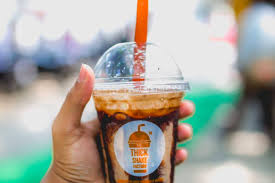
    The ThickShake Factory serves over 50 types of shakes with more than 40 topping/ mix-ins. It is famous for their ‘Shape your Shake’ feature where customers can choose what they want from the variety of toppings. The brand brings the best flavours in the form of not just ThickShakes, but a complete range of cold coffee varieties, slushies, chocolate and fruit-flavoured drinks.

    The ThickShake Factory has had an excellent journey and has only moved forward since the opening of its first outlet in 2013 with winning ‘Franchisor of the Year’ award twice, one in 2016 and the other in 2018 along with many other awards.

    The company has the vision to have over 1,000 outlets pan-India, along with a strong global presence and has created more than 300 jobs so far, mostly at the bottom of the pyramid and the lesser privileged sections of the society. Recognised as one of the fastest growing QSR chains in India, the company’s current business model is such that the outlets which are currently operational, most of them are franchise-operated and some are company operated.

    “With each day passing, we at The ThickShake Factory are only going ahead as there is no looking behind. We started with our first outlet in 2013 in Hyderabad and have come a long way from there with more than 100 outlets already. Our main focus is to provide the customers with the thickest and most delicious shakes and hence that’s the only thing in our menu. With over 50 types of shakes on the menu, we have something for everyone to suit their palate. We are excited to serve the tastiest and thickest ice cream based shakes in more cities across India,” M. Yeshwanth Nag, Founder of The ThickShake Factory said.

    The founders, M. Yeshwanth Nag and Ashwin Mocherla, were inspired by the global trend of growing appetite for sweet savouries and therefore brought the most appealing range of tastiest ‘Thick’ Shakes to India. The brand never ceases to impress with their heavenly ‘ThickShakes’ through its wide range of offerings.

  • Matching mom-and-daughter outfit is a new trend

    Matching mom-and-daughter outfit is a new trend

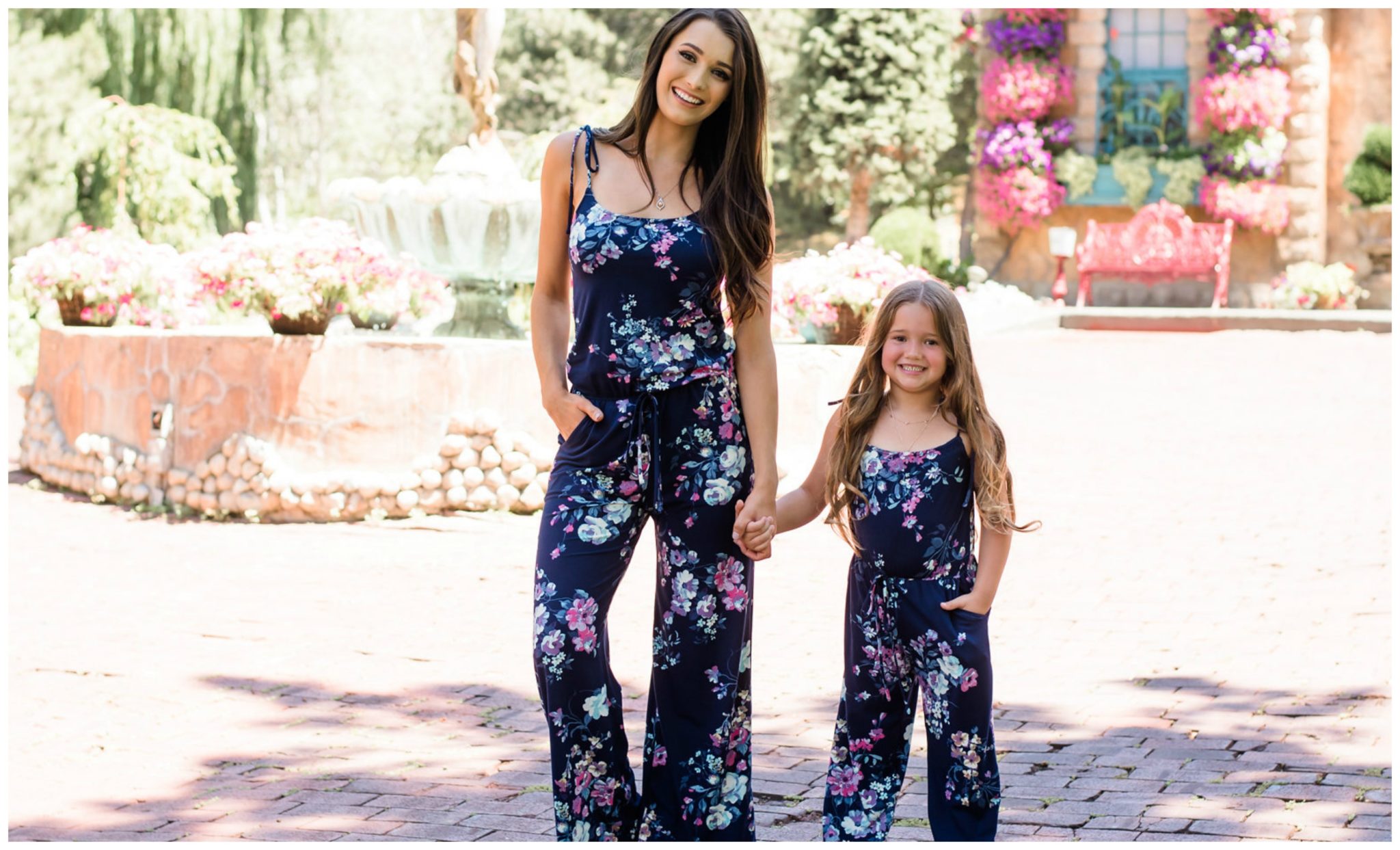
    The luxury childrenswear market is forecast to reach $6.6 billion in 2018, up by 3.8 percent year-on-year, presenting ample growth opportunities as spending power increases and parents dish out upwards of $500 for a pair of miniature Gucci loafers to match their own.

    Brands from Gucci and Balenciaga through to Burberry have their own multi-million dollar childrenswear lines (the latter made £117 million in revenue in 2017, about $153 million) which largely shrink runway looks from ready-to-wear collections to fit young children rather than designing them from scratch, hoping to bank on a mother’s desire to wear matching pieces with her daughter.

    But putting celebrity power to one side, as Kim Kardashian West signaled that mini-me dressing is once again big business by stepping out in a matching outfit with her daughter, what else is driving this phenomenon that seems to reappear every few years?

    “Childrenswear is increasingly trend-oriented,” says Nathalie Christen-Genty, the founder of Paris-based Melijoe, the luxury e-commerce site dubbed “the Net-a-Porter for childrenswear.” “A few years ago, childrenswear was dictated by just a few kids-only brands and parents’ motivation to buy was first and foremost driven by practicality,” meaning pieces for children were designed specifically for them with a timeless and classic design in mind.

    In the recent past, matchy-matchy ensembles were considered passé, reminiscent of bygone eras like the 1960s when women would make garments for themselves and their children from the same piece of fabric.

    When luxury brands began launching childrenswear lines in the 2000s, “they didn’t think it would be big business,” says Giuliana Parabiago, a consultant at Pitti Bimbo, a key international childrenswear trade show where the latest trends are often discovered. They would use past-season styles that would be delayed by six months or a year, she says, but now childrenswear and ready-to-wear runs at the same speed. “This new generation wants to be young — and matching.”

    Chloé launched its children’s line in 2010 with licensee Children Worldwide Fashion (CFW), which also makes lines for Givenchy, DKNY and Little Marc Jacobs.

    For the current season, stand-out pieces include a velvet bomber jacket with horse embroidery and a pair of suede ankle boots — mini-versions of products creative director Natacha Ramsay-Levi sent down the runway.

    “The pieces which are obviously Chloé, [for instance] the horse pattern, tend to perform better,” says Geoffroy de la Bourdonnaye, the brand’s chief executive who credits the success of mini-sized versions to the fact that some “mothers take pride in seeing their daughters look like themselves” and that others want “to share the brand’s DNA of being ‘free’ with their children.”

    “The [childrenswear] business has consistently grown for the last eight years,” he adds. “The countries that spend a lot of money to dress their kids tend to be Russia and the Middle East, along with China. Countries in Latin America also invest in their kids.”

    While Chloé’s relationship with its licensee means there is constant contact with the ready-to-wear design studio and the capacity for CWF to select the runway pieces it wants to adapt for children, Dolce & Gabbana’s approach was to take its line in-house allowing it to have complete control like Ralph Lauren, Burberry and Dior Baby who also go it alone.

    However, such arrangements are still unusual; most luxury brands sign with a handful of specialist licensees. Simonetta produces childrenswear for Balmain and Fendi Kids; Kidiliz Group has the license for Kenzo Kids, Paul Smith and Levi’s Kids; and Brava Kid takes care of the brands under the OTB umbrella which include Diesel, Marni and Trussardi Junior.

    The reason that the license route is so popular is that childrenswear requires an expert hand since it is not as simple as it may seem to scale down a garment pattern to fit the body shape of a child. The specialist experience on offer by the licensed manufacturers means they also understand intuitively how to make an outfit appropriate for children.

    The movement has also helped drive childrenswear into the same trend cycle as womenswear as brands respond to demand by bringing out more novelty.

    “Children’s lines [now] have their long-awaited collections as much as the ready-to-wear for the parents,” says Emi Ozmen, the mother of one of the child vloggers behind Silver and Lux.

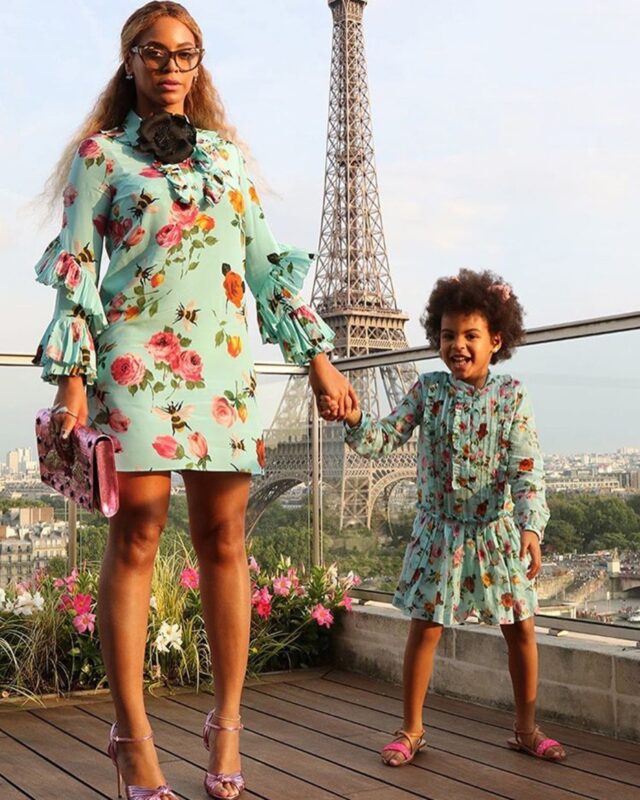
    Source: @beyonce

    Dolce & Gabbana launched a four-week kids pop-up at Net-a-Porter, including a £1,100 tiered fil-coupé silk-blend dress for ages two to six, a £775 satin-trimmed brocade suit for ages two to five and an array of handbags and footwear.

    “When [the mini-me trend] is executed well, it’s incredibly fun and expressive,” says the site’s global buying director Elizabeth von der Goltz. “It’s performed particularly well in the Middle East.” Having launched Gucci and Dolce & Gabbana capsules, Net-a-Porter’s next collaboration is with Moncler for miniature-sized puffer jackets.

    However, not everyone sees the trend as a harmless way for kids to bond with their parents; some find it incredibly uncomfortable and question the subtle messages it seems to underscore.

    “Two troubling phenomena converge in this mommy-and-me thing,” said Natalia Mehlman Petrzela, an associate professor at the New School in Manhattan. “There’s the infantilisation of women to look like little girls and, on the flip side, [the pressure] for young girls to always look older— to wear bikinis and crop tops.”

    Some mini-me dressing is criticised as a gimmick; there is a fine line between matchy-matchy dressing and ill-fitting clothing to be worn once and thrown away.

    “It’s clever marketing and appeals to emotional values,” says Jane Lewis, the founder of womenswear line Goat.

    In August, the brand launched a mini-me line of dresses for girls with the design remaining unmodified bar reducing the size — the crepe dresses have a timeless feel to them. “Again, it depends — I’m not going [to do] a pink bomber jacket. There’s going to be a distinction between viable mini-me childrenswear and the theatrical element.”

    Foraying into theatre is something SemSem founder Abeer Al Otaiba is also weary of.

    The Emirati entrepreneur launched the brand after seeing a gap in the market — there was an absence of stylish yet understated occasionwear for mothers and daughters. “It’s more of a lifestyle, and mothers in [markets like Russia and the Middle East] enjoy elegant pieces for themselves and their daughters all within one brand. It’s unique to find a brand that caters to both,” she says.

    SemSem’s Spring/Summer 2019 collection features matching lamé mother-daughter dresses and shirt dresses made from the same cotton fabric. Rather than shrinking women’s dresses to children’s size, Al Otaiba prefers to play around with fabrics and silhouettes.

    A far cry from Kardashian’s more literal matchy-matchy approach.

    Yet, social media and Instagram influencers continue to be the main driver of mini-me mother-daughter dressing.

    While the trend has long been popular in the Middle East and Russia, it has rapidly expanded to the US thanks, in part, to celebrities like Beyoncé, whose Instagram in matching Gucci with her daughter Von der Goltz cites as an example of celebrity culture popularising mini-me.

    Indeed, mommy-and-me looks drive likes and engagement, becoming good reasons for multi-brand retailers such as The Tot, a Dallas-based childrenswear store founded by Nasiba Adilova, to approach companies and ask for small-sized pieces of womenswear best-sellers.

    “The era when childrenswear was entirely functional is over,” says Christen-Genty. “It’s now firmly in the territory of fashion.”
  • BreadTalk Opens New Concept Store In KL

    BreadTalk Opens New Concept Store In KL

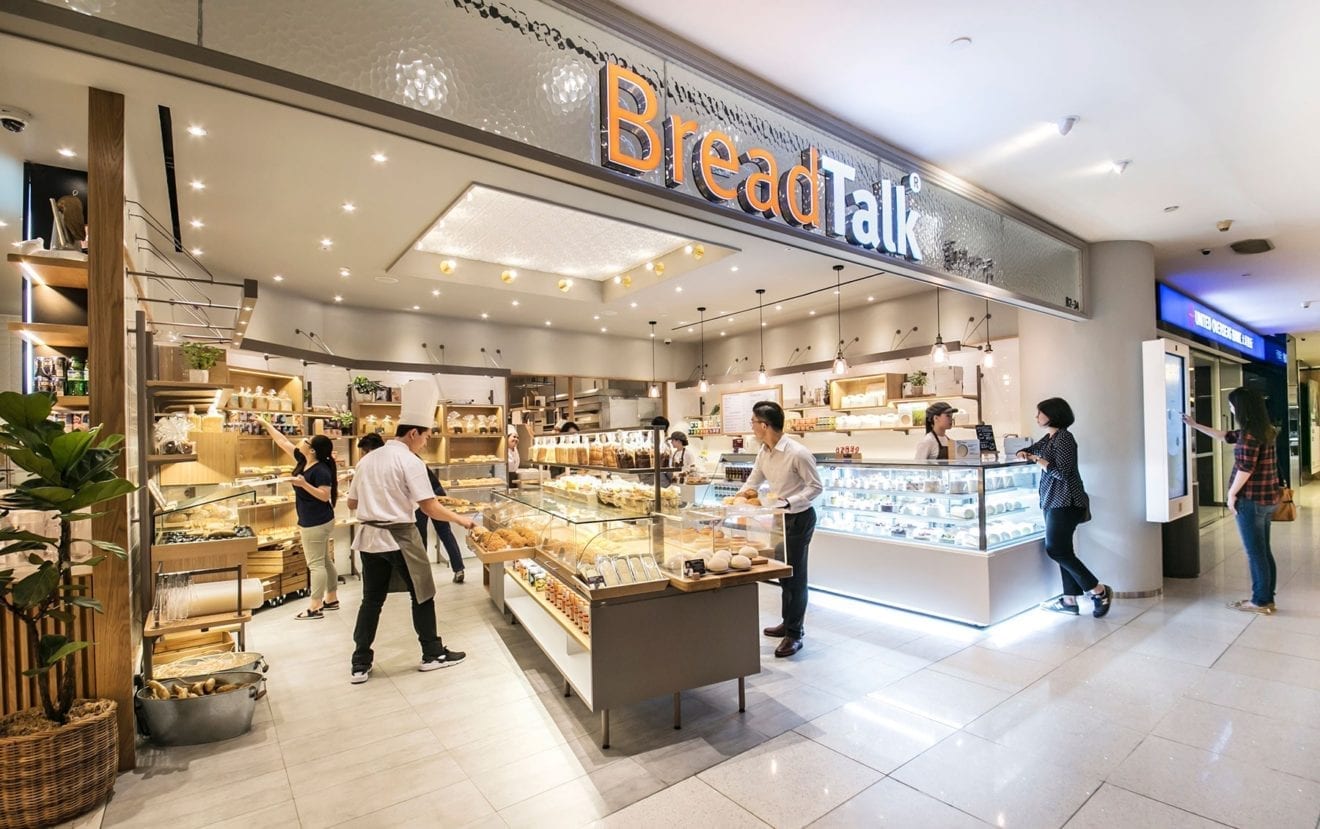
    Boutique bakery franchise BreadTalk Malaysia has opened a new concept store in Kuala Lumpur’s Avenue K Shopping Mall. The new outlet is situated opposite the KLCC LRT station and is offering a promotional tote bag to early customers spending more than RM20. It opens from 8 am to 10 pm daily.

    BreadTalk Malaysia is preparing to launch several more concept stores in other Kuala Lumpur locations, including KLIA2, before opening a flagship at Star Boulevard on Jalan Yap Kwan Seng next year.

    The Singaporean brand has spread throughout Asia and the Middle East since opening in 2000, basing its products on premium ingredients such as Japanese-milled flour and New Zealand butter.

  • Naganuma Ice to make Singapore debut

    Naganuma Ice to make Singapore debut

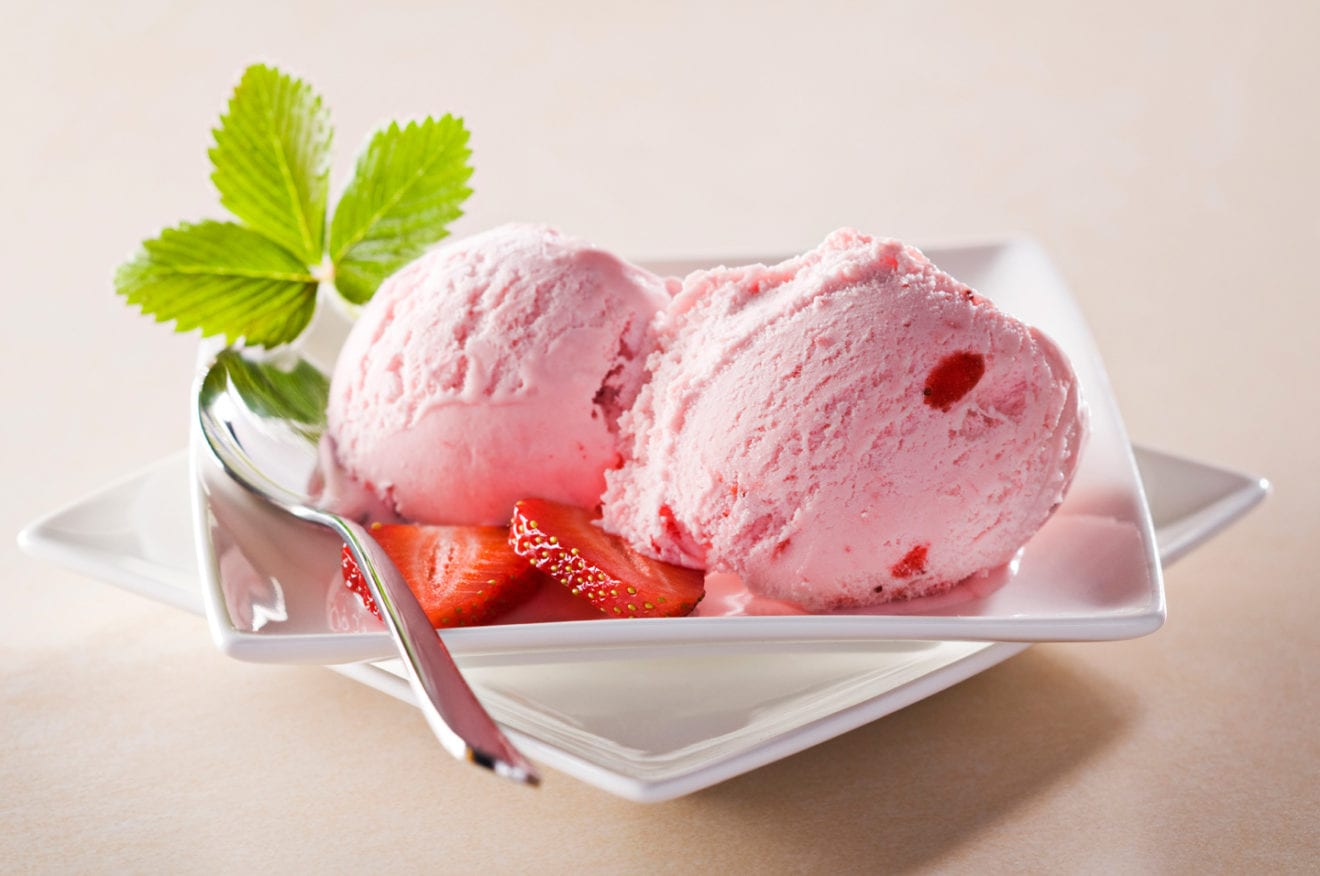
    Hokkaido soft serve ice cream franchise Naganuma Ice Co is opening in Singapore. The brand is distinguished as the sole Hokkaido firm certified by the prefecture’s authorities for using raw Hokkaido milk in their ice cream products. The milk is sourced from ranch cows near Naganuma town before being transported immediately to the brand’s factory for low-temperature pasteurisation.

    Naganuma’s three stores in Hokkaido and three in Taiwan regularly see hour-long queues for the ice creams, produced with the raw milk and eggs.

    The new outlet launches November 25 at Carlton City Hotel.

  • India’s Tata food to focus on healthy range

    India’s Tata food to focus on healthy range

    With consumers increasingly becoming health conscious, health and wellness will drive the growth for the food and beverage segment, Tata Sons brand custodian Harish Bhat said Friday. “My belief is, as far as the food and beverages segment in the country is concerned, one of the key drivers for the future will be the consumers’ need for health, wellness and fitness,” he said.

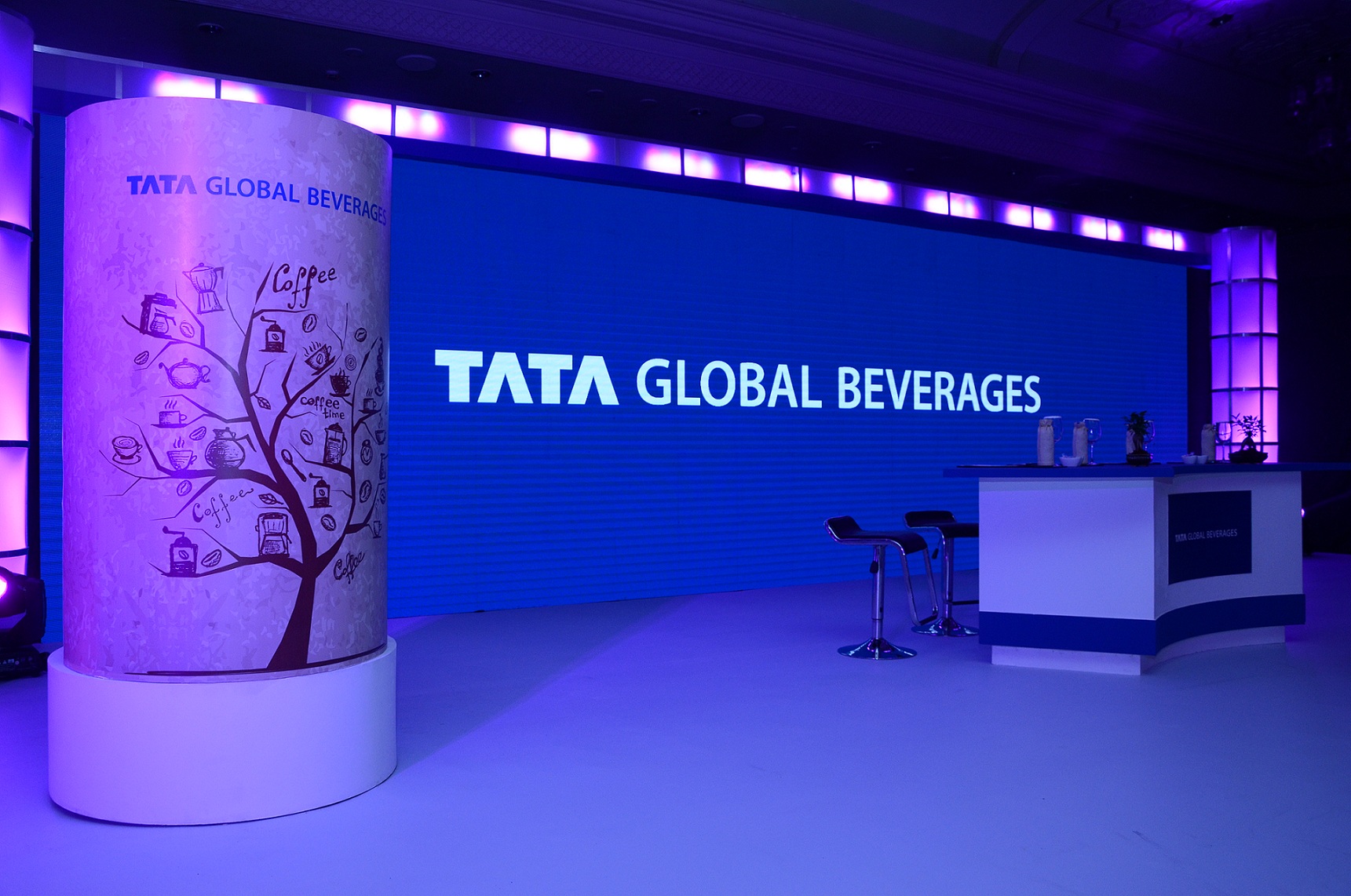
    According to a, Tata Global Beverages has presence in green tea with its Tetley brand, while its other firm Tata Chemicals offers unpolished pulses and low sodium salt.

    Bhat said the salt-to-software conglomerate’s brand is synonymous with trust as its companies offer quality products and services at a reasonable price, adding that in a country which has strong trust deficit, the brand works very well.

    He elaborated that inferior quality products, products which are overpriced, or products or services which don’t live up to world class standards, can create a trust deficit. He further said if there is a segment of trade which is not fair with its consumers that can create a trust deficit.

    “I believe that the Tata brand has earned trust over a long period of time through the behaviours that it has exhibited, through the products and services it has provided to our customers. All our companies believe in providing our customers with products and services of impeccable quality at very good value and it is that combination of quality and value which has made 650 million Indian customers trust the Tata brand,” he further said.

    Trust also comes because the Tata Group has been functioning in harmony with the community…Those are the factors which has made the Tata Group brand synonymous with trust in the country, he added.

    On the impact of the controversial removal of Cyrus Mistry as the group chairman in 2016, on the brand, Bhat parried a direct reply but said the Tata brand is synonymous with trust and continues to remain strong with all stakeholders.

    “All our internal and external researches keep throwing that up all the time,” he said.

  • Nutella Cafe Opens in Union Square, NY

    Nutella Cafe Opens in Union Square, NY

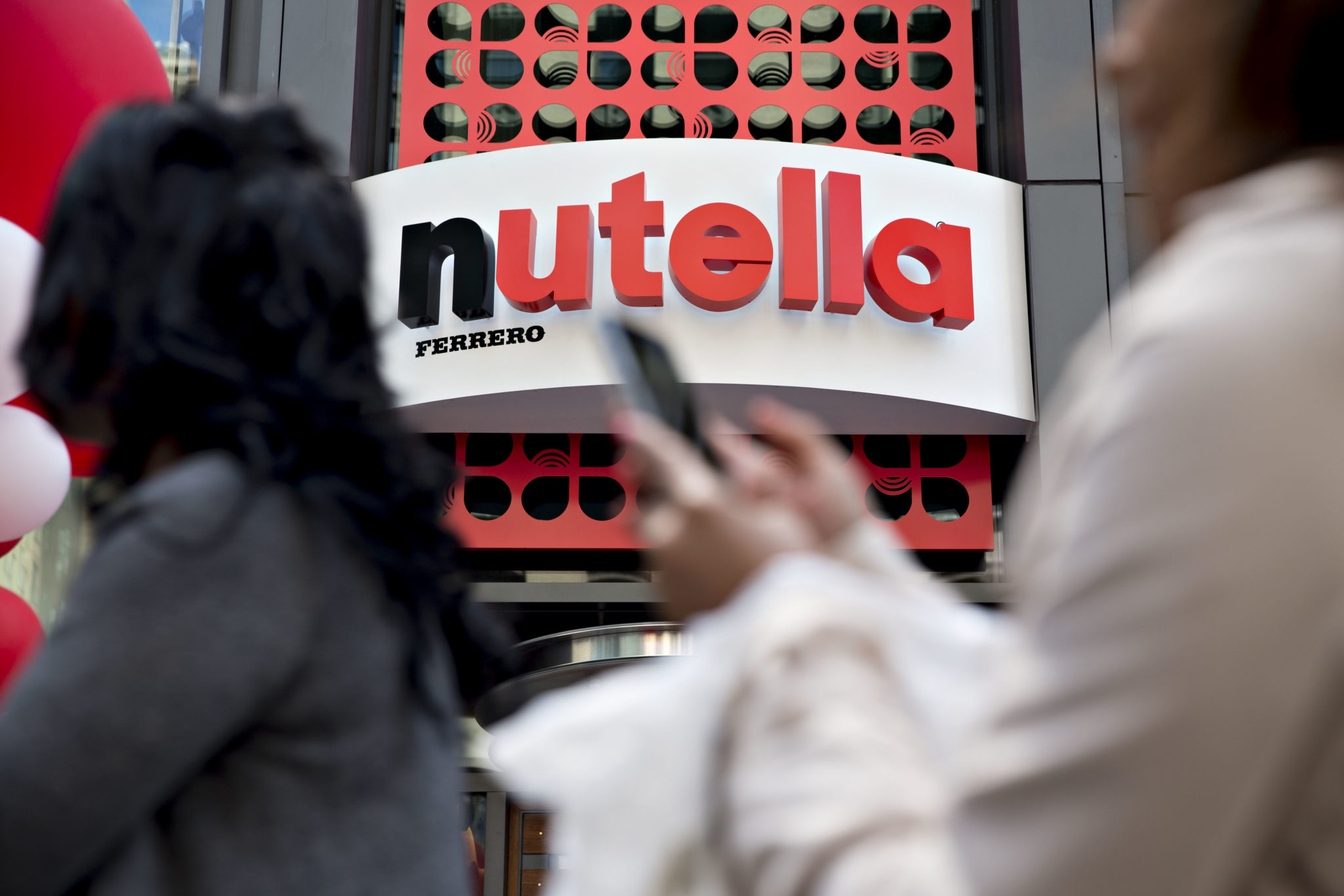
    Confectionery giant Ferrero opened a permanent Nutella Cafe in the heart of New York City this week. The cafe, the brand’s second in the US after its debut in Chicago last year, is designed to create “an authentic Nutella experience all year-round” with a menu of Nutella-centric foods and specialty espresso beverages.

    “We are thrilled to celebrate the grand opening of Nutella Cafe New York in one of the greatest culinary cities in the world,” said Rick Fossali, VP of operations at Nutella Cafe. “The response to our first Nutella Cafe in Chicago has been outstanding, and we cannot wait to treat New Yorkers and tourists alike to a wonderfully delicious Nutella experience showcasing the uniqueness and versatility of this beloved product.”

    The menu at the Nutella Cafe New York will include all-day dishes such as freshly baked breads, pastries, breakfast specials, desserts and gelato – all featuring Nutella hazelnut spread.

    Highlights include Chicago favourites like the Pound Cake Panzanella and Grilled Baguette, along with several items which are exclusive to the New York location: Hazelnut Blondies with Nutella hazelnut spread; multi-grain Piccolino (“little one” in Italian) freshly baked croissants; Grilled Banana Bread with Nutella, warmed and topped with fresh banana slices and toasted hazelnuts; Chia and Hemp seed pudding, topped with Nutella and fresh banana slices; Frozen Nutella Pops and a “Create Your Own” station that allows customers to pick their favourite base with Nutella and customise it with their own choice of fillings and toppings.

    Nutella Cafe New York is located at 116 University Place, a stone’s-throw from Union Square.

    Nutella was created in 1964 by Michele Ferrero, based on the recipe for Giandujot developed in 1946 by his father, Pietro Ferrero – a confectioner and the founder of Ferrero – in Italy’s Piedmont area. These days it is sold in more than 170 countries.

  • Full service eateries threaten fast food in Vietnam

    Full service eateries threaten fast food in Vietnam

    A survey has found full service restaurants outshining the quick service segment in Vietnam since 2017’s third quarter. Full service restaurants (FSR) or sit down eateries where food is served directly to the customers’ table, have been far better patronized than quick service restaurants (QSR), where table service is minimal and the typical fare is fast food.

    In fact, the QSR segment has been dropping quarter after quarter, according to a report released this week by the HCMC-based market research firm Decision Lab.

    It found that the growth of full service restaurants has been fueled mostly by women, and consumers above 35 years of age.

    The FSRs and QSR are the two most important channels for manufacturers of various product categories, with the other five channels being street food, bars, convenience stores, hotels, and canteens.

    Together, they currently account for the majority of out-of-home visits by consumers across all demographic groups in Vietnam.

    The falling of QSR

    Quick service outlets have been suffering from declining visits from all consumer groups, male and female of all ages from 15 upwards in all the three major cities, the report said.

    Among various types of quick service outlets, cafes, bakeries and juice, smoothie shops are those that have witnessed the biggest drop in visits, by 29 percent, 22 percent and 30 percent respectively.

    They have switched to other channels to consume these daily products likes street food, full service restaurants and convenience stores.

    But this does not mean Vietnamese are cutting down on these products. Vietnamese consumption of coffee, juice and smoothies actually increased in the past year.

    Since April 2016, Decision Lab had tracked the out-of-home eating and drinking market in Hanoi, Ho Chi Minh City and Da Nang, Vietnam’s three biggest cities of Vietnam.

    It tracked all food and drink consumed out of home on a daily basis with an annual sample size of 15,000 completed interviews.

    The respondents were Vietnamese consumers aged above 15, who also reported on consumption by children (under 15 years) present when eating out.

    Nghiem Vu Huong Linh, head of Foodservice at Decision Lab, said the findings suggest that consumers have become very selective in their choice of outlets to visit and that not all outlets can benefit from the increasing demand without making significant efforts to become attractive and worth trying.

  • Asia rice: Indian rates up on firmer rupee; Thai harvest to shore up stocks

    Asia rice: Indian rates up on firmer rupee; Thai harvest to shore up stocks

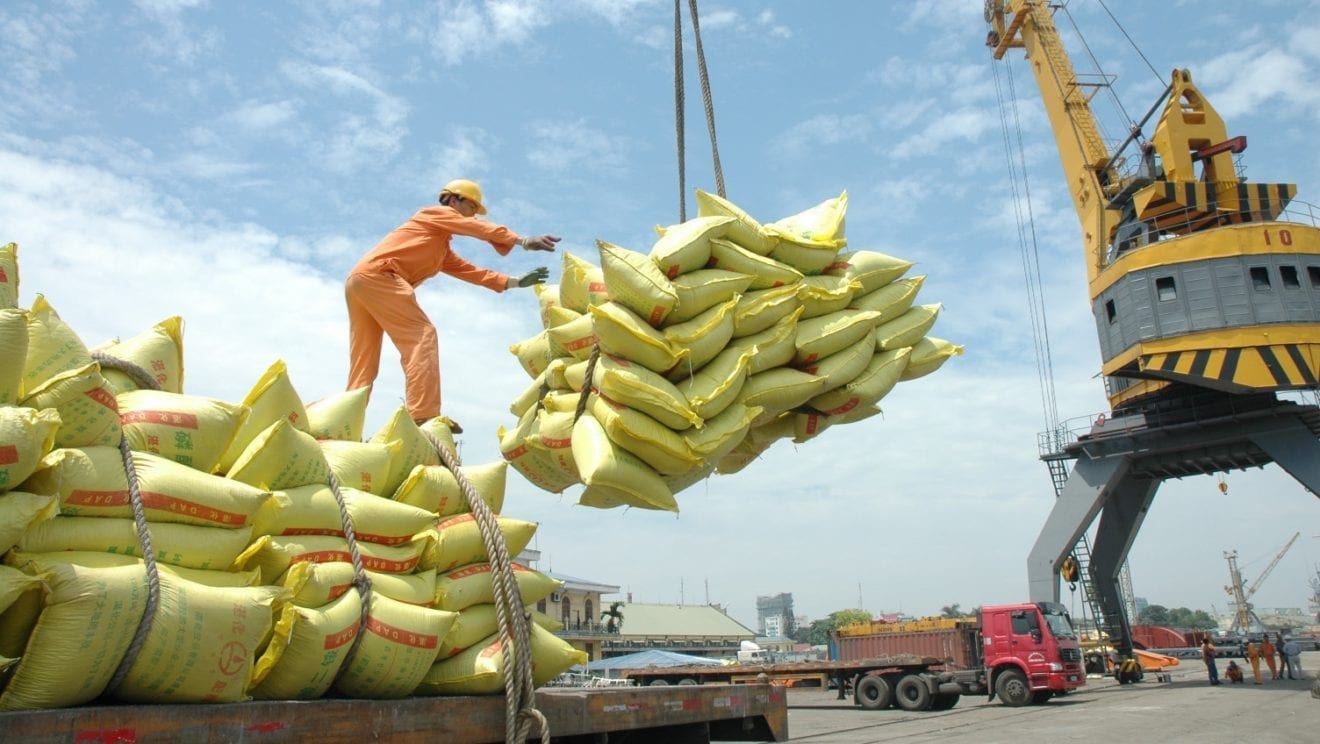
    Rice prices in India nudged higher this week as the rupee firmed, while Thai exporters eyed fresh demand from the Philippines. India’s 5 percent broken parboiled variety was quoted around $363-$371 per tonne this week, versus $362-$369 last week.

    “As the rupee has started to appreciate, we have to adjust export prices,” said an exporter based at Kakinada in the southern state of Andhra Pradesh.

    The Indian rupee rose 0.4 percent on Thursday to its highest level in nearly 8 weeks, trimming exporters’ margins from overseas sales.

    In southern and eastern states, supplies have started to arrive from the new season crop but they are expensive due to higher fixed government buying prices, said a Mumbai-based exporter.

    India’s rice exports dropped 9.6 percent to 5.8 million tonnes between April and September from a year earlier, as leading buyer Bangladesh trimmed purchases due to a bumper local harvest, a government body said earlier this week.

    Meanwhile in Thailand, benchmark 5 percent broken rice prices were quoted at $380 – $398 per tonne, free on board (FOB) Bangkok, unchanged from last week.

    “There have been some minor deals with markets like Japan but they have had no impact on prices,” a Bangkok-based trader said.

    “Thai rice exporters are now watching the Philippines closely because their government will open the bidding process next week.”

    The Philippines’ National Food Authority has issued an international tender to import up to 500,000 tonnes of rice with offers to be opened on Nov. 20.

    “We see this as a major deal ahead of December,” another trader in Bangkok said, pointing out that during the mid-November to early-December period, the market expects an increase in supply due to the seasonal harvest.

    In Vietnam, rates for 5 percent broken rice remained in the $415-$420 a tonne range seen last week.

    “We haven’t signed any new export deals over the past month as domestic supplies are scarce,” a trader in Ho Chi Minh City said. “We wouldn’t be able to secure sufficient rice if we got any new contracts now.”

    Egypt received offers for more than 500,000 tonnes earlier this week, including 50,000 tonnes from Vietnam, the trader said, adding that they were not sure if they will bid in the Philippines’ state grains agency tender.