Category: Food

Retail News Asia is committed to providing both local and global retailers with the latest Food and Food & Beverage news throughout the Asian market. This on a daily base.

  • Swiggy to engage 2,000 women for food delivery

    Leading food ordering and delivery start-up Swiggy on Tuesday said it would engage about 2,000 women as delivery personnel by March 2019. “About 2,000 women will join our delivery team by March next year. Over the last few months, we have been working on training women for opportunities in this growing food delivery sector,” the city-based online food delivery platform said in a statement here.

    By deploying more women as delivery personnel across the country, the company said it aimed to create an inclusive workforce.

    The company engages around a lakh personnel daily to deliver food across 45 Indian cities it operates in.

    Currently, about 60 women are tied up with Swiggy across 10 cities, including Ahmedabad, Kochi, Kolkata, Mumbai, Nagpur and Pune, to deliver food.

    World over, the employment of women as delivery personnel has been meagre.

    “We are creating a women-friendly work environment with a dedicated helpline for any concern, as well as appointing more women in managerial roles,” the company said.

    Swiggy is identifying ‘safe zones’ for women delivery personnel to operate in and will allow them to complete their deliveries by 6 p.m., it added.

    “Since inception, we have seen the potential in investing in logistical prowess, which has helped us in having end-to-end control over the food delivery experience,” Sachin Kotangale, Vice President (Operations), Swiggy said in the statement.

    Set up in 2014, the food delivery platform claims to receive about 20 million orders a month across 45,000 restaurants in 45 cities, including New Delhi, Hyderabad, Mumbai, Bengaluru, Chennai, Kolkata, Gurugram and Pune.

    It raised US$ 210 million (around Rs 1,500 crore) from multiple investment firms, and has so far raised over US$ 460 million (around Rs 3,350 crore).

    The company, which has over 4,000 employees, reported an operating revenue of Rs 442-crore for the fiscal 2017-18.

  • Jollibee Philippines Q3 profit rises

    Jollibee Philippines Q3 profit rises

    Philippine fast-food franchise Jollibee posted an increase in profit of nearly 20 per cent in its third quarter. Backed by strong sales, the firm has posted a 19.2 per cent rise in net income attributable to shareholders to PHP6.09 billion (US$114.5 million).

    According to Jollibee’s CFO Ysmael Baysa, the company’s global sales have seen strong growth this year, including in its home base in the Philippines, partly driven by concerted efforts to expand Jollibee’s store network.

    “We look forward to the recovery of Jollibee profit margins in the Philippines next year and the significant improvement in the profit performance of our new businesses in the next one to two years,” he said.

    Beyond its own franchise, Jollibee operates the Chowking, Greenwich, Red Ribbon and Smashburger brands in various worldwide locations. It currently has 3003 stores worldwide, with more set to open in the immediate future in Malaysia and Guam.

  • Coffee Day India Q2 net profit plunges

    Coffee Day India Q2 net profit plunges

    Coffee Day Enterprises Ltd Wednesday reported a 59.78 percent fall in consolidated net profit at Rs 23.83 crore for the September quarter due to higher expenses. The company had reported a net profit of Rs 59.26 crore in the corresponding period of the previous fiscal.

    According to a report, Its total income grew to Rs 1,015.13 crore during the quarter under review, up 12.42 per cent, as against Rs 902.9 crore in the corresponding quarter of the year-ago period, Coffee Day Enterprises said in a BSE filing.

    Expenses during the quarter stood at Rs 1,014.99 crore, up 13.83 per cent, as against Rs 891.6 crore a year ago.

    The company said board of directors, at its meeting held on 14 November 2018, discussed the potential restructuring of the company’s business to segregate its coffee business and its subsidiaries from their non-coffee businesses (including integrated multi-nodal logistics, financial services, development and management of commercial space, hospitality services and investment operation).

    “No decision to undertake any restructuring has been taken by the board at this stage,” it added.

  • Starbucks Tokyo Reserve opening date revealed

    Starbucks Tokyo Reserve opening date revealed

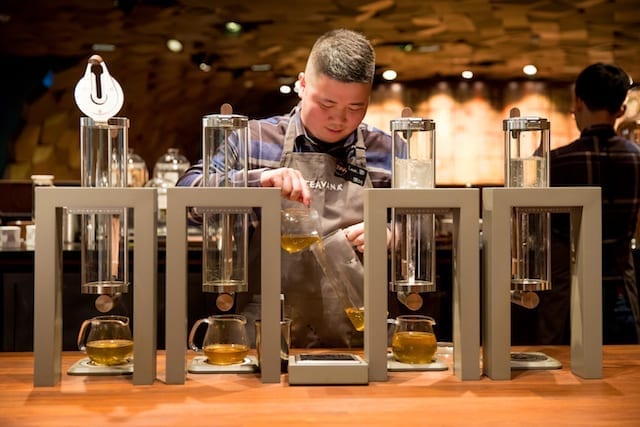
    The planned Starbucks Tokyo Reserve Roastery will open on February 28 next year. The outlet will launch in the Nakameguro district as the brand’s fifth global Reserve Roastery, designed and constructed in partnership with architect/Kuma Lab founder Kengo Kuma.

    Starbucks will build 100 new stores in Japan every year over the following three years, bringing its total stores to 1700 within the territory.

    Starbucks president and CEO Kevin Johnson said: “We continue to thoughtfully evolve within Japan’s elevated coffee culture to maintain a leadership position and achieve profitable growth for the long-term.”

    The firm recently launched a delivery program in Japan in partnership with Uber Eats, as well as a partnership with Japanese social media platform Line that is expected to result in a digital payment system.

  • Burger King cancelled IPO plan

    Burger King cancelled IPO plan

    TFI TAB Food Investments, the exclusive operator of Burger King in the Turkish and Chinese markets, has withdrawn its expected US$220 million IPO in the US. Citing market volatility, TFI TAB withdrew the filing nine months after postponing the Burger King IPO following instabilities in Wall Street trading. The filing had already been scaled back from an initial ask of $400 million, offering 22 million shares for between $9–11. Plans were to use raised funds to pay off debts and for general business purposes.

    The Istanbul-based firm is the world’s largest Burger King franchise, operating 1822 locations – of which 766 are within China.

    According to the firm, “moving into China was bold. We entered this huge and vastly different market later than our competitors. We and our partners invested significant upfront capital as we signed on as the exclusive master franchisee and developer for Burger King in China.”

    In a  statement on the withdrawal the company said it would continue to evaluate the timing for a  Burger king IPO “as market conditions develop”.

  • JD.com’s First Robot Restaurant Now Open in Tianjin

    JD.com’s First Robot Restaurant Now Open in Tianjin

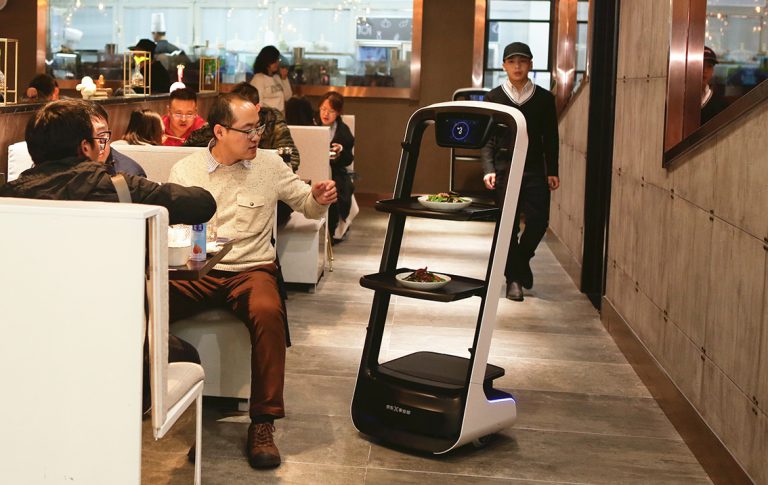
    Chinese online retailer JD has opened its first fully automated robot restaurant in Tianjin. The 400sqm venue has opened as “XCafe” at the Sino-Singapore Tianjin Eco-city, an area of Tianjin dedicated to environmental sustainability. XCafe is the first fully-automated restaurant in China, with all aspects of ordering, preparing, cooking, plating and serving performed by robots, which can work a full day on a single charge. Five or six human staff are still required to refill and position ingredients for the robot chefs.

    XCafe’s manager Tang Siyu said the restaurant can seat about 300 guests for dinner, with a table turnover rate of three turns per table during the lunch or dinner hour. It currently serves around 40 predominantly stir-fry dishes, with a potential full menu of more than 200 offerings.

    The restaurant also features VR interactive games and immersive dining experience areas.

    JD plans to open 1000 robot restaurants by 2020 and is seeking to promote the technology to other catering firms.

  • SEA gives struggle to Dairy Farm International

    SEA gives struggle to Dairy Farm International

    “Significant challenges” across the Southeast Asian supermarket business are continuing to test Hong Kong-listed multi-format retailer Dairy Farm International. In a management statement discussing the company’s third-quarter performance – which did not include any figures – Dairy Farm said its businesses produced “mixed results” with a strong performance in health and beauty and good results from home furnishings and restaurants divisions. However, the performance of the Hong Kong supermarkets business has softened.

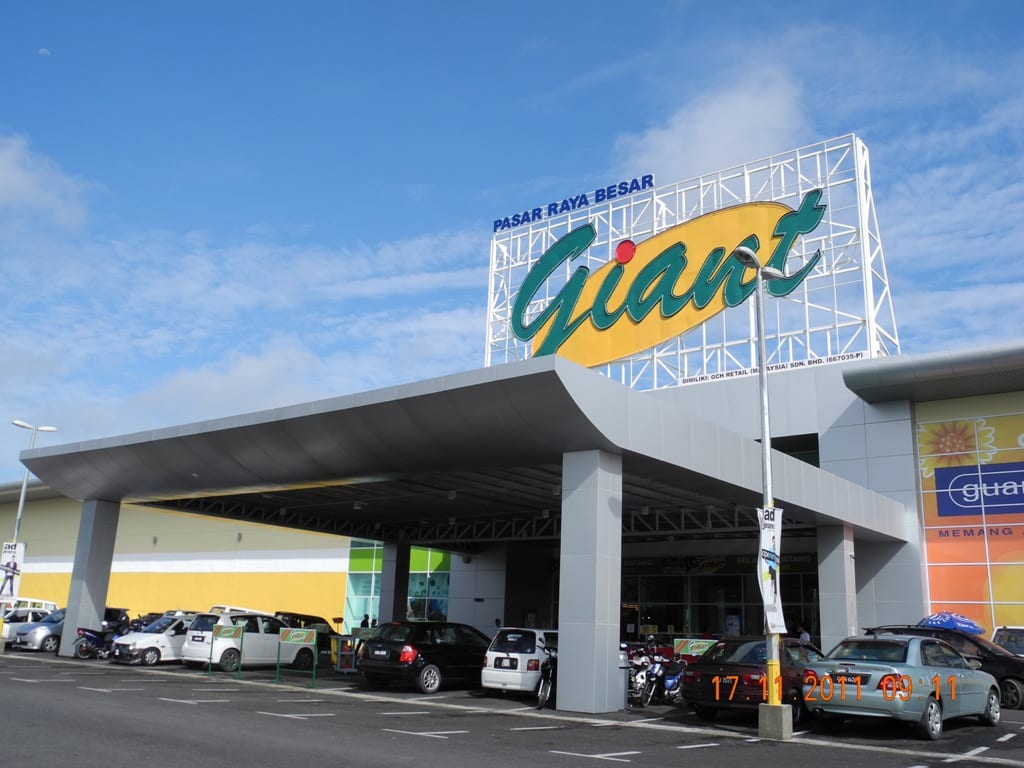
    The company said the Southeast Asian grocery store business – Cold Storage and Giant stores in Singapore and Malaysia – is expected to continue for the remainder of the year with the group’s full year results expected to be impacted by increasing costs from ongoing investment in technology, supply chain infrastructure, stores and people in order to improve the long-term performance of the business. Sales and profits fell in its supermarkets in both countries. Falling sales in Indonesia were mitigated by management action which resulted in reduced losses there.

    In North Asia, sales from the food businesses were slightly ahead of the same period last year, but profits were lower as a result of weakening margins and continued cost pressures, particularly from increased rents.

    However, the health and beauty businesses in Hong Kong and Macau (Guardian stores) delivered “strong sales and profit growth”.

    The Philippines food business showed good sales growth, benefitting from the opening of several new stores, but profit was slightly behind the prior year due to increased operating costs. There was continuing good sales and profit improvement in the group’s health and beauty businesses, notably in Malaysia and Indonesia.

    Ikea’s sales and profits were ahead of last year in Taiwan and Indonesia. In Hong Kong, sales were higher, supported by the new store which opened last year; however profits were lower as a result of higher operating costs.

    In Hong Kong, Maxim’s delivered another record-breaking mooncake sales performance during Mid-Autumn Festival, which was earlier than last year, and helped drive sales and profit higher during the period. Supermarket Yonghui reported strong sales growth in the quarter but profit was lower than the prior year due to investment in new formats and the additional costs of the new employee incentive scheme.

    Approval was received from the Philippines Competition Commission in August for the combination of Dairy Farm’s Food business in the Philippines with Robinsons Retail Holdings, with completion expected to take place within weeks.

    In early October Dairy Farm agreed to acquire the remaining 51 per cent interest in Rose Pharmacy in the Philippines, which is now subject to regulatory approvals.

    Dairy Farm, together with its associates and joint ventures, operate more than 7400 outlets, including supermarkets, hypermarkets, convenience stores, health and beauty stores, home furnishings stores and restaurants – employing more than 200,000 people. Total sales last year exceeded US$21 billion.

  • Korea’s snack prices increase as costs rise

    Korea’s snack prices increase as costs rise

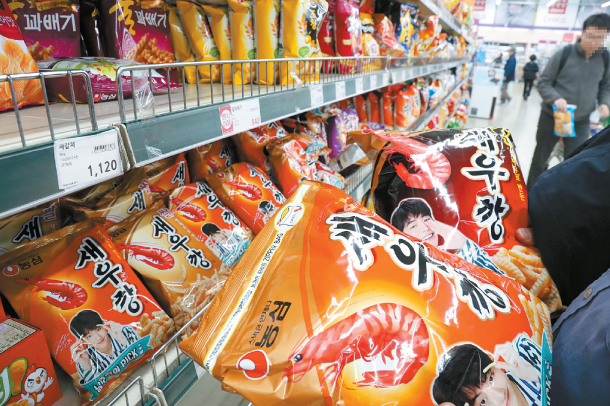
    Nineteen Nongshim snacks, including its famous Shrimp Crackers, will cost more beginning tomorrow, the company announced on Tuesday. “We have decided to raise prices in the face of accumulated pressure from rising production, labor and management costs,” said a Nongshim spokesperson. “We have tried to minimize the scope of the price rise in consideration of our consumers.”

    According to the company, Nongshim will raise the prices of 19 out of its 23 snacks by an average of 6.7 percent beginning from Nov. 15.

    A 90-gram (3.17 ounces) bag of Shrimp Crackers, one of the company’s iconic products, will now cost around 100 won ($0.08) more than the current 1,200 won. The prices of other favorites, such as Onion Rings, Honey Twist Snacks and Tako Chips, will rise by 6.1 percent, while the price of Pretzels will jump by 7.4 percent.

    Tomorrow’s hike will mark the first time in over two years that Nongshim has increased snack prices. It upped the price of 15 of its snacks by an average of 7.9 percent in July 2016. In Feb. 2014, it increased the price of Shrimp Crackers by 10 percent.

    Earlier this year, competitors Crown-Haitai Confectionery and Lotte Confectionery began charging more for some of their snacks, both citing rising production costs.

  • Chinese grocery market set for solid growth, says IGD

    Chinese grocery market set for solid growth, says IGD

    A report released by the international grocery research organisation IGD has forecast growth of 32.6 per cent in the Chinese grocery market by 2022, preserving its status as the largest grocery market in Asia. Grocery retail sales in China are set to rise to CNY 11.4 trillion (US$1.637 billion), more than India, Japan and Indonesia combined.

    The market is expected to see a CAGR of 5.8 per cent over the next five years, on par with Thailand but slower than markets such as India, Vietnam and Bangladesh, where the economy is growing faster.

    Globally, China will remain the second largest grocery market in the world by 2022, behind the US in terms of value.

    Shirley Zhu, programme director for IGD’s Asia-Pacific research, said China continues to be an exciting market to watch with its significant size and rapid growth. “Retailers with nationwide networks such as Sun Art, Yonghui, Walmart, CRV and Carrefour will reap rewards from ongoing expansion, partnerships with e-commerce players, improved efficiency and investment in small formats.

    “Similarly, e-commerce giants such as Alibaba and JD.com will see significant growth from both online and offline channels and become the second and third largest grocery retailers in China, respectively. Regional players such as NGS, Wumart and Bailian will continue on their journey of transformation and consolidation and focus on profitability.”

    Market share for hypermarkets and supermarkets will remain steady, close to 40 per cent of the market up until 2022. However, the supermarket channel will overtake hypermarkets as the largest sales channel with a market share of 20.7 per cent, says IGD.

    “Convenience will be the fastest-growing physical store channel”, said Zhu. “This will be driven by Alibaba and JD transforming traditional mom-and-pop stores, retailers opening smaller format stores and both local and overseas players expanding their networks through partnerships. Online and offline integration will drive online growth. As the fastest growing channel, we forecast online to contribute up to 11.1 per cent of sales in 2022.”

    Less than half of the grocery sales in China currently go through traditional trade. As the market continues to mature, traditional trade will keep losing share to modern trade, which currently accounts for about 57 per cent of total grocery retail sales and is predicted to grow to 66 per cent by 2022.

  • Vietnam brewer Sabeco lifts foreign ownership cap

    Vietnam brewer Sabeco lifts foreign ownership cap

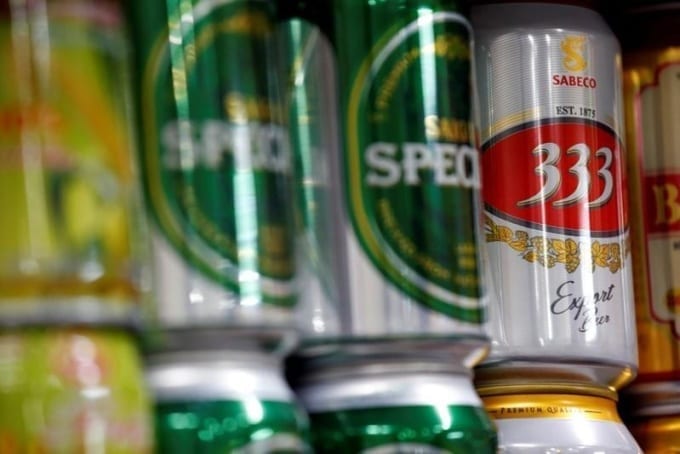
    Vietnam’s largest brewer Sabeco says it has removed its foreign ownership limit, in a statement on its website Monday. The company, known for its Bia Saigon and 333 brand, said that its board of directors had issued a resolution on Oct. 30 that approves “unrestricted foreign ownership percentage in Sabeco.”

    Last December, Thai Beverage acquired a 53.59 percent stake in Sabeco from Vietnam’s Ministry of Industry and Trade for $4.84 billion through a local entity, Viet Beverage (VietBev).

    Under the government’s Decree 60 dated June 26, 2015, listed companies, except those working in conditional business fields like banking, are allowed to determine their foreign ownership cap. They just need to register the limit with the State Securities Commission.

    The Ministry of Finance last week presented a draft securities law that would remove the current 49 percent foreign ownership cap in many sectors, except some conditional sectors.

    However, the draft has not been finalized and submitted to the National Assembly for approval.

    In Vietnam, conditional sectors refer to industries subject to additional regulations that would override limits set out by the securities law.

    Sabeco, formally known as Saigon Beer Alcohol Beverage Corp, recorded revenues of VND25.5 trillion ($1.1 billion) in the first nine months of this year, meeting 70 percent of its annual target.

    It occupies approximately 42.8 percent of the domestic beer market, according to the Ho Chi Minh City Securities Corporation. Last year, it produced nearly 1.8 trillion litres of beer.

  • Hard Rock Cafe to be reintroduced in Philippines

    Hard Rock Cafe to be reintroduced in Philippines

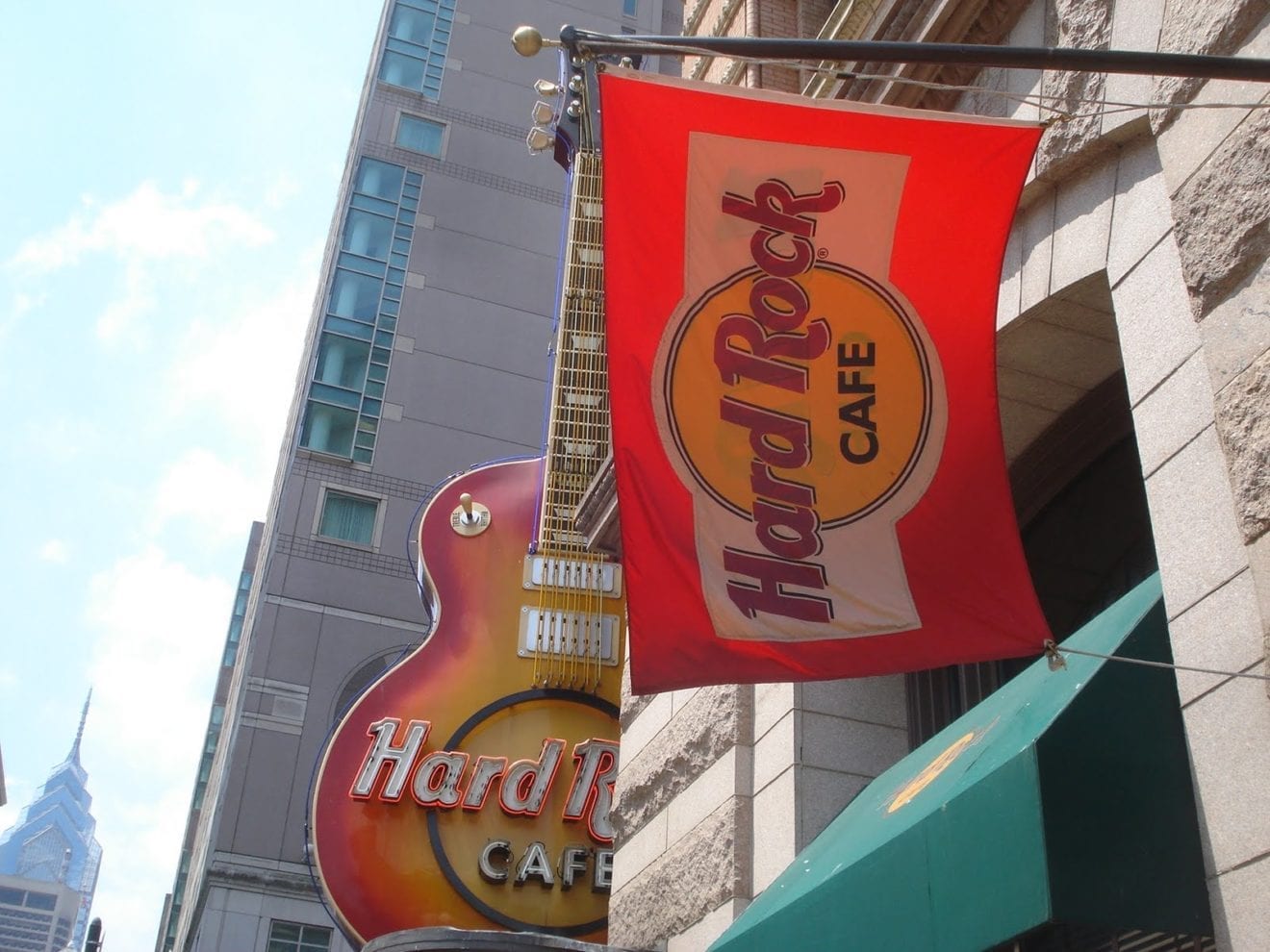
    Bistro Group has acquired the exclusive franchise for Hard Rock Cafe in the Philippines, planning to reintroduce the brand in the region after a year’s absence. The Hard Rock group has high hopes for the partnership given the new local partner’s proven performance in the “Western-driven market.”

    Area franchise development VP Steve Yang said: “The Bistro Group is a strong industry player and with its robust portfolio of brands as well as its track record for more than 20 years, we are confident that they will be a strong partner to help us take Hard Rock Cafe in the Philippines to the next level.”

    The new Hard Rock Cafe will open next month in a 653sqm space at the Conrad S Maison mall in Pasay City, with four to five branches potentially in the works for Cebu and Bonifacio Global City.

    “Putting Hard Rock inside a mall is in response to the current lifestyle trend and is one of the best locations we’ve seen in our operations,” Yang said.

    Hard Rock’s VP for franchise operations and development Anibal Fernandez said the company wants to expand its presence in high-growth markets frequented by locals and tourists.

    “Last year alone we launched cafes in Spain, Austria, South Africa, Andorra, Bolivia, India, Cambodia, Myanmar, Argentina and Nicaragua. In 2018 we are developing in Africa, Middle East, Europe, North and South America, South Asia and China, among others.”

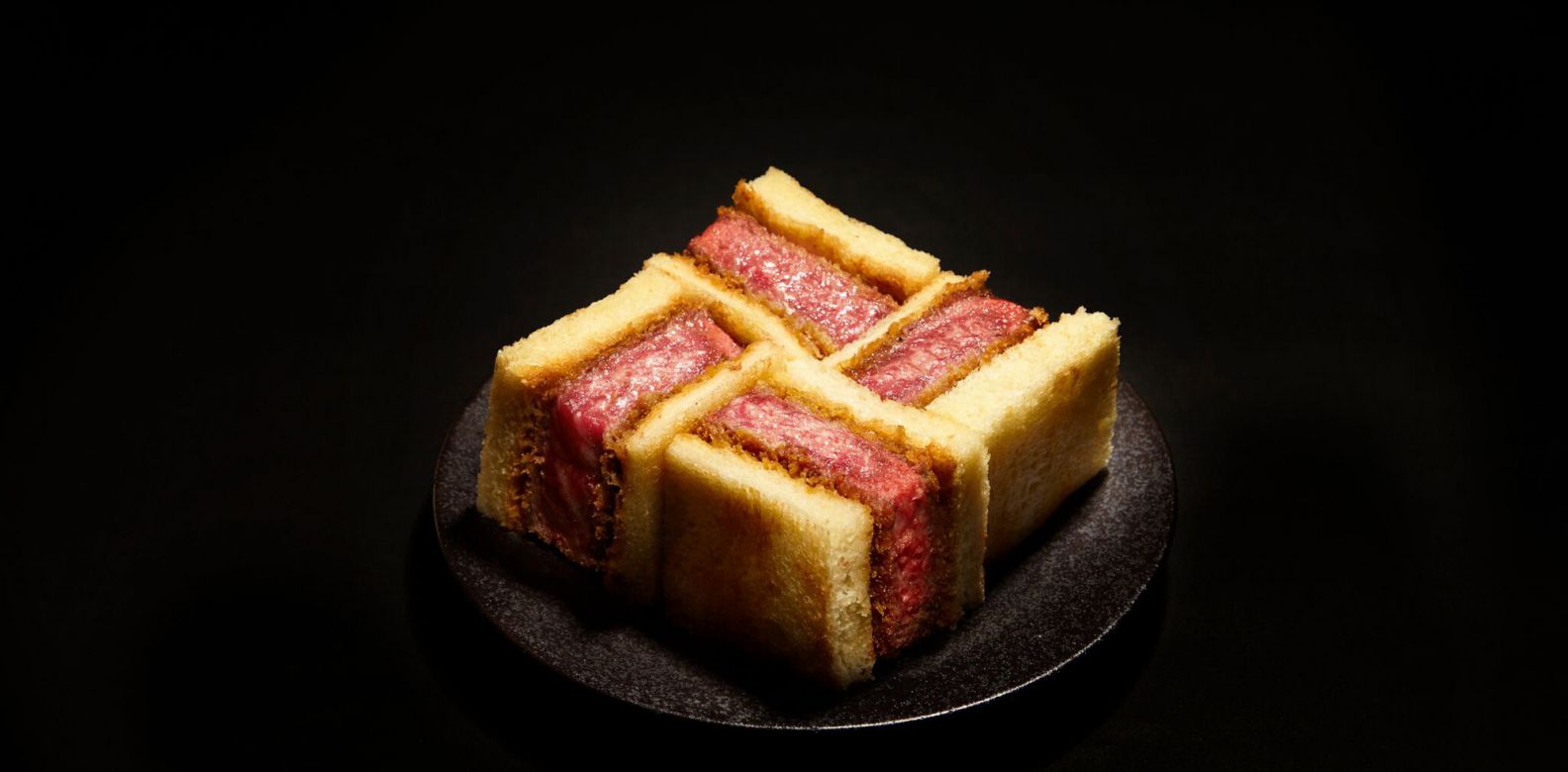
  • Wagyumafia launches in Hong Kong

    Wagyumafia launches in Hong Kong

    Japanese restaurant chain Wagyumafia is set to open in Hong Kong’s Wan Chai. It will be the franchise’s first international location since launching two years ago. Wagyumafia is known for its premium beef and members-only business model. The brand has gone through an extended promotion under co-founder Hisato Hamada, who has hosted pop-up events for the franchise in top international locations – including Paris, London, Singapore and New York.

    The new Hong Kong location will be open for 18 members at a time, serving an omakase menu focused on choice Wagyu and Kobe beef yakiniku and shabu-shabu dishes.

    Hamada said “Wagyumafia seeks to buy only the top 1 per cent of Kobe beef. To ensure our premium quality standards are met, we source our products from the top 20 best farmers in Japan.”

    Reservations will be opened to non-members sometime after the first month of trading.

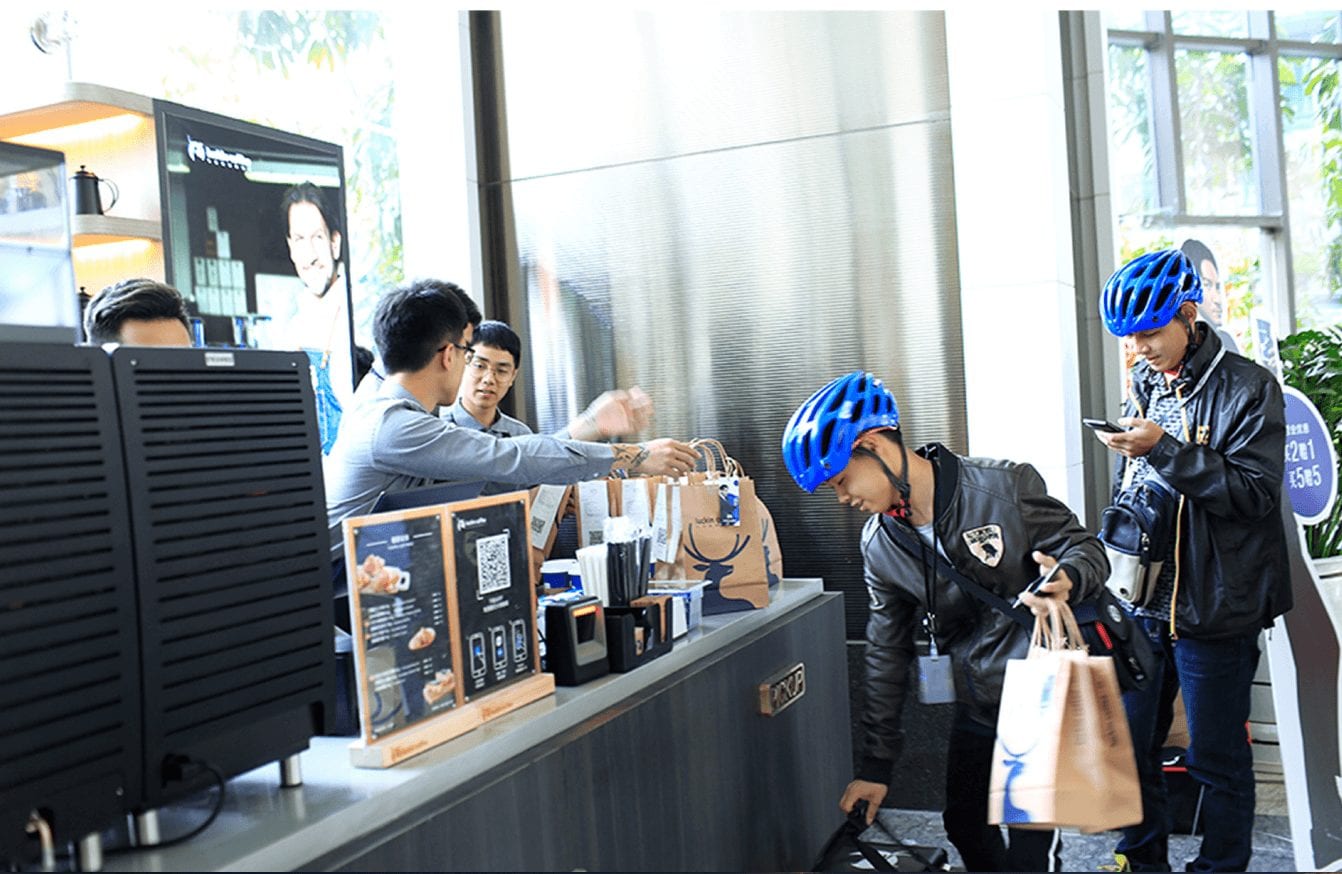
  • China’s Luckin Coffee worth $2 billion after just less than a year

    China’s Luckin Coffee worth $2 billion after just less than a year

    Fast-growing Chinese coffee chain Luckin Coffee is seeking a new round of funding which would value it at US$1.5–2 billion. Launched only this year, the company has already opened more than 1400 outlets in 21 mainland locations, its rapid growth based on its inexpensive delivery service concept and online ordering system. Luckin’s aggressive competitive strategy involves an IT-focused approach whereby all customers must purchase coffee via an app, with which they can then monitor brewing progress via livestream.

    Its expansion has been backed by multiple investors, including Singapore’s GIC. It is currently seeking up to US$300 million in additional funding to continue its momentum.

    Starbuck currently operates 3400 stores in China, which is its second-largest market worldwide. It intends to increase that number to 6000 stores within three years. The brand recently partnered with Alibaba to establish a coffee delivery service, foreshadowing Luckin’s own recently-signed partnership with Alibaba rival Tencent.

    Some reports have suggested that Luckin may be in discussion with investment banks to launch an IPO overseas, most likely in either New York or Hong Kong.

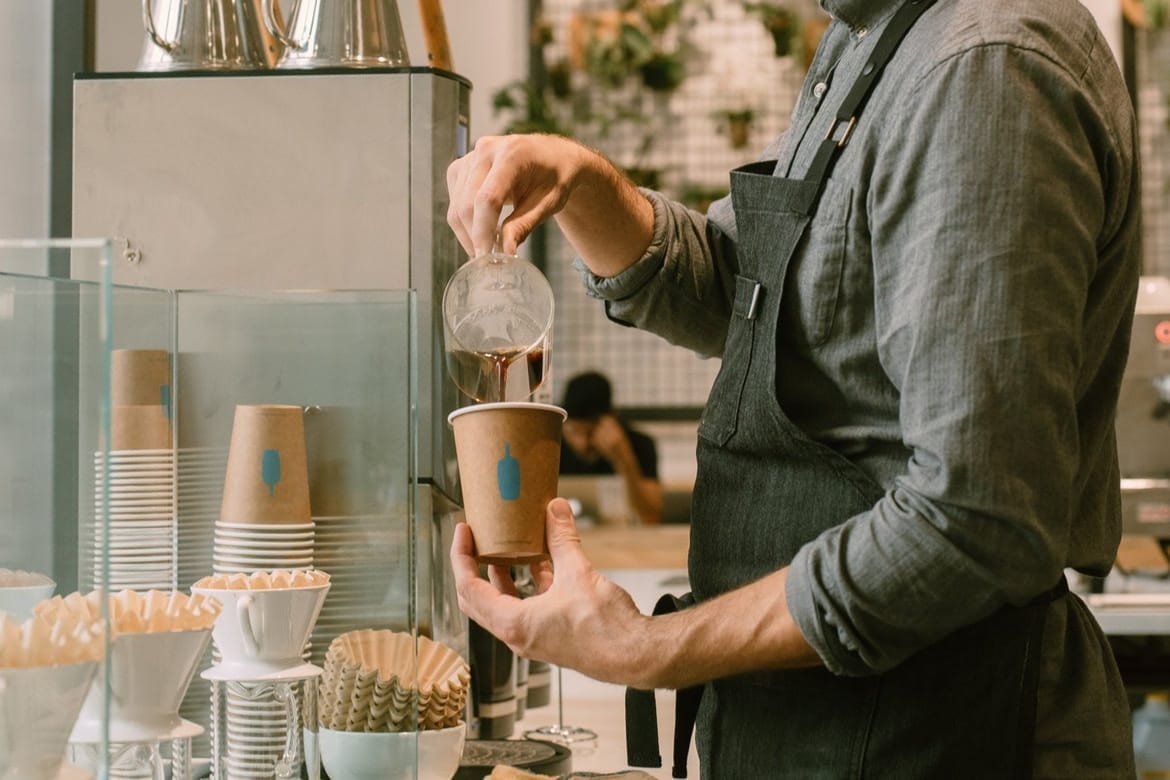
  • Blue Bottle Coffee makes debut in South Korea

    Blue Bottle Coffee makes debut in South Korea

    Blue Bottle Coffee Co an upscale US coffee chain operator, says it will open its first South Korean shop in Seoul in the second quarter of next year as the company moves to expand its presence in the Asian market. It said the new cafe and a roastery will open in Seoul’s eastern Seongsu neighbourhood, a trendy hangout spot where young artists and designers have renovated existing buildings into art spaces, fine restaurants and cafes.

    The move will mark Blue Bottle’s second international launch since it opened its shop in Tokyo in 2015. Blue Bottle said it will directly enter the South Korean market as Blue Bottle Coffee Korea Ltd.

    “We feel very close to our South Korean guests, having known them for years in our cafes in the US and Japan and on social media,” said Bryan Meehan, CEO of Blue Bottle Coffee. “Now, Blue Bottle Coffee will no longer be just a tourist destination for them but a part of the fabric of Seoul.”

    Founded in 2002, the Oakland-based roaster now has 56 cafes in the US and 10 in Japan. Swiss food giant Nestle bought a 68 per cent stake in the company last year.

    According to government data, the size of South Korea’s coffee market stood at 11.7 trillion won (US$10.8 billion) in 2017, up more than threefold from a decade earlier.

  • Robust demand for robusta to boost Vietnam’s coffee exports

    Robust demand for robusta to boost Vietnam’s coffee exports

    Vietnam’s coffee exports can hit a record high this year because of high global demand for the robusta variety. Coffee exports this year could top over 1.8 million tons, said Do Ha Nam, deputy chairman of the Vietnam Coffee and Cocoa Association.

    “The world market has consumed all the coffee shipments from Vietnam. Supply has been insufficient to meet demand,” Nam said.

    The shortage comes as global’s demand for instant coffee is expected to rise this year, especially in developing markets.

    Global consumption of robusta, mainly used by big companies including Nestle SA to make instant coffee, is forecast to climb to a record high this season.

    The worldwide market for instant coffee is set to expand 4.7 percent a year through 2023 to $14 billion from $10.4 billion in 2017, market research firm IMARC said in a recent report.

    Higher demand has boosted domestic coffee prices.

    The price of coffee in the Central Highlands, Vietnam’s major coffee-growing belt, hit VND35,300-36,100 ($1.51-1.54) per kilogram in early October, higher than that VND32,500-33,300 ($1.39-$1.43) per kilogram in early September.

    Coffee exports from Vietnam grew at an estimated 21.5 percent between January and October from a year ago to 1.58 million tons, according to the General Statistics Office.

    Coffee export revenues for Vietnam, the world’s biggest producer of the robusta beans, rose 1.1 percent to $2.98 billion in this year’s 10-month period, the office said.