Category: Food

Retail News Asia is committed to providing both local and global retailers with the latest Food and Food & Beverage news throughout the Asian market. This on a daily base.

  • Mokutan celebrates grand opening at Empire Prestige in Tsim Sha Tsui

    Mokutan celebrates grand opening at Empire Prestige in Tsim Sha Tsui

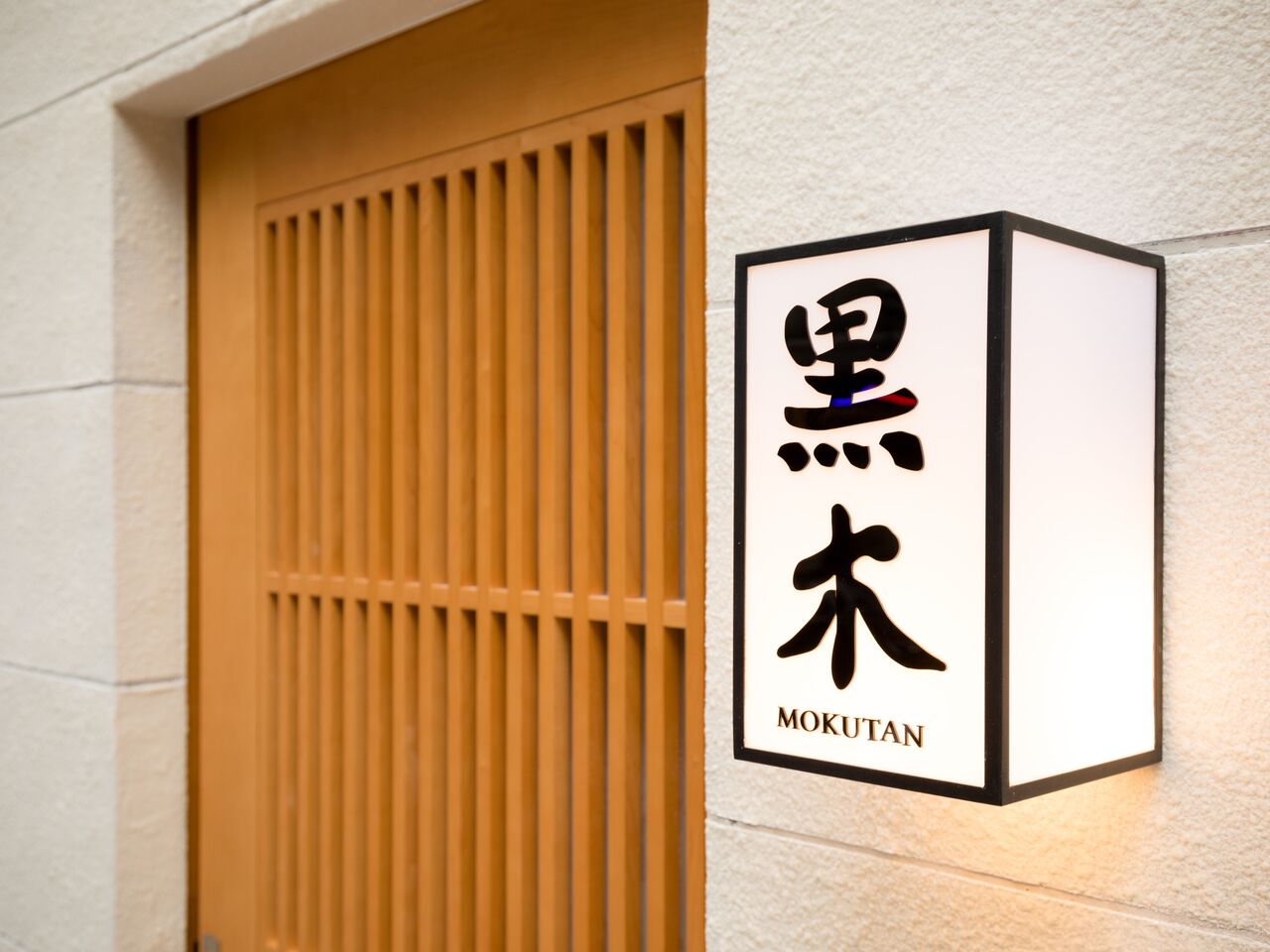
    MOKUTAN, Hong Kong’s latest sleek and contemporary Japanese Izakaya, celebrates grand opening in the vibrant heart of Tsim Sha Tsui at Empire Prestige. An exclusive, hole-in-the-wall gem designed for epicureans in the know, MOKUTAN offers a repertoire of high-quality, seasonal specialties, highlighting three affordable Omakase menus from HK$288.

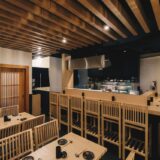
    MOKUTAN boasts a design that is reminiscent of Japan’s zen character. An expansive white wall marks the entrance to the restaurant, projecting a sense of simplicity that contrasts the eclectic bustle signature to Tsim Sha Tsui. Inside, down-to-earth materials such as packed earth, wood, and paper are used to give the space a minimalist feel, paying homage to an era of Japanese history.

    An intimate space which seats 26 people, the L-shape open kitchen offers the perfect opportunity for diners to see the culinary team in action.

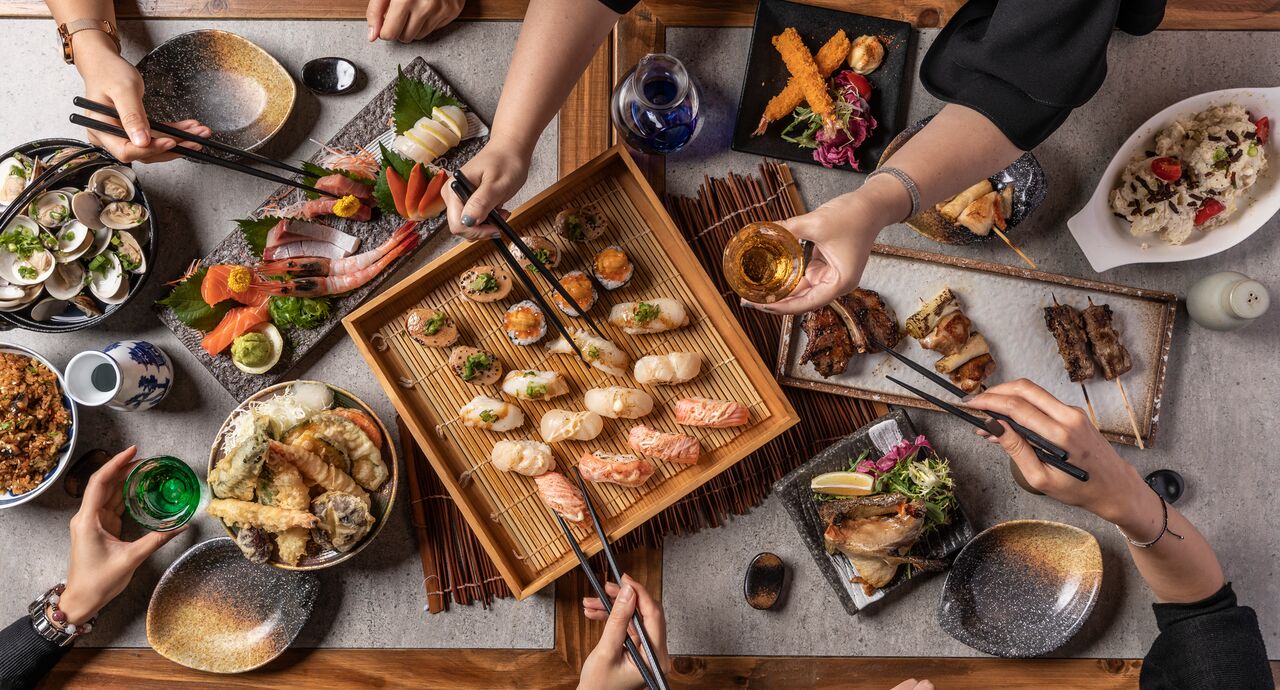
    MOKUTAN’s three Omakase menus include a 9-course option featuring Chef’s choice of appetizer, meat and vegetable skewers, simmered dish, and soup (HK$288); or a 13-course menu showcasing more lavish dishes at HK$428. Those who crave for a complete MOKUTAN Izakaya experience may enjoy a sumptuous 18-course menu at HK$688, sampling an appetizer, 6 meat skewers, 6 vegetable skewers, a simmered dish, soup, grilled dish, seasonal seafood and rice.

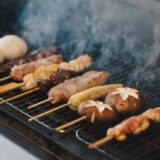
    Crafted to highlight the authentic flavors of Japanese Izakaya, MOKUTAN’s a la carte menu showcases a robust choice of Japanese classics. Chicken yakitori, the quintessential staple, features Satsuma chicken fresh from Kagoshima. It is presented in a multitude of ways; demonstrating the different flavors from a whole bird.  Highlights include the bird’s neck, kidney, skin, heart, and tail, all of which are perfectly grilled under the expert hands of the culinary team.

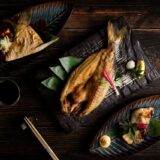
    Meat lovers can also enjoy classic skewers such as Minced Chicken (HK$48), Angus Beef Short Rib (HK$66), and a selection of seafood highlighting MOKUTAN Threadfin (HK$168), Water Eel (HK$68) and Yellowtail Joint (HK$138), while vegetarians have a vast menu of seasonal vegetable skewers to choose from. Japanese favorites such as Onigiri (Japanese Rice Balls, HK$38-HK$48), Ochazuke (Rice in Green Tea Soup, HK$48), Onsen Tamago with Black Truffles (HK$68), Grilled Dried Cod Fish (HK$198), and Cheese Mochi (HK$28) serve as delectable side dishes.

    Offering business executives the ideal Japanese lunch option is MOKUTAN’s special bento menu, featuring signature dishes such as the “MOKUTAN Threadfin” (HK$128) a light tasting but firm white fish and “MOKUTAN Chicken” (HK$98), a perfectly grilled chicken yakitori drenched in house special sauce that brings the right amount of fuel to power through the afternoon slump.  Those who desire something heartier may opt for the succulent “Pork Belly” (HK$98), the melt-in-your-mouth Angus Beef Short Rib (HK$128), or the tender and distinctively taste “Lamb Chop” (HK$118).  All lunch sets are served with daily special appetizer, soup, salad, and rice.

    Complementing the yakitori experience, diners may choose to pair their meals with premium sake such as Daina, Born and Dassai; while luscious plum wine from Dewatsuru Kimoto Junmai make a perfect aperitif.

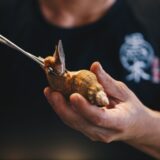
    “The simplicity in which yakitori is presented masks the technique and skill that goes into the dish,” shares Benson Ling, co-owner of MOKUTAN and brainchild of trendy sushi roll concept – Chottomaki.  “At MOKUTAN, we are delighted to bring a genuine Yakitori experience in a relaxing and intimate setting.”

    View the gallery of the newly opened restaurant below (7 images) :
  • Telenor Pakistan and foodpanda bring exclusive discounts for customers

    Telenor Pakistan and foodpanda bring exclusive discounts for customers

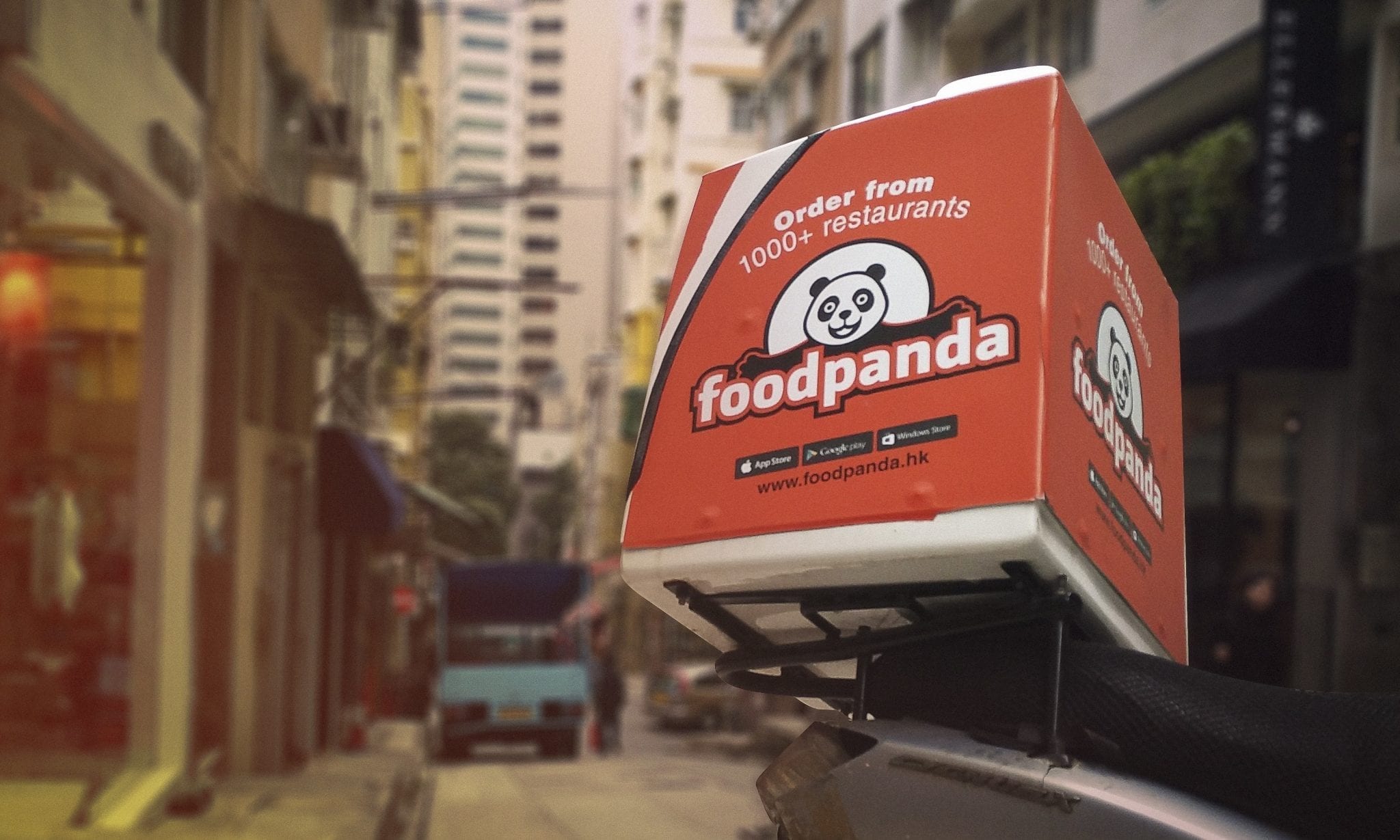
    Country’s top telecom digital services provider, Telenor Pakistan, and the country’s leading food delivery service, foodpanda, have announced collaboration in three key areas namely marketing, operations, and cash management with an aim to offer exclusive discounts to their mutual customers in Karachi, Hyderabad, and other cities in the southern region.

    A Memorandum of Understanding (MoU) was signed between Telenor Pakistan and foodpanda in Hyderabad at the latter’s corporate launch event in the city. As part of the agreement, Telenor subscribers in Karachi, Hyderabad, and Quetta who are first-time foodpanda users will be offered exclusive discount vouchers for their food delivery orders.

    Telenor Pakistan will also distribute discount vouchers at its franchises and retail outlets in these locations with the sale of every new Telenor 4G SIM, Wingle & MiFi device, as well as SIM upgrade to 3G/4G.  In order to bring the benefit of the partnership, an awareness campaign will be launched with foodpanda advertising to Telenor customers on its own channels including website, mobile app and blog and Telenor reaching out to its subscriber base through SMS broadcast.

    “We remain the primary digital lifestyle partner of millions of Pakistanis and want to facilitate them in the most innovative of ways,” said Umair Mohsin, VP Circle South, Telenor Pakistan, during the MOU signing ceremony. “By forging such associations as the one with foodpanda, we aim to bring ease and excitement to everyday lives of our customers and help them take maximum advantage of their smartphones and super-fast Telenor data network.”

    “We are pleased to have partnered with Telenor Pakistan for promotion of foodpanda services,” said Noman Sikander Mirza, Country Manager, foodpanda. “At foodpanda Pakistan, we continually aim to serve our customers better and expand our food delivery network. We hope that Telenor Pakistan customers will find the exclusive discount offers exciting and enjoy using our food delivery services.”

    Presently, over 1,000 foodpanda riders and restaurants are connected with Telenor Pakistan network with the two partners aiming to connect an additional 5,000 riders and restaurants in the next few months. Moreover, the partnership envisions utilization of TelenorPakistan’s transformative digital financial services assets such as Easypaisa and QR Code technology for collection of cash from riders and customers in the future.

  • Rising dollar, market glut cut Vietnam’s shrimp export value

    Rising dollar, market glut cut Vietnam’s shrimp export value

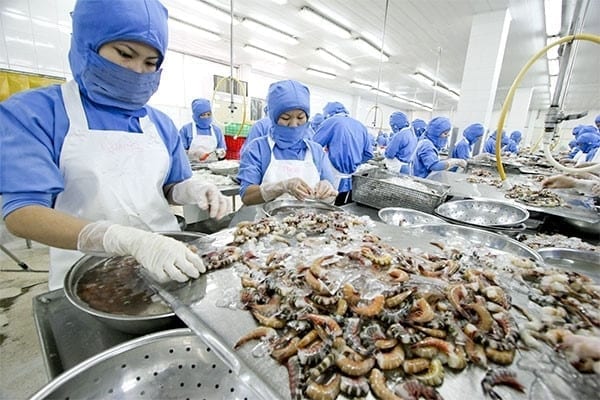
    Vietnam’s shrimp export value plunged almost 15 percent year-on-year in September, hit by the rising dollar and other factors. The Vietnam Association of Seafood Exporters and Producers (VASEP) said shrimp export value dropped by 14.8 percent year-on-year in September.

    Total shrimp export value for the first nine months of the year went down four percent year-on-year to $2.6 billion, the association added.

    The slip in export value began in the second quarter, because of several factors including excessive shrimp supply across the globe and overseas markets taking safeguard action to protect domestic enterprises, the association said.

    Global shrimp supply is expected to rise some 5.5 percent from 2017 to 2018, Undercurrent News, a global seafood news publication, quoted James Anderson, a University of Florida seafood economist, as saying.

    The situation has been worsened by the rising dollar, causing importers to buy less.

    The DXY index of the U.S. dollar versus six developed market currencies is up 4.82 percent this year, now topping the rise of the dollar against emerging market currencies.

    This saw the shrimp export value to the U.S. decrease continuously from April to July this year. In the first nine months of the year, it fell three percent year-on-year to $472.4 million.

    A similar trend can be seen in shrimp exports to the E.U., despite an impressive increase in value in the first six months of the year, the association said.

    VASEP expressed hope that if world prices improve in the coming months, Vietnam’s shrimp export output will increase in the fourth quarter and boost total value for the year to $3.85 billion, last year’s figure.

    However last year’s shrimp export value marked a year-on-year increase of 22 percent.

    Vietnam is world’s third-largest shrimp supplier, according to the agriculture ministry.

  • Japan’s % Coffee to open in China

    Japan’s % Coffee to open in China

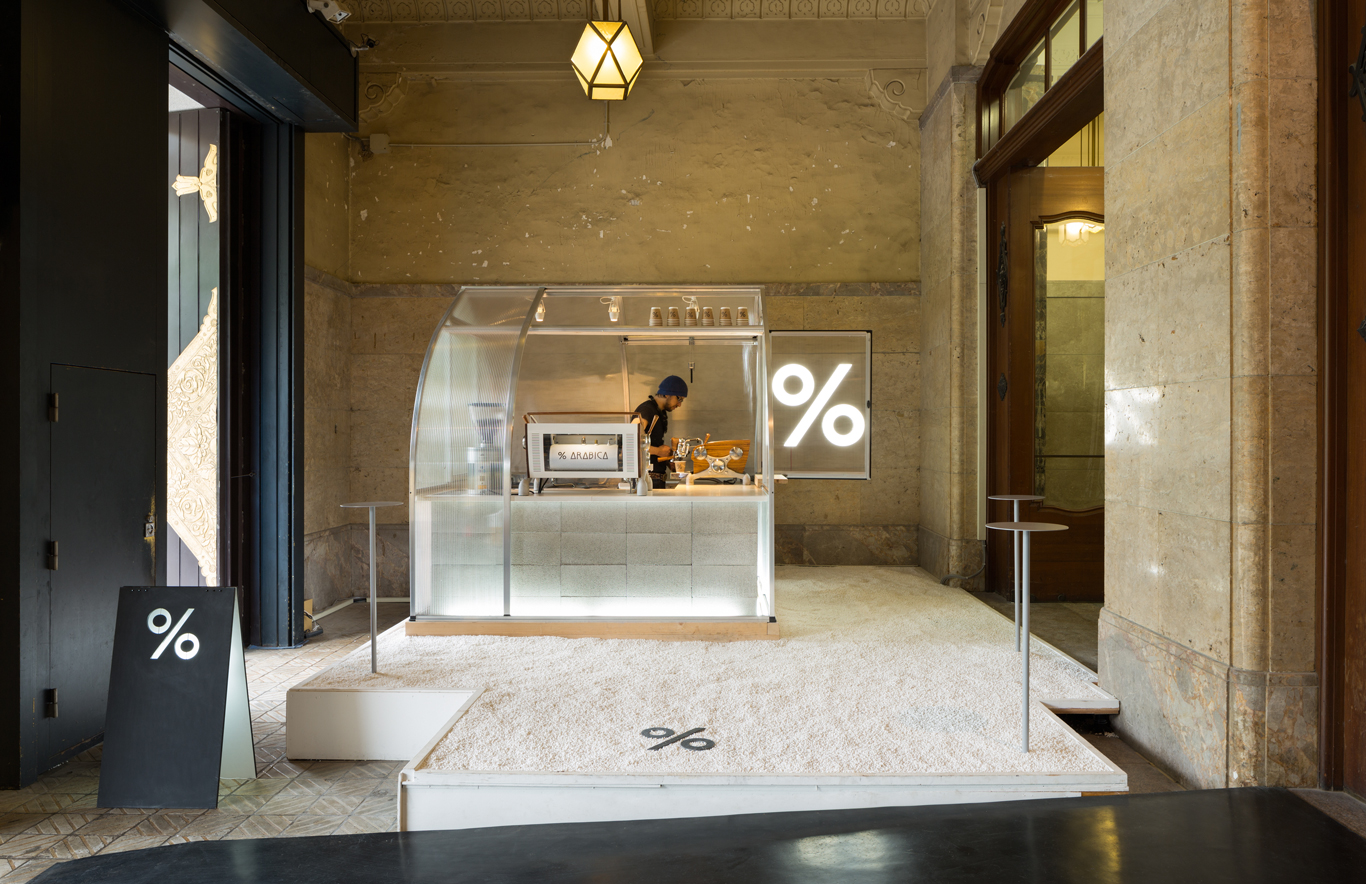
    Japanese cafe chain % Coffee is preparing to launch new locations in China and Hong Kong. The business is planning to open its fourth Hong Kong store at Monster Mansion in the middle of next month, its 27th location worldwide. Meanwhile, the franchise’s head roaster Takahiro Uemisha is stationed in Shenzhen preparing for the opening of three locations in the city, scheduled to open within the coming months.

    Shanghai will see two % Coffee stores emerging in Xintiandi and Fangsuo Bookstore. Both locations are being designed by the brand’s new architect Alexis Dornier.

    The Kyoto-headquartered coffee chain is preparing to open its first store in Singapore as well as plotting expansion into Indonesia, Malaysia and India.

    With its slogan “See the world through coffee”, % Coffee has built a strong following via social media. As well as its Asian foray, the company has outlets in Germany and several Middle East markets, with plans for France, Morocco and Canada.

    The Japanese cafe chain was founded in 2014 by Japan-born Kenneth Shoji who grew a love for the beverage while studying in California.

  • Uber Eats India, CCD partner for virtual restaurant network

    Uber Eats India, CCD partner for virtual restaurant network

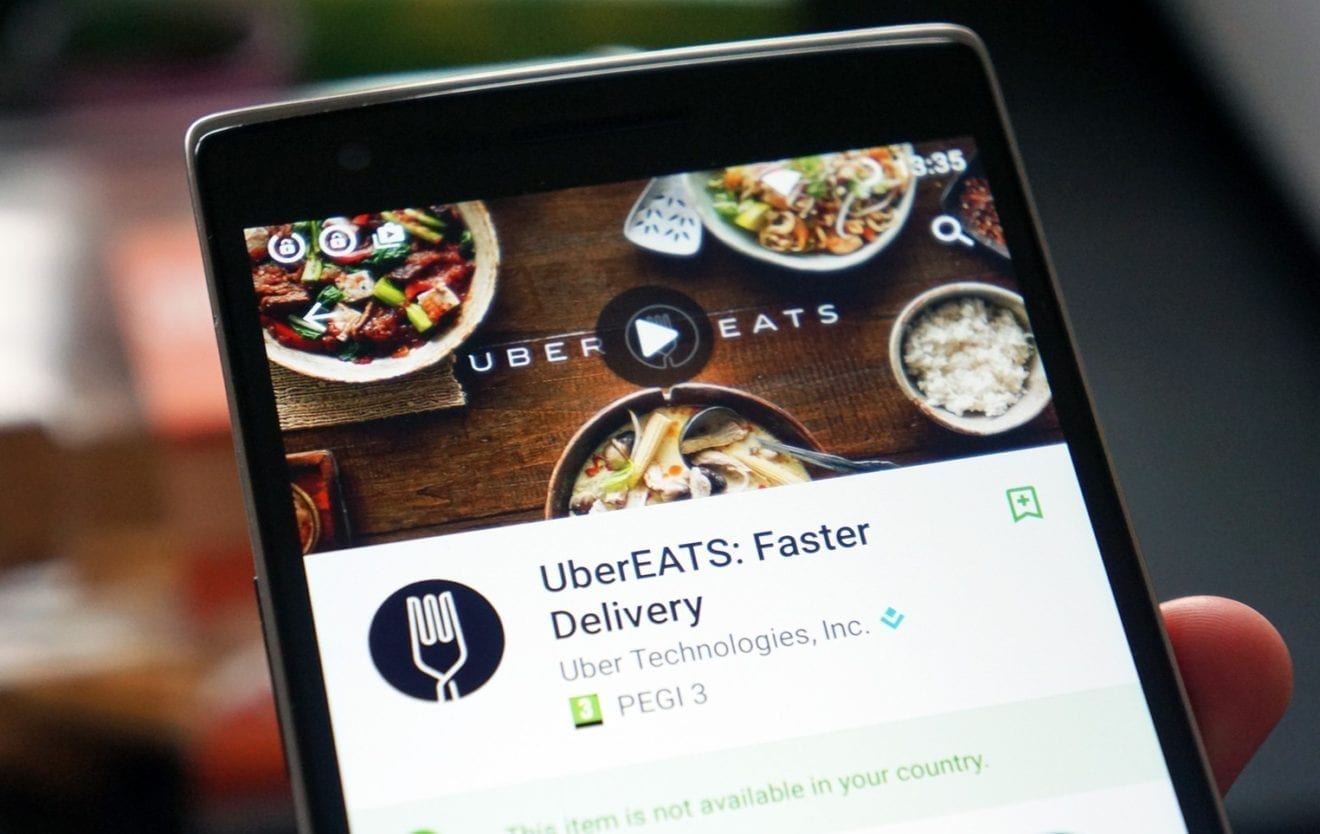
    Food delivery app Uber Eats in partnership with Cafe Coffee Day (CCD) on Friday launched a network of virtual restaurants that will offer more choices of ‘delivery-only’ restaurant brands. The first restaurant brand under this partnership is scheduled to launch in mid-November on Uber Eats app, the company said in a statement.

    “We are thrilled to partner with CCD – the pioneers of cafe culture in India,” said Jason Droege, Vice President of UberEverything, Uber Technologies.

    “Using experience and lessons learnt in the virtual restaurant space from our global operations, we hope to provide our Indian restaurant partners greater growth opportunities,” Droege added.

    Uber Eats is currently present in 37 cities in India while CCD has a network of 1,742 cafes across 246 cities in India.

  • Starbucks Coffee Korea boosts cashless store ranks

    Starbucks Coffee Korea boosts cashless store ranks

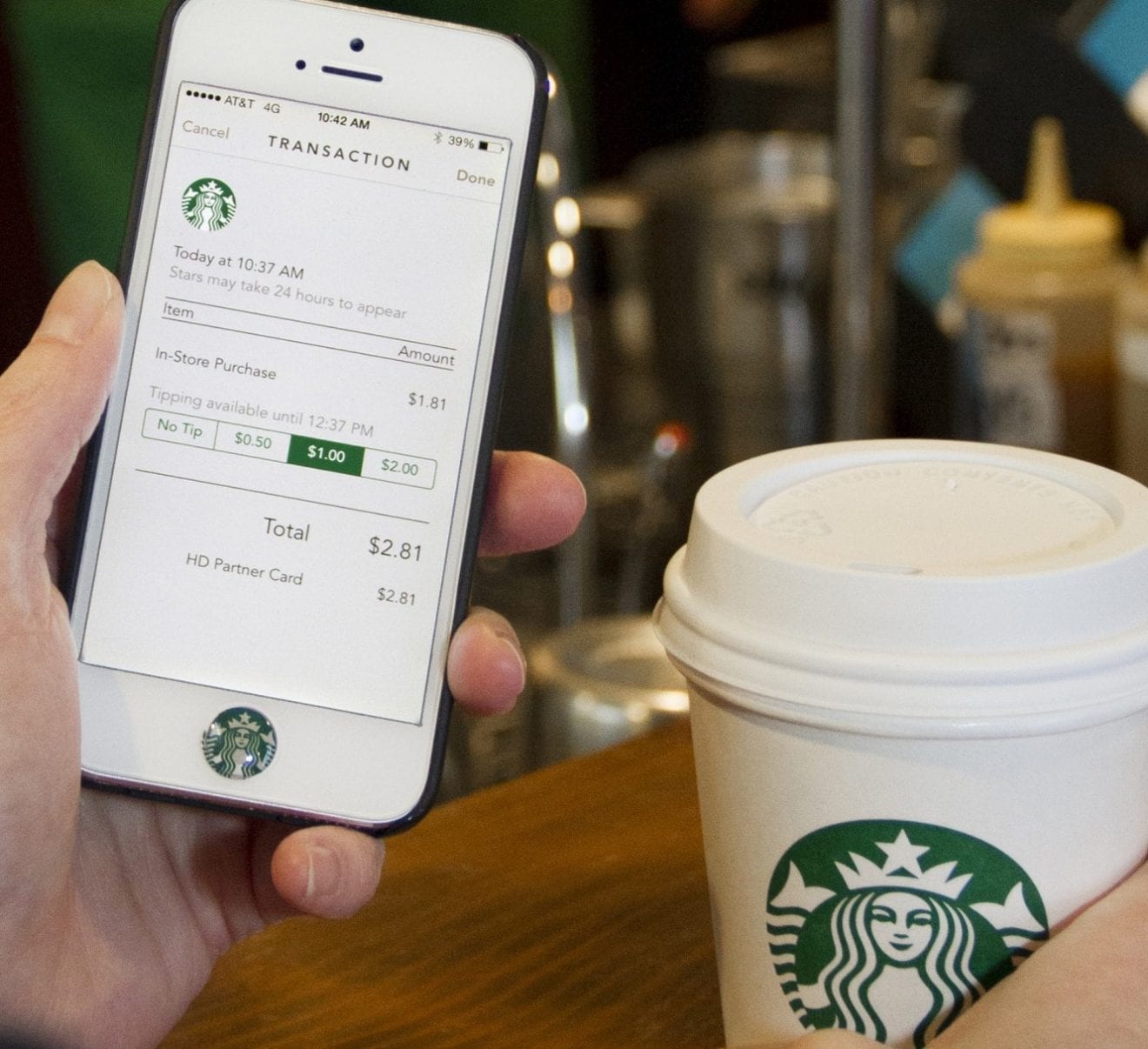
    Starbucks Coffee Korea is adding 300 more ‘cashless shops’ in addition to the 103 stores currently in operation, starting on Monday. Cashless stores require customers use a means of payment other than cash. The company noted that adding 300 more cashless stores would amount to one-third of the 1200 Starbucks shops in South Korea.

    “Instead of cash, customers will be asked to use credit cards, Starbucks cards, mobile transactions and other means of payment,” a company representative added.

    Over the past three months, Starbucks reduced the ratio of cash transactions at its stores from 3.4 per cent to 0.2 per cent on average. The average number of cash transactions per store dropped from 19 to 1.1 per day.

    “Cashless stores can better focus on customer satisfaction since employees don’t have to spend time going to the bank to balance cash,” Starbucks Coffee Korea said.

  • Shell Malaysia Launches 24-Hour Unmanned Petrol Mart

    Shell Malaysia Launches 24-Hour Unmanned Petrol Mart

    Shell Malaysia has opened its first unmanned Select convenience store. Located at Shell Tezz Enterprise on Jalan Tun Razak, the store trades 24-seven and is powered by technology from BingoBox. Customers can select goods from the shelves and place them on the store counter which automatically calculates the price. Payments can be made by debit or credit cards, or by BingoBox’s mobile app.

    BingoBox is based in China and has launched in Malaysia through a joint venture with local company Scientific Retail.

    “Using BingoBox Retail Technology, we can provide customers with a seamless shopping experience when they are at Shell at any time of the day,” said CEO of Scientific Retail, Ng Seong Ping.

    Shell Malaysia MD Shairan Huzani Husain said the technology will improve customer service.

    “Our Shell site employees now have more time to attend to customers’ needs, thus ensuring they are able to leave our station a little happier,” he said.

  • New product helps Vietnam’s canned coffee market

    New product helps Vietnam’s canned coffee market

    One of the largest beverage makers in the world is hoping to ‘capture’ Vietnamese taste with its new canned coffee product. Coca-Cola, one of the two biggest players in the Vietnamese carbonated beverages market, has entered the canned coffee market with Georgia Coffee Max.

    Though Vietnam is the second largest exporter of coffee in the world, its ready-to-drink coffee market has not attracted much attention from major players.

    Coca-Cola’s move could breathe life into it, but the challenge is not a small one, industry insiders said.

    For instance, at a supermarket on Quan Hoa Street in Hanoi’s Cau Giay District, canned coffee products do not have their own section, but are placed among other carbonated and energy drinks.

    Four brands of this rarely-seen product — Birdy, Nescafe, Highlands Coffee, and My Café — sit inconspicuously among dozens of other beverages.

    According to the shop assistants, canned coffee is hardly purchased, and sometimes is not bought for weeks at a time.

    The market for canned coffee came to existence 10 years ago with the entry of Birdy Coffee from Japan’s Ajinomoto.

    A year later Nestlé, which wanted a piece of the action, established a canned coffee production line at its plant in the southern Dong Nai Province.

    Other early birds included local dairy giant Vinamilk, which started putting up ready-to-drink coffee production facilities, followed by two then-emerging brands, Tan Hiep Phat and Highlands.

    Though initially many of the brands ran aggressive marketing campaigns, the market gradually fizzled out. Many products disappeared completely within a short time.

    In 2013 local coffee giant Trung Nguyen launched a range of fresh coffee products in bottles and cartons in sizes ranging from 500 ml to a liter. Within two years these too disappeared from grocery store and supermarket shelves.

    Today only a few names are left in the market, like PepsiCo, Highlands Coffee, Nestlé, Ajinomoto, and the new entrant, Coca-Cola.

    The real challenge for producers is no longer getting market share but changing consumer habits.

    Industry insiders quoted customer feedback as saying canned coffee is like fast food, sweet and lacking the authentic coffee taste.

    Speaking at the launch of the new product, a Coca-cola executive said though there are other brands in the market, their research showed the pie is large enough for new players to enter.

    Le Trung Tin, director of the Georgia Coffee Max line, said the secret to success is capturing the Vietnamese taste in the canned coffee.

  • Jubilant FoodWorks Limited Q2FY19 standalone net profit rises yoy

    Jubilant FoodWorks Limited Q2FY19 standalone net profit rises yoy

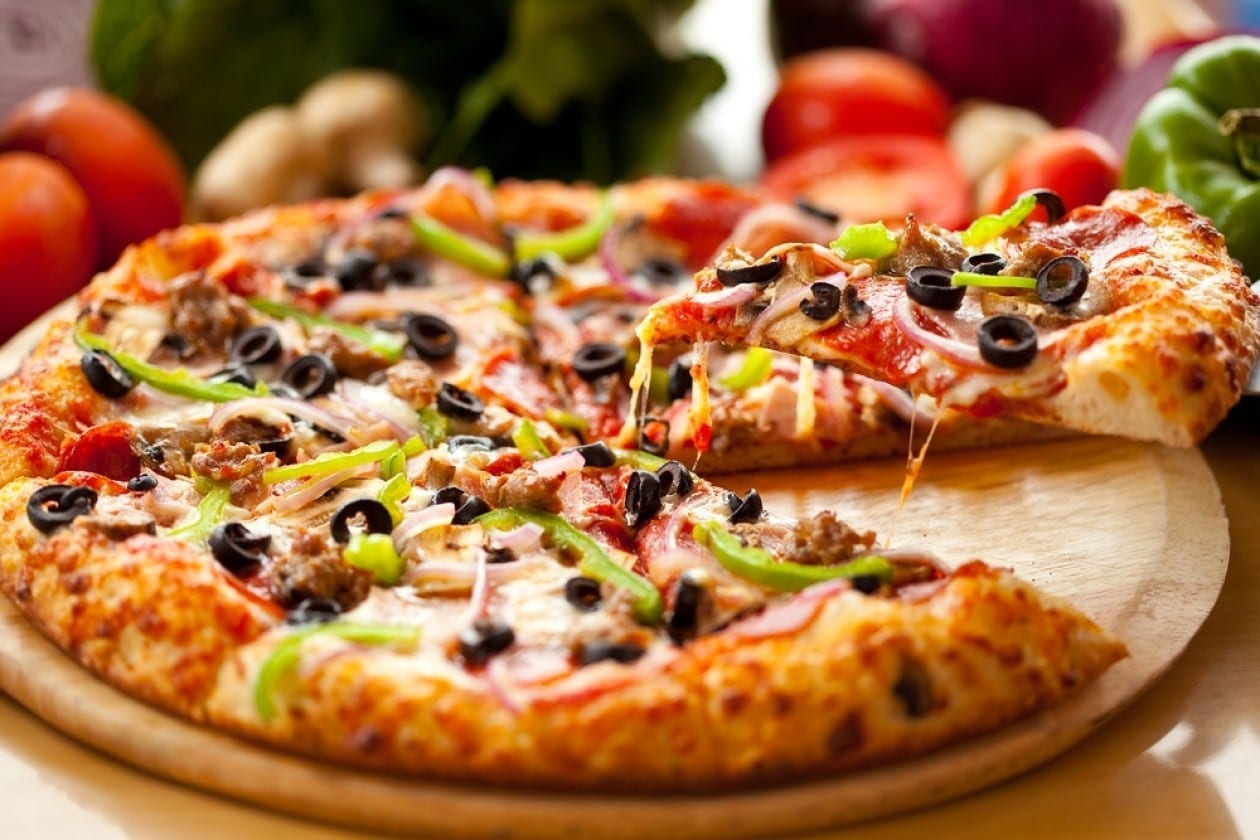
    Jubilant FoodWorks Limited (JFL) has reported its financial results for the quarter and half year ended September 30, 2018. Operating revenues for Q2 FY19 were Rs 8,814 million, a growth of 21.3 percent over Q2 FY18 and a sequential growth of 3.1 percent over the previous quarter, driven by a strong same store growth (SSG) of 20.5 percent in Domino’s Pizza.

    EBITDA for Q2 FY19 came in at Rs.1,475 million at 16.7 percent of revenue, a growth of 44.4 percent over Q2 FY18. Profit after Tax in Q2 FY19 was at Rs 777 million at 8.8 percent of revenue and a growth of 60.2 percent over Q2 FY18.

    The strong performance in Q2 FY19 was a result of continued momentum driven by strategic initiatives taken during the recent past such as the product upgrade All New Domino’s, Every Day Value (EDV) extension to regular pizza and the continued momentum of online sales driven by the new Domino’s app.

    In particular, the new Domino’s app introduced during Q1 FY19 has been liked and received strong user ratings. Features like Easy Location Selection, Automatic Re-ordering, Train Ordering, Advance Ordering and hassle free payments have been well received. Online sales were up to 68 percent of delivery sales in the quarter, with 1.7 million downloads of the new app, the highest ever.

    The company stepped up the store opening momentum during the quarter, with 24 new Domino’s stores being opened, the highest in the last seven quarters.

    Dunkin’ Donuts too did well with strong growth driven by donuts and beverages; its losses more than halved over last year.

    Commenting on the performance for Q2 FY19, Shyam S. Bhartia, Chairman and Hari S. Bhartia, Co-Chairman, Jubilant FoodWorks Limited said, “We are pleased with our Q2 FY 19 performance. Strong growth momentum continues to be driven by successful execution of growth strategy outlined at the beginning of FY 2018. ”

    Commenting on the performance for Q2 FY19, Pratik Pota, CEO and Whole time Director, Jubilant FoodWorks Limited said, “Despite significantly increased competitive intensity, Q2FY19 was yet another strong quarter delivered by our continued focus on the basics. Growth was driven by a strong and sustained momentum in delivery orders. In particular, our digital focus showed good results with strong online sales growth, enabled by the new Domino’s app garnering strong user ratings and having a slew of innovative and user friendly features. Dunkin’ Donuts too delivered healthy growth and is moving towards profitability.”

  • Ronin Japanese Cuisine (Wanchai) Re-open with Facelfit

    Ronin Japanese Cuisine (Wanchai) Re-open with Facelfit

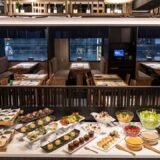
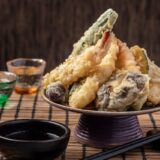
    Hong Kong’s contemporary Tabehoudai (all you can eat) Japanese buffet RONIN JAPANESE CUISINE (WANCHAI) is celebrating a new facelift introducing enriched lunch and dinner menus showcasing freshest ingredients and seafood.

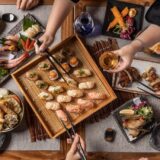
    The restaurant’s quality Tabehoudai dinner, uniquely enjoyed at leisure without time limit from 6:30 pm to 10:30 pm daily, is priced just HK$328 (HK$188 for children and elderly) from Sundays to Thursdays, or HK$348 (HK$208 for children and elderly) on Fridays, Saturdays, public holidays and eves of public holidays.

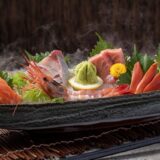
    Offering business executives the ideal lunch option is a wide selection of fresh sashimi and sushi, Japanese donburi, tempura and sukiyaki sets range from HK$68 – HK$188, highlighting Special Sashimi Platter (HK$68), 8 Kinds of Sushi (HK$138), Ronin Deluxe Sashimi Donburi (HK$150), Ronin Tempura Set (HK$188), Grilled Steak & Foie Gras with Wasabi Sauce (HK$158), Pan-fried Lamb Rack and Prawn with Japanese Style Sauce (HK$148) and another enticing choices.

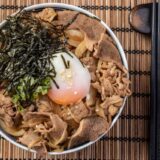
    In celebration of the new facelift, RONIN JAPANESE CUISINE (WANCHAI) is introducing a special early lunch promotion till 12:30 pm, featuring sumptuous Diced Sashimi Donburi and Onsen Egg and Beef Donburi at only HK$50, including soup and a drink, available 7 days a week.

    On special promotion through November, guests who check-in via Facebook or Instagram additionally receive a complementary ‘Seafood Platter’, presenting the finest catch of the day.

    RONIN JAPANESE CUISINE (WANCHAI)’s fresh and welcoming new look introduces a serene and contemporary Japanese design in dark wood with minimalist décor in earthy tones for an authentic and affordable Japanese dining experience in a rustic and friendly atmosphere.

    RONIN JAPANESE CUISINE (WANCHAI) has attracted a loyal following since opening in 2014 – inspired by the spirit of samurai warriors known by the same name during Japan’s feudal era (1185-1868), who grew tough from confronting various challenges.  Likewise, the brand is dedicated to overcoming obstacles and challenges with the dedicated goal to serve only the very best to customers, including top quality ingredients flown jet fresh daily from Japan.

    RONIN JAPANESE CUISINE (WANCHAI) is part of the Top Standard Corporation stable of Hong Kong restaurants that also encompasses premium sister Japanese restaurant RONIN JAPANESE CUISINE (CENTRAL) in Wellington Street; iconic Chinese dining destination San Xi Lou at Coda Plaza, Mid-Levels and Times Square, Causeway Bay; and Pure Veggie House at Coda Plaza, Mid-Levels.

    View the gallery below for the new look of the restaurant (6 images) :
  • 18 hours queue for Jollibee London opening

    18 hours queue for Jollibee London opening

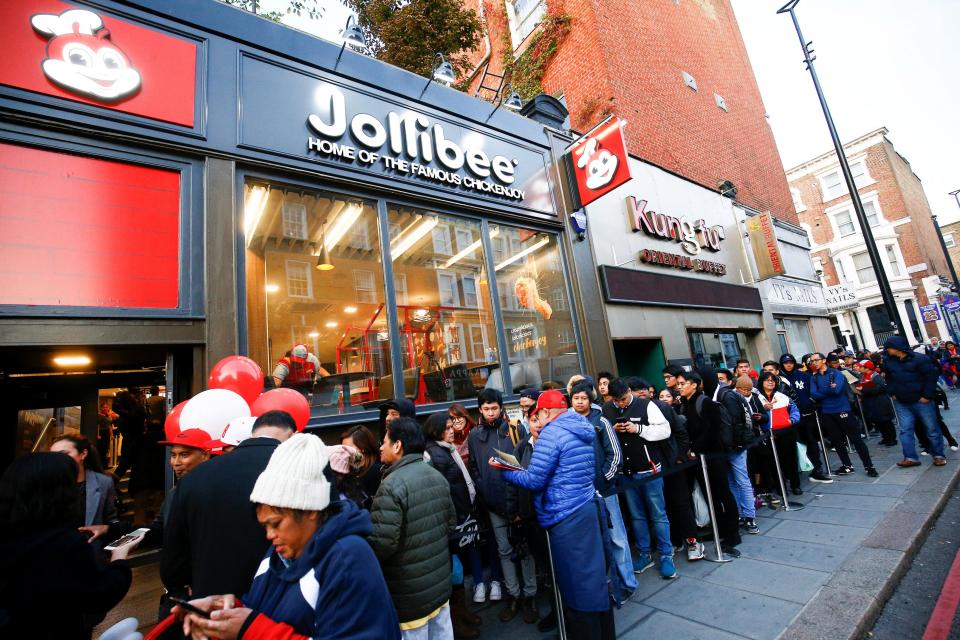
    Jollibee opened its first fast-food restaurant in London on Sunday, drawing queues of expat Filipinos who braved the autumn chill overnight to be among the first locally to savour Chicken Joy and burgers. According to mainstream news media, “thousands” of Filipinos visited the Jollibee London restaurant, located in Earl’s Court.

    Ernesto Tanmantiong, CEO of Jollibee Foods, said at a press briefing on the site that the crowds at the London store demonstrated the depth of customer loyalty to the brand which was helping the company reach its ambition of expanding all over the globe. He wants Jollibee to one day become the world’s largest fast-food operator.

    “Today, we are at number 11 or 12, depending on [our] stock price. To achieve that dream, we will require an aggressive expansion coming from strong organic growth and strategic acquisitions.”

    Jollibee plans to open 50 stores across Europe during the next five years, with Spain and Italy the priority markets after the UK, where it would target large cities.

    “We believe we can be successful in the UK because of two factors,” added Dennis Flores, head of international business in Europe, Middle East, Asia and Australia. “We know our flagship product is Chicken Joy and the UK is the largest fried chicken [market] in Europe.”

  • Coffee shop in South Korea start closing down

    Coffee shop in South Korea start closing down

    South Korea’s once burgeoning franchised coffee shop market has reached saturation point – and the fallout has become extreme. According to a report, one in 10 South Korea coffee shops closed their doors last year – the equivalent of more than 1000 stores.

    Lee Kyung-hee of the Korea Business Strategy Institute described the situation as “a coffee war”.

    “While restaurants and even convenience stores are adding coffee on the menu to sell, the coffee war is intensifying as now even offices own espresso machines,” he said.

    Citing local corporate tracker CEO Score, the paper reported that the number of franchisees in Korea hit 87,540 as of the end of last year, based on a list of 118 franchise brands registered with the Korea Franchise Association.

    Of those, 11,198 were coffee and beverage stores, representing the third largest sector of the South Korean franchise market behind convenience stores and fried chicken restaurants.

    South Korea coffee franchises are being hit by convenience stores developing takeaway coffee services at prices as low as 1000 won (US90 cents) in the case of 7-Eleven, or about a quarter of the price of a Starbucks coffee. The country’s 1000+ Starbucks stores are not included in the data because they are company owned.

    Local chains have been cutting store networks and staff numbers to remain competitive.

    Seven-year-old chain Cafe Droptop, which has 240 stores, has cut its employee count by about one fifth. Caffe Bene applied for court protection from bankruptcy early this year having struggled in both its home market and abroad and is closing domestic stores.

  • KitKat opens Osaka shop for made-to-order premium chocolate bars

    KitKat opens Osaka shop for made-to-order premium chocolate bars

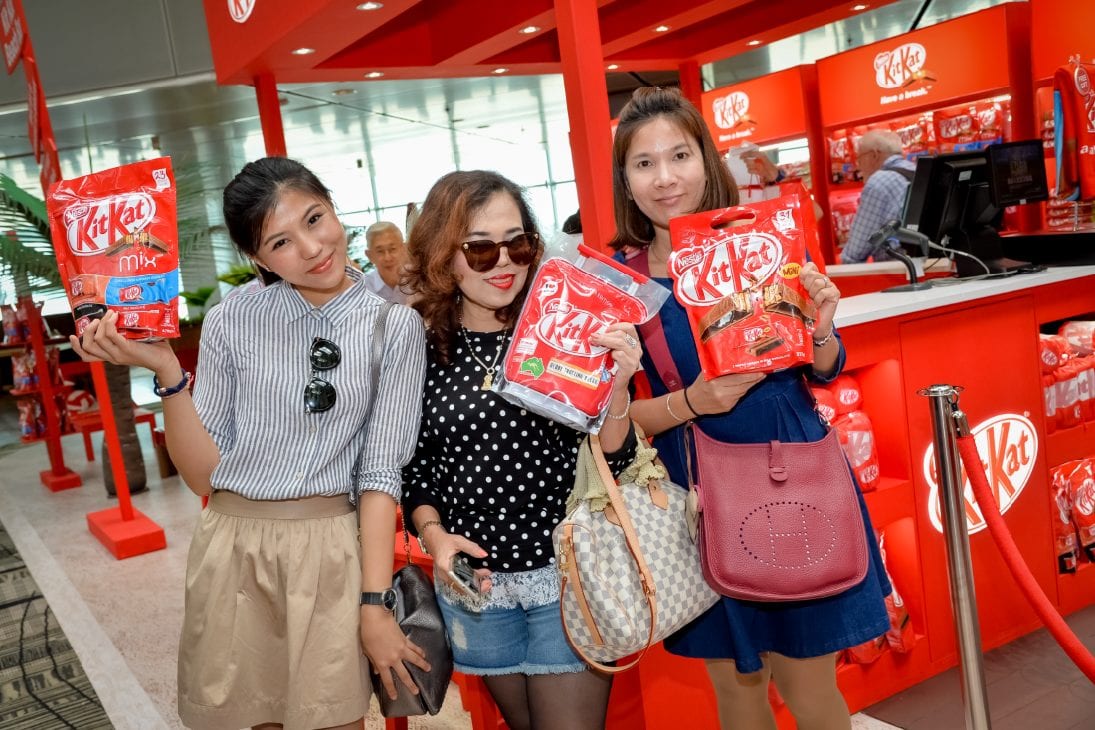
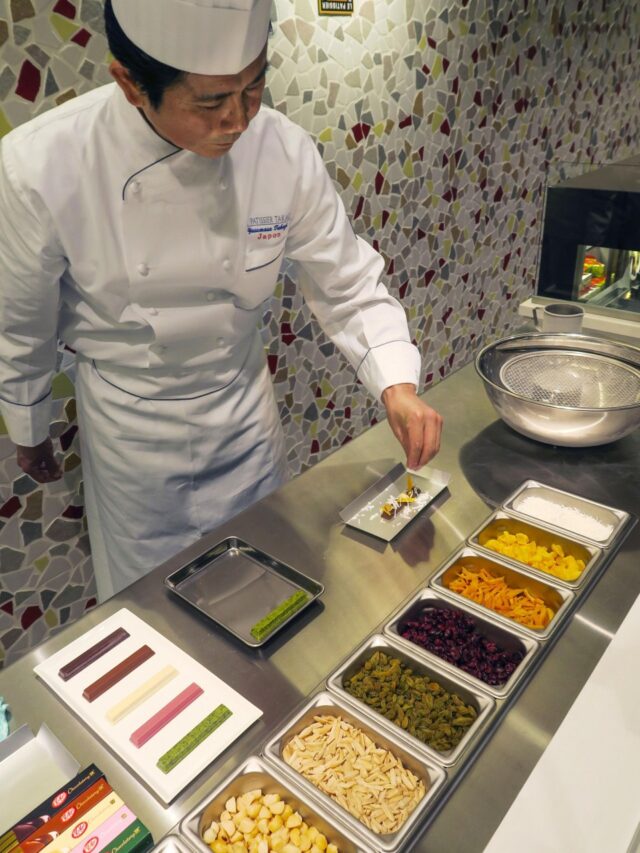
    Nestle Japan has opened a permanent made-to-order Kit Kat store in Osaka. The new specialty store is the first and only permanent location in Japan where personalised Kit Kats can be made. It offers customised creations chilled on-the-spot with liquid nitrogen, with customers choosing from three types of chocolate and nine toppings.

    The store is located just outside Nankai Electric Railway’s Namba Station, a prominent Osaka sightseeing location, given the expected popularity of bespoke Kit Kats among tourists.

    Japan has developed a reputation internationally for its unique Kit Kat flavours, which have proved popular with visitors to the country. The confectionery originally comes from the UK.

    Nestle Japan says its made-to-order Kit Kats are sold from ¥702 (US$6.25).

  • Vietnam fruits, vegetables struggle to enter overseas market

    Vietnam fruits, vegetables struggle to enter overseas market

    Vietnamese fruit and vegetable exporters are struggling with many countries increasing quality standards for them. Dragon fruit, which accounts for 40 percent of Vietnam’s fruit and vegetable exports in value, is facing the biggest challenge as China, which used to buy 80-90 percent of Vietnam’s dragon fruit mainly through border gates, has tightened the import through the channel.

    The importer has also improved standards on quarantine and food safety and origin tracking to Vietnamese fruits, including dragon fruits.

    Facing the difficulties, many traders have recently stopped buying the fruit in some major growing regions.

    As a result, prices of the fruit have plummeted. Recently farmers in Binh Thuan Province said that prices are down 90 percent to VND1,500-2,000 ($0.06-0.08) per kilogram.

    Vietnam’s dragon fruit exports might see more pain since China may reduce purchases after expanding its own cultivation, warned by industry insiders.

    Vietnam’s Plant Protection Department said China has planted dragon fruit on 20,000 hectares in places such as Guangxi and Hainan.

    The department said this area would increase to 30,000 hectares next year.

    Chili, which accounts for a third of Vietnam’s total vegetable export value, is struggling in the Malaysian market.

    Malaysia is among the three largest buyers of chili from Vietnam along with South Korea and China.

    But it announced to cease licensing the import of chili from Vietnam from September 14 after detecting excessive residues of plant protection products in chili shipments.

    Together with dragon fruits and chilli, papaya has struggled to enter overseas market.

    The South Korean Ministry of Food and Drug Safety has informed Vietnam’s Plant Protection Department that it discovered genetically modified papaya in shipments from Vietnam.

    South Korea does not allow entry of genetically modified organism (GMO) products.

    A spokesperson for a large papaya exporter in southern Long An Province said that farmers knew about this policy, and some GMO fruits went into the consignments despite their efforts to prevent it.

    It is working with farmers to grow non-GMO fruits, the spokesperson added.

    Nguyen Quoc Vong, a researcher in the GMO fruit industry, said the trend in developed countries is to consume non-GMO products.

    He warned that Vietnam would be shut out of high-end markets if it exports GMO products since food safety standards around the world are rising.

    “Our competitors like Thailand do not grow GMO produce, so they will have an advantage in high-end markets where we cannot compete,” he said.

    Vietnam earned $3 billion from fruit and vegetable exports in the first nine months of this year, up 15.2 percent over the same period last year, according to the General Statistics Office.

  • Johnnie Walker Manila pop up opens

    Johnnie Walker Manila pop up opens

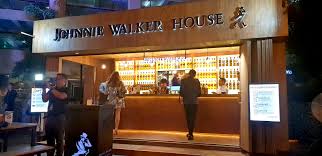
    Scotch whisky brand Johnnie Walker has opened a pop-up store in Bonifacio Global City. The first Johnnie Walker pop up in the Philippines, it follows permanent Johnnie Walker Houses in cities including Singapore, Beijing, Chengdu, Shanghai and Seoul.

    Like the Houses, the Johnnie Walker Manila pop up is designed to immerse customers in the history, provenance, and pioneering spirit of the brand, resembling part lifestyle space and part museum and showcasing the brand’s heritage.

    The Johnnie Walker Manila pop up is located at Burgos Park. Centrestage inside is a ‘highball bar’ where guests can order various Johnnie Walker vintages, blends and cocktails.

    The space doubles as an event space, hosting ‘Johnnie Weekends’ for fans of the brand and exhibitions or shows by photographers, musicians and other artists, guest appearances by celebrated cocktail specialists, and even quiz nights.

    The Johnnie Walker Manila pop up is open from 5pm to 2am on Tuesday through Saturday until October 25, before it is relocated to other locations in Metro Manila, including Greenbelt 3 from November 18 to December 28.

    A more permanent Johnnie Walker House is under consideration for Manila.